Microsoft pulled out all the stops during their E3 2019 Press Conference showcasing a total of 60 games.
Twenty-two of those games are indie titles, all of which will be available on Xbox Game Pass at launch.
A handful of the games really stood out to me. Which? Well, Blair Witch, Blazing Chrome, Riverbond, Star Renegades and AfterParty which I covered a while back here on Nitchigamer.
The full list can be found below:
ID@XBOX Games Shown at E3 2019
Dead Static Drive
Star Renegades
Afterparty
Way to the Woods
Creature in the Well
Killer Queen Black
Undermine
Pathologic 2
Lord of the Rings: Living Card Game
The Good Life
Blazing Chrome
Spiritfarer
TABS: Totally Accurate Battle Simulator
Secret Neighbor
Supermarket Shriek
Blair Witch
Unto the End
Night Call
Riverbond
Felix the Reaper
Ikenfell
Totem Teller
It is important to note that both Riverbond and Supermarket Shriek are available on Game Pass right now! The other titles are set to release later this year.
As a Game Pass subscriber, I will add more than a few of these to my library. I hope you do too!
Next up, of course, is Nintendo’s E3 Direct. We’re hoping to see some rather unique games on show there.
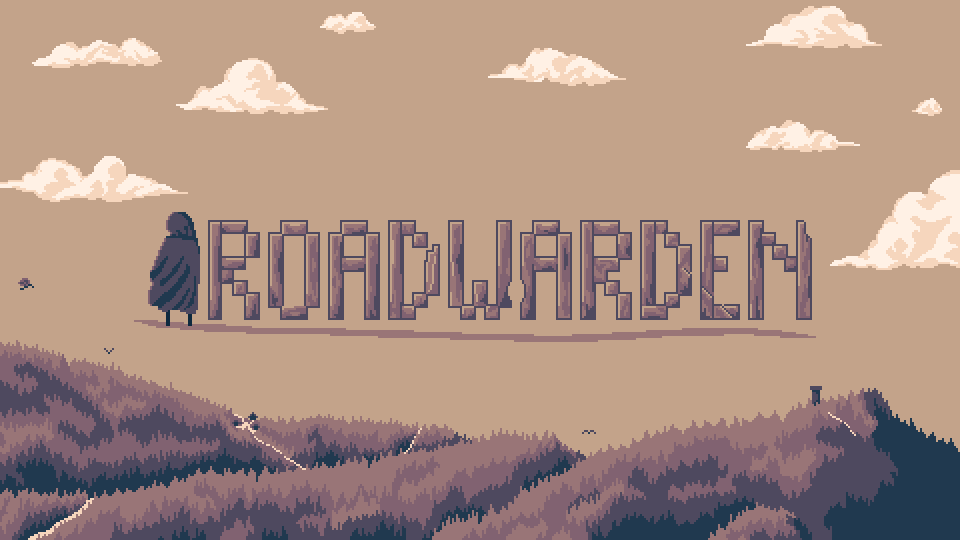
Roadwarden is a new interactive fiction title in which the player explores a hostile realm. It’s coming from Moral Anxiety Studio who developed The Tavern.
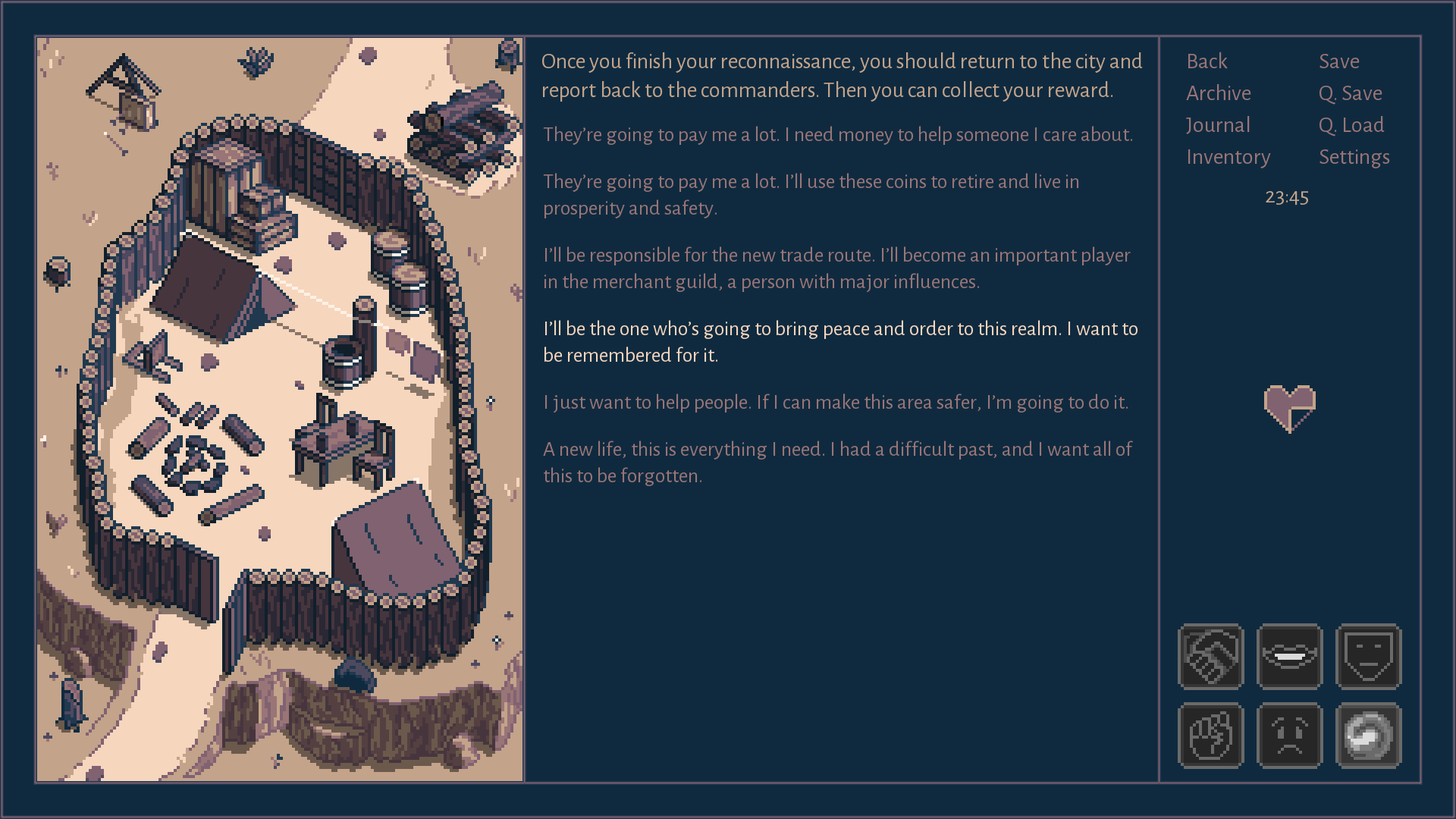
The game combines complex dialogues and the simplified graphics of visual novels along with an open story structure and the mechanics of RPGs.
With around 10 hours of content, Roadwarden also features an impressive ‘attitude system’.
Whenever the player encounters new characters, they can select one of five attitudes: friendly, playful, distant, intimidating or vulnerable. Their choice impacts the subsequent interaction and changes the mood and the direction of the general conversation.
Roadwarden uses isometric pixel art to present areas, items and events, and various sidequests and hidden interactions have been developed to ensure multiple playthroughs for enthusiasts.
It’s due out in the first half of 2020 as a digital download for PC and Linux.
The Killer, 1989, is probably John Woo’s best film next to Hard Boiled. The scene in the church (the house scene) is action choreography at its best. Action scenes when done right are like a dance, everything unfurls and glides — an artform with style, finesse and grace.
DeadToast Entertainment’s My Friend Pedro is a 2D side-scrolling, run and gun game. Inspired by the movies of John Woo, the goal is to dispatch enemies in extremely cool, inventive ways and to chain them for maximum points. Published by Devolver Digital, this is a highly anticipated indie game.
Starting in a warehouse when a glowing floating banana wakes you up and guides you out, it appears the warehouse is full of henchmen who don’t want you to leave. You must escape and take out these henchmen in the coolest way possible.
My Friend Pedro is all about the gameplay; it’s just pure play and pure fun. You can jump, wall jump, hit, kick, evade (which is a cool little spin), roll and shoot; these mechanics put together to create one of the best game flows I’ve felt in a very long time.
You will jump off a wall, roll, stand up, shoot, then evade; it feels so responsive and innate. Additionally, you can slow down time allowing you to aim with more precision as well as do an awesome spin in the air. Furthermore, if you have two weapons, you can set a lock with one hand while the other has free aim allowing you to clear out sections quickly.
The demo ended with me on a motorbike drinking down a highway, popping wheelies, doing backflips and shooting down cars.
Graphically the game is simplistic with character models being the defining feature. The backgrounds have this noir-esque feel too them, concentrating more on the lighting than the environment itself.
Though, tonally, it fits well with the game providing an ambience to the proceedings. Its strength is that it does not distract from the gameplay, that’s key to the talent of the artist; they knew the gameplay was more important.
So, what do I think? I think this game is fantastic. It’s just so fun! When I put the controller down, I had a grin and knew I’d be buying it.
Everything flows with the game, but most importantly, it just plays well. It reminded me of being a teenager and playing the Tony Hawk games, that enjoyment of just playing. The way you can chain everything together, it’s absorbing and refreshing.
The Switch is the perfect home for this type of title, and for those without a great deal of time, that pick up and play mentality, blast a level here and there, then back to work.
My Friend Pedro is set for a June 2019 release date for Windows and Switch, so grab a banana and go dancing.
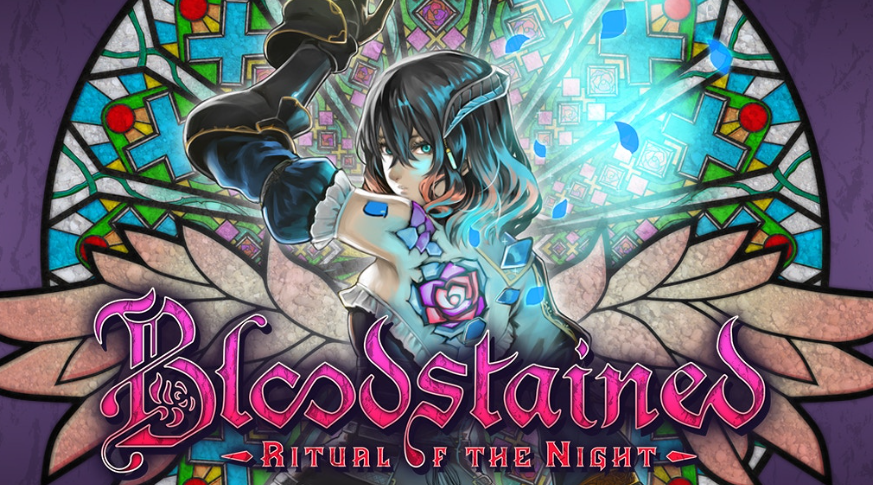
Ritual of the Night, a stark resemblance to its predecessor’s title; for many it will undoubtedly conjure nostalgia and quality.
That predecessor, for many, is a crowning achievement in video gaming, in many lists of the greatest videogames of all time and responsible for coining the term ‘Metroidvania’.
So, this game has some boots to fill, some big ass, sexy, kinky boots that would make some foot fetish person descend into some erotic madness… you know, those kinds of boots.
I have been somewhat hesitant of this title. As a fan of the Metroidvania genre (Super Metroid is my favourite game of all time) and as a lover of the Castlevania games that adopted this playstyle – yes, even the Gameboy Advance and DS bad boys – something felt off.
Watching early demo and gameplay footage, it seemed a bit bare, hollow and clinical. There was no emotion to it; it felt paint by numbers to appease fans.
However, I had faith and was allowed to try out the game. So, does it deserve to reinterpret a beloved title or is it just another Kickstarter corpse?
Readers who may not be aware of what I am talking about: Bloodstained is the spiritual successor to Castlevania and notably Symphony of the Night; the highest rated game in the classic series.
Sharing the same producer, Koji Igarashi, it surpassed its Kickstarter goal and is one of the highest funded products on the platform. Published by 505 Games and with the help of WayForward (who made the criminally underrated The Mummy Demastered), the game has somewhat turned into a cult supergroup.
Bloodstained has you play as Miriam, an Orphan Alchemist who has undergone experiments that allow her to have demonic crystals transplanted into her body.
Now, Miriam must stop another alchemist who had the same experiment, Gebel. Succumbed by the demon crystals, he has lost his humanity. In defeating Gebel, Miriam will end the demon outbreak and retain her humanity.
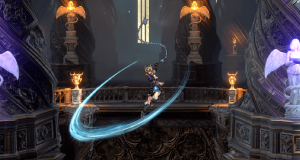
The gameplay is pretty much what is to be expected from a spiritual successor of the Castlevania series from Koji. A Metroidvania style game where exploration and levelling up is key to your success.
Leveling up is done like a traditional JRPG where experience points are given by defeating enemies and items such as weaponry and clothing provide stat bonuses. Also, you gain abilities by defeating enemies and absorbing their crystals.
Unlike its predecessor, Bloodstained has gone for a 2.5D look that really adds a modern feel to the game; using the dimension to give the world depth and a geographical sense.
A little addition is that the item of clothing selected shows up on your character; it’s something small but really goes a long way. It’s these tweaks that really add a modern touch and make the game look amazing. Moreover, the characters have a cel-shaded aesthetic that keeps it feeling nostalgic.
The demo I played started you on a boat heading to the castle when the demon force ambushes you. You must explore the boat and kill the demons. Though a small area, there was much to find and explore, you can read books to learn more, you can interact with cannons to blow up walls, and the monster types were varied enough to keep it from getting stale.
But how does it play? I hear you scream, calm down, you’ll wake up your children.
I can safely say that it only took a couple of seconds for all my anxiety to fade. It’s fantastic.
It feels slicker, it looks more beautiful and it plays just how you want it to play. Speaking with a representative, 505 games told me that the game’s speed is the same as Symphony of Night.
Hours of gameplay and various playable characters; this is something where you’ll get your money’s worth. This is a game that many have been crying for, and it delivers. Made for the fans but not for their money – for their love.
Bloodstained is set for release June 18th 2019 for Windows, Xbox and PS4. The Switch version hits slightly later on June 25th:
XIII wasn’t your typical FPS — not at all. Instead, it utilised stylish cel-shaded graphics combined with an engaging conspiracy story that featured ‘XIII’, a soldier who loses his memory and has been accused of killing the President of the United States.
The only clue XIII has to go on? A small key and a mysterious tattoo. Here’s a teaser to whet our appetites:
Back in the day, XIII featured an impressive 34 levels in the solo campaign — it was loved, by the few who bought it, for its intense gunplay and often brutal takedowns.
“This remake’s idea came naturally as we felt this unique kind of story-driven FPS experience was missing in today’s gaming landscape.
Our goal is to bring XIII’s compelling story to a new generation of players with the best possible graphics and animation.”
The XIII remake is being developed by Playmagic and will be published by Microids for PS4, Xbox One, Switch, and PC. It’s released, if you haven’t already guessed, on November 13th.
The weirdest thing of all? This writer was thinking about the game and the possible future of the franchise just last week. Freaky.
Welcome to the Wastelands. No, no. We aren’t talking about Las Vegas or West Virginia. Welcome to the post-nuclear fallout badlands of Russia.
Set in 2005, Atom RPG places you directly in the boots of a Soviet special forces cadet tasked with assisting in the restoration of the Soviet Union after the Cold War ends in mutual nuclear destruction in 1986.
Made by indie developer AtomTeam in the style of Wasteland and Fallout 1 and 2, Atom RPG promises the best of classic RPGs, but is this adventure worth the time?
Much of the game operates similar to your standard classic RPG, and this is not a knock. Though nothing groundbreaking, everything from combat to character creation and the subsequent effect on the gameplay is well-designed.
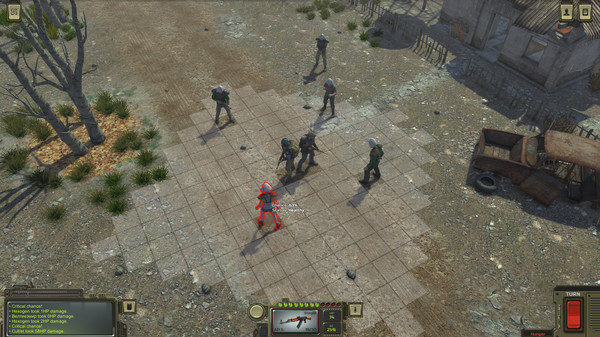
Combat is grid-based with movement and attacks dictated by how many action points you possess. You will have two forms of attack costing more or less AP depending on which you choose. This can either be bare hand and feet attacks, long or short range weapons, or some combo of either. Thankfully, you will generally have more attack points to begin with than your early opponents.
Unfortunately, as I will explain shortly, you will discover rather quickly just how ill-equipped you are for the realities of the wastes almost immediately.
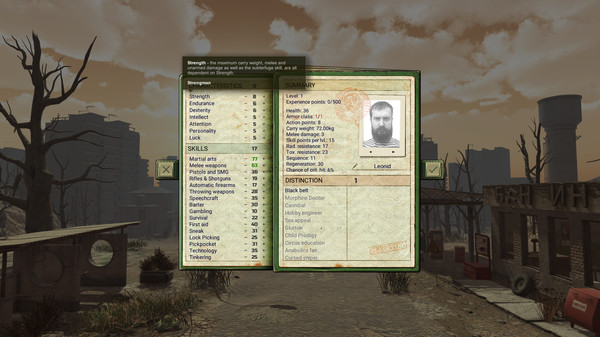
The best-laid plans of mutants and men often go awry in the wastelands. The skills and stats you choose during character creation will heavily affect your game, especially in the early stages. You can choose from the usual range of stats such as strength, endurance, and intelligence.
Your skill sets include weapons specialties such as Martial Arts for bare-handed knuckle-busting, long and short range weapons, gambling, survival, and lock picking. You also have the option to choose a “Distinction” which will auto-allocate your skill and stats points to create a very specified type of character for you.
These can be both a blessing and a curse. In fact, the downsides that come along with the “perks” of these distinctions might be worth avoiding altogether unless you already have a set strategy for the game.
For instance, you can choose to be a “Savage Hunter” which will drastically increase your damage to animals. However, no one will like you (you lose Personality points) and you will have trouble carrying all those animal skins with a significantly reduced carry weight. Some Distinctions like “Diplomat” which heavily focus on Speechcraft might not be a bad choice, but you have to make certain you deal with the fact your weapons skills will suffer significantly.
I chose to bypass the “Distinctions” and ended up making three separate characters throughout my time with Atom RPG. My third character was lower in Speechcraft and personality than the two previous, and I noticed how helpful being able to smooth talk my way through the world was from the get-go.
People easily volunteered additional information, and in one instance I was allowed through without proper papers. My other two characters were given a much harder time of things. Lockpicking came into handy right off the bat as well. It is amazing just how many locked containers I came across early on. But, I suppose that makes sense in a savage post-apocalyptic landscape.
Intelligence and mechanical skills will also come in handy during the first hour or so.
Though I prefer a character more heavily skilled in the gift of gab, I gave my final character a heavy focus on Strength and Martial Arts. This is because of how high the difficulty can be during random encounters.
When you leave a specific area such as a town or a bunker, you will appear on the world map. Using map scrolling with WASD you will locate a destination and then click on it, sending your character on their way.
During your journey, you will encounter events that range from meeting a friendly caravan to running into bandits. Even as prepared as you are regarding attack power and resistance to enemy attacks, running into four bandits, two of which are armed, within the first 30 minutes of the game almost guarantees your death. At one point, I admittedly only made it to a nearby bunker on luck. Instead of running into armed bandits that could kill me in a few shots, I ran into some giant ants instead. Giant ants are much more easily dealt with, largely because they cannot carry guns.
The game seems to be designed to push the player to heavily allocate points to only a couple of skills and stats, slowing down later progress in others.
For example, though you get a few guns early on, unless you heavily allocate skill points to their use from the beginning, they won’t do you much good. On my first run, I gave my character high personality and Speechcraft skills, allocating an average or below average amount of points to most of the other skills and stats save for intelligence. Lockpicking, and technology. All was going fairly well until the one time I could not talk my way out of a bandit encounter and then I was dead.
In fact, even with my reasonably high Speechcraft, I didn’t succeed in talking my way out of very many bandit encounters early on, thus leading me to a frustrating familiarity with the death screen.
The storyline might be your standard post-apocalyptic RPG fair, but being in another country is an exciting change. I found the writing to be enjoyable. Though you will have many standard interactions with NPCs in towns and cities and other areas, you will also run into some interesting characters.
I appreciated that the creators did attempt to create unique personalities for the people that populate the world, and you will see that come through, sometimes in fairly amusing ways.
Aside from the high difficulty, particularly in the beginning where it seems nigh on unfair, Atom RPG is very well designed. Though punishing, it feels satisfying to know your character design choices do make a significant impact on your progress and that playing the game again with different stats and skill selections will significantly change your gameplay experience, even if it does not have a huge impact on the overall story.
Atom RPG demonstrates well precisely why classic RPGs maintain a healthy audience even to this day.
We just had April Fool’s Day, so the revelation that both Super Mario Odyssey and The Legend of Zelda: Breath of the Wild are getting official VR support may come as quite the surprise.
Yes, through the enhanced functionality of the Toy-Con VR Goggles, you’ll get to play both of these games from a new dimension.
Mario Odyssey and Zelda VR
Odyssey is getting a small update in which you’ll be set challenges in three new mini-missions that involve collecting coins and music notes, and will no doubt have you wondering about the future of Mario in VR.
While the bigger surprise is that Breath of the Wild will be fully playable in VR — no, not just a small section of the game, the complete experience.
— Nintendo of America (@NintendoAmerica) 5 April 2019
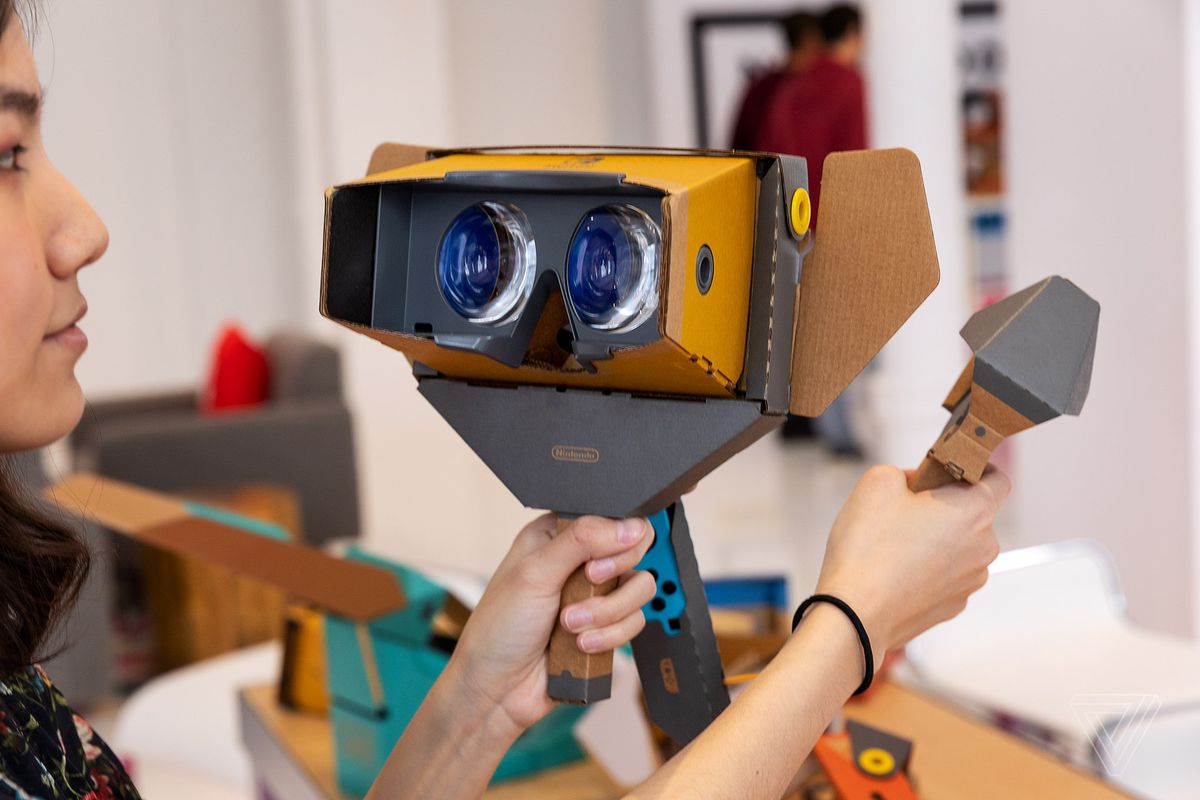
To get it all up and running you’ll need the Nintendo Labo: VR Kit that’s out on April 12th. The Kit starts at £34.99 for the basic set and £69.99 for the complete set.
The VR updates for Odyssey and Breath of the Wild go live on April 25th.
So, given the relatively weak power of the VR Kit compared to the others out there, it’s undoubtedly going to be of great interest to see how these games translate over. With that said, early hands-on reports indicate that Labo VR is proving to be better than expected, although it’s not clear how comfortable it is for long sessions.
It’s even more interesting to see Nintendo, who was once seemingly unfazed and somewhat distant about the technology, add it to its two flagship franchises.
The idea of the next Mario and Link games on a fully featured VR-enabled Nintendo system suddenly isn’t that implausible. And that would be quite something indeed.
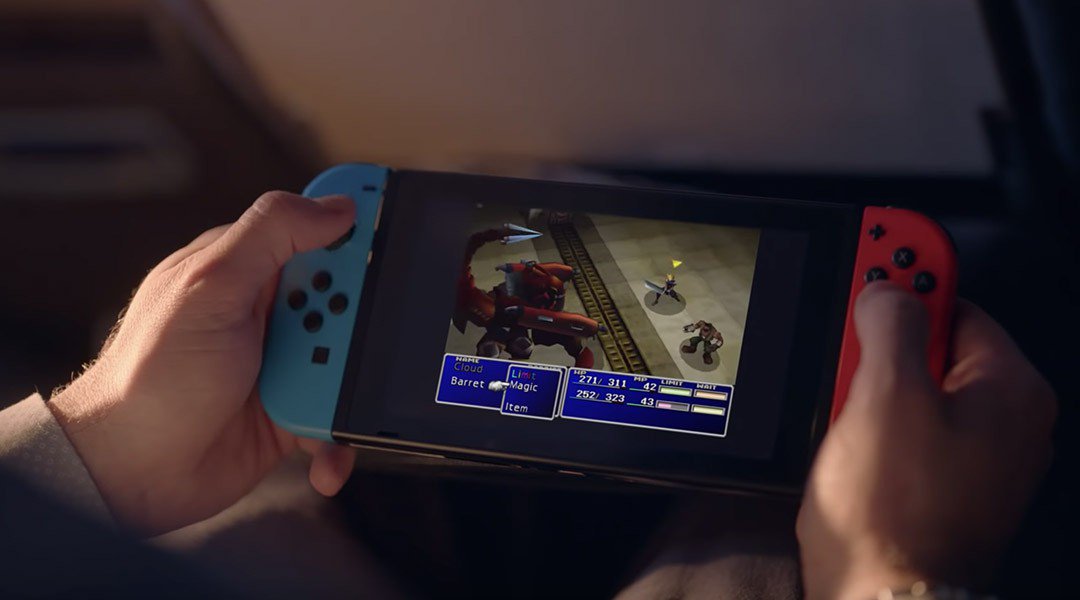
The beloved Final Fantasy VII finally hits the Switch today… I can already hear you asking: how is this newsworthy?
Final Fantasy VII Switch
Well, it’s the first time the game has been released on a Nintendo console, and that’s a pretty significant milestone considering it originally started life as a SNES title.
You see, back in 1994 Square moved production of Final Fantasy VII to the PlayStation 1 after technical issues and a series of delays plagued their development on SNES.
In addition to that, there was the allure of the shiny new CD-ROM format being offered by Sony with increased storage options — long story short, it was hard for Square to resist a change in direction.
It’s worth mentioning that the following extra features are included in the Switch edition out today:
A 3x speed mode
The ability to turn battle encounters off
A battle ‘enhancement’ mode
You can check out the launch trailer for Final Fantasy VII below:
So, this particular slice of gaming history will set you back £12.79 in the UK and $15.99 in the US. It’s never too late to jump in if you haven’t already, right?
It’s always day time here, especially during the night. The artificial sun rays saturate my room from the surrounding buildings, displaying all the shades of red, blue and green.
Laying here, I stare at the waltz dance of the swaying dust particles illuminated by the hues; it’s not long until my meditation is broken. A repetitious blinking light protrudes from the corner of my room, begging for my attention like a child to their mother. I quickly stand and move to mother the console, for I have heard the child’s cry, the cry of a job… The only cry I receive.
A cry for a missing package. Let’s hope the destination remains the same. To the bar, I go and speak with the client, see if I get any leads from him.
It’s a methodical job; tracking the civilians of this grand city. The mundane lives brought by the industry – wake up, work, home, pub, mistress; the same day in, day out. Not I, I would rather be dead… hell, I actively search it at times.
Stepping into the sunstroke streets, I inhale the dense fog into my lungs, the damp air solidifying on my lungs. The city glows from the neon lights humming in the fog and reflecting from the rain-soaked pavement. An outsider would say it looks beautiful, like a painting of Valhalla.
Yes, video game Mice on Venus is being developed by Callum Hancock. An ambitious project, it’s shaping up to be something interesting.
It’s a detective simulation game about investigating cases with ambiguous morality.
Mankind has left Earth, setting up colonies floating in the upper atmosphere of the planet Venus. You play as a PI, and you need to solve cases assigned to you by the world’s citizens. It’s up to you how to go about solving each of the cases.
Each case plays out as a routine, where the world’s citizens follow their own simulated schedules throughout each day. The player must navigate these routines to intercept targets, follow leads and gain information.
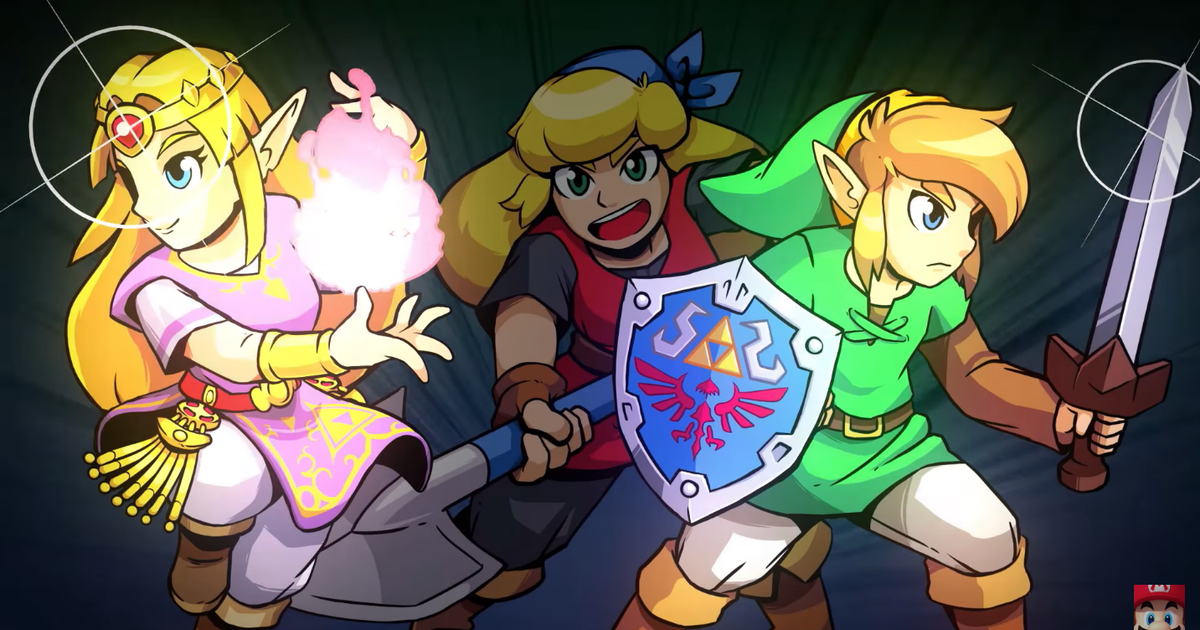
Cadence of Hyrule – Crypt of the Necrodancer – Spring
It wasn’t that long ago, January in fact, that we had a dedicated ‘Indie Highlights’ presentation from Nintendo (they need to stick to one name with these, surely?), so it’s another presentation from the company that wasn’t entirely expected.
Key announcements like Cadence of Hyrule – Crypt of the Necrodancer and Cuphead are more than welcome, while Blaster Master Zero II, My Friend Pedro, Overland, and The Red Lantern prove that the Switch is becoming a place for more than just a smattering of indie games.
It’s worth mentioning that Mutant Year Zero: Road to Eden, a refreshing take on XCOM which released last year, was also announced separately for Switch and is due out June 25th — that’s as well as Castle Crashers Remastered, coming to both Switch and PS4.
We’re also going to see a set of Konami classics heading to PC, PS4, Xbox One, and Switch too. And yes, Castlevania is in there.
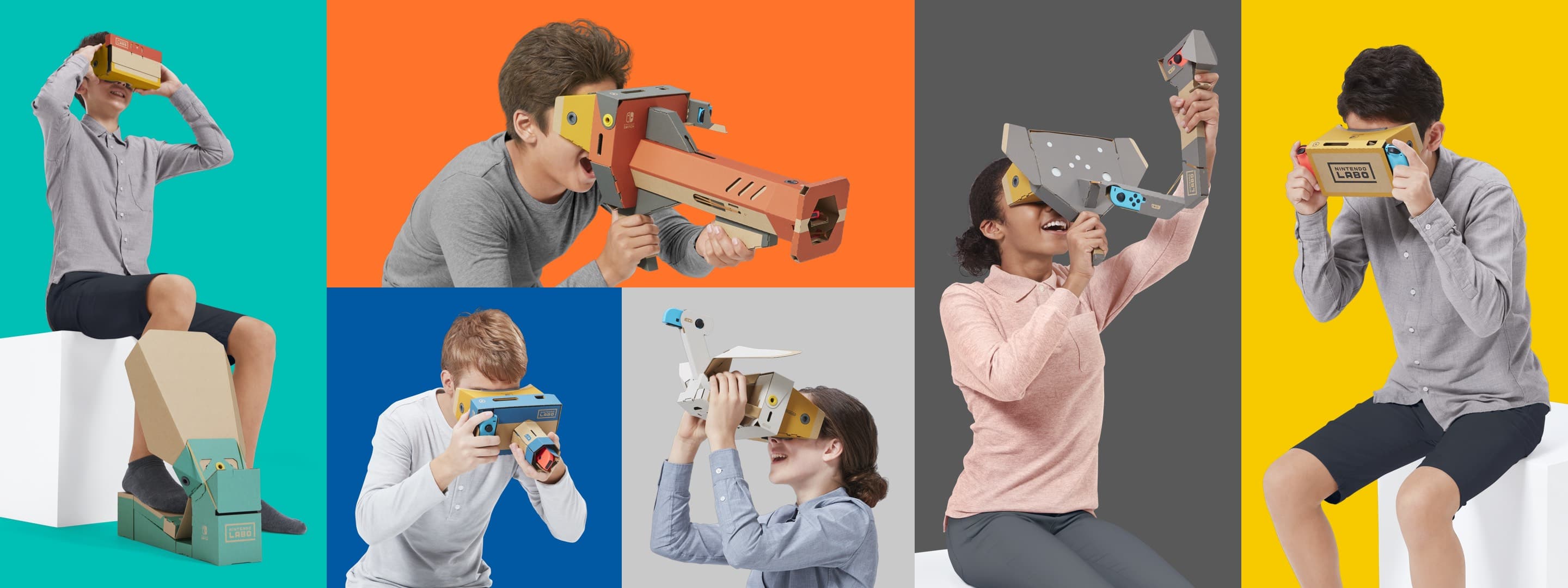
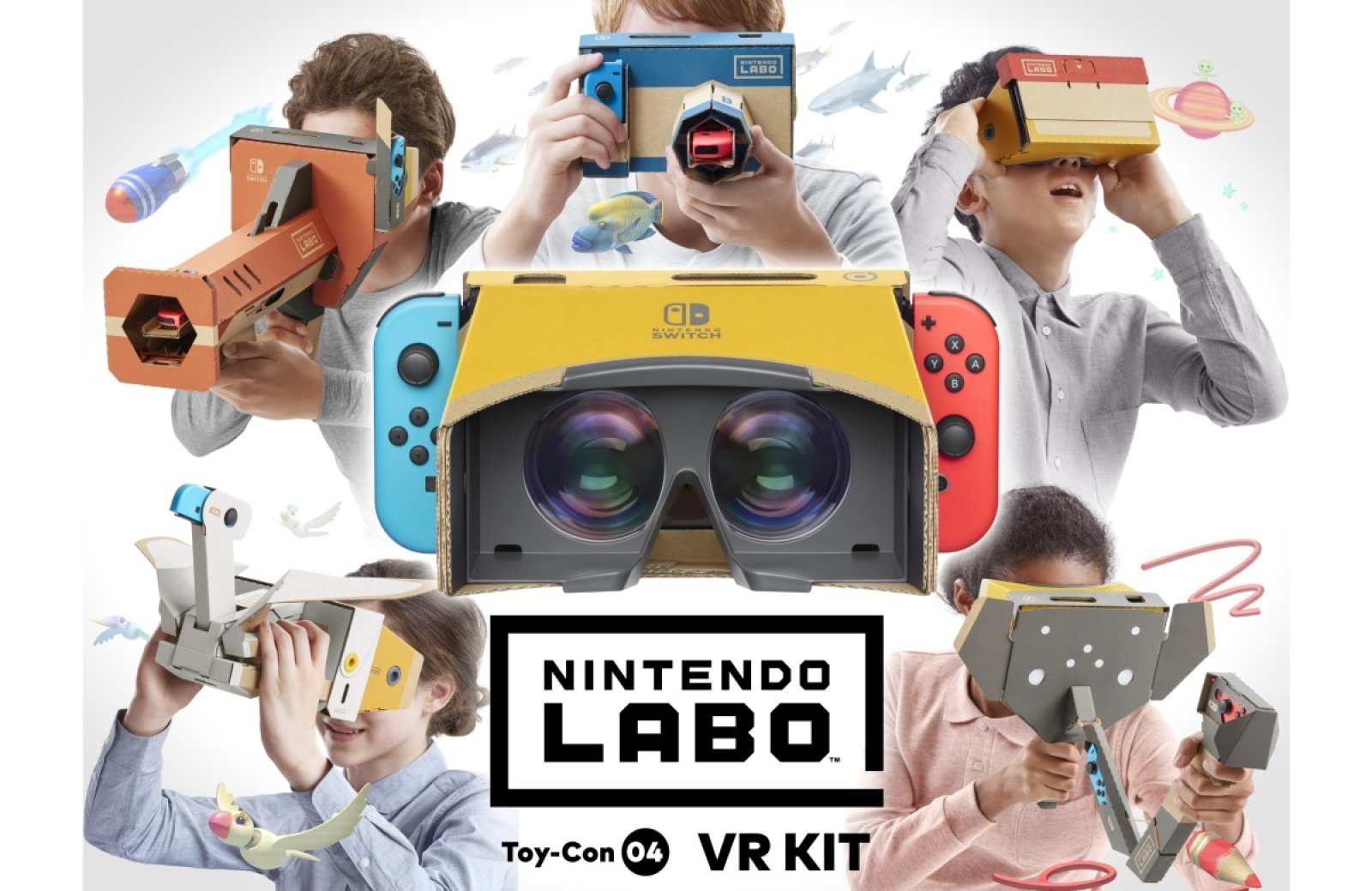
At the start of the month Nintendo decided to announce the ‘Nintendo Labo VR Kit’, and, as you can imagine, explosive energy was immediately felt coursing through the internet.
The energy felt wasn’t just for the strange timing and complete absence of it in their recent Nintendo Direct. It was more: Nintendo is doing VR again.
An Introduction To VR…?
A ‘rival to Sony’s PS VR’ some predicted, while others made sweeping, bold statements about how Nintendo was fully embracing the world of VR. They’re not really.
In fact, I immediately saw it as a basic VR Kit for kids and families, because that’s what it is. It’s the sort of gadget you buy for someone small (and new to VR) but not quite ready for the challenge of a PS VR or HTC Vive.
Nintendo does VR?
Nintendo has positioned themselves as such so they can target that younger age bracket to increase the adoption of VR in general. It’s from there, if at all, we’ll see the company fully engage in VR again. Remember the Virtual Boy in ’95? They’re probably not keen to repeat that.
So What Exactly Is Nintendo Labo VR In Reality?
Well, obvious comparisons are being made to Google Cardboard, which served a similar purpose: it was a low-cost system designed to generate initial interest in VR. Couple that with Nintendo’s creative DIY style of Labo products and add in the Switch to the mix.
It’s fair to say that not everyone is overly ecstatic with the idea though — some developers are worrying that it might even limit people’s perceptions of what VR is truly capable of. That’s certainly a moot point.
Not to mention that the Labo VR Kit is the fourth Labo kit, an initiative which hasn’t been doing great for Nintendo and will probably be one of the last if the meagre sales continue.
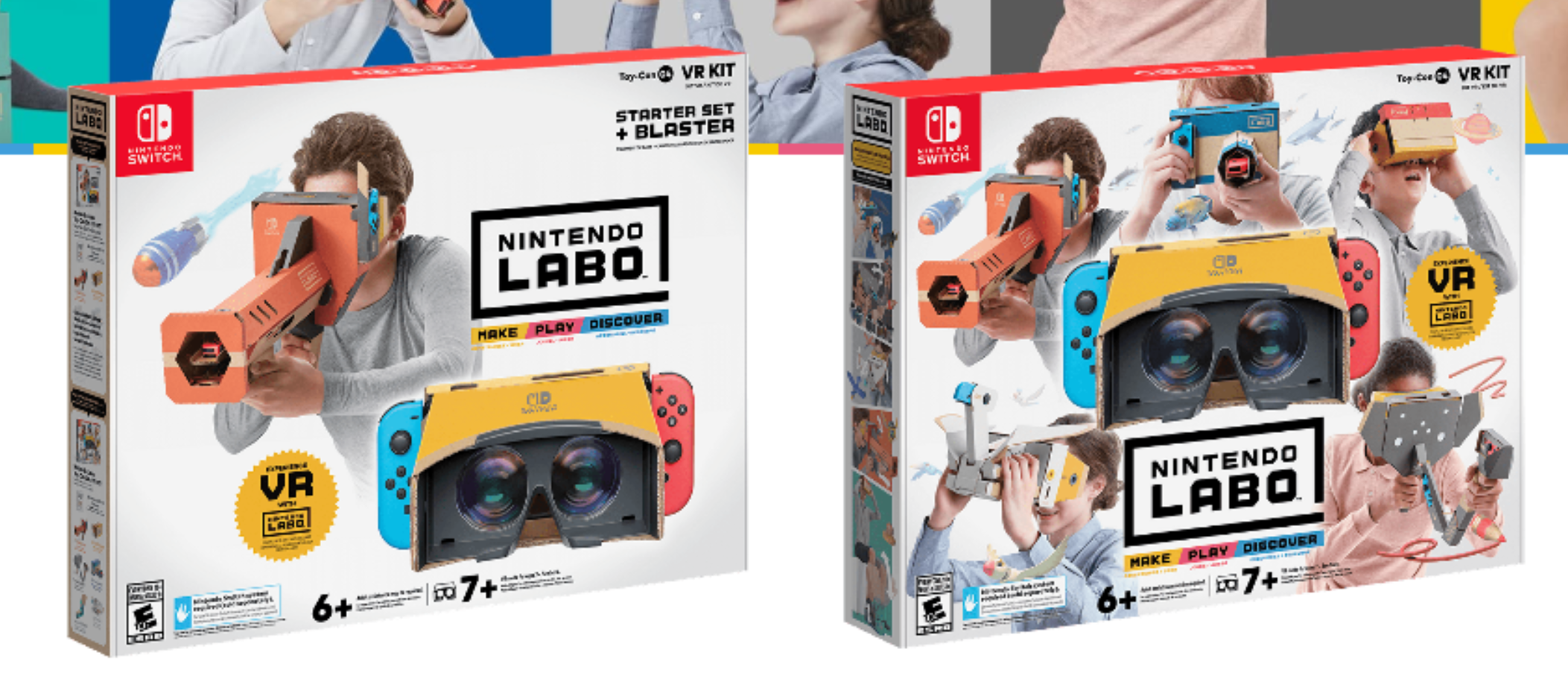
So, there are two Labo VR Kits available next month: one that includes all the Toy-Con creations, and one that consists of a smaller selection of projects to get started. However, both contain the Blaster.
Two options, but the Blaster is in both.
Funds permitting, this writer might pick one up when it launches April 12th out of pure curiosity more than anything else, although, I won’t go in expecting a visually stunning experience. That’s already been taken care of with the Vive et al, and really? I think that’s the point.