Baseball Riot Review

Baseball Riot Review [Nintendo Switch] – Ubisoft Syndrome?

When you think about sequels you almost expect things to get better. You think things will be bigger, better or more refined over the last outing to keep things a little fresh to maintain your interest. So when 10tons declared Baseball Riot as a direct successor to Tennis in the Face, you can’t help but expect things to be a little different, a betterment over the previous game. But what I think has happened here, is that 10tons have fallen foul of ‘Ubisoft Syndrome’. Baseball Riot is said to be a successor, but it’s more of the same just set in a different location. Much like the Assassin’s Creed titles used to be…

Baseball Riot Review

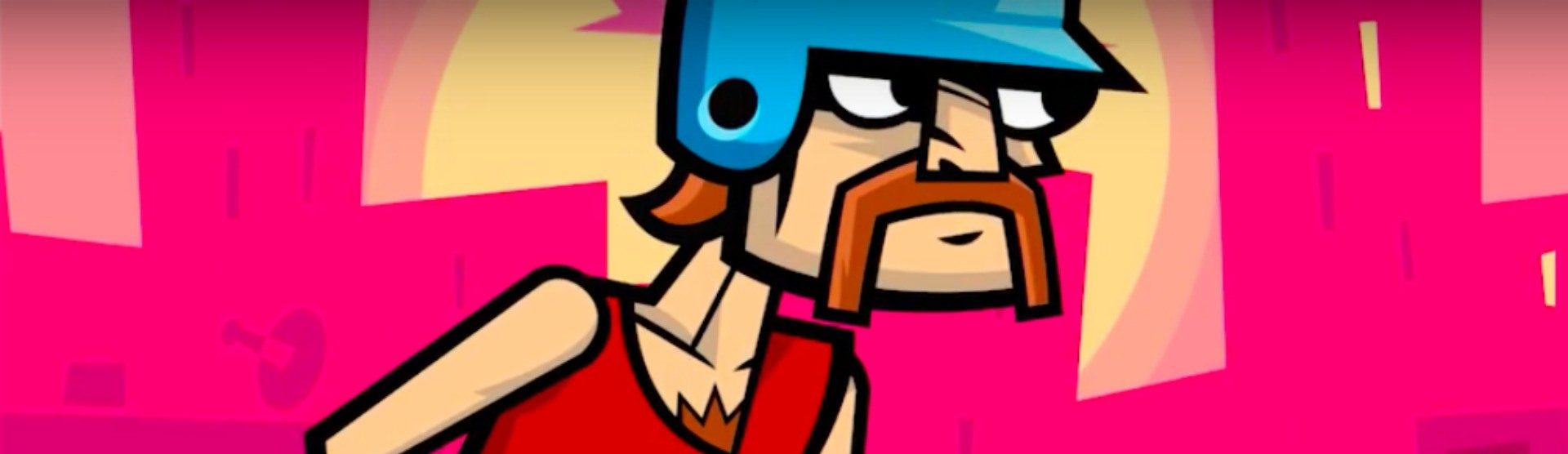
What Baseball Riot does is take a simple yet effective mechanic from Tennis in the Face, and plonk that into a different environment and change the sport ever so slightly. Whereas before you were pinging tennis balls at folk, now you’re smashing baseballs willy-nilly to continue the efforts to thwart the ‘Explodz’ drink supplier from taking over. The main man behind this most recent attempt is former baseball star Gabe Carpaccio who is trying to save his teammates after they have been brainwashed courtesy of Explodz.

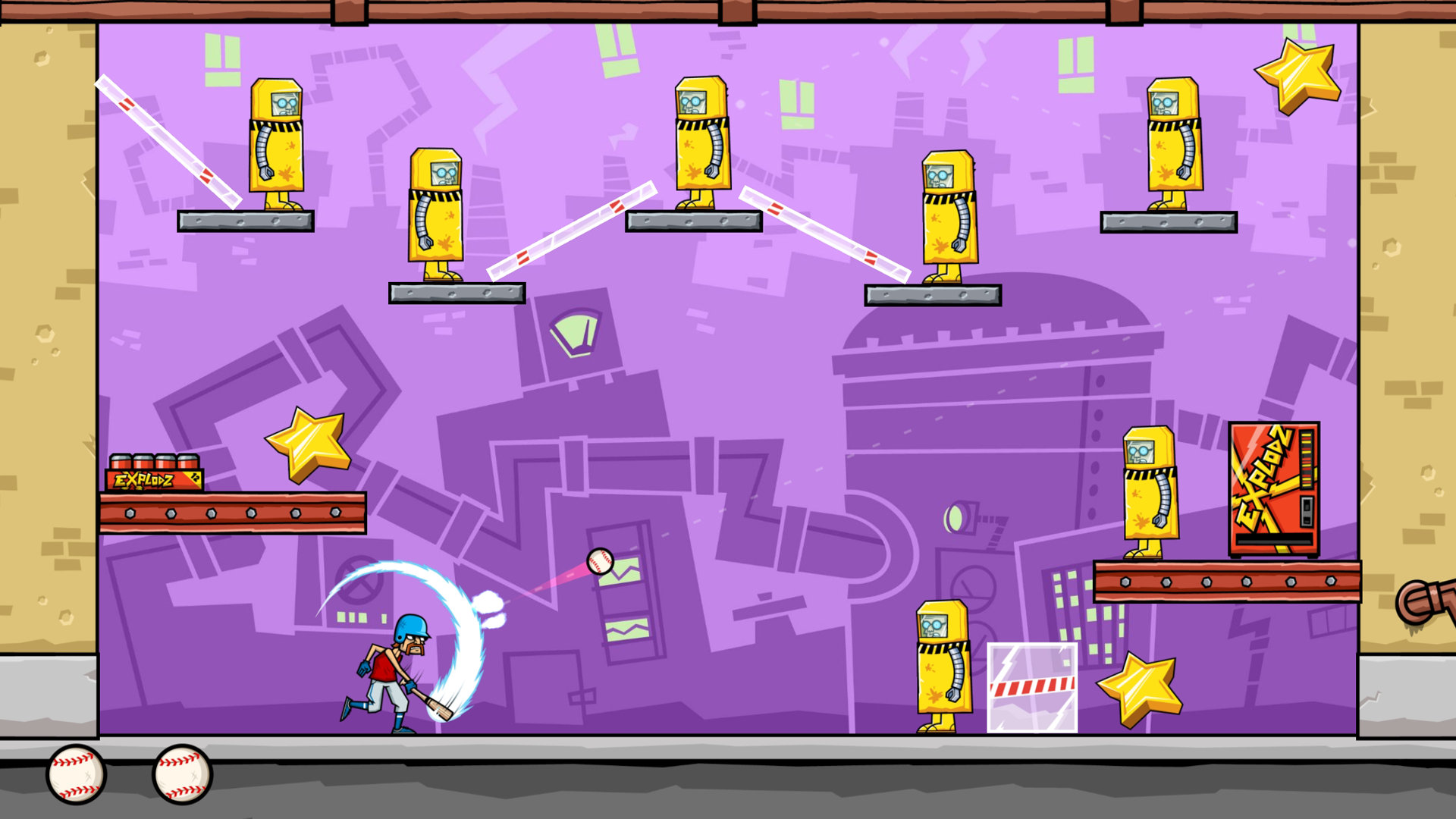
Baseball Riot has a sense of wit and humour about it, much like Tennis in the Face, with all your adversaries having unique methods of trying to stop you in your tracks. They’ll block your balls with shield, use catching mitts to stop them and wear protective suits as well. You’ll need some patience and persistence to see some of the levels off, especially when a misplaced baseball can be the difference between success and failure.

Baseball Riot Review

There are 100 levels to smash through, each having a three-star earning potential. Collecting stars is the key to progression and you won’t get to the next area without them. I found that you’ll lose your patience with one level or another, put the game down in frustration, only to find a simple solution on your next attempt.

The presentation of Baseball Riot is very nice and has a charming feel to it, with the ragdoll physics of your enemies making some satisfying takedowns later on. You’ll be able to use the environment to your advantage hitting explosive crates, tubes that fire extra balls and let loose conveniently placed junk piles on a ledge.

But is this any different from Tennis in the Face? In all honesty, no it isn’t. The only thing that has changed is the sport you play and the protagonist. Your enemies are the same, the objectives are the same and even the main map is identical to the last. These would probably have been better as extra maps for Tennis in the Face, keeping its original identity, and progressing the story onwards slightly – in some way. Albeit a lower purchase price than other games on Switch, there’s no real reason to play Baseball Riot if you played Tennis in the Face. The only thing that will probably help you make your mind up is if one of these sports is your thing and, if not, then flip a coin to decide which one to play.

This isn’t a criticism of the game at all because it is a fun game to play and it keeps the Switch loaded with pick-up-and-play titles which suit it perfectly. It would have been nice if 10tons could have tweaked the formula ever so slightly though, bringing something new to the table, rather than just a rinse and repeat of the previous game. They have recently said, however, that their entire catalogue is now on the Switch, meaning they may now be working on new games for the future. I welcome this and hope that their next title is a culmination of their recent efforts and ‘hits’ the target.

I Fell From Grace Review

I Fell From Grace Review [PC] – Commendable, But Disappointing

I always like to stay positive when it comes to reviews. This is because making a game is so very, very difficult (trust me, I know!) that I feel like a bit of an unappreciative grump when all I do is moan about said game I just got to play for free.

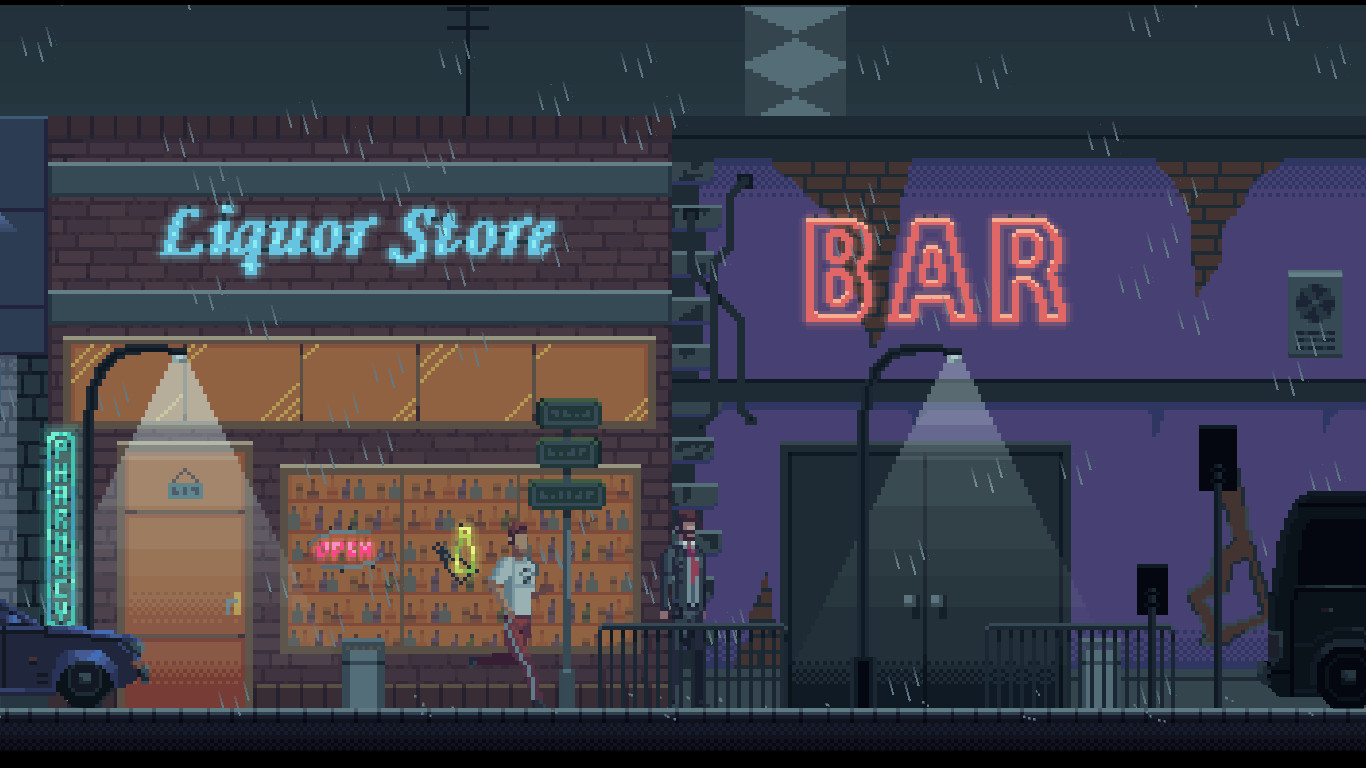
With this in mind, let me say that I Fell From Grace, from developer Deep Taiga, is unique. It’s brave in its decision to try something different with its writing style, has some very moody visuals and music that help the game have an overall oppressive and somewhat uneasy tone.

With the intro done, let me put my critical hat on. I Fell From Grace is really not much fun to play, has a writing style that is tiring to read and ineffective at producing an emotion other than frustration, and the game has a story that thinks it’s got a lot to say but ultimately fails to say much of anything at all.

I Fell From Grace Review

At its most basic level, I Fell From Grace is an adventure game where you walk from left to right, from screen to screen, solving puzzles. It’s listed as a ‘point and click’ adventure, but the controls are more direct, as you control the main character (Henry). There’s not much to comment on when it comes to gameplay as all you do is move left and right, occasionally you’ll have to use an item from your inventory, make a dialogue choice and the rest of the time you’ll be pressing the ‘E’ button a whole lot to interact with everyone and everything.

I Fell From Grace Review – Falling At The First Hurdle

This wouldn’t be too bad if the game had interesting puzzles like you get in classic point and click adventures, but it doesn’t. All of the roadblocks are incredibly simplistic and unsatisfying to overcome. Something you need is stuck in a tree? Find a ladder and use the ladder. Need to see what’s happening on the other side of a vent? Find the camera and use the camera. There are no ‘Aha’ moments here so the ‘game’ itself is really not much fun to play.

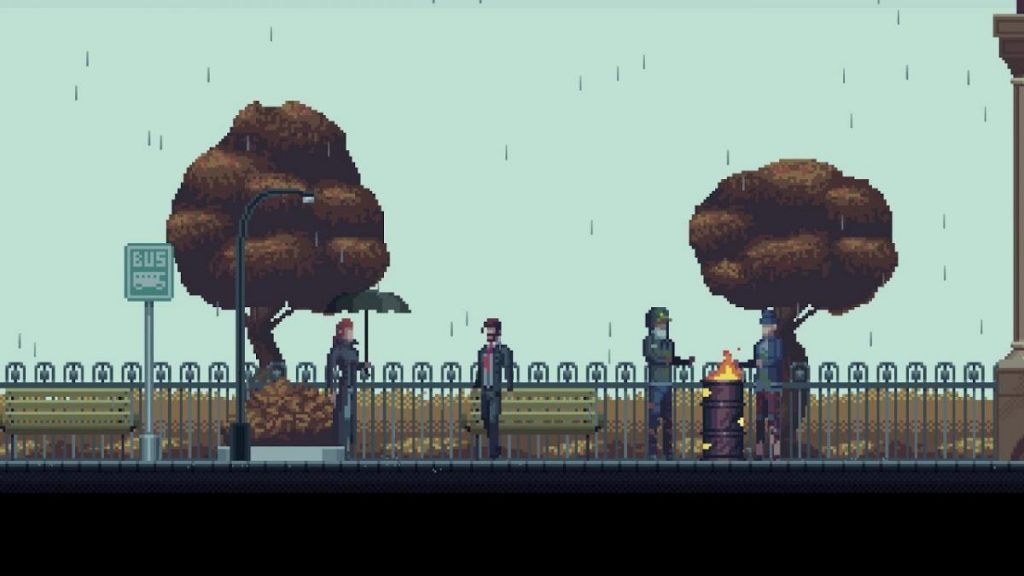
The atmosphere is pretty great though. It’s always raining, everyone’s miserable, your boss is mean and heading into town means you’re greeted by homeless drug addicts huddled around flaming barrels outside failing businesses. This won’t be a setting that’s for everyone but for those of us that really appreciate a really downbeat vibe, I Fell From Grace has sorrow in spades.

I Fell From Grace Review

The story itself appears as if it should be interesting enough and has a strong enough premise. Henry, who you play as works for some big pharmaceutical company and has a wife that is very ill. As with every character in the game, Henry and his wife are having some tough times and have dealt with some catastrophic moments in their past. I don’t want to spoil anything but let’s say that Henry and his wife suffer a tragic loss.

Henry has now become a workaholic and is determined to cure his wife, even to the detriment of actually, you know, being there for her and looking after her. It’s clear that he’s become obsessed and in his pursuit of ‘doing what’s right’ he might make some poor decisions and… fall from grace. *puts on shades*

Not Fooling Me

So what I’m saying is that this is a narrative driven game and instead of worrying about engaging puzzles, the developers have decided to focus all of their attention on telling a compelling narrative, right? Sadly, no. This is another area that I Fell From Grace fails in because the fact is that the story soon descends into meaninglessness.

What starts as a fairly engaging journey into one man’s descent into obsession is soon littered with pointless segues into events that have no bearing on the story or some which simply don’t resolve. It may be the case that playing the game over and over again could help you tie up some of these loose ends, but I’m not convinced this is the case having finished it twice. When a plot involves nightmarish warnings about ‘black spots on the ceiling’ only for you to have the credits roll without a single encounter with a ceiling-based black blotch, you have to wonder if there is any meaning behind the game’s words or actions. It all seems to think that it’s smarter than it actually is.

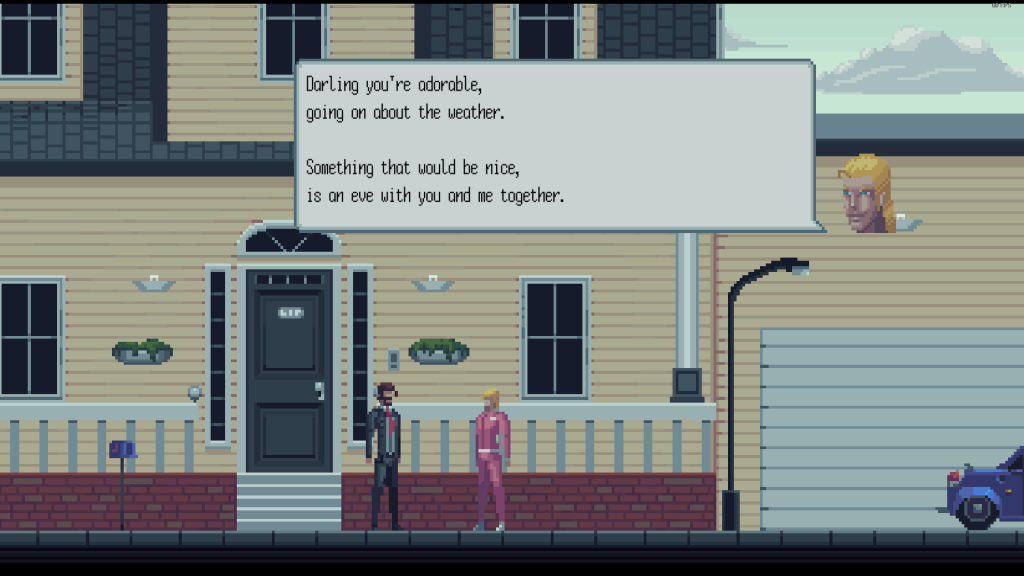
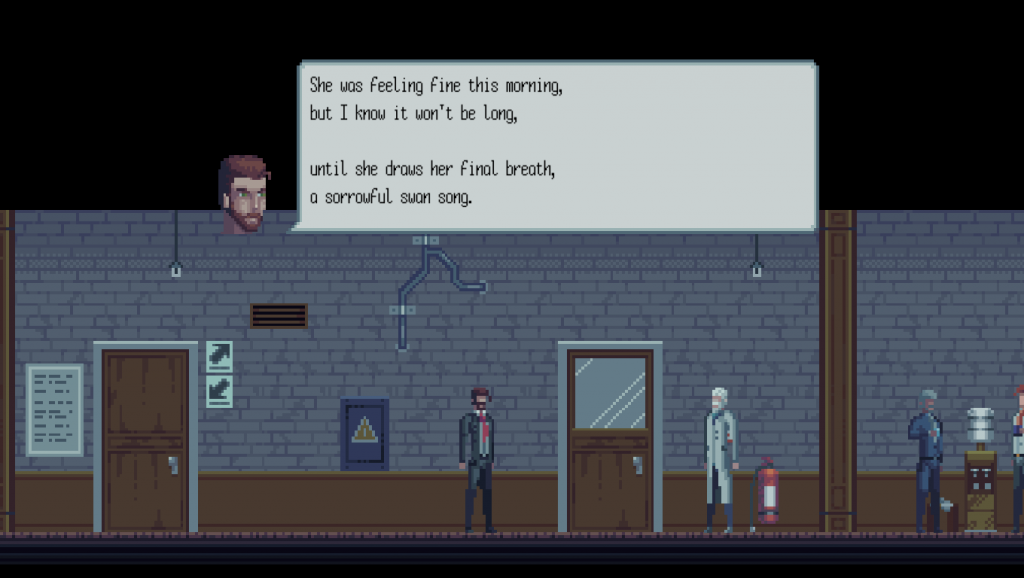
This is no more apparent than in the decision to make every. Single. Line. Of. Dialogue. Rhyme.

Every.

It’s hard to say why this was decided, what exactly this writing style was meant to evoke but all I can say is I grew tired of it within five minutes.

I Fell From Grace Review

No Time To Rhyme

So I’m sorry to be such a downer on this game. As I said at the start, I really do want to enjoy the time I spend playing games and I do want to encourage developers to try new things and ultimately create great pieces of work that push the boundaries of what we think games are and can be. Sadly, I also have a duty to the game players who need to know that this is simply a failed attempt at something unique.

To surmise:


When reading the dialogue becomes such a chore,

it’s hard not to grow tired and start to snore.

The puzzles aren’t fun and they’re not very clever,

the same goes for the story as it’s not much better.

The graphics are nice and they help set the mood,

it’s a shame everything else just comes off as crude.

I commend you for trying something new, I Fall From Grace,

sadly you failed and fell flat on your face.

Jumpdrive

Jumpdrive Review [PC] – Jump Into The Nothingness Of Space

Space sims come and go but have never really opened players up to the extreme amount of vastness and endless amount of stars that dot our galaxy. Formerly known as Paragon, Jumpdrive offers the chance to set out into the great unknown and make discoveries at your own pace. Unfortunately for players short on time due to their busy schedules of adult life, school and work, Jumpdrive offers little to no shortcuts when traversing through the stars in this gutsy space exploration title. After all, the universe is infinite.

Sitting in the cockpit of your space shuttle, the instructions of the controls read across your screen. The basic click controls are simple enough, but then the game cuts you loose. The objective of Jumpdrive? Not sure… Explore? Sit in your speeding shuttle and wander through the stars for countless hours hoping to come across a unique discovery, or perhaps engage in an epic space battle? We can only hope so, anyway.

Jumpdrive
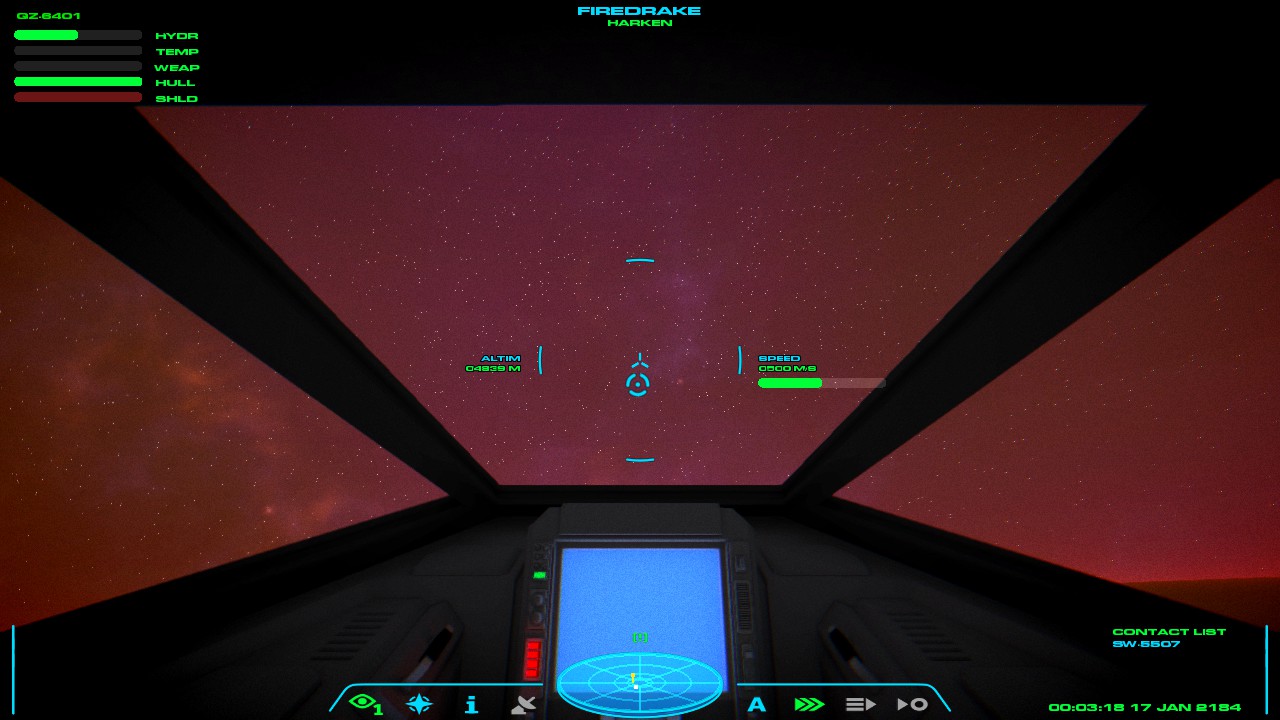
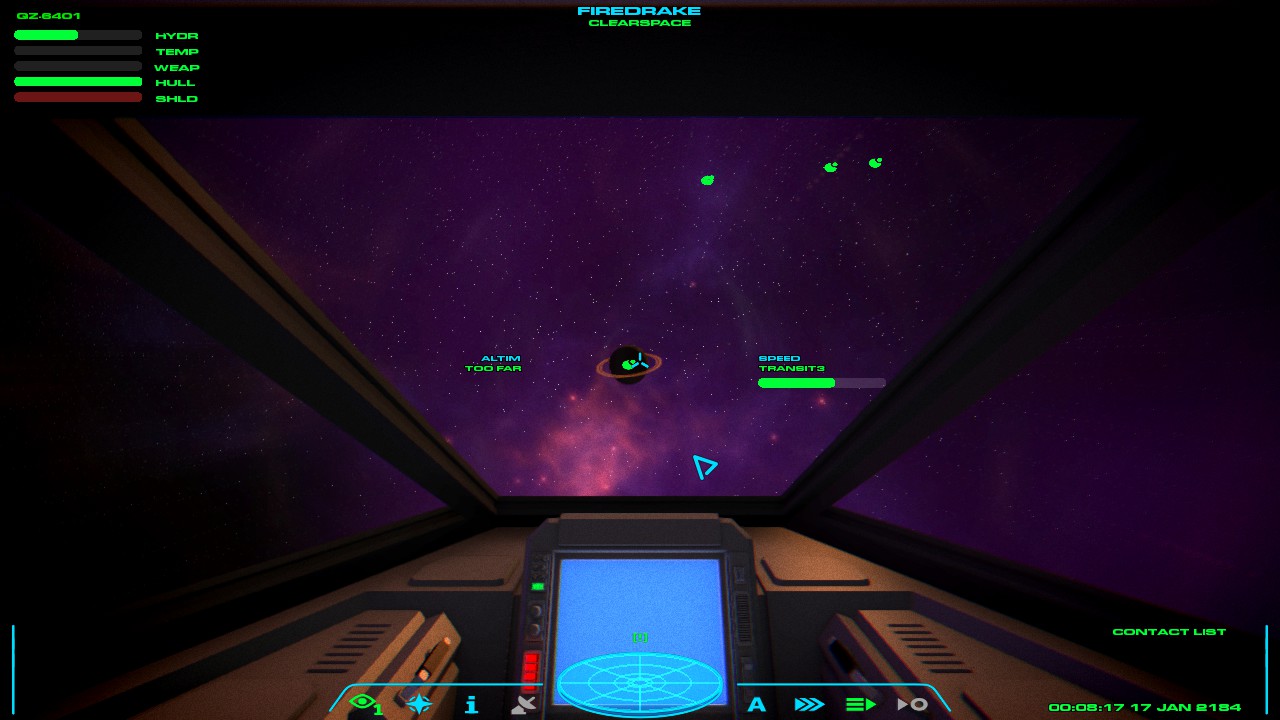
When pulling out of the gravity bubble that surrounds planets, players may then switch to an increased mode of travel, Transit Mode.

The purpose of Meteoric Games‘ Jumpdrive is to simply explore the enormous procedurally generated galaxy, picking up on anything that may cross your path. Distant missions with handsome rewards, long space expeditions to the other side of the galaxy, or fending off your shuttle from enemy ships, anything seems possible in Jumpdrive, but at what cost? The sheer amount of the universe seems endless as the developers express the ability to explore through a galaxy brimming with millions of stars and planets. Let me be perfectly clear: Jumpdrive is for the hardcore space exploring enthusiasts. Pouring in tons of hours to travel great distances, slowly immersing yourself while travelling in real-time to your next objective is an average day when living out your astronaut dreams in Jumpdrive.

Jumpdrive: How Do You Travel Through Space?

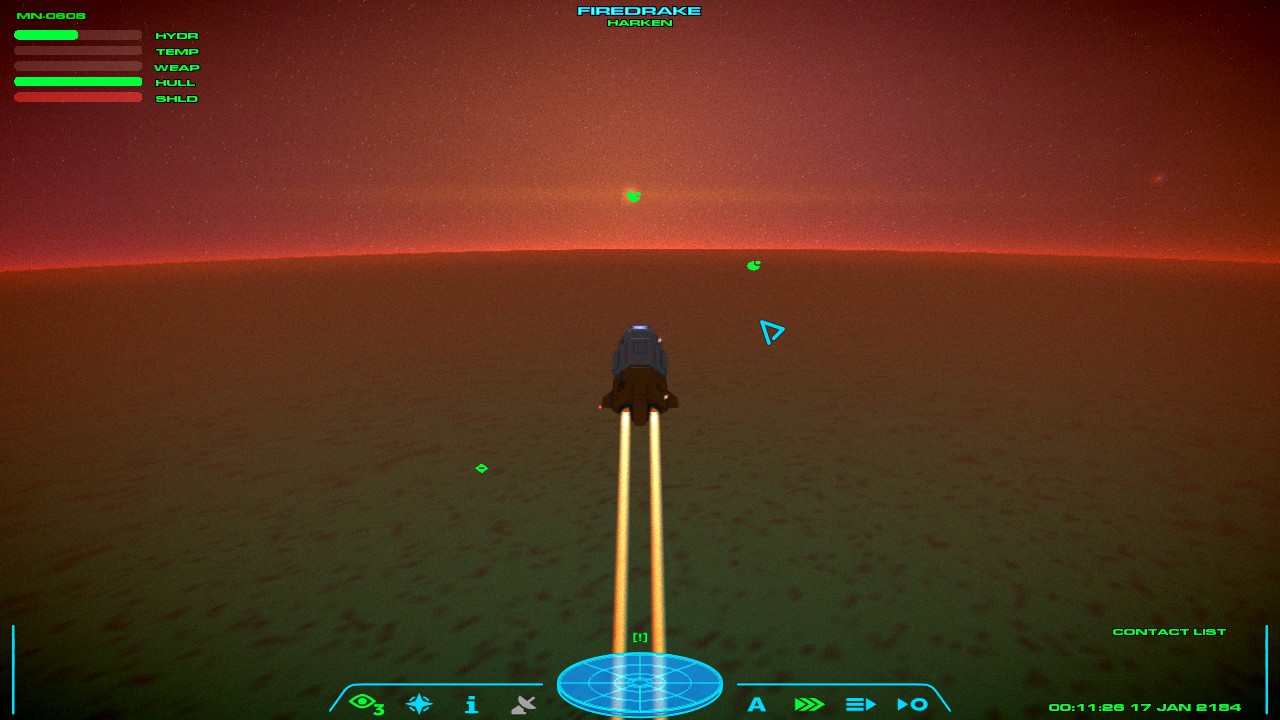
There are three basic controls when travelling from one objective to the next. When still in one planet’s gravity bubble, players may only use Maneuver Mode. This mode acts as the slowest mode of transport, used to travel around planet surfaces within the gravitational field. After exiting the planet’s atmosphere, or gravitational bubble, players may then engage in Transit Mode. Used for quicker travel between planets, Transit Mode will most likely be your main mode of travel.

Jumpdrive
Many green blips mark your objectives and other planets/space stations throughout the systems.

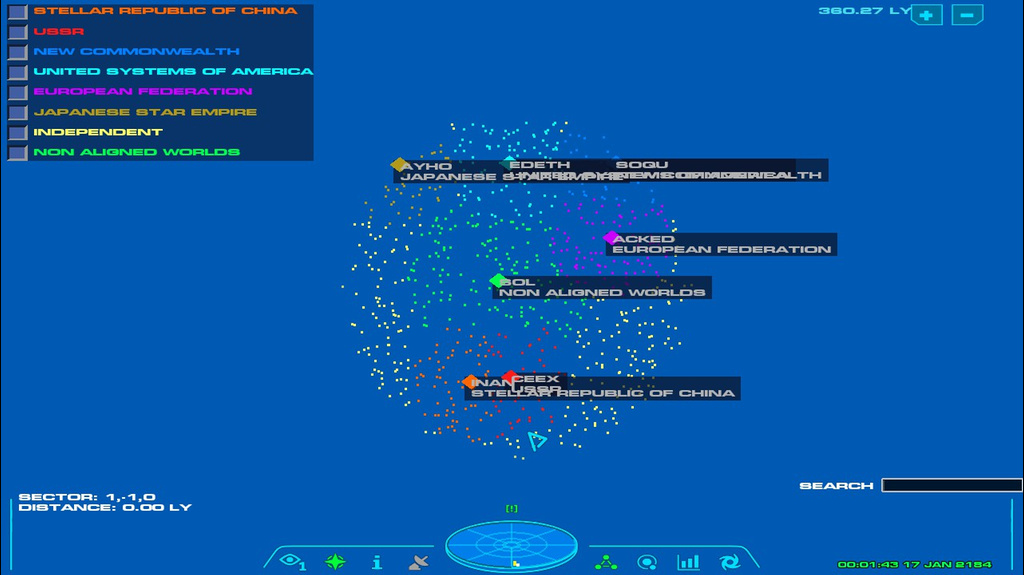
Last but not least, Jump Mode is the hyper speed setting to jump between different solar systems. Though a much quicker method of travel, players will need to meet the specific item requirements, e.g. hydrogen stock, as well as a jump drive installed on their shuttle. The three modes are accessed simply by clicking on one of the icons next to your radar at the bottom of the player’s screen, offering for quick and easy switching between modes on the go.

Objectives are found when following the green blips that are scattered throughout the open universe. Either when docking on planets or space stations, completing the various missions given to you will net cash rewards, which can be used to purchase upgrades or even new ships. Though from what I experienced with my time in Jumpdrive, the missions are standard fetch and grab or destroying enemy ships, but the amount of ground (or space) to cover is remarkably vast. I can easily see one losing most of their day spent completing a handful of objectives spanning across a number of different solar systems.

Jumpdrive
Plot your destination on the galactic map and use Jump Drive to travel between solar systems.

While Jumpdrive is astonishing in size, the visuals are no conversation starter. Though there’s not much to gaze upon when deep in the blackness of space, planet surfaces and textures when in sight are grainy, bleak and boring. I suppose that’s not exactly the point of Jumpdrive but it still manages to break some of the immersion when descending into a planet’s atmosphere. Still, the view of colors amidst the star-dotted sky is a sheer joy to stare at while endlessly drifting into the void.

So Much To Do, So Little Time

So, what is the point of Jumpdrive? Is there any storyline, plot twists or ending in sight? The answer is yes, but it all comes down to the player involved. With Jumpdrive you are offered a chance to create your very own space legacy in this massive space explorer, and take it for as long as you please. Players have a completely open experience from the start, whether they’re engaging in combat, completing various mission objectives, purchasing new ships and parts, or simply exploring the vast darkness of space.

Jumpdrive
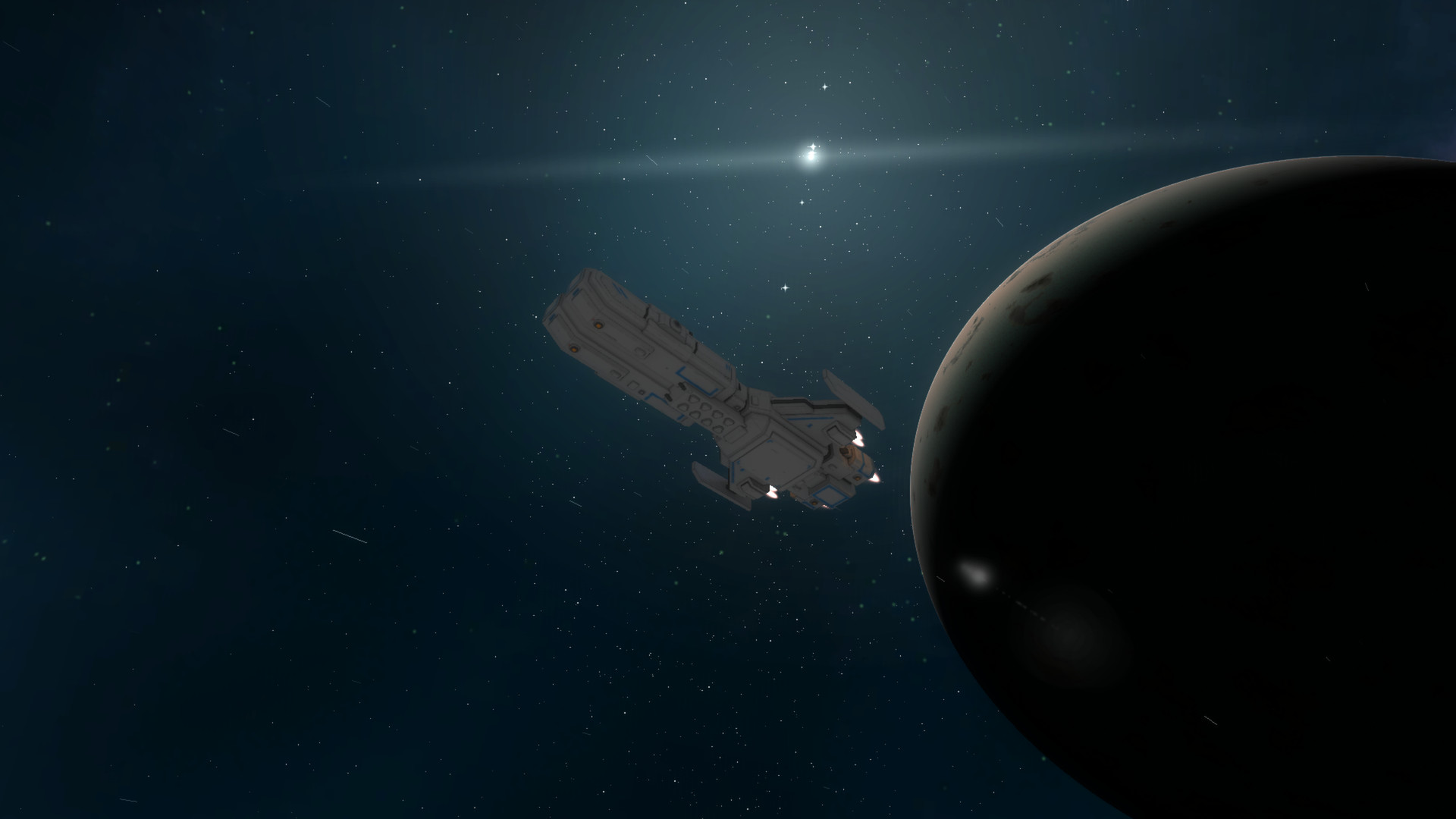
The distant visuals of space are breathtaking in Jumpdrive, adding a thrilling sense of depth to the enormous space sim.

Jumpdrive is an impressive space sim, but if one thing is certain, it only appeals to a relatively small audience. Those hindered by time and, in my case, an ever-growing backlog of other titles, simply won’t find it in their schedule to continue on this vast journey through the great unknown.

Axiom Verge: Multiverse Edition

Axiom Verge: Multiverse Edition is out today in the UK – for Switch

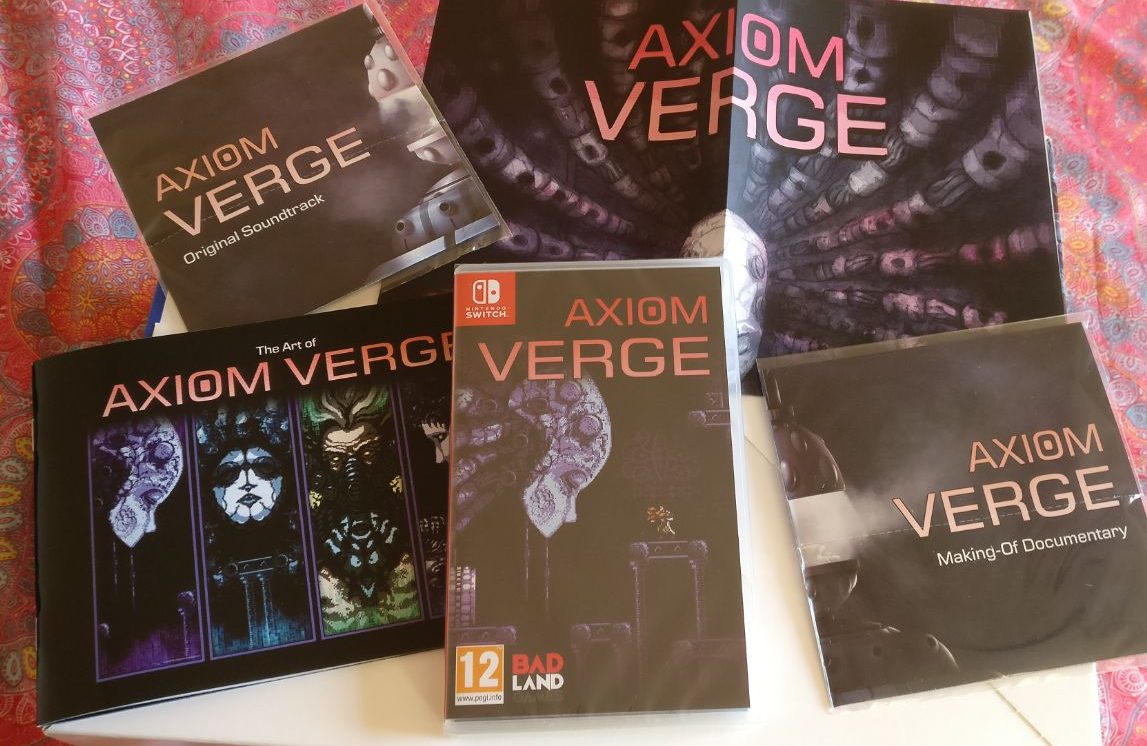
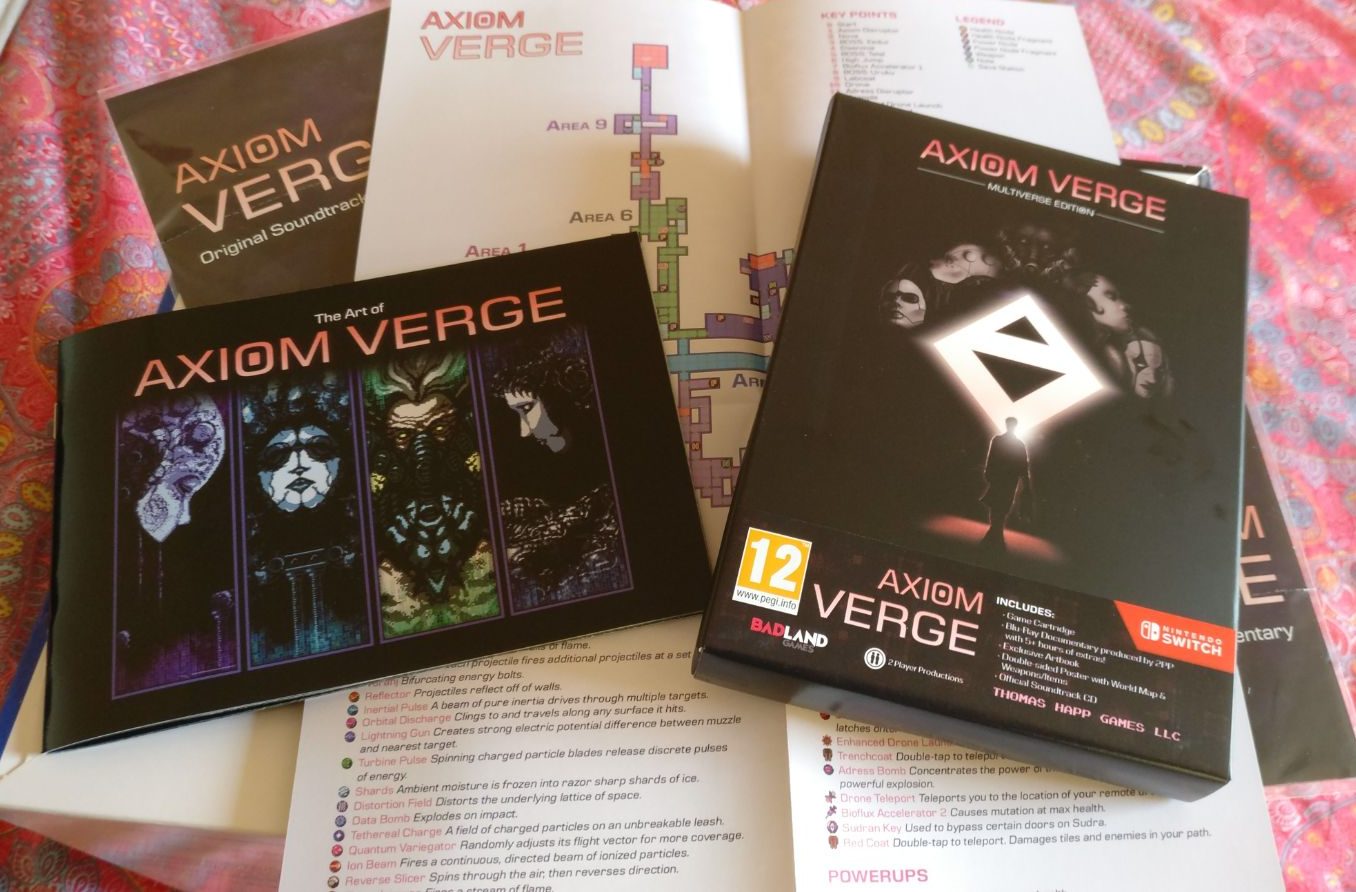
Axiom Verge: Multiverse Edition, after suffering numerous delays, has finally hit the Nintendo Switch in the UK. The even better news is that we were lucky enough to receive a copy of the swanky edition at Nitchigamer HQ:

What’s In The Box?

Here’s everything Axiom Verge: Multiverse Edition for the Switch includes:

  • The game cartridge, (obviously!).
  • A Blu-ray documentary produced by 2PP with over 5 hours of extras
  • An exclusive artbook
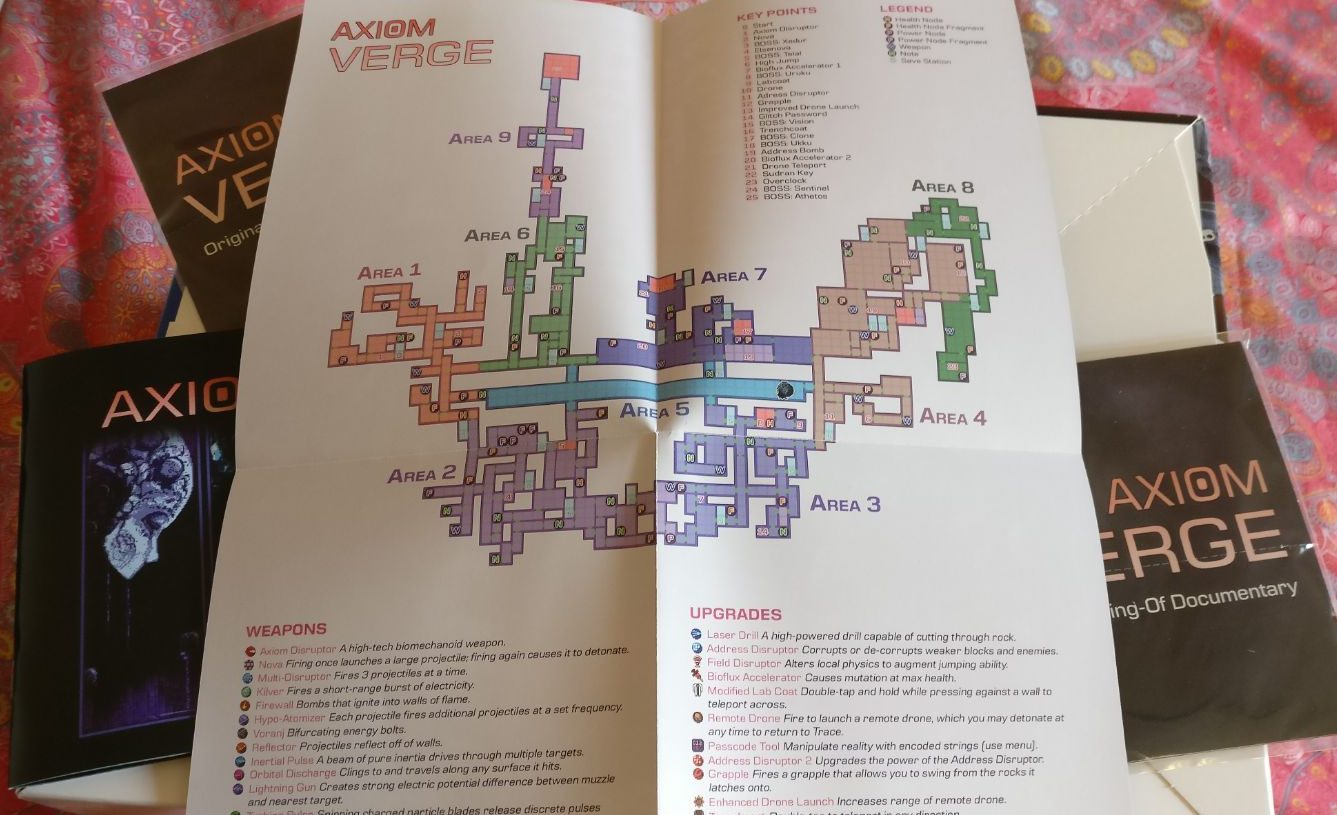
  • A double-sided poster with a World Map
  • The official soundtrack CD

As you can see, it’s a generous package that was well worth the wait. But what about the game itself?

Well, Axiom Verge is a Metroidvania title and an indie project created by Thomas Happ from none other than Petroglyph Games – a company formed by ex-Westwood Studios employees best known for the beloved Command & Conquer series.

In Axiom Verge, the player controls Trace, a scientist who, after suffering a crippling injury, wakes up in an ancient and high-tech alien world. What’s happened exactly? No one knows, although to be honest, they had us at Metroidvania…

Those that picked up Axiom Verge on the PS4, PS Vita, Xbox One, or even the Wii U, loved every second of the game and its satisfying exploration. Hopefully the Switch version lives up to the name then. Although with any luck, we’ll be posting our thoughts soon.

Tesla vs. Lovecraft

Tesla vs. Lovecraft Review [PC] – Electrifying Arcade Mayhem

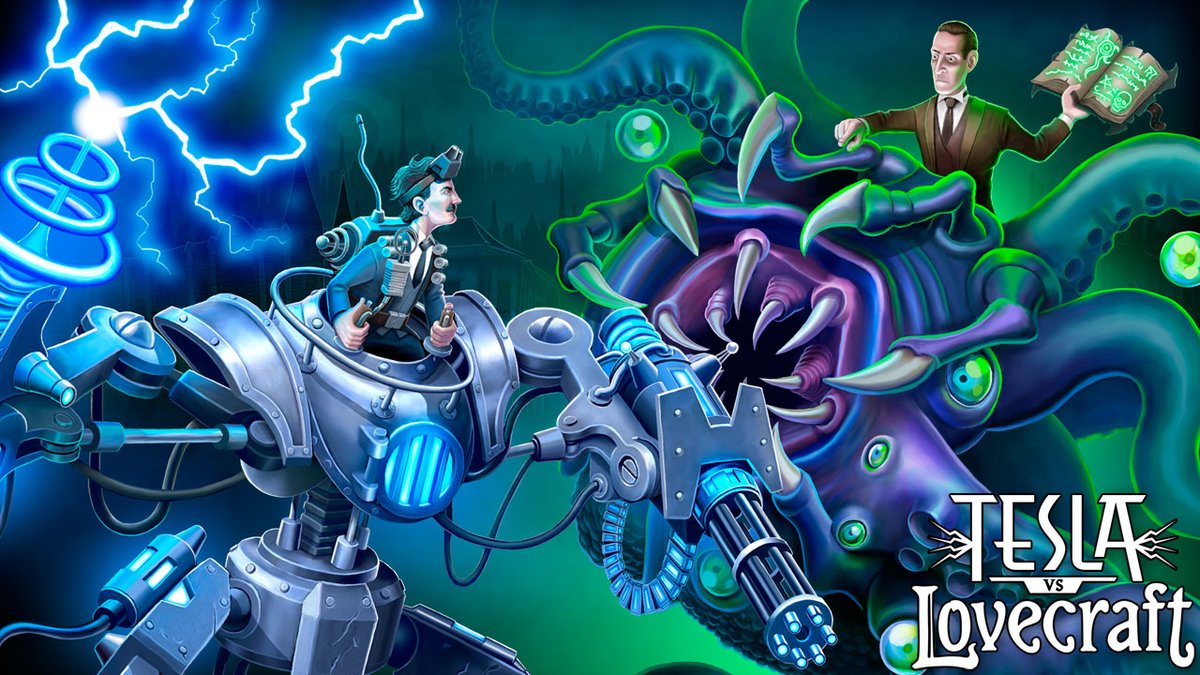
The unimaginable technological feats of Nikola Tesla combined with the sci-fi horror fiction of H.P. Lovecraft10tons has added yet another adrenaline-fueled twin-stick arena shooter to their already impressive library. Strap on your teleport pack and prepare to face off against Cthulhu, and its many hordes of demonic enemies in this monstrous arena shooter – Tesla vs. Lovecraft.

As you take on the role of none other than the electric-wielding genius, Nikola Tesla, the minions and fiendish creations of the coveted sci-fi writer, H.P. Lovecraft, begin to take over the world. Distraught by Tesla’s electric inventions, Lovecraft takes matters into his own hands to stop Tesla and his inventive actions. Harnessing the power of his very own creation, Cthulhu, Lovecraft unleashes waves of nightmarish monsters on our hero Nikola, but that won’t stop Tesla from fighting back.

Tesla vs. Lovecraft
Angered by the inventive actions of Nikola Tesla, H.P. Lovecraft unleashes his army of monsters on the world.

The story of Tesla vs. Lovecraft is completely out of this world, but that only strengthens the energetic gameplay that backs it all up. This top-down arena shooter is as exciting as it is weird, providing players with a wildly entertaining experience from start to finish. From blasting through walls of grotesque monsters with Tesla’s super-sleek electric weapons, to running a full assault in the powerful Mech suit, this twin-stick shooter is as intense as they come. Tesla vs. Lovecraft is smooth, addictive and keeps pushing the player forward by unlocking satisfying perks and abilities to take your reign to the highest degree.

Tesla vs. Lovecraft: Sci-Fi Shooting Mayhem

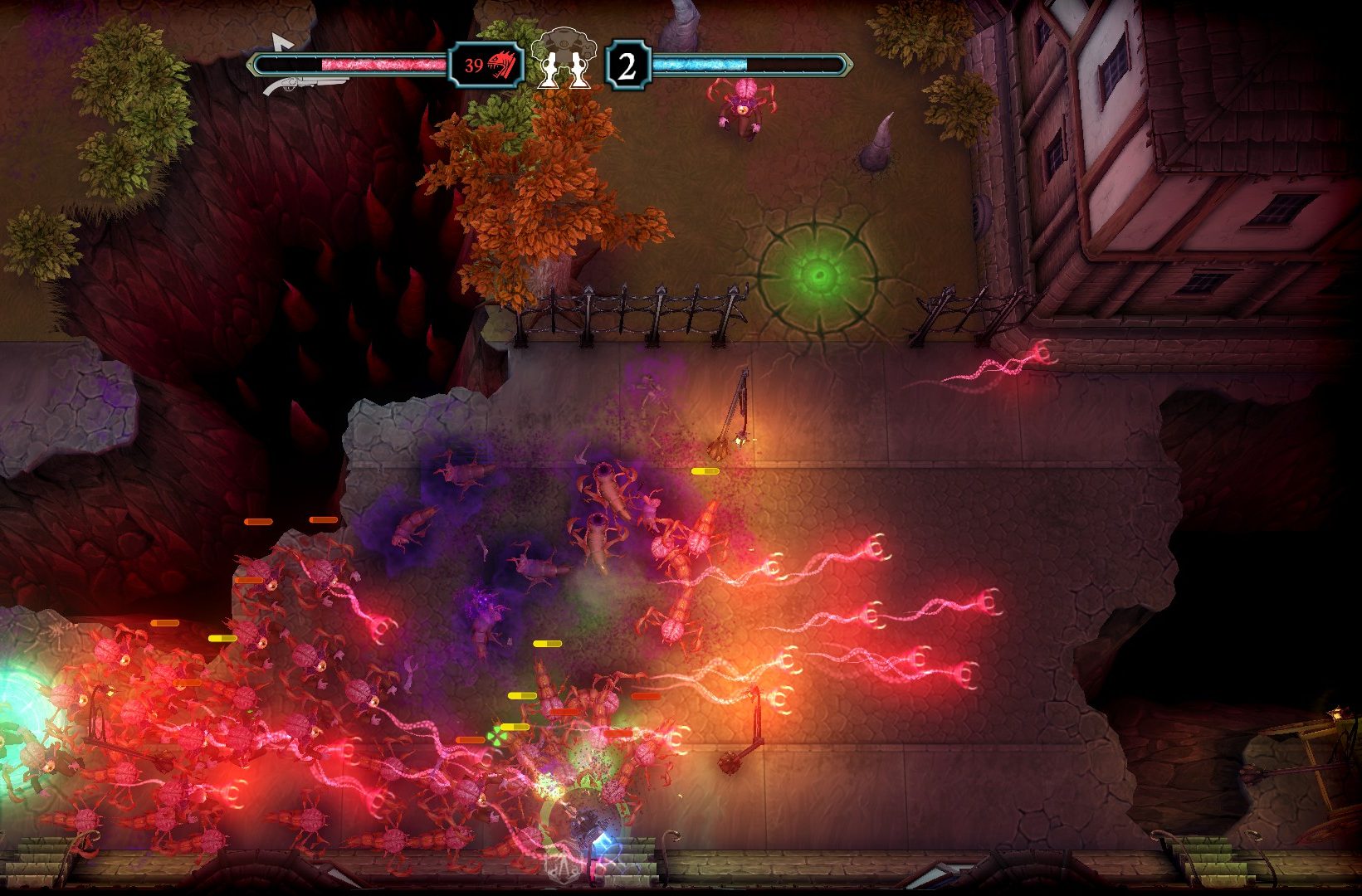
Throughout the many stages of the campaign, Tesla’s main goal is to wipe out all enemies in each level. The enemy bar at the top of the screen not only shows the player how much longer the stages are, but how many enemies are currently on the map as well. Once you hit an empty bar and zero enemies left, the stage is complete. It’s a simple concept that’s worked for decades across the popular genre, but Tesla vs. Lovecraft – like all unique indie titles – has what it takes to gracefully stand out from the crowd.

Tesla vs. Lovecraft
Enemies swarm in this ultimate twin-stick shooter – Tesla vs. Lovecraft.

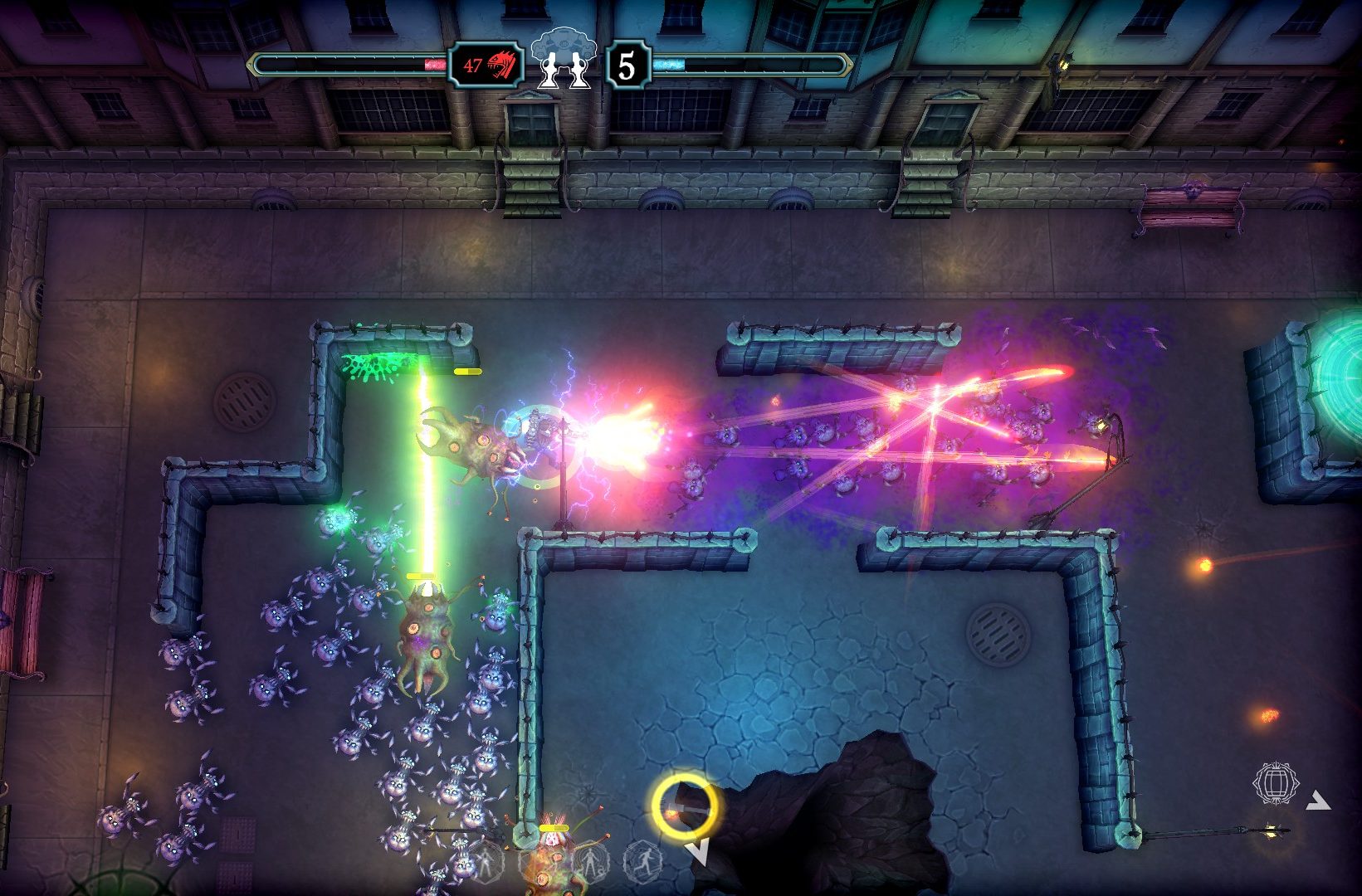
The levels in Tesla vs. Lovecraft offer a wide arrange of size and obstacles in various settings across the campaign. Some act as small areas barely filling up more than the entire screen, while others have the players running through alleyways, courtyards and city streets, searching for the next player-boosting perk. Along with primary weapons and abilities, players will keep things interesting with other consumables like health packs, armour shields and unique enhancements like fire bullets. After a few short training levels, the player is granted the Quantum Teleport backpack which allows Tesla to teleport a short distance, as well as through most fences or other obstacles. Now all Nikola needs is some weaponry.

Tesla vs. Lovecraft creates a unique arcade feel with unlimited ammunition rounds, a vast array of awesome weapons to pick up, mighty abilities and character customizing perks. Weapons like pistols, revolvers, gauss rifles, shotguns, repeater shotguns and the beloved Tommy Gun are found throughout the levels during your campaign. Randomly spawning during each stage, players are only permitted to carrying one weapon at a time. Running over a different weapon than you have will automatically replace your current weapon, often leading to unwanted weapon switches.

With the intense action and splashing array of colours flooding the screen, it’s easy to lose sight of what’s what. The developers have done a substantial job in colour-coding items based on whether they’re weapons, power-ups or mech parts, but there may still be some visual confusion that slightly hinders the overall gameplay. Whether or not you accidentally swap a quick-firing Tesla blaster for a slow 2-shot shotgun, you still have a few options to keep the action in your favour.

Tesla vs. Lovecraft
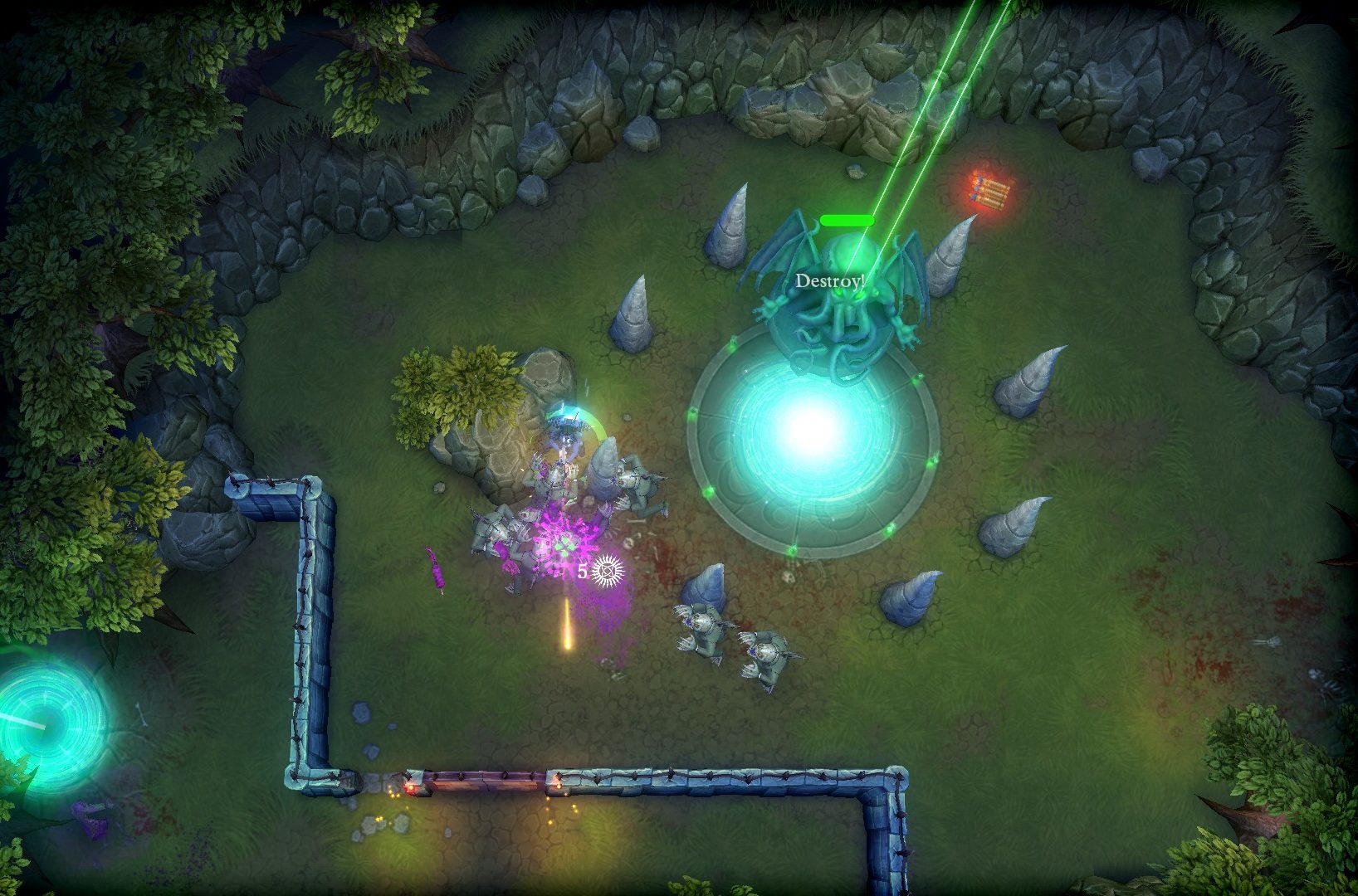
Along with the many waves of enemy monsters, Cthulhu statues will appear which endlessly spawn enemies until they are destroyed.

Strengthen Tesla’s Skills With Unique Perks and Abilities

Along with the many weapons to find and unlock throughout the game, players also have many perks and abilities to trigger. In typical arcade fashion, every stage starts Nikola Tesla off at level one, growing through the ranks as you mercilessly slaughter Lovecraft’s army. Leveling up comes quick, as stages typically last anywhere from 20 seconds to a few minutes, as players wipe out hundreds of enemies in one stage. As you gain each new level, players are awarded a perk point and may choose between two randomly selected perks.

Increasing movement speed, adding bullet penetration, a higher chance of acquiring more power-ups, or unleashing lightning strikes every few seconds are only a few of the perks available throughout the game. Starting off with a limited number of perks, more are unlocked as you progress further in the game. Gaining anywhere from 5-10 levels in one stage is an average run in Tesla vs. Lovecraft, allowing players to enhance Tesla in unique ways for every single level.

Tesla vs. Lovecraft
Unique perks help develop Tesla across each level, like having the ability to ricochet bullets off of walls.

On top of the useful and semi-permanent perk to choose from, powerful abilities also come into the mix when fending off the hordes of Lovecraftian nightmares. Spawning randomly in each stage, much like the standard weaponry, players may only equip one ability at a time. However, unlike standard weapons, these abilities are capable of dealing massive amounts of damage to the many waves of enemies. Using a massive sword to slash through a thick crowd of enemies, unleashing a flurry of static shock, or an AoE nova attack act as some of the unique abilities found in each level. Not similar to the unlimited ammunition found with primary weapons, abilities have a limited number of uses, making for more strategic actions.

Lay Out Some Carnage With The Mighty Mech Suit

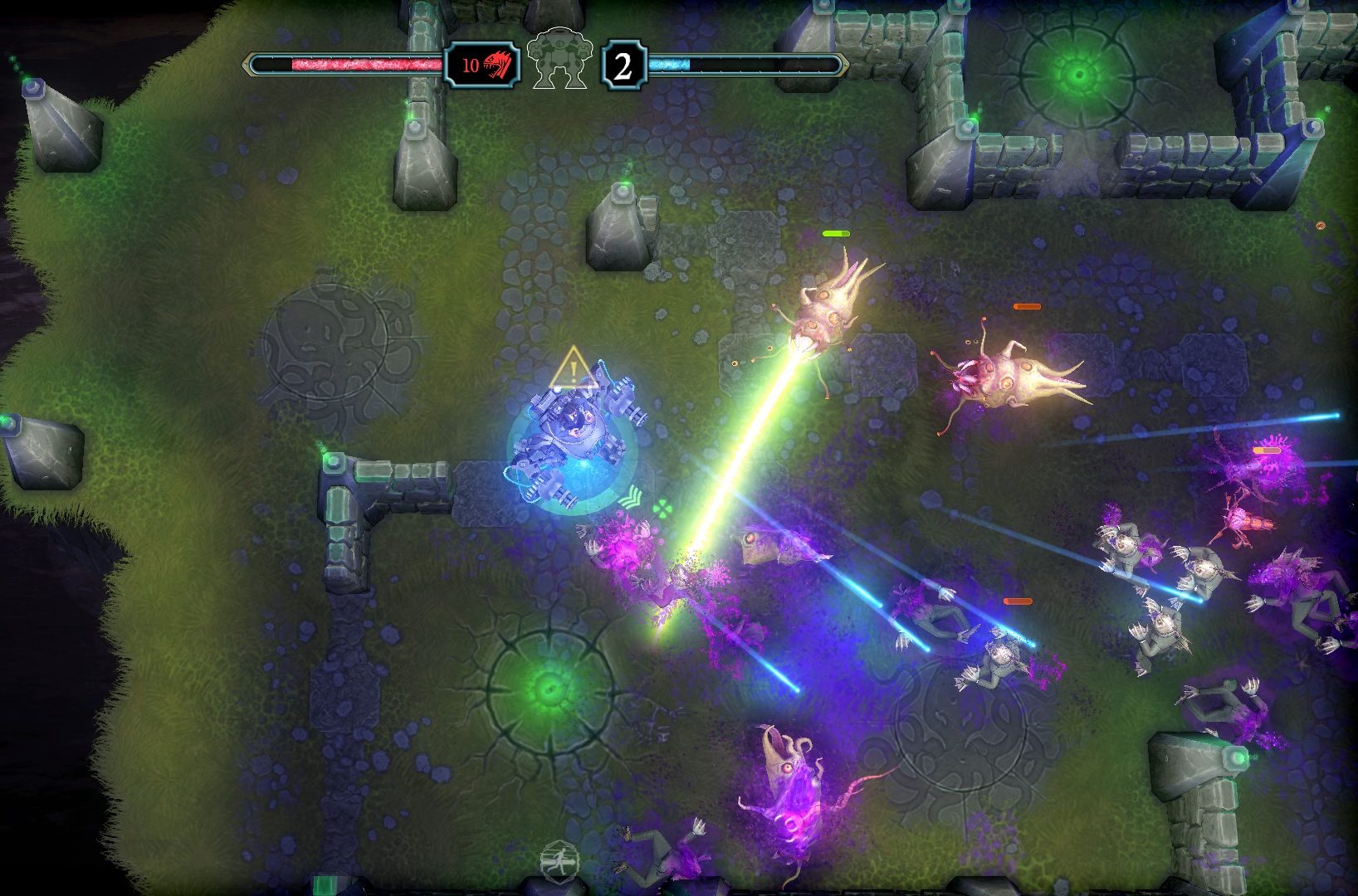
With all of this talk about unlimited ammo, character developing perks and game-changing abilities, these are nothing when compared to the deadly and outrageously fun Mech suit. Invented by none other than Tesla himself, this Mech suit is the ultimate table turner. Once unlocked – which is relatively early in the game – players will start each round with the assaulting Mech suit intact. After about 10 seconds or so, the Mech suit explodes into six pieces, all scattered throughout the stage. Once players pick up each part, the rampage is back on for another 10-or so second run, or until the Mech takes enough damage.

The Mech suit is not only extremely powerful but all-too satisfying as well. While firing the duel cannons works perfectly fine against the many waves of monsters, walking through them and crushing walls and barriers bring the carnage to a maximum level. It’s easy to get carried away once the Mech suit is engaged, effortlessly wiping out any helpless monster standing in your path.

Tesla vs. Lovecraft
The Mech suit is the ultimate weapon for slaying an enormous amount of monsters quickly.

Tesla vs. Lovecraft is a rampage inducing, action-packed sci-fi arena shooter that stands tall amongst titles of similar stylings. With the unique perk and levelling system, smooth controls, one-of-a-kind story, devastating abilities and Mech suit, 10tons graciously hands over an experience of science and horror like no other game has before. Throughout the game’s many, many levels available through three different areas, plenty of monster slaying, Mech-suit-smashing mayhem awaits at your fingertips in this latest twin-stick arena shooter.

Play Nintendo Upside Down

How I Play Nintendo Games (And Super Smash Bros.) Upside Down

Hello everyone, my name is Beewito (Nate) and I’m a gaming YouTuber. I like to think that I bring a very distinct quality to playing video games, so let me explain.

Around the time I was 2 years old the Nintendo 64 had just come out. Obviously, I hadn’t known this at the time, but I knew someone who did… That person was my older brother, he was 8 at the time, and had received an N64 for his birthday. For a while, being a 2-year-old, I didn’t understand the concept of video games at all. That is until the day I became a ‘gamer’.

“Ever since I could remember, I have been a Nintendo enthusiast. Nintendo was the first to grab my heart for video games in general.”

One day my brother was at school and I was bored of playing with my action figures and messing around with paper. You know, kids stuff. I noticed the N64 across the hallway in my brother’s room, just sitting there being unplayed… Inevitably, being the toddler I was, I got curious because it wasn’t something I’d seen before, and mainly, because I thought it was a toy. So I walked over to it, feeling and holding the actual console for a bit, feeling some of the games. I almost lost interest until I saw a little switch on the top front of the console, I decided to push it up, and voila this is where it began (the TV was on already and the controllers were already plugged in). Super Smash Bros. was in the console, and that’s the game that came up on the TV. I distinctly remember jumping up and down with excitement!

“That first match I played against the CPU Yoshi… I, of course, lost against him – practice makes perfect!”

At the time, figuring out something like this was amazing to me. Anyways, before touching anything I watched the opening intro/cutscene of the game, with my mouth wide open, stunned with amazement. After the cutscene was over, I picked up the controller and pressed one of the buttons to start the game.

The Upside Down

After some general “being confused” time, messing around with modes, and playing with the menus, I had, outstandingly, started an actual match. So the match begins, I was Mario, and I had chosen a Lvl. 3 Yoshi as a CPU. We were fighting on the Hyrule Castle stage. Since it was my first time playing any sort of video game in my life, I obviously didn’t know how to hold the controller to play. In fact, the only way I was able to start the game was by pressing random buttons and holding the controller by the tip of my fingers.

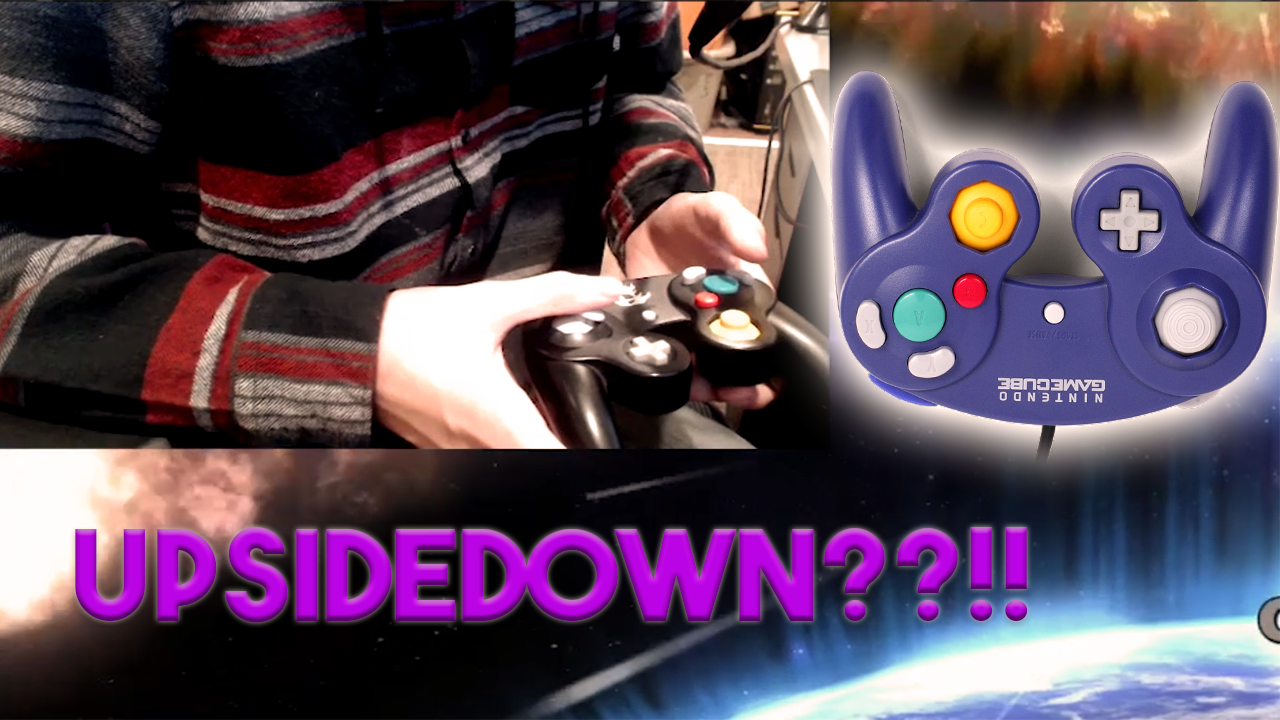
After turning the controller all which ways and trying to hold it in different positions, I had finally found a semi-comfortable way to hold the controller, which was, believe it or not, UPSIDE DOWN!

Fast forward: this became the normal way for me to hold the controller – to this day. It’s not just THIS specific controller either. I also hold the GameCube controller upside down too, which is what you see in my video. The video goes in-depth on what goes through my mind as I’m playing games like Smash. Like the optimal positions to hold the controller upside down to do certain moves, or what to press and how to press buttons.

Smash isn’t the only game I play upside down, by the way, I basically play all games on the N64 and GameCube upside down, unless the controls are inverted. I’m going to post more content in the future of me playing different games, so you can all get weirded out even more. Anyways, I hope you like the video above and my story. You can follow me on my upside down quest to find and play every game on these systems.

Big thanks to Nitchigamer, (who I started following when they were known as D-pad Joy), for letting me post on their blog too – in case you didn’t know already, these guys rock!

Hellblade: Senua's Sacrifice

Hellblade: Senua’s Sacrifice Review [PS4 Pro] – A Brilliantly Haunting Experience

With the ever-popular action adventure category of video games becoming more and more saturated throughout the years, developing teams are finding new ways to push the envelope for the repetition-riddled genre. After making a name for themselves with titles like DmC: Devil May Cry, Enslaved: Odyssey to the West and Heavenly Sword – Ninja Theory is back with another gripping action experience; but doing so by tackling the dark and merciless journey of a Viking warrior, aided by her haunting curse of psychosis and mind-rotting visions in Hellblade: Senua’s Sacrifice.

Hellblade: Senua's Sacrifice
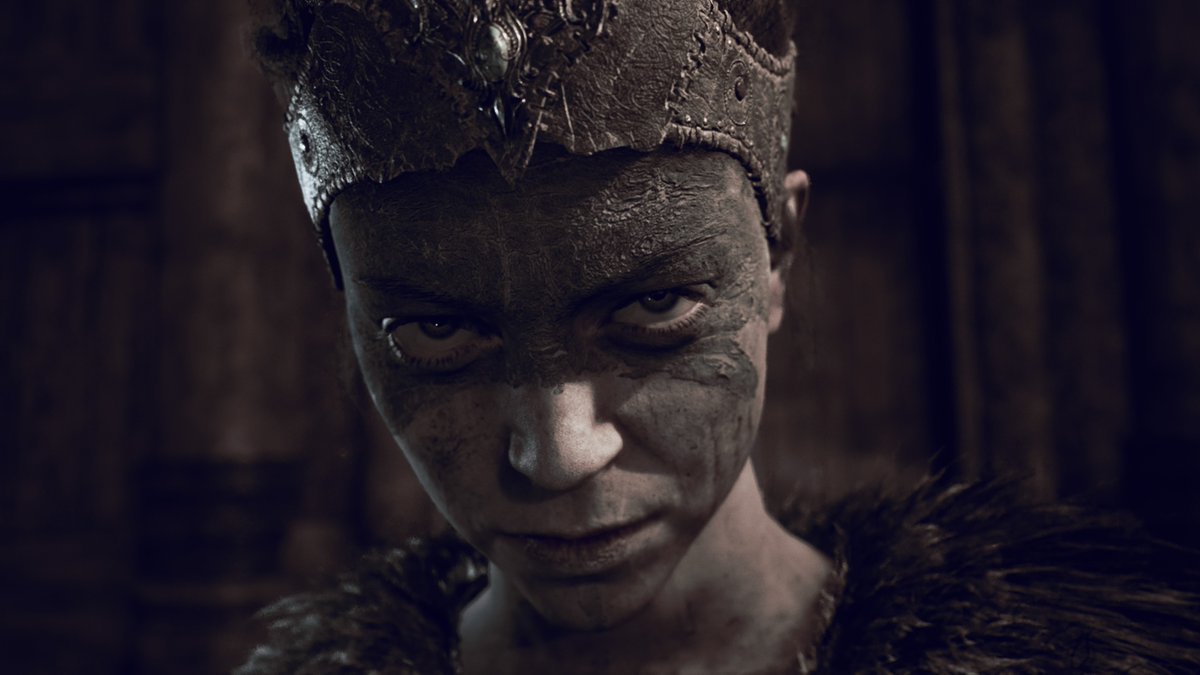
Playing as the Viking warrior – Senua – you’ll embark on a disturbing journey to the depths of Helheim.

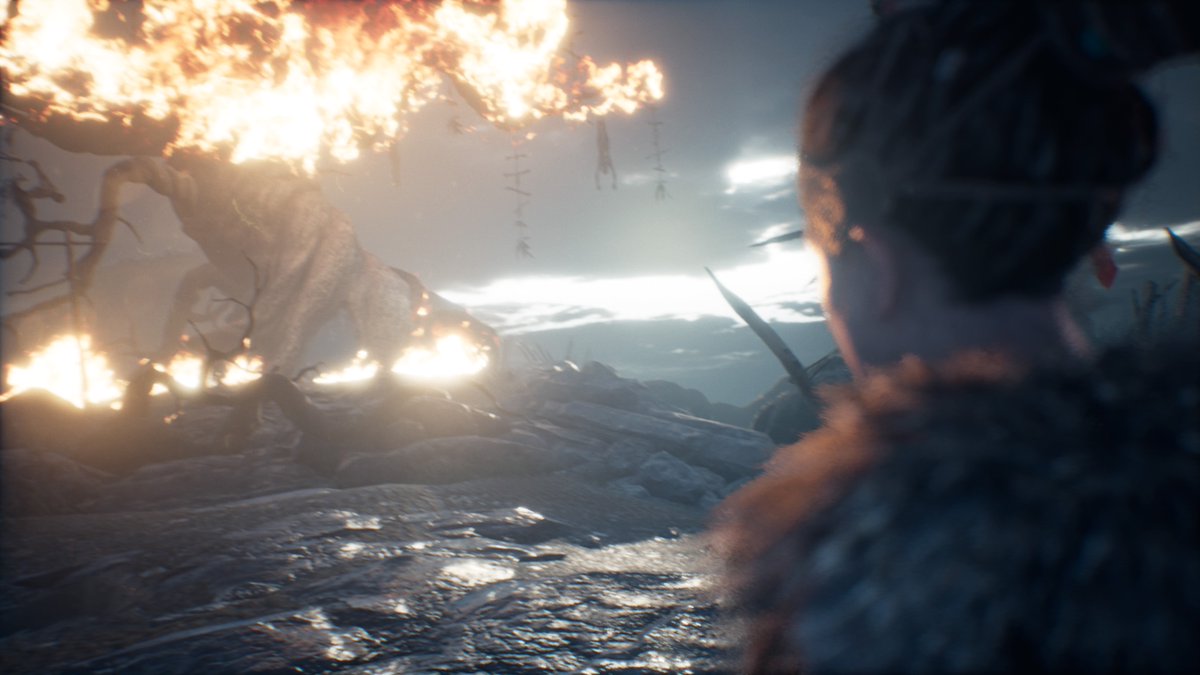
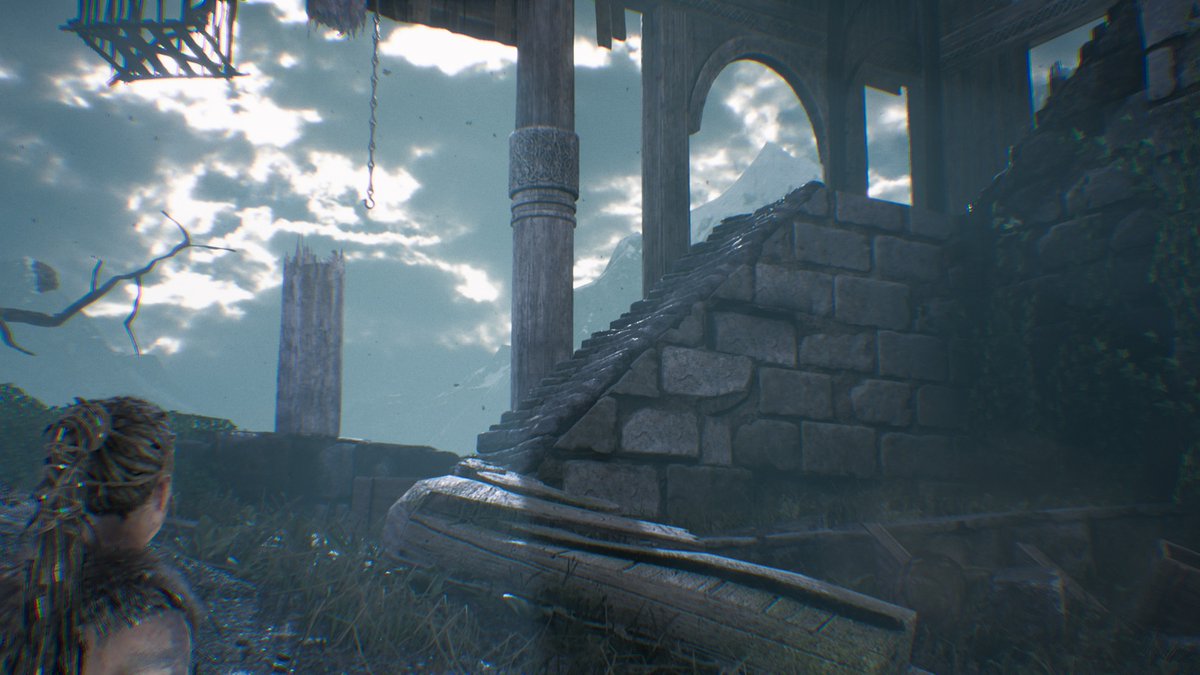
The path of Senua is a violent and disturbing one, bringing to life the realism of psychosis and interpreting what it’s like perceiving an alternate reality from what’s right in front of the player. The team at Ninja Theory did their research regarding this mental disorder, and it shows dramatically. The entire run-through of the 7 hour or so long campaign is brimming with haunting whispers, flickering lights and distant movements, ever pushing the twitching reality of Senua’s chaotic, and broken mind.

Hellblade: Senua’s Sacrifice – Fighting the Curse of Psychosis

The game is extremely linear, following a given path of intricate puzzle-solving and staged combat experiences. The dark story of the Viking warrior and her quest to Helheim to bring her loved one back to the living is as endearing as any love story, but permeates with evocative dialogue, enveloping sounds and troubling imagery. The puzzles featured are innovative and unique to the story of Hellblade, but add a much-needed sense of depth to the overall gameplay. If not for the ever-present puzzles to solve, the staged combat doesn’t quite fill Hellblade with sword swinging hack ‘n’ slash battles like other titles from the Ninja Theory catalogue.

Hellblade: Senua's Sacrifice
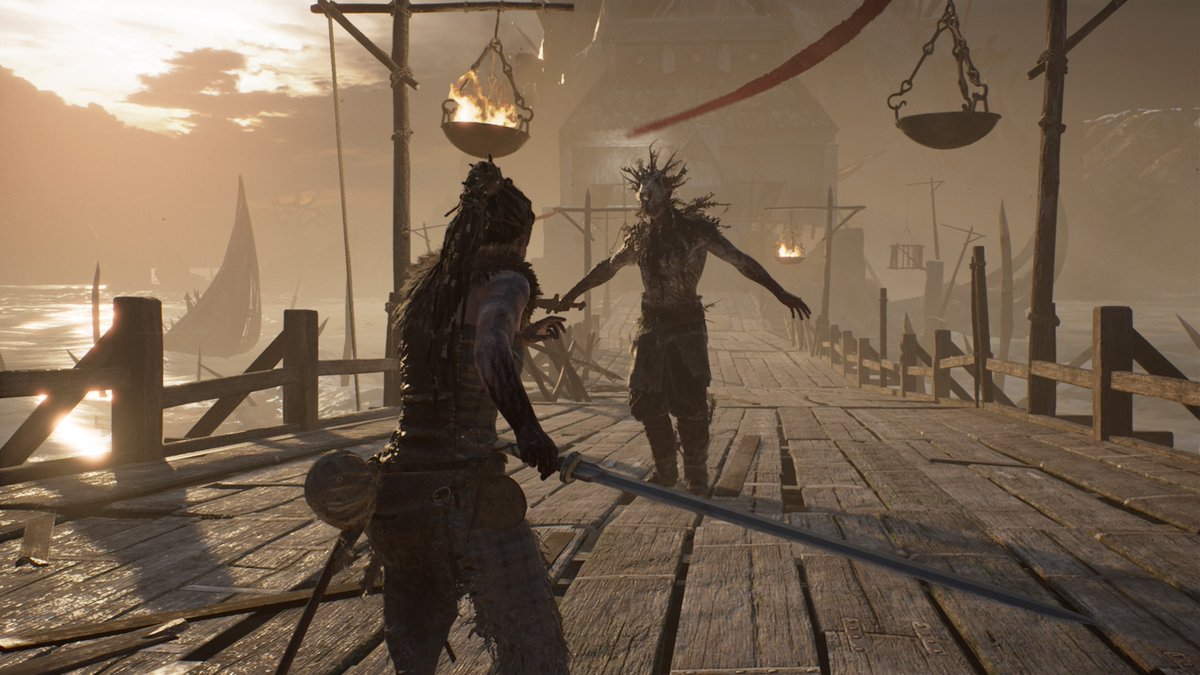
Throughout Hellblade players will be faced with brutally grotesque monsters in the staged hack and slash combat.

As you begin your journey to Helheim, the grave voice narrates over your slow trek to one new area after another. Hellblade is fueled off the drawbacks of psychosis. The constantly shifting reality of the scenery surrounding Senua is the source to figuring out the many puzzles, by either finding specific shapes scattered somewhere in the world, discovering and aligning segments of a symbol to create the full image or finding other discoveries hidden deep within the Viking world.

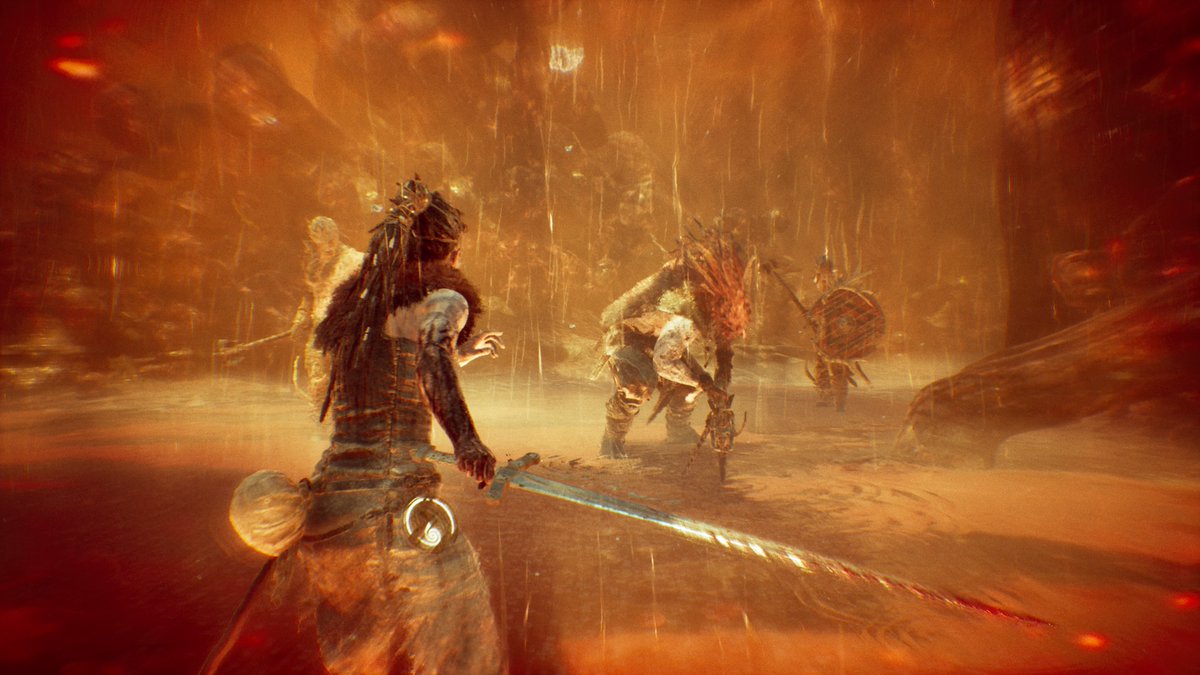
As you progress through, the combat in Hellblade will soon enough be introduced. Appearing in front of your from the ashes, enemies come in a handful of different forms. Quick acting sword swingers, shield-wielding brutes and giant warriors bringing down a heavy blade with extreme force are all part of the family of opponents found in Hellblade. Senua fights with a standard mode of attack, with both a light and heavy attack, a melee kick and, of course, the useful dodge technique.

Hellblade: Senua's Sacrifice
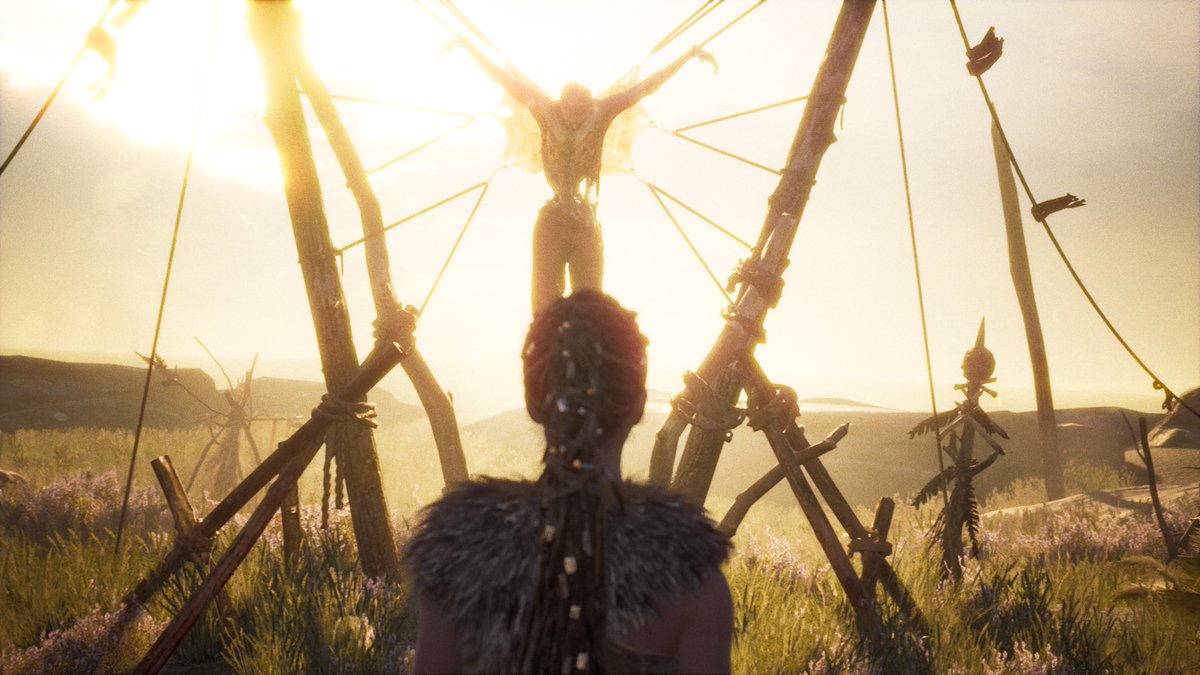
Illusions from psychosis haunt Senua throughout her deadly journey to Helheim.

Along with the defensive tactic to roll or sidestep, Senua is capable of blocking attacks with her sword, as well as performing a parry move to open up an attack window for extra damage. I mention this parry technique because the game simply fails to do so. What seems like an important combat ability, parrying is only discovered by the player when they time a perfect defence against an enemy’s attack. On top of the parry technique and other essential combat manoeuvres, Senua also has the ability to use her focus skill in combat.

Focus. Use Your Inner Eye

The focus skill while outside of combat allows Senua to “focus her inner eye” on important details and symbols throughout the journey. The focus technique is the primary ability to solving the puzzles that riddle Senua throughout her story. That being said, puzzle-solving is not the only occasion Senua will use this secret skill. During combat, using the focus skill – which is charged by connecting Senua’s attacks – will slow down time for a few moments, increasing the number of strikes Senua can land on her opponents. Though simple and unembellished, the what seems like shallow combat mechanics provide an incredibly exciting and thrilling experience when engaging in the vile monsters that come to take Senua’s life.

Hellblade: Senua's Sacrifice
Using the focus mode, players will need to solve puzzles by paying close attention to details in Senua’s surroundings.

The curse that follows Senua throughout the game is both mental and physical. While the whispers and cynical chants eat away at her mental stability as she undergoes her harrowing journey, the physical torment endured from failing is just as disturbing. The lingering fear of losing your progress is a significant weight the player must carry as the black plague on Senua’s arm crawls upward with every player death. Once the webbing plague reaches Senua’s head, the game is over and the player must start from the beginning. Luckily, with a selection of combat difficulty, text-book staged combat and relatively short story length, starting over doesn’t seem as much of a chore as it sounds. Of course, there are some who claim that losing your progress never actually happens after numerous deaths, but is merely a bluff from the developers.

Hellblade: Senua's Sacrifice
Senua will often find herself against multiple enemies at once, but using focus in the midst of battle will allow a brief period of slowed down enemy movements.

Impressively Evocative

The winding and distraught road of Hellblade: Senua’s Sacrifice is something so powerfully stirring that playing through the linear campaign multiple times still feels fresh and thrilling. The isolated quest to defeat the horrors of Helheim, overcome the dark curse that haunts Senua and return her loved one back to the living is as enthralling as it is disturbing. The realism and time spent on providing an accurate reflection of what it means to wield the curse that is psychosis is impressively alone, not to mention the astonishing visuals and sound effects. Ninja Theory took their time with this one, and it shows, as Hellblade: Senua’s Sacrifice is easily one of the most memorable experiences from 2017.

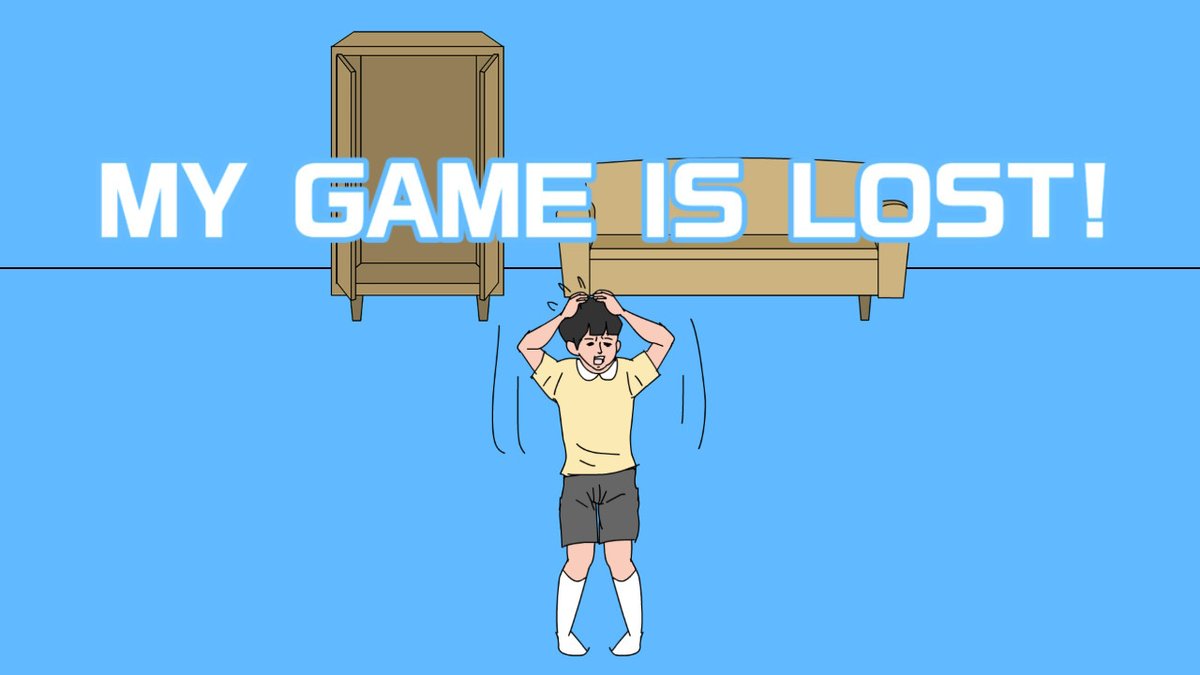
Mom Hid My Game! Review

Mom Hid My Game! Review [Nintendo Switch] – The Hidden Mother

When it comes to games that have literal titles, Mom Hid My Game! is definitely up there with the rest of them. Much like other indie titles that have launched on the Switch such as Tennis in the Face, it seems to be the trend at the moment. But, when it comes to quantity, there certainly is no shortage of games to try via the eShop which is fantastic to see. 2018 will be huge for Nintendo and hopefully, the support for the smaller games will boost the Switch’s appeal further.

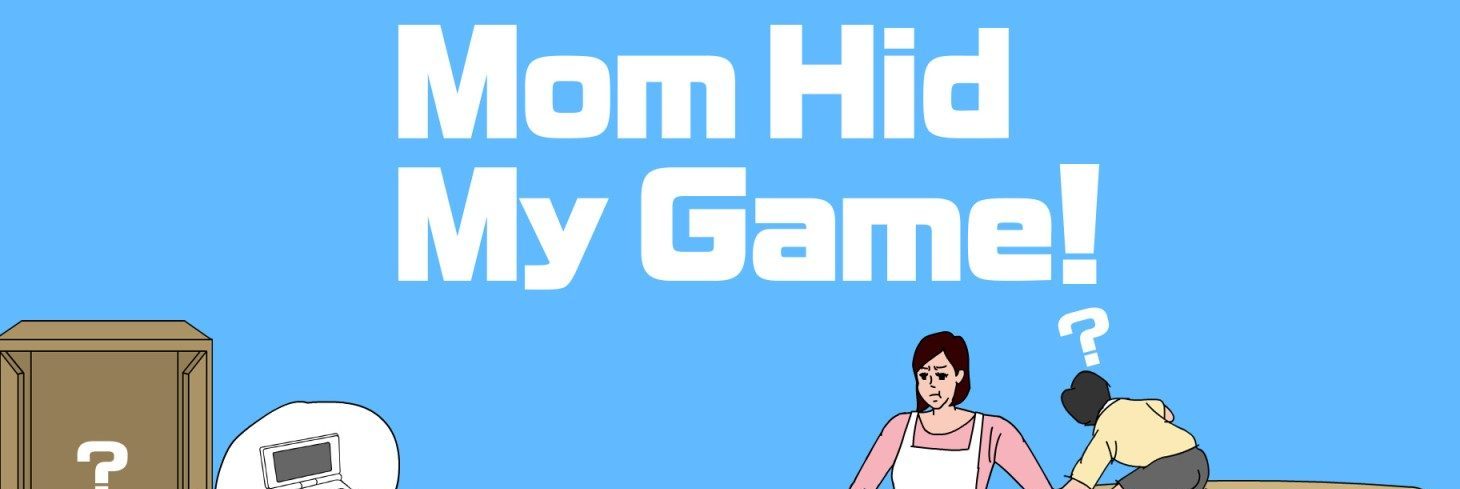
So what is Mom Hid My Game!, from developer Kemco, about? Well, as mentioned, the clue is literally in the title and your aim is to find your fake/unbranded, portable games console after your mother has decided to hide it away from you. Clearly, those psychologists were right in diagnosing gaming addiction as a mental illness as this poor chap can’t put his console down and will do anything to find it again.

Mom Hid My Game!

Although your console-finding antics take place in your bedroom, that doesn’t mean that the lengths the poor old mother goes to hide the thing are boring. Oh no, she gets quite creative when it comes to finding places to plonk the little console. Enlisting the help of animals, sports teams and the general public, she certainly knows how to make life difficult for you. Even when she’s hiding somewhere ready to spring him mid-search too, some of the scenarios and puzzles to find a way to collect the console are quite humorous if a little farfetched (poor kids bedroom doesn’t half get some thoroughfare).

Mom Hid My Game! Review

Altogether there are 50 puzzles to solve that take place over concurrent days, each with their own perks and twists as described above. They’re short, sharp and don’t hang around too long making them ideal time killers when you’ve got a few moments to spare. They can put a smile on your face and cause some frustration/confusion when you fall foul to the hidden mother (hiding as a floor lamp for instance) or get knocked over by a pacey pedestrian blocking your way.

The Problem

The main downfall of the game is in its deliverance; it is a short game, so much so that it will probably be something that is easily forgotten about – lost amongst other games. It is best suited to the mobile platform and you could say that it is a bit basic for a console title, albeit a indie game. But you can’t help but feel that it has some charm to it beyond that its longevity and appeal may be limited. The animations, style and sound effects have an air of cheese to them and clearly, the game doesn’t take itself too seriously or have ideas above its stations.

So whilst it’s nice to see Mom Hid My Game on Switch, is it worth the price of £4.49? Price and value is a very subjective matter and, for me, I wouldn’t say that it would be worth paying out for.

Time Hollow

Time Hollow: A Forgotten Classic Lost In Time?

Have you ever wanted to travel back in time and stop yourself from making a mistake? I wish I could step back in time and stop my younger self from wasting money renting Superman 64. Alas, time travel is not yet a reality, but time travel is a fun concept which has seen much application (good and bad) in film, fiction, and video games. Junko Kawano is a video game designer and writer whose work often features themes of time travel.

Kawano’s video game writing debut was the 2001 PS2 title Shadow of Memories, a game centred around the concept of time travel. Shadow of Memories’ protagonist, Elke Kusch, is murdered shortly after the game begins, and spends the remaining length of the game travelling through the past to prevent his own murder. Shadow of Memories is an exceptional adventure game, but it’s also a game that is more concerned with telling an interesting story than it is with being a “fun” game. If you’re patient and like slow-paced adventure games, I can’t recommend Shadow of Memories enough, but I recommend Kawano’s Nintendo DS title Time Hollow more.

Travel with me seven years into the future, from 2001 to 2008. Nintendo’s DS was four years into its lifespan and a hit with gamers of all stripes. 2005’s Phoenix Wright: Ace Attorney was a surprise hit that bolstered publishers’ confidence in visual novels. Publisher confidence led to the localization of many Japanese visual novels on the Nintendo DS. One such localized Japanese visual novel on the Nintendo DS was Kawano’s second foray into time travel, Time Hollow.

Time Hollow: A Forgotten Classic

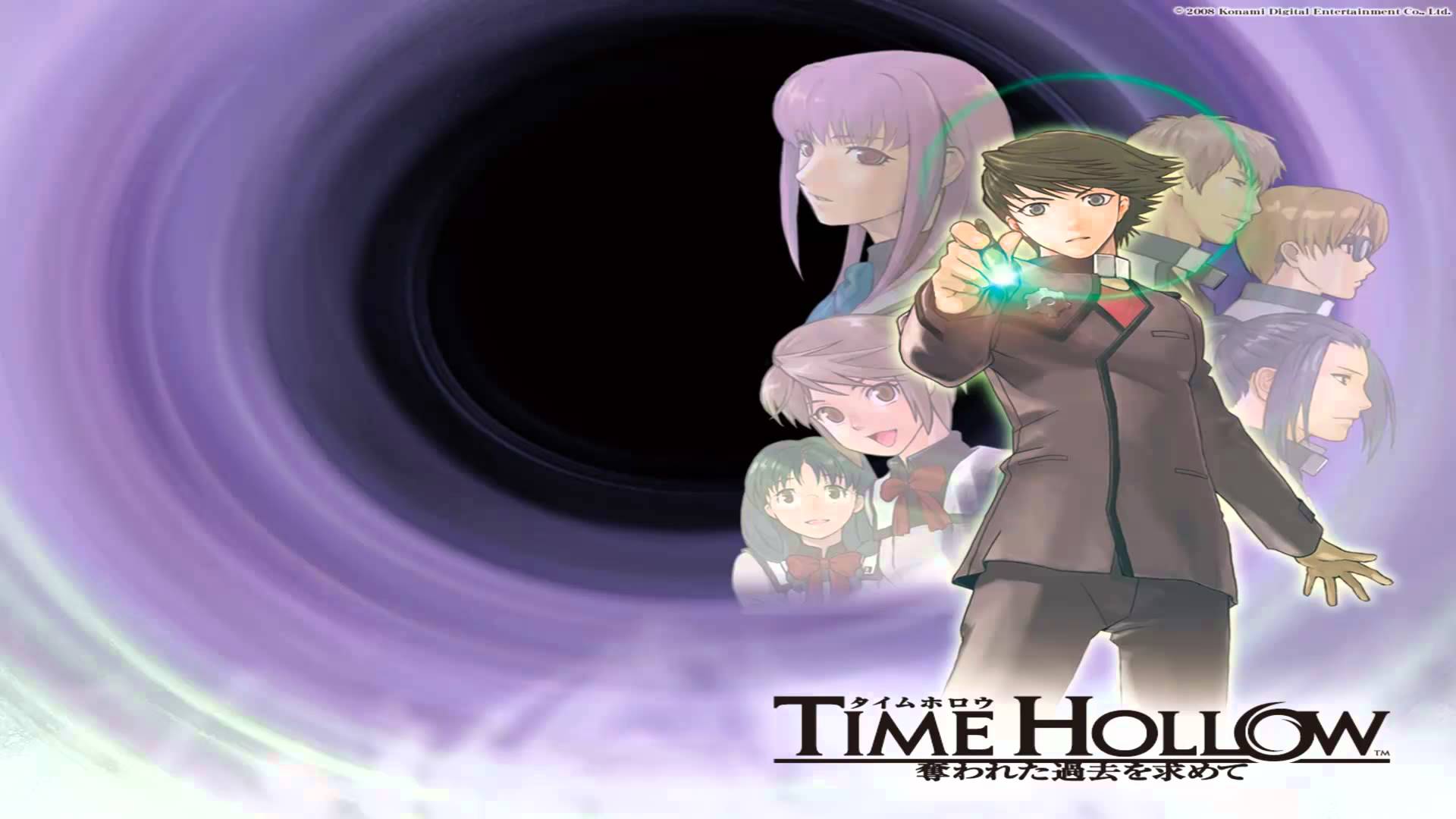
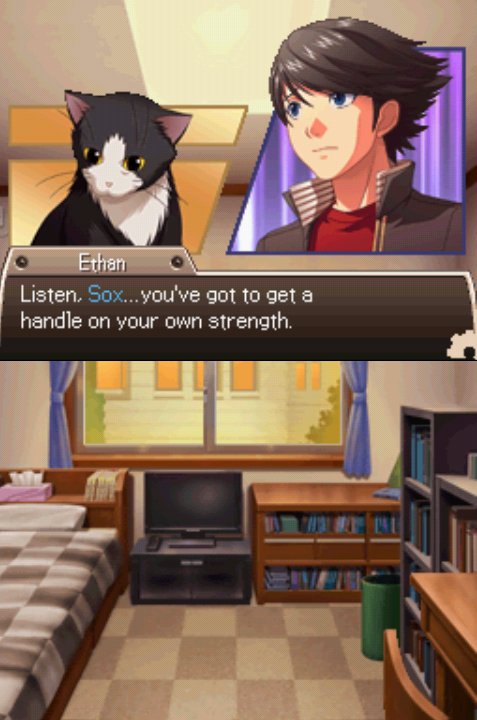
Time Hollow is a visual novel about teenager Ethan Kairos and the people in his life. Ethan goes to sleep one night and wakes up the next morning to find himself in a timeline other than his own… a timeline where his parents don’t exist. Confused, Ethan sets off to discover how he ended up in an alternate timeline and what he can do to return to his original timeline. Throughout the progression of Ethan’s adventure, Ethan explores both the past and alternative timelines.

Ethan’s adventure begins in his bedroom on the evening before his 17th birthday, and in Ethan’s bedroom players are introduced to Time Hollow’s “gameplay”. Time Hollow, like other visual novels, isn’t exactly something you play, rather, Time Hollow presents the player a world they can explore through point-and-click mechanics.

Time Hollow

Don’t Forget The Hollow Pen

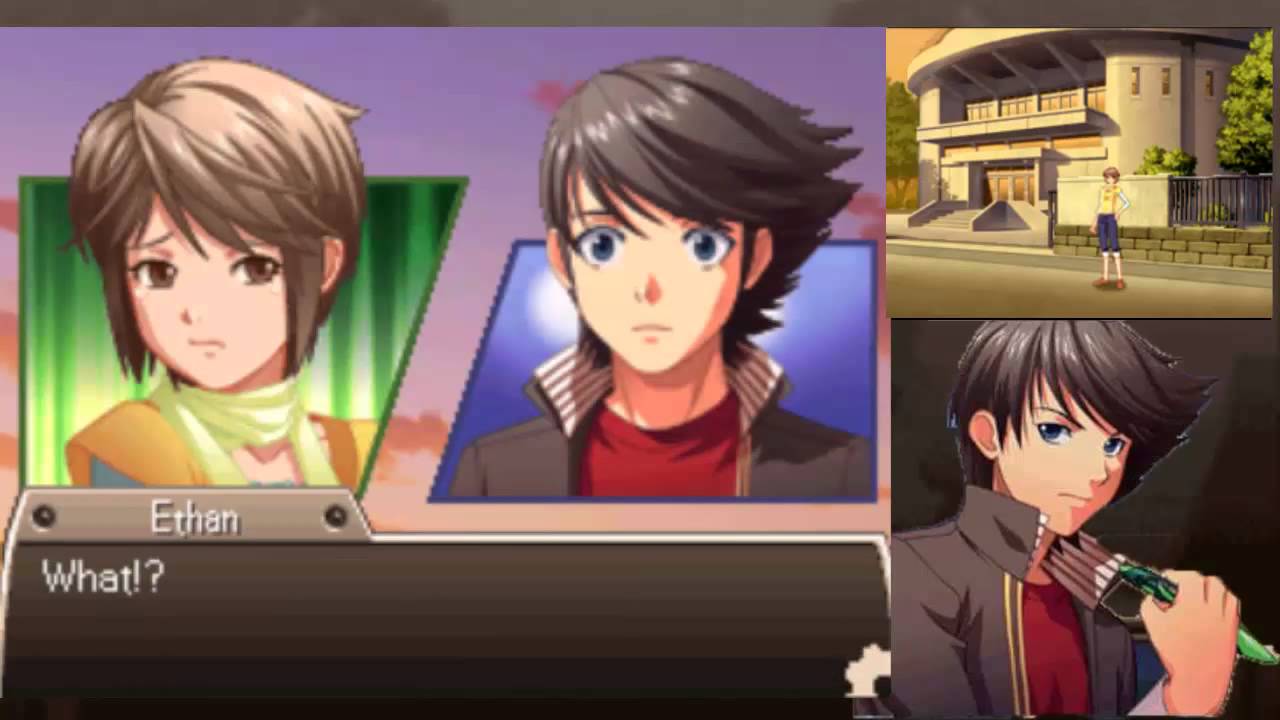
Time Hollow’s world is, in my opinion, its greatest strength. Not only are the beautiful sprite-based graphics easy on the eyes, the player sees the way Ethan’s world changes with the passage of time and transversal of timelines. A business in one timeline may not exist in another timeline, or the business may have different employees in different timelines. Ethan is able to interact directly with characters in the past to influence his present. Seeing Ethan’s world change as he manipulated time gripped me and made it hard for me to pull myself away from Time Hollow. Ethan explores the past and different timelines through the use of a “hollow pen” he is gifted by his dad for Ethan’s 17th birthday.

Ethan’s hollow pen is a Kairos family heirloom gifted to every successive Kairos on their 17th birthday. The hollow pen allows its wielder the ability to draw a “hollow” in the fabric of time. These drawn hollows function as windows to the past. Time Hollow’s gameplay hinges on using the DS’ touch screen to physically draw hollows in Ethan’s world, and using those hollows to manipulate the past and thus alter the present. Of course, you can’t run around Ethan’s world drawing hollows wherever you please; Time Hollow is very restrictive in regards to linearity.

Affecting “fun” factor and replayability most is Time Hollow’s linearity. On one hand, Time Hollow’s strict linearity can make repeated plays a dull affair, but Time Hollow’s strict linearity also streamlines the story, a nice (debatable) feature in a visual novel.

An Adult Story

Time Hollow’s story is often startlingly adult. Time Hollow’s graphics and anime-esque characters may lead one to believe Time Hollow is a predictable, childlike affair, but the story takes surprisingly dark turns. Honestly, I was shocked to discover Time Hollow is rated 7+ by PEGI. Time Hollow features graphic imagery like pools of blood, a dead body with blood spilling out of its head, and characters getting stabbed. Graphic imagery aside, suicide and murder are both prevalent themes in Time Hollow’s narrative. Time Hollow’s story is both dark and serious.

Time Hollow

As compelling as Time Hollow’s themes and world may be, the characters are typical anime fodder, but it is interesting to see how the characters change as Ethan travels from one timeline to another. There’s a devious villain, a nerdy, perv friend complete with glasses, a shy girl (who doubles as a psychic) with a crush on Ethan, and a cheesy theme song. The theme song (featured in DDR SuperNOVA 2) is the worst bit of music here though, the remainder of Time Hollow’s soundtrack is great.

Time Hollow is not a perfect game, it got a warm reception from critics and gamers alike, but it is a great experience for fans of visual novels or point-and-click adventures – you shouldn’t miss it.

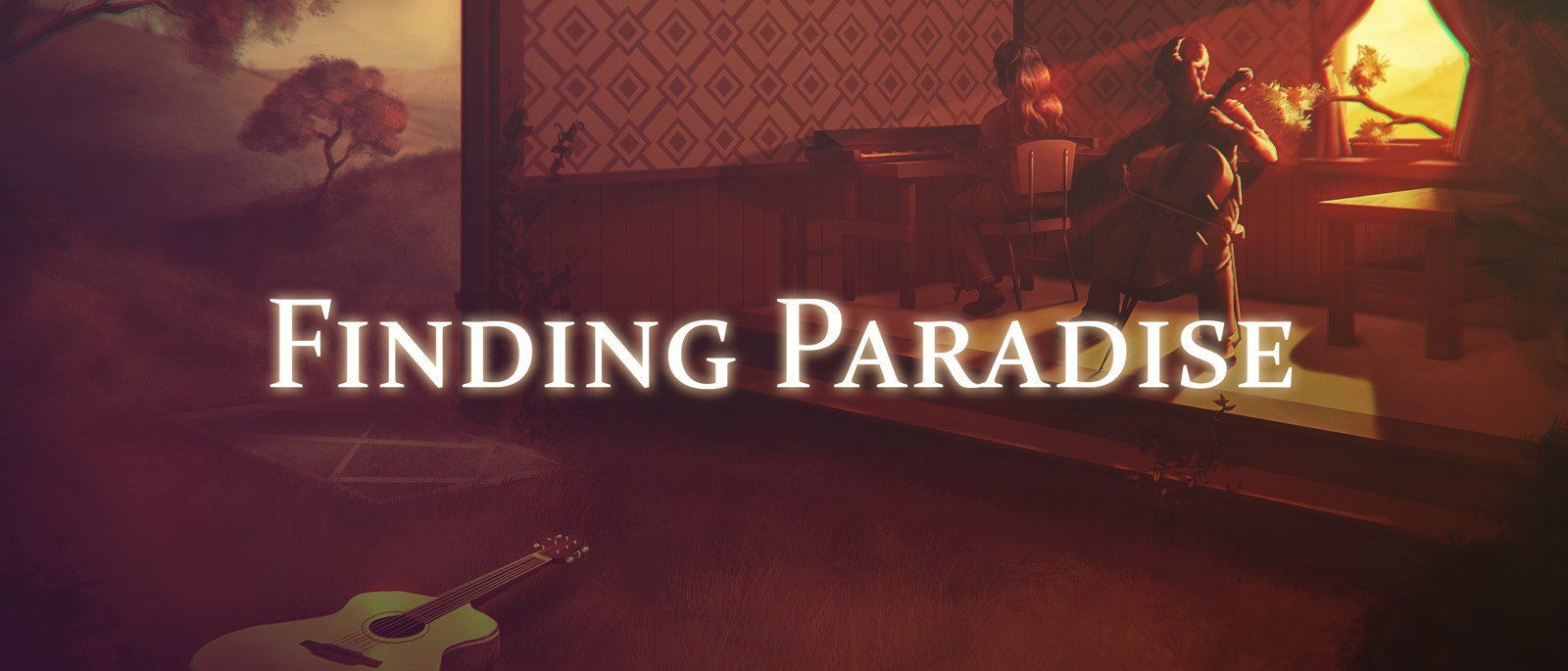
Finding Paradise Review [PC] – A Fulfilled Life?

Six years ago, a game that would forever change the way I view storytelling in games was published. To The Moon was an emotional rollercoaster, with incredible narrative and musical elements. Now, the time has come for its sequel – Finding Paradise. Kan Gao and the team behind Freebird Games has returned to continue the journey of reflecting upon memories, brilliant life philosophy, and last but certainly not least; putting us in an emotional imbalance.

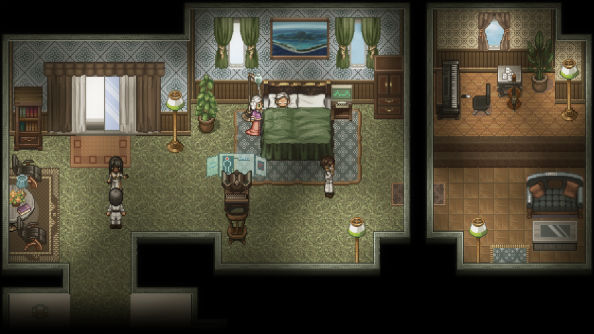
If you’re familiar with both of these games, you might also have encountered A Bird Story, a short narrative about a boy and a bird with broken wings. We learn that his name is Colin Reeds, and in Finding Paradise, he has come to the point where his time on earth is coming to an end. A dying old man, he becomes the patient of Dr Eva Rosalene and Dr Neil Watts, two lovable scientists who work for the Sigmund Corporation, a peculiar organization that helps dying people fulfil their lifelong wish. However, not literally. They travel through the memories of a person’s mind in order to make them think that their wish is fulfilled. The task of fulfilling Colin’s wish will turn out to be much more difficult for Dr Rosalene and Dr Watts than they first expected.

The scientists are what they call Memory Traversal Specialists – they travel through a person’s memories ranging from early childhood to late adulthood, to alter them and make them think that they have fulfilled this wish. Through altering the memories, they are able to nudge the person in the right direction, helping them to make decisions that will make their wish come true. With that said, the scientists are on a tight schedule – the patient might pass away at any moment. The clock is an important as well as a recurring symbol, as time is truly of the essence.

Finding Paradise Review
“Some stories aren’t meant to be told… they are meant to be kept.”

Colin feels that he hasn’t lived a fulfilled life, but desiring what you cannot have is perhaps something the majority of us will inevitably encounter during a lifetime. However, in Finding Paradise, one can change that. But only to a certain degree. Consequently, fulfilling one’s desire will ultimately replace another. Questioning the morality behind these patient’s decisions, the game explores both sides of the coin. What if the person you love actually desired a future that didn’t necessarily include you?

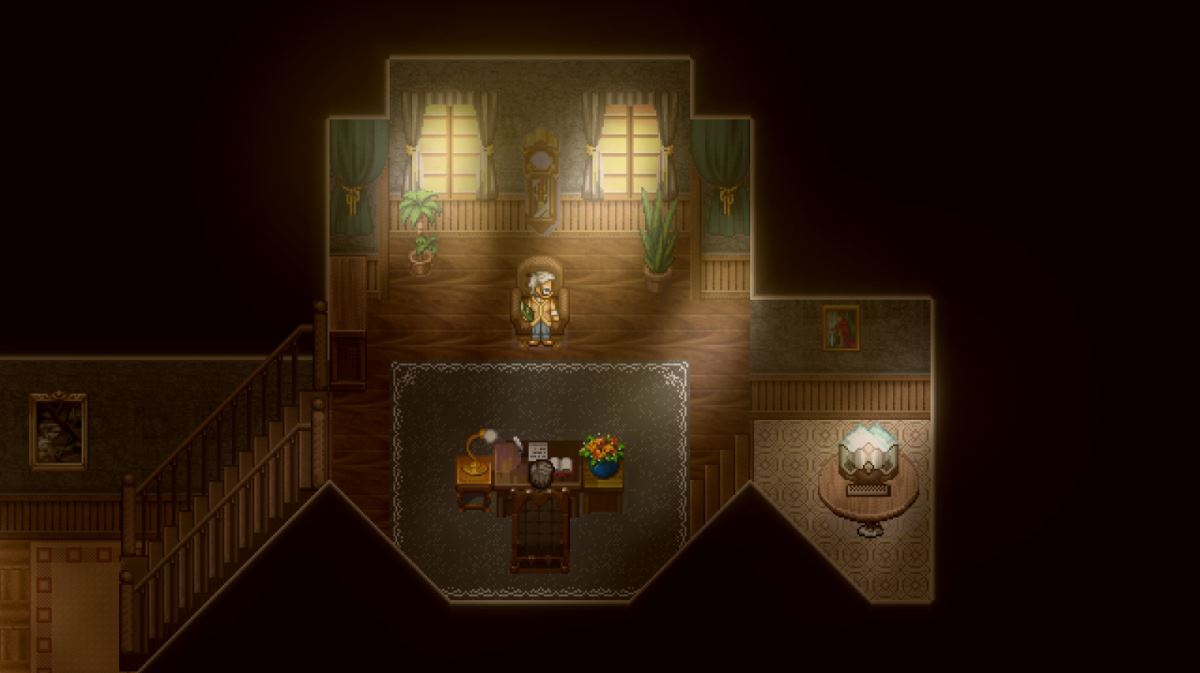
To The Moon, A Bird Story, and Finding Paradise all exist within the same universe. Therefore, some of the scenery might seem familiar if you’ve played the previous games. This is a really nice way of connecting the stories and shows good attention to detail. As I started the game, I immediately felt just how much I had missed these two scientists. The brilliant synergy between Dr Rosalene and Dr Watts are as funny and on point as in To The Moon. The dialogue is so incredibly well written, with puns and jokes filled with references to various movies and games. I absolutely love it. Finding Paradise had some hilarious moments where I sat laughing out loud. The two characters become a very nice counterweight to the heavy atmosphere of the game. As we delve deeper and deeper into the mind of Colin Reeds, the turn of events are as absurd and abrupt as the thinking mind itself.

Finding Paradise Review
How are we to live our lives?

“With the right accompaniment… anything can be a melody.” One cannot simply talk about Finding Paradise without talking about the incredible music that embraces this world. Like in all of Gao’s creations, the games are always complemented by a song that becomes a recurring theme. The song and the music compliment the characters in a really special way, and I can’t describe it further unless you have played the previous games because then you know what I’m talking about. Kan Gao’s musical creations are masterpieces that fit perfectly with the games. As a nice way of really implementing it into the universe, some of the characters (except for the scientists) each play their own instrument, and in a nice way, each theme is introduced by the characters themselves. The trailer shows you an example of the music, and when I watched this again, all the emotions I experienced when playing came rushing back to me:

In the end, I think it is also important to take from this that people never really know what they want at any given time. We all want to live a fulfilled life; but how can we define that, when each individual may want something different? The definition of a fulfilled life has faded in Finding Paradise, as we reflect on the fact that we are all dealt different cards in life. The important part is making the best out of what you have, and who you are.

Interactive Experience For Switch

Thoughts On Nintendo’s New Interactive Experience For Switch – Revealed Tonight

Nintendo is announcing a new “interactive experience” for the Switch at 10 pm UK time tonight. The news, of course, sent the internet into another unjustified meltdown: “Smash Bros. is coming”, “Yes, there are going to be loads of new games” chimed another. Although, seemingly, they forgot the most important part here:

“An interactive experience that’s specially crafted for kids and those who are kids at heart.”

Those simple words immediately tell us that Nintendo is not going to be announcing the next Smash Bros., but something much more casual-oriented aimed at “kids” and families – think Nintendo Wii era. It was pretty clear to me, so it’s quite perplexing to see others on the internet miss the point and inflate their expectations.

Nintendo’s president, Tatsumi Kimishima, has in recent times spoken about the need to grow the now established install base and reach out to “more users, including people who barely touch game consoles.”

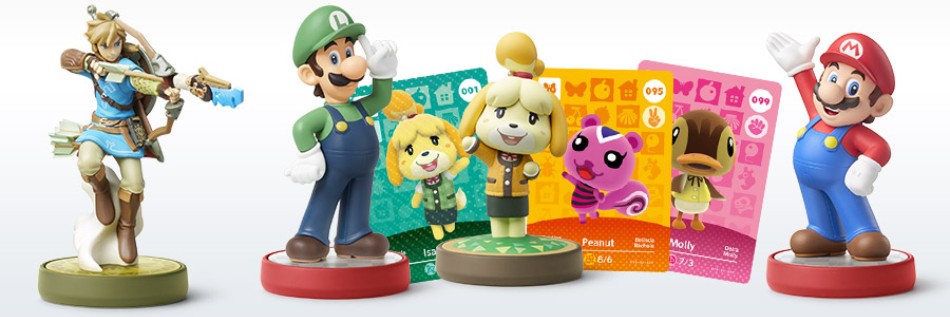
So, that’s what they’re going to be doing tonight, plain and simple. You can expect an attachment for the Switch of some sort, that or the second wave of toys-to-life figurines like the amiibo range – which interact with Switch games. Or something else offbeat. Just not Metroid Prime 4.

What I’m saying is: we need to temper our expectations here and not just jump on that superfast hype train without a ticket. Everything is so much better that way. Enjoy the announcement tonight.

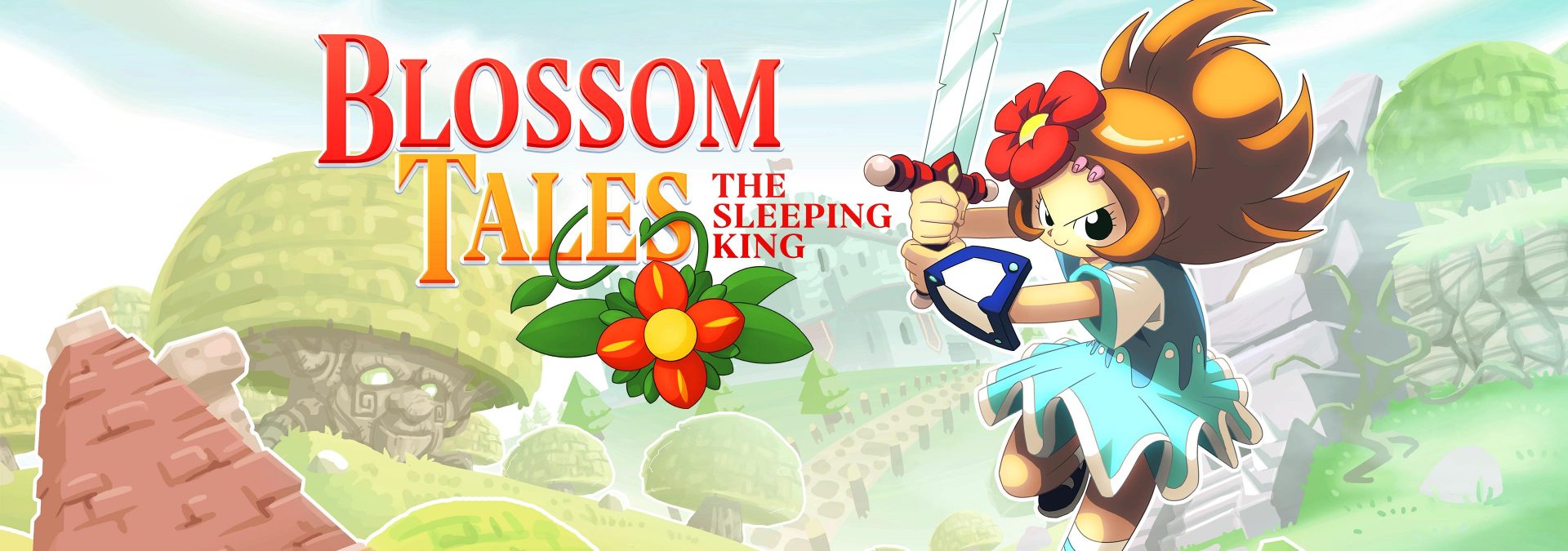
Blossom Tales: The Sleeping King Review

Blossom Tales: The Sleeping King Review [Nintendo Switch] – A Clone That Holds Its Own

There are those among us who say imitation is the best form of flattery. If something is a hit, whether it be a TV show, movie, literary franchise, or video game, you can bet knockoffs, rip-offs, clones, copies, and different takes on the material will inevitably flood the market. When creative individuals love something from their past, they tend to create a kind of love letter to that very thing. Is this a homage to a great work of art, or a blatant rip-off with no soul of its own?

This is the thought I had to keep at the forefront of my brain, as I played through Blossom Tales: The Sleeping King from FDG Entertainment. There is no doubt that Blossom Tales is a love letter to The Legend of Zelda: A Link to the Past in almost every way, shape, and form. From the very start of the game until the credits roll, Blossom Tales borrows heavily from Zelda, but I am happy to say, also adds its own indelible mark on the adventure-RPG genre.

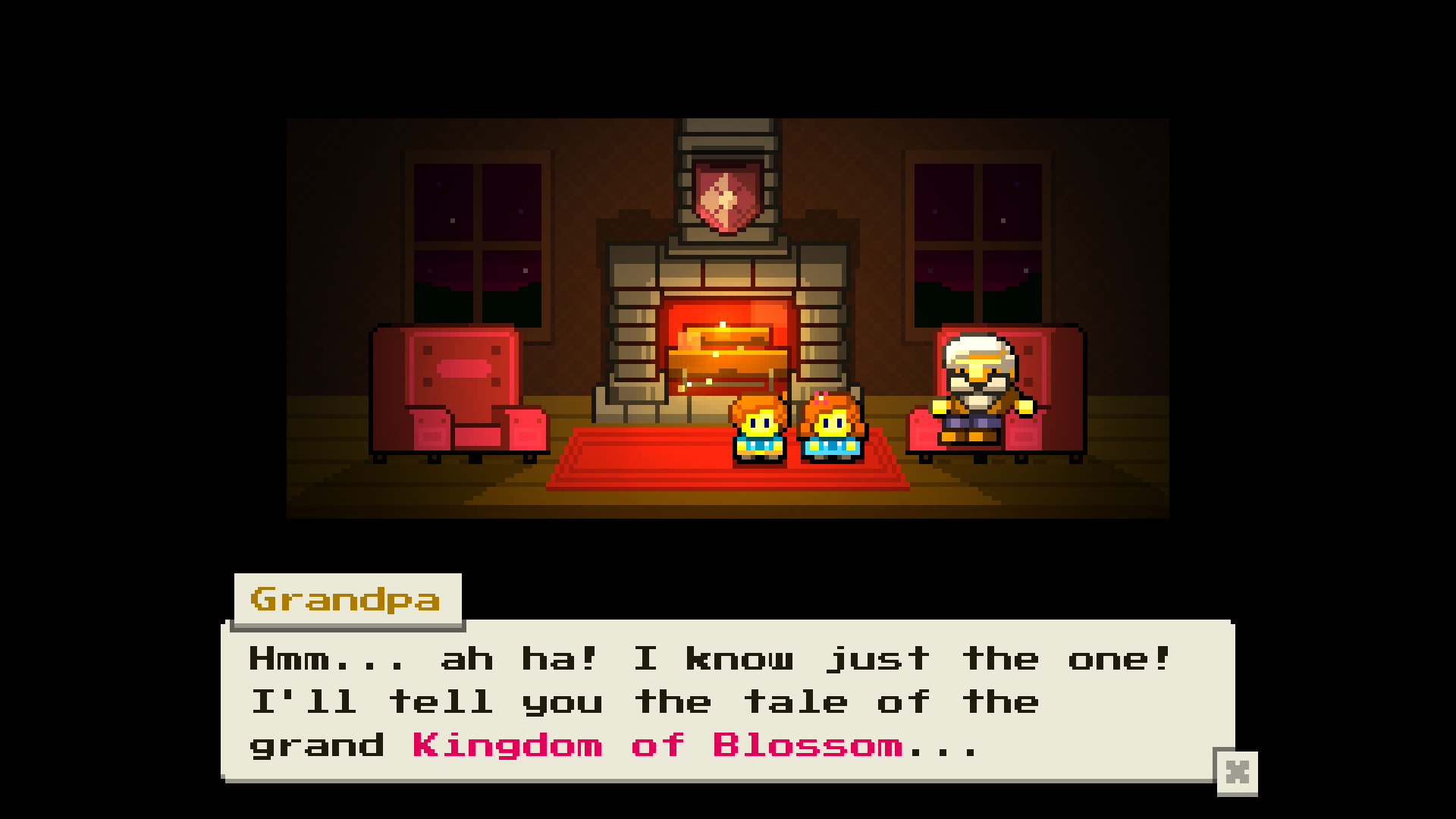
Blossom Tales is presented in the form of a fable being told as a bedtime story. Young Lily and her little brother Chrys beg their grandfather to tell them the story of Lily (yes, named after the granddaughter), who becomes a Knight of the Rose on the very same day that the evil wizard Crocus puts the king to sleep and takes over the kingdom. Lily the new Knight must now go on an adventure to save the king and vanquish the dark wizard who has taken over the land.
Blossom Tales: The Sleeping King Review

The story narrative is one aspect of Blossom Tales which separates it from Zelda in a significant way. As the grandfather is telling the story, the two kids are always chiming in with questions and alterations. The kids love to change what challenges Lily will face and are constantly asking their grandfather why things are happening. It’s all rather reminiscent of The Princess Bride, but with less Fred Savage and Peter Falk. I found this aspect of the narration to be quite adorable throughout, as items and creatures change or appear/disappear as the grandkids manipulate the story. Occasionally the grandfather reminds them that it’s his story to tell, but he happily makes the changes his two young listeners demand.

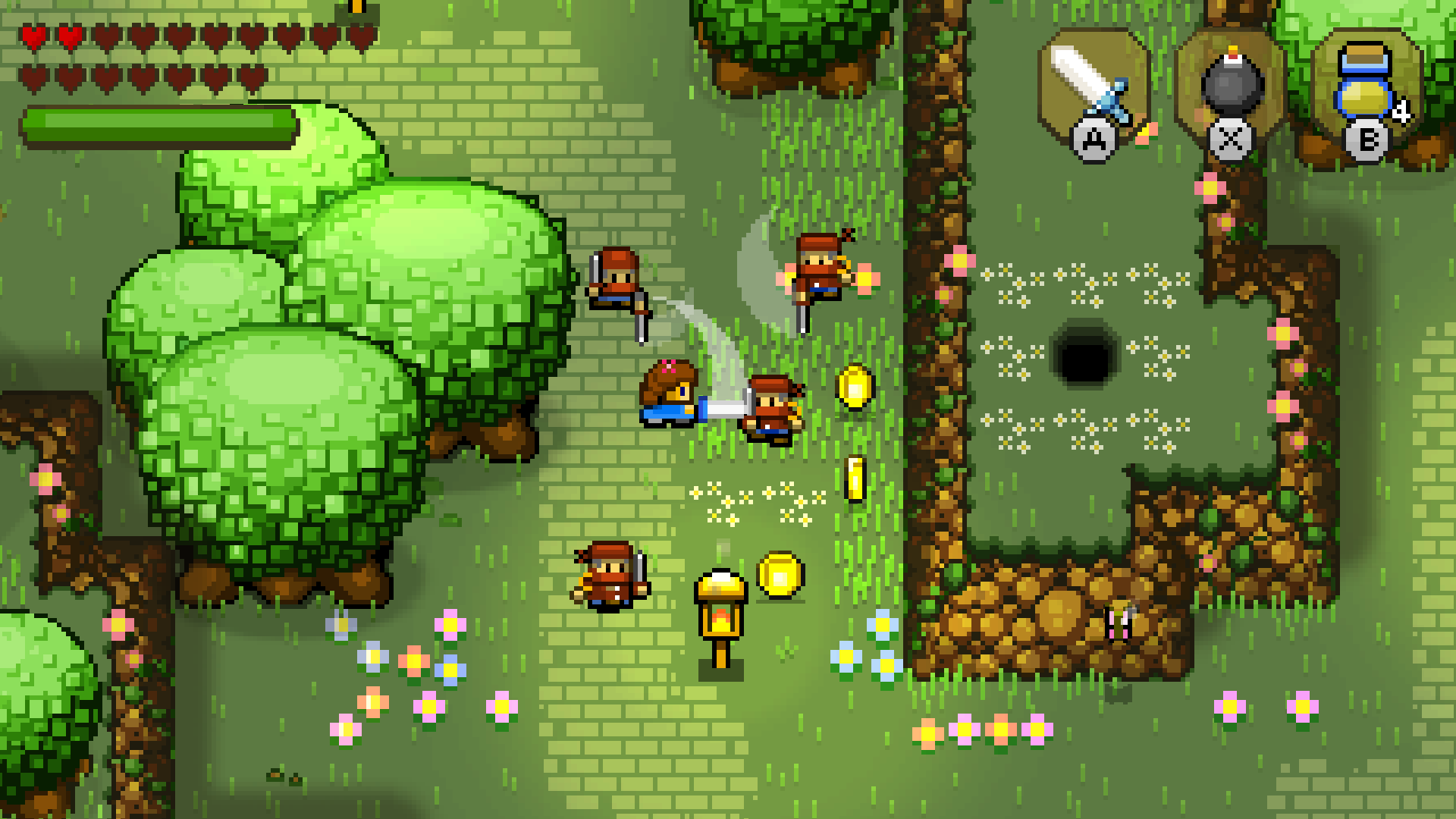
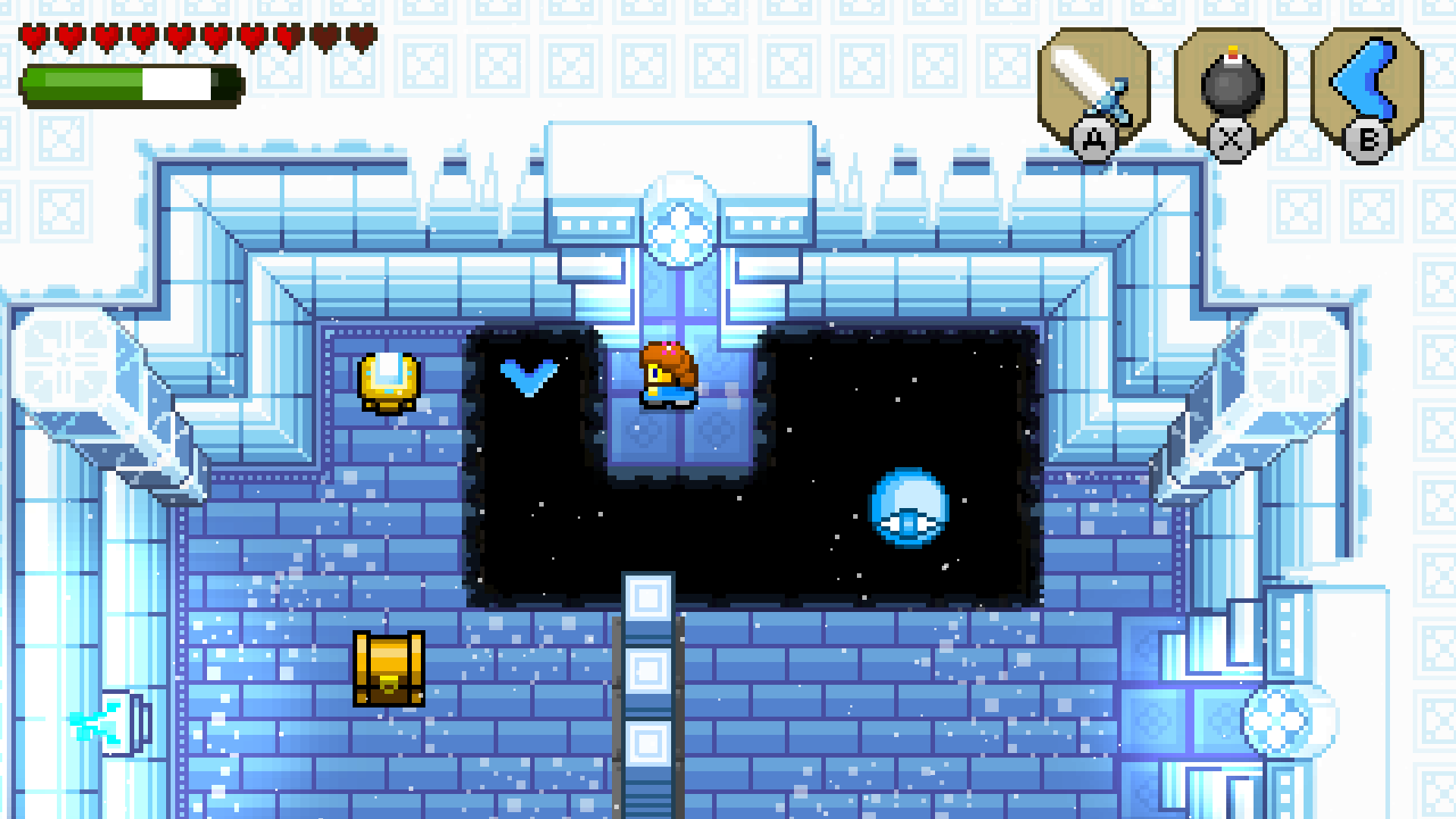
Everything in Blossom Tales, from the look, sound, and play mechanics, all feel like they’re taken straight from Link to the Past. Like Zelda, this game starts with our protagonist waking up and embarking on her adventure. Lily starts with a sword and shield but acquires more weapons throughout the journey. Although the weapons in the game aren’t unique, the way they’re used is night and day when compared to Zelda. Once you acquire an item (other than your sword), it’s now attached to a usage meter. Players can use as many bombs, arrows, and other weapons as they want, as long as their usage meter still has juice. Waiting a few seconds will recharge it, so players won’t have to look for potions as they travel. There are concoctions you can drink to give yourself a full meter, but just waiting twenty seconds also does the trick, and is much cheaper. Even your shield uses this play mechanic. Each hit you block depletes the meter, but I used my shield so little, I hardly ever noticed.

Just as in Link’s adventure, Lily can blow holes in boulders and cracks in walls to reveal hidden rooms and chambers. There are treasure chests scattered throughout, along with your typical array of stores, carnival games, and eccentric people populating the land. Lily must also collect pieces of heart in order to increase her life. If you hadn’t guessed by now, you need four pieces to make a whole heart. A part of me wishes the developers could have been slightly more creative with all of this, but at this point, everything’s been done already.
Blossom Tales: The Sleeping King Review

At first, using bombs and arrows willy-nilly is great fun, but after a while, you realize that’s all you really do. I hardly used my sword at all, relying on bombs eighty percent of the time and arrows the rest. It all tends to get monotonous when you can just blast away anything that comes your way.

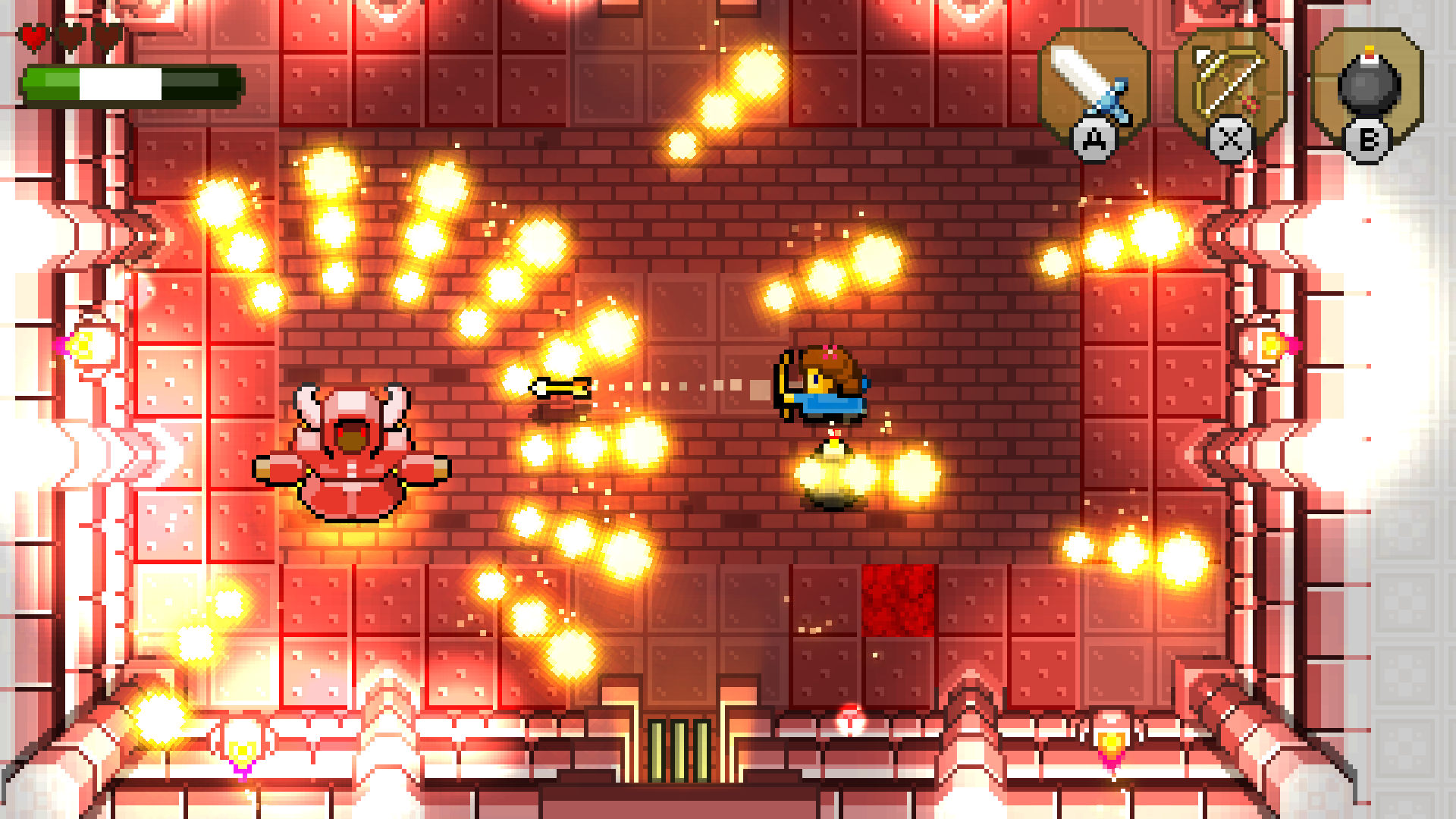
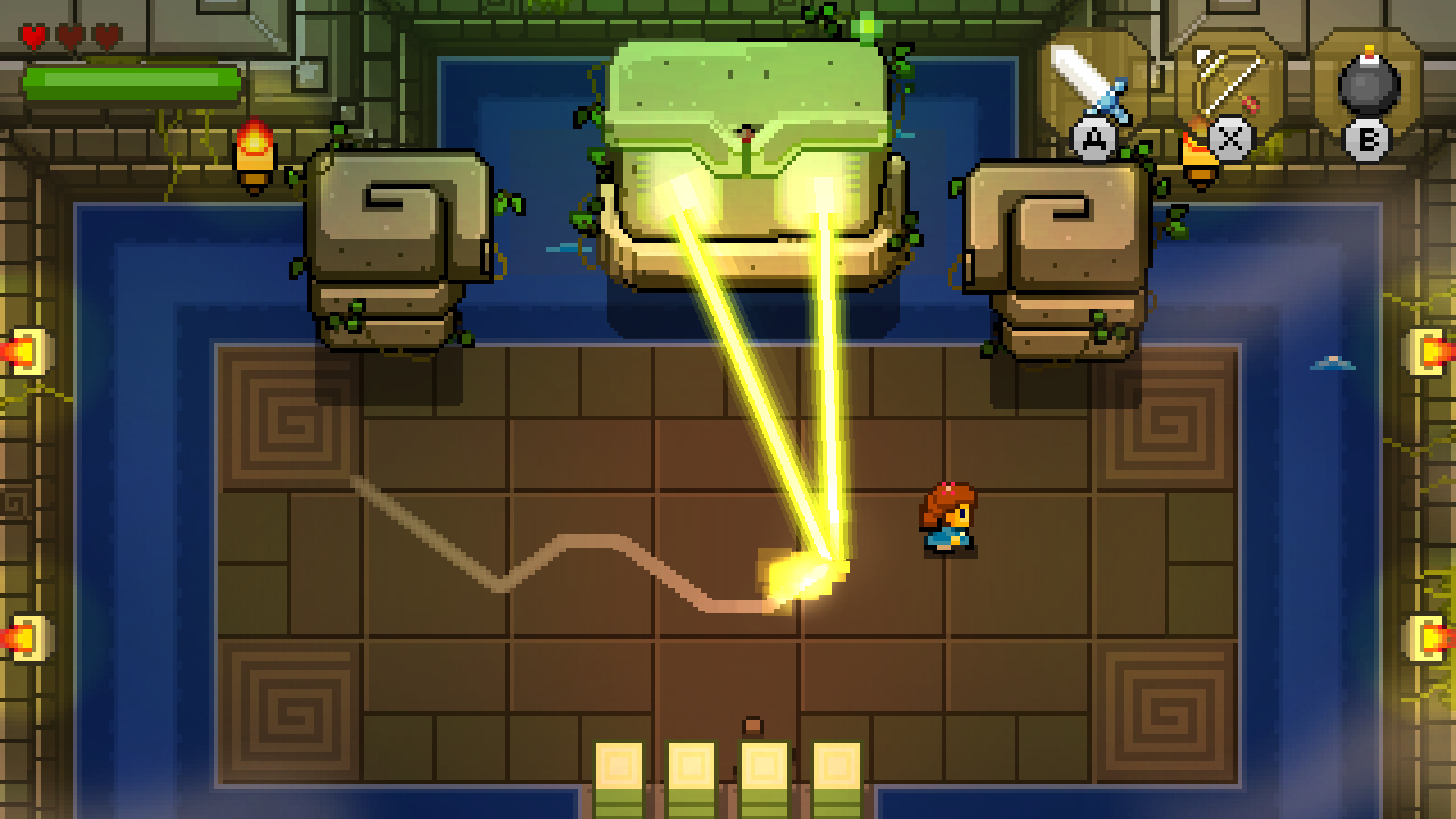
The lack of needed strategy is also prevalent in the dungeons. There are a total of four in the game, and although the layouts are large and unique, the boss fights are not. In A Link to the Past, you need weapons and items found in the dungeon to defeat that level’s boss and gain access to the next one. In Blossom Tales, I used bombs to defeat every single boss (of which there are two in each dungeon). I never once had to change my strategy, and that got boring after a while. What’s the point in unlocking a slew of items when you really don’t need any of them?
Blossom Tales: The Sleeping King Review

The game is also rather short in my mind. Aside from the monotony, I still rather enjoyed the adventure and really wanted more. In order to wake the king, Lily sets out to three dungeons to collect items needed for a recipe. This reminded me of Link to the Past, and the three pendants Link must find in the beginning of the game. Unlike Zelda, where you then must go on to acquire more items and search more dungeons, Blossom Tales ends soon after Lily visits the third temple. Once the king is awake (sorry, spoiler alert), Lily treks to the evil wizard’s lair (fourth dungeon), defeats him, and returns the land to peace and prosperity.

I was shocked when the credits started to roll soon after the Wizard’s defeat. I thought for sure, there would be more, or perhaps the Wizard escaped death or SOMETHING. If you choose to continue the game after the credits roll, the grandfather simply tells the kids that although Lily saved the kingdom, there are still heroic deeds to be done. From this point on, Blossom Tales becomes entirely about side quests and helping those you’ve met and will meet throughout the kingdom.
Blossom Tales: The Sleeping King Review

There is plenty more game to play, but without the narrative guiding everything along, it just doesn’t feel the same. There are still areas of the map at this point to uncover, and secrets to learn, but without a sense of urgency, I never felt the need to go back and keep playing. I still had several empty slots for items, but I never saw a point in trying to find them.

The best way for me to describe the look and sound of Blossom Tales is as a watered down version of Link to the Past. The game looks good, but not as refined as Zelda. The same goes for the sound, as it’s all rather pleasing to the ears, but there were times I heard things lifted directly from A Link to the Past. The funny thing, they actually make a joke about all this in the game. As the grandfather is telling the story, he nonchalantly suggests that elements of his adventure resemble that of the little elf boy in a far-off land. This and other off-the-cuff remarks actually give the game a sense of credibility as it admits it borrowed heavily from other source material.
Blossom Tales: The Sleeping King Review

There was one annoying thing I couldn’t get over about the game: it doesn’t utilize the Y button! With your sword taking up the A button, you now only have two slots for other items and weapons. With so many to choose from (although, you don’t really need them), it’s mind-boggling that the developers would simply choose to not utilize one of the main buttons. I can understand why they didn’t program anything into the triggers, but it makes no sense that the Y button is unusable. After playing through the main game, I can safely say it would have made the experience much better if they programmed the use of the Y button into the game controls.

There have been a plethora of Zelda clones made over the last thirty years and most of them never hold a candle to the original. Blossom Tales, however, may be a clone, but it most certainly holds its own. This game is the closest I think anyone has come to recreating the tone and whimsy of A Link to the Past but also manages to add a bit of its own personality into the mix. The narration and constant changes as the kids chime in add a fun and unique twist to this overused genre. I wasn’t a fan of the lack of strategy needed, nor the ease at which I could dispatch enemies. The game felt incomplete as the credits rolled, but one could say that is a good thing, as it left me with wanting more.