Why Retro Gaming is Still in Business

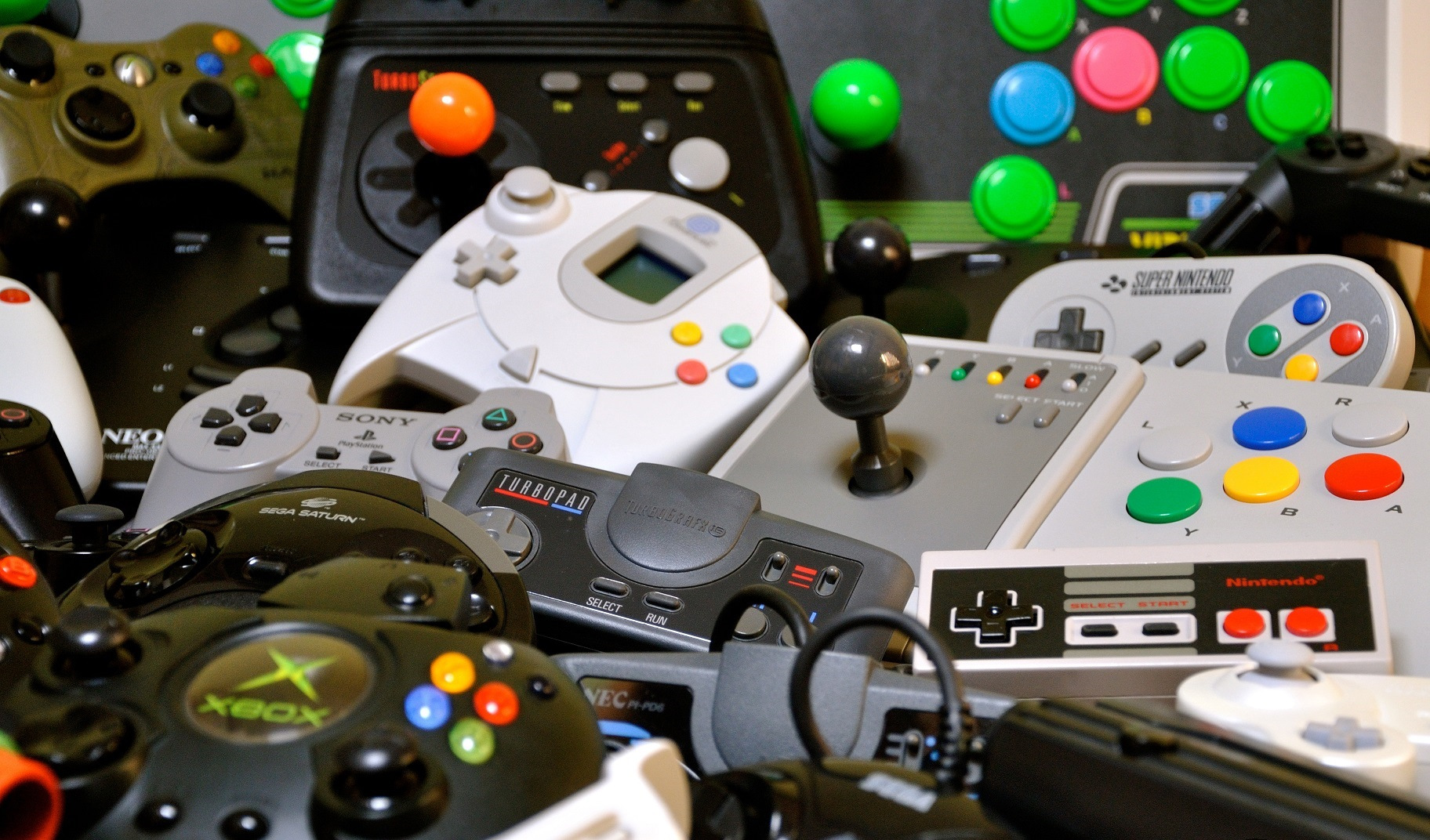
Looking around at the gaming industry right now, it seems we’re living in a great time. Most video games on the three major modern-gen platforms – Xbox One, PS4 and Nintendo Switch – have games with presentations that easily rival the biggest Hollywood blockbusters. We’re seeing new technology drive forward, with hardware like Sony VR and Oculus Rift further immersing players into their science-fiction-style fantasies. Yet, despite all this, a subsection of the industry is also thriving: retro gaming.

Science-Fiction-Style Fantasies

Given we’re surrounded by games that utilise so much of today’s latest and greatest technology, why are gamers heading back to the past to get a good dose of their entertainment? Why are we looking back to the simpler, less-evolved ancestors of gaming when we have the overwhelming complexity of modern-day gaming all around us?
Retro Gaming

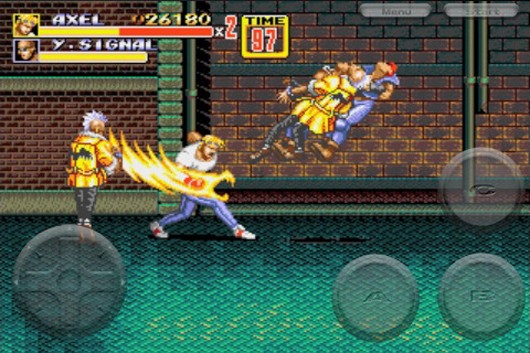
Perhaps it’s because of what modern-day gaming can’t seem to provide. For example, the primitive nature of technology back in the 8-bit and 16-bit eras of gaming meant none of the big Hollywood-esque production values we see in today’s games but it did mean more emphasis on gameplay. When one switched on their Sega MegaDrive/Genesis to play Sonic the Hedgehog, there were no lengthy opening CG cut-scenes or tedious tutorial sections. Players were transported straight to the first level and worked out the basic controls by themselves or through the game’s instruction manual (*sigh* remember when games had instruction manuals?).

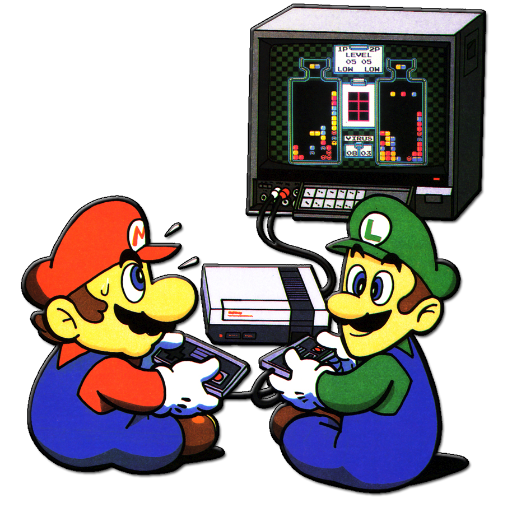
Although no doubt a bugger to program, retro games were simple in the objectives they presented to players. Run through the level, collect rings, jump on bad guys and reach the goal. Shoot the invading aliens without being shot yourself. Create a line of coloured blocks. The games were simple in what they asked of the player, and any player can receive enjoyment out of playing them because of that, kids included. Nowadays, the complex nature of game design and the layers of elements in these games can make them a turn-off for more casual players.
Retro Gaming

Mobile Gaming: Bringing Back The Past

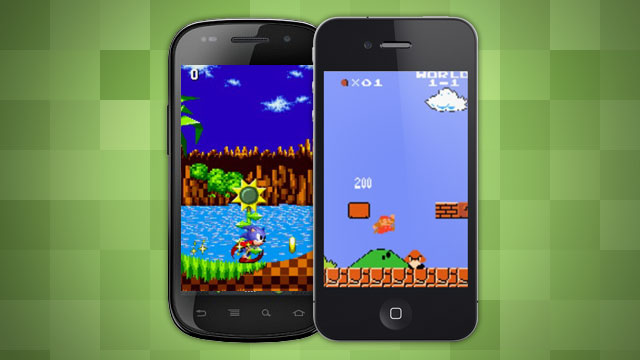
But where casual gaming is concerned, it’s no secret that the mobile gaming section of the industry is a real moneymaker. This is because the majority of their games are targeted towards casual gamers who like to play on their mobiles and tablets. In a Newzoo article posted in April 2017, it was calculated that $46.1 billion will be generated from mobile gaming for the whole of 2017 – which is 42% of the global market. While there has been plenty of original retro-inspired content such as Candy Crush and Clash of Clans, we’re seeing more and more retro games from past consoles being ported to mobile devices.

Ubisoft released a tablet version of side-scrolling PS1 classic, Rayman in 2016. Remastered ports of Sonic the Hedgehog and Sonic the Hedgehog 2 were released on iOS and Android devices in May 2013 and were programmed by Sonic Mania director, Christian Whitehead. What’s more, you’re sure to find a host of other retro games from Space Invaders to Tetris amongst the extensive mobile gaming library. Mobile gaming is bringing back the past – and in the palm of our hands no less.
Retro Gaming

Retro Gaming: The NES Classic Mini

But the most recent example of how retro gaming’s popularity is still alive and well is in the sales of the ‘mini-consoles’. The NES Classic Mini was released in November 2016 and sold out on pre-orders while the remaining few that made it to the shelves were quickly swiped. Only until recently has Nintendo declared it will resume NES mini-consoles next year. If that wasn’t enough, the SNES Mini also experienced a similar fate – high demand for the 16-bit classic console has convinced Nintendo to continue to ship more in 2018.

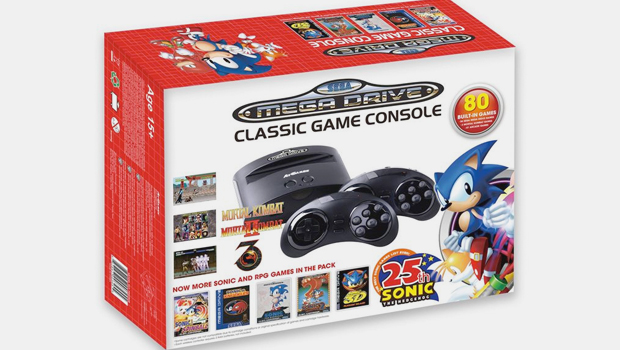
If Nintendo’s efforts to retrieve the past weren’t enough, then there’s the Sega Genesis/Mega Drive Classic Console which boasts an impressive library of 80 built-in games. This is joined by Atari’s upcoming Ataribox, which will be a console optimised for both retro and modern forms of gaming. It’s as though past and present are existing side-by-side.
Retro Gaming

Procrastination Vortex – YouTube

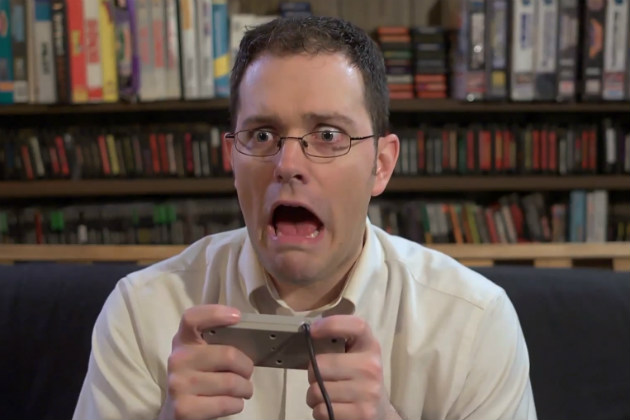
And if the real world wasn’t evidence of retro gaming’s popularity, then the world of the internet definitely is. The fanbase is particularly thriving in the inescapable procrastination vortex we call YouTube. Among YouTube’s most popular gaming stars is the Angry Video Game Nerd, written by and played by filmmaker James Rolfe. His show revolves around comedically reviewing retro games and hardware from the Atari to Nintendo and beyond. Not only is it a goldmine for older gamers who want to reflect nostalgically on their childhood days, but it also exposes millions of younger gamers to gaming’s past through its humorous presentation.

Through his videos, the Nerd has cast a spotlight on lesser-known commercial failures of the 90’s such as the Atari Jaguar and the Nintendo Virtual Boy. The Nerd is not alone in his reviewing of the past because there are a large number of thriving YouTube channels that revere retro gaming and even capitalise on the nostalgia-loving hearts of today’s gamers. Whether that be through Let’s Plays or similar game-themed shows and reviews, retro gaming is alive and well on the interwebs.
Retro Gaming

So, one thing is for sure here. Retro games may be old, but they are not past their heyday. In fact, retro games seem to be timeless as opposed to a thing of the past. They remain an eternal presence and don’t seem to be going away anytime soon. And given that these games are still highly playable and enjoyable to this very day, who can complain about that?

What are your favourite retro games? Are you happy about the popularity of retro gaming? Let us know in the comments below…
Astral Traveler Review [PC] – A Thrilling Futuristic Runner

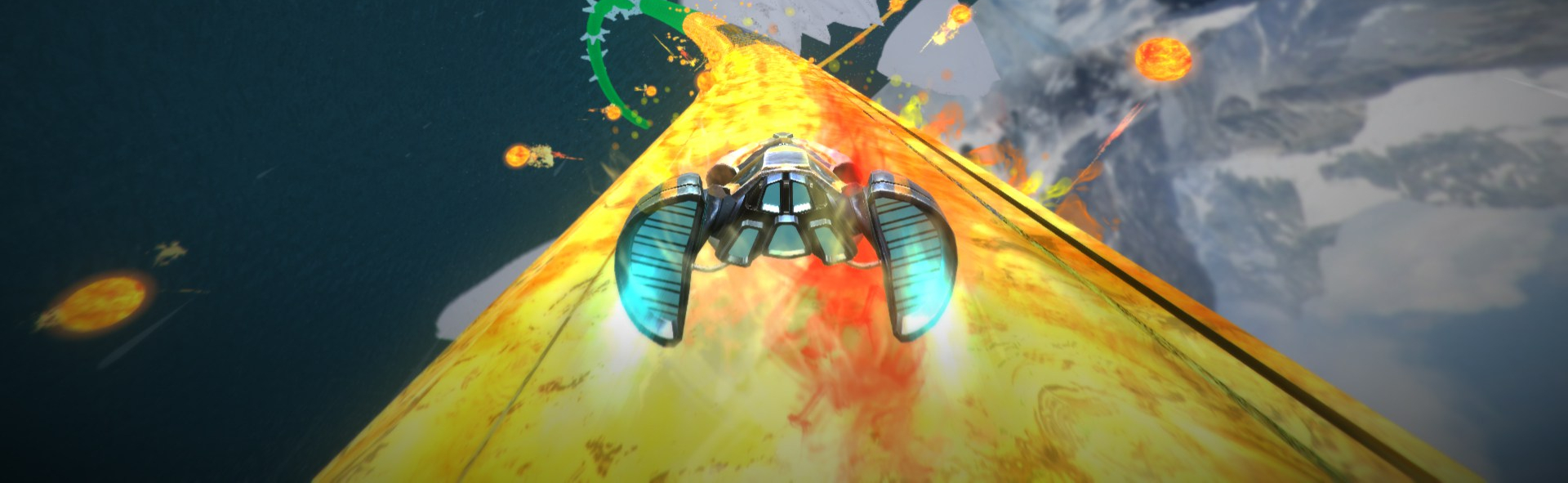
In the collective world of racing titles amongst the indie game community, the anti-gravity racer provides some of the most thrilling experiences around. Astral Traveler – the sophomore release to Dragon Slumber’s debut title, Arelite Core – combines a hectic and precise racer with intuitive platforming and arcade-like shooting.

Breakneck Speeds

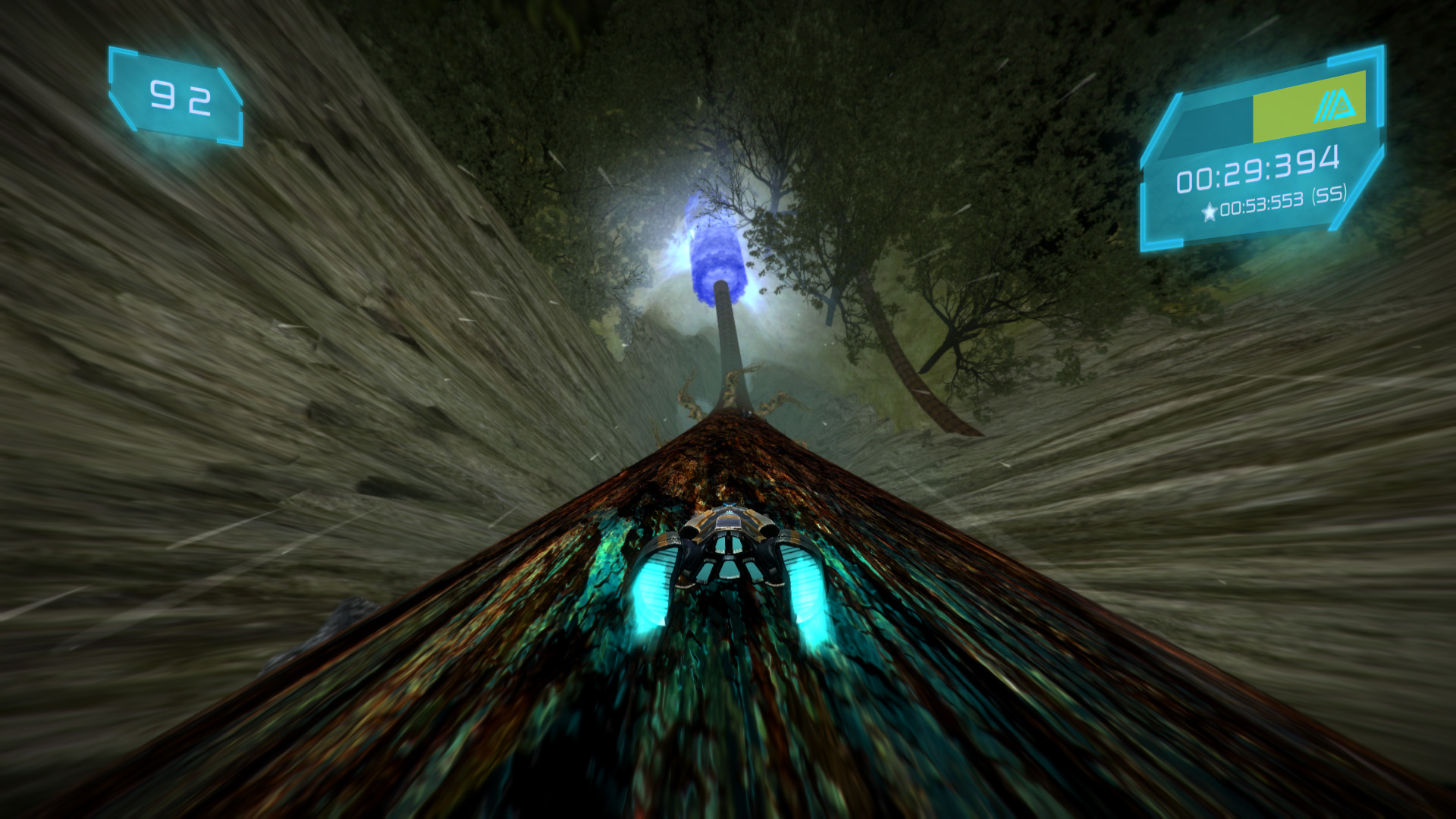
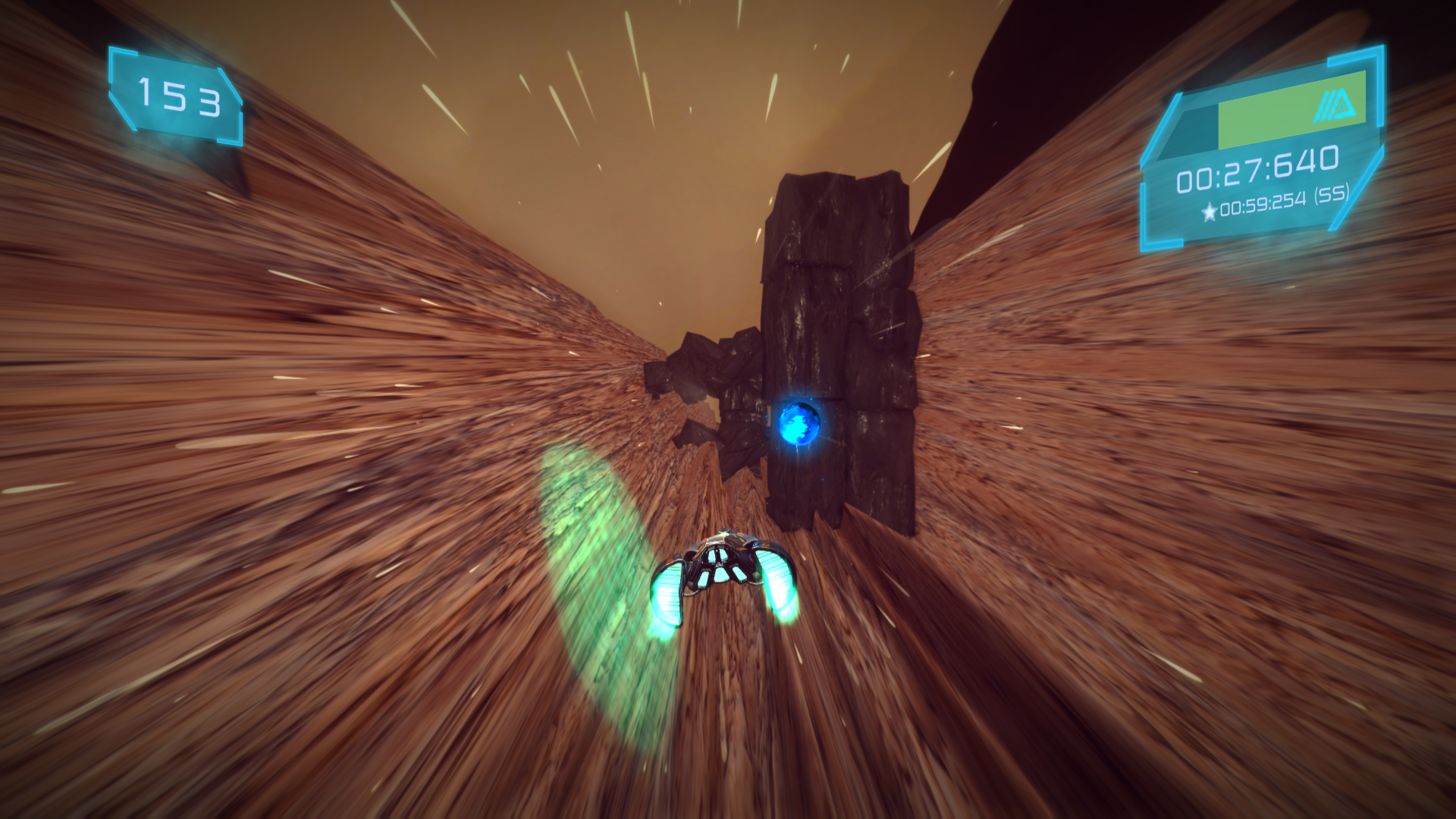
In control of a highly tuned, fast-paced race craft, you begin your racing journey by entering the first of five Nebula areas, each containing a distinct list of racing sectors to complete. As you speed through tube-like courses at breakneck speeds, different obstacles and pulsar spheres lie scattered across the track.

Astral Traveler Review
Blue Pulsar Spheres are scattered throughout courses providing fuel and sudden bursts of speed.

As you race throughout the different Nebulas the courses grow significantly more challenging. Enemy aircraft float ahead of your location firing away, taking damage from your constantly depleting fuel gauge. Speeding forward using your thrusters, smashing into walls and objects or taking damage from enemy ships will all take chunks of your racing craft’s fuel away. Once your fuel is completely depleted, your craft will combust – therefore ending your current run.

Adding onto to your remaining fuel gauge is possible and Astral Traveler is sure to provide the player with plenty of opportunities to do so. When launching through the levels, the anti-gravity mechanics allows you to leap and twist your craft around the tube-like course discovering blue pulsar spheres which can be blasted in fuel points using your laser cannon. Also, destroying the various waves of enemies results in fuel points which can give the player more incentive to fire away at those pesky opponent ships.

Astral Traveler Review
The rotating level designs put your quick thinking to the test.

Enemies, The Least Of Your Problems

Aside from providing fuel/health for your racer, the blue spheres found sporadically throughout the levels may also be used for quick bursts of speed. Using the Phase technique, you’re able to gain a sudden energy boost by quickly pressing the appropriate input right before contact with the pulsar sphere. Some enemies have protective shielding and require this ability to reflect projectiles back in their direction.

Enemies are only half of the equation when it comes to derailing your current run. Many dead-ends, lava pools, rock walls and other unfortunate ways to meet your end appear excessively throughout the campaign. This gives a true platforming feel, guiding the player to continuously leap from one ledge to the next, constantly rotating around the course. The fleeting soundtrack, hectic gameplay and overwhelming odds create a futuristic racer full of heart-racing moments and tremendously relieving finishes.

Astral Traveler Review
Level themes take you through an assortment of varying Nebulas across space.

Making your way through the game becomes increasingly more difficult as the levels begin to increase in length. On top of this, more advanced obstacles and manoeuvres begin to make an appearance, giving a slight difficulty curve to your Astral experience. Kindly enough, many of the longer levels feature checkpoints about midway through the course, graciously negating any particularly frustrating areas commonly found throughout the game.

Astral Traveler combines skilled racing reflexes with the action of a third-person shooter and outlined with the timing of a challenging platformer. With tons of courses to choose from, high-octane speeds, attention-demanding action, along with an addictive light-speed experience, the game delivers.

You can start your journey through the depths of space and find Astral Traveler available now on Steam for PC.

Gran Turismo Sport SE PS4 – Perfect for any GT superfan

With one of the most popular racing series ever to grace the video game community, Polyphony Digital’s Gran Turismo Sport is quickly approaching its long-awaited finishing stretch. Set to release next month, on October 18th (17th in NA), die-hard fans will have more options to deck out there gaming centre in stylish GT fashion.

gtsportconsole.jpg

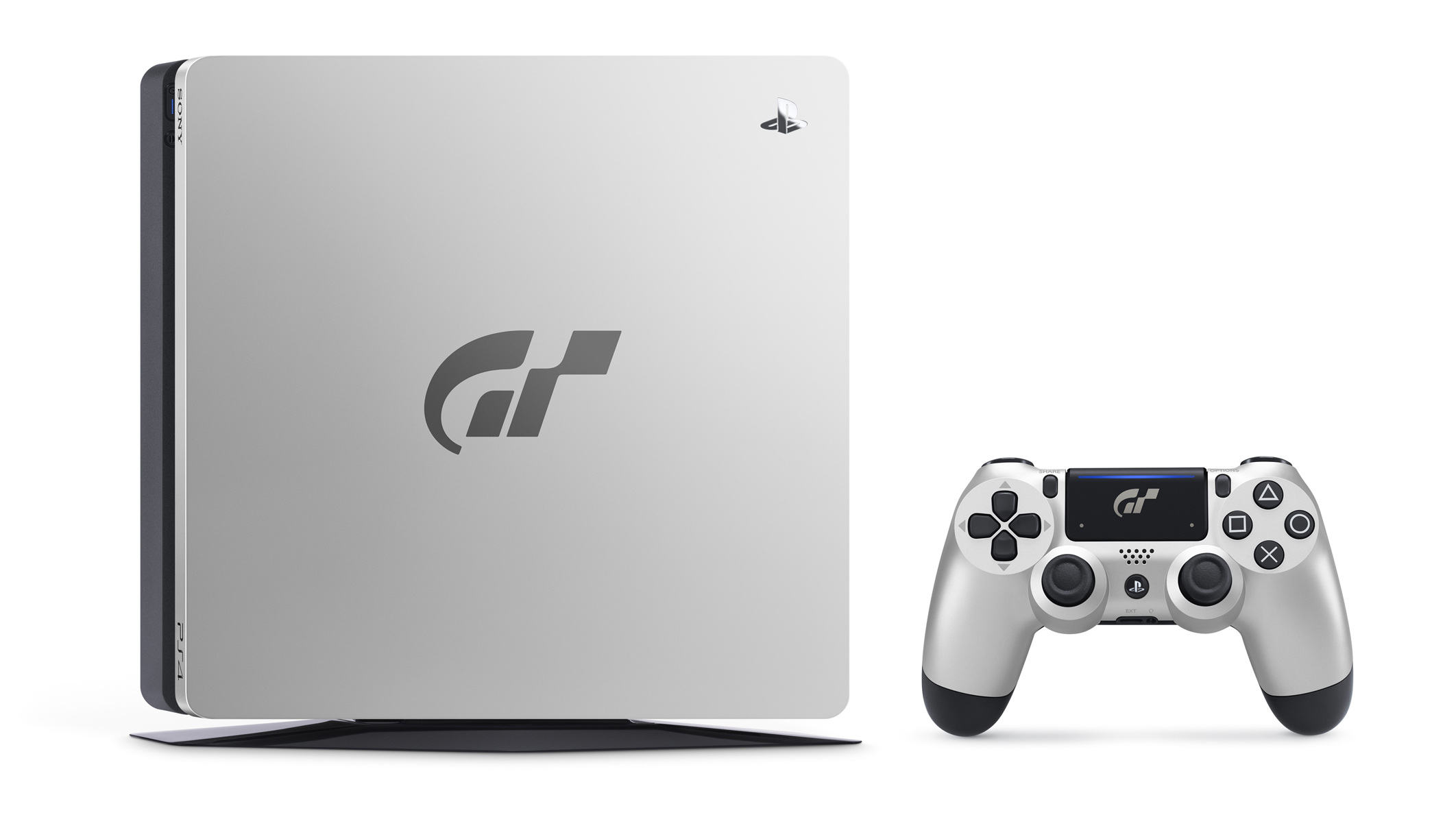
Gran Turismo Special Edition PS4 Console

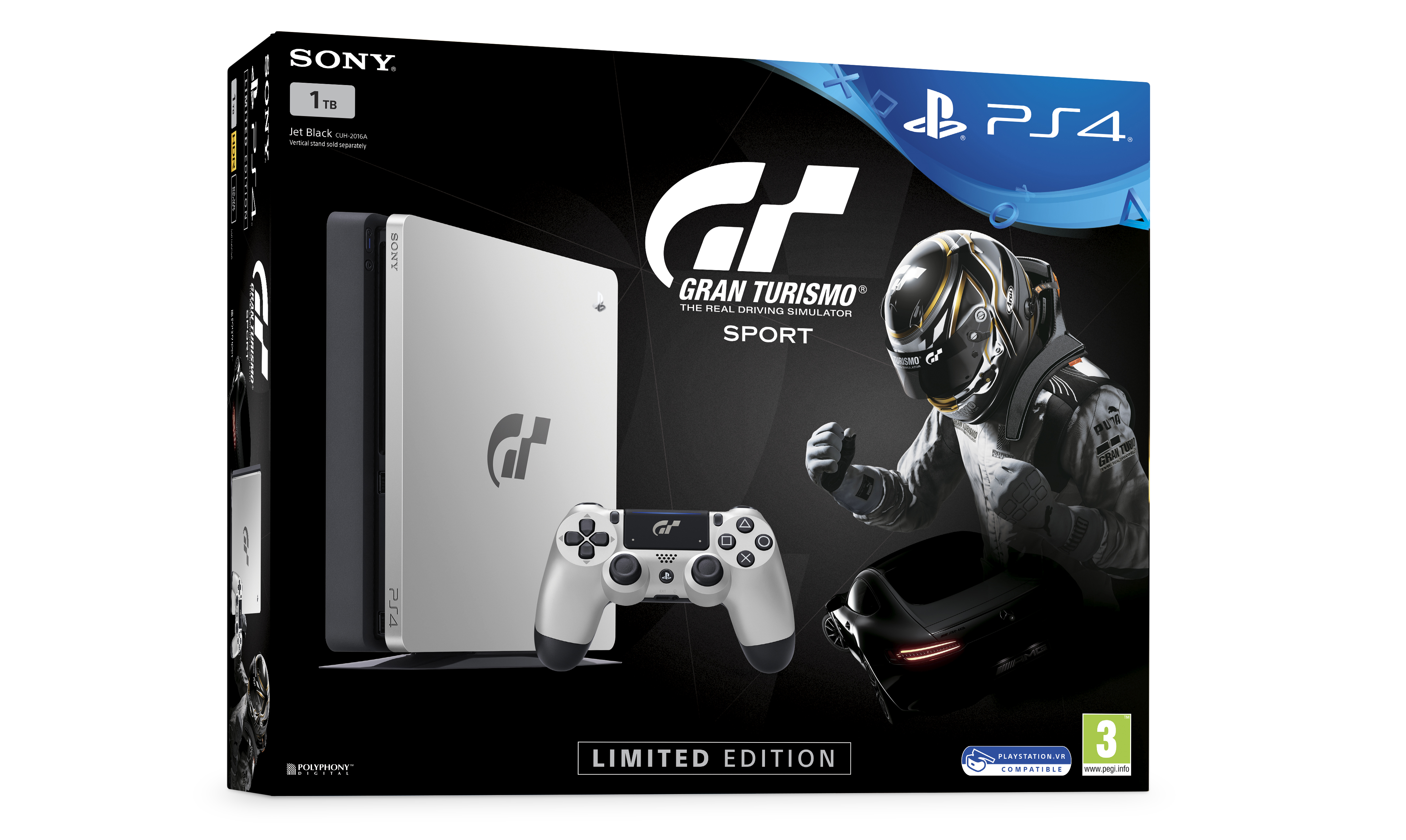
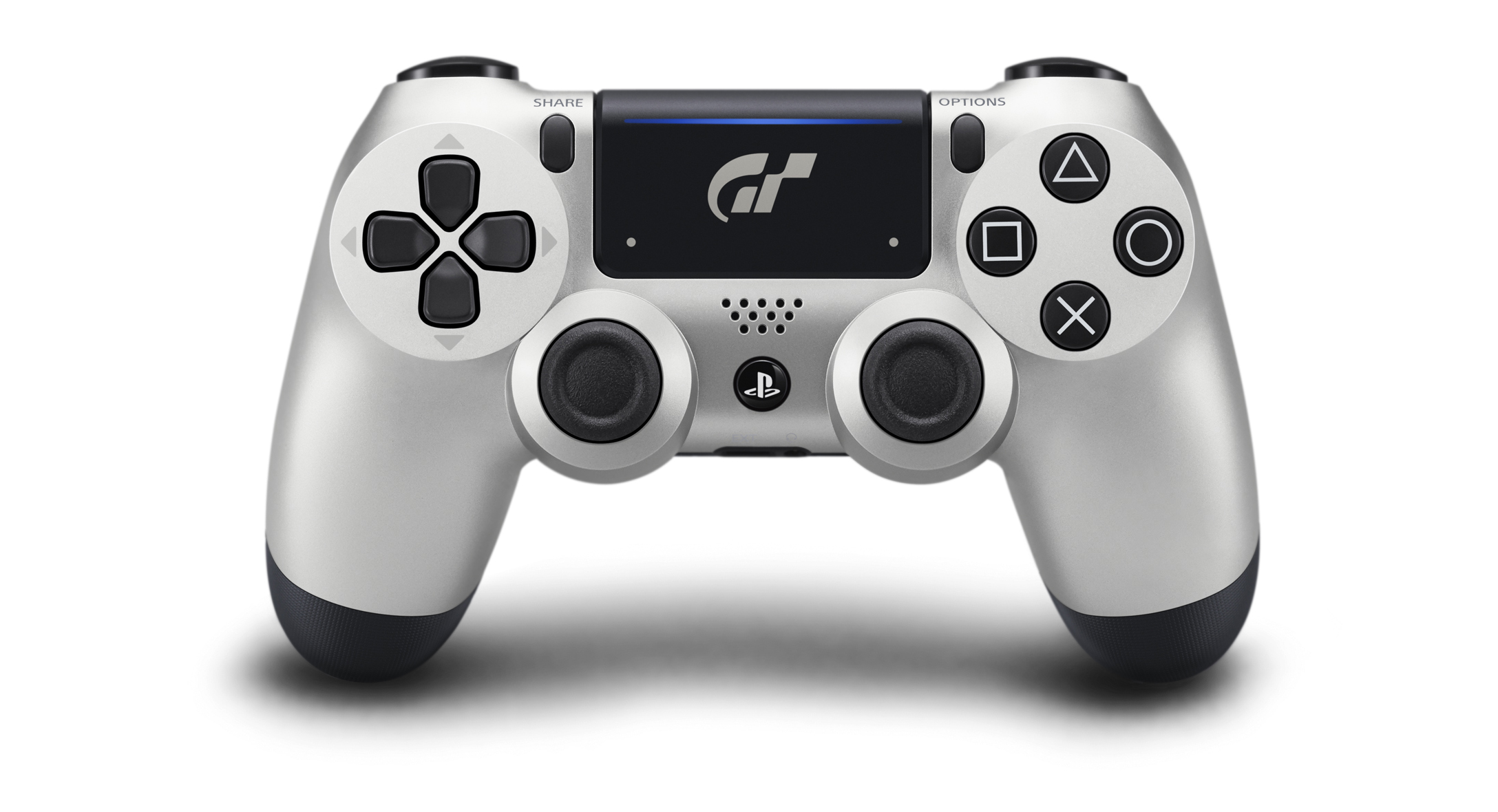
The recently announced Gran Turismo Special Edition PS4 Console will be releasing alongside the game, and with it comes a polished new look paired with a unique official Gran Turismo controller, among other amenities. Along with the silver PS4 marked with the traditional GT logo and the super-sleek DualShock PS4 controller coloured to match the silver features with a matching GT logo on the touchpad, the console bundle comes with a Day One Edition of Sport. Also gracing the console are actual rounded, flat-surfaced power and disc eject buttons, tossing aside the awkward buttons found on the consoles available now.

The Day One Edition comes packed with tons of extra features, starting off with a whopping 250,000 in-game credits to help make sure you get started on the right track. Other extras include a sticker pack for the new livery system, a slick chrome racing helmet and 60 avatars for your PS4 profile.

gtsport controller.jpg

The console is available in a variety of different styles, as well as the option for a Jet Black edition for those not fond of silver. The standard models come in both 500GB and 1TB hard drive selections and a special 1TB model with an extra Jet Black analogue controller. The Pro edition can be purchased either in Jet Black or the new stunning silver. The new stylized analogue controllers will also be available via bundles with the game itself.

All that’s left now is to anxiously await the exciting release of what is sure to be one of this year’s top Sony titles, as well as one of the best looking VR titles to date.

Gran Turismo Sport will be racing to the finish line on October 17th in NA and on the 18th in EU.

A Look at 2 New NES Cartridge Titles from Mega Cat Studios

Mega Cat Studios has been hard at work building a collection of retro cartridge titles to add to your dusty library of classics. Bringing back the true nature of traditional pixellated gaming, these developers are hoping to grab the attention of the old-school ‘fanboys’ of yesteryear; while reeling in the newcomers who have grown to love the classic retro mechanics found in countless indie titles to date.

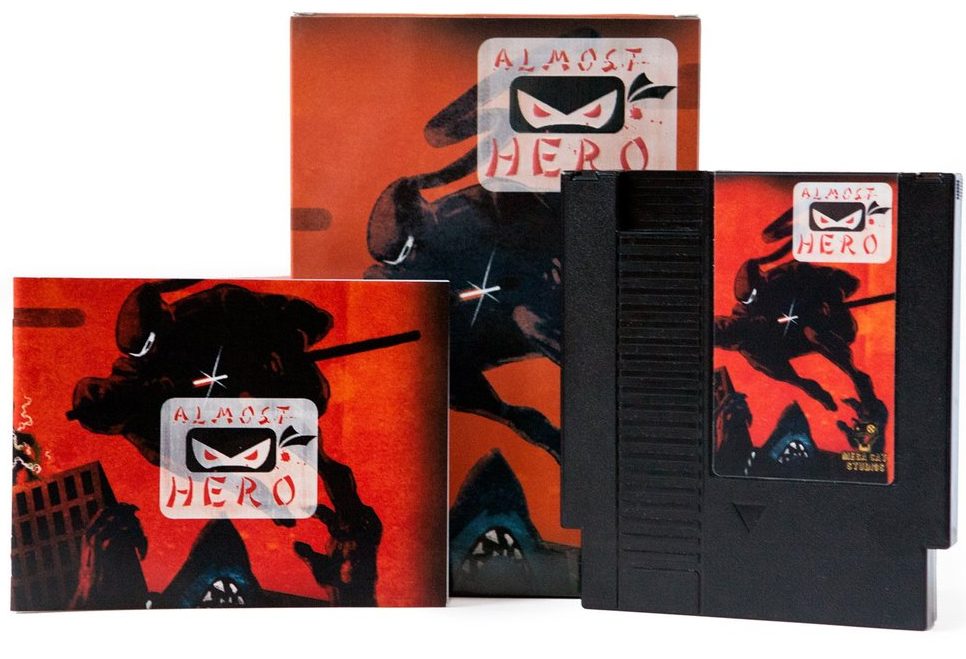
I recently had the opportunity to play through a couple of titles from the Mega Cat collection, the first being the arcade sporting competition – Log Jammers; followed by the beat em’ up martial arts adventure – Almost Hero. Along with the games, customers have the option to receive the full package including the cartridge game, the game manual and art box for safe keeping. Just like the early days of living room consoles, the instruction manual proves helpful when the ever-present question of “how do I?” sets in, while the box provides important storing to keep the dust and other particles from damaging your expensive retro title.

Log Jammers

Log Jammers is a fast-paced arcade sporting title unlike any other in the NES sports game collection. Choosing between six creatively named and unique athletes, you’ll compete in a simple sporting event which includes chucking wood-cutting axes into one another’s goal. After 3 sets played to 12 have been won, the match is over. Though the rules are simple, plenty of arcade like power-ups drift across the playing field, to further enhance the gameplay.

There’s not much to Log Jammers, and while simple and to the point, it’s easy to spend countless hours on this title, either playing against AI or running your own tournaments with friends in 2-player mode. If audacious enough to pull through the single player tournament, the final big-bearded lumberjack contestant should prove a difficult challenge for any hard-core sporting competitor. Either way, this new retro cartridge title is well worth the time digging up your old Nintendo hardware.

lj-all_-_small_large.jpg

Almost Hero

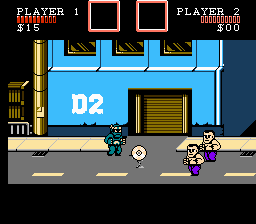
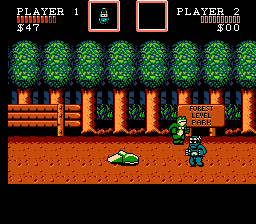
In Almost Hero players will fight off evildoers and bring back the rather specific and long-lost art of Bonsai Tree decorating. With a loose and humorous narrative, this entertaining martial arts style action side-scroller is packed with challenging bosses and enemies, as well as clever nods to legendary throwback gaming icons.

almost hero1                                    almost hero2

Through 5 levels where waves of enemies are set to stand in your way, it’s your role to help the creative Master Chow Khan retrieve his bonsai seeds from the vile antagonist – McRibs. Various bosses and themes poking at different themes across the gaming universe, light dustings of TMNT, Pokemon or Super Mario are found throughout the addictive title.

Making your way through brutal dungeons, coin and loot are collected to help aid you along your journey. By returning to Master Khan, you are able to purchase different health items which you may only carry one, as well as different character enhancements, like the traditional ‘speed shoes’ – giving your character improved speed and quickness. Anything and everything proves useful when challenged by the powerful villain, McRibs, and his quirky henchman. Almost Hero is a short and sweet adventure title, leaving a sense of nostalgia and familiarity borrowed from other arcade beat em’ ups from the NES era.

game and booklet

Mega Cat Studios has a long list of more retro based titles on the way, and even a handful more set to release in 2017. Keep updated with D-pad Joy as we bring you more news and reviews on the yet to be released cartridge titles from the up and coming indie developers, Mega Cat Studios.

FIFA 18 vs. NBA 2K18 for the Nintendo Switch – Bad Port, Good Port

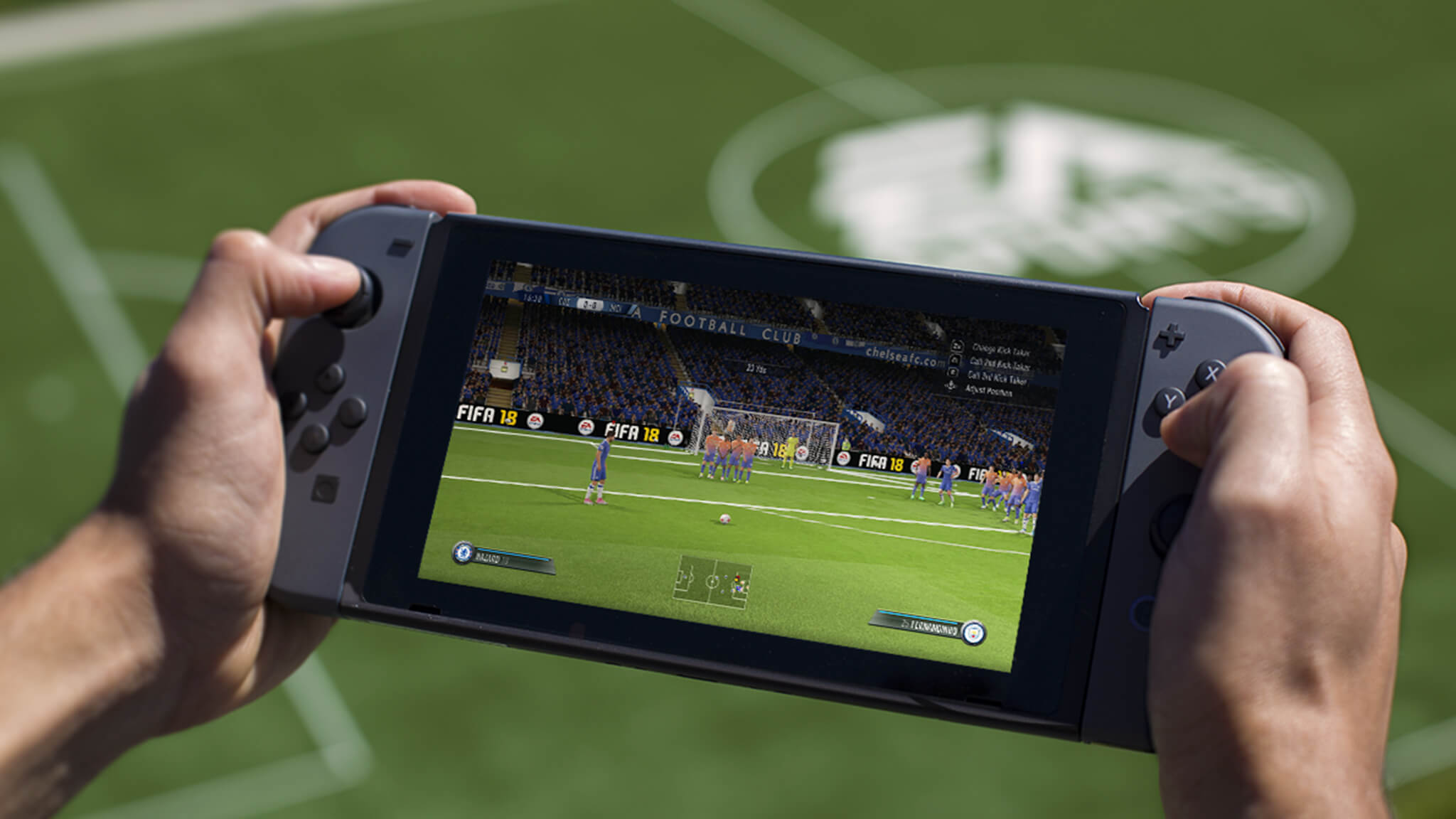
It’s that time of year again. The fall season, where all the sports games start releasing back to back. It all starts with Madden in August, then goes NHL and NBA in the middle of September, then wraps up with the release of FIFA in late September. Unlike most years, where you could, for the most part, only get these games on the Xbox One and PS4, there was a new console this year in the Nintendo Switch. With a new console, comes a potential new market of players to grab, but it also means you have to develop a new port for said game. Right here is where developers EA and Visual Concepts took different routes for their Switch versions of the popular console games in FIFA 18 and NBA 2K18.

In the past when FIFA 18 was announced for the Switch, I expressed some concerns in another viewpoint article, which can be viewed right here. In that article, I spoke about how the game will not be using the usual Frostbite engine and will be missing multiple game modes.

Well, since that article there have been some updates regarding the Switch version, and in my opinion, it comes off as a little insulting. In an interview with FIFA 18 developer, Andrei Lazarescu was asked about the missing modes in the Switch version, for example, the Switch version is missing The Journey, FUT champions and squad battles. His response for the missing modes was “If you throw everything from the get go to a completely new player base, you might not get the desired result.”

This argument that Andrei is presenting is one of the most ridiculous statements I’ve ever read. He is essentially saying that Nintendo Switch users are too incompetent to understand the intricacies of FIFA 18. Andrei we all know the real story here, the real reason that the Switch version is so butchered down and simple is because EA didn’t want to put any money into it – mainly because of their Wii U failure. Next time, don’t lie to the consumer about it and try to spin it. Saying that Switch users wouldn’t understand the technicalities of a soccer game is far worse than being upfront and honest about it.

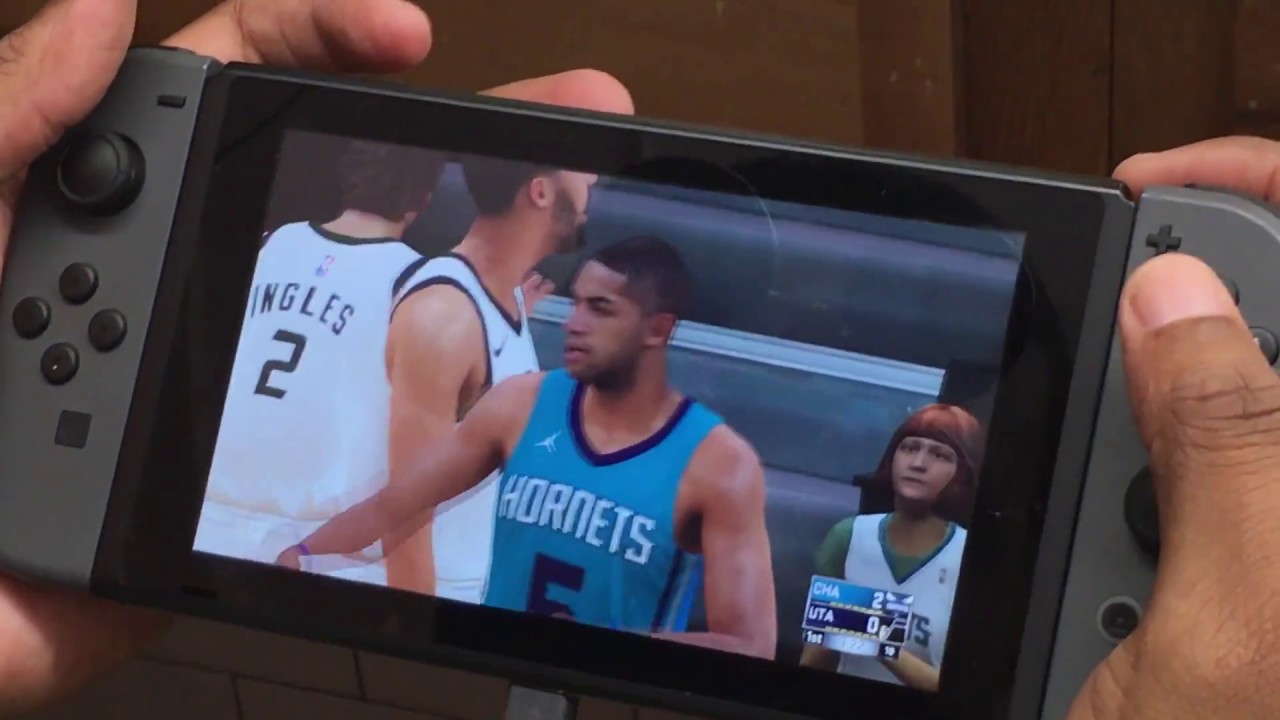
nba switch

NBA 2K18

With the disappointment of FIFA 18 came the surprise of NBA 2K18 for the Switch. Unlike EA, Visual concepts went all in on their Switch port of 2K18. Senior producer Rob Jones said porting 2K18 to the Nintendo Switch was a “gargantuan task.” The game features all of the same game modes and runs on the same engine as the PS4 and Xbox One versions:

“It’s not the same exact graphics because the Switch can’t push them, you know, but the experience itself – you’re not missing out on anything from the Switch version [compared] to the main consoles version”, he said, talking about the Switch version of 2K18.

The only compromises Visual Concepts had to make regarding the Switch port is the toned-down graphics, and they had to cut the frame rate from 60fps to 30fps.

With the Switch port of 2K18, you really are getting a console-quality sports game on the go. It’s great that they were able to pull this off, especially since EA couldn’t figure out how to port FIFA 18 to the Switch in a respectable manner. I really wish I didn’t have to bash on the Switch version of FIFA 18, but the Switch version of NBA 2K18 makes it come off as a lazy cash grab.

In the end, it doesn’t matter what I think. All that matters is what the public as a whole thinks about these ports. So, with that being said, will you guys be picking up the seemingly great Switch port in NBA 2K18? Or, will you still be picking up the Switch Port of FIFA 18 despite all of its downfalls? Or maybe you’ll be picking up both? Let me know in the comments below!

Scarlett’s Dungeon Review – A Short, Zelda-like Adventure (PC)

Retro indie titles are a dime a dozen nowadays, and Steam is the hub of almost all of them, releasing thousands of titles annually, many of which follow themes from past video game history. PC game developer – Joan Ginard Mateo from the one-man studio, Indie Brain – has created the next Zelda-esque title, leaving vague memories of nostalgic adventure and familiar gaming mechanics found throughout Scarlett’s Dungeon.

Scarlett's Dungeon Review
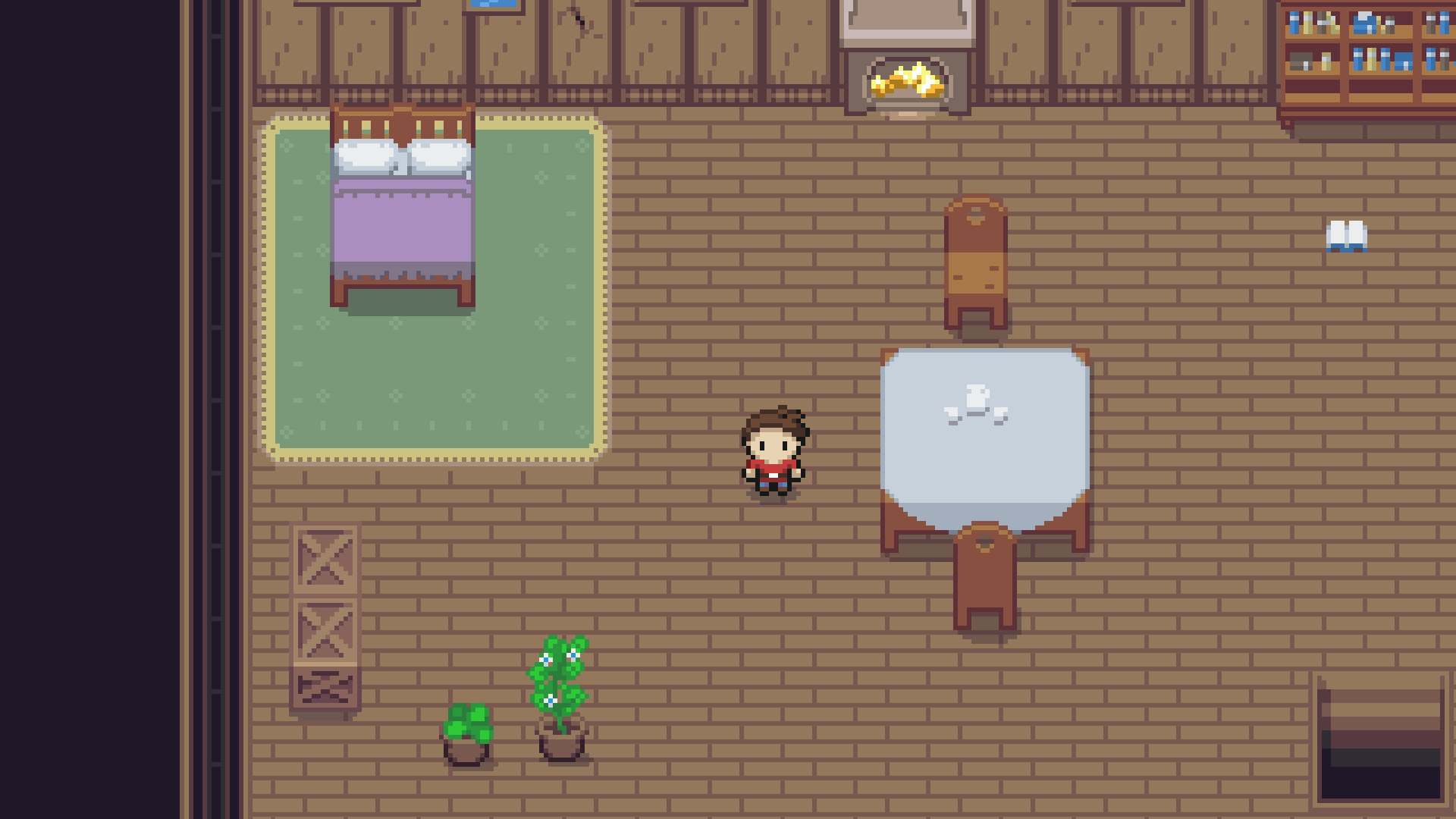
Once awake, Scarlett leaves her home to find her parents.

Waking up in a similar fashion to the original pixellated adventure title found in the NES cartridge library, Scarlett exits her house and ventures into the small village of Palette Town (yes, you read that correctly Pokémon fans). An all-powerful God has kidnapped a number of the town’s villagers, including Scarlett’s parents. Claiming that the ultimate being is waiting on the 15th floor, you’ll make your way through the procedurally generated dungeon levels, which ultimately ends abruptly and rather quickly.

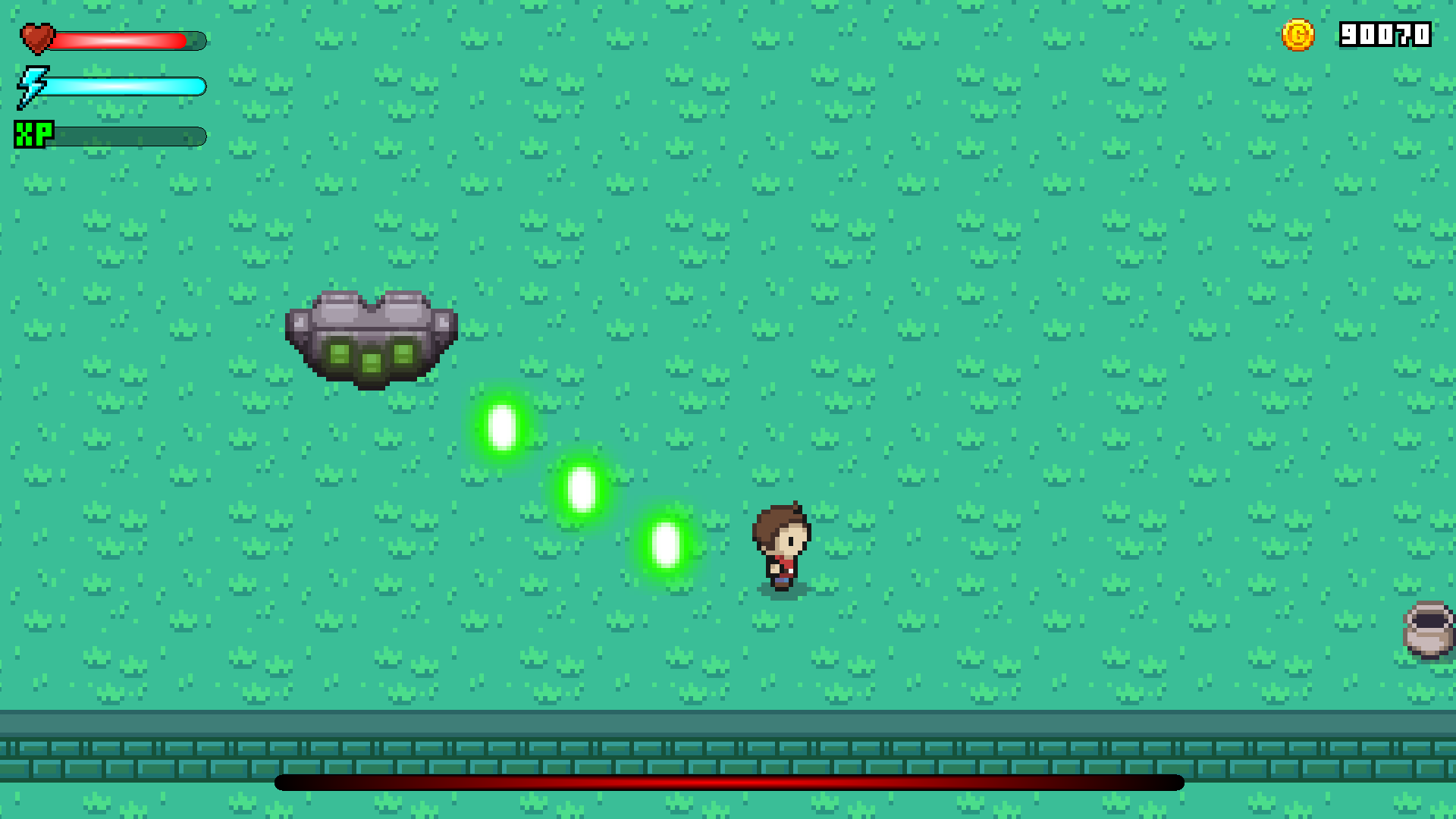
Equipped with your sword, Dash ability, money bag and infinite escape ladder, you’ll head below to the dungeon area filled with monstrous robots that await ahead. A basic sword swipe and the helpful dash skill is all Scarlett needs to fend off the terror that awaits her beloved family. After receiving the necessary items from the kind townsfolk, you’re set to journey forth into the treacherous dungeons that lie below.

Scarlett's Dungeon Review
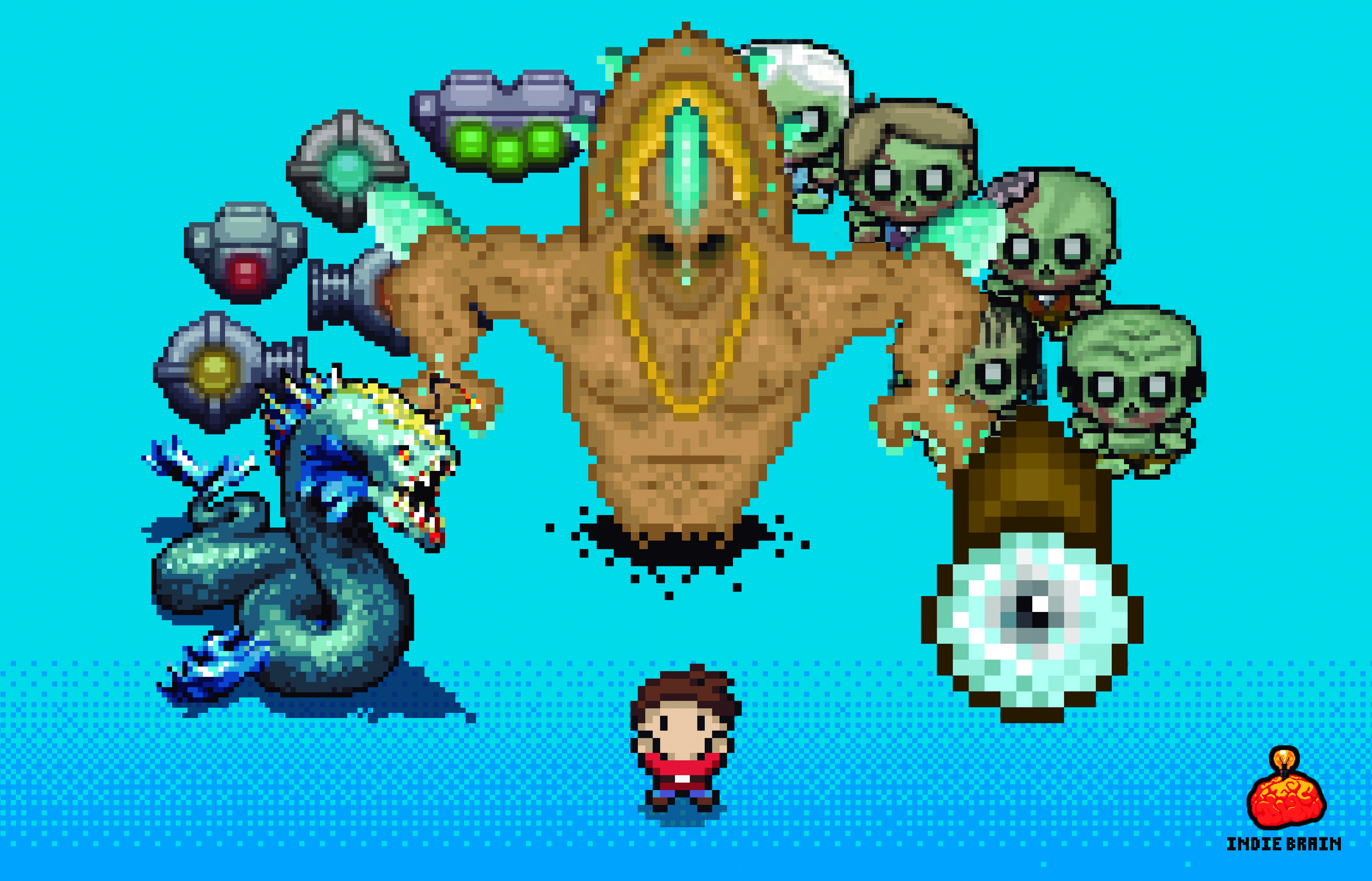
Many imaginative monsters are found throughout the randomly generated dungeons.

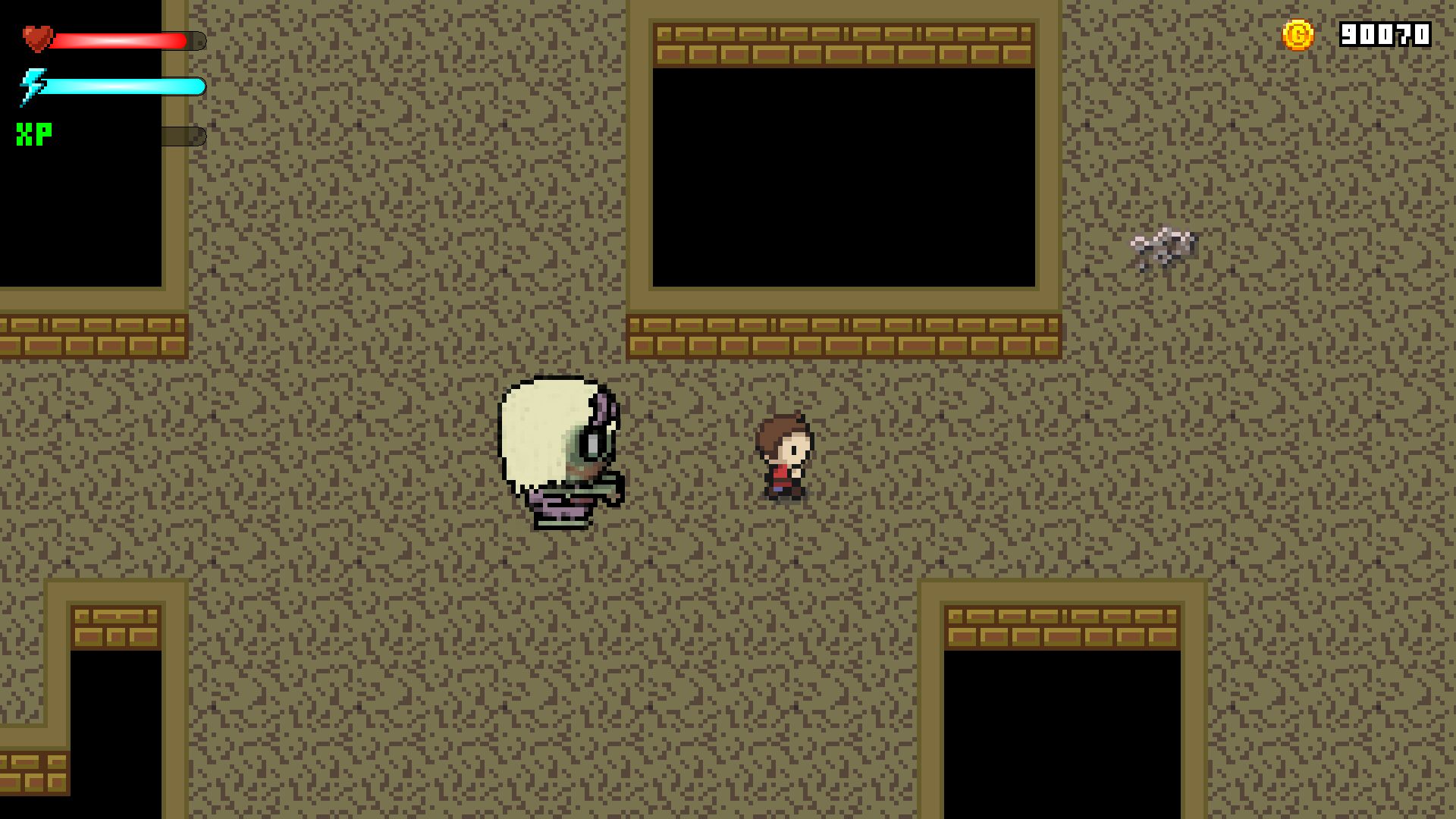
In Zelda-like style, the player proceeds to run around procedurally generated, maze-like dungeons, fighting off unique monsters while gathering valuable coin to help increase your weaponry. The gameplay – much like the storyline – is simple. Swift strikes from your sword, a very helpful dash ability to get you out of hairy situations and a levelling up system which essentially only adds to your strength and a dash of health upon gaining a new level.

Keeping your trusty Infinity Rope, you’re able to return to town while traversing any part of the dungeon, except of course, for the boss rooms. When in town and your coin bag is nice and full, you are able to purchase a new sword, ability or health items to help prepare yourself for the increasing dangers in the dungeons. This proves crucial as the game continues because every time you perish you restart from the beginning of whatever floor you died on; with the same amount of health you had when you originally entered the floor. This is especially dangerous when entering boss areas with extremely low health, since returning to town – or even previous floors for that matter – are not available when facing bosses.

Scarlett's Dungeon Review
The bosses have different approaches for defeating them.

Every fifth floor a boss appears – and by doing the simple math – the final boss is waiting on floor 15. There are only 2 bosses to fight through before the end… Keep in mind this title was created by one solo college student, working through the trials of developing their first title. Though short and quirky in its own right, the action of dash-dodging and sword-swinging against diverse enemies creates enough of a challenge to keep most gamers entertained, even if it’s only for a short session.

Scarlett’s Dungeon Review: The Bottom Line

There’s not much in store for story and gameplay in Scarlett’s Dungeon – and what is there bares major resemblances to our beloved Hylian hero. Still, there’s a certain quality of simple comfort for a game that lasts all of an hour (or more if you explore every dungeon to the last pixel). If you’re looking for a quick fix of old school Zelda-like action, pick up Scarlett’s Dungeon on PC. It’s out this September 2017.

Scarlett's Dungeon Review

Realistically, what can we expect from Nintendo’s Direct this Wednesday?

In case you missed it the big N is holding their next, coveted, Nintendo Direct this Wednesday, the 13th September at 11 pm (that’s UK time). We’re looking at midnight for Europe and 3 pm Pacific time.

As with every Direct, before it’s shown, the excitement tends to build to ridiculously high levels online. Enthusiasm and passion are brilliant things. No arguments. But they can also lead to disappointment, sometimes culminating in folks on the internet ‘stating’ that there was nothing to see. Or our ‘favourite’ comment we see thrown at all of the big three from time to time: “No gamez”.

Some Directs are better than others, that’s for certain. But it also helps to go in with realistic expectations. So, what do we know, and think, will actually be shown over the course of the 45-minutes-long presentation?

Nintendo Direct: What We Know

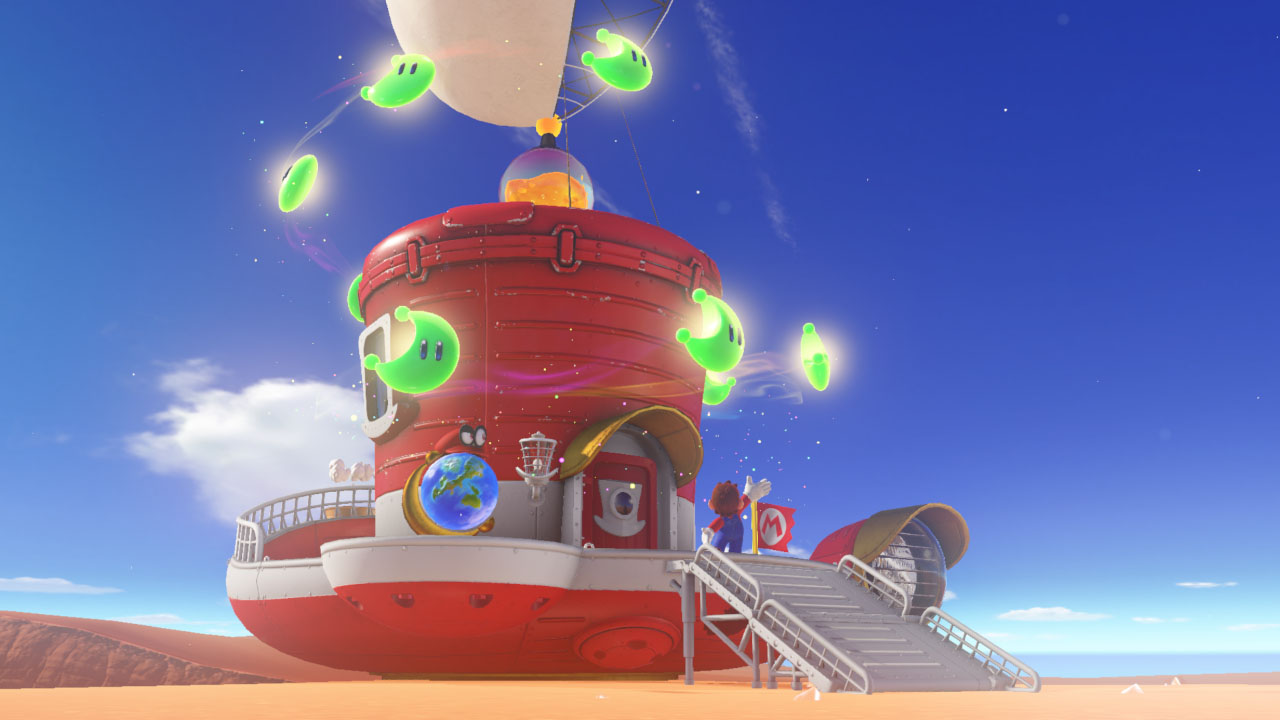
Super Mario Odyssey has been confirmed for starters, and we expect a good amount of time to be spent on it too. It’s released at the end of next month and is Nintendo’s next flagship 3D Mario title. It’ll be an essential game to ensure Switch consoles are under the Christmas tree.

Nintendo Direct: Super Mario Odyssey

We also know that both 3DS and Switch games, to be released “in the coming months”, will get some time in the spotlight. Nintendo confirmed this on Twitter, which is good news for those that aren’t too keen on the individual 3DS and Switch Directs that we’ve seen in the past. But that’s all we know for sure.

Nintendo Direct: What We Think

In terms of those 3DS games, we’d expect to see a final showing for Metroid: Samus Returns, released this Friday and Mario & Luigi: Superstar Saga + Bowser’s Minions, the remake of the classic first game in the series out October 6th. That Kirby 3DS game that we know nothing about other than it’s a “multiplayer action game” should show up as well. It is Kirby’s 25th anniversary after all. Finally, Pokémon Ultra Sun and Ultra Moon will definitely be in there.

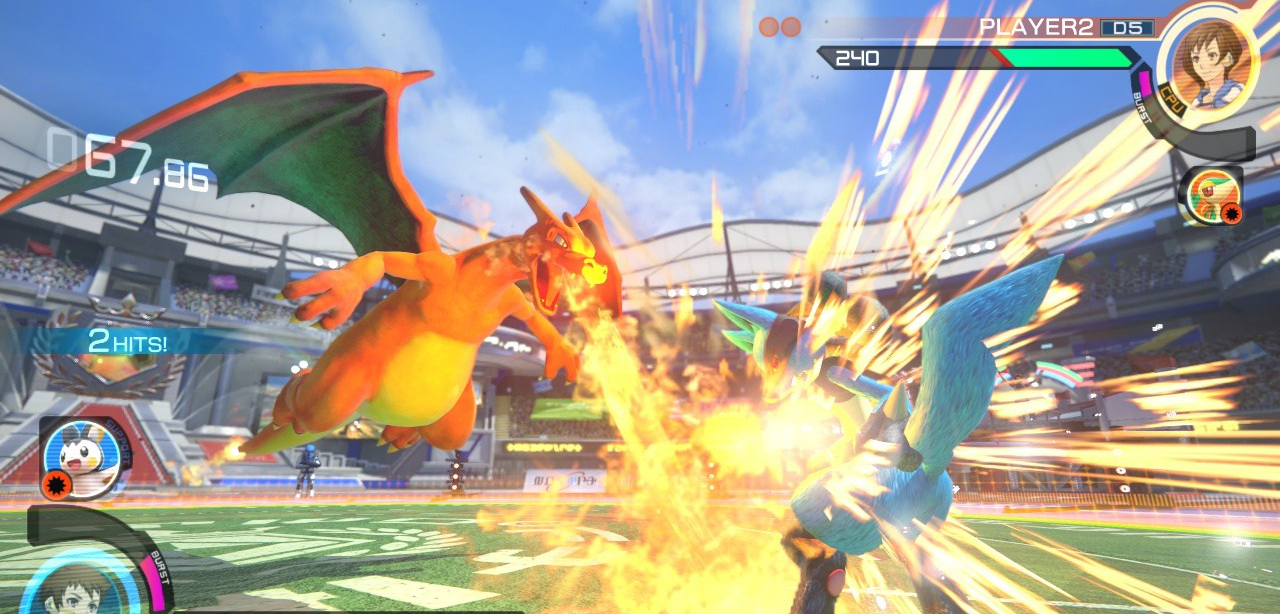
As for Switch, other than Super Mario Odyssey, details about the new Arms update, featuring Lola Pop, should be coming. A release date for Xenoblade Chronicles 2 may well be in there. (We hope). Fire Emblem Warriors (New 3DS and Switch) will probably get a new trailer showing off some unannounced characters before its release on October 20th. The enhanced port of Pokkén Tournament DX, the Tekken Pokémon game for Wii U, to be released on the 22nd September, will most likely feature too.

Nintendo Direct: Pokkén Tournament DX

What about new games?

They’re the most exciting thing of all. Well, we don’t expect to see many here in all honesty. A Bayonetta Switch announcement could be on the cards, in some form. A third game if we’re very lucky. Bethesda has also been teasing an unannounced game, but whether it’s for Nintendo consoles or not, that remains to be seen. Bottom line: we wouldn’t expect any new AAA Nintendo games we don’t already know about. Unless they’re Wii U ports, (for example Smash Bros.).

A bonus something might be in there and perhaps we’ll get more on that Animal Crossing mobile app. For now, though, take a deep breath, relax, and keep expectations real. It really does make surprises, if any, that much better.

Until Wednesday.

Kevin Giguere From Dragon Slumber On Being An Indie Developer

We got the chance to sit down and speak to indie developer Kevin Giguere from Dragon Slumber. It’s here we discussed indie game development, wider trends in the games industry and much more.

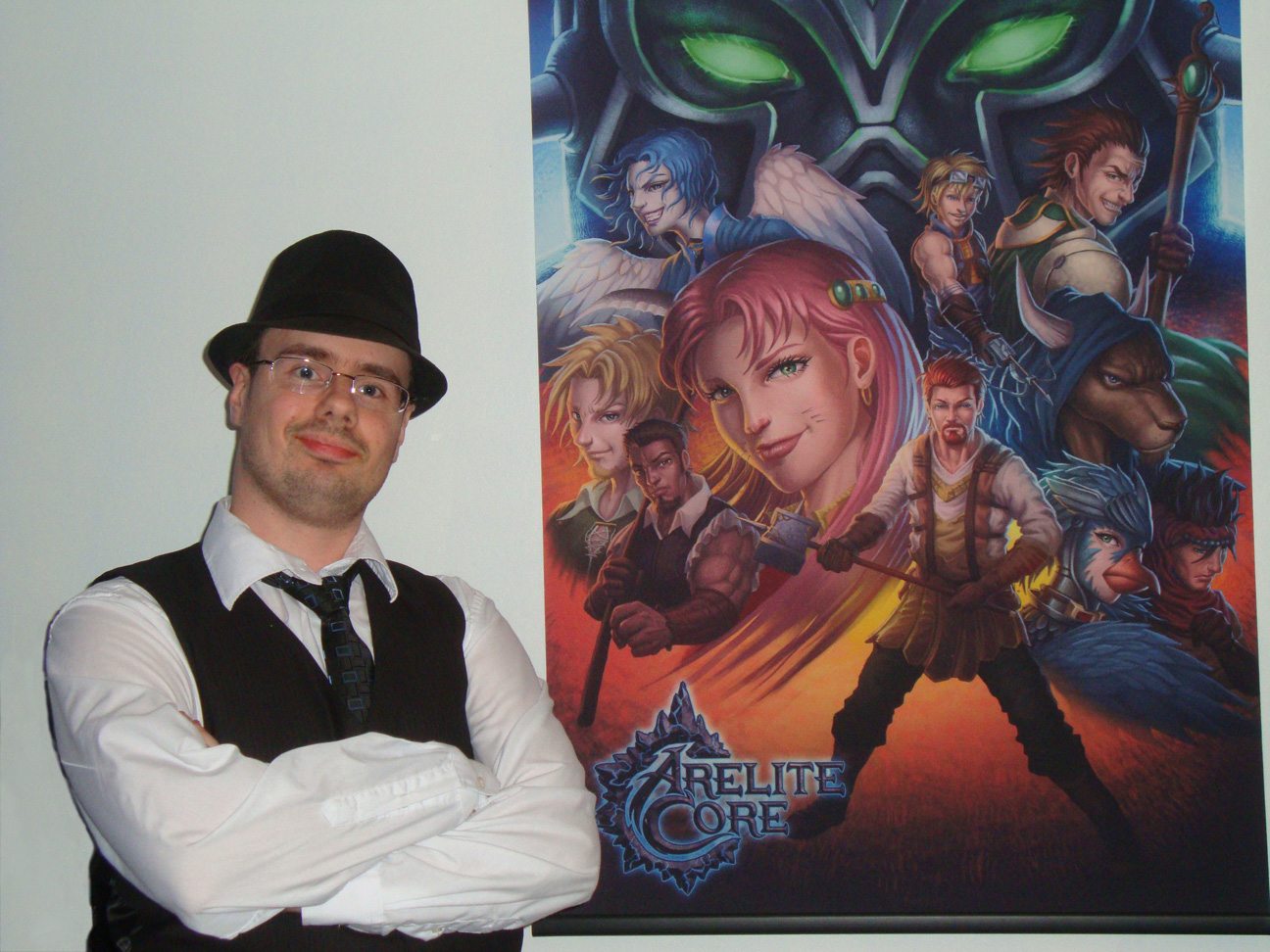
Kevin Giguere is a programmer with over 15 years of programming experience, and the founder of Dragon Slumber, an indie game development company set in Quebec, Canada. As an indie developer, he has created a retro JRPG called Arelite Core and a 3D runner racing game called Astral Traveler.

Kevin Giguere Indie Developer

What inspired you to get into game development?

I was always into video game creation, even as a young kid. My older cousins have multiple anecdotes of me drawing level maps and asking them to illustrate some aspects of them. As a teenager, I learned Basic and started making a few (terrible) games, as well as creating my own maps for Warcraft and Doom. I eventually went to college to get a programming degree, although anything gaming related I had to learn on my own.

What games have you created and which is your favourite?

I have worked on over a dozen commercial games over the course of my career. During the mid-2000s, I worked as a programmer for a flash game development company. We made weekly promotional games for brands like Spongebob Squarepants and Avatar, so very small in scope, usually only a few weeks of programming.

As an indie developer, I am publishing my second title Astral Traveler on September 13th, 2017, but my first game Arelite Core will always have a special place in my heart. I worked on that one for over four years and invested about 50k of my own money into it. It was a long, painful project, but it also taught me so much about the industry and bringing a project like this to its full completion.

What advice would you offer for those just starting out?

First of all, if you want to make a profit on your game, do your research. There are thousands upon thousands of games being released each year, so if your game doesn’t hit home, you’re likely to get lost in the shuffle. Everyone feels their idea is special, but really the right game at the right time, as well as a flawless execution, are the first steps that can lead the way to success.

Networking with other industry professionals is a key component as well. I think Arelite Core would have struggled a lot less in the market if I knew the people I do now who have helped me out on every aspect of development and promotion. It’s important to remember that everyone has a project they care about, so don’t just ask for help but actually, get invested in the community.

Finally, don’t wait until the last minute to put your game out there, start talking about it as early as possible. Communication is key and you need to talk with your audience, not at them. That means listening to what they’re saying and reacting accordingly.

What do you think is going to be a key trend in the games industry this year?

I think financial viability is becoming an issue for a lot of developers, both in the indie market as well as for AAA publishers. Gamer expectations are through the roof due to so much competition, so it costs more to produce games. However, game prices themselves aren’t going up that much, with bundles becoming the prevailing method to get new games for a lot of players. This is leading to more alternate ways of making money, from crazy premium bundles, to loot boxes, exclusive pre-order DLC, and so on.

On the indie side, I think outreach is being done a bit differently as well. For instance, I stream the development of my games on Twitch and I have a Patreon which greatly helps me out as well. I think for a lot of full-time developers, diversifying their approach is becoming necessary to be able to sustain themselves. For every success story, there are thousands of forgotten titles.

“I think financial viability is becoming an issue for a lot of developers, both in the indie market as well as for AAA publishers”.

What’s your favourite platform to sell games on?

Since I’ve only released PC games thus far, I’ll have to answer Steam. The ability to control your game and to update it at any moment makes a world of difference, I can put out a patch for a found bug within minutes, which I believe would be more difficult on other platforms.

Conversely, I think mobile is the most dangerous platform because it’s so easy to get lost in the shuffle. I’ve seen people work on games for years, release for free and only see a few hundred downloads. I think there is money to be made, but unless you’re Flappy Bird levels of lucky, you absolutely need the right market strategy and that takes a lot of investment.

What are your favourite tools for game development?

I’m really enjoying Unity, I find it really easy to use as an engine and it lets me accomplish a lot in not too much time. It’s not without its inconveniences, such as code optimization issues and requiring a very specific structure, without which games end up lagging really fast, but overall I would recommend it to most developers out there with a good grasp on programming, whether your project is 2D or 3D. And it’s free, can’t beat that price.

However, the tool I am known to use the most is Open Office Calc (or Excel), which really came in handy on Arelite Core to create enemy stats, inventory items, story segments and so on. On Astral Traveler, I actually use it to create levels themselves, setting the elements up in the spreadsheet and then converting them to a json file which can be read by the engine. Sometimes tools really can do a lot more than expected with a few tweaks.

How do you stay motivated to achieve your goals?

When I officially became an indie developer in 2013, I decided to throw myself into them entirely, including whatever sacrifices would be needed. That includes 80 hour work weeks, reduced contact with friends and family, and investing tens of thousands of dollars out of pocket in the case of Arelite Core. Then, in January of this year, I quit my job to dedicate myself full time to my passion.

Because I invest so much into the creation of these games, I can’t really afford to not work on them and I think that really helps drive me forward, including in those stressful moments where nothing is working as planned. If I don’t release and sell games, I can’t afford a home and food, simple as that. I also think having realistic expectations can help motivate me, knowing what I can expect in terms of sales and reception, and learning to create better games moving forward.

Being an indie game developer is about making sacrifices, and I think a lot of people are not ready for that. But if you know what you’re getting into, I think it makes the process a bit more tolerable.

Which events do you recommend indie developers showcase their game at?

Depending on the scope of the game, events can be cost prohibitive. I went to PAX East 2016 to showcase Arelite Core, which ended up costing around four thousand dollars over all. I can honestly say that it didn’t drive enough sales to warrant the expense, at least not directly.

However, I did get to meet with numerous game industry people through the indie megabooth initiative, and I signed a distribution deal for my game as well. For me, that event was an opportunity to network and plan long term beyond the launch of Arelite Core.

I think the important thing is to understand what your goal is when attending an event. You can use them to test your game and get feedback or meet people, you can even make a few direct sales.

What do you think about VR?

I recently got an Oculus Rift and for the little time I’ve had to play it, I absolutely love it. I think the ability to use your hands in a 3D space provides a lot of opportunities, but like any other control scheme, the games need to be built around that. Robo Recall does a fantastic job at that, it’s a first-person shooter where you hold your guns and can throw them around, as well as grab robot enemies in front of you to tear them up. It makes the player feel like an action hero in a way that holding a controller couldn’t accomplish.

I’m glad that the costs are going down, and am really hopeful that within a few years, VR will be in more households, in a more customer friendly way. I don’t think it’ll replace the platforms already out, but I’m definitely looking forward to more high-quality VR titles.

Games console of choice?

The SNES by far my favourite console and it has definitely influenced me a great deal as many will have gathered from the look of Arelite Core. Games from that generation are so well focused, building upon the NES era into longer and more in-depth experiences without being any less approachable.

I also love that the time between powering up your console up to playing the game is almost instantaneous, as opposed to consoles nowadays which take forever both from the console booting and the games preloading so much information.

Thanks for your time Kevin. It’s been a pleasure.

Thank you!

Our review of Astral Traveler will be up on the site shortly.

Life Is Strange: Before the Storm

Life Is Strange: Before The Storm Episode 1 Review (PS4)

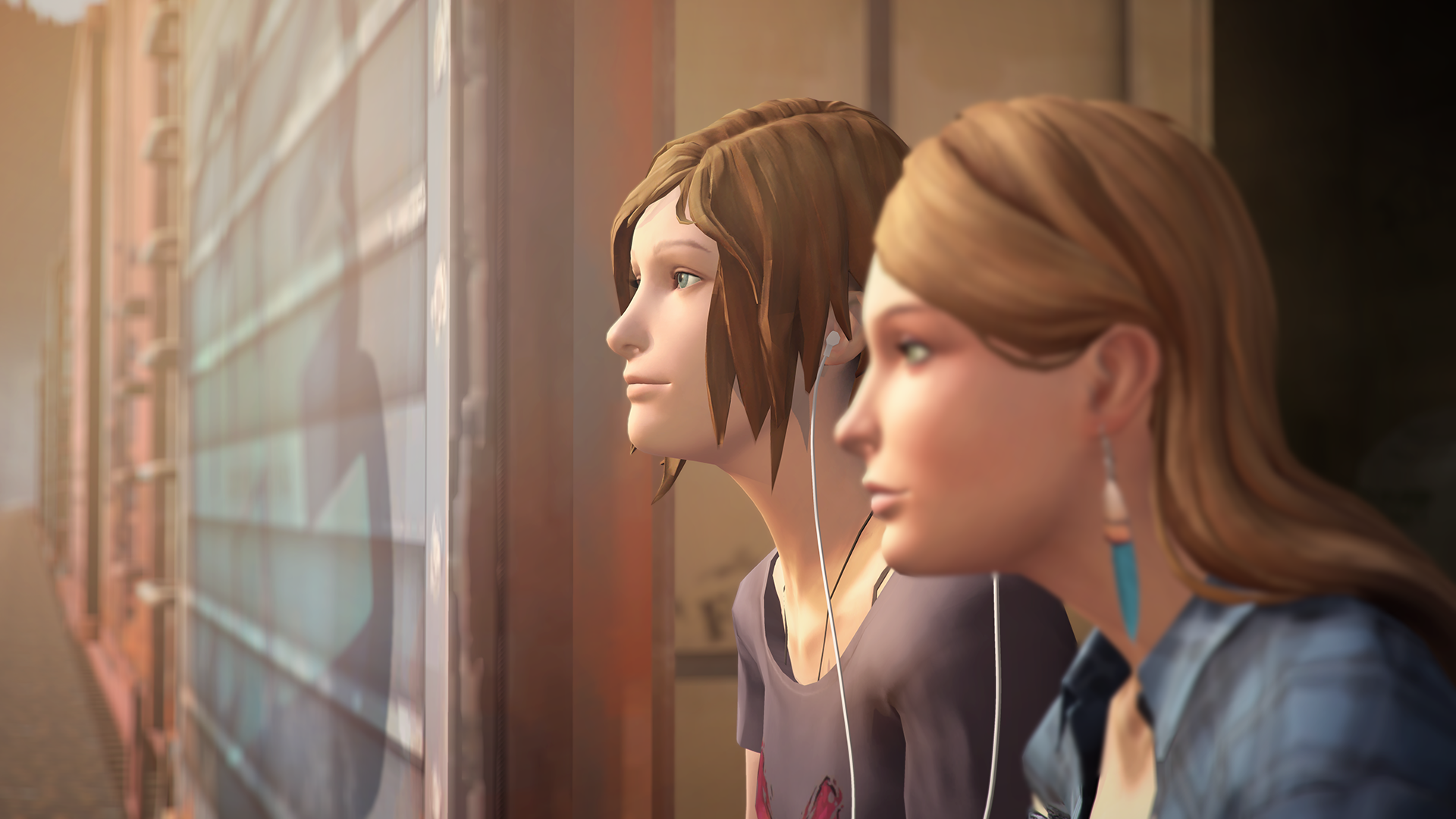
As a prequel to Life Is Strange that came out in 2015, Life Is Strange: Before The Storm tells the story of the 16-year old Chloe Price, Max Caulfield’s best friend in the first game. Which, in certain circumstances, I guess they still are. Chloe is a rebel, who forms a relationship with Rachel Amber, the popular girl at school, who is beautiful and is destined for success. However, we already know Rachel’s fate: it is a sad and unfair one. But now she is here: alive and kicking. After playing a whole game searching for her, it is nice to finally be able to meet her. This time around, we get to learn even more about this lost girl. We know she has a secret that will strengthen her relationship with Chloe, that takes their friendship to a new level. Because this is not just a story about Chloe, it is also the story of Rachel. Together, they will overcome their demons in Life Is Strange: Before The Storm.

The time has come for us to return to Arcadia Bay. I choose to believe that many of us have mixed feelings about this. In light of Max’s ability, we rewind time and are now in an Arcadia Bay where Max is in Seattle to go to school and has not moved back to start at Blackwell yet. Chloe tries to get in contact with her (judging from the information on her phone) but is replied with silence and rejection.

Life Is Strange: Before the Storm
New adventures ahead!

One cannot talk about the Life Is Strange games without mentioning the fantastic soundtrack – and how the music is used to match the protagonist’s personality. I love how they have adapted the music to fit Chloe’s personality better. Ranging from hard rock to indie, it reflects her mood – even though it fluctuates like the bounce of a ping-pong ball.

While speaking of our protagonist, let me just address the elephant in the room right away. The biggest problem had nothing to do with the game itself – but rather the stuff that happened in the making of it: Chloe’s voice. If you don’t know about this, let me explain: because of the long strike in the Screen Actors Guild, Chloe’s voice from the first game, Ashley Burch (who also gave her voice to Aloy in Horizon Zero Dawn and Tiny Tina in Borderlands 2), had to make a heartbreaking sacrifice because of this strike:

“I broke off a little piece of my soul when I did the first Life Is Strange and put it in Chloe”, she says to Kotaku.

Rhianna DeVries is the voice actress who has now given her voice to the 16-year old version of Chloe, and I’ve got to admit… I hear the difference, and I sadly have to say that I’m not a fan. There is something off about the way Chloe says things. And it may just be me that’s being real sensitive about the whole thing – because I really liked Chloe in Life Is Strange. Either way, this is a discussion with a lot of different stories to it and is not something I will discuss further here. There were big shoes to fill, and I guess that the outcome is better than no game at all. Because so far, this is a good game.

Unlike the first game, which had 5 episodes, Life Is Strange: Before The Storm has 3. But in return, they are longer. The game is as beautiful as it always has been. For example, you’ll notice how the main menu changes after you’ve played the first episode! I like little details such as that. Speaking of details, the last game had a butterfly (representing the never-ending cycle of life, and also represents the mind and our ability to change it when necessary) as the autosave symbol. Now, it’s a bird: the symbol of freedom and perspective. Which describes Chloe pretty nicely. While those might be only tiny details – they are interesting changes, and worth paying attention to, I think.

Life Is Strange: Before the Storm
Rebel Yell.

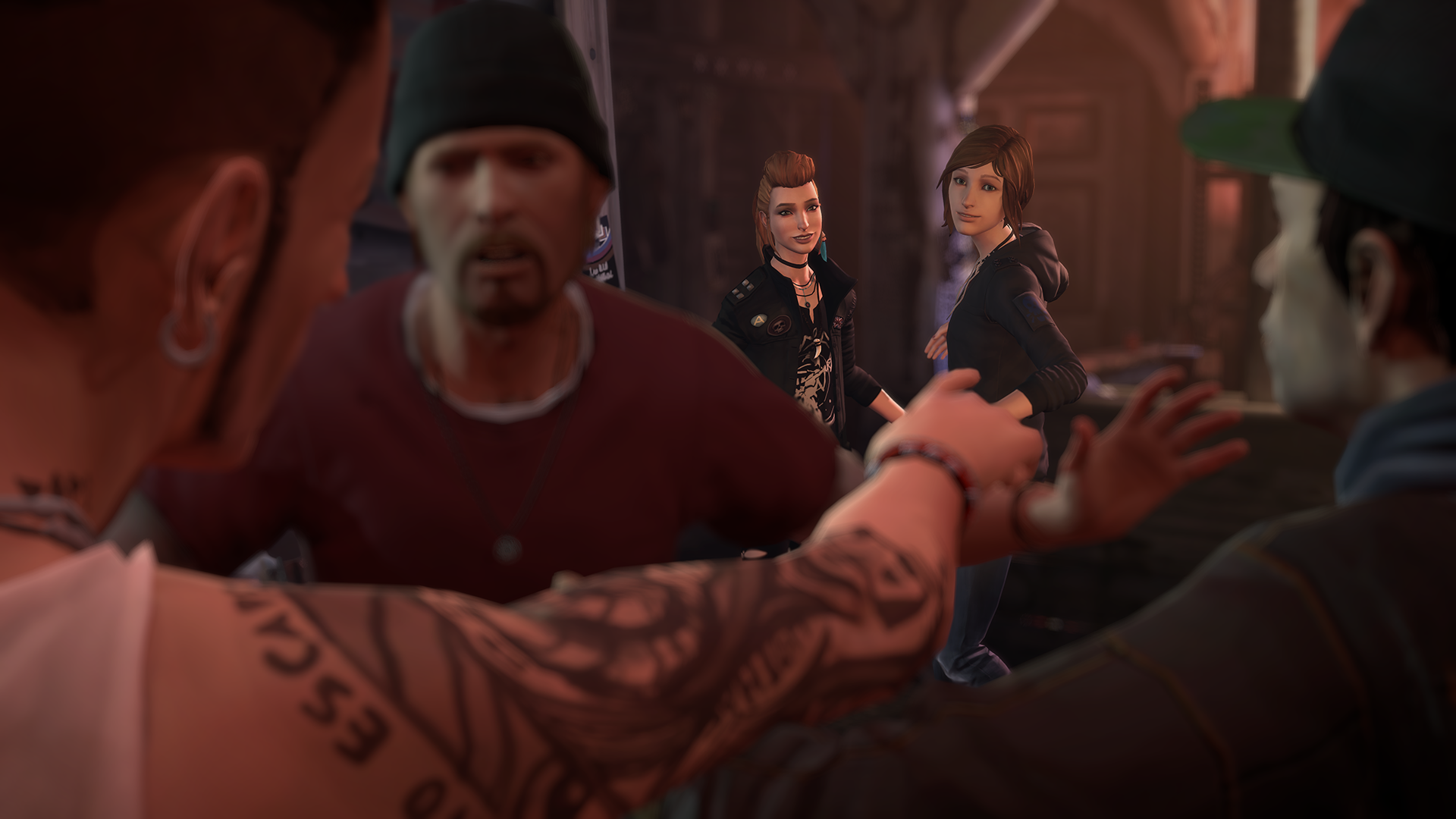
There is also a new important feature to the game, which replaces Max’s ability. This was highly discussed among fans when Square Enix announced the release of Before The Storm – Max’s ability was such a big part of the game, so what would they replace that with? Well, instead of rewinding time, Chloe’s ability is pretty obvious if you just think about it: her mouth. Yup. The Backtalk Challenge occurs either when you get in a fight, persuade them, etc. Sometimes, the person with the best argument wins. And other times, the more the comment hurts, the better. The more you explore the scenery, the more information you have to talk about. Gather information from what the other person is saying, only to turn it around and use it against them. It almost felt like a psychology session, where I learned about how humans use language as a weapon against each other.

This episode is a very promising start to a new adventure with Chloe. Life Is Strange is about teenage life, and all the love, hurt, rebellion, conflict, and drama that follows it. Life Is Strange: Before The Storm is no different. They are games about life experiences. Even though I was sceptical at first, it has already managed to pull me back into its universe – I am really excited to see what’s next, and how the story of these two girls unfold. Obviously, we know how it turns out, but I am excited to see more of the road that it leads up to!

Just a friendly tip: If someone asks you to play dungeons and dragons with them… say yes.

Looking Back at Max Payne 3

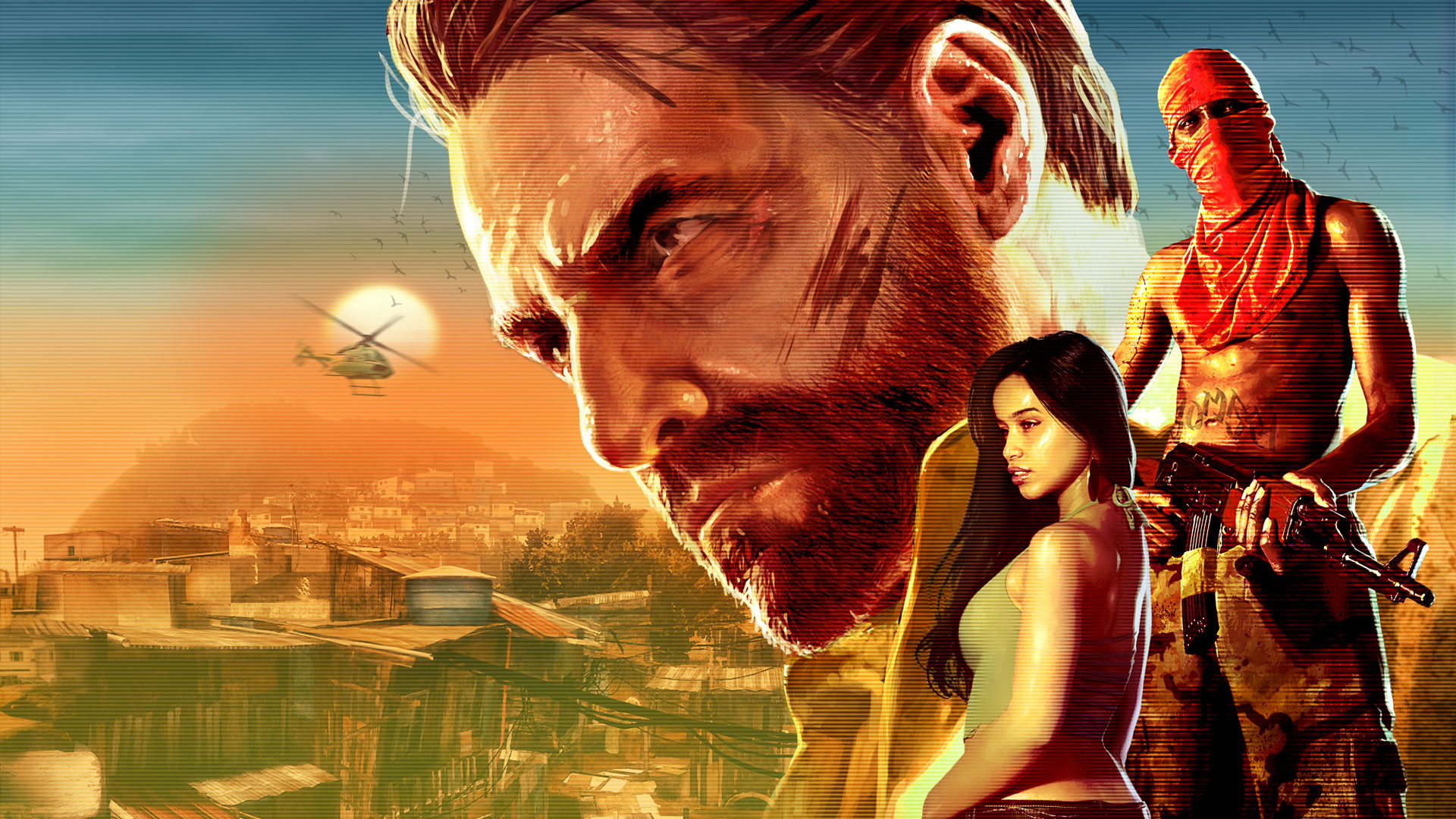
Right from the off, Max Payne 3’s writers pitch the main narrative as a high-speed, intense character drama led brilliantly by its protagonist’s crude and satirical variety of quips. Those players who have already experienced Remedy’s original Payne efforts will know exactly what to expect in terms of the titular anti-hero, yet it’s to Rockstar’s credit that they make the character accessible to series newcomers. Indeed, it’s virtually impossible not to strike some form of sympathy towards Max as he finds himself helplessly drawn into an underworld conspiracy where death waits around every corner.

And speaking of death… boy, is there a lot of death in this game! Whether or not you’ve committed gratuitous atrocities in GTA before, it really is difficult to name many other titles that have featured such magnitude of bloodshed as the Texas Chainsaw Massacre-esque experience that is the main campaign. Such an incredible degree of violence is complemented by Rockstar’s use of a slow-motion camera at the climax of every battle, adding to the genuine cinematic feel that the storyline segments possess in great measure.

That said, unless you’re in a particularly aggressive mood for the majority of the playthrough, there’s a good chance that you’ll find the mindless slaughter that so frequently ensues begins to grow old in the final chapters. As with so many other examples of their back catalogue, Rockstar managed to mix things up in terms of the narrative so as to keep things feeling fresh, however.

The bulk of the storyline itself revolves around Max’s journey into the Brazilian favela of Sao Paulo and his attempts to free a wealthy businessman’s daughter from a world full of corruption and betrayal. For the most part, the balance of narrative-based cut scenes and gung ho gameplay is pitch perfect, just as accomplished in its exposition as in GTA IV or Red Dead Redemption, if not more so.

As anyone who knows Rockstar might have guessed, the supporting cast of this epic action piece regularly consists of satirical, bordering on hilarious stereotypes of the various threads of modern society. Whether this occasionally comedic take on some of the darkest portions of humanity is to your taste will really depend on your personal preferences. Again, for me, it just serves to represent the incredible talent the developer’s script writers have for representing the social archetypes that form the basis of our living, even if some of the new additions to the Payne franchise of characters aren’t quite as relevant or memorable as their predecessors.

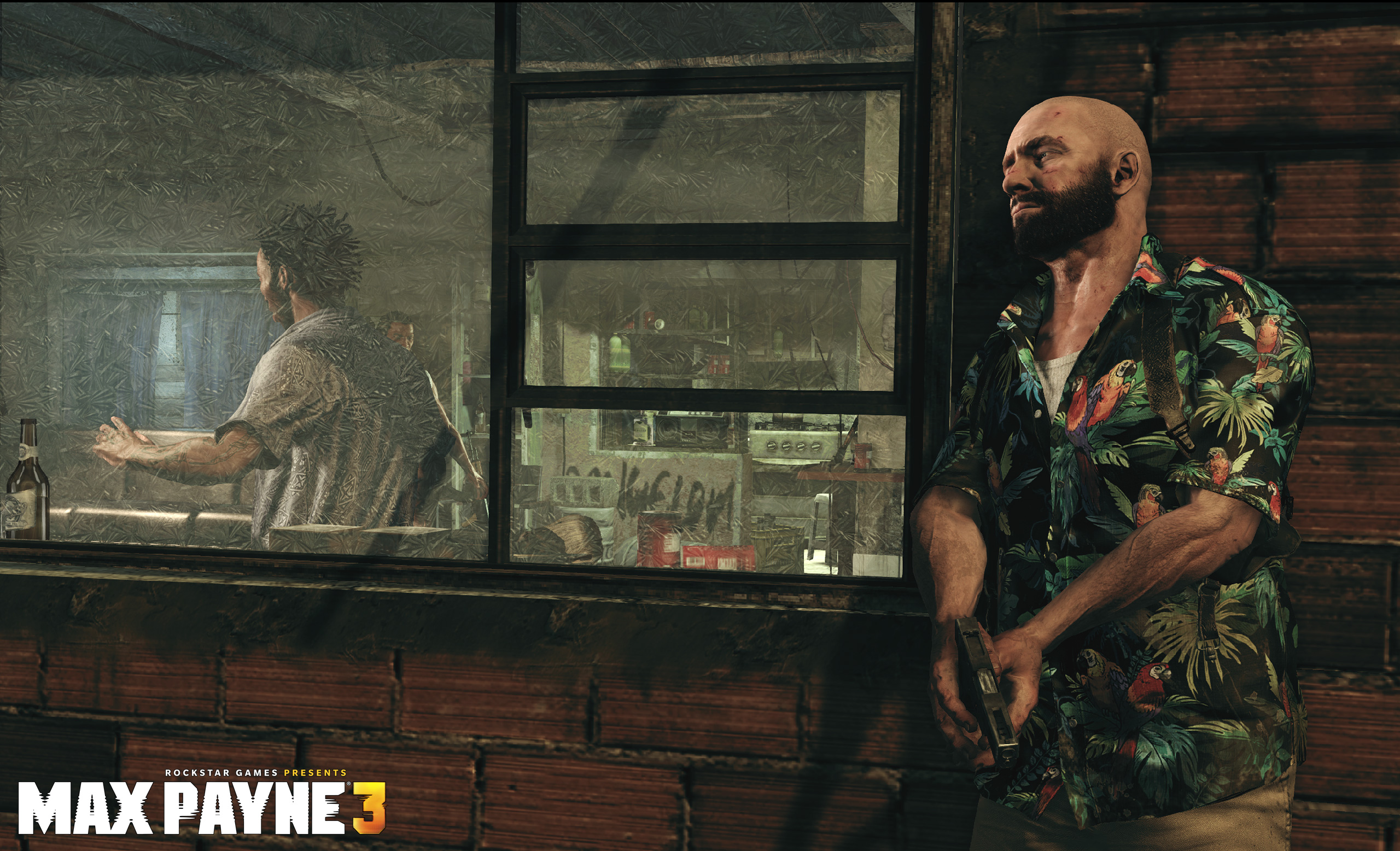
maxpayne3-2071-2560.jpg

One thing that you can definitely not fault, however, is undoubtedly the grand production values that this title boasts. For starters, the graphical technology on display here was, and is, incredible. Every ounce of pain, ammunition and location details is masterfully handled by the game’s designers, making for an incredibly immersive world to encapsulate the already sublime gameplay mechanics and the skilful narrative.

Looking at Max Payne 3 as a whole, it’s certainly hard to shake the feeling that there’s just a little something holding it back from attaining the high ranks that its predecessors reached. None of GTA or Red Dead’s glitches are present here, and in no way does it suffer from the same problems of narrative pacing as those iconic predecessors do. And yet, beneath all of the cinematic design, thrilling gameplay set pieces and unexpected plot twists, the lingering sense that we’ve seen all of this before in some form still pervades the experience.

I must hand it to Rockstar, they most definitely have the ability to make even the most simplified gameplay experience seem damn near masterful. To call Max Payne 3 simple would be to call it a disappointment, which it most certainly is not. I’d place it at the very least on a par with Red Dead thanks to a tighter and more compelling storyline, but there’s still a notable leap in quality between this and Grand Theft Auto IV.

If you haven’t given Max Payne 3 your time yet, then I highly recommend you take advantage of it.

Video Games in the Mainstream

I always maintain that knowledge is power, but maybe gaming is less of a niche than it originally was. The industry is now far more mainstream than at any other point in history. Long gone are the days of bedroom teenage programmers, violence seeking Mortal Kombat enthusiasts and the 14-hour a day World of Warcraft players. Now the market is so much more diverse.

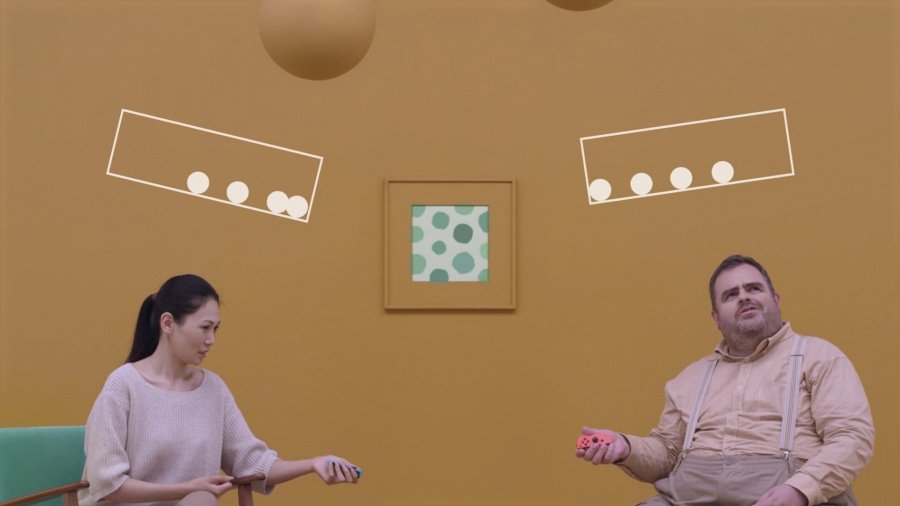
Don’t get me wrong, these fractions of the gaming demographic still exist, but now there are so many more people (and more importantly, different classes of people) playing video games. Today, it is not uncommon for the very young and the very old to get involved. Now, it doesn’t seem so strange for your Mother to sit down for a session on Brain Training or 1-2-Switch.

12

For decades these markets existed relatively untapped, but currently, gaming has become accessible for anyone and everyone.

This has got me thinking about where the medium stands in society. Lest we forget the controversial Alan Titchmarsh show debate that enraged many for varying reasons. One side buying into Julie Peasgood’s evocative anti-gaming rally, the other feeling angered by a certain lack of awareness and understanding of video games.

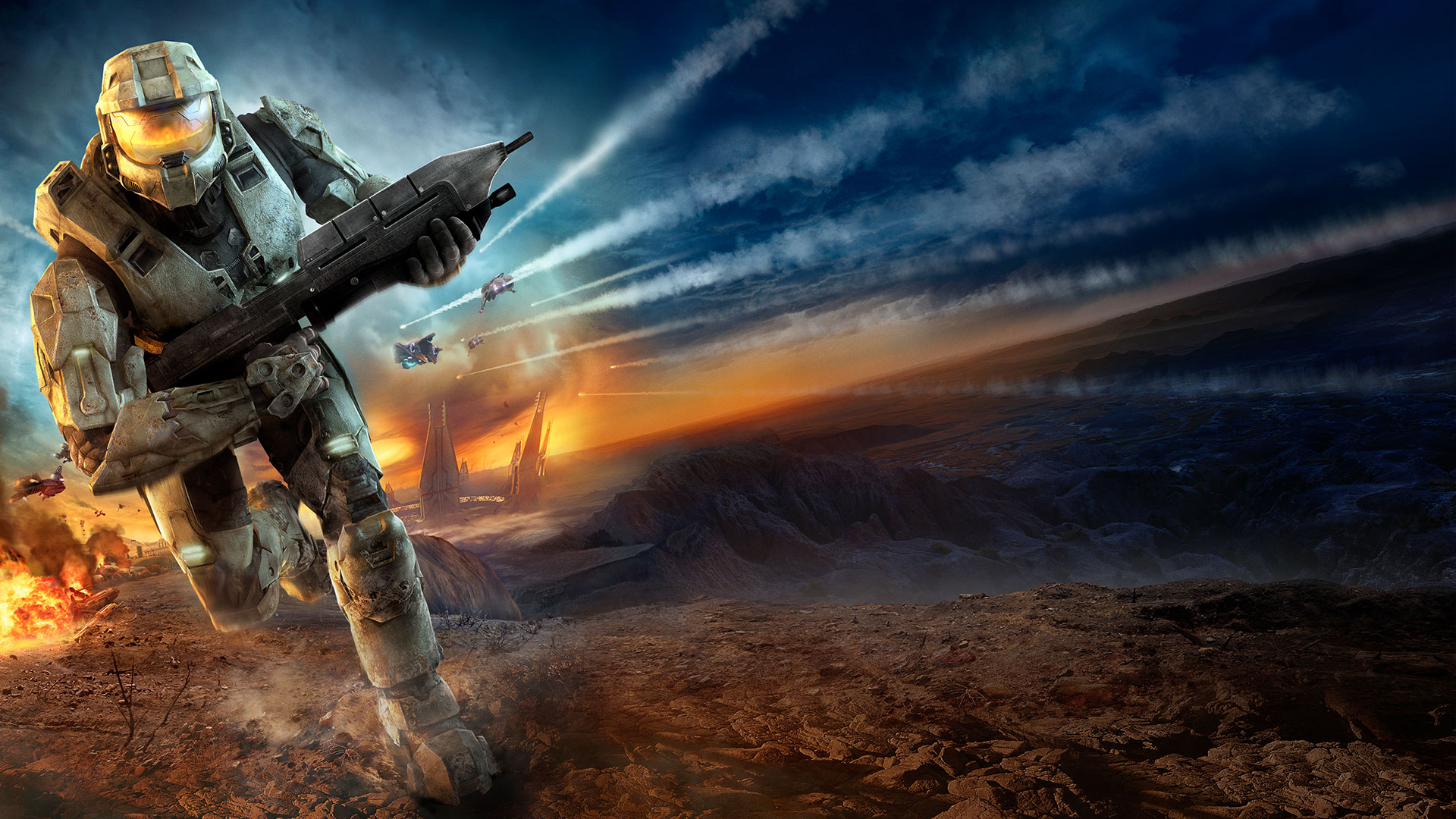
Halo

Yet now we have a BAFTA awards ceremony for video games, a pastime, that has brought joy to millions. The industry makes more money than music and films combined. The Halo franchise brings in more revenue than Harry Potter. It is a hugely profitable, and now widely accepted digital nirvana.

So I don’t think parents are particularly dumbfounded so to speak, but it can be easy for those who don’t play to have certain misconceptions about the industry, especially when misinformation is circulated.

I like to look at video games in the same way I view films. I genuinely believe there is something for everyone. Yes, you can criticise violent or adult themed games, in the same way, you could criticise violent movies. And I am 100% behind not letting 18 rated titles fall into the hands of children, in the same way as I am with an age restricted DVD. But it’s a partnership here.

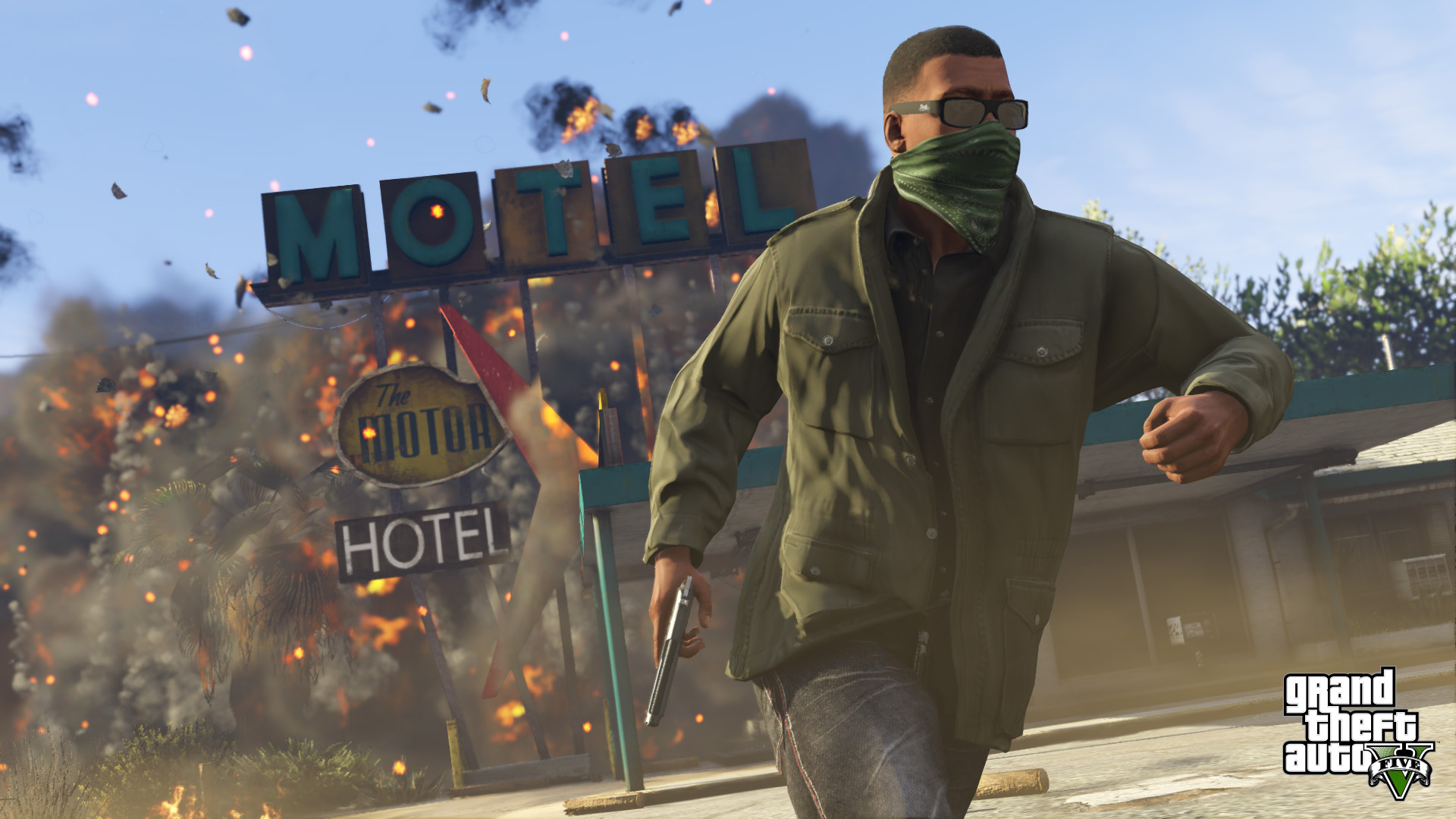
GTA 5

When it happens and it will (kids are notoriously good at disobeying the rules), it is simply no good to point the finger. We all need to take a share of the responsibility and be as aware of gaming as we are with music, TV and film.

Still Time Review – Rewinding Its Way Back to 2D Puzzle Solving (PS4)

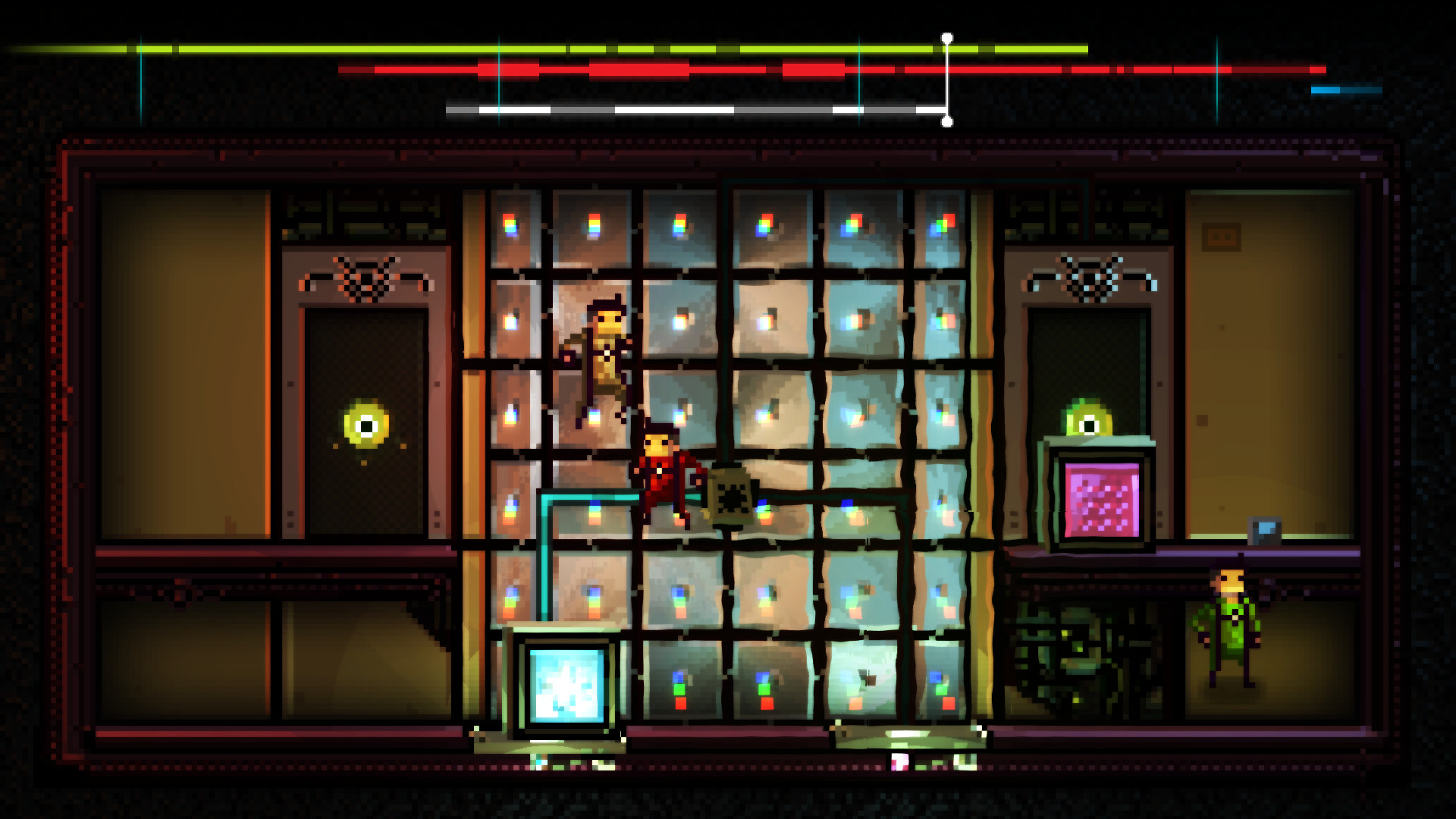
Still Time is a 2D pixelated puzzle game – created by game developer Alan Zucconi, and co-published by MixedBag – where players take control of the existing timeline of your character in each level. Falling deeper and deeper into the mysterious testing chambers of time control, you’ll have to solve your way out of dozens of challenging puzzles, manipulate time and interact with previous versions of yourself to escape the secrets that await in, Still Time.

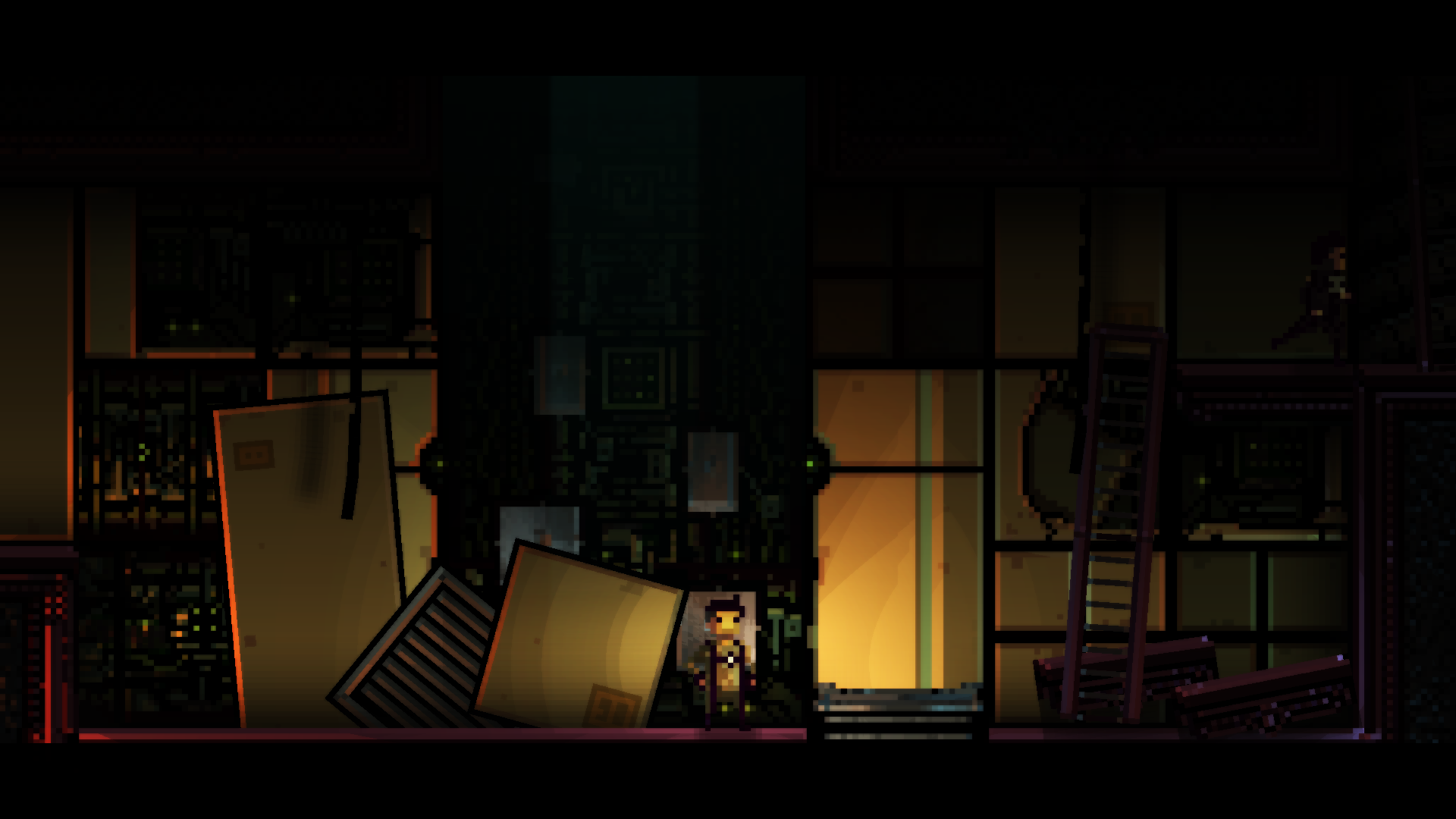
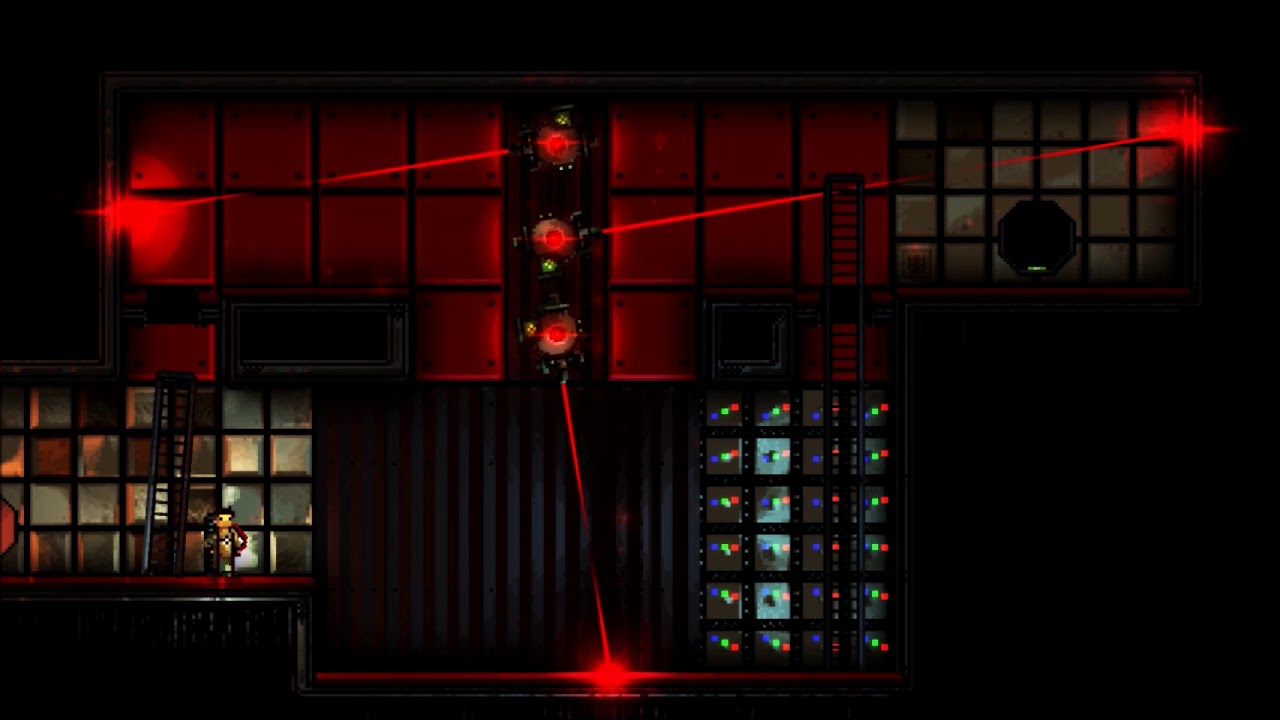
Placed in the vaults of time manipulation and experiments, our protagonist has no other option but to continue into the depths of the test chambers, which act as the introduction levels of the game. Going over the basics, you’ll be required to open locked doors by switching levers, placing boxes on switches, avoid threatening obstacles – all while tampering with the fabric of time itself.

05_big

The puzzles at first seem remarkably easy and transparent, however, once the usage of time becomes a factor, the mechanics start to change drastically. Flipping various switches to open doors or leaving weighted boxes on switches to help hold the exit open seems easy enough, but the catch soon starts to play its role.

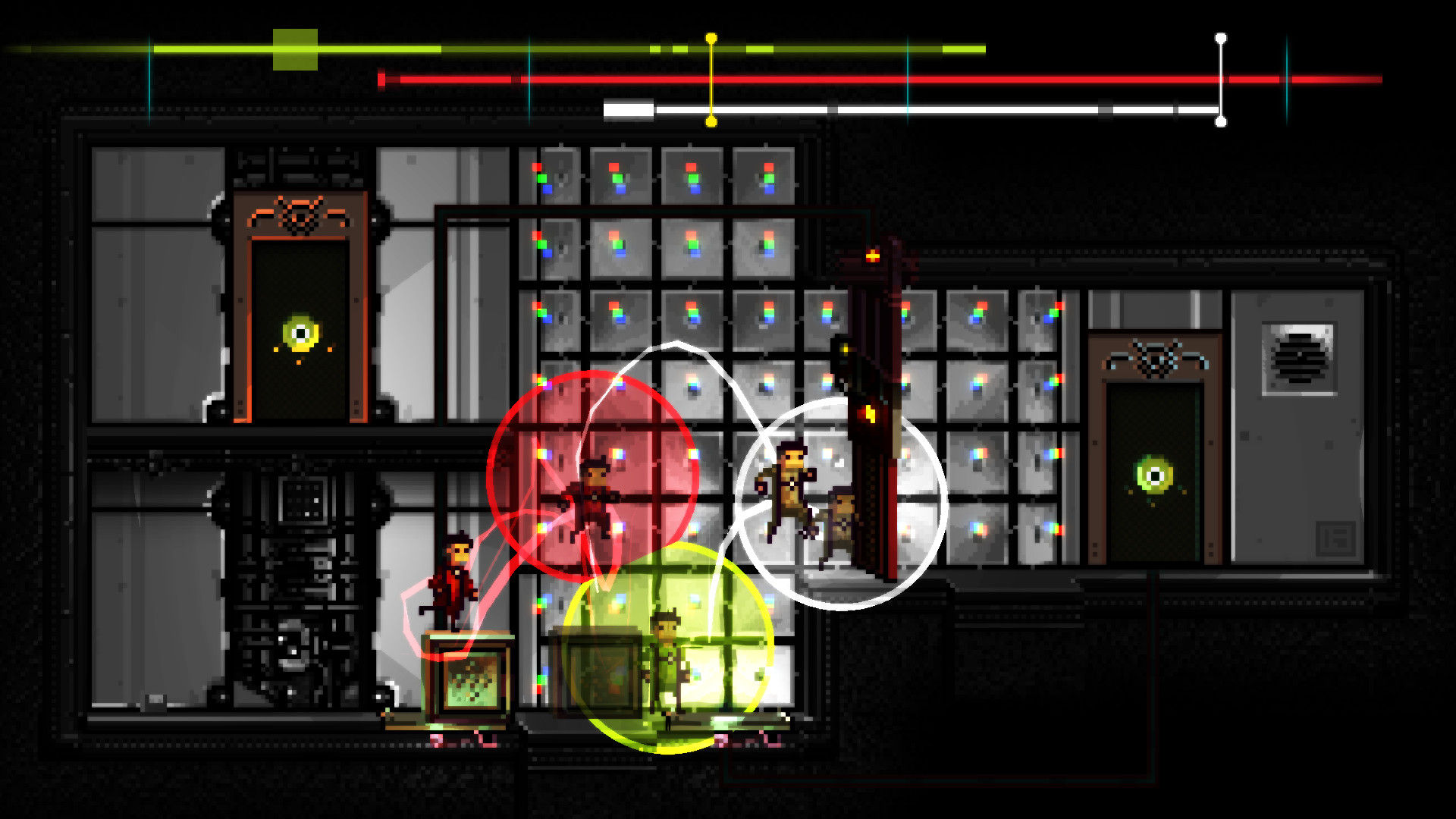
In many levels the exit doors will only stay open while the switch to activate it is occupied. Cleverly rewinding time will leave your present character in place, while creating a secondary AI character who will run along your previous path – exactly as you did before. Using this method, players will flip open doors in advance so you’ll be able to turn back time and take advantage of your past self’s actions.

STILLTIME_04

Unlike other time manipulating 2D puzzle titles – cough, Braid, cough – Still Time only controls the time itself, not the physical beings and space around involved. Meaning, your character doesn’t rewind along with time, but a second, or third, or even fourth portrayal of your character will appear and complete the tasks exactly as you performed them before. This approach leaves new tactics and strategies in solving these tedious puzzles, and makes for a overall new experience in the time manipulating genre.

Death doesn’t even stand in the way of our brave protagonist. Once the player has met an untimely demise, you are given the chance to rewind time back to before you collapsed to your death. This action is only available after a life terminating action, and does not create a past version of the character. Finding an appropriate time to “revive” your character is an important detail, as once you’ve faltered once in the level, your current run will restart from the beginning.

still time2

Of course, restarting is always an option, and not always a bad one at that. With the constant flow of time being rewound to unlock specific doors, it’s easy to go a bit overboard with “time clones”, flipping switches at wrong times, or otherwise losing a valuable object in the often times hectic levels. A quick restart from the menu is easy, as well as encouraged when things become a little too busy, or otherwise impassable.

Still time offers 40 different puzzling levels with unique gameplay mechanics, a challenging new way of approaching the puzzle solving platformer, and something many puzzle titles lack, an intriguing story of a man looking for his freedom, while uncovering truths about the time that surrounds him. If you’re looking for an inexpensive way to stress your brain and dive deep into a “timeless” adventure, Still Time provides a fresh experience with complex puzzles and level designs, waiting to be solved by using casual and simple puzzle solving capabilities in classic pixel art style.

Look for Still Time on the PS4 and PS Vita systems available now as a crossbuy purchase, and coming to Steam for PC at a later date.

techtroid-rating6