Sony published game making its way to Nintendo Switch and PC

Whilst the headline seems simple enough, it does take some explaining. Sony is a huge corporation and is made up of many companies. One of the companies that make up Sony as a whole is Sony Music Entertainment. Now we have Sony Music Entertainment branching out by creating a new label called ‘Unties’. Still with me?

Unties seems focused on publishing and promoting small indie titles. Their mission statement includes this little snippet:

With the growth of game development environments, high quality game development has become possible even in small scale environments, and the evolution of digital publishing has made it easier to distribute developed titles to users worldwide. On the other hand, with a mixed bag of titles overflowing the market, there are also situations where interesting titles are buried without being noticed.

So far so good. Where it gets interesting is that one of Unties four confirmed games is a turn-based action game called Tiny Metal. It’s going to be available on PS4, PC, Mac and Switch.

Takeaways:
  • Unties is a game publisher owned by Sony Music Entertainment. Sony Music Entertainment is owned by Sony. Sony Interactive Entertainment (the PlayStation people) are also owned by Sony. Obviously.
  • Unties have confirmed four titles that they’ll be publishing. All are small indie titles.
  • One of the titles, called Tiny Metal, will be launching on the Nintendo Switch.

Weird, right? I know it’s a little long-winded but the link is there. Sony is involved in the publishing of a title which will be available on the Nintendo Switch. Sure the average consumer will see a logo for a company called Unties, but we’ll know the truth!

Season Pass for South Park: The Fractured But Whole is full of goodies

The sequel to the South Park RPG, – The Fractured But Whole – is now right around the corner. The new title promises to deliver a ton of content on the base game itself, but the team over at Ubisoft are relentlessly teasing with the unveiling of future DLC releases – all of which will be available separately, or in the South Park Season Pass.

New costume packs, challenges, in-game helpful buddies and brand new stories to follow are all on the horizon after the game’s official release. Here are the takeaways of what the Season Pass will include:

Takeaways:

  • Relics of Zaron – This costume pack is included as a free Day One update for all Season Pass owners once the game releases on October 17th. The beloved character Towelie will also be released as a helpful in-game buddy on October 24th.
  • The Danger Deck DLC – Enter Doctor Timothy’s Danger Deck for the ultimate challenge in combat. Unlock new and exclusive costumes and artefacts only found in the Danger Deck DLC, releasing December 2017.
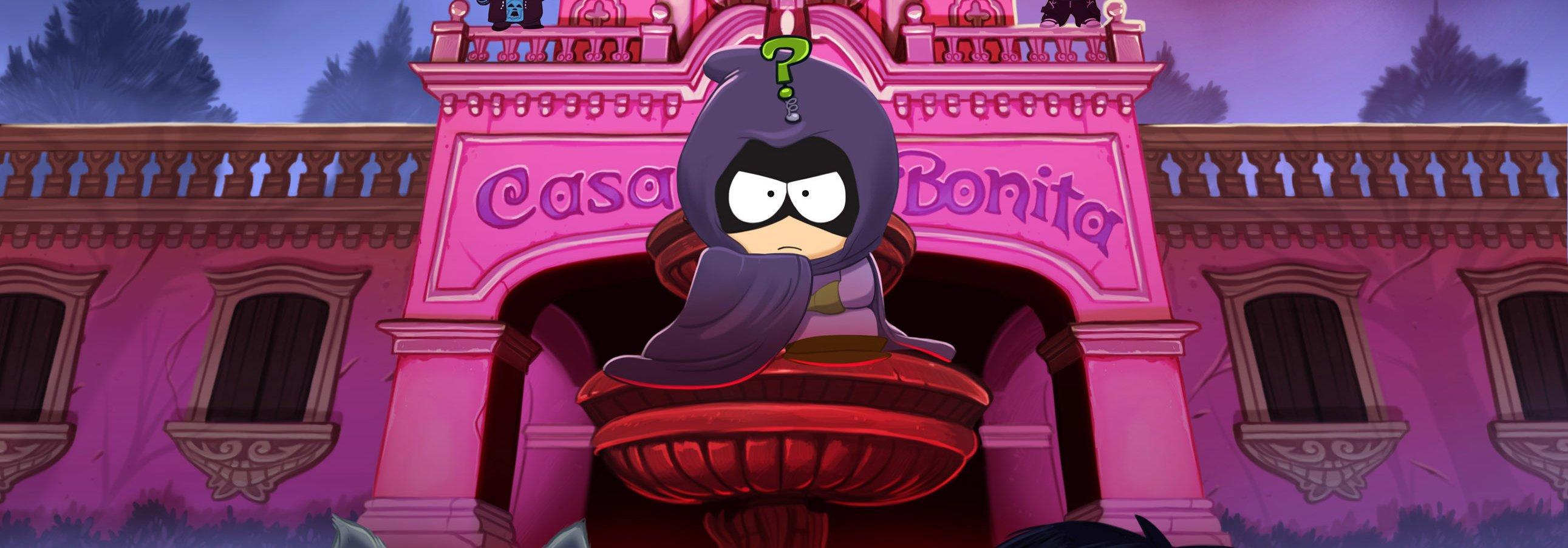
  • From Dusk til Casa Bonita DLC – Introducing an all-new story, team up with the Coon and Mysterion and infiltrate Casa Bonita. Fend off against the demonic presence and unravel the mysteries of the new storyline releasing in 2018.
  • Bring the Crunch DLC – Yet another storyline DLC, not much info has been released at this point, but we do know a new class of superhero will be introduced. This DLC will be releasing in 2018 as well.

Along with the standard edition and the separate Season Pass available for purchase, players may also receive all of the downloadable content within the Gold Edition, which is available for pre-purchase now.

Look for South Park: The Fractured But Whole releasing for the Xbox One, PS4 and PC on October 17th. Be sure to take advantage of the Season Pass and the additional content coming through future DLC releases.

Looking Back At Medal of Honor: Frontline – An Immersive War FPS

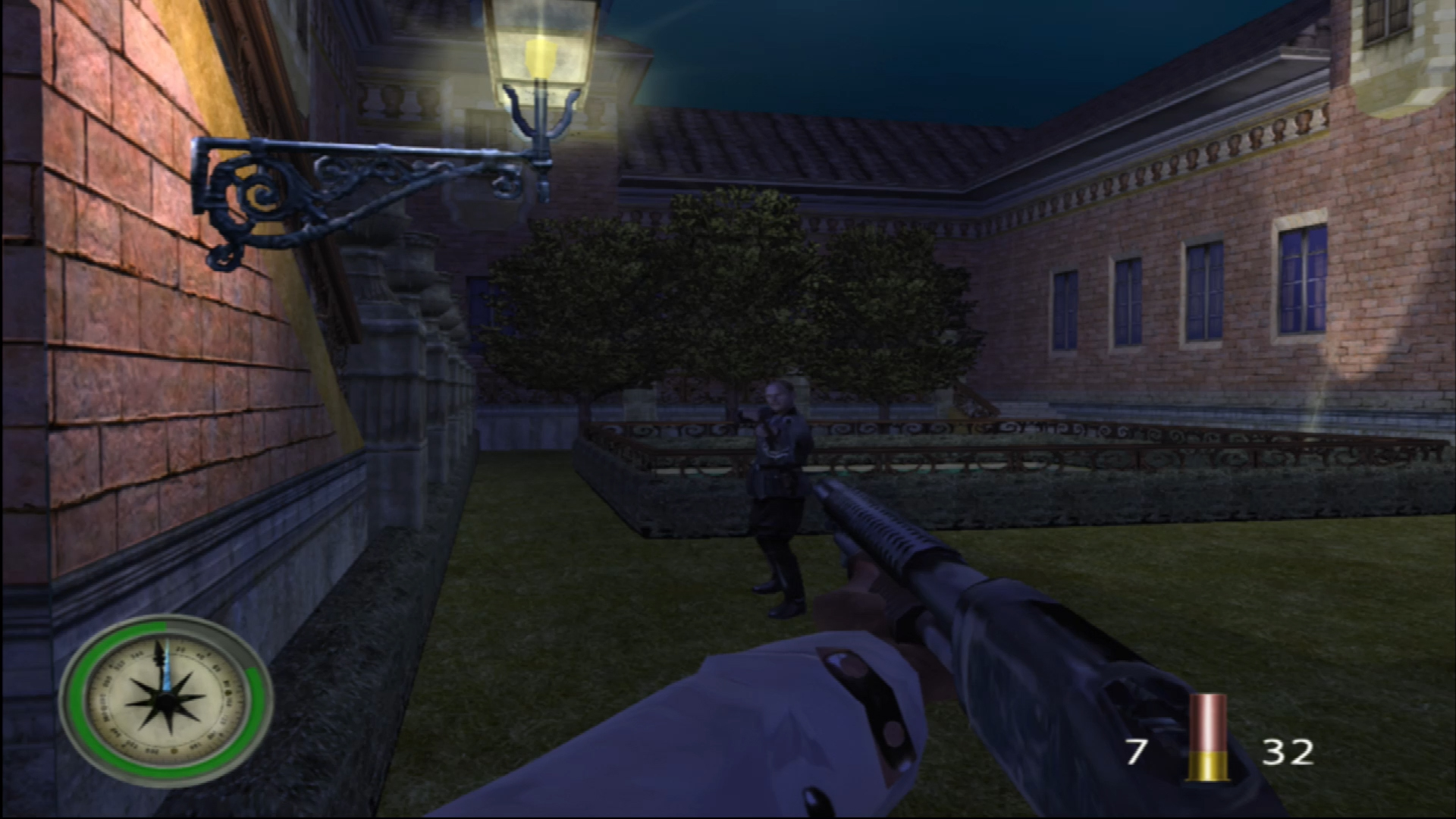
It’s hard to believe now, but there was a time when Call of Duty didn’t rule the FPS roost. Before the first game of the aforementioned FPS franchise was released in 2003, it was the Medal of Honor series that was most gamers’ experience of virtual World War II. MoH kicked off with its first game, released in 1999 on the PS1 by DreamWorks Interactive (now known as DICE) and is notable for having legendary filmmaker Steven Spielberg’s involvement in the game’s design. If that wasn’t enough, the game also boasted music from popular Hollywood film composer, Michael Giacchino. What resulted was a then-immersive war FPS that was released to critical acclaim and set the standard for WWII video games at the time. It also meant the beginning of a video game franchise, with several sequels and spin-offs to follow in the following years. Yet, we will focus on one of those follow-ups here – Medal of Honor: Frontline.

gfs_45021_2_1

Released for the then-current-gen consoles, the PlayStation 2, Xbox and Nintendo GameCube, the game featured a similar quality in its action setpieces as previous games in the series. Only this time, it was powered by greater technology than the primitive PS1, bringing such historical moments as D-Day and the Battle of Arnhem gloriously to life in ways that had never been done before. I can already hear those who grew up with the Medal of Honor: Allied Assault PC game argue that it was that title that did the cinematic experience better, but Frontline was many players’ introduction to the series as a whole. The opening D-Day level, while not as graphically compelling as today’s games, is still playable, with excellent sound design and voice acting creating an intense atmosphere. The battle reeks of Spielberg’s Saving Private Ryan opening in terms of tone, but since the series’ origins lie with the aforementioned director, it shouldn’t be that surprising.

Medal-honor-frontline-gc-4

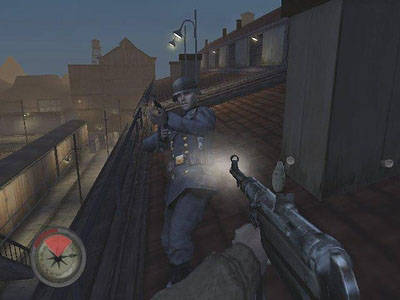
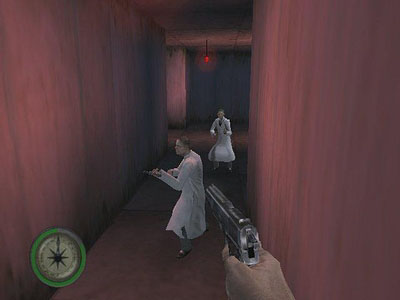
But, as veterans of the game are no doubt aware, the majority of Frontline doesn’t have you fighting huge battles alongside fellow comrades-in-arms but has you as an agent infiltrating Nazi Germany. Frontline pits you in the shoes of soldier-turned-OSS (nowadays known as the CIA) agent, Jimmy Patterson who must go through nineteen deadly missions, from investigating secret German weapons facilities to sabotaging U-boats to obtaining classified Nazi documents. Patterson can safely be described as a mute, WWII-era Rambo, as an overwhelming percentage of these missions involve him having to eradicate entire facilities-worth of Nazi soldiers alone as he goes about his business. The good thing though, is that it is damn well fun, thanks to the combination of an impressive presentation and enjoyable gameplay with a whole host of different weapons at your disposal. From the M1 Garand to the Thompson to the German MP40, gunning down hordes of relentless Nazis is as fun today as it was back in 2002 when the game was released. Yeah, sure, the AI isn’t as up to scratch as that of more modern games, but going through corridors, single-handedly mowing down Nazis with a machine gun or picking them off with a sniper rifle from afar is still as deliciously fun as ever.

Perhaps a glowing difference to the CoDs of today is the game’s lack of a rest-and-recover health system. Instead, the more Jimmy gets shot, the more his health will deteriorate. Medical packs dotted around the levels will refill it. If that weren’t humorous enough a walk down memory lane, then the fact that the game allows you to have multiple weapons in your possession at one time will. Apparently, Jimmy – like many of other of his contemporary World War II FPS protagonists – has superhuman strength and can hold a multitude of heavy weaponry at once, including a machine gun, rifle and bazooka!

mohf_1

Questionable weapon-carrying aside though, what makes Frontline arguably better in the presentation department than many WWII games that have come before and after it is the music. Like with the first game in the series, Frontline employs the masterwork of composer genius, Michael Giacchino (whose recent film credits include Spider-Man: Homecoming and War of the Planet of the Apes). The brilliance of the music is that it captures the villainy and tyranny of Nazi Germany as well as the humanity and loss in war. In the levels ‘Rough Landing’ and ‘Arnhem Knights’, for example, Giacchino employs a child’s voice which sings sombrely throughout these levels as a dramatic accompaniment to the horrors of war. Then there are the urgent, momentous violins of the manor house mission, which perfectly captures the feeling of being discovered by Nazi soldiers. It was here you had to fight your way through the manor house to rescue your informant. The music is such a character of the game, one wonders whether Frontline would be the same game without it. Regardless, it helps give the game a more heightened sense of cinematic emotion that many more modern WWII games intrinsically lack.

But whatever more recent WWII games may lack, they have much to thank Medal of Honor: Frontline for since it paved the way for their existence. The game scored $95 million in the United States alone and gaming publication Next Generation ranked it as the eighth-highest selling game launched for the GameCube, Xbox and PlayStation 2 between January 2000 and 2006. The game also found great success in the United Kingdom, selling at least 600,000 copies and attaining Platinum status on PlayStation 2.

A year after the game’s release, the first Call of Duty would be released and war-based FPS’s would continue to flourish in the game industry. They continue to do so – and with the big CoD’s return to a World War II-era setting next month (November 2017), it sits as a pleasant reminder of what led to games of its kind. And with the game having a remaster available for the PlayStation Network, there is simply no excuse not to check this one out.

Frostpunk gameplay trailer leaves us hopeful

This has been an absolutely outstanding year for video games. I already have dozens of games that I don’t have time to play and yet it seems like every day there’s a new trailer for something that needs to be played that I probably won’t get around to.

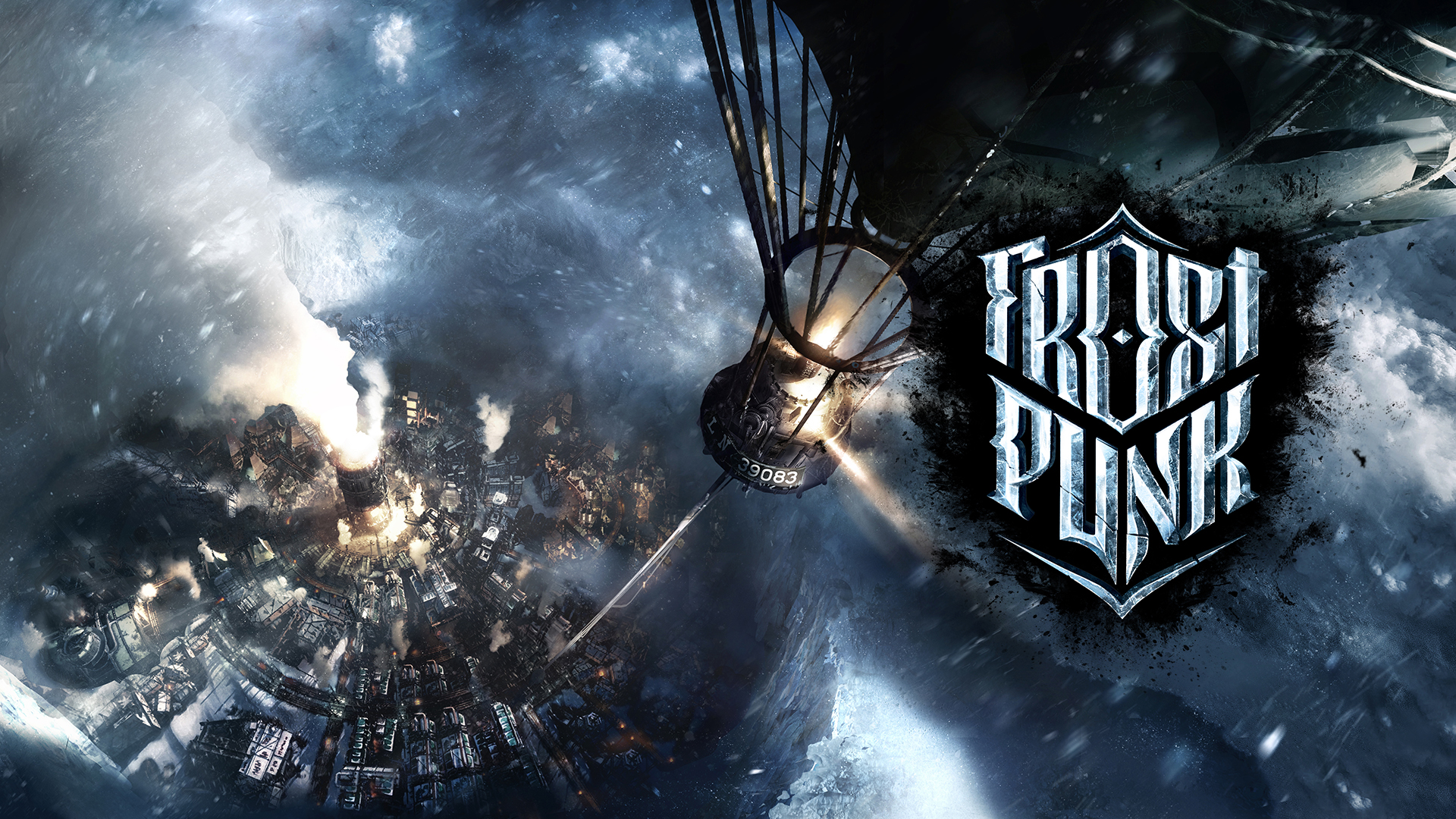
One of those games is Frostpunk. From the people who made This War of Mine, it’s a total shift from the gritty and grim ‘civilians caught in a warzone simulator’. I kid. Frostpunk is something of a combination between Civilization and Snowpiercer and it’s just as miserable as their last game. Miserable in tone, you understand. This War of Mine was a really rather good game, which is why hopes are high for Frostpunk.

In Frostpunk you’re in charge of a town that needs to survive in harsh conditions and as a result, you have to make harsh decisions. Decisions like “Are we cool with eating dead bodies?” and “How about we enforce child labour?”

Takeaways:
  • Frostpunk is being developed by 11 Bit Studios – the team that made This War of Mine.
  • It’s billed as a City Building Survival Game’ on their Steam page.
  • The tone looks to be as desperate as ever. Surviving the tough landscape will mean making tough decisions.
  • No release date has been announced. We’re still hoping for sometime in 2017 and it’s looking like a PC-only launch.

I’m a big fan of the Civilization series, which Frostpunk gives me the impression of. I also loved This War of Mine’s aesthetic and mood-setting, so I’m hoping these two things combine to make a truly great experience. More to come!

Jurassic World Evolution Trailer Finds A Way To Impress

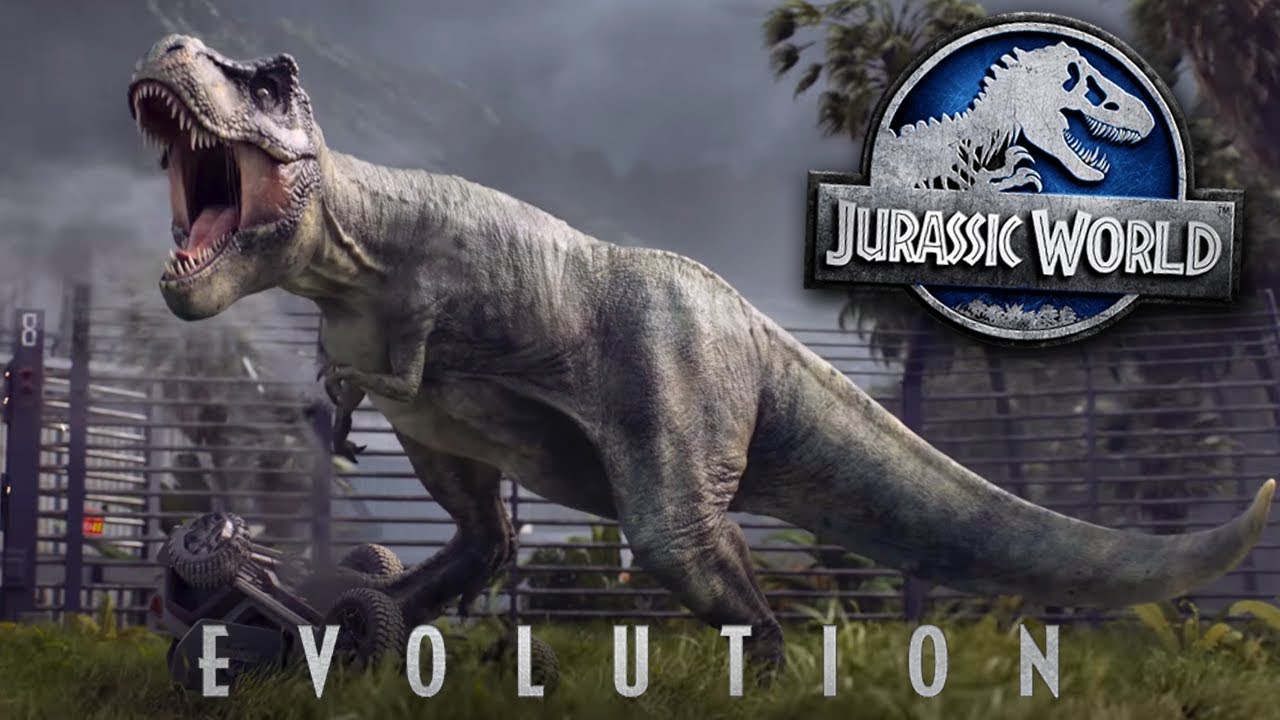
Jurassic World Evolution is an up and coming game where Theme Park meets Turok. Until now we haven’t seen what the game will actually look like, with only a pre-rendered trailer to whet our appetites. Today saw the release of an ‘in-engine’ trailer that showed off some of the extinct exhibits we can expect to fill our tourist traps with.

Frontier Developments released the trailer during their Frontier Expo event. The developers of Elite Dangerous and Planet Coaster look to continue their high pedigree of games judging by the looks of what we’ve seen so far. The animations, in particular, have me quite impressed with the lumbering lizards looking like they have a real weight to their movements. I also love the fact that the T-Rex looks almost cute as he curls up for a nap. D’awww.

Takeaways:
  • The new trailer didn’t show gameplay as such but we’re told it’s all ‘in-engine’. So fingers crossed it looks this good when it launches.
  • Jurassic World Evolution is slated to launch in summer 2018 for the PS4, Xbox One and PC.
  • As well as the trailer, Frontier Developments held a talk at Frontier Expo (the talk is embedded below).
  • T-Rex is the best dinosaur.

I’ll happily admit that I’m looking forward to this one. I wasn’t a massive fan of the Jurassic World film and previous attempts at cross-breeding Jurassic Park with Theme Park haven’t gone too well. However, with Frontier’s game development track record and judging by the quality of the trailers we’ve seen so far, I think it’s only fair that I allow my expectations and optimism get wildly out of control.

New Star Wars: Battlefront II trailer reveals maps, modes and Maul (oh my!)

Between director departures, the return of animated TV series Rebels and teases of a new trailer for December blockbuster The Last Jedi, fans of a galaxy far, far away can barely move for major news-bytes right now.

Not content to become lost amidst the maelstrom, however, EA is only adding to the pile with an info-packed new Battlefront II trailer, revealing many of the key details on the sequel to 2015’s divisive multiplayer FPS which sceptics and optimists alike have been waiting for since Day 1.

Takeaways:

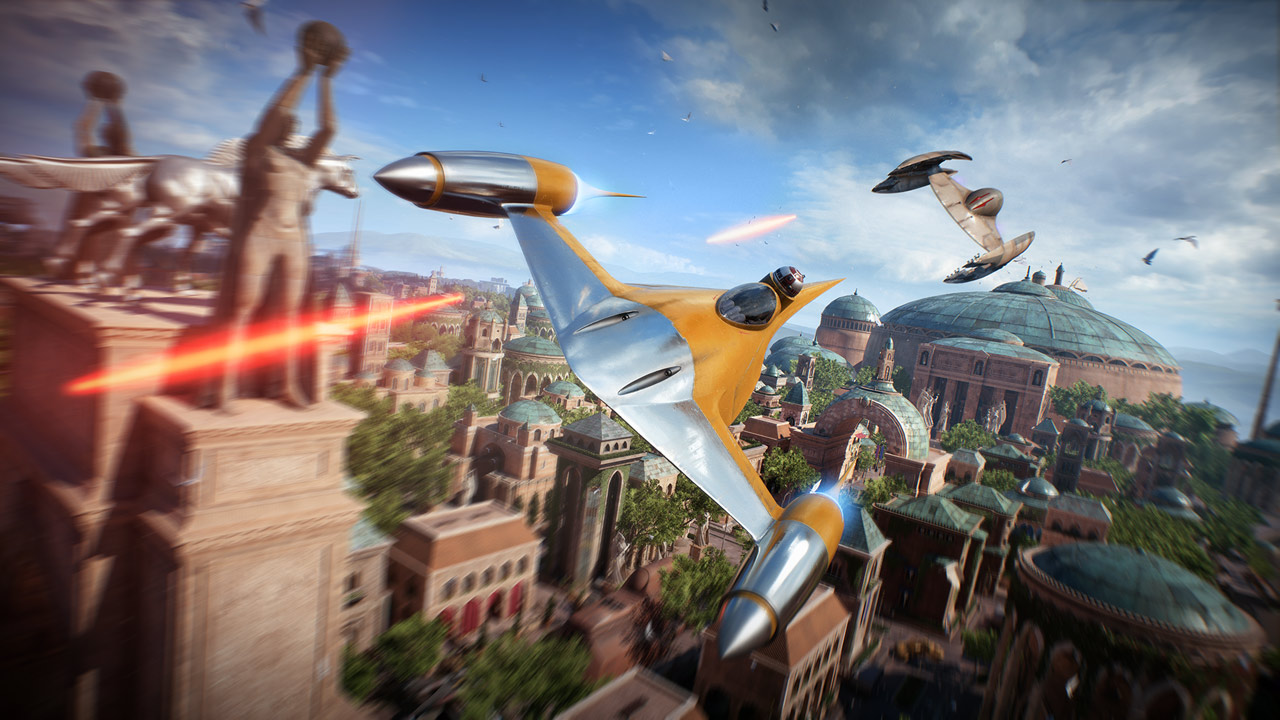
  • Anyone concerned the studio would deliver a paucity of launch maps – as was the case with the original Battlefront – can breathe easy, since the follow-up will pack 11 arenas taken from across three eras of Star Wars history this November.
  • As well as reprising the Hoth, Endor and Jakku maps available in the 2015 game, Battlefront II is set to play host to Kamino, Kashyyyk, Theed, Death Star II, Mos Eisley, Yavin 4, Starkiller Base and Takodana, with not a Season Pass barrier in sight for any of those fan-favourite worlds.
  • The interplanetary showcase doesn’t end there, though, since those who join the Empire-enlisted Inferno Squad to bridge the gap between Return of the Jedi and The Force Awakens in the solo campaign will also visit Bespin, Sullust, Pillio and Vardos en route.
  • Another lesson EA has seemingly learned from the ample criticisms directed at the first Battlefront involves its multiplayer offerings, with a diverse range of gameplay modes present this time around including Starfighter Assault, Galactic Assault, Blast, Strike and the returning Heroes vs. Villains.
  • If the latter  left you wondering precisely which scoundrels and guardians of peace and hope we’ll have the chance to command here, then fret not. Watch the trailer closely and you’ll spot many of the 14 hero characters available such as Leia, Kylo Ren, Boba Fett, Darth Maul, Yoda, Han Solo and Rey, with Captain Phasma and Finn teased as future free DLC.

There’s not long to wait until fans can play-test Battlefront II‘s various maps, modes and Phantom Menaces either, since a multiplayer beta set on Theed will showcase Galactic Assault, Starfighter Assault, Strike and Arcade this Friday, October 6th on all consoles.

They mightn’t have quite shot first what with Lucasfilm and Disney XD having beaten them to the punch on major announcements, but if nothing else, EA seem admirably intent on righting the wrongs of their first licensed Star Wars production here, and we can’t wait to see whether their efforts pay off next month.

Stay tuned to D-pad Joy for more coverage on Battlefront II building towards its Xbox One, PS4 and PC release on November 17th, but for now, be sure to check out the John Boyega-narrated new trailer below for more reveals than you can shake a lightsaber at (trust us, we tried)…

Looking Back at Superman 64 – The Worst Game of All Time?

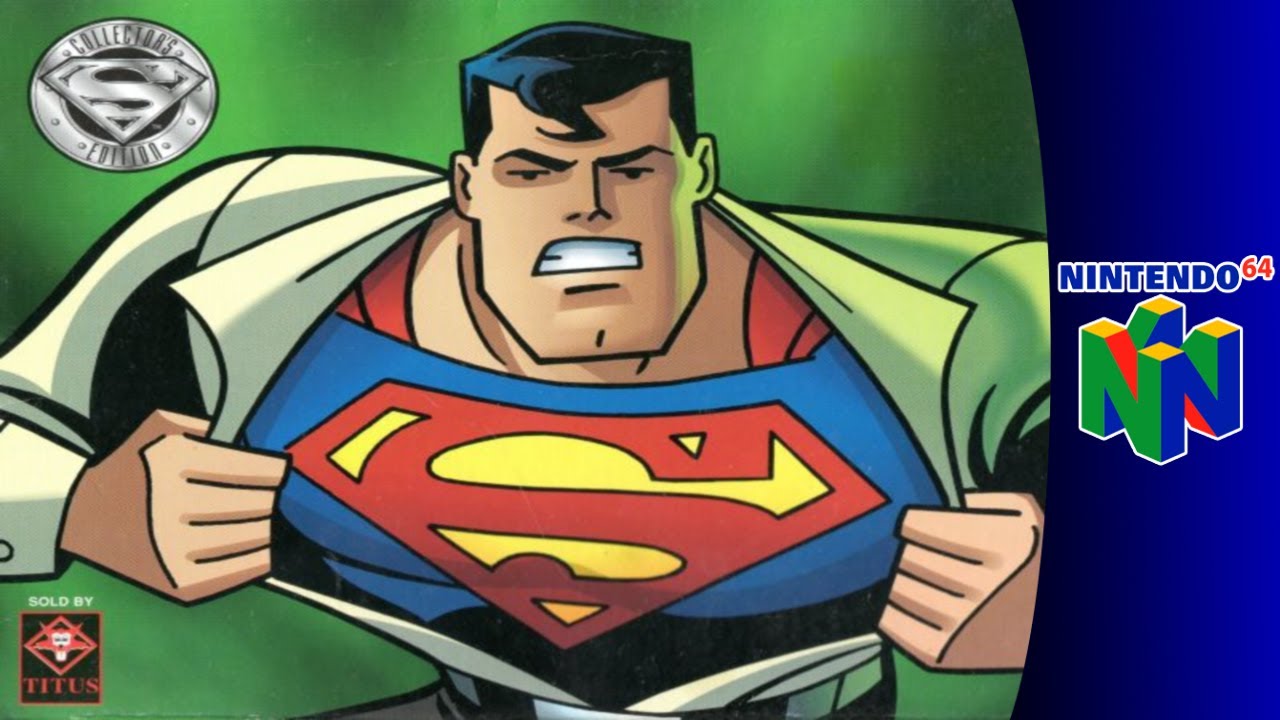
When game critics cite the worst game of all time, they’re likely to come up with a range of different candidates. They may say E.T. They might even say Big Rigs Racing. But among them, a more superpowered candidate stands out: Superman 64. Developed by Titus Software and released on the Nintendo 64 in 1999, the game was a major best-seller during June of that year. At the time, the game even scored a reputation as the console’s third-best-selling title. But one problem remained – the game was bad. No matter what the sales record says, the game was critically panned across all gaming media. But why was this? Does Superman 64 truly deserve the harsh criticism it continues to receive to this day?

Superman 64

Well, to be put it abruptly, yes. Superman 64 is as bad as they say. The game is filled with bugs, tedious gameplay and poor design choices. It’s a game that was evidently rushed out to meet the deadline. The game’s infamous ‘ring-flying’ stages, where Superman must fly through rings within a specified time limit and reach the goal have received much derision from gamers and critics alike.

There are several reasons for this. One is the multiple glitches and bugs that plague these stages. Superman can easily get caught in the walls, buildings and bridges if you fly too close. Then, there is the game’s poor draw distance. A green fog blocks most of the player’s field of vision, making the act of flying through rings even more tedious than it would be otherwise. That’s not even bringing to attention the game’s abhorrent control scheme, which makes Superman hard to control – clearly, the man isn’t great at turning tight corners. These points all come together and build a frustrating experience, which is further hindered by the stage’s strict rule when it comes to the rings. You can skip a couple of rings, but any more than that will result in the player failing, with Lex Luthor laughing victoriously in the background. It’s a sound that players of the game have come to know and dread since failing is a regular thing in this game.

Superman 64

However, the ‘ring stages’ are just the start of Superman 64’s problems, since the maze segments are considerably worse. Unlike the flying stages, the player will spend the majority of the mazes on foot, completing various objectives. These include defusing time-bombs, protecting Superman’s friends and fighting bosses. But while the variety of mission objectives is well-intentioned, the execution is lousy and poor.

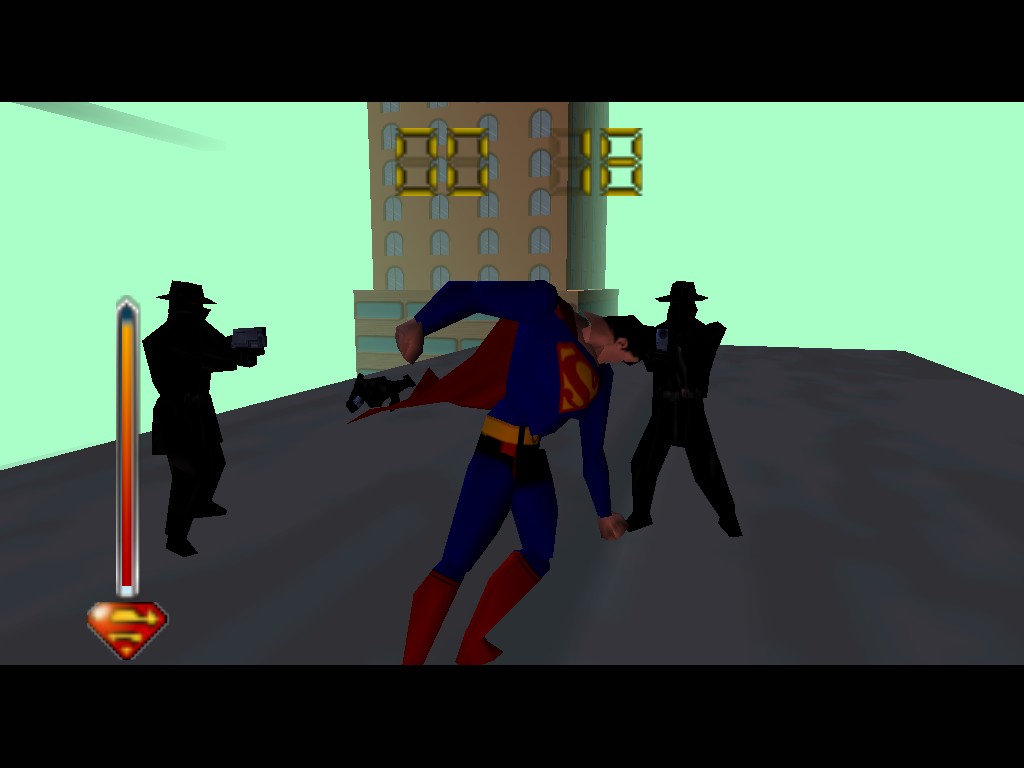
One example is when fighting the game’s ‘bosses’. I use ‘bosses’ in parentheses because they’re not so much bosses as normal enemy mooks who take more hits to put down. They’re programmed in the same way as the game’s “Shadows” (the identikit enemies you fight), staying on the floor punching the player and offering no idiosyncratic movement or attack patterns of their own. To a Superman nerd, this can be particularly jarring, especially when intergalactic supervillains such as Darkseid and Mala are fighting like ragdolls as opposed to the superpowered beings they are in the animated series. The worst thing about fighting these enemies is that it’s impossible to dodge their attacks due to the awkward nature of the fighting system. The only physical attack in Superman’s arsenal is his awkward punching. Therefore, fighting bosses is more about withstanding their attacks long enough for you to kill them.

Superman 64

Then there are the damned glitches. Superman 64, like many games of its generation, is fond of the escort mission trope but, unlike many of those other games, doesn’t do it very well. One section has Superman rescuing Lois Lane and escorting her towards a certain goal. This means defending her from all manner of enemies that suddenly pop up from nowhere. The problem is that enemies that the player will have already defeated in previous rooms on their way to rescuing Lois will respawn out of nowhere and with no explanation, forcing them to go ahead and wipe them out before they wipe the sassy young journalist out. Unfortunately, leaving Lois for a short amount of time means that shadows will automatically respawn near her position and start attacking her!

And yes, if Superman doesn’t return in that given amount of time, it’s game over. The problem with this is that it provides an example of fake difficulty. The time you have to return to Lois isn’t nearly enough to contend with all the newly respawned enemies from the previous rooms – not helped by the poor controls. This means having to return to the room to save her from the shadows then going back to the other room to deal with a few more respawned enemies before flying back to Lois to deal with a few more magically-appearing ‘Shadows’. Rinse and repeat.

Superman 64

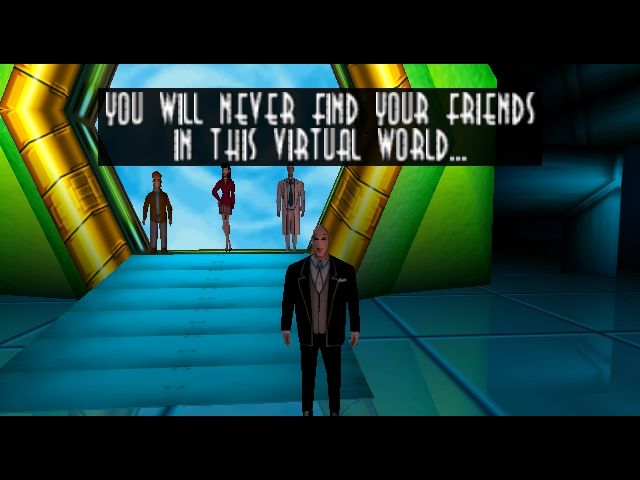
Alas, there are some good reasons as to how the game became the poor product it was. The developers, Titus, were given strict guidelines from Warner Bros., who insisted that Superman could never harm real human beings and placed limits on the superhero’s powers. This is what would inspire the ‘virtual world’ setting of the game. It was delayed for six months due to a lengthy approval process and, ultimately, according to the game’s head honcho, Eric Caen, the game’s design was too ambitious for the N64 software. Yet, despite the game’s critical panning, it became the best-selling release of June 1999 and the third best-selling game so far in the console’s history at that point in time. That’s how things work, of course.

One thing is for sure, though. Superman 64 will forever remain one of the worst video games of all time in many gamers’ minds. In an internet generation where we regularly worship or denounce video games on a daily basis, it’s unlikely to be forgotten as such. The game continues to be the butt of every gaming nerd’s joke and is a good advertisement on how not to make a game. That’s not going to change anytime soon.

Kid Icarus: Uprising

Looking Back at Kid Icarus: Uprising – A Glorious Ascension?

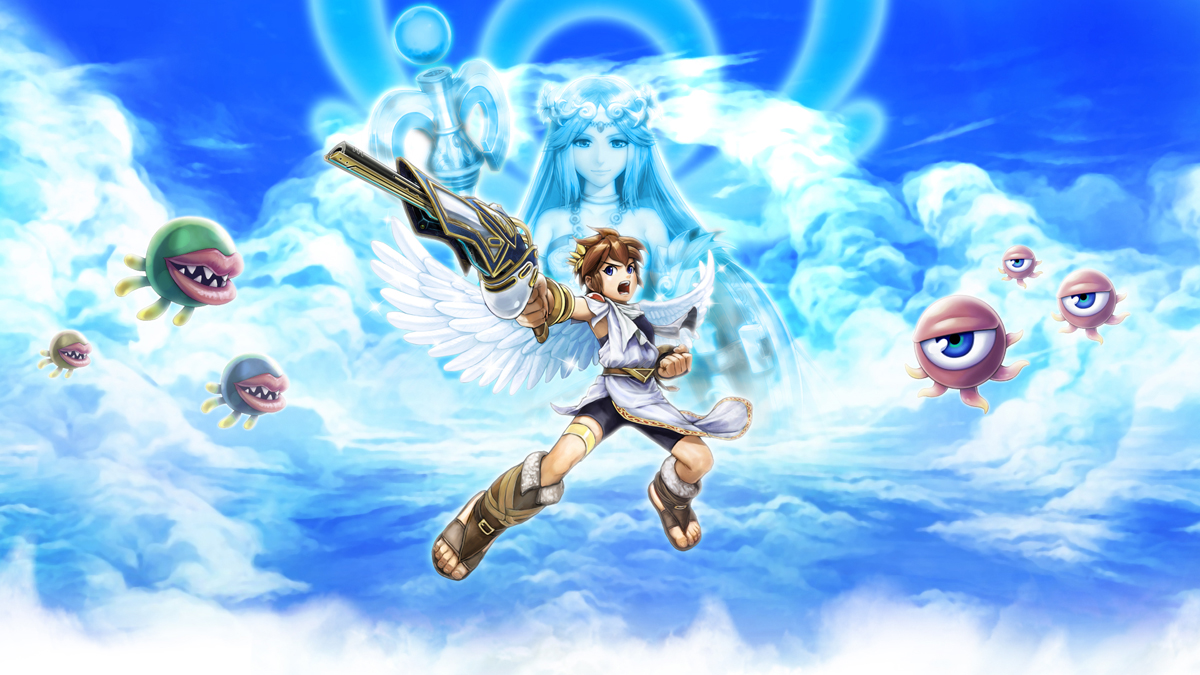
Mario, Grand Theft Auto, Call of Duty, Zelda, Resident Evil, Sonic, Metal Gear, the list goes on. What do all these gaming franchises have in common? It’s their recognition. If you’re an avid gamer you should know them incredibly well, and there’s a good chance you possess at least a few games from each of their respective series. On the other hand, we have some game series that wait quietly in the shadows, attempting to ‘photosynthesise’ towards that same light of recognition. Kid Icarus is one these. Stuck in the dwindling light for 21 years, all the time hoping for another opportunity to shine. And we finally got it in 2012, the year of our ‘Armageddon’, and the year we saw the return of Pit in Uprising. Was his revival a glorious ascension into heaven, or a quick descent into the underworld?

Masahiro Sakurai, a man famous for working on Kirby and the Super Smash Bros. series was the creative force behind Pit’s new adventure. He’s known for his somewhat paradoxical: deep yet streamlined approach. From the moment you load up Kid Icarus: Uprising, this fact is apparent from the menu alone. There is a lot of content to be found, from the Idols to the achievements, to the numerous fancy weapons. It’s completely overwhelming at first, in the same way Super Smash Bros. Brawl was; even the menu layout is hugely reminiscent of that star-studded fighter. It was depth in abundance, but what about his renowned, streamlined gameplay?

Kid Icarus: Uprising

Sakurai wastes no time for a preliminary story, as the opening level immediately shows the dust-covered angel burst out of the doors of heaven in spectacular fashion. Suddenly everything is happening at once and that frantic rush you get from rail shooters like Sin and Punishment is instantaneous and gratifying. Serving both as a tutorial and exposition, the first stage is a great introduction to the game. Uprising is split into two halves then, the first part in any stage takes the form of the adrenaline-fuelled rail shooter, with the second part being essentially a third-person shoot ‘em-up.

The stages that take place on land are certainly slower-paced, with the aim being to annihilate everything in your path with more finesse. Chests containing goodies are chucked in to break it all up, with the occasional puzzle-like element featuring as well. At the end of these stages, you’ll face one of Medusa’s commanders, who are expertly realised and fantastic fun to fight.

What about the controls? Remember the controversy back in the day? While they’re not a literal ‘game-breaker’, they are an annoyance at first, and one in which a master like Sakurai should have addressed. You control Pit with the Circle Pad, aim with the Stylus, and shoot with the L button. It’s fluid and precise, that is until a nagging in your wrist commands you to stop; you might even experience a few minor hand cramps. An important point to make is that it improves the more you play: while that might sound like a crude justification for bad design, after a few hours of gameplay it won’t really be an issue.

You also have a stand packaged in with the game to help remedy this, which works extremely well, yet simultaneously destroys the idea of portability. Of course, this begs the question: if the team were that worried about the ergonomics to include a stand, then why did they proceed?

Kid Icarus: Uprising

It’s worth saying that there are some in-depth control customisation options that allow you to set-up your preferred style of play. Although none of these allowed for the precision of the Stylus. The other gripe is with Pit’s mad dash motion that often throws you off edges to your demise. You have to flick the Circle Pad up to run, but sometimes the slightest movement engages this dash, the outcome being a significantly reduced life bar. Ultimately though, you shouldn’t let a few hours of comfort adjustment perturb you – Uprising’s positives far outweigh the negatives.

Now that we’ve covered the controls, we can talk about Uprising’s greatest strengths. For starters, seeing the game in motion is truly a spectacle, even today. The colours, the sprawling environments and the character models are often striking, and the little touches, like the soft blue glow around Pit’s enchanted wings, only further convince you of this stunningly-presented package. One particular eye-opener for me was approaching the swaying sea, which was then ‘biblically’ parted by the Goddess Palutena. Like the best-looking games for the 3DS out there, to see it all running smoothly in 3D on such a small screen is the biggest surprise.

Kid Icarus: Uprising

It doesn’t stop there though, the soundtrack was also incredible. This is unquestionably a result of influential figures like Yuzo Koshiro (Streets of Rage, ActRaiser), Motoi Sakuraba (Dark Souls, Star Ocean), Masafumi Takada (Killer7, No More Heroes), Noriyuki Iwadare (Grandia, Ace Attorney: Investigations) and Yasunori Mitsuda (Chrono Trigger/Cross, Xenogears) combining their celebrated musical talent. It’s whimsical, illustrious, and beautiful. There’s not much else to say here, if anyone could assemble such a group, then it’s Sakurai. Certainly some of Nintendo’s finest work.

The dialogue between Pit and Palutena is another highlight. This is fully-voiced, self-referential humour at its best. Lines like: “Dark Lord? Hasn’t that been done to death?” and, “Listen to that swagger, you’ve toughened up nicely Pit. Remember when you’d be all, like, “I’M FINISHED!” all the time?” add to the unashamedly funny script. In a gaming world that is filled with deadly serious stories, where characterless soldiers kill lots of things, Pit’s revival is original, lighthearted and a breath of fresh air. The continual breaking of the fourth wall is a clever move indeed, and the audio recording is simply top-notch.

The multiplayer segment of the game wasn’t the reason you bought Kid Icarus: Uprising. Nevertheless, Light VS. Dark is the superior mode here, where players fight 3-on-3 battles with weapons earned through the solo campaign. This is balanced out so that those with the best arsenal are the greatest sacrifice to the team’s life bar when they fall. After all three players in a team have been defeated, one will turn into Pit’s light or dark side. It’s executed well admittedly, and there are very little connection issues, but the tastiest meat really is found in the solo experience. Still, it can be addicting as the rewards for playing online are significant.

Kid Icarus: Uprising

StreetPass and SpotPass were both utilised as well. StreetPass allows for a stylish gem transfer system between people you meet in the streets, while SpotPass enables Nintendo to send you even rarer gems that can be used to fuse weapons. Then there’s all the other stacks of content seemingly packed into the cartridge of Uprising: AR card functionality, Idol tossing, a music gallery, detailed play records, and the Fiend’s Cauldron, which is a hugely original way of encouraging multiple replays of the same level. Intensity gates found on land levels dictate the difficulty you need to play on to unlock them and reap their awards. Therefore, play on a higher setting, unlock the gate, fight a mini-boss, and you’re rewarded with endless gifts, weapons and hearts. Just how they managed to fit it all in is impressive in itself. The discovery of the almost unlimited supply of things to do is one of the highest points in the game.

Kid Icarus: Uprising

Kid Icarus: Uprising was Nintendo trying something different. Sharing elements from Starfox, Kingdom Hearts and Sin and Punishment, it’s still exciting and fresh, and proves that there’s always more room for those heroes left in the darkness. It has its control niggles which are a shame, but this doesn’t stop it being an epic rendition of Sakurai’s creative power and direction. The fact that the production values are higher than some home console retail games mean you’re truly getting a cinematic experience. Uprising is a treasure trove of love from a masterful video game director. So, where’s the next game?

Antiquia Lost Review – A familiar fantasy RPG [PS4]

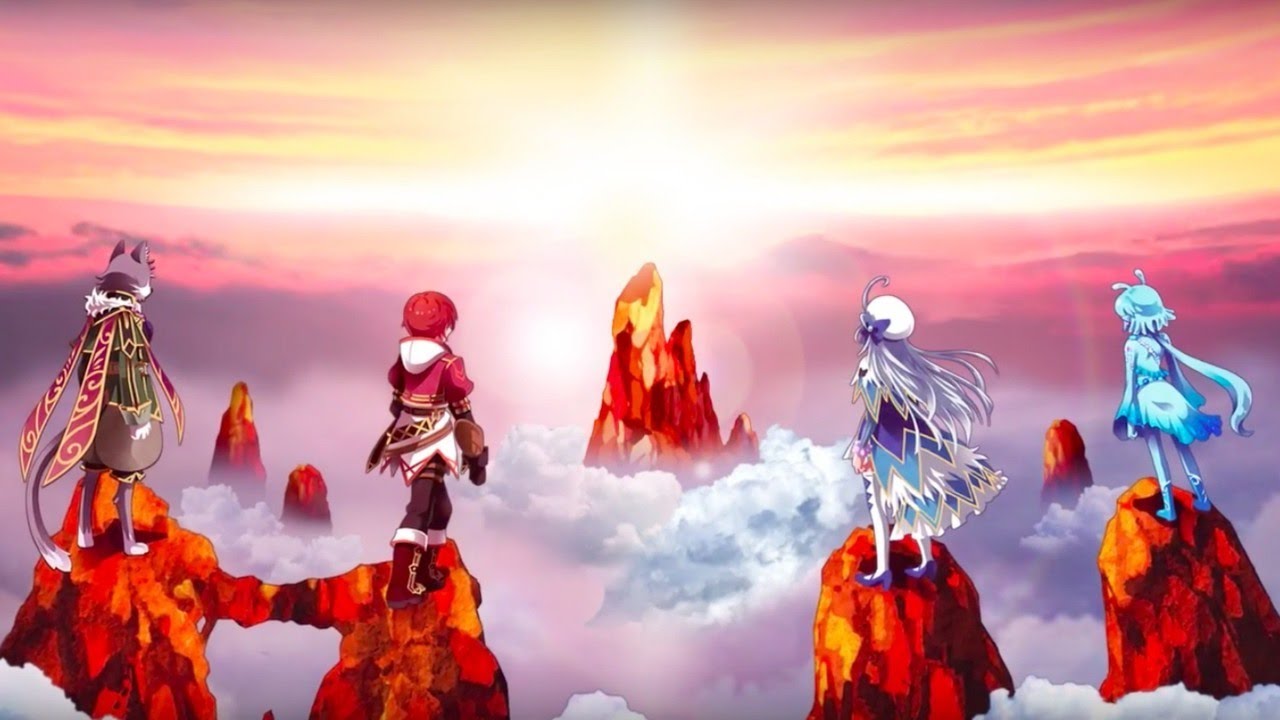
Antiquia Lost shows off its deep roots from the early years of the Final Fantasy saga, but deep down the game sits quietly with a mold of its own identity. Powerful and heroic characters mixed with emotionally charming plot lines and dialogue, Antiquia Lost brings a surprise nostalgic experience to the broad circle of traditional RPG titles.

Deep Roots

Starting the game in the small town of Crysta Village, you take control of Bine – a red-haired demon hunter engaged in the beginnings of a warm and exciting adventure. With the help of his mysterious power and newly acquired friends, you’ll dive deep into the fantasy world full of intriguing towns and villages, dungeons, as well as plenty of turn-based battles along the way.

Antiquia Lost Review
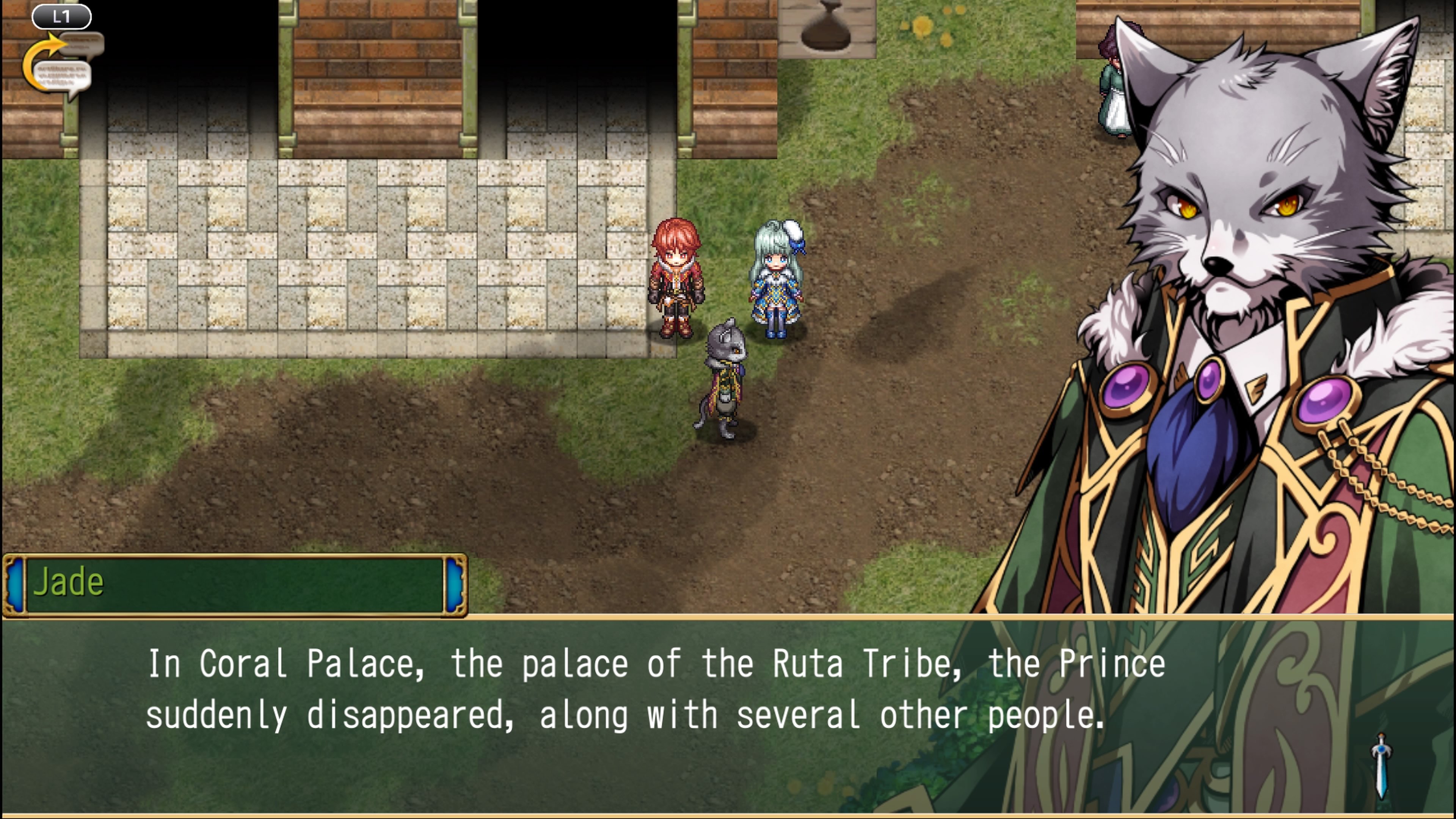
Bine and his cast of powerful allies are full of interesting and eventful dialogue moments in the charming story.

Lunaria and Safira hail from the goo-like people of the Ruta tribe, Jade – an elder of the cat-like species from the Eeth tribe and the protagonist Bine is home to the Fai tribe. Each represents one of the three elements being Earth, Fire and Water. The peaceful tribe lives in harmony with one another in the vibrant world of Antiquia Lost, until important figures from all over the lands begin to disappear. Venturing to the Capital City with your trusted group of friends, you’ll begin to uncover the truth behind the mysterious disappearances that are taking place.

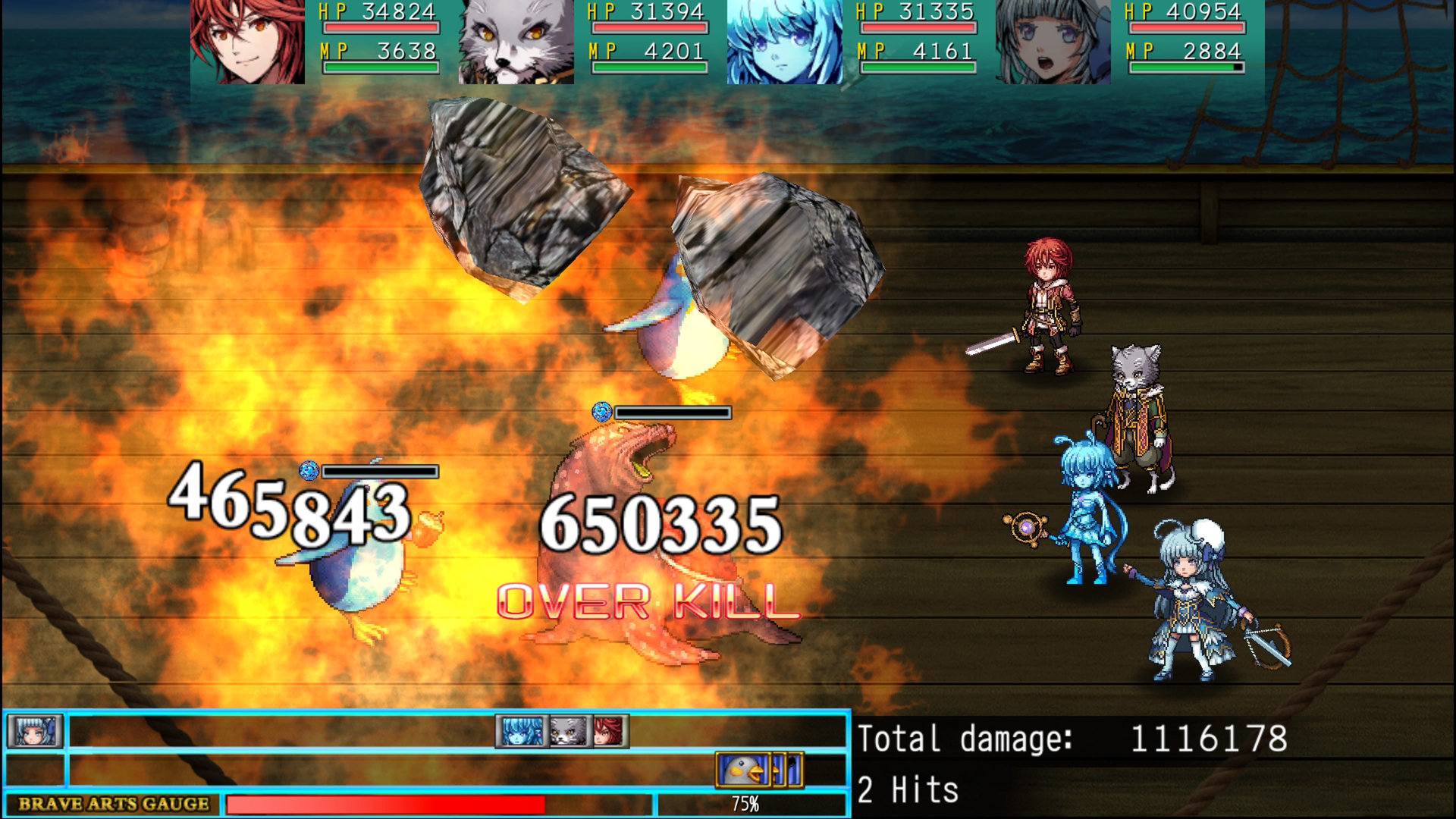
The battle system is set up in a traditional turn-based RPG format, only now with a few enhancements and quirks that help keep the game original. Each character in your party is capable of common physical attacks with whatever weapon is equipped, and of course various magic spells ranging from fire attacks, healing water abilities to ancient powers and the unique Brave Arts ability. Random enemy encounters occur throughout the sprawling world map, rewarding the player with experience points, useful items and equipment and tasty gems which act as Lunaria’s special method of leveling up.

Antiquia Lost Review
Many different physical and magical abilities are crucial in defeating the monsters found throughout the world.

New or Robust?

The storyline in Antiquia Lost doesn’t offer anything new or robust coming out of the stale isometric RPG genre, but creates a wonderful cast of friends and dialogue to keep fans of cheesy narrative lines and fantasy tales playing throughout the campaign. Talking with your party members during down time in between quests will give you the opportunity to either boost your status with each individual – or lose trust – based on the response you choose in dialogue selection areas. Paying attention to each ally’s personality will give subtle hints as to which direction to take the conversations.

Traveling from town-to-town, each small village has a number of villagers, some with additional side quests to add to the playability. Traversing back through previous areas in search of a lost item, piece of equipment or even a stray sheep, more often will result in ending these side quests with a powerful demon fight to cap off your short journey. Once you’ve fully explored the current village or dungeon to your desire, the option to move along with the story remains in your trusty quest log for quick ease of use.

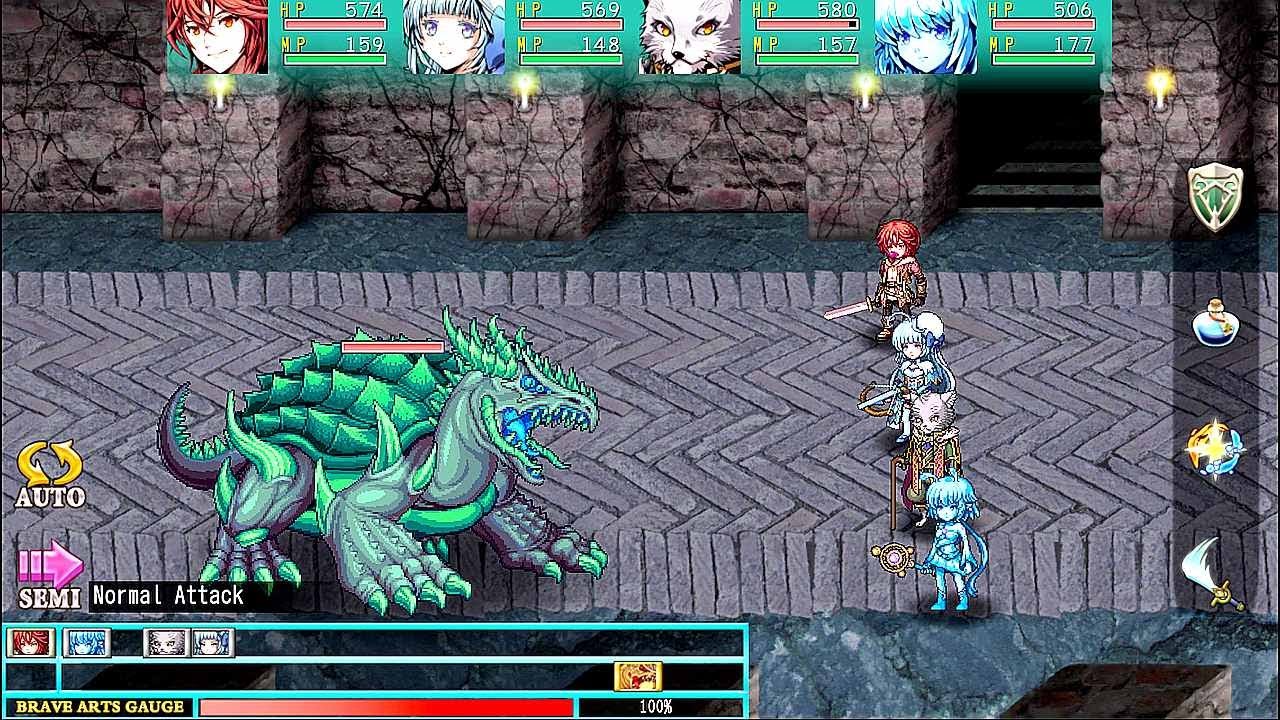
As your party members battle their way through waves of enemies, gaining vital experience and gems to help build the power of their abilities and other attributes, enemy encounters become increasingly more difficult, featuring various forms of every monsters. Color-coded by specific strengths and weaknesses, some monsters require unique weapons to be defeated, while others just require more persistence and strength.

Antiquia Lost Review
Boss battles require careful strategy and powerful skills to defeat the monstrous enemies.

Antiquia Lost Review

Using your attacks and defenses to your advantage is crucial, such as strategically using multiple-hit skills to strike down every enemy in specific rows and columns. These techniques prove useful against large mobs of enemies that out-number your party.

A large variety of supporting items are also present, curing status ailments, healing items and various fruits to help boost important stats in your characters. These fruits can be grown in potted soil kept in your inventory. After obtaining seeds labeled for specific skills – i.e. strength, vitality, speed, attack , defense etc. – as well as other rare items, you’ll plant them in one of the desired planting pots located in the inventory menu. After the timer ticks down, the fruits are ready to be harvested and saved for a time in need to help sway the tide of battle in your favor.

You can find Antiquia Lost available now on the PS4/Vita on the PS Store, mobile devices on the App Store and Google Play, and Steam.

Joan Ginard From Indie Brain On Being An Indie Developer

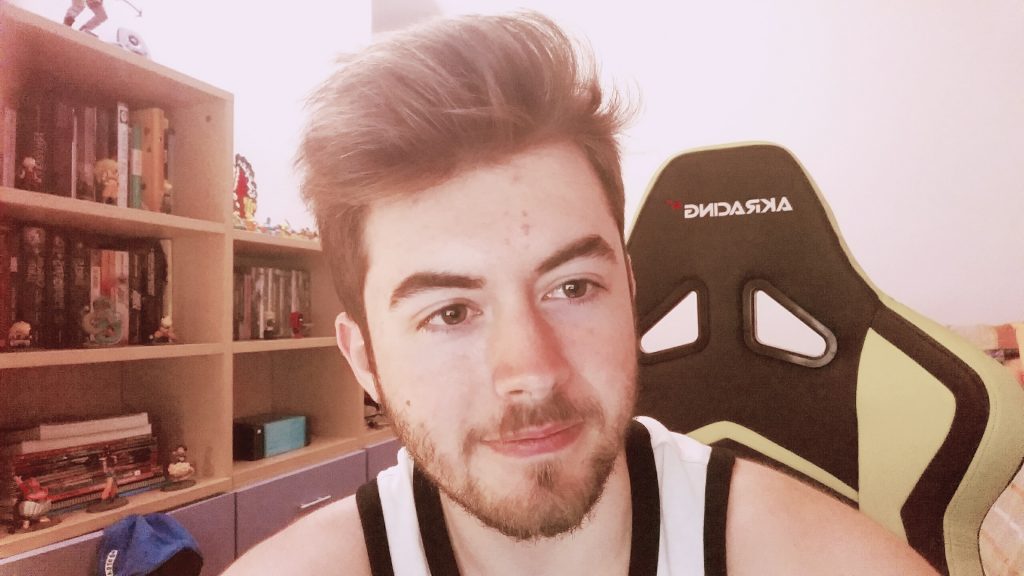
We got the chance to sit down and speak to indie developer Joan Ginard from Indie Brain. It’s here we discussed indie game development, wider trends in the games industry and much more.

Joan Ginard is a passionate indie game developer and student. He makes video games in his free time – he’s been in love with them since he got his hands on a Game Boy when he was 3 years old.
What inspired you to get into game development?

One day, while having lunch, I saw on TV that they were making this coverage about people that worked making games and I was like: “WAIT WHAT!? You can actually work making games!?”. Prior to this, even though I had been playing games my entire life, I hadn’t thought about the idea. Next, in the coverage, they were announcing the release of a master’s degree right in my city (Barcelona)!

At that time I was in 11th grade (4 years from now so 2013) with 16 years on my back and couldn’t have any other dream. In fact, this idea of making games is what has kept me from not dropping off school nor college. Right now I’m in my 3rd year of a “special”, you could say, computer engineering bachelor’s degree. So, since I entered college I have been making plenty of games.

What games have you created and which is your favourite?

My favourite game I created was in a 4-day game jam called The Odyssey to School. It’s an endless runner about a boy trying to reach school on time with obstacles in his way and every time he gets hit he loses life which is his timer to reach school on time, haha. It’s very small and simple, you can beat it in 5-10min, but I worked hard on it, created my own little engine using Javascript and HTML.

Why not, you can find it here: https://joan-ginard.itch.io/theodysseytoschool

What advice would you offer for those just starting out?

My advice would start by telling the truth from the beginning. If you want to be a game developer and make big games that’s going to be a long-term goal (we are talking about 5-10 years) and it’s going to be extremely hard, making games is NOT playing them (like most people think).

This mentality comes from many AAA companies that have accustomed us to release a new Call of Duty, Assassin’s Creed, Fifa, Battlefield every year, so we think it’s very easy to make games (from a gamer’s point of view), but the reality is that in these titles there are normally between 700-1,000 people working on it 12h/day during 1 full year. So, you got to be realistic about your capabilities and if you aim is making big titles like this you’ll need the skill only years can provide and a big team, not just yourself or a few friends! Although I feel like these companies never innovate so even if you make a small game, innovation yourself is better.

To begin, my advice would be start learning the programming language C++ from the beginning – it’s the language all other programs and languages have been created from, so even though it’s the most difficult one, once you learn it you can program in any language for any platform to make any game and you’ll have the most opportunities for jobs. At the beginning, because it’s all code you’ll get frustrated because you’ll only make text games or very simple games. So, once you understand at an amateur level how everything in C++ works, start making games with GameMaker Studio using only code and you’ll get to create amazing 2D games easily with the expertise you have accomplished programming in C++ (just like what I did, haha, even though I still consider myself a C++ noob).

From this point on, everything will be easy on you, you will just need to adapt your syntax for any other language, but because you already know how to program in C++ it will be so much easier. It’s like playing soccer with a tennis ball and then actually playing with a soccer ball – because you are so good with a tennis ball, with the soccer ball you’ll be awesome too.

Next, just try the game engines out there (programs to make games) or try to make your own and focus on the one you like the most. For me, I’m more of a creative profile so I prefer using already existing games because I like to make games, not make programs to make games, but that just depends on every person, just follow your path and keep working hard.

What do you think is going to be a key trend in the games industry this year?

I think lately survival and open-world games have been trending a lot, so it will follow this line. Apart, from indie titles especially on Steam. Every year that passes we see more variety in indie titles that are hits with completely different genres and audiences. You just got to take a look at how ARK: Survival Evolved, Playerunknown’s Battlegrounds, The Forest, Rust, We Happy Few and other not so popular indie titles out there. I also feel that more on the indie side, specifically rogue-like titles are also a trend thanks to The Binding of Isaac: Rebirth, Enter the Gungeon or Crypt of the Necrodancer and other smaller ones.

In your opinion, which is the best platform to sell your game on?

Right now, as an indie developer, the most comfortable and beneficial one I would say is Steam. It has the most customers in the PC market and most importantly, the highest fan base of indie games.

Oh! And why not Switch! There are so few rival games that if you make a good one, you will get noticed.

What are your favourite tools for game development?

At the moment, they would be GameMaker as a game engine, Adobe Photoshop as an image editor and Adobe After Effects as a video editor. Although I’m enjoying a lot of Unreal Engine, which I’ll use for my next game!

How do you stay motivated to achieve your goals?

It’s not easy, you’ll eventually feel unmotivated. For me, it’s just the urge of making a name for myself in the industry, I’m just very ambitious I want to make the best game of all time! Apart from enjoying every last bit of it. I feel that’s the most important part of any goal. Normally I’ll be working for 10 hours look at the clock and say “What!? I just started working! It felt like 2 hours of work lol!”.

When I feel unmotivated I just keep working – you’ll thank yourself later. Also, one thing comes to mind that I heard Will Smith say in one of his interviews “While the other guy’s sleeping, I’m working. While the other guy’s eating, I’m working. While the other guy’s making love, I mean, I’m making love, too, but I’m working really hard at it!”

Which events do you recommend indie developers showcase their game at?

I would say start small in your city or nearby (just like I did), it will be cheaper and easier.

From this point on, move to more popular events, it all depends on how much you can pay for what you are willing to do. In an ideal case, I would recommend getting a booth at PAX, E3, Gamescom, Independent Games Festival, GDC and any other of the same type.

If you do it, even if your game is crap, you’ll get a decent fan base and exposure which is basically what sells your game and improves it. These type of events (even if small) are so important because you get plenty of people to test your game. This means you learn what people like and hate about your game, how to improve it, even gather new cool ideas, make friends, make contacts – I recommend it at any level – 10/10 – you need to get out there!

What do you think about VR?

For VR, the price is too high and since its launch, I feel like there are no “real” games yet, just prototypes. When have you heard about a release of any VR game apart from the VR release announcement? I haven’t – I have tried all of them and see plenty of potential, if everyone had one of these at home, people would stop going to work! The problem is that it’s too expensive, it makes you dizzy and there no games, so, for now, it’s just not worth it.

Games console of choice?

At the moment I feel that the PS4 is the best, mainly because of these games: Uncharted, The Last Guardian, Persona 5, The Last of Us, God of War. It’s a small box with little noise, many software functionalities, comfortable controllers, good PSN games overall, good servers, best exclusives.

I can understand people having another console as a favourite though – I respect that. After all, we’re not kids on a playground fighting over some plastic! I also own a PS3, a PC and a Switch.

Thanks for your time Joan. It’s been a pleasure.

Thank you!

You can find our full review of Scarlett’s Dungeon here.

Samurai Riot Review – 2D Cooperative Beat’em up [PC]

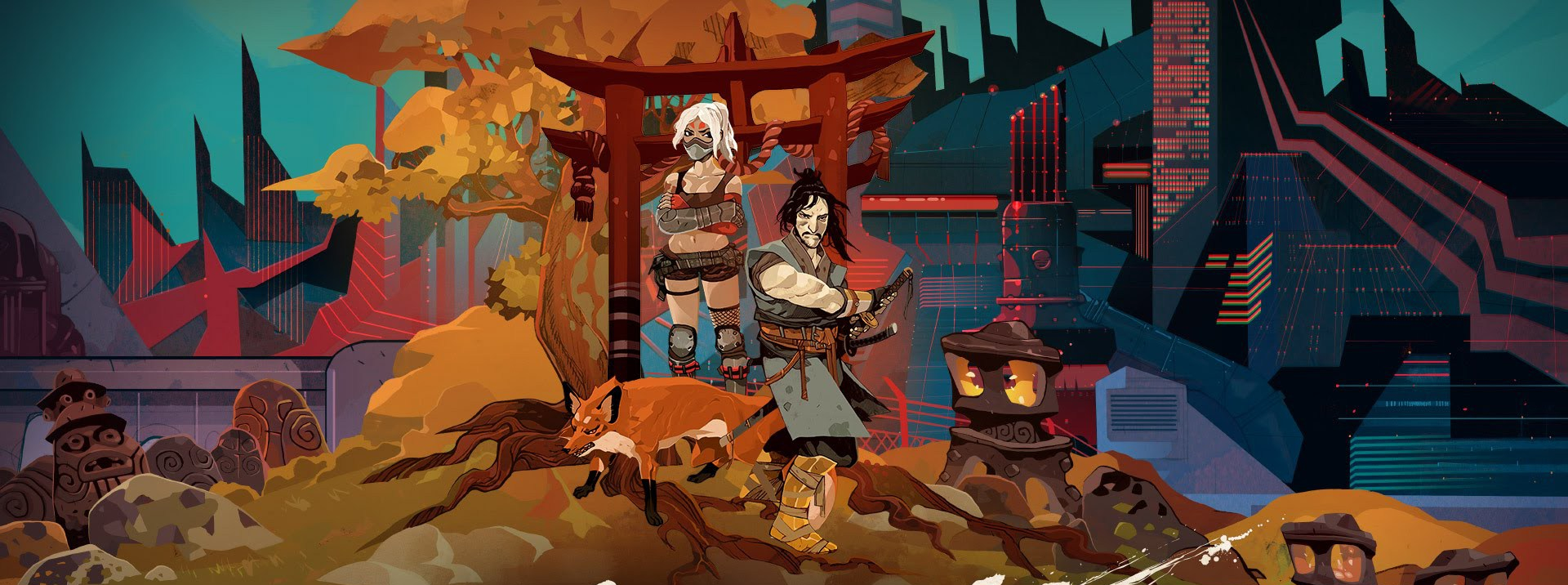
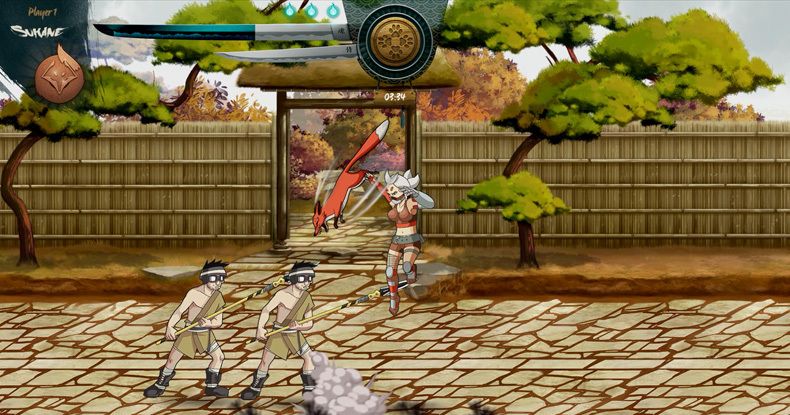
Samurai Riot was released on the 13th September and is a 2D cooperative Beat’em up/Arcade game made by Wako Factory.

The story revolves around a Civil War – our role is to contribute to it ending. Torn between doing their duty and doing what is right, you have to fight your way through different levels and a boss fight at the end of each one. There is a fight between clans, and you will eventually have to pick a side. Will you stay loyal to your duties, or will you do what is right?

It’s Civil War Co-op

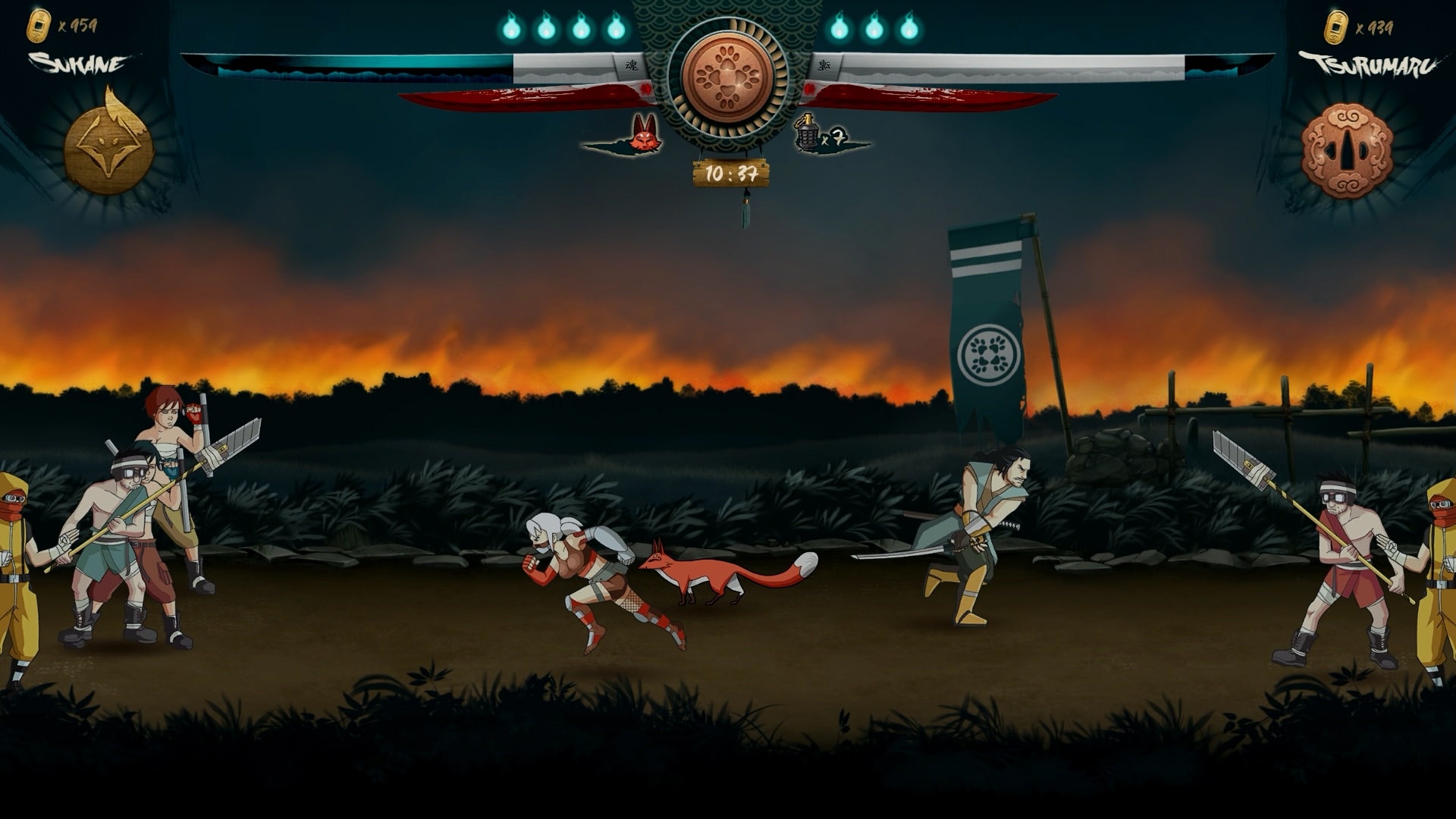
Making choices and encountering moral dilemmas leads to several possible endings of the game. Choose between playing as Sukane or Tsurumaru, two warriors with different traits, personalities, and a highly detailed story behind each character!

With really charming graphics, Samurai Riot offers an anime art style with beautiful scenery from Asian culture. The music is a mix of gorgeous traditional Asian music (if you’ve ever played Tengami, you can draw a reference to that) and combines it with elements of modern popular music so that it creates a certain kind of pace to your fighting, which is nice.

The cooperative system is interesting: you can combine characters’ attacks, creating the ultimate move; which can be used when filling out a shared cooperation gauge. It looks really cool and makes you feel like a total badass… So co-op actually requires working together, and not just playing on the same screen. That being said, when you have those abilities that need a charge-up, it would be nice if there was some sort of indicator, showing the range of the attack and the strength of it. That would help when planning your next move.

Samurai Riot Review
Waaaaa, hiiiiiiyaaaaah! *continuous kung fu sounds*

Multiplayer Woes

Considering that the multiplayer function is the most prominent feature of the game, it is weird, then, that the biggest problem I had with the game was actually setting it up. When I clicked to join as player two, I would start controlling the profile of the first player. After much frustration, we finally managed to enter the game as two separate players.

You can play co-op and make team-based choices, or you can fight against your partner Tekken-style. Even though it is mainly a cooperative game, the single-player version worked just fine. However, the lack of save slots was unfortunate. I could only have one save file at a time, which was inconvenient when I wanted to play by myself but have another save file where I could play with a friend. As the gameplay was highly interesting, the game controls were at times unresponsive, and when playing with another person, the controls on the keyboards became misplaced (ESDF instead of WASD) for some reason. Which was weird, considering the other player was playing on an Xbox controller.

The decisions we make throughout the game are moral questions which have consequences in the final outcome. According to the developers, there are 8 different endings to the game! With this, we can surely establish the replay-value that Samurai Riot has. The need to see every possible ending should work as a great motivator for replaying the game. As if that weren’t enough, the game also offers so-called “fighting schools”: where the more you play, the more you collect points to unlock different fighting schools to get more abilities and improvements for your character.

Samurai Riot Review
Fighting back to back makes you feel unbeatable.

Different Styles Of Gameplay

Multiplayer and single player each demand different styles of gameplay, which creates an interesting diversity. The boss encounters aren’t as good as they have the potential to be – they don’t require a certain tactic to take down, they simply have more health. Using the characters’ individual abilities to take down the boss would be more fun than just the regular old moves. Some of the units also started to annoy me – the red ranged units specifically. Fighting melee units while these were standing there, knocking me down each time, was annoying, to say the least.

The developers pride themselves on the game being one you can speedrun. But when said problems appear, and my character takes several seconds to get back up when knocked down, it makes my patience wear thin. I will give the game the benefit of the doubt that there is definitely a way of getting good, and that most of my complaints might be debunked if I were good at these types of games.

The dialogue is a little bit cliché, and considering how many samurai/ninja/kung fu games there are out on the market, I wish it stood out a little more. Yeah, “I’m gonna fight for my honour”, and all that jazz.

Samurai Riot is a very pretty game though, with a really interesting take on cooperative beat’em up gameplay. It has high entertainment value and makes the player feel like Jackie Chan at times.

What’s with that fat racoon stealing all my food, though?

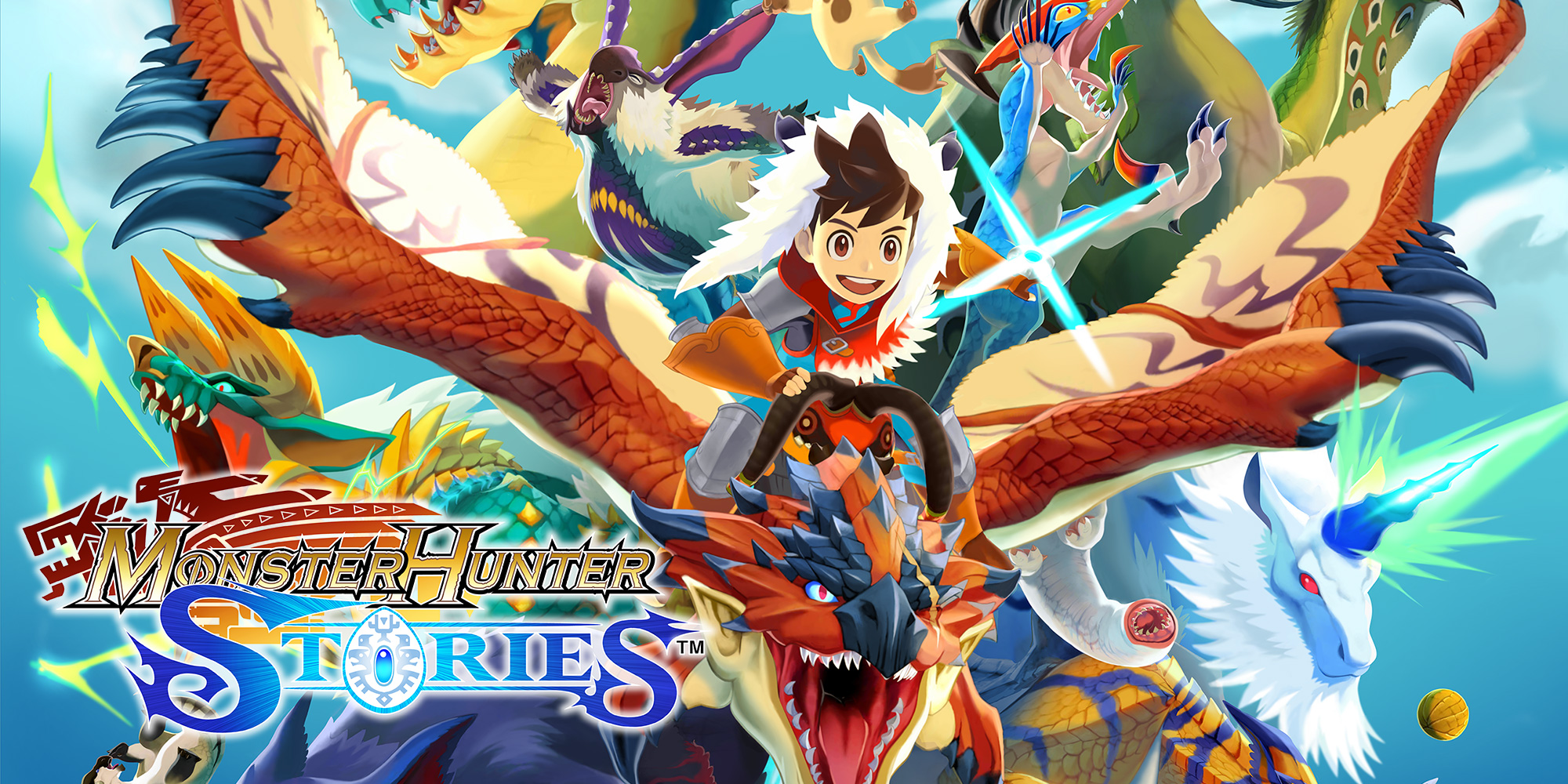
Monster Hunter Stories Review

Monster Hunter Stories Review [3DS]

The Monster Hunter series has become known for its emphasis on lengthy, challenging battles against enormous monsters, often with a steep learning curve. It is this reputation that has deterred some players from getting involved with the series, despite offering hugely rewarding payoffs. Capcom seems to want to remedy this issue with the latest JRPG spin-off, Monster Hunter Stories. As the name suggests, this instalment is story-driven, featuring turn-based combat, Pokémon-esque monster collecting and a more colourful world to explore. Whether you are a Monster Hunter veteran or a newbie to RPGs, Stories has a lot to offer and is a pleasure to play.

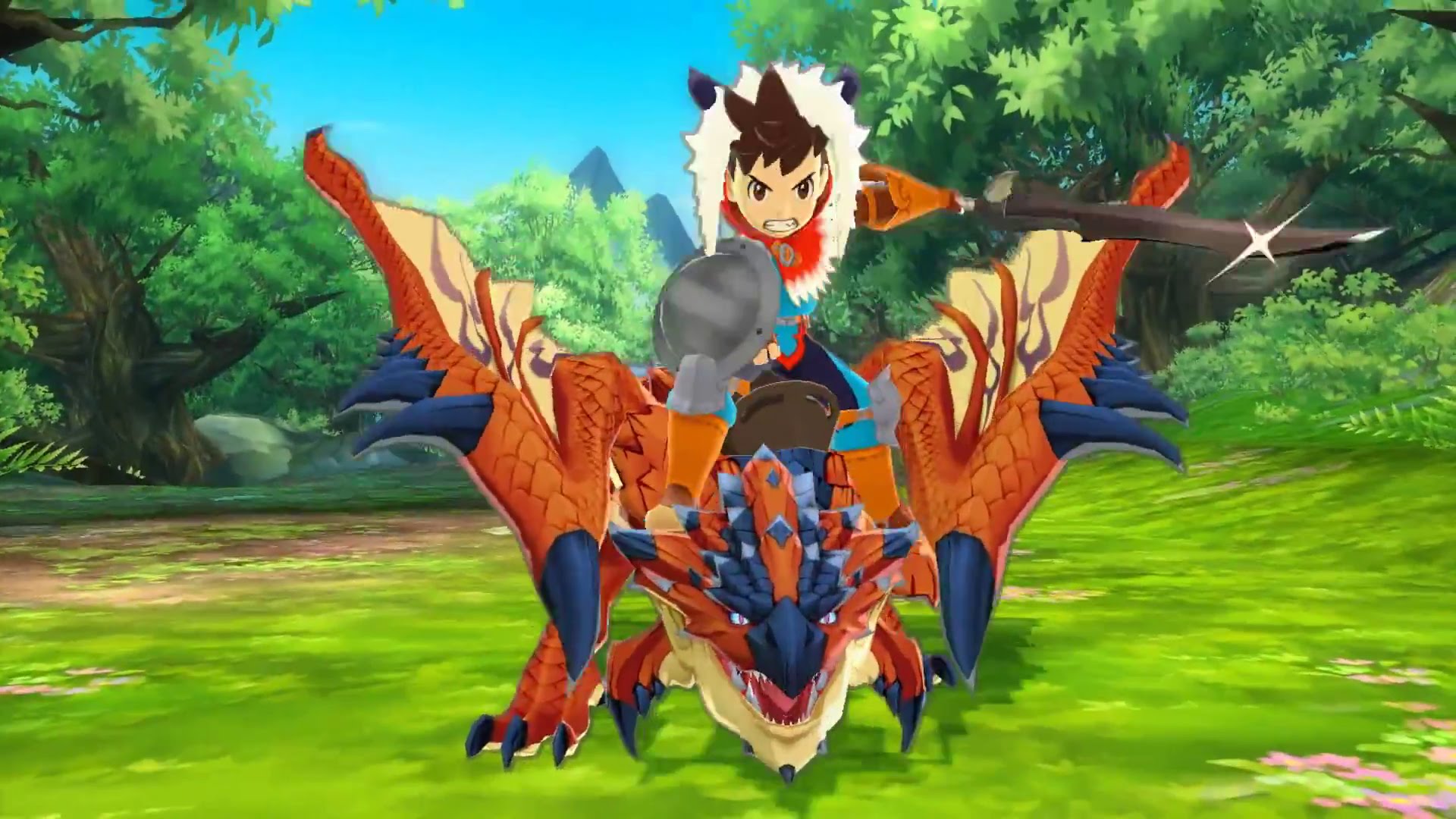
First and foremost, it must be said how beautiful this game looks. The art style looks fantastic on the 3DS and really brings the world to life. Unlike previous instalments, Stories opts for a more cartoony aesthetic and this really works in the game’s favour.  Every location is brimming with colour, the character/monster models are full of detail and everything is well-animated. Stories also features some of the nicest looking cutscenes I have seen from the system. It is a huge shame, therefore, that the game is plagued with performance issues (particularly on older hardware). Characters frequently pop-in whilst in towns and older 3DS users will notice significant frame drops. This is not so much as an issue for New 3DS owners, even running at 60fps in some enclosed areas, but is still worth noting.

Why A Silent Protagonist?

Monster Hunter Stories Review

The story is, for the most part, well told and whilst it may not have the most original narrative, the vibrant characters keep things appealing. Navirou, your Felyne companion, is particularly good, often making quips or puns that offer a decent laugh. This light-hearted approach gels nicely with the art style and is the right direction for this spin-off. You take the role of a customisable avatar and aside from a few nods or facial expressions, you let Navirou do the talking. It is unclear as to why the avatar remains silent (as the language spoken in the game is a mixture of Japanese phrases and gibberish) and would have only required two extra voice actors. It is not a significant issue but some may be off put by the silent protagonist.

Ahoy, Turn-Based Combat

As stated, Stories uses a turn-based combat system that revolves around a rock-paper-scissors style triangle in which Power trumps Technique, Technique trumps Speed and Speed trumps Power. On face value, the combat may not seem to have much depth but once you start collecting new skills (some that align with Power, Technique of Speed) and monsters, it reveals a fun and hugely satisfying battle system. Your monsters (or Monsties as they are called) can be switched mid-battle to give you an advantage over the enemies, as each monster has their own tendencies on the attack triangle.

Alongside these tendencies, each monster has their own elemental strengths and weakness that must be taken into consideration. What may seem odd to Pokémon fans is that you do not control your Monsties directly, they choose their own moves. However, you can order them to do skills at the expense of your kinship gauge (a bar that fills up as you battle, more so if you cooperate with your Monsties well).

Monster Hunter Stories Review

Head-To-Head Battles

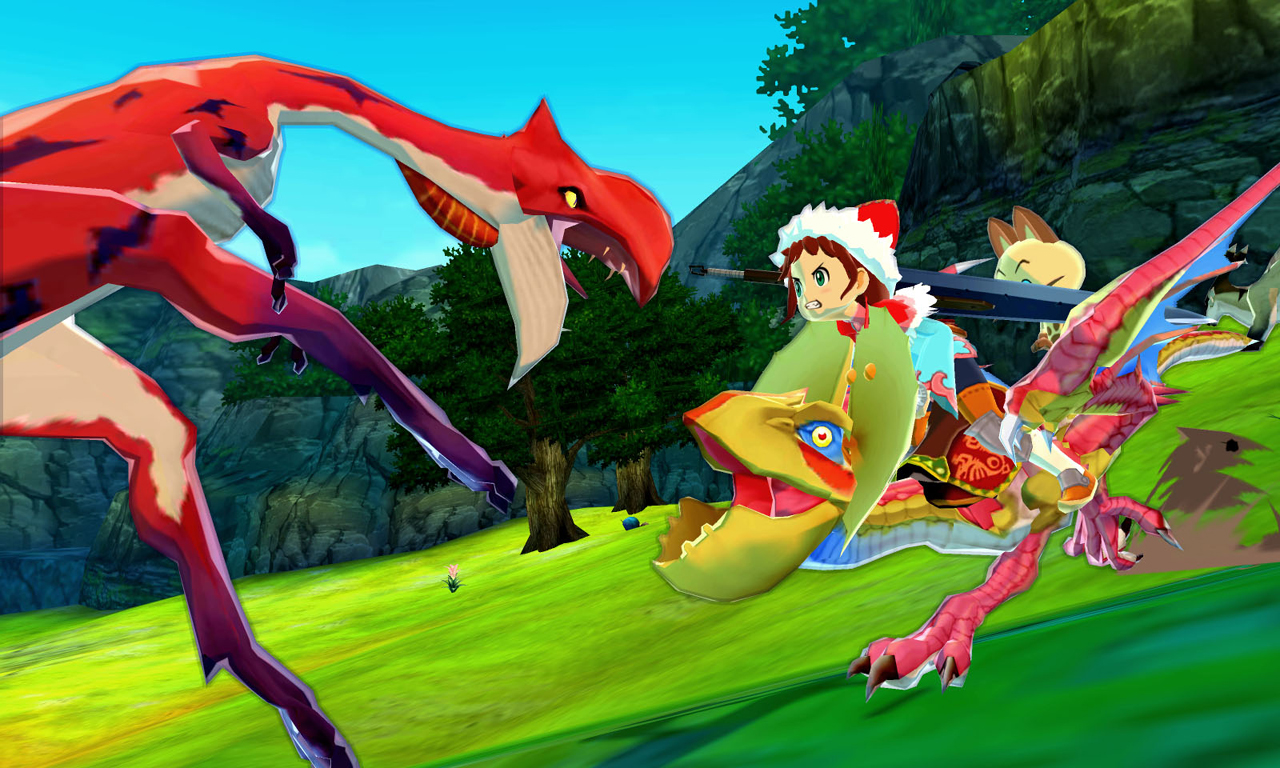
The attack triangle really comes into play when the player engages in Head-to-Head attacks, where you or your Monstie directly engage with your enemy. Knowing your opponent’s tendencies aids in winning these attacks, for example, attacking a Barroth (whose tendency is Speed) with a Technique attack will be more likely to succeed. That said, monsters can switch up their attacks and will not simply follow their tendency blindly. It is up to the player, therefore, to analyse the monsters and their patterns to ensure they succeed in Head-to-Head battles.

Winning in these battles will result in more damage and will help fill the kinship gauge. This gauge can also be filled by Double Attacks (where you and your Monstie combine your attack power by attacking the same monster against their respective triangle weakness). Once you have filled the meter, you are able to ride your monster and unleash devastating moves on your enemies, once again made more powerful by winning Head-to-Head attacks. It is safe to say that the combat system is full of variety and should keep most entertained throughout the journey.

Monster Hunter Stories Review

Exploring The World

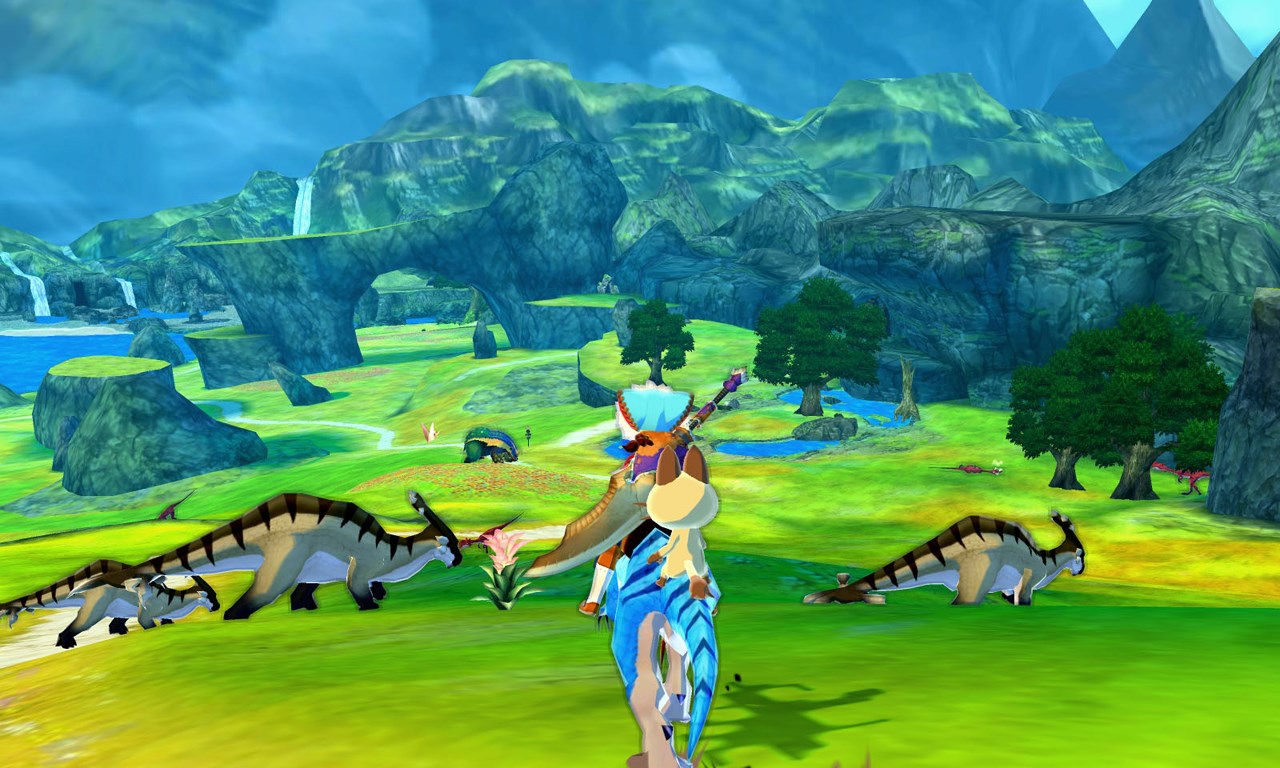
Stories features many familiar elements from previous Monster Hunter titles including monster varieties, the combination system and sound effects. It is a wonderful way of allowing the game to stand on its own two feet whilst staying true to its roots. This time around the areas you visit are more open to exploration with obstacles that can only be overcome with certain monster skills, for instance, the Velocidrome can jump over wide spaces, allowing you to find secrets in otherwise inaccessible places. Exploring these vast areas is a blast and there is an undeniable charm to discovering new locations and monster dens (where you can find eggs that hatch into your Monstie collection).

Monster Hunter Stories is a fantastic experience that successfully incorporates the world of Monster Hunter into a JRPG without relying upon it too heavily.