The Initiate Review (PC)

I wake up in a bedroom, and everything is silent, except for a radio that plays some tunes on the piano. I start to look around, and nothing this bedroom contains actually belongs to me. If this isn’t my room, whose is it? Suddenly, a voice begins to talk to me over an intercom, saying that I have a mission, to use my intelligence and escape. I am on a trial, where I have to unravel the mystery behind my captivity and escape whatever is going on.

The Initiate is a puzzle game with horror elements made by Deceptive Games Ltd. You are playing as Nathan Rockford, whom has lost his memory and has awakened in an unknown house full of traps and puzzles. Discover the truth. The rules are simple: complete the trial, and escape.

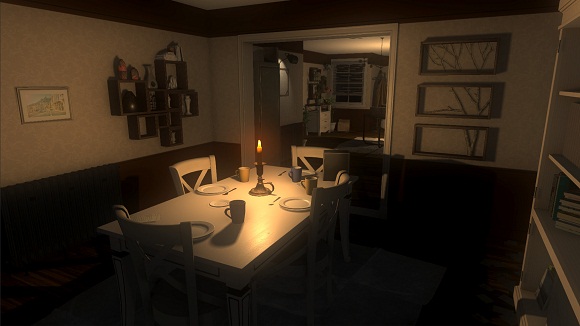
The puzzles are the main focus of this game. There are several phases of each trial, and you may only proceed if you have completed the previous phase. There are intricate puzzles within puzzles, and you really have to pay attention to everything around you in order to solve them, as well as listening to every single sound. Make sure you are wearing a headset when playing, or turn up the volume on your speakers. The ambience in the game was surprisingly good if you look away from the repetitive sounds of opening doors and cabinets.
the-initiate-pc-screenshot-www.ovagames.com-5.jpg

The story is interesting. You find yourself in the midst of this trial, which is an initiation for a cult named The Enlightened. So either I join them or… what? Solve a puzzle, and you get one more piece of information. The story, in many ways, works as a motivator in this game. Which is fine, because that is just following the rules, but I wish that there was a little more story to it all. I felt that after all my work, I got paid by the minimum.

Considering the game’s main attraction is the puzzles, leaves a lot to be said in regards to gameplay. The Initiate is highly interactive, but I wish that instead of only being able to look at the items, I wish that you could move some of the things around, physically. Because I got stuck on objects a lot. There is the possibility of it being a texture problem because I also got stuck in doorways and cave exits and entrances. However, if you shimmy enough, you manage to get out, eventually. One of the things that really brought the game down for me, was the lagging. Lots of it, from start to finish. Playing around with the graphic settings didn’t help, and with my current computer setup, this problem should not exist.

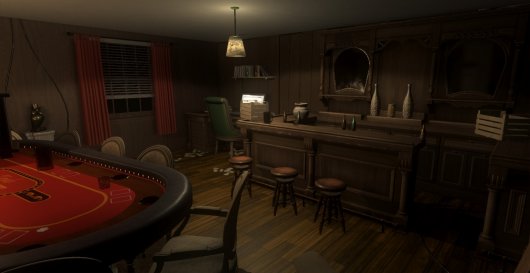
Peering our view away from that, each room of the house changes as you solve the different puzzles so that you have to rediscover the rooms several times and really pay attention to new details because you unlocked something new about them. It’s a cool detail, and it’s important to acknowledge the awesome job on the level design here.

The narrator guides you through the house (or at least he tries to, with different degrees of success), commenting as you go along. Which is nice, because it breaks with the eerie, whispering ambience, and the voice-actor does a good job in making you feel like you’re doing the right thing… whatever that thing might be. He also works as a nice indicator when you’ve made it to the important parts, which is sometimes difficult to establish in this game. Since it’s kind of a puzzle-inception deal going on in this house, it became too easy to lose track of which ones you are solving.
i3__large

A game that characterizes itself as a horror puzzle game should have more horror elements in it than The Initiate has. I wonder about this, because yes, the ambience definitely kept me on my toes, the narrator was a bit creepy. And a small section of the game also plays with claustrophobia. But nothing actually happens. The game never gave me a reason to be scared. Which to a horror-geek like me is disappointing.  

Coming to a conclusion, I wish that there was a deeper, more immersive story here. The Initiate is a game about cult societies, conspiracy theories and mystery, which are all interesting themes. So give us more. I was left with more questions than answers, which always makes me sigh and rub my temples out of a light frustration. Aside from the lagging and getting stuck, we cannot look away from the fact that the puzzles were interestingly designed, with various difficulties – and were extremely satisfying if you managed to solve them. The Initiate should receive high praise for its level design, and its concept – which makes me interested in what Deceptive Games has in store for their next game.

techtroid-rating6

Looking Back at Spec Ops: The Line

“I’m trying to work out who’s more full of s**t,” says Captain Walker to his loyal teammate Lugo in the opening level of Spec Ops: The Line, “you or intelligence.” Lugo quickly responds that “if [he] weren’t a hardened killing machine, that might actually have hurt”- it’s moments like this that highlight the subtle wit and banter between the comrades at the heart of this military shooter, setting it apart from its competitors. No more will you have trouble distinguishing this deceptive pro-war experience from the browns and greys that litter annual, outstayed returnees like Call Of Duty and Medal Of Honor or indeed the science-fiction elements that have been recycled from the Halo franchise into other weaker rip-offs since its inception. Indeed, if gamers are looking for a shooter that differentiates itself in terms of narrative and empathetic content, this will most certainly fit the bill.

The main plotline focuses on the country of Dubai as it is thrown into chaos by sandstorms in a near-future setting. Sent into the ruined nation in order to retrieve a renegade faction of the United States’ military forces, Walker and his men soon discover that all is not at its seems, as the horror of an intense civil war begins to emerge on the surface and they are caught right in the middle of it. It’s hard to do this hugely compelling narrative justice on paper without spoiling its best twists, yet sufficed to say that Spec Ops packs a deep emotional punch the likes of which you probably haven’t seen since the original Modern Warfare, or perhaps ever in a military shooter.

Not only do the characters and locations you come across prove both memorable and realistic, the effect the war of the 33rd has on these plot elements as the lengthy 10-12 hour campaign progresses is startling and impressive to behold, resembling that of a blockbuster action movie done right (so more Apocalypse Now than Battleship!). If there’s one snippet of knowledge that you will take away from The Line’s single-player mode, it’s that decisions really can have dire consequences, but sometimes the ‘right choice’ is either taken out of our hands or indeed often non-existent. One particular action I took at around the game’s halfway point seemed like the only course of reasonable attack, and perhaps it was, and yet that didn’t stop the monumental impact it had on my view of this fictitious conflict shifting dramatically, and it will do the same for players if and when they allow themselves to be immersed into the rich world.

This core narrative strength would mean little if the gameplay itself couldn’t match it, so it’s a good move on Yager’s part that they learnt from the best. As we’re talking about a cover shooter, I think you’ll already know which franchise I’m talking about, but in case I have to spell it out for you, then know that this game has the words ‘If you like Gears Of War, you’ll love this’ written all over it. The cover system is fluid and responsive, even if there are times when the ‘invisible barriers’ of the various levels are more notable than they might have been in Epic’s hands. I rank the aforementioned technical inspiration and Spec Ops on the same level, but this shortcoming is sadly something which holds the latter back a little for striving to be the first masterful third-person shooter in a long time.

Layered over the strong narrative and linear – but-impressive gameplay is an eye-pleasing graphics engine. The environments were and are near photorealistic at times, the AI for the most part wonderfully animated and the sand textures that Yager spent so long working on impressively put to good use. Admittedly, some of the textures on characters’ clothing do look a little pixelated when viewed closer in cutscenes, but this is a minor drawback that only slightly reduces the level of immersion for the overall experience.

There’s a good degree of replay value to the main campaign, with dozens of intelligence reports littered across the various levels and a multitude of game-changing decisions that will actively affect its endings. A ‘Spec Ops’-esque mode (don’t worry, the irony of that name choice isn’t lost on me) a la COD wouldn’t have gone amiss here either, yet it’s clear that Yager and 2K spent the majority of their time working on this story mode.

Moving onto the multiplayer, there’s no doubting that the gameplay and graphics engines laid in place for the campaign carry over efficiently into what is unquestionably a very competent component. As a solo gamer at heart, the strength of online offerings is sometimes of little relevance to me, but I can at least credit the developers for handing us a functional, if not entirely innovative multiplayer mode.

Although the multiplayer modes don’t break much new ground, they’re strong enough to last players for some time, and quite frankly it’s the shockingly innovative solo campaign that’s the main attraction here. Those players fearing that this is just another COD lookalike should rest assured that this is no such pretender – in fact, as someone who has all but left that aforementioned tired franchise behind, I can safely say that this improves upon its lacklustre campaigns in every possible way, making for a breathtaking adventure that won’t soon be forgotten.

Had Spec Ops: The Line entered the shooter fray a little earlier in the game, I would imagine it would have gone down a storm back in the day, but as it is by copying the tropes of Gears rather than making its own way in the gameplay department, this brilliant shooter can’t hope to be the revolution this genre still sorely needs.

Piczle Lines DX Review (Nintendo Switch)

Without the practice of science, man would never have made it out of his beloved cave. We would still be bashing each other with clubs and starting fires (that’s how I imagine the cavemen behaved anyway).

But if there’s one thing for certain, it is that the world would be a much safer, and boring one, without mad scientists. You could say that all scientists were a little mad, but it’s the ones that conduct their experiments willy-nilly with little regard for their or others’ safety that categorise them as truly mad.

With that in mind, this is the reason why we find ourselves here; science has created a rather charming and unique puzzle title. At least, that is the story behind Piczle Lines DX, after a scientist creates a camera which pixelates items which it takes images of. The result? His world is pixelated and needs restoring by joining the pixels back up to make an image of his lost items before they are transformed back again.

Unicycle Puzzle.jpg

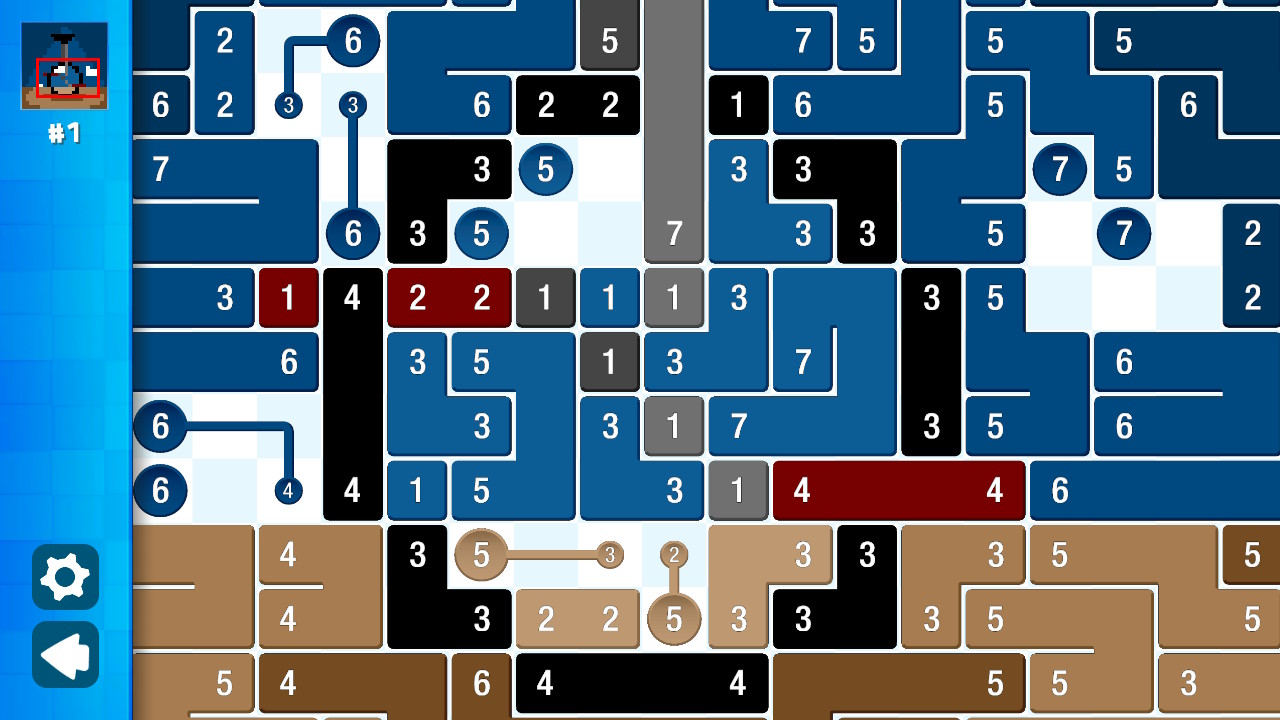
A quick tutorial lays out the land for how the game works; each square has a colour and a number. Each referring to how many squares away its counterpart is of the same colour. Once matched together, the pixels make a complete picture which then restores the item back to the real world.

Of course, the early stages take place on a much smaller grid to get you familiar with the formula. Even then, some of the earlier stages can catch you unaware, making you backtrack and question your matches. I found that the best technique to employ is to try and find the easier pairings, such as the 2’s and 3’s, and also the outer edges. This way you can be certain these don’t need amending later on.

Piczle Lines makes use of the Switch’s dual functionality by allowing you to play in two different ways. Whilst docked, you can play with the Joy-Cons to navigate and select your pixel to manipulate. However whilst in tablet mode you can also play using the touchscreen which I found to be the most appealing and easiest method.

Professor Complete ENG

The game screams to me as a mobile game that is best suited to the Switch’s portable function and is great to play on the go or if you have a spare 10-15 minutes that needs filling. There are 100 levels in story mode to complete, with a further 200+ in puzzle mode to keep you going. Periodic updates will supply you with new levels free of charge should you exhaust the existing catalogue.

It’s a saving grace really that there are more levels to come as at £13.99 it seems a little steep to me. It’s fantastic to see that new games are coming to the Switch, tapping into its potential mobile market, but I feel that this may just be out of most people’s price range. If you fancy something new, however, and want to support what could be a flourishing indie scene on Switch, then Piczle Lines DX does come recommended.

Nindies Summer Showcase 2017 – Nintendo Switch indie games galore, plus No More Heroes 3

In case you missed Nintendo’s Nindies Summer Showcase 2017 today (that’s a mouthful), you can catch the full stream here.

Lots of new indie games were shown off for the Switch (20 games in fact!), including:

  • Super Meat Boy Forever – 2018 (coming first to the platform)
  • Shovel Knight: King of Cards – Early 2018
  • Mom Hid My Game! – Late 2017
  • Golf Story – September 2017, (exclusive)
  • Floor Kids – Holiday 2017
  • Wulver Blade – September 2017 (coming first to the platform)
  • Poly Bridge – Holiday 2017 (exclusive)
  • Kentucky Route Zero: TV Edition – Early 2018 (exclusive)
  • Earth Atlantis – Fall 2017 (coming first to the platform)
  • Next Up Hero – Early 2018
  • SteamWorld Dig 2 – September 21st
  • Mulaka – Early 2018
  • Yono and the Celestial Elephants – October 12th (exclusive)
  • Dragon Marked for Death – Winter 2017 (exclusive)
  • Battle Chef Brigade – Holiday 2017 (coming first to the platform)
  • Morphies Law – Winter 2017 (exclusive)
  • Sausage Sports Club – Fall 2017
  • Light Fingers – Early 2018 (coming first to the platform)
  • Nine Parchments – Holiday 2017
  • No More Heroes: Travis Strikes Again – 2018 (exclusive)

Not a bad line-up. It’s clear that Nintendo is taking quality indie games seriously with the Switch. You can see them all below.

SteamWorld Dig 2 can’t come soon enough. As for a third No More Heroes game? Count us in.

Age of Fear 3: The Legend Review (PC)

Age of Fear 3: The Legend harkens back to 90s era turn-based strategy games with the added benefit of more modern AI. Though combat is really the main focus of the game, adventurers can choose from two narratives: a dryad sorceress or the drunken adventures of a dwarf lord. As a fan of both Tolkien and the occasional good ale, I chose the path of the dwarves, one of whom is even named Gimli in an apparent reference to a dwarf of the same name from The Lord of the Rings. The developers clearly designed Age of Fear 3 as a sort of tongue-in-cheek homage to the high fantasy genre itself. This approach might be a little hit and miss for most players, but the combat and other RPG elements provide enough strategic essentials to make it a decent challenge for casual players, and the AI along with other RPG elements adds enough depth to draw some interest for more advanced strategy fans seeking something fun without a huge time investment.

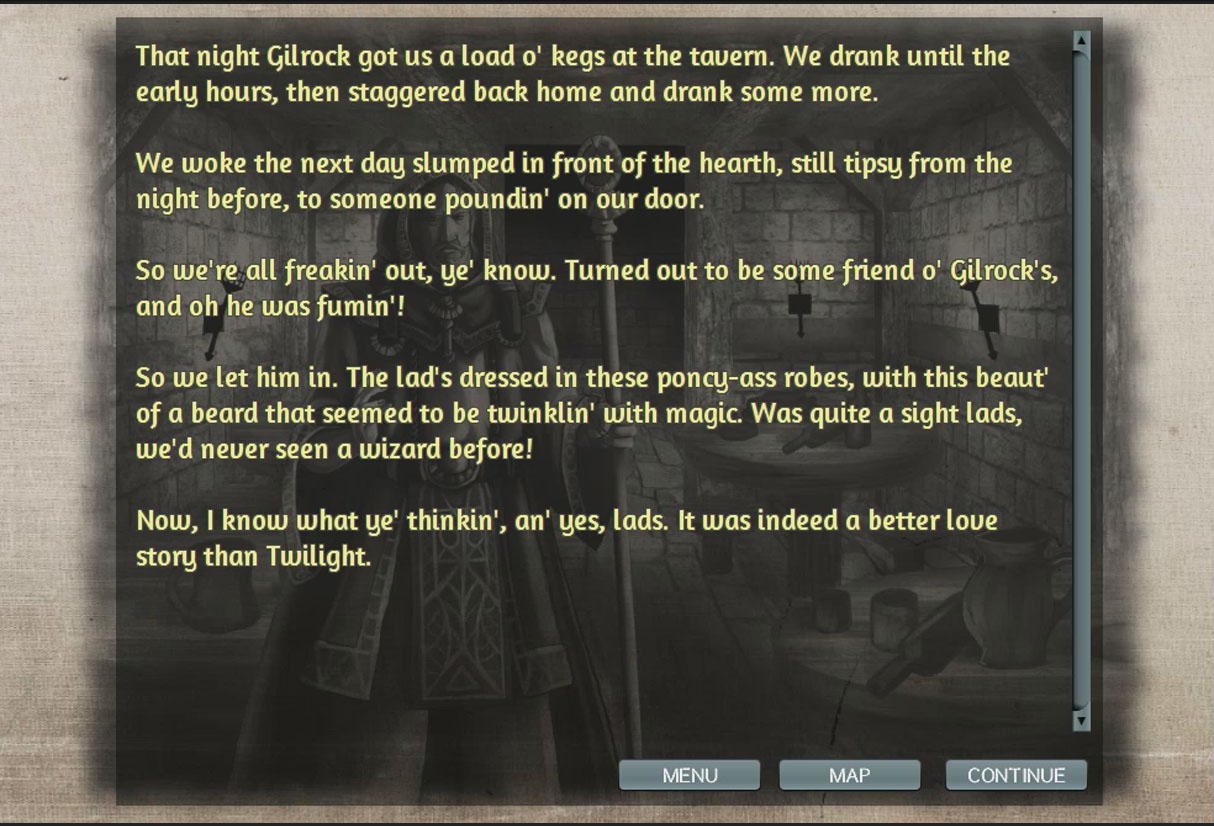
Each tale plays out largely through pages of text that appears between battles, followed by some dialogue between characters displayed using the tried and true dialogue boxes of yore. There is also some in-battle dialogue using the same boxes. The setup perfectly fits the retro style of the game. Unfortunately, the writing too often falls as flat as the dialogue boxes. The characters and story felt rather generic and often not very compelling. The tone was also inconsistent, with words like “noob” and a rather unanticipated reference to Twilight sprinkled in with uses of the word “ye” and other old-sounding English terms. Obviously, the attitude is meant to be light and a mixing of tones is fine for comedic effect, but given the general weakness of the storytelling, it only made me feel like very little time was placed on the narrative. I too often just wanted to move on to the next battle, and the story sort of felt like it was only there to give me some sense of progress rather than a memorable adventure.

text

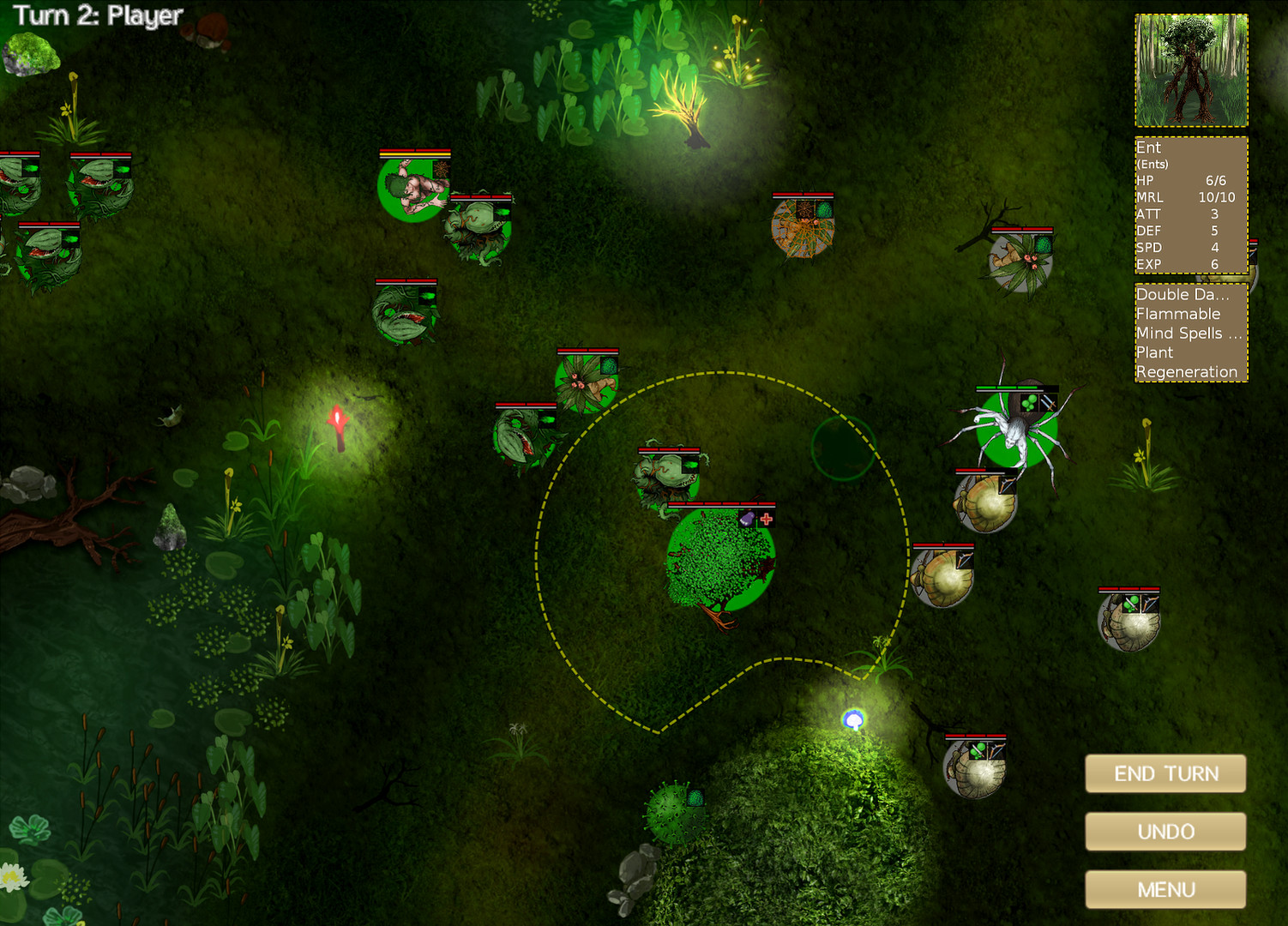
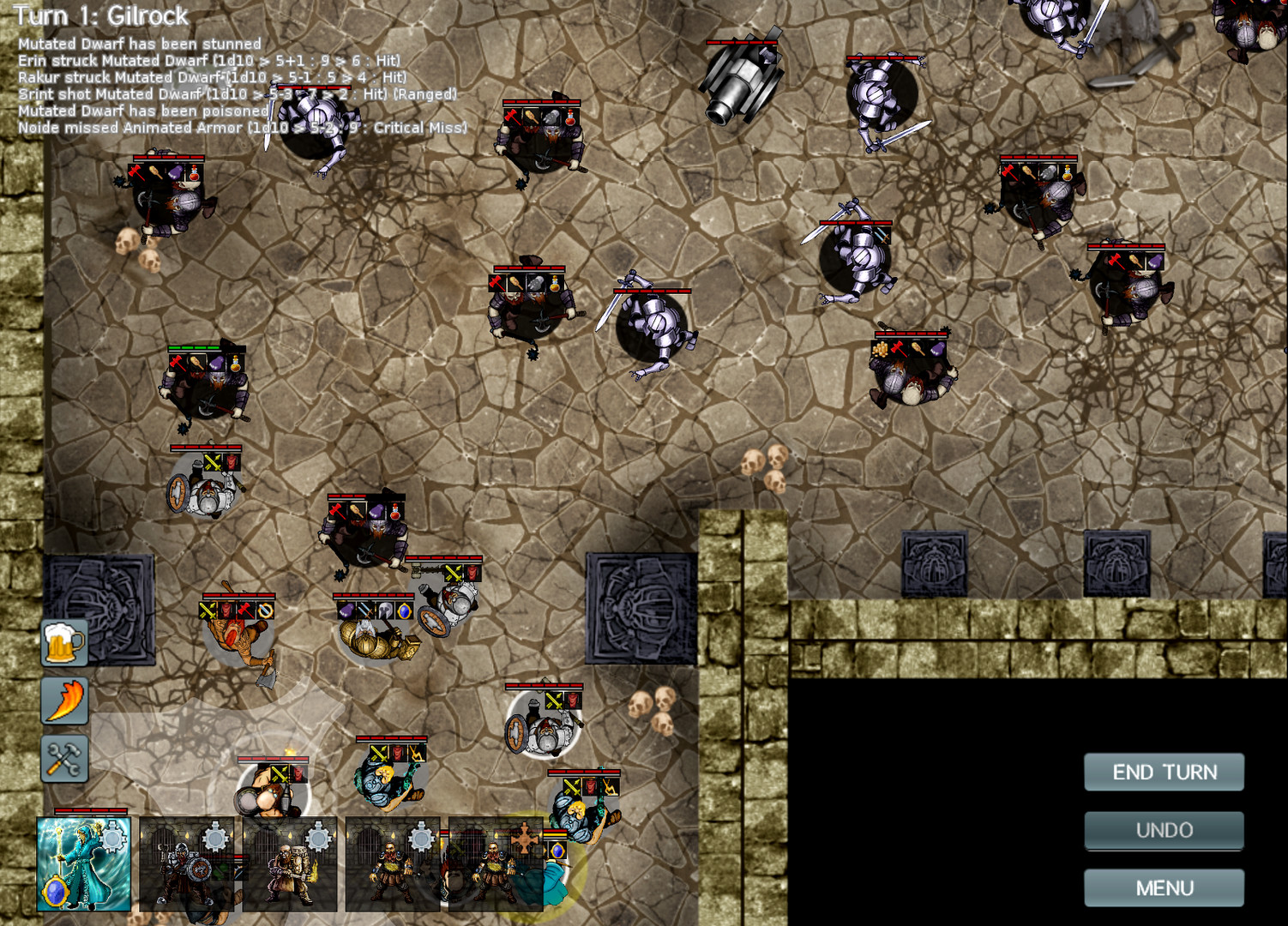
Of course, the combat system is the real focus of Age of Fear 3. The game boasts clever AI and a movement system that allows units to manoeuvre within a parameter rather than in squared off sections or set directions. Indeed, the AI proved clever enough to target my weaker characters, even moving past stronger ones to get to them. It would mob my more robust characters, move away when it could sense I was setting up for a major attack, and even target my spellcasters or units with ranged weapons to get them out of the way first. I was constantly forced to think ahead and be very aware of where all of my units stood at any given time.

ss_2e27d0510a2633d5e4fc182855de66cd4dc823e7.1920x1080

Since each unit can only take one action per turn, even moving was a major decision. I could, for instance, move my spellcaster to get him out of the way of an enemy unit poised to attack or use him to cast a spell that would help simultaneously take out multiple enemy units currently surrounding my weaker guys – but I can’t do both. Since my spellcaster had low health, this was a dire decision. In the beginning, the only way out was to try again, and this time be more careful about how I arranged my units on the battlefield, making sure to protract my weaker units and better anticipate my enemies’ movements. The ability to move a unit in any direction within a certain range is great, but I would also sometimes arrange units in a pattern that would end up blocking another unit’s movement in a way I did not anticipate. Turn-by-turn movement is a little frustrating. It seems obvious why it eventually fell out of style. However, it also adds to the overall difficulty, making the battlefield more like a game of chess than simply a challenge of might.

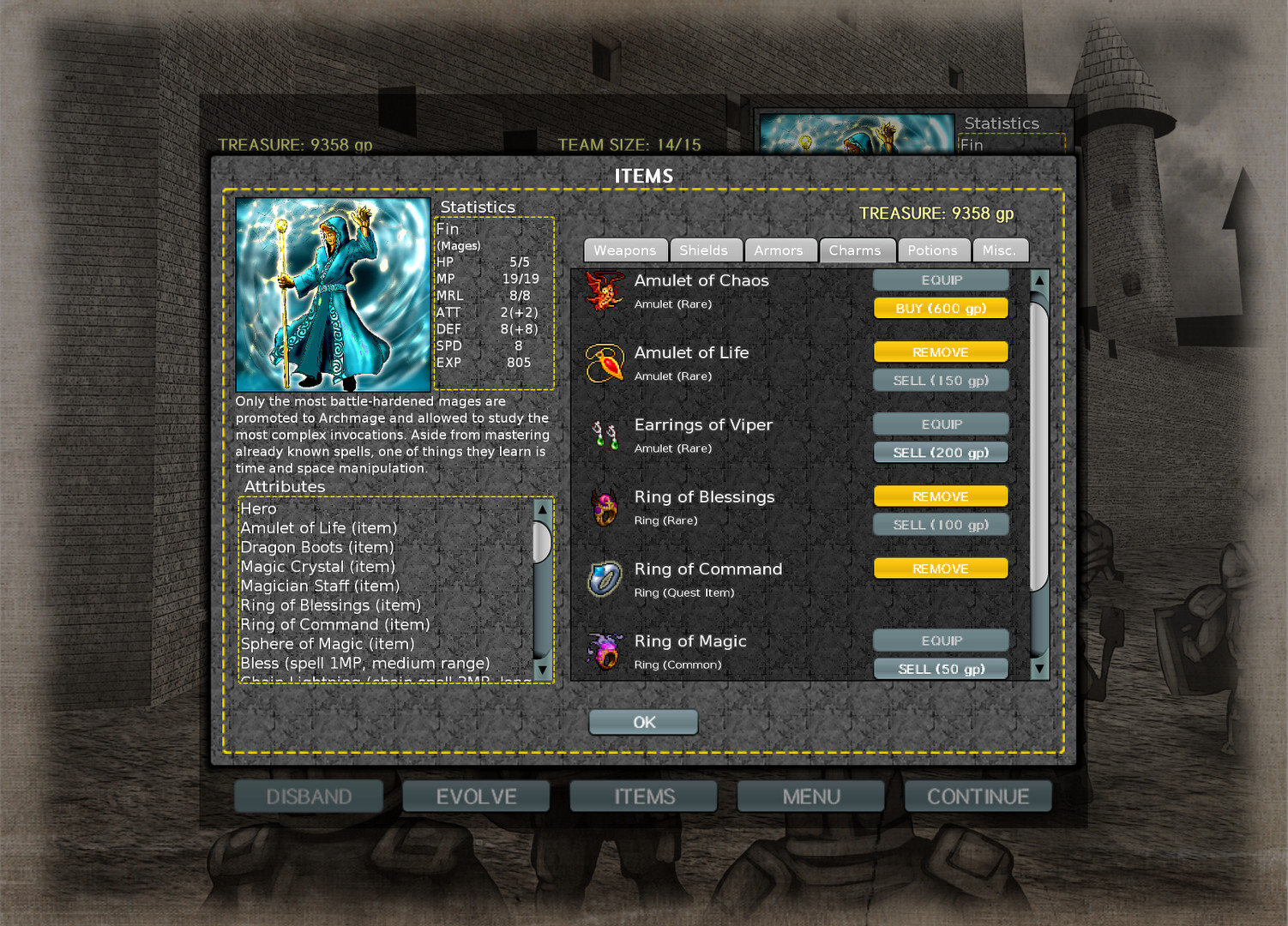
As your units fight their way toward victory, they will collect gold that you can use to purchase items or hire new units, as well as collecting experience points that can be used to upgrade your characters. For example, I could use my XP to give one unit more health or give my spellcaster the ability to use a turn to restore some of their magic. I can use my gold to buy new weapons, purchase potions to heal or alleviate poison, and even obtain rings that up my abilities or help protect me from harm. Anyone familiar with older RPGs such as Final Fantasy will be familiar with this type of system. Since units, aside from your two main characters, can permanently die, it also means keeping them alive and being able to use a character long-term requires mastering or at least becoming very familiar with this system.

ss_200f1aadb376003b8284c020d4b1fbccc4976448.1920x1080

Age of Fear 3: The Legend is clearly a work of love for a genre that had its heyday in a bygone era of gaming. However, modern strategy-based RPGs are still alive and well, if not necessarily making up much of the AAA market. For fans of the genre, Age of Fear 3 might not quite stand out among the crowd. It is, however, a pretty good trip down the road of nostalgia for those who miss the turn-based era and are looking for a new trip down memory lane. Tabletop strategy fans might enjoy the experience as well. The story might not stick with you, but the battles are fun and engaging enough to keep you on your toes. The upgrades and items systems add enough extra depth to make up (sort of) for what the story lacks. And, if nothing else, just grab a good ole glass of dwarfish ale, kick back, and see where the road takes you.

Past Blast: Red Faction Armageddon

This week I have decided to take a look back in anger at a game that split many gamers 50/50; Red Faction Armageddon.

But first, some admissions on my part; I have played this game before. Put bluntly, I disliked it. I never finished it and didn’t think twice before I got rid of it. Why then did I find myself picking this up on the cheap when the opportunity came along? Was it guilt? Curiosity maybe? No, it’s neither of these.

For the third time in my life, I’ll admit that I was wrong. Yes, that is a man admitting he was wrong. As much as it pains me to type these words, I think I may have drawn a conclusion too quickly about Red Faction. Having had the displeasure of playing some really poor titles this past year it has brought some perspective into my life.

I now find myself playing this again and I must say I’m enjoying it much more than I did before. Now I’m not going to start blowing the sunshine up its rear end, but there are things that the game must be commended for.

By the same token, there are things that the game does badly. Very badly at times, but there’s nothing that will kill the game entirely.

For anyone who doesn’t know, Armageddon was released on the back of huge success after Guerilla proved to be a bigger hit than expected. Offering an open world setting with un-rivalled destruction, the game won over the hearts of sandbox gamers. Sadly, this is where Armageddon falls down as it turns its back on the open world and shoves gamers deep underground.

Despite this though, there are still enjoyable destruction sections whereby buildings must be felled in order to progress and if you enjoyed it so much, you can even rebuild the bugger and bring it down all over again.

The story behind Armageddon is that you, Mason, have brought havoc on Mars by uncovering an ancient alien race which is intent on destroying all human life on the Red planet. Obviously, you want to make amends for this so you travel underground in order to bring back peace to the population despite them turning against you one-by-one.

From this perspective, the game sounds fine and dandy but sadly it’s not all plain sailing. One thing that the game does poorly is its script. The dialogue within the title is simply appalling at times. It is on two accounts; firstly it is so cheesy that it seems like it has been pulled out of an 80’s movie. Secondly, the local AI that travels with you makes remarks out loud which make you want to hit it at times or turn it off.

If you dare stray off the path you have to go down for more than ten seconds, it will shout at you to get back on track. It will do so repeatedly until you eventually oblige, which could be up to five minutes depending on how much exploration you like to do.

I say exploration in the loosest form possible though. This is a corridor-shooter, as opposed to offering you an open world to traverse. This would not be such a bad thing were the game well-known for this but it isn’t. The last title was an open world adventure that was at least a little dynamic compared to this ‘go there, do this right now in this manner’ affair we have here.

The game also seems to go through phases of being far too easy compared with sections of becoming suddenly harder as hundreds of enemy’s surround you whilst your bullets don’t seem to do much more than tickle them until they die of laughter.

After all that you’re probably thinking that it won’t be the game for you but hear me out. Red Faction Armageddon will get you through a “dry spell” so to speak. It will be faithful to you, just don’t expect blockbuster action or scripting as it falls short of the mark on this front.

The Escapists 2 Review (PS4)

Ever since Team 17 released The Escapists in 2014, I have been looking forward to seeing what more they can make out of this universe. After releasing several DLC’s for the first game (some were fun, others not so much), and releasing a Walking Dead-version, it is now time to move on.

I got the awesome opportunity to test both the PS4 version and the PC version, which is really nice for comparison. Because testing both platforms takes time I have, sadly, not had the chance to test out the multiplayer part yet – it will therefore not be included in this review. However, if I manage to test it out in the near future, expect an update on it for sure!

The Escapists 2 is a strategy sandbox game with pretty pixel graphics, offering as much as 10 new prisons with various difficulties for you to twist your brain and escape in new, creative ways. Personally, I’ve only managed to escape from two prisons (no judging, I’m slow, okay!), but I’ve used a lot of time just wandering around the prisons and exploring what the game has to offer.

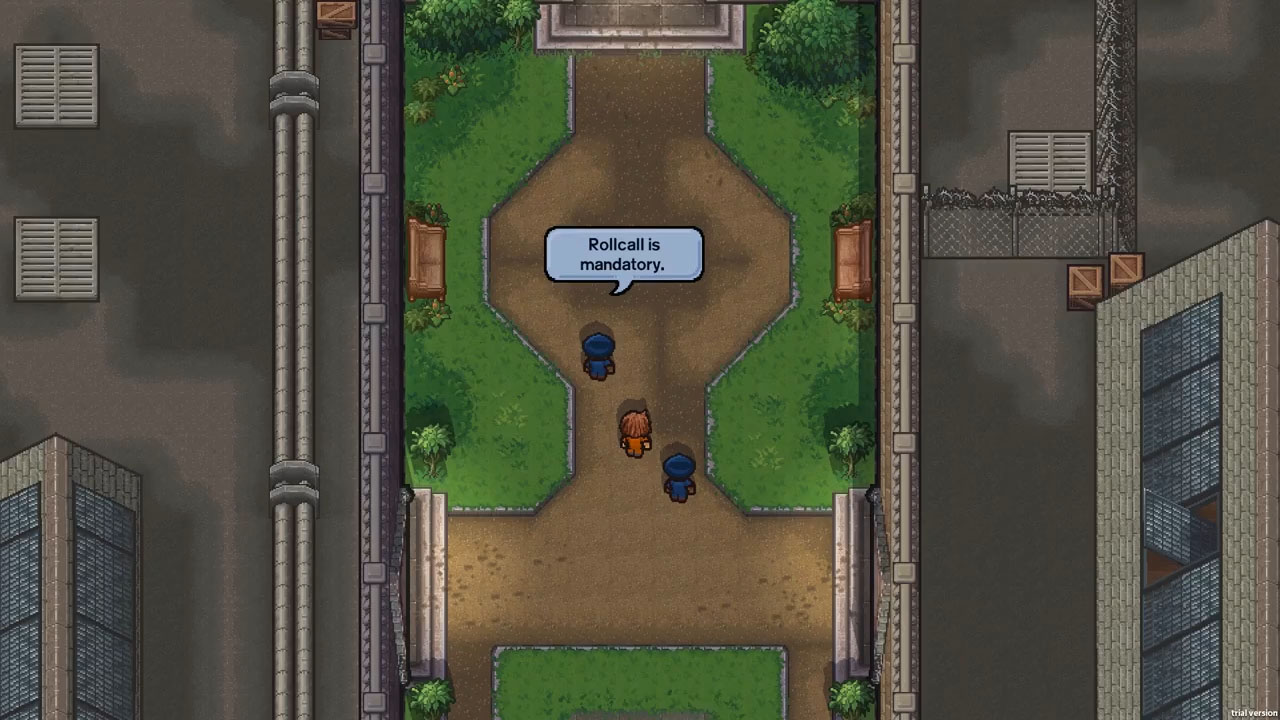
roll-call-is-mandatory
Always remember to uphold the prison’s schedule!

While I would normally prefer playing a game like The Escapists on the computer, I was pleasantly surprised when discovering that the game is equally comfortable to play on the PS4. It looks really good on both platforms, and the controls are smooth. Even though the controls (at least on the computer) are a bit different now than in the first game, I managed to adjust after a short while. 

The music of the Escapists 2 is just as catchy as it was in the original game. It changes with different times of the day, which creates a nice and fitting ambience, and a great change of pace. With enough hours played, you’re going to start humming the music like working songs. I love that the prisons have different themes, and music that fits accordingly.

With as much as 10 prisons available, many hours of gameplay await you. As if that weren’t enough, in order to proceed and unlock the different prisons, you have to collect keys – and the way of collecting these keys is to escape the prisons in different ways. There are set ways that you can escape, and you have to do it the way the game was designed to earn the key. I am guessing that you don’t have to play every single prison in every way, but it is definitely a challenge for the achievement hunters out there. You have to get creative, though – some of the prisons are timed!

Deeper character customization is also available, and you unlock more stuff for your character as you play through the different prisons. This is a relevant addition in regards to the multiplayer function, as it, obviously, makes it more fun to be playing against others with your very own customized character(s). It also creates a greater sense of ownership to the character, I think. It’s the little things in life, you know?

If I’m allowed to give some advice, get to know the place first – because each prison has its weaknesses. Get used to the routines of the prison, get a job and earn additional money by doing quests given by the other inmates. There are also ways of getting hints in the game to help you escape… But you have to be observant, and look closely. Remember that each prison is different, and needs a different strategy. Create a facade for yourself. Follow the schedule, don’t make the guards angry, and go do what you gotta do.

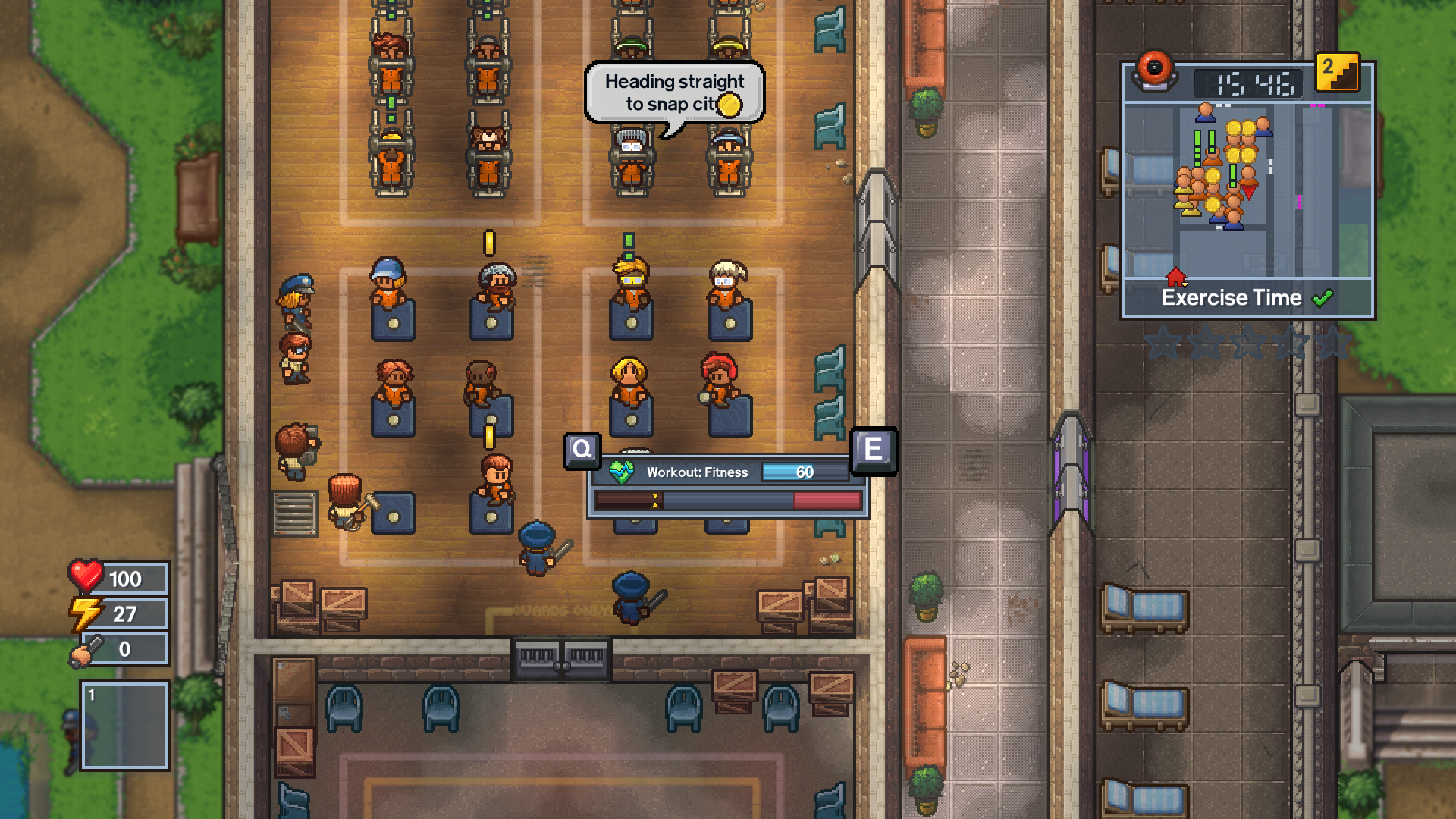
The Escapists 2
Get to know the people around you.

Personally, I don’t like the autosave function on a general basis. Therefore I get a tad annoyed when a game like The Escapists 2 has that feature because I have a need to be able to save when I want, not when the game decides to. My wish is that the game would enable a manual save feature.

I would also like information about the items you can craft in an update. Either a short description of what the item is or perhaps a little hint as to what you can use it for. I found myself stuck a couple of times because I didn’t know what to make and I didn’t know what they were for. Sure, I could’ve just tested it out, and figured it out on my own, but resources are pretty valuable in The Escapists, and I didn’t want to use my hard-earned resources for nought.

The recipes for the items and how to use them are different now than they were in the first Escapists-game too. For example: in the first game, one could hide the fact that you were digging a hole in the wall by placing a poster in front of it. Now, you have to make a fake wall out of paper maché – which is more logical, I guess, but it requires more resources and more work. It just took a heck of a lot of time to figure that out. However, it is the little things like that that makes The Escapists 2 feel quite different from the first game.
All in all, The Escapists 2 is a great game with a lot of potential, but there’s room for improvement with small things such as a manual save function and more information on items. The online and multiplayer function creates an even bigger replay value to the game, which is a huge plus.

The Escapists 2 offers new ways of escaping, more prisons, character customization, multiplayer (versus and co-op mode) plus online, new items to craft, more stuff to do. In short, the new Escapists is bigger, better, improved. It offers levels that are fun, but also challenging. Strategy is required, and it gives you a great sense of accomplishment if you manage to escape. It is a game that will definitely make the hours fly by, and is as addicting as it has always been.

techtroid-rating8

5 Times Sonic Hit An All-Time Low

Sonic Mania has raced onto the scene with critical acclaim, being noted as the best Sonic game in decades. By combining the speed and clever level design of the classic Mega Drive games with some fun modern touches, the Blue Blur is potentially on the verge of another golden age (don’t screw this up, Sonic Forces!). But, as with any successful platforming character, Sonic has had his fair share of hiccups over the past few decades. Well, alright then. Perhaps ‘hiccups’ is a bad word. How does ‘downright monstrosities’ sound? Hmm…that sounds a little more to the point. So, why don’t we go over some of these poor judgements on Sega’s part and hope that nothing like these horrid abominations are ever produced again?

Well, alright then. Perhaps ‘hiccups’ is a bad word. How does ‘downright monstrosities’ sound? Hmm…that sounds a little more to the point. So, why don’t we go over some of these poor judgements on Sega’s part and hope that nothing like these horrid abominations are ever produced again?

Shadow the Hedgehog

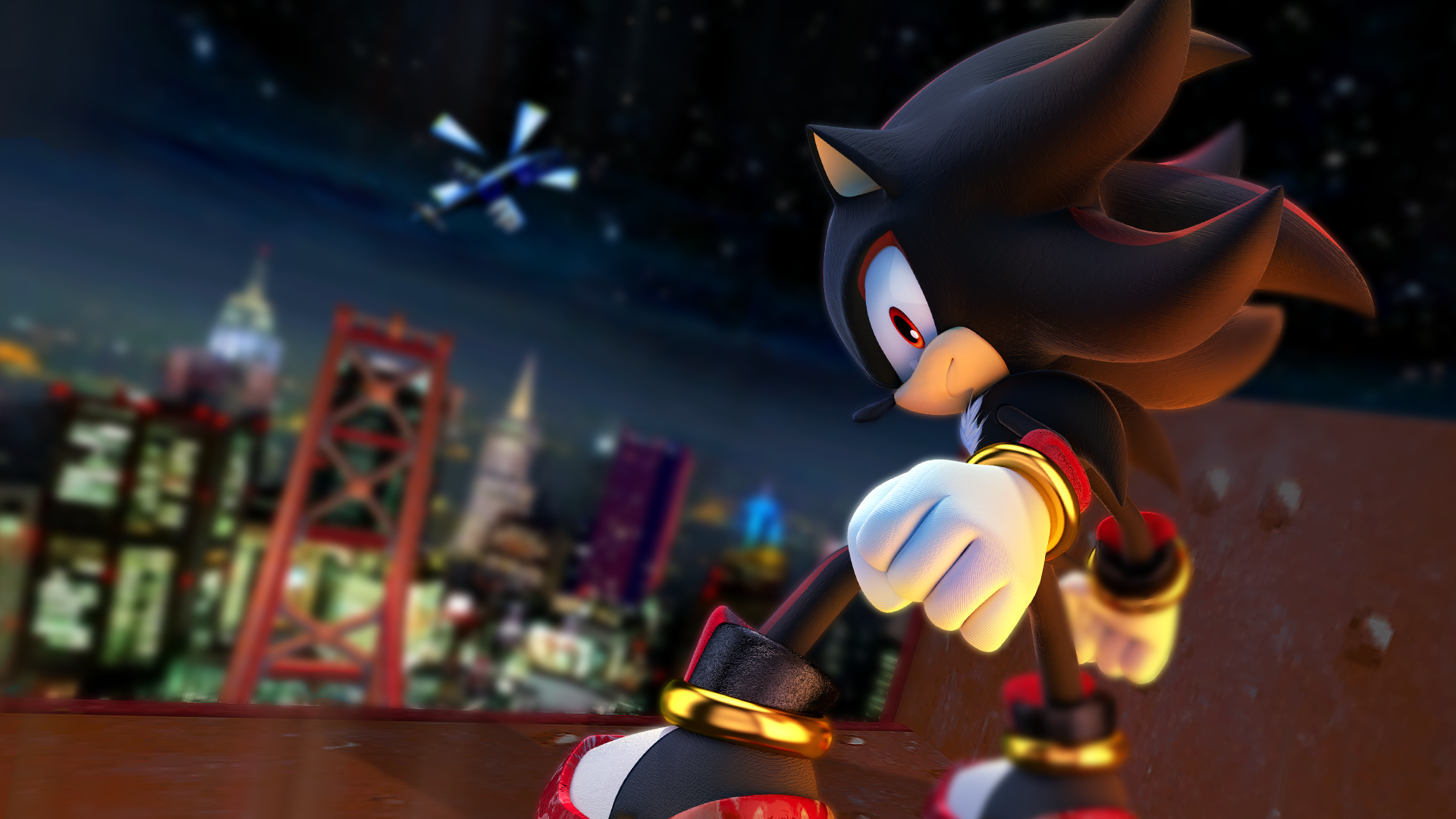
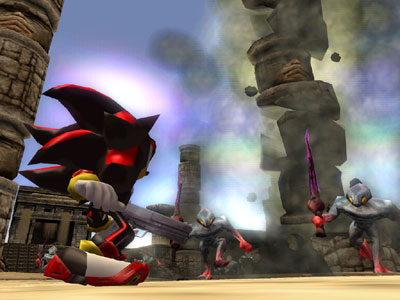
shadow-the-hedgehog-20050505015856897

It was the game that nobody asked for. But we got it, anyway. This 2005 semi-sequel to Sonic Heroes starred the eponymous black hedgehog in his first (and, hopefully, only) solo game. The problems with this game were many; poor, glitchy level design, a dark plot uncharacteristic of a Sonic game and, of course, those damn guns.

The idea of guns being in a Sonic game was eyebrow-raising enough – but the way they were implemented into the gameplay was awful, as though the mechanic had been shoehorned in at the last minute. Stopping to shoot foes regularly just didn’t feel natural and contradicted the game’s attempt to be a fast-moving platformer. The vehicle sections were also tedious and out of place (when you can move faster on foot, what’s the point?). While the game boasted multiple endings and level pathways, you’d be forgiven for not wanting to endure a second playthrough of this awful stain on Sonic’s legacy.

Sonic Shuffle

177-Sonic_Shuffle-6

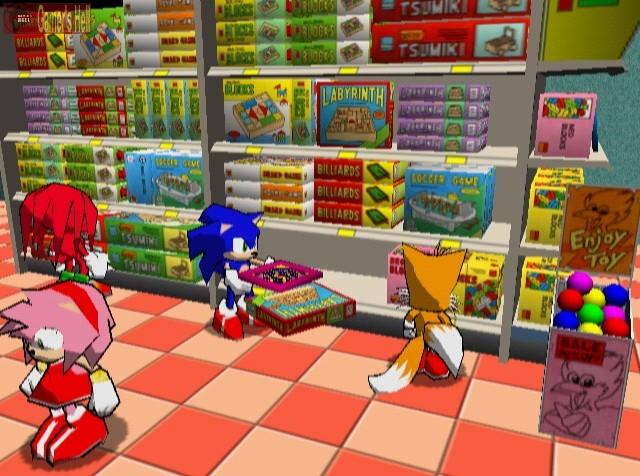
By the time Sonic Shuffle hit the Sega Dreamcast in 2000 (2001 in European territories), Sonic had experimented with a number of other genres. There was the Game Gear Mario Kart-esque Sonic Drift games and also the arcade beat ’em up, Sonic The Fighters. Not content with those forays into other zones of gaming, Sonic had to have his own Mario Party-style party game.

Now, to the developers’ credit, they crafted a new narrative for the game to take place in and dressed it up in a plethora of bright colours. It’s just that they forgot to include the ‘fun’ aspect. The game was bogged down with a small number of below-average minigames and tedious loading times. You would be better off sticking with Mario Party than this boring clone.

Sonic The Fighters

6d3de0b858ce378dbdc0da9ca204bd0653bb7871-339712

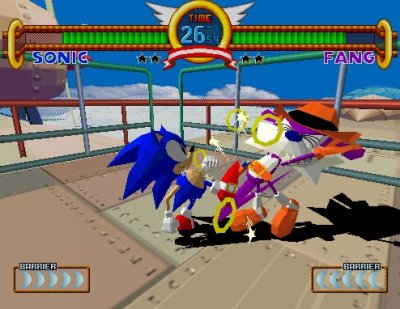
It should be obvious to anyone that Sonic simply isn’t suited to the fighting genre. He’s a platforming hero known for his speed and agility, not his resilience or fisticuffs. Apparently, though, Sega didn’t get the memo and thus, in 1996, Sonic The Fighters hit Japanese and American arcades (after which, it has been ported to a number of Sonic games collections since).

The game can best be described as a poor man’s Virtua Fighter. While it is true that Sega designed a number of exclusive characters for the game, they are mostly forgettable, due to having a very short supply of unique fighting moves. The fighting system is simply Virtual Fighter-Lite and is overall tedious and slow. You would be better off playing any fighting game but this.

Sonic R

sonic-r_2.jpg

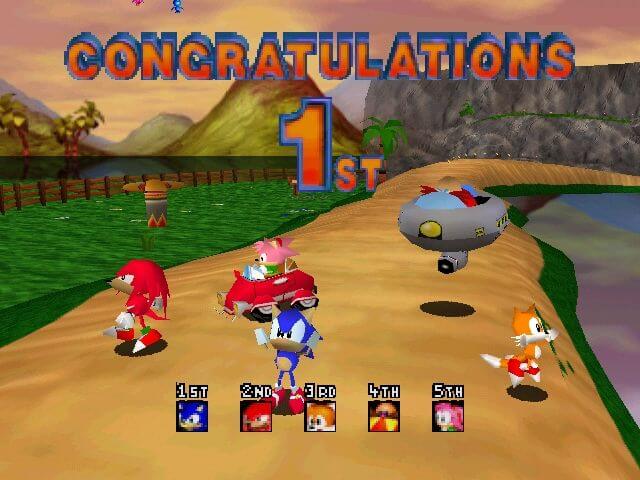
Nowadays, most gamers will recognise games studio Travellers’ Tales for their seemingly endless supply of Lego video games. But, back in the day, they did some other things (Mickey’s Wild Adventure for the Sony PlayStation comes to nostalgic mind). One of these things, however, was co-developing the awful Sonic R, which was released for the Sega Saturn in 1997 and for Windows a year later. Now, as a concept, a Sonic racing game where the characters move on-foot, doesn’t sound too bad. But when this concept is brought to life via Sonic Team’s poorly-designed racing tracks and Travellers Tales’ poor programming, it makes you re-think that statement.

The majority of the game’s tracks are bugged with awkwardly tight corners and are short to the point of tedium. The characters are awkward when trying to turn corners and some of them are so slow and disadvantageous when compared to the other racers (I’m looking at you, Amy Rose) that they just aren’t worth bothering with on a whole. Add in the fact there are only five available courses and you’ve got yourself a stinker here.

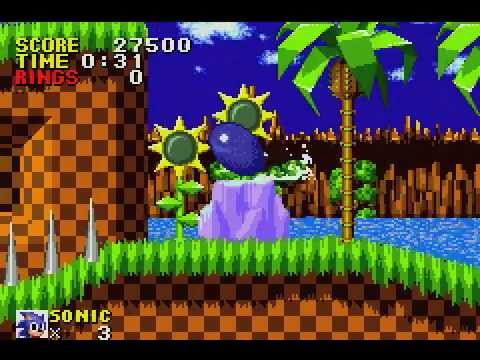
Sonic the Hedgehog Genesis (GBA Port)

hqdefault

This is perhaps one of the lesser-known examples of bad Sonic games, but it’s well-deserving of a spot here. This lazy, (half-assed) Game Boy Advance port was developed by Sonic Team for the blue hedgehog’s 15th anniversary and is one of the worst Sonic games in existence. It takes the original Genesis/Mega Drive game and gives it a painfully-slow frame rate, poor physics and an awfully-downgraded soundtrack – in other words, everything that made the first Sonic great.

As a cheap shoe-in, Sonic Team did add an “Anniversary mode” – which is the exact same game save for adding the spin-dash that was introduced in Sonic 2 onward. Wow, Sonic Team really pushed the boat out with this one.

What do you think are the worst Sonic games ever? Are you enjoying Mania? Let me know below.

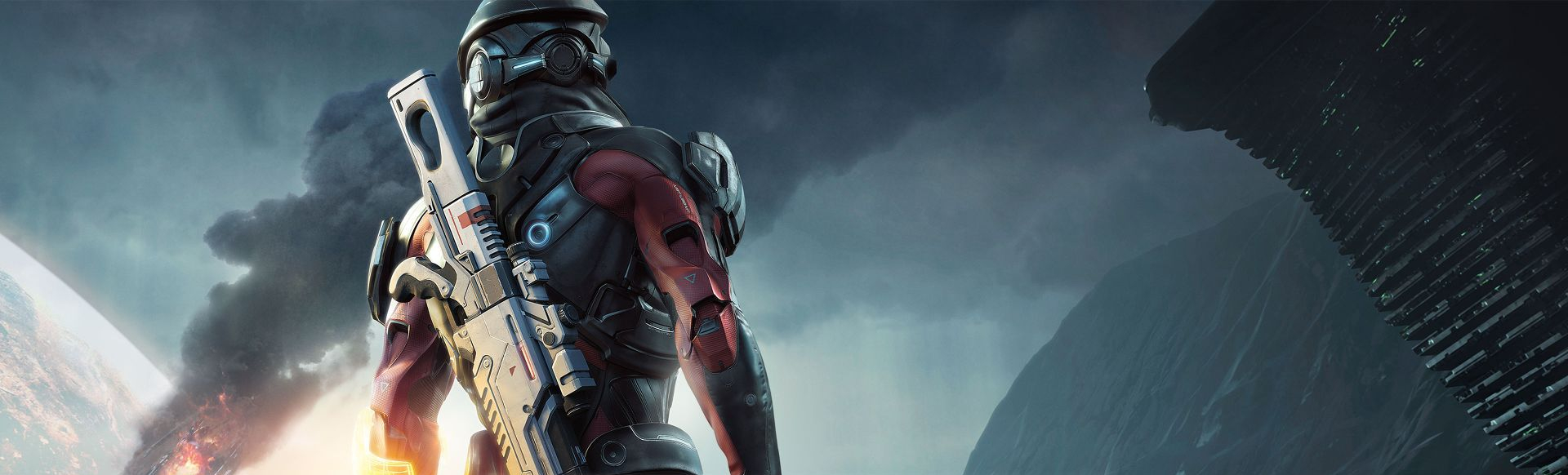
They’re only human after all – Mass Effect devs cancel Andromeda DLC

Remember when we reported trouble at sea for Mass Effect: Andromeda, with its BioWare Montreal development team attempting to lift fans’ spirits with multiplayer DLC despite rumours of its staff having been transferred to other projects? At the time we contemplated whether Mass Effect could “delay facing its final frontier”, using updates like the introduction of Platinum Difficulty mode and playable Batarians to alleviate fans’ fears.

Unfortunately, it would appear those franchise veterans worried at the time had reasonable cause for concern. After months of silence on the subject, BioWare has officially passed judgment on Andromeda’s future; suffice to say that those devotees who adored the fourth entry in the studio’s sci-fi RPG series – despite its much-maligned technical and narrative hiccups – had best take a seat before reading the jury’s verdict…

Takeaways:

  • Rather than following in the path of past Mass Effect outings with single-player DLC like ME1’s Bring Down the Sky or the sequel’s Arrival mini-campaign, BioWare Montreal plan to cease producing narrative-driven content with immediate effect, making update 1.10 the last to contain updates for Andromeda’s solo component.
  • The development team predictably refuses to offer clarity in their blog post as to the rationale behind this long-speculated decision – despite rumours abound of the lukewarm critical reception Andromeda reaped playing a crucial hand – but does offer some hope for those yearning for the campaign’s loose plot threads to be resolved, confirming that future licenced comic-strips and novels will reveal the quarrian ark’s final destination and answer other mysteries in the months ahead.
  • Nor will the stories players have invented for themselves online with comrades-in-arms come to an end, either; in fact, we’re told to expect further character kits, missions and N7 Day-themed surprises from the project’s multiplayer team soon, meaning the tales of the Andromeda galaxy can continue long beyond August 2017.

To see any ambitious title lose its developers and publisher’s support just months after release always seems a disappointment at best, but for that fate to befoul a project so widely anticipated, heralding from a franchise so widely acclaimed – ME3’s ending aside – will only harshen the blow for many. Indeed, much as Andromeda’s tales will continue in other mediums, one has to assume the Montreal team would’ve loved to develop follow-up entries themselves, and thus will share fans’ dismay at their once-ongoing narrative’s lost potential.

As for the implications the move could have for Mass Effect’s future as a AAA franchise, don’t be surprised if EA and BioWare spend a decent few months – or perhaps years – taking stock of how a series which once could barely move for all its Game of the Year gongs has since experienced such an unexpected peripeteia. In the meantime, the latter studio will almost certainly focus its efforts on ensuring that Anthem doesn’t meet with a similar fate, particularly after accusations of their new IP’s E3 2017 demo taking a little too much in the way of inspiration from Activision’s Destiny franchise.

Either way, we’ll have all the latest news and views on whether BioWare and EA’s respective upcoming output shows signs of avoiding its predecessors’ mistakes.

SpaceBOUND Review – Puzzle Platforming So Frustrating It’s Addictive (PC)

Platformers and puzzle games draw a line not met by many other genres in the video game world. Both requiring precise and strategic thoughts and movements, while each provides a casual approach to the entertainment of gaming. The debut release from Gravity Whale Games, SpaceBOUND, gives new meaning to the term puzzle/platformer.

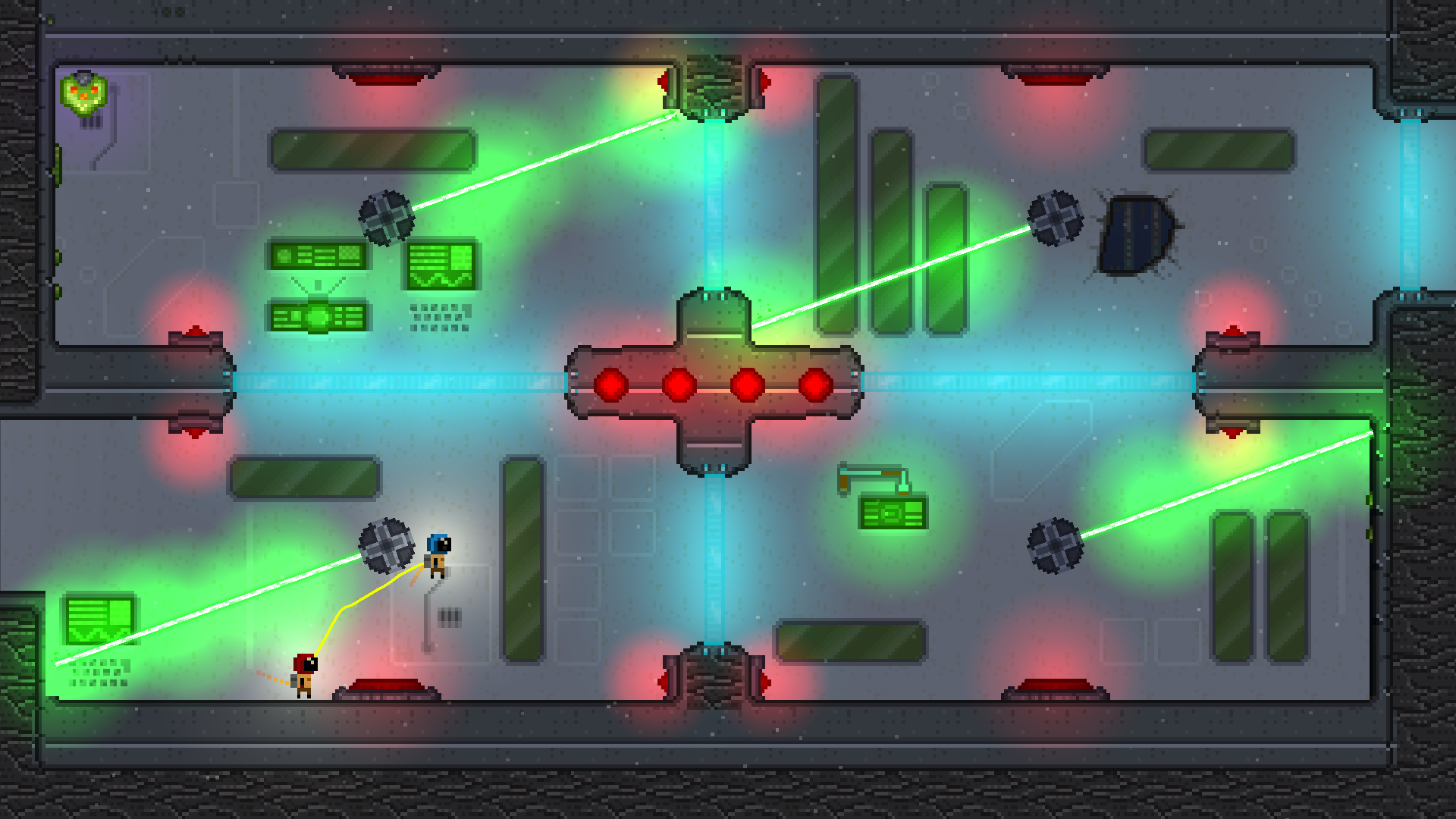
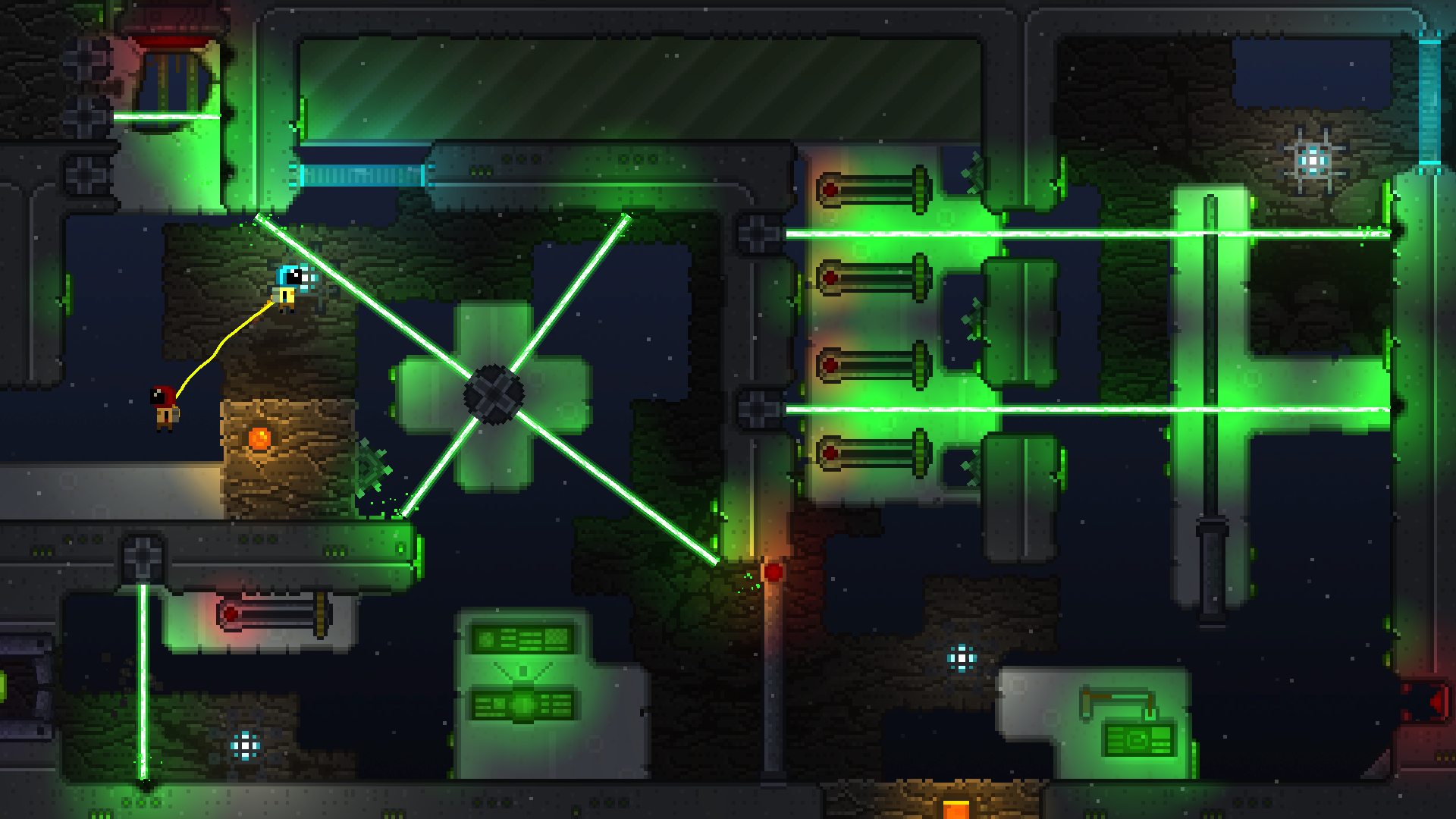
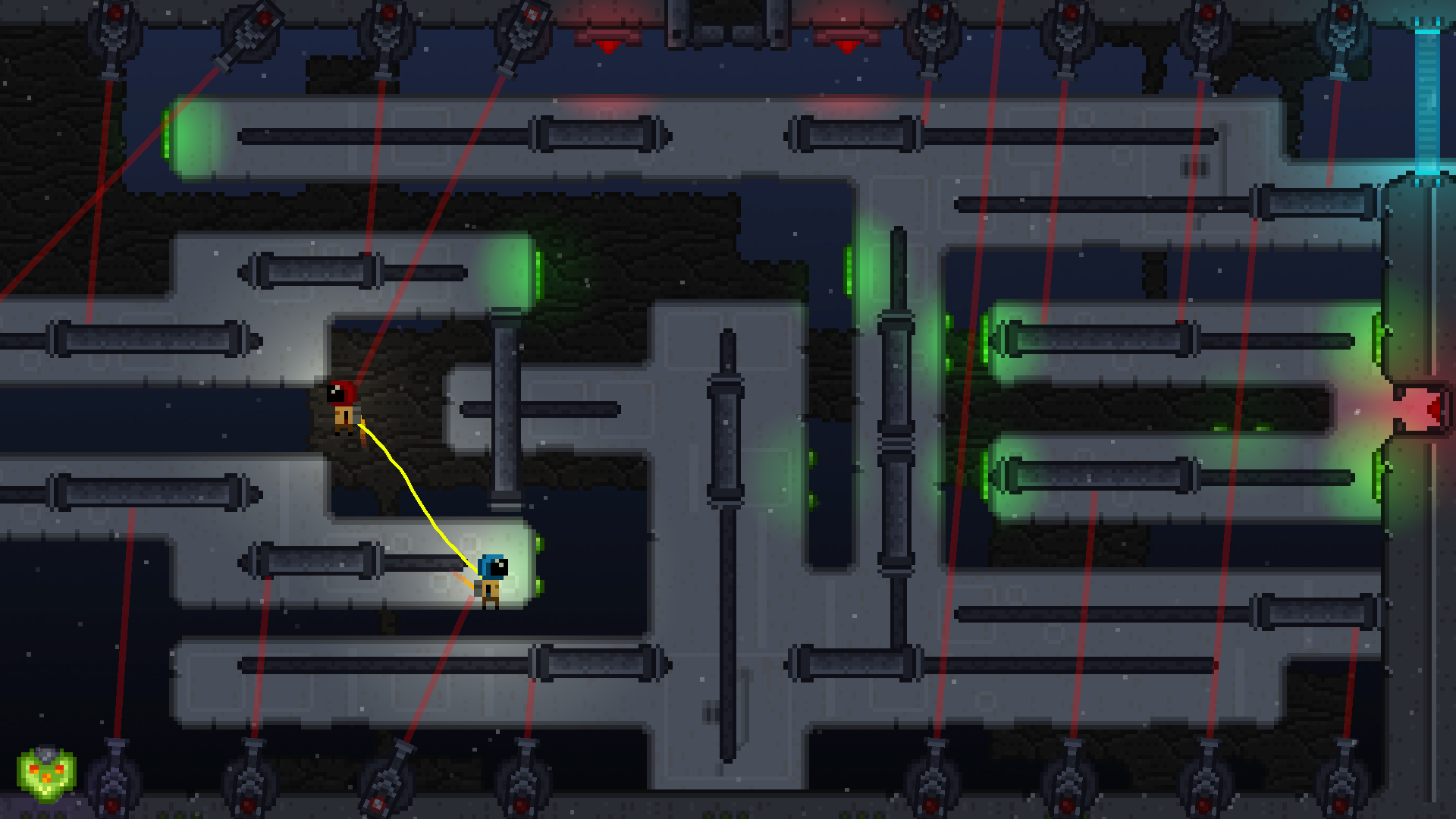
Players take control of two astronauts who have crash landed on an asteroid in the middle of deep space. Attached by a tether, both astronauts may be controlled separately by one player, or individually in cooperative mode. The idea is to navigate through an abandoned facility rigged with destructive lasers, electrical wires, various key buttons and other harmful and dangerous traps throughout the game. Unlocking gates, keeping both astronauts alive as you float about in zero gravity with your jetpacks, the tether is crucial for the tremendously challenging puzzles that lay ahead.

s2.png

If choosing to play solo, each astronaut is controlled separately using either the keyboard or more preferably, a gamepad. The arrow keys will control one astronaut, while the W, A, S, D keys control the other. In terms of the gamepad, both analogue sticks make a much more efficient method of guiding your astronaut buddies to safety. The catch of SpaceBOUND is the tether linking the two together.

Floating around, bouncing towards and away from each other proves extremely difficult when trying to avoid the shifting lasers and dangerous saw blades. When you inevitably meet your end to the scorching burn of one of the mines’ many lasers or death traps, your astronaut(s) burst into a splattered bloodshed of frustrations and regret; leaving you to restart the relatively short, but tedious level from the beginning. Say both of your comrades just barely survived the beam that nearly singed your space suits into ash, if your tether breaks it’s back to the start of the level.

s5.png

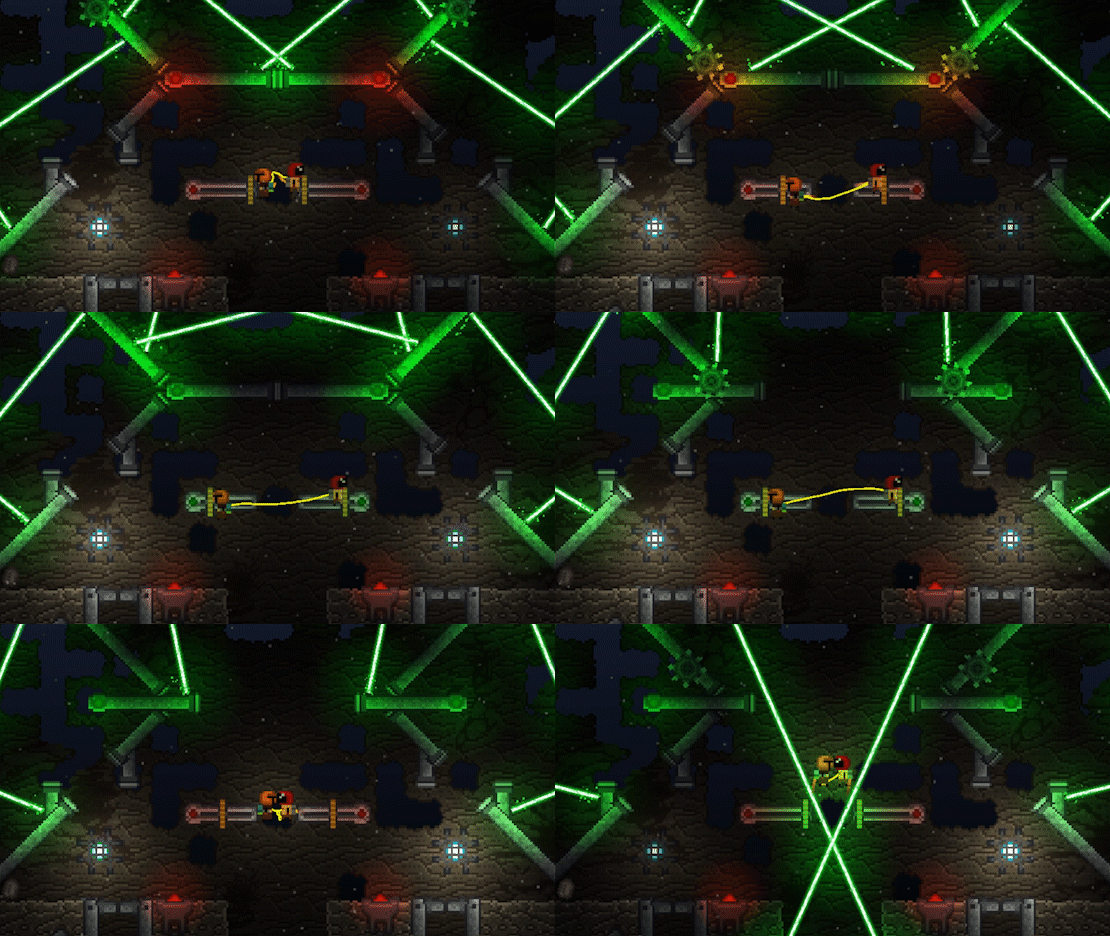
Though the tether line proves to be a minor liability and an extreme risk for ending your current run, it also acts as a strategic tool for throwing asteroid chunks, and even yourselves across the screen in a much more energetic manner. Catching rocks and then throwing them through a variety of lasers and obstacle, breaking down electrical lines guarding your way out and most notable pressing the button required to unlock the next area give players a true sense of accomplishment once the task has safely been completed.

With the short level length and a trial-and-error approach to puzzle solving, re-trying numerous areas throughout the campaign becomes more and more common, testing the player’s patience and platforming skills. The dual movements of the astronauts become second nature as you experiment with various methods of manoeuvring in sync with one another.

spaceBOUND-4.gif

Through dozens of levels full of traps and hurdles, an even more excruciating Time Trial mode and relentless mind-numbing puzzles for solo or co-op play, SpaceBOUND is the answer for 2D, zero-gravity platforming with a bemusing and often frustrating gameplay and level design. The tenacious gameplay and clever use of guiding two characters at once across a drifting minefield of death traps prove not for the faint of heart but requires players to act quickly and precisely, while using patience and your surroundings to accomplish uniquely difficult challenges in SpaceBOUND.

techtroid-rating8

Middle-Earth: Shadow of War gets tautological with Shadow Wars missions

How do you solve a problem like Mordor? Specifically Middle-Earth: Shadow of Mordor, Monolith Productions’ 2014 fantasy RPG which took The Lord of the Rings into uncharted territory via its refreshingly unpredictable Nemesis System and grim prequel storyline. Much as Shadow proved a critical darling, reaping Game of the Year awards aplenty, one shortcoming kept cropping up in reviews – the lack of additional missions for Ranger-spirit hybrid Talion to wade through once he’d bested all of Sauron’s minions.

Indeed, that minor reservation appears to have played a substantial hand in the thinking behind the narrative structure of Monolith’s impending follow-up, Shadow of War. Case in point: a just-announced series of bonus missions set to bridge the final moments of the sequel’s main campaign with the opening sequences of the iconic trilogy of novels from J.R.R. Tolkien which first inspired this sub-franchise.

Takeaways:

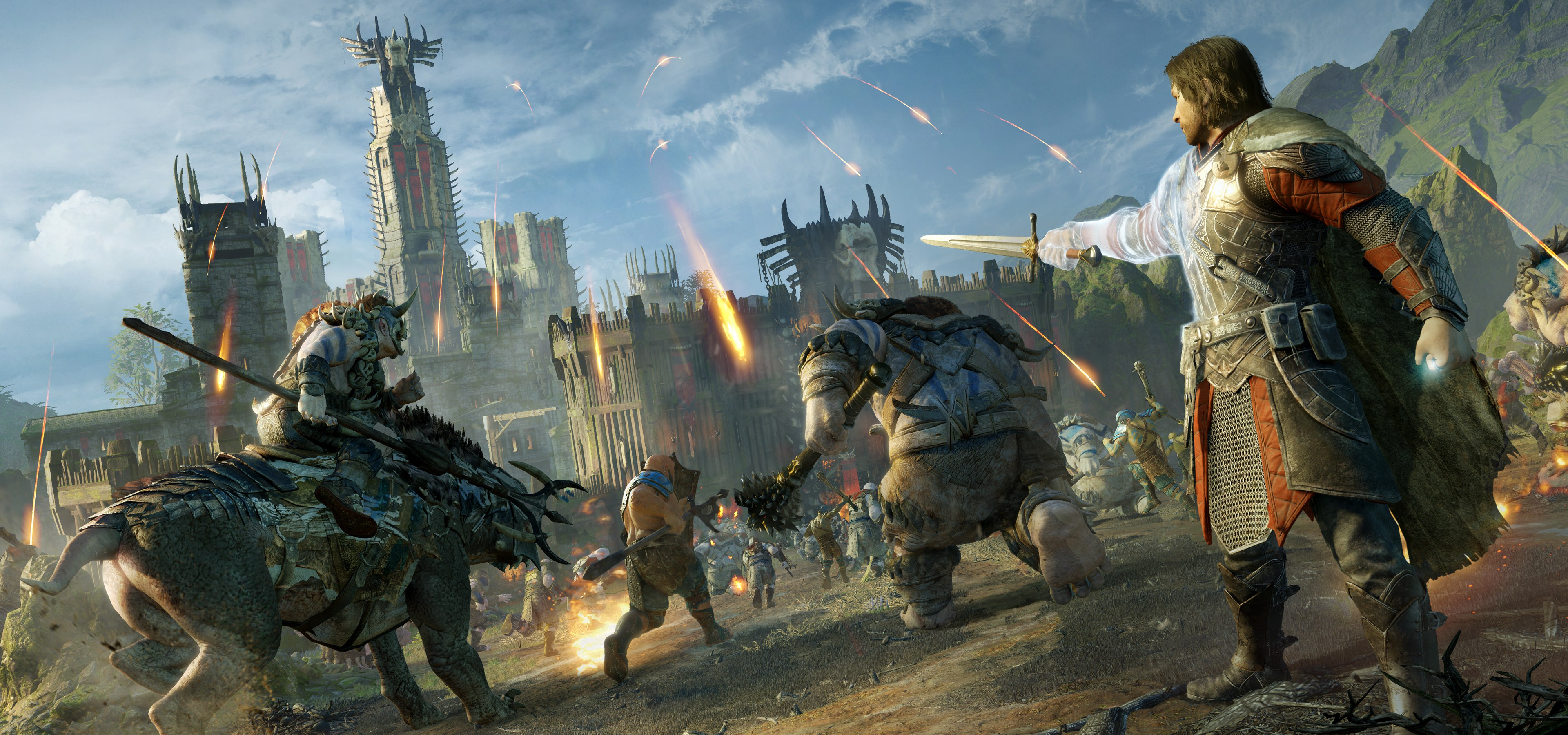
  • When players finish conquering Mordor with the help of Talion’s newly-forged ring – and Celebrimbor’s incorporeal support – they’ll have the option to defend the fortresses they’ve claimed against waves of ever-toughening adversaries, defending capture points and slaughtering oncoming war-chiefs until the siege subsides, then rescuing any Orc allies taken hostage in the interim.
  • Perhaps “option” isn’t the right word, though, since, in order to experience the full ending of Shadow of War, you’ll have to complete all of these so-called Shadow Wars challenges, maintaining control of those fortresses regardless of the odds until such a time as Monolith deems fit.
  • Quite what these coda scenes will depict that warrants their exclusion from the core campaign’s final moments Monolith won’t say, but they have teased that we’ll discover how Talion’s quest for revenge on Sauron for tearing his family apart segues into The Lord of the Rings – perhaps Gollum and Torvin the Dwarf are due return appearances to set up the former and Gimli’s roles in the trilogy ahead?

If the divisive delayed plot resolution of Batman: Arkham Knight proved anything, it’s that Warner Bros-published projects can frequently provoke just as much irritation in fans with the inclusion of an extended endgame as with its omission. While many players will rejoice at the news of more Shadow of War narrative content, the Eye of Sauron now seems firmly fixed on Monolith in terms of meeting expectations with the finished product, especially given their recent struggles to justify the presence of micro-transaction content here too.

Keep following D-pad Joy for more news and views on Middle-Earth: Shadow of War in the run-up to its October 10th launch on PS4, Xbox One and PC, including Daragh Payne’s report on the new Terror Tribe trailer from earlier this week.

Stephen’s Diary: The Retro Round-up

I’ve never been much of a collector. I’ve always been one to trade games in once I’ve finished with them, the same can be said with consoles. The PS3 and 360 both went the journey when the current gen launched and I thought that would be me, future-proofed for the foreseeable.

Not for one moment did I expect to find myself buying a new console. And when I say new, I mean old. That’s right; I’m turning retro, I’m going back to the past (not the future).

By chance, I stumbled upon a Facebook advert for an upcoming retro fair (shout out to the Retro Fair in Doncaster) close to home. Out of interest, I thought I’d go along just to see what it was like, not knowing what to expect. Instantly… I was hooked. There were NES’ here, PS2’s there and all sorts of memorabilia in-between. I was like a kid in a sweet shop and could have spent a small fortune.

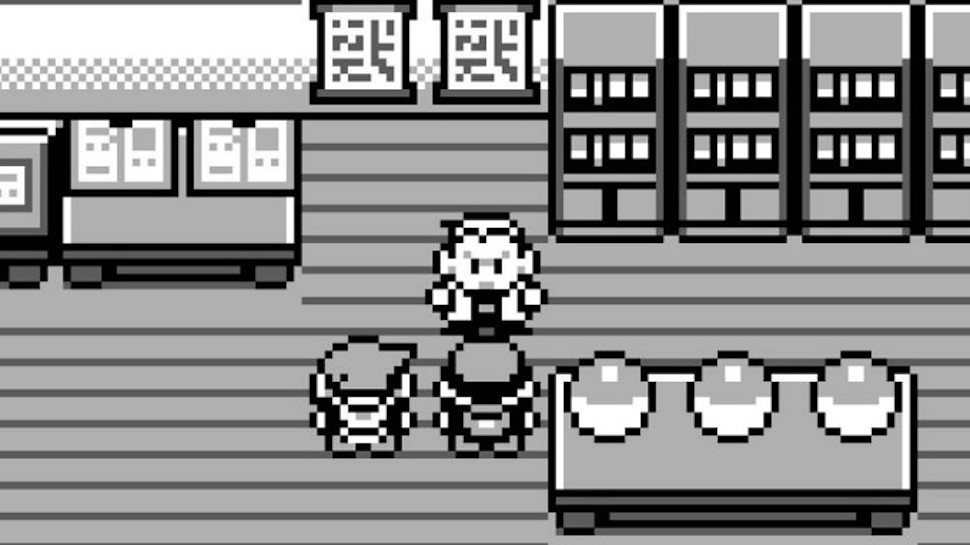
pokemon red

To clarify, retro to me is anything from my childhood. Being relatively youthful at that age of 25, my childhood gaming memories started with the Mega Drive, Master System and PS1. Until now, I’d always been of the opinion that memories were best left in the past, but how wrong I was.

It all started quite recently when I found myself at a loss between my One, PS4 and Switch. Between them, I couldn’t find anything to play which sounds silly, but I was bored. I had an itch that couldn’t be scratched when I thought ‘I could really play Pokemon right now’. That’s where it all began; I bought a Game Boy Advance SP. Or I should say my partner did and I’ll be opening it for my birthday.

With a selection of games bundled with it, including Pokemon Red, I can’t wait to open it. But with me not doing things by half, I’ve bought a GameCube in the meantime. These might not be ‘retro’ by true definition but they are consoles of my childhood and I feel that looking back may be the future. Very minimal research shows how many games there are for both systems and how little you can pick them up for.

My future plans are to buy an original Xbox next and take things from there. In the meantime, though I’ll be penning my thoughts on all things retro from my purchases, shops I visit, games I play and my general thoughts.

I hope you join me on my journey and see where it takes me…