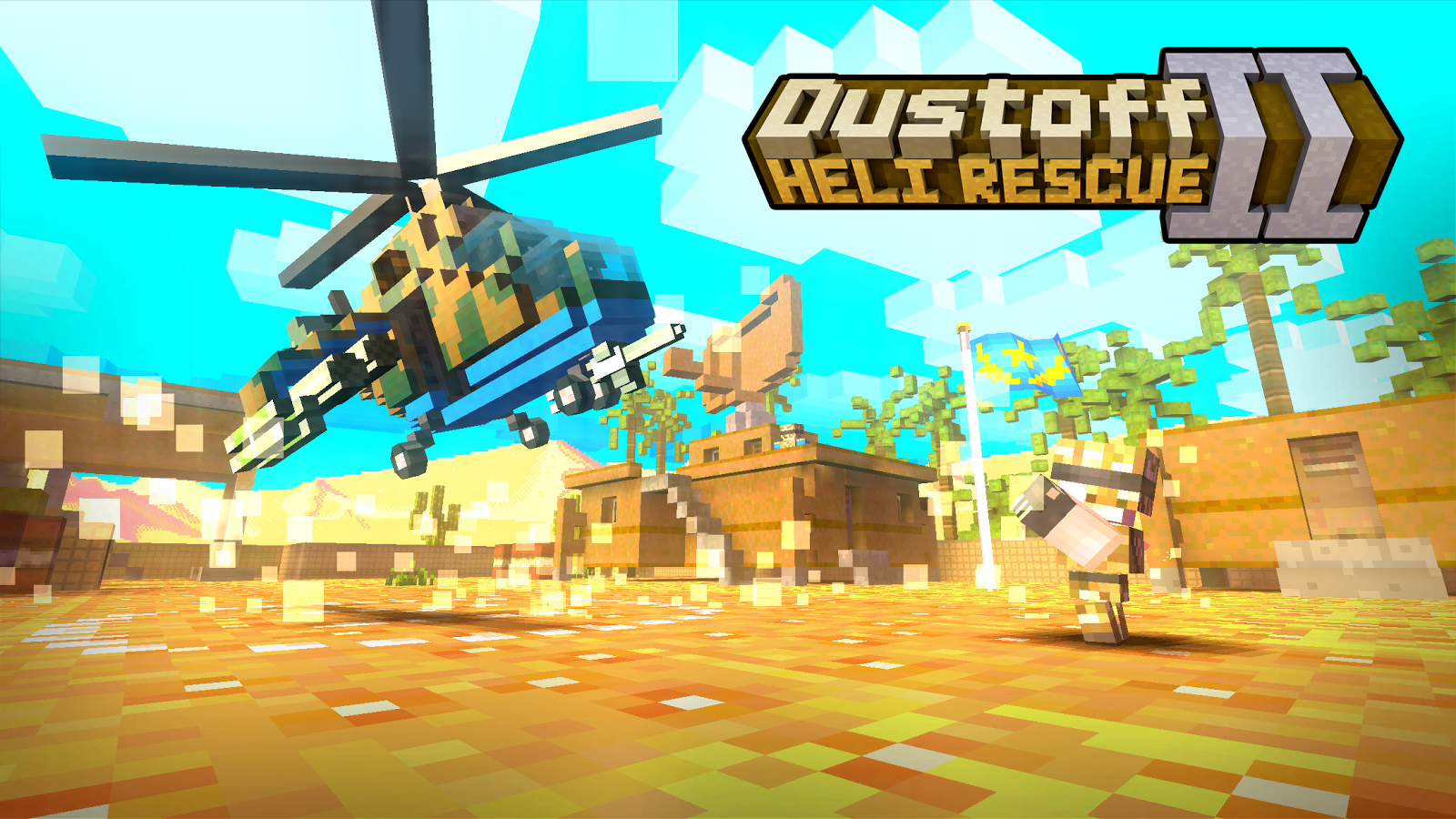
Dustoff Heli Rescue 2 Review [PS4] – Another Mobile Port That Fails To Launch

Like all good New Yorkers, I usually keep my head buried in my phone on the subway as I attempt to ignore the passengers wedged up against me. Luckily for all of us, mobile gaming has revealed itself as a mostly free and simplistic way to waste one’s time on the go.  I personally enjoy mobile games, but only on my mobile devices. There seems to be this trend now of porting every single iPhone and Android game to the big consoles, and I just don’t understand the reasoning. If a game is free for my phone, I am not going to pay for it on a console, and if you have to pay for the mobile version, I can guarantee you I will never play it. Now that you know where I stand, let’s get on with it, shall we? Meet Dustoff Heli Rescue 2.

Dustoff Heli Rescue 2, from Invictus Games, began its digital life as a mobile offering before being ported over to everything you can think of. I have never tried the phone version and can’t speak to how it played, so this review will only contain my thoughts and feelings on this specific port. The popularity of Heli Rescue 2 astounds me, as I found the controls to be sticky, the game slightly buggy, and a nonsensical overuse of the Minecraft pixelated look which I am growing to loathe. The game does have its charms, but it never rose high enough to erase my disdain for mobile game ports.

heli 1

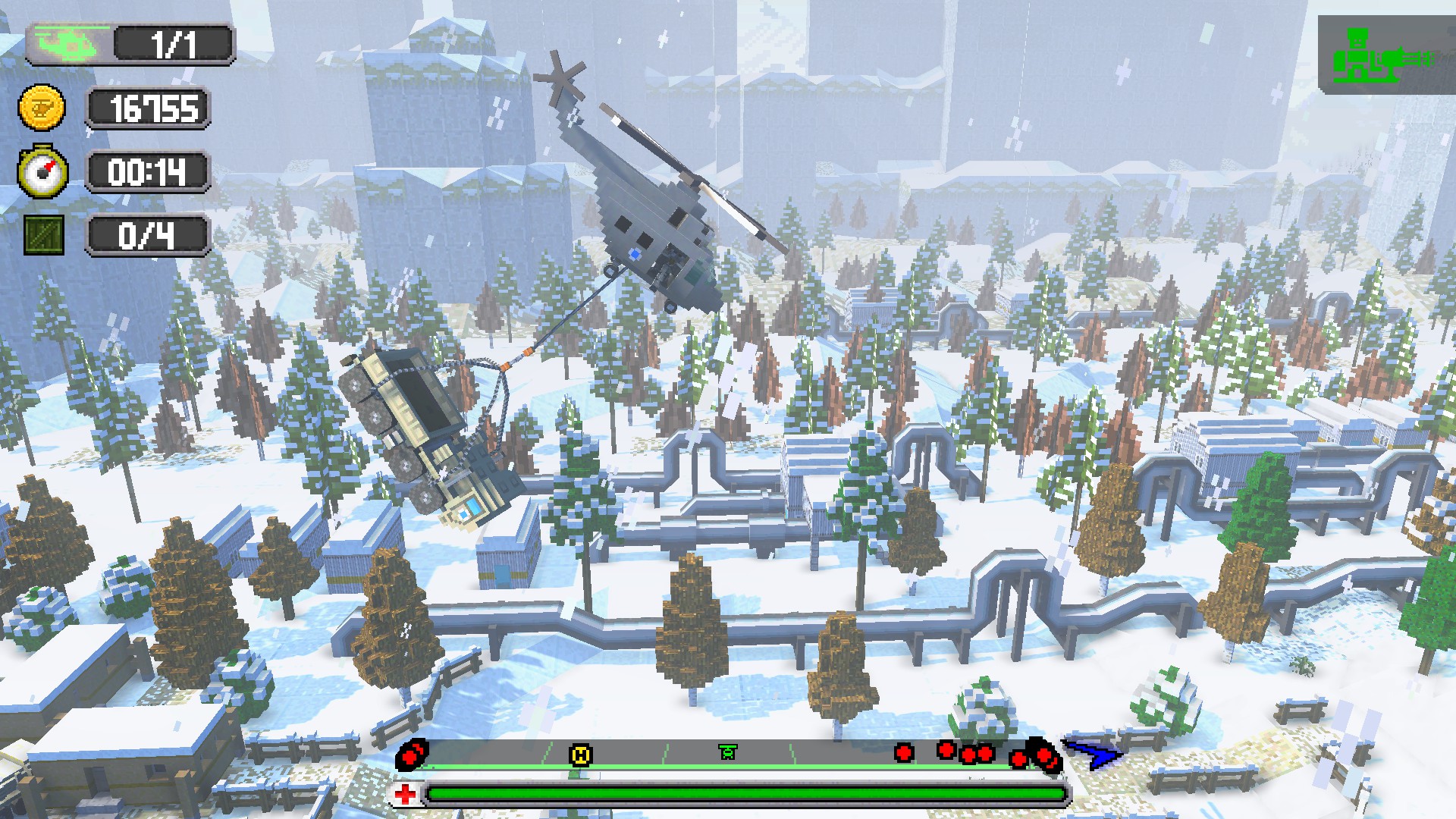
In Heli Rescue 2, players make their way through 35 missions rescuing hostages, destroying enemy combatants, vehicles, and structures, providing air support, and protecting convoys. Players have the option before, during, and after missions of purchasing repairs, upgrades, and rearmaments with gold coins collected from destroyed enemies.  The settings range from the Middle East to more forested areas, and what appears to be random European backdrops.

The main reason this port put me off, was due to what I perceived as poor controls. Instead of the thumbsticks, players must use the shoulder buttons to navigate. Press both together and the copter will lift off into the sky. Press the right shoulder button and the aircraft banks right, press left and it, of course, goes left. The helicopter fires on its own as long as you’re within firing range of the enemy. Be mindful not to fly too high or close or your gunners won’t have a clear shot. In theory, this all works, but I had a lot of trouble with the controls for the majority of the game. Every time I wanted to go right, the flying contraption would keep facing left, and I’d be flying backwards.

heli 4

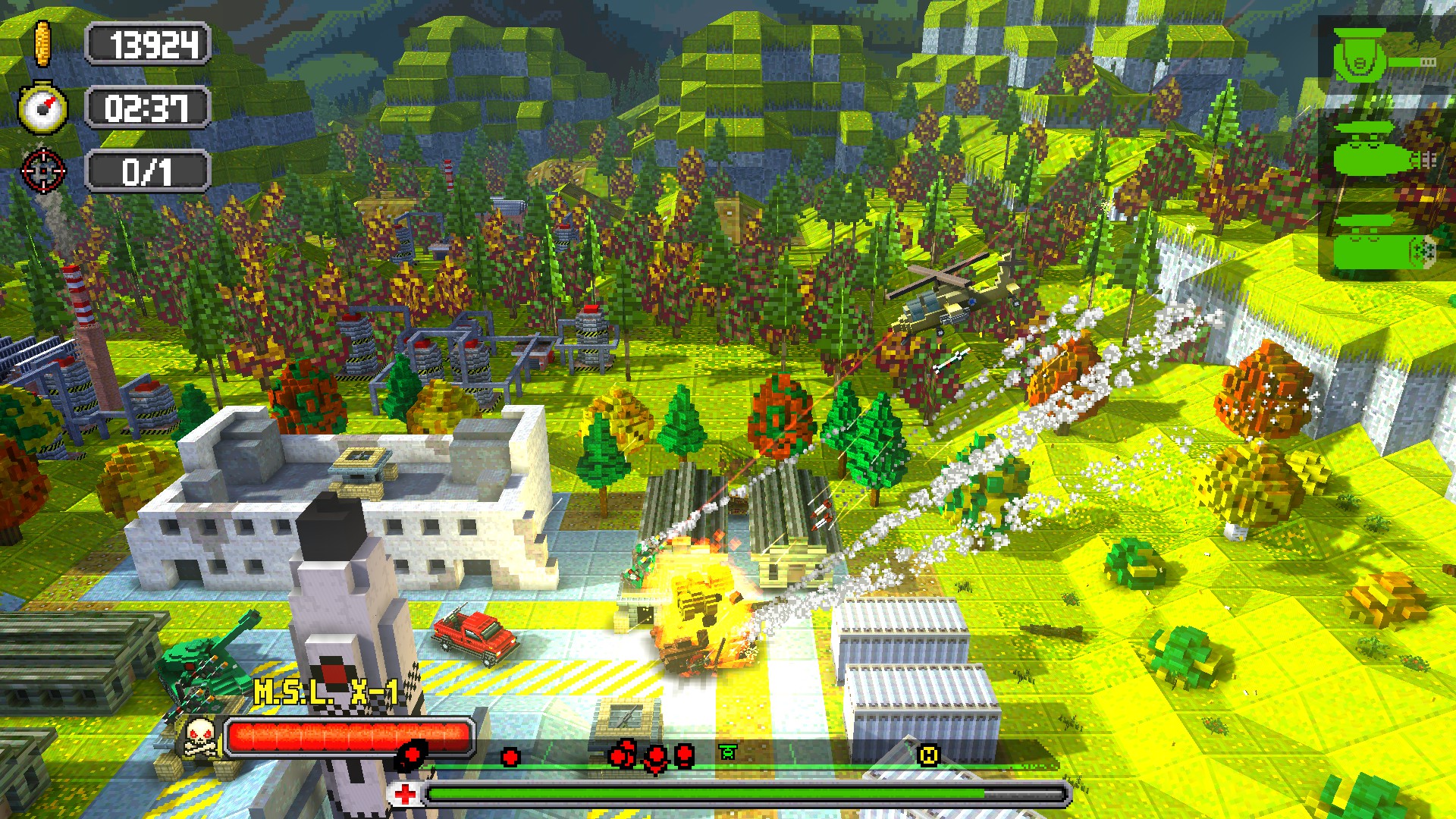
Navigation and weapons go hand in hand, and if the controls are wonky, so too will be the combat. If you fail to destroy an enemy on the first try, it can be quite difficult to do a quick turnaround to take another pass. I crashed and burned a hundred times because I didn’t get the kill on the first attempt. The game isn’t easy, and with multiple baddies on-screen shooting at once, it can be a challenge completing missions without destroying yourself. I really would have liked the developers to have allowed players to control the weapons themselves.

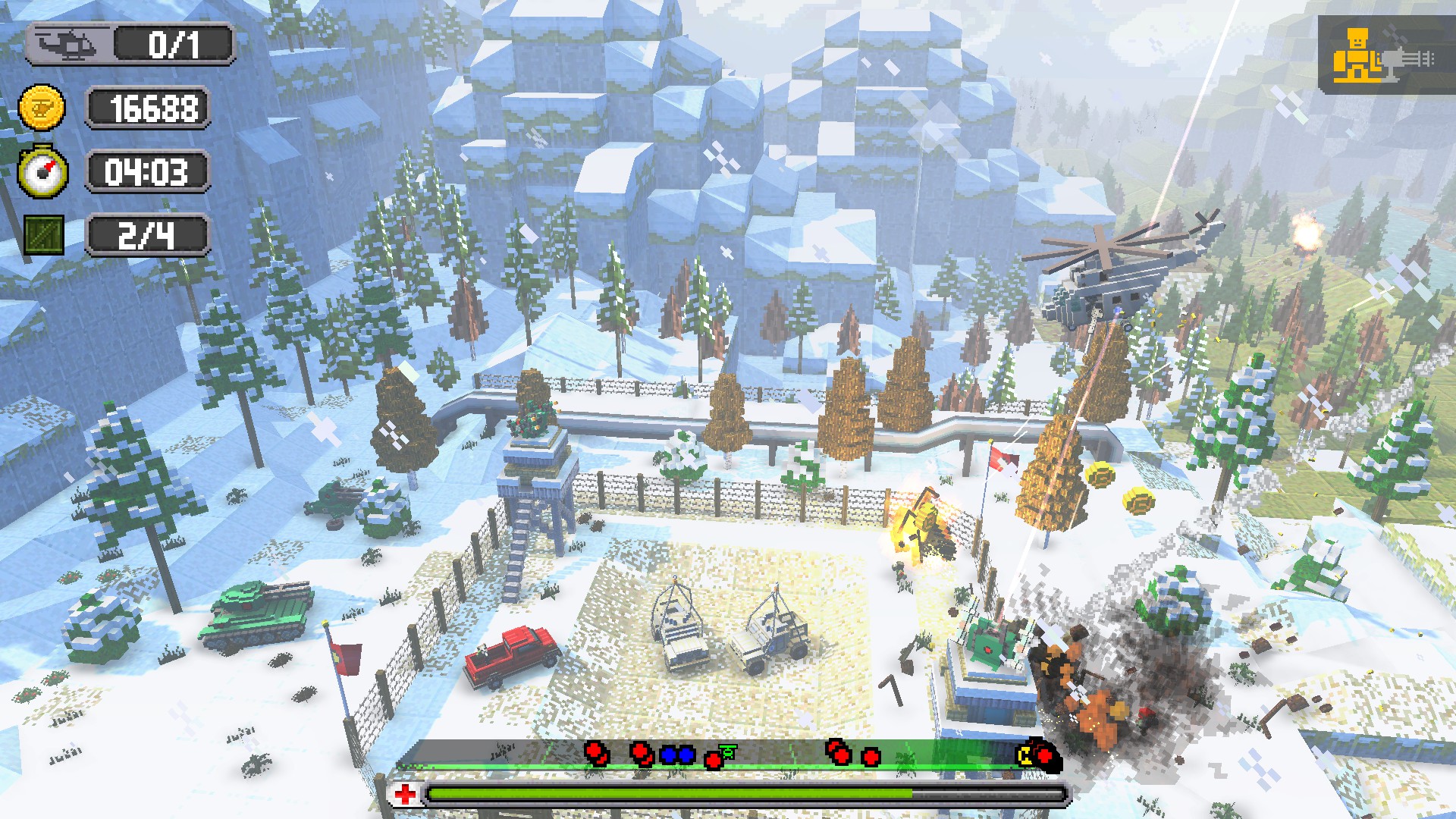
The environments are also a hazard, as flying into trees, buildings, and mountains are all commonplace. You need to fly low enough to blow up a truck, but if you’re not careful, you could fly right into a wall or another enemy encampment. It honestly wouldn’t be so difficult if the controls were a tad more refined.

heli 3

You may remember I mentioned at the start that I found the game to be slightly buggy. I don’t know if I am the only one who has experienced this, but at one point the selection screen froze, and none of the DualShock buttons would work. Yes, I could press the PS button to get back to my home screen, but upon returning to the game, it was still stuck. Eventually, it just started to work again, as if nothing ever happened. [If anyone has experienced this as well, please let me know in the comments below].

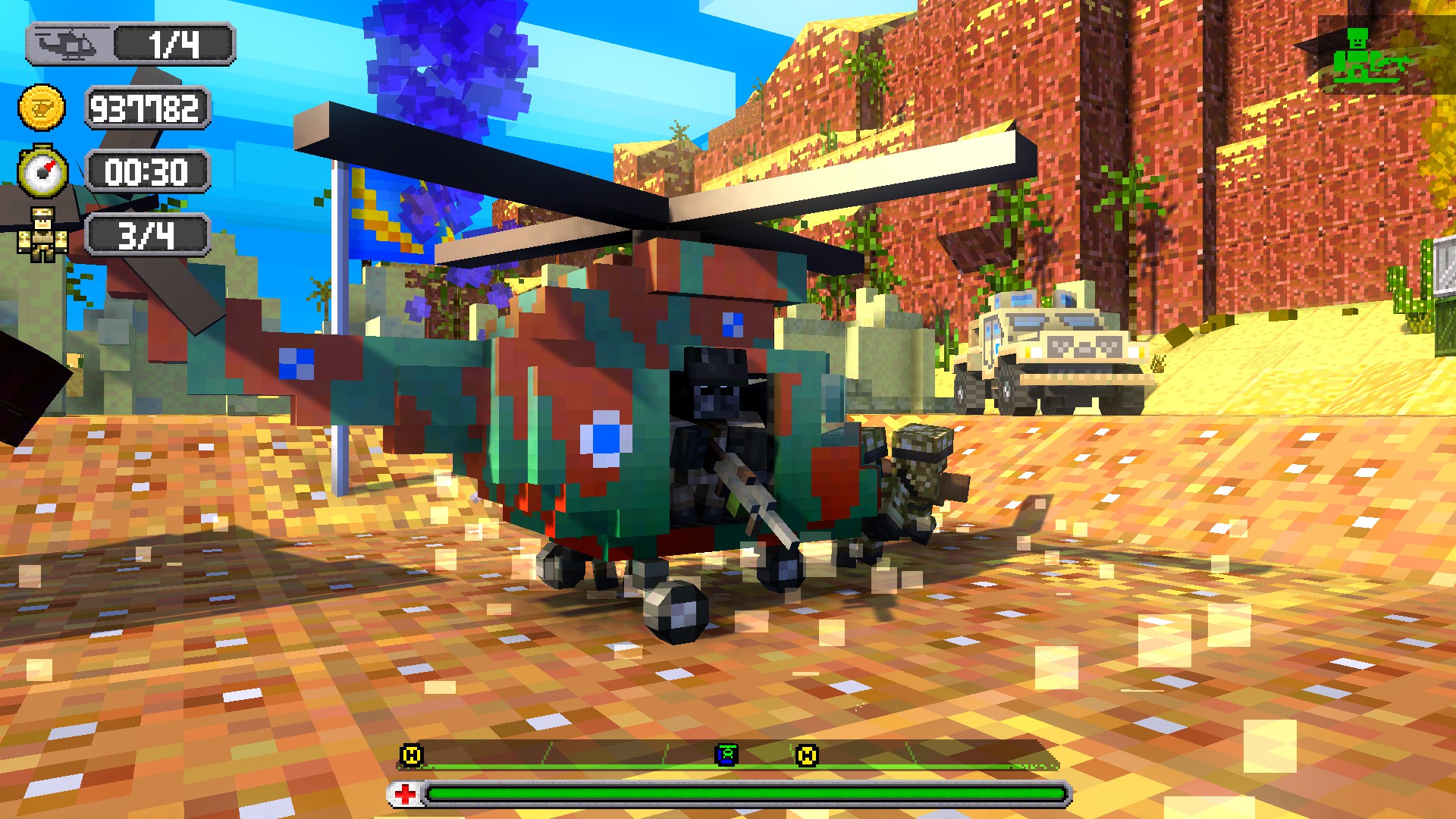
Throughout the game, players will have twelve different helicopters to unlock, each with a multitude of weaponry. This would be great if it didn’t take a while to unlock everything. You start the game out with a simple machine gun, but no options to unlock anything better until the eighth mission. I found the standard gun to be underpowered and a hindrance, especially when attacked on multiple fronts. With poor controls and a lacklustre weapon, I simply couldn’t get the job done.

heli 2

Maybe I have no patience, maybe my mobile gaming port bias is causing me to feel ho-hum about this title, or maybe it’s just that this game was amazing on mobile, but doesn’t quite work on the console. Just because a hundred people love something, doesn’t mean everyone should.

PS VR

Impressions Of PlayStation VR So Far – A Game-Changer?

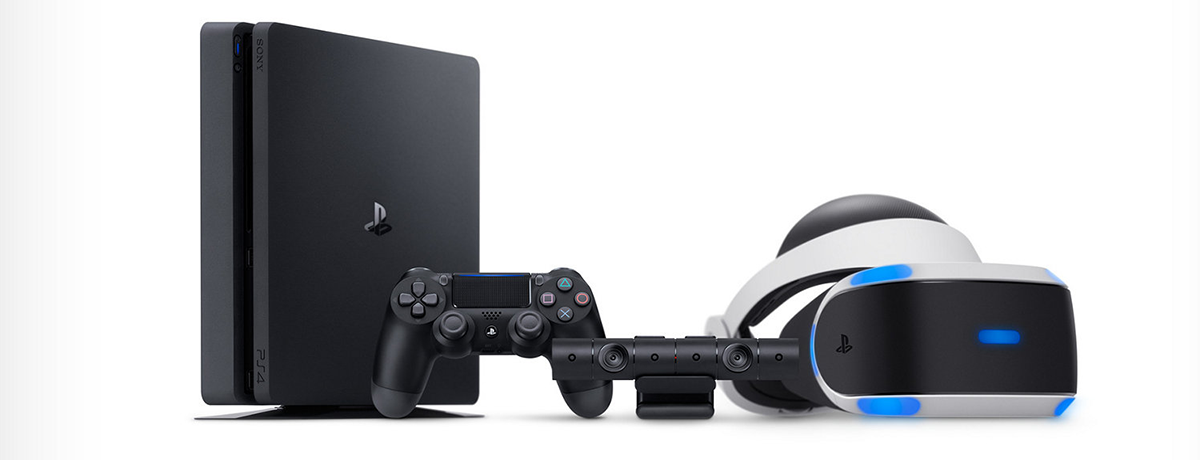
I was lucky enough to have Santa bring me a shiny new PlayStation VR (version 2 – CUH-ZVR2) this Christmas. It’s an experience I’ve wanted to try for some time but, for multiple reasons, I’ve just not got around to it. So yes, like many, I’m late to the VR game, but I believe now is as good a time as any to jump in. It’s Christmas after all, there’s nothing to do outside right? With that said, reader, here are my impressions of PS VR so far.

PS VR – Setting It Up

PS VR Setup

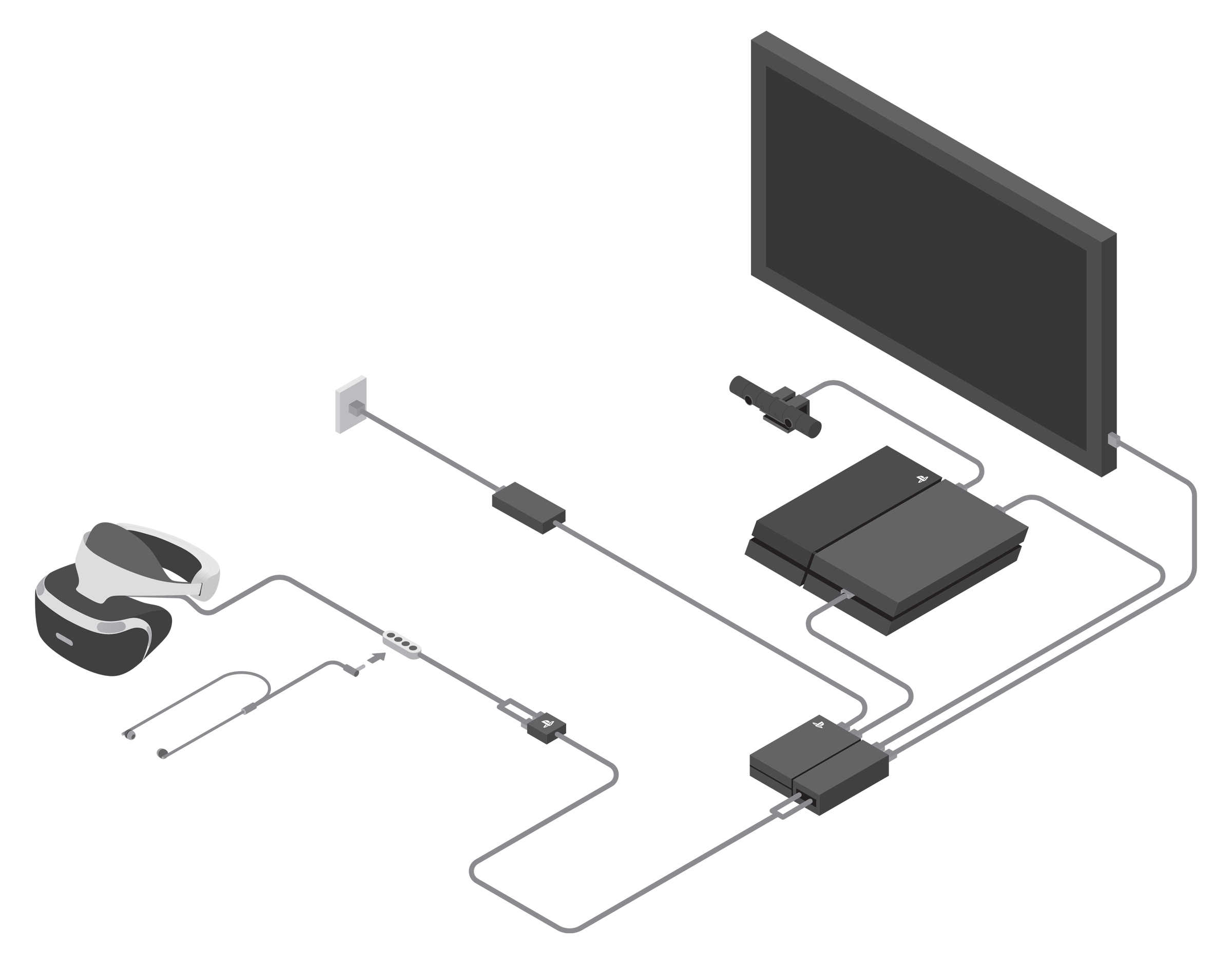
From the clear and informative packaging alone, there’s no mistaking that Sony has thought this whole endeavour through to a serious degree. The PS VR is accompanied with a step-by-step guide to setting it all up. It’s a process that perhaps takes slightly longer than getting your average console up and running for the first time but is simple nonetheless. Most evidently, the company have prioritised ease of use for those that are new to the concept of virtual reality, replicating its welcoming price point compared to others in the market.

The core design follows these same fundamentals. The PS VR looks sleek and remains accessible – stylish, but practical. It’s also comfortable to wear and can be adjusted to fit a wide array of different head sizes. Glasses-wearers need not fear either: the VR headset will have no trouble accommodating you.

In terms of the changes from CUH-ZVR1, the first model released, we’re basically looking at an easier, slightly tidier setup. The revised headset features a dedicated place to store your stereo headphones (that come in the box). We also see smaller more shrunken cables, a refined processor unit, and last but not least, HDR pass-through. The pass-through is great for 4K TV users who don’t want to keep switching and crossing their wires to achieve that extra colour range, but it won’t mean much for everyone else.

Once you’ve fixed the headset to your noggin, the camera is correctly facing you, and you’ve got your controller in hand, it’s on to the Virtual Reality experience itself. What to try first then? My bundle included PlayStation VR Worlds, a good starting point to begin the build-up to VR tolerance.

The VR Journey Begins

VR Worlds starts with a glowing orb flying in circular strokes in the room you now find yourself. You can move your head, impressively, in a 360-degree rotation and see the room light up as you follow this orb. After that’s ended, it’s time to choose your first VR experience from the selection. I chose a deep sea descent that promised I would meet an angry shark. I was feeling brave, you see.

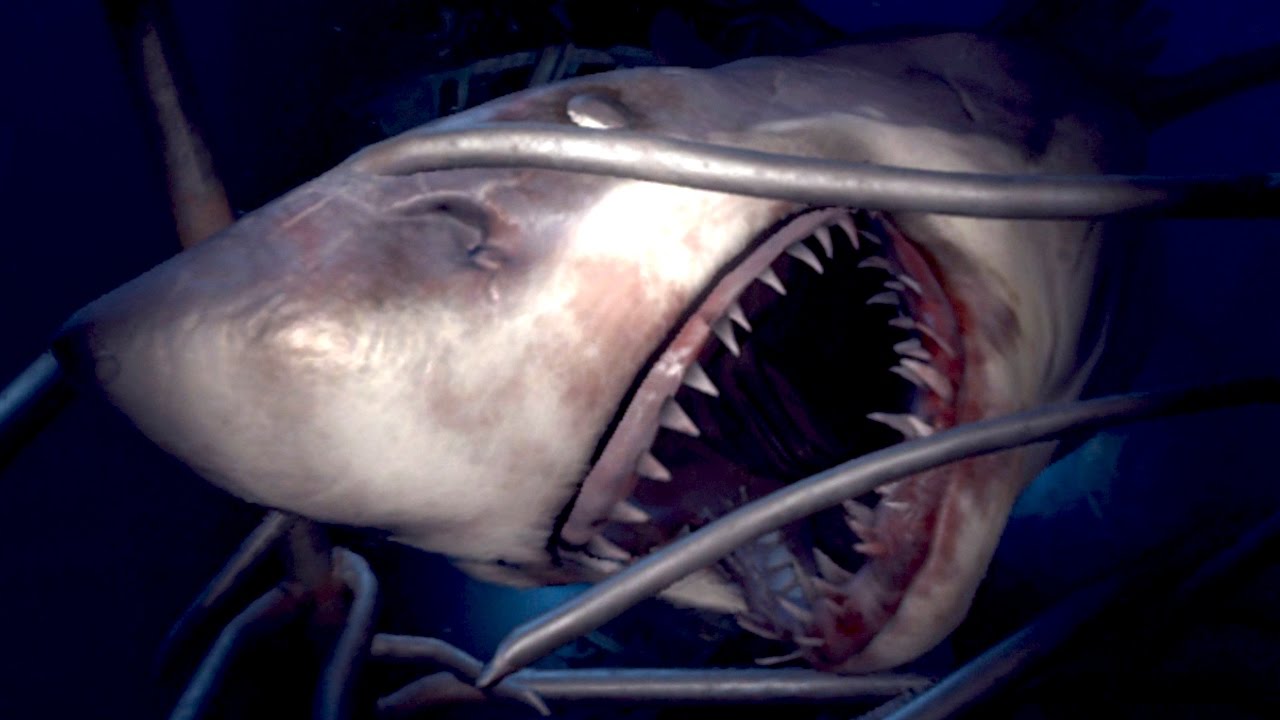
Now in a mini-sub, the descent began. The further down we went, the more I started to appreciate the VR effect in front of me. Deep, striking blues filled my vision while scared fish swam in the other direction. We were entering their territory, clearly. Flora and fauna coalesced back and forth as the sub continued to descend. Suddenly, I’m being told that something has been detected on the underwater radar – can you guess? I look up and there’s a huge, menacing shadow approaching.

PS VR - Shark

I now find myself face-to-face with a great white shark. The shark bites at the front of the sub trying to break its way in. It looks, at times, completely real to me. Frightening, sinister, but hugely exciting, the adrenaline is pumping. I’m told the dive has gone wrong and they’re going to try and rescue me. Then I’m being yanked back to the top as the shark continues its relentless and vicious assault. Luckily, we manage to escape its domain and make it back to the top. I’m safe and sound and my first PS VR experience is over. It flashed past so quickly, yet all I’m thinking is: what’s next?

Real Or Not? That Is The Question

Back to the menu of VR Worlds, I picked an experience decidedly different from my first. Welcome to The London Heist. Forget the delicious and aforementioned blues of the sea, I’m now in a foreboding garage and a large, bald, towering man is shouting at me while I’m strapped to a chair. The heist has gone wrong and I’m to blame apparently. He’s now staring directly at me, and it’s pretty uncanny. This guy looks real, yet I have to keep telling myself he’s not. This is VR working, and frankly, at times, it’s incredible.

Fast forward ahead and I’m shooting guys off bikes with an automatic during an epic chase scene, and then I’m in that garage again, getting abused and beaten up by my old friend. One section in particular (near the end), where a different individual lunged at me with a knife, had me recoiling back to protect myself. I almost felt where the knife landed in my stomach. What are you doing? It’s not real. Or is it?

And that, readers, was my first time using the PS VR headset. To answer a burning question: I didn’t experience any lasting motion sickness other than my first minute or two and was simply left wanting more. At this early point in time, I’m really impressed with the ease of use of the device, the memorable journeys I’ve already had and the level of realism being produced from what is, arguably, a more ‘budget’ VR headset. Sony is right when they say you need to try the headset on before you make your judgement – it isn’t just clever marketing.

So, game-changing? From what I’ve seen so far, it could well be the start of the next revolution to come.

I Fell From Grace Developer Deep Taiga Talks Motivational Practices, More

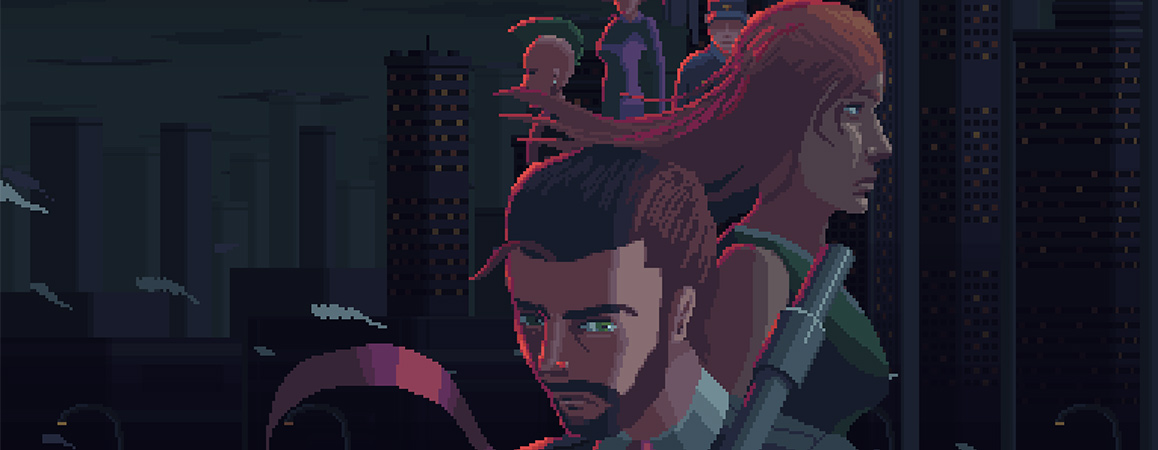
I Fell From Grace released on December 20th, marking the debut release from indie developer, Deep Taiga. Placing players into a rhyming narrative mystery, I Fell From Grace brings a unique twist to the retro 2D genre.

D-pad Joy recently had the chance to speak with Deep Taiga on topics such as how to stay motivated throughout the long development process, key trends in the industry such as VR, and advice for young developers just starting out as part of our interview series.

What inspired you to get into game development?

Funnily enough, my grandmother said when she heard I was making a game that this is something I had proclaimed I would do back when I was 8. I don’t remember that, but I’ve always enjoyed creative outlets, be it graphic/web design, poetry, CGI animation etc. I love telling a story and making a game affords so much in terms of creating a world for others to get lost in.

What games have you created and which is your favourite?

I fell from Grace is my first creation, so I guess it’ll have to be my favourite!

What advice would you offer for those just starting out?

You can totally do it! But it takes a lot of discipline, time and patience. You’ll feel like walking away from the project numerous times, especially in the beginning (at least I did), but if you stick with it, you’ll get there.

What do you think is going to be a key trend in the games industry this year?

I’m not a guru of any sort when it comes to the gaming industry, so I really don’t know. VR will probably see continued growth in 2018 – which is pretty neat.

What’s your favourite platform to sell games on?

I love PC gaming which is why I chose to make I fell from Grace a PC title primarily.

What are your favourite tools for game development?

The internet! Boy howdy can you learn a lot.

How do you stay motivated to achieve your goals?

There’s a great vlog made by Burnie Burns where he talks about motivation – which I completely agree with. I don’t really believe in motivation. Or at least I don’t believe that motivation is what should be pushing you to do things. What you should focus on cultivating is discipline, which in turn, will often give rise to motivation as a byproduct. If I only worked on my game when I felt like it, it’d be nowhere near finished.

What do you think about VR?

Super cool! And it’ll probably be a major part of gaming going forward, but I don’t think there will be a time anytime soon where that’s the only way to game.

Games console of choice?

Can I only pick one? Goodness… I guess the SNES was pretty great. But then the PS1 had FF7. Maybe it doesn’t really matter… Can I pick two? I’ll pick two.

-END-

You can find Deep Taiga’s debut release – I Fell From Grace – available now on PC at the Steam store.

The Champions' Ballad

Breath Of The Wild: The Champions’ Ballad Review [Nintendo Switch] – Another Grand Reason To Return To Hyrule

An Ancient Verse Known as The Champions’ Ballad


The Legend of Zelda: Breath of the Wild has awed and inspired much of the gaming community since its release in March. While the base game itself packs quite the punch of thought inducing shrines, fetch and grab quests, hundreds of collectibles and the freedom to tackle whatever you wish first, it’s no wonder the fans craved for more. While the first DLC – The Master Trials – which released in the summer, gave fans a few more additional content pieces and challenges, the second DLC – The Champions’ Ballad – provides an all new quests line to the mix as well.

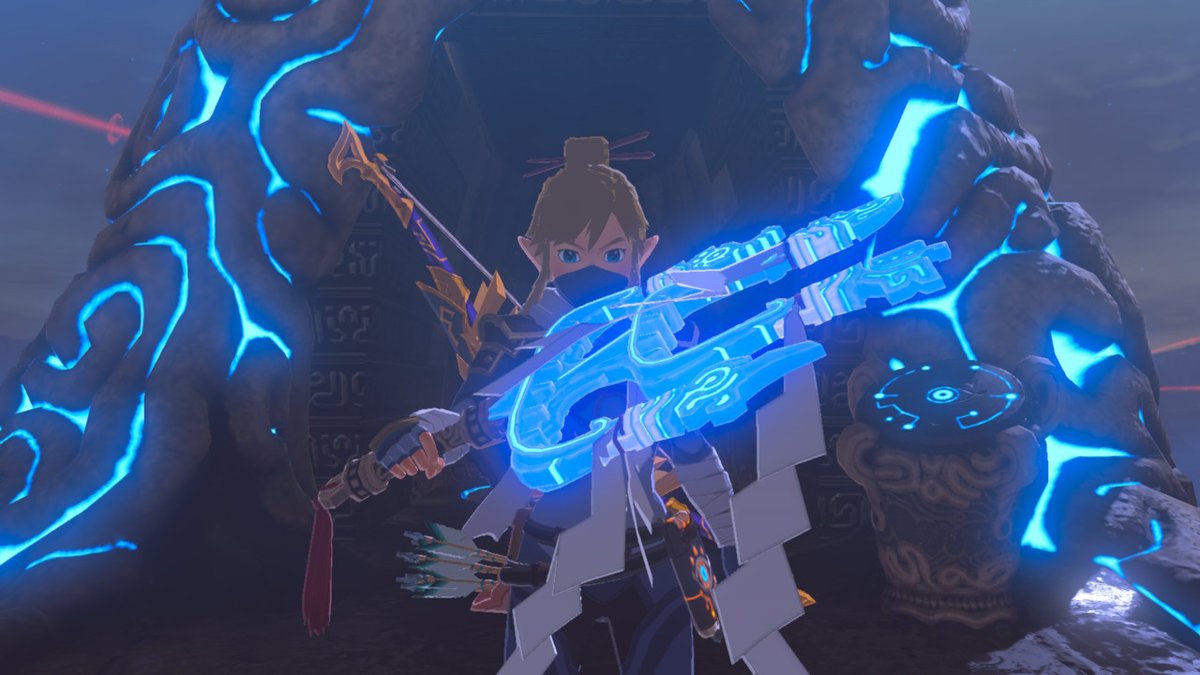
Upon defeating Ganon and taming all four divine beasts, Link will then be summoned to undertake the expansion’s series of story quests, The Champions Ballad. Returning back to where everything started, Link is given a new, exclusive questing weapon – the Obliterator, which will aid players into the forthcoming challenges. While the new expansion doesn’t add any more map to the massive world of Hyrule, it does however, add to the amount of puzzling shrines to the mix. But first, we set our eyes on this new weapon.

The ultra powerful weapon – The Obliterator – puts Link in the middle of quite a challenging task
A Fierce New Weapon

First off, players must complete a series of four challenges using the ultimately powerful weapon, the Obliterator. While this weapon is extremely strong capable of knocking off almost any opponent in one hit, it also has the same effect on Link. While equipping this mystical weapon, players are susceptible to being knocked off with the slightest single hit, but the only way to continue forward is to use this coveted weapon. The first task seems simple enough – Link must clear out four bandit camps that lay in the Great Plateau region of Hyrule.

If the player for any reason leaves the Great Plateau, the quest will discontinue, returning the Obliterator weapon back to where you acquired it, at the Shrine of Resurrection. While the four camps to clear isn’t something that’s relatively new to BoTW, using the new unique weapon adds a completely new twist to the strategy. Link’s melee choices is restricted to only using the Obliterator, but pulling out his trusty bow and arrow is still a viable option. With the nuisance of falling to one strike, keeping your distance is futile in survival.

To unlock each new shrine, players must first accomplish all-new tasks.

The long DLC quest line of The Champions’ Ballad is only starting from there. Once finished with the useful, but dangerous weapon, four brand new challenges open up, which act as the main portion of the DLC. A flurry of new shrines await across the four corners of Hyrule, returning Link back to the four now-tamed Divine Beasts.

Brand New Shrines

As faithful as ever, the accordion playing bard – Kass – once again provides useful information leading up to the whimsical quest line. After a series of discovering new shrine locations by using photos of the locations on the map. Each new shrine delivers trivial challenges exactly as the vast majority of base game shrines did. Granting much more of the same from the open world adventure, the new shrine puzzles are still very much as imaginative as any others in the game, fully utilizing the power of the runes.

A slew of new shrines provide even more puzzle solving using the many different rune skills.

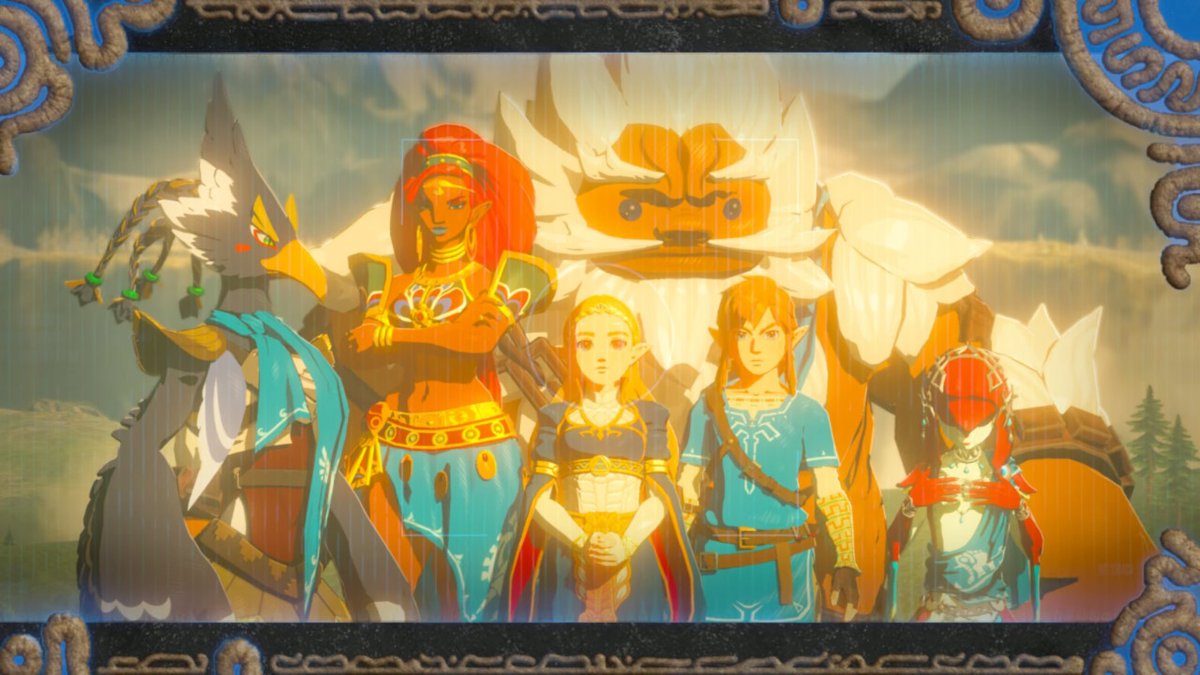
Solving three picture locations, clearing the corresponding shrines and taking on the powerful revived version of the elemental Blight Ganon is the repetitive process of The Champions’ Ballad DLC. While the gameplay comes off as rather tedious, the new quest line takes you through a variety of different challenges for revealing each new shrine. The new cut scenes also provide a bit more back story revolving around Princess Zelda, and the five Champions that surround her.

After a long haul of shrine accomplishing and completing new, mostly fun objectives, the DLC closes it out with a brand new style of dungeon. Like the Divine Beasts from the base story, this puzzling labyrinth is by far the most trivial of the Breath of the Wild experience. Following the complicating mechanism of the new dungeon, the DLC finishes with a brutally challenging boss fight, facing off against an all new foe. After conquering what seems like the impossible, the story closes out with a significant sense of accomplishment.

The Champions’ Ballad is a perfect ending to one of the year’s most memorable titles.
Worth the Effort

Though The Champions’ Ballad DLC primarily adds more of the same freedom to go off and accomplish what you will, when you will – it’s still quite refreshing to accomplish more new objectives in Hyrule. Throughout the 5-10 hour-long quest line, players will find themselves back in the same awe-inspiring moments that captured them from the start of Breath of the Wild. And to top it all off, upon slaying the final boss, Link is rewarded with what could only be described as one of the most entertaining experiences in the entire game.

GOTY Picks

D-pad Joy’s Game Of The Year Picks 2017

So 2017 is on its way out and the D-pad Joy team are well and truly in the festive spirit (after consuming several festive spirits as well). But, before we can sign off until the New Year, there is one last order of business to be addressed; submitting our choices for our Game of the Year.

However, to avoid things being thrown and friendships being broken, we have elected to choose 3 of our top games from the past 12 months as opposed to trying to agree on one overall winner. Call it a cop-out if you may, but we think going down that route will do a great disservice to all the fantastic games we’ve had this year. So strap in, grab a beverage or two and see what picks the team have put forward – it’s going to be a good one…

Nathan Franklin

#3 Mass Effect: Andromeda

A solid space exploration RPG/third-person shooter that instilled you with a sense of awe and kept you gripped with its fun, engaging combat system – and that’s not even mentioning its intriguing cast of characters and great dialogue. Andromeda was by no means perfect, but I personally have great memories of this worthy continuation of the Mass Effect franchise which is why I’ll stick it third here.

#2 Resident Evil 7

I’m not sure if this is the most obvious choice of game to put in a top three, but I have a fairly biased reason for having included it here. RE7 was great for me, not just because of its VR-centred graphic presentation and tense, edge-of-your-seat gameplay, but also because of the time I had playing it with certain family members. You really haven’t lived until you’ve seen someone shriek their butt off after encountering an unexpected ambulatory dead person in true horror movie fashion. A prime example of how to make a great VR game.

#1 Sonic Mania
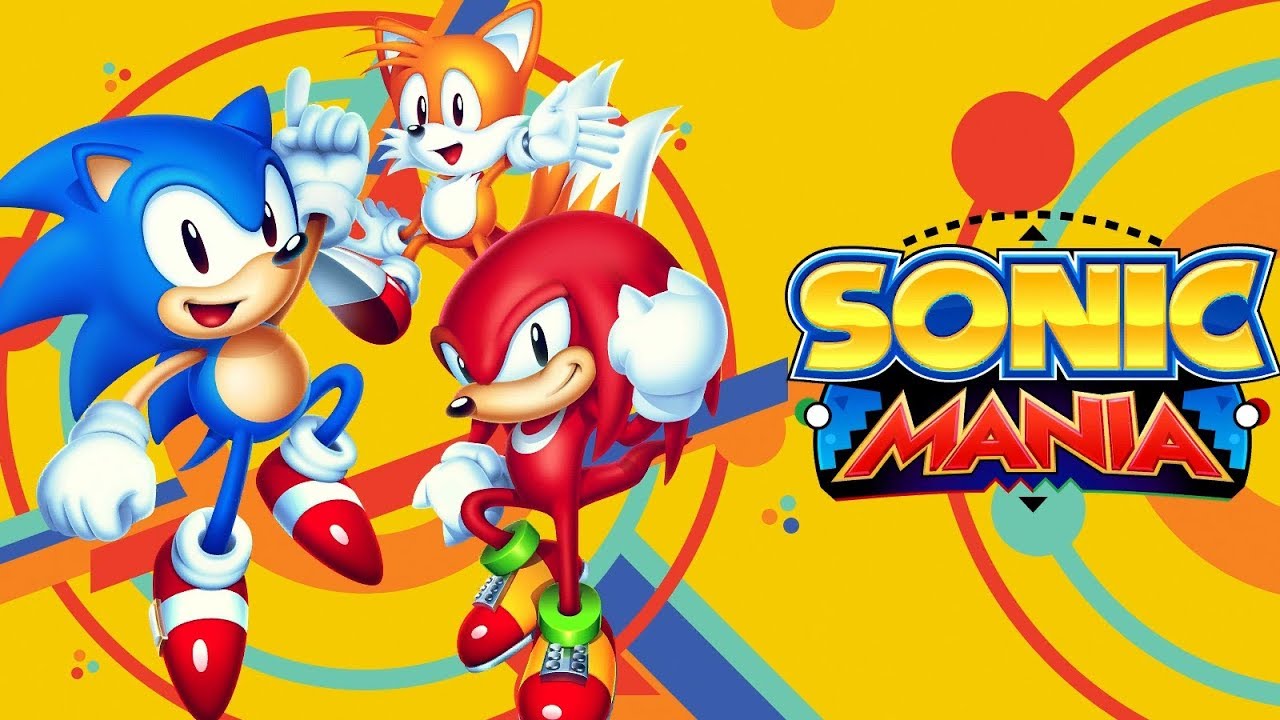
Game of the Year - Sonic Mania

Topping off my list is the return to gaming glory for everyone’s favourite blue hedgehog. Unlike the relatively lacklustre Sonic Forces that came out this year, Mania put the speedy critter back where he belonged – in two-dimensions, with a whole slew of colourful, inventive levels and challenging bosses and special stages. The addictive retro-style simplicity of Mania is what keeps me coming back to it and I can only guess this is the same for many other Sonic fans across the globe. It takes everything that was great about Sonic’s Mega Drive/Genesis adventures and puts it on steroids.

Christopher Wheatley

#3 Persona 5

The Persona series has managed to captivate audiences with mature themes and its addictive ‘high school life’ simulation throughout its twenty-year tenure. Persona 5 was no step backwards, as it lifted the series to even greater heights, tackling even greater social issues, and doing so in a unique and flashy art style. The sheer amount of content throughout its 100+ hour long story brings waves of emotion across the many different characters and subjects portrayed.

#2 The Legend of Zelda: Breath of the Wild

With the launch of the Switch, Breath of the Wild truly marked a new era for the long-running Nintendo franchise. Exploring a massive sandbox littered with all of the Zelda aesthetics, fans and newcomers alike were able to embark on a journey through the vibrant lands of Hyrule like never before. Sprinkling in a flurry of additional side quests, tons of various melee weapons, bows and armour sets, and the absolute freedom to explore at your heart’s content, The Legend of Zelda series has shown yet another strong entry. A remarkable adventure not to be missed any Nintendo Switch owner.

#1 Horizon Zero Dawn
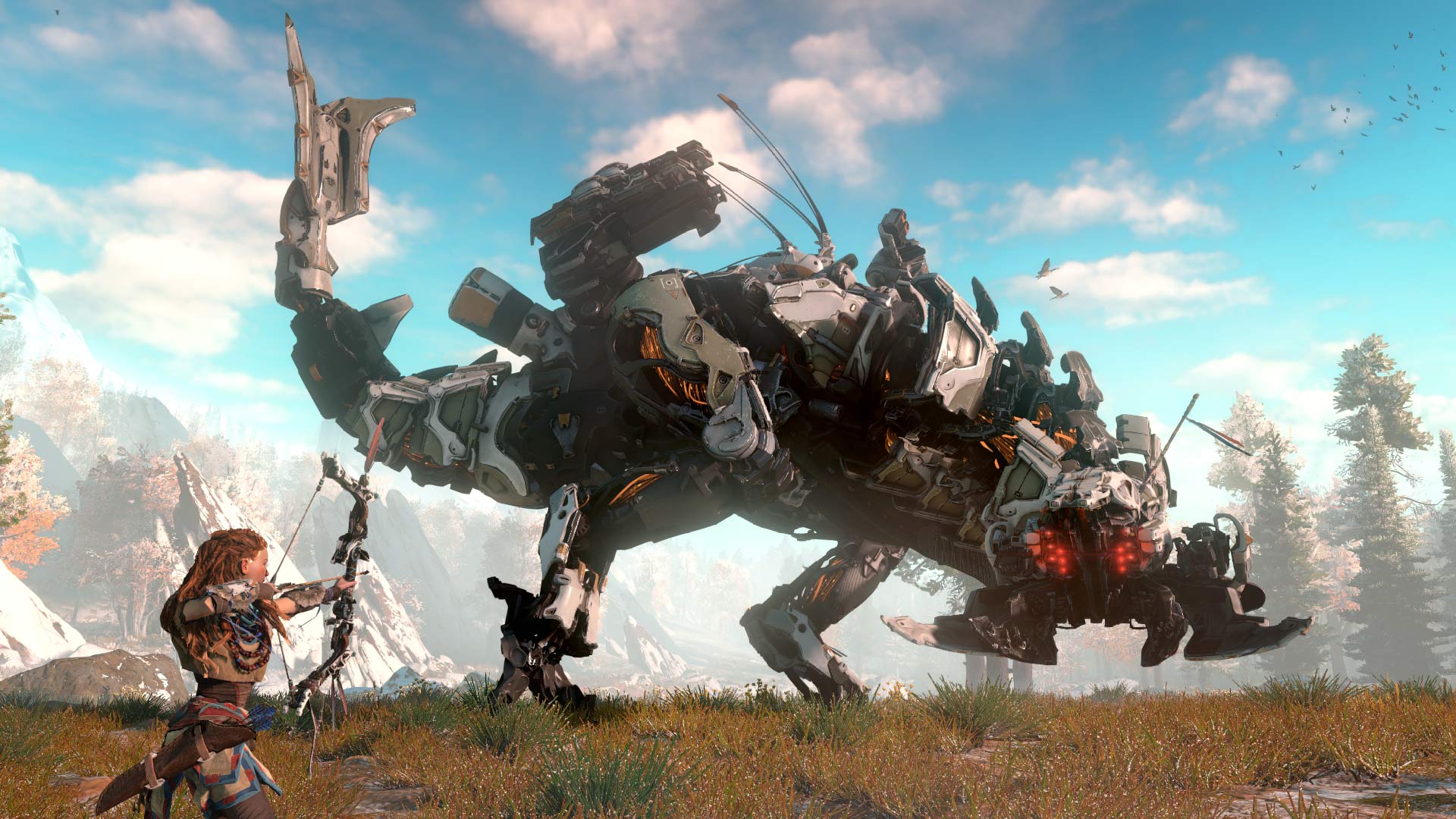
Game of the Year - Horizon Zero Dawn

The beautifully designed open world of a futuristic vision of an Earth taken back by mother nature, Horizon Zero Dawn provided an experience that delivered on every aspect of gaming. With a healthy dose of side quests, hunting grounds, other activities and collectables to keep the player satisfied well beyond the main quest line, the stories behind the diverse cast of characters, and not to mention the outstanding visuals/animations, puts Horizon Zero Dawn above anything else that released in 2017.

Tanya Petterson

#3 What Remains of Edith Finch

Edith Finch blew me away – it had me hooked from the first moment I stepped into the huge house of the Finches. I wanted to know more about the intriguing and peculiar past of this family. The developers have said that the game is about what it feels like to be humbled and astonished by the vast and unknowable world around us – and I couldn’t agree more with that statement.

#2 Hellblade Senua’s Sacrifice

As perhaps one of the most talked about and controversial games this year, Hellblade: Senua’s Sacrifice definitely deserves a spot on my top 3 list. Inspired by Norse Mythology and Celtic culture, Hellblade takes us into Senua’s world, a warrior who travels through Helheim to find her lover and release him from the goddess Hela. However, this is a metaphor for its more important theme: mental health. With stunning visuals as well as reflective dialogue, I must say that it has been a long time coming since a game was this emotionally challenging to play through. The dedication and passion that went into the development of this concept, as well as seeing and experiencing the fantastic end product – it would be wrong NOT to have Hellblade: Senua’s Sacrifice on my list.

#1 Night in the Woods
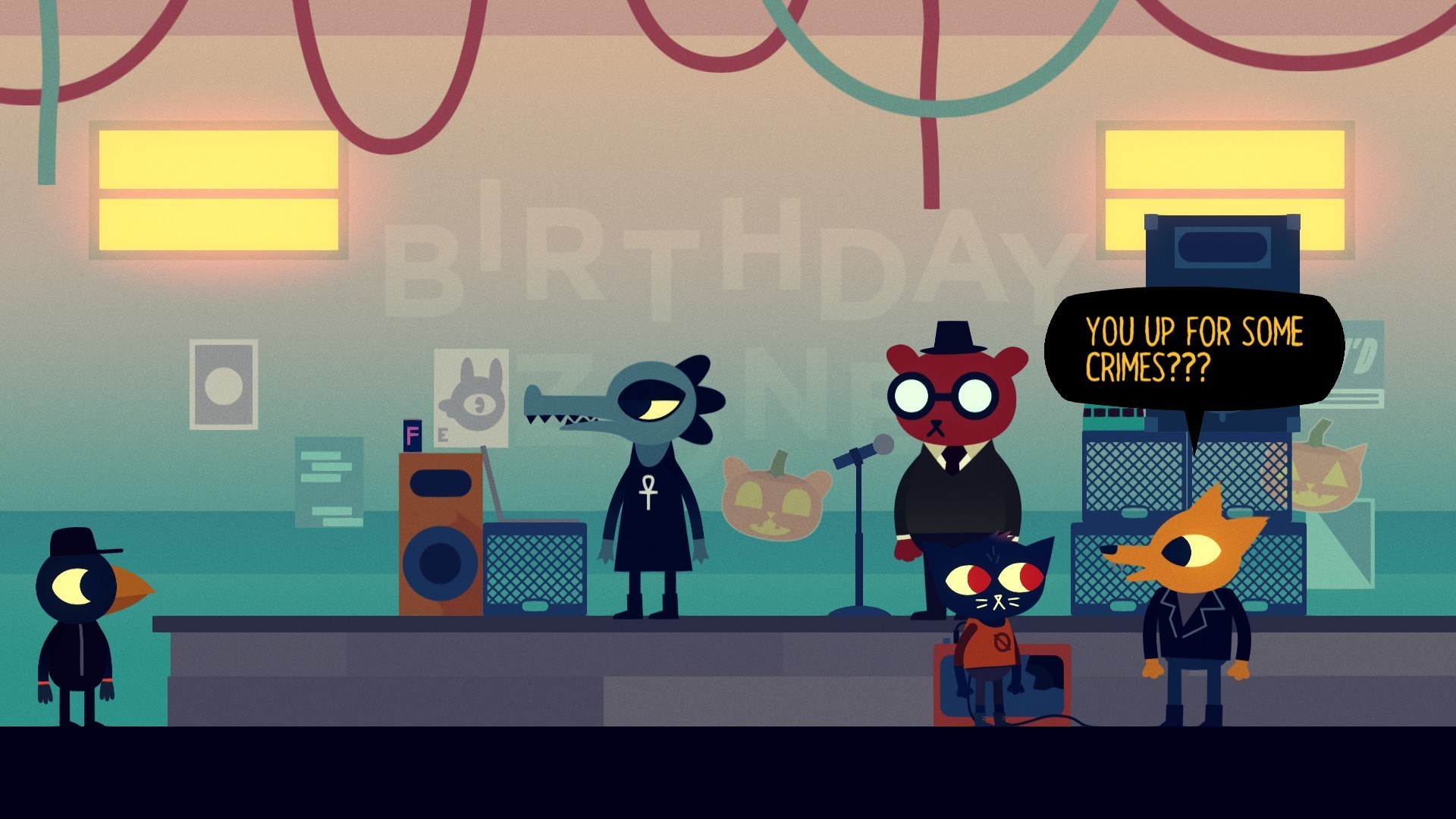
Game of the Year - Night in the Woods

It was a difficult task to choose which one of my top three would be the “winner,” because they are all so incredibly good – they all have their own strengths and weaknesses. However, there is one that sticks out; that keeps staying closest to my heart. When I first started playing Night in the Woods, I knew that there was something special about it. I keep finding myself coming back to this game, and its lovable story. The characters are memorable and relatable, and I love how the weird gets mixed into the sweet, the sad, the angry, and the fun. The characters are relatable, lovable, warm and funny. I could keep finding similar adjectives to describe this game for ages. But you get the picture. I love everything – everything – about Night in the Woods.

Tom Buxton

#3 Middle-Earth: Shadow of War

Middle-Earth: Shadow of War had no qualms about tossing supposedly pre-established Tolkien canon out of the window, daring Lord of the Rings devotees to try and reconcile the final events in Talion’s journey – featuring spider deities, the Eye of Sauron at war with himself and a complete retcon of past Nazgul mythology – with the Third Age. Get past those borderline heretical subversions and the wafer-thin core storyline, though, and you’ll find an intricate, immensely challenging RPG which packs dynamic AI thanks to the enhanced Nemesis System, compelling side quests that expand Tolkien’s Middle-Earth lore in bold new ways and by far some of the most satisfying boss battles of the year.

#2 LEGO Marvel Superheroes 2

A confession: after the entertaining but mechanically repetitive LEGO Marvel Superheroes and its comprehensive but convoluted MCU sequel LEGO Marvel’s Avengers, this writer thought TT Games had milked the eponymous comic-book publisher’s multiverse for all its worth. Little wonder, then, that in delivering an inventive non-linear storyline, a rich open-world brimming with geographical variety and fan-servicing detail and a huge roster of characters with unique attributes and animations, LEGO Marvel Superheroes 2 caught me completely off-guard. It’s a completely essential purchase for Marvelites everywhere.

#1 Uncharted: The Lost Legacy
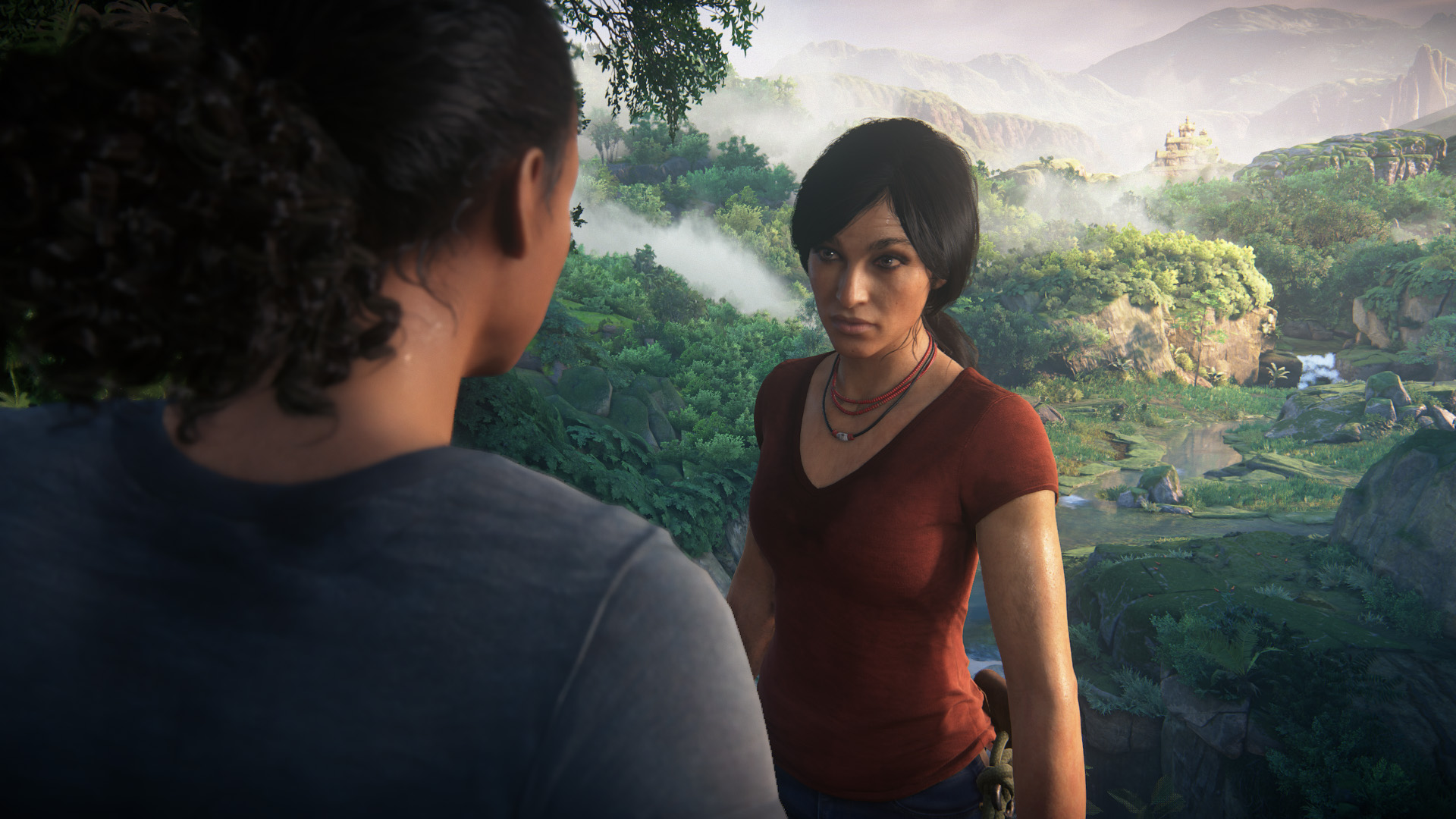
Game of the Year - Uncharted: The Lost Legacy

How do you follow one of the most critically acclaimed quadrilogies of all-time? Aside from producing perhaps the most critically acclaimed survival horror of all-time in The Last of Us, Naughty Dog’s answer was to shift the limelight from Nathan Drake to two of his best-loved frenemies, an approach which predictably peaked fans’ curiosity from the outset. Between the ambitious open-world second act, dynamic vehicular sequences, its protagonists’ sizzling chemistry and its narrative’s unashamed focus on conducting a personal, provocative character study, this brief but utterly brilliant spin-off adventure easily sets itself apart from Drake’s escapades and, indeed, from the majority of gaming experiences delivered in 2017 to boot.

Jamie Giggs

#3 Legend of Zelda: Breath of the Wild

There’s no doubt that The Legend of Zelda: Breath of the Wild’s infinite playground, otherwise known as the land of Hyrule, is an absolute joy to explore. Throughout the finely-tuned experience, curiosity is encouraged and rewarded, and there’s always something more to find in a world positively swimming with ideas. What excites me the most about Breath of the Wild is that Nintendo wasn’t afraid to innovate and try new things with a series 30 years in the making. They didn’t have to, but it paid off, leaving us with one of the freshest titles in years.

#2 Persona 5

Tokyo Mirage Sessions #FE on the Wii U, an obscure gem with key elements from Shin Megami Tensei, led me to giving Persona 5 a try – my first foray into the beloved Persona series. I’m glad I did, as it very quickly became one of my games of the year. Quite simply, it’s scary how much there is to accomplish in that world. Like living a second life as an angsty teenager all over again, Persona 5, most brilliantly of all, asks the right questions too. Questions like: why are individuals in positions of utter authority – bankers, politicians, even teachers, the people we need to trust the most – so corrupt in modern society? It was motifs like this, aside from the excellent gameplay, that raised this into special territory for me.

#1 Super Mario Odyssey
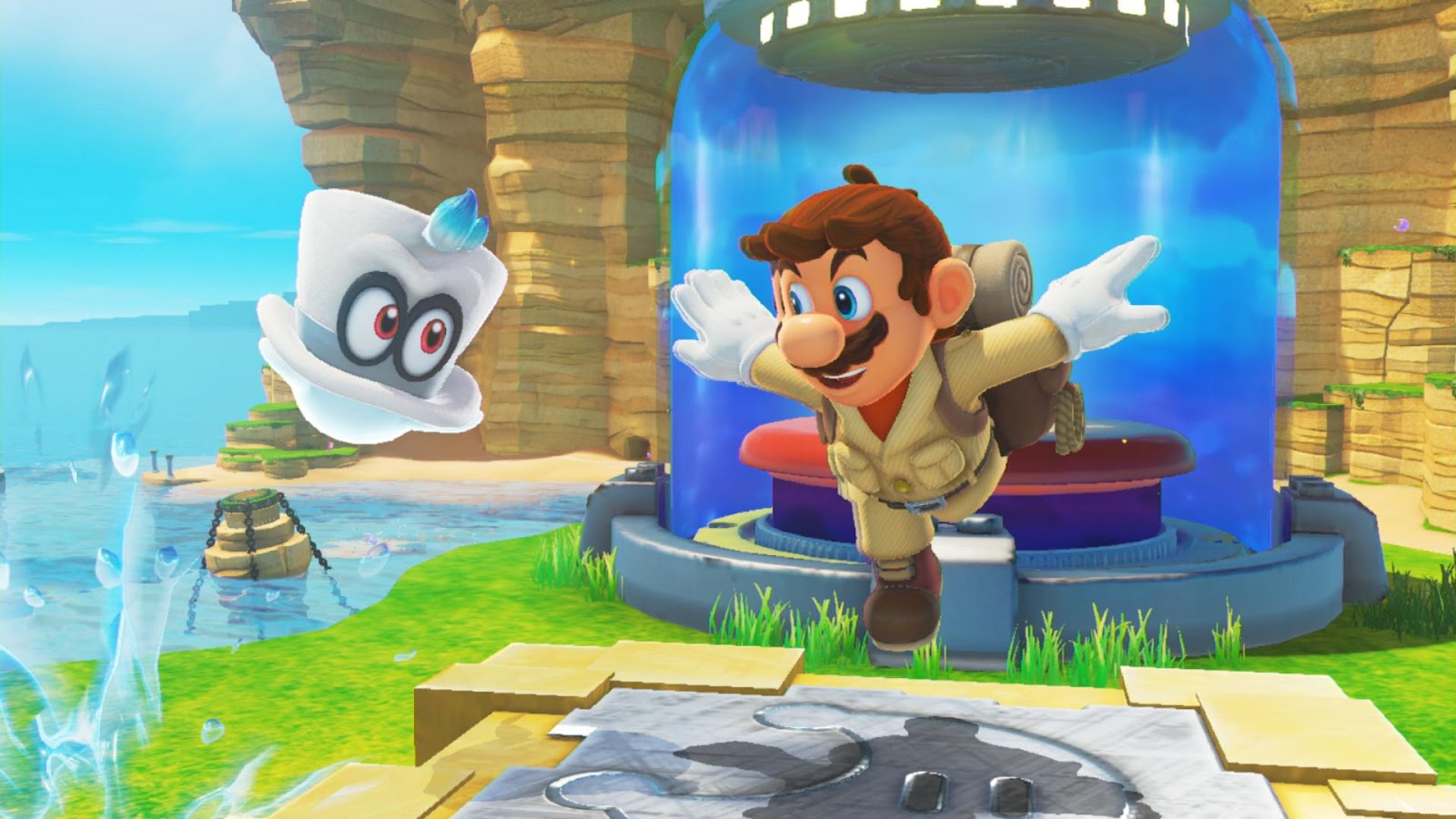
Game of the Year - Super Mario Odyssey

There are so many positives things to say about Super Mario Odyssey that you couldn’t possibly fit into the limited space I have here, so a brief, effusive list will have to do: the holiday brochure-style maps, those costumes, the assist mode that guides younger, more inexperienced players, the stunning soundtrack full of whimsy and heroism, the satirical humour, the bonus mini-games, Pauline, that particular festival, that particular Kingdom, the better than expected two-player mode where one of you controls Cappy – really fun. I could easily go on… It’s worth buying a Switch for alone and is certainly one of the best Mario games for many, many years. A grand celebration of the plumber and his long-running history and my third and final pick for Game of the Year.

Stephen Carter

#3 The Legend of Zelda: Breath of the Wild

Unsurprisingly, Zelda appears in my top three for 2017. It’s impossible for it not to appear as this game was the sole reason why I bought my Switch and boy am I glad I did. Admittedly I haven’t played it in a while, but when I do I love every single minute of it. The sights, the sounds and the missions; they’re all there and each is fantastic. The world Nintendo have built is simply superb and has so many different locations, hooks and unique twists that it’s impossible not to fall in love with it. For many, BotW could easily be classed as one of the best, if not the best, Zelda games there has been.

#2 Uncharted: The Lost Legacy

What can you say about Lost Legacy that hasn’t been said about any of the Uncharted games that have come before it? It is quite simply stunning. Considering that it isn’t one of the main titles, more a spin-off, it’s staggering how much attention has been given to it. For a reduced price, it puts many other games to shame when it comes to storytelling, acting, length and entertainment. Given that Drake seems to have been put into retirement, I would be more than happy for Chloe and Nadine to carry the torch from now on. Where they will go next nobody knows, but I think it’s fair to say that their visit to India sets the benchmark for future travels.

#1 Super Mario Odyssey
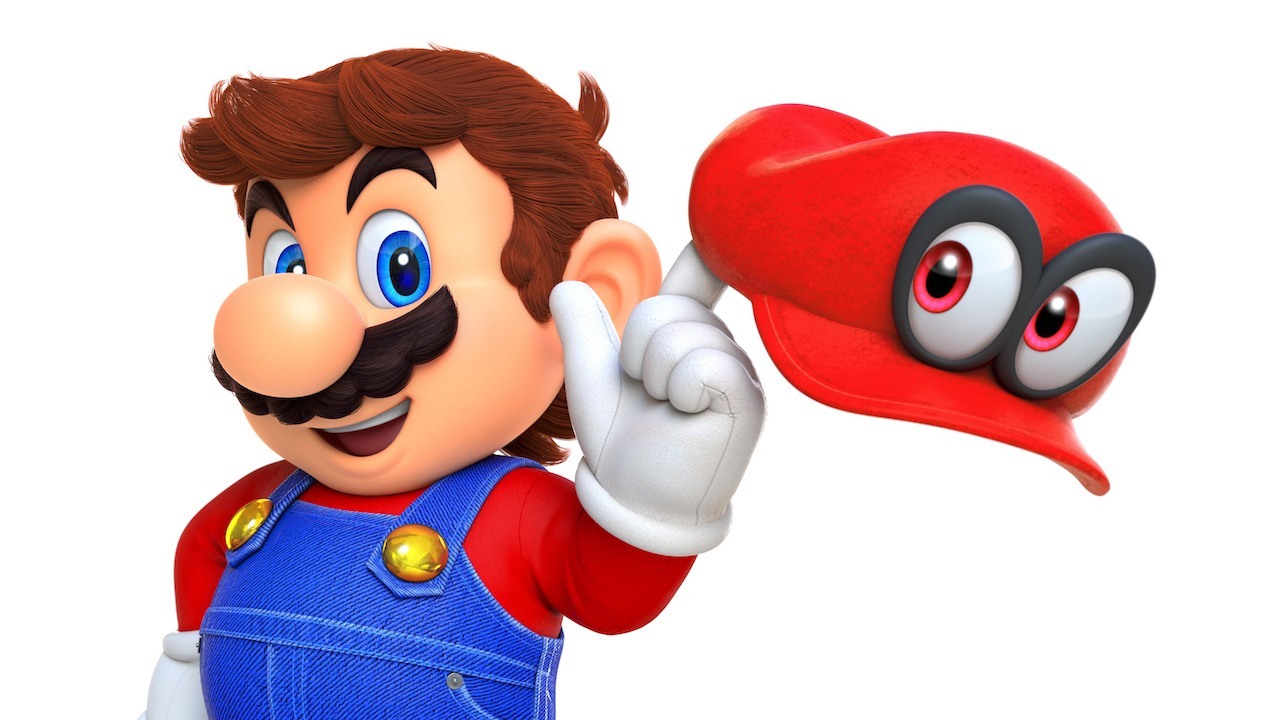
Game of the Year - Mario in Super Mario Odyssey

Never did I think there would be one Nintendo title in my top games of any year, let alone two. It’s unheard of for me as I am not the biggest Nintendo fan out there and was very sceptical when I first picked up my Switch. Boy was I in for a treat when Mario came to town. For me, this is quite easily his finest hour and it has been a long time since I dedicated all my gaming time to one video game alone – until I rolled the credits on it. From controlling a T-rex, seeing Mario in Speedos and finding out Mario is tiny compared to real humans, it has it all. I can’t resist the call to go back every now and again and witness bits which I may have missed the first time through, but I don’t think I’ll ever find all of those damn moons! Cappy gives Mario a fresh feel and breaks the 2D mould of old – it shows us that Super Mario clearly has a bright and fruitful future on the Switch and beyond. Mario here’s to you and a fantastic 2017!

That’s a wrap! Which were your favourite games of the year? Let us know in the comments below. See you all on the other side in the New Year. Merry Christmas and Happy holidays from your friends at D-pad Joy.

Hello Neighbor Review [PC] – It Might Be Best Just To Say Goodbye

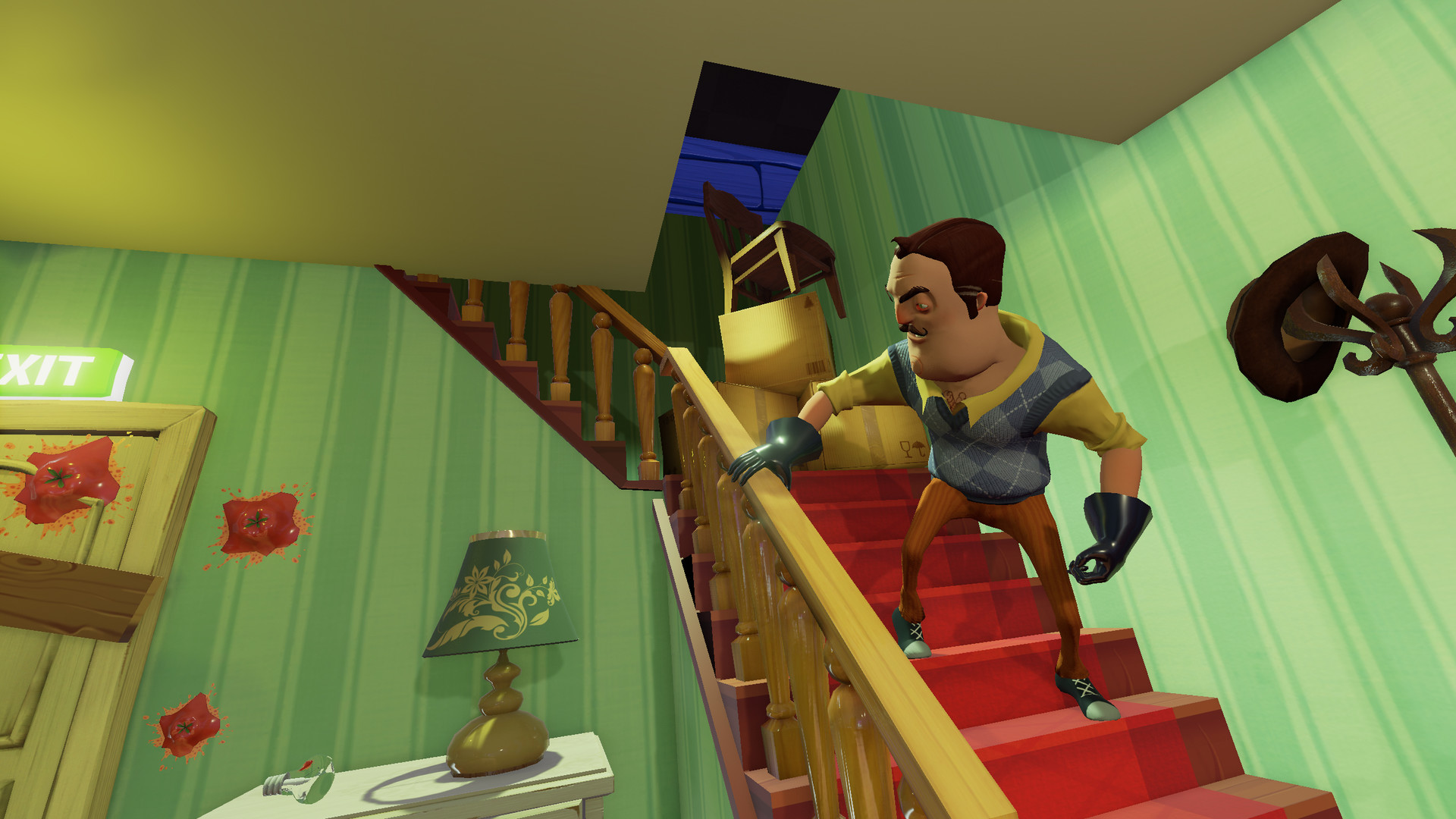
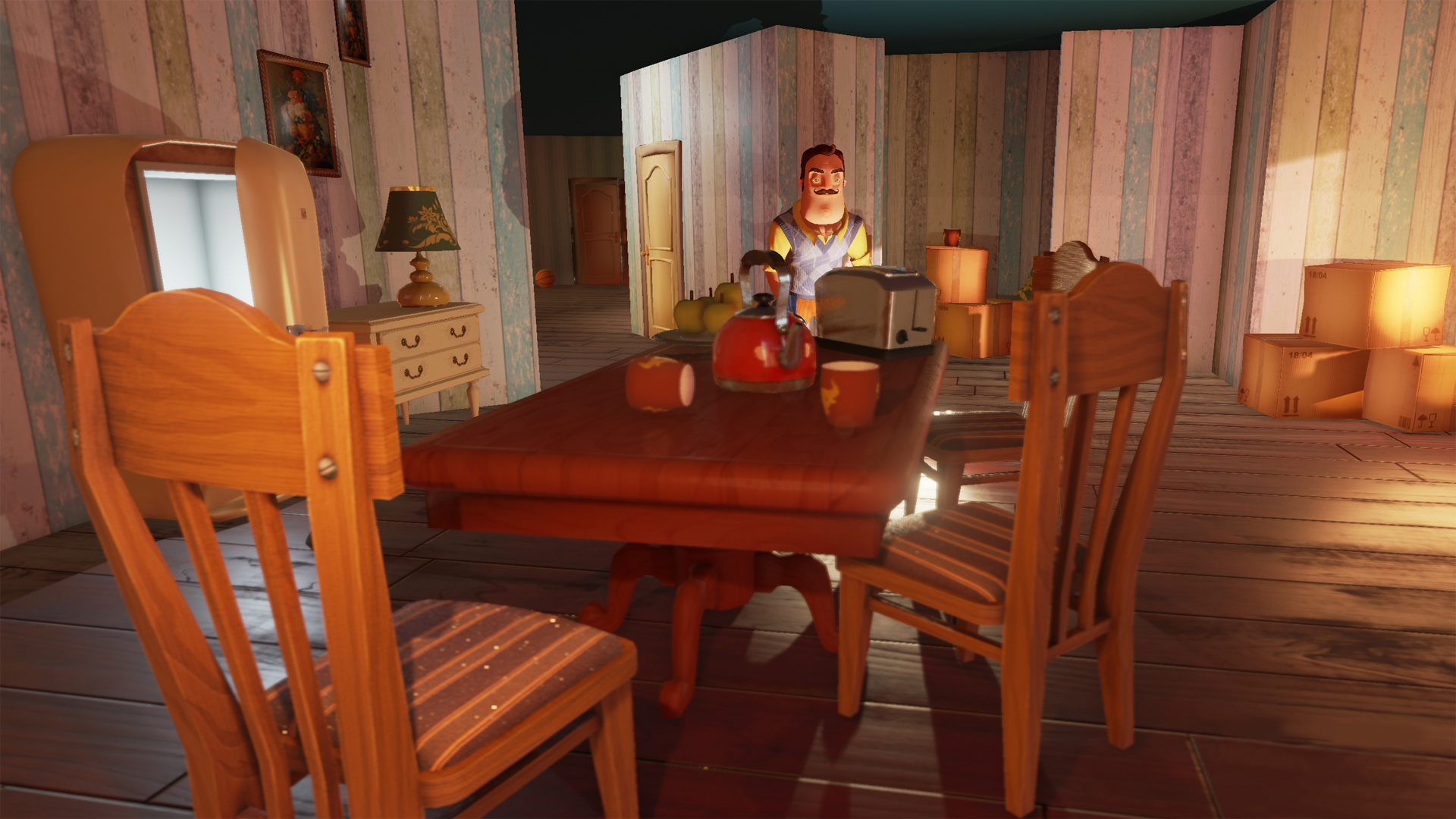
Hello Neighbor, developed by Dynamic Pixels, has a rather intriguing premise. You witness your neighbor seemingly locking someone in his basement and, like any curious youth might, decide it would be a grand idea to sneak in and investigate. But, what begins as a decidedly simple cat and mouse escapade quickly devolves into a major test of patience and endurance.

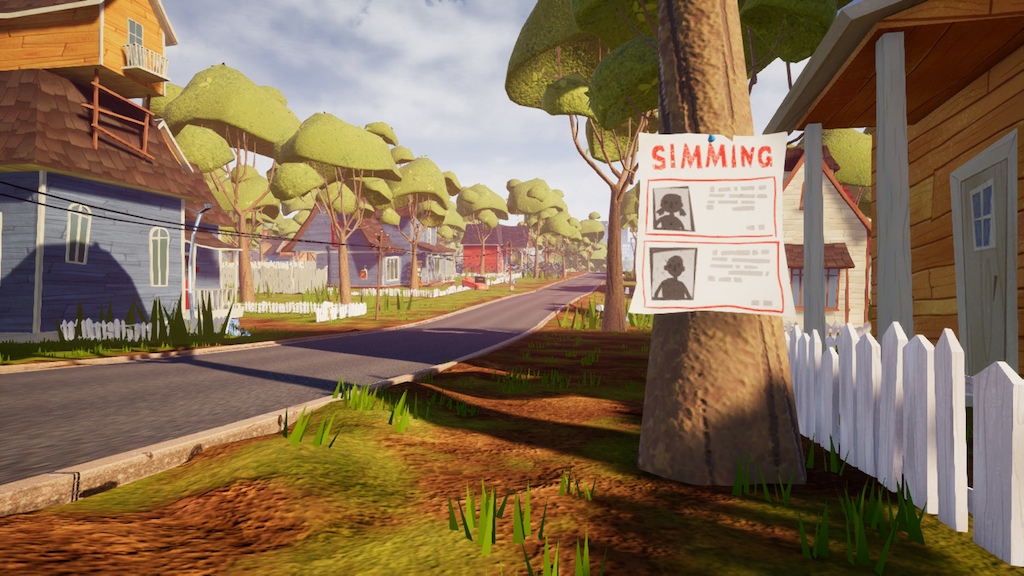
There are a few things that Hello Neighbor gets right. The look and feel of the game accomplishes a fine amalgamation of the cartoony and sinister. Even though I was able to quickly get past fears of getting caught (more on that later), the basement sections, in particular, felt appropriately eerie. The bizarre nature of the world itself from the odd puzzles to your neighbor’s increasingly labyrinthine homestead adds to the underlying feeling that something is terribly off about this whole thing.

Also, despite the bright colours and Pixar feel, Hello Neighbor tells a decidedly dark story. The strange nightmare sequences that intermittently crop up, the unnerving atmosphere, and the outlandish, sometimes even supernatural, elements make up a poignant story aptly told through inference and artistic representation. That is not to say that every little thing will make complete sense in the end, but Hello Neighbor is an interesting foray into the human psyche. It is all the more unfortunate, then, that this foray comes with such a high level of frustration and lack of polish when it comes to gameplay that many will find the journey too much of a burden to complete.
ss_ac219a7c078de280a6ab21c39d925d3f1c8bb4a8.1920x1080

The game takes place in three acts, with the player beginning as a young kid and ending with you as an adult. The first act is fairly straightforward. You need to find the key to the basement without the neighbor catching you. It is during this period that you can say goodbye to any tension the neighbor snatching you up might have initially caused – the reason is because it will happen so often. Fortunately for you, even when you do get caught, the game does little more than set you back across the street with all the items you were carrying still in your possession. Since the house is so small at this stage, it will only take you a few moments to get back where you were, so gathering the nerve to simply charge right back over the fence won’t be the source of anxiety it arguably should be for a horror title.

Unfortunately, the AI is rather spotty. So, sometimes your neighbor will hound you like a dog, and other times you will wonder what is taking him so long and why he is repeatedly wondering about a room you almost never go in. In the case of the latter, just be glad you got lucky. In case he starts hounding you, get caught a few times in an area away from where you need to be and he will eventually start looking for you there.

In the later acts, particularly act 3, you can go for long spans of time without running into your neighbor due to the colossal size of his increasingly fort-like home. But, you will have new frustrations in the form of puzzles that, for lack of a better term, just make absolutely no sense. Well, that is not entirely true. Some make sense. But, all too often you will find yourself wondering where to go and what to do.

The main issue with many of the puzzles in Hello Neighbor is that the game does a poor job of implementing a consistent logic. There are times when I made something happen and had no idea what I did or how I did it. Often, it is a game of trial and error. Worse still, the game will sometimes require you to grab items from far corners of the expansive labyrinth without making it clear not only what items you need, but where these items are located. It is like playing a guessing game where you aren’t given any parameters concerning what exactly you are attempting to guess. I eventually had to crack open a walkthrough in order to continue with the game for review, and also to save my sanity.

There is no doubt that Hello Neighbor has found an audience, particularly with streamers who have the patience to plough through the game for views. But, ultimately, there are likely few people who can make it through without seeking outside assistance. Hello Neighbor seems to be designed to be played in a community rather than by oneself. This is not necessarily a negative thing. I see no problem with designing a game that is meant to be solved through communal trial and error. However, that does not make it a particularly well-designed game. If you want a puzzle game that you can solve by yourself without the need for a walkthrough or an unnecessary time investment, Hello Neighbor is not the game for you.

The other issue is the game still lacks polish even after going through several Alpha and Beta stages. During my playthrough, the game crashed on me multiple times. Items and your neighbor can get stuck in walls and doorways. I had a platform I was standing on phase through me somehow, requiring me to stand in a certain corner, cross my fingers, and just hope it would work until it finally did.

ss_dbd1c56e58f628d7978b2ef8f7f6b7106512366e.1920x1080

Last but not least, the game’s physics could use a bit of a touchup. Stacking boxes in order to climb into otherwise unreachable areas becomes a precarious venture as one misstep and the whole thing goes crashing down. They can be used to break windows, but somehow do not weigh enough to stay put without a delicate and practiced hand.

Despite all the negative aspects, I can see why some people enjoy Hello Neighbor. It plays on our more fantastical curiosities about what sort of sinister deeds our otherwise seemingly mundane neighbors might be hiding behind locked doors. Everyone loves a good mystery, and some people are willing to put in the hours and work needed to solve it, even if that means a great deal of frustration along the way. For them, the difficulty the puzzles offer due to the lack of consistent logic only makes the reward of solving them that much greater.

For me, however, the reward was not worth the traipsing about without a clear goal, and often without any direction. Along with the lack of polish, Hello Neighbor might best be greeted with a passing curiosity, but ultimately a mystery that is left unsolved.

Hello Neighbor is currently available on Steam and Xbox One.

Super Hydorah

Super Hydorah Review [PS4 Pro] – A Nostalgic Blast

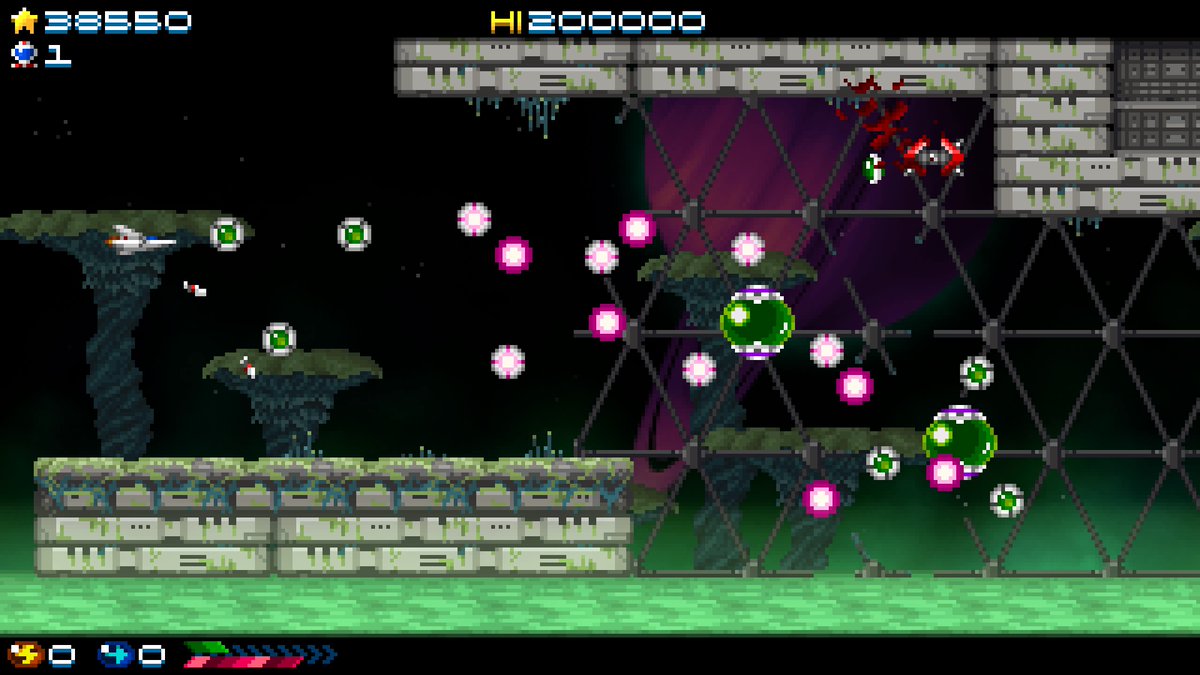
Hydorah took players back to the 80s shoot em’ up era as a throwback to side-scrolling space shooters everywhere. Re-released and revamped for Sony platforms, Super Hydorah returns to the bullet-riddled skies with the same intense shooting mayhem and unique ship customizing options. Glide your way through surreal space environments, and strap in for a completely unforgiving, quick-manoeuvring ride in the latest release from indie developer, Locomalito.

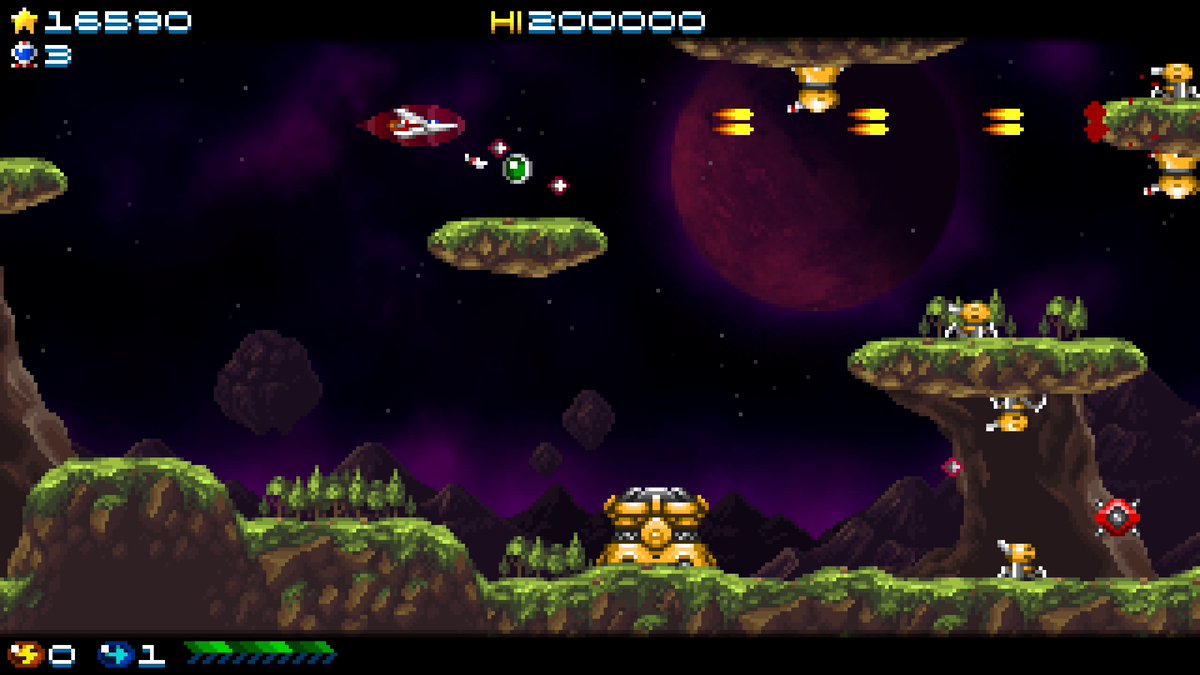
If you’ve played the classic horizontal scroller, Gradius, Super Hydorah will look almost identical as a spin-off of the beloved NES title. Presented in new-aged pixellated form, this shoot em’ up adds a few of its own quirks to the mix of high-energy space battles. As you make your way through each level, more and more enemies hurl themselves at you in never-before-seen ways. Tons of exciting surprises literally leap out in front of the player, and if not careful, will crudely end your current run.

Super Hydorah
Take to the skies and glide through space fending off enemy spacecraft.
Super Hydorah: Engaging the enemies

The game plays smooth as can be, giving players a tightly wound experience where one mistake could ruin their mission. The levels are broken up into segments, usually ending in some sort of mega enemy encounter, or boss fight. Gliding through the space levels firing away at your cannon, players are able to collect specific power-ups to increase their abilities in flight or combat. Special enemy ships drop rare points when defeated, resulting in either a speed upgrade, protective shield adding an extra hit of damage to be absorbed, or a unique special power. Players can also find extra lives, as well as green and red booster points.

As enemies are blasted out of the engaging skies, more common opponent ships will drop booster points which add to the effect of your primary and secondary weapons. Racking up the green points will improve your primary weapon, while the red boost up the secondary. Fill them both up and enjoy a flurry of charged weaponry, giving players a huge step forward in combat.

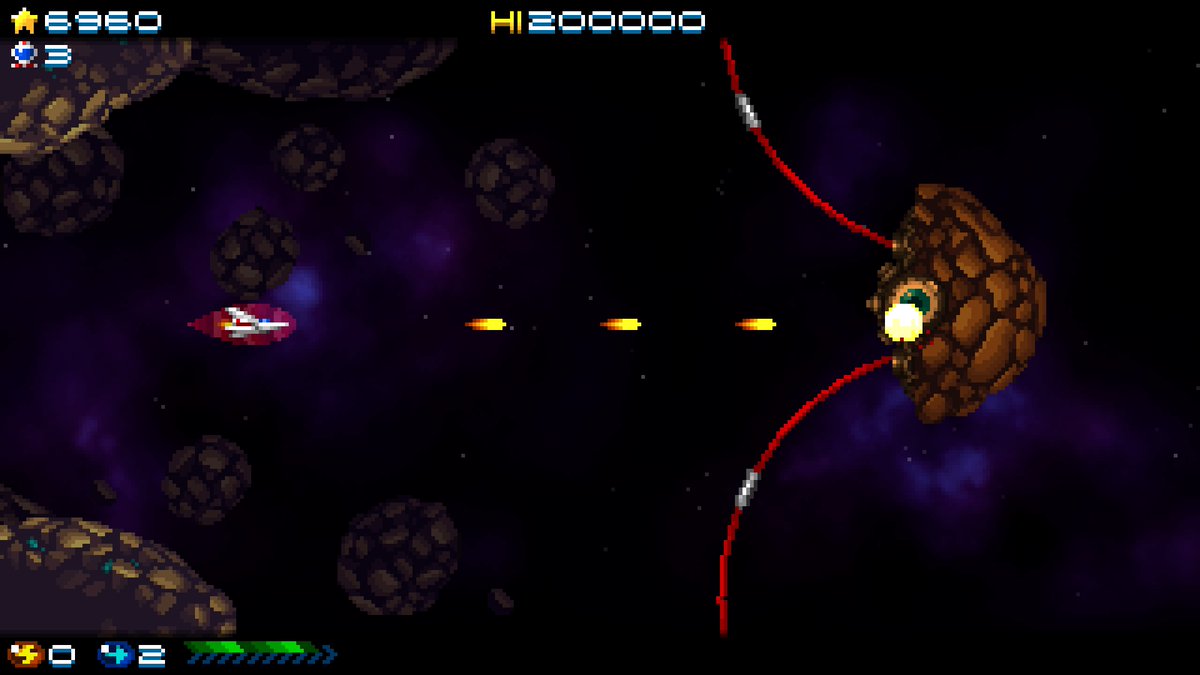
Super Hydorah
Many boss encounters are scattered throughout the diverse selection of levels across deep space.
Advanced Weaponry

Initially, players will have to use the standard laser cannon as their primary, and the semi-useful bomb dropping tactic as the secondary fire. Firing away with the single fire button, both weapons unleash their fury upon the clutter of enemies. While the combo of these two starting weapons is useful in getting players out of a pinch early on, the many different weapons available later in the game provide some serious weaponry to your star gliding ship.

By making it to the end of each level, conquering the final boss, which is usually done in a matter of dodging sequences and continuous firepower, players are awarded with a new weapon to add to the growing customization list. Before each level, players are presented with the ship customizing screen, which provides them with the chance to strategically pick from the selection of primary, secondary and special weapon slots. Pairing up the perfect combination of weaponry could be the only thing standing between you and utterly painful defeat.

Super Hydorah
The screen will quickly fill up with enemy ships, bullet fire and powerful icons to help upgrade your ship.

As you make your way through the galaxy filled with dangerous foes and enemies, the game begins to grow increasingly difficult. As more weapons unlock players will begin to understand the strategy of picking the perfect arsenal for each level. Of course, the weapons you select will only help with your offence, dodging and thinking quickly is the main skill to keep you alive.

Co-op Anyone?

The campaign mode takes players across a split path and has players choosing which level to conquer first. While the story mode alone is enough to satisfy most horizontal shooter fans, there’s also the co-op feature in that helps add a little more depth to Super Hydorah. The primary focus of co-op is heading through the story campaign, only now with the help of a friend. This is the basic cooperative gameplay that friends could spend hours on digging each other out of overwhelming holes.

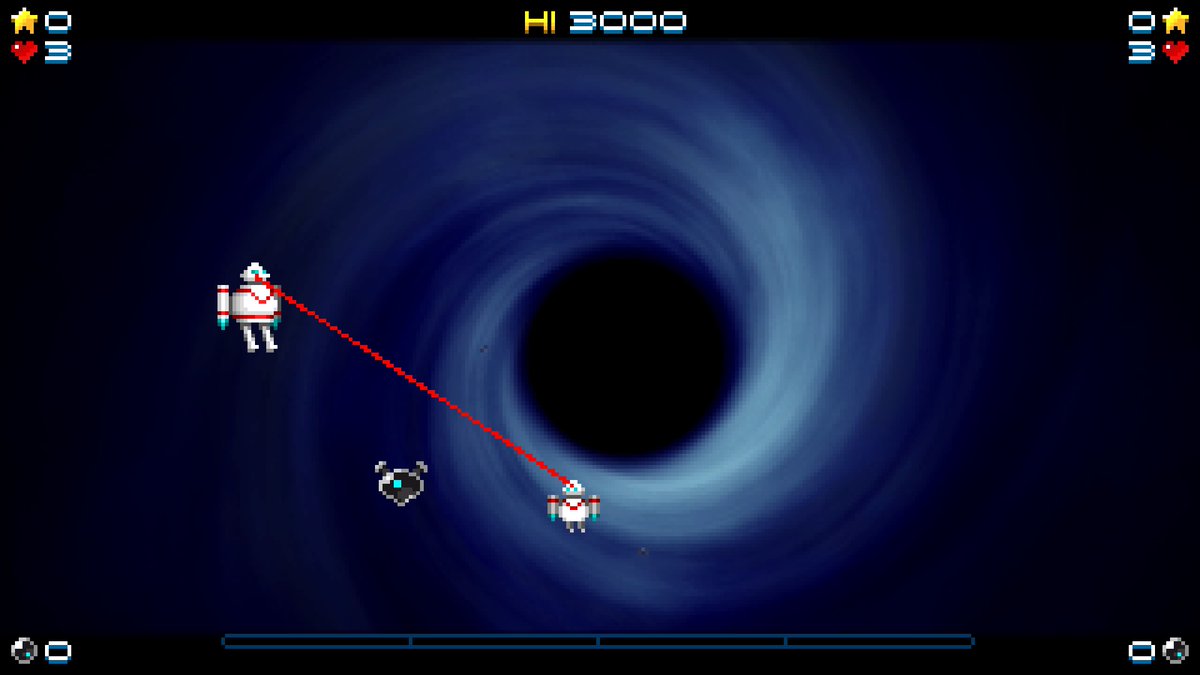
However, this is not the only method of co-op/multiplayer modes. Robot Chasers is an original multiplayer game which has 2 player controlled astronauts tethered by a rainbow cord. Coming in from all angles, invading robots float past and it’s up to the duo to stretch their tether in front of the robots and wipe them out clean. The catch is, the tether only expands so far before it’s disengaged. This can be worked around by slaying robots and collecting the rainbow points to help extend the reach of the deadly tether.

Super Hydorah
Robot Chasers is an interesting two-player co-op mode using the lethal tether.

Super Hydorah is a great way to catch that nostalgic presence of horizontal shoot em’ ups, without having to plug-in the retro hardware. With a decent sampling of weaponry and deadly special skills, the quick-reacting gameplay of this space shooter will likely torment more than a few souls.

A Quick Look At Kart Racer Mini Wheels

Mini Wheels is on its way; the kart racing genre has been unfairly dominated by the Mario Kart series for decades now. Seeing flashes of kart racers throughout each generation, we’re now gearing up for the new IP that’s looking to stir things up in the karting world.

Mini Wheels – A Good Story Is Important

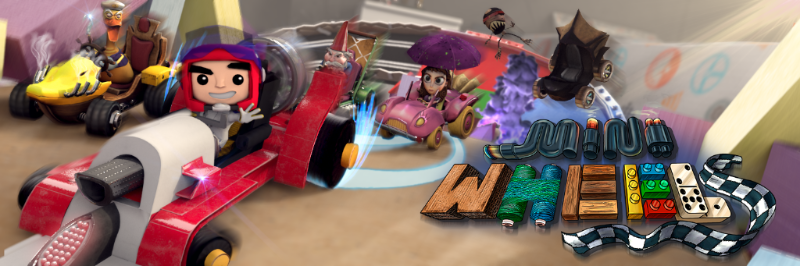
Mini Wheels, a new kart racer from Enigma Studios is looking to combine everything we love about the thrilling genre but is also adding an engaging story to the mix as well. With the announcement comes the official Mini Wheels reveal trailer, which you can check out below.

Playing as the lost toy – Pipo – your goal is to find your way back to your beloved owner and rid your toy-self of the dreaded loneliness that surrounds you. Throughout a series of races, players will meet new friends and enemies that are scattered in race tracks around the house. Competing through 4 different styles of races, like Capture the Flag, Boss Battles, Burnout and traditional races, Pipo will slide his way back into his favourite human’s arms.

Like all of everyone’s favourite kart racing titles, Mini Wheels will have exciting power-ups on the track to add some flavour to the competition, super long slides to navigate those bends, local and online multiplayer and, of course, the ability to customize your kart both visually and performance wise. Strap in and get ready to rip through an exciting, story-driven kart racer full of all the enticing features we all know and love so well from the genre.

Mini Wheels is expected to hit stores in 2018 for the Xbox One, PS4 and PC.

News Round-up: My Eyes on You

News Round-Up With Walker Jesse – 18th December

D-pad Joy’s Walker Jesse takes us through the gaming news you may have missed in his video news round-up this week. What a time to be alive.

Gaming News Round-up

You can find this week’s video below:

Here are all the news stories featured this time around. Notable mentions include a new MediEvil remaster on PS4 in 4K announced at PSX, the latest UK game charts, indie title My Eyes On You, new Shadow of the Colossus gameplay and much more below:

Floor Kids Review [Nintendo Switch] – A Hip, Head Bobbing Good Time

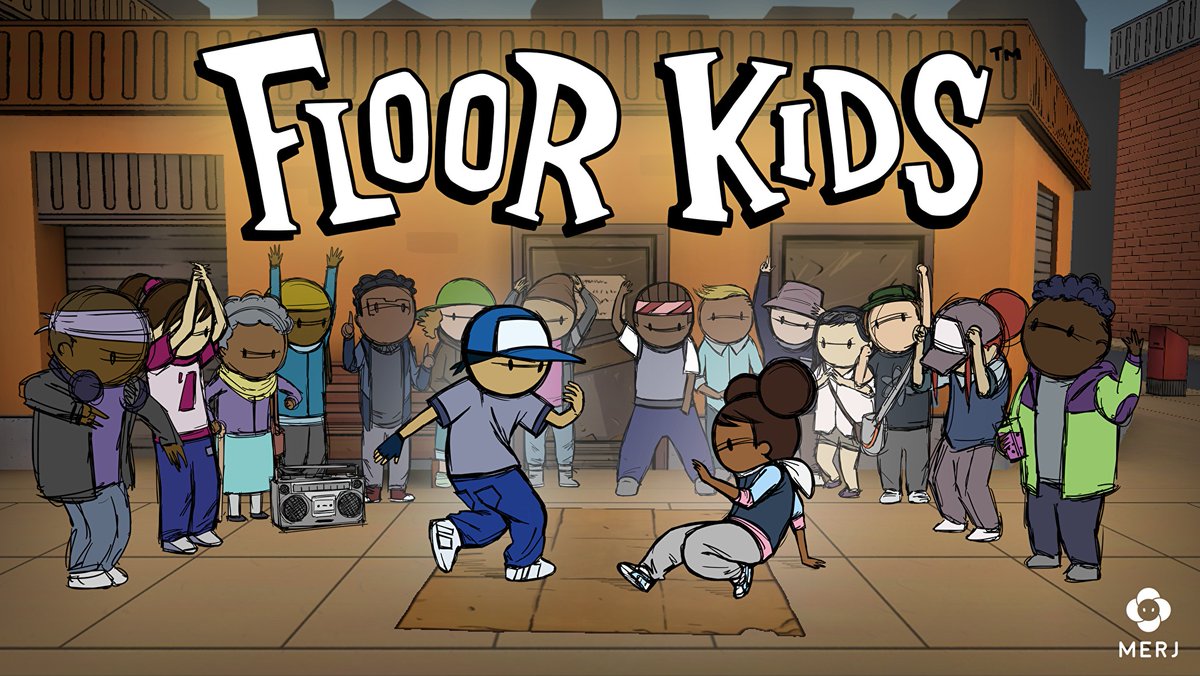
The rhythmic genre found in gaming has recently been regarded as that of a sore spot to much of the gaming community. Sure, we have excellent parties to throw revolving around Rock Band and Dance Dance Revolution, but how long has it been since either of those titles or any of the other music-based titles have been even remotely relevant in recent memory? Well, leave it to the Nintendo Switch to bring back the curve of rhythmic button smashing, but instead of hardy rock ‘n’ roll, we now have hip break-dancing in, Floor Kids.

While the overall premise of Floor Kids is straight forward enough – break-dance to the backtrack, pull off slick combos and moves by pressing the appropriate buttons at the right time, earn enough points to win – the game provides an excellent combination of modern edginess and trivial gameplay. Players choose their break-dancer from a selection of characters whose attributes range in four different skill classes. The four classes are also the four styles of break-dancing moves players can pull off in the break-dancing battles.

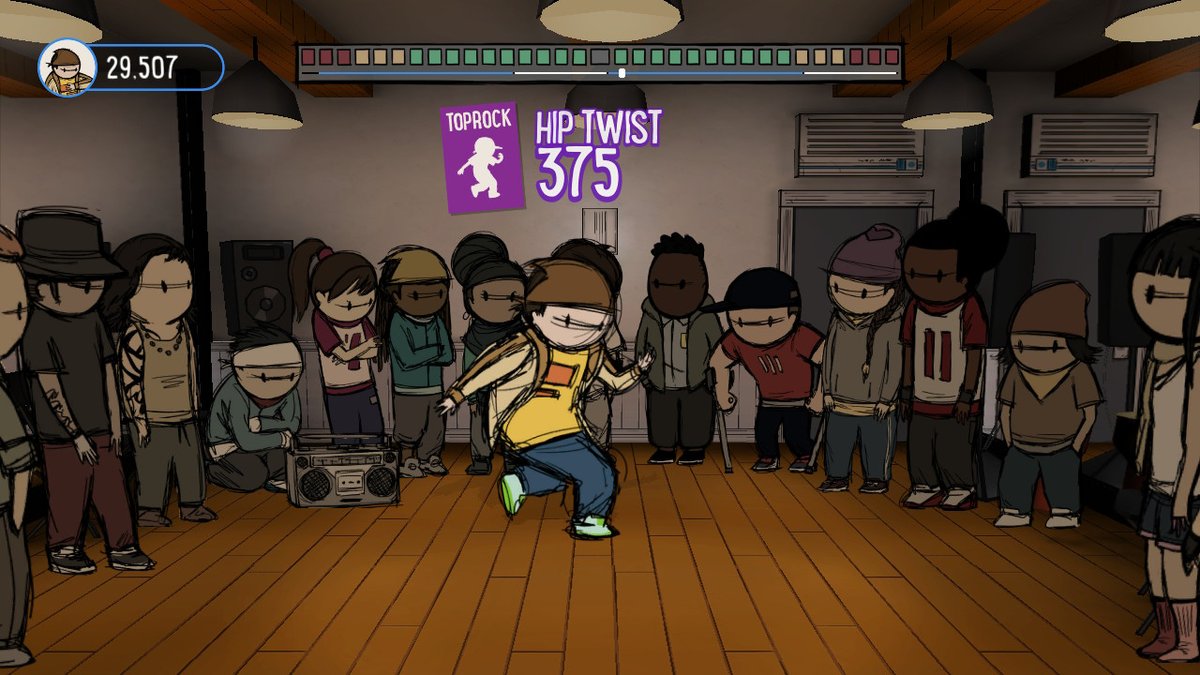
Popping off combinations of top rock and down rock moves is as easy as keeping the beat of the song with the proper face buttons.
Time to Bust Out Some Moves

Top rock, down rock, power moves and freezes are the four move sets each player has available to them. Top rock has players dancing at a standing position, on two feet, while Down rock takes the agile break-dancer down on all fours. Each of these two positions have four separate dance moves for every one of the eight playable characters, and are accomplished by tapping one of the four face buttons in coordination with the beat of the song. Simply tapping one of the buttons will have players performing top rock, but holding the down motion on the left analog stick while tapping a face button switches to the down rock position. An easy configuration that keeps the dancer from going idle and losing precious points.

The other two positions are Power and Freeze, but these two are performed in slightly different methods. Power refers to the dizzying motion when break-dancers spin for what seems like an eternity on their head, shoulders or hands. By rotating the left stick in either direction, the dancer then begins their own rendition of the power position. By holding down either the L or R shoulder buttons, the dancers will change into an alternate power move to add even more flavour to the performance.

Lastly, the freeze stance is the act of holding a position completely still in the middle of the song. By holding down one of the four face buttons along with the corresponding direction on the left analogue stick, the character will hold out a freeze move. These are crucial to time perfectly, as holding them out too long will result in the dancer toppling over, thus ending a combo and losing points. Combining the freeze moves together is especially fun, watching as your dancer seamlessly shifts from one handstand position to the next.

The four different stances take the dancers between flashy dance moves, even spinning atop one’s head.

Combining and switching between the four different stances successfully strings together combos and accumulates points. Bouncing your fingers to the beat while changing between moves is rewarding and all-too captivating of a ride. Watching as your hand-sketched character throws down their best moves to the DJ Kid Koala tracks, you can’t help but bob your head along to the beat. As cultured and fun the combo busting break-dancing is, however, the solid tapping beat rarely, if at all, changes rhythm from song to song. What does change is the snappy chorus parts that, if done properly, deal a huge portion of points to your overall score.

Tons of Awesome Tracks to Kick It To

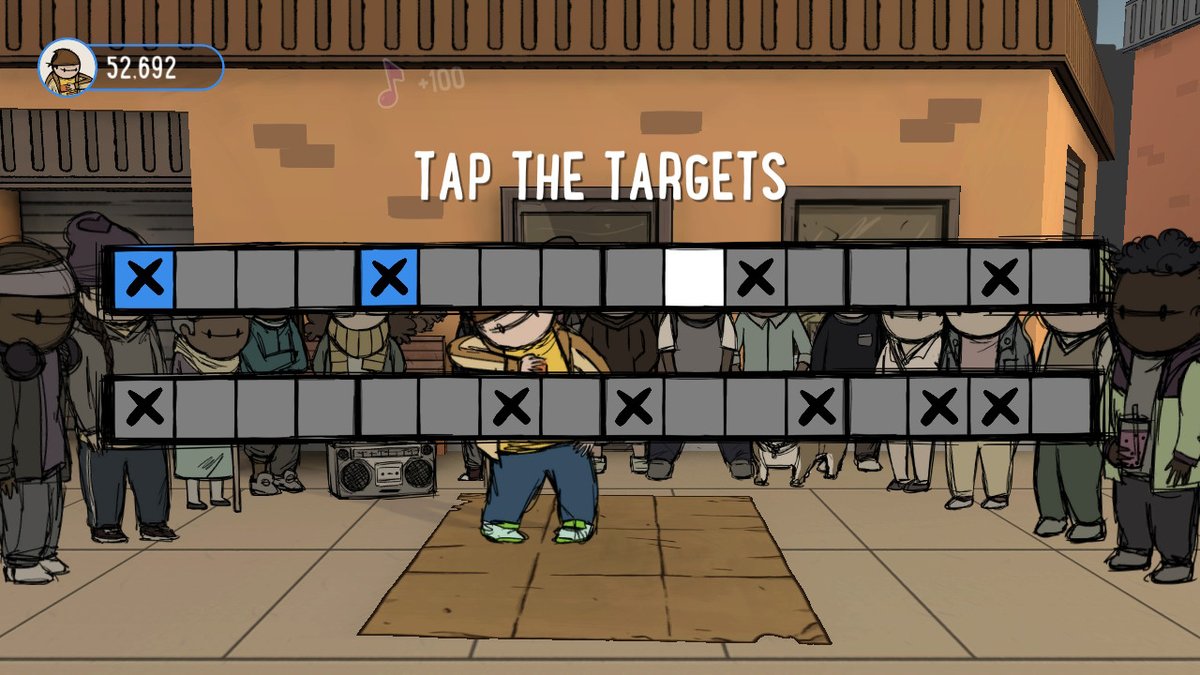
Every song in Floor Kids lasts around 3 minutes or so, and each has two unique chorus sections. Taking place about halfway through and one at the end, the chorus sections mix up the strategy by adding distinct beats to the song at hand. By tapping in the correct positions (marked with an ‘X’ on the screen) players will add a bit more swagger to the dancing routine. While the overall beat stays the same – though the songs indeed change – the chorus acts as the game-changer in the songs.

The chorus sections require the player to hit the desired notes at appropriate moments in the song.

The lay of the land, so to speak, in Floor Kids is divided into a flurry of different settings in which these break-dancing battles take place. Each setting has three different songs to get down and earn your place on the cardboard. Players are scored out of a 5 star rating system based on their total score. By unlocking a certain amount of stars in total, the following venue then opens up. From grocery stores and art centers, to arcades and music studios, Floor Kids has a variety of settings, each with their own unique character to unlock.

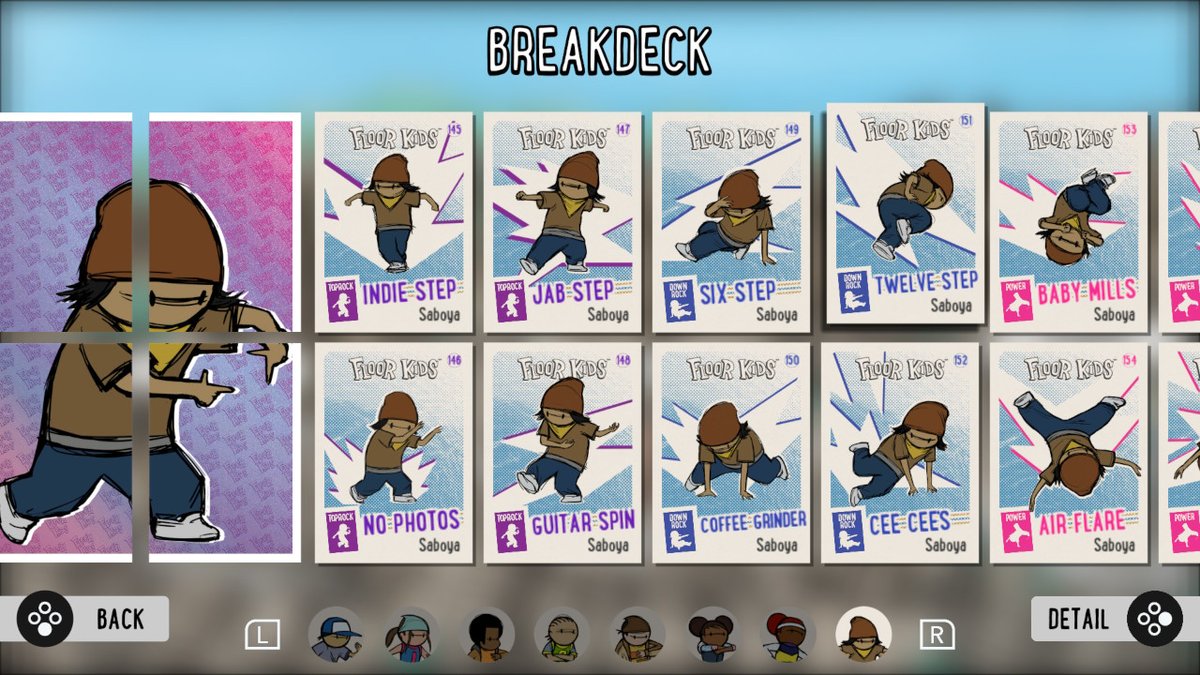
At the start of the trivial campaign, players choose one of the eight playable characters, which then locks the unchosen seven. After obtaining 3 or more stars on certain levels, characters will unlock pieces of Breakdeck cards. Four pieces of the card deck will unlock a new character, each one varying in specific skills. While the progression system found in Floor Kids is a nice touch to the otherwise simple campaign, the ease of unlocking all of the characters hardly presents a challenge. Good thing the tunes are extra catchy.

In single-player mode, characters are unlocked in the Breakdeck by achieving high enough scores to earn a piece of a character card.
Let the Battles Begin…at the Scratch of the Record

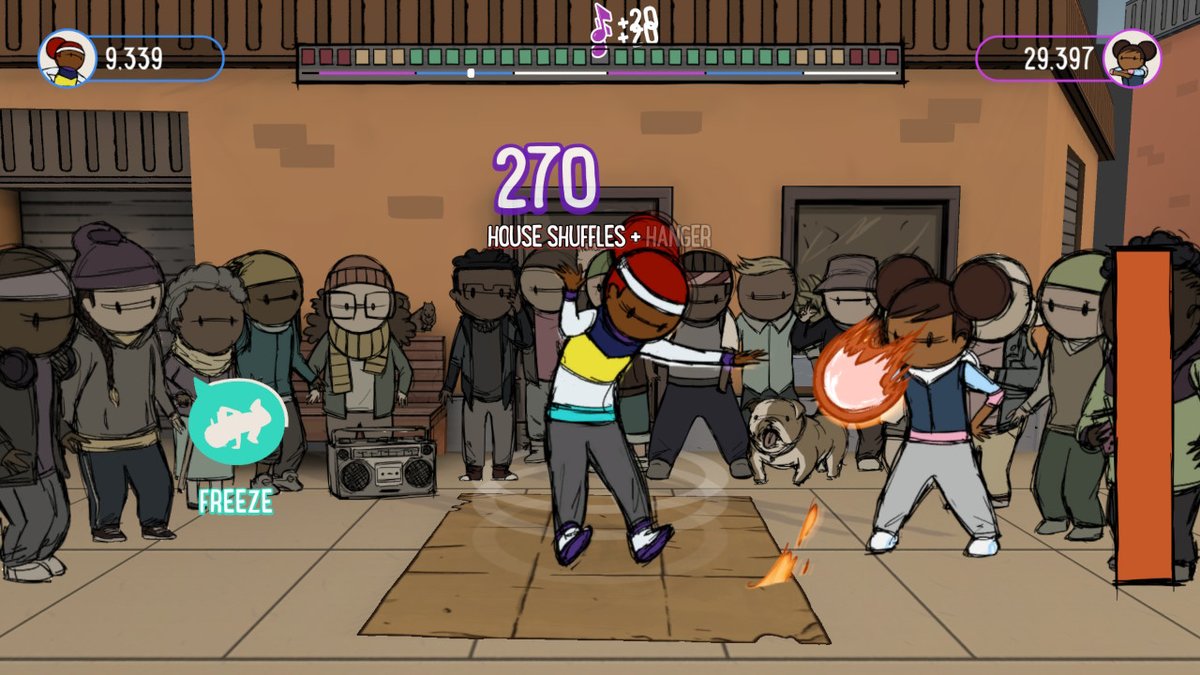
For those looking to indulge in a little friendly competition with friends, a multiplayer Battle mode is available. Each player will choose a character of their liking and set out to dance like they’ve never danced before. In battle mode, each player has two chances to strut flashy moves in retaliation to their adversary, but not without a little dangerous interference from said foe.

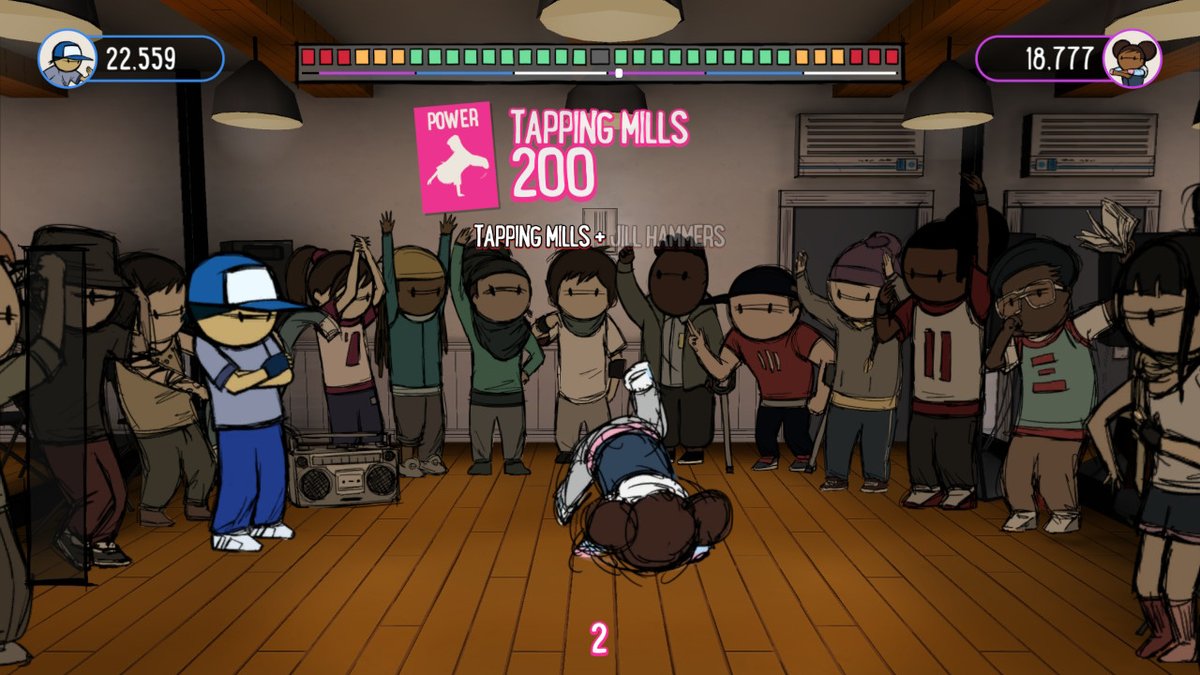
While engaging in break-dance combat, looking for crowd requests for extra points to boost your score and keeping every move fresh and “crispy”, the opponents are capable of hurling giant fireballs – known as “Burns” – at the dancer on the floor. The opponent player taps any button to the beat to fill up their burn meter, and once full the player is then ready to launch the burn ball away. However, the dancing player, if paying attention, can trigger a shield to completely block the Burn attack when timed perfectly.

In Battle mode, the dancer on break is able to build up their “Burn” meter and launch disrupting fireballs at their opponent.

With this unique added element, the two player battle mode really shines. The dances are tense and hectic, way more than the simple idea would lead on. Pumping to the beat, switching stances to the crowd’s liking and keeping your guard up from the inevitable “burn ball” headed your way is truly a rewarding phenomenon if accomplished successfully. Not many rhythm games have this much depth of competition in such a simple sequence of events, but Floor Kids absolutely delivers a remarkable 2-player experience.

All in all, Floor Kids is an excellent addition to anyone’s Switch library. A cute little game with modern hip-hop tunes, and a method of dancing that, until now, haven’t seen very much light of day. The rhythmic stylings of Floor Kids revive a genre that seems to have drifted away with the likes of Rocksmith and SingStar. Easy enough for anyone to pick up and play, the beat-bopping tunes and awesome sketched-out visuals from the creative mind of the artist, JonJon, Merj Media has provided a unique form of entertainment to the ever-growing selection of Switch titles.

The Evil Within: The Interlude

The Evil Within: The Interlude Review [Comic] – A Hauntingly Jarring Bridge Between Games

Note: While we don’t normally review comics, this is a particularly notable one that bridges The Evil Within games together – so it’s worth our time. Meet The Evil Within: The Interlude.

Human beings have always been an inquisitive species. We are never satisfied with the information presented to us and are constantly seeking the unknown and the hidden. As with all of humanity, when I watch a movie, play a game, or read a great book, I too need to know more. I want to learn the story of what happened in the events leading up to and then after the main narrative is finished; it’s the history behind it all that fascinates me the most. I must find out where these characters have been and what will become of them when a writer’s pen has become silent. For fans of The Evil Within, and those whose brains are just as inquisitive, you’re about to get a little more of the story surrounding Detective Sebastian Castellanos and his struggle to maintain his grip on reality.

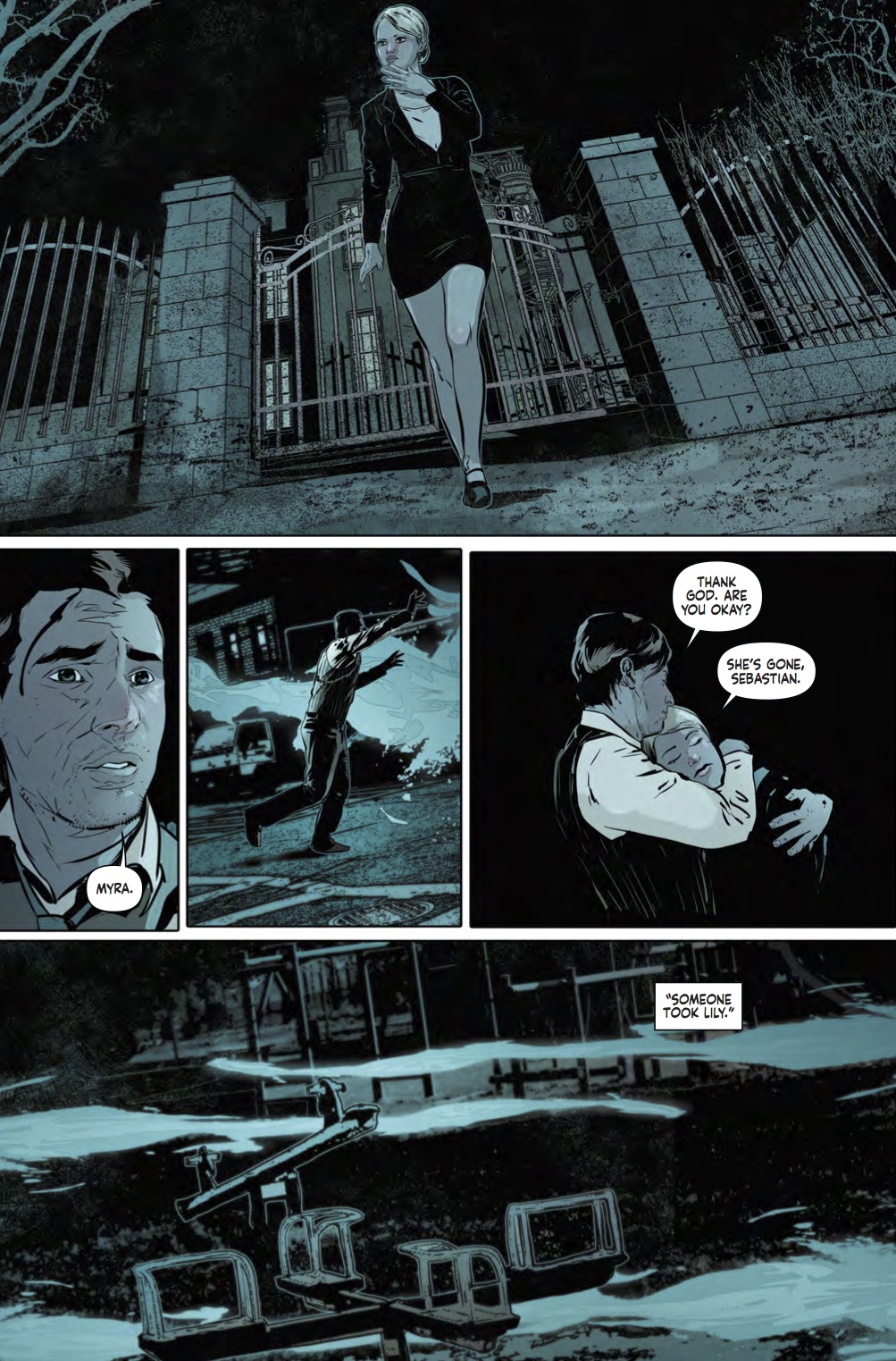
The Evil Within: The Interlude is a two-part comic continuation of the game that bears its name, bridging the gap between the first and second instalments. Maintaining the same esthetic players are used to, Writer Ryan O’Sullivan and artists Szymon Kudranski and Damien Worm have constructed a continuation to the story at hand, all the while, leaving readers with a deep anticipation for the sequel.

The Evil Within: The Interlude

For those who have never played The Evil Within, I won’t spoil anything, but I highly recommend you give it a shot. It’s only recently that I had an opportunity to try the first in the series; as survival horror goes, it’s fantastic. The game has a way of making the player exceptionally uncomfortable, with grotesque backdrops and Silent Hill inspired manifestations throughout.

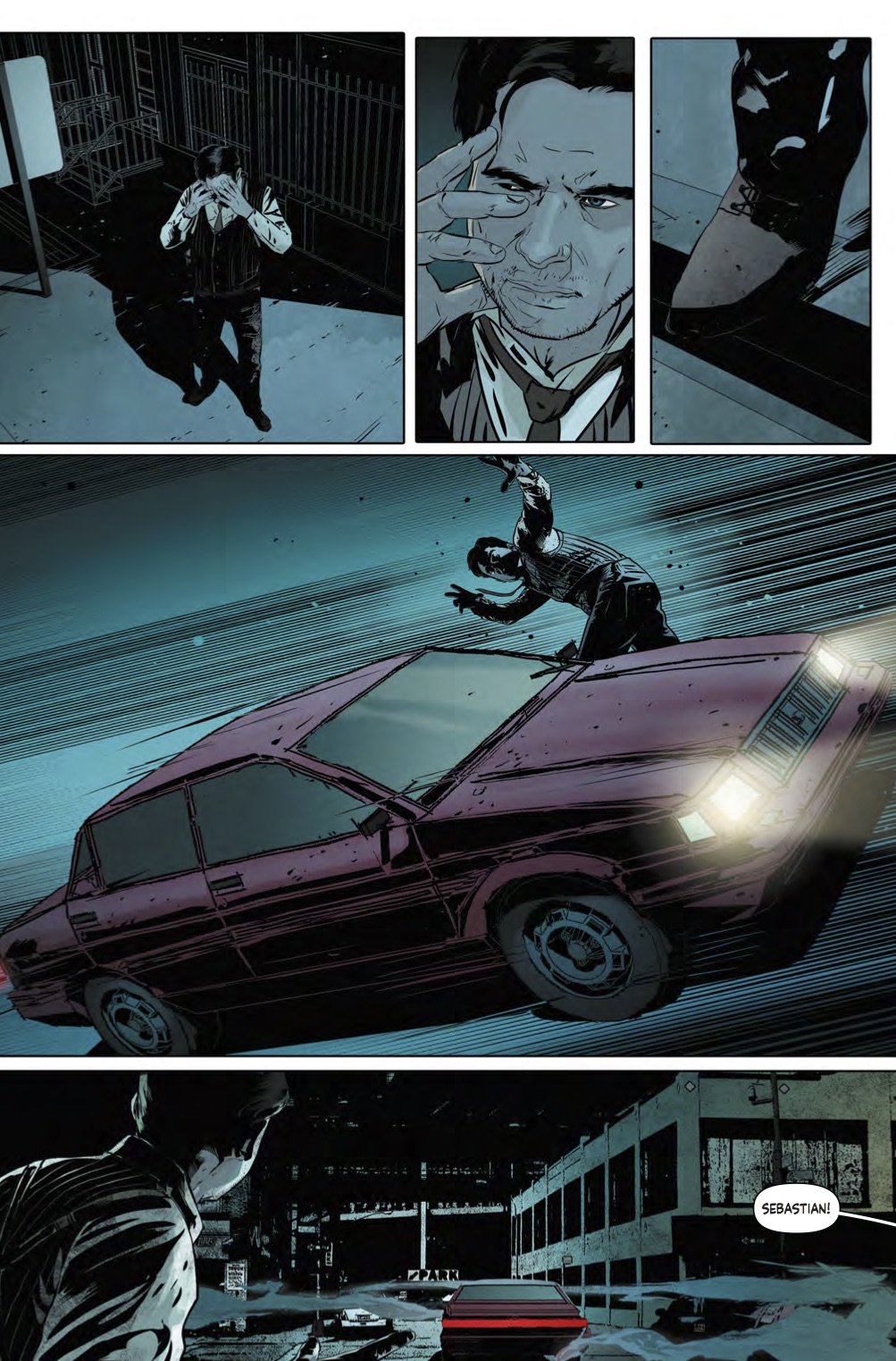
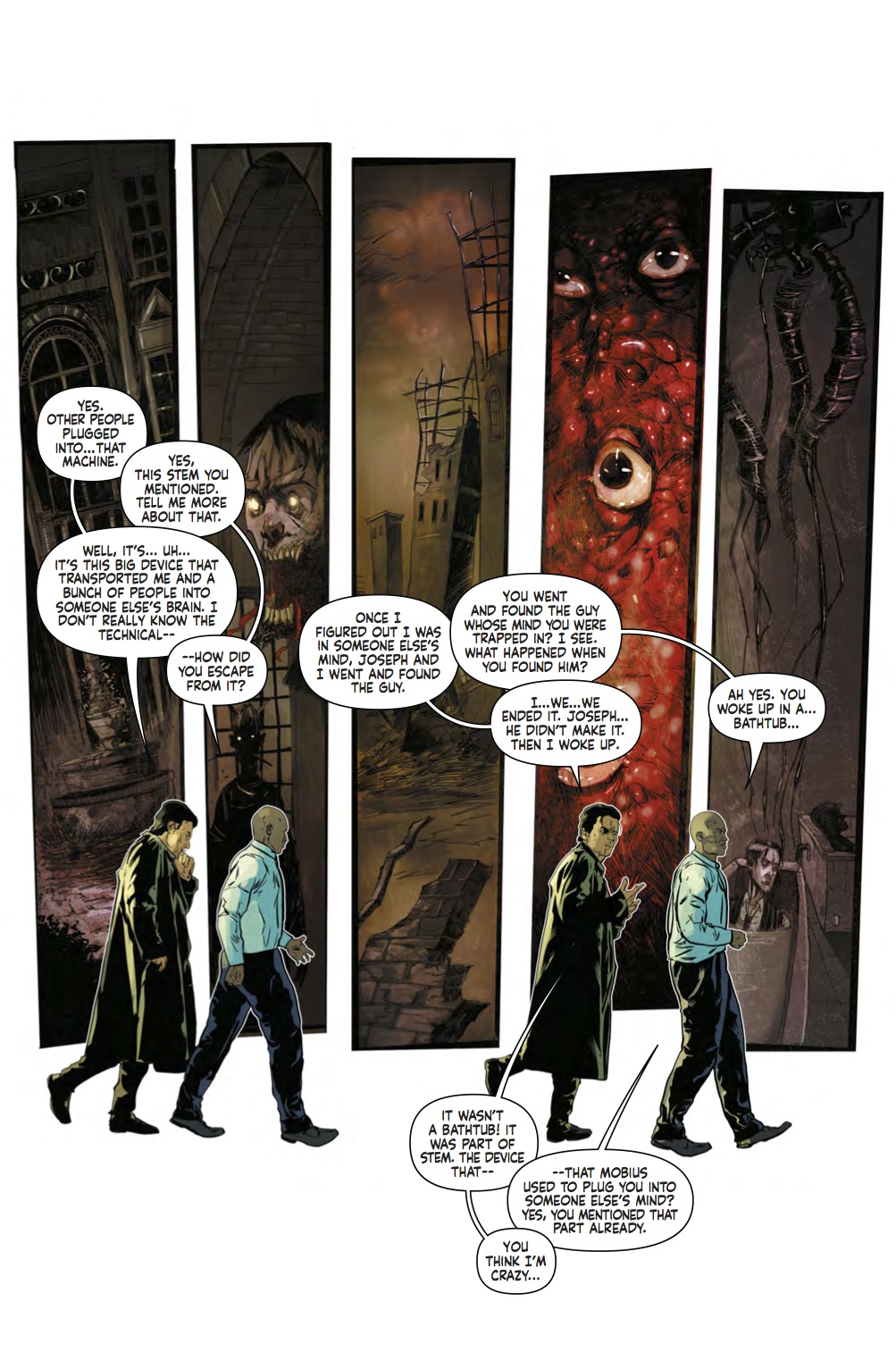
Just as in the game, Interlude has a way of jarring the readers with sudden time cuts and brutal imagery, leaving one to ask themselves if what they’re seeing is real. Like our protagonist, Det. Castellanos, I too felt like I was beginning to fall down the rabbit hole of mystery and desperation. Was I, like the detective, going crazy? Is what we see with our own eyes the real thing, or are we trapped inside the Matrix, desperately trying to claw our way out?

The Evil Within: The Interlude

Ryan O’Sullivan’s writing doesn’t reveal too much to the reader and allows you to second-guess everything. Mr. O’Sullivan has a way of luring you in and then warping your sense of reality without warning.  I felt as if the writer was keeping a dark secret, but refused to tell me out of some spiteful pleasure. For those familiar with O’Sullivan’s Turncoat graphic novel, you will notice a similar writing style that hooks the reader without divulging too much too quickly.

The artwork by Kudranski and Worm has a bleakness to it that can be a bit off-putting, in a good way. I felt truly uncomfortable reading this at times; it was as if what I saw was taunting me in a way. To maintain that level of paranoia and fear in comic form, just like in the game that inspired it, is a testament to the skills of those involved in its creation.

The Evil Within: The Interlude

Although I had to read a few spoilers to get a sense of what this comic referenced from the first game, I am now incredibly excited for the sequel and the continuation of this mind-bending story. As the reader, you’re not supposed to know what’s real and what’s not, but Interlude acts as a perfect bridge in which to cross over into the unknown. If The Evil Within and The Evil Within 2 are centred around a twisted world, intricately woven together like a dark and sinister quilt, Interlude is the bloody thread that binds it all together.

If you’ve never played the original game, I highly recommend you do so first, before reading this short but engrossing comic. By the time I finished part 2, there seemed to be more questions than answers, but that’s just how something of this nature should be. Readers will get their appetites teased, but the main course of answers to this Pandora’s Box will come when you close the book and pick up that controller.

Please note, I’ve kept this review spoiler free (both game[s] and comic), and ask that those commenting below please do the same.

Tennis in the Face Review

Tennis in the Face Review [Nintendo Switch] – A Bit Of Light Relief?

As someone who enjoys sports, there has always been one that is my Achilles heel; tennis. Not that I don’t enjoy watching it or partaking in the yearly Wimbledon hype, I’ve just never been able to play it. So when it comes to any form of tennis games I’ve always avoided them. That is until now. In what appears to be their continuation of service to the Switch, 10tons bring us their latest instalment to the console; Tennis in the Face.

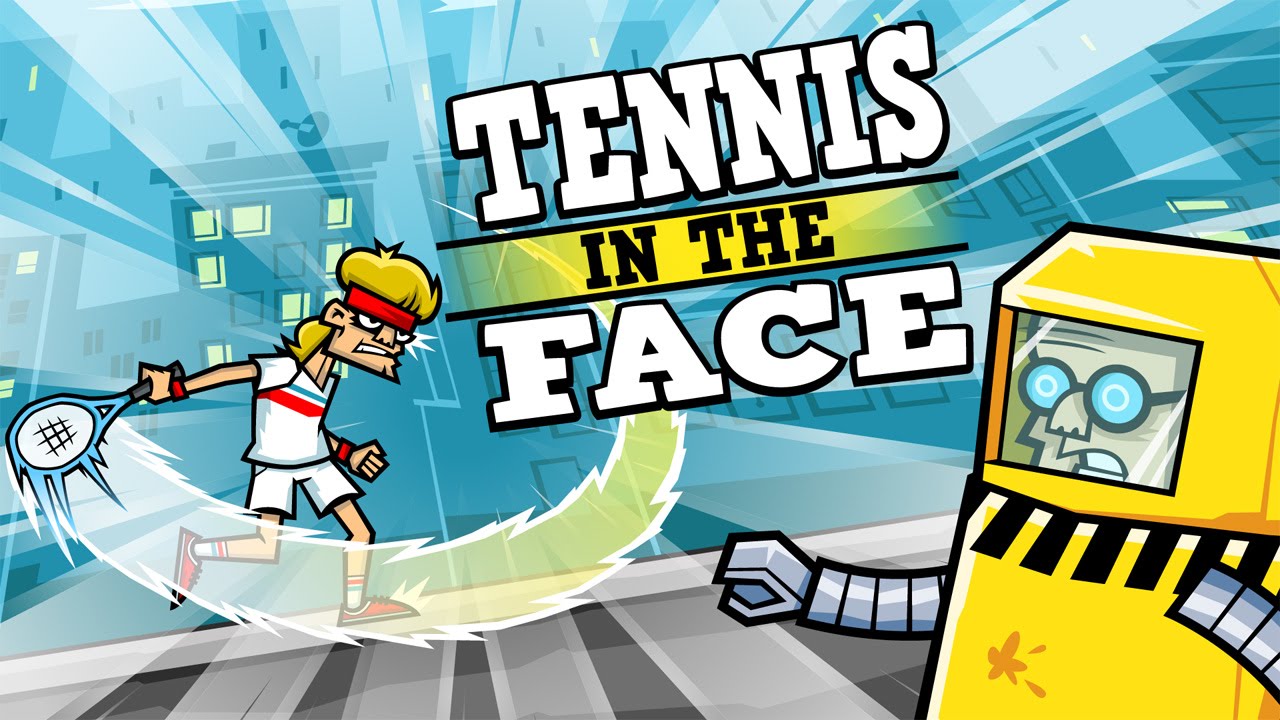
Albeit a very light-hearted take on the tennis world, Tennis in the Face is an entertaining experience which sees you whacking tennis balls at unsuspecting victims. The clue is in the title really… The story goes that Explodz Inc, the manufacturer of an addictive energy drink, has taken over an unnamed city. It is your job, as ex-tennis superstar Pete Pagassi, to save the city from evil clowns, corrupt business folk and hipsters to name but a few. I knew there was something untrustworthy about those hipsters…

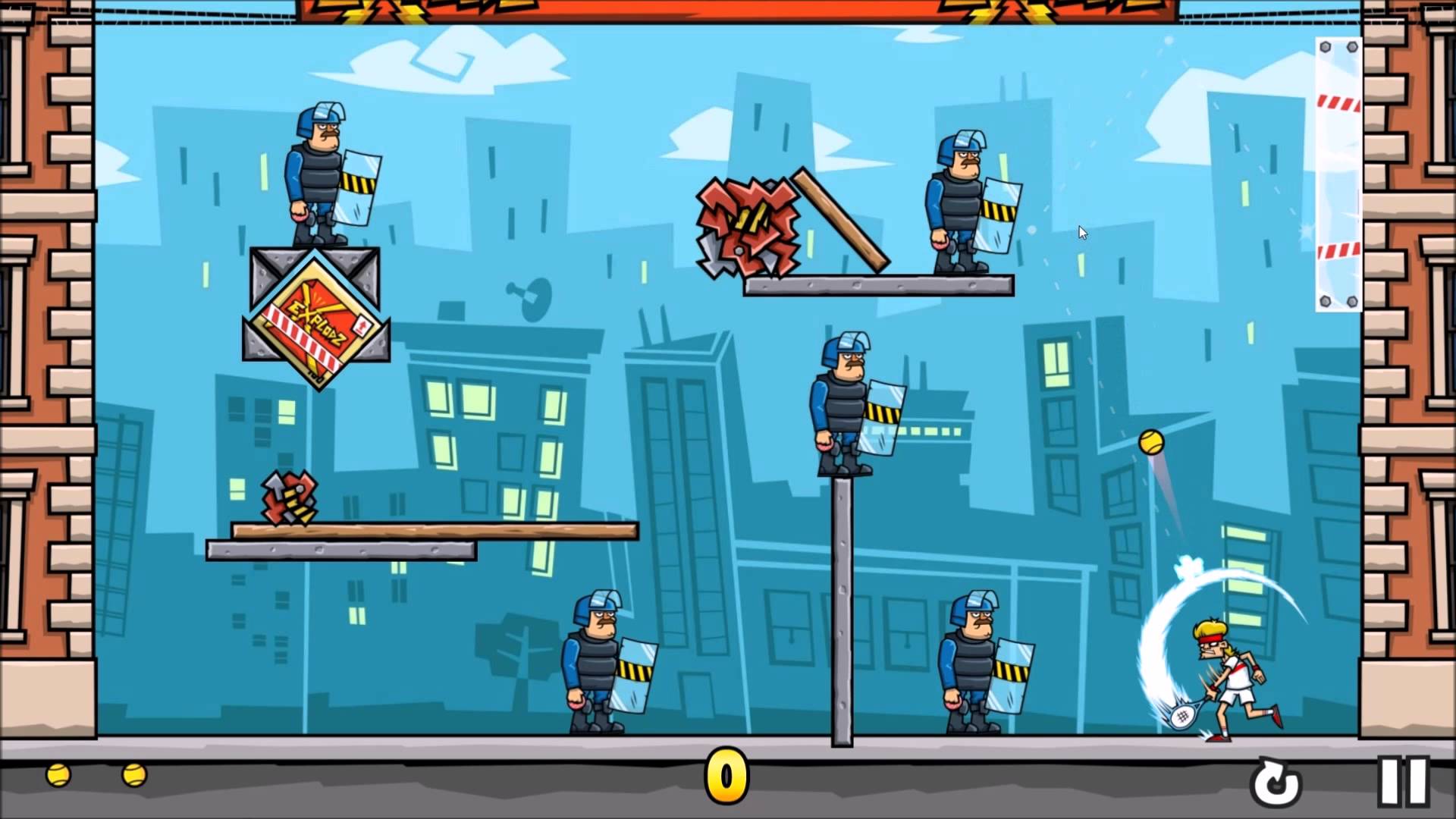
Each set of enemies have different quirks and defences; some cannot be attacked head-on, others take more than one hit to knock down. The task is to find the most efficient way of taking all enemies in each level down in the most efficient way, using as few tennis balls as possible. There are environmental hazards and objects which will both help and hinder you along the way.

Tennis in the Face
Tennis in the Face

Blocks of ice will shatter upon impact, opening up new routes, whilst crates of Explodz will explode when hit, knocking all down within blast range. Altogether there are over 100 levels to complete, each having a crown to collect from it when a certain score is surpassed. Collecting crowns grants you access to the next area of the city before your penultimate showdown with the Explodz factory.

The mechanics within the game are nothing new or ground-breaking but prove to be entertaining nonetheless. Your balls only bounce a finite amount of times (oo-er) meaning you have to find the sweet spot where they hit as many targets as possible before disappearing. This is both a fun and annoying challenge in equal measures.

The only nuance that I found here is that the game is better when using the touchscreen controls, which I don’t like. Given this has been on the mobile platforms this makes sense but if you’re gaming on the Switch it would make sense, to me, to opt for the use of sticks and buttons.