Check out the Humble Indie Bundle 18 – featuring Owlboy, Goat Simulator: GOATY Edition, Windward, more!

yoyo-HB-01

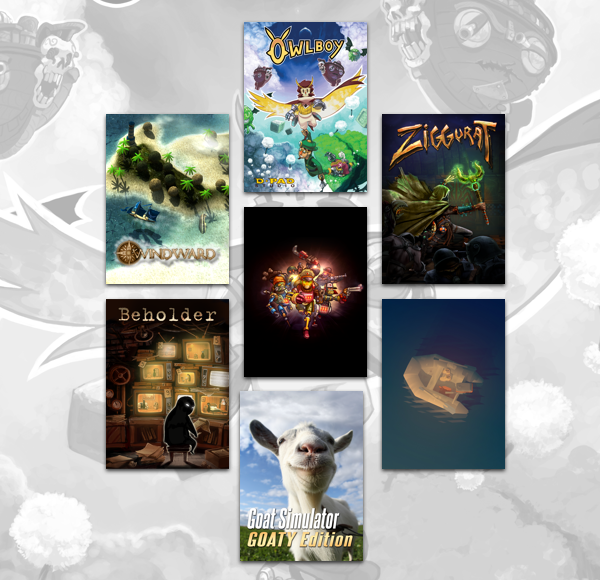
Here at D-pad Joy we love indie games. And what better way to celebrate them is there than ‘The Humble Indie Bundle 18‘? Pay what you want for these indie games, cross-platform, DRM-free, and on Steam:

hib18_bundle_newsletter_grid

  • Owlboy
  • Kentucky Route Zero
  • Beholder
  • Goat Simulator: GOATY
  • Ziggurat
  • Windward
  • SteamWorld Heist

There are eleven days left to take advantage of the offer, with more indie games coming next week as well. Do any of these games take your fancy? Let us know in the comments below.

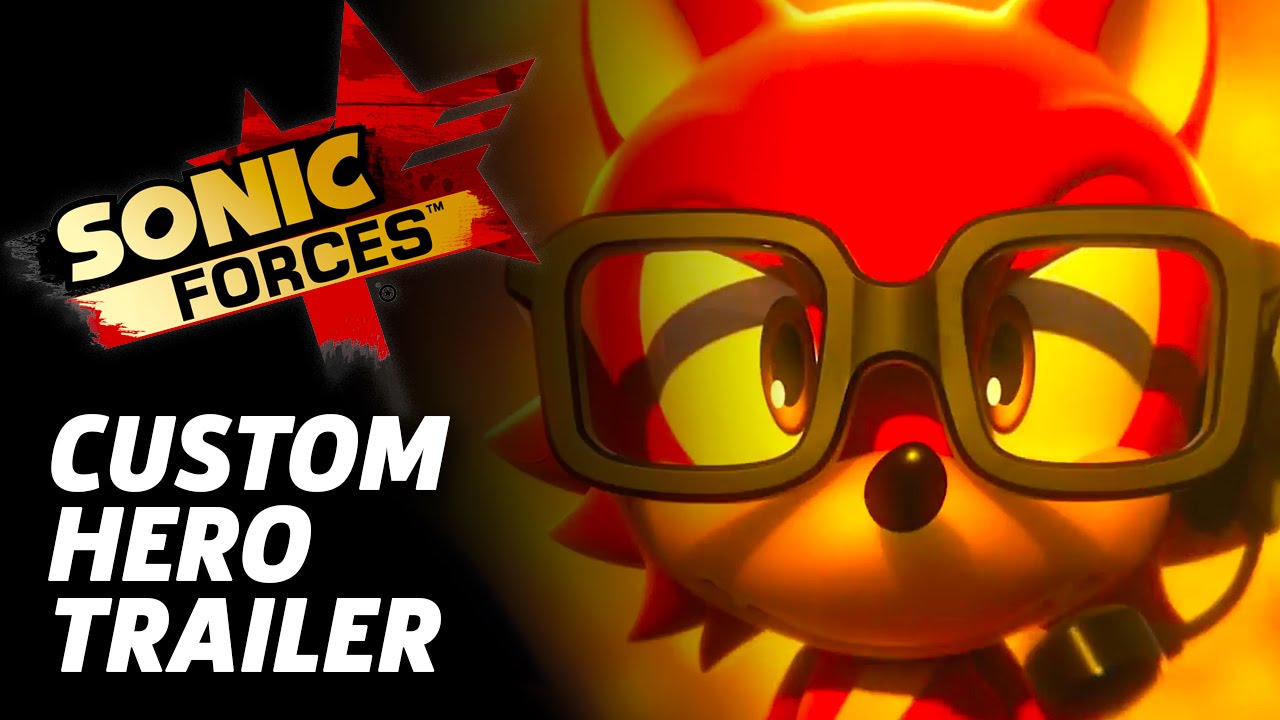
New, third gameplay style introduced to Sonic Forces with “Custom Hero” trailer

With two new Sonic games releasing this year, one being the rebirth of the classic 2D side-scroller, Sonic Mania coming this summer, and Sonic Forces, a hybrid of the classic era and modern era Sonic games, more info is surfacing about the latter. Just announced is the third gameplay style for Sonic Forces, allowing the player to create their very own hero with hundreds of customizable clothing and accessory options.

Each new character in the game comes equipped with a new, unique and powerful gadget called a wispon. Giving offensive abilities to the character as well as making platforming through levels quicker, the new items don’t stop there. Each hero also comes with a grappling hook allowing you to swing through certain areas of levels, quickly gaining ground while traversing across the zones.

Customizing your hero will give you seven different animal types, each coming with their own unique ability, effectively giving a small boost in one way or another. Each animal type and its corresponding ability is as follows:

  • Wolf: Rings are automatically drawn to the player
  • Rabbit: After receiving damage your invincibility time is increased
  • Cat: Instead of losing all your rings after being hit you keep one
  • Dog: After the player dies you restart with 5 rings
  • Bear: Uses a homing attack to blow enemies away
  • Bird: Equipped with a double jump ability
  • Hedgehog: When getting damaged you collect rings

These bonus abilities feature throughout the main game. Your hero is also a major part of the story and is crucial in helping Sonic save the world from Eggman once again.

Be sure to stay posted for more on the next two installments from the Sonic franchise up until their release, this summer for Sonic Mania, and this coming holiday for Sonic Forces on the Nintendo Switch, PlayStation 4, Xbox One and PC.

Catch the “Custom Hero Trailer” below!

Viewpoint: Why Mechanics in Games Aren’t Everything

To many, mechanics are absolutely paramount when it comes to assessing or critiquing their favourite video games. And while the very basis of this article is to dismiss this as a somewhat ill-informed notion, it is easy to understand why. Every game, even the most narrative driven ones, all share a common trait in that they are interactive. Interactivity is what separates games from all other forms of art, and to many, also elevates them. So, it makes sense. It makes sense that people that would be harsh on games that they feel aren’t mechanically sound. Functionality is imperative. However, though I do agree that it is important that a game works as an inherently interactive experience, I don’t necessarily agree that mechanics are the be all and end all of achieving this.

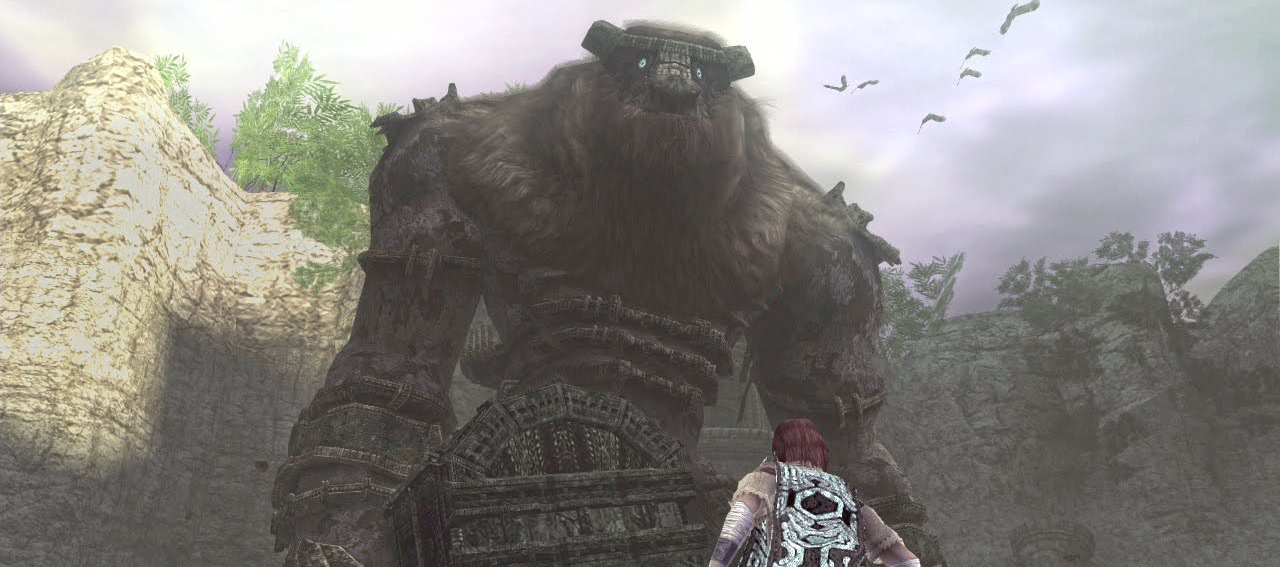
A game does not have to be mechanically perfect to work. There are numerous examples of excellent games that excel in other areas. Let’s look at something like Shadow of the Colossus. An absolute critical darling, considered by many to be one of the greatest examples of video games as an art form and lauded as a masterpiece in the gaming community. Nonetheless, even the most ardent fans of SOTC will admit that it isn’t exactly perfect from a pure gameplay perspective. Sure, it functions fine, but there are moments when the gameplay can feel relatively stiff. Some moments are even frustrating. People who have played it know this, yet the vast majority of people who have played it still concur that not only is it an outstanding artistic work, but that one of its biggest successes is creating a sense of emotion within the player, not through its core mechanics but from the feelings it manages to evoke from being interactive. It would not work as well in any other medium.

Wander, the player character, is designed in such a way that seeks to make the player feel as if they are in his shoes. He holds his sword in a noticeably awkward fashion. He will stumble and fall as he attempts to fight a colossi. Wander isn’t some pumped up, muscle-bound badass, but an everyman that the typical player can relate to. Sure, he has his own very specific (not to mention morally ambiguous) motivations for undertaking his quest but it is the way he is presented to the audience that makes people feel cordially towards him. Wander’s stallion companion, Agro is likewise programmed to make him feel more like a horse in real life than one you would commonly find in a video game. The relationship you build with him throughout the game feels like a genuine one. (SPOILERS)… There is a reason that his death often ranks highly on the lists of the saddest moments in gaming.

This is just one of the many aspects from Shadow of the Colossus that are just as, if not more so, memorable than the core gameplay that the game possesses. To write about them all would be an entirely different article in and of itself.

12.jpg

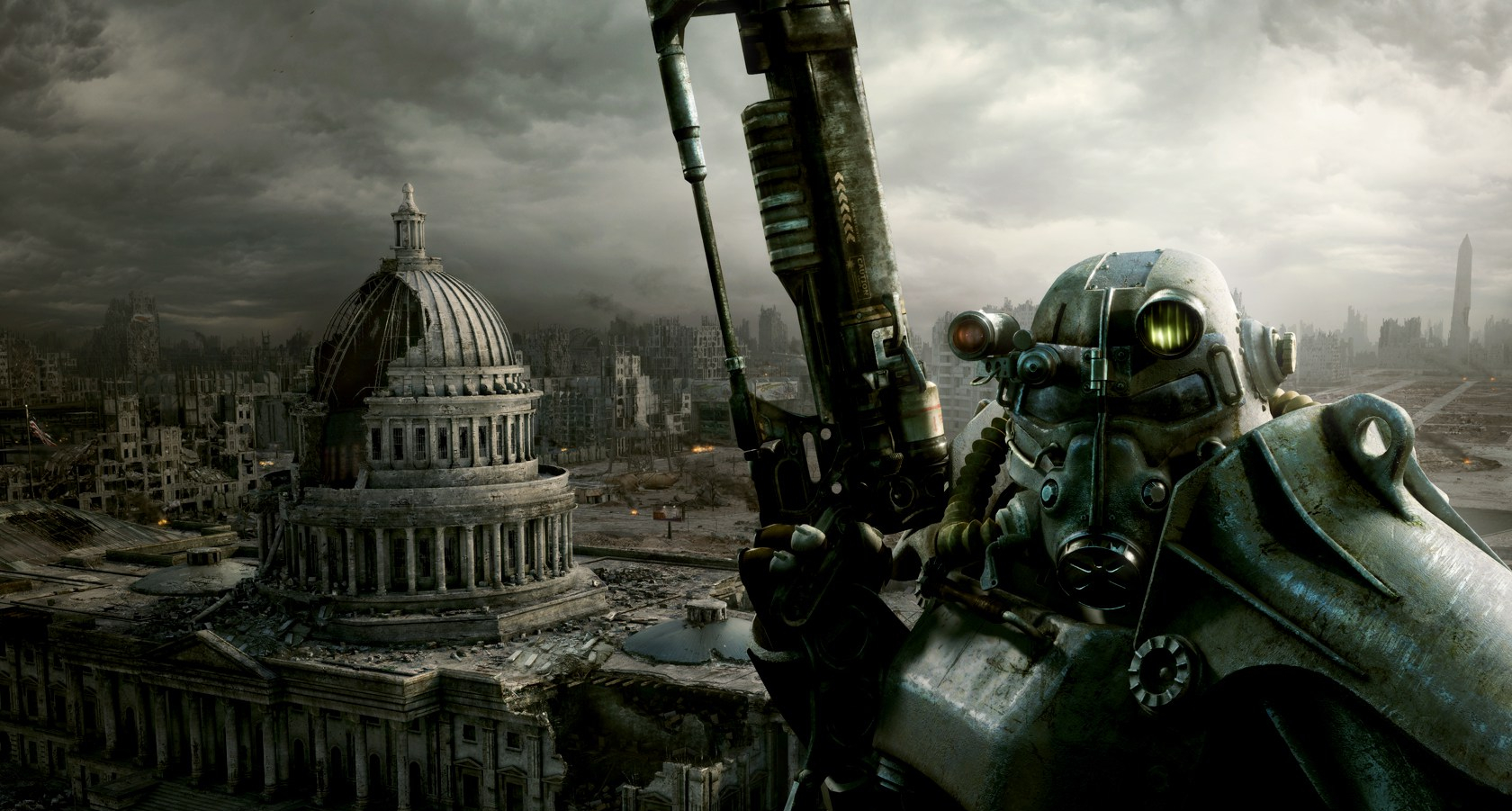
Is Shadow of the Colossus an anomaly? While it is extremely unique in many ways, the fact that its popularity stems from much more than its mechanics is not. Take Fallout 3 and Fallout: New Vegas for example. Both games were incredibly popular, but it was the giant, interesting and jam-packed sandbox world plus the sheer sense of adventure and immersion, that the games elicit in the audience, that got people coming back. The clunky shooting mechanics, stiff dialogue and wooden voice acting tend to be not as well-remembered, purely because of how engaging and indelible the setting was. There are numerous other examples of incredibly popular and/or acclaimed games where this is the case: The Last of Us? The mechanics are solid, but they are not the strongest aspect of the game by any stretch. Silent Hill 2? The atmosphere and associated lore are what generally sticks with the audience the most. Bioshock? Much like the aforementioned Fallout games, it’s the settings that tend to resonate more with players rather than the admittedly solid gameplay.

This can even extend to sports games, a genre where one would assume mechanics reign supreme. Take the outrageously popular FIFA games as an example. This is a series where describing the gameplay as unrefined would be an understatement. There are so many little issues that at times render the games a controller breaking level of frustrating. Yet, people still flock to it. Why? Is it because it’s an excellent simulation of what it’s like to play the world’s most popular sport? I would argue no, it’s because it’s an excellent simulation of the atmosphere and culture surrounding the world’s most popular sport. The games are impressively polished. People can put up with some maladroit mechanics here and there as long as they feel, consciously or otherwise, that they can project themselves into a convincing recreation of their favourite sporting environments. This was even the case back in the PS2 era, when Konami’s Pro Evolution Soccer series had a significantly more satisfying play experience to the FIFA franchise, yet the latter still regularly outsold the former.

None of this is to say that basic mechanics aren’t important. They absolutely are. They’re the bread and butter of the majority of gaming experiences. Nonetheless, the aspects previously mentioned in this article can, in some cases, prove to be every bit as important as the overall mechanics. Implementing these facets in an efficacious way can be the difference from a solid, enjoyable game and a true great of the medium.

What do you think reader? Let us know in the comments below.

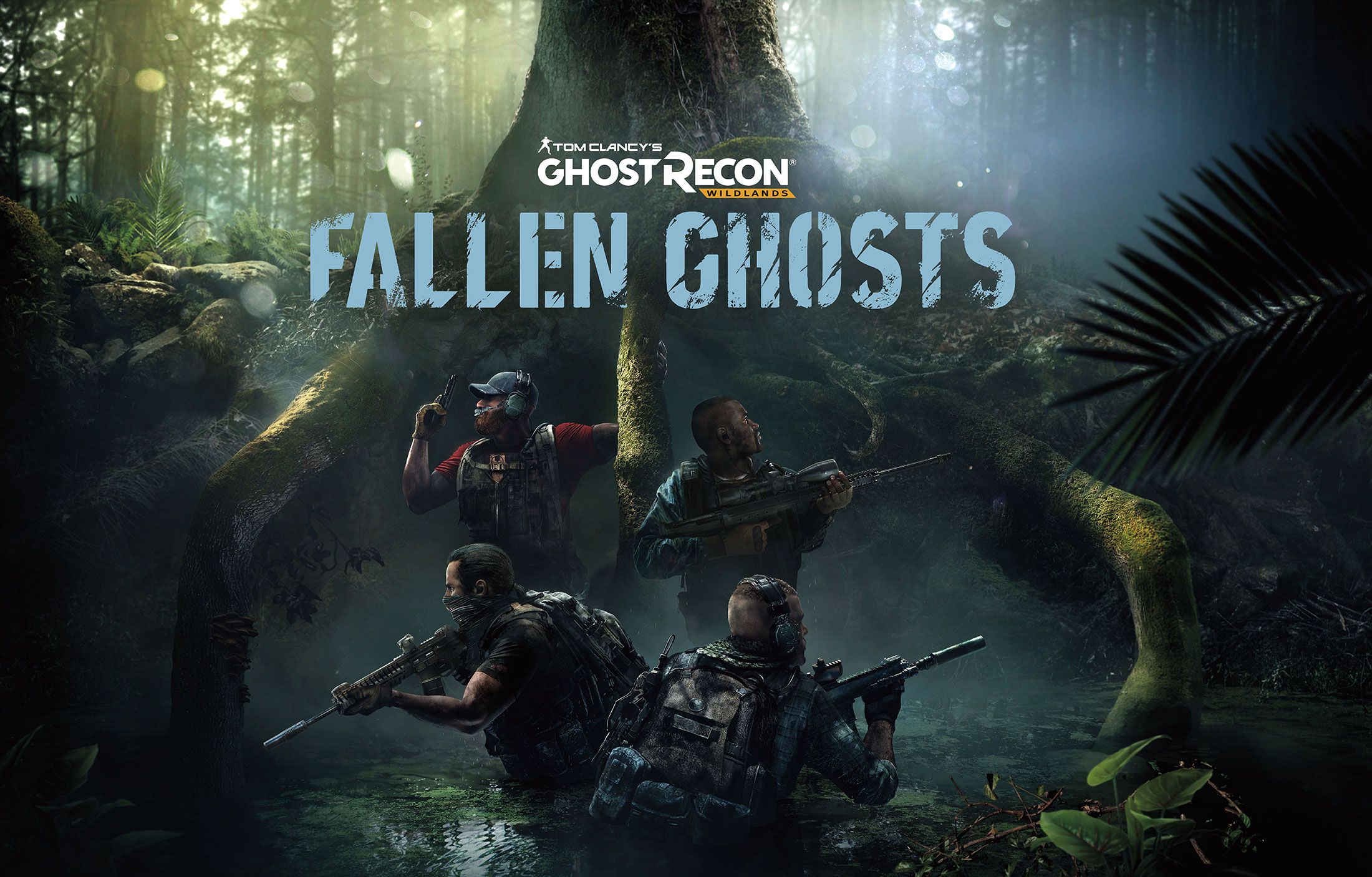
Ghost Recon Wildlands’ Second DLC “Fallen Ghosts” Release Date Announced

The second DLC for Ubisoft’s open world tactical shooter, Ghost Recon Wildlands, has received a release date: for season pass holders, that’s on May 30th and for individual purchases, a week later for the PlayStation 4, Xbox One and PC.

Titled Fallen Ghosts, you’re introduced into a civil war against the Bolivian government after the events of the original story, set against a new enemy. The Los Extranjeros is made up of volunteer mercs, cartel, veterans and all out criminals from surrounding countries, created and hired by La Unidad.

Swarming Bolivia after the fall of the cartel, Los Extranjeros have one major mission; to track and eliminate all American soldiers. The brutal special enemy unit is made up of elite soldiers and therefore different characteristic classes; the first class being the Armoured soldiers, which are equipped with heavy bulletproof plates and prove difficult during close-quarters combat. Jammers are specially equipped with jammer antenna’s on their backpacks giving them the ability to neutralise drones and disable all electronic equipment. Next the Elite Snipers are able to spot targets from long-range distance due to their advance movement detectors, and never miss a shot. Covert Ops are the fourth and final class using cloaking devices making them near invisible, and a powerful crossbow, making stealth a major threat to the Ghosts.

Coming with 15 new missions and starting a new character off at level 30, in turn increasing the level cap to 35, there are three new regions to explore. During these new missions your character will be equipped with all of the main game skills and nine new skills, which you need to unlock. The physical, weapon and drone skills will be essential in taking down the four new bosses found throughout the DLC. Also new to the game will be a variety of new weapons including assault rifles, sniper rifles and a crossbow equipped with explosive arrows, sure to help unload mayhem upon the Los Extranjeros.

With difficulty upgrades added, hardcore players will get even more immersed during the advanced and expert settings. For a lavish and ultimate tactical experience, the HUD will be turned off giving players a realistic feel of traversing through the jungles and mountains of Bolivia.

Ghost Recon and open world shooter fans everywhere found the new direction from the Tom Clancy series refreshing and new content keeps bringing the satisfying tactical gunplay. Later this month (or early next month for non-season pass holders) Fallen Ghosts will add plenty of hours onto the successful sandbox shooter.

Four big gaming titles launch today (16/5/17)

Today is one of the biggest release days for video games so far in 2017. With two brand new AAA multi-platform releases, an ambitious new exclusive first person shooter/virtual reality game from Sony, and the return of a cult classic Xbox exclusive.

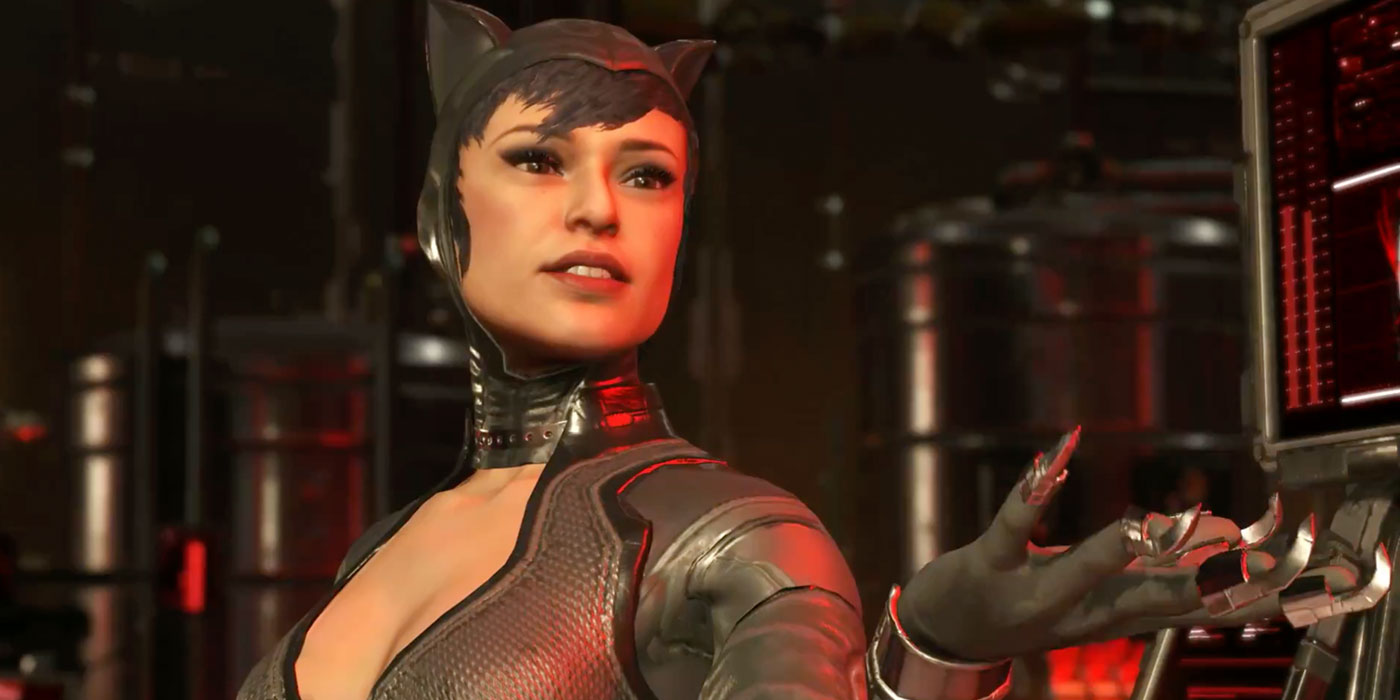
First up, and probably the most anticipated is “Injustice 2.” This 2D fighting game sequel to the well reviewed “Injustice: Gods Among Us” from NetherRealm studios, once again pits DC’s superheros and villains up against each other. Just like the original, “Injustice 2” has launched to great reviews. “Injustice 2” launched today for Xbox One, PS4 and PC with three different versions, starting with the standard edition at $59.99, the digital deluxe version at $79.99 and the ultimate edition for $99.99.

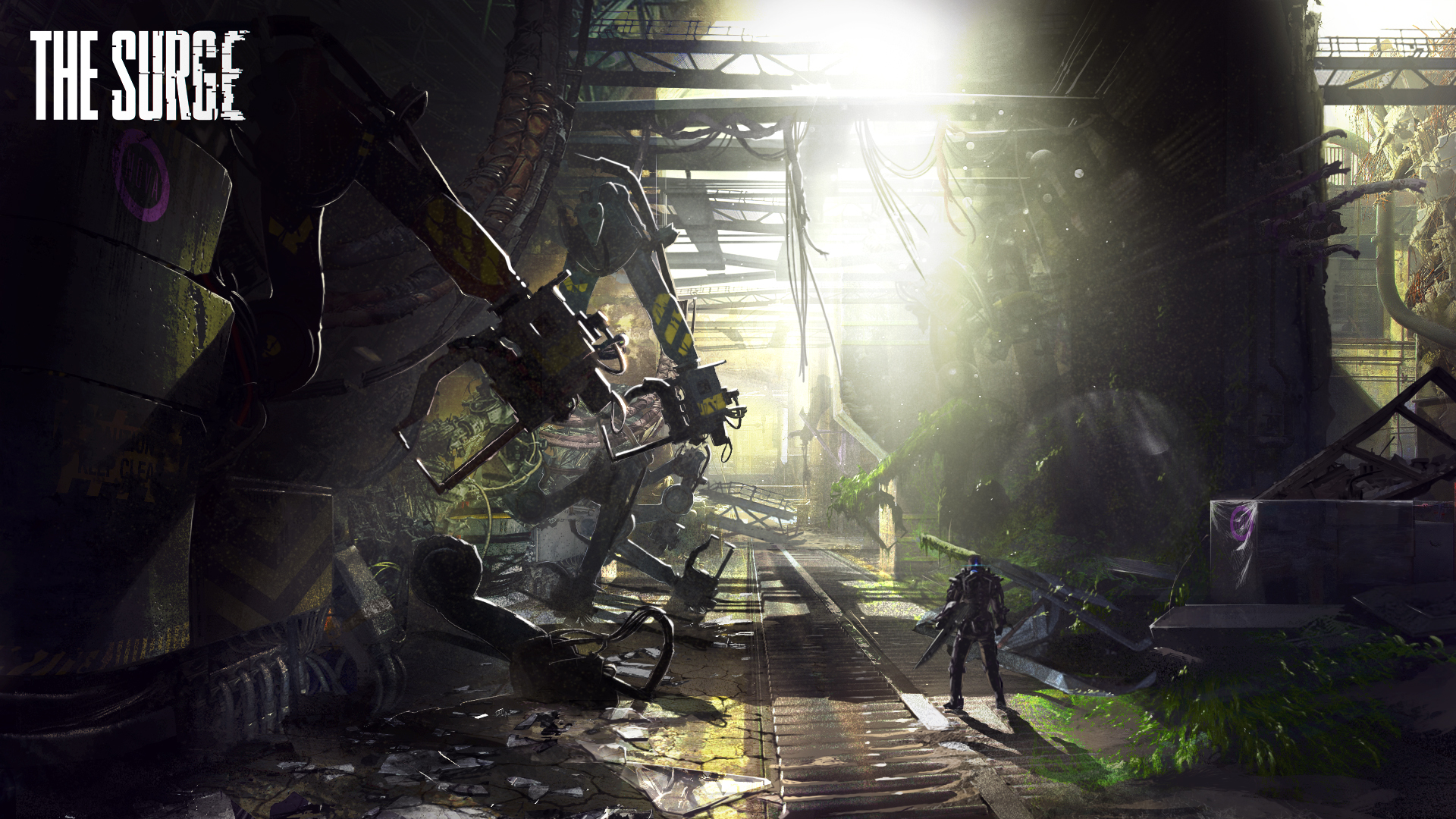
The Surge

Secondly, we have a Souls like game from developers Deck13 called “The Surge.” This is the studios second attempt of making Souls like game, with their first attempt being the painfully average “Lords of the Fallen.” However, Deck13 changed course for “The Surge,” and ditched the medieval fantasy setting of “Lords of the Fallen” and went to the future for a sci-fi fantasy setting. Turns out, the changes Deck13 has made worked for the better as “The Surge” has launched to mostly positive reviews compared to its predecessor. “The Surge” launched today for Xbox One, PS4 for $59.99, and on PC for $49.99.

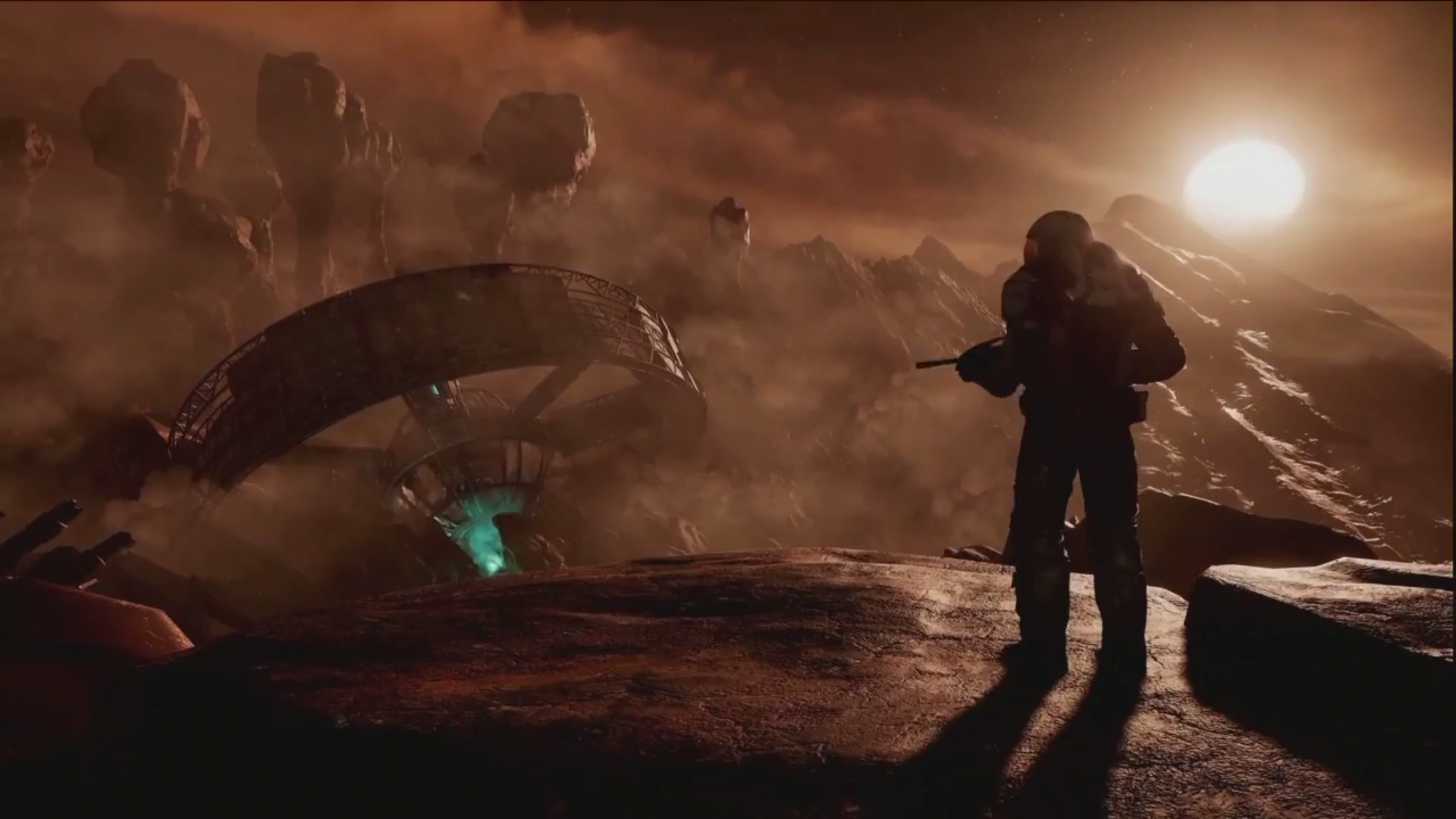
Thirdly, Sony is releasing their biggest and most ambitious game for the PlayStation VR to date, and that game is “Farpoint.” This comes from developer “Impulse Gear” which is a small game development studio located in San Francisco that specializes on VR titles. “Farpoint” is giant far future sci-fi shooter that is only playable on the PS4 with PS VR, the game looks very innovative and is off to a good start review wise. “Farpoint” launched today for the PS4 with a standard edition for $49.99, and a bundle with an aim controller for $79.99.

Farpoint

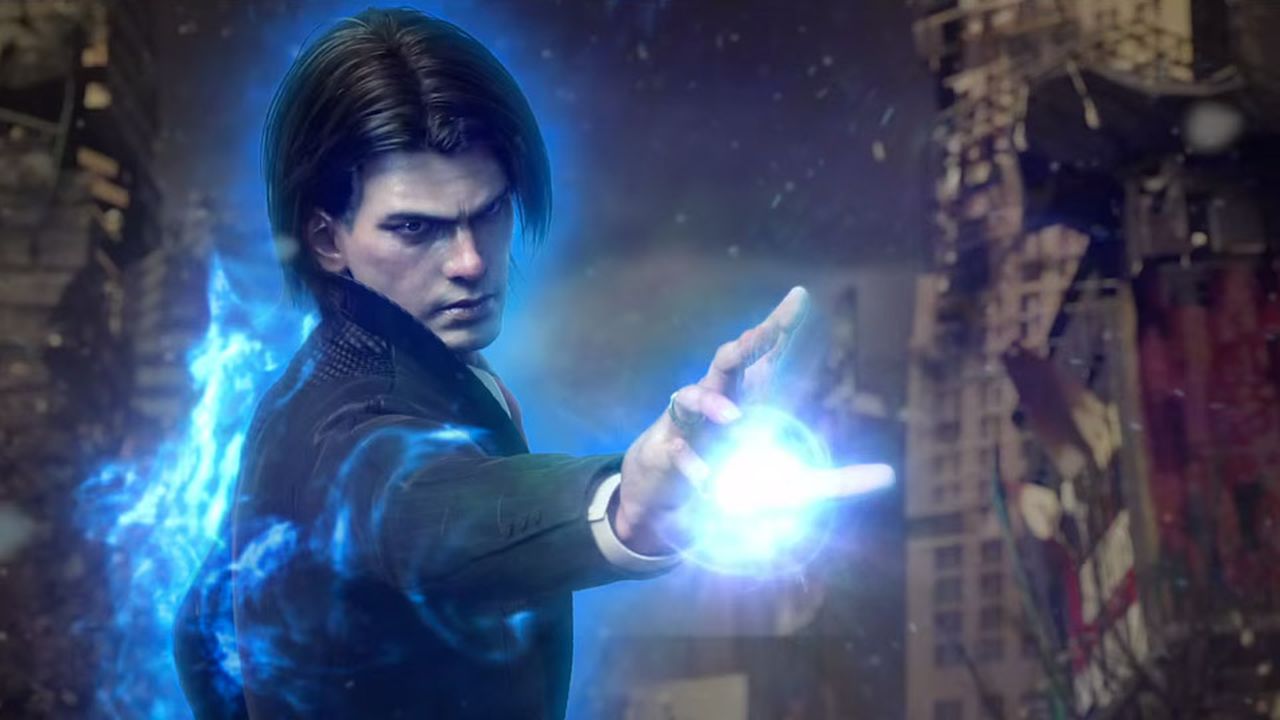
Lastly, we have the re-master/re-release of the much delayed “Phantom Dust.” A reboot of this cult classic game was announced at the Xbox press conference at the 2014 E3 convention, only to be scrapped a year after its announcement. Out of the reboot ashes came the HD remaster of the classic 2004 original Xbox game, and this is what launched today. This remaster includes visual updates and additions to the games original campaign.

The best part about this remaster launching is the fact that it costs nothing. Yes, you read that right; the “Phantom Dust” remaster is completely free. So, what are you waiting for? Go fire up your Xbox One and download it!

phantom_dust

Which of these four titles are you most excited for? And, which one will you be picking up? Let us know in the comments down below!

Want to keep updated on our best content? Subscribe to our newsletter.

Nintendo’s E3 2017 plans – a summary of what they’re up to this year

Nintendo announced its plans for E3 2017 a few days ago. As we all know, they like to do their own thing at E3… and to be honest, in general. So in case you missed it, here’s a summary of what’s going on this year:

  • Nintendo will not have a big E3 stage presentation again, instead they will deliver their news via the ‘Nintendo Spotlight’ online video presentation on June 13th
  • This video presentation will focus on Switch games coming out this year, as well as an extensive look at Super Mario Odyssey – playable for the first time on the show floor as well
1
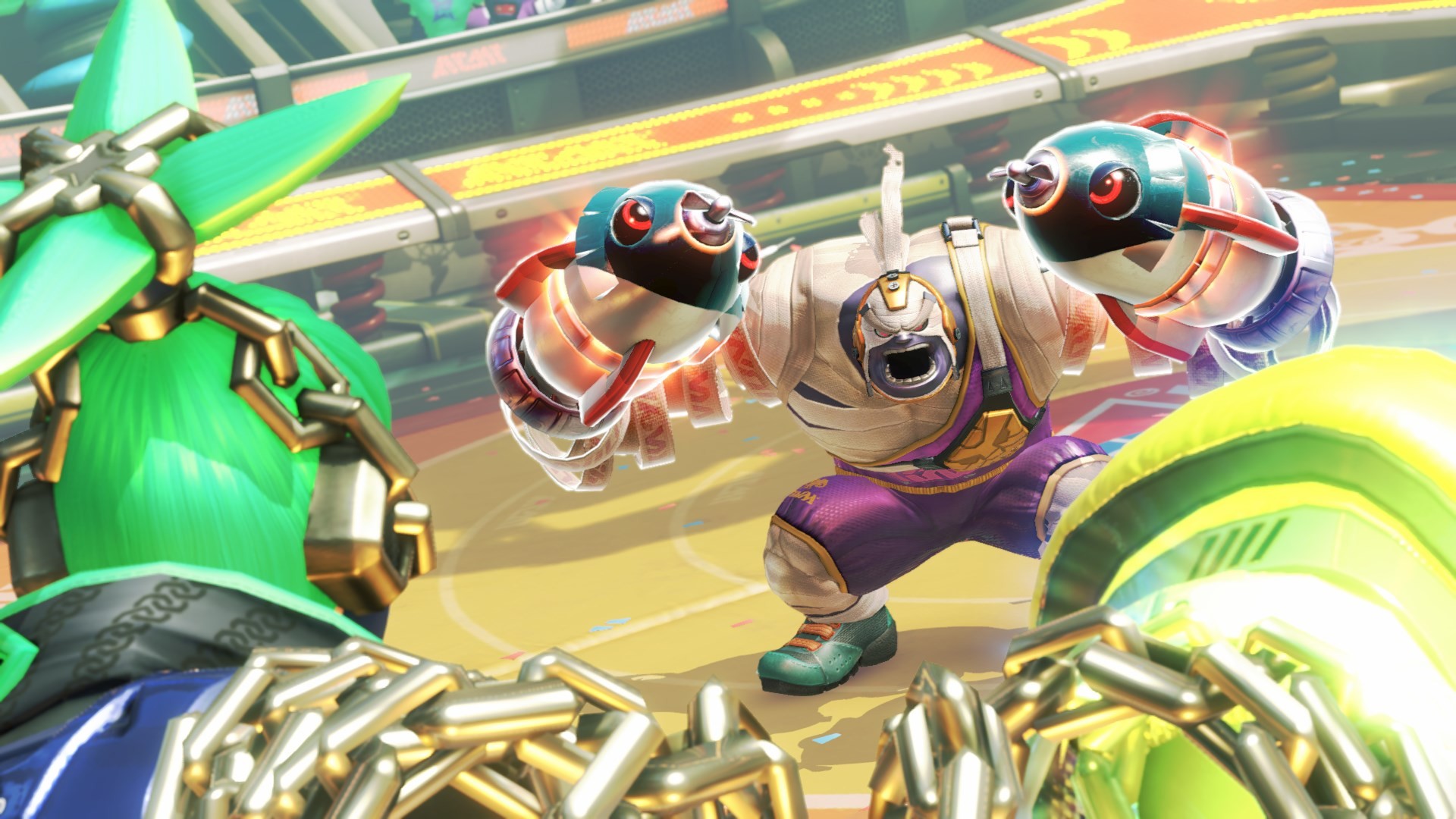
ARMS, coming out June 16th
  • Nintendo Treehouse: Live at E3 will return after the video presentation, it will focus on both Switch and 3DS games
  • Nintendo will also host two game tournaments: ‘The 2017 Splatoon 2 World Inkling Invitational’ and the ‘The 2017 ARMS Open Invitational’ that will take place on the 13th and 14th of June respectively

Are you annoyed that Nintendo won’t be holding a big E3 stage presentation, or are their online video presentations becoming the norm?

Let us know in the comments below.

Viewpoint: The Psychology of Indie Games – How Small Developers Have Been Revitalizing the Horror Genre

Some of us play games for fun, some for family time, some for competition, and some of us like to have our wits and our desire to ever sleep again scared out of us for our own, personal enjoyment. Fans of horror games no doubt have AAA titles such as Resident Evil and Silent Hill to thank for pushing the genre into the mainstream and coining the now oft-used phrase “survival horror.” But, over the years the general mainstream horror genre has suffered from a loss of direction (think back to Resident Evil 6 before Capcom rebooted the series). The industry at large has failed to truly reinvent the genre after longtime fans became tired of the same old tropes, even when well-executed (think The Evil Within). But, as the larger studios have struggled to hit the mark, the indie game industry has managed to not only revive the horror genre, but infuse it with a fresh sense of dread, dark curiosity, and existential concepts that will keep you up at night.

Horror has always been about human frailty and probing what makes an individual through picking each aspect apart: the body, the emotions, and the psyche. Though funding issues often plague the hopes of smaller developers, not having to recover the higher budgets of AAA titles gives indie creators greater freedom to explore some of the more obscure concepts high-end developers often obfuscate. Unbridled by the pressures of larger investors, smaller developers have managed to zero in on what many bigger horror entries are missing: a sense of genuine internal trepidation brought on through feelings of mental dissonance and the subtle (sometimes not-so-subtle) use of the uncanny.

Home, a game that puts the player into the shoes of a man who might be as physiologically unstable as any of Edgar Allen Poe’s narrators, tells it’s story largely through a sense that something is out of place (namely the timeframe, but also some key piece of knowledge the game never quite divulges). This sensation leaves the player with a perplexed and disquieted feeling similar to someone who might have just noticed their mind slipping a bit. The effect is small and subtle, but terrifying, and all this is accomplished in a span of only around a couple of hours in an entirely old-style, pixelated world.

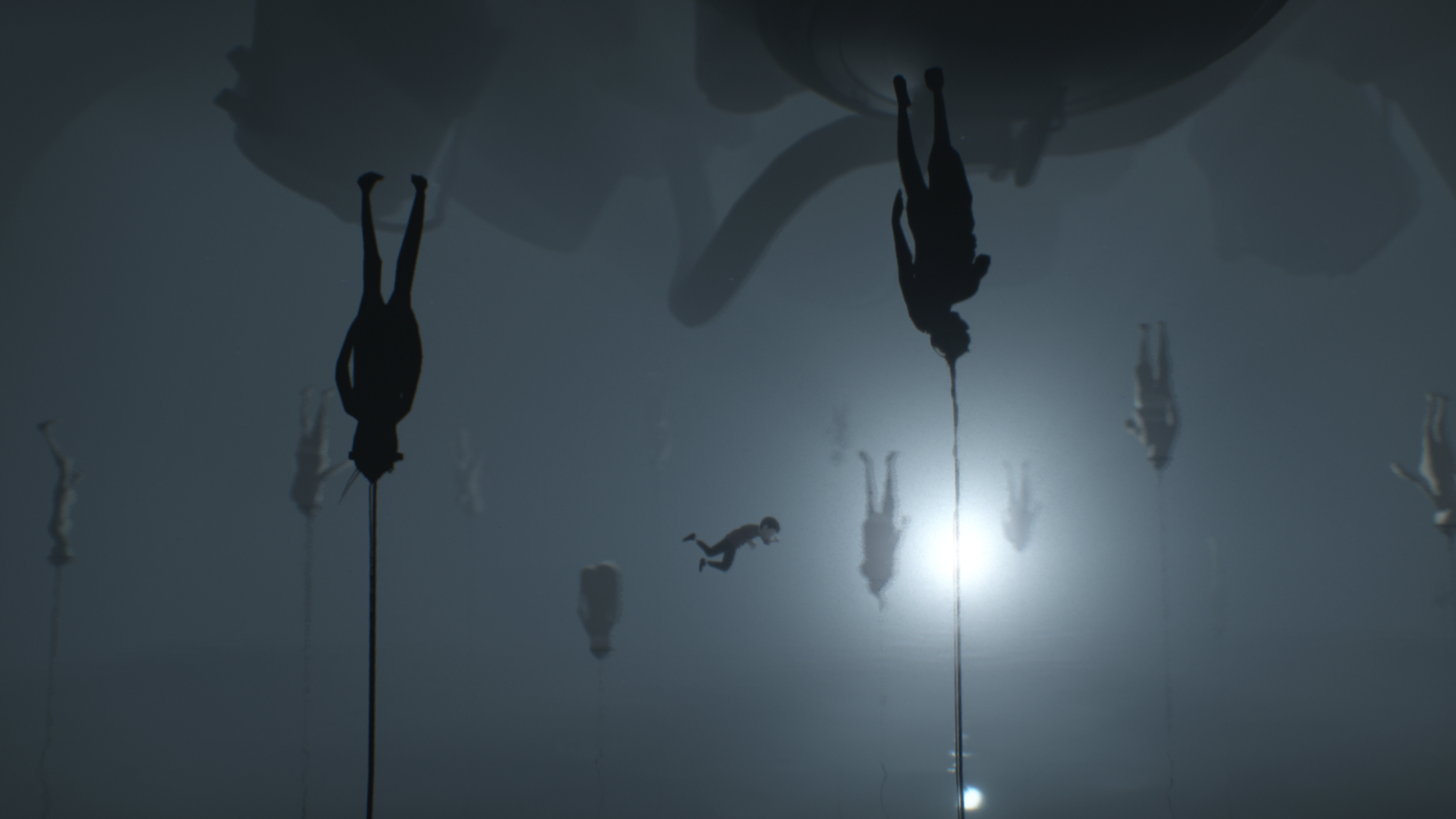
The horror of not knowing the full story and the feeling of a lack of control it produces in the player was well utilized by developer Playdead in Limbo and, more recently, Inside. In fact, Inside thrives on this feeling of displacement juxtaposed with puzzles that require the player to literally control the minds of the people around them. The fact the gamer is taking on the role of what appears to be a little boy adds to the sense of helplessness and lack of control. The ending toys with the player’s psyche even further by literally dumping the player at the end of the game with no more knowledge than that with which you began, even though your character has literally become entangled with a mass of other minds (and bodies). This sense of psychological disorientation is just one way indie horror has succeeded in tackling a major element of the horror genre often left out or unsuccessfully implemented by AAA titles.
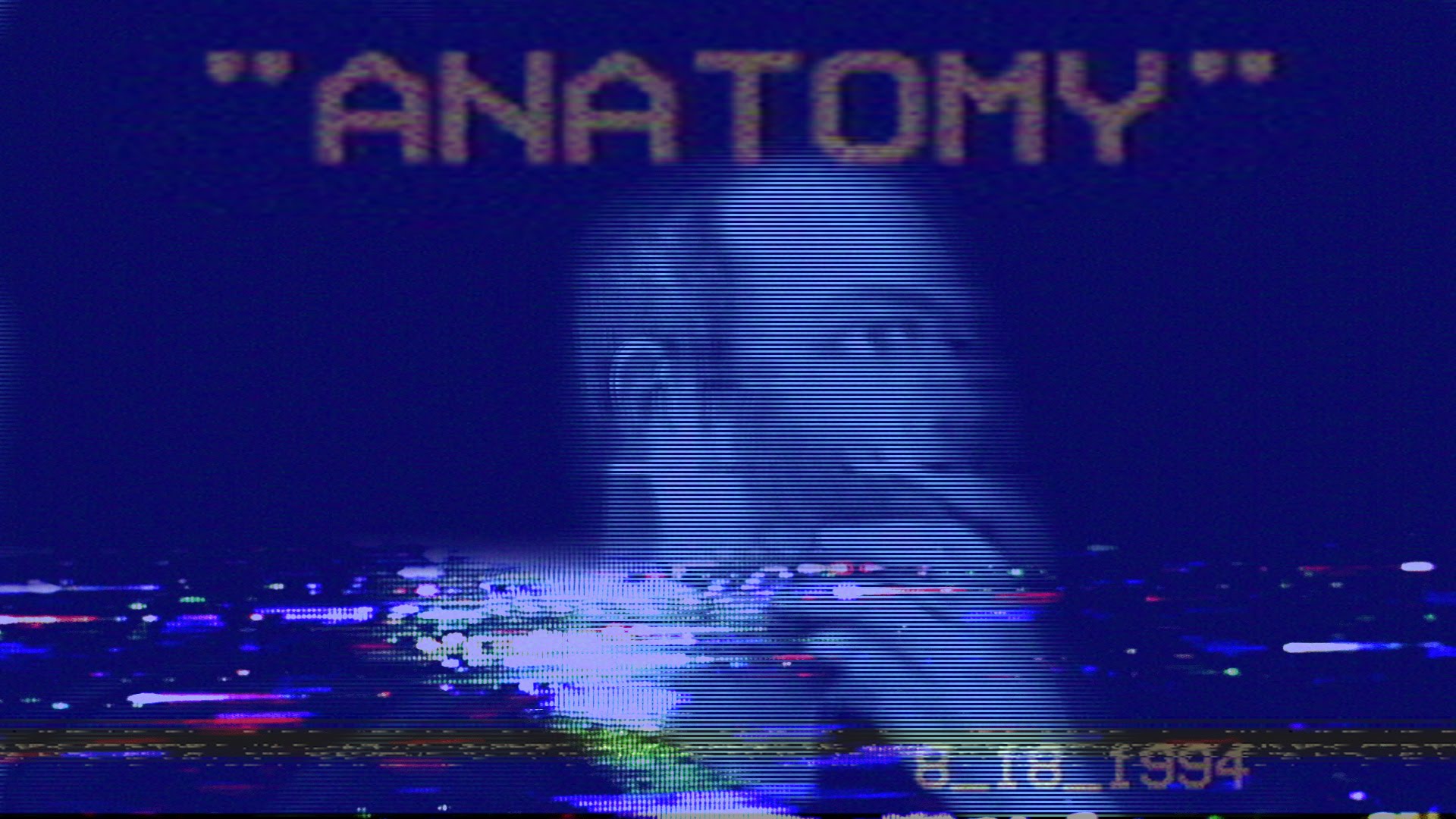
Anatomy

But, of course, some larger indie titles manage to get the feel right, perhaps due to the passion and determination needed to succeed in the independent market. Layers of Fear is a larger indie title that accomplishes on a more grandiose scale what entries like Anatomy by Kitty Horrorshow did on a more subtle note: create a sense of disquiet through over-familiarity with the mundane. Certainly a (possibly) haunted mansion isn’t exactly breaking new ground in the horror genre, but Layers of Fear managed to meld the psyche of the protagonist with the very building the player walks through, much like Anatomy does with a single family home. Though the stories are different, and Layers of Fear eventually takes on a more Alice in Wonderland level of distortion, both games succeed in amplifying common feelings of familial and domestic entrapment, and the fear of being unable to escape our own minds with all our worst memories and regrets, literally changing the mundane into an uncanny manifestation of the disorder in our own minds.

Of course, there are many other independent titles that deal cunningly with the terrors of cognitive dissonance that can result from everyday emotional trauma, depression, and feelings of entrapment. Titles such as Neverending Nightmares and Notes of Obsession both deal with these common enough passions and mental states from the angle of a horror title. Games like Outlast 2 and Soma go a step further, removing the player from reality to such a degree that they are then forced to question how much of our mental state dictates who we are, how we act, and what makes us human. If our minds are undependable like the players experience in Outlast 2, or if similar to Soma our humanity is as fragile and transferrable as a computer program, what does it mean to be human, and how can we really ever know who and what we are?

The indie gaming industry is not an easy place to find success in general. The difficulty in acquiring the proper funding, the need to locate a good publisher, advertising the game and hitting the right notes for the title to be widely successful make the path particularly difficult. Developers of horror titles have the added difficulty of an oversaturated market. The internet is inundated with would-be developers hoping to cash-in on the next great scare fest. But, while being a small developer is a hard road, the horror genre has seen an overall boon within the small games market thanks to the determination, creativity and passion of small developers. We can only hope the path eventually becomes a bit smoother, and more titles like the ones above can make their way across platforms into our homes, and into our nightmares.

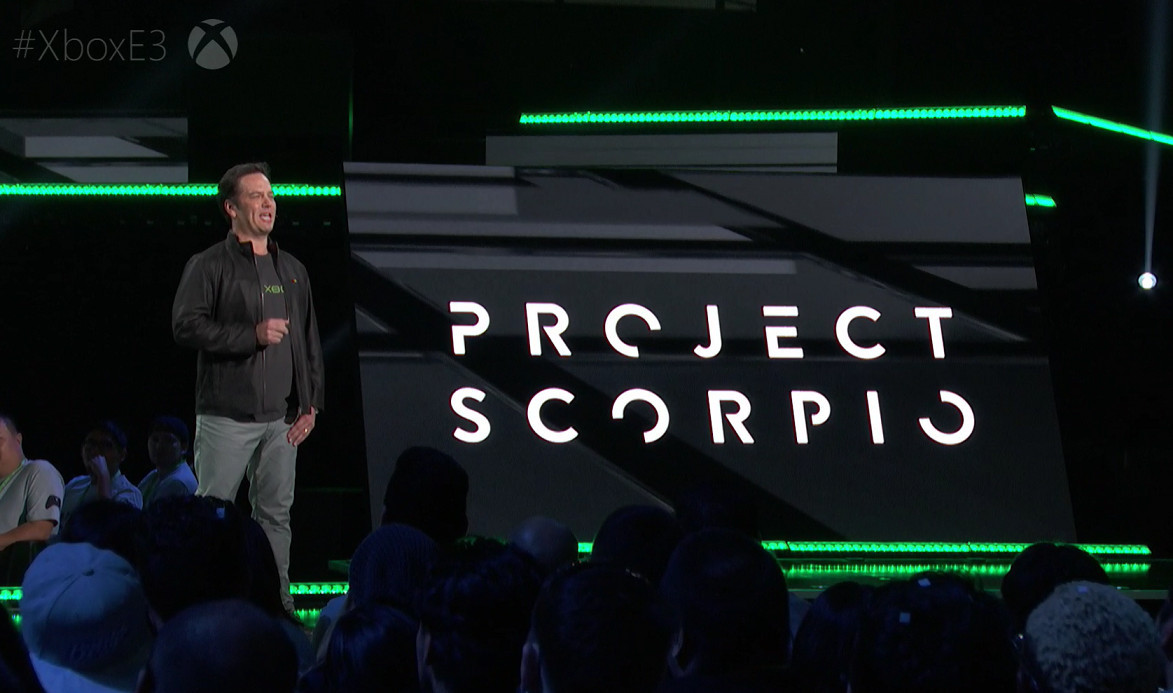
Viewpoint: Project Scorpio has caused quite a stir, but is it really a blow aimed at Sony?

I thought I would let the dust settle somewhat before tackling Project Scorpio head-on because, let’s be honest, it’s caused quite a stir. The inferno that is the console war does not need any more fuel adding to it, but Microsoft seemed intent to deliver their next blow in the battle of attrition between them and Sony. But is it really a blow aimed at Sony? From what I can tell, Microsoft is putting an end to all the bravado and aiming to deliver the best experience possible for their fans.

It came as no real surprise when Scorpio was announced as a mid-generation upgrade rather than a successor to the Xbox One. Much like the PS4 Pro was for PlayStation fans, Project Scorpio will give One owners an opportunity to upgrade to a 4K capable machine. And, in my eyes, that’s what Scorpio is; an opportunity to be part of the next step in console evolution.

As technology evolves and becomes more affordable, our demands inevitably increase and create a natural cycle. Old technology becomes redundant with new and better technology replacing it within an undetermined time scale. Take the advent of HD as an example, this was the big pull and selling point for the last generation of consoles and gave us a real reason to upgrade to a newer console. Is that not what Scorpio is now trying to achieve much like the 360 did with HD but with 4K?

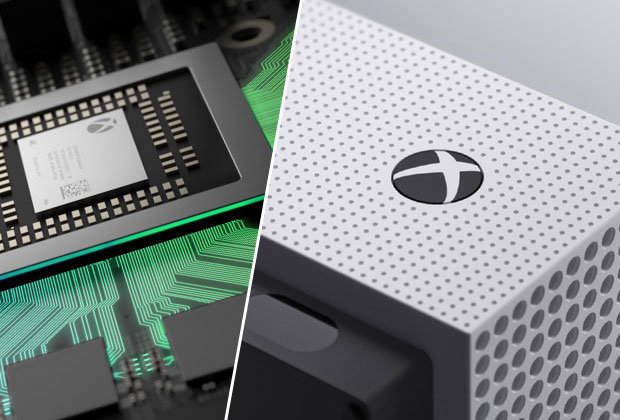
I’ve seen many an article and video blasting Scorpio saying it’s nothing more than a weak gaming PC in disguise and a gimmick, almost unnecessary. But I don’t see this as a problem as that’s what consoles are at the end of the day; lower spec PC’s offering a convenient gaming package to those that don’t want to fork out for a £1000+ gaming machine. Why build something yourself, when you can play the same games (albeit at a lower quality) in a pre-built unit that fits perfectly with the rest of your home entertainment collection?

Granted, it comes at a somewhat earlier stage in the current generation’s cycle than most were expecting, but Scorpio is the aforementioned convenience. We can now have native 4K gaming in a home console with no self assembly required. 4K was always inevitable, but imagine the outcry if we had to wait until the next generation of consoles before we could experience native 4K gaming. Yet when that opportunity is offered, it’s not good enough.

xbone

Before I penned this article, I conducted a poll on Twitter to see what the general consensus of my followers was regarding Scorpio. I expected the worst and only a small amount voted, but the results surprised me. Out of 90 votes, 70% of people said that they liked Scorpio and would buy it with 10% saying they wouldn’t buy it and 20% saying they liked it but wouldn’t buy it. Most people stated that the main reason for their excitement was being able to play games in 4K without the need to build a PC, justifying the above point.

Now it would be silly not raise questions over the cost of Scorpio as this will be a potential sticking point for most, myself included. Microsoft have already said that Scorpio will be a “Premium console” but the price will not be astronomical. Now this doesn’t really settle those pricing doubts, but let’s say worst case scenario it costs circa £450, that will be significantly less than a comparable PC. Of course this won’t be upgradeable, but for the foreseeable future this will surely future proof your console experience.

Personally, I’m really excited for Scorpio. I can see why some people may raise concerns over the quality of games suffering for the sake of running at 4K but I cannot see that happening. Now more than ever, gamers are more savvy with their purchases so developers can ill afford to deliver a game that runs at 4K, yet fails to deliver a meaningful experience. Nor can Microsoft afford to have another questionable launch on their hands.

If I were a gambling man, I’d back Scorpio to be big. I think Microsoft are confident that they are onto something and I think this year’s E3 will be very interesting indeed…

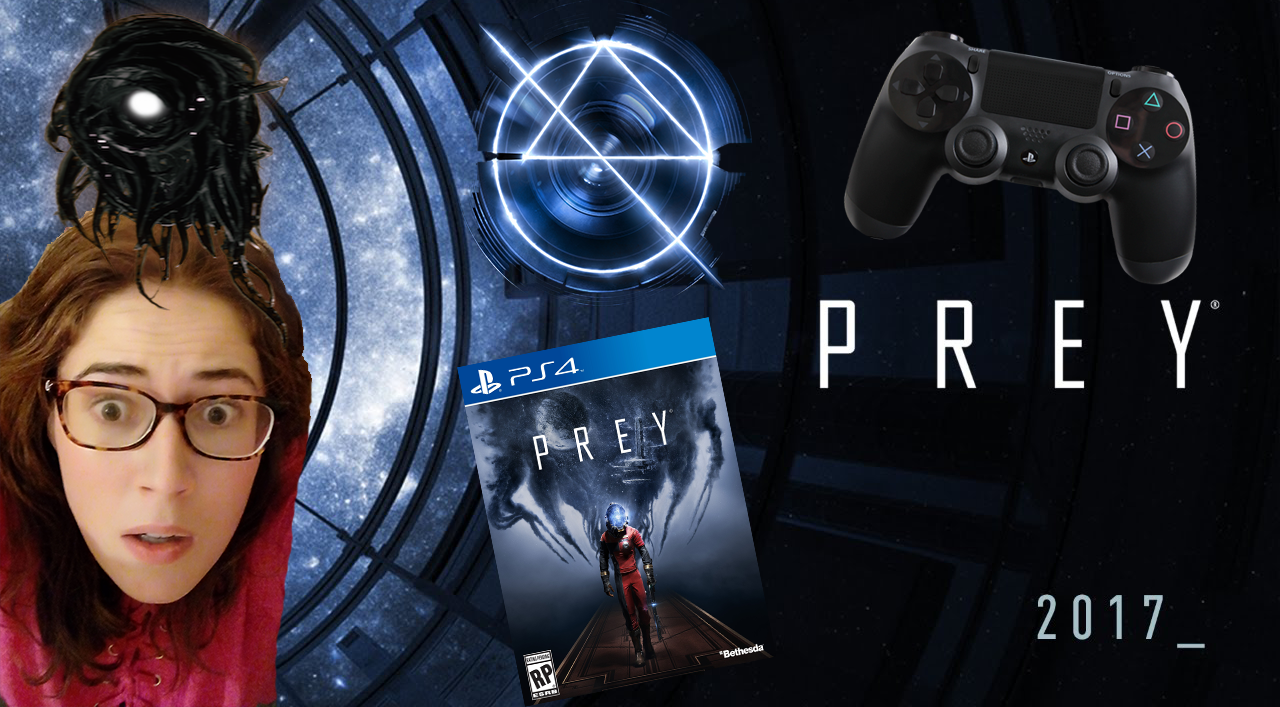
Gamecast: Prey: The Opening Hour Demo – With Sally Mettson Part 2

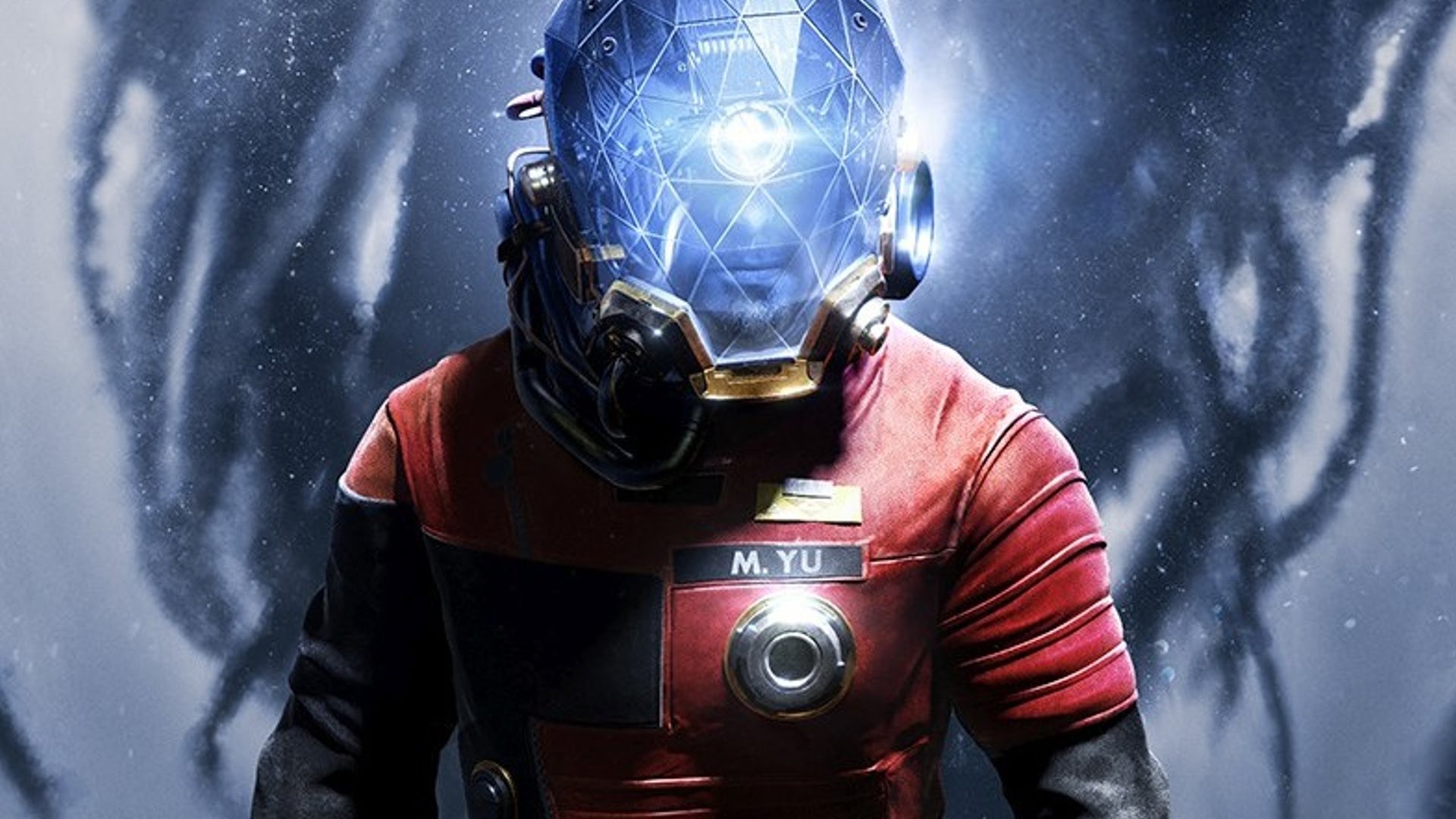
Hi everyone, here’s part 2 of my time on the Prey: Opening Hour Demo. Suprisingly, I did feel scared whilst playing the demo, not PT levels of scared, but quite jumpy.

The music was very atmospheric and at times you could hear Morgan, the main protagonist, breathing as much as I was!

You can check out part 2 as I try to find my way around!

Gamecast: Prey: The Opening Hour Demo – With Sally Mettson

Sally here. I played the recently released Prey: Opening Hour Demo in celebration of the game coming out this week. You can also read what Chris thought about the demo if you prefer the written way of doing things!

I haven’t had much experience with FPS games but I gave it a go anyway. I really liked the test subject idea, it made me feel unsure of whether I was the enemy or the catalyst for the whole nightmare that unfolded. Is everything in this world a simulation? That I’m not sure of yet.

Check out the first part of my video below:

Breath of the Wild DLC Details Revealed

The Nintendo Switch has been breaking records and making headlines all over the world. Much of this wouldn’t have been possible without the launch day release of the popular sword swinging elf-like hero, The Legend of Zelda: Breath of the Wild.

With a huge, beautiful open world to explore and gorgeous graphics to accompany a tugging storyline, the new DLC, The Master Trials, gives players an even more engaging experience with more hours to pour into the massively successful title.

The new additions, the first of two DLC’s to be released for the game, include an all new Hard Mode, a new challenge known as Trial of the Sword, and for the completionists there’s “Hero’s Path” mode, a few new items and new equipment pieces. The only option to purchase this DLC is to buy the bundle pack of both DLC’s at the cost of $19.99. Let’s take a look at what you’ll receive with the new add-on content releasing this summer.

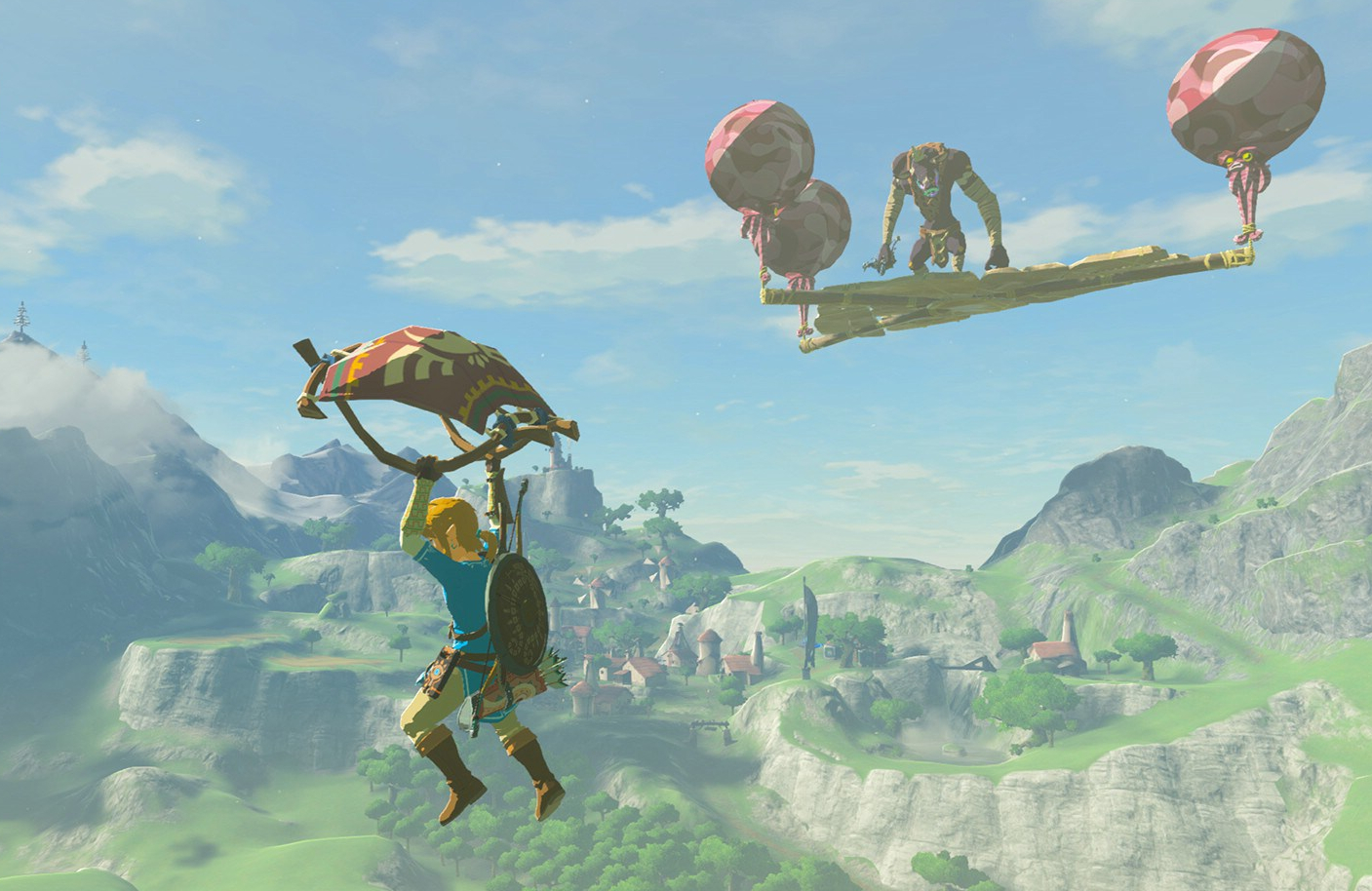
Hard Mode: If you’ve played through Breath of the Wild multiple times, getting your fill of the immense land may start to seem a little lacking of challenge. Changing the ranks of enemies and even a few high-ranking enemies you wouldn’t normally stumble upon, hard mode speaks to the thrill seekers and anyone looking for a true challenge in the realm of Zelda games. With a more combative healing structure giving enemies a health recovering system and a better detection system making Link harder to sneak around, this mode is sure to raise the bar. Finally, adding floating platforms throughout the game with hidden treasure, naturally guarded by tough enemies gives players even more to discover.

HardMode

Trial of the Sword: Bringing in a new enemy wave-challenge series, Trial of the Sword brings 45 trial rooms to complete in succession with an ultimate reward. In each room there are waves of baddy’s to defeat and once each room is cleared, it’s on to the next one. The Master Sword will awaken to its true power once all rooms have been cleared, also granting a constant glowing powered-up appearance.

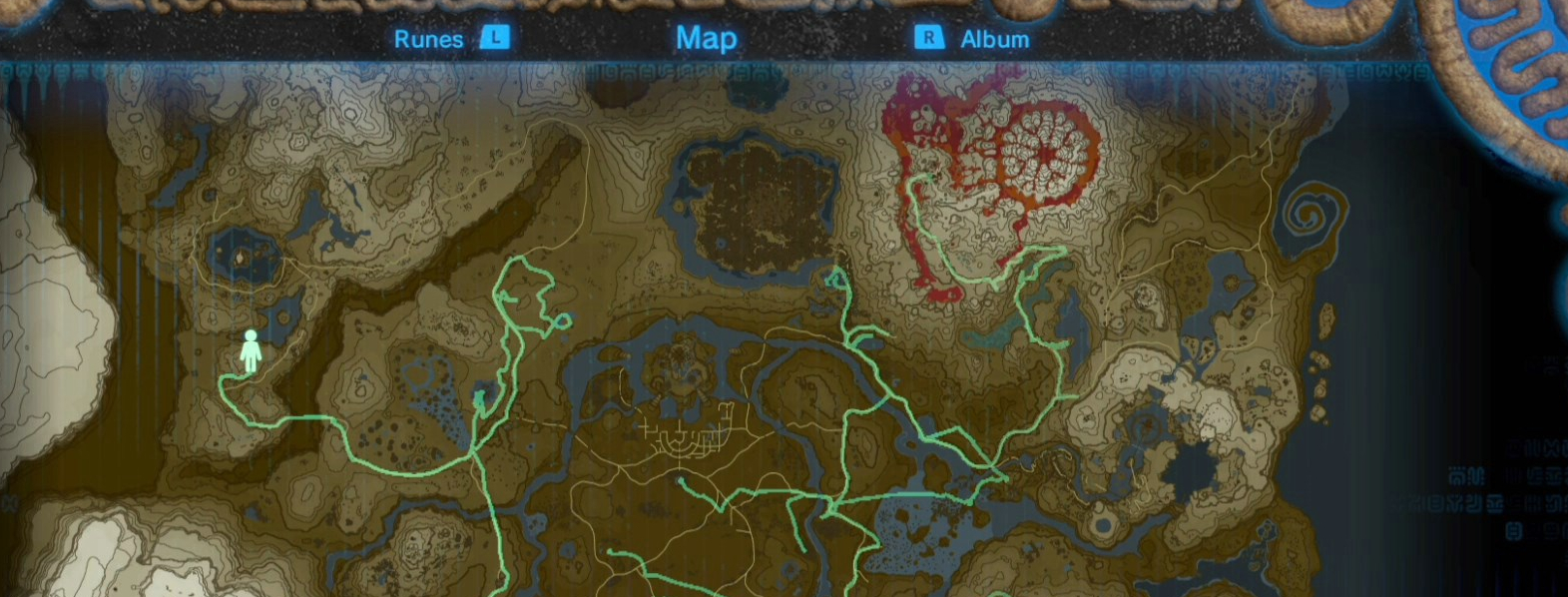
Hero’s Path Mode: Something a lot of other open-aired game makers could get behind is Breath of the Wild’s soon-to-be released Hero’s Path, which highlights every path you’ve taken for up to 200 hours of gameplay. Included is a slider bar that’s attached to the game’s timeline to give easy access to find where and when you’ve visited a certain area.

Hero_s_Path

This will help players reveal parts of Hyrule they might have missed previously, including any Shrines not yet encountered. Additionally this will work retroactively meaning any previous steps you’ve taken before the DLC release will appear on the map as well, once the Hero’s Path is installed.

New Items: “The Travel Medallion” and “Korok Mask”. In a new treasure chest there lies a new item called The Travel Medallion which allows easier access to previously visited areas. Placing a travel blip on the map wherever you’re currently standing, this allows the player to be transported back to that point at any time, but only one blip can be placed at one time. A handy feature useful for remembering important areas you’d like to return to later.

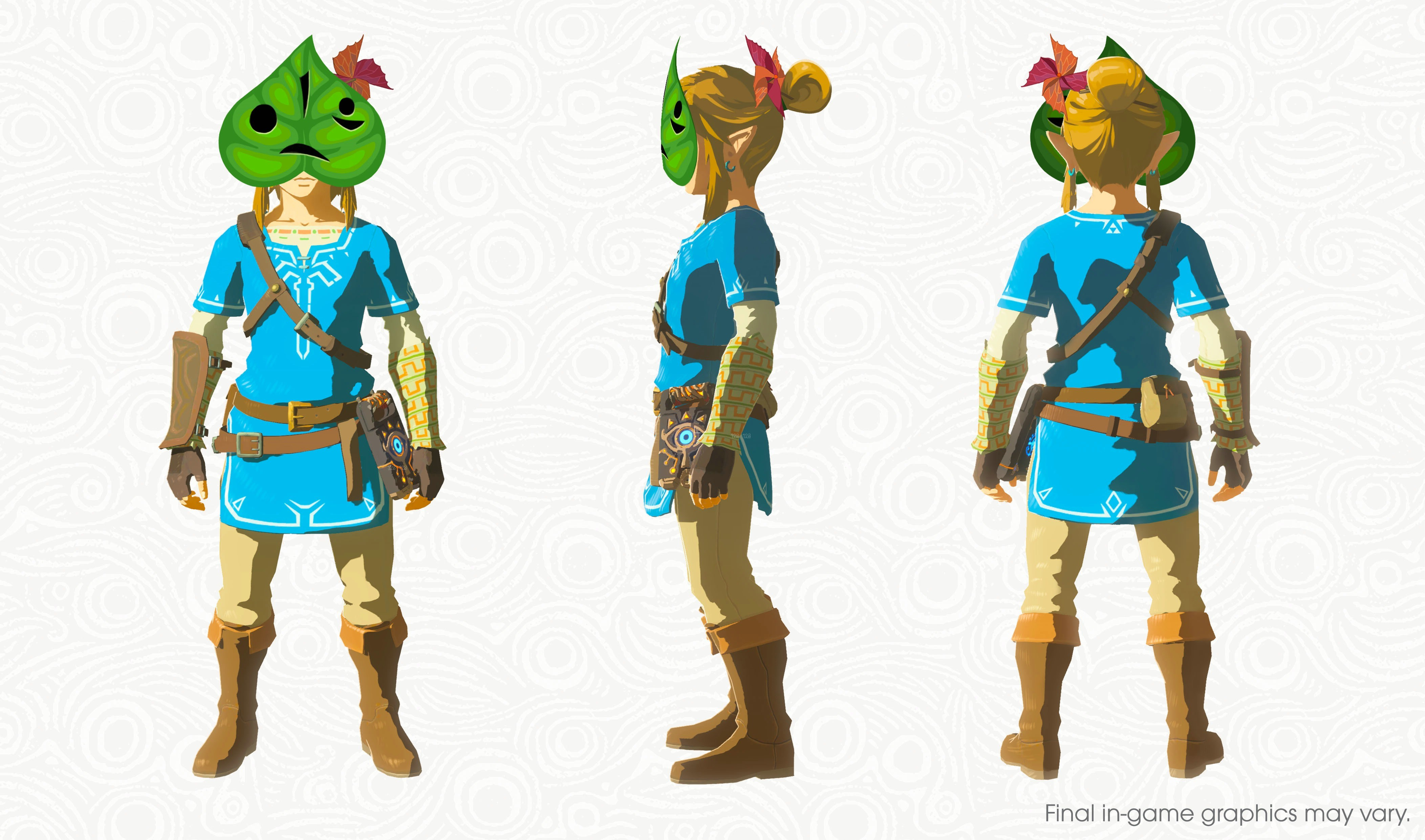
The new Korok Mask can also be found, which when equipped helps you find more Korok locations. When near-by a location the mask will begin to shake making it easier to pin-point any undiscovered Korok areas.

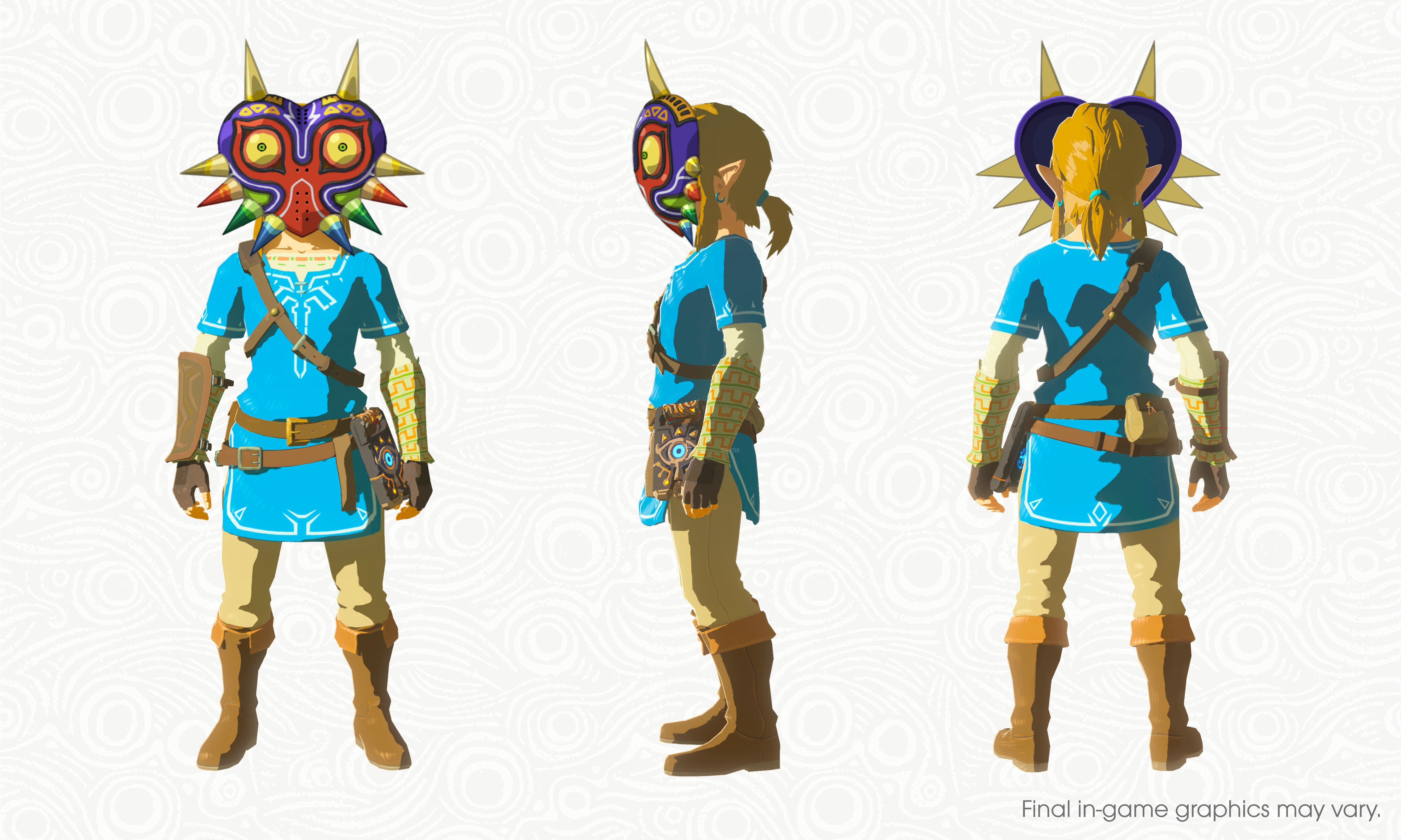
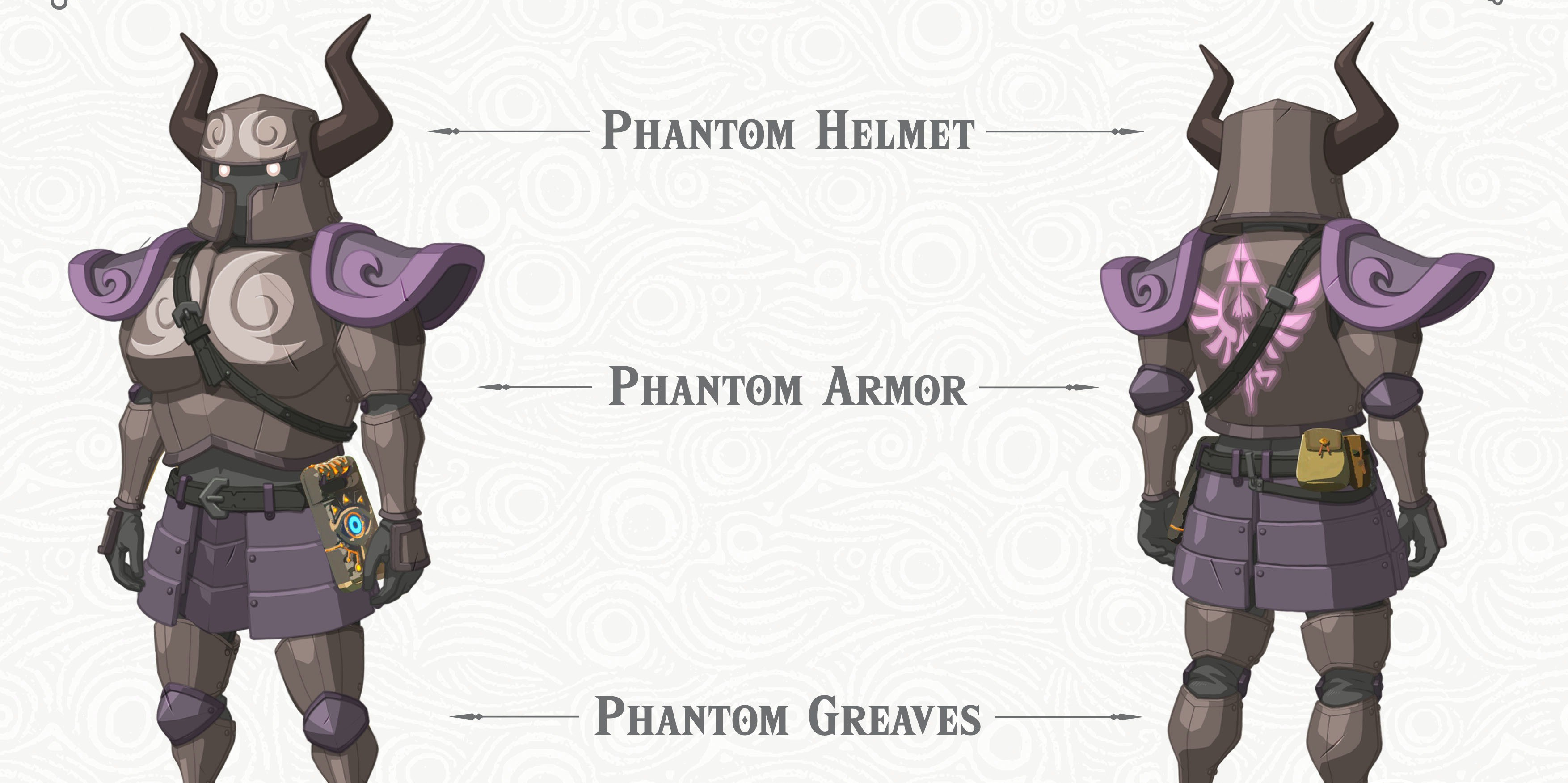
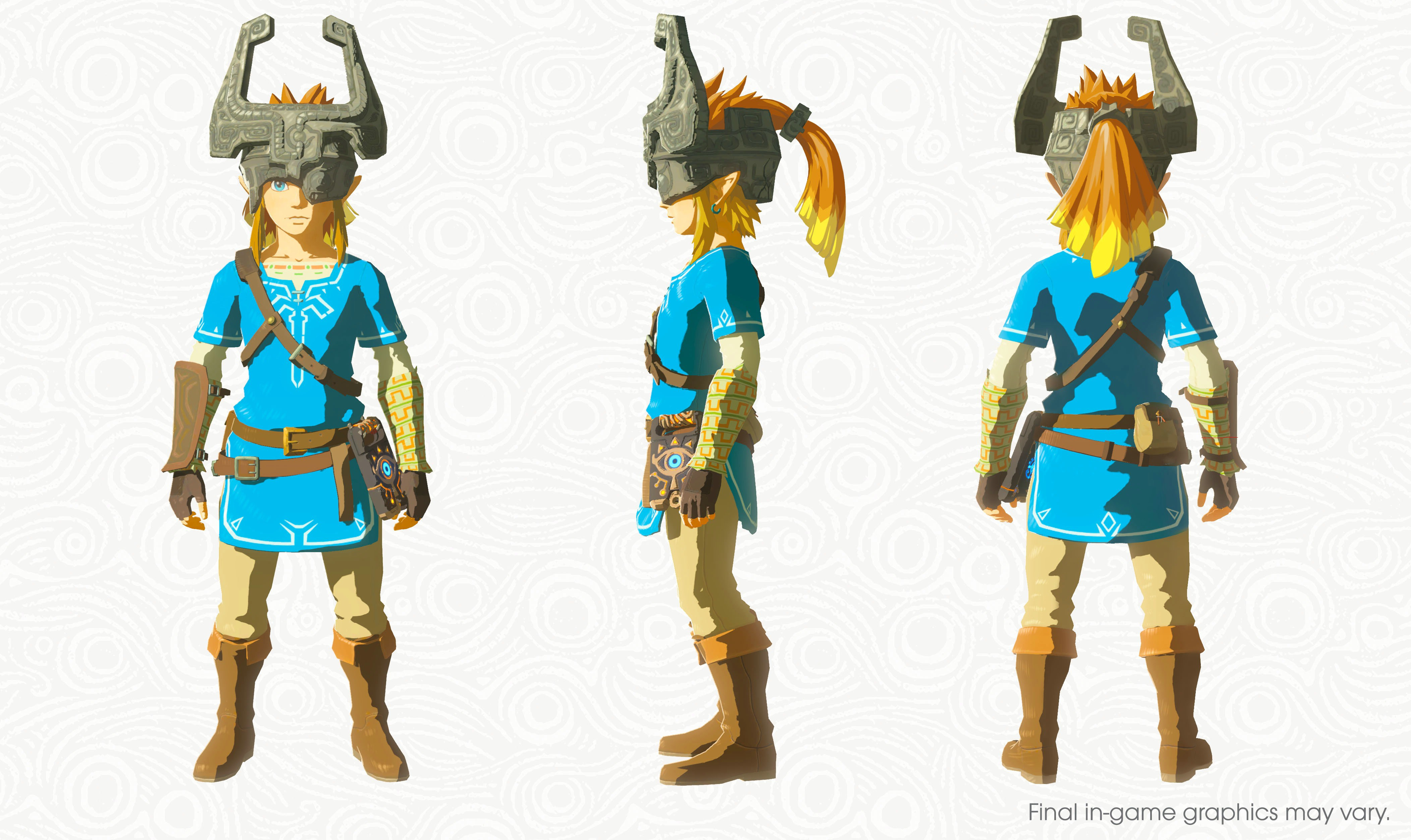
Alas, equipment themed from previous Zelda games and characters will also be available to unearth throughout Breath of the Wild. Fan-favorites such as Tingle, Phantom, Midna and Majora’s Mask are all included in the DLC coming soon.

korok_mask.jpg

majora_mask.jpg

phantom_armor.jpg

midna_helmet.jpg

More information will be released later this year about the second DLC which is scheduled to release this holiday season. Both the Switch and Wii U versions are available for the additional content, with the first release gracing Zelda fans everywhere this coming summer.

The adventure isn’t coming to a close yet – it’s gearing up for a long haul well into next year.

Resident Evil 7’s Not a Hero DLC delayed

Resident Evil 7’s free DLC, Not a Hero, has been delayed from its planned Spring release.

According to the producer, Masachika Kawata and director, Koshi Nakanishi, the original plan to release the free Resident Evil 7 spring DLC has been delayed to make sure the quality is as high as possible.

No additional details have been disclosed regarding the future release date of Not a Hero, but development is underway.

The executive producer, Jun Takeuchi, has said there will be further DLC but hasn’t revealed when this will take place in the story, and whether it will be free or not.

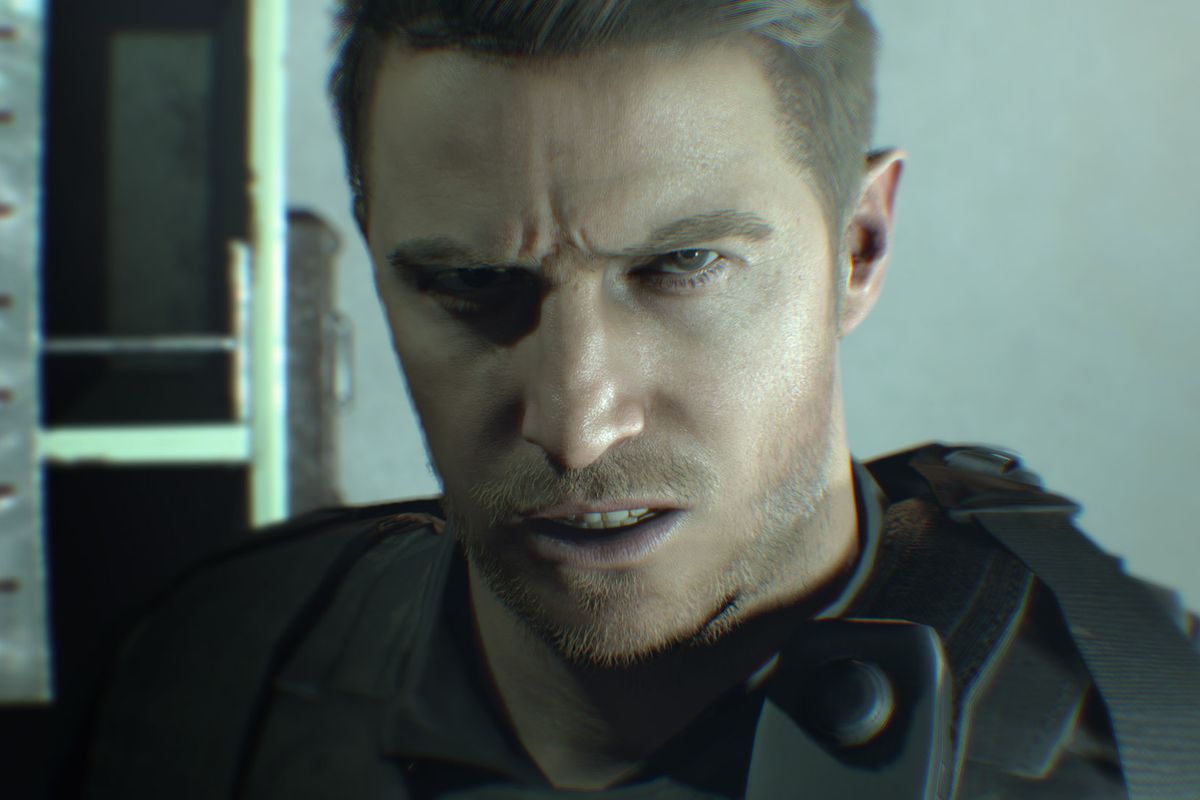
Not a Hero is the free epilogue expansion which will see the return of the famous protagonist, Chris Redfield.