Looking Back at Superman 64 – The Worst Game of All Time?

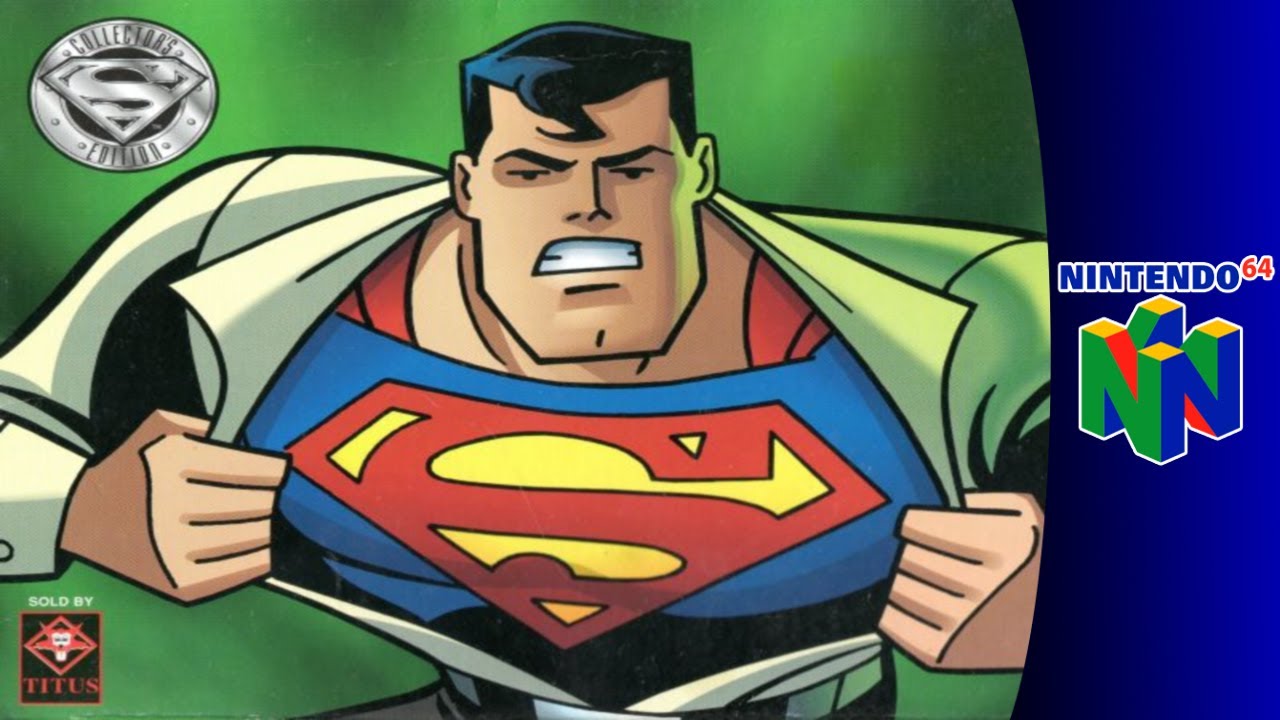
When game critics cite the worst game of all time, they’re likely to come up with a range of different candidates. They may say E.T. They might even say Big Rigs Racing. But among them, a more superpowered candidate stands out: Superman 64. Developed by Titus Software and released on the Nintendo 64 in 1999, the game was a major best-seller during June of that year. At the time, the game even scored a reputation as the console’s third-best-selling title. But one problem remained – the game was bad. No matter what the sales record says, the game was critically panned across all gaming media. But why was this? Does Superman 64 truly deserve the harsh criticism it continues to receive to this day?

Superman 64

Well, to be put it abruptly, yes. Superman 64 is as bad as they say. The game is filled with bugs, tedious gameplay and poor design choices. It’s a game that was evidently rushed out to meet the deadline. The game’s infamous ‘ring-flying’ stages, where Superman must fly through rings within a specified time limit and reach the goal have received much derision from gamers and critics alike.

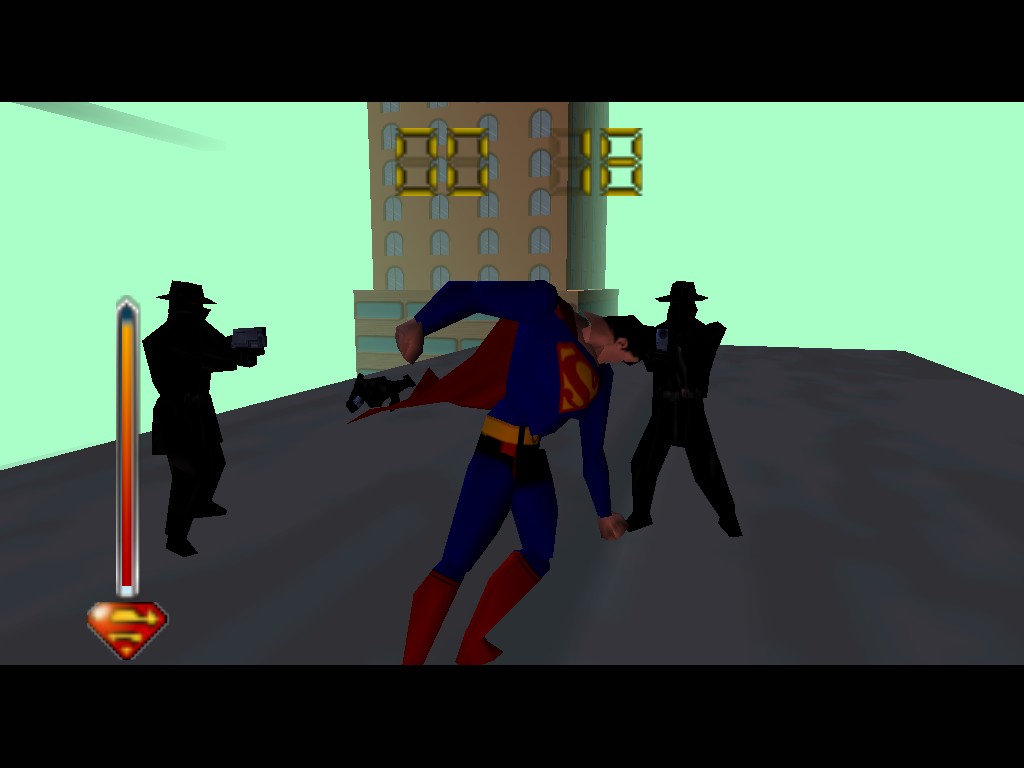
There are several reasons for this. One is the multiple glitches and bugs that plague these stages. Superman can easily get caught in the walls, buildings and bridges if you fly too close. Then, there is the game’s poor draw distance. A green fog blocks most of the player’s field of vision, making the act of flying through rings even more tedious than it would be otherwise. That’s not even bringing to attention the game’s abhorrent control scheme, which makes Superman hard to control – clearly, the man isn’t great at turning tight corners. These points all come together and build a frustrating experience, which is further hindered by the stage’s strict rule when it comes to the rings. You can skip a couple of rings, but any more than that will result in the player failing, with Lex Luthor laughing victoriously in the background. It’s a sound that players of the game have come to know and dread since failing is a regular thing in this game.
Superman 64

However, the ‘ring stages’ are just the start of Superman 64’s problems, since the maze segments are considerably worse. Unlike the flying stages, the player will spend the majority of the mazes on foot, completing various objectives. These include defusing time-bombs, protecting Superman’s friends and fighting bosses. But while the variety of mission objectives is well-intentioned, the execution is lousy and poor.

One example is when fighting the game’s ‘bosses’. I use ‘bosses’ in parentheses because they’re not so much bosses as normal enemy mooks who take more hits to put down. They’re programmed in the same way as the game’s “Shadows” (the identikit enemies you fight), staying on the floor punching the player and offering no idiosyncratic movement or attack patterns of their own. To a Superman nerd, this can be particularly jarring, especially when intergalactic supervillains such as Darkseid and Mala are fighting like ragdolls as opposed to the superpowered beings they are in the animated series. The worst thing about fighting these enemies is that it’s impossible to dodge their attacks due to the awkward nature of the fighting system. The only physical attack in Superman’s arsenal is his awkward punching. Therefore, fighting bosses is more about withstanding their attacks long enough for you to kill them.

Superman 64

Then there are the damned glitches. Superman 64, like many games of its generation, is fond of the escort mission trope but, unlike many of those other games, doesn’t do it very well. One section has Superman rescuing Lois Lane and escorting her towards a certain goal. This means defending her from all manner of enemies that suddenly pop up from nowhere. The problem is that enemies that the player will have already defeated in previous rooms on their way to rescuing Lois will respawn out of nowhere and with no explanation, forcing them to go ahead and wipe them out before they wipe the sassy young journalist out. Unfortunately, leaving Lois for a short amount of time means that shadows will automatically respawn near her position and start attacking her!

And yes, if Superman doesn’t return in that given amount of time, it’s game over. The problem with this is that it provides an example of fake difficulty. The time you have to return to Lois isn’t nearly enough to contend with all the newly respawned enemies from the previous rooms – not helped by the poor controls. This means having to return to the room to save her from the shadows then going back to the other room to deal with a few more respawned enemies before flying back to Lois to deal with a few more magically-appearing ‘Shadows’. Rinse and repeat.
Superman 64

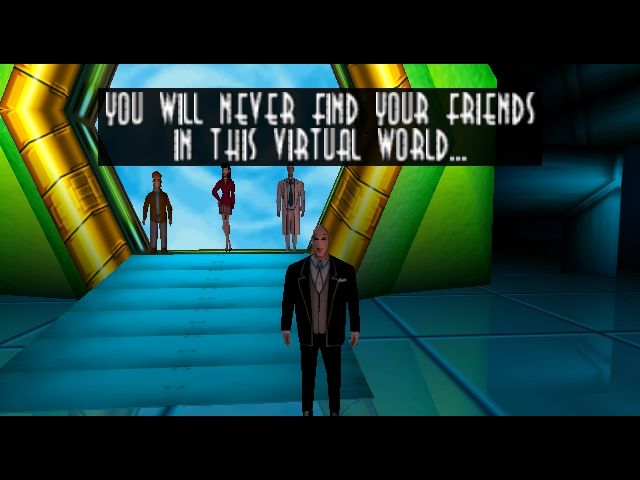
Alas, there are some good reasons as to how the game became the poor product it was. The developers, Titus, were given strict guidelines from Warner Bros., who insisted that Superman could never harm real human beings and placed limits on the superhero’s powers. This is what would inspire the ‘virtual world’ setting of the game. It was delayed for six months due to a lengthy approval process and, ultimately, according to the game’s head honcho, Eric Caen, the game’s design was too ambitious for the N64 software. Yet, despite the game’s critical panning, it became the best-selling release of June 1999 and the third best-selling game so far in the console’s history at that point in time. That’s how things work, of course.

One thing is for sure, though. Superman 64 will forever remain one of the worst video games of all time in many gamers’ minds. In an internet generation where we regularly worship or denounce video games on a daily basis, it’s unlikely to be forgotten as such. The game continues to be the butt of every gaming nerd’s joke and is a good advertisement on how not to make a game. That’s not going to change anytime soon.
Kid Icarus: Uprising

Looking Back at Kid Icarus: Uprising – A Glorious Ascension?

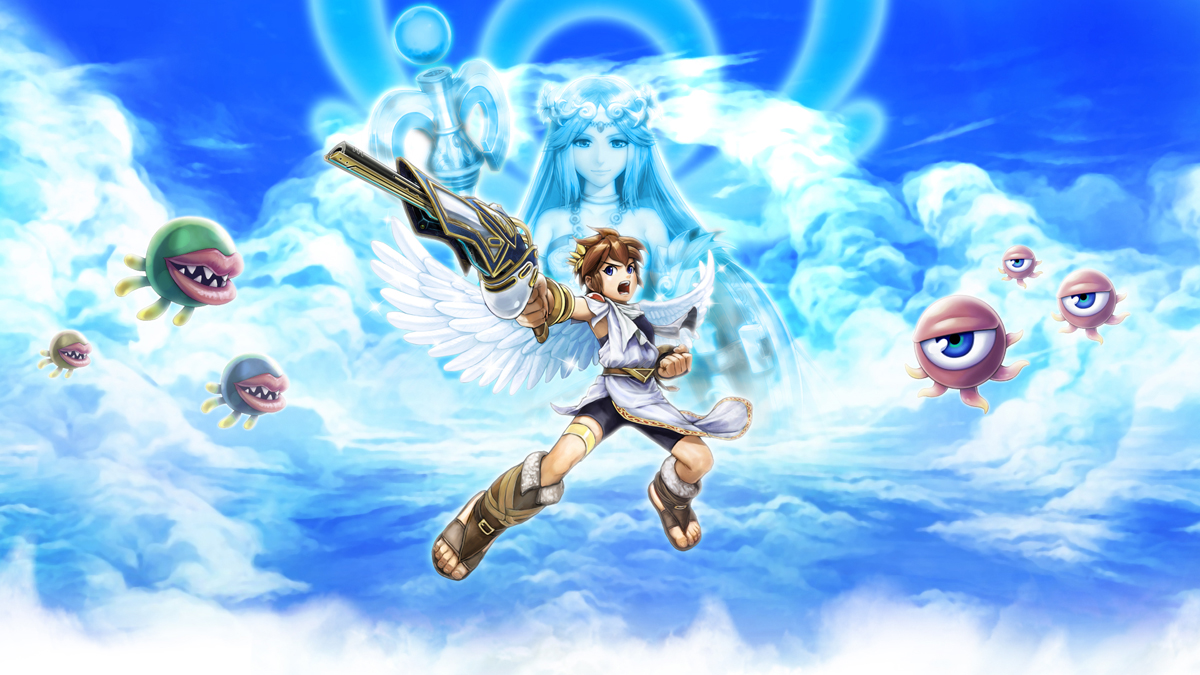
Mario, Grand Theft Auto, Call of Duty, Zelda, Resident Evil, Sonic, Metal Gear, the list goes on. What do all these gaming franchises have in common? It’s their recognition. If you’re an avid gamer you should know them incredibly well, and there’s a good chance you possess at least a few games from each of their respective series. On the other hand, we have some game series that wait quietly in the shadows, attempting to ‘photosynthesise’ towards that same light of recognition. Kid Icarus is one these. Stuck in the dwindling light for 21 years, all the time hoping for another opportunity to shine. And we finally got it in 2012, the year of our ‘Armageddon’, and the year we saw the return of Pit in Uprising. Was his revival a glorious ascension into heaven, or a quick descent into the underworld?

Masahiro Sakurai, a man famous for working on Kirby and the Super Smash Bros. series was the creative force behind Pit’s new adventure. He’s known for his somewhat paradoxical: deep yet streamlined approach. From the moment you load up Kid Icarus: Uprising, this fact is apparent from the menu alone. There is a lot of content to be found, from the Idols to the achievements, to the numerous fancy weapons. It’s completely overwhelming at first, in the same way Super Smash Bros. Brawl was; even the menu layout is hugely reminiscent of that star-studded fighter. It was depth in abundance, but what about his renowned, streamlined gameplay?

Kid Icarus: Uprising

Sakurai wastes no time for a preliminary story, as the opening level immediately shows the dust-covered angel burst out of the doors of heaven in spectacular fashion. Suddenly everything is happening at once and that frantic rush you get from rail shooters like Sin and Punishment is instantaneous and gratifying. Serving both as a tutorial and exposition, the first stage is a great introduction to the game. Uprising is split into two halves then, the first part in any stage takes the form of the adrenaline-fuelled rail shooter, with the second part being essentially a third-person shoot ‘em-up.

The stages that take place on land are certainly slower-paced, with the aim being to annihilate everything in your path with more finesse. Chests containing goodies are chucked in to break it all up, with the occasional puzzle-like element featuring as well. At the end of these stages, you’ll face one of Medusa’s commanders, who are expertly realised and fantastic fun to fight.

What about the controls? Remember the controversy back in the day? While they’re not a literal ‘game-breaker’, they are an annoyance at first, and one in which a master like Sakurai should have addressed. You control Pit with the Circle Pad, aim with the Stylus, and shoot with the L button. It’s fluid and precise, that is until a nagging in your wrist commands you to stop; you might even experience a few minor hand cramps. An important point to make is that it improves the more you play: while that might sound like a crude justification for bad design, after a few hours of gameplay it won’t really be an issue.

You also have a stand packaged in with the game to help remedy this, which works extremely well, yet simultaneously destroys the idea of portability. Of course, this begs the question: if the team were that worried about the ergonomics to include a stand, then why did they proceed?

Kid Icarus: Uprising

It’s worth saying that there are some in-depth control customisation options that allow you to set-up your preferred style of play. Although none of these allowed for the precision of the Stylus. The other gripe is with Pit’s mad dash motion that often throws you off edges to your demise. You have to flick the Circle Pad up to run, but sometimes the slightest movement engages this dash, the outcome being a significantly reduced life bar. Ultimately though, you shouldn’t let a few hours of comfort adjustment perturb you – Uprising’s positives far outweigh the negatives.

Now that we’ve covered the controls, we can talk about Uprising’s greatest strengths. For starters, seeing the game in motion is truly a spectacle, even today. The colours, the sprawling environments and the character models are often striking, and the little touches, like the soft blue glow around Pit’s enchanted wings, only further convince you of this stunningly-presented package. One particular eye-opener for me was approaching the swaying sea, which was then ‘biblically’ parted by the Goddess Palutena. Like the best-looking games for the 3DS out there, to see it all running smoothly in 3D on such a small screen is the biggest surprise.

Kid Icarus: Uprising

It doesn’t stop there though, the soundtrack was also incredible. This is unquestionably a result of influential figures like Yuzo Koshiro (Streets of Rage, ActRaiser), Motoi Sakuraba (Dark Souls, Star Ocean), Masafumi Takada (Killer7, No More Heroes), Noriyuki Iwadare (Grandia, Ace Attorney: Investigations) and Yasunori Mitsuda (Chrono Trigger/Cross, Xenogears) combining their celebrated musical talent. It’s whimsical, illustrious, and beautiful. There’s not much else to say here, if anyone could assemble such a group, then it’s Sakurai. Certainly some of Nintendo’s finest work.

The dialogue between Pit and Palutena is another highlight. This is fully-voiced, self-referential humour at its best. Lines like: “Dark Lord? Hasn’t that been done to death?” and, “Listen to that swagger, you’ve toughened up nicely Pit. Remember when you’d be all, like, “I’M FINISHED!” all the time?” add to the unashamedly funny script. In a gaming world that is filled with deadly serious stories, where characterless soldiers kill lots of things, Pit’s revival is original, lighthearted and a breath of fresh air. The continual breaking of the fourth wall is a clever move indeed, and the audio recording is simply top-notch.

The multiplayer segment of the game wasn’t the reason you bought Kid Icarus: Uprising. Nevertheless, Light VS. Dark is the superior mode here, where players fight 3-on-3 battles with weapons earned through the solo campaign. This is balanced out so that those with the best arsenal are the greatest sacrifice to the team’s life bar when they fall. After all three players in a team have been defeated, one will turn into Pit’s light or dark side. It’s executed well admittedly, and there are very little connection issues, but the tastiest meat really is found in the solo experience. Still, it can be addicting as the rewards for playing online are significant.

Kid Icarus: Uprising

StreetPass and SpotPass were both utilised as well. StreetPass allows for a stylish gem transfer system between people you meet in the streets, while SpotPass enables Nintendo to send you even rarer gems that can be used to fuse weapons. Then there’s all the other stacks of content seemingly packed into the cartridge of Uprising: AR card functionality, Idol tossing, a music gallery, detailed play records, and the Fiend’s Cauldron, which is a hugely original way of encouraging multiple replays of the same level. Intensity gates found on land levels dictate the difficulty you need to play on to unlock them and reap their awards. Therefore, play on a higher setting, unlock the gate, fight a mini-boss, and you’re rewarded with endless gifts, weapons and hearts. Just how they managed to fit it all in is impressive in itself. The discovery of the almost unlimited supply of things to do is one of the highest points in the game.

Kid Icarus: Uprising

Kid Icarus: Uprising was Nintendo trying something different. Sharing elements from Starfox, Kingdom Hearts and Sin and Punishment, it’s still exciting and fresh, and proves that there’s always more room for those heroes left in the darkness. It has its control niggles which are a shame, but this doesn’t stop it being an epic rendition of Sakurai’s creative power and direction. The fact that the production values are higher than some home console retail games mean you’re truly getting a cinematic experience. Uprising is a treasure trove of love from a masterful video game director. So, where’s the next game?

Antiquia Lost Review – A familiar fantasy RPG [PS4]

Antiquia Lost shows off its deep roots from the early years of the Final Fantasy saga, but deep down the game sits quietly with a mold of its own identity. Powerful and heroic characters mixed with emotionally charming plot lines and dialogue, Antiquia Lost brings a surprise nostalgic experience to the broad circle of traditional RPG titles.

Deep Roots

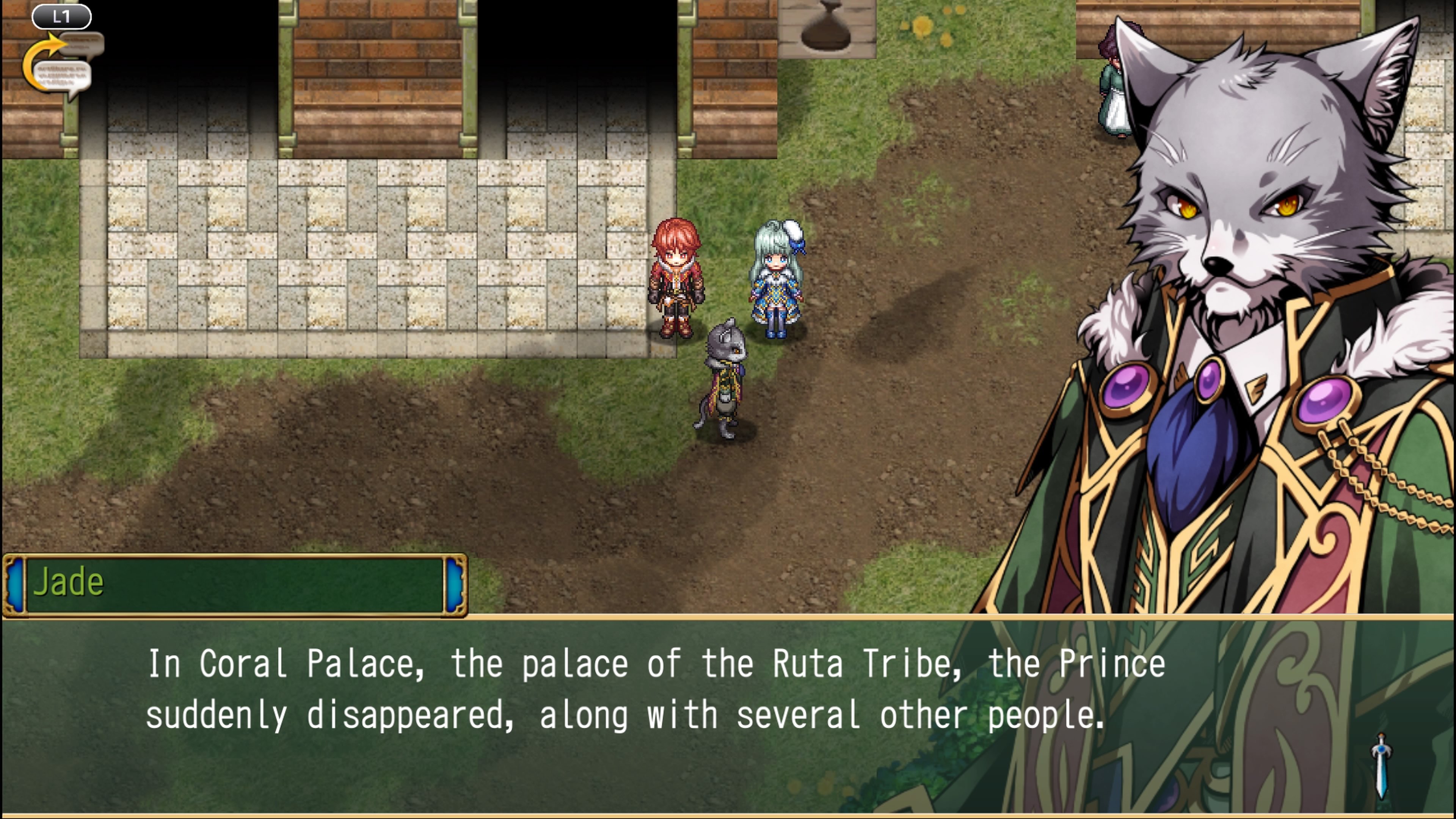
Starting the game in the small town of Crysta Village, you take control of Bine – a red-haired demon hunter engaged in the beginnings of a warm and exciting adventure. With the help of his mysterious power and newly acquired friends, you’ll dive deep into the fantasy world full of intriguing towns and villages, dungeons, as well as plenty of turn-based battles along the way.

Antiquia Lost Review
Bine and his cast of powerful allies are full of interesting and eventful dialogue moments in the charming story.

Lunaria and Safira hail from the goo-like people of the Ruta tribe, Jade – an elder of the cat-like species from the Eeth tribe and the protagonist Bine is home to the Fai tribe. Each represents one of the three elements being Earth, Fire and Water. The peaceful tribe lives in harmony with one another in the vibrant world of Antiquia Lost, until important figures from all over the lands begin to disappear. Venturing to the Capital City with your trusted group of friends, you’ll begin to uncover the truth behind the mysterious disappearances that are taking place.

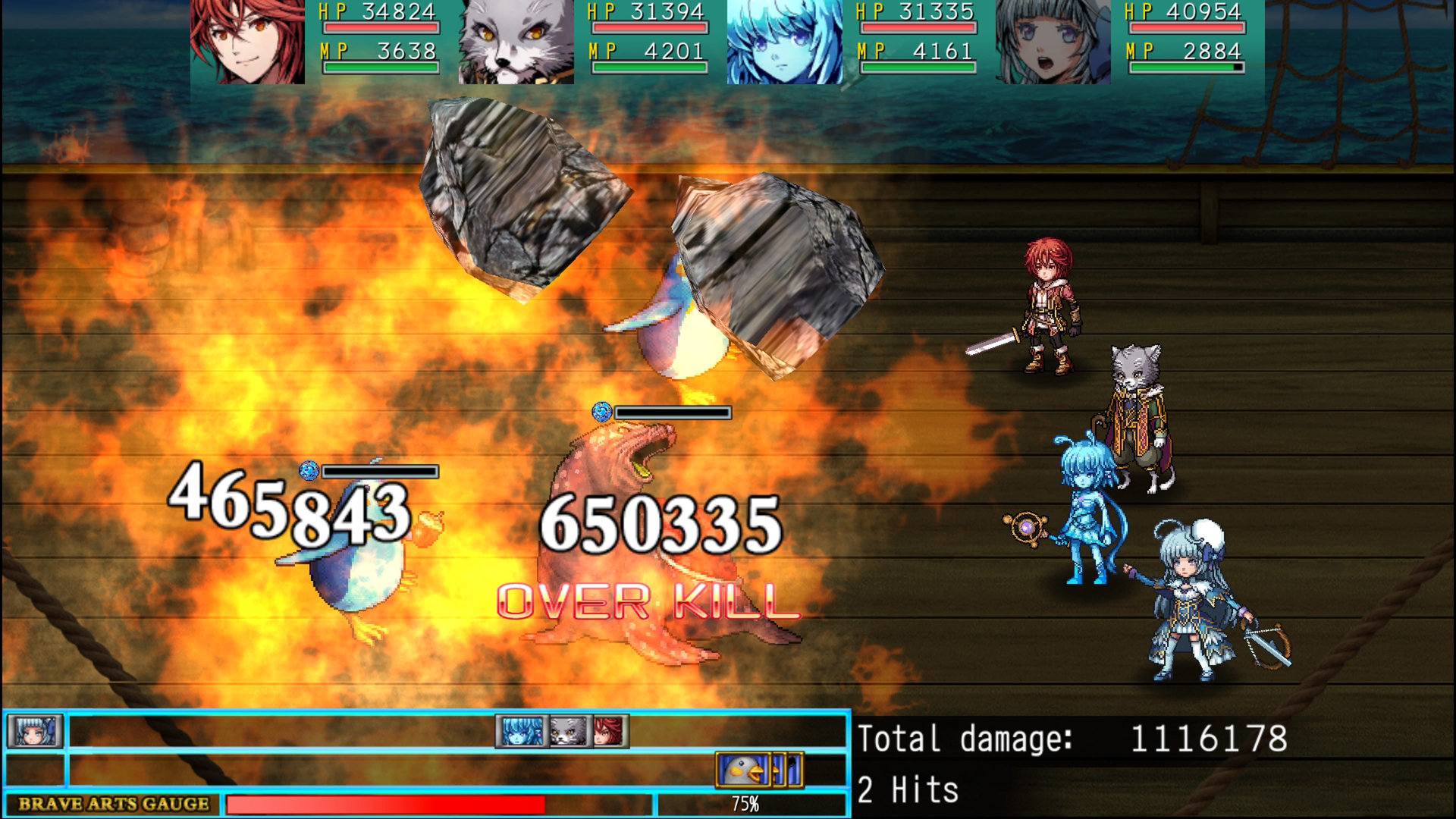
The battle system is set up in a traditional turn-based RPG format, only now with a few enhancements and quirks that help keep the game original. Each character in your party is capable of common physical attacks with whatever weapon is equipped, and of course various magic spells ranging from fire attacks, healing water abilities to ancient powers and the unique Brave Arts ability. Random enemy encounters occur throughout the sprawling world map, rewarding the player with experience points, useful items and equipment and tasty gems which act as Lunaria’s special method of leveling up.

Antiquia Lost Review
Many different physical and magical abilities are crucial in defeating the monsters found throughout the world.

New or Robust?

The storyline in Antiquia Lost doesn’t offer anything new or robust coming out of the stale isometric RPG genre, but creates a wonderful cast of friends and dialogue to keep fans of cheesy narrative lines and fantasy tales playing throughout the campaign. Talking with your party members during down time in between quests will give you the opportunity to either boost your status with each individual – or lose trust – based on the response you choose in dialogue selection areas. Paying attention to each ally’s personality will give subtle hints as to which direction to take the conversations.

Traveling from town-to-town, each small village has a number of villagers, some with additional side quests to add to the playability. Traversing back through previous areas in search of a lost item, piece of equipment or even a stray sheep, more often will result in ending these side quests with a powerful demon fight to cap off your short journey. Once you’ve fully explored the current village or dungeon to your desire, the option to move along with the story remains in your trusty quest log for quick ease of use.

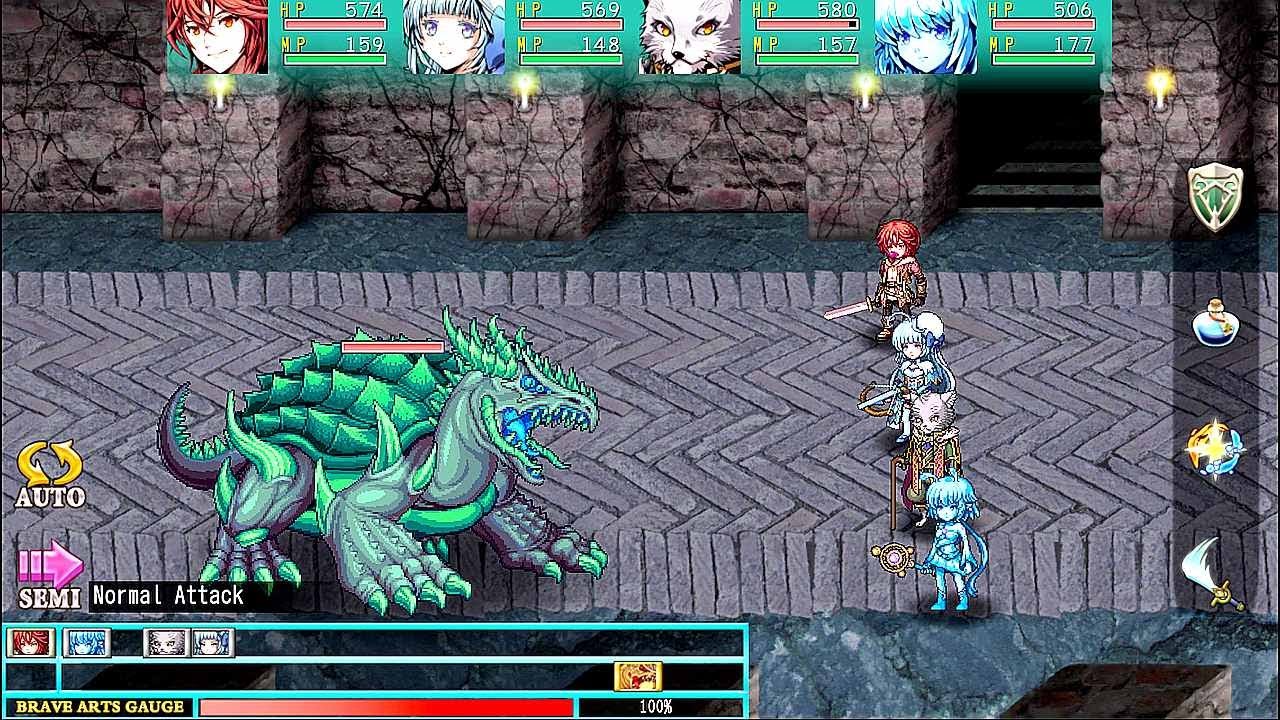
As your party members battle their way through waves of enemies, gaining vital experience and gems to help build the power of their abilities and other attributes, enemy encounters become increasingly more difficult, featuring various forms of every monsters. Color-coded by specific strengths and weaknesses, some monsters require unique weapons to be defeated, while others just require more persistence and strength.

Antiquia Lost Review
Boss battles require careful strategy and powerful skills to defeat the monstrous enemies.

Antiquia Lost Review

Using your attacks and defenses to your advantage is crucial, such as strategically using multiple-hit skills to strike down every enemy in specific rows and columns. These techniques prove useful against large mobs of enemies that out-number your party.

A large variety of supporting items are also present, curing status ailments, healing items and various fruits to help boost important stats in your characters. These fruits can be grown in potted soil kept in your inventory. After obtaining seeds labeled for specific skills – i.e. strength, vitality, speed, attack , defense etc. – as well as other rare items, you’ll plant them in one of the desired planting pots located in the inventory menu. After the timer ticks down, the fruits are ready to be harvested and saved for a time in need to help sway the tide of battle in your favor.

You can find Antiquia Lost available now on the PS4/Vita on the PS Store, mobile devices on the App Store and Google Play, and Steam.

Bloody Zombies Review – A Polished, Zombie VR Beat Em’ Up [PS4]

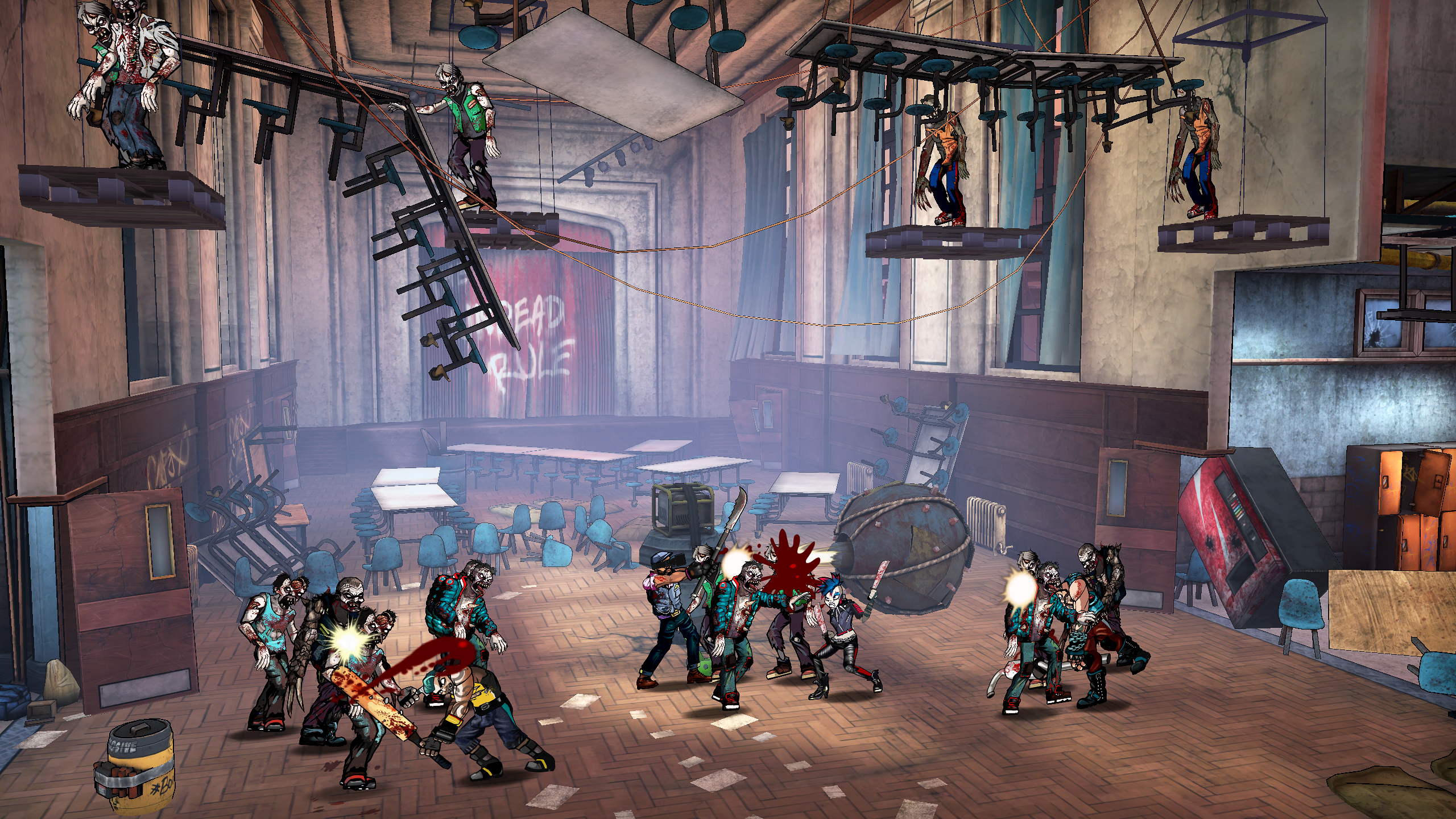
Bloody Zombies arrives in slick, fist-throwing action in the hopes of pummeling the walking dead, and in brutal fashion at that. Prepare yourself because Bloody Zombies brings a classic arcade feel with intense and challenging combat action.

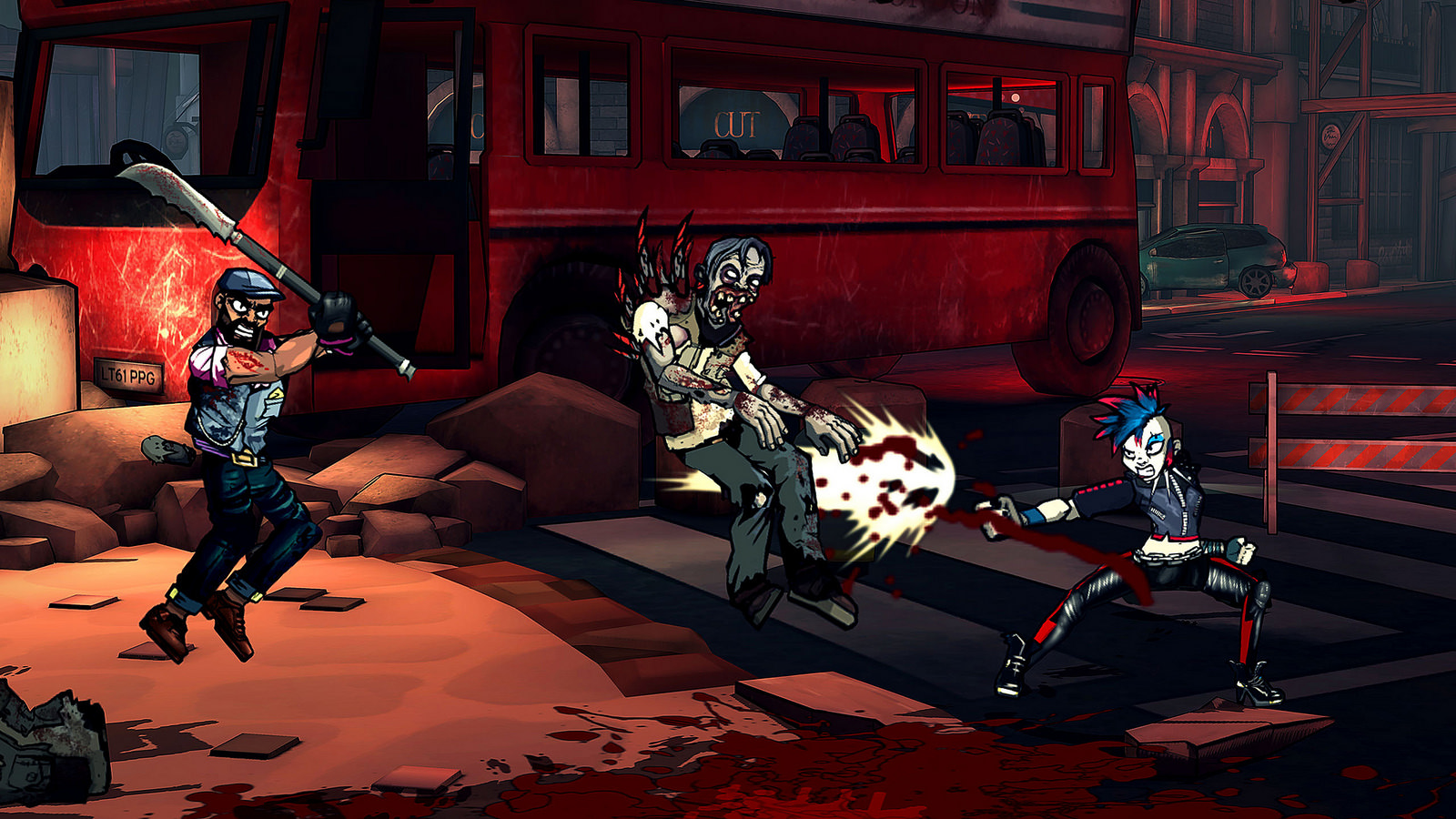
Taking the player to London in the middle of a zombie outbreak, you’ll control one of four playable characters in a lineup of misfit brawlers. Each character has their own unique appearance and combo techniques, while each player’s profile contains the collected skills and abilities adaptable to each character. Designed as a true co-op experience, Bloody Zombies provides much less of a frustrating experience when all four slots are occupied with zombie brawling survivors.

bloody zombies1.jpg
Each character has a combination of unique combos and shared special attacks to fend off the zombie nightmare.

I entered Bloody Zombies with the expectations of a traditional 2D beat em’ up adventure – with the new technology craze that is VR. If any genre of video game will adapt to virtual reality technology, a 2D side-scrolling brawler would be behind quite a few other choices… But that’s exactly where Bloody Zombies stands out among the rest. What lies ahead in this challenging co-op brawler are tough waves of diverse enemies and tons of unique skills, weapons and level designs; all of which add to the addictive, bloody experience.

The combat featured throughout the game focuses on technical combos and special moves requiring button inputs commonly found in many of the best fighting games today. With four different combinations of button inputs, each skill comes in one of four colour-coded combinations related to each combo set. Each player is then able to equip one skill each from a selection of the four coloured skills, which are either dropped by enemies, found by smashing random objects in the levels or purchased from the store, discovered in different locations of the game.

Bloody-Zombies-SchoolTrap-2560x1440.jpg
Using the VR headset in Bloody Zombies, the player is able to reveal secrets scattered across the game – like deadly ambushes that lie ahead.

There’s a tutorial level to help better acquaint you with the simple but brutal combat mechanics found in Bloody Zombies. Though it serves its purpose on instructing you with the basics, it may take the player a while to realize the importance of unique fighting styles that aren’t as common in other popular brawlers. Juggling enemies with fast uppercuts and flying kicks, completing quick combo moves while stringing together special abilities and making good use of the jump and roll dodge abilities are all vital in surviving well-past the first boss.

If playing with a VR player – they’re able to scan the level ahead for traps, secret chests, and most importantly the wide field of vision for the overwhelming groups of enemies that wait ahead, as well as a broader view of the playing area. The 2D plane is sometimes tricky to observe where exactly your character is standing, making it easy to consistently miss landing punches and kicks on your target. Though frustrating at first, it won’t take long to build up a better understanding of the level’s dynamics, as well as having VR players to help guide the team through the level more thoroughly.

Bloody-Zombies-2
Playing in co-op has exceptional benefits when fighting off massive hordes of undead.

As mentioned before, Bloody Zombies is a true co-op experience. Braving the dreaded streets of London alone won’t last long for the average player, as more powerful undead enemies and bosses appear as you proceed further into the game. Gathering a team will no doubt add health to the waves that await you, but a group of solid zombie slayers will undoubtedly bring a much more bearable experience to the combative mayhem. Fending off multiple ogre-like zombies, obese exploding walkers, spike-chucking monsters and a wide range of other deadly enemies proves overwhelming when attempting a solo run.

Joan Ginard From Indie Brain On Being An Indie Developer

We got the chance to sit down and speak to indie developer Joan Ginard from Indie Brain. It’s here we discussed indie game development, wider trends in the games industry and much more.

Joan Ginard is a passionate indie game developer and student. He makes video games in his free time – he’s been in love with them since he got his hands on a Game Boy when he was 3 years old.

What inspired you to get into game development?

One day, while having lunch, I saw on TV that they were making this coverage about people that worked making games and I was like: “WAIT WHAT!? You can actually work making games!?”. Prior to this, even though I had been playing games my entire life, I hadn’t thought about the idea. Next, in the coverage, they were announcing the release of a master’s degree right in my city (Barcelona)!

At that time I was in 11th grade (4 years from now so 2013) with 16 years on my back and couldn’t have any other dream. In fact, this idea of making games is what has kept me from not dropping off school nor college. Right now I’m in my 3rd year of a “special”, you could say, computer engineering bachelor’s degree. So, since I entered college I have been making plenty of games.

What games have you created and which is your favourite?

My favourite game I created was in a 4-day game jam called The Odyssey to School. It’s an endless runner about a boy trying to reach school on time with obstacles in his way and every time he gets hit he loses life which is his timer to reach school on time, haha. It’s very small and simple, you can beat it in 5-10min, but I worked hard on it, created my own little engine using Javascript and HTML.

Why not, you can find it here: https://joan-ginard.itch.io/theodysseytoschool

What advice would you offer for those just starting out?

My advice would start by telling the truth from the beginning. If you want to be a game developer and make big games that’s going to be a long-term goal (we are talking about 5-10 years) and it’s going to be extremely hard, making games is NOT playing them (like most people think).

This mentality comes from many AAA companies that have accustomed us to release a new Call of Duty, Assassin’s Creed, Fifa, Battlefield every year, so we think it’s very easy to make games (from a gamer’s point of view), but the reality is that in these titles there are normally between 700-1,000 people working on it 12h/day during 1 full year. So, you got to be realistic about your capabilities and if you aim is making big titles like this you’ll need the skill only years can provide and a big team, not just yourself or a few friends! Although I feel like these companies never innovate so even if you make a small game, innovation yourself is better.

To begin, my advice would be start learning the programming language C++ from the beginning – it’s the language all other programs and languages have been created from, so even though it’s the most difficult one, once you learn it you can program in any language for any platform to make any game and you’ll have the most opportunities for jobs. At the beginning, because it’s all code you’ll get frustrated because you’ll only make text games or very simple games. So, once you understand at an amateur level how everything in C++ works, start making games with GameMaker Studio using only code and you’ll get to create amazing 2D games easily with the expertise you have accomplished programming in C++ (just like what I did, haha, even though I still consider myself a C++ noob).

From this point on, everything will be easy on you, you will just need to adapt your syntax for any other language, but because you already know how to program in C++ it will be so much easier. It’s like playing soccer with a tennis ball and then actually playing with a soccer ball – because you are so good with a tennis ball, with the soccer ball you’ll be awesome too.

Next, just try the game engines out there (programs to make games) or try to make your own and focus on the one you like the most. For me, I’m more of a creative profile so I prefer using already existing games because I like to make games, not make programs to make games, but that just depends on every person, just follow your path and keep working hard.

What do you think is going to be a key trend in the games industry this year?

I think lately survival and open-world games have been trending a lot, so it will follow this line. Apart, from indie titles especially on Steam. Every year that passes we see more variety in indie titles that are hits with completely different genres and audiences. You just got to take a look at how ARK: Survival Evolved, Playerunknown’s Battlegrounds, The Forest, Rust, We Happy Few and other not so popular indie titles out there. I also feel that more on the indie side, specifically rogue-like titles are also a trend thanks to The Binding of Isaac: Rebirth, Enter the Gungeon or Crypt of the Necrodancer and other smaller ones.

In your opinion, which is the best platform to sell your game on?

Right now, as an indie developer, the most comfortable and beneficial one I would say is Steam. It has the most customers in the PC market and most importantly, the highest fan base of indie games.

Oh! And why not Switch! There are so few rival games that if you make a good one, you will get noticed.

What are your favourite tools for game development?

At the moment, they would be GameMaker as a game engine, Adobe Photoshop as an image editor and Adobe After Effects as a video editor. Although I’m enjoying a lot of Unreal Engine, which I’ll use for my next game!

How do you stay motivated to achieve your goals?

It’s not easy, you’ll eventually feel unmotivated. For me, it’s just the urge of making a name for myself in the industry, I’m just very ambitious I want to make the best game of all time! Apart from enjoying every last bit of it. I feel that’s the most important part of any goal. Normally I’ll be working for 10 hours look at the clock and say “What!? I just started working! It felt like 2 hours of work lol!”.

When I feel unmotivated I just keep working – you’ll thank yourself later. Also, one thing comes to mind that I heard Will Smith say in one of his interviews “While the other guy’s sleeping, I’m working. While the other guy’s eating, I’m working. While the other guy’s making love, I mean, I’m making love, too, but I’m working really hard at it!”

Which events do you recommend indie developers showcase their game at?

I would say start small in your city or nearby (just like I did), it will be cheaper and easier.

From this point on, move to more popular events, it all depends on how much you can pay for what you are willing to do. In an ideal case, I would recommend getting a booth at PAX, E3, Gamescom, Independent Games Festival, GDC and any other of the same type.

If you do it, even if your game is crap, you’ll get a decent fan base and exposure which is basically what sells your game and improves it. These type of events (even if small) are so important because you get plenty of people to test your game. This means you learn what people like and hate about your game, how to improve it, even gather new cool ideas, make friends, make contacts – I recommend it at any level – 10/10 – you need to get out there!

What do you think about VR?

For VR, the price is too high and since its launch, I feel like there are no “real” games yet, just prototypes. When have you heard about a release of any VR game apart from the VR release announcement? I haven’t – I have tried all of them and see plenty of potential, if everyone had one of these at home, people would stop going to work! The problem is that it’s too expensive, it makes you dizzy and there no games, so, for now, it’s just not worth it.

Games console of choice?

At the moment I feel that the PS4 is the best, mainly because of these games: Uncharted, The Last Guardian, Persona 5, The Last of Us, God of War. It’s a small box with little noise, many software functionalities, comfortable controllers, good PSN games overall, good servers, best exclusives.

I can understand people having another console as a favourite though – I respect that. After all, we’re not kids on a playground fighting over some plastic! I also own a PS3, a PC and a Switch.

Thanks for your time Joan. It’s been a pleasure.

Thank you!

You can find our full review of Scarlett’s Dungeon here.

Samurai Riot Review – 2D Cooperative Beat’em up [PC]

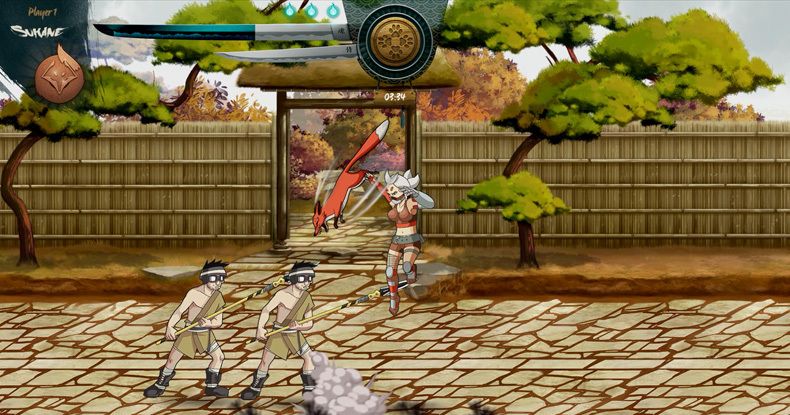
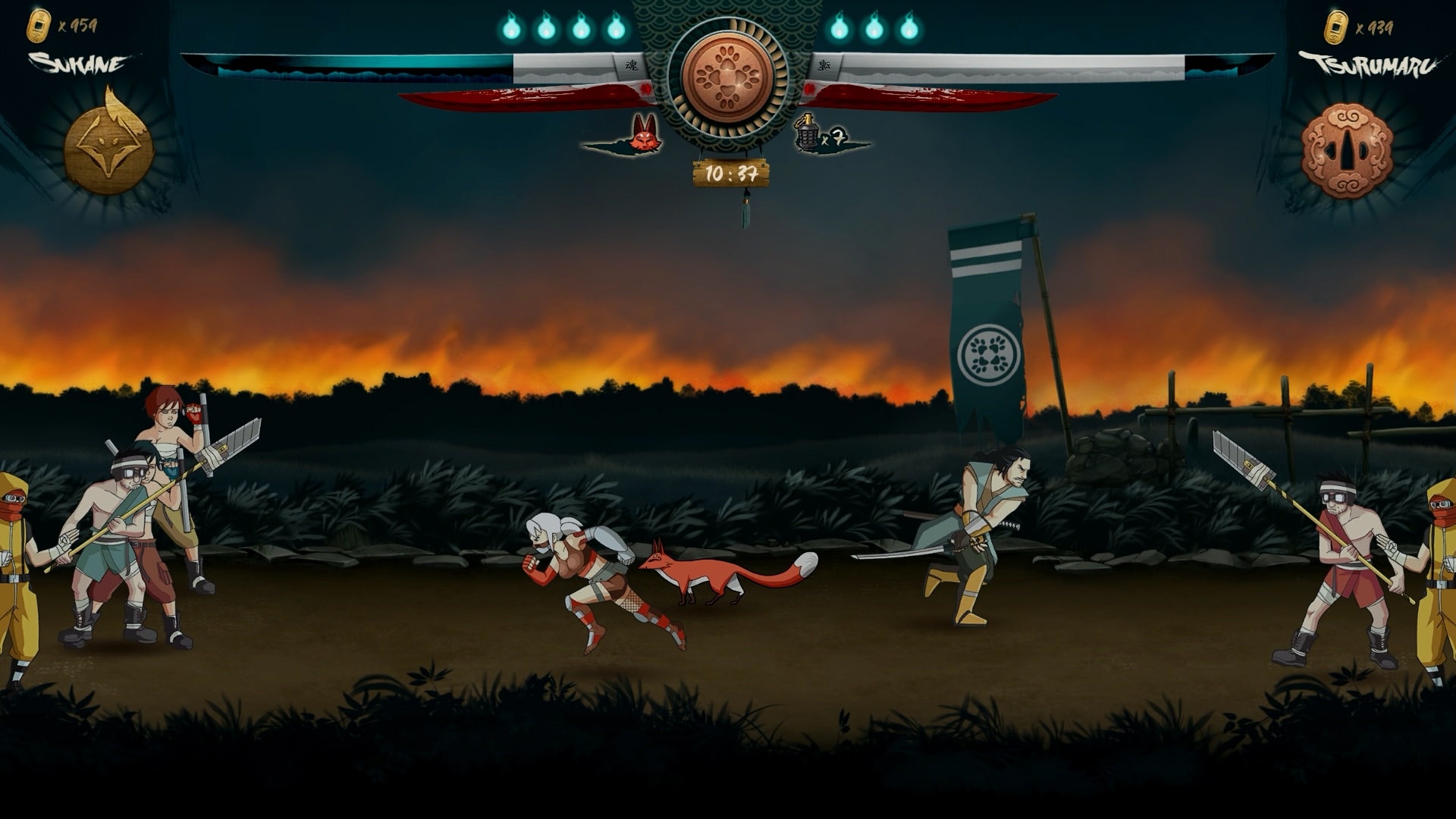
Samurai Riot was released on the 13th September and is a 2D cooperative Beat’em up/Arcade game made by Wako Factory.

The story revolves around a Civil War – our role is to contribute to it ending. Torn between doing their duty and doing what is right, you have to fight your way through different levels and a boss fight at the end of each one. There is a fight between clans, and you will eventually have to pick a side. Will you stay loyal to your duties, or will you do what is right?

It’s Civil War Co-op

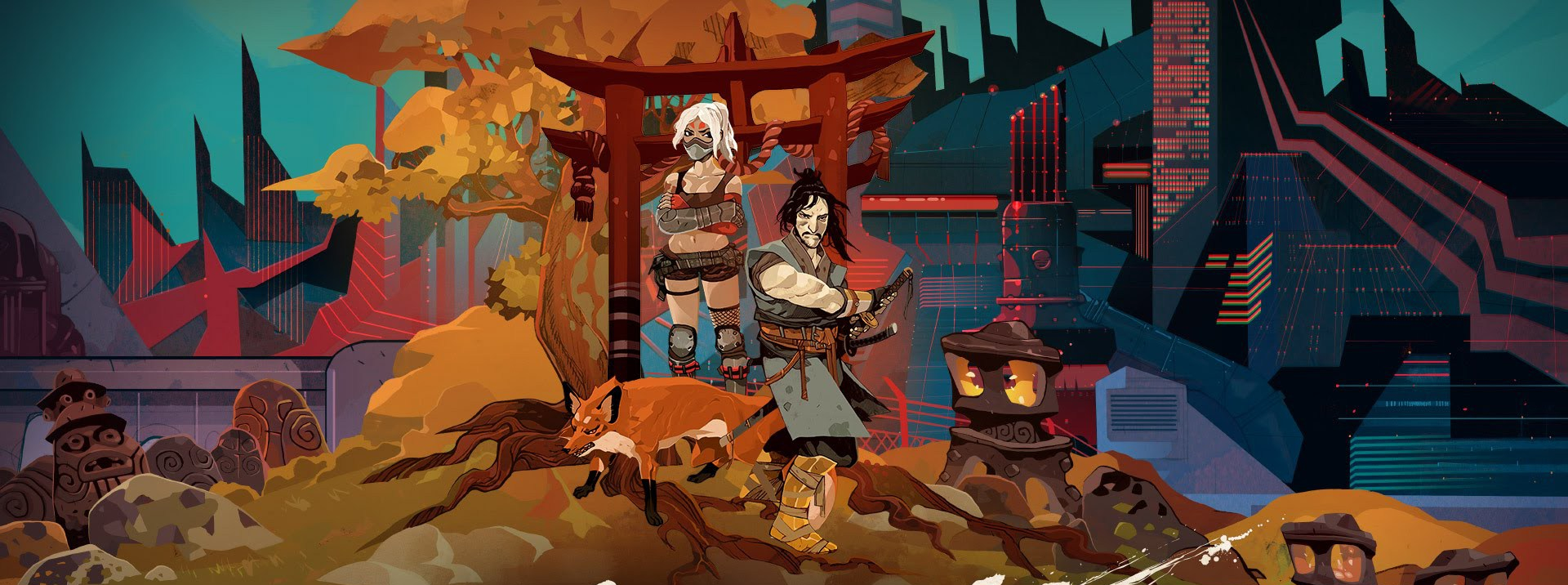
Making choices and encountering moral dilemmas leads to several possible endings of the game. Choose between playing as Sukane or Tsurumaru, two warriors with different traits, personalities, and a highly detailed story behind each character!

With really charming graphics, Samurai Riot offers an anime art style with beautiful scenery from Asian culture. The music is a mix of gorgeous traditional Asian music (if you’ve ever played Tengami, you can draw a reference to that) and combines it with elements of modern popular music so that it creates a certain kind of pace to your fighting, which is nice.

The cooperative system is interesting: you can combine characters’ attacks, creating the ultimate move; which can be used when filling out a shared cooperation gauge. It looks really cool and makes you feel like a total badass… So co-op actually requires working together, and not just playing on the same screen. That being said, when you have those abilities that need a charge-up, it would be nice if there was some sort of indicator, showing the range of the attack and the strength of it. That would help when planning your next move.

Samurai Riot Review
Waaaaa, hiiiiiiyaaaaah! *continuous kung fu sounds*

Multiplayer Woes

Considering that the multiplayer function is the most prominent feature of the game, it is weird, then, that the biggest problem I had with the game was actually setting it up. When I clicked to join as player two, I would start controlling the profile of the first player. After much frustration, we finally managed to enter the game as two separate players.

You can play co-op and make team-based choices, or you can fight against your partner Tekken-style. Even though it is mainly a cooperative game, the single-player version worked just fine. However, the lack of save slots was unfortunate. I could only have one save file at a time, which was inconvenient when I wanted to play by myself but have another save file where I could play with a friend. As the gameplay was highly interesting, the game controls were at times unresponsive, and when playing with another person, the controls on the keyboards became misplaced (ESDF instead of WASD) for some reason. Which was weird, considering the other player was playing on an Xbox controller.

The decisions we make throughout the game are moral questions which have consequences in the final outcome. According to the developers, there are 8 different endings to the game! With this, we can surely establish the replay-value that Samurai Riot has. The need to see every possible ending should work as a great motivator for replaying the game. As if that weren’t enough, the game also offers so-called “fighting schools”: where the more you play, the more you collect points to unlock different fighting schools to get more abilities and improvements for your character.

Samurai Riot Review
Fighting back to back makes you feel unbeatable.

Different Styles Of Gameplay

Multiplayer and single player each demand different styles of gameplay, which creates an interesting diversity. The boss encounters aren’t as good as they have the potential to be – they don’t require a certain tactic to take down, they simply have more health. Using the characters’ individual abilities to take down the boss would be more fun than just the regular old moves. Some of the units also started to annoy me – the red ranged units specifically. Fighting melee units while these were standing there, knocking me down each time, was annoying, to say the least.

The developers pride themselves on the game being one you can speedrun. But when said problems appear, and my character takes several seconds to get back up when knocked down, it makes my patience wear thin. I will give the game the benefit of the doubt that there is definitely a way of getting good, and that most of my complaints might be debunked if I were good at these types of games.

The dialogue is a little bit cliché, and considering how many samurai/ninja/kung fu games there are out on the market, I wish it stood out a little more. Yeah, “I’m gonna fight for my honour”, and all that jazz.

Samurai Riot is a very pretty game though, with a really interesting take on cooperative beat’em up gameplay. It has high entertainment value and makes the player feel like Jackie Chan at times.

What’s with that fat racoon stealing all my food, though?

xenoblade-chronicles 2

Top 8 Nintendo Switch Games for 2017

The Nintendo Switch has been around for a few months now and there have been some big games to drop on the popular hybrid console. With the new Zelda on the shelves and making history, and a new Mario Kart addiction created, what’s next for the Switch? We’ll take a look at some of the more popular and upcoming Nintendo Switch games we’re hoping to see by the end of 2017.

Super Mario Odyssey

Release Date: October 27th

The new Big N console has had a successful launch and with it came one of the company’s most praised games, The Legend of Zelda: Breath of the Wild. Soon after, the face of the company made his appearance in his newest kart racer classic, Mario Kart 8 Deluxe. So now, the gaming world is anxiously awaiting the release of the next actual adventurer from the Italian plumber franchise, Super Mario Odyssey.

The entire Nintendo realm is pulsating with impatience to get their eager paws on this huge Mario sandbox-style game. Levels themed from re-vamped classic Mario-like worlds to life-like cities and jungles, Super Mario Odyssey looks to introduce the Mario franchise to the next layer of 3D platforming greatness. Look for this one to come out at the tail end of 2017 during the holiday season.

Splatoon 2

Release Date: Out

Third-person shooters are in rare form in the realm of the Nintendo Switch but Splatoon 2 brings just that, and in cartoony, Nintendo fashion. The sequel to the hit Wii U title brings back multiplayer fun in this team-based shooter. Use your Inklings to alternate between humanoid form to shoot coloured ink at opponents and accomplish objectives, and squid form to swim through ink, replenishing your ink ammunition.

Splatoon 2 will bring much more multiplayer fun to the list of Nintendo Switch titles providing exactly that. With team-based strategy and a lively story mode, again featuring the Squid Sisters, this is sure to fill homes with non-stop ink-shooting action.

Arms

Release Date: Out

Arms brings whacky, stretching, flailing boxing to Nintendo’s hybrid console. Taking a route away from the serious boxing games with complex button combos and precise movements, Arms pins you one-on-one between two fighters equipped with incredibly stretchable boxing gloves. Jumping, punching and dodging across the 3D boxing arena gives you more to think about when facing off against your prestigious foe.

The first real experience with the Joy-Con motion controls, Arms provides a loose, fluid swinging motion, unlike tight, exact jabs in your more realistic fighters. Punches floating across the screen, giving you the option to fight any way you choose, Arms looks to be a perfect fit to utilize the Switch’s motion-controls.

Xenoblade Chronicles 2

Release Date: December 1st

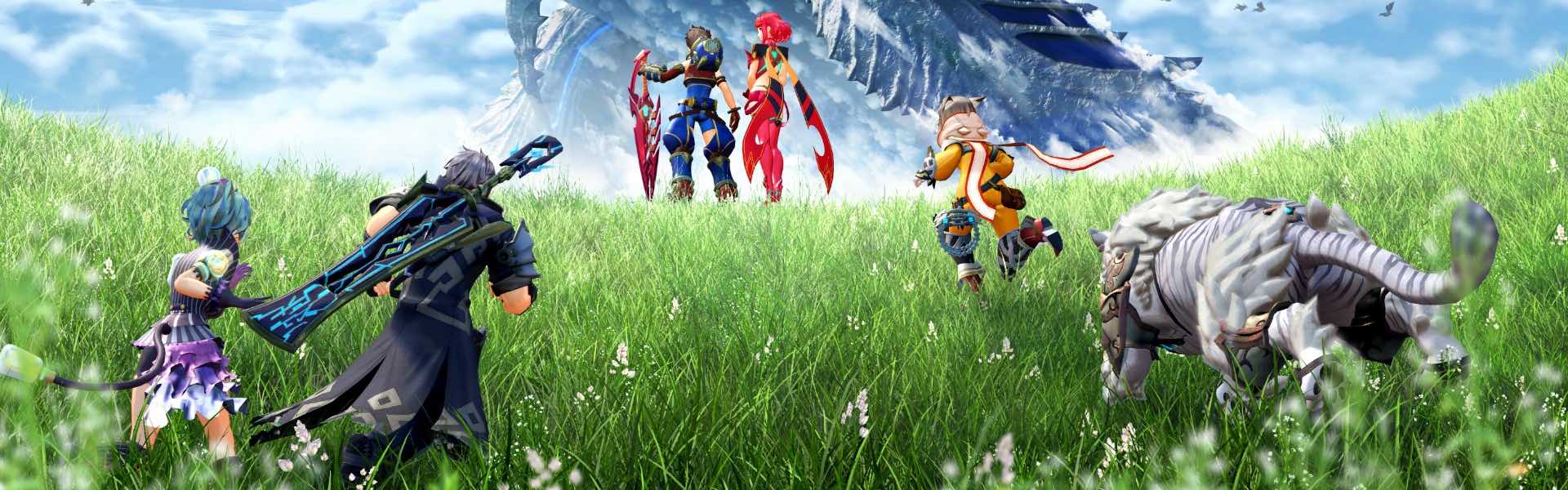
The sequel to the critically acclaimed Xenoblade Chronicles will be hitting Switch consoles everywhere sometime this year (we think!). Off on a journey in an open-world adventure/RPG, your character embarks to search the lands for “Elysium”. Unsure of “what” or “who” Elysium might be, all we can do is wait for more on this fantastic JRPG.

Nintendo’s E3 conference will be a solid one to watch this year, as we can expect many of these games to be featured, especially the new Xenoblade title. After the success, the first title saw on the Wii, expect die-hard fans and newcomers alike to be waiting restlessly for this one.

Shakedown Hawaii

Release Date: Q4 2017

The successor to the 16-bit classic Retro City Rampage is coming to consoles this year and it’s called Shakedown Hawaii. This open world gunner will have you shooting down enemies and running past rows of bullets in old-school fashion. In the tropical setting of Hawaii, you’ll not only run and gun, but take the wheel on the streets of the Aloha state. With flashbacks of the old Grand Theft Auto style games on the original PlayStation, Shakedown looks to reignite that classic sandbox feel.

With loads of powerful weapons and a huge open world to discover, smash your way through the destructible environment while constructing your empire in Shakedown Hawaii.

RIME

Release Date: November 14th NA / Europe November 17th

Beautiful 3D puzzle-adventure games give players a rewarding journey in vast, mysterious settings. Games like The Last Guardian or Ico (Team Ico) use vague dialogue and rich settings to unfold emotional stories in a gorgeous, fantasy world. RIME creates settings like these other titles but in a cartoon-like fashion, and with the help of an adorable, friendly fox.

Use puzzles to progress through the story and find the truth behind the mysteries that surround RIME with the help of your friendly fox. This indie release will see a Switch release, hopefully coming sooner rather than later!

Fire Emblem Warriors

Release Date: October 20th

Hack ‘n’ slash games offer loads of addictive fun, and the Fire Emblem series has adopted this play style beautifully. With four confirmed players – two originals and two Fire Emblem classics – the next Switch/3DS title in the series is starting to open up about its details. Chrom makes his return from Fire Emblem Awakening (2012) as the prince of The Halidom of Ylisse. Going back to the original Fire Emblem, the protagonist Marth is also confirmed for Fire Emblem Warriors.

The Fire Emblem games always give dedicated gamers the option to grind with hundreds of hours of gameplay. Bringing this game to the Switch and having the ability to take it on the go sends chills down every action-RPG player’s restless spine.

The Elder Scrolls V: Skyrim

Release Date: November 17th

Ok, so this game may be over 5 years old and yes, most of us are tired of hearing about Skyrim and the ‘Dragonborn’, but with all that aside, this game still provides gamers with a long, immersive adventure with a huge map begging to be discovered. Dry plains and giant camps, rushing rivers surrounded by sprawling trees and snowy mountain trails will look gorgeous on the Nintendo Switch, and stand equally impressive next to the hit Zelda launch title.

Bringing Bethesda’s critically acclaimed RPG to the Switch console will not only finally give Nintendo fans the ‘Skyrim’ experience, but for the first time ever, you will have the mobile Dragonborn RPG wherever you go. With the impressive HD graphics on the Switch, the Elder Scrolls port should stand up pretty solidly, at least compared to the original console release of the previous generation. Your Dragonborn adventure begins this Fall 2017.

While this is just a few games on the huge list of titles coming to the Switch this year, 2018 doesn’t seem to be letting up either. As the months pass by the games will release and we’ll see just how Nintendo’s new, big hybrid console stacks up against its competitors.

Let us know which Switch games you’re looking forward to in the comments below!

Monster Hunter Stories Review

Monster Hunter Stories Review [3DS]

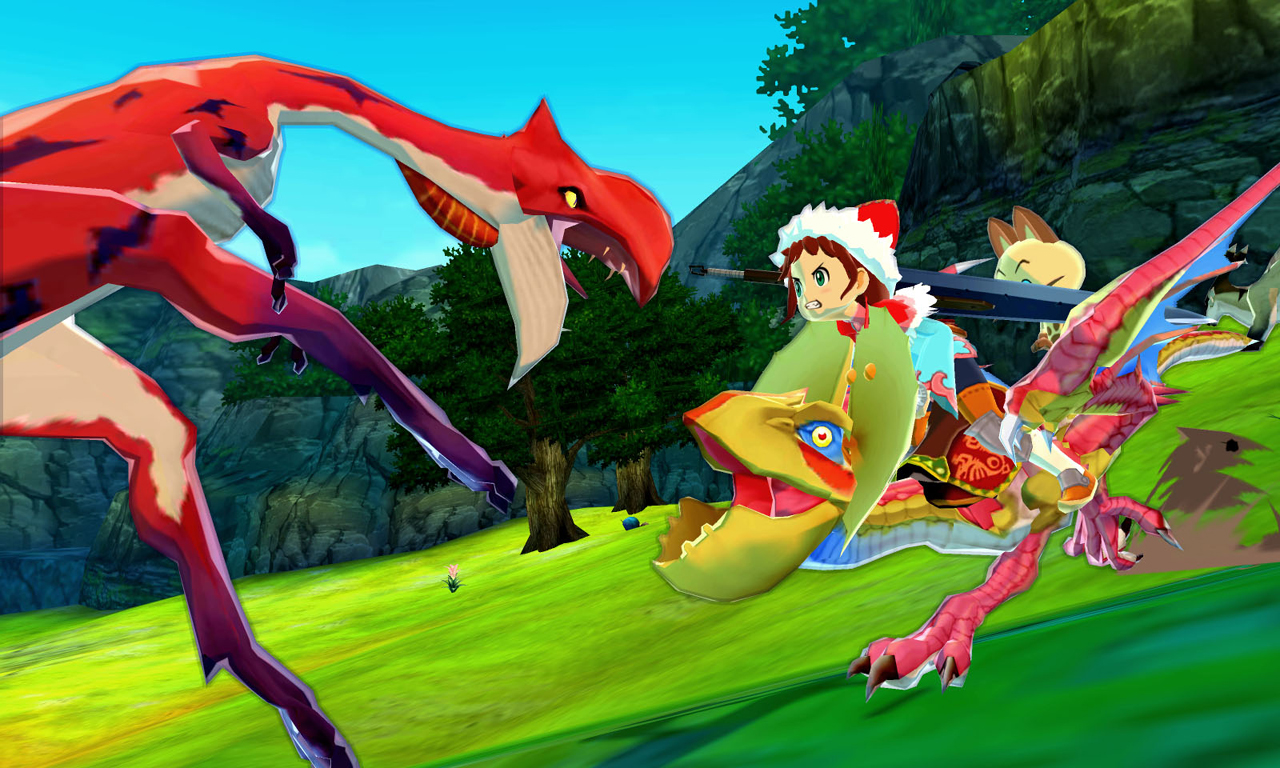
The Monster Hunter series has become known for its emphasis on lengthy, challenging battles against enormous monsters, often with a steep learning curve. It is this reputation that has deterred some players from getting involved with the series, despite offering hugely rewarding payoffs. Capcom seems to want to remedy this issue with the latest JRPG spin-off, Monster Hunter Stories. As the name suggests, this instalment is story-driven, featuring turn-based combat, Pokémon-esque monster collecting and a more colourful world to explore. Whether you are a Monster Hunter veteran or a newbie to RPGs, Stories has a lot to offer and is a pleasure to play.

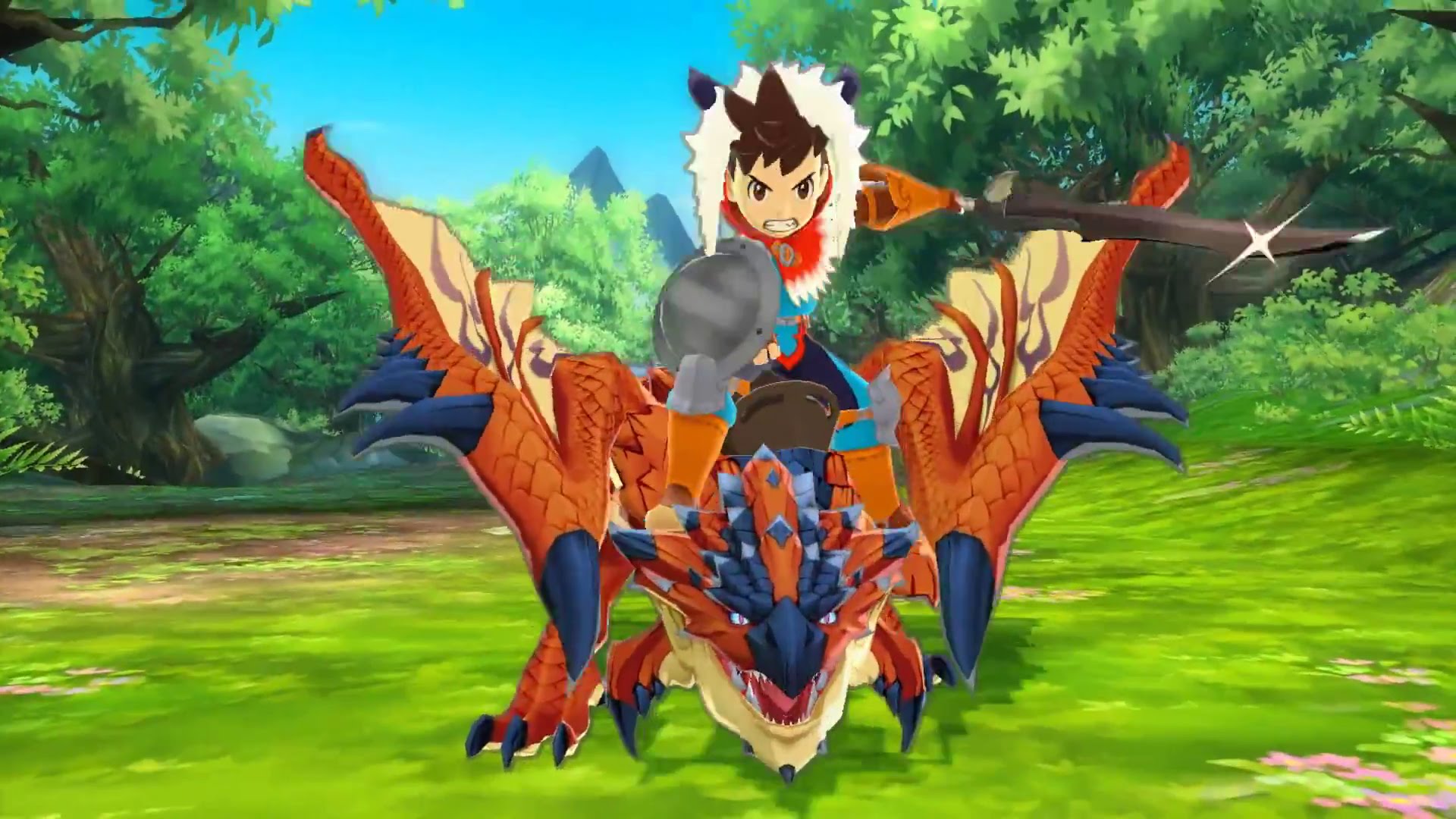
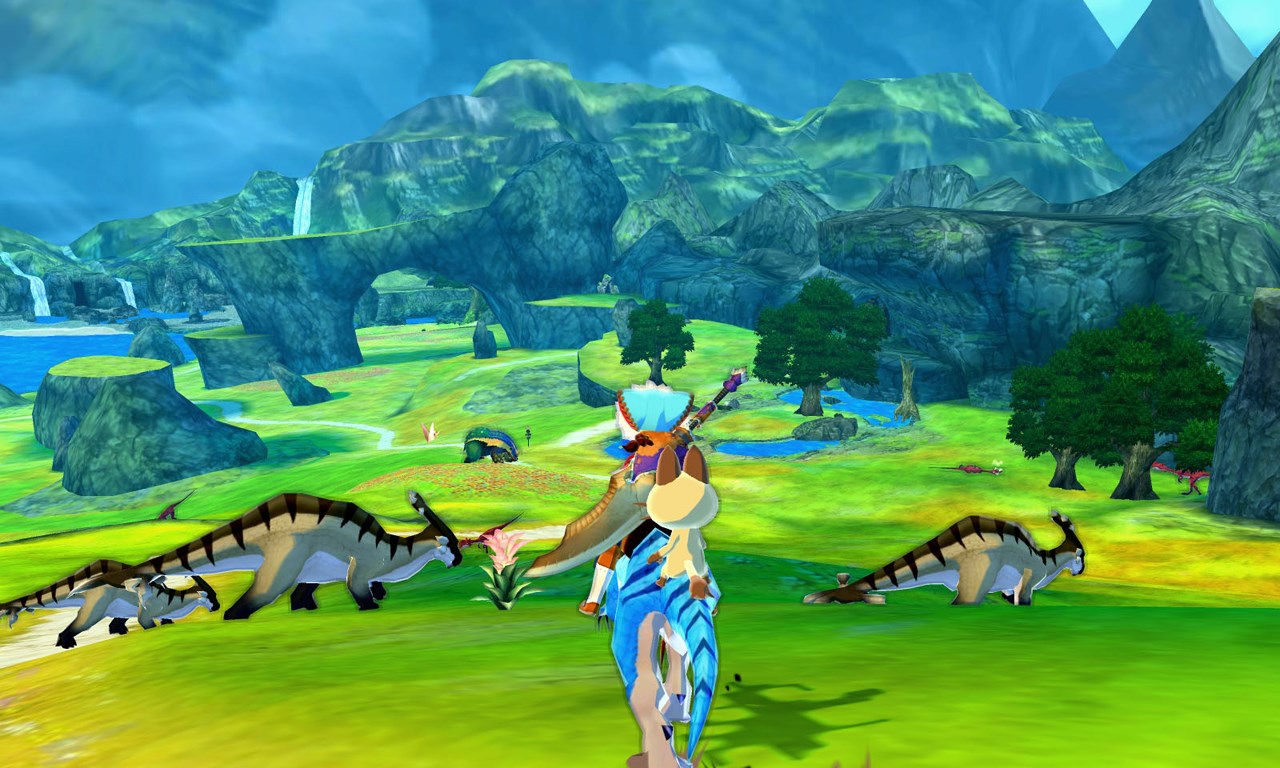
First and foremost, it must be said how beautiful this game looks. The art style looks fantastic on the 3DS and really brings the world to life. Unlike previous instalments, Stories opts for a more cartoony aesthetic and this really works in the game’s favour.  Every location is brimming with colour, the character/monster models are full of detail and everything is well-animated. Stories also features some of the nicest looking cutscenes I have seen from the system. It is a huge shame, therefore, that the game is plagued with performance issues (particularly on older hardware). Characters frequently pop-in whilst in towns and older 3DS users will notice significant frame drops. This is not so much as an issue for New 3DS owners, even running at 60fps in some enclosed areas, but is still worth noting.

Why A Silent Protagonist?

Monster Hunter Stories Review

The story is, for the most part, well told and whilst it may not have the most original narrative, the vibrant characters keep things appealing. Navirou, your Felyne companion, is particularly good, often making quips or puns that offer a decent laugh. This light-hearted approach gels nicely with the art style and is the right direction for this spin-off. You take the role of a customisable avatar and aside from a few nods or facial expressions, you let Navirou do the talking. It is unclear as to why the avatar remains silent (as the language spoken in the game is a mixture of Japanese phrases and gibberish) and would have only required two extra voice actors. It is not a significant issue but some may be off put by the silent protagonist.

Ahoy, Turn-Based Combat

As stated, Stories uses a turn-based combat system that revolves around a rock-paper-scissors style triangle in which Power trumps Technique, Technique trumps Speed and Speed trumps Power. On face value, the combat may not seem to have much depth but once you start collecting new skills (some that align with Power, Technique of Speed) and monsters, it reveals a fun and hugely satisfying battle system. Your monsters (or Monsties as they are called) can be switched mid-battle to give you an advantage over the enemies, as each monster has their own tendencies on the attack triangle.

Alongside these tendencies, each monster has their own elemental strengths and weakness that must be taken into consideration. What may seem odd to Pokémon fans is that you do not control your Monsties directly, they choose their own moves. However, you can order them to do skills at the expense of your kinship gauge (a bar that fills up as you battle, more so if you cooperate with your Monsties well).

Monster Hunter Stories Review

Head-To-Head Battles

The attack triangle really comes into play when the player engages in Head-to-Head attacks, where you or your Monstie directly engage with your enemy. Knowing your opponent’s tendencies aids in winning these attacks, for example, attacking a Barroth (whose tendency is Speed) with a Technique attack will be more likely to succeed. That said, monsters can switch up their attacks and will not simply follow their tendency blindly. It is up to the player, therefore, to analyse the monsters and their patterns to ensure they succeed in Head-to-Head battles.

Winning in these battles will result in more damage and will help fill the kinship gauge. This gauge can also be filled by Double Attacks (where you and your Monstie combine your attack power by attacking the same monster against their respective triangle weakness). Once you have filled the meter, you are able to ride your monster and unleash devastating moves on your enemies, once again made more powerful by winning Head-to-Head attacks. It is safe to say that the combat system is full of variety and should keep most entertained throughout the journey.

Monster Hunter Stories Review

Exploring The World

Stories features many familiar elements from previous Monster Hunter titles including monster varieties, the combination system and sound effects. It is a wonderful way of allowing the game to stand on its own two feet whilst staying true to its roots. This time around the areas you visit are more open to exploration with obstacles that can only be overcome with certain monster skills, for instance, the Velocidrome can jump over wide spaces, allowing you to find secrets in otherwise inaccessible places. Exploring these vast areas is a blast and there is an undeniable charm to discovering new locations and monster dens (where you can find eggs that hatch into your Monstie collection).

Monster Hunter Stories is a fantastic experience that successfully incorporates the world of Monster Hunter into a JRPG without relying upon it too heavily.

Why Retro Gaming is Still in Business

Looking around at the gaming industry right now, it seems we’re living in a great time. Most video games on the three major modern-gen platforms – Xbox One, PS4 and Nintendo Switch – have games with presentations that easily rival the biggest Hollywood blockbusters. We’re seeing new technology drive forward, with hardware like Sony VR and Oculus Rift further immersing players into their science-fiction-style fantasies. Yet, despite all this, a subsection of the industry is also thriving: retro gaming.

Science-Fiction-Style Fantasies

Given we’re surrounded by games that utilise so much of today’s latest and greatest technology, why are gamers heading back to the past to get a good dose of their entertainment? Why are we looking back to the simpler, less-evolved ancestors of gaming when we have the overwhelming complexity of modern-day gaming all around us?

Retro Gaming

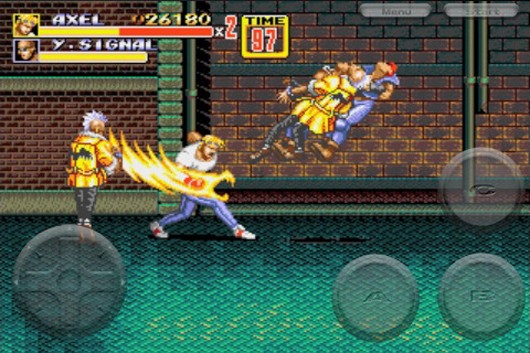
Perhaps it’s because of what modern-day gaming can’t seem to provide. For example, the primitive nature of technology back in the 8-bit and 16-bit eras of gaming meant none of the big Hollywood-esque production values we see in today’s games but it did mean more emphasis on gameplay. When one switched on their Sega MegaDrive/Genesis to play Sonic the Hedgehog, there were no lengthy opening CG cut-scenes or tedious tutorial sections. Players were transported straight to the first level and worked out the basic controls by themselves or through the game’s instruction manual (*sigh* remember when games had instruction manuals?).

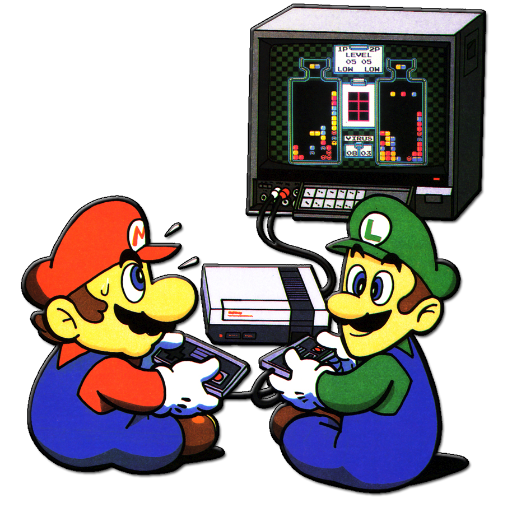
Although no doubt a bugger to program, retro games were simple in the objectives they presented to players. Run through the level, collect rings, jump on bad guys and reach the goal. Shoot the invading aliens without being shot yourself. Create a line of coloured blocks. The games were simple in what they asked of the player, and any player can receive enjoyment out of playing them because of that, kids included. Nowadays, the complex nature of game design and the layers of elements in these games can make them a turn-off for more casual players.

Retro Gaming

Mobile Gaming: Bringing Back The Past

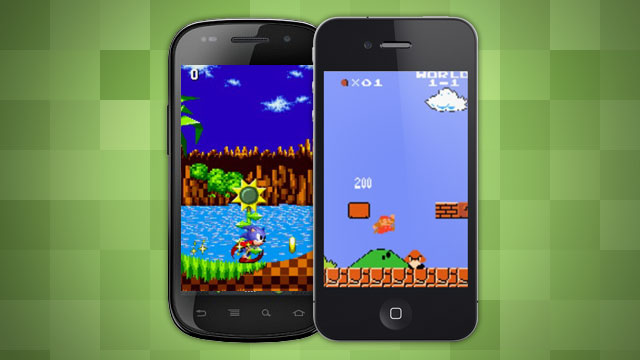
But where casual gaming is concerned, it’s no secret that the mobile gaming section of the industry is a real moneymaker. This is because the majority of their games are targeted towards casual gamers who like to play on their mobiles and tablets. In a Newzoo article posted in April 2017, it was calculated that $46.1 billion will be generated from mobile gaming for the whole of 2017 – which is 42% of the global market. While there has been plenty of original retro-inspired content such as Candy Crush and Clash of Clans, we’re seeing more and more retro games from past consoles being ported to mobile devices.

Ubisoft released a tablet version of side-scrolling PS1 classic, Rayman in 2016. Remastered ports of Sonic the Hedgehog and Sonic the Hedgehog 2 were released on iOS and Android devices in May 2013 and were programmed by Sonic Mania director, Christian Whitehead. What’s more, you’re sure to find a host of other retro games from Space Invaders to Tetris amongst the extensive mobile gaming library. Mobile gaming is bringing back the past – and in the palm of our hands no less.

Retro Gaming

Retro Gaming: The NES Classic Mini

But the most recent example of how retro gaming’s popularity is still alive and well is in the sales of the ‘mini-consoles’. The NES Classic Mini was released in November 2016 and sold out on pre-orders while the remaining few that made it to the shelves were quickly swiped. Only until recently has Nintendo declared it will resume NES mini-consoles next year. If that wasn’t enough, the SNES Mini also experienced a similar fate – high demand for the 16-bit classic console has convinced Nintendo to continue to ship more in 2018.

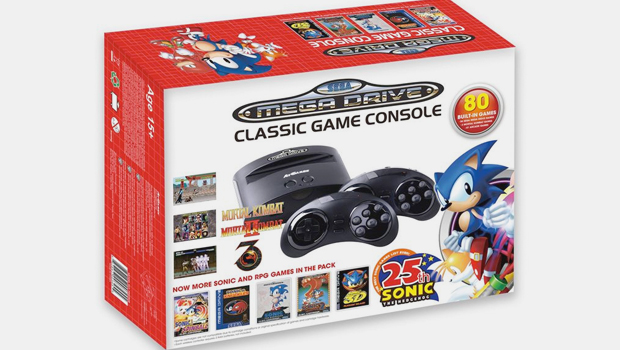
If Nintendo’s efforts to retrieve the past weren’t enough, then there’s the Sega Genesis/Mega Drive Classic Console which boasts an impressive library of 80 built-in games. This is joined by Atari’s upcoming Ataribox, which will be a console optimised for both retro and modern forms of gaming. It’s as though past and present are existing side-by-side.

Retro Gaming

Procrastination Vortex – YouTube

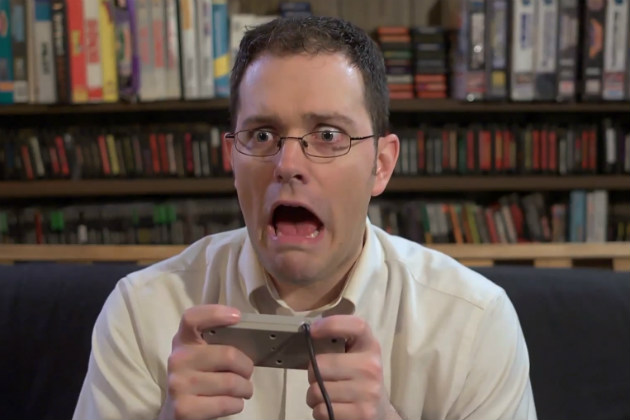
And if the real world wasn’t evidence of retro gaming’s popularity, then the world of the internet definitely is. The fanbase is particularly thriving in the inescapable procrastination vortex we call YouTube. Among YouTube’s most popular gaming stars is the Angry Video Game Nerd, written by and played by filmmaker James Rolfe. His show revolves around comedically reviewing retro games and hardware from the Atari to Nintendo and beyond. Not only is it a goldmine for older gamers who want to reflect nostalgically on their childhood days, but it also exposes millions of younger gamers to gaming’s past through its humorous presentation.

Through his videos, the Nerd has cast a spotlight on lesser-known commercial failures of the 90’s such as the Atari Jaguar and the Nintendo Virtual Boy. The Nerd is not alone in his reviewing of the past because there are a large number of thriving YouTube channels that revere retro gaming and even capitalise on the nostalgia-loving hearts of today’s gamers. Whether that be through Let’s Plays or similar game-themed shows and reviews, retro gaming is alive and well on the interwebs.

Retro Gaming

So, one thing is for sure here. Retro games may be old, but they are not past their heyday. In fact, retro games seem to be timeless as opposed to a thing of the past. They remain an eternal presence and don’t seem to be going away anytime soon. And given that these games are still highly playable and enjoyable to this very day, who can complain about that?
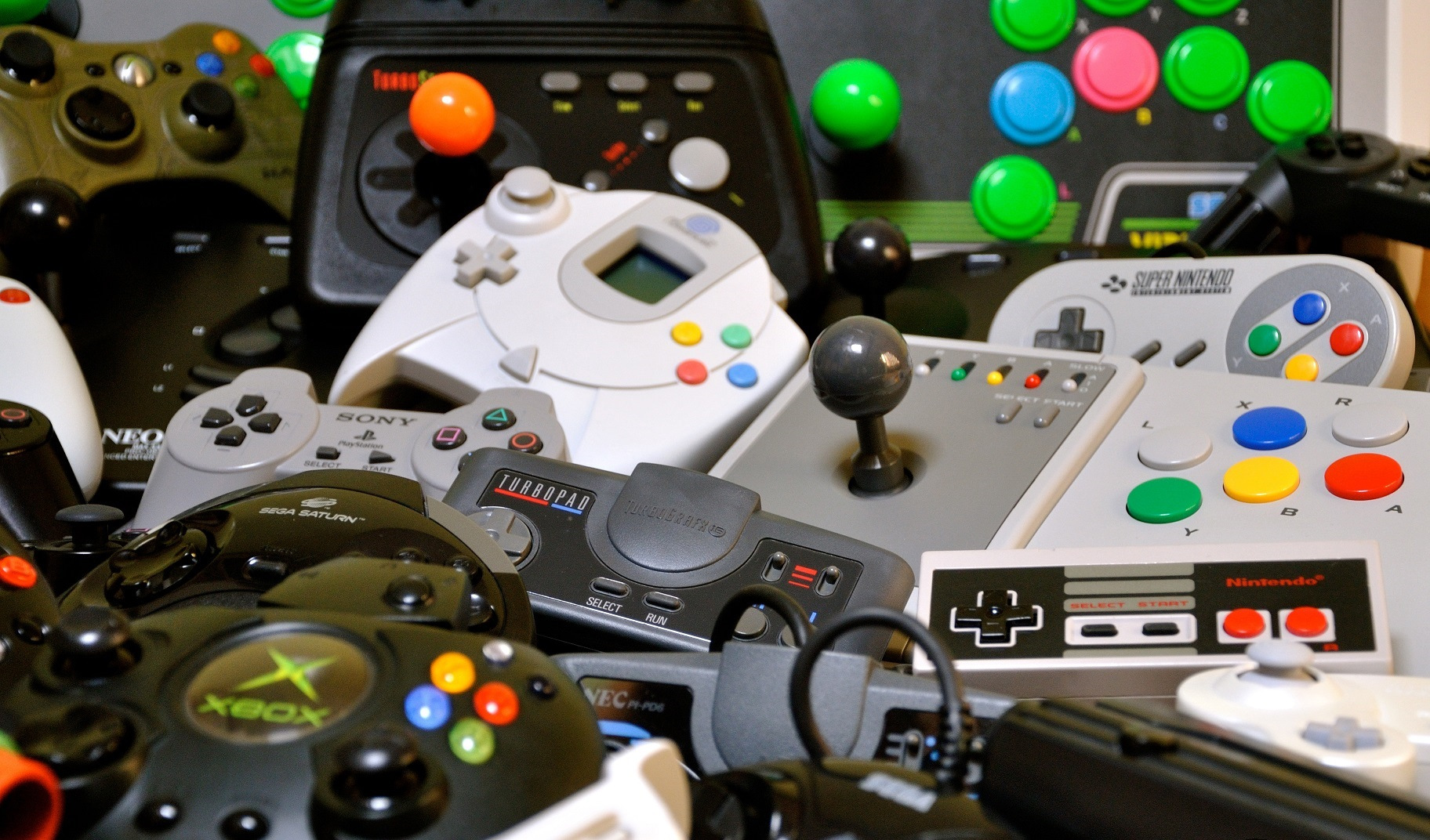
What are your favourite retro games? Are you happy about the popularity of retro gaming? Let us know in the comments below…

Assassin’s Creed Origins – The New Changes to Quests, Combat and AI Sound Brilliant

Many Assassin’s Creed players have come up with countless complaints and adverse opinions regarding one of video game’s most notable franchises. One problem that seems to return every major release – and almost always overlooked – is the responsiveness of the AI, frustrating combat mechanics and the static mission system. Since the showing and official reveal at E3, many new surprises are floating about regarding the new additions in Assassin’s Creed: Origins.

What’s New?

In the sprawling and beautifully crafted open-worlds of the AC universe, Origins is looking to stir things up by adding – and taking away – a few various assets. First, the addition of lively and engaging non-playable characters is a huge step in keeping the world “alive”. In an interview with Kotaku, AC: Origin’s game director, Ashraf Ismail, states many new changes in the game’s AI will be making an appearance in Origins.

In previous entries into the series, the NPCs found throughout the game always seemed stale and puppet-like. Following this standard route day-in, day-out gives the supposed ‘lively’ and ‘open-world’ an artificial feel and flavour to it. In Origins, non-playable AI characters will no longer follow their designated path to the same location that’s programmed into the game and will live standard routine days full of work, eating, using the restroom, doing errands and of course, a good night’s rest – sound familiar? Animals, as well as human NPCs, will fill out the vast and populated world of ancient Egypt – the aim is to bring more life to the AC universe than any previous entry to date.

Assassins_Creed_Origins_Ability_Points_Tree_List.jpg
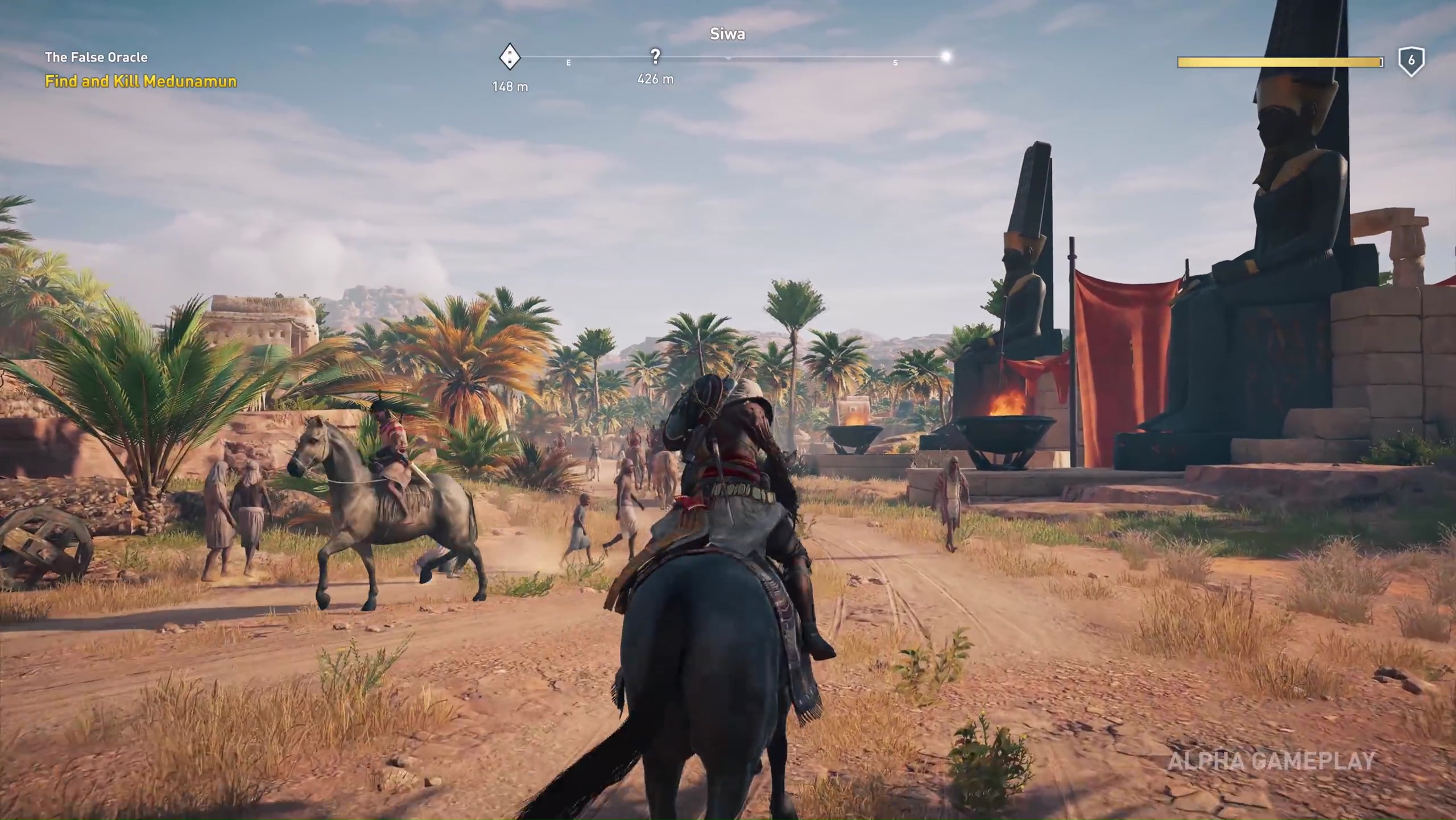
Life in Origins surrounds Bayek with the new engaging AI system – making the world around you feel more alive.

An example given by Ismail describes a mission where Bayek must locate a target by discovering small details about this person’s day-to-day life. From dusk until dawn the non-playable characters and open-world population will seamlessly live a routine and busy schedule to help keep the player engaged. The target will not always be ready and waiting for your arrival, instead leaving the option up to the player on how they want to tackle this. This new system also brings a unique day/night advancement button, allowing Bayek to fast-forward the days and nights with the hold of the R3 (or right stick) button. Waiting for the perfect time when the target’s schedule shows a bleak sign of isolation for a stealth kill, or perhaps striking when Bayek’s target is distracted by the entertaining world around them may prove quicker for the less patient assassins.
Realistic Combat

The combat featured throughout the series has been re-worked and re-imagined in almost every release since the original. Some mechanics worked wonders, while others seemed to take a few gradual steps backwards. In Origins, the combat system has taken on a new identity with a much more realistic approach, negating the “tethered” combat style in more recent releases.

acorigins12.jpg
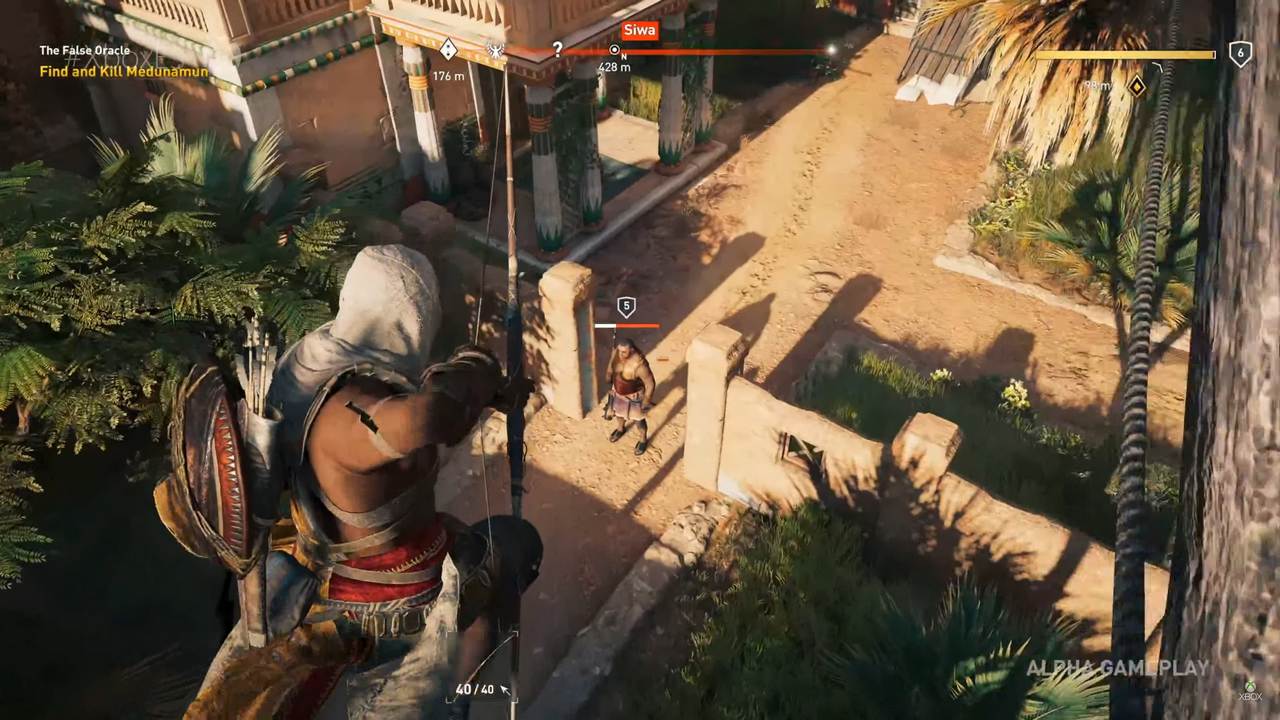
The combat in Origins has been overhauled, but that doesn’t mean stealth still isn’t the best method of survival.

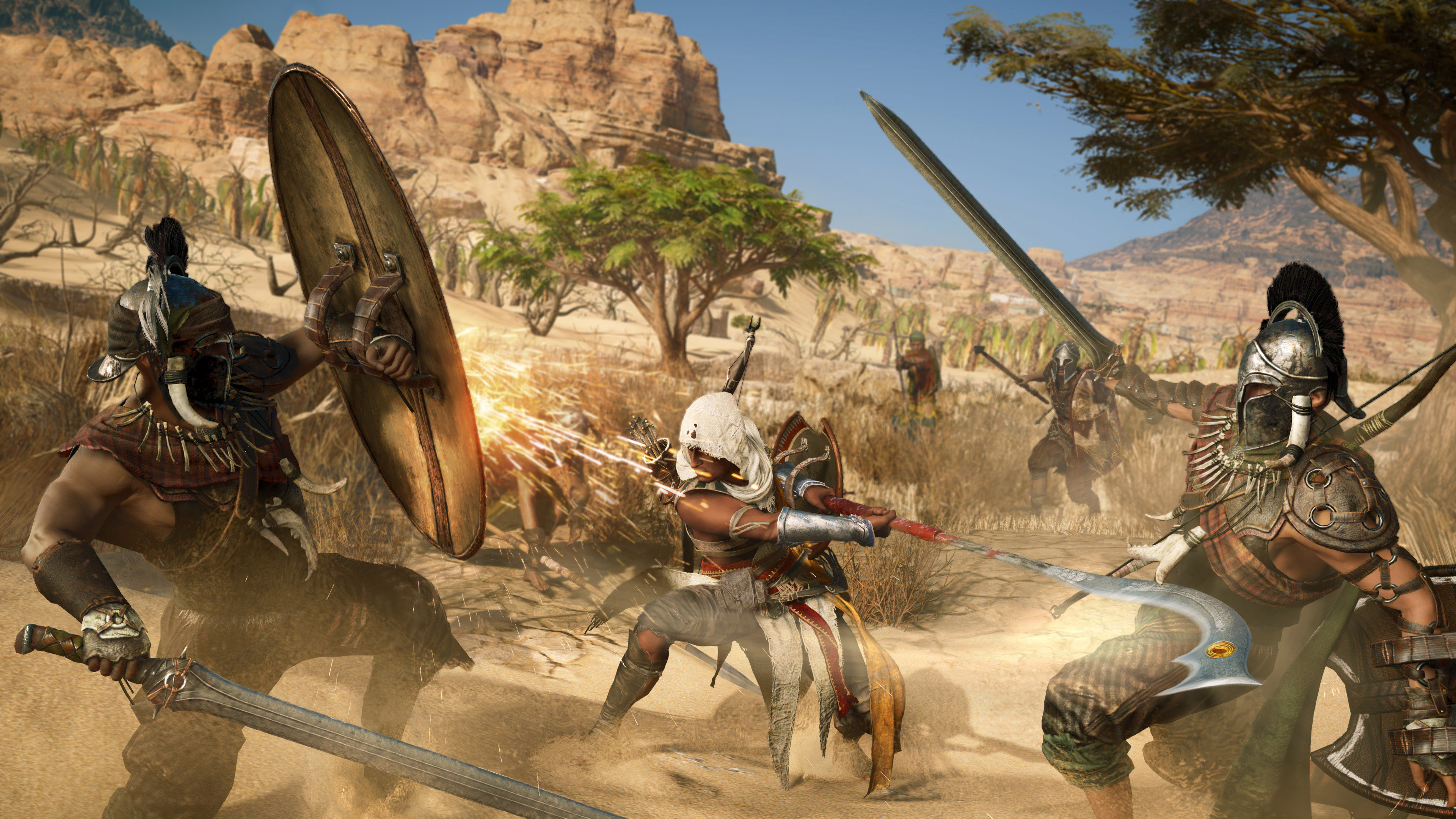
The enemies will no longer graciously pair-up with the player for an un-realistic battle, nor will enemies need to be targeted for an effective hit, but now every opponent (and Bayek) is open to the new “hitbox” style combat system. “In layman’s terms, you swing your weapon, if somebody’s there, they’re getting hit,” states Ismail. Carefully executed skills and combat moves will be required to avoid any open-air misses, in-turn leaving the player wide-open for an attack.

There’s A New Sidequest System

Adding to the quest system from previous iterations, Origins – for the first time in AC history – will feature a large sidequest system, following suit from the many sandbox-RPGs that have emerged since AC set its foundation. Bringing hundreds of stories captured throughout the times of Ancient Egypt, Bayek will become intertwined with tons of sidequests, giving Origins a true RPG feel in terms of sheer content. Hundreds of hidden secrets and unique surprises may also be discovered throughout the enormous open world of Egypt, leaving a huge amount of playability at the core of this new AC title.
Assassins-Creed-Origins-Xbox-One-X-version-4
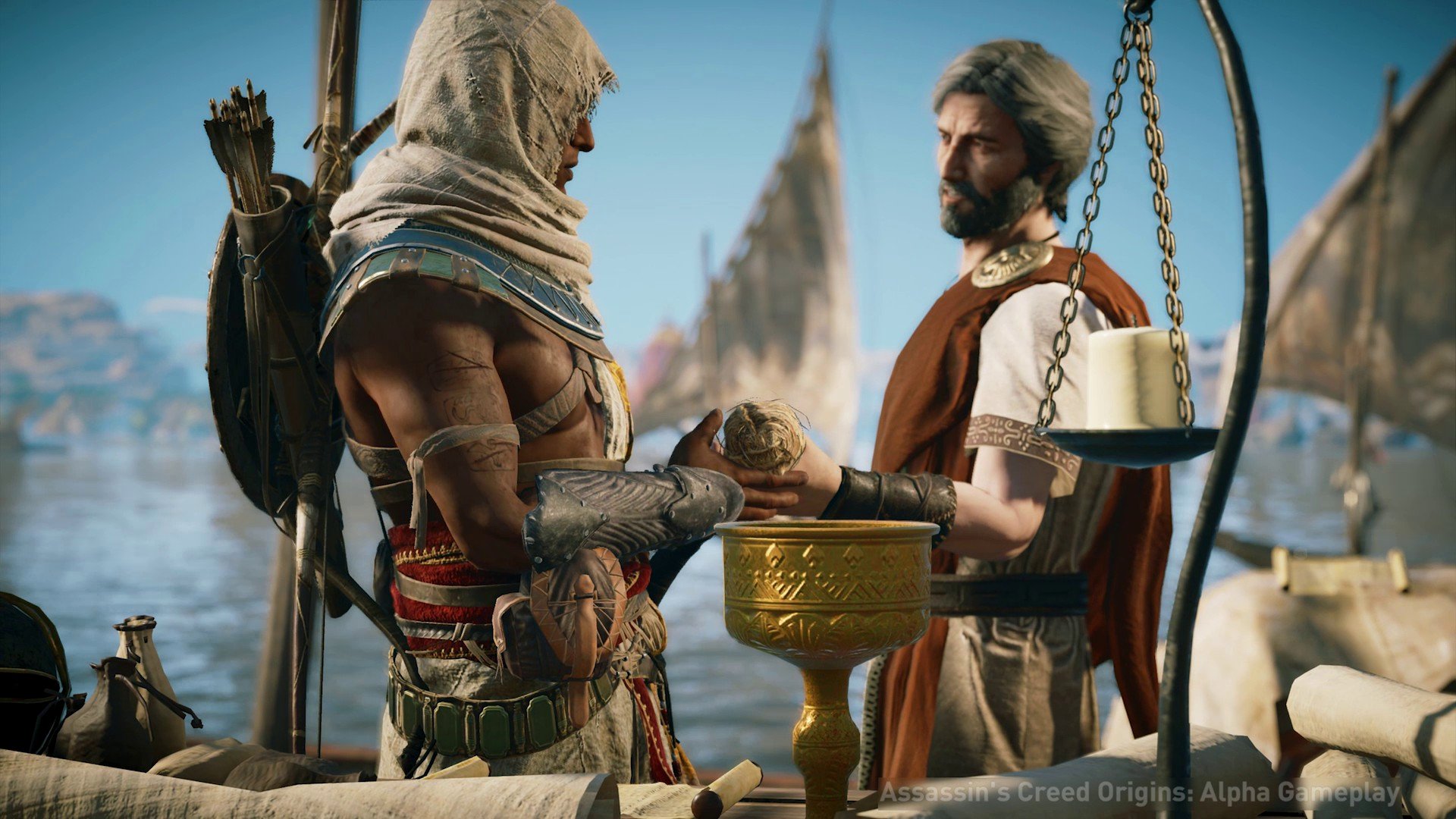
An entire city is filled with new acquaintances and partners waiting for Bayek’s skills.

Assassin’s Creed: Origins is shaping up to be a much-needed release in a rather stale franchise then; the fans urged the developers to correct major flaws and bring something desired to the ever-expanding table. After taking their first year off of consecutive AC releases since the original, Ubisoft has fans eagerly awaiting the next instalment in the highly acclaimed series. Taking that break may well have paid off.

Stick with D-pad Joy for more updates on Assassin’s Creed: Origins, as well as other upcoming titles for your favourite gaming systems.

Astral Traveler Review [PC] – A Thrilling Futuristic Runner

In the collective world of racing titles amongst the indie game community, the anti-gravity racer provides some of the most thrilling experiences around. Astral Traveler – the sophomore release to Dragon Slumber’s debut title, Arelite Core – combines a hectic and precise racer with intuitive platforming and arcade-like shooting.

Breakneck Speeds

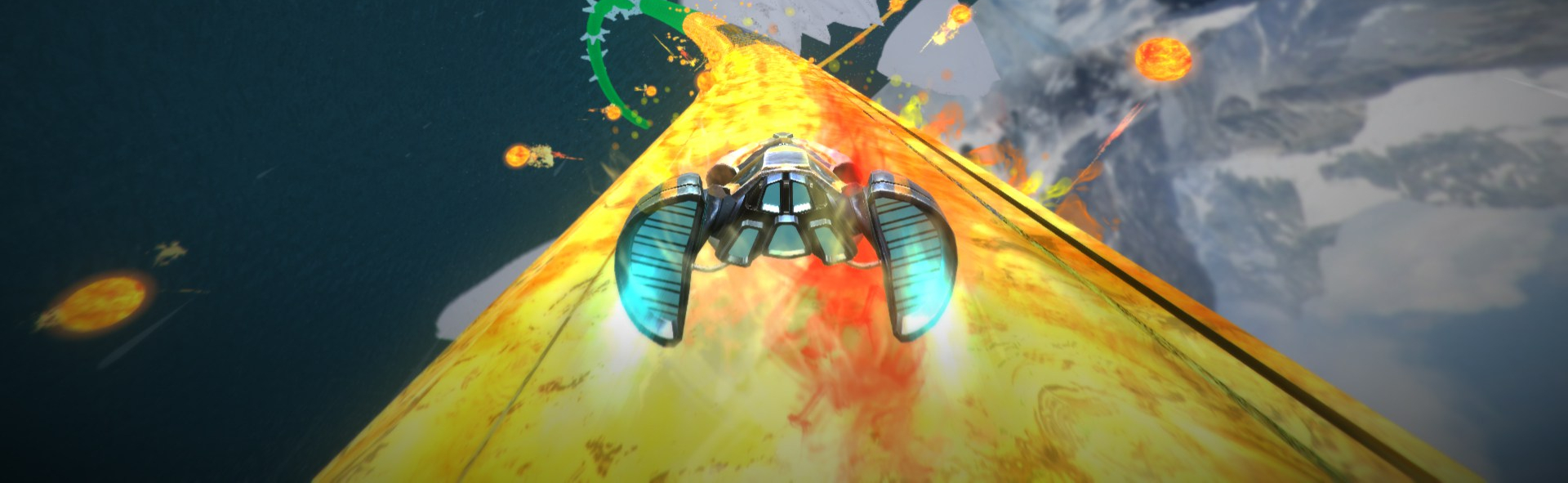
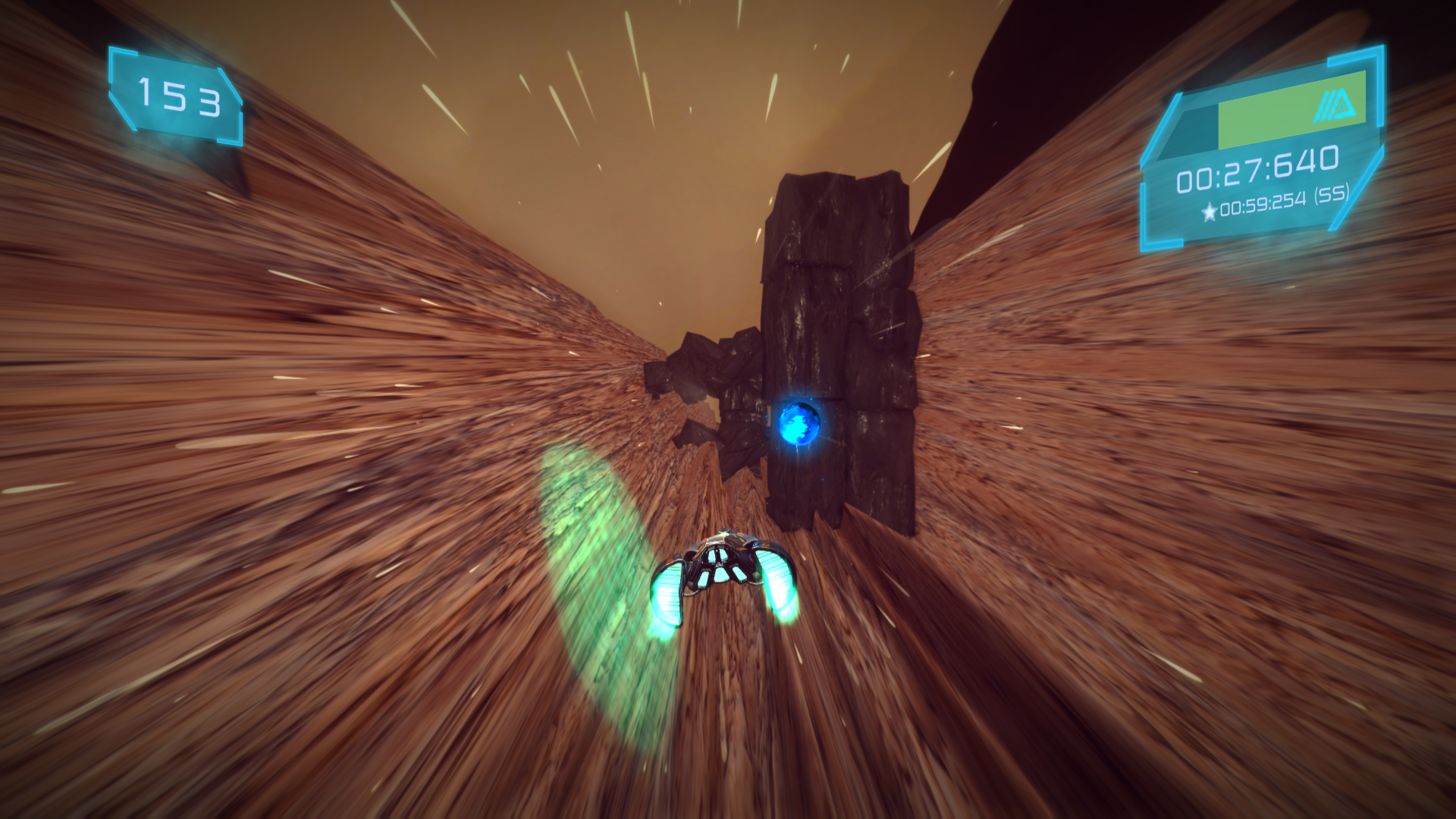
In control of a highly tuned, fast-paced race craft, you begin your racing journey by entering the first of five Nebula areas, each containing a distinct list of racing sectors to complete. As you speed through tube-like courses at breakneck speeds, different obstacles and pulsar spheres lie scattered across the track.

Astral Traveler Review
Blue Pulsar Spheres are scattered throughout courses providing fuel and sudden bursts of speed.

As you race throughout the different Nebulas the courses grow significantly more challenging. Enemy aircraft float ahead of your location firing away, taking damage from your constantly depleting fuel gauge. Speeding forward using your thrusters, smashing into walls and objects or taking damage from enemy ships will all take chunks of your racing craft’s fuel away. Once your fuel is completely depleted, your craft will combust – therefore ending your current run.

Adding onto to your remaining fuel gauge is possible and Astral Traveler is sure to provide the player with plenty of opportunities to do so. When launching through the levels, the anti-gravity mechanics allows you to leap and twist your craft around the tube-like course discovering blue pulsar spheres which can be blasted in fuel points using your laser cannon. Also, destroying the various waves of enemies results in fuel points which can give the player more incentive to fire away at those pesky opponent ships.

Astral Traveler Review
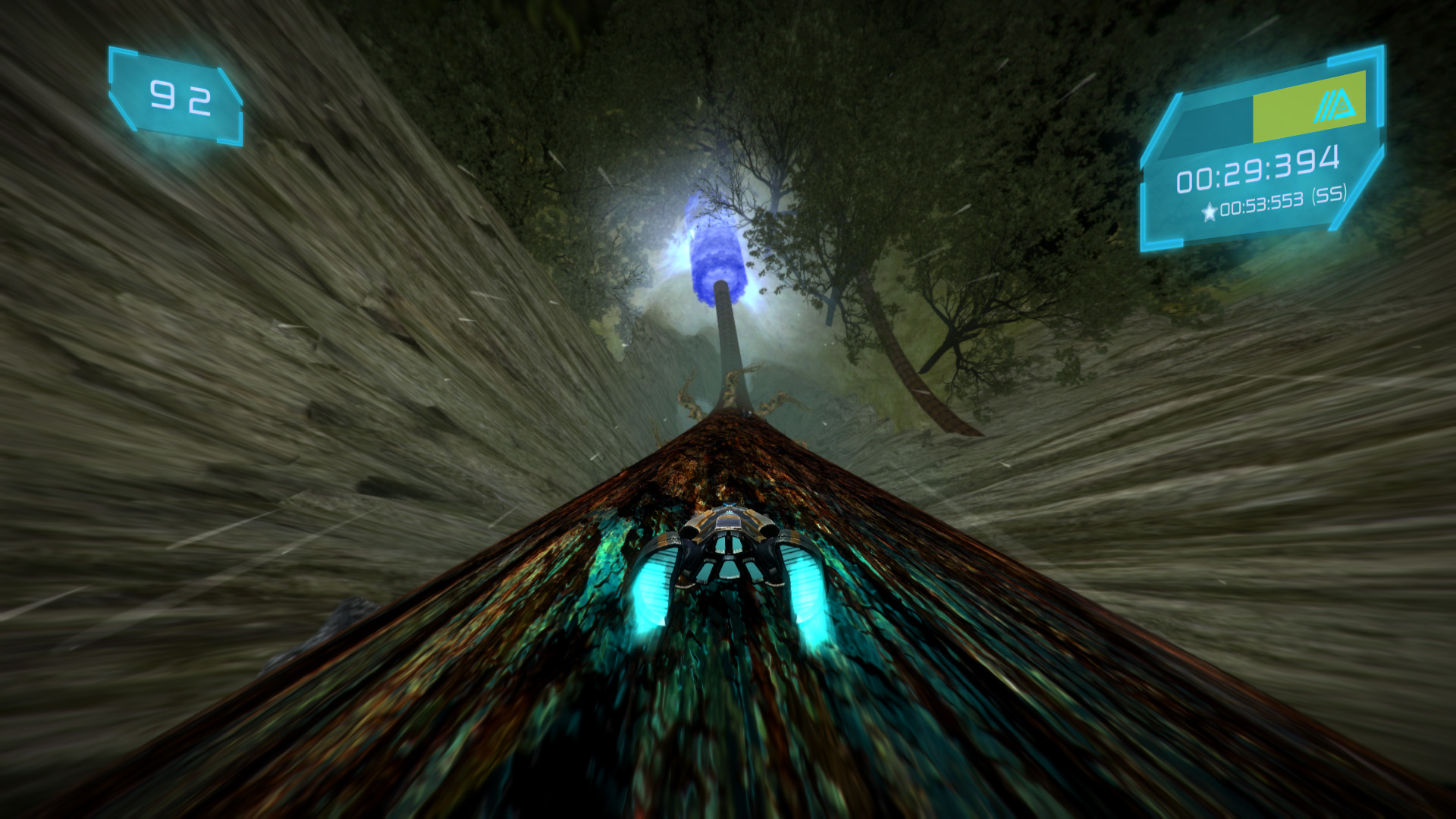
The rotating level designs put your quick thinking to the test.

Enemies, The Least Of Your Problems

Aside from providing fuel/health for your racer, the blue spheres found sporadically throughout the levels may also be used for quick bursts of speed. Using the Phase technique, you’re able to gain a sudden energy boost by quickly pressing the appropriate input right before contact with the pulsar sphere. Some enemies have protective shielding and require this ability to reflect projectiles back in their direction.

Enemies are only half of the equation when it comes to derailing your current run. Many dead-ends, lava pools, rock walls and other unfortunate ways to meet your end appear excessively throughout the campaign. This gives a true platforming feel, guiding the player to continuously leap from one ledge to the next, constantly rotating around the course. The fleeting soundtrack, hectic gameplay and overwhelming odds create a futuristic racer full of heart-racing moments and tremendously relieving finishes.

Astral Traveler Review
Level themes take you through an assortment of varying Nebulas across space.

Making your way through the game becomes increasingly more difficult as the levels begin to increase in length. On top of this, more advanced obstacles and manoeuvres begin to make an appearance, giving a slight difficulty curve to your Astral experience. Kindly enough, many of the longer levels feature checkpoints about midway through the course, graciously negating any particularly frustrating areas commonly found throughout the game.

Astral Traveler combines skilled racing reflexes with the action of a third-person shooter and outlined with the timing of a challenging platformer. With tons of courses to choose from, high-octane speeds, attention-demanding action, along with an addictive light-speed experience, the game delivers.

You can start your journey through the depths of space and find Astral Traveler available now on Steam for PC.

Uncharted: The Lost Legacy Review [PS4]

Let’s address the elephant in the room shall we; Uncharted: The Lost Legacy doesn’t suck, and yes, Naughty Dog has found a way to make Uncharted work without Nathan Drake. By rights, I could leave the review there. On that basis, you’ll either be sold and rush out to buy it, or refuse to believe that life can go on without Drake.

If you fall into the latter camp, it would be a real shame if you missed out on this, as it is another spectacle and one that needs to be seen to be believed. Is it the best yet? Not quite, but it nestles in perfectly with the rest of its brethren.

If It Ain’t Broke…

If you didn’t have your glasses on or your contact lenses in and played The Lost Legacy, you could be forgiven for thinking that you were playing as Drake. This is both its shining success and also its main drawback; it doesn’t deliver anything new but what it does is just perfect. If it ain’t broke don’t fix it certainly comes into play here, but if you were being overly critical you could say it would be nice to see some new touches here.

Uncharted: The Lost Legacy

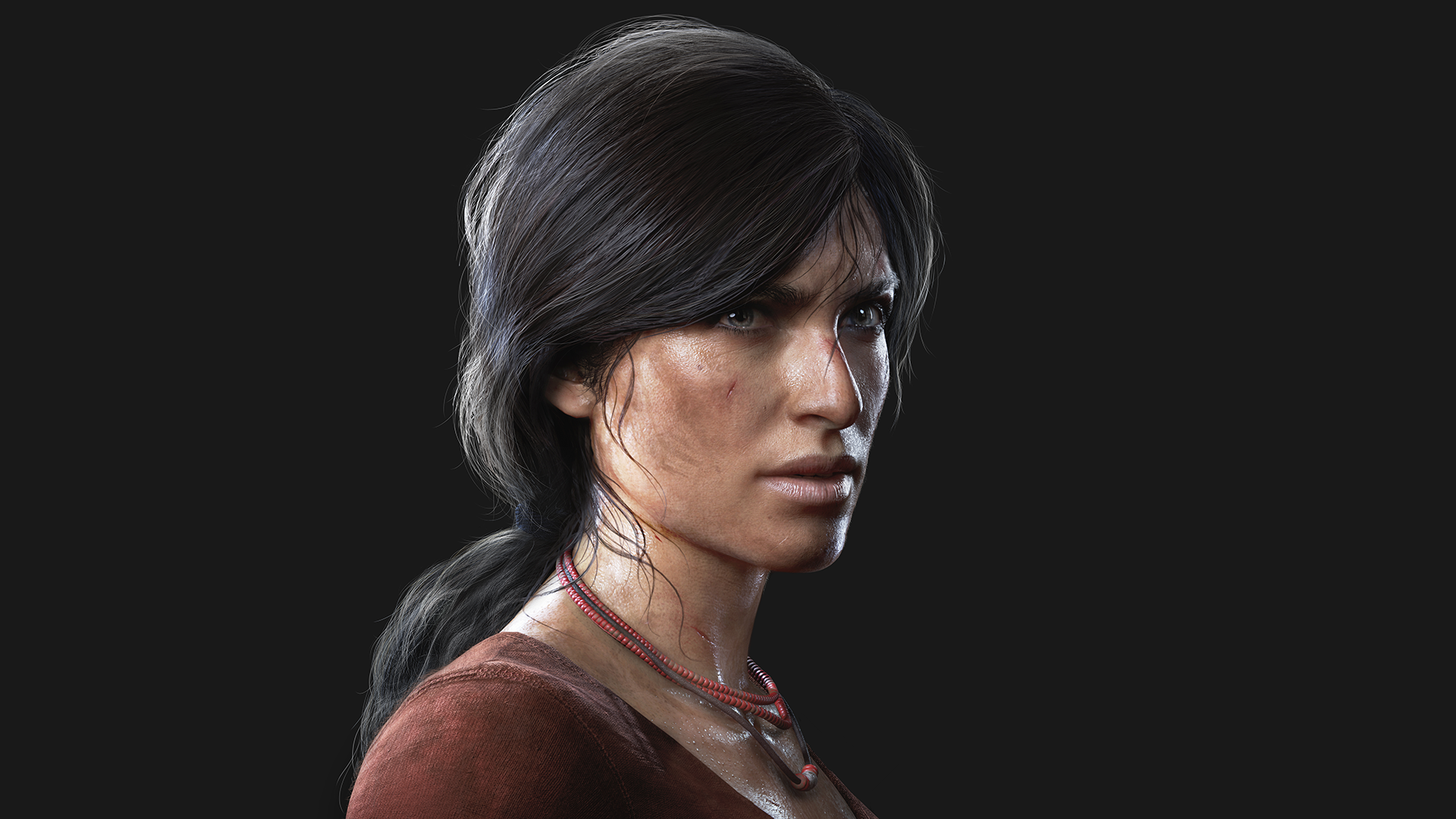
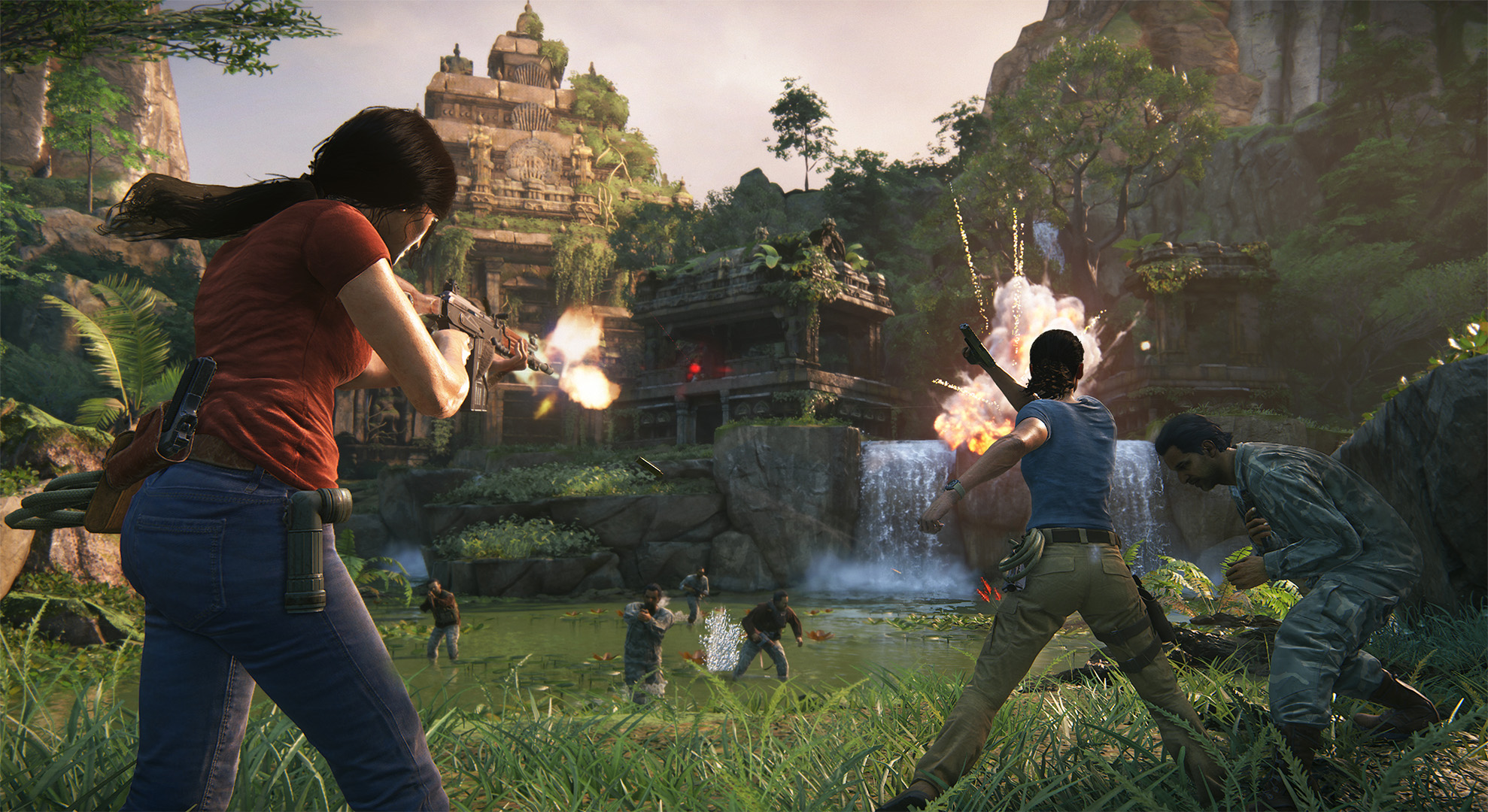
The Lost Legacy sees Chloe Frazer and Nadine Ross join forces in India to recover the long-lost tusk of Ganesh. The problem being that India is in the midst of civil war and, needless to say, the tusk is already being sought by the leader of the revolt Asav. He isn’t too happy with your attempts to beat him to the punch and his goons are all too happy to see you fail in your efforts. You begin your adventure by trying to evade detection by sneaking through alleys in the war-torn parts of town, shortly before things take a turn for the worst.

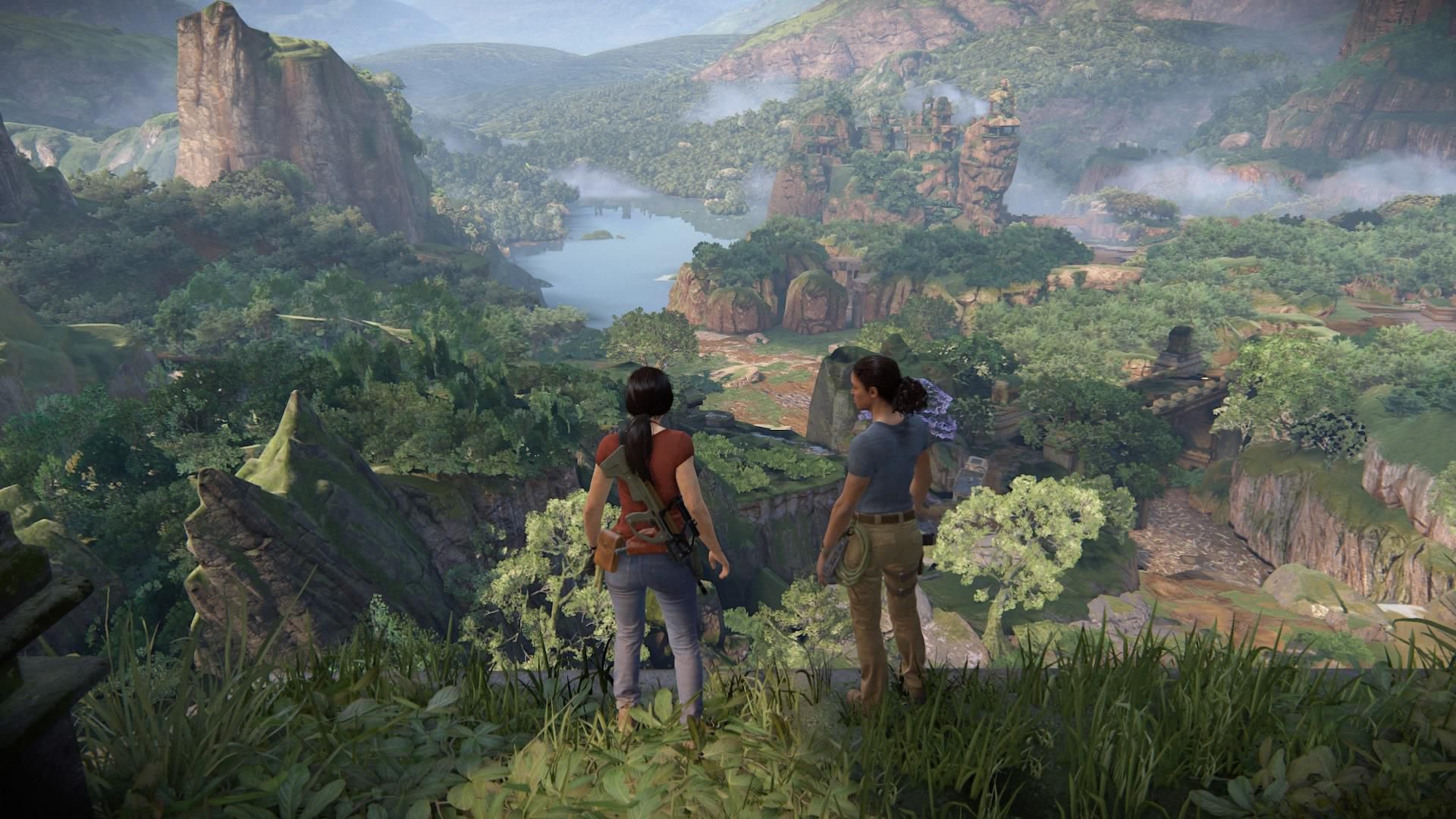
Once you’ve broken free of the shanties and backstreets, you open up a jaw-dropping open segment in which you can go about your exploring business as you like. I don’t have a PS4 Pro or a 4K TV for that matter, but even in standard HD you can’t help but think there’s life left in the ol’ PS4 yet. As is the trend these days, there’s a photo mode, which you’ll be using. A lot. The vistas really are something else.

More Of The Same

As previously mentioned, The Lost Legacy is more of the same when it comes to the fundamentals. You run, jump, swing, climb and crawl through the world with some devilish puzzles thrown in for good measure. It’s more of the same for sure, but when the same is this good, is that really a bad thing? The controls are tight, the shooting is accurate and satisfying whilst the script and storytelling are on point as ever. It might surprise many but Chloe and Nadine really do make a great duo, their connection and wit shining through as they bounce off one another throughout.

Uncharted: The Lost Legacy

Intended to be DLC initially, The Lost Legacy doesn’t overstay its welcome and lasts around the 10-hour mark. Considering that most full-price games last around this time, a lower price point makes this title an absolute steal. It’s also a promising glimpse into the future for the series that, should Naughty Dog keep it alive, life without Drake is good and it can go on.

What The Future Holds

There’s more than just the main string of quests and storyline for your delectation too with hidden treasures and paths to discover (not to mention a hidden area filled with monkeys) then there’s the multiplayer too. You’re granted access to the same modes which were available in Uncharted 4 including a horde-style survival mode which provides you with a great variety of thrills and spills.

Whether or not it gets considered for Game of the Year is yet to be seen, but it should be – it will certainly be one of my favourite titles of 2017. Considering the year we’re having too, that’s no small feat. It’s fantastic to see that Uncharted may have a future, without Drake, and long may it continue, maybe with a full-blown sequel eventually. In the meantime though, Lost Legacy is a must-play and is a perfect stop-gap to tide us over until we know what the future holds.