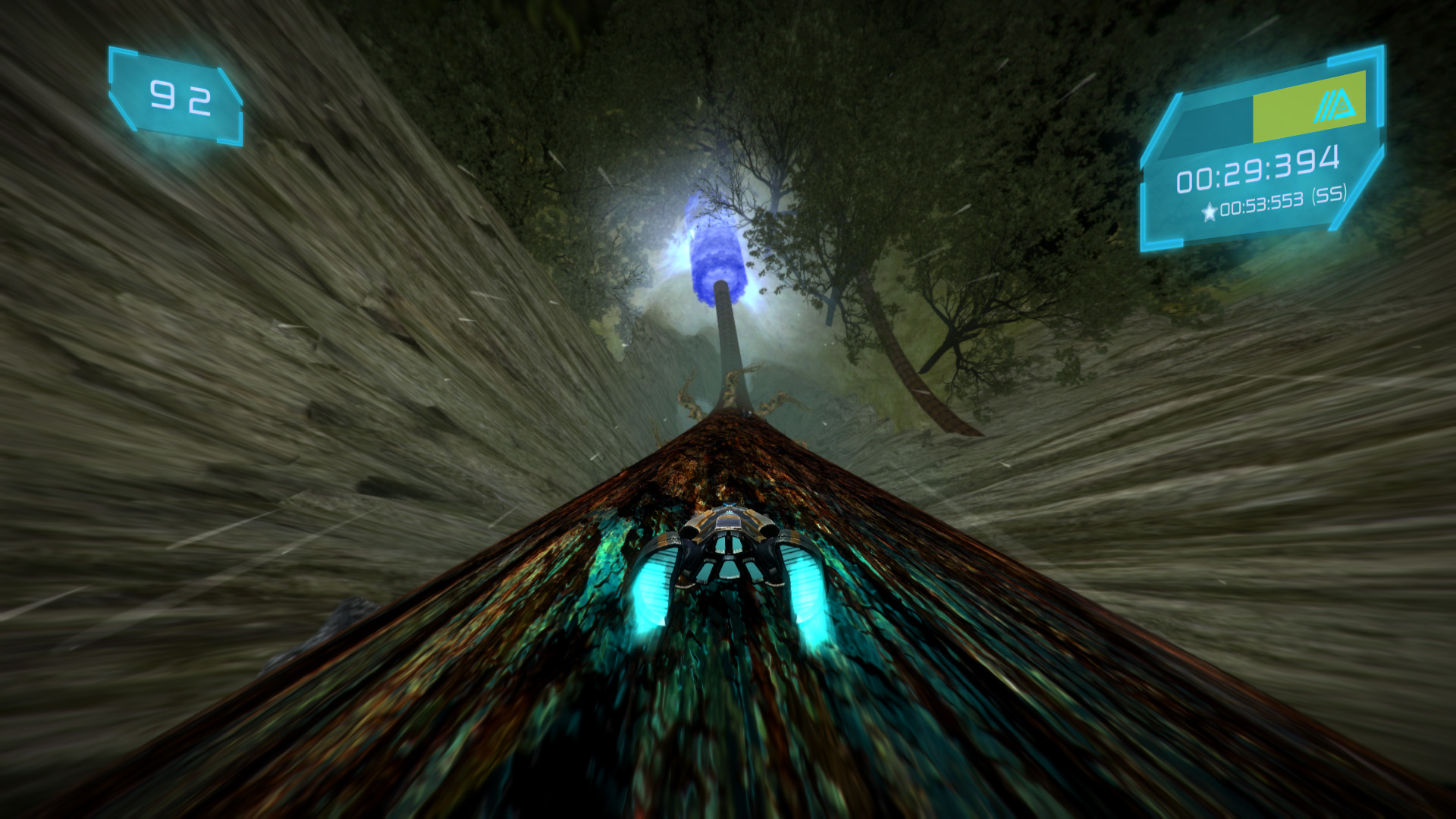
Jumpdrive

Jumpdrive Review [PC] – Jump Into The Nothingness Of Space

Space sims come and go but have never really opened players up to the extreme amount of vastness and endless amount of stars that dot our galaxy. Formerly known as Paragon, Jumpdrive offers the chance to set out into the great unknown and make discoveries at your own pace. Unfortunately for players short on time due to their busy schedules of adult life, school and work, Jumpdrive offers little to no shortcuts when traversing through the stars in this gutsy space exploration title. After all, the universe is infinite.

Sitting in the cockpit of your space shuttle, the instructions of the controls read across your screen. The basic click controls are simple enough, but then the game cuts you loose. The objective of Jumpdrive? Not sure… Explore? Sit in your speeding shuttle and wander through the stars for countless hours hoping to come across a unique discovery, or perhaps engage in an epic space battle? We can only hope so, anyway.
Jumpdrive
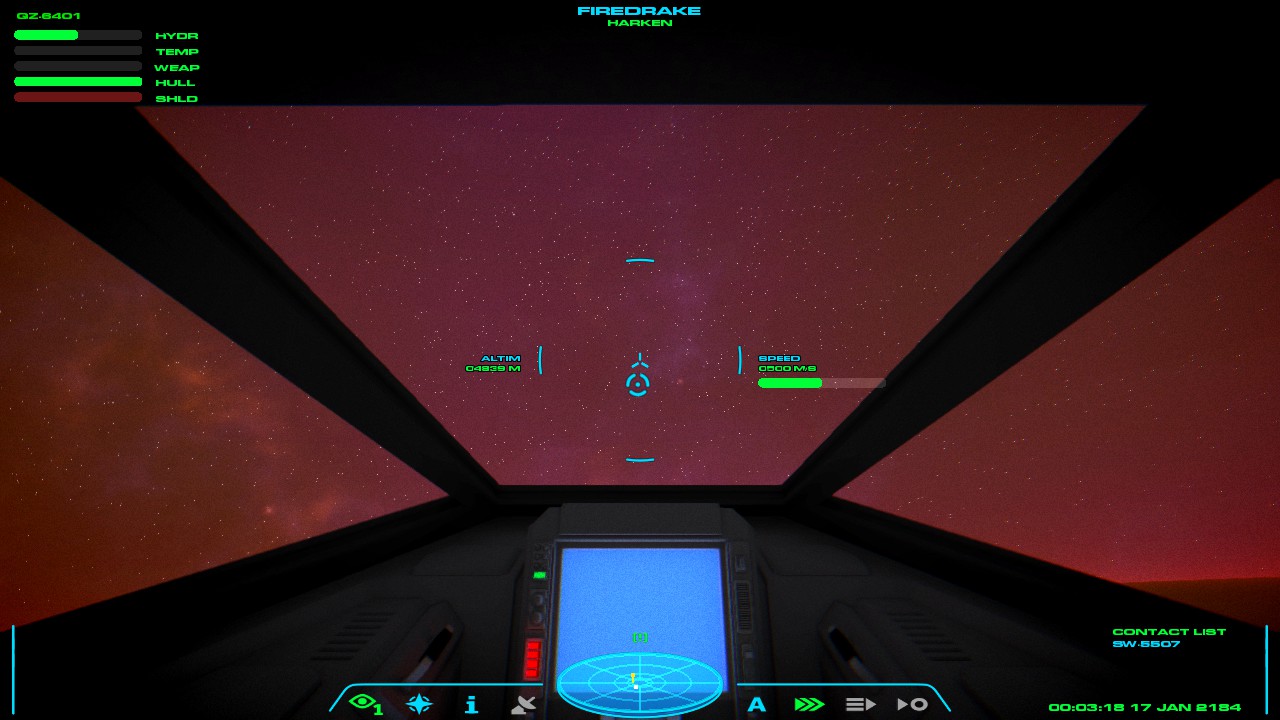
When pulling out of the gravity bubble that surrounds planets, players may then switch to an increased mode of travel, Transit Mode.

The purpose of Meteoric Games‘ Jumpdrive is to simply explore the enormous procedurally generated galaxy, picking up on anything that may cross your path. Distant missions with handsome rewards, long space expeditions to the other side of the galaxy, or fending off your shuttle from enemy ships, anything seems possible in Jumpdrive, but at what cost? The sheer amount of the universe seems endless as the developers express the ability to explore through a galaxy brimming with millions of stars and planets. Let me be perfectly clear: Jumpdrive is for the hardcore space exploring enthusiasts. Pouring in tons of hours to travel great distances, slowly immersing yourself while travelling in real-time to your next objective is an average day when living out your astronaut dreams in Jumpdrive.

Jumpdrive: How Do You Travel Through Space?

There are three basic controls when travelling from one objective to the next. When still in one planet’s gravity bubble, players may only use Maneuver Mode. This mode acts as the slowest mode of transport, used to travel around planet surfaces within the gravitational field. After exiting the planet’s atmosphere, or gravitational bubble, players may then engage in Transit Mode. Used for quicker travel between planets, Transit Mode will most likely be your main mode of travel.
Jumpdrive
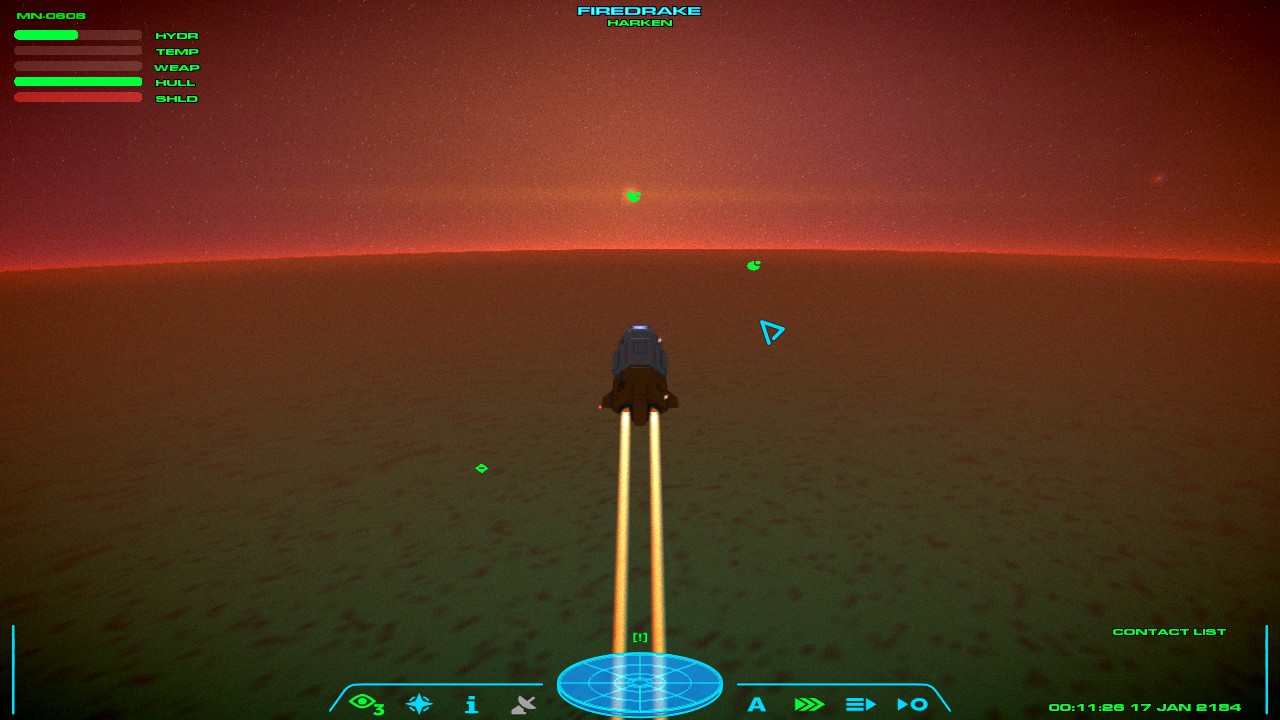
Many green blips mark your objectives and other planets/space stations throughout the systems.

Last but not least, Jump Mode is the hyper speed setting to jump between different solar systems. Though a much quicker method of travel, players will need to meet the specific item requirements, e.g. hydrogen stock, as well as a jump drive installed on their shuttle. The three modes are accessed simply by clicking on one of the icons next to your radar at the bottom of the player’s screen, offering for quick and easy switching between modes on the go.

Objectives are found when following the green blips that are scattered throughout the open universe. Either when docking on planets or space stations, completing the various missions given to you will net cash rewards, which can be used to purchase upgrades or even new ships. Though from what I experienced with my time in Jumpdrive, the missions are standard fetch and grab or destroying enemy ships, but the amount of ground (or space) to cover is remarkably vast. I can easily see one losing most of their day spent completing a handful of objectives spanning across a number of different solar systems.
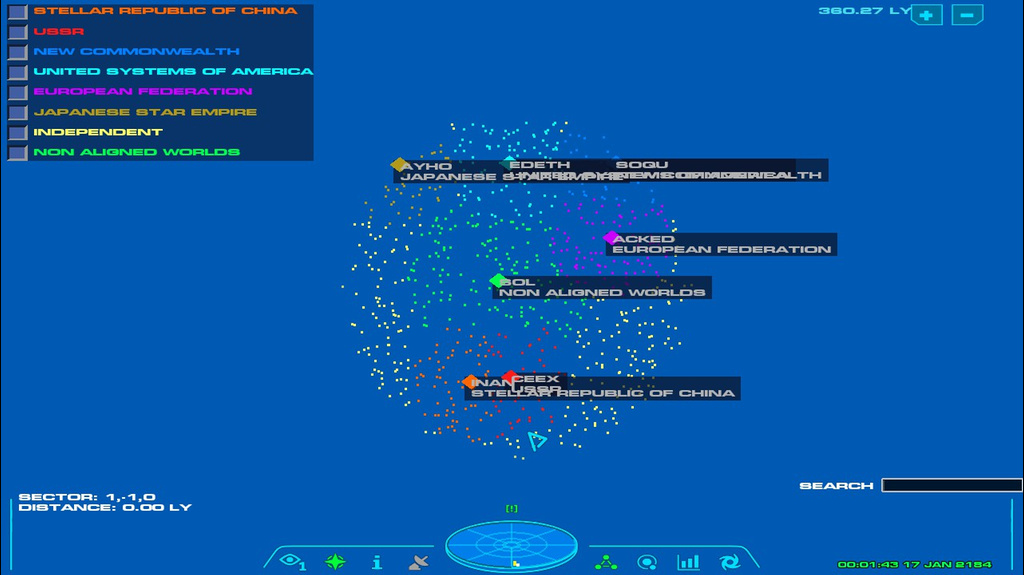
Jumpdrive
Plot your destination on the galactic map and use Jump Drive to travel between solar systems.

While Jumpdrive is astonishing in size, the visuals are no conversation starter. Though there’s not much to gaze upon when deep in the blackness of space, planet surfaces and textures when in sight are grainy, bleak and boring. I suppose that’s not exactly the point of Jumpdrive but it still manages to break some of the immersion when descending into a planet’s atmosphere. Still, the view of colors amidst the star-dotted sky is a sheer joy to stare at while endlessly drifting into the void.

So Much To Do, So Little Time

So, what is the point of Jumpdrive? Is there any storyline, plot twists or ending in sight? The answer is yes, but it all comes down to the player involved. With Jumpdrive you are offered a chance to create your very own space legacy in this massive space explorer, and take it for as long as you please. Players have a completely open experience from the start, whether they’re engaging in combat, completing various mission objectives, purchasing new ships and parts, or simply exploring the vast darkness of space.
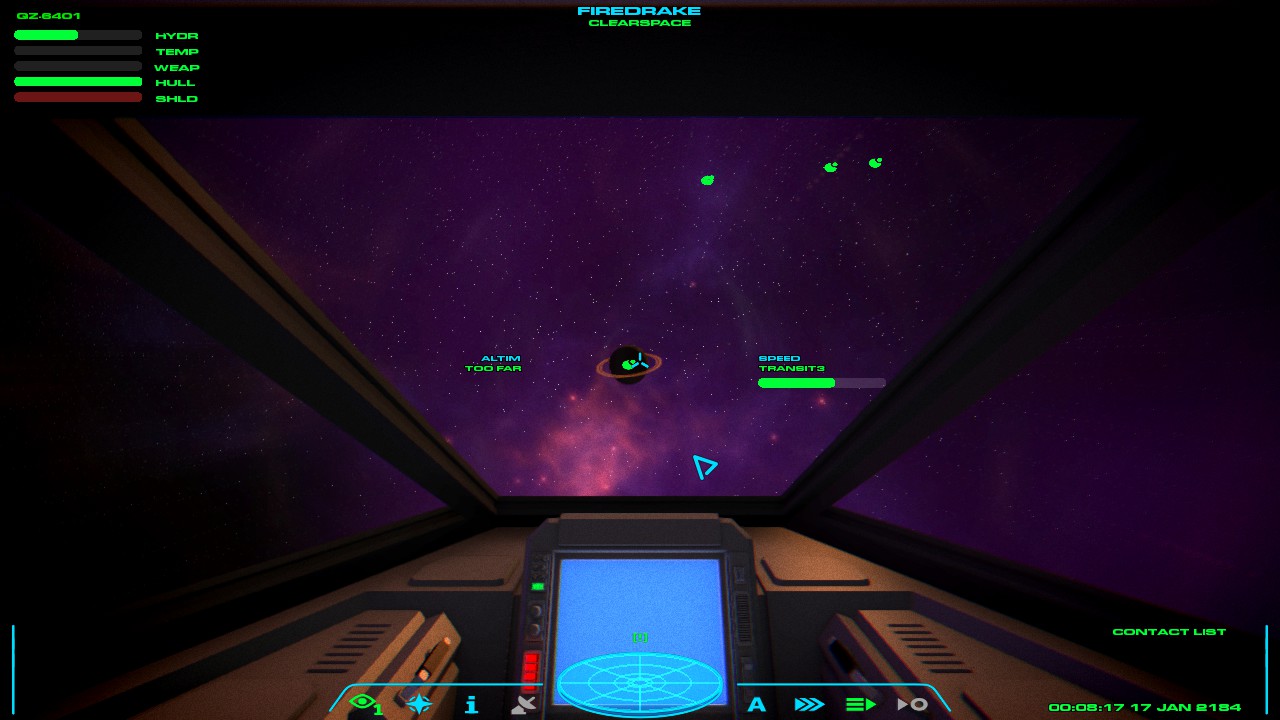
Jumpdrive
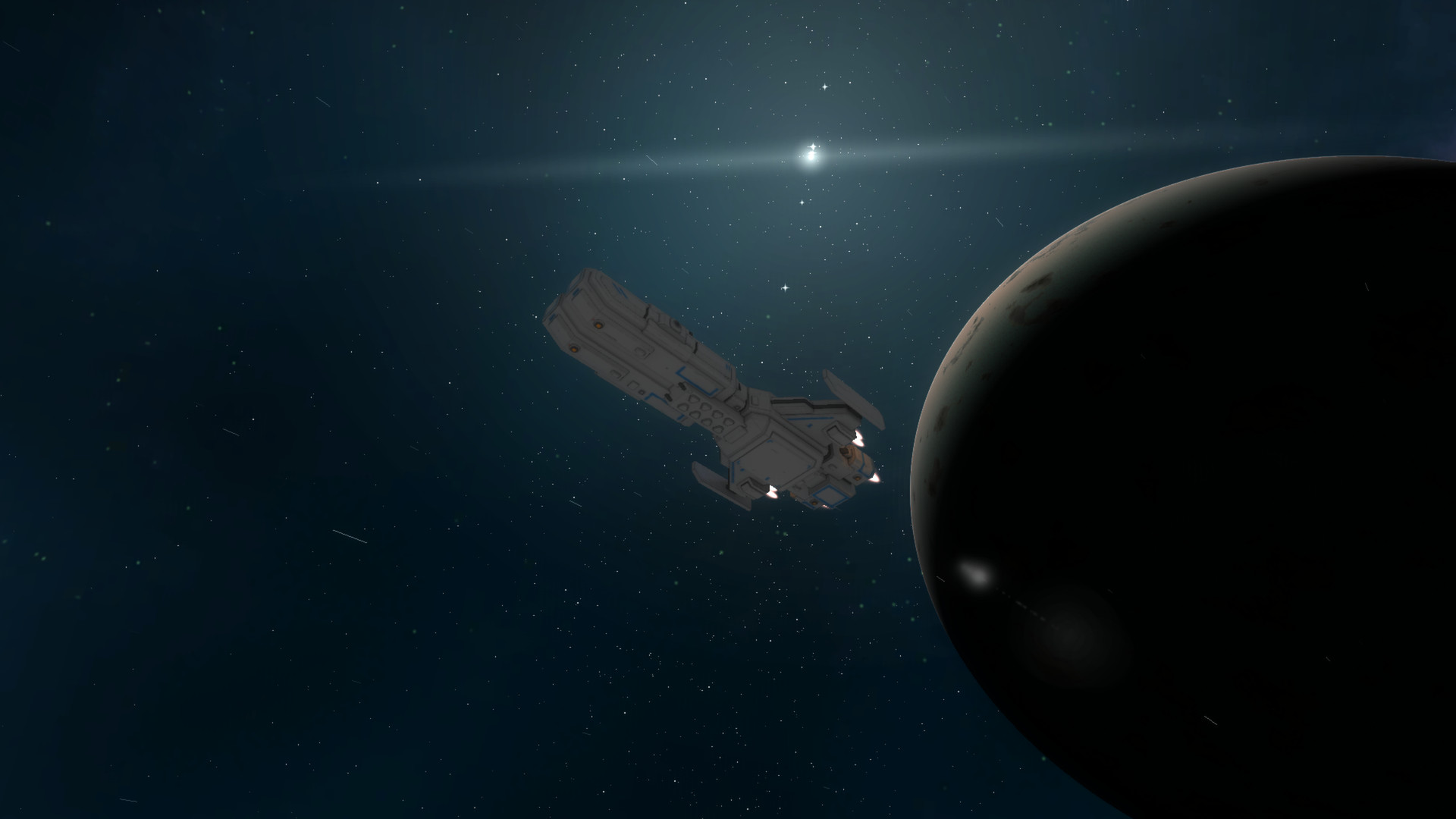
The distant visuals of space are breathtaking in Jumpdrive, adding a thrilling sense of depth to the enormous space sim.

Jumpdrive is an impressive space sim, but if one thing is certain, it only appeals to a relatively small audience. Those hindered by time and, in my case, an ever-growing backlog of other titles, simply won’t find it in their schedule to continue on this vast journey through the great unknown.
Tesla vs. Lovecraft

Tesla vs. Lovecraft Review [PC] – Electrifying Arcade Mayhem

The unimaginable technological feats of Nikola Tesla combined with the sci-fi horror fiction of H.P. Lovecraft10tons has added yet another adrenaline-fueled twin-stick arena shooter to their already impressive library. Strap on your teleport pack and prepare to face off against Cthulhu, and its many hordes of demonic enemies in this monstrous arena shooter – Tesla vs. Lovecraft.

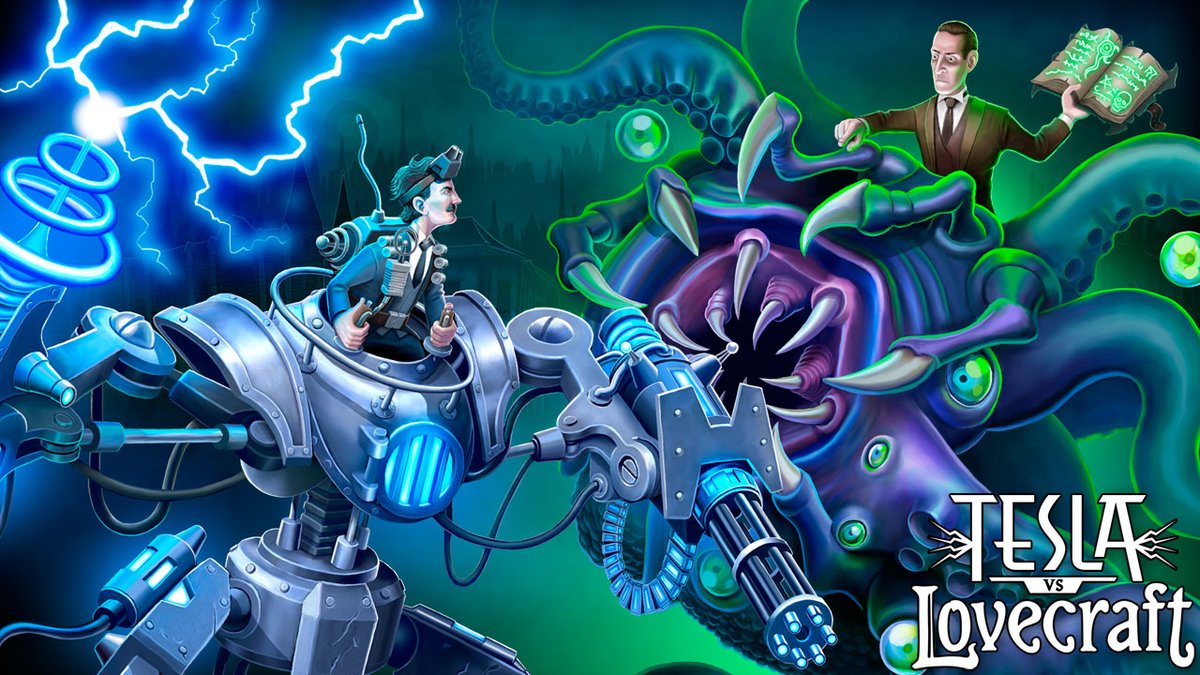
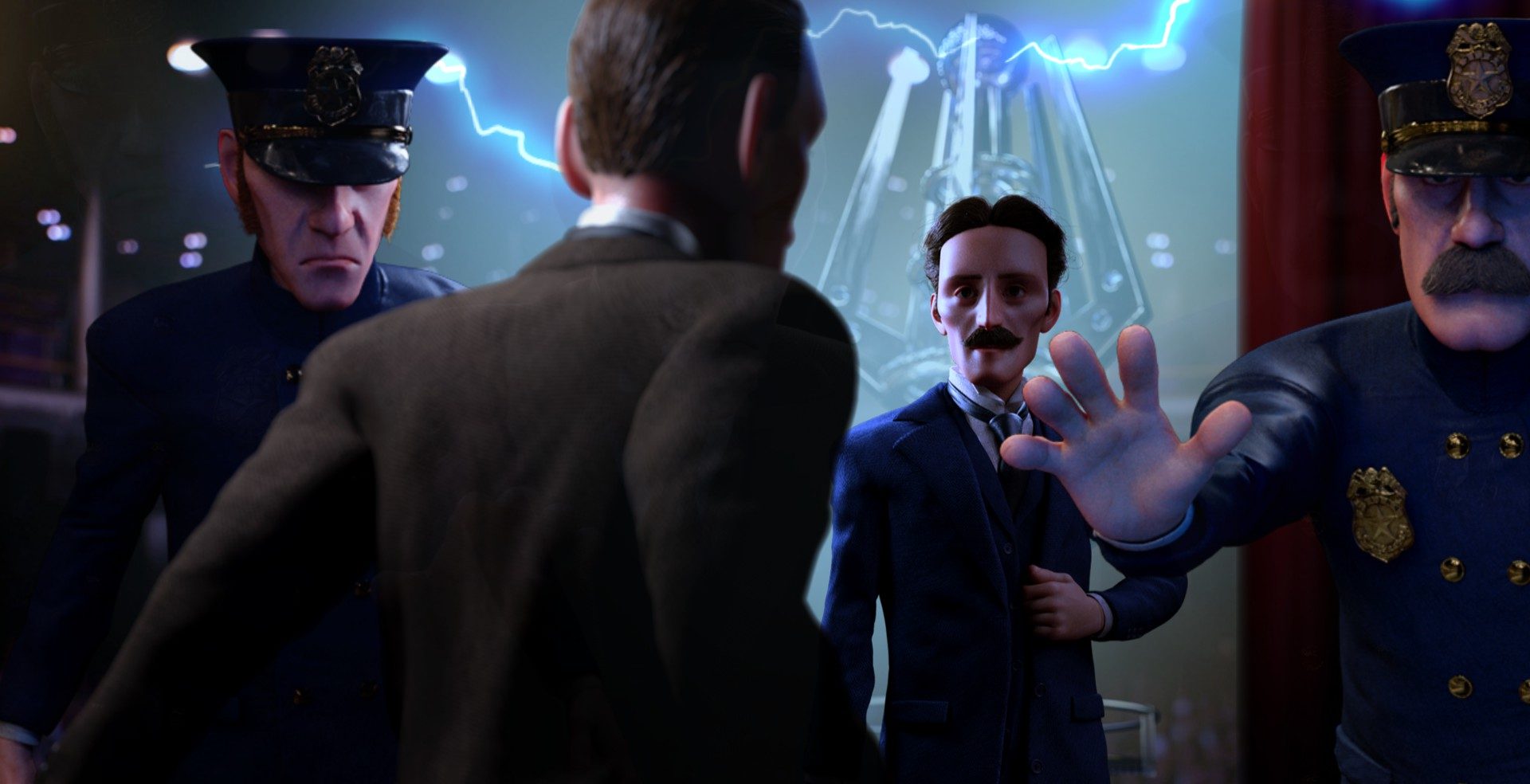
As you take on the role of none other than the electric-wielding genius, Nikola Tesla, the minions and fiendish creations of the coveted sci-fi writer, H.P. Lovecraft, begin to take over the world. Distraught by Tesla’s electric inventions, Lovecraft takes matters into his own hands to stop Tesla and his inventive actions. Harnessing the power of his very own creation, Cthulhu, Lovecraft unleashes waves of nightmarish monsters on our hero Nikola, but that won’t stop Tesla from fighting back.

Tesla vs. Lovecraft
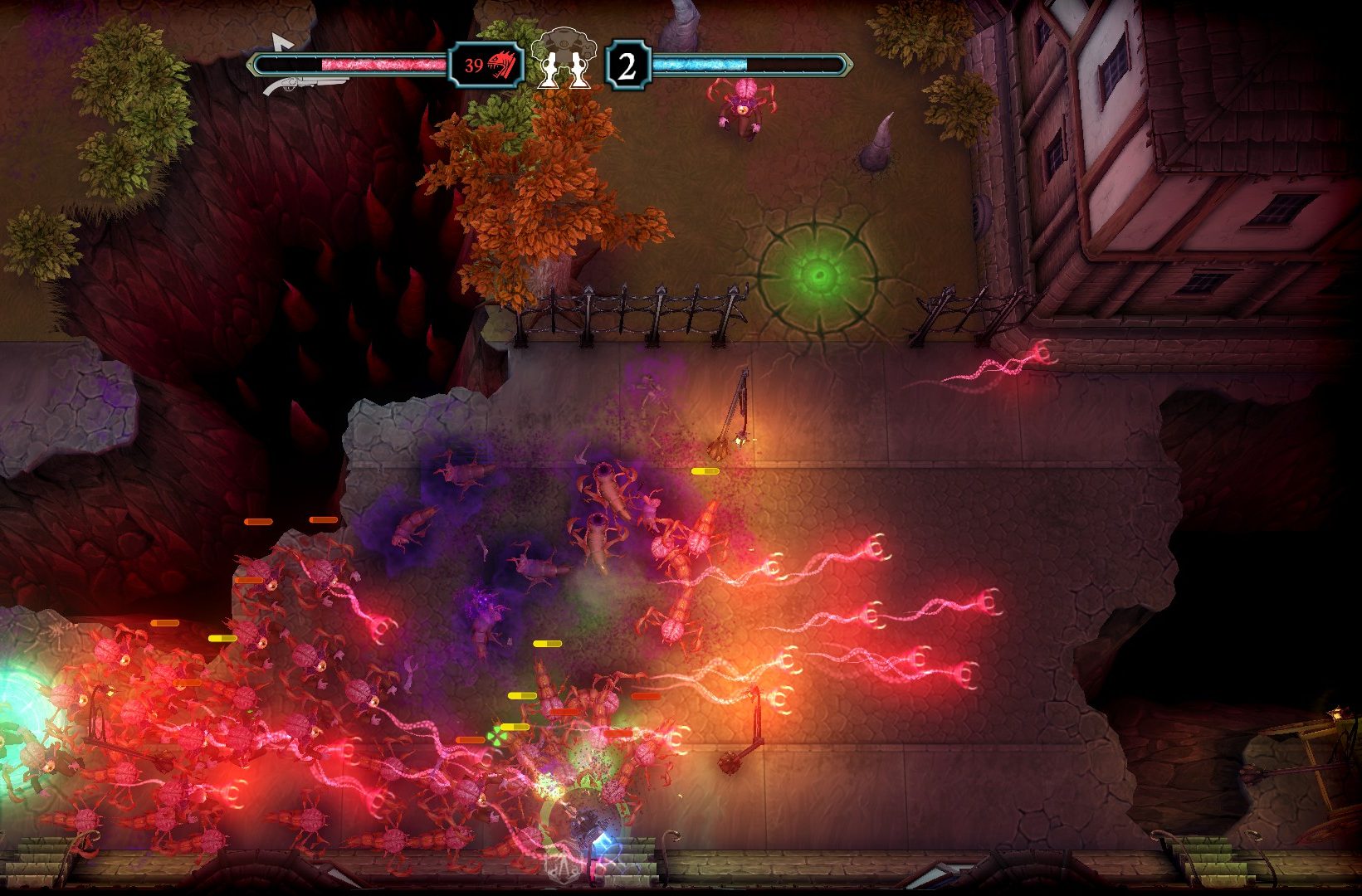
Angered by the inventive actions of Nikola Tesla, H.P. Lovecraft unleashes his army of monsters on the world.

The story of Tesla vs. Lovecraft is completely out of this world, but that only strengthens the energetic gameplay that backs it all up. This top-down arena shooter is as exciting as it is weird, providing players with a wildly entertaining experience from start to finish. From blasting through walls of grotesque monsters with Tesla’s super-sleek electric weapons, to running a full assault in the powerful Mech suit, this twin-stick shooter is as intense as they come. Tesla vs. Lovecraft is smooth, addictive and keeps pushing the player forward by unlocking satisfying perks and abilities to take your reign to the highest degree.

Tesla vs. Lovecraft: Sci-Fi Shooting Mayhem

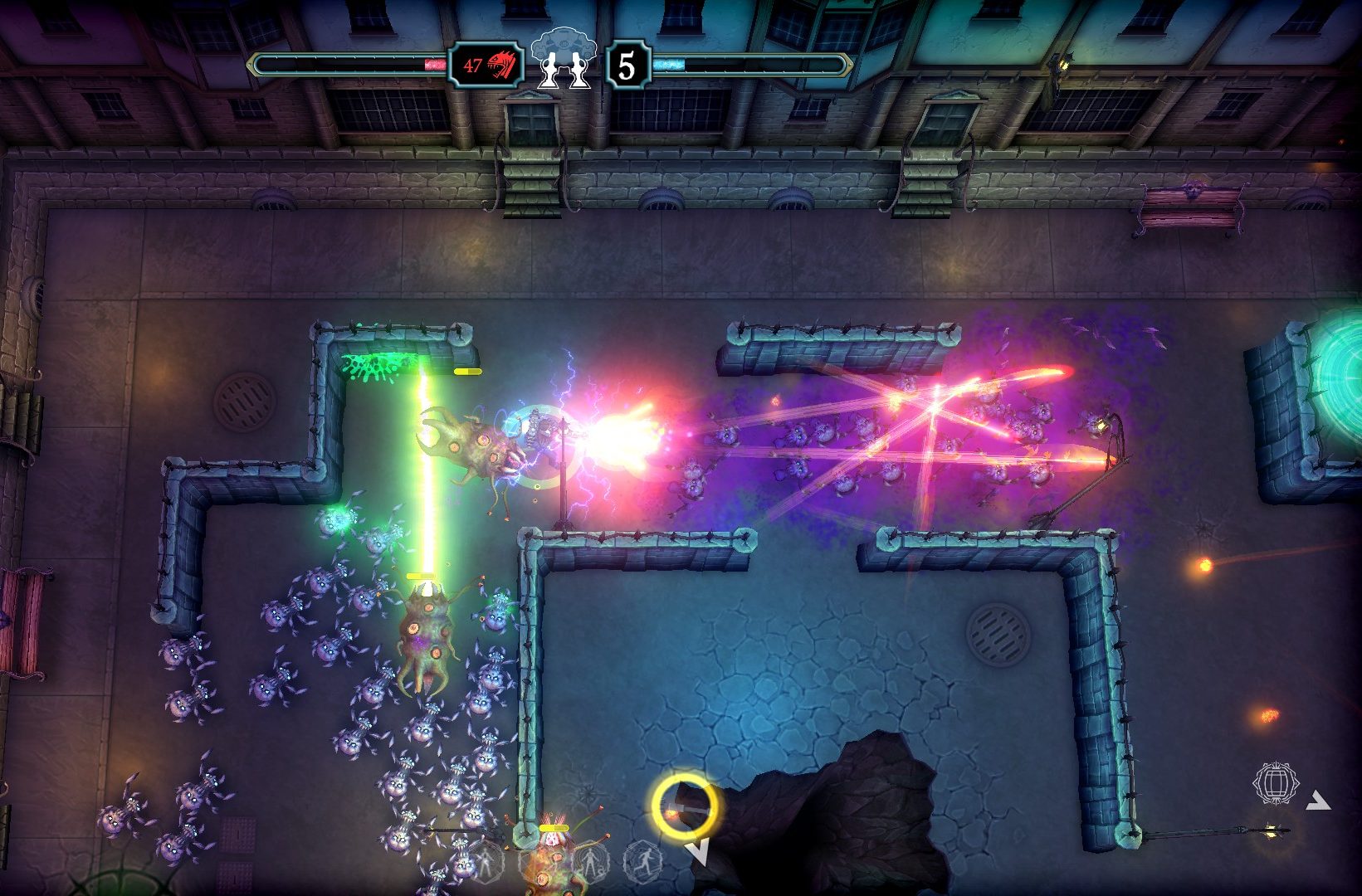
Throughout the many stages of the campaign, Tesla’s main goal is to wipe out all enemies in each level. The enemy bar at the top of the screen not only shows the player how much longer the stages are, but how many enemies are currently on the map as well. Once you hit an empty bar and zero enemies left, the stage is complete. It’s a simple concept that’s worked for decades across the popular genre, but Tesla vs. Lovecraft – like all unique indie titles – has what it takes to gracefully stand out from the crowd.

Tesla vs. Lovecraft
Enemies swarm in this ultimate twin-stick shooter – Tesla vs. Lovecraft.

The levels in Tesla vs. Lovecraft offer a wide arrange of size and obstacles in various settings across the campaign. Some act as small areas barely filling up more than the entire screen, while others have the players running through alleyways, courtyards and city streets, searching for the next player-boosting perk. Along with primary weapons and abilities, players will keep things interesting with other consumables like health packs, armour shields and unique enhancements like fire bullets. After a few short training levels, the player is granted the Quantum Teleport backpack which allows Tesla to teleport a short distance, as well as through most fences or other obstacles. Now all Nikola needs is some weaponry.

Tesla vs. Lovecraft creates a unique arcade feel with unlimited ammunition rounds, a vast array of awesome weapons to pick up, mighty abilities and character customizing perks. Weapons like pistols, revolvers, gauss rifles, shotguns, repeater shotguns and the beloved Tommy Gun are found throughout the levels during your campaign. Randomly spawning during each stage, players are only permitted to carrying one weapon at a time. Running over a different weapon than you have will automatically replace your current weapon, often leading to unwanted weapon switches.

With the intense action and splashing array of colours flooding the screen, it’s easy to lose sight of what’s what. The developers have done a substantial job in colour-coding items based on whether they’re weapons, power-ups or mech parts, but there may still be some visual confusion that slightly hinders the overall gameplay. Whether or not you accidentally swap a quick-firing Tesla blaster for a slow 2-shot shotgun, you still have a few options to keep the action in your favour.

Tesla vs. Lovecraft
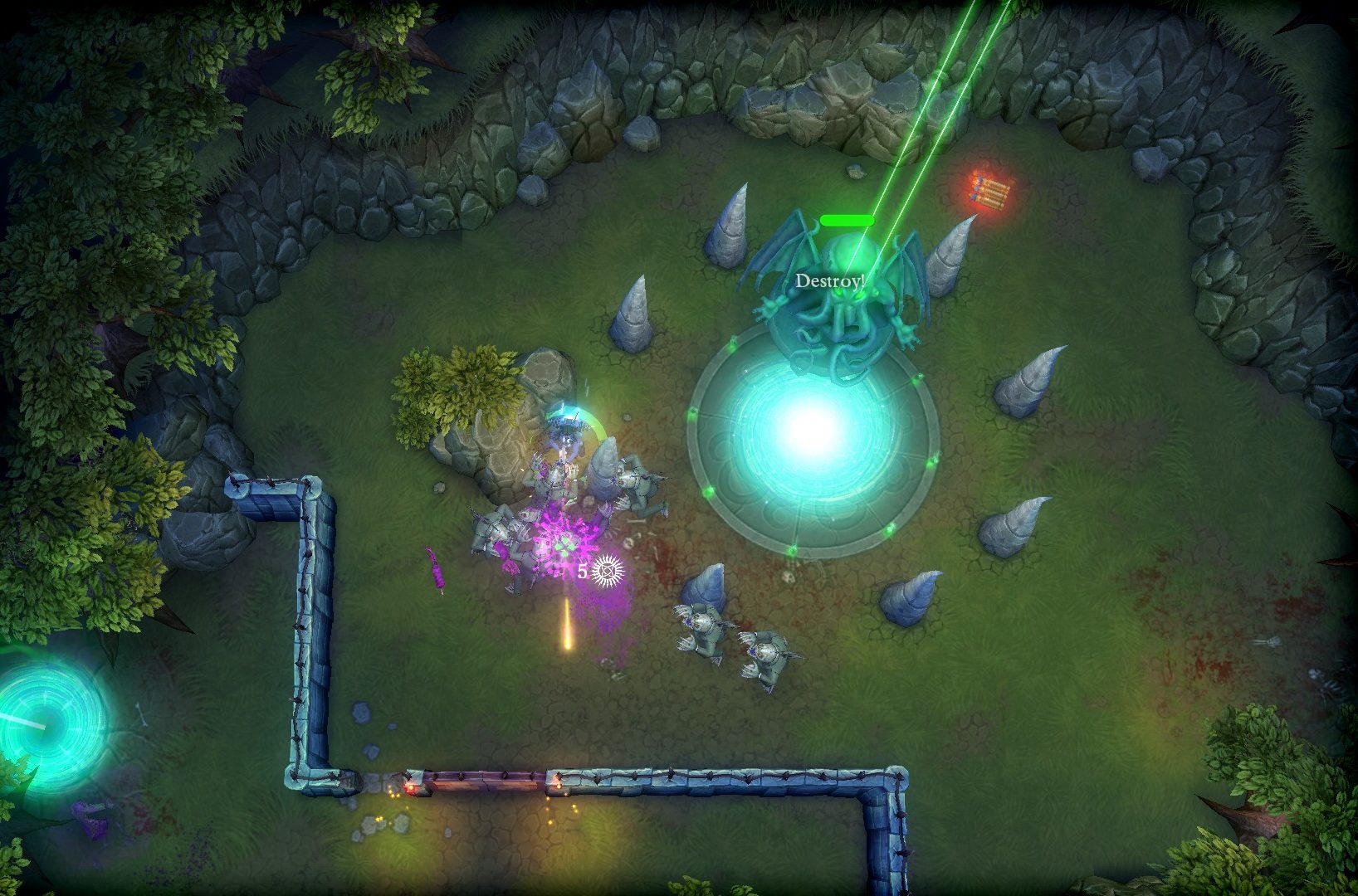
Along with the many waves of enemy monsters, Cthulhu statues will appear which endlessly spawn enemies until they are destroyed.

Strengthen Tesla’s Skills With Unique Perks and Abilities

Along with the many weapons to find and unlock throughout the game, players also have many perks and abilities to trigger. In typical arcade fashion, every stage starts Nikola Tesla off at level one, growing through the ranks as you mercilessly slaughter Lovecraft’s army. Leveling up comes quick, as stages typically last anywhere from 20 seconds to a few minutes, as players wipe out hundreds of enemies in one stage. As you gain each new level, players are awarded a perk point and may choose between two randomly selected perks.

Increasing movement speed, adding bullet penetration, a higher chance of acquiring more power-ups, or unleashing lightning strikes every few seconds are only a few of the perks available throughout the game. Starting off with a limited number of perks, more are unlocked as you progress further in the game. Gaining anywhere from 5-10 levels in one stage is an average run in Tesla vs. Lovecraft, allowing players to enhance Tesla in unique ways for every single level.

Tesla vs. Lovecraft
Unique perks help develop Tesla across each level, like having the ability to ricochet bullets off of walls.

On top of the useful and semi-permanent perk to choose from, powerful abilities also come into the mix when fending off the hordes of Lovecraftian nightmares. Spawning randomly in each stage, much like the standard weaponry, players may only equip one ability at a time. However, unlike standard weapons, these abilities are capable of dealing massive amounts of damage to the many waves of enemies. Using a massive sword to slash through a thick crowd of enemies, unleashing a flurry of static shock, or an AoE nova attack act as some of the unique abilities found in each level. Not similar to the unlimited ammunition found with primary weapons, abilities have a limited number of uses, making for more strategic actions.

Lay Out Some Carnage With The Mighty Mech Suit

With all of this talk about unlimited ammo, character developing perks and game-changing abilities, these are nothing when compared to the deadly and outrageously fun Mech suit. Invented by none other than Tesla himself, this Mech suit is the ultimate table turner. Once unlocked – which is relatively early in the game – players will start each round with the assaulting Mech suit intact. After about 10 seconds or so, the Mech suit explodes into six pieces, all scattered throughout the stage. Once players pick up each part, the rampage is back on for another 10-or so second run, or until the Mech takes enough damage.

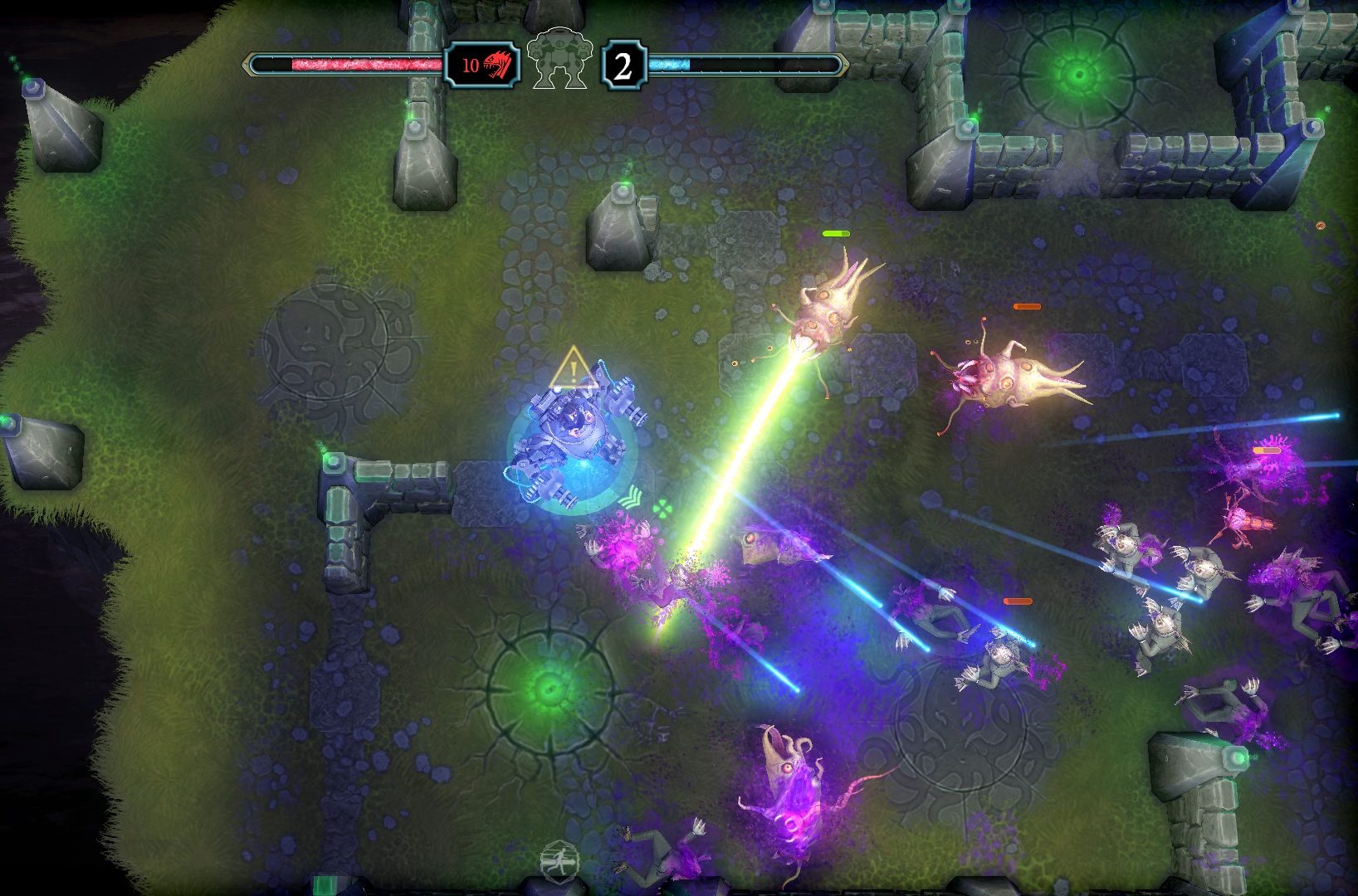
The Mech suit is not only extremely powerful but all-too satisfying as well. While firing the duel cannons works perfectly fine against the many waves of monsters, walking through them and crushing walls and barriers bring the carnage to a maximum level. It’s easy to get carried away once the Mech suit is engaged, effortlessly wiping out any helpless monster standing in your path.

Tesla vs. Lovecraft
The Mech suit is the ultimate weapon for slaying an enormous amount of monsters quickly.

Tesla vs. Lovecraft is a rampage inducing, action-packed sci-fi arena shooter that stands tall amongst titles of similar stylings. With the unique perk and levelling system, smooth controls, one-of-a-kind story, devastating abilities and Mech suit, 10tons graciously hands over an experience of science and horror like no other game has before. Throughout the game’s many, many levels available through three different areas, plenty of monster slaying, Mech-suit-smashing mayhem awaits at your fingertips in this latest twin-stick arena shooter.

Keatz: The Lonely Bird Review [PC] – Being Lonely Never Felt So Bad

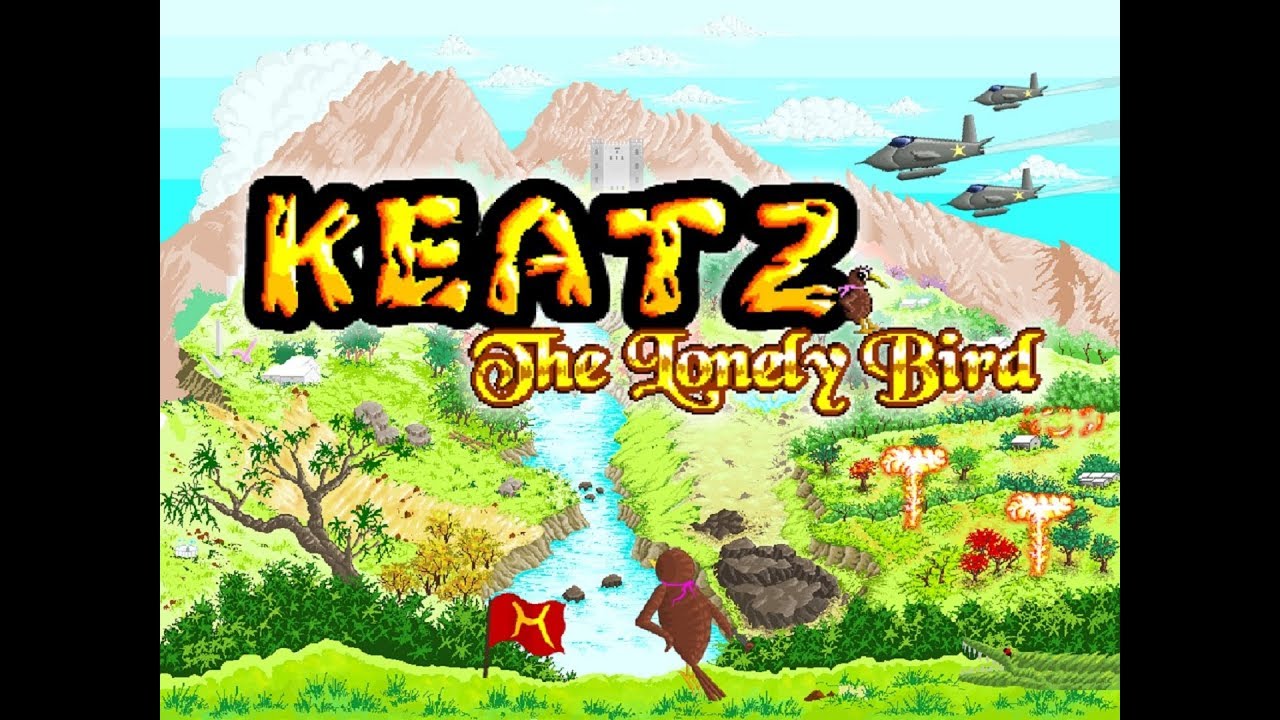
Unforgiving and unpolished, Keatz: The Lonely Bird is a dreadful story about a flightless bird whose species has been banned from the ungrateful bird community of the fowl nation – Heavens. Feeling down in the dumps and desperate to seek vengeance on all those who toss aside anyone not up to par by their standards, Keatz embarks on a 2D platforming journey riddled with flaws and errors to the core; but if dissected carefully, shows promise of much greater future endeavors from the young indie developer – Anamik Majumdar.

After a rather heart-wrenching introduction, players take over as the flightless bird, Keatz, and begin firing away with the mysterious gun they obtained in a dream. Now flightless but deadly, Keatz is able to hop around the moderately sized platforming levels in search of a variety of different coloured gems, and that precious loot we all hunger for: money. Throughout these clunky platforming levels, players may take notice that they have no ending location. They’re simply over when the player has completed the objectives mentioned on the loading screen before the level starts.

Keatz: The Lonely Bird
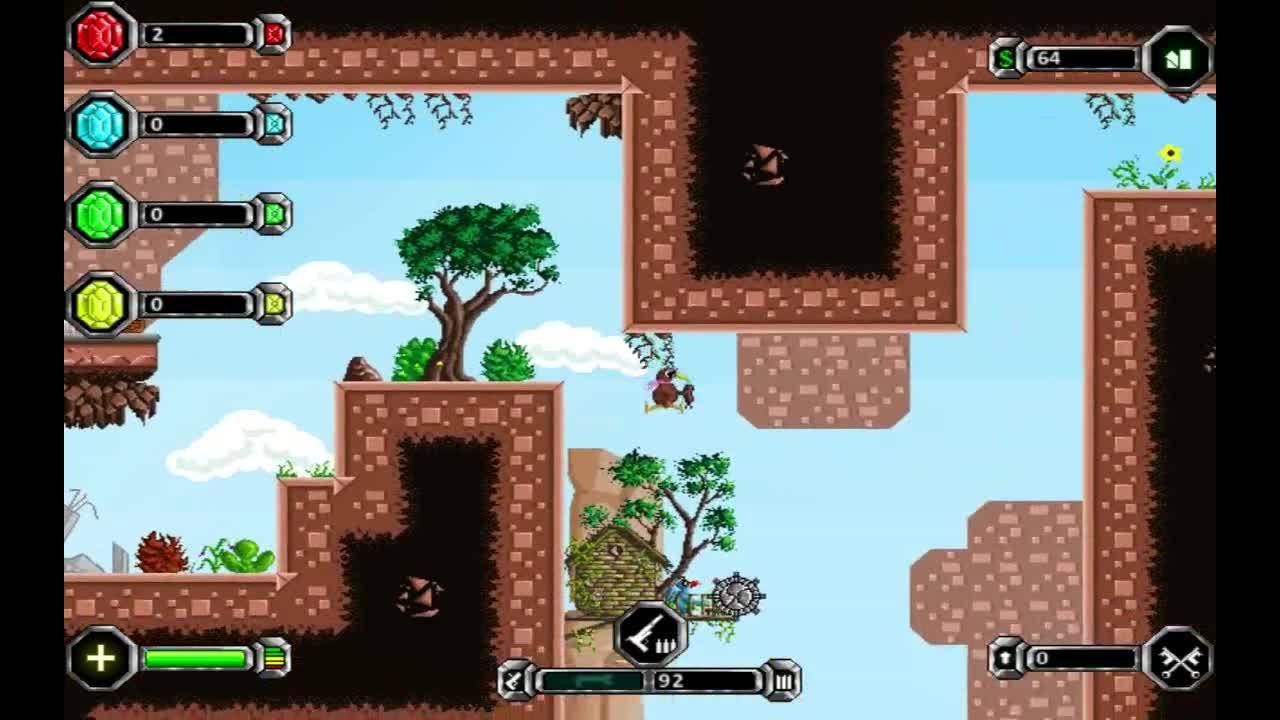
Keatz: The Lonely Bird forces players to embark on a challenging 2D platformer, using a painful control scheme.

It’s easy to find the frustrations that leak through the cracks of Keatz: The Lonely Bird. The scavenger hunt to seek out all collectable items to end the level comes with its own share of miscues. Passing up important collectables only to be forced to backtrack across otherwise impossible one-way platforming obstacles is a rage-quit inducing tactic and happens frequently. The level design is unique and shows a decent amount of challenging traps and hazards, but still lacks the finishing touches to leave a positive impression.

Ouch, Those Controls Are Painful

The smooth controls in a platformer are key in creating a memorable and delightful experience for gamers. Both the keyboard and gamepad options feel clumsy, offering an unwelcome learning curve to manoeuvre around the sticky movements. When using a gamepad, the game forces players to use the left analogue stick to move left and right, but also using it to jump as well. The face buttons don’t exactly hinder the experience, but moving and hopping about the levels are often a wild beast that can be rather frustrating to tame.

Other than gems and cash to collect, there are also health packs, ammo crates and other similar useful items. Guarding many of these items are the enemy bird henchmen that fire away at Keatz on sight. Through a variety of different weapons, players will need to persevere through a relentless amount of trial and error to continue further in the campaign. There are a total of 20 levels to play through, both available in easy and hard modes. However, these difficulty settings don’t help with the obvious holes and clumsy mechanics featured in the game.

Keatz: The Lonely Bird
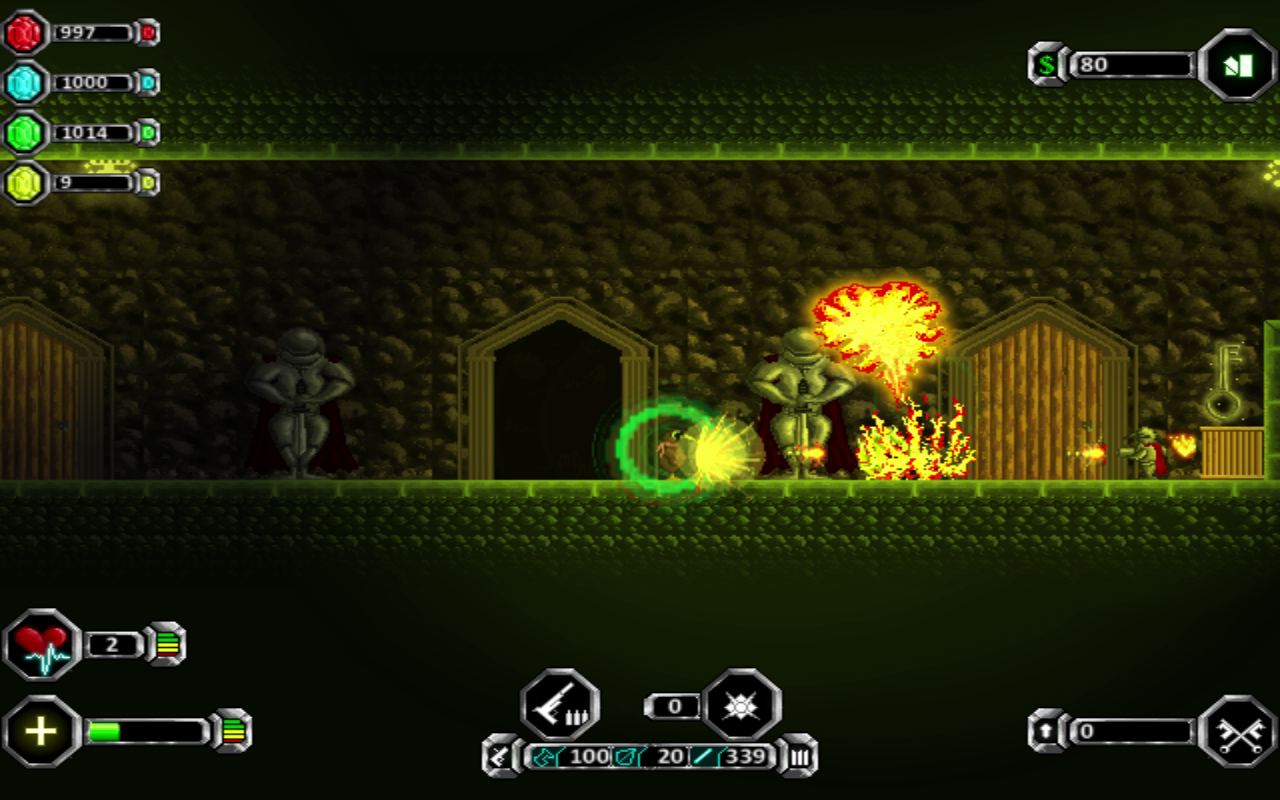
Across 20 different levels, players will find themselves in many different settings filled with a variety of deadly enemies and hazards.
Keatz: The Lonely Bird

There’s not much to the simple platformer in terms of story – a lonely bird cast out from an overruling government wants revenge. Yes really. The story seems to strike a chord of personal feelings from the developer as a positive message to not let someone’s unwelcome judgement anchor you down. It’s unfortunate, however, that the gameplay and mechanics themselves un-apologetically anchor the story down with glaring frustrations, issues and an overall unpolished feeling. Through all of the clunky moments and my rotten words towards the casual platformer, there’s still some dim light that shines through the ever-present cracks in Keatz: The Lonely Bird.
You can find Keatz: The Lonely Bird available for PC on Steam coming this January 2018.

Fearful Symmetry and The Cursed Prince

Fearful Symmetry and The Cursed Prince Review [PC] – Puzzling Symmetry For Everyone

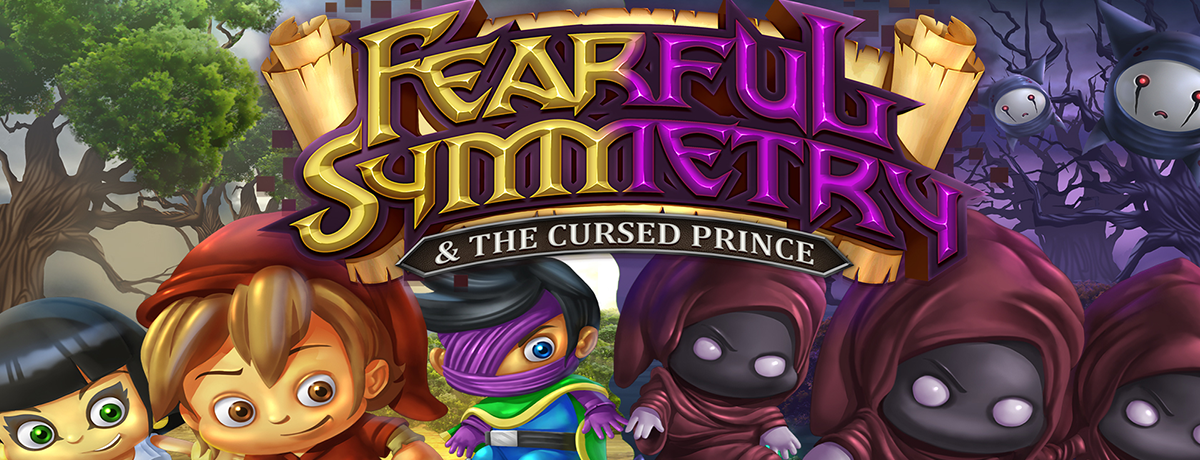
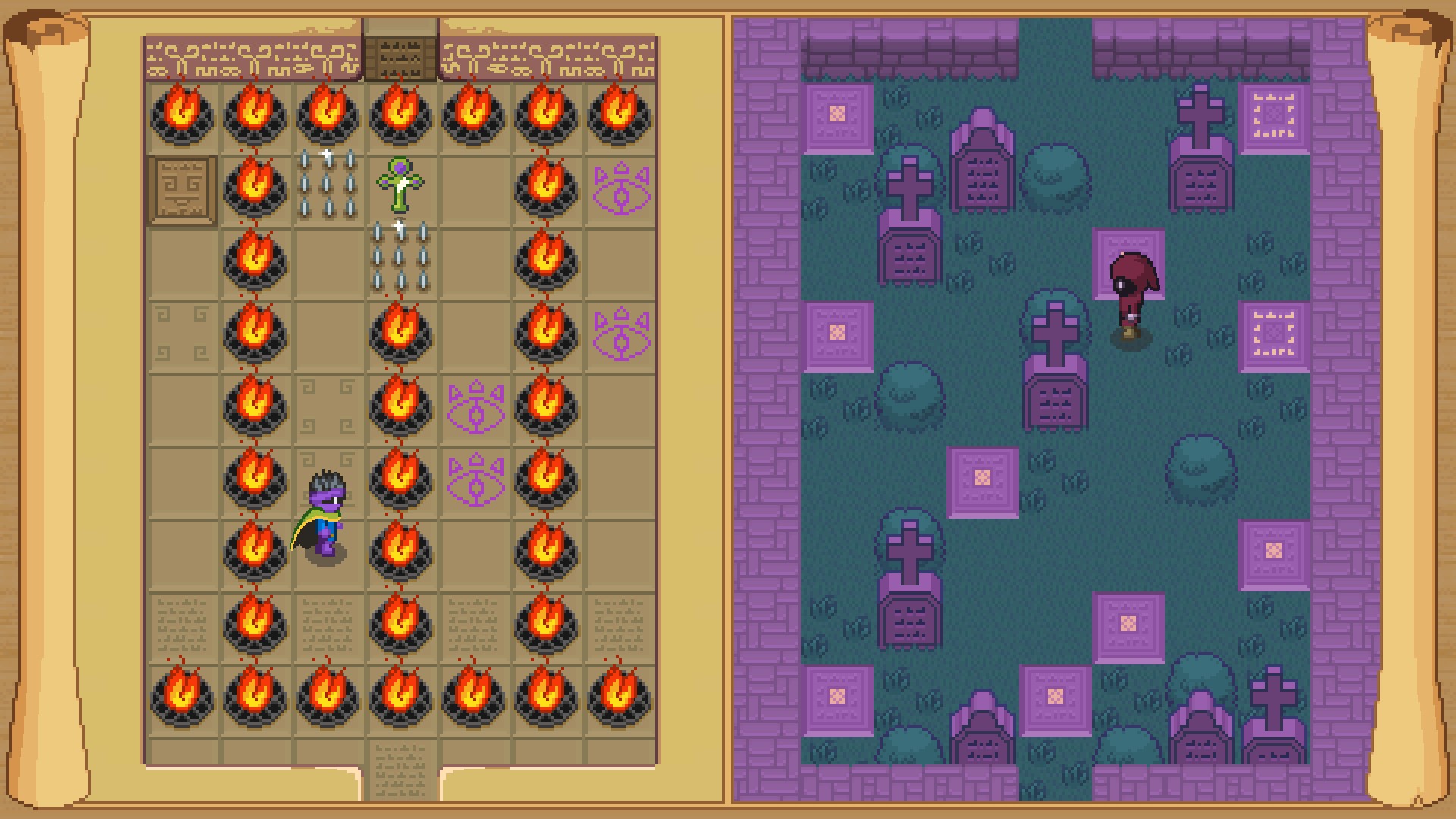
The gameplay of Fearful Symmetry and The Cursed Prince shows its teeth as a mind-twisting puzzler that forces players to think for two characters at once. The unique spin on this puzzle game is refreshing at the same time as being equally frustrating. Taking on two separate screens at once is a welcome challenge for this gamer and one that tends to keep giving throughout its short but sweet campaign. From the added challenges that begin to surface, to the new characters to unlock to help change the gameplay, Gamera Interactive is helping to introduce a distinctive spin on the puzzle-solving genre.

Fearful Symmetry and The Cursed Prince
Fearful Symmetry and The Cursed Prince tells the tale of two universes, forcing the player to guide their hero through parallel dimensions at the same time.

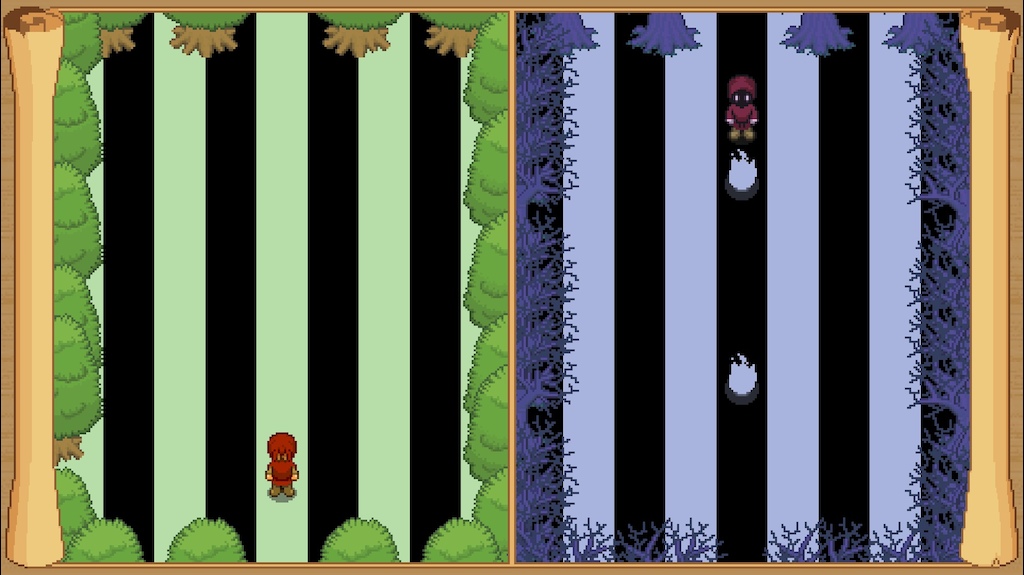
Taking on the role of a prince who snatched the sacred cursed scroll, you’re now compelled to escape this symmetrical universe and return the scrolls to their rightful owner. Where the puzzling comes in is how the challenges present themselves throughout the game. The screen is divided into two symmetrical sides: one light, one dark. Players control their hero on both sides of the screen, navigating each side through dangerous traps and challenges. The trick is that the character on the left makes their way from bottom to top while the right goes from top to bottom. This makes controlling both your dark and light-sided hero quite the thought-inducing challenge.

A Symmetrical Experience

Moving up on one screen will cause the other character to move down, and vice versa. Right is left and left is right, making for a unique twist on what would otherwise be a simple puzzler. As the levels continue onward, more obstacles inevitably present themselves introducing a subtle learning curve. Thinking about your every move twice is a new habit to adapt to, one that is crucial in keeping your character from perishing. There is plenty of time spent on planning your pathway and perfectly avoiding any dangers.

Fearful Symmetry and The Cursed Prince
Though the standard campaign levels are complex and trivial at their own accord, the uniquely designed bonus levels are a step ahead of the campaign dungeons.

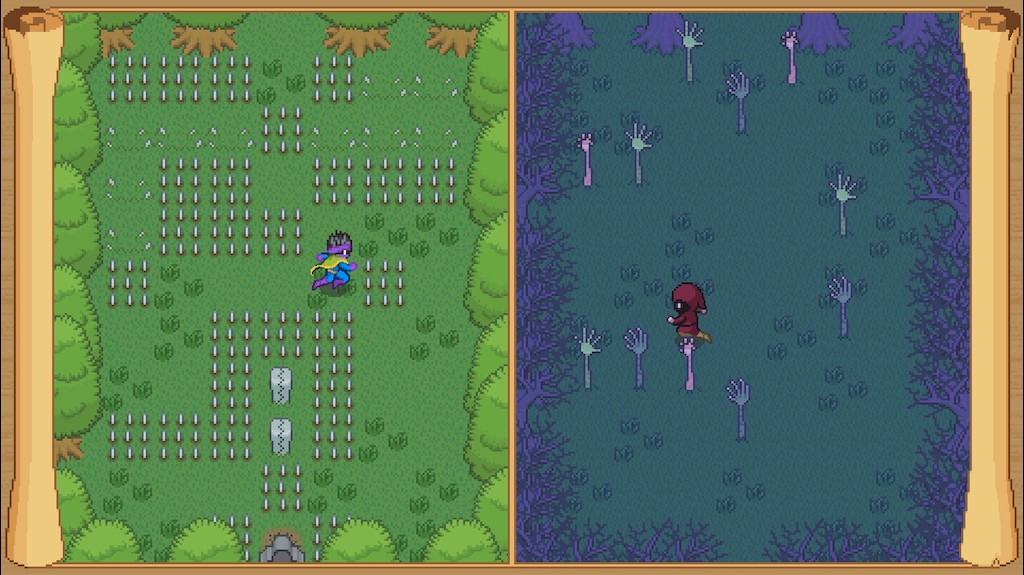
While at the beginning of the game where the dangerous obstacles stay stationary, more ghastly spirits and moving objects begin to enhance the strategy. Ghostly AI spawn in or fireball spitting plants cross your path, players must be abundantly aware of what’s occurring on both sides of the screen. If players are unaware of the dangers on one side of the screen or the other, a quick death most certainly awaits. A quick restart keeps the game flowing at an easy pace to keep hacking away at the correct path to success.

Numerous Ways To Play

Though travelling from one side of the dungeon to the other for both sides at once is the main objective, in each dungeon on one side rests a bonus key. Collecting these keys will eventually unlock bonus levels that present even more difficult challenges. However, these bonus levels award players with two new playable characters when specific ones are completed. On top of new and unique characters to play as these bonus levels are excellent ways to drive more hair-pulling puzzles out of your twitching fingertips.

Fearful Symmetry and The Cursed Prince
The first hero is unlocked from the start, after enough bonus levels, two other characters equipped with their own unique abilities offer a different perspective on the puzzling title.

Out of the three characters to choose, each one offers a unique twist on conquering the levels. While traversing through the standard way by walking around the spikes, fire and ghostly enemies in traditional strolling fashion, other unique abilities may be equipped when played as one of the other characters, such as the ability to teleport over obstacles. The initial campaign is relatively short – sitting at about an hour-long. Still, two characters to unlock – each with their own unique skill – and the challenging bonus levels add a bit more depth to the game.

There’s not too much to Fearful Symmetry and The Cursed Prince – but there is some addicting gameplay to be had. Taking on parallel worlds at the same time is a unique twist on the genre, great for gamers of any skill level to take on the challenge.

Nantucket

Seafaring strategy game Nantucket announced for PC

Picaresque Studio is bringing us Nantucket, a seafaring strategy game based on Moby Dick, on January 18th next year.

Nantucket – Captain Ahab & The Pequod

Set in the golden era of American whaling in the early 19th century, Nantucket takes place shortly after the events in the Pequod, where Captain Ahab and his crew lost their lives to Moby Dick. Surely that’s not a spoiler, now?

As Ishmael, the sole survivor of the Pequod, you’ll explore the seven seas, captain your ship, fight pirates and hunt whales, whilst on the lookout for your old foe, Moby Dick of course, in search of the ultimate redemption.

The announcement trailer can be found below, with some live action scenes included, because why not:

Here’s some extra gameplay from the developer themselves:

Marco Mantoan, Designer at Picaresque Studio, had this to say:

“Since the original Steam Greenlight, we’ve been developing a game we feel is unique in its setting, a love letter to Moby Dick and the strategy genre. We’re excited to be working with Fish Eagle, utilising its international expertise to help us bring Nantucket to more fans around the world.”


You’ll be able to pick up Nantucket on PC via Steam very soon. Moby Dick fans: is this what you’ve been waiting for? Let us know below!

Soldiers of the Universe Review [PC] – A Rather Uninspiring FPS

First-person shooters have developed a sort of stigma over the years of being linear, cover and shoot forms of entertainment, primarily focusing on war in realistic scenarios. Soldiers of the Universe follows this mechanic almost religiously, giving new definition to the term “linear”. Infiltrating Middle-Eastern terrorist organizations across Syria and Istanbul, independent developers, Rocwise Entertainment, bring a sobering experience to the ‘duck and cover’ genre of FPS games.

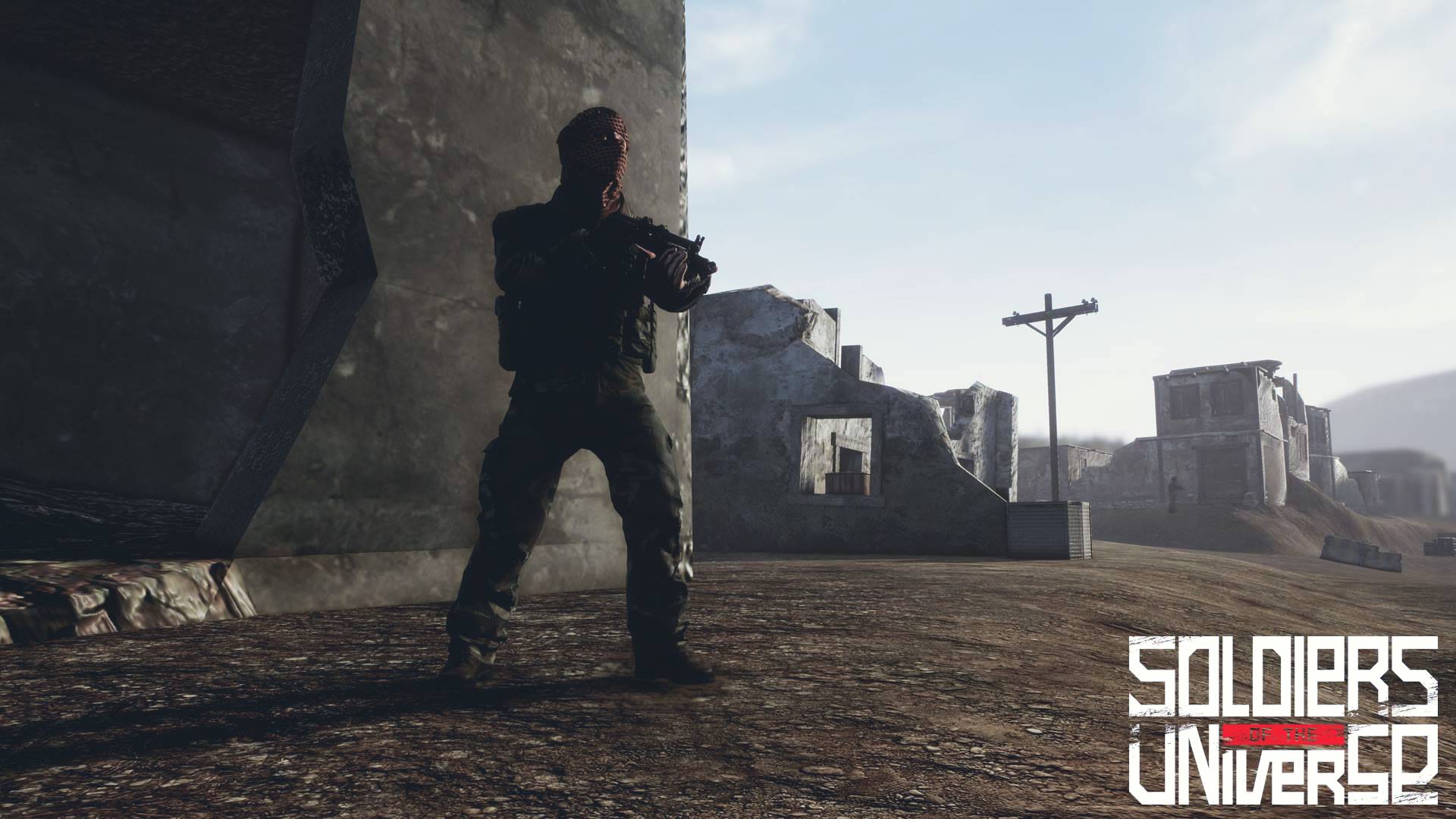
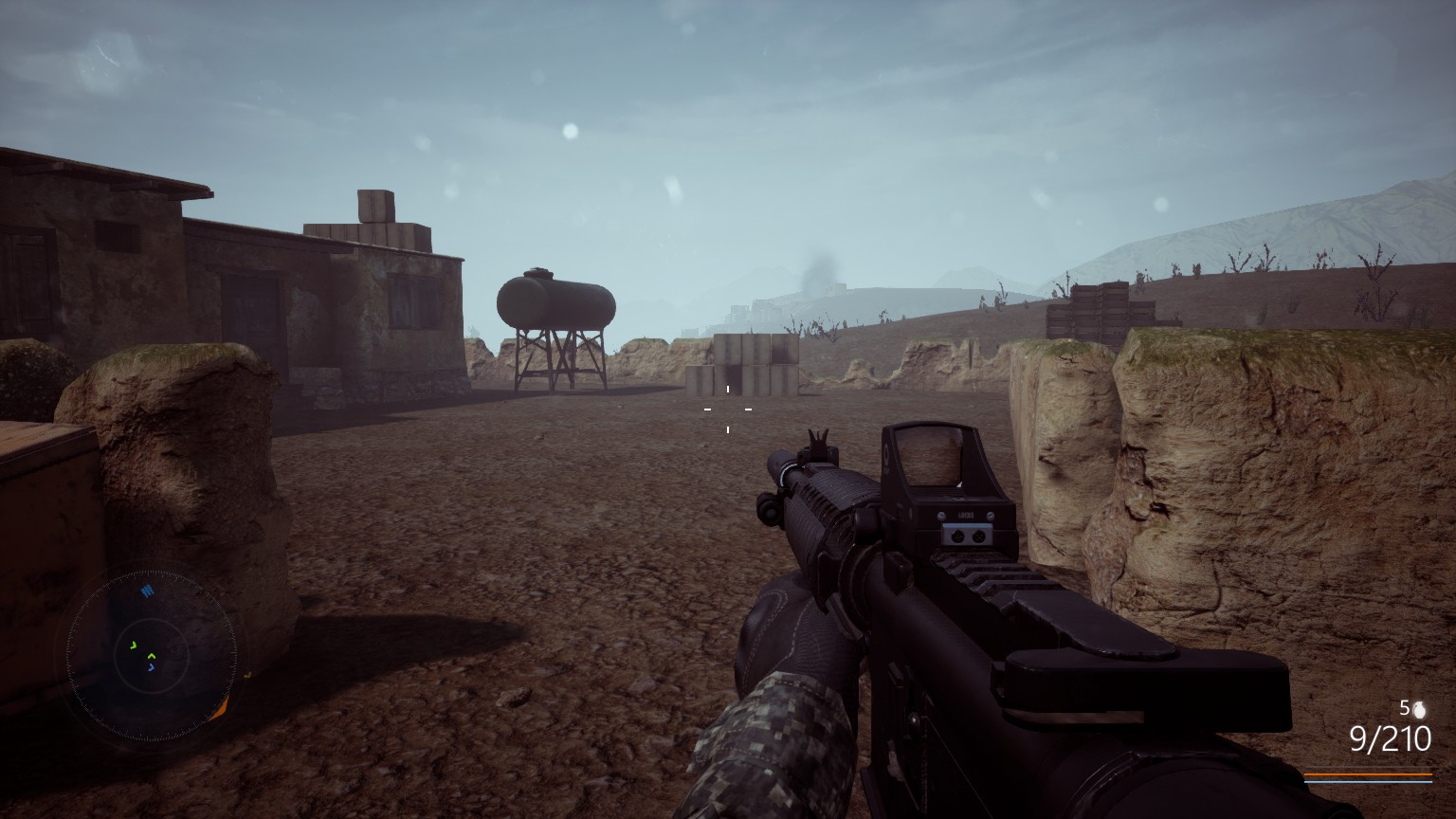
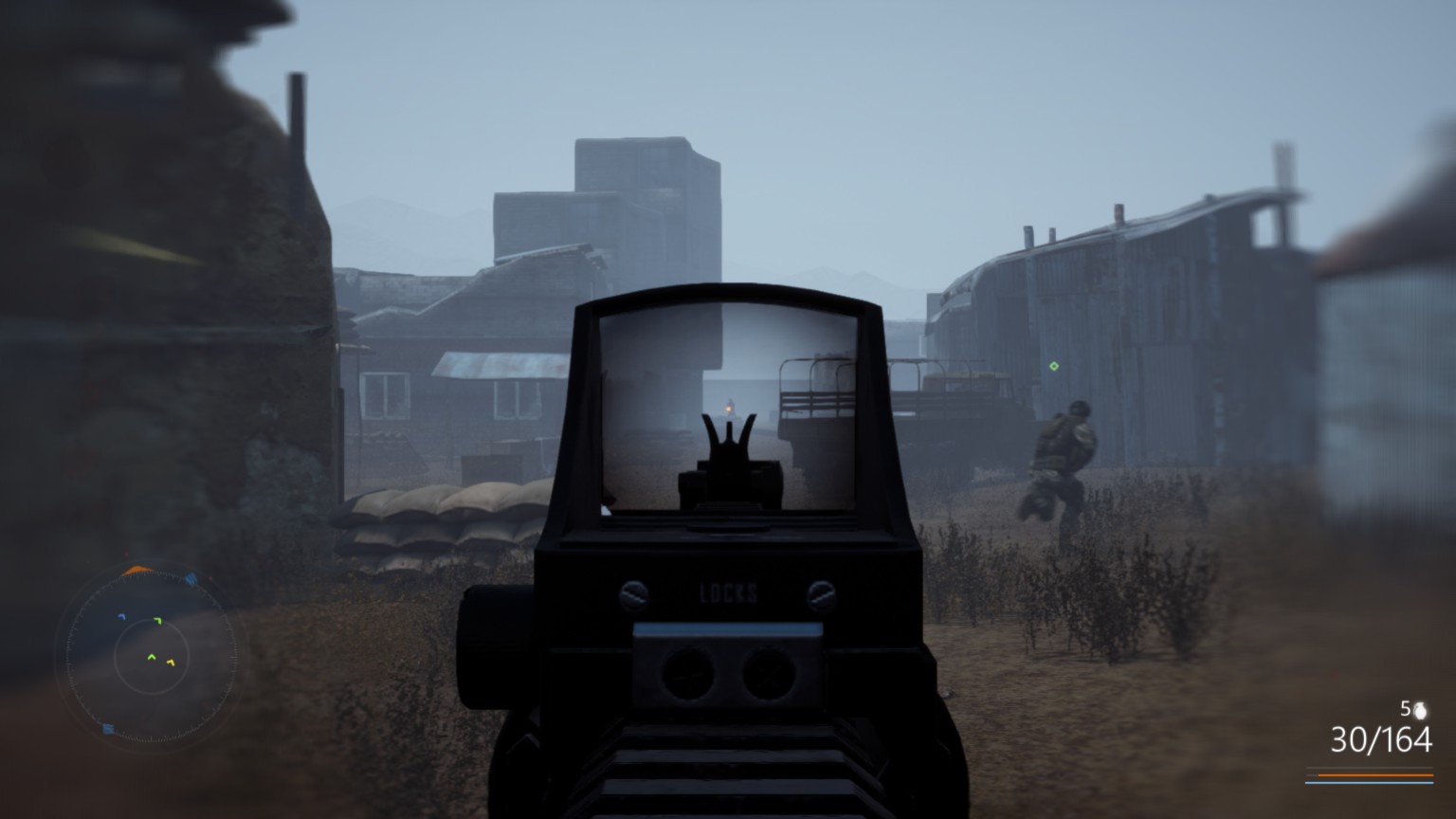
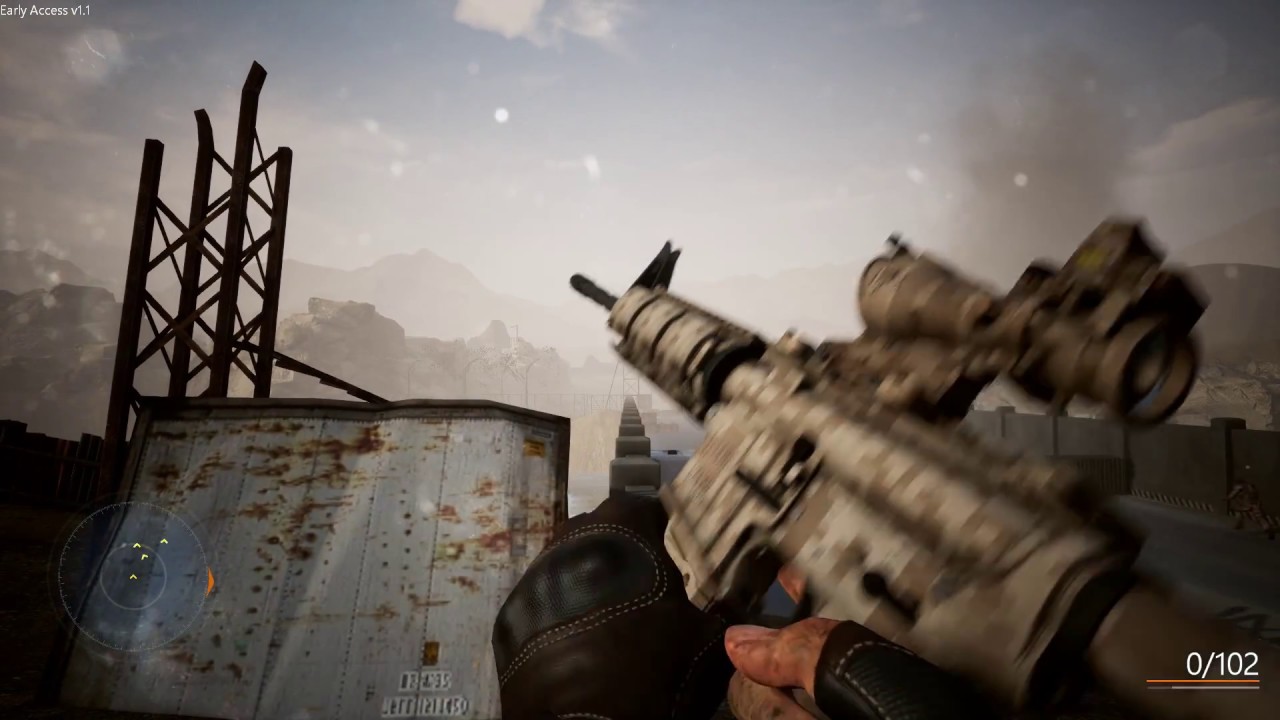
The visuals in Soldiers of the Universe take advantage of the Unreal 4 engine, but do little for content featured in the dull shooter.

Soldiers pits the player in with a colourful group of specialized comrades all with their own unique skills and dialogue. Though there’s not much dialogue throughout the course of battle, each character supposedly has their own style of play. Throughout my time with Soldiers I found myself running through the same old routine of following the completely linear path while the three members in my party blindly ran around corners into raging gunfire. Luckily for them, they’re rendered invincible, and mostly not targeted by enemy forces, thus leaving me to follow unsuspectingly into instant death encounters.

The story behind this “narrative-driven” shooter takes players through rugged and uninspired settings, holding the hands of the squad throughout the game. There are no secrets, hidden areas or objects, or any incentive to tread off of the linear questing, which is filled with un-lively, statuesque AI enemies. Gunning after the major Middle-Eastern terrorist organizations, players – and their dull squad – will fight through waves of tactless opponents throughout a dim range of maps.

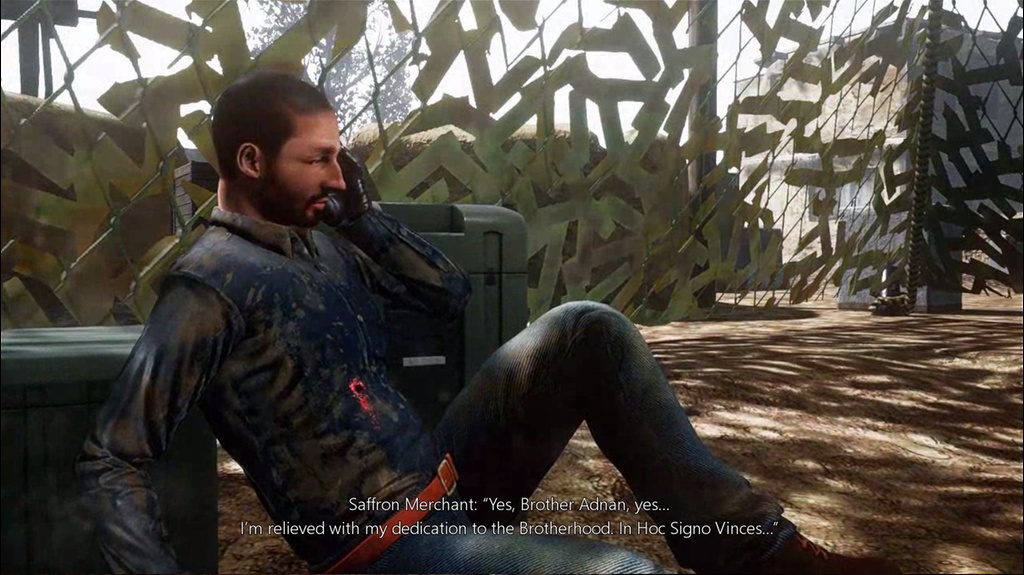
The story behind Soldiers of the Universe is dull and mostly full of un-suspenseful moments.
Straight To The Point

Traversing through the maps is a breeze, with only one objective and one route to go, proceeding forward is literally the only option. There are instances of areas, which, in other shooters would be filled with loot, secret items and intel – Soldiers brings a barren wasteland. Empty homes are completely abandoned without anything interesting to investigate. Not even pieces of broken furniture or other household items were added to the game, leaving an unfinished, and un-rewarding experience to the FPS.

The emptiness of Soldiers is only scratching the surface of the limitations found in the linear campaign. While following your squad, like clockwork, every 20 seconds or so a handful of enemies began firing down upon you. What’s different from most shooters we see nowadays, is the enemies will switch to better cover, flank, or at the very least, act as though they resembled a human being. The enemies in Soldiers are as boring as they come, standing in place firing away at our hero. Only to reload would some of the terrorists hide in front of cover, but this is the actual extent of how motionless these enemies are. Hiding behind cover to regenerate your health was easy and fluid knowing none of the enemies dare move from their position.

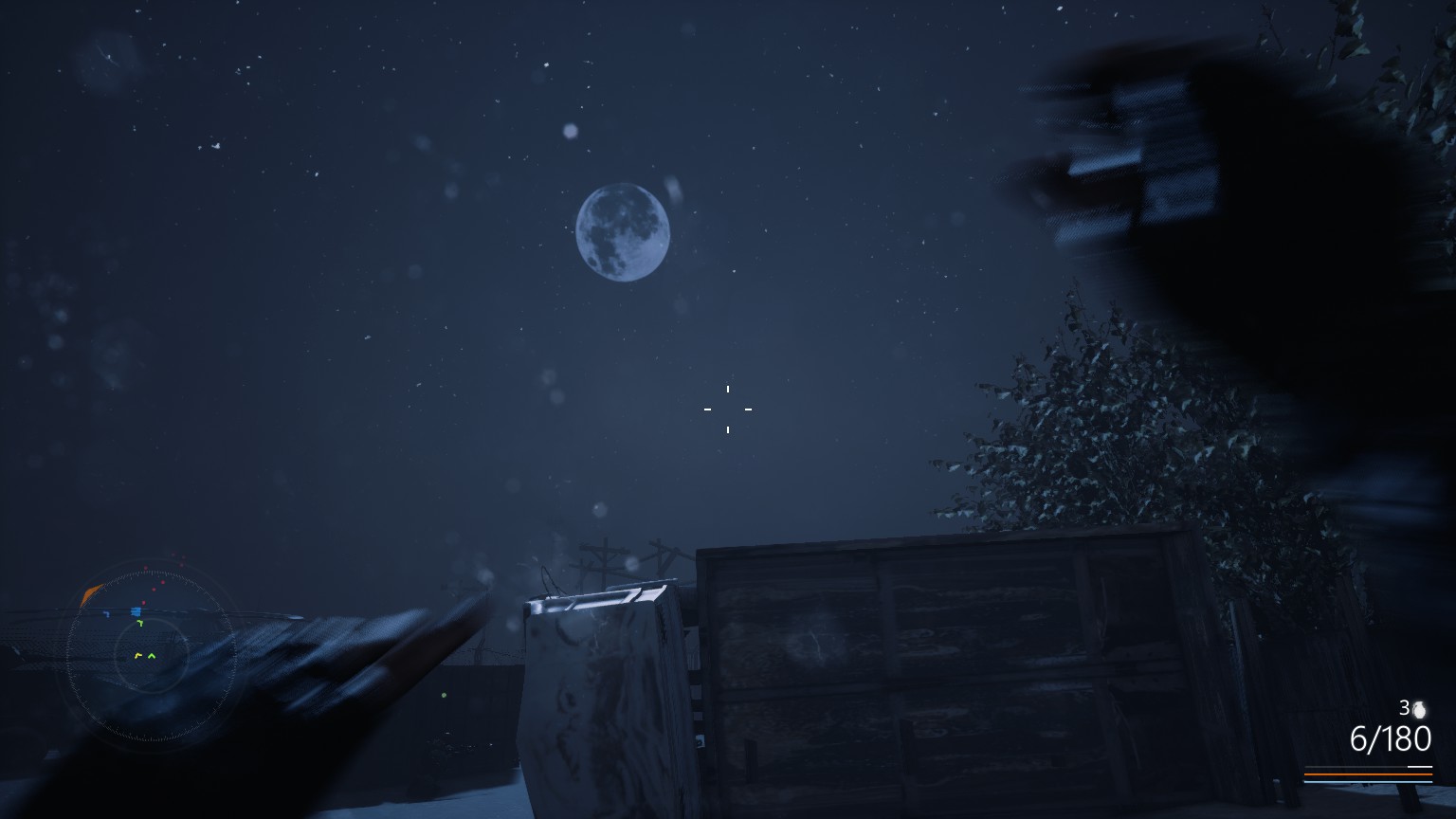
Some missions have players completing objectives at night, providing a subtle sense of change in the otherwise rote gameplay.
Where’s The Arsenal?

Starting a mission will net you three various weapons throughout the following objective. Typically two types of assault rifles equipped with scopes, and a sidearm pistol. Looting enemies for their weapons is a no go, and any sort of special ammunition ceases to exist. There is the grenade option, as what would a war game be without some impactful explosion to throw around? Finding ammo is as easy as refilling from one of your support members of your squad, as they have an unlimited amount of free ammunition. Of course, there are also ammunition crates scattered throughout the levels – these being the only interactive objects found in the maps – but there’s not much need to go out of your way for these when it’s easier to simply track down your squadmates and reap the same results.

The lack of discovering more weapons or explosives is a real sore spot in Soldiers of the Universe. Many fans would agree that unlocking or finding secret or powerful weapons is a massive adrenaline rush in many of the FPS games around. Forcing the player to adhere to specific weapons hinders any sort of unique experience found in shooters. Gamers love options; to have these stripped away feels cheap and presents a lacking atmosphere filled with predictable moments time and time again.

Enemies stay in position while you’re clumsy squad mates blindly run into enemy fire, showing off the number of issues with the AI in Soldiers.

As mentioned above, the maps are lacking creativity and content only pointing the player in the direction of your sole objective. The minimap and all of its minimalistic detail show a whopping three types of icons: you and your squad mates, upcoming enemy forces and the ever-present, but completely pointless ammo crates. The red arrow acting as the compass surrounds your mini map and points towards your objective; for anyone who is having trouble following the stale and linear path of the questline.

Though many FPS titles follow the same formula, most accomplish some sort of exciting essence in a dramatic storyline. Soldiers of the Universe – though it plays decently smooth and offers sub-par graphics utilizing the power of Unreal 4 – provides a lacking experience that can easily be left in the backdraft of stumbling shooters. Surrounding all of the negatives Soldiers has to offer, there is promise of something far greater from the indie development team, RocWise Entertainment. Let’s just hope future endeavours from the team prove more worthy than their tediously linear shooter, Soldiers of the Universe.

Seven: The Days Long Gone Review [PC] – Part Fantasy RPG, Part Techno-Dystopian Drama

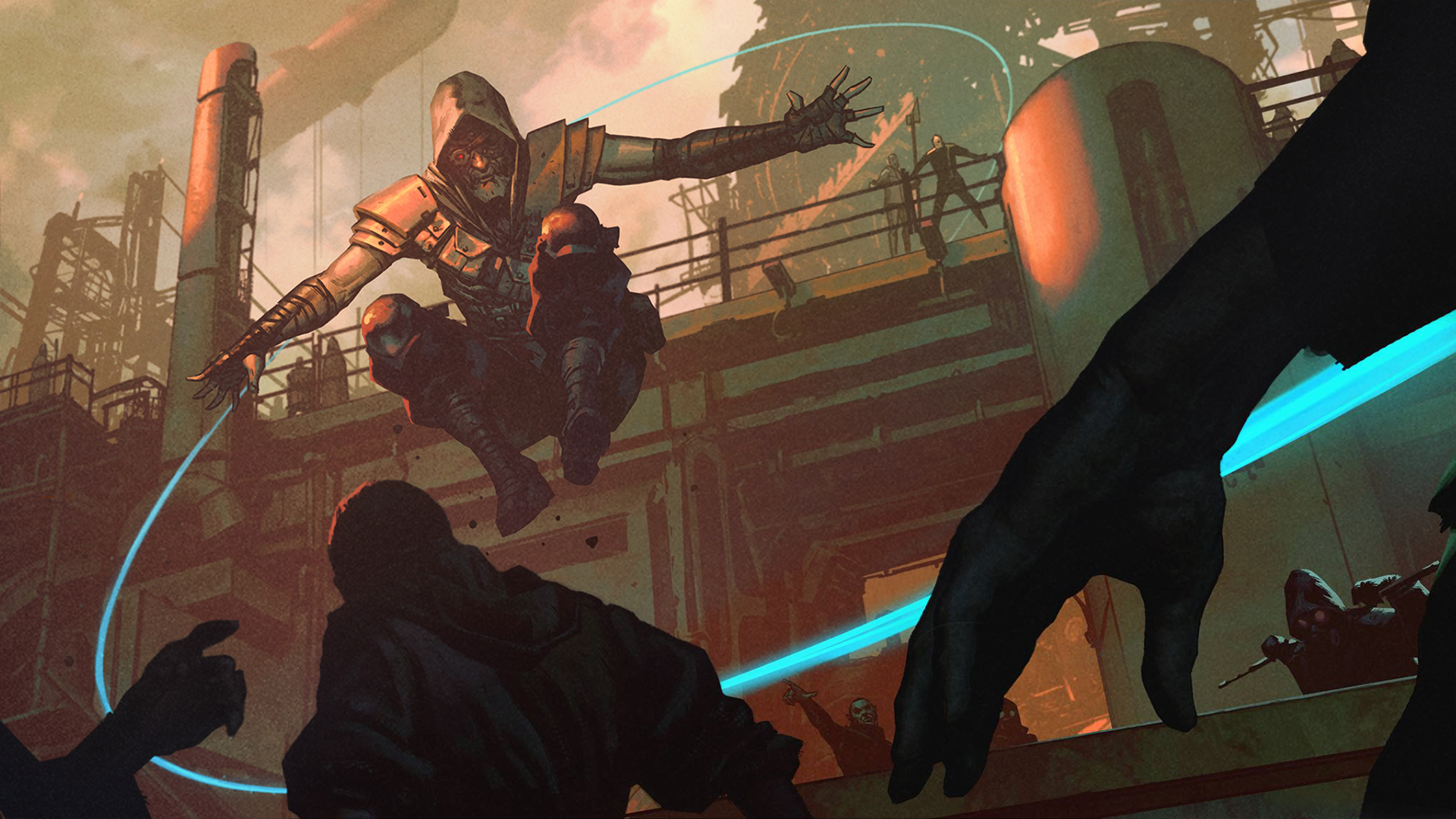
Seven: The Days Long Gone is an enthralling mishmash of genres that feel surprisingly at home together. Part isometric Assassin’s Creed, part fantasy RPG, and part techno-dystopian drama, the game plays to all the best aspects of each without feeling overstretched or fragmented.

Players will take the role of master thief Teriel who has made a living off of pilfering and looting. In the world of Seven: The Days Long Gone, however, this doesn’t seem as bad of a job as one might think. The “ancients” abandoned the earth for the stars long ago, leaving behind the dregs of humanity to make their way as best they can. After pulling off a particularly high-profile job, Teriel finds himself unwillingly recruited by the emperor and shipped off to a prison island called Peh to find and recover a lost spacecraft. Oh, and as a part of this deal you also equally unwillingly find yourself possessed by a daemon, an inter-dimensional being that will serve as Teriel’s guide and instructor at the behest of the emperor.

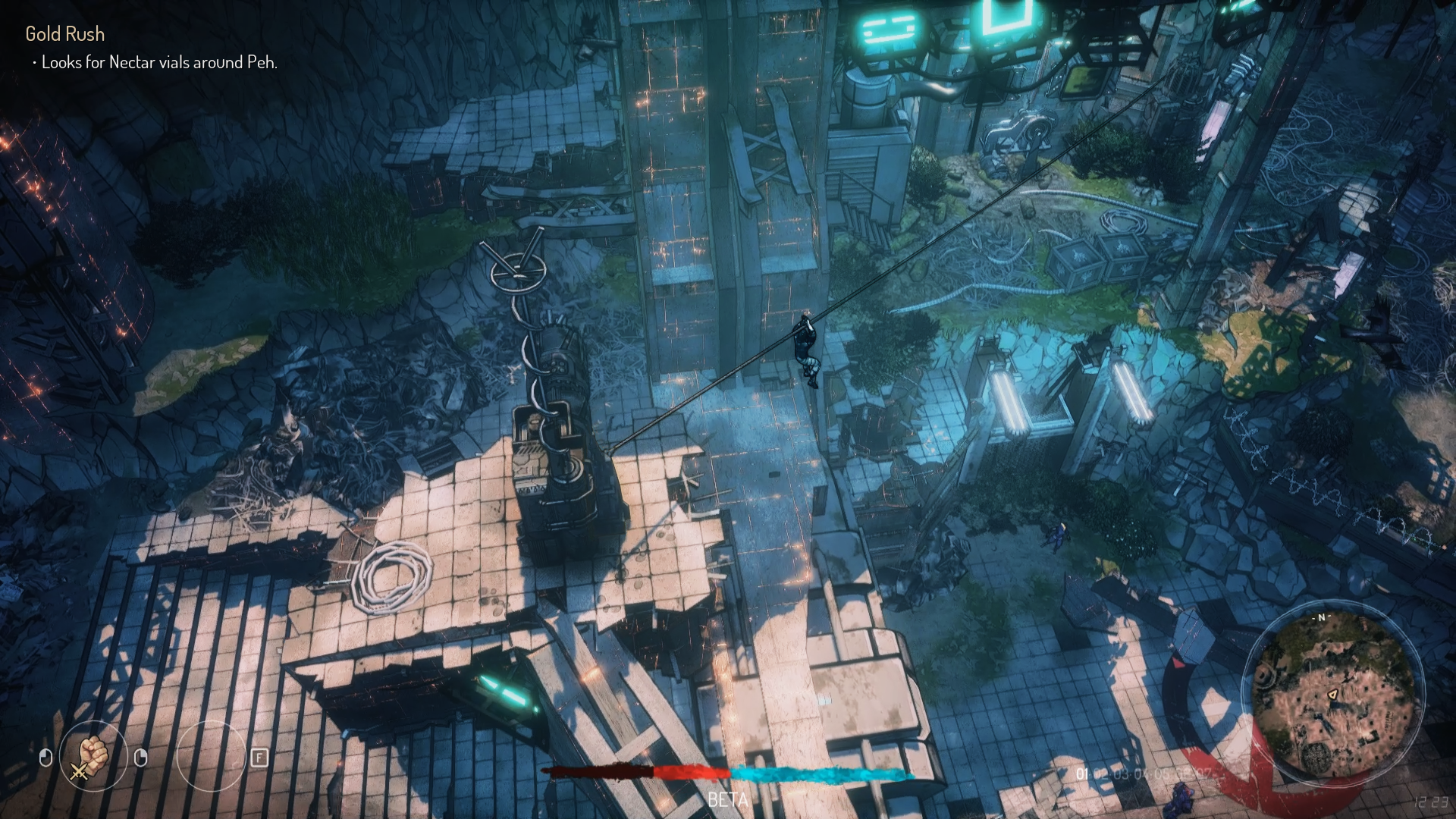
Teriel demonstrates his skills as a master thief from the get-go, and his catlike reflexes and dexterous parkour-like traversing allow you to tackle the surrounding world more like a jungle gym than your typical RPG. Teriel comes with a plethora of abilities that allow you to make your own way and accomplish missions through various paths. For example, do you need to sneak into a mansion to steal an artefact? Well, if marching through the front door and ripping your enemies apart with your daggers isn’t your style, then try sneaking in through a skylight, or finding a handy ventilation system to serve as a handy skywalk. You can steal a key from the guard, or break in using your handy drill. Just don’t get caught. If you do, though, try setting up a few traps and let them help you dispatch the oncoming onslaught as you watch with glee.

One of the most exciting features of the game is that you won’t need to wait until you’ve invested tens of hours into it before you can take advantage of a myriad of abilities including hacking, sneaking, looting, stealth kills, and trap building / disabling. Instead, you will spend time increasing the effectiveness of these skills, as well as adding new ones such as magic abilities. You will also be able to steal, craft or buy new gear that will help with both defense and protection.

New abilities are obtained through installing skill chips right into your brain, as one might expect in a dystopian technological future. The chips allow for certain upgrades to be slotted in, making Teriel even more of a force to be reckoned with, and don’t think you won’t need all the brawn and ability you can muster.

Seven: The Days Long Gone does a great job of letting you know the dangers of Peh are nothing to be taken lightly. Get caught pickpocketing and you’ll find yourself swarmed by angry guards faster than you can shout “help me!” If you are in a private area and look like an outsider, you better watch your back. Guards and even fellow prisoners can be hyper vigilant, and just because you think no one is watching doesn’t mean they aren’t.

Making your way around Peh is no easy task, even though the island is quite small. Gates that require a visa block numerous areas. The visas cost quite a bit, making sneaking past the gates more affordable, and also a better way to stick it to the system that left you on this island to begin with. The Visas, by the way, must be ingested and fused with your biology. If you try entering a gate without one, you will be lit up like a Christmas tree on fire. So, learning to take full advantage of your stealth abilities will be a boon.

Seven_The_Days_Long_Gone_02

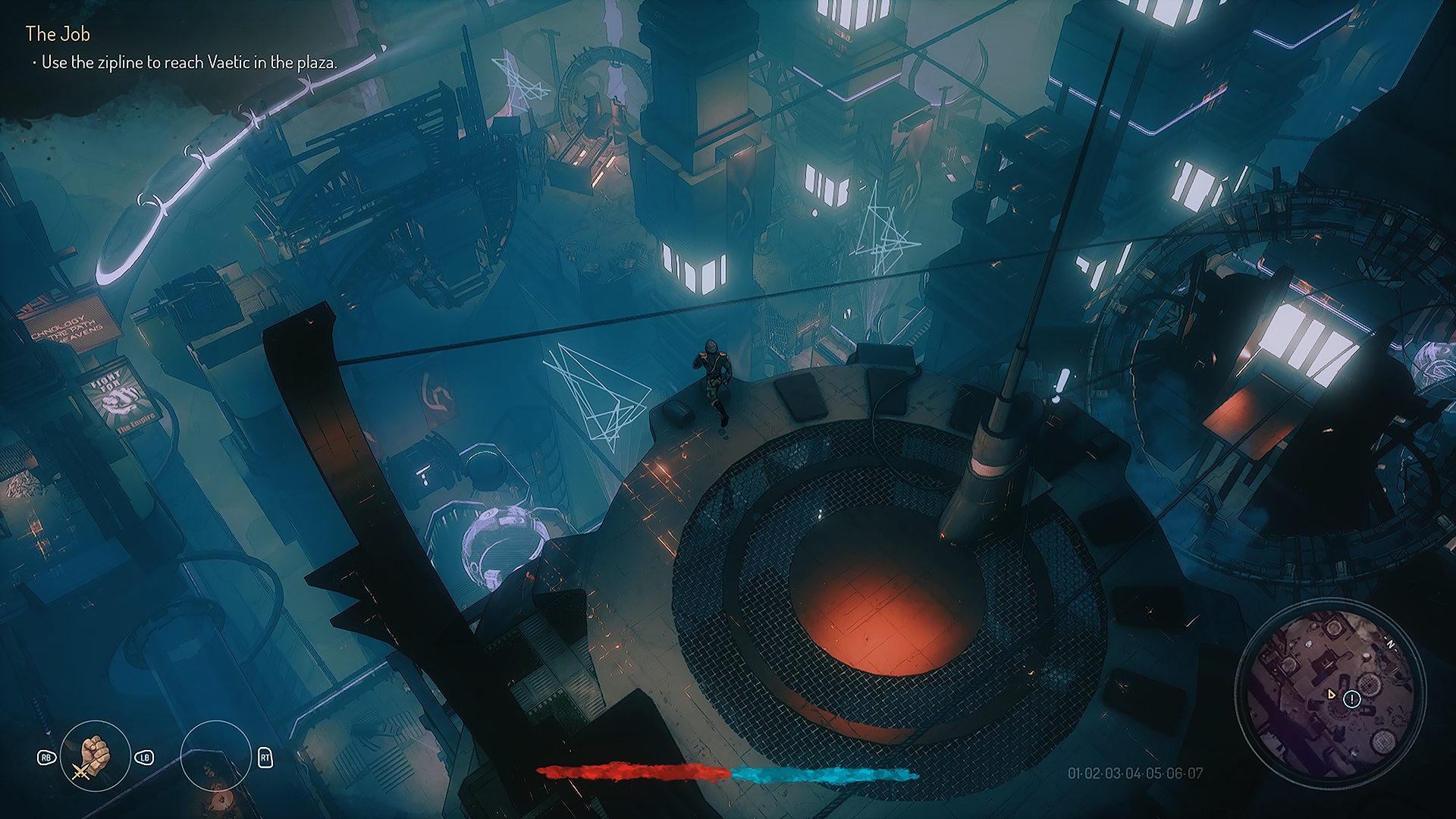
The isometric view is perfect for stealth, making tracking guards and sneak kills simple. Teriel also has a sense ability that will highlight objects of interest, slow time, and also expands your viewpoint beyond what is immediately around you. This ability goes a great deal toward helping you plan the best routes and discover where to go when it does not seem apparent from the map, which feels far less useful than it should.

The Island of Peh is filled with a mix of oddity, beauty, and menace. Grass covered areas filled with old hovels and wooden walkways exist alongside fluorescent streetlights and flickering signs, resembling something out of Blade Runner or Final Fantasy VII.

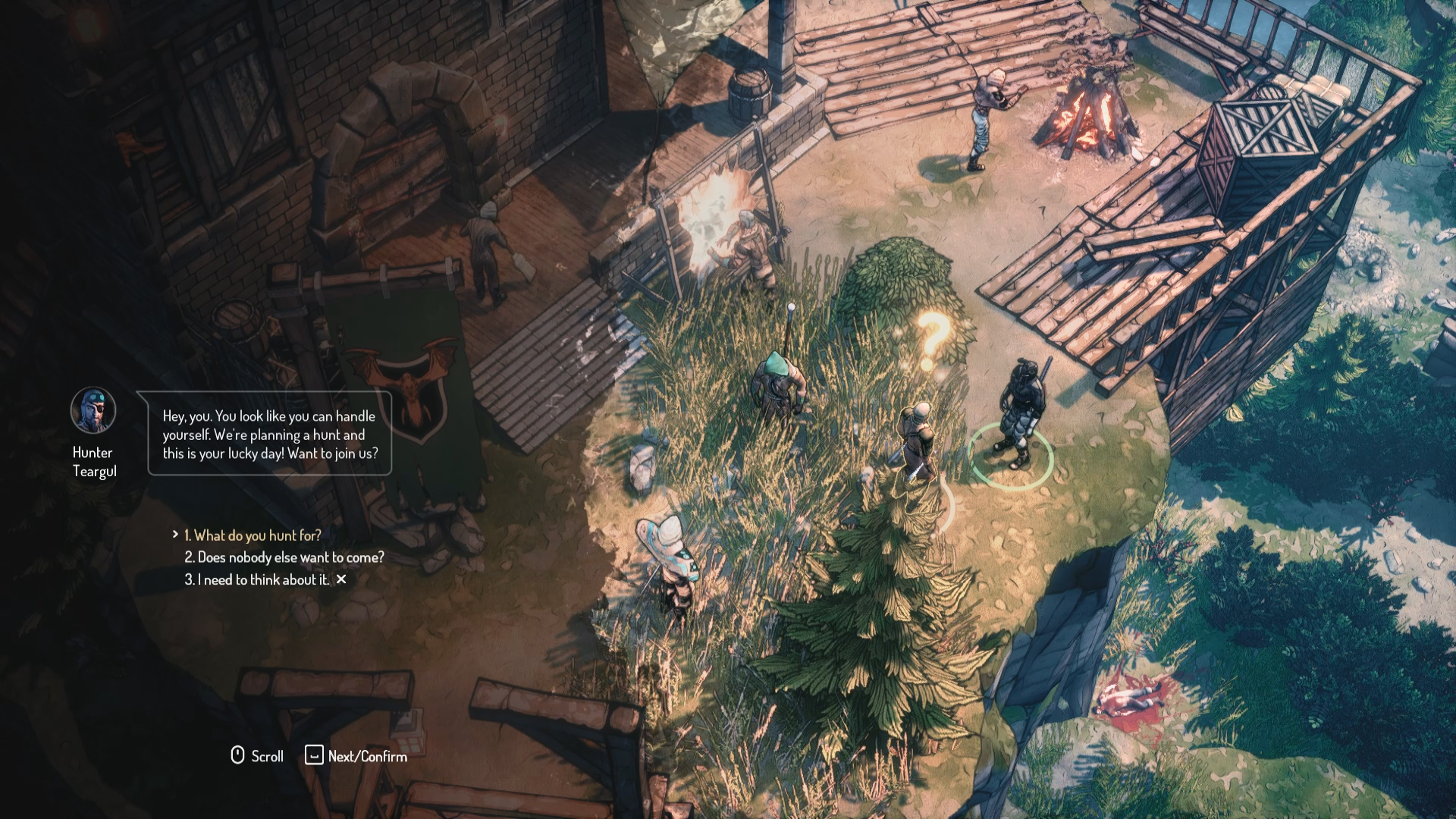
The voice acting is good, and the myriad of strange and fantastical characters you run into help bring Peh to life. It becomes easy to see what the world has come to in this far-flung era, presented in a small microcosm of rebels and thieves, adventurers and provocateurs. The island, though small in reality, feels like a grouping of very different cultures all in one place, making discovering each new area a thrill.

Since the game’s launch, developer Fool’s Theory has done a swell job of releasing updates to fix numerous bugs that were still within the game at launch. During my time, however, I still ran into a few glitches, as well as a few minor issues with combat.

Seven_The_Days_Long_Gone_07

On occasion, I would move in for a sneak kill and initiating the attack would instead cause Teriel to leave the crouch position and head into a full-fledged assault, alerting any nearby guards to my presence. I dubbed another glitch the “sticky loot bug.” Seemingly at random, when I looted a crate or a deceased NPC, I would “stick” to them after completing the task, preventing me from moving away. Though, this might have been connected to using a controller rather than the keyboard and mouse. The game will naturally detect whichever you are using. At one point, the screen froze during an attempt to open a door using the controller to make the selection. I then was able to use the mouse to select the action, and the game progressed as usual. So, the “sticky loot bug” may be connected to using a controller. As of right now, the only way I was able to fix the sticky glitch was to go to a previous save and hope for the best next time. Perhaps, until it is fixed, forgoing the use of a controller would be your best bet.

The combat controls, though exhilarating and usually well-designed, can be a bit slippery. A few doomed attempts ended when I accidentally rolled off a cliff or fell off a high-rise along with one of my victims. So, though generally easy to use, the controls could still use a bit of tightening. But, overall, this didn’t majorly distract from my enjoyment of the game.

Seven_The_Days_Long_Gone_08

Seven: The Days Long Gone feels like an assortment of genres that should have been a standard long ago. I wondered why more RPGs didn’t entail stealth kills and the freedom to roam the rooftops like an assassin. The story is interesting, the discovery of new areas is compelling, the risk you take just trying to explore the island and accomplish your missions is rewarding, and the combat is oh, so fun.

Seven: The Days Long Gone is developed by Fool’s Theory and available on Steam.

New FPS – Soldiers of the Universe – has players fighting terrorist organizations in the Middle East

Turkish developer, Rocwise Entertainment, brings a military shooter to the PC in their debut release – Soldiers of the Universe. In this story-driven first person shooter, soldiers fend off against terrorist organizations from Northern Syria, Southeast Anatolia and Istanbul, players will take part in The Republic of Turkey’s military organization, The Akinci Warriors.

Soldiers of the Universe pits players against Middle-Eastern terrorist organizations.

Players take on the hero of Hakan, a soldier who has been thrust into the role of The Universe, of the Akinci Warriors; a position which was formerly held by his deceased father, Selim Kahraman. Seeking to avenge his father, Hakan will lead military organizations to take down the many enemies of the state. Of course, Hakan will not be alone in his fight for revenge, at his aid will be three other players to help stop the Middle Eastern terrorist organizations.

Start your reign against terrorist organizations with the four heroes featured in Soldiers of the Universe: the protagonist Hakan – or better known as Eagle, the serious marksman Hawk, the foul-mouthed technological nerd – Owl, and the intelligent, sarcastic linguist – Vulture. With these four men, take the fight of The Republic of Turkey, and give the terrorists of the Middle East everything they have coming to them.

Check out the trailer below from Rocwise Entertainment, and check back in at D-pad Joy later in the week for our official review of Soldiers of the Universe, which is available now on Steam.

Figment Review – A Beautiful Exploration Of The Mind [PC]

A music action-adventure set in the recesses of the human mind.

This is how Bedtime Digital Games describe their new game Figment: if you are familiar with Back to Bed, an adorable puzzle game about guiding a sleepwalking man safely back to his bed, you will quickly see the resemblance. (If the title of the game sounded familiar, you probably remember Chris’ preview here).

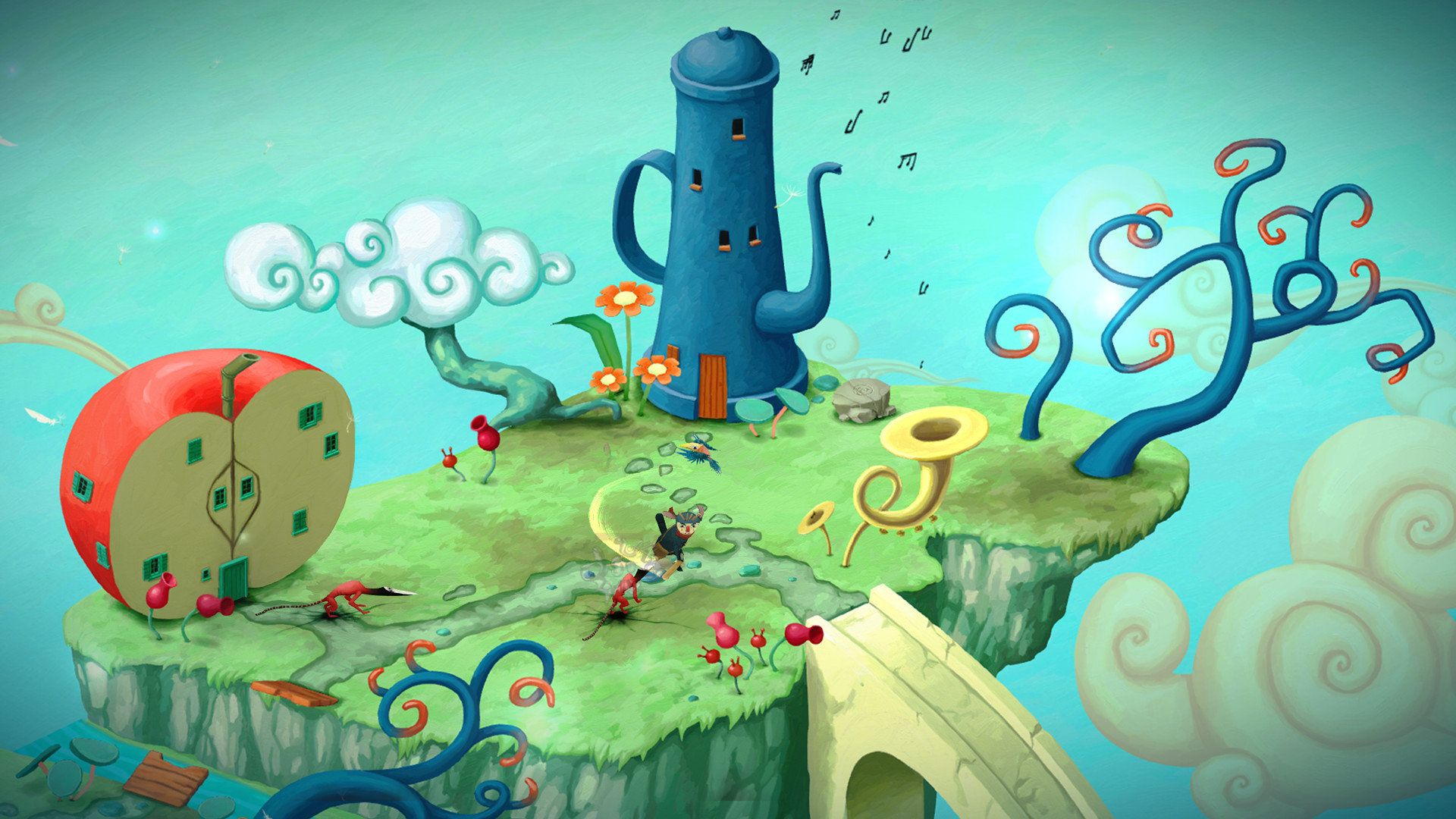
The first thing that hits you when entering the game is its gorgeous hand-drawn art style, which was one of the most prominent qualities of its predecessor as well. Starting with a pretty little house, we meet our protagonist Dusty, a careless and pessimistic character, who doesn’t care much for anybody or anything. His companion, the bird Piper, works as great opposition to him – cheery, optimistic, and creating bad puns all day long. Well, perhaps some of them are clever, I guess.

Dusty’s scrapbook is stolen by a dark, sullen creature – and we learn later it’s a manifestation of a nightmare. Dusty’s mind is set on getting it back, no matter the cost, and Piper chirps that “something is wrong with the mind,” and that we need to fix it; as a kind of foreboding to what this whole ordeal is about. And so the story begins, as we venture into the imaginations of the mind.

a368a9_2190225045a1425eb9d402f55f28120c-mv2.png
The puzzles are interesting, and luckily for me, not too hard.

The game uses some interesting terminology; some of which might seem familiar, but on a very different subject than video games; neurology. Collect endorphins so that the “brain will turn back into yourself again in no time,” pulling you out of whatever it is that’s holding you down. Killing nightmares are a way to release these endorphins – which makes perfect sense since endorphins are basically the stuff that makes you happy. One can also collect endurance neurons, which is basically health points. The game also creates new words such as the “remembrane” – which is a ball of light that represents forgotten memories. They can be collected throughout the game and are also a part of restoring your mind.
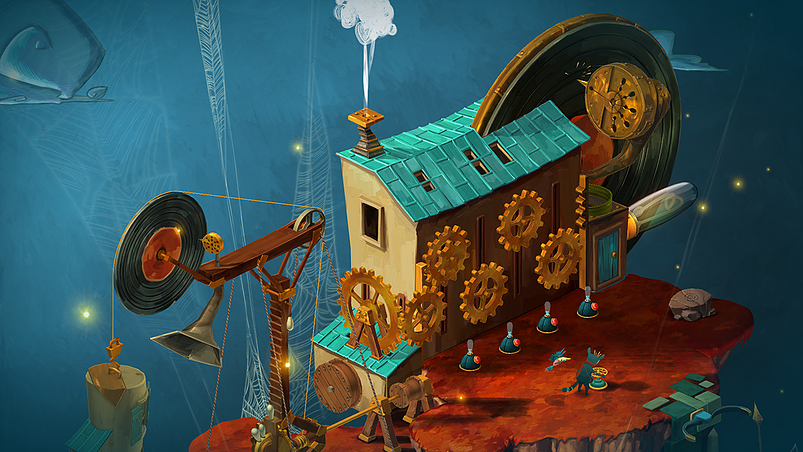
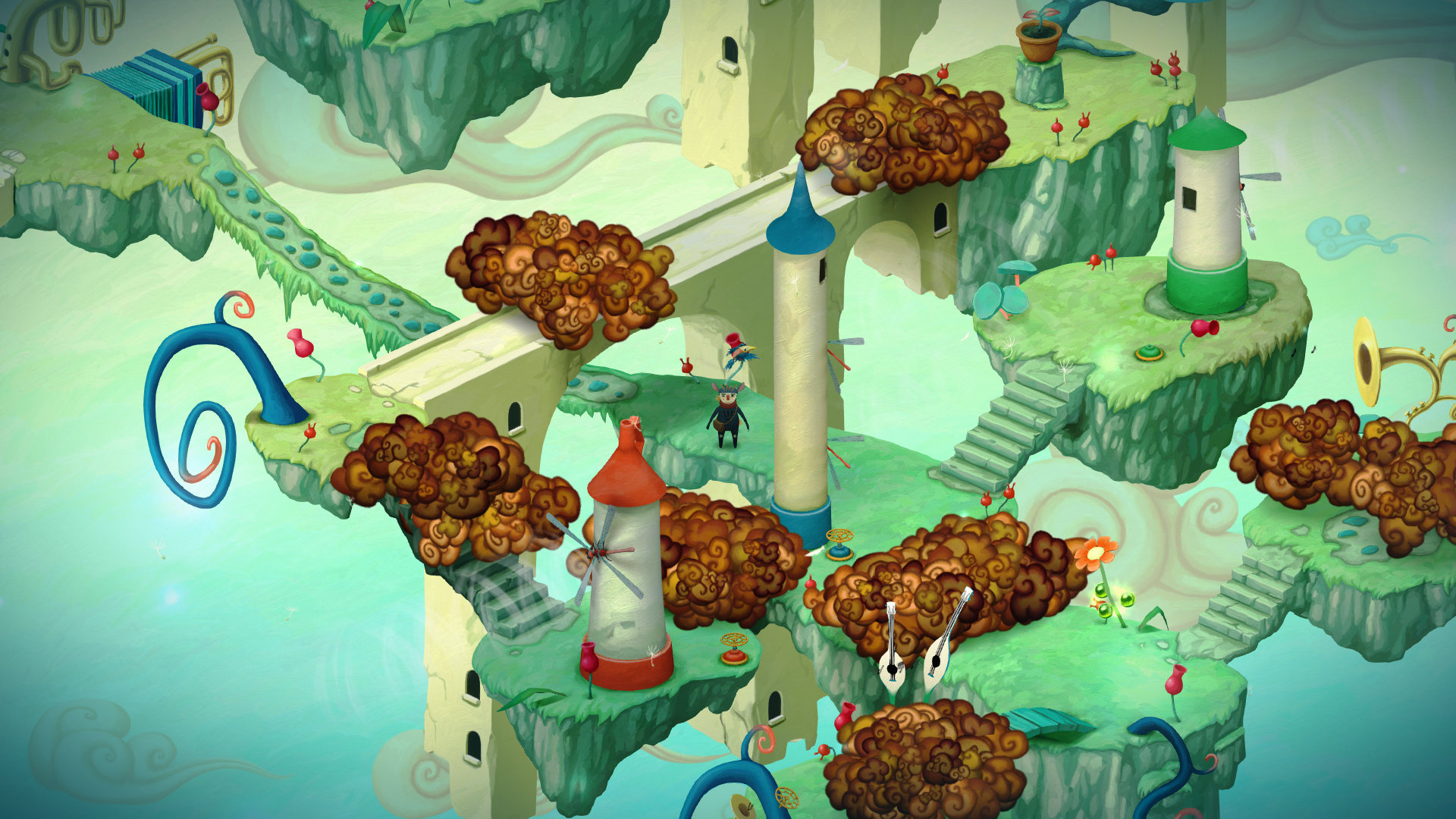
The terminology is there for a reason; as the game world itself is a manifestation of the brain, Dusty and Piper has to traverse through the different parts of the brain in order to fight the different nightmares. The right side of the brain is the creative side, and the scenery adjusts accordingly, with instruments decorated as flowers, creating an absurd yet playful atmosphere. The logical part of the brain, on the other hand, is filled with cogs and clocks, with darker colours. There are really interesting concepts concerning the brain that make it into the game, such as the “train of thoughts” which is an object used to solve some of the puzzles in the logical part of the brain. Very well done by the developers – very clever indeed!
Reminding me a little bit of Monument Valley in the way the structure is built.png
This specific puzzle… I was stuck on it for quite some time. *sigh*

The puzzles get more extensive as you proceed in the game, meaning you need to look around everywhere, backtracking and so on. Some of the puzzles that look dimensional like this remind me of the indie game Monument Valley. However, the puzzles are not too hard, which I liked. I am a fan of progress in games and appreciate not having to be stuck on a puzzle for a longer period of time.

The majority of the game is about solving puzzles, but there’s also a bit about battling enemies or so-called nightmares. In terms of gameplay, Figment shows how the hack ‘n’ slash element can be implemented into a relaxing game successfully. It is simple and straightforward – and patience is key when it comes to defeating your enemies. The nightmares come in the form of human fears, such as disease, spiders, etc, which is interesting, because they are both rational and irrational fears – applying to both parts of the brain!

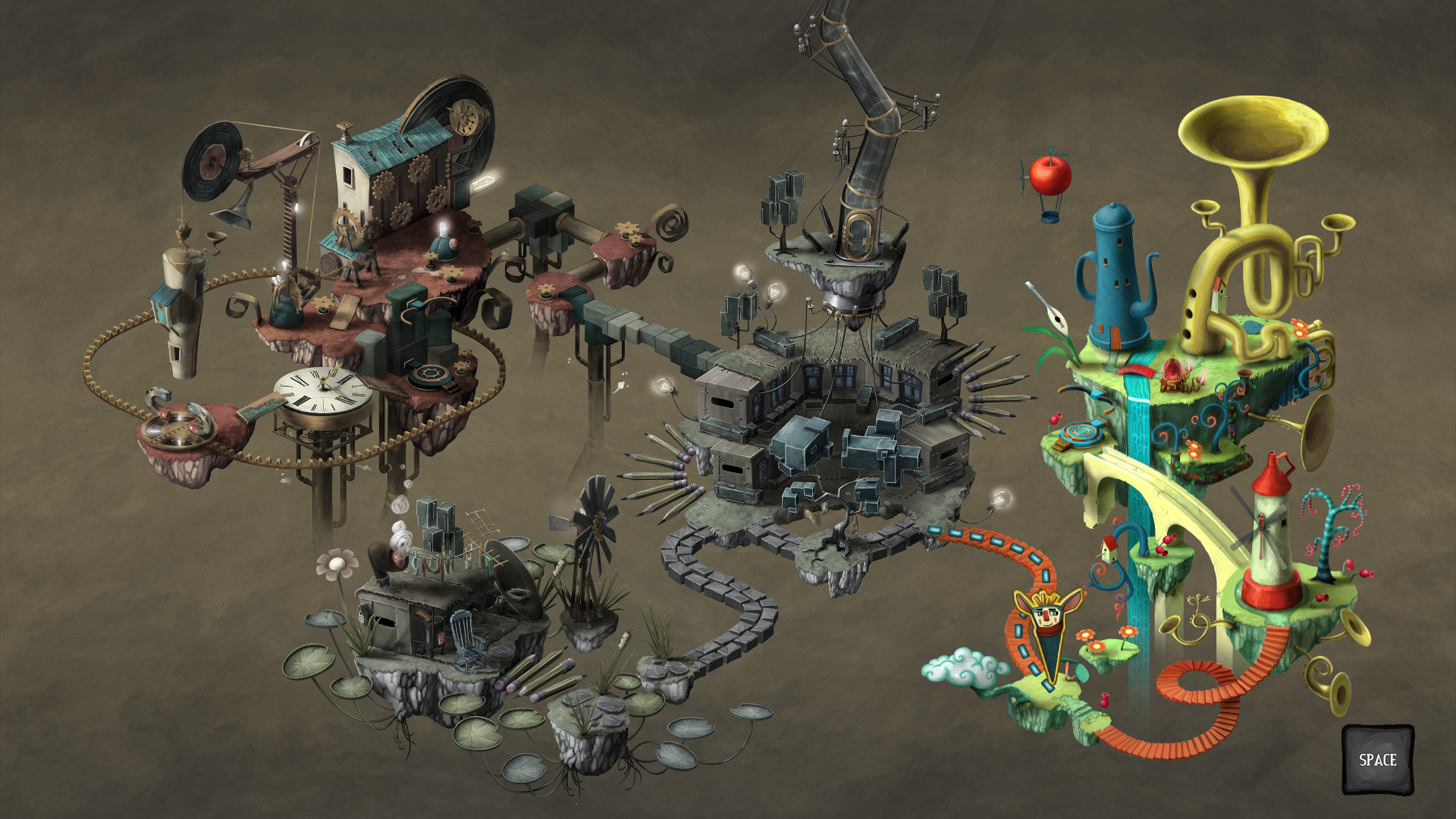
Figment - map.png
The loading screen is a map of your progress, which is pretty handy. And it is gorgeous-looking too. The universe actually reminds me of the painter Salvador Dali and his painting “The Persistence of Memory.”
Do you see the resemblance?

It is clear that Figment is a game that focuses on its musical prowess. And with good reason, too. I loved the sound design in this title. The music changes depending on where you are in the brain and which nightmare you are fighting. The instruments that play in the soundtrack are blended into the scenery in a very beautiful way, and one can clearly see how essential music is to the ethos of this game. It gets better: during the boss encounters they sing songs to you – about what they are, and why they are frightening. The songs are catchy and fun – I really enjoyed them for this reason alone.

Figment offers a unique soundtrack, with specially designed songs – if there ever exists a vinyl of the music, be sure to send it my way, okay? Just sayin’.

Though the game doesn’t contain that much action, it sure is a fantastic adventure game. The levels are imaginative, and gorgeous in an absurd kind of way. Moreover, the way Figment chooses to deal with the distress of the mind is fascinating, and very well done.

As of this moment, the game is only available on Mac, PC, and Linux. Hopefully, it will be available on Xbox, PS4 and Switch soon, because more people definitely need to play this.

Super Lumi Live – A precise, neon platformer [PC]

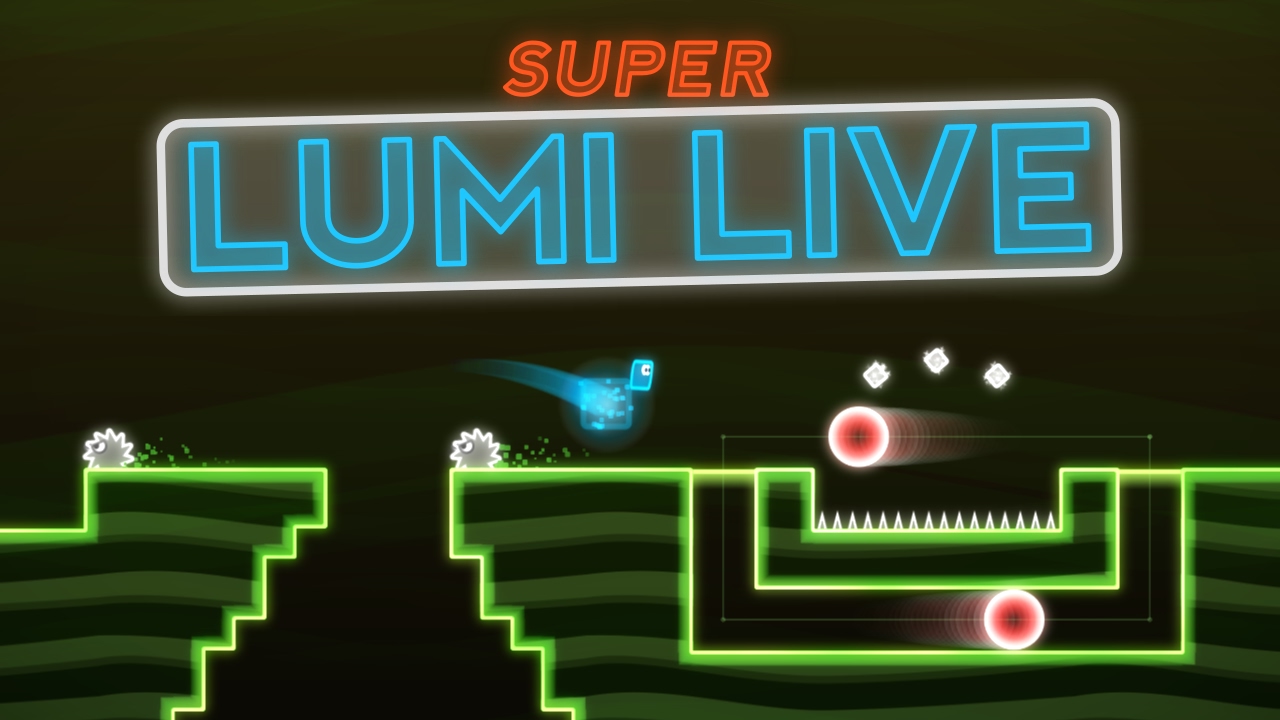
The 2D platformer has become something so popular, so uniformed that keeping track of all the forthcoming releases seems to be more of a chore than it’s worth. Thankfully, there are developers out there keeping the quick-paced genre from losing its edge, tenacity and flavour. Super Lumi Live sticks it to the die-hards of modern platformers and leaves an addicting, lip-biting good time in the depths of a super-sleek neon world filled with deadly hurdles and platforming innovations.

Levels Loaded with Challenges

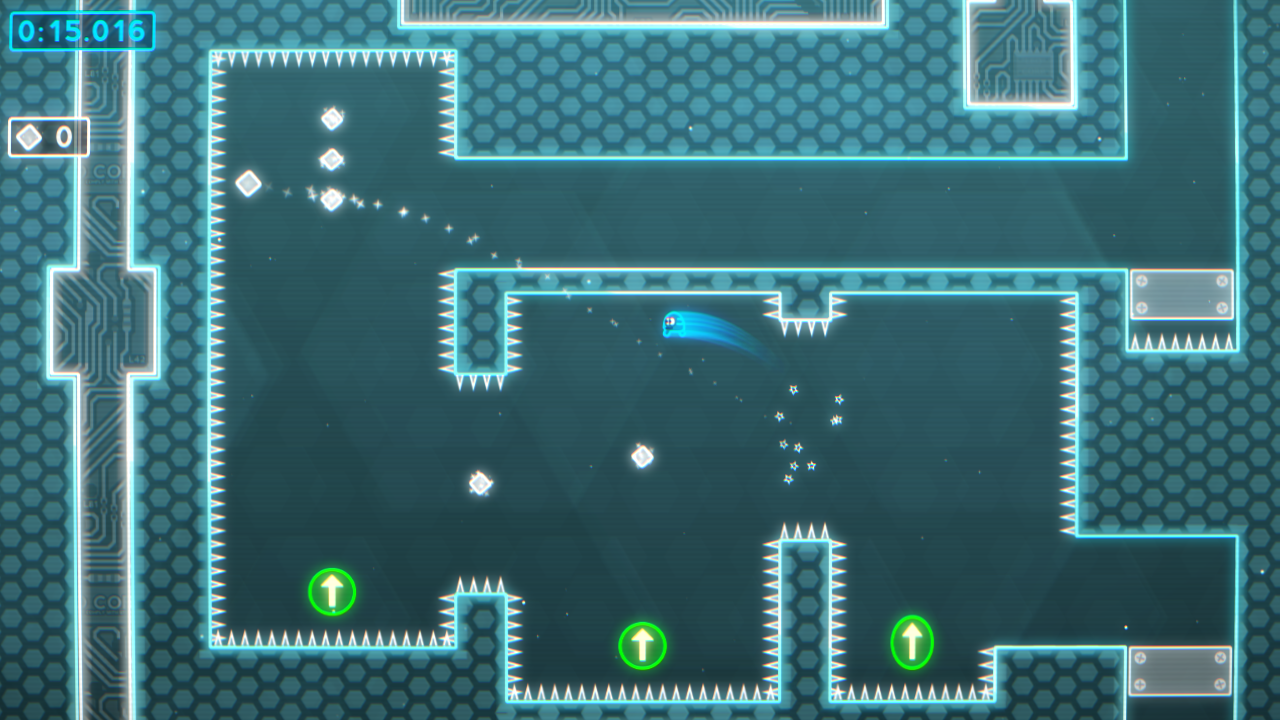
Running through the neon ripped levels, your little blue blob runs, leaps and double jumps their way from one thumb-bruising level to the next. Dodging a slew of obstacles ranging from bobbing spike-beds to shifting platforms, Super Lumi Live does an excellent job of giving the player control. With the absence of the frustrating “slide” annoyance found in many platformers, your blob almost satisfyingly sticks to the ground upon landing from every jump. This is an immensely helpful asset, found in an otherwise tedious and challenging platformer.

4-test_knockers
Various platforming mechanics are littered across the entirety of Super Lumi Live.

Levels are divided into themed Seasons, with every season containing a handful of numbered levels increasing in difficulty the further you progress. Levels are required to be completed in order to move on to the next. Some also require a specific amount of points to collect throughout the levels in order to unlock. Returning to previous levels and reaching for a higher total of points will provide the player with enough credit to continue forward. The last stage in each season serves as a Boss stage. With a heightened number of difficult obstacles, a lengthier run through and specific techniques to complete the end of the season.

Excellent & Precise Handling

As mentioned above, Super Lumi Live handles with excellent, precise maneuvers, leaving little frustrations with the controls themselves. Those frustrations are found in the level designs to purposely throw players off with unexpected obstacles and dangerous encounters. Whether it’s block dissolving upon touching them, assaulting cannons relentlessly firing upon your helpless blob, deadly ground saws or shifting platforms taking you to an untimely demise if not paying close enough attention, the game is plenty full of quick-acting annoyances to keep the player humble.

mapscreenw21.png
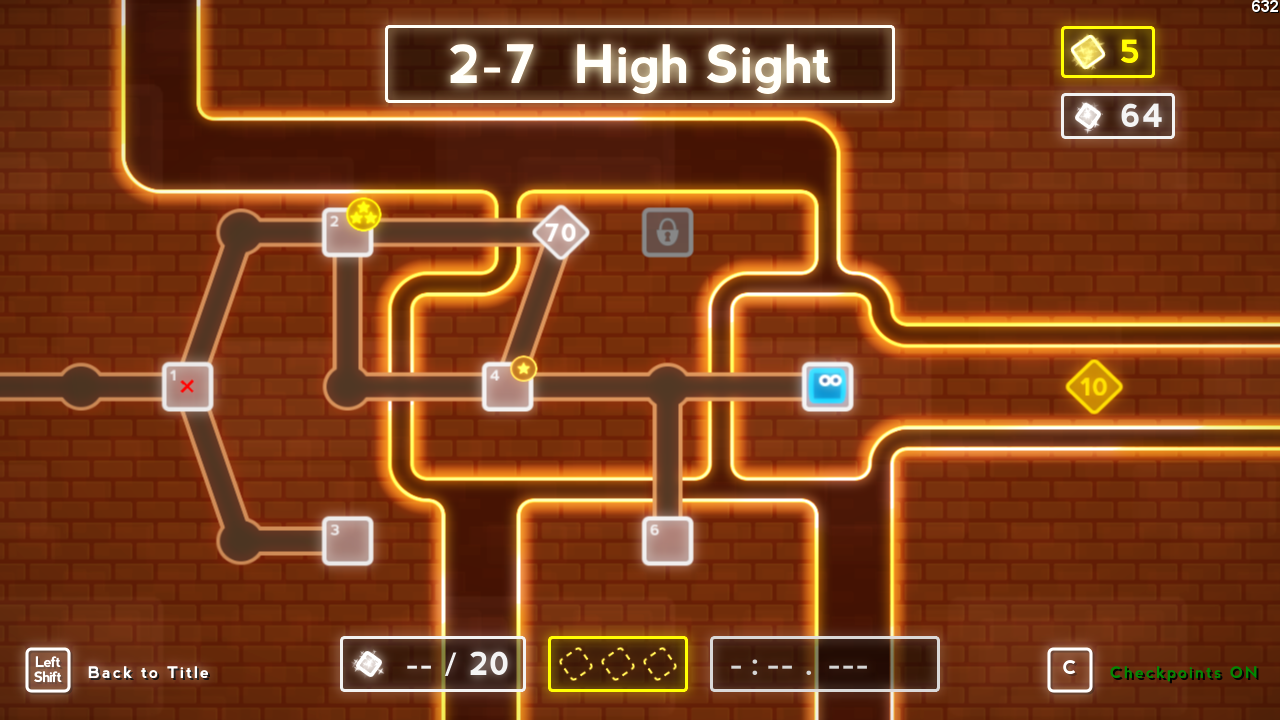
Levels are unlocked by either completing levels or acquiring the appropriate amount of points in each stage.

Throughout the levels are dozens of white points – placed in similar fashion to coins/rings in other popular platformers. The rare golden points are often found in hard to reach areas, making for a tedious playthrough for the gaming completionists. Your total number of points of both white and gold are tallied and kept in a score-style fashion at the stage select screen. Newer levels appear as you make your way through the game, and many are designed to be unlocked after the player has accumulated a total number of each color of point. The common numbered stages are unlocked with accordance to the white, while the gold points unlock tricky bonus style stages, not required to complete to move forward in the game.

Conclusion

Super Lumi Live is presented in a unique retro, neon stylized fashion with a modern platforming approach to gameplay. Providing a quality platforming experience, the challenge will turn many casual players off. The levels never feel unfair in any way, but many stages will leave you wondering if you have the knack to stick with it. Not to flush out the satisfying controls and mechanics of the platformer, the game truly shines in this aspect.

highsight1.png
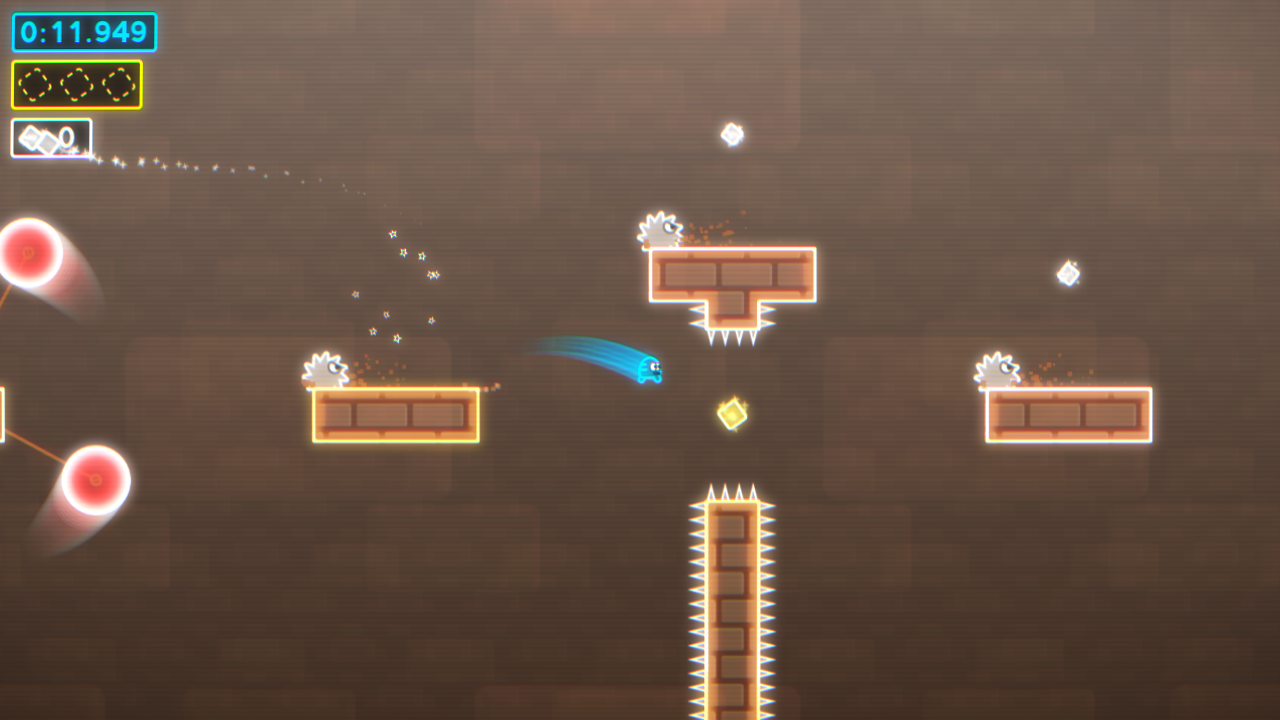
Many challenges stand in the way of grabbing that hard-to-reach golden point.

For a quick platforming experience to help bring the hard-core gamer back down to Earth and further question your abilities, Super Lumi Live is that type of hard-hitting title. Falling in line with the “quick to learn, a lifetime to master” areas of gaming, Super Lumi Live precisely maneuvers like a dream, but seems happily stranded in a hellish world of frustrating obstacles and platforming hindrances.

Find the quick-action platforming title, Super Lumi Live, available on Steam for the PC.

techtroid-rating6

Antiquia Lost Review – A familiar fantasy RPG [PS4]

Antiquia Lost shows off its deep roots from the early years of the Final Fantasy saga, but deep down the game sits quietly with a mold of its own identity. Powerful and heroic characters mixed with emotionally charming plot lines and dialogue, Antiquia Lost brings a surprise nostalgic experience to the broad circle of traditional RPG titles.

Deep Roots

Starting the game in the small town of Crysta Village, you take control of Bine – a red-haired demon hunter engaged in the beginnings of a warm and exciting adventure. With the help of his mysterious power and newly acquired friends, you’ll dive deep into the fantasy world full of intriguing towns and villages, dungeons, as well as plenty of turn-based battles along the way.

Antiquia Lost Review
Bine and his cast of powerful allies are full of interesting and eventful dialogue moments in the charming story.

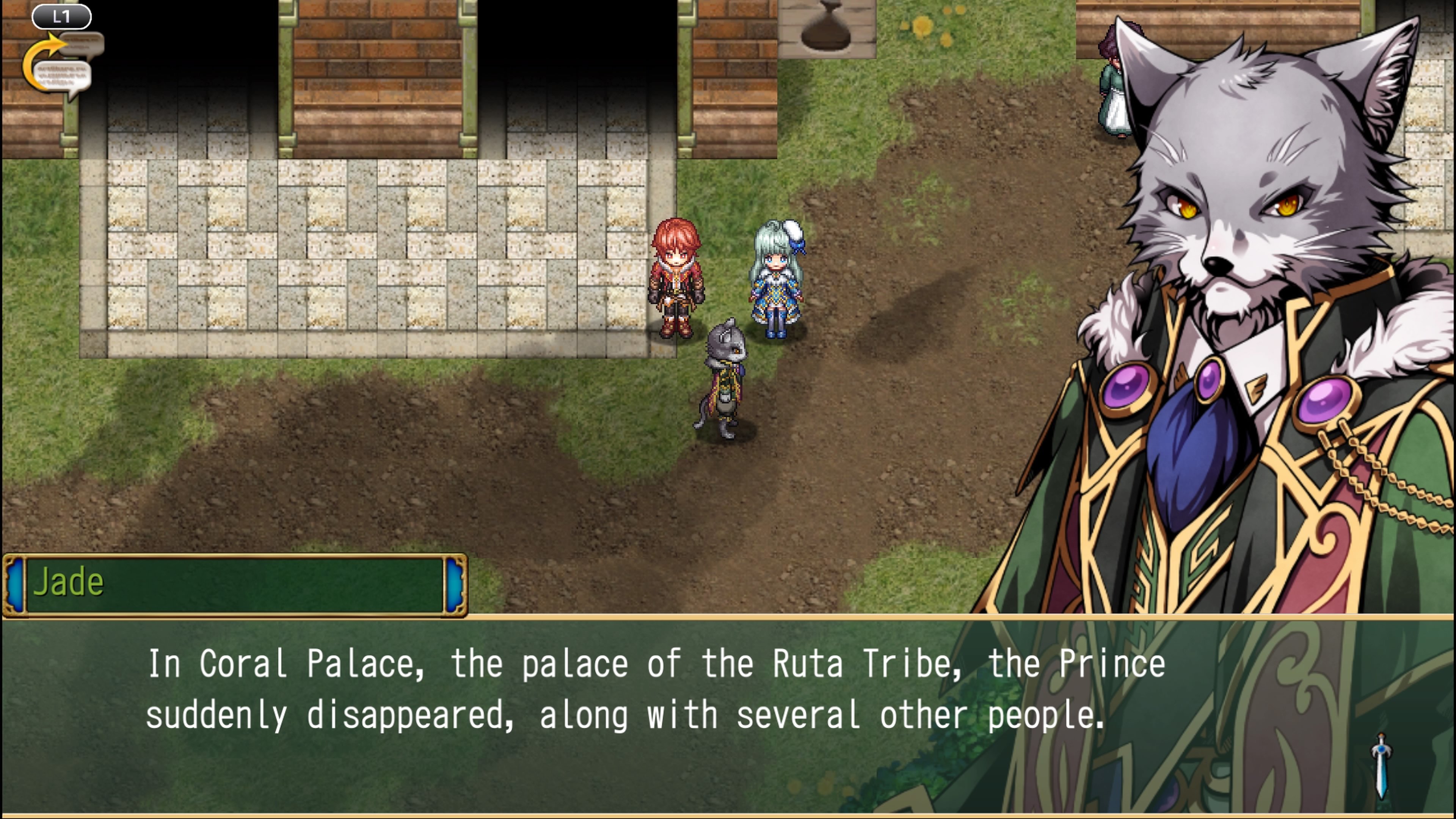
Lunaria and Safira hail from the goo-like people of the Ruta tribe, Jade – an elder of the cat-like species from the Eeth tribe and the protagonist Bine is home to the Fai tribe. Each represents one of the three elements being Earth, Fire and Water. The peaceful tribe lives in harmony with one another in the vibrant world of Antiquia Lost, until important figures from all over the lands begin to disappear. Venturing to the Capital City with your trusted group of friends, you’ll begin to uncover the truth behind the mysterious disappearances that are taking place.

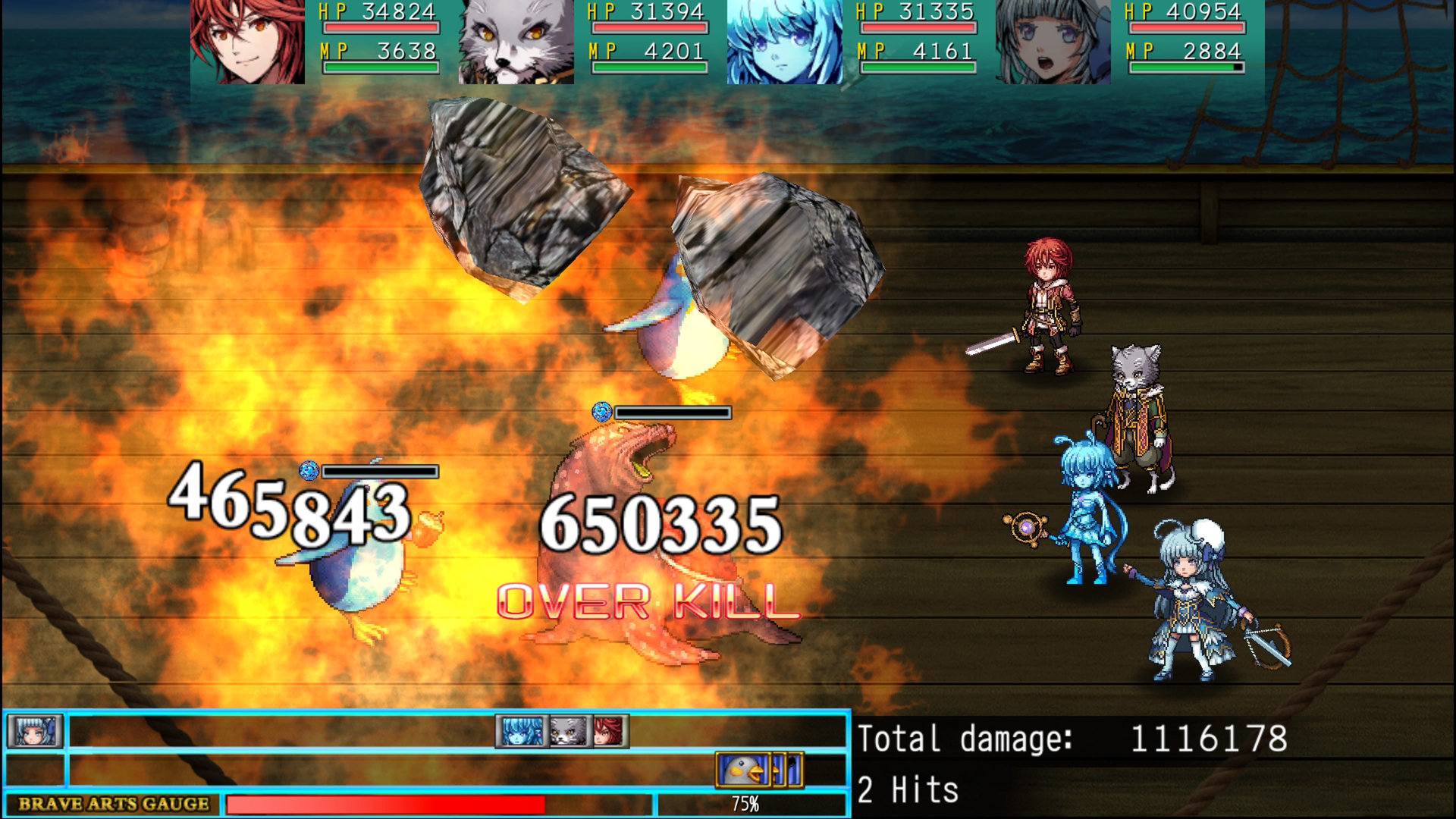
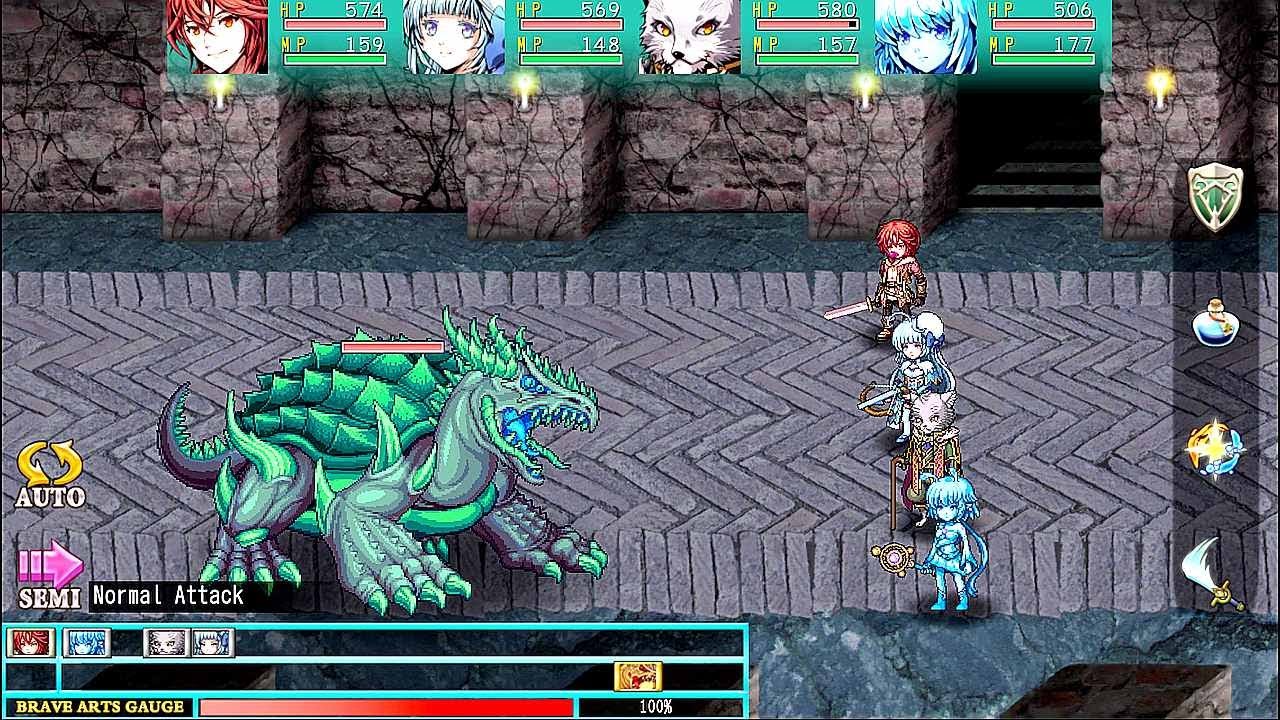
The battle system is set up in a traditional turn-based RPG format, only now with a few enhancements and quirks that help keep the game original. Each character in your party is capable of common physical attacks with whatever weapon is equipped, and of course various magic spells ranging from fire attacks, healing water abilities to ancient powers and the unique Brave Arts ability. Random enemy encounters occur throughout the sprawling world map, rewarding the player with experience points, useful items and equipment and tasty gems which act as Lunaria’s special method of leveling up.

Antiquia Lost Review
Many different physical and magical abilities are crucial in defeating the monsters found throughout the world.

New or Robust?

The storyline in Antiquia Lost doesn’t offer anything new or robust coming out of the stale isometric RPG genre, but creates a wonderful cast of friends and dialogue to keep fans of cheesy narrative lines and fantasy tales playing throughout the campaign. Talking with your party members during down time in between quests will give you the opportunity to either boost your status with each individual – or lose trust – based on the response you choose in dialogue selection areas. Paying attention to each ally’s personality will give subtle hints as to which direction to take the conversations.

Traveling from town-to-town, each small village has a number of villagers, some with additional side quests to add to the playability. Traversing back through previous areas in search of a lost item, piece of equipment or even a stray sheep, more often will result in ending these side quests with a powerful demon fight to cap off your short journey. Once you’ve fully explored the current village or dungeon to your desire, the option to move along with the story remains in your trusty quest log for quick ease of use.

As your party members battle their way through waves of enemies, gaining vital experience and gems to help build the power of their abilities and other attributes, enemy encounters become increasingly more difficult, featuring various forms of every monsters. Color-coded by specific strengths and weaknesses, some monsters require unique weapons to be defeated, while others just require more persistence and strength.

Antiquia Lost Review
Boss battles require careful strategy and powerful skills to defeat the monstrous enemies.

Antiquia Lost Review

Using your attacks and defenses to your advantage is crucial, such as strategically using multiple-hit skills to strike down every enemy in specific rows and columns. These techniques prove useful against large mobs of enemies that out-number your party.

A large variety of supporting items are also present, curing status ailments, healing items and various fruits to help boost important stats in your characters. These fruits can be grown in potted soil kept in your inventory. After obtaining seeds labeled for specific skills – i.e. strength, vitality, speed, attack , defense etc. – as well as other rare items, you’ll plant them in one of the desired planting pots located in the inventory menu. After the timer ticks down, the fruits are ready to be harvested and saved for a time in need to help sway the tide of battle in your favor.

You can find Antiquia Lost available now on the PS4/Vita on the PS Store, mobile devices on the App Store and Google Play, and Steam.

Astral Traveler Review [PC] – A Thrilling Futuristic Runner

In the collective world of racing titles amongst the indie game community, the anti-gravity racer provides some of the most thrilling experiences around. Astral Traveler – the sophomore release to Dragon Slumber’s debut title, Arelite Core – combines a hectic and precise racer with intuitive platforming and arcade-like shooting.

Breakneck Speeds

In control of a highly tuned, fast-paced race craft, you begin your racing journey by entering the first of five Nebula areas, each containing a distinct list of racing sectors to complete. As you speed through tube-like courses at breakneck speeds, different obstacles and pulsar spheres lie scattered across the track.

Astral Traveler Review
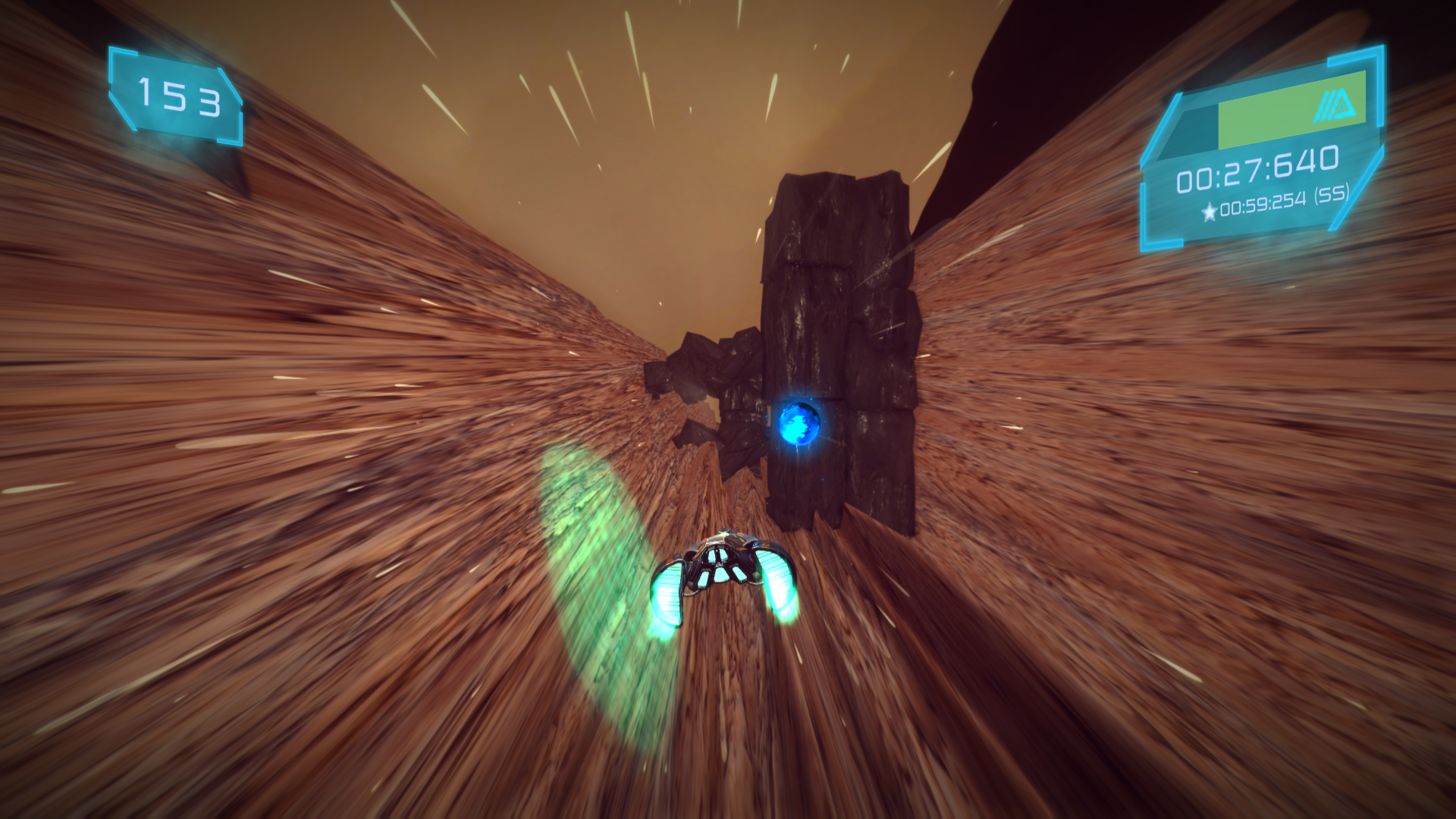
Blue Pulsar Spheres are scattered throughout courses providing fuel and sudden bursts of speed.

As you race throughout the different Nebulas the courses grow significantly more challenging. Enemy aircraft float ahead of your location firing away, taking damage from your constantly depleting fuel gauge. Speeding forward using your thrusters, smashing into walls and objects or taking damage from enemy ships will all take chunks of your racing craft’s fuel away. Once your fuel is completely depleted, your craft will combust – therefore ending your current run.

Adding onto to your remaining fuel gauge is possible and Astral Traveler is sure to provide the player with plenty of opportunities to do so. When launching through the levels, the anti-gravity mechanics allows you to leap and twist your craft around the tube-like course discovering blue pulsar spheres which can be blasted in fuel points using your laser cannon. Also, destroying the various waves of enemies results in fuel points which can give the player more incentive to fire away at those pesky opponent ships.

Astral Traveler Review
The rotating level designs put your quick thinking to the test.

Enemies, The Least Of Your Problems

Aside from providing fuel/health for your racer, the blue spheres found sporadically throughout the levels may also be used for quick bursts of speed. Using the Phase technique, you’re able to gain a sudden energy boost by quickly pressing the appropriate input right before contact with the pulsar sphere. Some enemies have protective shielding and require this ability to reflect projectiles back in their direction.

Enemies are only half of the equation when it comes to derailing your current run. Many dead-ends, lava pools, rock walls and other unfortunate ways to meet your end appear excessively throughout the campaign. This gives a true platforming feel, guiding the player to continuously leap from one ledge to the next, constantly rotating around the course. The fleeting soundtrack, hectic gameplay and overwhelming odds create a futuristic racer full of heart-racing moments and tremendously relieving finishes.

Astral Traveler Review
Level themes take you through an assortment of varying Nebulas across space.

Making your way through the game becomes increasingly more difficult as the levels begin to increase in length. On top of this, more advanced obstacles and manoeuvres begin to make an appearance, giving a slight difficulty curve to your Astral experience. Kindly enough, many of the longer levels feature checkpoints about midway through the course, graciously negating any particularly frustrating areas commonly found throughout the game.

Astral Traveler combines skilled racing reflexes with the action of a third-person shooter and outlined with the timing of a challenging platformer. With tons of courses to choose from, high-octane speeds, attention-demanding action, along with an addictive light-speed experience, the game delivers.

You can start your journey through the depths of space and find Astral Traveler available now on Steam for PC.