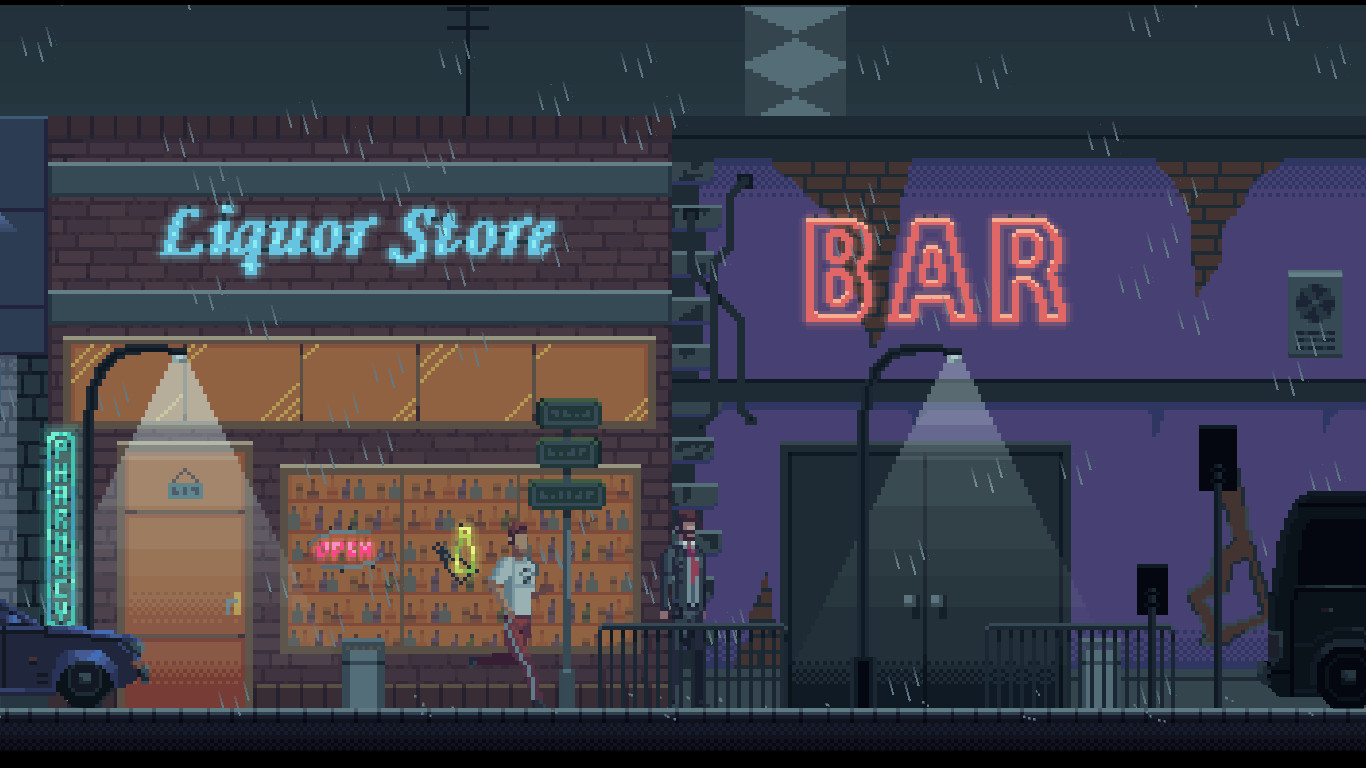
F2P MMO, Dead Frontier 2, gets Early Access launch on Steam – coming in August

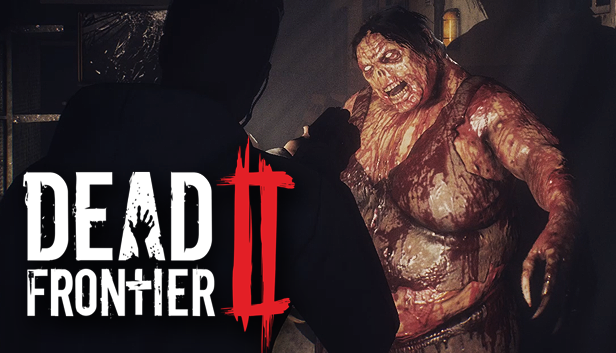
A grizzly survival horror packed with an MMO punch hits Early Access on Steam next month in the latest from indie developers Creaky Corpse: Dead Frontier 2.

Dead Frontier 2

Slay tons of gruesome abominations and survive in an online world where pairing up with friends may be your only hope of staying alive. Check out the battered and exceedingly bloody trailer for Dead Frontier 2 below:

Along with the announcement of the August Early Access period are tons of gameplay revealing features covering the infected-slaughtering cooperative game, such as:

  • Players will need to make every shot count and scavenge for every viable resource in this massive online survival shooter pitting the player against waves of zombie-infected horrors in a dark and twisted atmospheric environment.
  • Player driven economy has players trading with one another for survival supplies, rare equipment and weapons, or perhaps teaming up with each other to fight off the hordes of undead.
  • PvP action and punishing cooperative global events are coming soon to Dead Frontier 2, featuring both unreal boss battles and outpost defending carnage – or take on the hordes alone. The team also plans to bring in the option to barricade safe houses to keep what you don’t want in out.
  • Take advantage of a true free-to-play game with the option to upgrade your uniquely customized character with rewarded skills and abilities, or make them stand out with purchasable cosmetic wardrobes and other items.

Dead Frontier 2 will have players slaying and slaughtering hordes of deadly infected together come August 31st, 2018 via Steam Early Access.

Taco Gun

Food fighting PvP party game, Taco Gun, release date announced

Persevering through every man for themselves combat is one thing, but clobbering your foes with food stuff and groceries is a whole different game.

Sling The Corn On The Cob

Taco Gun promises to bring that exact kind of ludicrous messy mayhem by pinning up to 4 players against one another in a massive food fight to meet the ages.

Slinging corn on the cob, heaving chilli sauce Molotov cocktails or stuffing your friends full of onions is the newest method of Mexican standoffs to meet your PC.

Floating Island Studios and eNVy softworks have teamed up to bring the latest in PvP party style brawls with a massive load of food scrapping, off-the-wall fun.

You can check out the announcement trailer below which was released alongside an official release date of Taco Gun on Steam.

Takeaways

A few savoury details on the food fighting party brawler include:

  • Taco Gun features up to 8 unique levels to stage your brawls in from the traditional kitchen themed food fights, to a more chaotic boat level – all with their own individual quirks.
  • Players can choose from a selection of 7 different food flinging characters known as ‘pistolers’, like Coco, Avocado, Maize and Chilli.
  • As of the announcement no online matchmaking has been confirmed for Taco Gun, leaving local multiplayer at the heart of this PvP brawler.
  • With multiple games modes, crazy power-ups to muscle up gameplay and a completely absurd method of ‘feeding your enemies until they burst’ combat system, Taco Gun looks to bring more insanity to the popular free-for-all brawler genre.

Taco Gun is gearing up to hit the Steam store on PC on May 17th, 2018.

With the launch right around the corner, check back for more on Taco Gun once it lands in kitchens in Europe and the US.

The Endless Mission

Create your very own gaming experience in The Endless Mission

From the developers of the puzzle platformer, Never Alone, E-Line Media in collaboration with Endless Interactive has officially announced their next project titled The Endless Mission.

The Endless Mission – Use That Imagination

Along with the official announcement, we were also teased with a riveting trailer showcasing a bit of the distinctive gameplay found in The Endless Mission:

Here are a few takeaways from the recent announcement:

  • The sci-fi sandbox game allows players to create an experience using the full flexibility of the Unity engine, manipulating everything down to the code in the game.
  • It’s from the writing staff of big games like Middle Earth: Shadow of Mordor, Rise of the Tomb Raider and The Crew.
  • It’s out on Steam Early Access this coming summer.

Stay tuned to Nitchigamer for more on the creation-based sandbox adventure game.

My Lovely Daughter

My Lovely Daughter Review [PC] – Experimenting With Emotions

To say My Lovely Daughter is an unsettling story following the depths of how far a grieving father will plunge into alchemist hell might be the only reasonable explanation to describe the grim simulation narrative. Between work/money management, experimenting with alchemy and selfish murder all for the sake of resurrecting your recently deceased daughter – GameChanger Studio delivers an unnerving tale of fiction, but unfortunately comes with a rather tedious concept.

Faust is a man suffering from extreme memory loss discovering his departed daughter immediately upon gaining consciousness. Set centuries in the past, the small village serves as only a slight reminder of who he was, but after discovering the state of his beloved daughter he comes to the realization he, himself, studies in alchemy. The confidence of his abilities only strengthens from there, and off we go on a dark tale about how far a man will go to bring back what he cherishes most.

The idea behind My Lovely Daughter is to use your medieval alchemist abilities to, of course, bring your precious daughter back to the living. If you’re a fan of the anime series – Full Metal Alchemist – we all know what happens when you attempt to bring back the dead using alchemy – but Faust is a desperate man who’s only memories are adrift in the clouds. Slowly he begins to fill in the pieces of his memory as he begins to re-learn the shady process of alchemy.

Tedious Slave-Driving Management

The gameplay requires players to perform a series of tasks which all help to nurture the soul of Faust’s daughter, and eventually use the soul to bring her back from the dead. Players will use materials such as wood, clay, meat and water to transmutate into living homunculus that you’ll lovingly suffocate with work and gifts in order to reach specific affinity levels to add to your daughter’s remaining soul. Creating multiple homunculus will net Faust more income as you send them off into the village to earn a hard day’s wage, as well as grow in experience levels, but showing each one particular affection raises each one’s specific affinity.

My Lovely Daughter
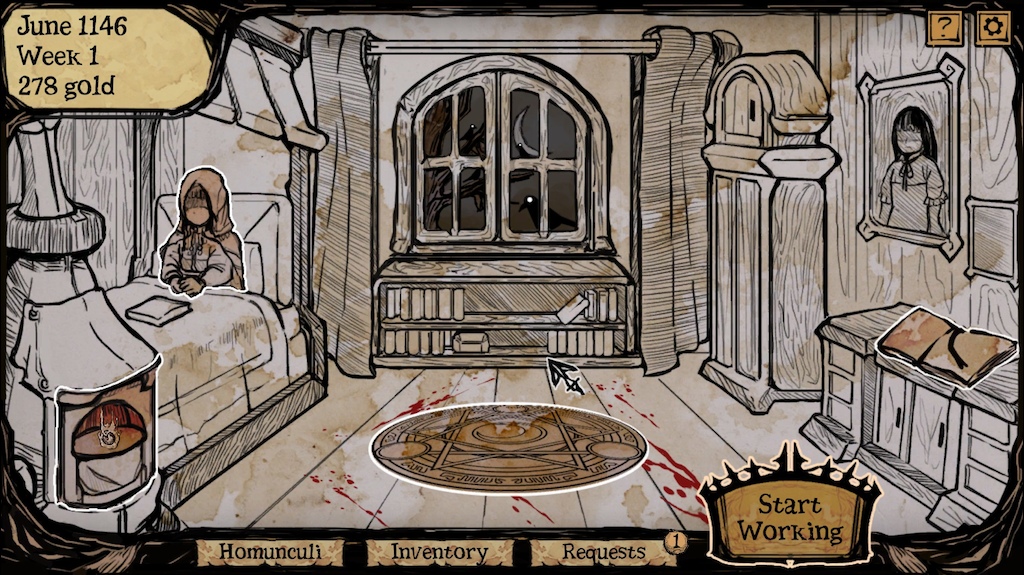
Check up on your daughter’s corpse or begin the fusion, perform alchemy to transmutate new homunculus, check up on your family of homunculus or set off for the 7-day work week.

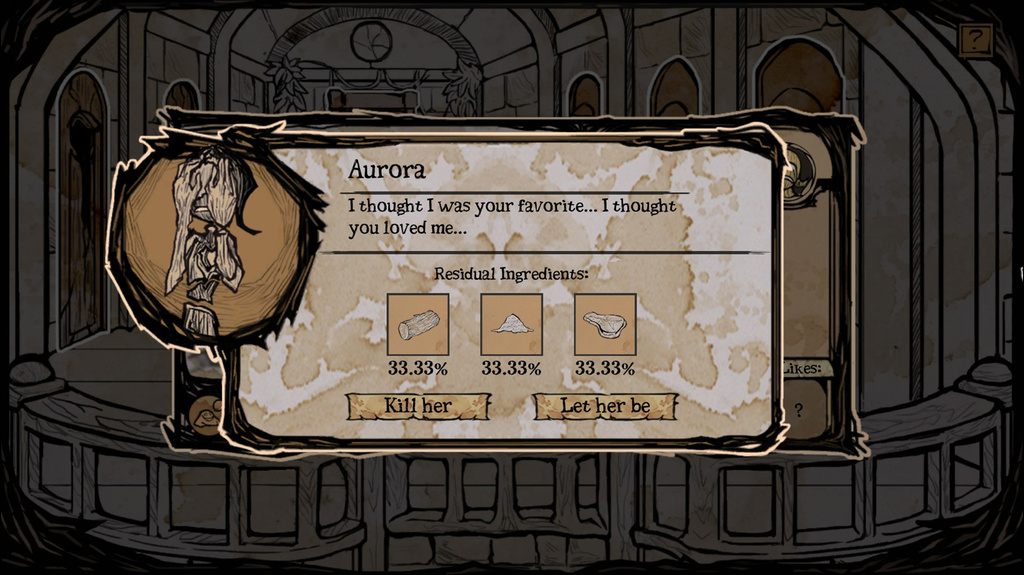
Homunculus comes in a variety of affinity emotions ranging from anger to joy, to sadness and fear – and it’s up to the player to determine which place of employment decreases the affinity levels the least. The affinity tied to every transmutated homunculus is determined based off of the three ingredients used in the alchemy process. The affinity levels increase when particular items are gifted to the daughter-like homunculi, or the player decides to spend some much-appreciated time with the miserable chemistry experiments.

Across the village map lays a number of places to send your precious homunculi daughters off to scrape together necessary gold to keep your loving daughter in a composed form, as well as keep your homunculus collection happy. There are around 2-3 places pertaining to each affinity emotion, like pet grooming for sadness, gardening for joy or smelting for anger. The players send off from their house for a seven-day workweek emulated through a flowing timeline lasting around only less than half a minute. Within this time frame players are able to freeze the clock while they assign their homunculi crew to specific workspaces to earn gold and experience, purchase necessary items and strategize the remainder of the work week. This whole process is fairly easy to grasp early on making for a simple concept, but can grow rather tiresome and feel like a monotonous grind the longer you play.

Possessing a collection of various homunculus each representing a different emotion selfishly puts gold into Faust’s pocket with every passing day. Earning gold allows Faust to keep his daughter’s body from decomposing throughout the weeks spent obtaining crucial alchemy ingredients and perfecting the ancient art. Raising your homunculus affinity levels are important for finding the perfect formula needed to resurrect your daughter which is precisely where players must experiment with sacrificing their many homunculi.

My Lovely Daughter
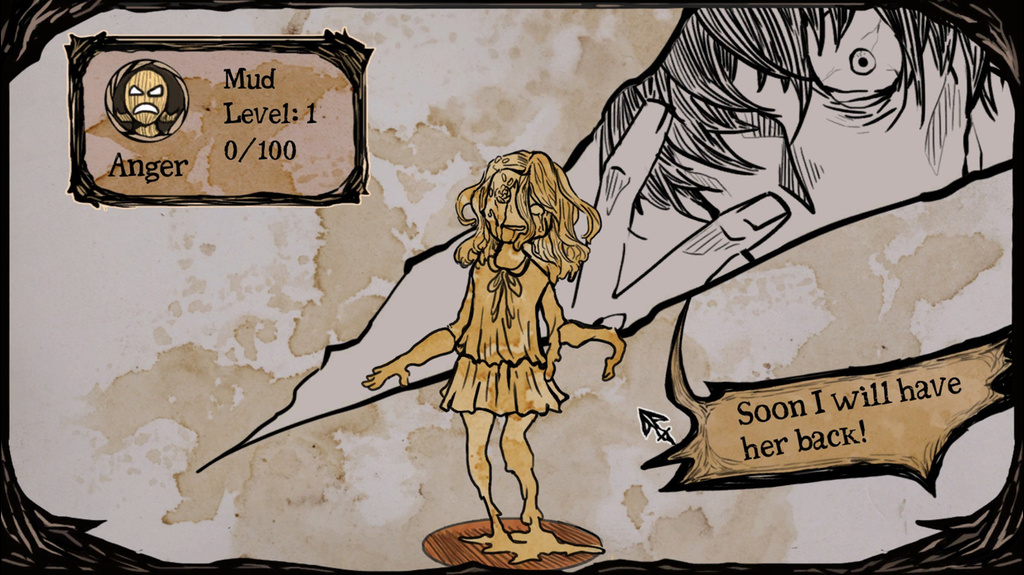
Once created, your homunculus are separated into affinity categories depicting their permanent emotion, such as anger, joy or sadness.

Collecting Your Sacrifices

Between the assortment of alchemy ingredients players will transmutate one homunculus after another in order to nurture, work and inevitably slaughter, in turn adding to your daughter’s overall soul affinity level. To reach your goal you must configure the perfect formula of the affinity emotions that perfectly match the amount of joy, fear, sadness and anger in which make up your daughter’s personality. The higher the affinity level for each homunculi means more of that specific emotion contributes to your daughter’s soul, but only after the homunculus has been mercilessly sacrificed. Every four weeks the player may decide to try to fuse the affinity-collected soul with your daughter – in an attempt to bring her back, but in doing so will apply all current affinity levels making all of your work prior to the fusion attempt a complete gamble.

The constant homunculus experiments, slave-driving mentality from our “hero” Faust, bizarre method of nurturing your twisted alchemy collection and unholy desire to relentlessly slaughter them as quickly as they were created is the entire concept of My Lovely Daughter. While grim as it is, the underlying tone urges players to dig deep within themselves and question: just how important is one’s life compared to another? The pleas and confusion displayed every time you decide to exterminate a homunculus are borderline gut-wrenching knowing this is your only option moving forward in the game. Still, growing a bond with your homunculus and watching as they begin to develop a faint wisp of trust for Faust only to be snuffed out in the name of the one daughter he actually gives a damn about is a tough pill to swallow, time and time again.

My Lovely Daughter
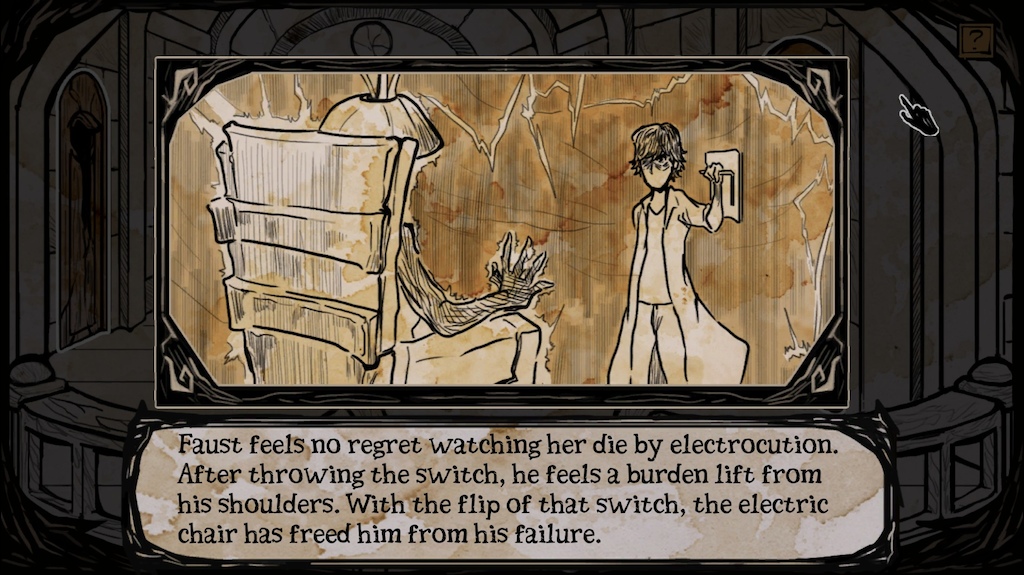
Once players have specific homunculus reaching a high enough affinity level – or things just aren’t working out – Faust may choose to end the bond through sacrifice…
My Lovely Daughter
Sacrificing isn’t something Faust is exactly hesitant to either, often leading to gritty dialogue of his extraction of the homunculus.

The workload in the village rewards players with a modest pay in gold, but the cost of homunculus gifts, alchemy materials and expensive preservative balm – applying this periodically to your daughter’s corpse is vital in keeping her from decomposing – begins to add up. Aside from the typical everyday workspaces, players may also take on requests from the villagers. Usually asking for a number of specific materials gained from sacrificing your homunculus, i.e. clay, wood, iron etc., players may choose to take on these timed side quests to gain a hefty step forward in your gold total. While not mandatory, these do add a bit more depth to the otherwise tedious gameplay, but nothing to seriously change the overall concept of the game.

The dreadful story and bleak setting of My Lovely Daughter are enough to captivate players interested in experiencing a tale not typically told in video games. However, the constant grind and gambling process to achieve the overall conclusion is what may drive most of them off. While appreciating what the creators of My Lovely Daughter have accomplished in this maturely themed narrative, the gameplay is a bit lacking – let’s say something closer to a semi-strategic visual novel. Though the constant difficult decisions to sacrifice your lonely creations after so much time and effort put forth into bonding with them, and listening to their often depressing stories still somehow manages to weigh heavily on your conscience well after you finish the unique experience that is My Lovely Daughter.

Pit People

Pit People Review [PC] – Hysterical And Pleasantly Strategic

The indie developers at The Behemoth have created a delightfully hilarious RPG strategy game with an addictive, simplistic outlook on the often confusing genre. The shrunken hand-drawn visuals, compelling backing score and hysterical dialogue offer a brilliant experience while combining some of the finer elements from the turn-based category. Build your army to prepare to fend off against absolute absurdity in brutally tactical combat.

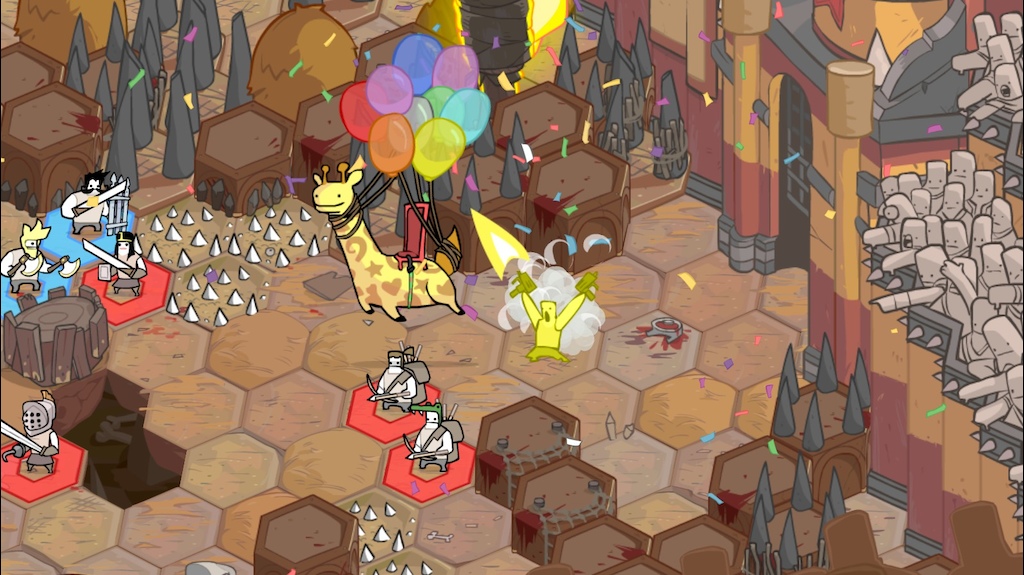
The game itself looks like a direct sequel to The Behemoth’s mega-successful 2008’s comical brawler, Castle Crashers, with unique hand-drawn visuals and off-the-wall humour. The characters that make up your party are as unforgiving as ever, squaring off against foes that only add to the off-beat charm and often greasy humour. Travelling across the sundry map in search of quests and ridiculous enemies sets players into a wagon ride filled with chaotic bouts, side-splitting narratives and combat that ceases to let up.

Within Pit People, you won’t find a team of highly skilled characters looking to overpower their way to victory, but rather a group of unlikely candidates with a rather grim take on life. Combat doesn’t take any unnecessary risks by adding complicating tactics, manoeuvres or abilities, but allows players to meticulously place their characters in strategic positions for the best outcomes. While players won’t have the standard options of defensive or offensive skills per every turn, the turn-based fighting style still manages to give off a fresh sense of tactical gameplay.

A Simple Twist On Strategic Combat

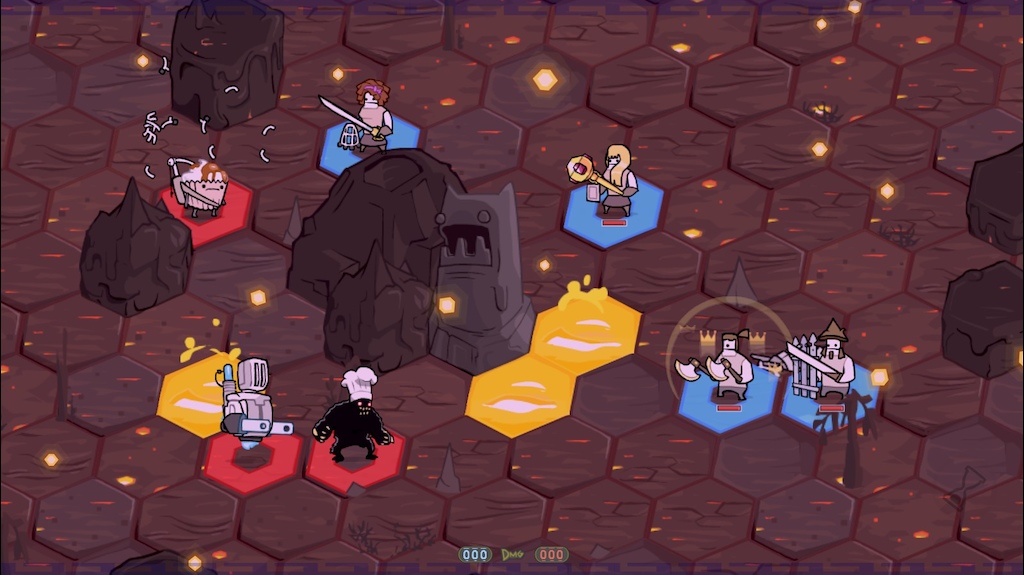
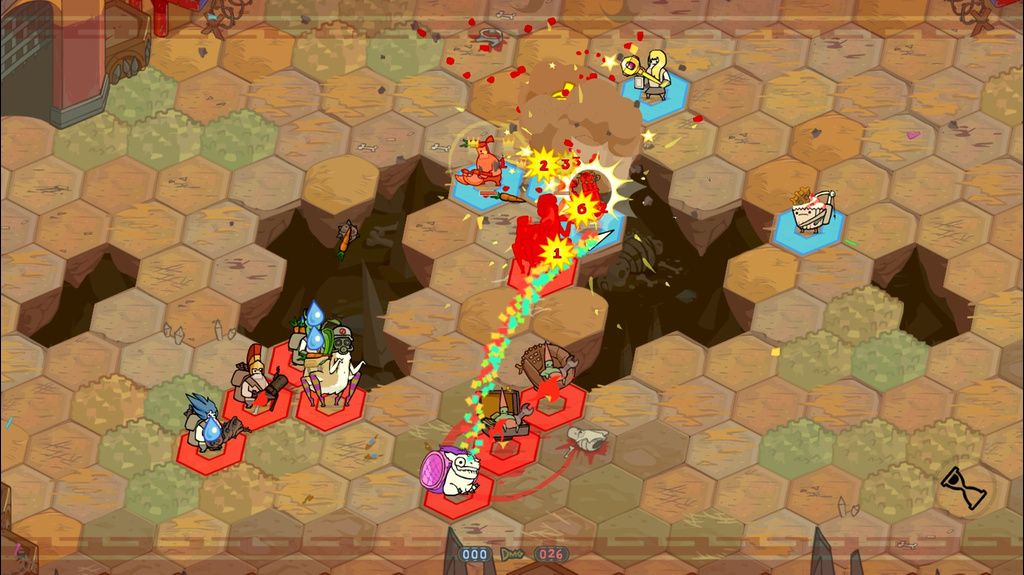
While in combat players simply select which position on the grid each character will move to in sequence. Each turn consists of the player choosing where each player moves to, as well as sitting back as your characters take damage. Your party members think for themselves as they will attack whichever enemy is closest to their position – as well as defend any incoming blows – on the combat grid. Moving around to appropriate positions, pairing your mates up against the weakest enemies and watching your crew take damage is all part of the dance when battling it out in Pit People, adding a broad sense of simplicity to the combat mechanics.

Pit People
Pit People offers an easy understanding of the strategy inducing turn-based combat.

As your characters and battle companions begin their romp on the fantasy land of Pit People, each successful blow earns a bit of experience. Levelling up is a common occurrence, but never actually leads to any enticing unlockable skills, perks or abilities, but rather stronger and more advanced auto-attacks and a likely much-needed health refill. While the character development in any enduring RPG title will claim it’s a major asset found in the formula of keeping players successfully engaged throughout hours of gameplay, Pit People simply isn’t competing with that. That lack of any real character development is a bit disappointing – especially when live-action combat has been tossed out the window as well – but nonetheless offers yet another unique quirk from the veteran game developer.

The provocative nature of Pit People is borderline raunchy and filled with seemingly crude jokes around every corner. The narrator is an absolute cynic constantly pushing at the integrity of your group of “rough around the edges” heroes. One line after another leads to witty remarks that help keep the overall charm at play throughout the entirety of the campaign. The absurd monsters one will fight may come off a bit misleading at first, but once engaged the battles never seem overly impossible. Futuristic robots, dual wielding uzi sharpshooters or the vibrant unicorn foe barely show much of a difference when it comes to challenge of combat diversity, but does act as a solid form of exciting entertainment.

Pit People
Nothing absurd about this…

Building your party in Pit People is a major factor in success, as players are able to capture a variety of monsters and enemies throughout their rambunctious journey. Leaving specific candidates left alive last will allow players to trap these beasts – with a simple net of all things – in turn providing players with an opportunity to add them to their squad. There are tons of different enemies and foes to capture throughout your adventure, all with their own unique assets in having them aid you in combat.

Enter The Pit

While the campaign is brimming with hysterical dialogue and methods of unlocking more carnage-inducing characters, The Pit mode offers more of a challenge. Taking on unfair waves of enemies or online versus matches provide the same amount of excitement that comes in the campaign, earning gold and levelling up your crew. The Pit offers the same style of combat found in the campaign, so there’s not much in the way of diversity, but facing off against online competition and unique waves of AI foes does offer a good amount of practice for winning those tougher battles down the line.

Pit People
Entering the Pit allows players to face off against a variety of AI and multiplayer squads while levelling their own party and collecting valuable rewards.

Pit People is a vigorous turn-based title from a veteran indie team – and one in which they strayed from their usual path yet again. Taking on a new title in a genre that hasn’t been seen in their arsenal as of now proves The Behemoth isn’t afraid of taking risks to keep their library fresh and thoroughly enjoyable. The concept, gameplay, simple mechanics and, of course, off-colour humour shine delightfully all along the gruesome path left by your Pit People army.

Closers

Closers Review [PC] – A Fulfilling Free-To-Play Hack ‘n’ Slash

Closers is an action-packed hack ‘n’ slash title that takes the repetitive excitement of side-scrolling action games and sprinkles in a few RPG elements to add to the flavour. As a free-to-play title on Steam, Closers is a perfect start-up for any newbie gamer, but also has enough depth and action-oriented skill sets to draw in the most dedicated of gaming enthusiasts. With the striking anime-style visuals, simple controls paired exceptionally well with the addictive beat ’em up gameplay, Closers is only held back by its somewhat unreliable game servers.

In the not-too-distant future, a powerful alien race known as Dimensionals have taken over in a worldwide invasion. City by city the globe began to suffer, but not everything in it was destroyed. Upon the Dimensionals pouring through the gates leading to another dimension, a psychic type of power known as Phase began to emerge. Affecting a small number of humans, they soon harnessed the power of the Phase energy, acting as the only means to deal with the invading species.

Using Phase Energy At Your Disposal

You take control of the Phase-power-inducing, alien-eliminating teenage group simply known as Closers. Each one of the elaborate characters comes prepared with their own set of skills, equipment and personality. While the story of Closers stays the same with each character, how it unfolds depends on which character you choose to play with. Slashing and phasing your way through hordes of menacing Dimensionals through the deep combat and character customization gameplay, players will discover a truly captivating experience with the heart of an ass-kicking anime.

Closers
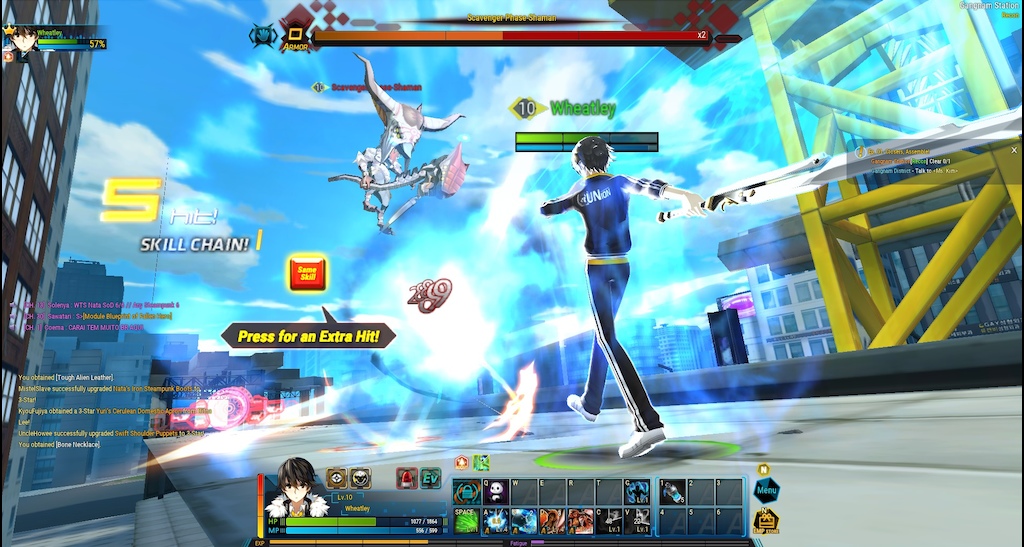
Each of the teenage Closers team members have their own set of unique skills and abilities using the powerful Phase energy.

Closers is more than a mere solo hack ‘n’ slash title, as it’s held up by a solid MMO foundation with a thrilling co-op experience. Missions are given out in the central hub of the game, allowing players to team up, or go it alone across the constantly evolving story. Closers must always be connected to the online servers when playing, making it a simple task for players to easily hop into co-op missions, but losing connection happened occasionally – causing the entire game to crash out. This takes away from the immersive experience making it difficult to continue forth in the alien exterminating endeavour.

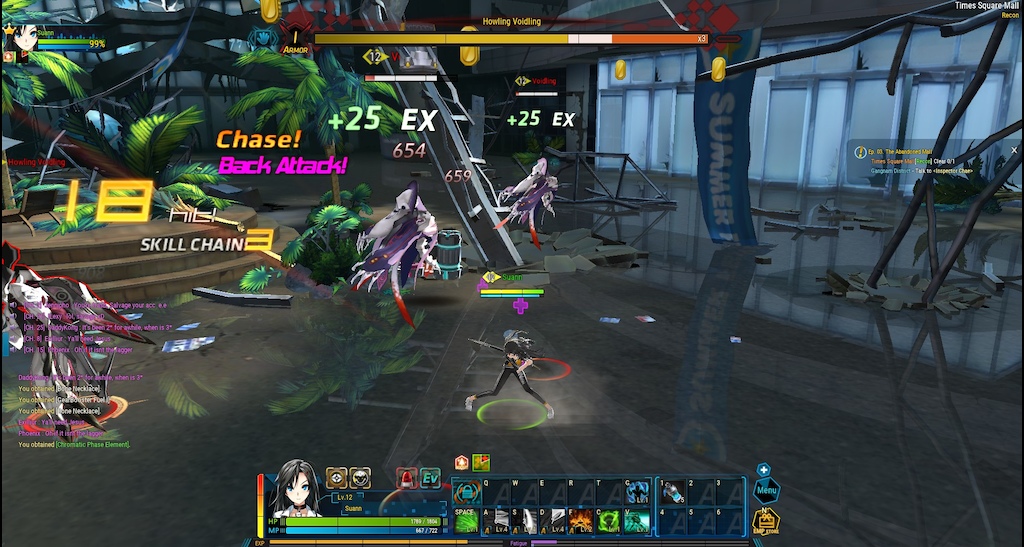
While my time with Closers found a few unreliable spots in the online servers, I was still able to thoroughly enjoy the episodic MMO inspired action RPG. In its semi 2D form, the side-scrolling view made the game feel as approachable as any other button mashing title. Though, the combat tactics dabble a bit further past your traditional beat ’em up strategy, as numerous skills and combos help push the battle further into a well-rounded combat experience. Each character has a set of three unique skills, finishers and a focus mode which adds to the damage dealt. Combining skills and turning them into combos works as the backbone to the battle system in Closers, pushing players to level up their characters and discover the vast amount of abilities, weapons and equipment hidden throughout the campaign.

Closers
Laying out combos is important to wipe out the many hordes of Dimensionals invading the New Seoul.

A Rewarding And Expansive Inventory System

As you make your way through Closers, the depth of the inventory system makes itself much more apparent. The many different pieces of stat-buffing equipment, weapons – both melee and ranged – and unique Phase abilities are vital in enhancing if you plan on tackling those hard to beat Dimensionals. Aside from co-oping online or brawling it out with the hostile aliens solo, players are also able to raise a pet within their inventory. Like beloved digital Tamagotchi pets, players will raise these creatures from an egg, into newborn through their adult life. When grown, they will aid you in battle but players must be sure to feed and maintain a healthy environment during their growing stages.

Closers
The Dimensionals come in many different forms, growing much stronger as the story progresses.

The 2.5D stylings of the side-scrolling hack ‘n’ slash MMORPG, Closers, is a gratifying experience too readily available to pass up. The free-to-play access and simple combat structure is as easily attainable as any fierce RPG infused beat ’em up can come, and doesn’t seem to be greatly hindered by extra costs and microtransaction packages. The episodic timeline shines in the realm of anime-inspired video games, fueled by the adrenaline-inducing action brought forth by cut-throat battles and an expansive character development system.

Swaps and Traps

Swaps And Traps Review [PC] – A New Twist On Platforming

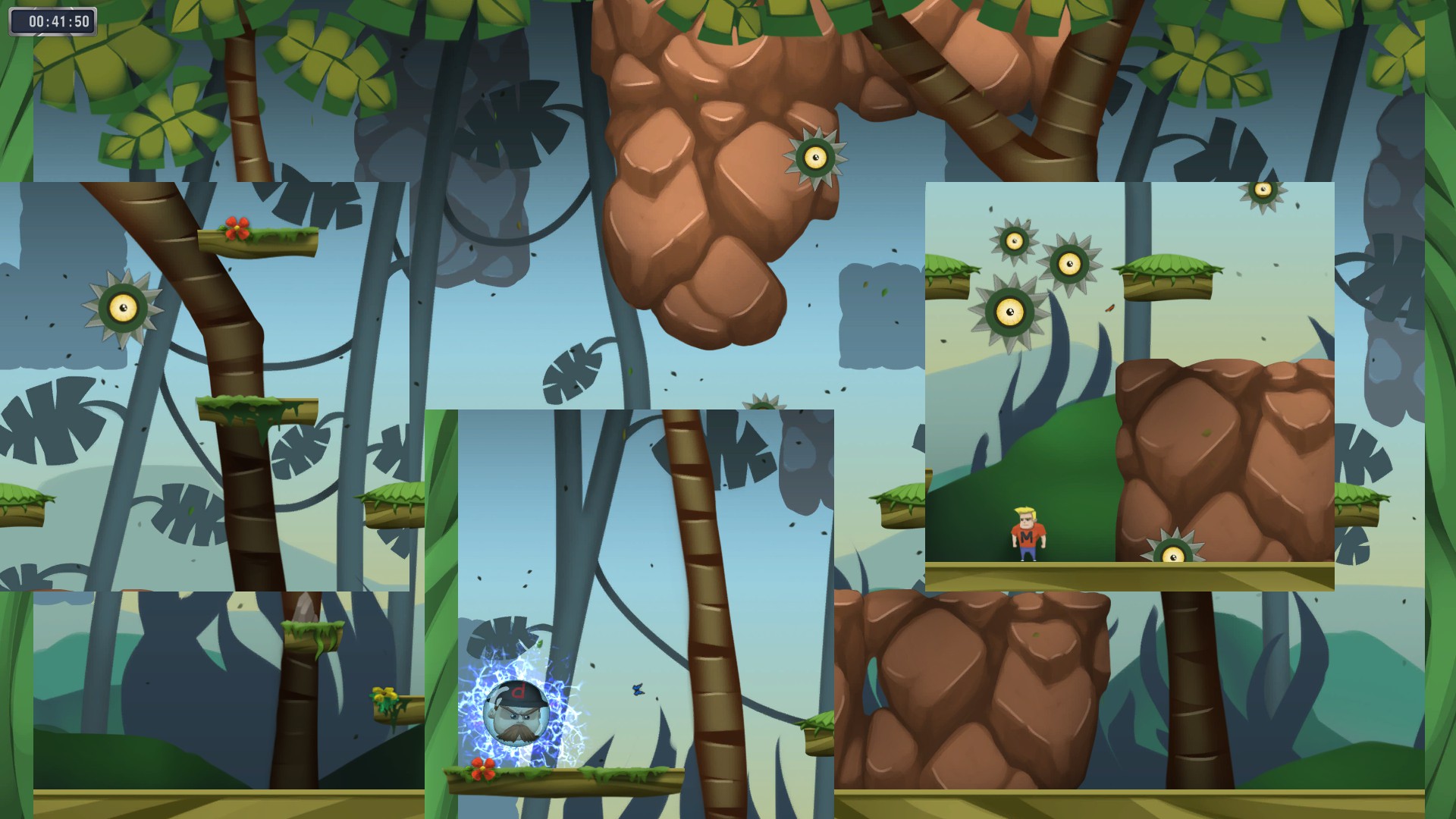
The skewed action in Swaps and Traps brings a delightful new approach to creating something modern and original to the typical standards we see in today’s platforming releases. While the same deadly obstacles and long jumps that help construct some of the best aspects from platformers today still exist in TeamTrap‘s debut release, a new kind of trap lies atop the head of the evil Divider’s head. His magical hat is capable of completely disorienting the screen, giving our hero Mike quite the methodical platforming adventure.

The blonde haired, muscle-bound protagonist is as carefree as they come, but when Mike hears of the theft of the enchanted hat by none other than his nemesis, ‘Divider’, things become a little more personal for our hero. You see, this mystical hat has the powers to change perception right before your eyes, and it’s up to Mike to retrieve the special keys, in turn, capturing the Divider – and his vile, disorienting ways. The story may be completely bonkers and provide very little depth of intrigue yes, but the gameplay does its job to keep you entertained.

Forgettable Plot With Memorable Gameplay

While the plot line isn’t anything to rave about, and the extremely awkward voice-overs strip any sort of justice away from the otherwise slick visuals, the concept behind Swaps and Traps is a doozy. Each stage consists of numerous platforms and treacherous obstacles that the player must evade to reach our dreadful villain, Divider. However, before Divider can be reached – which promptly clears the level allowing access to the next area – players must collect the cursed key(s) in each stage.

Swaps and Traps
Finding yourself upside down completely changes the way you need to approach each obstacle.

Starting off the game with only one key per stage, Mike leaps and dodges his way around the small screen-sized obstacle course to grab the golden key. Once the key is grabbed, however, is when the levels begin to get interesting. Snatching the key may be the means for clearing the stage, but it also is the “key” element in completely rearranging portions of the screen. Just when you think Swaps and Traps will be your everyday modern platformer, things take a twisted turn and the game really starts to shine.

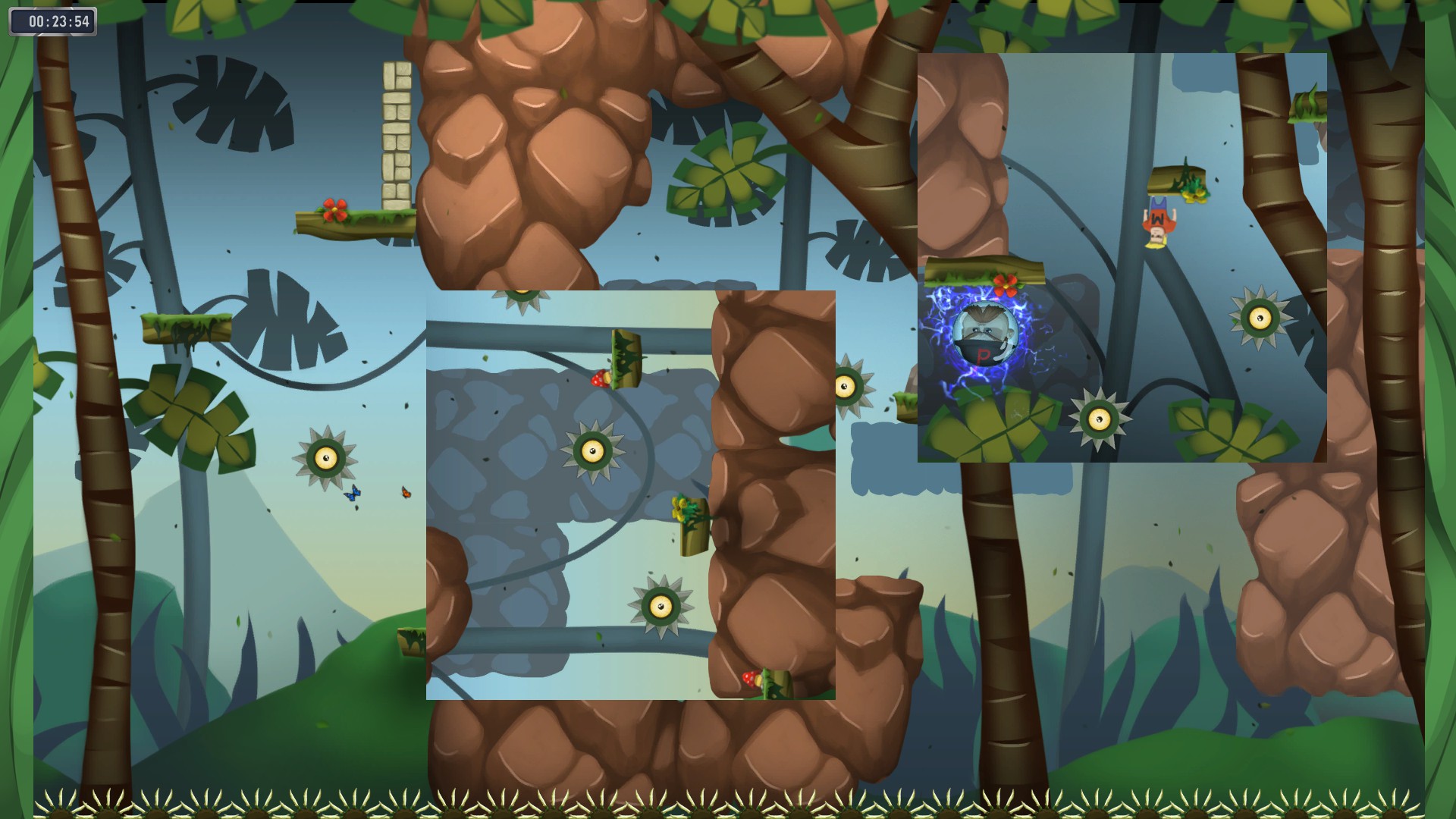
Taking one portion of the screen and swapping it with a portion on the other side can cause some very confusing, but highly entertaining reactions throughout the game. As you progress, the portions become smaller and more keys begin to appear in the stage, which adds more disorientation to the already bewildering stages. Collecting multiple keys in one stage can add an extra portion to be swapped, or even more puzzle inducing mayhem by rotating an already swapped portion. It’s common to find yourself re-configuring the controls mid-stage to adapt to an upside down platformer.

Swaps and Traps
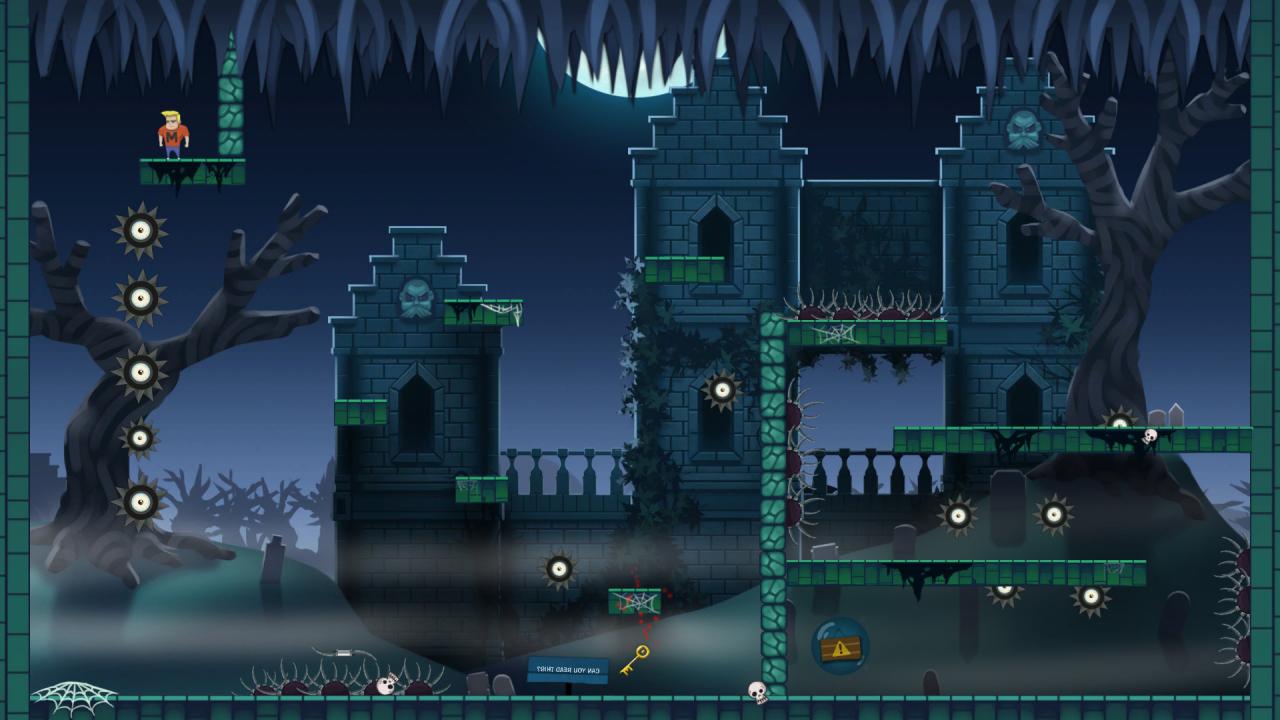
Different themes take you through the story – from wild jungles to dark and eerie castles.

A Disorienting Adventure

As you begin making your way through the stages things become not only more difficult from a platformer standpoint, but upon collecting numerous keys in one stage the utter confusion will begin to set in. Luckily, the developers realize how swapping out sections of the stage, as well as flipping them 180 degrees, can turn a rather straightforward level into an altered mess. Players thus have the option to reference back to the original layout in still photo form. With the press of the button, players can view an image of a particular stage’s original layout, even after sections have been swapped and flipped. As players begin to experiment they will soon discover that blindly leaping into a swapped section can often lead to death.

What really makes Swaps and Traps unique is that the entire stages aren’t completely flipped, but merely particular sections. While most of the stage might stay put after collecting a cursed key, the difficulty lies in the swapped sections that completely skew the player’s perception. Flipping and swapping out sections slows down the game as players try to figure out just how to land in a desired area, but that’s exactly what makes Swaps and Traps so approachable. Like most difficult platformers, our protagonist perishes after only one hit, giving a huge emphasis on trial and error, but the quick retry accessibility makes things much more attainable. The stages are extremely short, sometimes only taking a few seconds to complete, but it may take a few dozen tries to overcome some of the more challenging obstacles.

Swaps and Traps
Gathering keys will continue to disorient the player’s perception of each stage, making for a wildly puzzling platformer.

Tons Of Swapping Fun To Be Had

With up to 30 stages in each of the three chapters and a handful of off-the-wall bonus stages, Swaps and Traps never seems to come short of throwing thought-provoking challenges at the player. The platforming itself is a joy to control making for easy-to-learn gameplay, but the swapped portions of stages add just enough to keep the game thoroughly absorbing. While the story itself is forgettable, and the atrocious voice-over work does more damage than good, Swaps and Traps totally makes up for it with original and over-the-top platforming action.

Legrand Legacy: Tale of the Fatebounds Review

Legrand Legacy: Tale of the Fatebounds Review [PC] – A Purely Riveting Fantasy RPG

The story of Legrand Legacy: Tale of the Fatebounds is brimming with all of the beloved aesthetics from the fantasy RPG genre, taking players on a journey throughout the war-raged lands. Working your way from a meagre and worthless slave up to a worthy warrior, the enthralling package that Semisoft presents in their recently released RPG is an exciting experience with all of the makings of a surprise sleeper hit.

Taking on the role of the lowly slave – Finn – your journey throughout Legrand takes place after a devastating bout with a gruesome warrior, as a form of spectating entertainment. In a town that takes complete advantage of slaves, you are forgotten as a living being and thrown into the ring to meet your fate. Following an impressive show of power, you are purchased from a mysterious elder man known as a Norn – a race equipped with the ability to communicate telepathically.

Legrand Legacy takes players along an adventure through the fantasy lands of the warring Legrand. As players journey through the many diverse settings of Legrand, unique monsters, characters and combat tactics present themselves, offering the compelling feeling that comes attached to some of the most memorable RPG titles around today. Legrand Legacy is filled with informative lore and dialogue, most of which helps describe the somewhat confusing narrative that follows the surreal world.

Legrand Legacy: Tale of the Fatebounds Review
As you cross the world of Legrand, aside from encountering the many enemies, Finn will also need to keep an eye out for environmental traps.

Legrand Legacy: An Intuitive Combat System

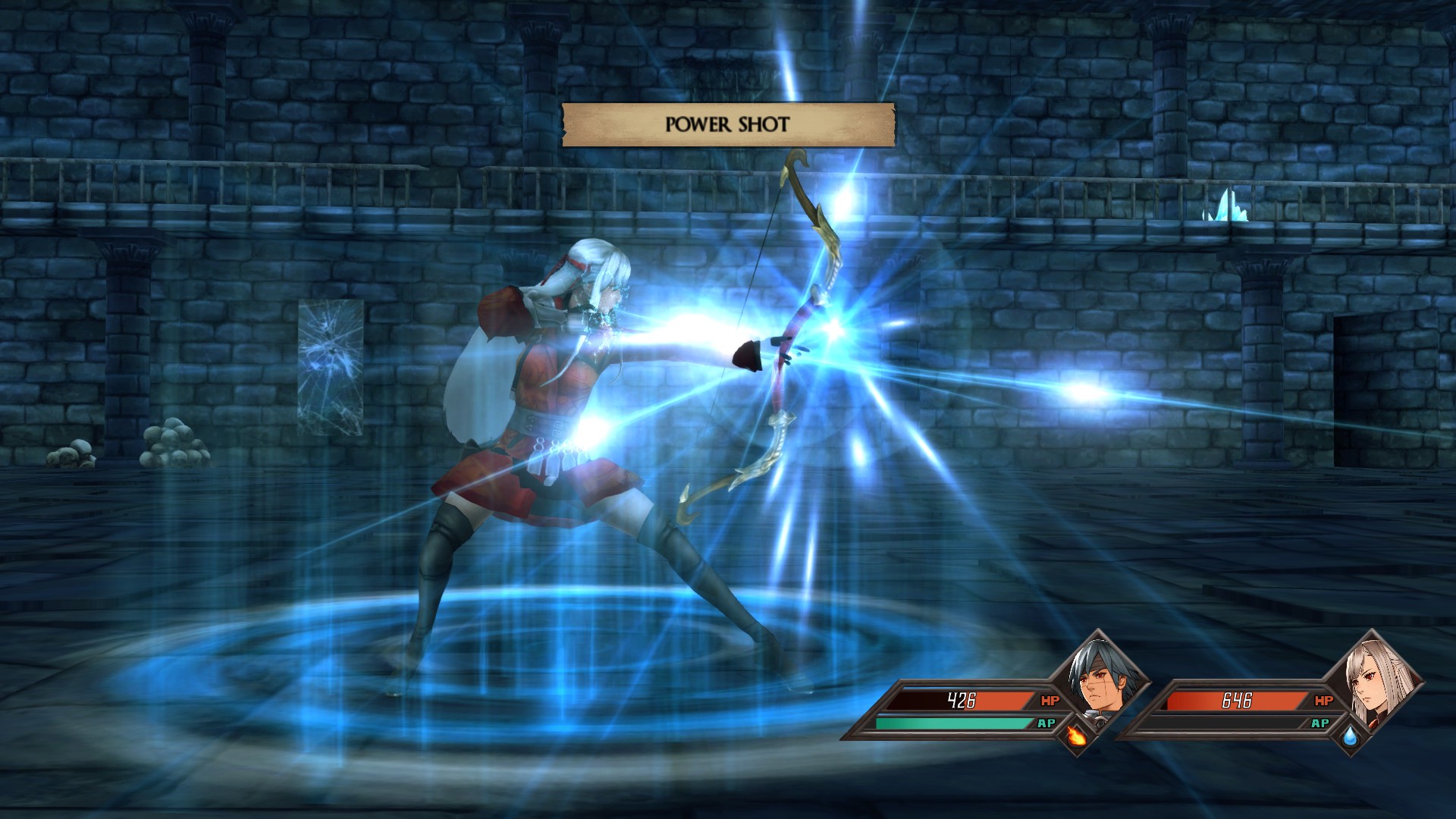
As players begin their journey, the combat system makes itself present in the form of helpful tutorials. Immediately taking a familiar plunge into the traditional turn-based strategy of similar RPG titles, Legrand Legacy does offer a few different aspects to the battle sequences. No time constraints or MP gauges to worry about within the battle, players are free to choose either offensive or defensive abilities with each turn. Unlike other popular turn-based titles where characters perform their attacks in a set order, Legacy has players performing their attacks throughout one turn, followed abruptly by their enemies. This gives a unique twist on battles, forcing players to think ahead about the consequences of each of the party members actions.

Performing physical melee attacks is the go-to method of dealing a great deal of damage, but this only strikes enemies in the front row of the battle layout. The second, or back row may only be struck with range weapons, but they offer considerably less damage. Once all characters or enemies have been eliminated in the front, the monsters in the back row move forward, allowing a more versatile attack range. Upon selecting your desired attacks with all party members, a series of rather simple QTEs – or quick time events – is thrown at the player in rapid succession. Landing these quick face button combos determines the overall power and accuracy of the ability, providing a bit more than the luck found in other turn-based RPGs.

Legrand Legacy: Tale of the Fatebounds Review
Arcana is the powerful ability used only when players fill up their AP meters in the midst of battle.

Grow And Utilize The Strength Of Arcana

While in combat, players will begin to fill up their AP meter. Once full, the AP meter is capable of dealing a massive amount of damage to all foes on the battleground known as Arcana, which acts as an excellent tactic to easily turn the tables in battle. Along with the unique AP abilities, other skills become available with every character throughout Finn’s journey. As the story deepens with shifting plotlines pointing towards the inevitable destruction of the world, the power within Finn, and his companions, grows with every level gained through experience points.

Increasing your stats aids you in battle the further you dive into Legrand and becomes the bridge between survival and death across your journey. While new abilities become available the stronger specific stats become, sharpening your party’s overall vitality, strength, or even luck attributes are as prominent as ever. Taking on the tougher enemies found later in the game prove to be worthwhile contenders, putting everything you’ve learned about the unique combat system into play.

Legrand Legacy: Tale of the Fatebounds Review
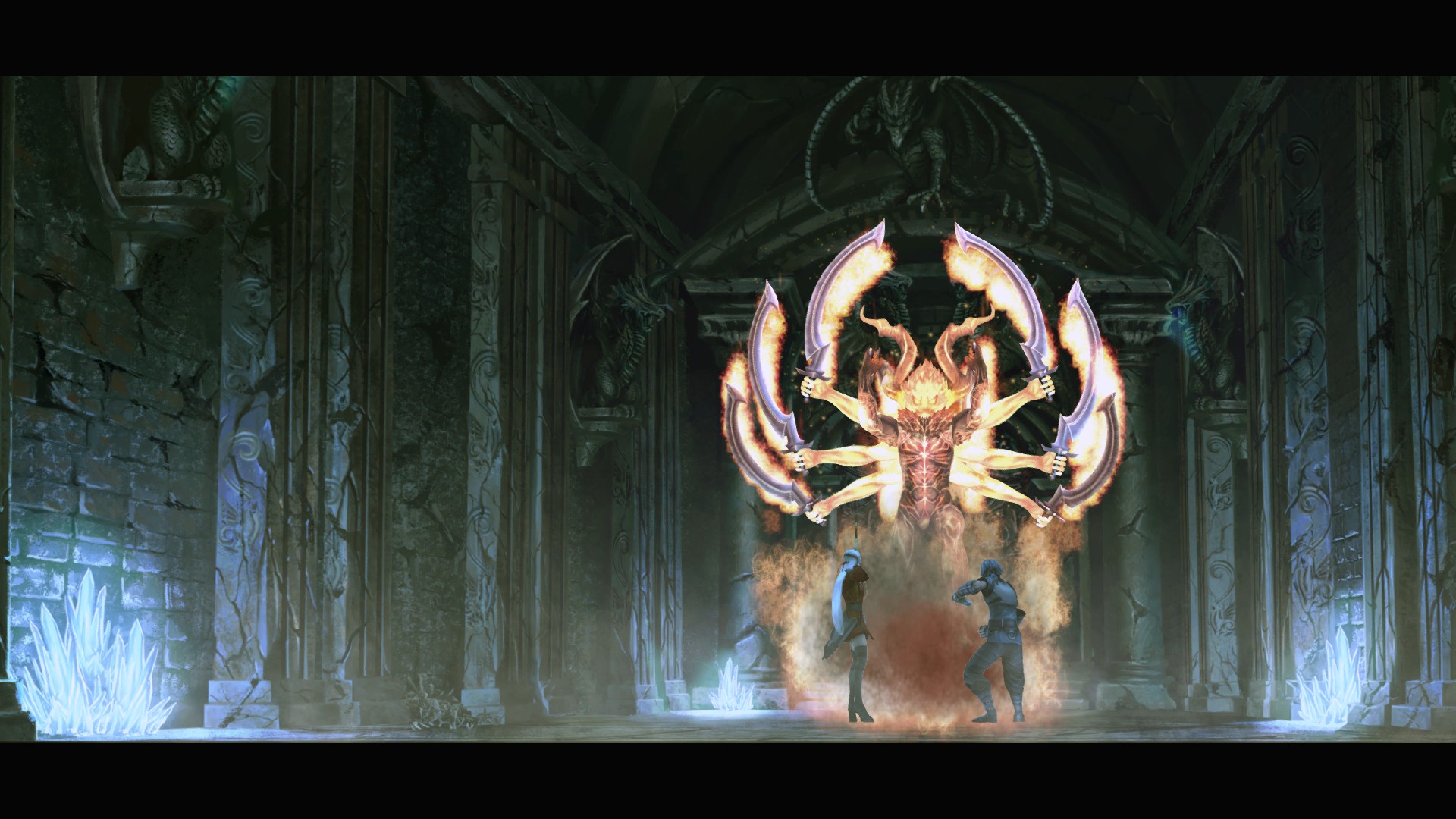
From small, weaker foes to massive monsters with devastating attacks, everything awaits within the world of Legrand.

Purely Riveting

Throughout the promising story that oozes with memorable fantasy settings, tons of gripping character dialogue, engaging and fulfilling battles with the freedom to strengthen your party at will, all tied together in a tightly-wound RPG package, Legrand Legacy is an impeccable way to ring in a new year of indie titles. Though never really pushing any boundaries within the realm of RPG titles, Legrand Legacy is an excellent representation of how simple RPG mechanics can still provide a deep and riveting experience.

Elium: Prison Escape

Elium: Prison Escape Review [PC] – A Mostly Satisfying Survival Experience

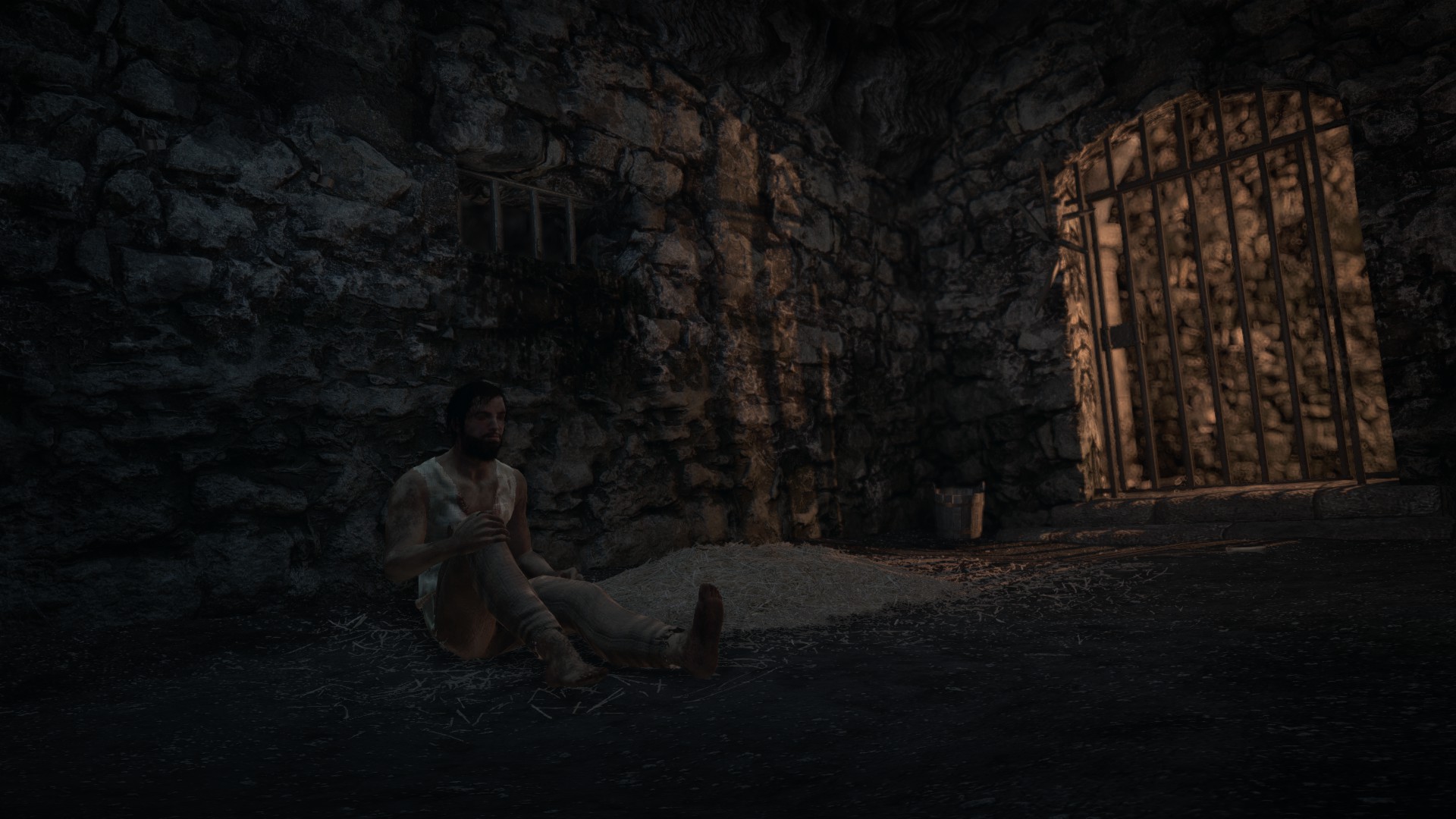
Time and time again I slayed and filleted the unknowing guards as I attempted to escape from my dirty confines in Elium: Prison Escape. The small one man indie developer – Lone Artisan Games – has put together an extremely strategic stealth combat experience. While considerably unpolished in many aspects of the game, once you battle your way through the initial trials of adapting to the control scheme, making your way through the procedural prison dungeon becomes a touch more thrilling.

After the simple and rather short tutorial which takes you through the basic movements and attacks, players may begin to embark their escape out of the medieval prison. With a four-direction attack range using a variety of different melee weapons – mostly swords and axes – players may also equip shields in their other hands. While the standard weapons are the most efficient methods of disposing enemy guards, it’s how players use the other aspects of the game to escape that’s important.

The tutorial shows players the gist of how the mechanics work in Elium. Interacting with items and doors, singing your fists or weapon, picking up objects and throwing them, or utilizing the stealth aspect are all viable techniques for safely finding a way out of the grim dungeon. Shadows are ever-so important in staying out of sight, so the brightly lit rooms that you’ll frequently pass will need to be dealt with in a shrouded manner. One easy method is finding a bag of ash to dispense on the lights, further covering the area in darkness for safe passage.

Elium: Prison Escape
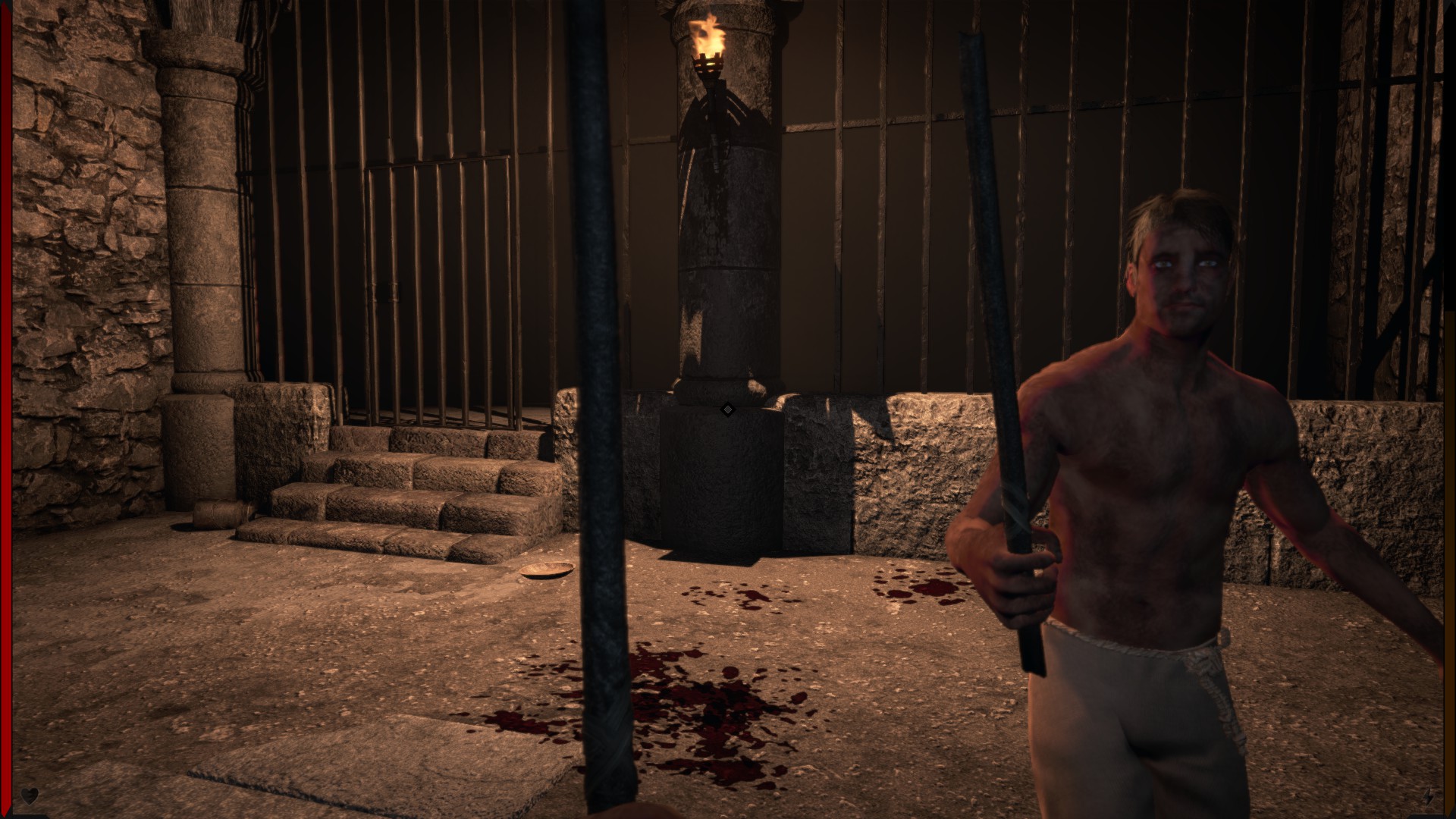
In Training Mode players will be able to hone their combat skills utilizing the strategic melee mechanics.

Elium: Prison Escape – Stick To The Shadows

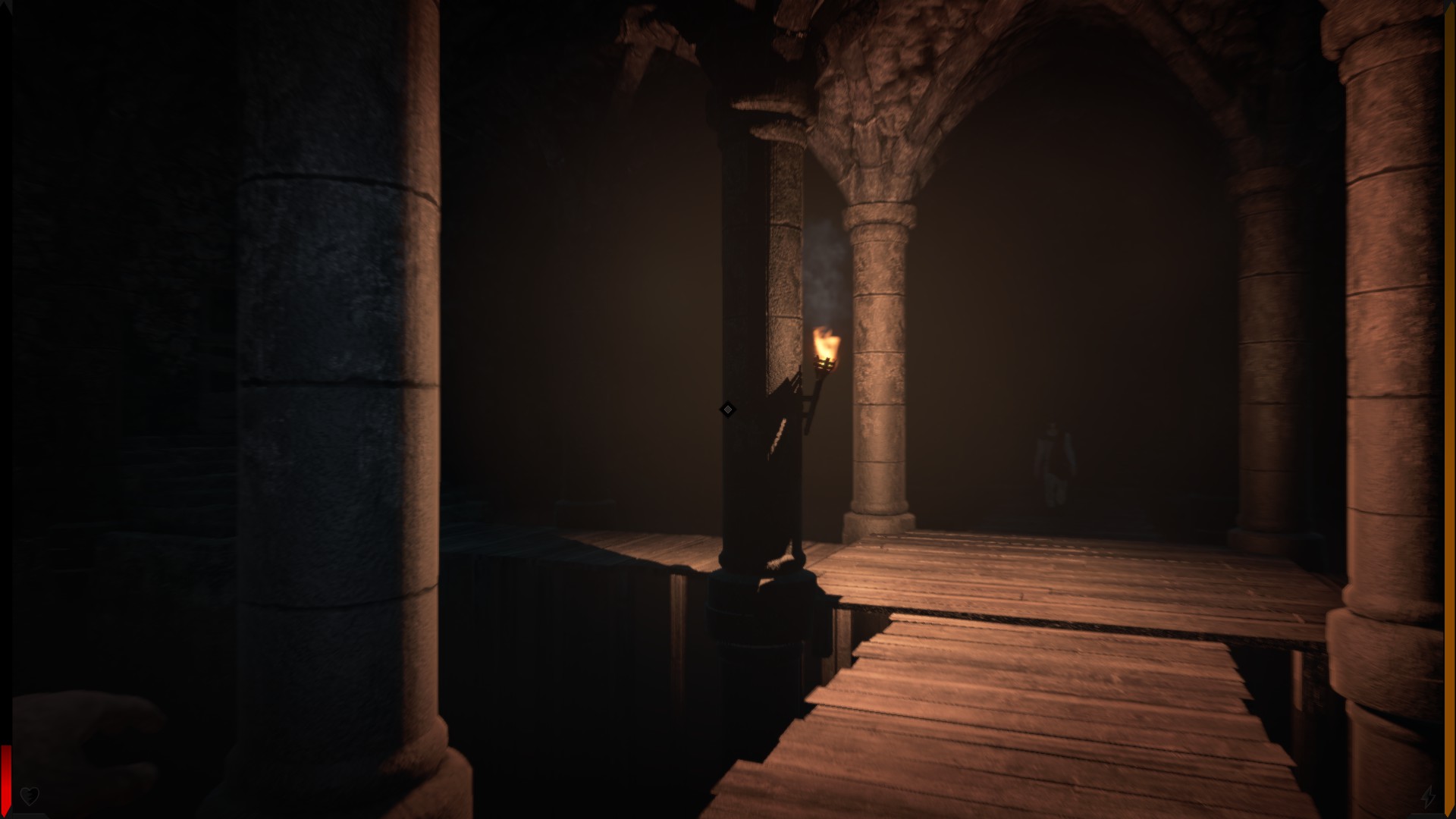
Through the many shadows lurks patrolling guards ready to stick you the moment you’re discovered. Though busted out of prison by an unknown prisoner, you’re quickly abandoned and left alone to fend for yourself. However, as you make your escape through the procedurally generated dungeon, fellow prisoners may be found along the way and are able to help you in battle. These companions are helpful as the combat can be rather difficult, but not in terms of their AI skill sets, which are rather clunky and unresponsive. Setup as a mouse and keyboard only combat title, players not up to par with traditional PC gaming controls might want to hone their skills first.

The randomizing rooms concept is an excellent way to get to the point of what seems like an endless journey to escape prison. Upon death, players must start whichever level they died on from the beginning. The procedural process makes starting over much less painless, as players avoid trying the same path and discovering the same secrets in a repetitive pattern. While this particular form of gameplay offers better depth than most survival combat titles, there’s not much else to Elium.

Elium: Prison Escape
Elium provides a unique randomized experience with procedurally generated levels upon every restart.

Players are also able to dabble a bit in changing their equipment and other item inventory options. Though, my time with Elium revealed problems with the inventory system – more than anything else in the game. Searching through chests and downed guards provides similar inventory swapping from beloved RPG titles, *but too often did guard armor, boots or belts turn directly into a prisoner shirt, netting me around half a dozen useless shirts after only a couple of kills.  While weapons and other items typically didn’t fall under this error, the cost of negating protective equipment makes staying alive more difficult; but only if you’re looking to mercilessly slash your way through the campaign.

*Edit: This bug has since been patched by the developer.

Escaping The Bugs

Elium: Prison Escape is a straightforward combat experience with a big helping of stealth. With almost no story, the first person dungeon crawler is purely for those looking to engage themselves in a tactical sword fighting title as they lurk through the shadows. Each level is filled with more procedurally generated rooms throwing constant surprises for the first few hours of gameplay, but soon after it begins to feel a bit stale and is often frustrating. Glitches will also appear and frequently cause players to start the level over in hopes of negating the problematic errors.

Elium: Prison Escape
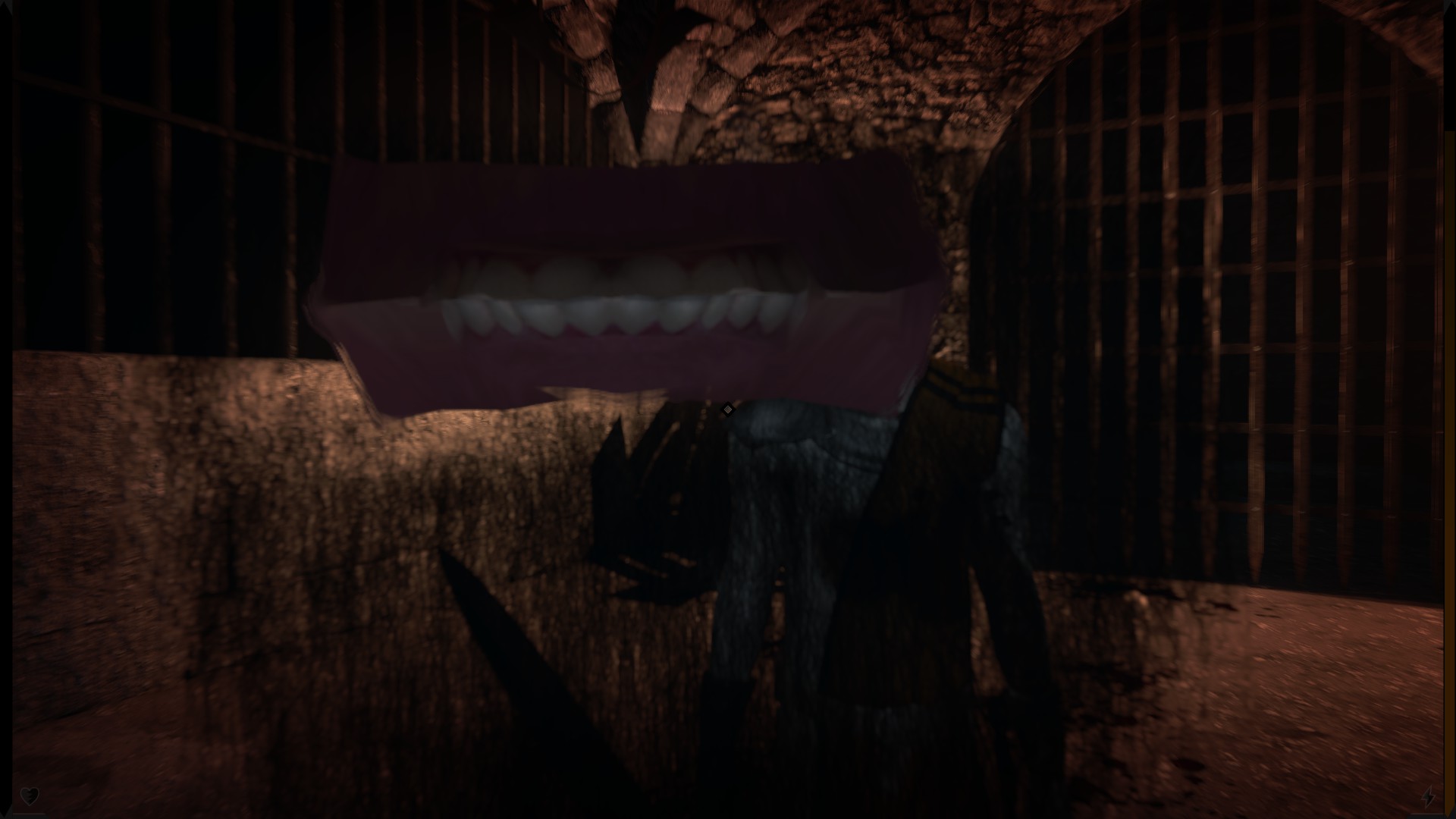
Though the gameplay can be challenging in a good way, some bugs will have players’ eyes appearing behind their teeth.

While the thrill of finding your escape route provides an initial exciting experience set in a gloomy medieval dungeon, Elium falls short as nothing more than a set of linear challenges. Though the randomizing levels add a certain sense of depth to the game and the combat can be a joy for tactical sword-swinging players, there’s still a fair share of bugs and tedious gameplay to work around.

Elium: Prison Escape isn’t a game-changer for the stealth action genre then, but it still manages to capture a dark and challenging experience that’s capable of entertaining at a mostly satisfying level.

Yume Nikki: Dream Diary

Yume Nikki: Dream Diary soon to bring a new dimension of horror to Steam

Horror gaming in 2004 was a different landscape than it is today. Resident Evil 4 had yet to come along and redefine the genre, and Silent Hill games were still good. Most horror games played like early Resident Evil titles, featuring low-poly player characters struggling for their survival amongst compressed, pre-rendered backgrounds.

Yume Nikki + Kikiyama

A two-dimensional horror game was completely antithetical to what early-aughts horror game developers were developing. So, a two-dimensional horror game in 2004 would have been a pretty weird concept, right? Right indeed. Yume Nikki is a horror game from 2004 as weird as it is two-dimensional.

Yume Nikki was created by Kikiyama, a secretive developer about which little is known. The game was created using RPG-Maker and features simple gameplay mechanics. Players navigate pixelated nightmare-scapes and solve obtuse environmental puzzles. Unlike most of its RPG-Maker counterparts, Yume Nikki pits these gameplay mechanics against a set of bizarre, colourful worlds. Yume Nikki is notorious for leaving players dazed because of its sparse story, abstract world, and all around one-of-a-kind experience. Now available for free on Steam, Yume Nikki is a game you should play if you have yet to do so.

Playism, the publisher of Yume Nikki, recently announced a sequel too… sort of. Less a sequel and more of a reboot, Yume Nikki: Dream Diary is a reimagining of the original title. Featuring direct cooperation and supervision from Kikiyama, Yume Nikki: Dream Diary is being developed by Active Gaming Media, a company known for its localizations of titles No More Heroes and Soul Caliber IV.

Yume Nikki: Dream Diary will feature the off-putting, psychedelic world of Yume Nikki in three dimensions. Much like the original Yume Nikki, Yume Nikki: Dream Diary focuses on the young girl protagonist, Madotsuki, exploring a variety of dream worlds while trying to avoid horrifying humanoid monsters. Yume Nikki: Dream Diary is coming to Steam on February 23 and will cost $20.

Check out one of the trailers here:

I Fell From Grace Review

I Fell From Grace Review [PC] – Commendable, But Disappointing

I always like to stay positive when it comes to reviews. This is because making a game is so very, very difficult (trust me, I know!) that I feel like a bit of an unappreciative grump when all I do is moan about said game I just got to play for free.

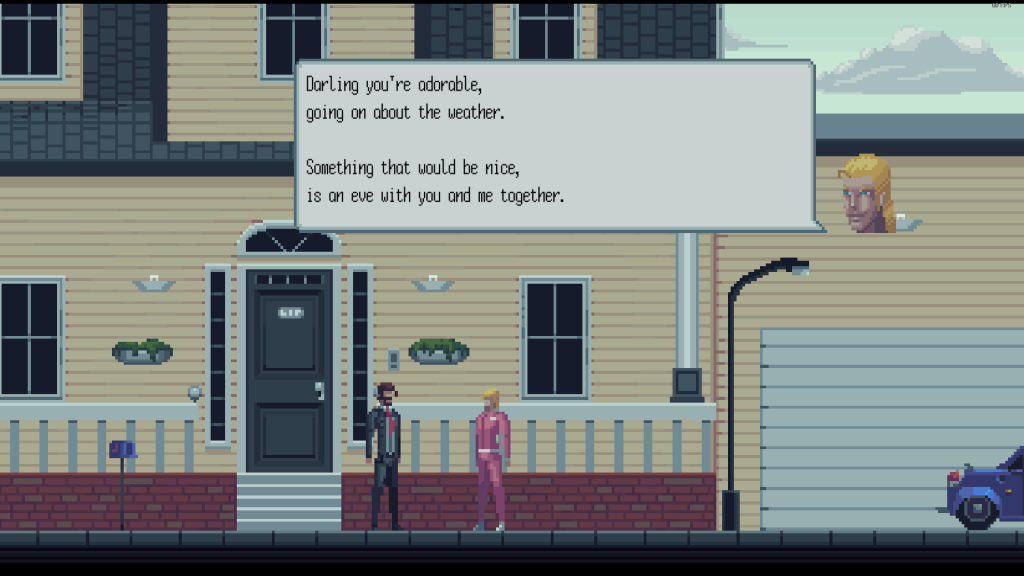
With this in mind, let me say that I Fell From Grace, from developer Deep Taiga, is unique. It’s brave in its decision to try something different with its writing style, has some very moody visuals and music that help the game have an overall oppressive and somewhat uneasy tone.

With the intro done, let me put my critical hat on. I Fell From Grace is really not much fun to play, has a writing style that is tiring to read and ineffective at producing an emotion other than frustration, and the game has a story that thinks it’s got a lot to say but ultimately fails to say much of anything at all.
I Fell From Grace Review

At its most basic level, I Fell From Grace is an adventure game where you walk from left to right, from screen to screen, solving puzzles. It’s listed as a ‘point and click’ adventure, but the controls are more direct, as you control the main character (Henry). There’s not much to comment on when it comes to gameplay as all you do is move left and right, occasionally you’ll have to use an item from your inventory, make a dialogue choice and the rest of the time you’ll be pressing the ‘E’ button a whole lot to interact with everyone and everything.

I Fell From Grace Review – Falling At The First Hurdle

This wouldn’t be too bad if the game had interesting puzzles like you get in classic point and click adventures, but it doesn’t. All of the roadblocks are incredibly simplistic and unsatisfying to overcome. Something you need is stuck in a tree? Find a ladder and use the ladder. Need to see what’s happening on the other side of a vent? Find the camera and use the camera. There are no ‘Aha’ moments here so the ‘game’ itself is really not much fun to play.

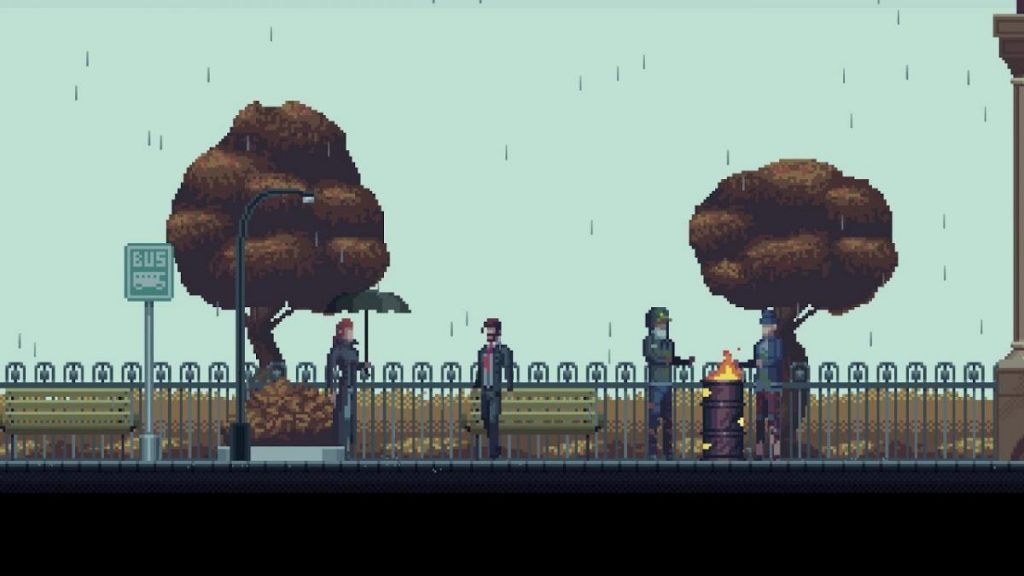
The atmosphere is pretty great though. It’s always raining, everyone’s miserable, your boss is mean and heading into town means you’re greeted by homeless drug addicts huddled around flaming barrels outside failing businesses. This won’t be a setting that’s for everyone but for those of us that really appreciate a really downbeat vibe, I Fell From Grace has sorrow in spades.
I Fell From Grace Review

The story itself appears as if it should be interesting enough and has a strong enough premise. Henry, who you play as works for some big pharmaceutical company and has a wife that is very ill. As with every character in the game, Henry and his wife are having some tough times and have dealt with some catastrophic moments in their past. I don’t want to spoil anything but let’s say that Henry and his wife suffer a tragic loss.

Henry has now become a workaholic and is determined to cure his wife, even to the detriment of actually, you know, being there for her and looking after her. It’s clear that he’s become obsessed and in his pursuit of ‘doing what’s right’ he might make some poor decisions and… fall from grace. *puts on shades*

Not Fooling Me

So what I’m saying is that this is a narrative driven game and instead of worrying about engaging puzzles, the developers have decided to focus all of their attention on telling a compelling narrative, right? Sadly, no. This is another area that I Fell From Grace fails in because the fact is that the story soon descends into meaninglessness.

What starts as a fairly engaging journey into one man’s descent into obsession is soon littered with pointless segues into events that have no bearing on the story or some which simply don’t resolve. It may be the case that playing the game over and over again could help you tie up some of these loose ends, but I’m not convinced this is the case having finished it twice. When a plot involves nightmarish warnings about ‘black spots on the ceiling’ only for you to have the credits roll without a single encounter with a ceiling-based black blotch, you have to wonder if there is any meaning behind the game’s words or actions. It all seems to think that it’s smarter than it actually is.

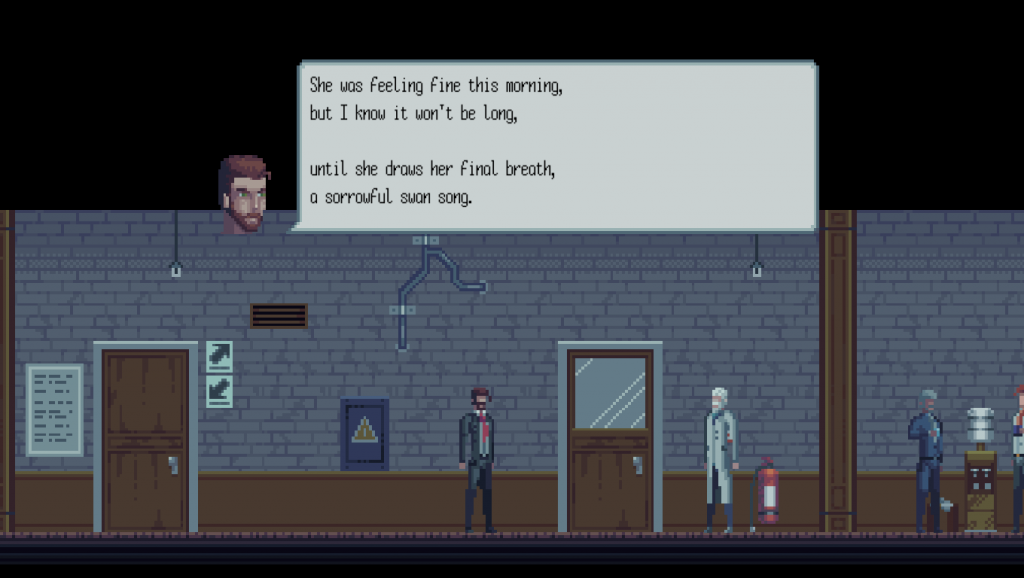
This is no more apparent than in the decision to make every. Single. Line. Of. Dialogue. Rhyme.

Every.

It’s hard to say why this was decided, what exactly this writing style was meant to evoke but all I can say is I grew tired of it within five minutes.
I Fell From Grace Review

No Time To Rhyme

So I’m sorry to be such a downer on this game. As I said at the start, I really do want to enjoy the time I spend playing games and I do want to encourage developers to try new things and ultimately create great pieces of work that push the boundaries of what we think games are and can be. Sadly, I also have a duty to the game players who need to know that this is simply a failed attempt at something unique.

To surmise:


When reading the dialogue becomes such a chore,

it’s hard not to grow tired and start to snore.

The puzzles aren’t fun and they’re not very clever,

the same goes for the story as it’s not much better.

The graphics are nice and they help set the mood,

it’s a shame everything else just comes off as crude.

I commend you for trying something new, I Fall From Grace,

sadly you failed and fell flat on your face.

7 Billion Humans

7 Billion Humans makes my cortisol levels jump

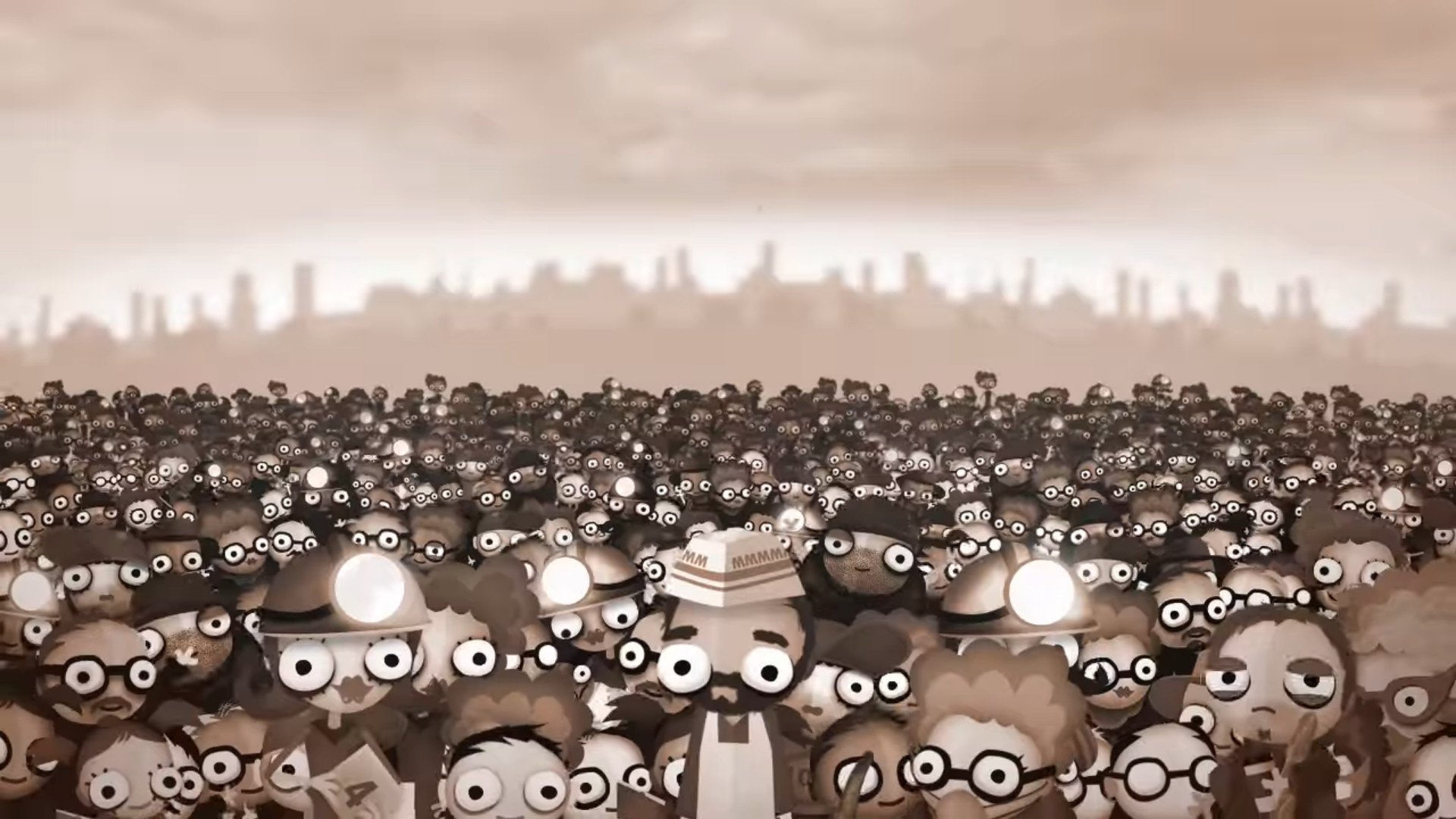
Close your eyes and think of an office environment. What do you see? Are visions of cubicle workstations, cluttered computer desks, and rubbish bins full of disposable coffee cups rushing your mind’s eye? Can you hear the click-clack of keyboards and the soft noise emitting from computer hard drives? My mind floods with the aforementioned images and sounds when I think of work offices, but maybe when you think of an office environment you think of something else. Perhaps for some reason, you envision puzzles, quirky dialogue, and big eyes?

Tomorrow Corporation’s recently announced title, 7 Billion Humans, intends to realize the puzzle, quirky dialogue, and big eye-filled office setting some of you may imagine when you hear “work office”.

7 Billion Humans: No Sweat

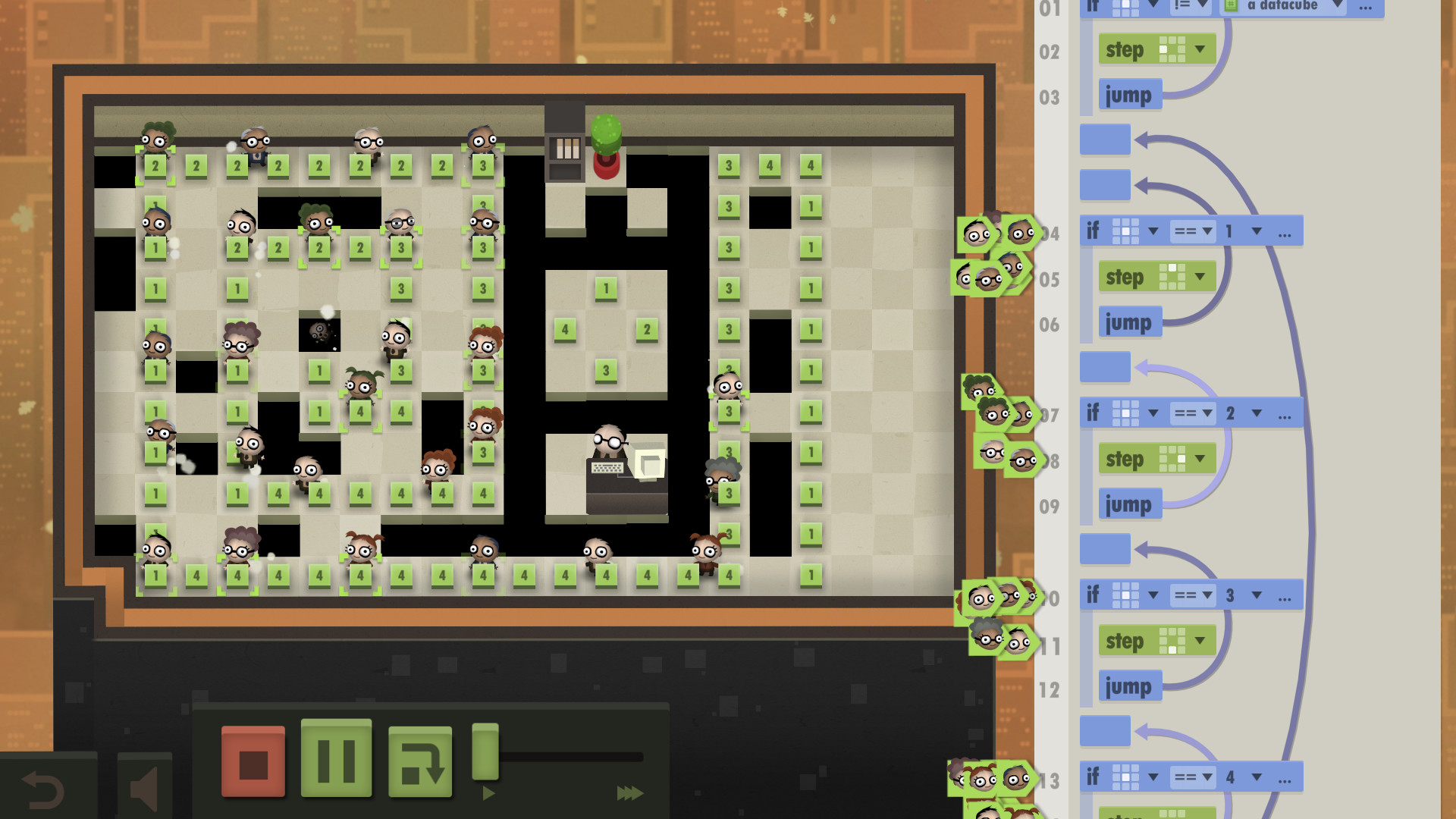
Like Tomorrow Corporation’s 2015 title, Human Resource Machine, the heart of 7 Billion Humans’ gameplay is found in its programming puzzles. Players must command a bevy of office workers using programming commands. If you don’t know how to program, no sweat! 7 Billion Humans’ programming language will be taught within the game. Screenshots are intimidatingly confusing, but instruction should make understanding the UI and programming language a breeze.

7 Billion Humans
7 Billion Humans

Did I mention 7 Billion Humans’ office workers are working inside of a parallel computer? In 7 Billion Humans you are tasked with keeping a parallel computer running smoothly. As the player, you must program your office workers to solve puzzles within the computer. The puzzles, being the obstacle before you, will make your computer run poorly lest you use programming to solve them.

Of course, 7 Billion Humans is not set solely inside of a parallel computer, you’ll also be navigating your workers around a sky-scraping office building housing 7 billion human workers.

My lack of programming knowledge aside, looking at screenshots of 7 Billion Humans makes my cortisol levels jump. The art direction’s big-eyed office workers all look like they are on the edge of a breakdown, but hell, they are kind of cute. Besides a similar art direction, 7 Billion Humans will also feature the return of Human Resource Machine’s soundtrack wizard, Kyle Gabler. Gabler’s work in Human Resource Machine makes for great listening, and hopefully, his work on 7 Billion Humans will be just as great.

A release date for the game has yet to be announced. Be sure to check back here at Nitchigamer for 7 Billion Humans and its developments.