Finding Paradise Review [PC] – A Fulfilled Life?

Six years ago, a game that would forever change the way I view storytelling in games was published. To The Moon was an emotional rollercoaster, with incredible narrative and musical elements. Now, the time has come for its sequel – Finding Paradise. Kan Gao and the team behind Freebird Games has returned to continue the journey of reflecting upon memories, brilliant life philosophy, and last but certainly not least; putting us in an emotional imbalance.

If you’re familiar with both of these games, you might also have encountered A Bird Story, a short narrative about a boy and a bird with broken wings. We learn that his name is Colin Reeds, and in Finding Paradise, he has come to the point where his time on earth is coming to an end. A dying old man, he becomes the patient of Dr Eva Rosalene and Dr Neil Watts, two lovable scientists who work for the Sigmund Corporation, a peculiar organization that helps dying people fulfil their lifelong wish. However, not literally. They travel through the memories of a person’s mind in order to make them think that their wish is fulfilled. The task of fulfilling Colin’s wish will turn out to be much more difficult for Dr Rosalene and Dr Watts than they first expected.

The scientists are what they call Memory Traversal Specialists – they travel through a person’s memories ranging from early childhood to late adulthood, to alter them and make them think that they have fulfilled this wish. Through altering the memories, they are able to nudge the person in the right direction, helping them to make decisions that will make their wish come true. With that said, the scientists are on a tight schedule – the patient might pass away at any moment. The clock is an important as well as a recurring symbol, as time is truly of the essence.
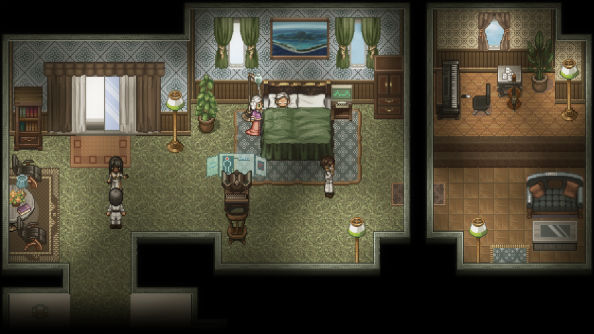
Finding Paradise Review
“Some stories aren’t meant to be told… they are meant to be kept.”

Colin feels that he hasn’t lived a fulfilled life, but desiring what you cannot have is perhaps something the majority of us will inevitably encounter during a lifetime. However, in Finding Paradise, one can change that. But only to a certain degree. Consequently, fulfilling one’s desire will ultimately replace another. Questioning the morality behind these patient’s decisions, the game explores both sides of the coin. What if the person you love actually desired a future that didn’t necessarily include you?

To The Moon, A Bird Story, and Finding Paradise all exist within the same universe. Therefore, some of the scenery might seem familiar if you’ve played the previous games. This is a really nice way of connecting the stories and shows good attention to detail. As I started the game, I immediately felt just how much I had missed these two scientists. The brilliant synergy between Dr Rosalene and Dr Watts are as funny and on point as in To The Moon. The dialogue is so incredibly well written, with puns and jokes filled with references to various movies and games. I absolutely love it. Finding Paradise had some hilarious moments where I sat laughing out loud. The two characters become a very nice counterweight to the heavy atmosphere of the game. As we delve deeper and deeper into the mind of Colin Reeds, the turn of events are as absurd and abrupt as the thinking mind itself.
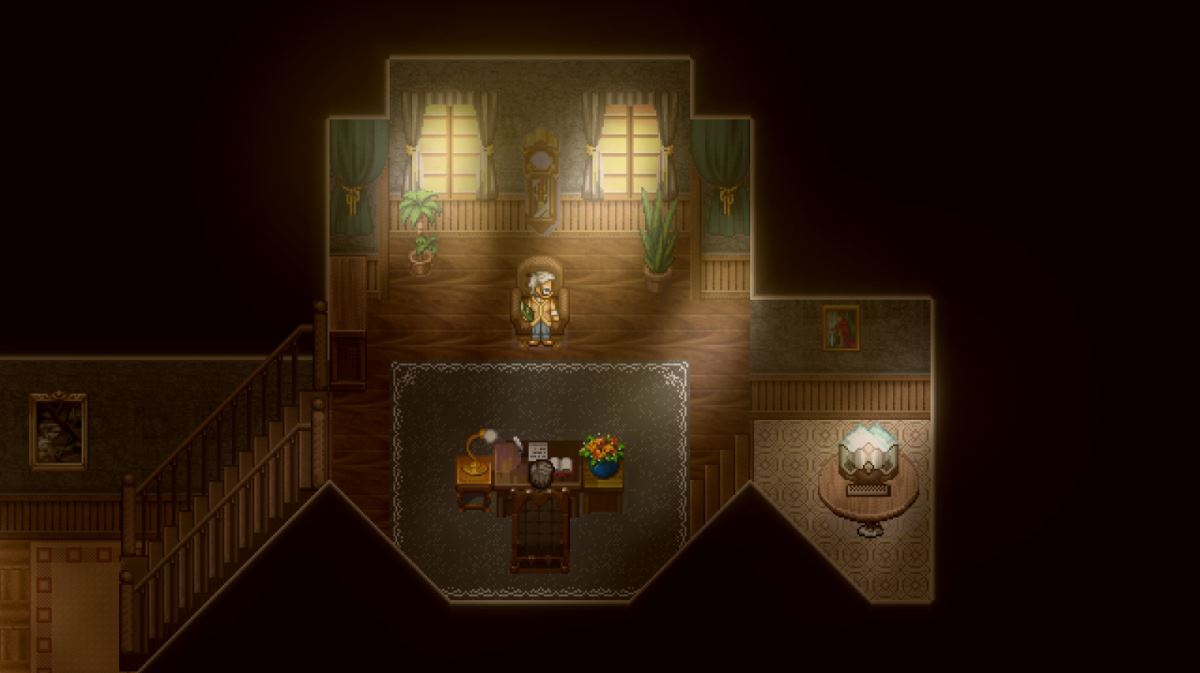
Finding Paradise Review
How are we to live our lives?

“With the right accompaniment… anything can be a melody.” One cannot simply talk about Finding Paradise without talking about the incredible music that embraces this world. Like in all of Gao’s creations, the games are always complemented by a song that becomes a recurring theme. The song and the music compliment the characters in a really special way, and I can’t describe it further unless you have played the previous games because then you know what I’m talking about. Kan Gao’s musical creations are masterpieces that fit perfectly with the games. As a nice way of really implementing it into the universe, some of the characters (except for the scientists) each play their own instrument, and in a nice way, each theme is introduced by the characters themselves. The trailer shows you an example of the music, and when I watched this again, all the emotions I experienced when playing came rushing back to me:

In the end, I think it is also important to take from this that people never really know what they want at any given time. We all want to live a fulfilled life; but how can we define that, when each individual may want something different? The definition of a fulfilled life has faded in Finding Paradise, as we reflect on the fact that we are all dealt different cards in life. The important part is making the best out of what you have, and who you are.
Blossom Tales: The Sleeping King Review

Blossom Tales: The Sleeping King Review [Nintendo Switch] – A Clone That Holds Its Own

There are those among us who say imitation is the best form of flattery. If something is a hit, whether it be a TV show, movie, literary franchise, or video game, you can bet knockoffs, rip-offs, clones, copies, and different takes on the material will inevitably flood the market. When creative individuals love something from their past, they tend to create a kind of love letter to that very thing. Is this a homage to a great work of art, or a blatant rip-off with no soul of its own?

This is the thought I had to keep at the forefront of my brain, as I played through Blossom Tales: The Sleeping King from FDG Entertainment. There is no doubt that Blossom Tales is a love letter to The Legend of Zelda: A Link to the Past in almost every way, shape, and form. From the very start of the game until the credits roll, Blossom Tales borrows heavily from Zelda, but I am happy to say, also adds its own indelible mark on the adventure-RPG genre.

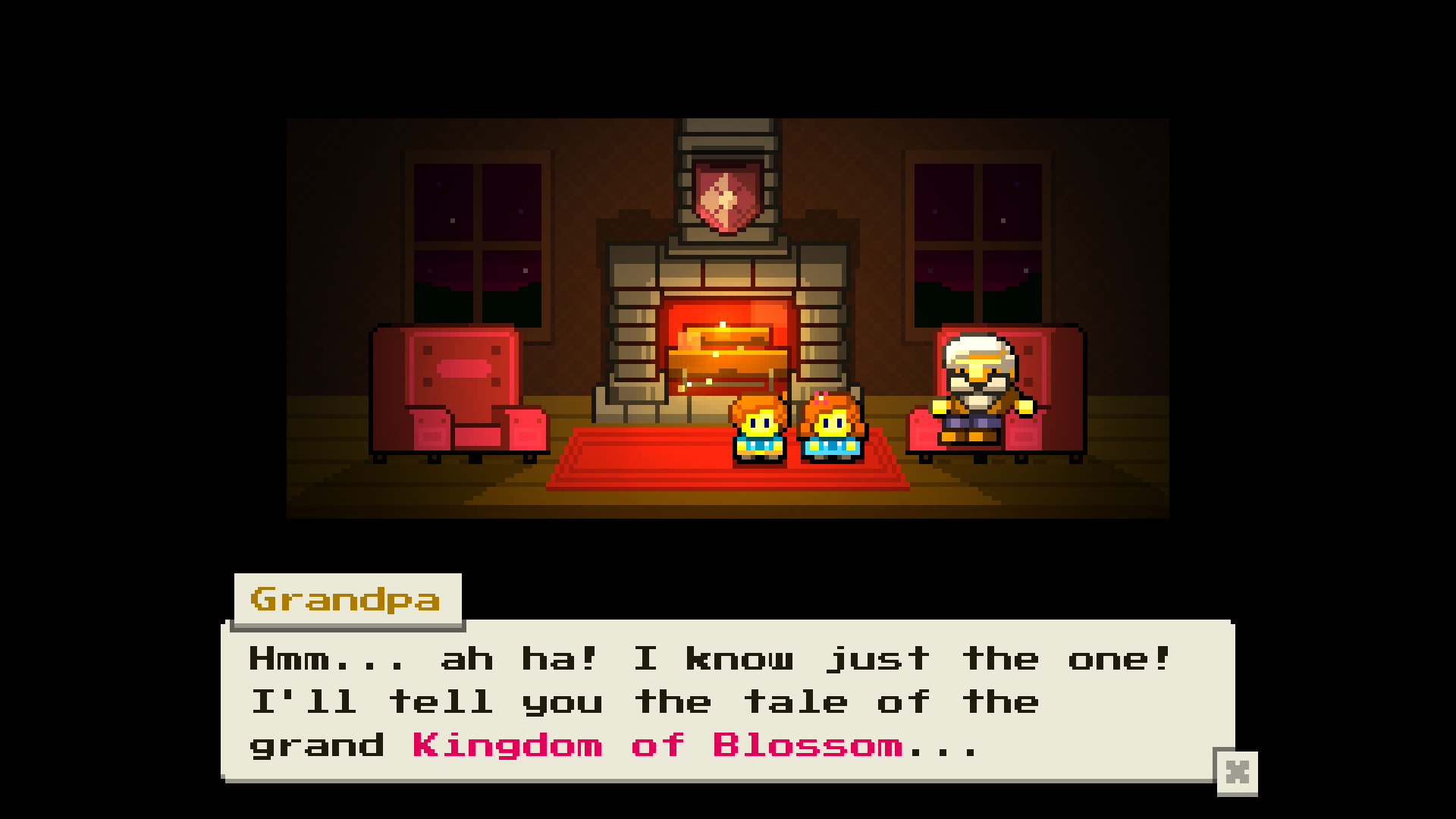
Blossom Tales is presented in the form of a fable being told as a bedtime story. Young Lily and her little brother Chrys beg their grandfather to tell them the story of Lily (yes, named after the granddaughter), who becomes a Knight of the Rose on the very same day that the evil wizard Crocus puts the king to sleep and takes over the kingdom. Lily the new Knight must now go on an adventure to save the king and vanquish the dark wizard who has taken over the land.

Blossom Tales: The Sleeping King Review

The story narrative is one aspect of Blossom Tales which separates it from Zelda in a significant way. As the grandfather is telling the story, the two kids are always chiming in with questions and alterations. The kids love to change what challenges Lily will face and are constantly asking their grandfather why things are happening. It’s all rather reminiscent of The Princess Bride, but with less Fred Savage and Peter Falk. I found this aspect of the narration to be quite adorable throughout, as items and creatures change or appear/disappear as the grandkids manipulate the story. Occasionally the grandfather reminds them that it’s his story to tell, but he happily makes the changes his two young listeners demand.

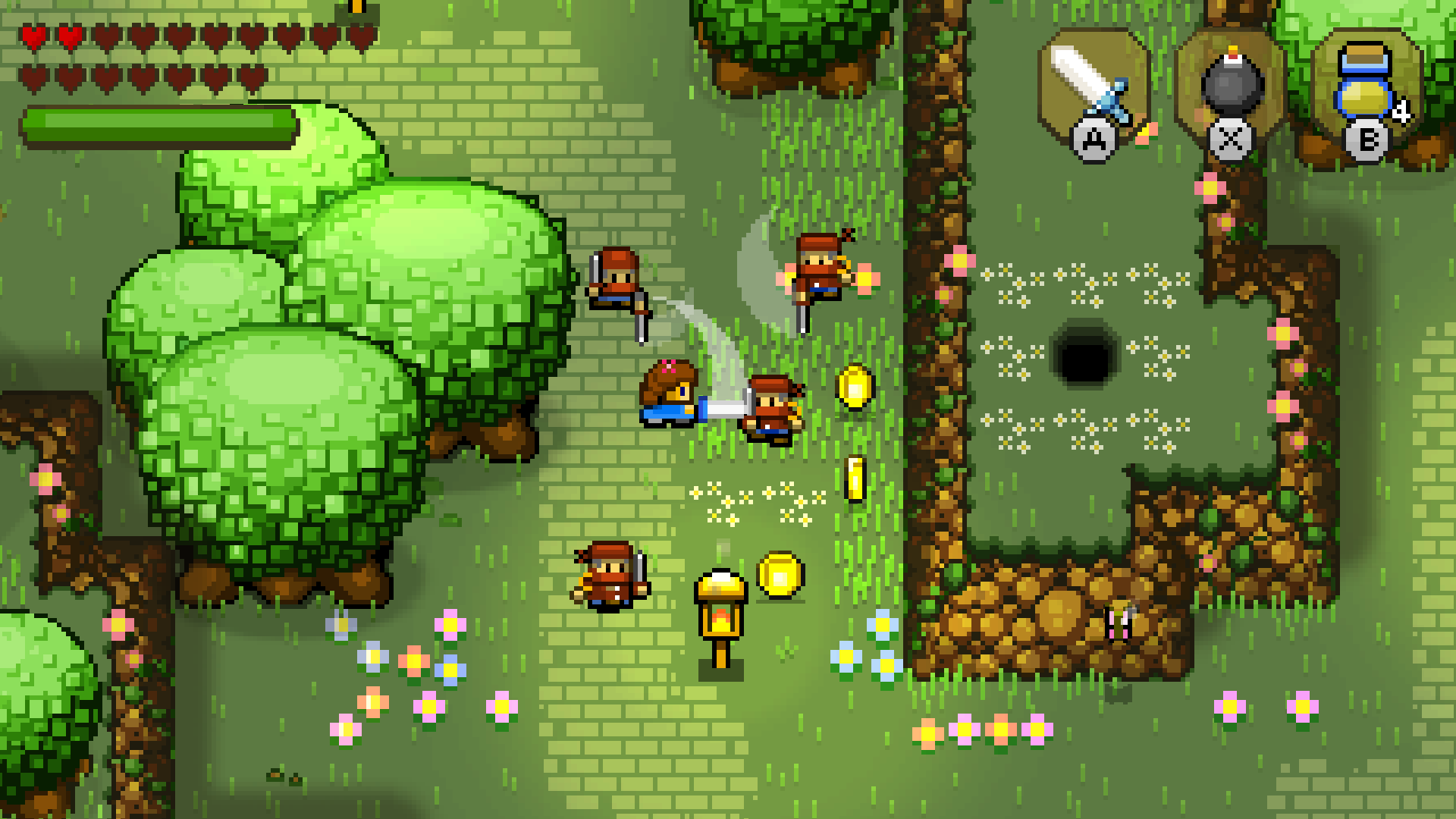
Everything in Blossom Tales, from the look, sound, and play mechanics, all feel like they’re taken straight from Link to the Past. Like Zelda, this game starts with our protagonist waking up and embarking on her adventure. Lily starts with a sword and shield but acquires more weapons throughout the journey. Although the weapons in the game aren’t unique, the way they’re used is night and day when compared to Zelda. Once you acquire an item (other than your sword), it’s now attached to a usage meter. Players can use as many bombs, arrows, and other weapons as they want, as long as their usage meter still has juice. Waiting a few seconds will recharge it, so players won’t have to look for potions as they travel. There are concoctions you can drink to give yourself a full meter, but just waiting twenty seconds also does the trick, and is much cheaper. Even your shield uses this play mechanic. Each hit you block depletes the meter, but I used my shield so little, I hardly ever noticed.

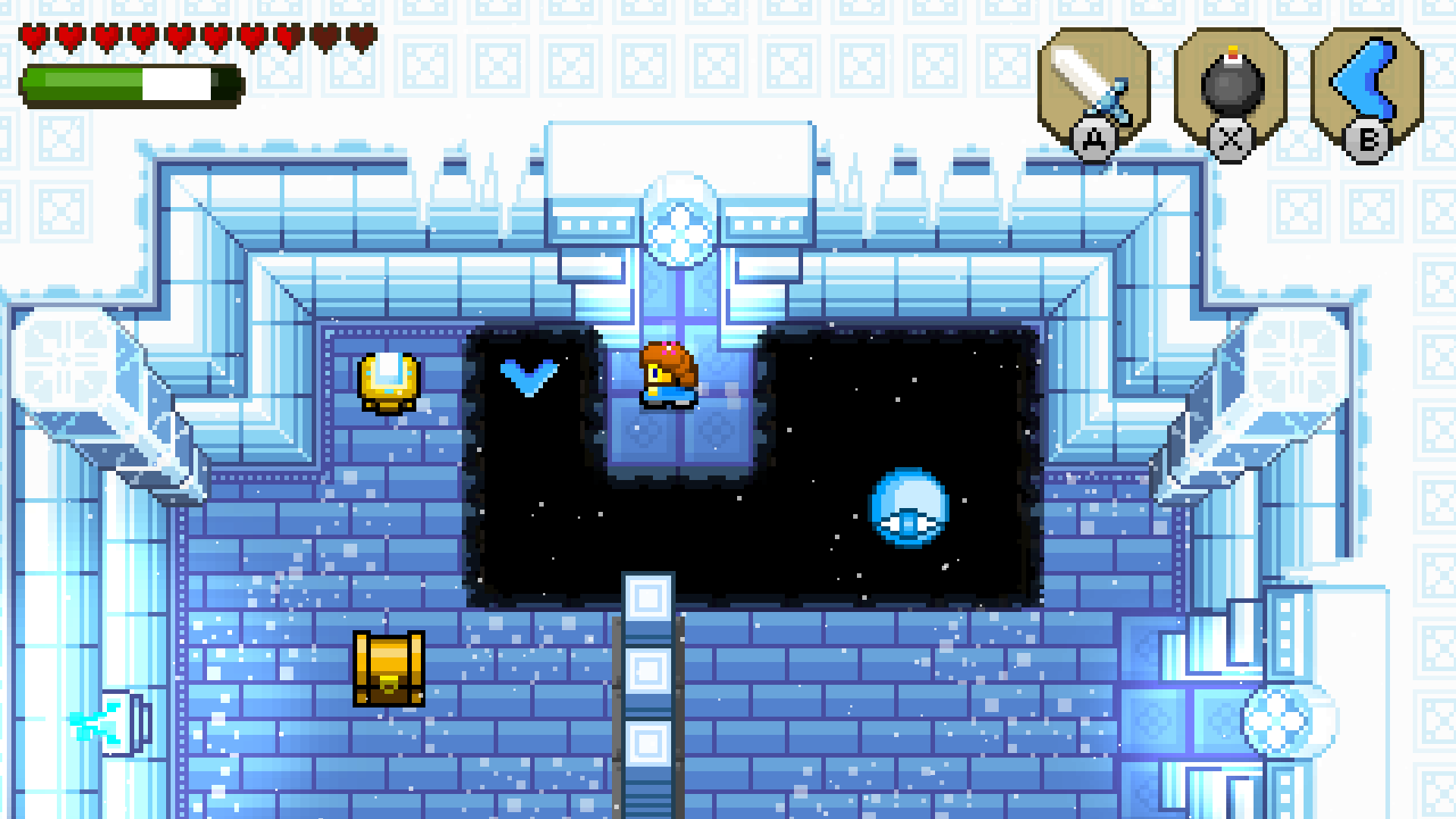
Just as in Link’s adventure, Lily can blow holes in boulders and cracks in walls to reveal hidden rooms and chambers. There are treasure chests scattered throughout, along with your typical array of stores, carnival games, and eccentric people populating the land. Lily must also collect pieces of heart in order to increase her life. If you hadn’t guessed by now, you need four pieces to make a whole heart. A part of me wishes the developers could have been slightly more creative with all of this, but at this point, everything’s been done already.

Blossom Tales: The Sleeping King Review

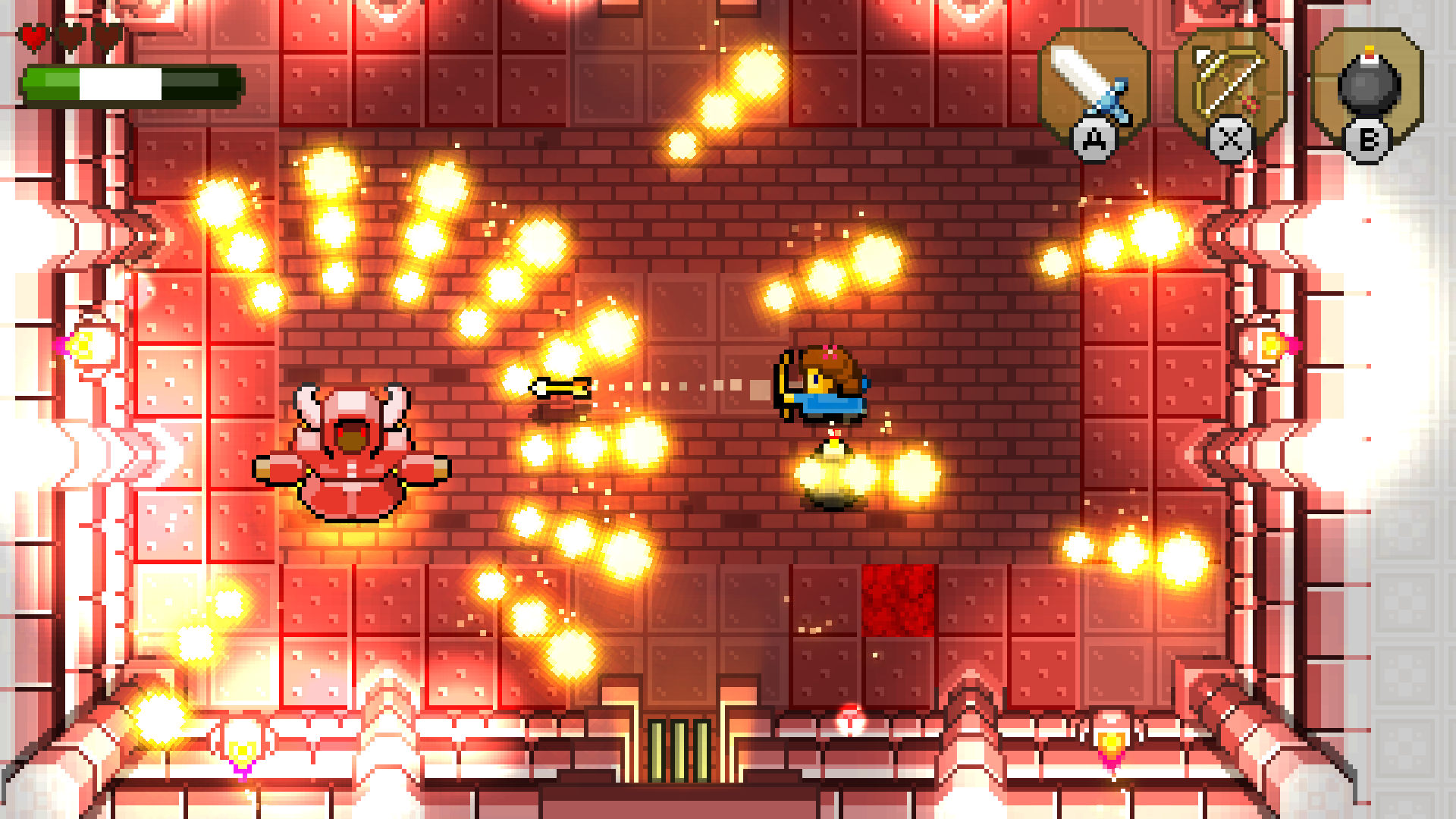
At first, using bombs and arrows willy-nilly is great fun, but after a while, you realize that’s all you really do. I hardly used my sword at all, relying on bombs eighty percent of the time and arrows the rest. It all tends to get monotonous when you can just blast away anything that comes your way.

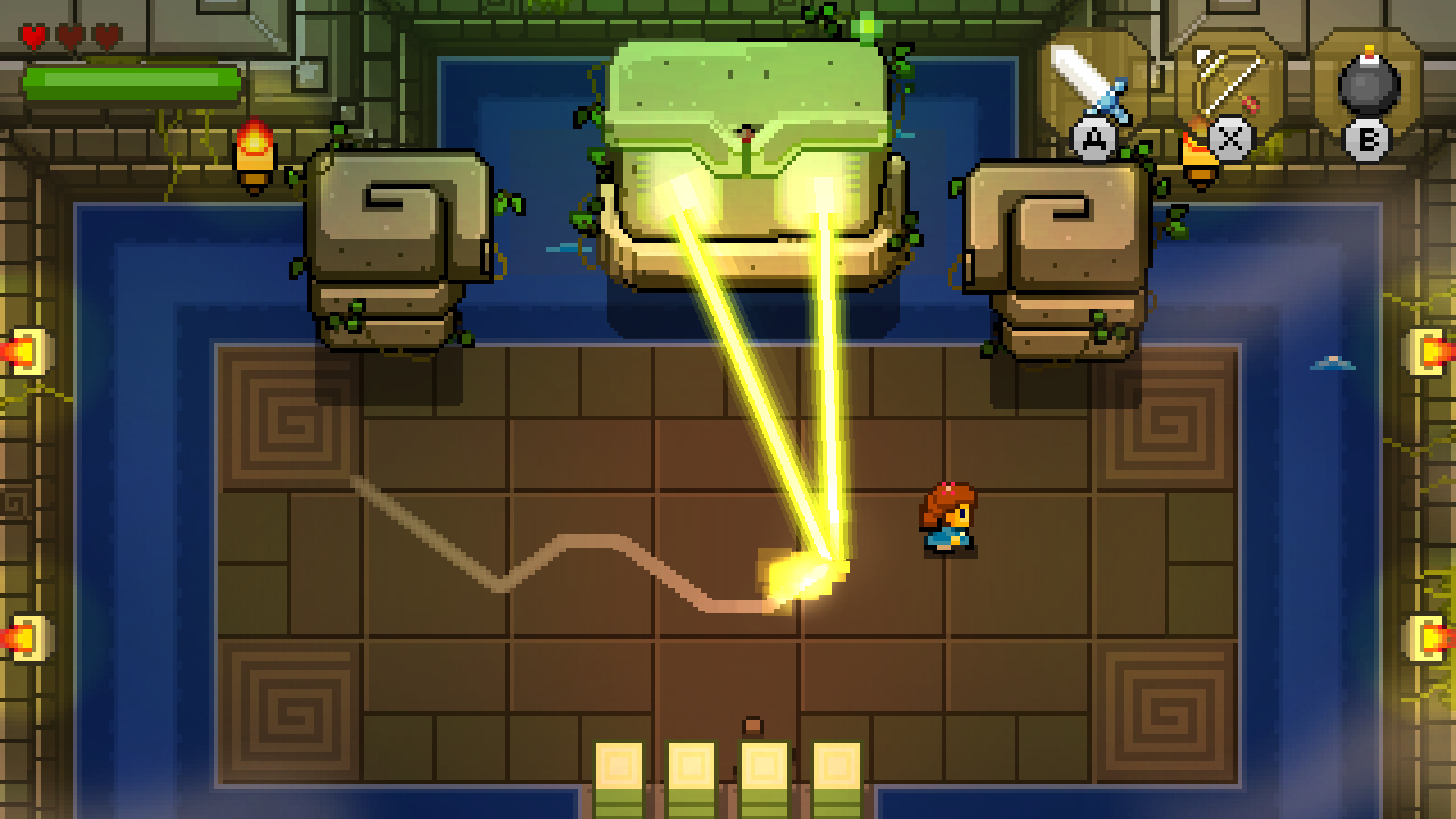
The lack of needed strategy is also prevalent in the dungeons. There are a total of four in the game, and although the layouts are large and unique, the boss fights are not. In A Link to the Past, you need weapons and items found in the dungeon to defeat that level’s boss and gain access to the next one. In Blossom Tales, I used bombs to defeat every single boss (of which there are two in each dungeon). I never once had to change my strategy, and that got boring after a while. What’s the point in unlocking a slew of items when you really don’t need any of them?

Blossom Tales: The Sleeping King Review

The game is also rather short in my mind. Aside from the monotony, I still rather enjoyed the adventure and really wanted more. In order to wake the king, Lily sets out to three dungeons to collect items needed for a recipe. This reminded me of Link to the Past, and the three pendants Link must find in the beginning of the game. Unlike Zelda, where you then must go on to acquire more items and search more dungeons, Blossom Tales ends soon after Lily visits the third temple. Once the king is awake (sorry, spoiler alert), Lily treks to the evil wizard’s lair (fourth dungeon), defeats him, and returns the land to peace and prosperity.

I was shocked when the credits started to roll soon after the Wizard’s defeat. I thought for sure, there would be more, or perhaps the Wizard escaped death or SOMETHING. If you choose to continue the game after the credits roll, the grandfather simply tells the kids that although Lily saved the kingdom, there are still heroic deeds to be done. From this point on, Blossom Tales becomes entirely about side quests and helping those you’ve met and will meet throughout the kingdom.

Blossom Tales: The Sleeping King Review

There is plenty more game to play, but without the narrative guiding everything along, it just doesn’t feel the same. There are still areas of the map at this point to uncover, and secrets to learn, but without a sense of urgency, I never felt the need to go back and keep playing. I still had several empty slots for items, but I never saw a point in trying to find them.

The best way for me to describe the look and sound of Blossom Tales is as a watered down version of Link to the Past. The game looks good, but not as refined as Zelda. The same goes for the sound, as it’s all rather pleasing to the ears, but there were times I heard things lifted directly from A Link to the Past. The funny thing, they actually make a joke about all this in the game. As the grandfather is telling the story, he nonchalantly suggests that elements of his adventure resemble that of the little elf boy in a far-off land. This and other off-the-cuff remarks actually give the game a sense of credibility as it admits it borrowed heavily from other source material.

Blossom Tales: The Sleeping King Review

There was one annoying thing I couldn’t get over about the game: it doesn’t utilize the Y button! With your sword taking up the A button, you now only have two slots for other items and weapons. With so many to choose from (although, you don’t really need them), it’s mind-boggling that the developers would simply choose to not utilize one of the main buttons. I can understand why they didn’t program anything into the triggers, but it makes no sense that the Y button is unusable. After playing through the main game, I can safely say it would have made the experience much better if they programmed the use of the Y button into the game controls.

There have been a plethora of Zelda clones made over the last thirty years and most of them never hold a candle to the original. Blossom Tales, however, may be a clone, but it most certainly holds its own. This game is the closest I think anyone has come to recreating the tone and whimsy of A Link to the Past but also manages to add a bit of its own personality into the mix. The narration and constant changes as the kids chime in add a fun and unique twist to this overused genre. I wasn’t a fan of the lack of strategy needed, nor the ease at which I could dispatch enemies. The game felt incomplete as the credits rolled, but one could say that is a good thing, as it left me with wanting more.

Keatz: The Lonely Bird Review [PC] – Being Lonely Never Felt So Bad

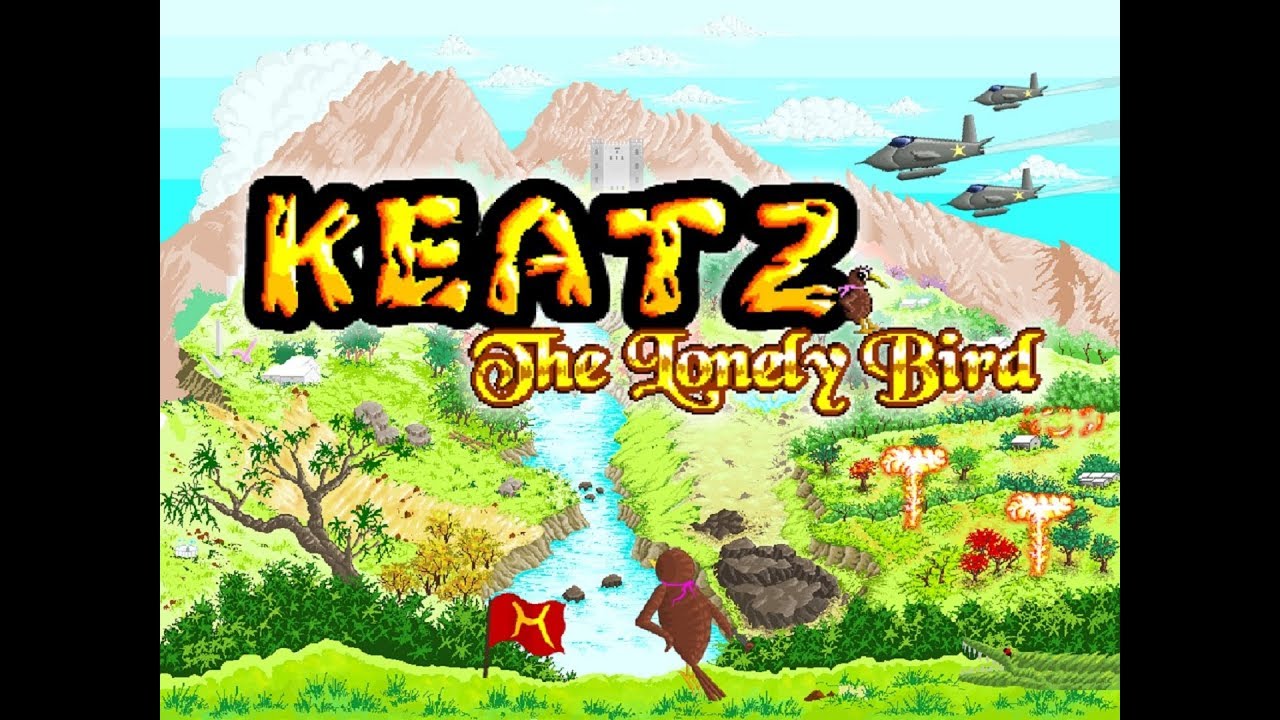
Unforgiving and unpolished, Keatz: The Lonely Bird is a dreadful story about a flightless bird whose species has been banned from the ungrateful bird community of the fowl nation – Heavens. Feeling down in the dumps and desperate to seek vengeance on all those who toss aside anyone not up to par by their standards, Keatz embarks on a 2D platforming journey riddled with flaws and errors to the core; but if dissected carefully, shows promise of much greater future endeavors from the young indie developer – Anamik Majumdar.

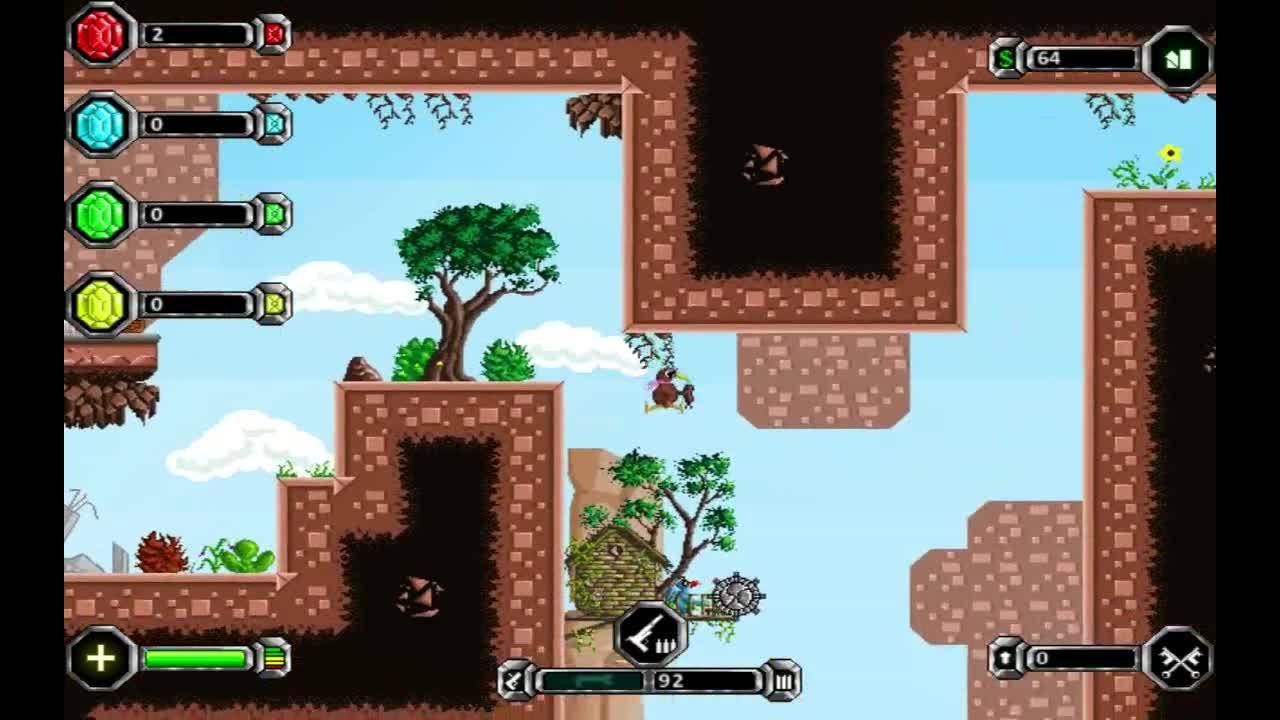
After a rather heart-wrenching introduction, players take over as the flightless bird, Keatz, and begin firing away with the mysterious gun they obtained in a dream. Now flightless but deadly, Keatz is able to hop around the moderately sized platforming levels in search of a variety of different coloured gems, and that precious loot we all hunger for: money. Throughout these clunky platforming levels, players may take notice that they have no ending location. They’re simply over when the player has completed the objectives mentioned on the loading screen before the level starts.

Keatz: The Lonely Bird
Keatz: The Lonely Bird forces players to embark on a challenging 2D platformer, using a painful control scheme.

It’s easy to find the frustrations that leak through the cracks of Keatz: The Lonely Bird. The scavenger hunt to seek out all collectable items to end the level comes with its own share of miscues. Passing up important collectables only to be forced to backtrack across otherwise impossible one-way platforming obstacles is a rage-quit inducing tactic and happens frequently. The level design is unique and shows a decent amount of challenging traps and hazards, but still lacks the finishing touches to leave a positive impression.

Ouch, Those Controls Are Painful

The smooth controls in a platformer are key in creating a memorable and delightful experience for gamers. Both the keyboard and gamepad options feel clumsy, offering an unwelcome learning curve to manoeuvre around the sticky movements. When using a gamepad, the game forces players to use the left analogue stick to move left and right, but also using it to jump as well. The face buttons don’t exactly hinder the experience, but moving and hopping about the levels are often a wild beast that can be rather frustrating to tame.

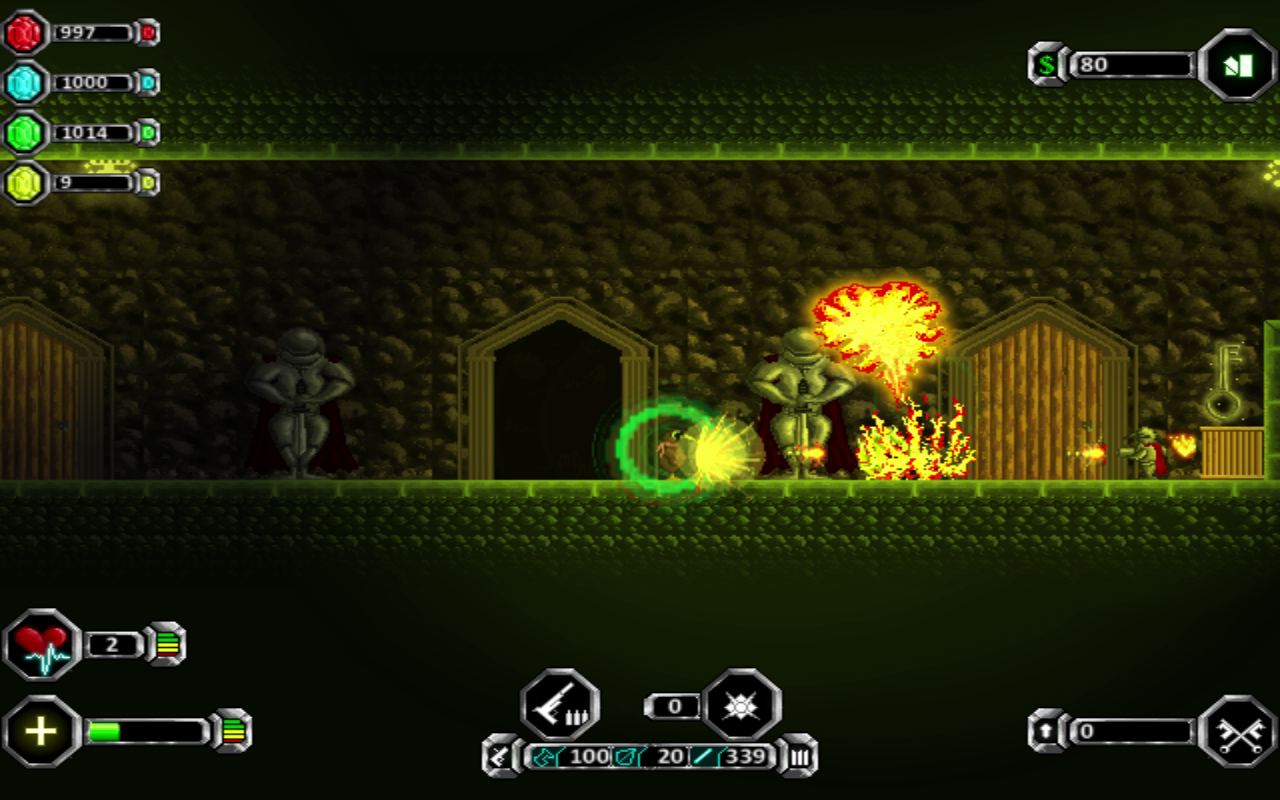
Other than gems and cash to collect, there are also health packs, ammo crates and other similar useful items. Guarding many of these items are the enemy bird henchmen that fire away at Keatz on sight. Through a variety of different weapons, players will need to persevere through a relentless amount of trial and error to continue further in the campaign. There are a total of 20 levels to play through, both available in easy and hard modes. However, these difficulty settings don’t help with the obvious holes and clumsy mechanics featured in the game.

Keatz: The Lonely Bird
Across 20 different levels, players will find themselves in many different settings filled with a variety of deadly enemies and hazards.
Keatz: The Lonely Bird

There’s not much to the simple platformer in terms of story – a lonely bird cast out from an overruling government wants revenge. Yes really. The story seems to strike a chord of personal feelings from the developer as a positive message to not let someone’s unwelcome judgement anchor you down. It’s unfortunate, however, that the gameplay and mechanics themselves un-apologetically anchor the story down with glaring frustrations, issues and an overall unpolished feeling. Through all of the clunky moments and my rotten words towards the casual platformer, there’s still some dim light that shines through the ever-present cracks in Keatz: The Lonely Bird.

You can find Keatz: The Lonely Bird available for PC on Steam coming this January 2018.

Azkend 2: The World Beneath Review [Nintendo Switch] – A Refreshing, Fun Match Puzzle Game

It’s no secret that I’m a little tired of mobile games being ported over to the Switch (and every other console). If you missed it, please check out my review for Dustoff Heli Rescue II and read my thoughts on the matter. Once again, I‘m faced with a five-year-old game, previously released for everything from Windows to iOS and Steam, and I have mixed feelings. Azkend 2: The World Beneath by 10tons, is yet another match-three puzzler among a million, but even though it’s ported from a mobile version, I find myself slightly addicted to it. The game isn’t perfect, and a part of me would never have paid for it on mobile, but even I can admit when something is downright fun, polished, and a good time overall.

Azkend 2: The World Beneath

I’m going to start by laying out the story as I always do, but why this game needs one at all is beyond me. Mini-rant time! Why do puzzle games have a story? I never understood a developer’s need to justify simple match gameplay by writing a whole convoluted backstory behind it. It’s a PUZZLE GAME, not a swashbuckling adventure. With that said, Azkend 2 actually has a nifty backstory for players, even if it has no point to the actual game.

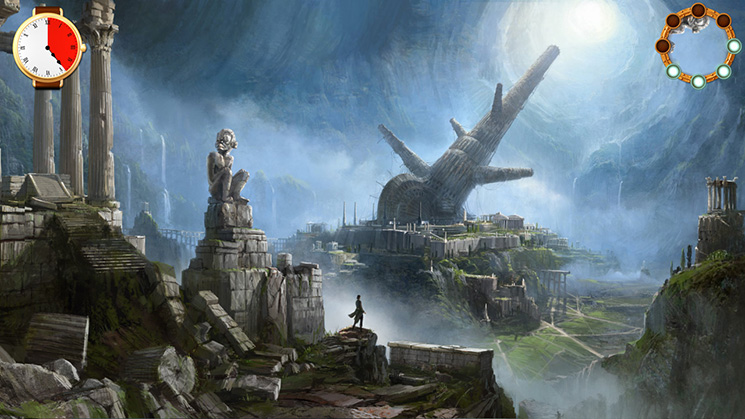
As the protagonist, you’re sailing from Liverpool to New York, when out of nowhere, your ship is pulled down to the unknown depths of the sea. Turns out, you’ve travelled to the centre of the earth, where ancient civilizations and wonders never before seen by man await you. If this were Tomb Raider or another one of Nathan Drake’s adventures, it would be awesome, but it’s not. It’s a match puzzle game, plain and simple.

Azkend 2: The World Beneath

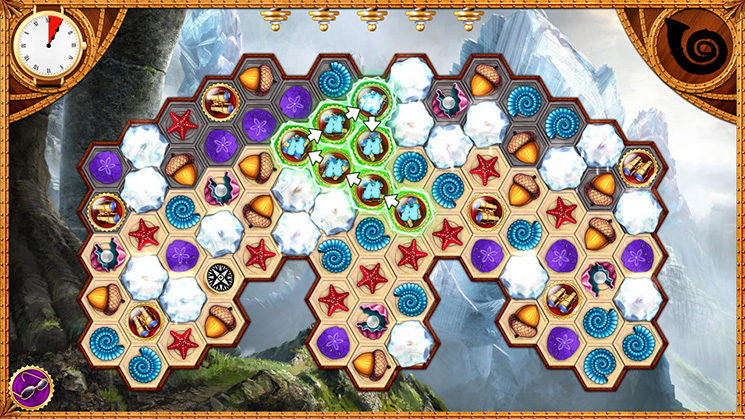
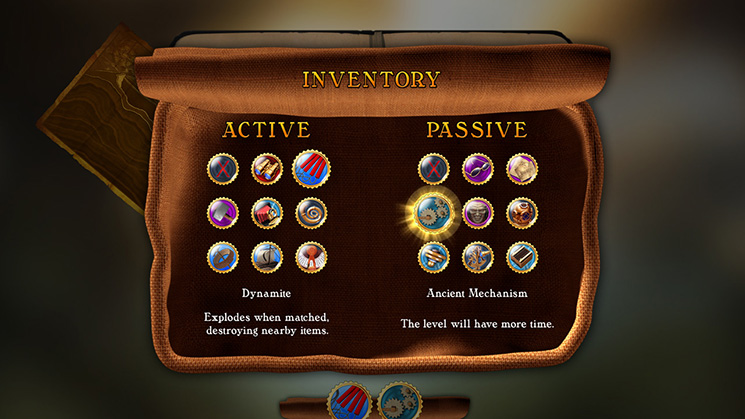
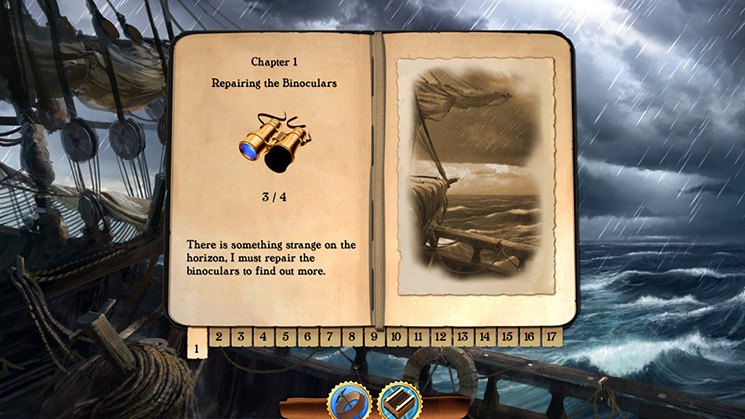
As you navigate this mysterious world via cutscenes, you must seek out and find/fix objects needed to get home. In order to do this, you simply play the game. Each completed level yields a piece of object X, which when put together, can be used to aid in your quest. Each object has some kind of power or trait that can have an effect on the game board. For instance, the binoculars, when matched three or more, will cause random tiles to fall off the board (that’s a good thing), or matching three or more dynamite sticks will cause surrounding tiles to be blown away. Although I feel the story behind finding these objects is unnecessary, the actual usefulness and implementation of them is outstanding. The collectable power-ups add another dimension to the simple match puzzle premise.

Azkend 2: The World Beneath

In between rounds, players are treated to beautifully drawn cutscenes that propel the story further. While in these scenes, you get to take part in hidden object minigames. This aspect of Azkend isn’t overly sophisticated but definitely adds another layer to a tired genre. With over 60 levels in story mode alone (plus time trial and medal modes), 10tons has packed a lot into this little game.

Azkend 2: The World Beneath

Azkend 2 plays well using the Joy-Cons, but speed and accuracy do suffer slightly (levels are timed). Luckily, this is the Nintendo Switch, and with it, comes a nifty touchscreen. The game works even better in handheld mode, and using your finger on the touchscreen is incredibly more efficient than a controller. The game plays well when docked, but I personally loved the ease at which I could match tiles while using the touchscreen. I should also note, in docked mode, the subtitles (which can be turned off), appeared to stretch beyond the edges of my television. When I played it in handheld mode, the text was normal. Most likely, a port issue, but it has zero effect on the play mechanics.

The soundtrack is described as “cinematic” by the developers, and I actually agree. The incomparable Jonathan Greer (Owlboy OST, Sparkle, etc), recorded music that you’d normally find on an epic adventure game, and I really enjoyed it. There isn’t much in the way of visuals in match puzzle games, so the fact that we get a great original score fees like a treat. It’s a little thing but goes a long way in elevating the experience.

Azkend 2: The World Beneath

As I have said countless times with other mobile ports, this is an old game with an even older premise. Although 10tons does offer a slightly fresh take on the genre, players shouldn’t go into it thinking they’re getting anything unique. However, as I have also stated in the past, this is the Switch, so no matter how tired a concept may be, this little wonder console can breathe fresh air into things that have gone stale.

Sparkle Unleashed

Sparkle Unleashed Review [Nintendo Switch] – Holds Its Own

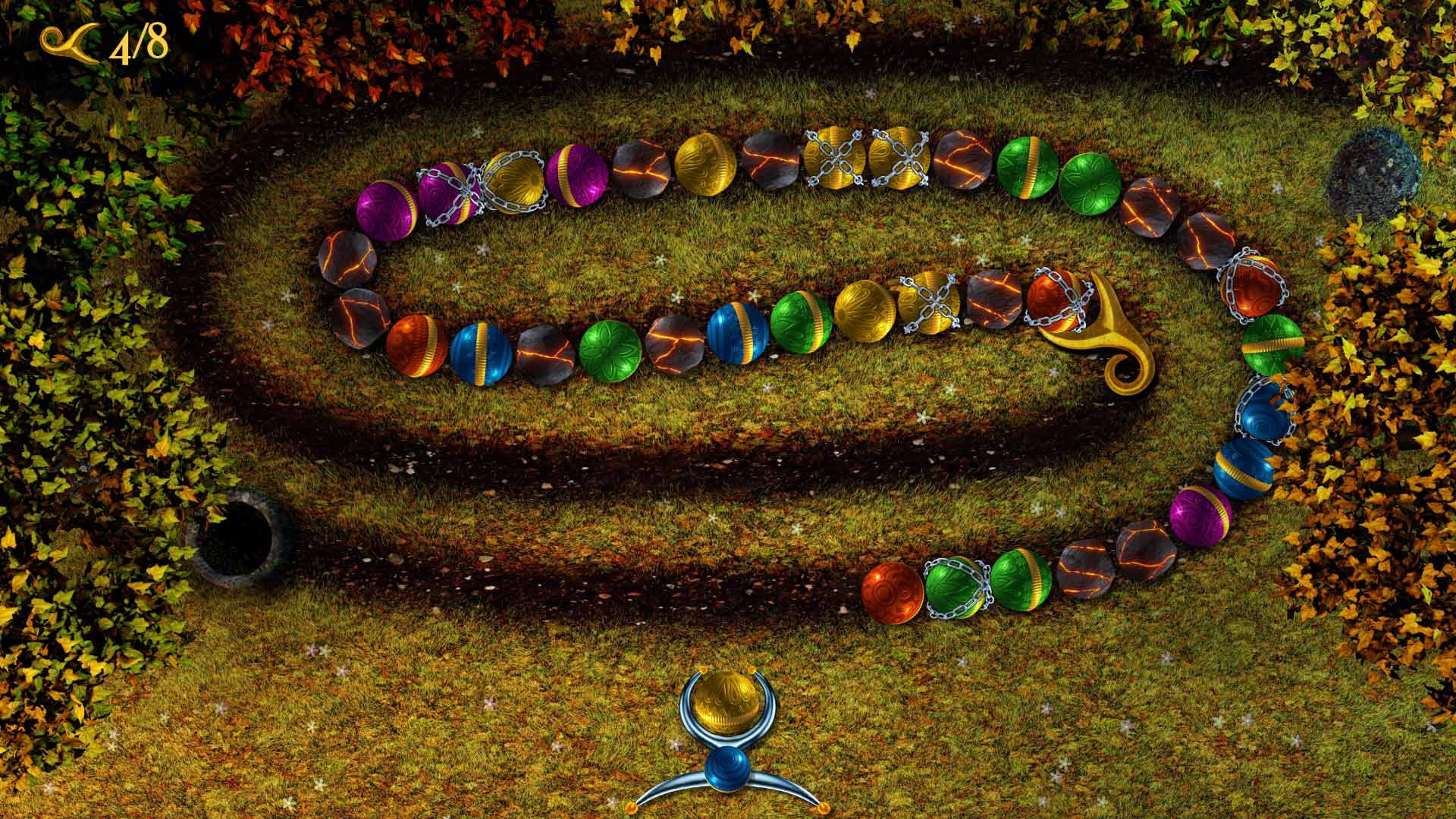
Just over thirteen years ago, I had a job as a tour guide for a large news organization in New York City. During our downtime in between giving tours, my fellow guides and I would play games and watch movies on our respective computers. One particular game I became quite fond of was Zuma, an orb-matching puzzler that was simple, fun, and a great way to pass the time. I played the hell out of that game, always trying to beat my high scores. Since those days, I have discovered that dozens upon dozens of Zuma clones have come out on a multitude of platforms. Some of the clones are identical, while others are simply wearing a shiny new skin but still maintain the basic premise.

It would seem that 10tons have decided it too needed a clone of its own with bringing Sparkle Unleashed to the Nintendo Switch. It might just be me, but there seems to be an ever-increasing amount of game knock-offs and it’s getting old. However, I adored Zuma back in the day, so at the very least, Sparkle is an above average copy that improves on the original and makes good use of the Switch’s touchscreen.

Sparkle Unleashed

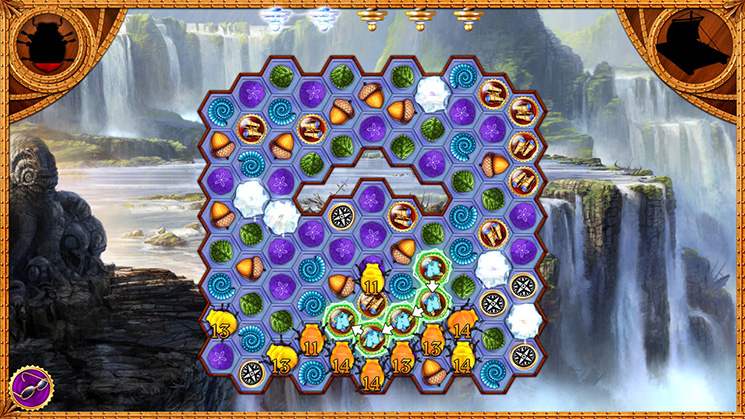
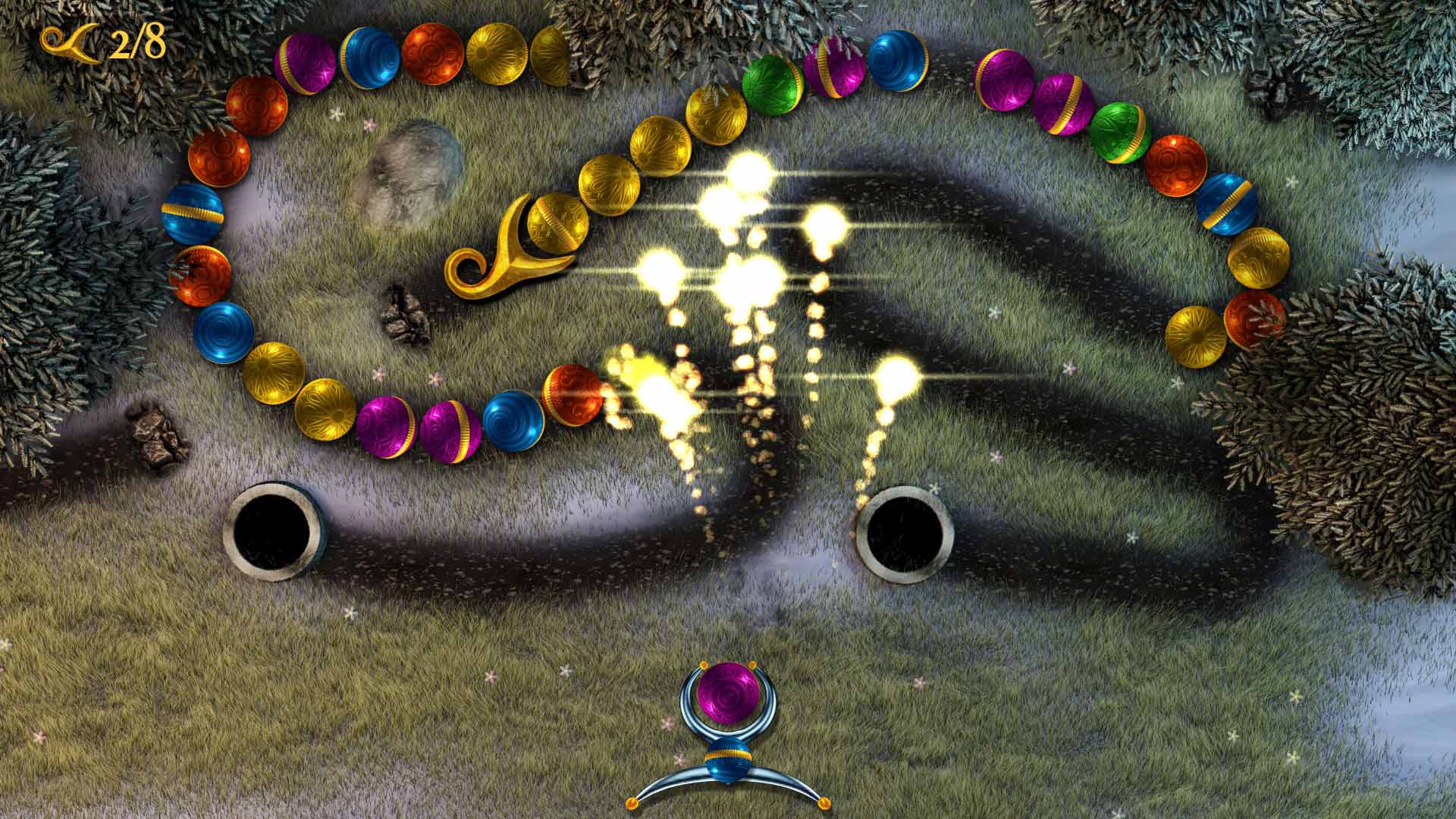
If you’ve never played Zuma or any of its billion clones, I’ll give you the two-cent tour to catch up. As I stated above, Sparkle Unleashed is an orb-matching puzzler where players must match like-coloured orbs before they reach the end of the path. Once the orb at the head of the line reaches the abyss, the game is over and you have lost. There’s some skill involved when it comes to aim and placement, but it’s a simplistic game, no matter which version you play. 10tons has added in a background story and a reason for all the orb–matching, but to be honest, it doesn’t add anything to the overall game.

There are fair amounts of useful power-ups that give players a healthy advantage during each round. Acquired via multiple colour match combos, these power-ups can slow down time, blast away orbs, and more. I rather enjoy these quick action items, as they can really help when you’re overwhelmed and about to lose it all.

Sparkle Unleashed

Just as in the source material, Sparkle’s difficulty increases as you advance through over one hundred levels. At first, the orbs move slow and are few in number, but after you’ve played some rounds, they start to come from multiple directions and speed increases exponentially. I can attest to the fact that it can get frustrating if you miss a shot or fail to snag that needed power-up. The way your adrenaline shoots up as the orbs inch closer to the abyss reminds me of the original Tetris and how I was stressed each time my tower of blocks quickly rose to meet the ceiling. In both cases, game over is inevitable and only a miracle placement can save the day.

This port plays much better in handheld mode, as the game takes full advantage of the Switch’s touchscreen. In fact, I find it far easier to play when undocked and on the go. The Joy-Cons do a good job at aiming, but the precision the touch screen offers is far superior. This is especially noticeable as the game speeds up, and you can’t aim or shoot fast enough. In handheld mode, just tap the screen where you want the orb and it instantly heads in that direction. I’m not saying the game is impossible while docked, but players will find a significant disadvantage in playing that way.

Sparkle Unleashed

I want to make sure players don’t go into this thinking 10tons reinvented the wheel or anything else for that matter. Sparkle Unleashed and all the other Zuma clones have been available for over a decade, but that doesn’t mean this iteration doesn’t deserve a little bit of your time and Micro SD card space.

Tiny Metal Review

Tiny Metal Review [PS4 Pro] – A Doppelganger Without The Flair

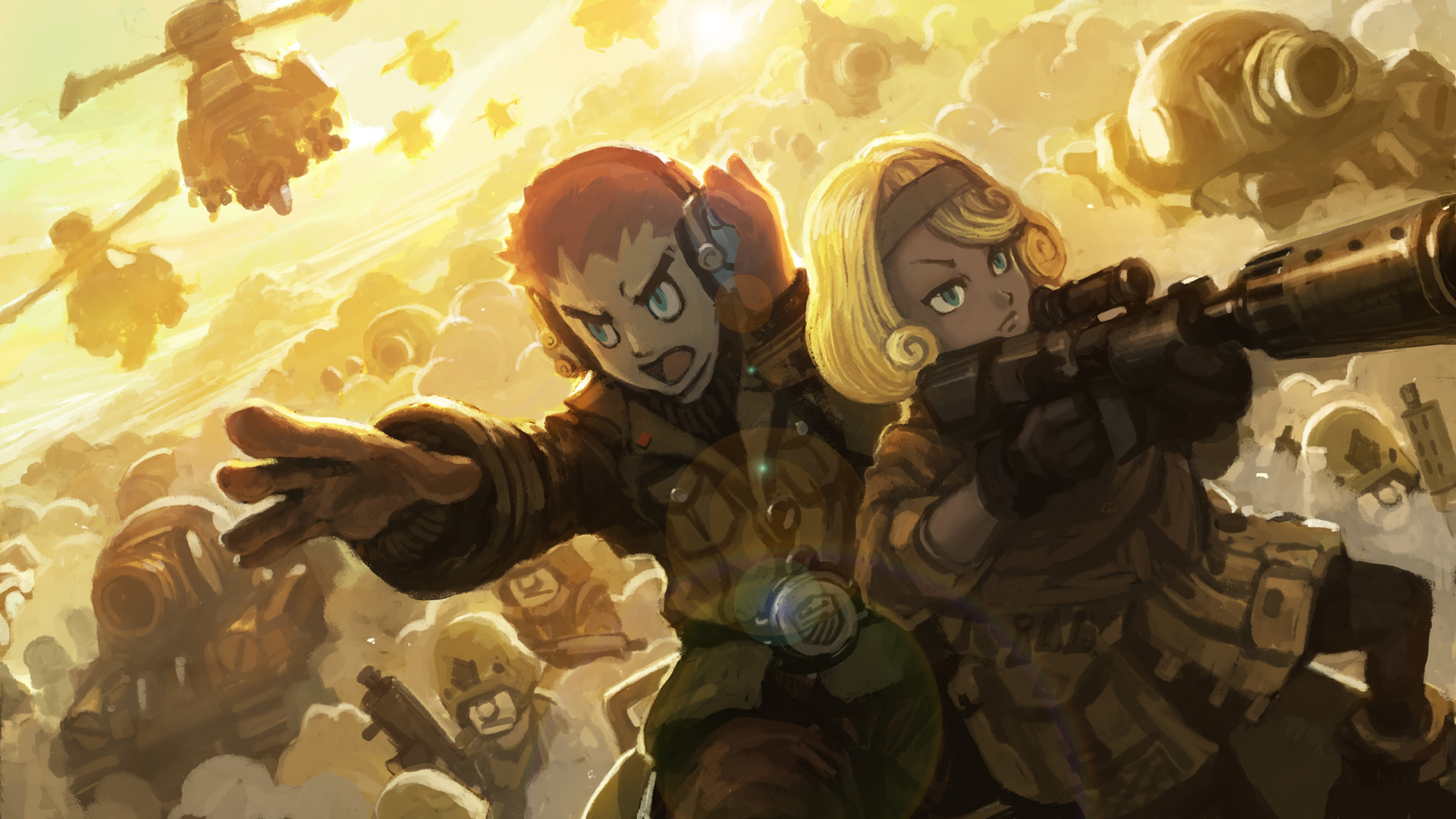
It would be difficult to review Tiny Metal without referencing the Advance Wars games from Intelligent Systems. Perhaps “difficult” is an understatement. The Japanese developer Area 35 has stated that the new strategy title was ‘inspired’ by the series. They wanted to make the game they desired to play, but not clone it. Honestly though, for all intents and purposes, this is fundamentally a carbon copy.

Tiny Metal Review: Black Hole Rising

Now, that doesn’t automatically mean it’s a bad game, does it? A great developer will observe others around them, use the best ideas and then create something from that for themselves. Unfortunately, Tiny Metal fails to achieve the latter part, adding little to the magic formula on its own. Ergo, it stops short of being anything truly special, even if Advance Wars has been strangely absent for so many years.

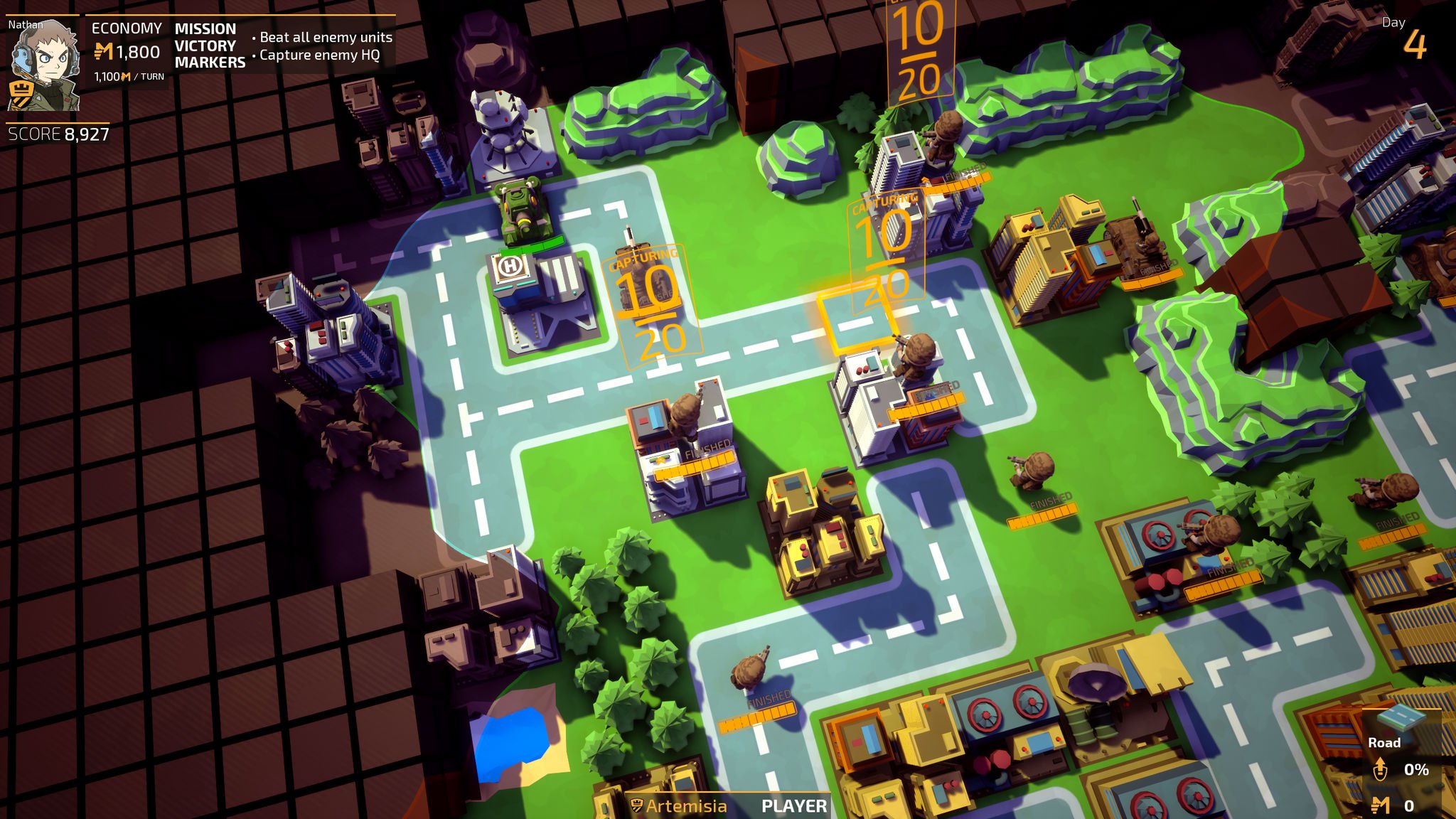
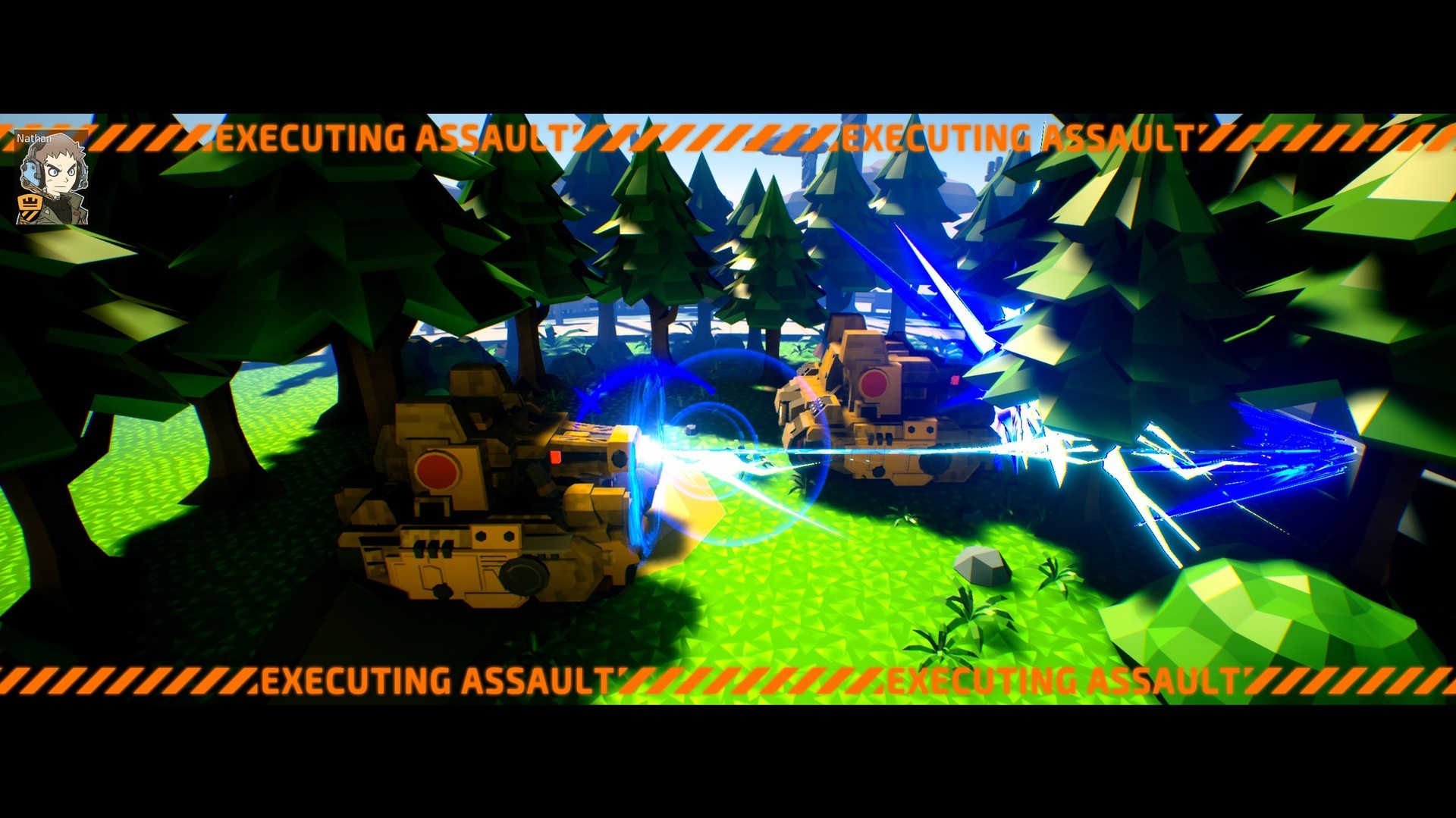
From the way the battlefield view and individual battle scenes are presented, to how the units look and behave, to the way the characters debate the existentialism of war, almost everything in Tiny Metal has been taken from Advance Wars. It’s brazen, and yet somehow respectful of the series, but without the precision.

With all that being said, both Advance Wars fans and newcomers to turn-based tactical strategy games will find something to enjoy in Tiny Metal.

Tiny Metal Review

Grid-Based Strategy Goodness

The single-player campaign in Tiny Metal is meaty, with 14 main missions to complete, and supplementary ones to unlock along the way. Although I didn’t find it to be of the same challenge as Intelligent System’s classic campaign offerings. The game runs smoothly in 4K, 60fps on PS4 Pro, with clean visuals and catchy tunes. There is a multiplayer mode, or will be – it’s coming later and is not available at launch – which is a bit odd.

The story, presented through slightly bloated dialogue scenes, regularly challenges and questions the mistakes of humanity. Living by your own code, not asserting your views on others, the implied fickle nature of us all – there are some surprisingly deep and meaningful discussions to be found within.

While not offering groundbreaking additions to the formula, I still enjoyed the small differences from Advance Wars as well. Yes, there are a few reader! Additions like the fact units rank up the more you battle with them, making them harder to take down. Or the option to call in special named-units with added perks and abilities – William Bishop is a fighter pilot who really excels in the air, with more expertise than standard units, for example. There’s also a “Focus Fire” command on the grid which combines the attacks of your units for bonus damage – something to consider when pushing forward.

I even got some pleasure from finding the hidden labs which unlock the aforementioned “MX” missions and extra dialogue. Although taking the time to find these can hurt your mission score, so it’s a little incongruent with the ‘finish in as few moves as possible’ central premise.

Tiny Metal Review

It’s a shame that Area 35 didn’t really leave their own mark on the established Advance Wars series with Tiny Metal then. A decent campaign and story, along with minor changes, aren’t enough to make this essential, but make for a solid experience nevertheless.

Fearful Symmetry and The Cursed Prince

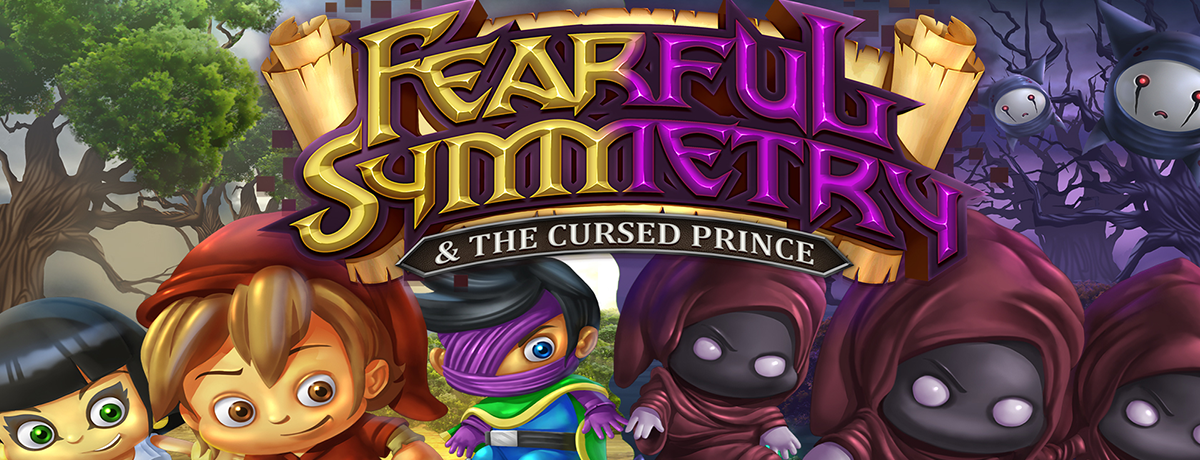
Fearful Symmetry and The Cursed Prince Review [PC] – Puzzling Symmetry For Everyone

The gameplay of Fearful Symmetry and The Cursed Prince shows its teeth as a mind-twisting puzzler that forces players to think for two characters at once. The unique spin on this puzzle game is refreshing at the same time as being equally frustrating. Taking on two separate screens at once is a welcome challenge for this gamer and one that tends to keep giving throughout its short but sweet campaign. From the added challenges that begin to surface, to the new characters to unlock to help change the gameplay, Gamera Interactive is helping to introduce a distinctive spin on the puzzle-solving genre.

Fearful Symmetry and The Cursed Prince
Fearful Symmetry and The Cursed Prince tells the tale of two universes, forcing the player to guide their hero through parallel dimensions at the same time.

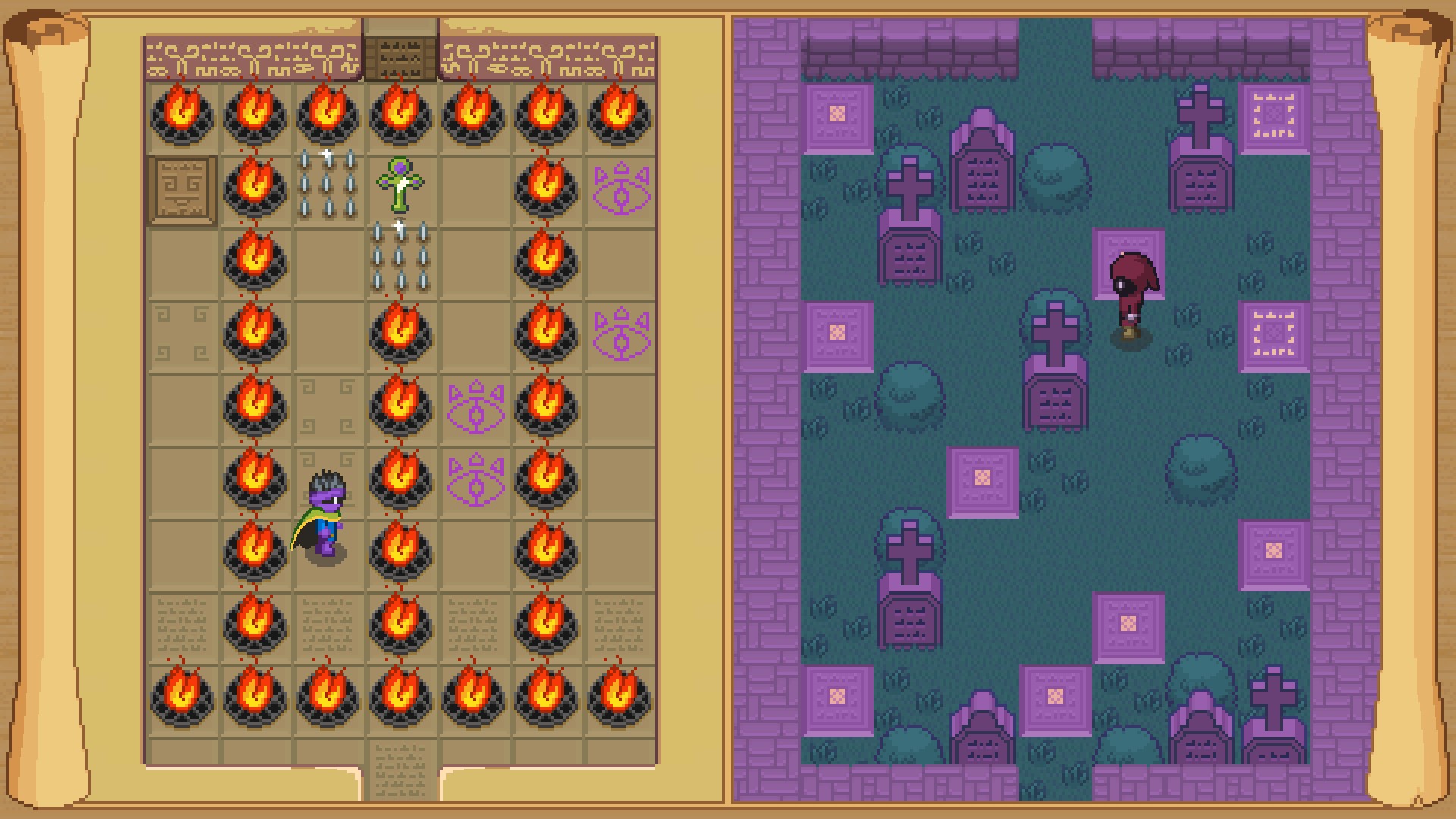
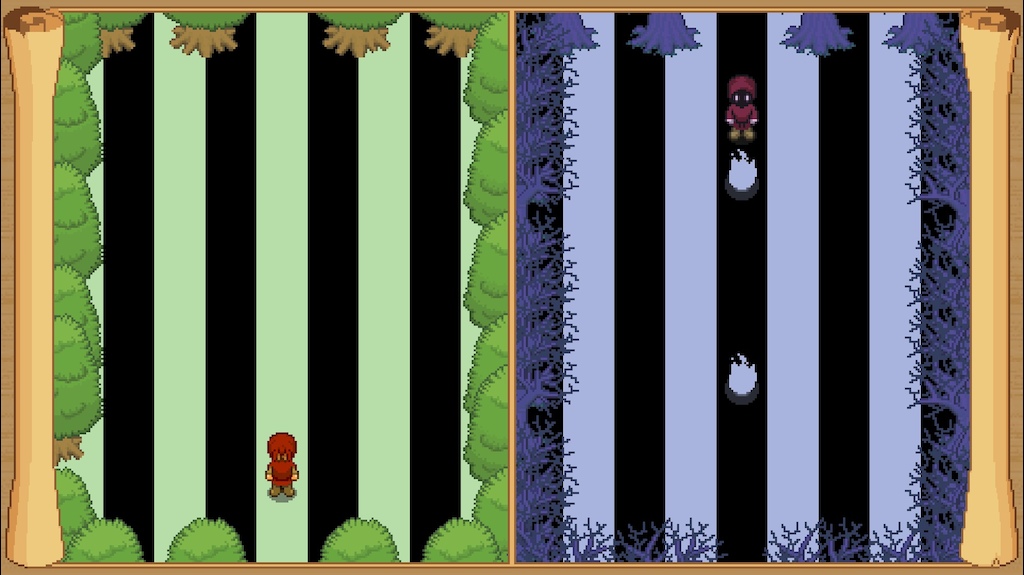
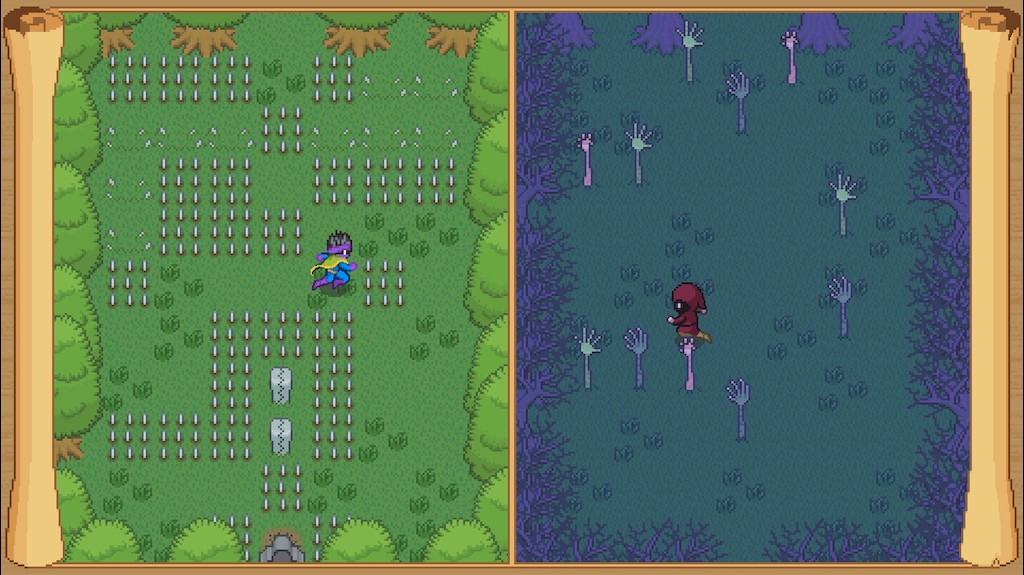
Taking on the role of a prince who snatched the sacred cursed scroll, you’re now compelled to escape this symmetrical universe and return the scrolls to their rightful owner. Where the puzzling comes in is how the challenges present themselves throughout the game. The screen is divided into two symmetrical sides: one light, one dark. Players control their hero on both sides of the screen, navigating each side through dangerous traps and challenges. The trick is that the character on the left makes their way from bottom to top while the right goes from top to bottom. This makes controlling both your dark and light-sided hero quite the thought-inducing challenge.

A Symmetrical Experience

Moving up on one screen will cause the other character to move down, and vice versa. Right is left and left is right, making for a unique twist on what would otherwise be a simple puzzler. As the levels continue onward, more obstacles inevitably present themselves introducing a subtle learning curve. Thinking about your every move twice is a new habit to adapt to, one that is crucial in keeping your character from perishing. There is plenty of time spent on planning your pathway and perfectly avoiding any dangers.

Fearful Symmetry and The Cursed Prince
Though the standard campaign levels are complex and trivial at their own accord, the uniquely designed bonus levels are a step ahead of the campaign dungeons.

While at the beginning of the game where the dangerous obstacles stay stationary, more ghastly spirits and moving objects begin to enhance the strategy. Ghostly AI spawn in or fireball spitting plants cross your path, players must be abundantly aware of what’s occurring on both sides of the screen. If players are unaware of the dangers on one side of the screen or the other, a quick death most certainly awaits. A quick restart keeps the game flowing at an easy pace to keep hacking away at the correct path to success.

Numerous Ways To Play

Though travelling from one side of the dungeon to the other for both sides at once is the main objective, in each dungeon on one side rests a bonus key. Collecting these keys will eventually unlock bonus levels that present even more difficult challenges. However, these bonus levels award players with two new playable characters when specific ones are completed. On top of new and unique characters to play as these bonus levels are excellent ways to drive more hair-pulling puzzles out of your twitching fingertips.

Fearful Symmetry and The Cursed Prince
The first hero is unlocked from the start, after enough bonus levels, two other characters equipped with their own unique abilities offer a different perspective on the puzzling title.

Out of the three characters to choose, each one offers a unique twist on conquering the levels. While traversing through the standard way by walking around the spikes, fire and ghostly enemies in traditional strolling fashion, other unique abilities may be equipped when played as one of the other characters, such as the ability to teleport over obstacles. The initial campaign is relatively short – sitting at about an hour-long. Still, two characters to unlock – each with their own unique skill – and the challenging bonus levels add a bit more depth to the game.

There’s not too much to Fearful Symmetry and The Cursed Prince – but there is some addicting gameplay to be had. Taking on parallel worlds at the same time is a unique twist on the genre, great for gamers of any skill level to take on the challenge.

Wolfenstein II: The New Colossus Review [PS4 Pro] – Welcome Back, Captain Blazkowicz

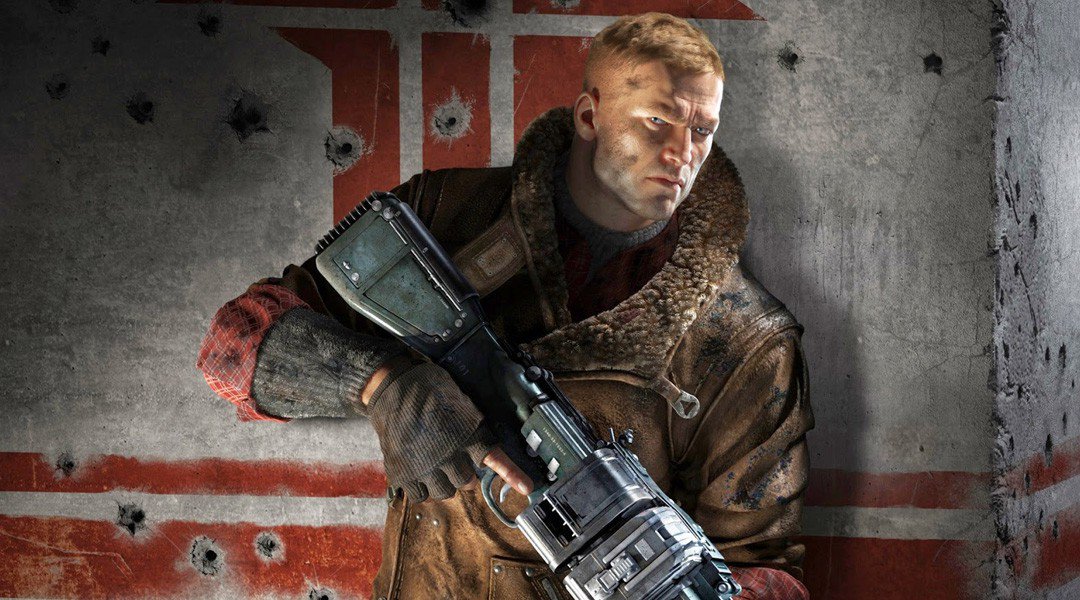
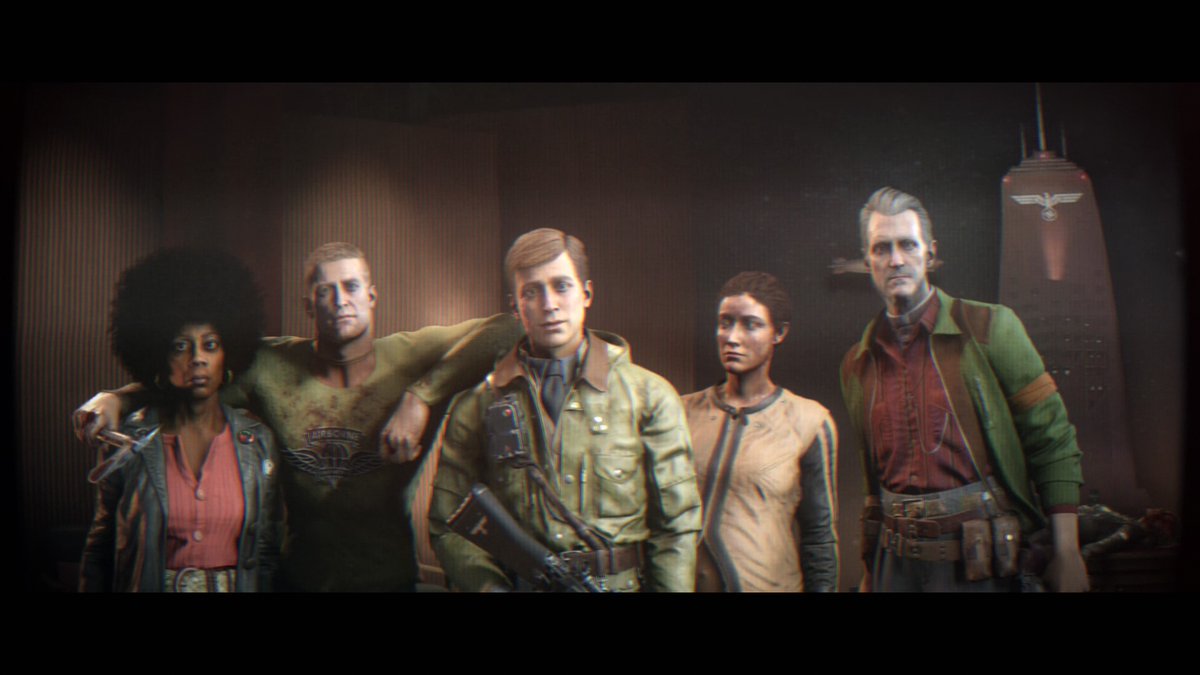
Wolfenstein II: The New Colossus is an excellent sequel to one of the most iconic shooter franchises in gaming. The re-imagining of the classic series takes players back to the Nazi regime, which in an alternate universe has successfully conquered the globe. It’s grounded by the sheer badassery of Captain William Blazkowicz, and the group of revolutionary soldiers fighting for the freedom of the people. The New Colossus beefs up the action and mayhem while taking players through a thrilling narrative filled with plenty of Nazi-slaughtering anarchy.

The Nazi regime continues onward, but the revolution is just getting started.

Coming straight off of The New Order, the story of Captain Blaskowicz and the revolutionaries continues to deliver throughout the sequel. Upon slowly recovering following the events of the predecessor, the story of the Nazi regime continues to unfold while you trail the dreadful right hand of the Führer, General Engel. Throughout her tasteless and morose personality, the writers from Machine Games have done an excellent job in creating a villain so frustratingly real, someone brimming with so much hatred, one can’t help but look forward to the day Blazkowicz finally brings her down. The adrenaline rush that guides players across the surprising and roller coaster of a story is an anchor of the Wolfenstein series; and one that seems to only ripen delectably with age.

Does This Thing Kill Nazis?

One of the biggest changes from the 2014 release is the ability to hang to all of the weapons BJ discovers. While in The New Order players were forced to start new areas and chapters off with only a limited supply of weapons, once retrieved from fallen enemies, Wolfenstein II allows Blazkowicz to keep his arsenal of unique weaponry throughout the entirety of the game. On top of this little luxury, players also have the option to upgrade each weapon with three various enhancements. Among the litany of different collectables scattered throughout the campaign are weapon upgrade gears, and once applied can completely transform the damage and shooting style of the initial starting weapon.

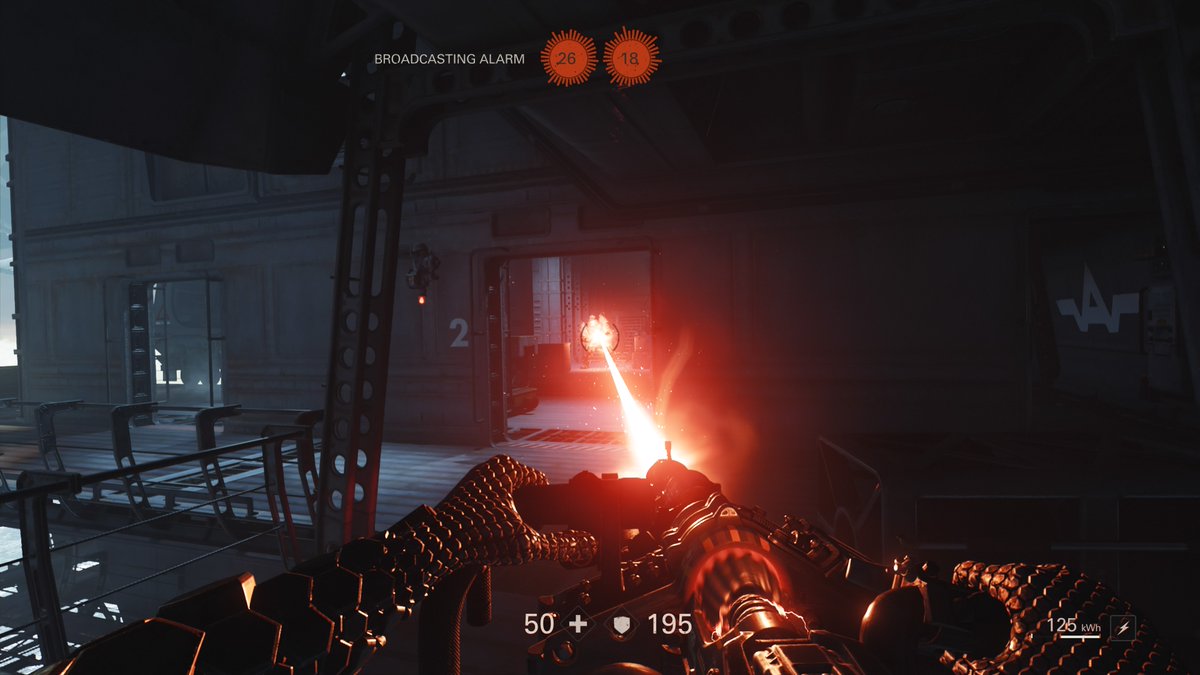
The enhanced LaserKraftWerk is now a powerful heavy weapon incinerating anything in its path.

Among the weapons to obtain, players of The New Order will notice the lack of the sheet-metal-melting laser weapon, the LaserKraftWerk. While it still exists along with the ability to disintegrate various metal panels, it now comes as a heavy weapon packing a much fiercer punch than before. Though the LaserKraftWerk does not sit in your weapon wheel like before, there is a new useful addition to take its place.

The DieselKraftwerk is a cannon that launches small remote-controlled explosive canisters, helpful for blasting your way through walls, or hordes of Nazi enemies. Among the rest are the usual suspects of weaponry, your shotguns, assault rifles and pistols, all with the ability to classically duel-wield for ultimate carnage.

Hunting Down The Übercommanders

Finding and scavenging for weapons, ammo, health and armour pieces have hardly been touched when compared to its predecessor, including the chance to discover Enigma Cards dropped from commander soldiers. Once obtained, these cards will help open up new side missions, which can award players with rare and powerful gear. There are literally tons of Enigma Cards scattered throughout the campaign, all of which are used to decrypt codes and locate the dreaded, Übercommanders.

New characters make an appearance in the story as the campaign shifts to the US, in towns like New Orleans and Manhattan.

Collecting Enigma Cards is as easy as looting commanders, however, that’s only first step. By using the Enigma Machine back at the home base (a Nazi submarine – Eva’s Hammer), players will need to decrypt a series of codes to gain access to the location of deadly Übercommanders. Seeking out and dealing with these strong foes helps chip away at the Nazi regime stranglehold on the United States, as well as unlock a final mission in the game if enough are completed.

Proof That Single Player Isn’t Dead

Much like the rest of the series, Wolfenstein II pits Blazkowicz against insurmountable odds, leaving no amount of outrageous and over-the-top scenarios out of the exciting campaign. Whether your smashing through a Nazi army riding atop a vicious Panzerhund, or on your way to fight the good fight in space, The New Colossus only adds to the intensity of the series, never once shying from the completely ridiculous. While most games looking to tackle a serious audience would veer from complete insanity and off-the-wall antics, Wolfenstein only strengthens itself as a series from the madness.

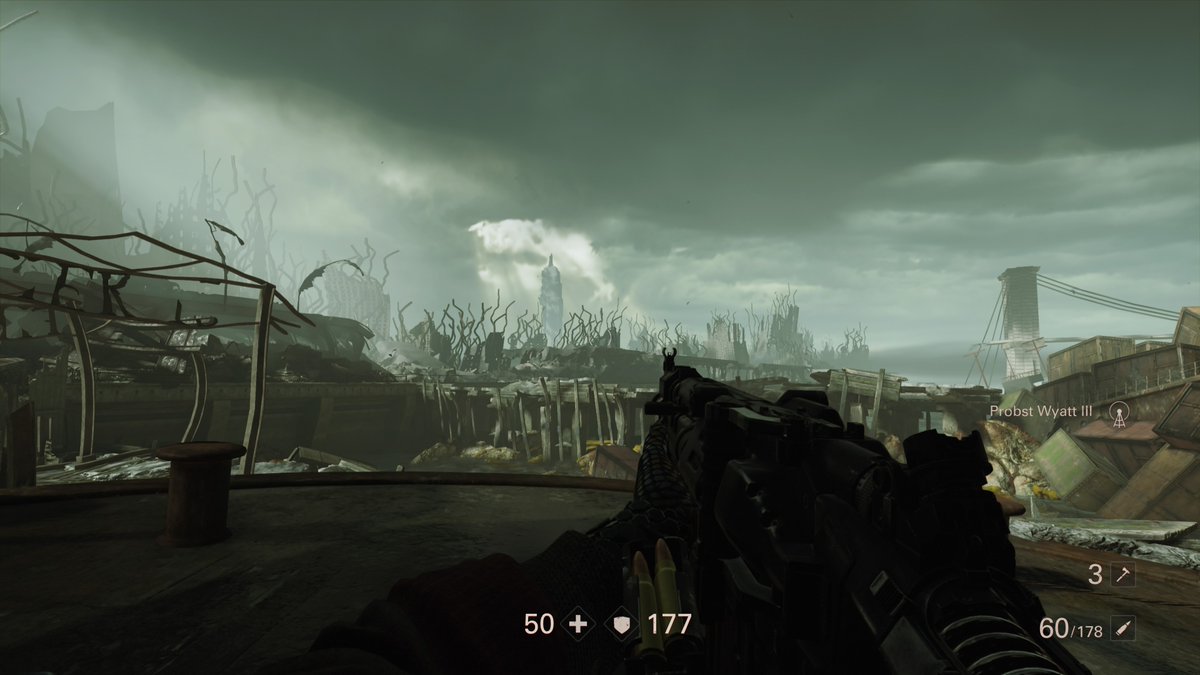
Return to ground zero where the Nazi regime dropped the atomic bomb on Manhatten, New York, ultimately forcing the US to surrender.

First-person shooters come a dime a dozen anymore, and with the growing industry standards to pump out FPS titles with an 80% focus on PvP multiplayer, the Wolfenstein series is a refreshing break from the online grind. The New Colossus magnifies the single-player experience with an astounding narrative throughout a magnificently gripping story, complimented with exceptional gameplay. With every intense action in The New Colossus, there’s an equally surprising reaction that keeps the game from losing its edge.

Dustoff Heli Rescue 2 Review [PS4] – Another Mobile Port That Fails To Launch

Like all good New Yorkers, I usually keep my head buried in my phone on the subway as I attempt to ignore the passengers wedged up against me. Luckily for all of us, mobile gaming has revealed itself as a mostly free and simplistic way to waste one’s time on the go.  I personally enjoy mobile games, but only on my mobile devices. There seems to be this trend now of porting every single iPhone and Android game to the big consoles, and I just don’t understand the reasoning. If a game is free for my phone, I am not going to pay for it on a console, and if you have to pay for the mobile version, I can guarantee you I will never play it. Now that you know where I stand, let’s get on with it, shall we? Meet Dustoff Heli Rescue 2.

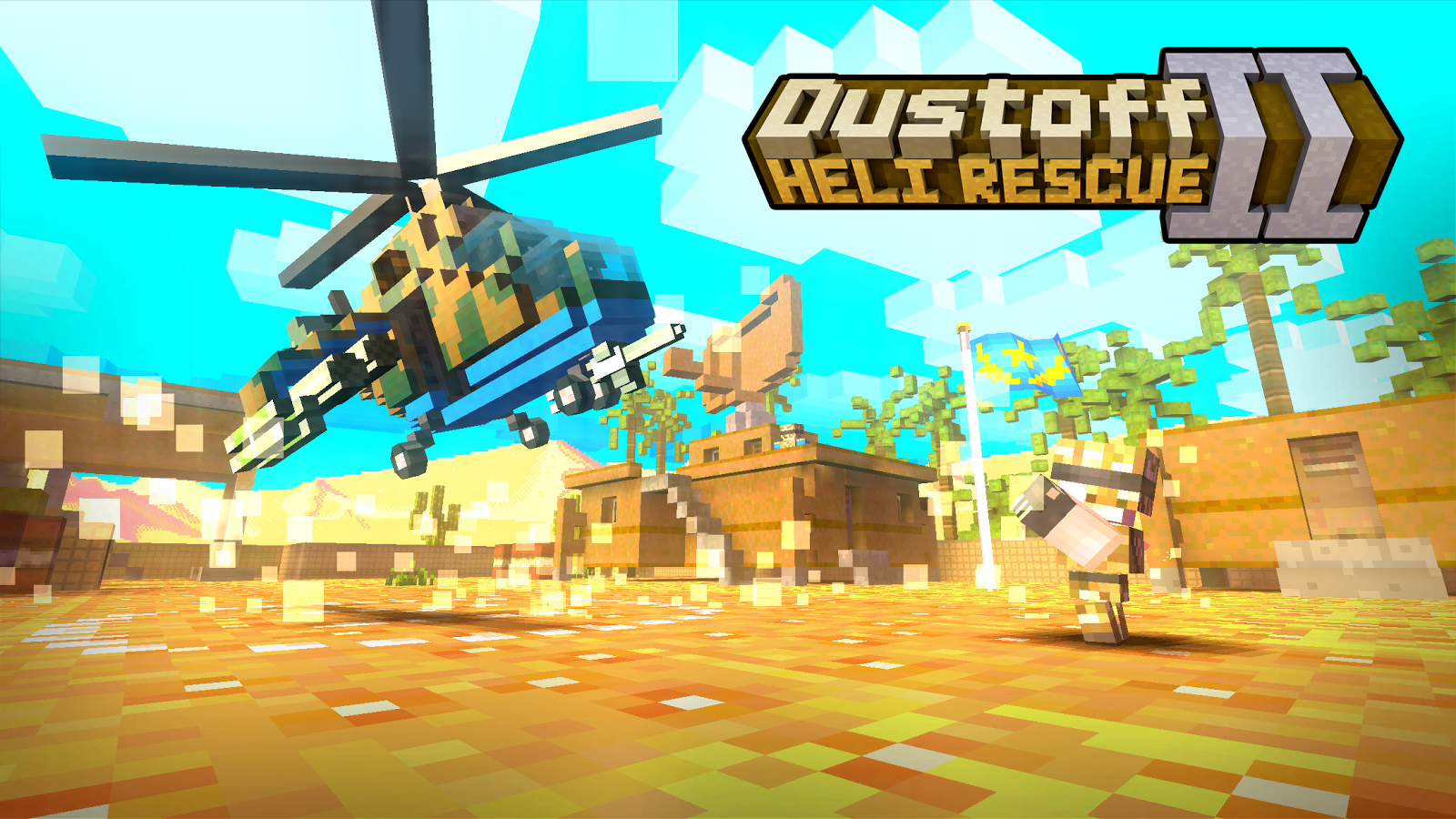
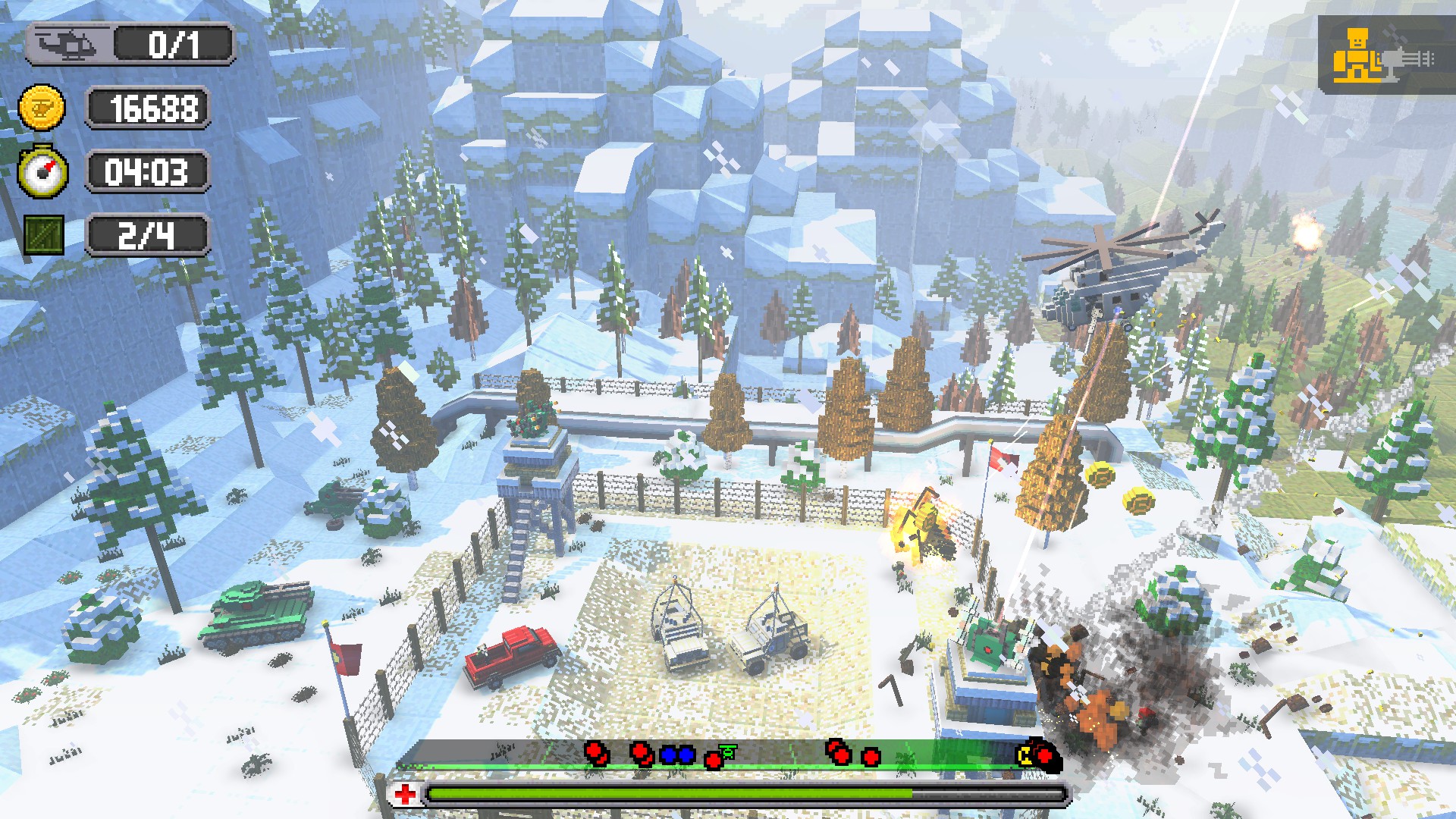
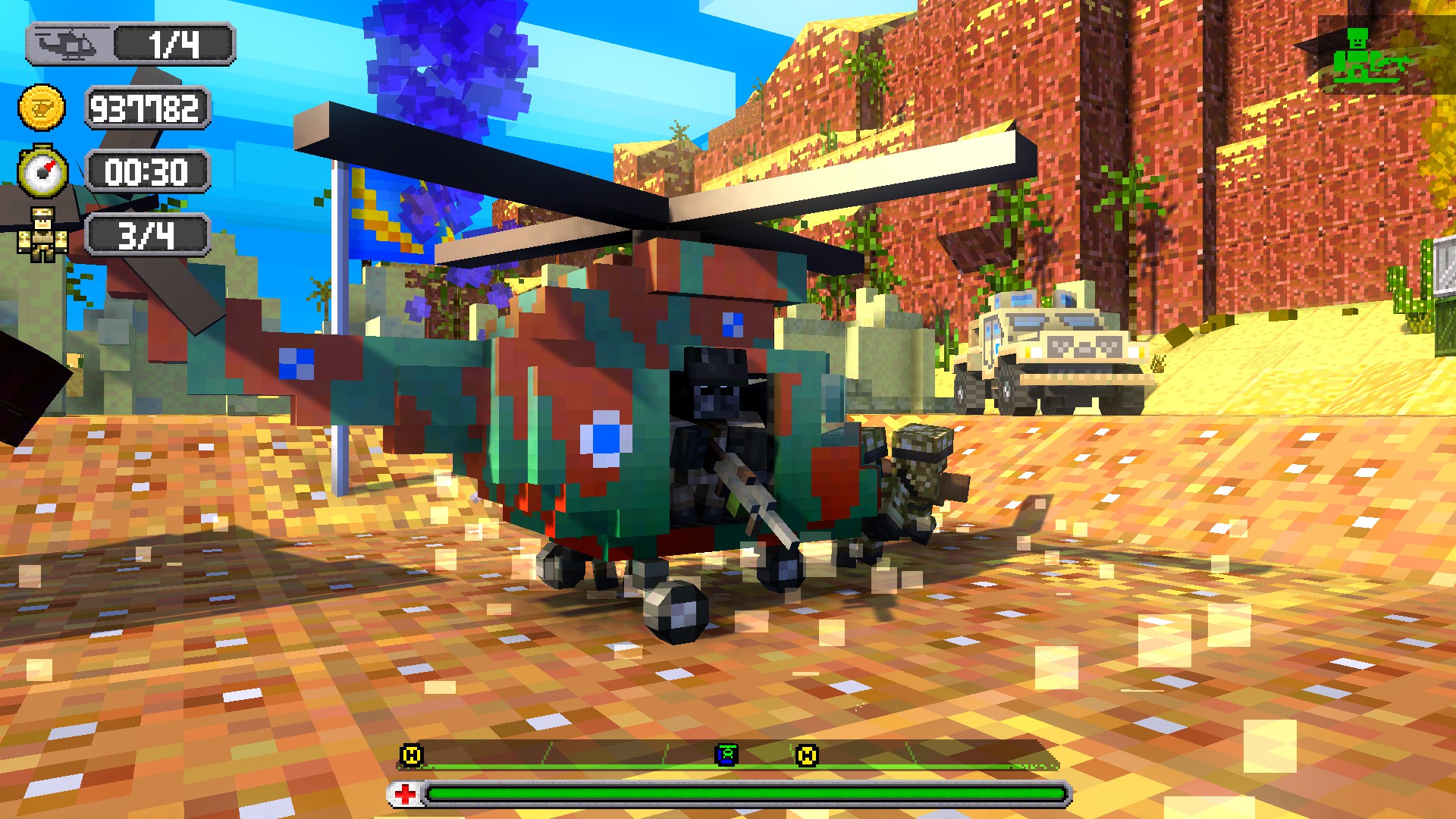
Dustoff Heli Rescue 2, from Invictus Games, began its digital life as a mobile offering before being ported over to everything you can think of. I have never tried the phone version and can’t speak to how it played, so this review will only contain my thoughts and feelings on this specific port. The popularity of Heli Rescue 2 astounds me, as I found the controls to be sticky, the game slightly buggy, and a nonsensical overuse of the Minecraft pixelated look which I am growing to loathe. The game does have its charms, but it never rose high enough to erase my disdain for mobile game ports.

heli 1

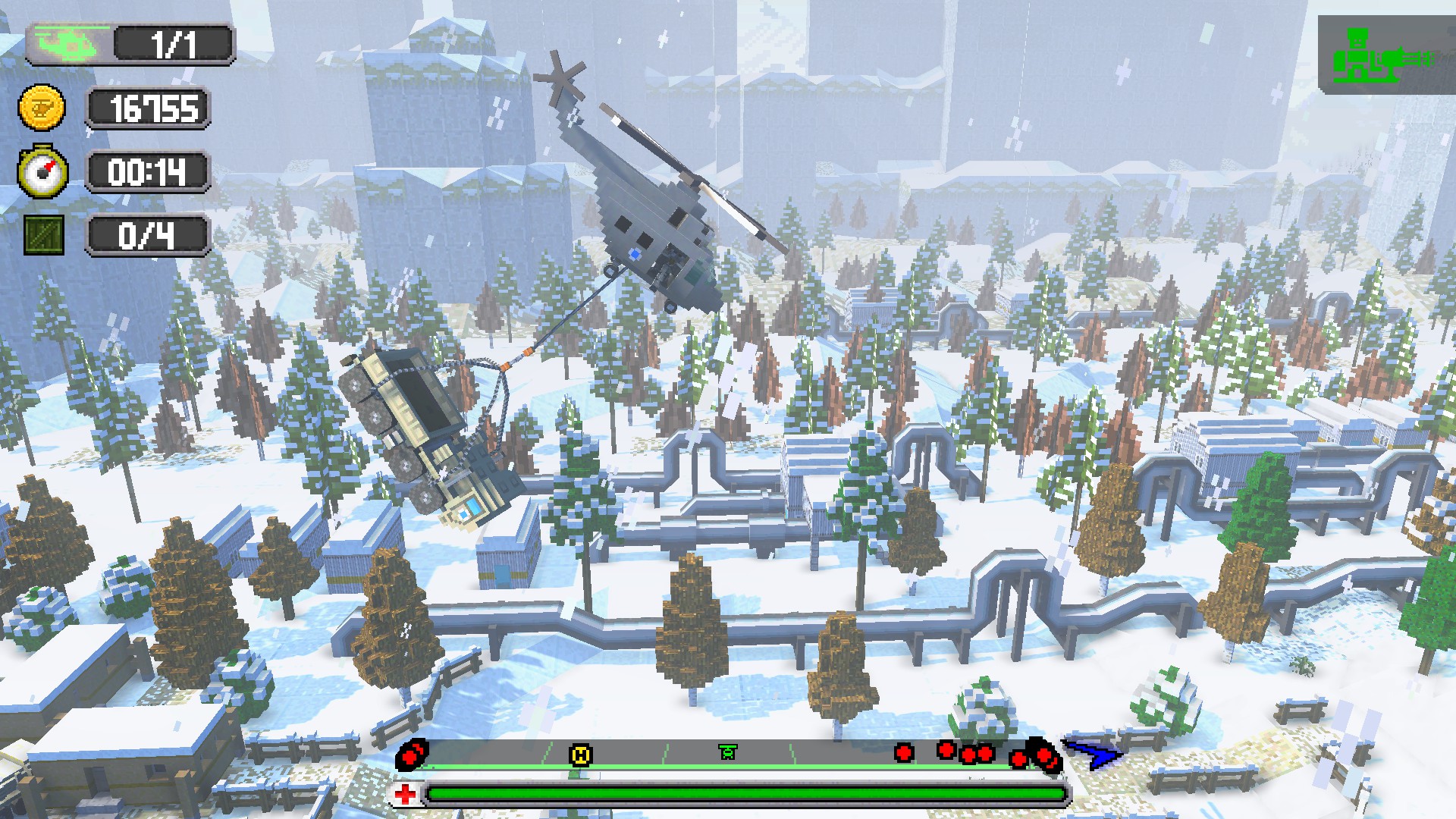
In Heli Rescue 2, players make their way through 35 missions rescuing hostages, destroying enemy combatants, vehicles, and structures, providing air support, and protecting convoys. Players have the option before, during, and after missions of purchasing repairs, upgrades, and rearmaments with gold coins collected from destroyed enemies.  The settings range from the Middle East to more forested areas, and what appears to be random European backdrops.

The main reason this port put me off, was due to what I perceived as poor controls. Instead of the thumbsticks, players must use the shoulder buttons to navigate. Press both together and the copter will lift off into the sky. Press the right shoulder button and the aircraft banks right, press left and it, of course, goes left. The helicopter fires on its own as long as you’re within firing range of the enemy. Be mindful not to fly too high or close or your gunners won’t have a clear shot. In theory, this all works, but I had a lot of trouble with the controls for the majority of the game. Every time I wanted to go right, the flying contraption would keep facing left, and I’d be flying backwards.

heli 4

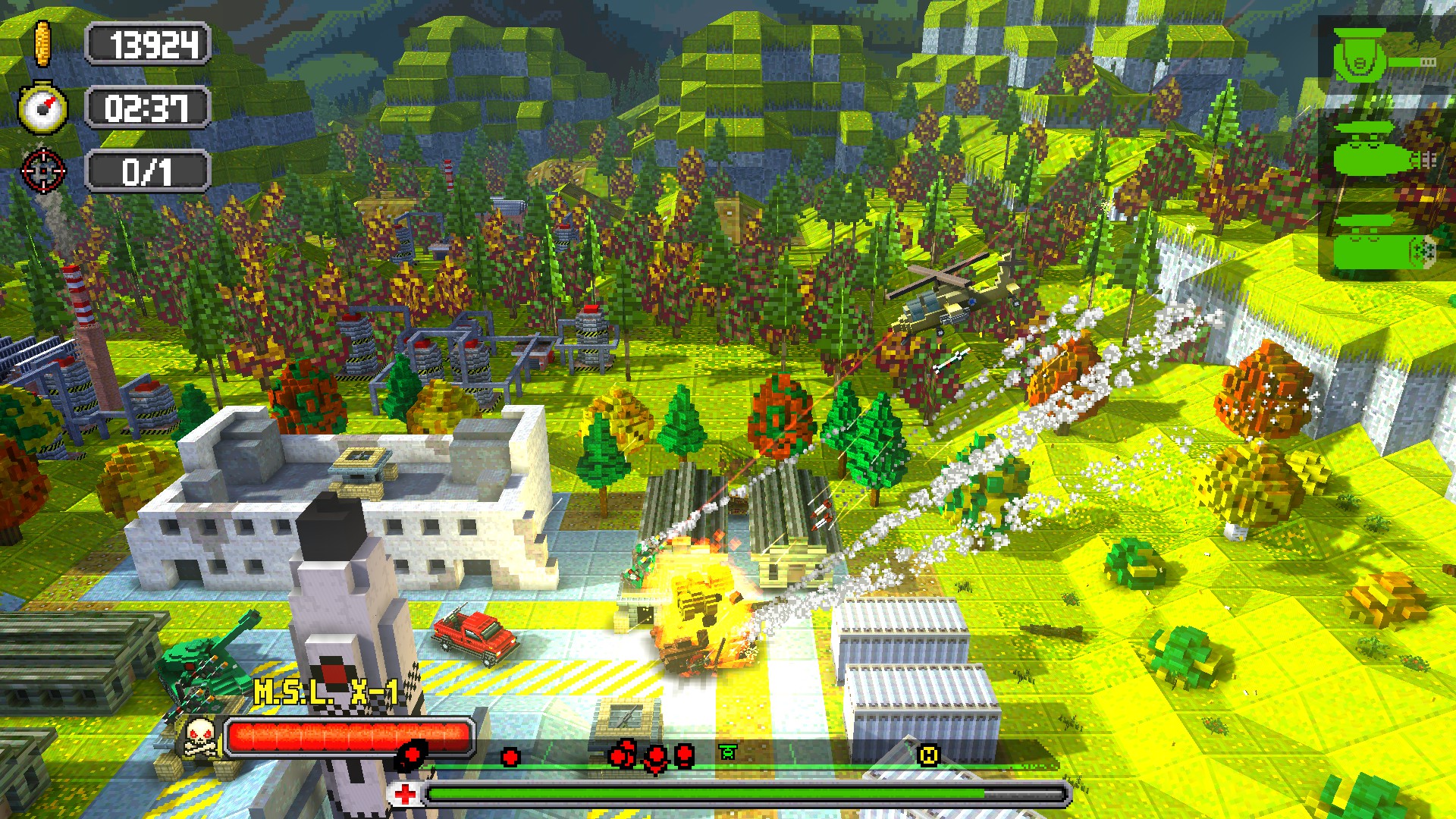
Navigation and weapons go hand in hand, and if the controls are wonky, so too will be the combat. If you fail to destroy an enemy on the first try, it can be quite difficult to do a quick turnaround to take another pass. I crashed and burned a hundred times because I didn’t get the kill on the first attempt. The game isn’t easy, and with multiple baddies on-screen shooting at once, it can be a challenge completing missions without destroying yourself. I really would have liked the developers to have allowed players to control the weapons themselves.

The environments are also a hazard, as flying into trees, buildings, and mountains are all commonplace. You need to fly low enough to blow up a truck, but if you’re not careful, you could fly right into a wall or another enemy encampment. It honestly wouldn’t be so difficult if the controls were a tad more refined.

heli 3

You may remember I mentioned at the start that I found the game to be slightly buggy. I don’t know if I am the only one who has experienced this, but at one point the selection screen froze, and none of the DualShock buttons would work. Yes, I could press the PS button to get back to my home screen, but upon returning to the game, it was still stuck. Eventually, it just started to work again, as if nothing ever happened. [If anyone has experienced this as well, please let me know in the comments below].

Throughout the game, players will have twelve different helicopters to unlock, each with a multitude of weaponry. This would be great if it didn’t take a while to unlock everything. You start the game out with a simple machine gun, but no options to unlock anything better until the eighth mission. I found the standard gun to be underpowered and a hindrance, especially when attacked on multiple fronts. With poor controls and a lacklustre weapon, I simply couldn’t get the job done.

heli 2

Maybe I have no patience, maybe my mobile gaming port bias is causing me to feel ho-hum about this title, or maybe it’s just that this game was amazing on mobile, but doesn’t quite work on the console. Just because a hundred people love something, doesn’t mean everyone should.

The Champions' Ballad

Breath Of The Wild: The Champions’ Ballad Review [Nintendo Switch] – Another Grand Reason To Return To Hyrule

An Ancient Verse Known as The Champions’ Ballad


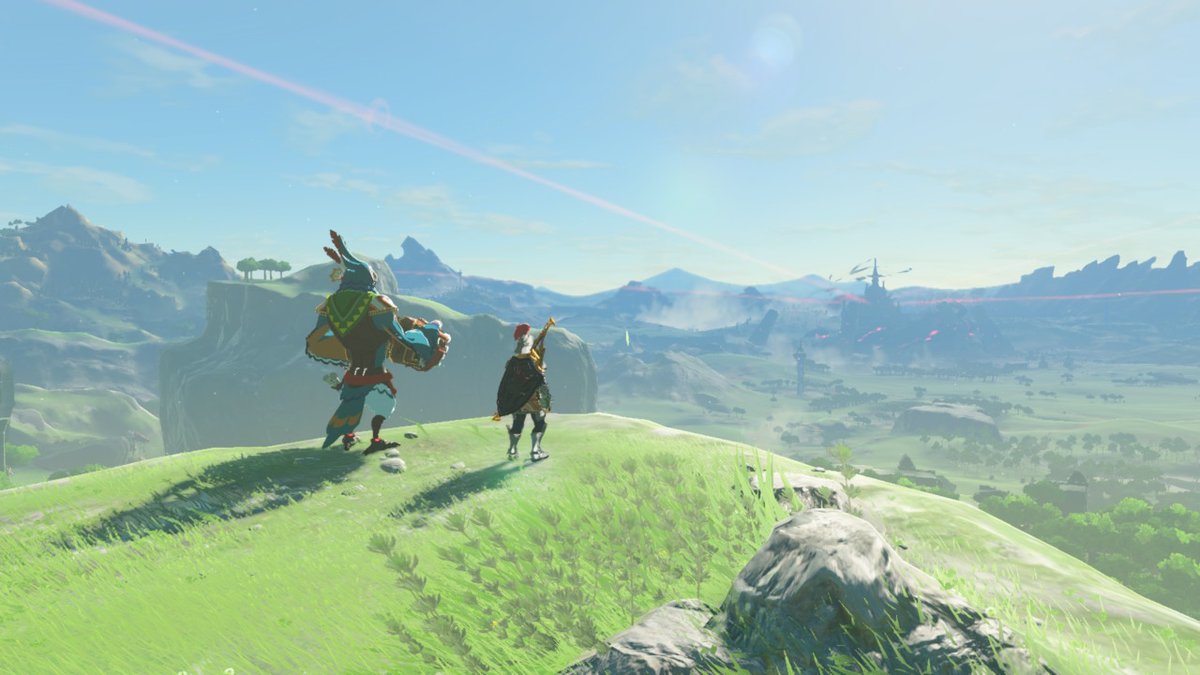
The Legend of Zelda: Breath of the Wild has awed and inspired much of the gaming community since its release in March. While the base game itself packs quite the punch of thought inducing shrines, fetch and grab quests, hundreds of collectibles and the freedom to tackle whatever you wish first, it’s no wonder the fans craved for more. While the first DLC – The Master Trials – which released in the summer, gave fans a few more additional content pieces and challenges, the second DLC – The Champions’ Ballad – provides an all new quests line to the mix as well.

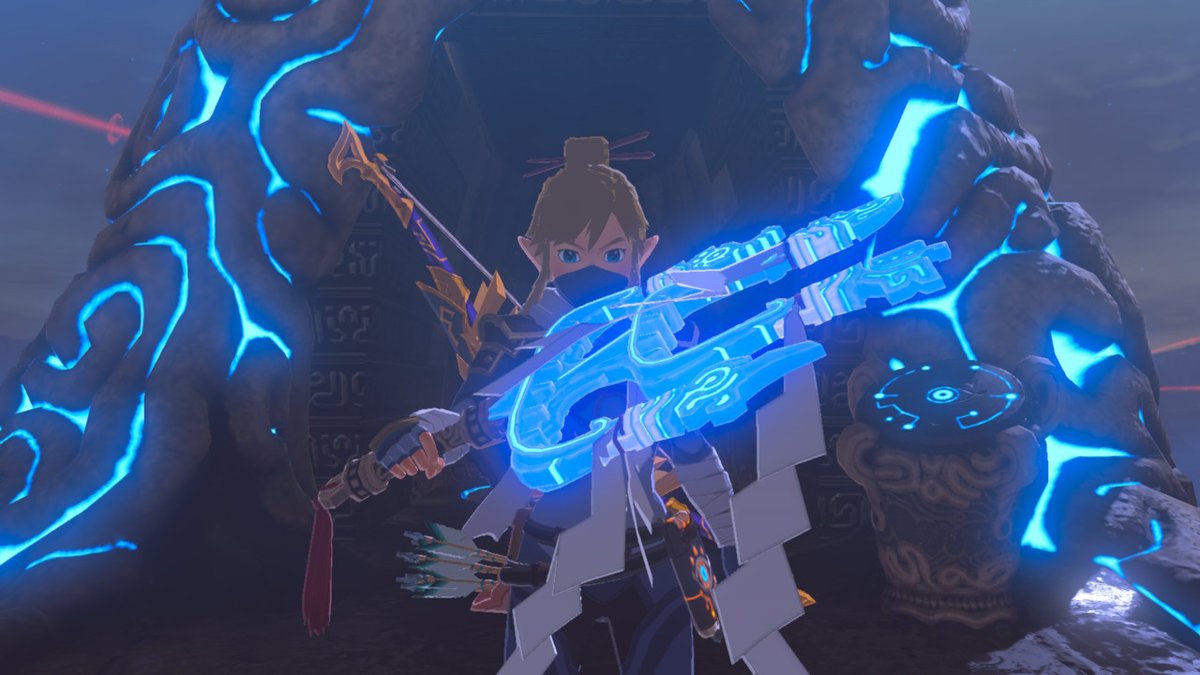
Upon defeating Ganon and taming all four divine beasts, Link will then be summoned to undertake the expansion’s series of story quests, The Champions Ballad. Returning back to where everything started, Link is given a new, exclusive questing weapon – the Obliterator, which will aid players into the forthcoming challenges. While the new expansion doesn’t add any more map to the massive world of Hyrule, it does however, add to the amount of puzzling shrines to the mix. But first, we set our eyes on this new weapon.

The ultra powerful weapon – The Obliterator – puts Link in the middle of quite a challenging task
A Fierce New Weapon

First off, players must complete a series of four challenges using the ultimately powerful weapon, the Obliterator. While this weapon is extremely strong capable of knocking off almost any opponent in one hit, it also has the same effect on Link. While equipping this mystical weapon, players are susceptible to being knocked off with the slightest single hit, but the only way to continue forward is to use this coveted weapon. The first task seems simple enough – Link must clear out four bandit camps that lay in the Great Plateau region of Hyrule.

If the player for any reason leaves the Great Plateau, the quest will discontinue, returning the Obliterator weapon back to where you acquired it, at the Shrine of Resurrection. While the four camps to clear isn’t something that’s relatively new to BoTW, using the new unique weapon adds a completely new twist to the strategy. Link’s melee choices is restricted to only using the Obliterator, but pulling out his trusty bow and arrow is still a viable option. With the nuisance of falling to one strike, keeping your distance is futile in survival.

To unlock each new shrine, players must first accomplish all-new tasks.

The long DLC quest line of The Champions’ Ballad is only starting from there. Once finished with the useful, but dangerous weapon, four brand new challenges open up, which act as the main portion of the DLC. A flurry of new shrines await across the four corners of Hyrule, returning Link back to the four now-tamed Divine Beasts.

Brand New Shrines

As faithful as ever, the accordion playing bard – Kass – once again provides useful information leading up to the whimsical quest line. After a series of discovering new shrine locations by using photos of the locations on the map. Each new shrine delivers trivial challenges exactly as the vast majority of base game shrines did. Granting much more of the same from the open world adventure, the new shrine puzzles are still very much as imaginative as any others in the game, fully utilizing the power of the runes.

A slew of new shrines provide even more puzzle solving using the many different rune skills.

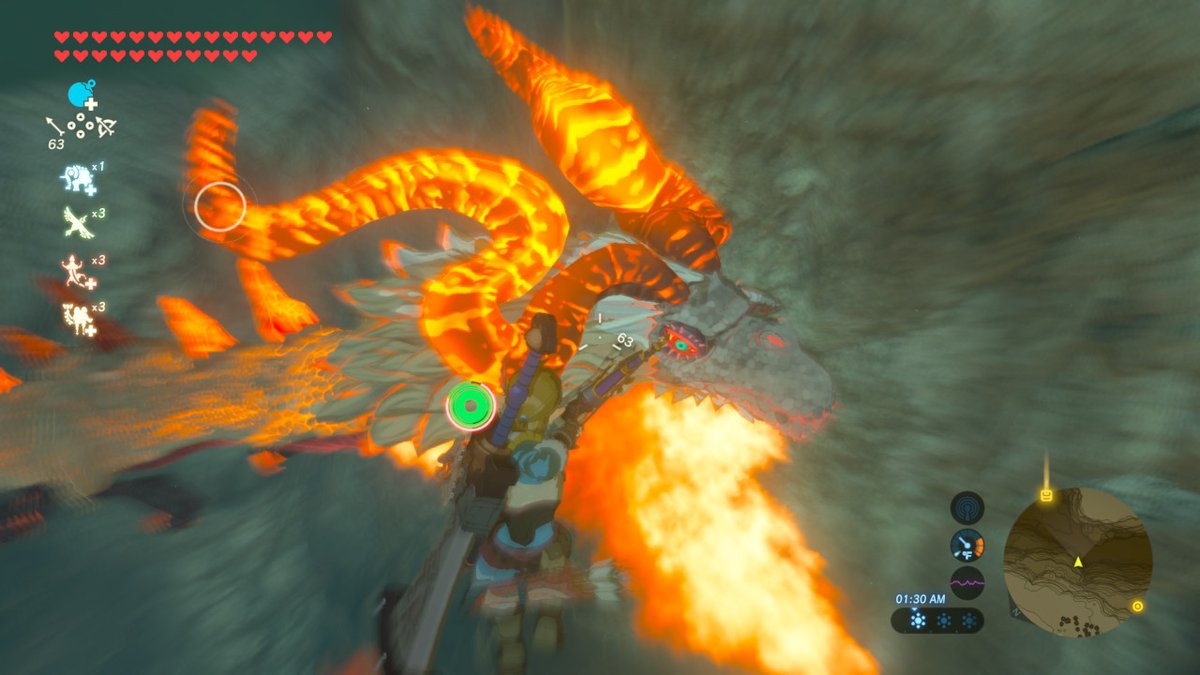
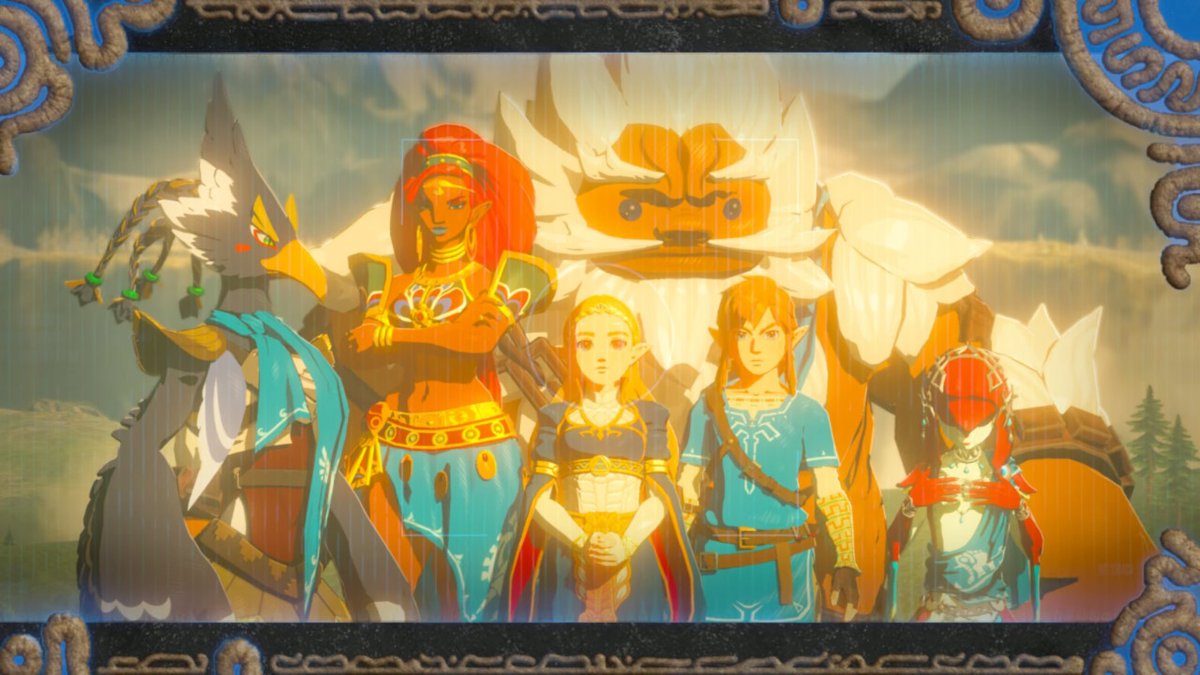
Solving three picture locations, clearing the corresponding shrines and taking on the powerful revived version of the elemental Blight Ganon is the repetitive process of The Champions’ Ballad DLC. While the gameplay comes off as rather tedious, the new quest line takes you through a variety of different challenges for revealing each new shrine. The new cut scenes also provide a bit more back story revolving around Princess Zelda, and the five Champions that surround her.

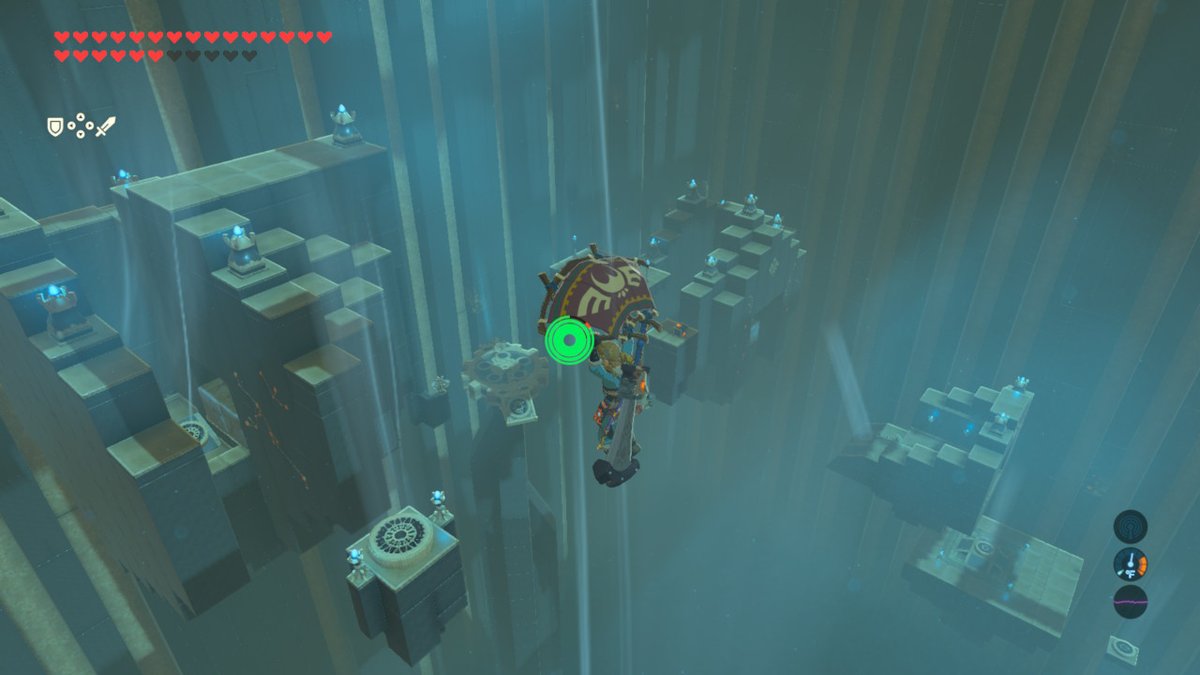
After a long haul of shrine accomplishing and completing new, mostly fun objectives, the DLC closes it out with a brand new style of dungeon. Like the Divine Beasts from the base story, this puzzling labyrinth is by far the most trivial of the Breath of the Wild experience. Following the complicating mechanism of the new dungeon, the DLC finishes with a brutally challenging boss fight, facing off against an all new foe. After conquering what seems like the impossible, the story closes out with a significant sense of accomplishment.

The Champions’ Ballad is a perfect ending to one of the year’s most memorable titles.
Worth the Effort

Though The Champions’ Ballad DLC primarily adds more of the same freedom to go off and accomplish what you will, when you will – it’s still quite refreshing to accomplish more new objectives in Hyrule. Throughout the 5-10 hour-long quest line, players will find themselves back in the same awe-inspiring moments that captured them from the start of Breath of the Wild. And to top it all off, upon slaying the final boss, Link is rewarded with what could only be described as one of the most entertaining experiences in the entire game.

Hello Neighbor Review [PC] – It Might Be Best Just To Say Goodbye

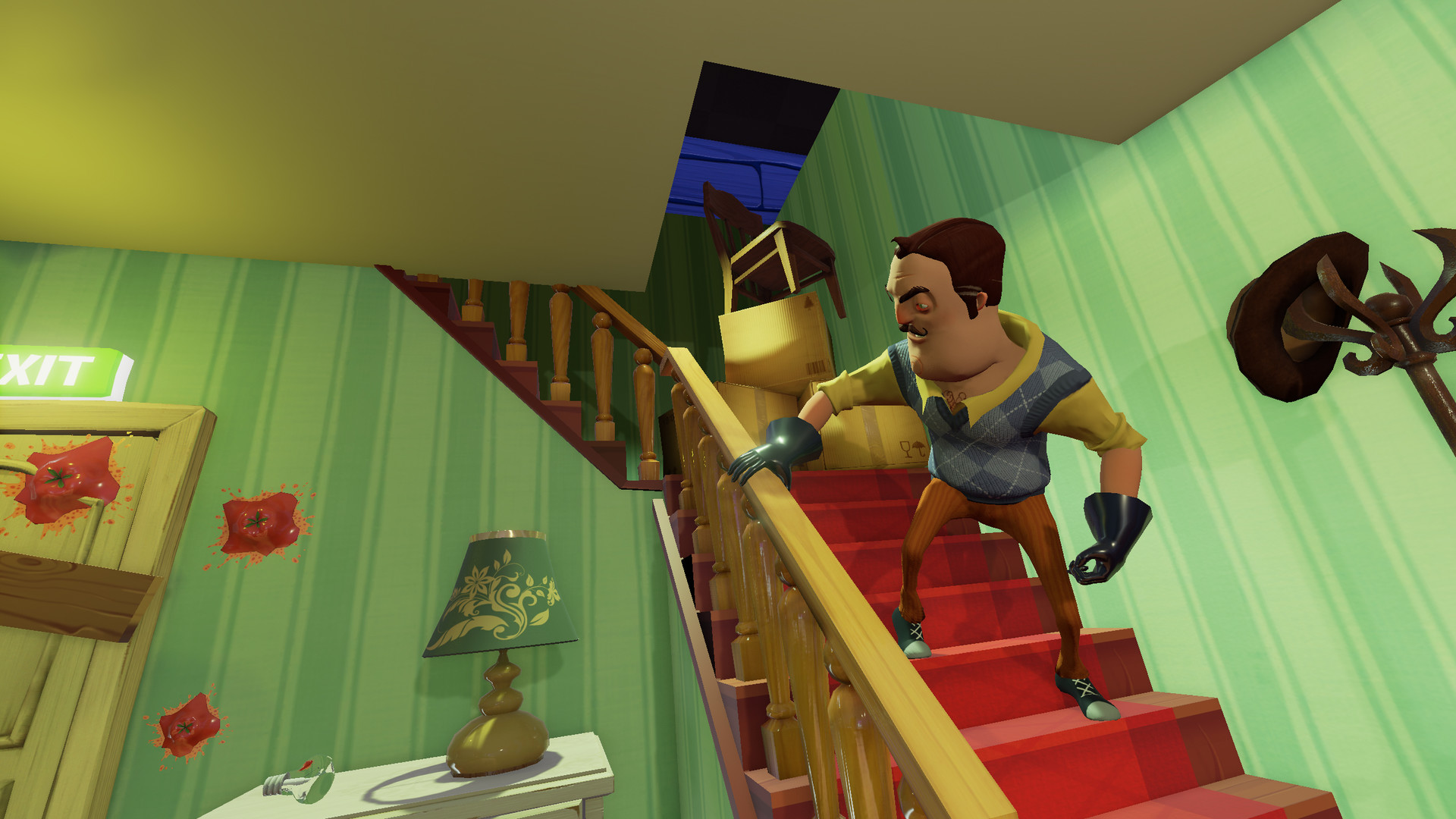
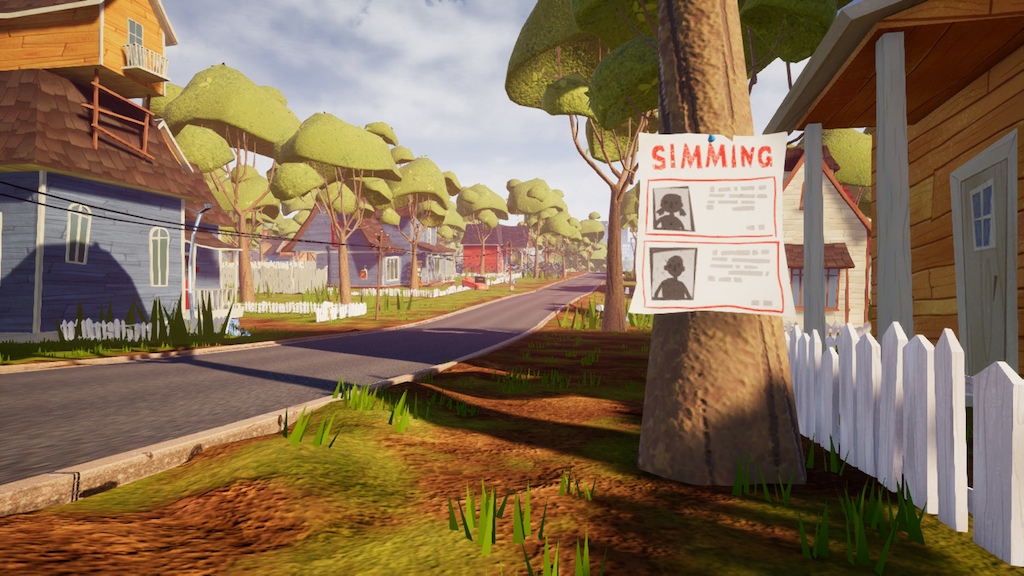
Hello Neighbor, developed by Dynamic Pixels, has a rather intriguing premise. You witness your neighbor seemingly locking someone in his basement and, like any curious youth might, decide it would be a grand idea to sneak in and investigate. But, what begins as a decidedly simple cat and mouse escapade quickly devolves into a major test of patience and endurance.

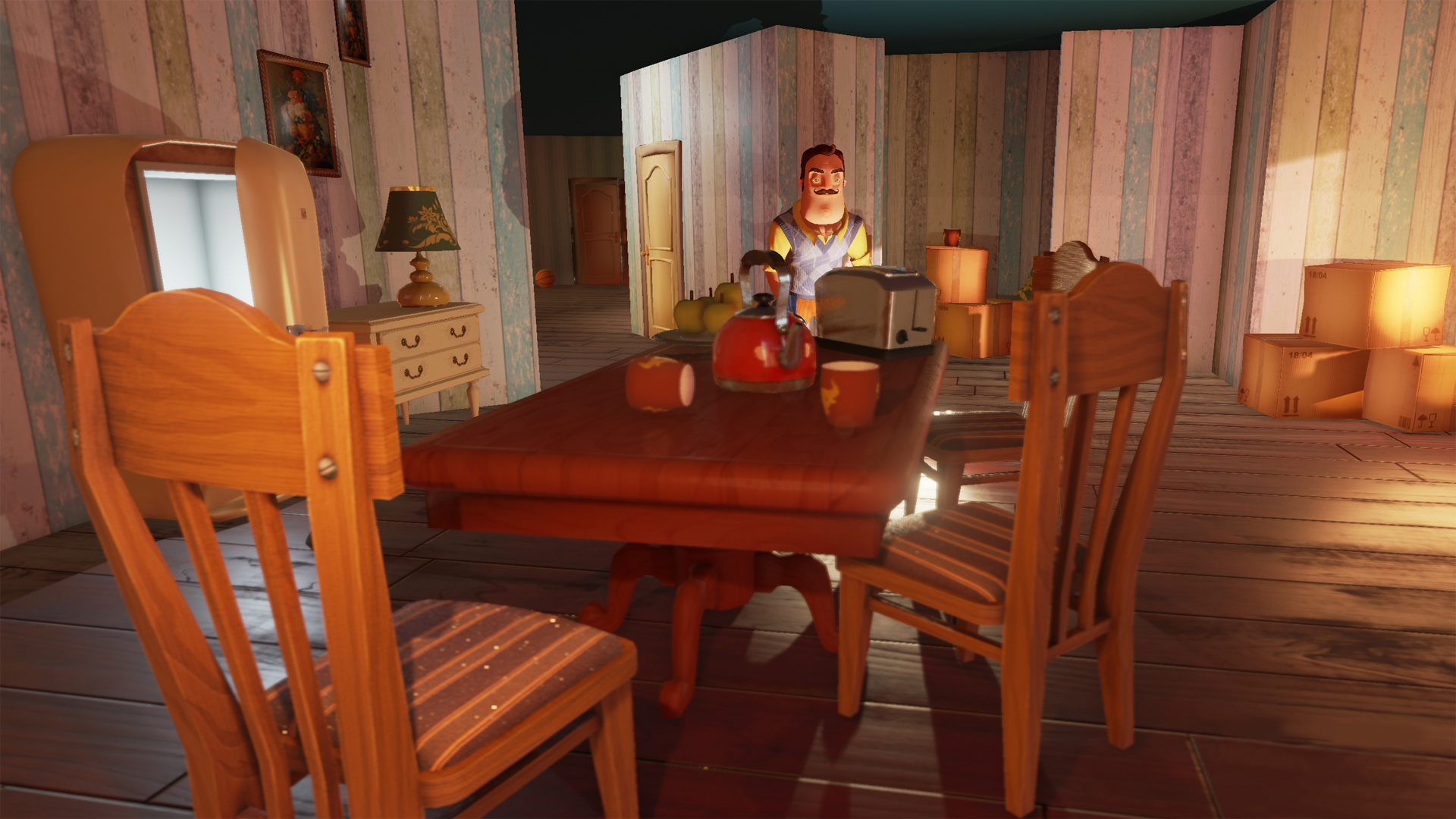
There are a few things that Hello Neighbor gets right. The look and feel of the game accomplishes a fine amalgamation of the cartoony and sinister. Even though I was able to quickly get past fears of getting caught (more on that later), the basement sections, in particular, felt appropriately eerie. The bizarre nature of the world itself from the odd puzzles to your neighbor’s increasingly labyrinthine homestead adds to the underlying feeling that something is terribly off about this whole thing.

Also, despite the bright colours and Pixar feel, Hello Neighbor tells a decidedly dark story. The strange nightmare sequences that intermittently crop up, the unnerving atmosphere, and the outlandish, sometimes even supernatural, elements make up a poignant story aptly told through inference and artistic representation. That is not to say that every little thing will make complete sense in the end, but Hello Neighbor is an interesting foray into the human psyche. It is all the more unfortunate, then, that this foray comes with such a high level of frustration and lack of polish when it comes to gameplay that many will find the journey too much of a burden to complete.

ss_ac219a7c078de280a6ab21c39d925d3f1c8bb4a8.1920x1080

The game takes place in three acts, with the player beginning as a young kid and ending with you as an adult. The first act is fairly straightforward. You need to find the key to the basement without the neighbor catching you. It is during this period that you can say goodbye to any tension the neighbor snatching you up might have initially caused – the reason is because it will happen so often. Fortunately for you, even when you do get caught, the game does little more than set you back across the street with all the items you were carrying still in your possession. Since the house is so small at this stage, it will only take you a few moments to get back where you were, so gathering the nerve to simply charge right back over the fence won’t be the source of anxiety it arguably should be for a horror title.

Unfortunately, the AI is rather spotty. So, sometimes your neighbor will hound you like a dog, and other times you will wonder what is taking him so long and why he is repeatedly wondering about a room you almost never go in. In the case of the latter, just be glad you got lucky. In case he starts hounding you, get caught a few times in an area away from where you need to be and he will eventually start looking for you there.

In the later acts, particularly act 3, you can go for long spans of time without running into your neighbor due to the colossal size of his increasingly fort-like home. But, you will have new frustrations in the form of puzzles that, for lack of a better term, just make absolutely no sense. Well, that is not entirely true. Some make sense. But, all too often you will find yourself wondering where to go and what to do.

The main issue with many of the puzzles in Hello Neighbor is that the game does a poor job of implementing a consistent logic. There are times when I made something happen and had no idea what I did or how I did it. Often, it is a game of trial and error. Worse still, the game will sometimes require you to grab items from far corners of the expansive labyrinth without making it clear not only what items you need, but where these items are located. It is like playing a guessing game where you aren’t given any parameters concerning what exactly you are attempting to guess. I eventually had to crack open a walkthrough in order to continue with the game for review, and also to save my sanity.

There is no doubt that Hello Neighbor has found an audience, particularly with streamers who have the patience to plough through the game for views. But, ultimately, there are likely few people who can make it through without seeking outside assistance. Hello Neighbor seems to be designed to be played in a community rather than by oneself. This is not necessarily a negative thing. I see no problem with designing a game that is meant to be solved through communal trial and error. However, that does not make it a particularly well-designed game. If you want a puzzle game that you can solve by yourself without the need for a walkthrough or an unnecessary time investment, Hello Neighbor is not the game for you.

The other issue is the game still lacks polish even after going through several Alpha and Beta stages. During my playthrough, the game crashed on me multiple times. Items and your neighbor can get stuck in walls and doorways. I had a platform I was standing on phase through me somehow, requiring me to stand in a certain corner, cross my fingers, and just hope it would work until it finally did.

ss_dbd1c56e58f628d7978b2ef8f7f6b7106512366e.1920x1080

Last but not least, the game’s physics could use a bit of a touchup. Stacking boxes in order to climb into otherwise unreachable areas becomes a precarious venture as one misstep and the whole thing goes crashing down. They can be used to break windows, but somehow do not weigh enough to stay put without a delicate and practiced hand.

Despite all the negative aspects, I can see why some people enjoy Hello Neighbor. It plays on our more fantastical curiosities about what sort of sinister deeds our otherwise seemingly mundane neighbors might be hiding behind locked doors. Everyone loves a good mystery, and some people are willing to put in the hours and work needed to solve it, even if that means a great deal of frustration along the way. For them, the difficulty the puzzles offer due to the lack of consistent logic only makes the reward of solving them that much greater.

For me, however, the reward was not worth the traipsing about without a clear goal, and often without any direction. Along with the lack of polish, Hello Neighbor might best be greeted with a passing curiosity, but ultimately a mystery that is left unsolved.

Hello Neighbor is currently available on Steam and Xbox One.

Super Hydorah

Super Hydorah Review [PS4 Pro] – A Nostalgic Blast

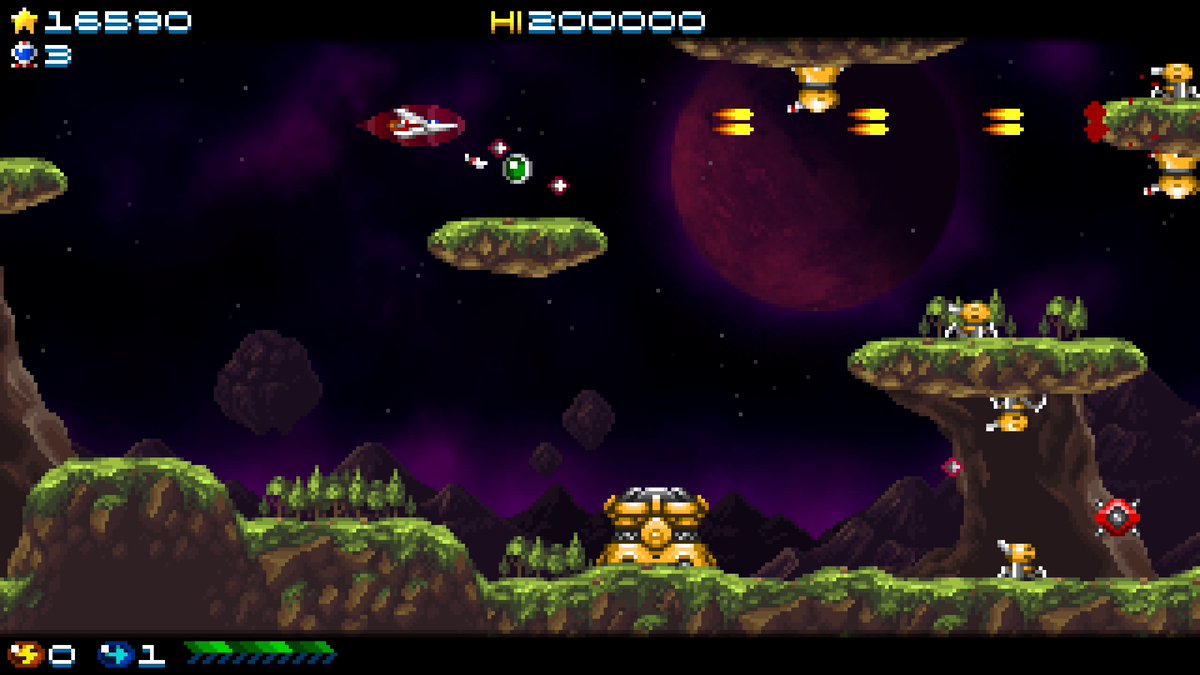
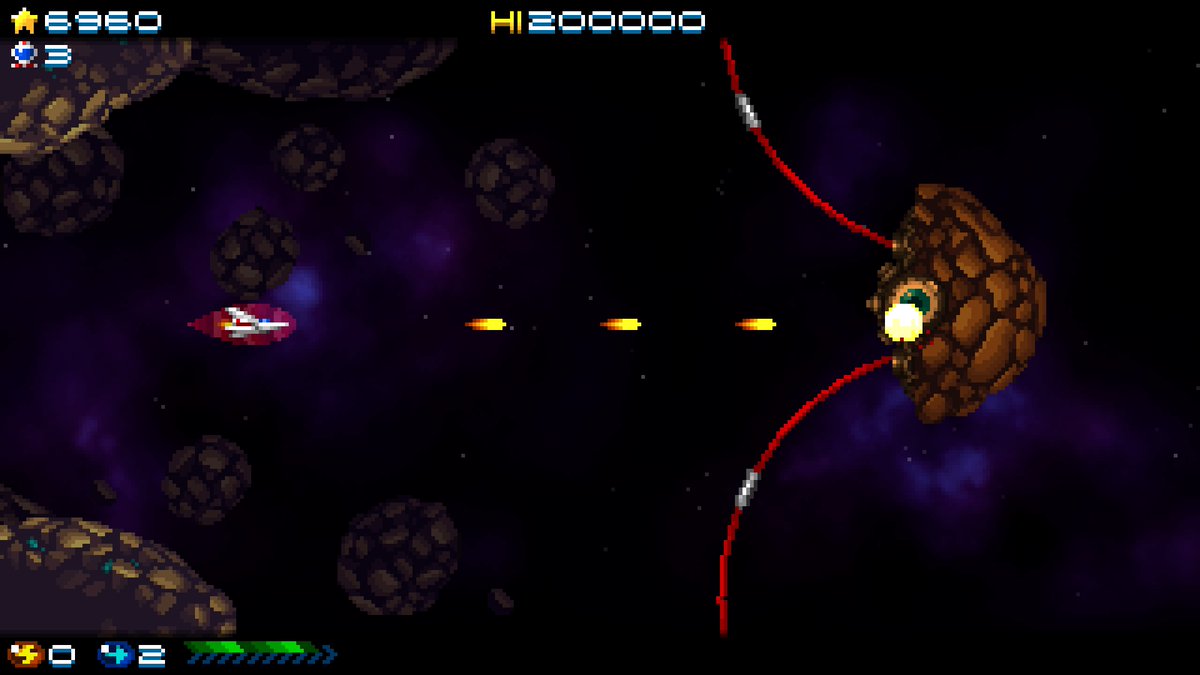
Hydorah took players back to the 80s shoot em’ up era as a throwback to side-scrolling space shooters everywhere. Re-released and revamped for Sony platforms, Super Hydorah returns to the bullet-riddled skies with the same intense shooting mayhem and unique ship customizing options. Glide your way through surreal space environments, and strap in for a completely unforgiving, quick-manoeuvring ride in the latest release from indie developer, Locomalito.

If you’ve played the classic horizontal scroller, Gradius, Super Hydorah will look almost identical as a spin-off of the beloved NES title. Presented in new-aged pixellated form, this shoot em’ up adds a few of its own quirks to the mix of high-energy space battles. As you make your way through each level, more and more enemies hurl themselves at you in never-before-seen ways. Tons of exciting surprises literally leap out in front of the player, and if not careful, will crudely end your current run.

Super Hydorah
Take to the skies and glide through space fending off enemy spacecraft.
Super Hydorah: Engaging the enemies

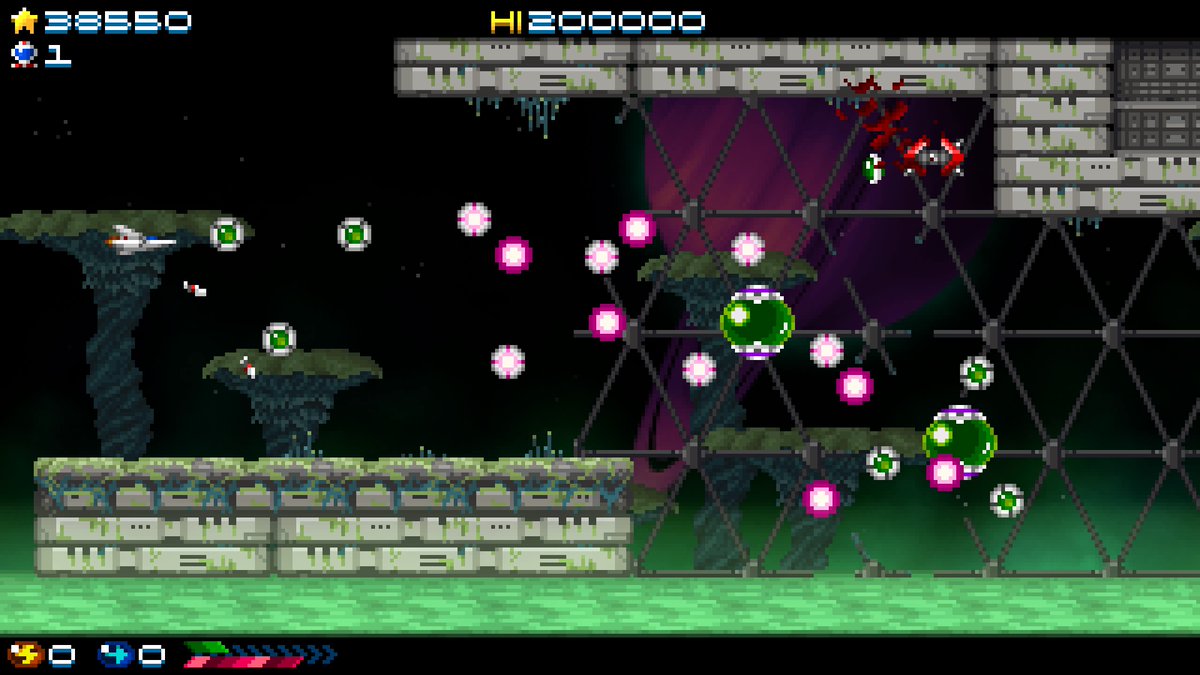
The game plays smooth as can be, giving players a tightly wound experience where one mistake could ruin their mission. The levels are broken up into segments, usually ending in some sort of mega enemy encounter, or boss fight. Gliding through the space levels firing away at your cannon, players are able to collect specific power-ups to increase their abilities in flight or combat. Special enemy ships drop rare points when defeated, resulting in either a speed upgrade, protective shield adding an extra hit of damage to be absorbed, or a unique special power. Players can also find extra lives, as well as green and red booster points.

As enemies are blasted out of the engaging skies, more common opponent ships will drop booster points which add to the effect of your primary and secondary weapons. Racking up the green points will improve your primary weapon, while the red boost up the secondary. Fill them both up and enjoy a flurry of charged weaponry, giving players a huge step forward in combat.

Super Hydorah
Many boss encounters are scattered throughout the diverse selection of levels across deep space.
Advanced Weaponry

Initially, players will have to use the standard laser cannon as their primary, and the semi-useful bomb dropping tactic as the secondary fire. Firing away with the single fire button, both weapons unleash their fury upon the clutter of enemies. While the combo of these two starting weapons is useful in getting players out of a pinch early on, the many different weapons available later in the game provide some serious weaponry to your star gliding ship.

By making it to the end of each level, conquering the final boss, which is usually done in a matter of dodging sequences and continuous firepower, players are awarded with a new weapon to add to the growing customization list. Before each level, players are presented with the ship customizing screen, which provides them with the chance to strategically pick from the selection of primary, secondary and special weapon slots. Pairing up the perfect combination of weaponry could be the only thing standing between you and utterly painful defeat.

Super Hydorah
The screen will quickly fill up with enemy ships, bullet fire and powerful icons to help upgrade your ship.

As you make your way through the galaxy filled with dangerous foes and enemies, the game begins to grow increasingly difficult. As more weapons unlock players will begin to understand the strategy of picking the perfect arsenal for each level. Of course, the weapons you select will only help with your offence, dodging and thinking quickly is the main skill to keep you alive.

Co-op Anyone?

The campaign mode takes players across a split path and has players choosing which level to conquer first. While the story mode alone is enough to satisfy most horizontal shooter fans, there’s also the co-op feature in that helps add a little more depth to Super Hydorah. The primary focus of co-op is heading through the story campaign, only now with the help of a friend. This is the basic cooperative gameplay that friends could spend hours on digging each other out of overwhelming holes.

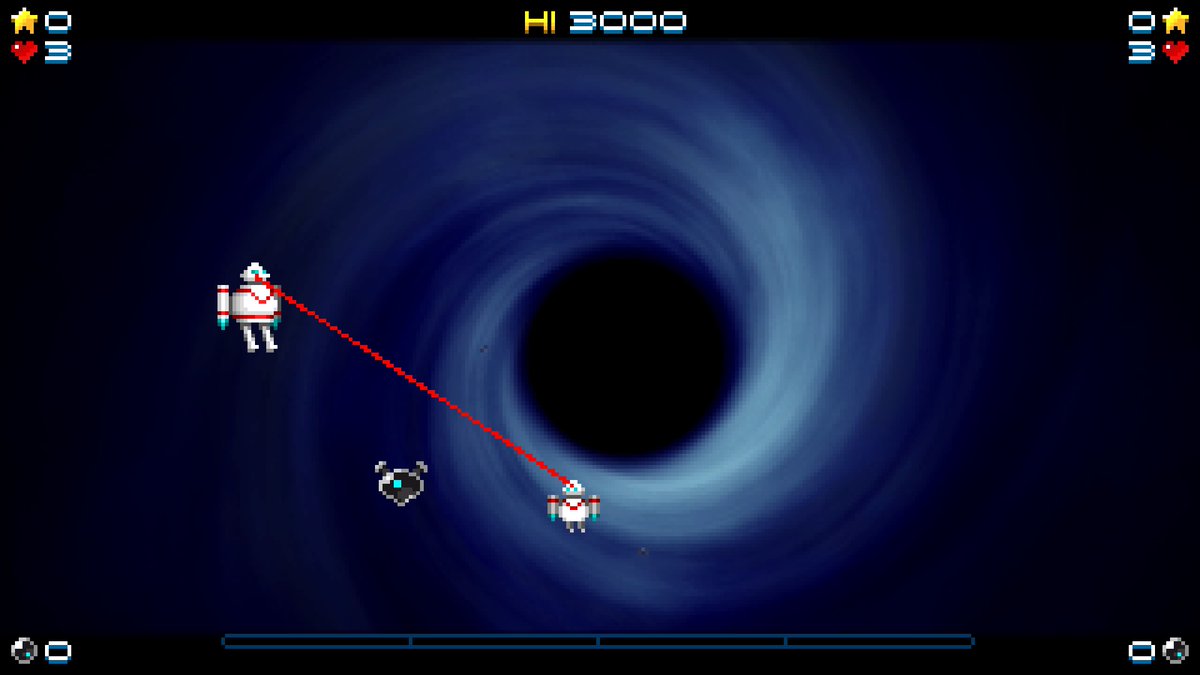
However, this is not the only method of co-op/multiplayer modes. Robot Chasers is an original multiplayer game which has 2 player controlled astronauts tethered by a rainbow cord. Coming in from all angles, invading robots float past and it’s up to the duo to stretch their tether in front of the robots and wipe them out clean. The catch is, the tether only expands so far before it’s disengaged. This can be worked around by slaying robots and collecting the rainbow points to help extend the reach of the deadly tether.

Super Hydorah
Robot Chasers is an interesting two-player co-op mode using the lethal tether.

Super Hydorah is a great way to catch that nostalgic presence of horizontal shoot em’ ups, without having to plug-in the retro hardware. With a decent sampling of weaponry and deadly special skills, the quick-reacting gameplay of this space shooter will likely torment more than a few souls.