YouTube Video Games Blog – Indie, Switch 2, and More
Back in Time
Author: Chris Wheatley
Writer for Nitchigamer, Raging Gazebo and LunaWolf Gaming, an avid gamer, he'll put together an article to keep the reader engaged, informed and moderately happy for a solid 4 minutes. That my friend, is no easy feat.
Hydorah took players back to the 80s shoot em’ up era as a throwback to side-scrolling space shooters everywhere. Re-released and revamped for Sony platforms, Super Hydorah returns to the bullet-riddled skies with the same intense shooting mayhem and unique ship customizing options. Glide your way through surreal space environments, and strap in for a completely unforgiving, quick-manoeuvring ride in the latest release from indie developer, Locomalito.
If you’ve played the classic horizontal scroller, Gradius, Super Hydorah will look almost identical as a spin-off of the beloved NES title. Presented in new-aged pixellated form, this shoot em’ up adds a few of its own quirks to the mix of high-energy space battles. As you make your way through each level, more and more enemies hurl themselves at you in never-before-seen ways. Tons of exciting surprises literally leap out in front of the player, and if not careful, will crudely end your current run.
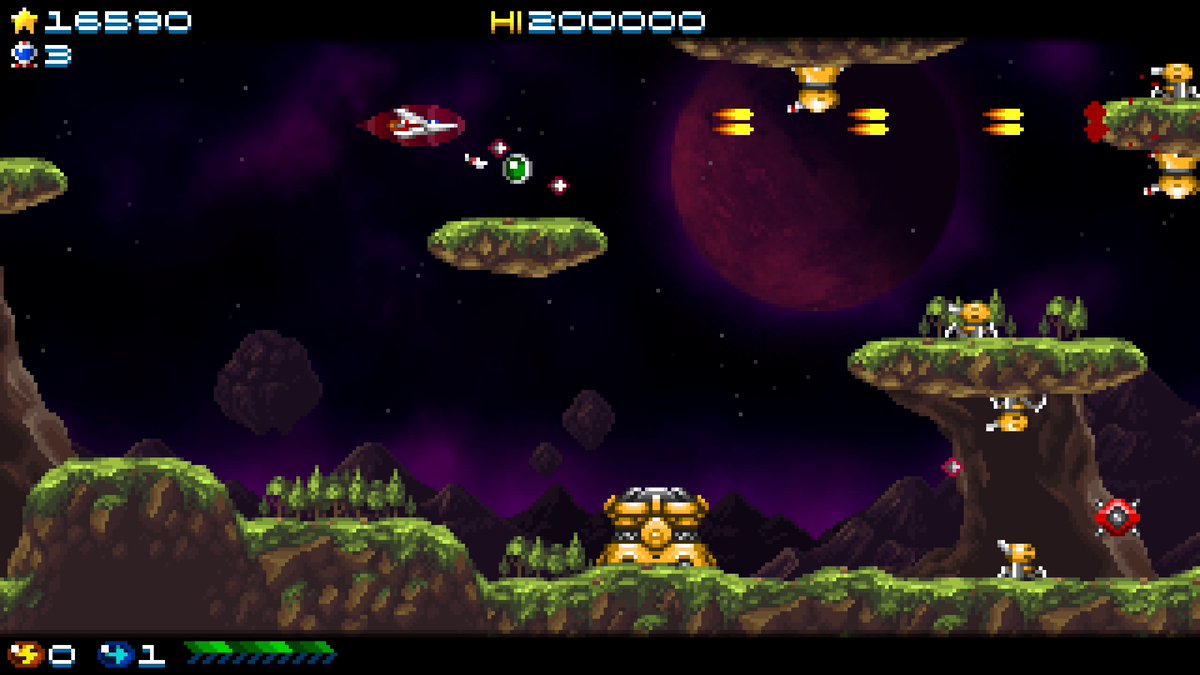
Take to the skies and glide through space fending off enemy spacecraft.
Super Hydorah: Engaging the enemies
The game plays smooth as can be, giving players a tightly wound experience where one mistake could ruin their mission. The levels are broken up into segments, usually ending in some sort of mega enemy encounter, or boss fight. Gliding through the space levels firing away at your cannon, players are able to collect specific power-ups to increase their abilities in flight or combat. Special enemy ships drop rare points when defeated, resulting in either a speed upgrade, protective shield adding an extra hit of damage to be absorbed, or a unique special power. Players can also find extra lives, as well as green and red booster points.
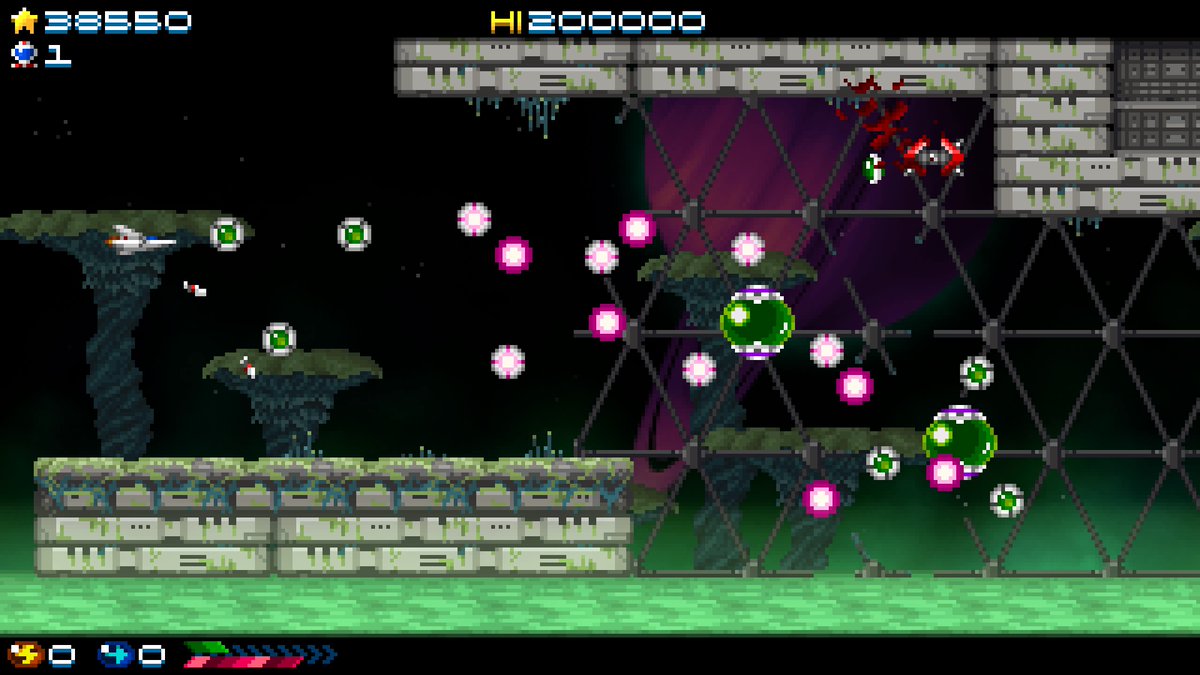
As enemies are blasted out of the engaging skies, more common opponent ships will drop booster points which add to the effect of your primary and secondary weapons. Racking up the green points will improve your primary weapon, while the red boost up the secondary. Fill them both up and enjoy a flurry of charged weaponry, giving players a huge step forward in combat.
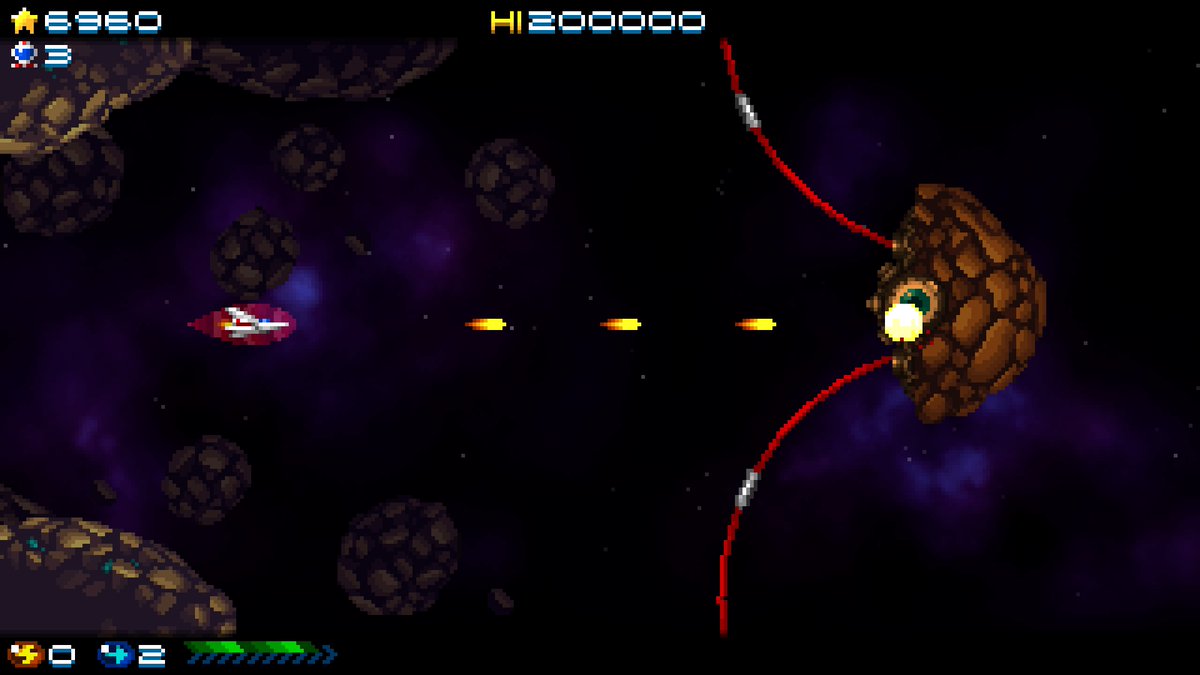
Many boss encounters are scattered throughout the diverse selection of levels across deep space.
Advanced Weaponry
Initially, players will have to use the standard laser cannon as their primary, and the semi-useful bomb dropping tactic as the secondary fire. Firing away with the single fire button, both weapons unleash their fury upon the clutter of enemies. While the combo of these two starting weapons is useful in getting players out of a pinch early on, the many different weapons available later in the game provide some serious weaponry to your star gliding ship.
By making it to the end of each level, conquering the final boss, which is usually done in a matter of dodging sequences and continuous firepower, players are awarded with a new weapon to add to the growing customization list. Before each level, players are presented with the ship customizing screen, which provides them with the chance to strategically pick from the selection of primary, secondary and special weapon slots. Pairing up the perfect combination of weaponry could be the only thing standing between you and utterly painful defeat.
The screen will quickly fill up with enemy ships, bullet fire and powerful icons to help upgrade your ship.
As you make your way through the galaxy filled with dangerous foes and enemies, the game begins to grow increasingly difficult. As more weapons unlock players will begin to understand the strategy of picking the perfect arsenal for each level. Of course, the weapons you select will only help with your offence, dodging and thinking quickly is the main skill to keep you alive.
Co-op Anyone?
The campaign mode takes players across a split path and has players choosing which level to conquer first. While the story mode alone is enough to satisfy most horizontal shooter fans, there’s also the co-op feature in that helps add a little more depth to Super Hydorah. The primary focus of co-op is heading through the story campaign, only now with the help of a friend. This is the basic cooperative gameplay that friends could spend hours on digging each other out of overwhelming holes.
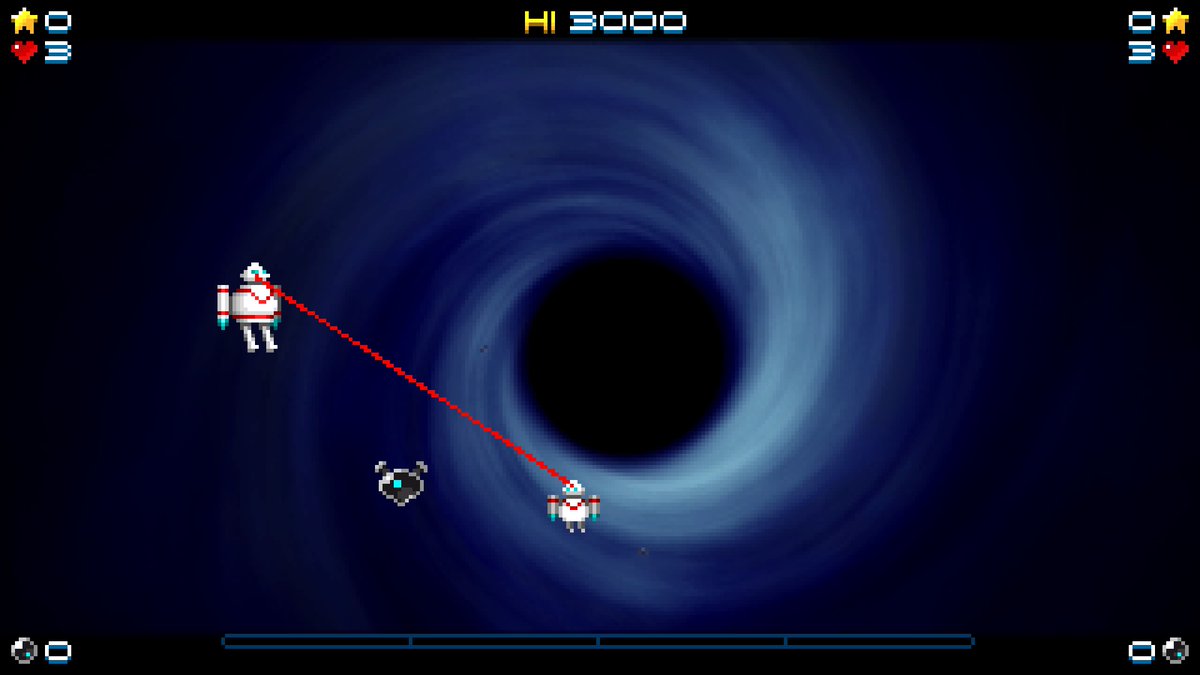
However, this is not the only method of co-op/multiplayer modes. Robot Chasers is an original multiplayer game which has 2 player controlled astronauts tethered by a rainbow cord. Coming in from all angles, invading robots float past and it’s up to the duo to stretch their tether in front of the robots and wipe them out clean. The catch is, the tether only expands so far before it’s disengaged. This can be worked around by slaying robots and collecting the rainbow points to help extend the reach of the deadly tether.
Robot Chasers is an interesting two-player co-op mode using the lethal tether.
Super Hydorah is a great way to catch that nostalgic presence of horizontal shoot em’ ups, without having to plug-in the retro hardware. With a decent sampling of weaponry and deadly special skills, the quick-reacting gameplay of this space shooter will likely torment more than a few souls.
Mini Wheels is on its way; the kart racing genre has been unfairly dominated by the Mario Kart series for decades now. Seeing flashes of kart racers throughout each generation, we’re now gearing up for the new IP that’s looking to stir things up in the karting world.
Mini Wheels – A Good Story Is Important
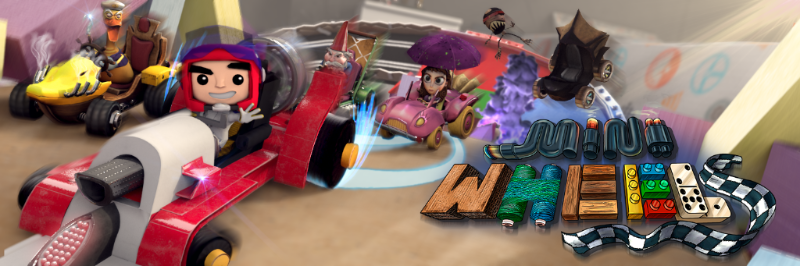
Mini Wheels, a new kart racer from Enigma Studios is looking to combine everything we love about the thrilling genre but is also adding an engaging story to the mix as well. With the announcement comes the official Mini Wheels reveal trailer, which you can check out below.
Playing as the lost toy – Pipo – your goal is to find your way back to your beloved owner and rid your toy-self of the dreaded loneliness that surrounds you. Throughout a series of races, players will meet new friends and enemies that are scattered in race tracks around the house. Competing through 4 different styles of races, like Capture the Flag, Boss Battles, Burnout and traditional races, Pipo will slide his way back into his favourite human’s arms.
Like all of everyone’s favourite kart racing titles, Mini Wheels will have exciting power-ups on the track to add some flavour to the competition, super long slides to navigate those bends, local and online multiplayer and, of course, the ability to customize your kart both visually and performance wise. Strap in and get ready to rip through an exciting, story-driven kart racer full of all the enticing features we all know and love so well from the genre.
Mini Wheels is expected to hit stores in 2018 for the Xbox One, PS4 and PC.
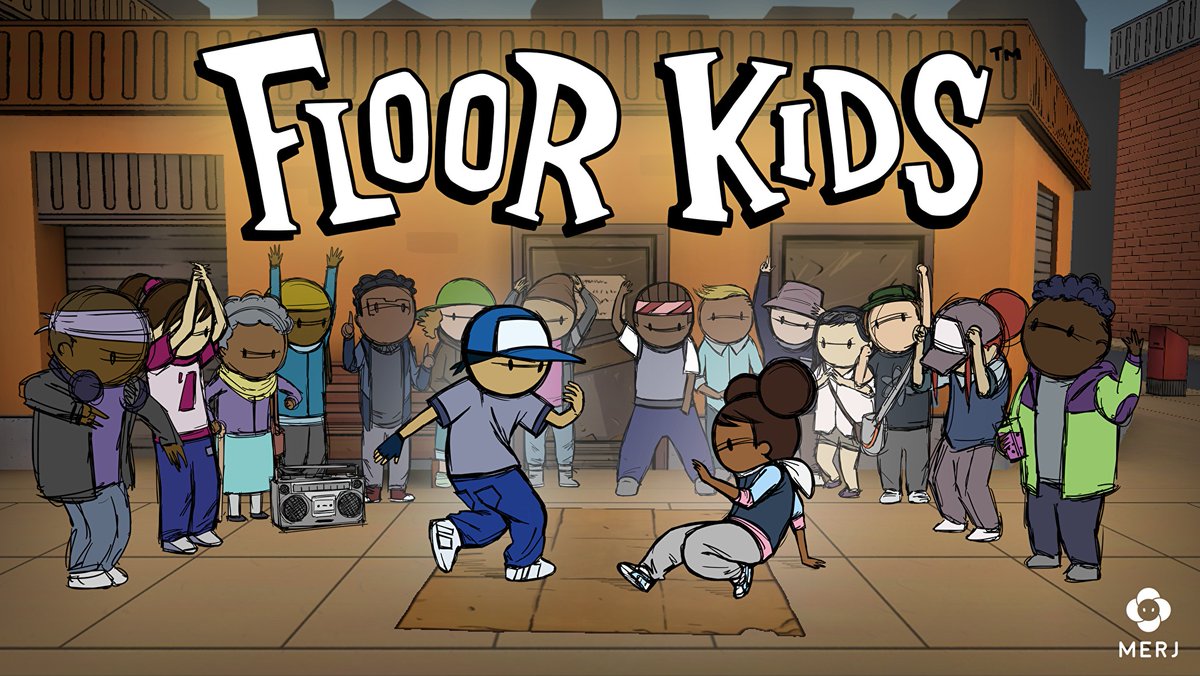
The rhythmic genre found in gaming has recently been regarded as that of a sore spot to much of the gaming community. Sure, we have excellent parties to throw revolving around Rock Band and Dance Dance Revolution, but how long has it been since either of those titles or any of the other music-based titles have been even remotely relevant in recent memory? Well, leave it to the Nintendo Switch to bring back the curve of rhythmic button smashing, but instead of hardy rock ‘n’ roll, we now have hip break-dancing in, Floor Kids.
While the overall premise of Floor Kids is straight forward enough – break-dance to the backtrack, pull off slick combos and moves by pressing the appropriate buttons at the right time, earn enough points to win – the game provides an excellent combination of modern edginess and trivial gameplay. Players choose their break-dancer from a selection of characters whose attributes range in four different skill classes. The four classes are also the four styles of break-dancing moves players can pull off in the break-dancing battles.
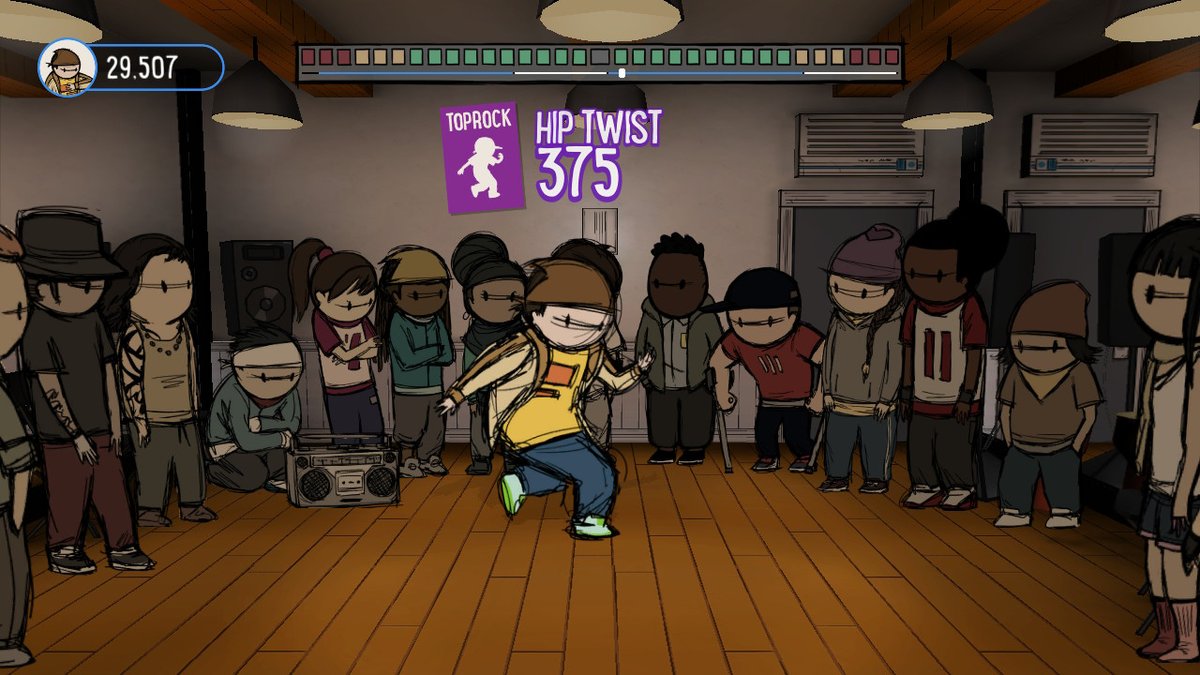
Popping off combinations of top rock and down rock moves is as easy as keeping the beat of the song with the proper face buttons.
Time to Bust Out Some Moves
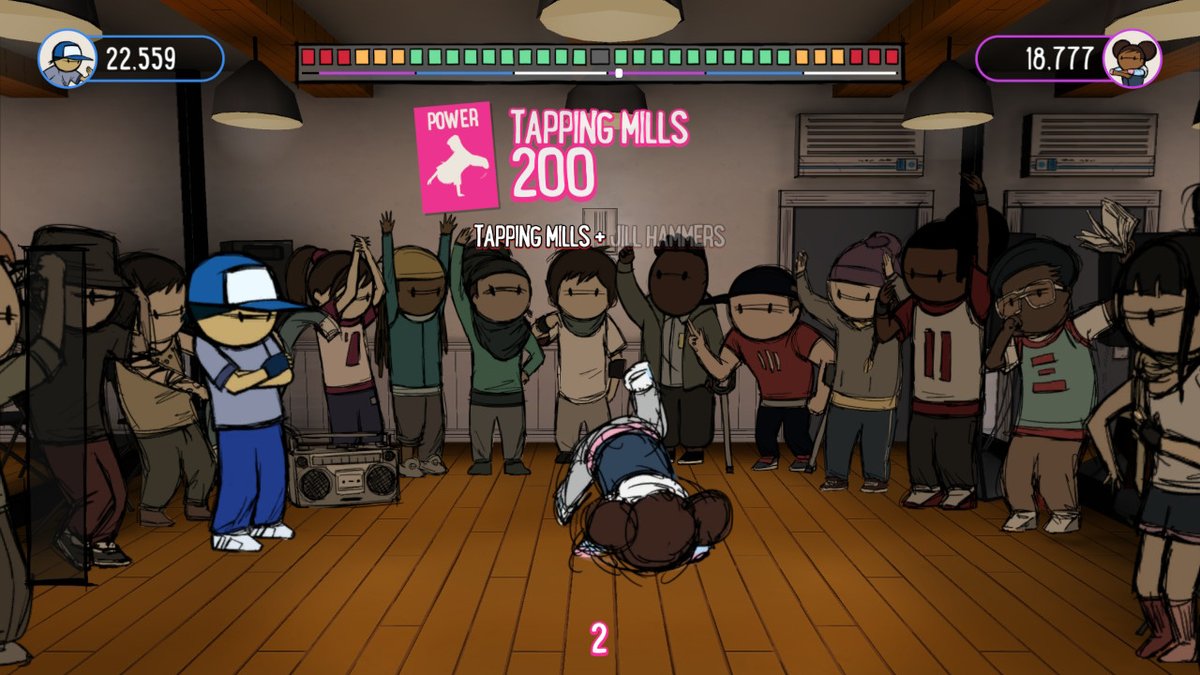
Top rock, down rock, power moves and freezes are the four move sets each player has available to them. Top rock has players dancing at a standing position, on two feet, while Down rock takes the agile break-dancer down on all fours. Each of these two positions have four separate dance moves for every one of the eight playable characters, and are accomplished by tapping one of the four face buttons in coordination with the beat of the song. Simply tapping one of the buttons will have players performing top rock, but holding the down motion on the left analog stick while tapping a face button switches to the down rock position. An easy configuration that keeps the dancer from going idle and losing precious points.
The other two positions are Power and Freeze, but these two are performed in slightly different methods. Power refers to the dizzying motion when break-dancers spin for what seems like an eternity on their head, shoulders or hands. By rotating the left stick in either direction, the dancer then begins their own rendition of the power position. By holding down either the L or R shoulder buttons, the dancers will change into an alternate power move to add even more flavour to the performance.
Lastly, the freeze stance is the act of holding a position completely still in the middle of the song. By holding down one of the four face buttons along with the corresponding direction on the left analogue stick, the character will hold out a freeze move. These are crucial to time perfectly, as holding them out too long will result in the dancer toppling over, thus ending a combo and losing points. Combining the freeze moves together is especially fun, watching as your dancer seamlessly shifts from one handstand position to the next.
The four different stances take the dancers between flashy dance moves, even spinning atop one’s head.
Combining and switching between the four different stances successfully strings together combos and accumulates points. Bouncing your fingers to the beat while changing between moves is rewarding and all-too captivating of a ride. Watching as your hand-sketched character throws down their best moves to the DJ Kid Koala tracks, you can’t help but bob your head along to the beat. As cultured and fun the combo busting break-dancing is, however, the solid tapping beat rarely, if at all, changes rhythm from song to song. What does change is the snappy chorus parts that, if done properly, deal a huge portion of points to your overall score.
Tons of Awesome Tracks to Kick It To
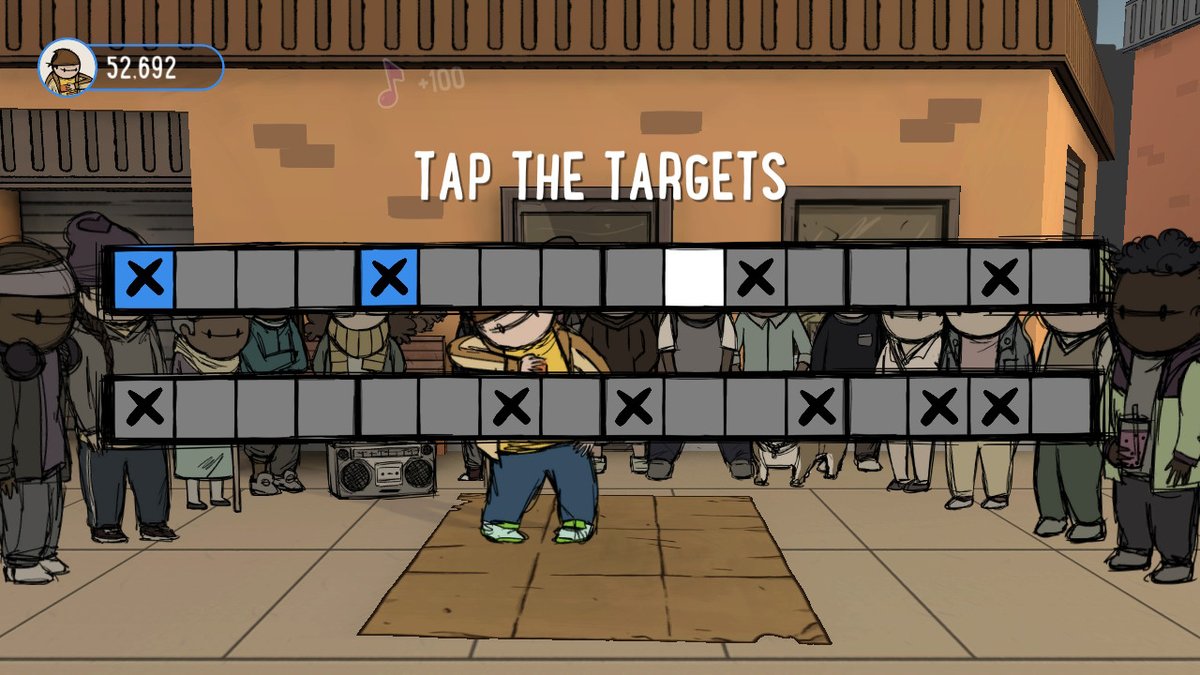
Every song in Floor Kids lasts around 3 minutes or so, and each has two unique chorus sections. Taking place about halfway through and one at the end, the chorus sections mix up the strategy by adding distinct beats to the song at hand. By tapping in the correct positions (marked with an ‘X’ on the screen) players will add a bit more swagger to the dancing routine. While the overall beat stays the same – though the songs indeed change – the chorus acts as the game-changer in the songs.
The chorus sections require the player to hit the desired notes at appropriate moments in the song.
The lay of the land, so to speak, in Floor Kids is divided into a flurry of different settings in which these break-dancing battles take place. Each setting has three different songs to get down and earn your place on the cardboard. Players are scored out of a 5 star rating system based on their total score. By unlocking a certain amount of stars in total, the following venue then opens up. From grocery stores and art centers, to arcades and music studios, Floor Kids has a variety of settings, each with their own unique character to unlock.
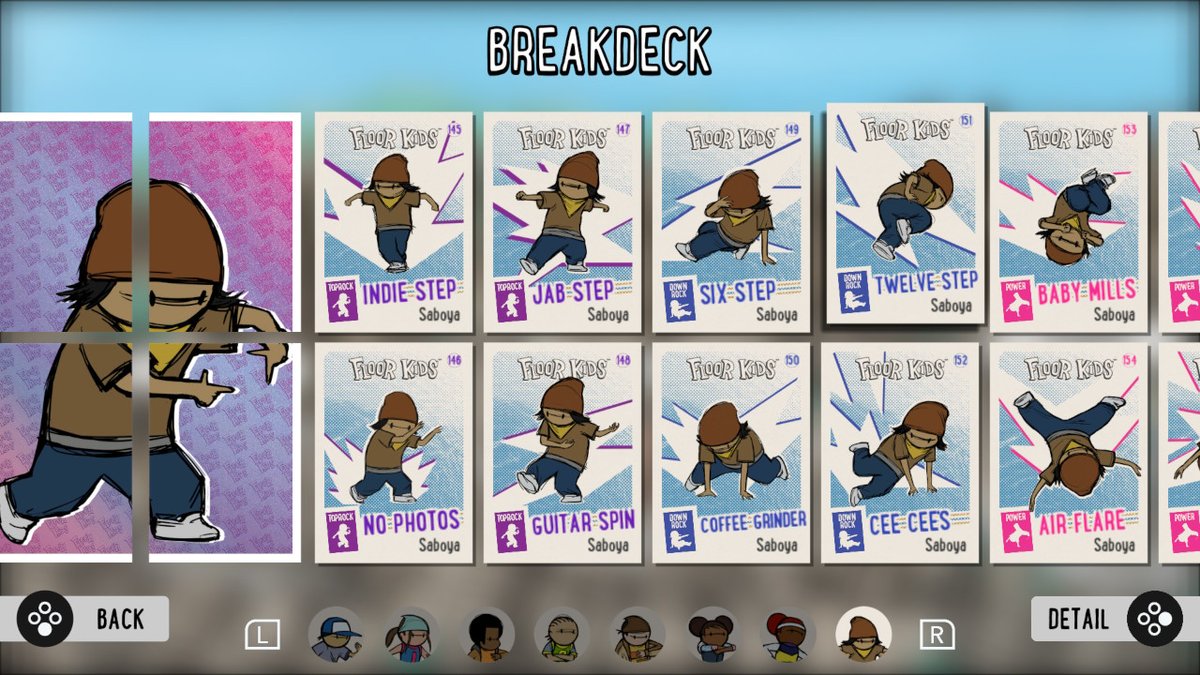
At the start of the trivial campaign, players choose one of the eight playable characters, which then locks the unchosen seven. After obtaining 3 or more stars on certain levels, characters will unlock pieces of Breakdeck cards. Four pieces of the card deck will unlock a new character, each one varying in specific skills. While the progression system found in Floor Kids is a nice touch to the otherwise simple campaign, the ease of unlocking all of the characters hardly presents a challenge. Good thing the tunes are extra catchy.
In single-player mode, characters are unlocked in the Breakdeck by achieving high enough scores to earn a piece of a character card.
Let the Battles Begin…at the Scratch of the Record
For those looking to indulge in a little friendly competition with friends, a multiplayer Battle mode is available. Each player will choose a character of their liking and set out to dance like they’ve never danced before. In battle mode, each player has two chances to strut flashy moves in retaliation to their adversary, but not without a little dangerous interference from said foe.
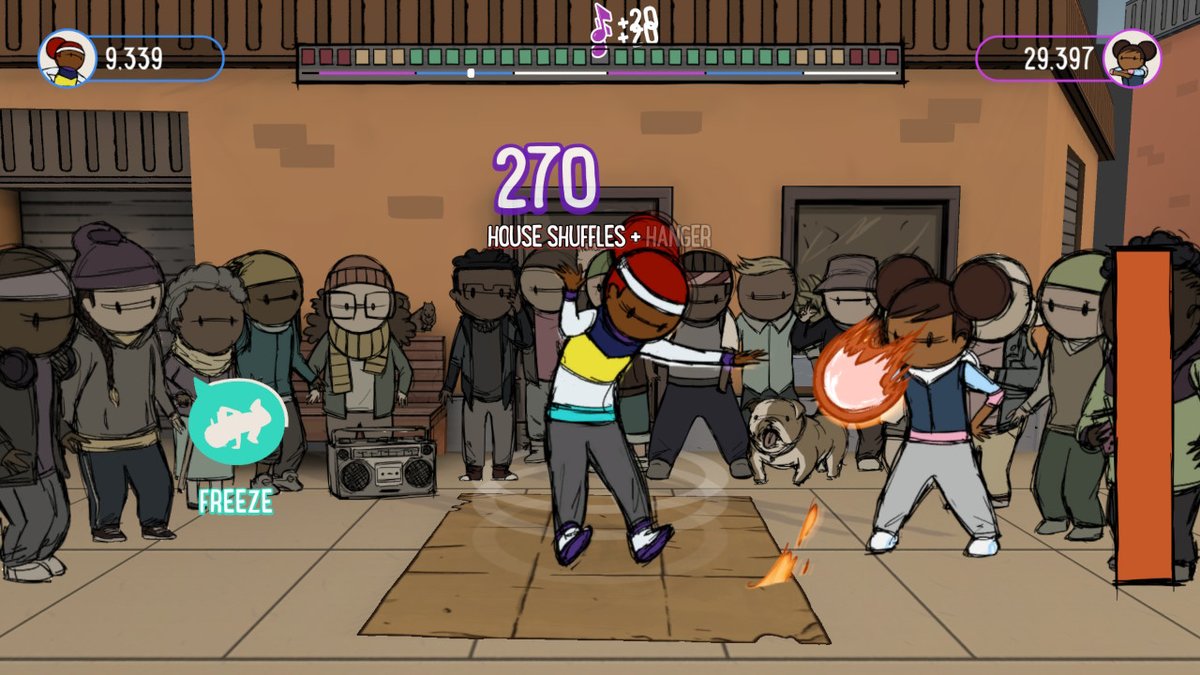
While engaging in break-dance combat, looking for crowd requests for extra points to boost your score and keeping every move fresh and “crispy”, the opponents are capable of hurling giant fireballs – known as “Burns” – at the dancer on the floor. The opponent player taps any button to the beat to fill up their burn meter, and once full the player is then ready to launch the burn ball away. However, the dancing player, if paying attention, can trigger a shield to completely block the Burn attack when timed perfectly.
In Battle mode, the dancer on break is able to build up their “Burn” meter and launch disrupting fireballs at their opponent.
With this unique added element, the two player battle mode really shines. The dances are tense and hectic, way more than the simple idea would lead on. Pumping to the beat, switching stances to the crowd’s liking and keeping your guard up from the inevitable “burn ball” headed your way is truly a rewarding phenomenon if accomplished successfully. Not many rhythm games have this much depth of competition in such a simple sequence of events, but Floor Kids absolutely delivers a remarkable 2-player experience.
All in all, Floor Kids is an excellent addition to anyone’s Switch library. A cute little game with modern hip-hop tunes, and a method of dancing that, until now, haven’t seen very much light of day. The rhythmic stylings of Floor Kids revive a genre that seems to have drifted away with the likes of Rocksmith and SingStar. Easy enough for anyone to pick up and play, the beat-bopping tunes and awesome sketched-out visuals from the creative mind of the artist, JonJon, Merj Media has provided a unique form of entertainment to the ever-growing selection of Switch titles.
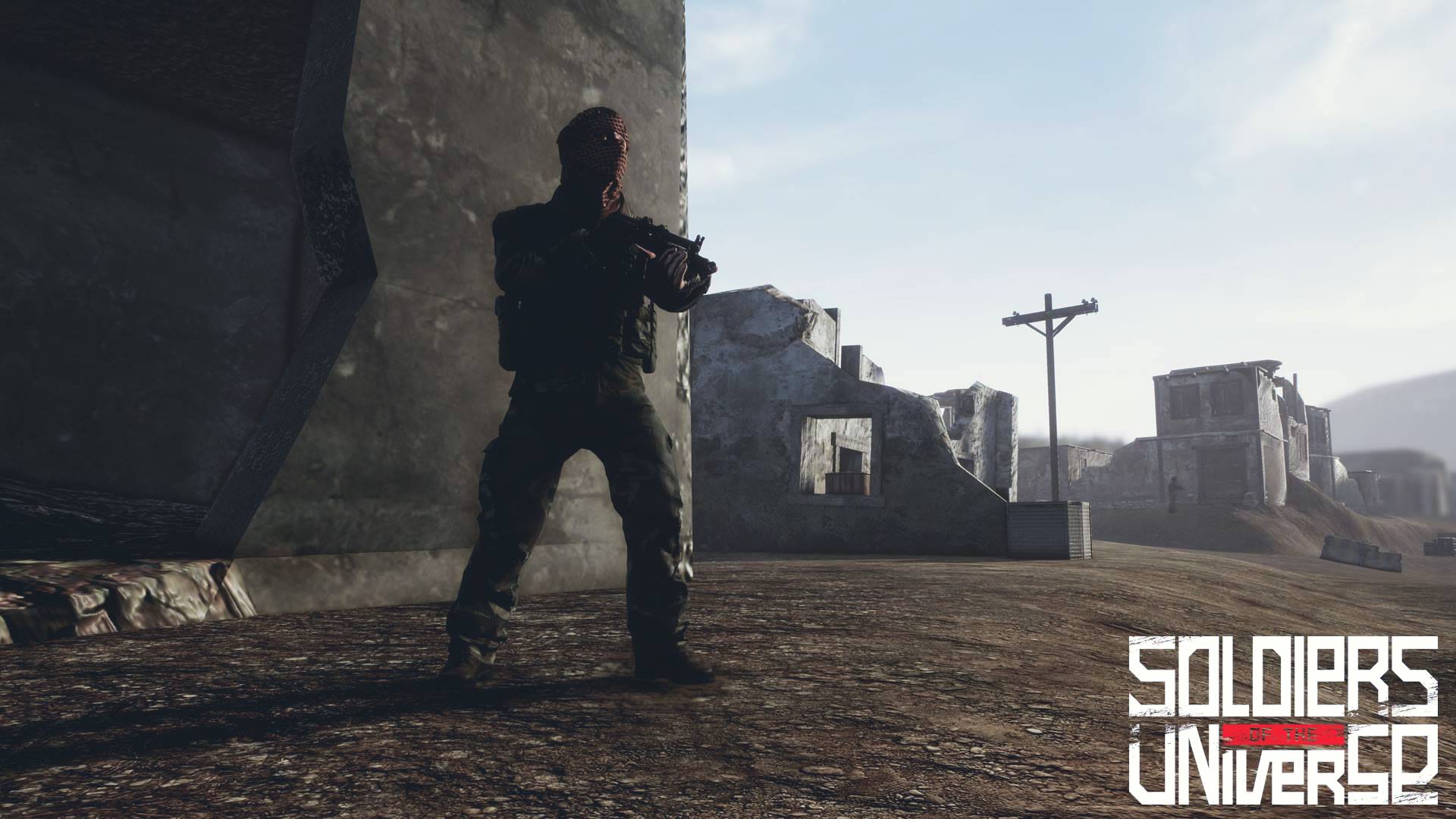
First-person shooters have developed a sort of stigma over the years of being linear, cover and shoot forms of entertainment, primarily focusing on war in realistic scenarios. Soldiers of the Universe follows this mechanic almost religiously, giving new definition to the term “linear”. Infiltrating Middle-Eastern terrorist organizations across Syria and Istanbul, independent developers, Rocwise Entertainment, bring a sobering experience to the ‘duck and cover’ genre of FPS games.
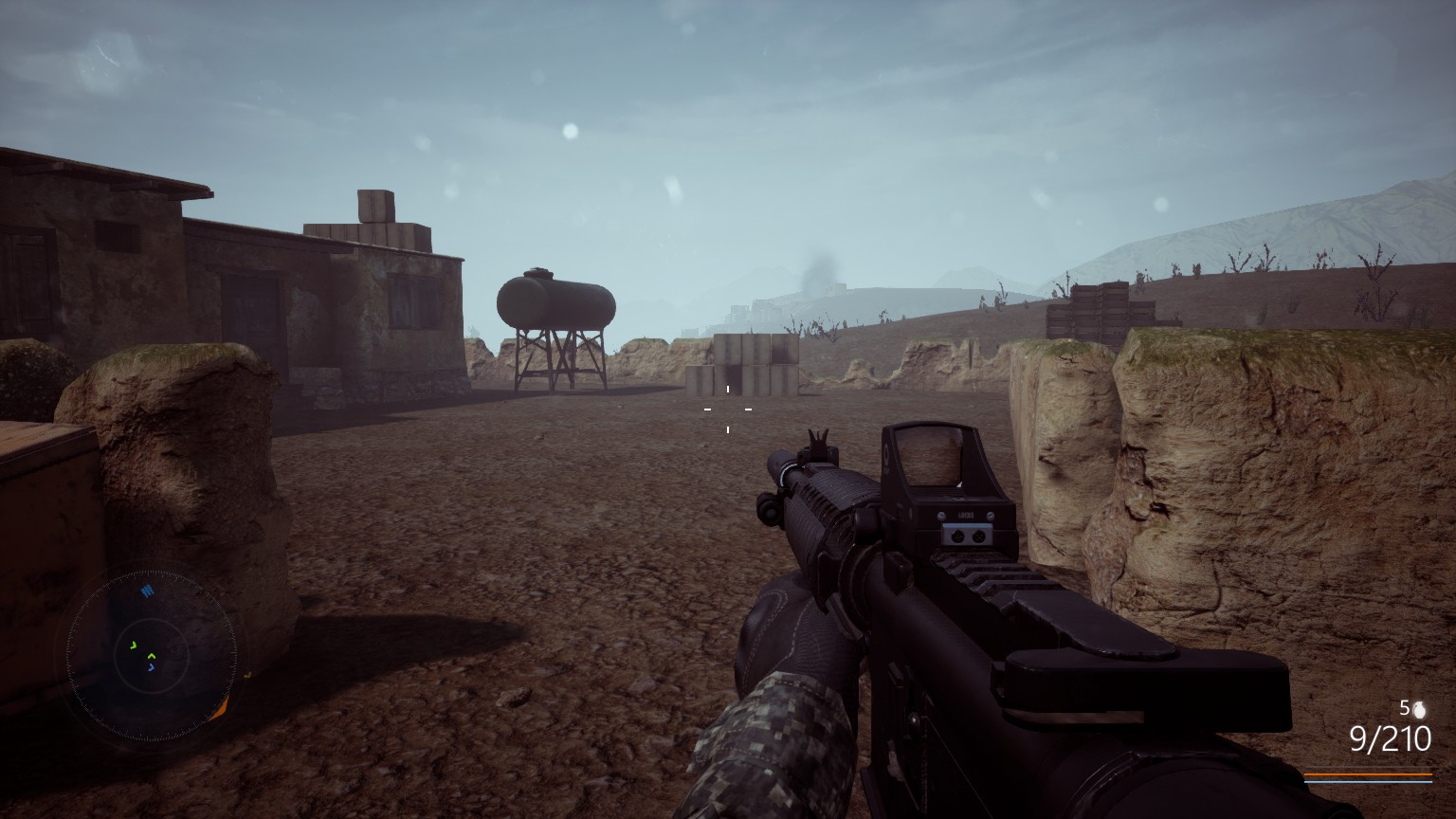
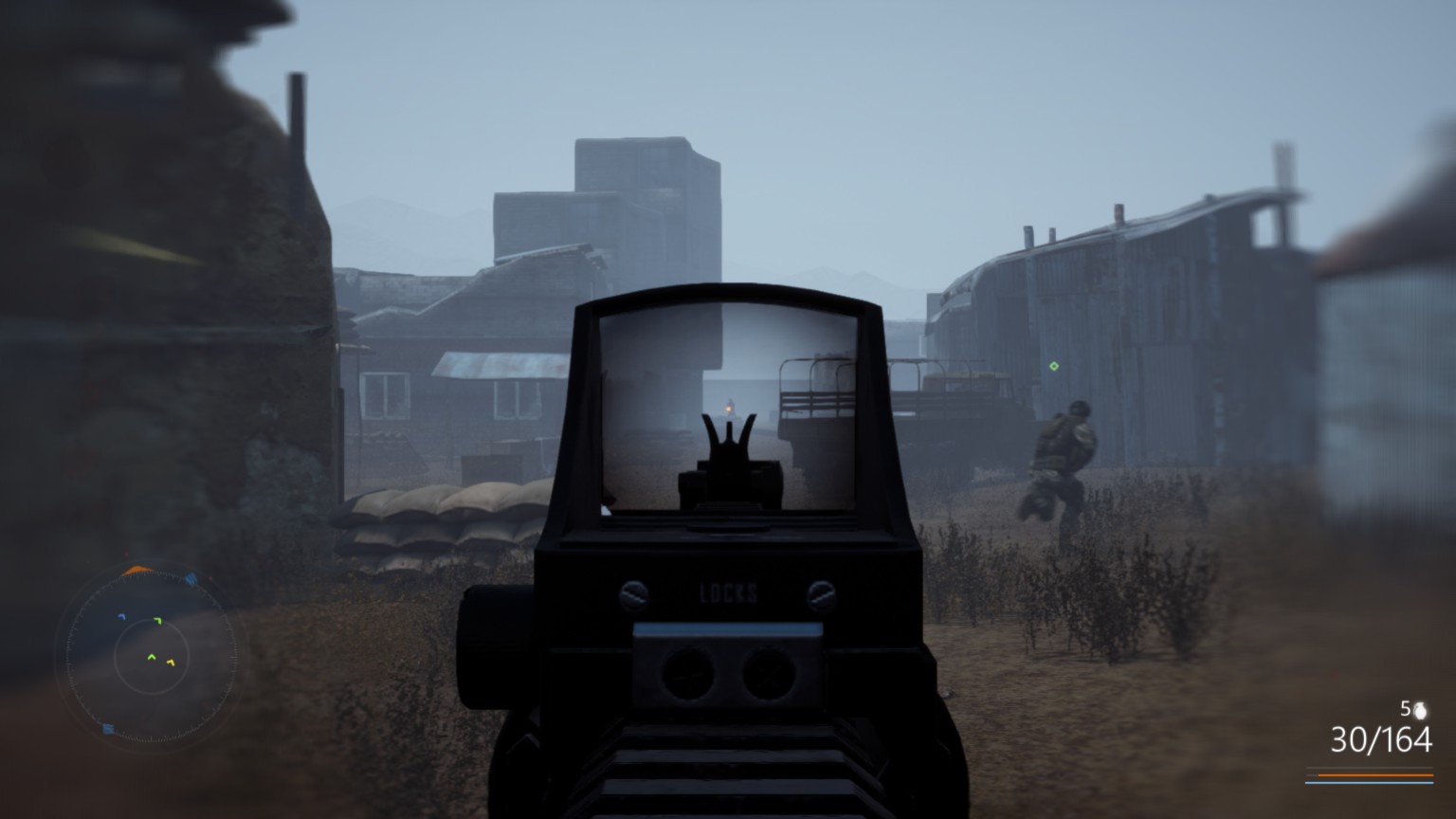
The visuals in Soldiers of the Universe take advantage of the Unreal 4 engine, but do little for content featured in the dull shooter.
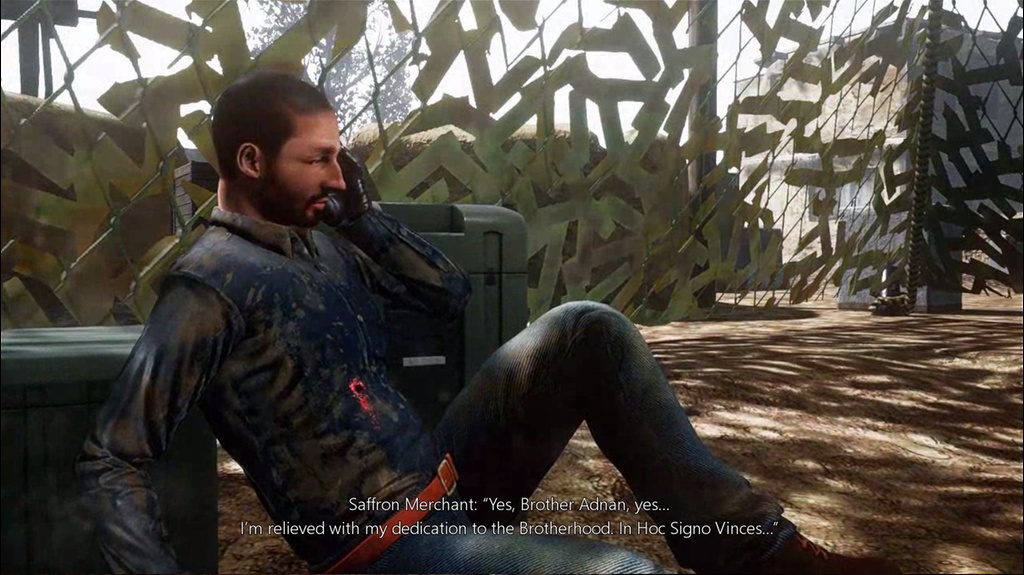
Soldiers pits the player in with a colourful group of specialized comrades all with their own unique skills and dialogue. Though there’s not much dialogue throughout the course of battle, each character supposedly has their own style of play. Throughout my time with Soldiers I found myself running through the same old routine of following the completely linear path while the three members in my party blindly ran around corners into raging gunfire. Luckily for them, they’re rendered invincible, and mostly not targeted by enemy forces, thus leaving me to follow unsuspectingly into instant death encounters.
The story behind this “narrative-driven” shooter takes players through rugged and uninspired settings, holding the hands of the squad throughout the game. There are no secrets, hidden areas or objects, or any incentive to tread off of the linear questing, which is filled with un-lively, statuesque AI enemies. Gunning after the major Middle-Eastern terrorist organizations, players – and their dull squad – will fight through waves of tactless opponents throughout a dim range of maps.
The story behind Soldiers of the Universe is dull and mostly full of un-suspenseful moments.
Straight To The Point
Traversing through the maps is a breeze, with only one objective and one route to go, proceeding forward is literally the only option. There are instances of areas, which, in other shooters would be filled with loot, secret items and intel – Soldiers brings a barren wasteland. Empty homes are completely abandoned without anything interesting to investigate. Not even pieces of broken furniture or other household items were added to the game, leaving an unfinished, and un-rewarding experience to the FPS.
The emptiness of Soldiers is only scratching the surface of the limitations found in the linear campaign. While following your squad, like clockwork, every 20 seconds or so a handful of enemies began firing down upon you. What’s different from most shooters we see nowadays, is the enemies will switch to better cover, flank, or at the very least, act as though they resembled a human being. The enemies in Soldiers are as boring as they come, standing in place firing away at our hero. Only to reload would some of the terrorists hide in front of cover, but this is the actual extent of how motionless these enemies are. Hiding behind cover to regenerate your health was easy and fluid knowing none of the enemies dare move from their position.
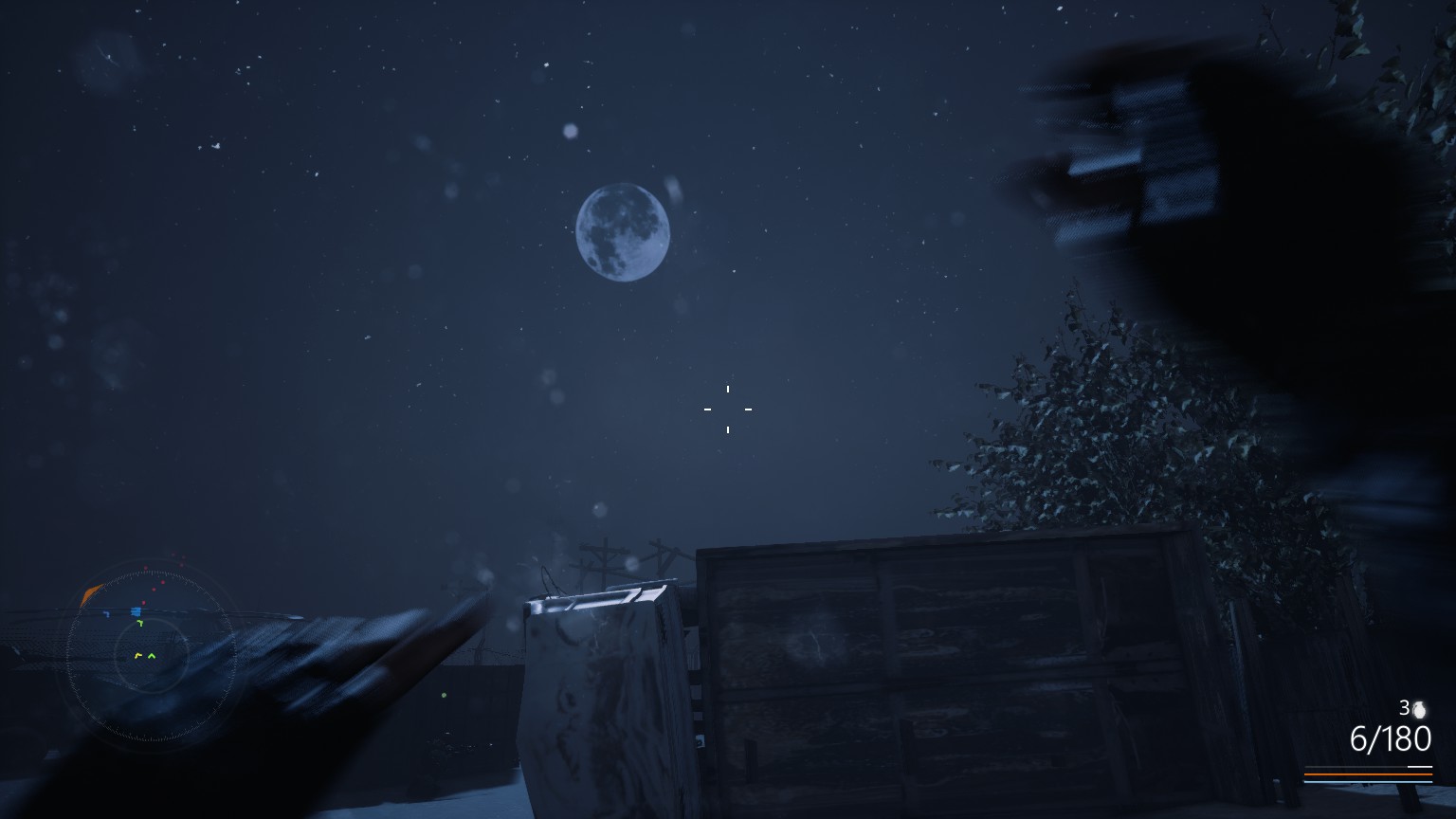
Some missions have players completing objectives at night, providing a subtle sense of change in the otherwise rote gameplay.
Where’s The Arsenal?
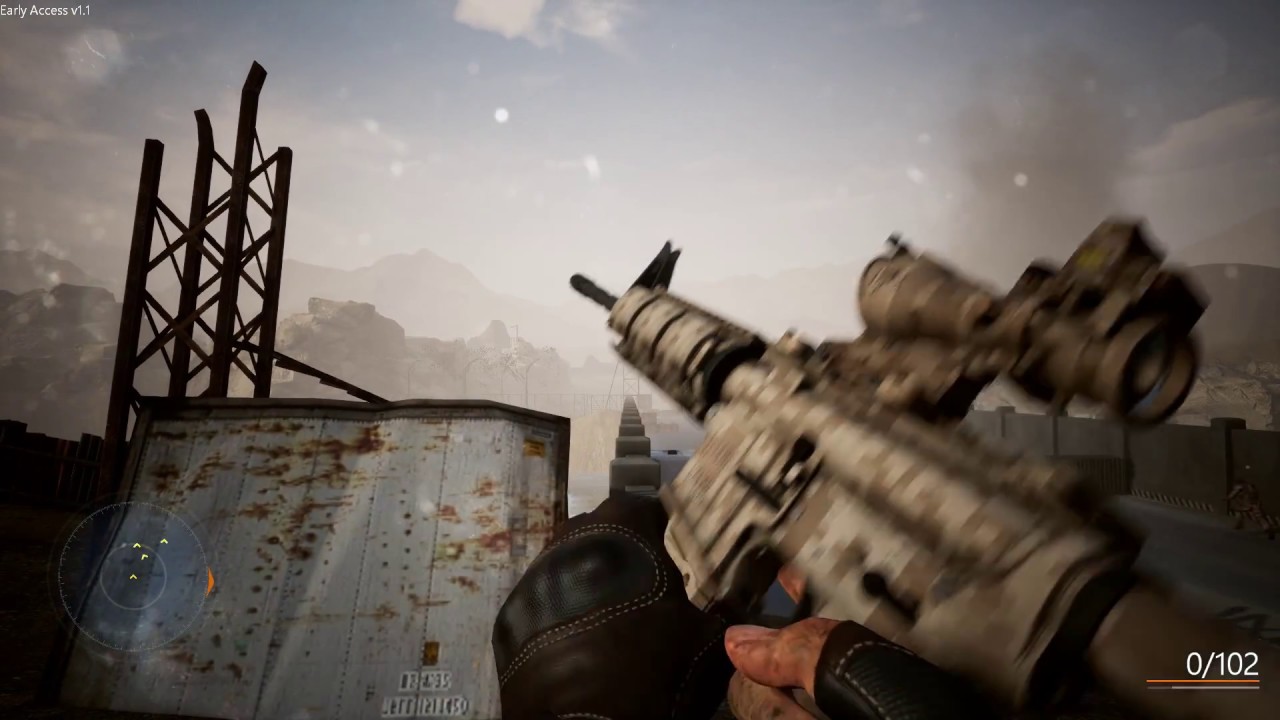
Starting a mission will net you three various weapons throughout the following objective. Typically two types of assault rifles equipped with scopes, and a sidearm pistol. Looting enemies for their weapons is a no go, and any sort of special ammunition ceases to exist. There is the grenade option, as what would a war game be without some impactful explosion to throw around? Finding ammo is as easy as refilling from one of your support members of your squad, as they have an unlimited amount of free ammunition. Of course, there are also ammunition crates scattered throughout the levels – these being the only interactive objects found in the maps – but there’s not much need to go out of your way for these when it’s easier to simply track down your squadmates and reap the same results.
The lack of discovering more weapons or explosives is a real sore spot in Soldiers of the Universe. Many fans would agree that unlocking or finding secret or powerful weapons is a massive adrenaline rush in many of the FPS games around. Forcing the player to adhere to specific weapons hinders any sort of unique experience found in shooters. Gamers love options; to have these stripped away feels cheap and presents a lacking atmosphere filled with predictable moments time and time again.
Enemies stay in position while you’re clumsy squad mates blindly run into enemy fire, showing off the number of issues with the AI in Soldiers.
As mentioned above, the maps are lacking creativity and content only pointing the player in the direction of your sole objective. The minimap and all of its minimalistic detail show a whopping three types of icons: you and your squad mates, upcoming enemy forces and the ever-present, but completely pointless ammo crates. The red arrow acting as the compass surrounds your mini map and points towards your objective; for anyone who is having trouble following the stale and linear path of the questline.
Though many FPS titles follow the same formula, most accomplish some sort of exciting essence in a dramatic storyline. Soldiers of the Universe – though it plays decently smooth and offers sub-par graphics utilizing the power of Unreal 4 – provides a lacking experience that can easily be left in the backdraft of stumbling shooters. Surrounding all of the negatives Soldiers has to offer, there is promise of something far greater from the indie development team, RocWise Entertainment. Let’s just hope future endeavours from the team prove more worthy than their tediously linear shooter, Soldiers of the Universe.
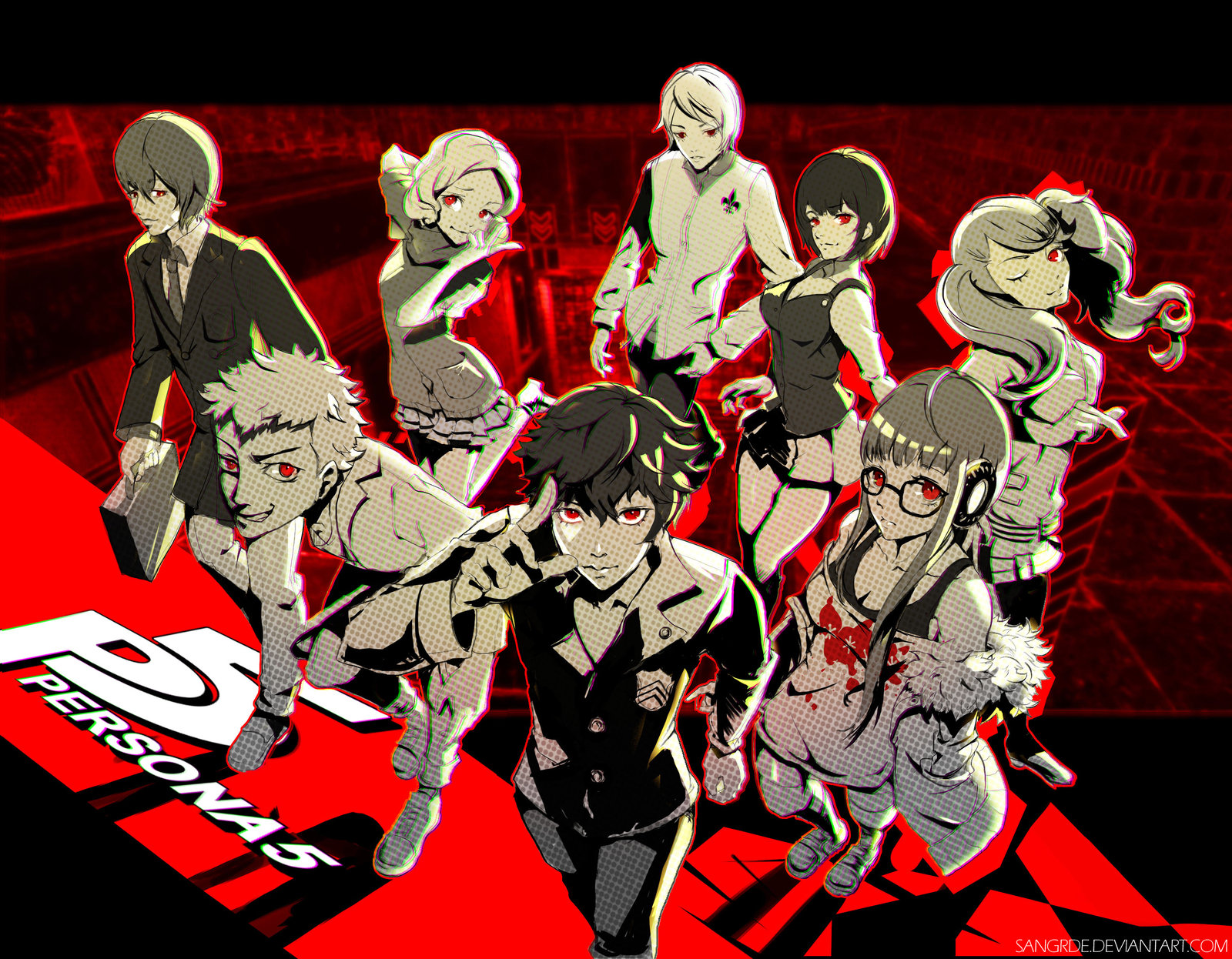
By the end of November, Japanese publishers, Atlus, announced that their highly praised RPG title, Persona 5, has now sold 2 million copies worldwide. This is a major milestone for the seasoned publishers, especially since the release came just 8 months ago. This puts the RPG in with the likes of Breath of the Wild, Super Mario Odyssey and Horizon Zero Dawn as some of the best-selling games of 2017.
President and CEO of ATLUS U.S.A. – Naoto Hiraoka – has spoken out about the hit RPG’s success around the globe, both on the PS3 and PS4 systems, stating:
“We are in the middle of experiencing tremendous growth, both in the west and abroad, and the sales of Persona 5 represent a new level of expectation for fans of the genre. Once seen as niche, Persona 5 is one of the most important titles this year, proving interest in this category is expanding. We look forward to delivering more incredible games to our fans next year.”
Along with the sales figure reaching new heights, Persona 5 has also been nominated in four categories in the upcoming 2017 Game Awards to be held on December 7th. The four categories being:
Game of the Year
Best Art Direction
Best Music/Score
Best Role Playing Game
Persona 5 has received high praise and acclaim from top sources and media outlets worldwide for its highly dramatic and mature storyline following social stigmas, colourful cast of characters tainted with their own personal flaws, its revamped dungeon crawling system, and impressively catchy soundtrack.
If you’re a PS3/PS4 owner, be sure to check out one of the best games of 2017 in Persona 5.
Turkish developer, Rocwise Entertainment, brings a military shooter to the PC in their debut release – Soldiers of the Universe. In this story-driven first person shooter, soldiers fend off against terrorist organizations from Northern Syria, Southeast Anatolia and Istanbul, players will take part in The Republic of Turkey’s military organization, The Akinci Warriors.
Soldiers of the Universe pits players against Middle-Eastern terrorist organizations.
Players take on the hero of Hakan, a soldier who has been thrust into the role of The Universe, of the Akinci Warriors; a position which was formerly held by his deceased father, Selim Kahraman. Seeking to avenge his father, Hakan will lead military organizations to take down the many enemies of the state. Of course, Hakan will not be alone in his fight for revenge, at his aid will be three other players to help stop the Middle Eastern terrorist organizations.
Start your reign against terrorist organizations with the four heroes featured in Soldiers of the Universe: the protagonist Hakan – or better known as Eagle, the serious marksman Hawk, the foul-mouthed technological nerd – Owl, and the intelligent, sarcastic linguist – Vulture. With these four men, take the fight of The Republic of Turkey, and give the terrorists of the Middle East everything they have coming to them.
Check out the trailer below from Rocwise Entertainment, and check back in at D-pad Joy later in the week for our official review of Soldiers of the Universe, which is available now on Steam.
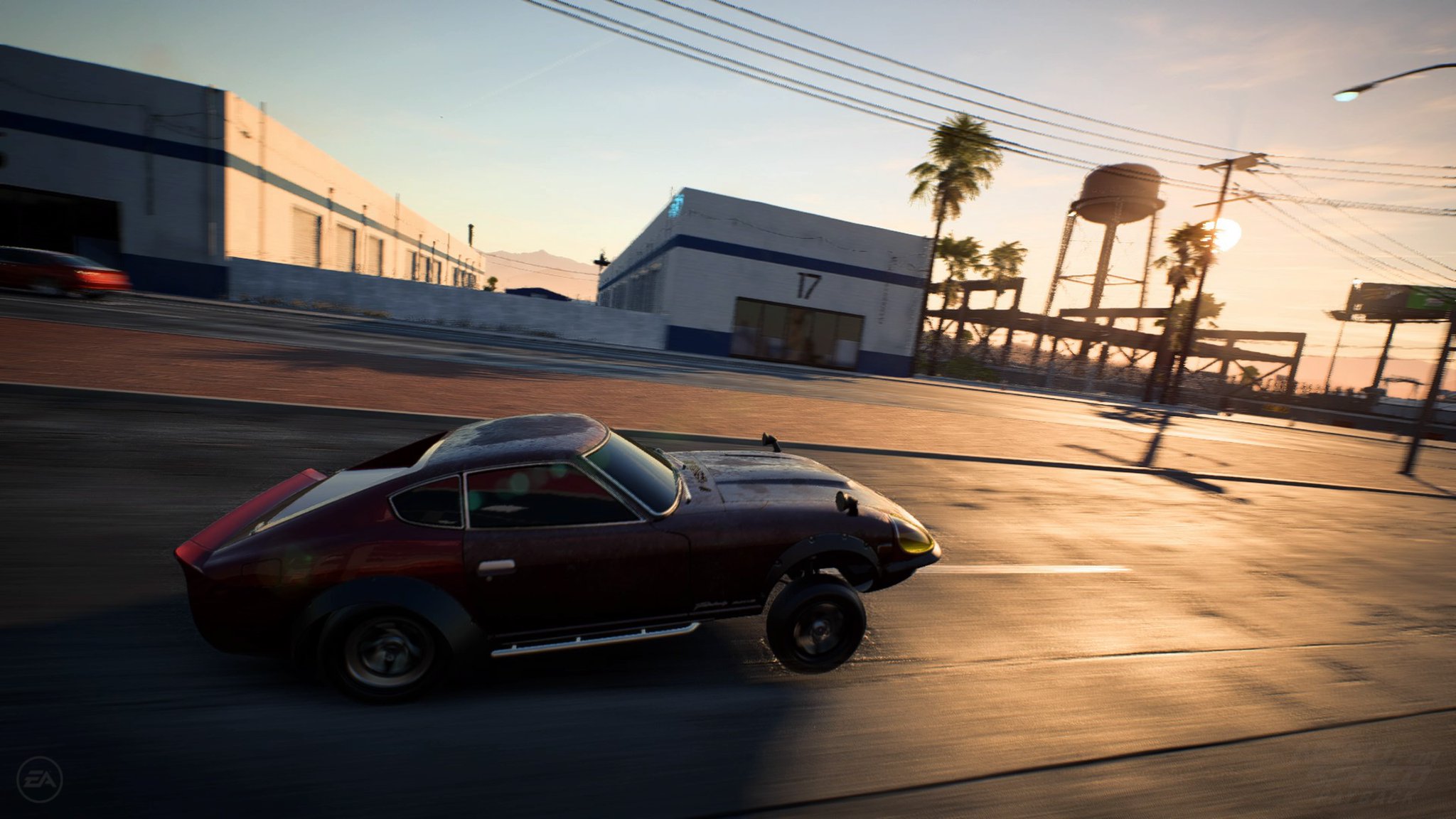
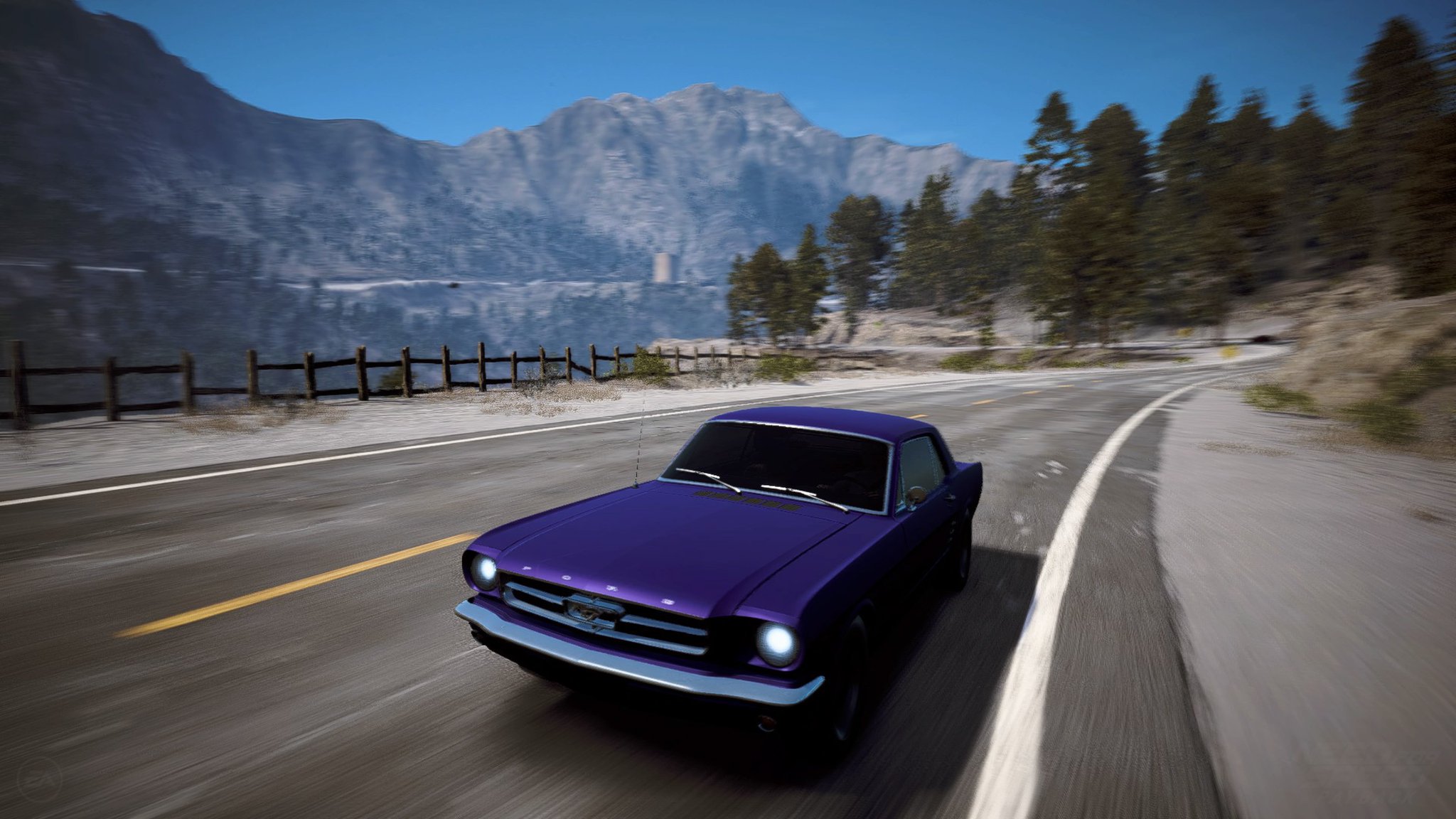
The Need for Speed franchise has driven players all over fictional cityscapes, mountain passes, smokey forests and desert stretches. Need for Speed Payback doesn’t change any of that, but substitutes the realistically rendered cutscenes from the 2015 entry, back to the animated cast and arcade style racing. Tyler, Mac and Jess team up and partake in a variety of heated events from classic arcade street and drag racing, to off-road and drifting trials, all to take down the boss who runs the city of Fortune Valley, The House.
In the wide-open world of Fortune Valley, Tyler Morgan reigns supreme as the “best racer in the city”. His two close partners, Jess – the cops smashing, escape artist, and Mac – the off-road, thrill-seeking Brit, team up and find themselves stacked against the odds when facing off against The House – an Organized crime syndicate that secretly runs Fortune Valley, the trio is betrayed by the top street racer of the criminal organization, Lina Navarro.
Fueled by revenge, Tyler rounds up his crew and begin to infiltrate the underground racing scene n Fortune Valley. In hopes of getting closer to The House and Navarro, the skilled trio of racers will take down local street racing gangs all across the widespread map. Earn your spot in the streets, juice up your collection of powerful street machines and race your way to earn the ultimate payback on The House.
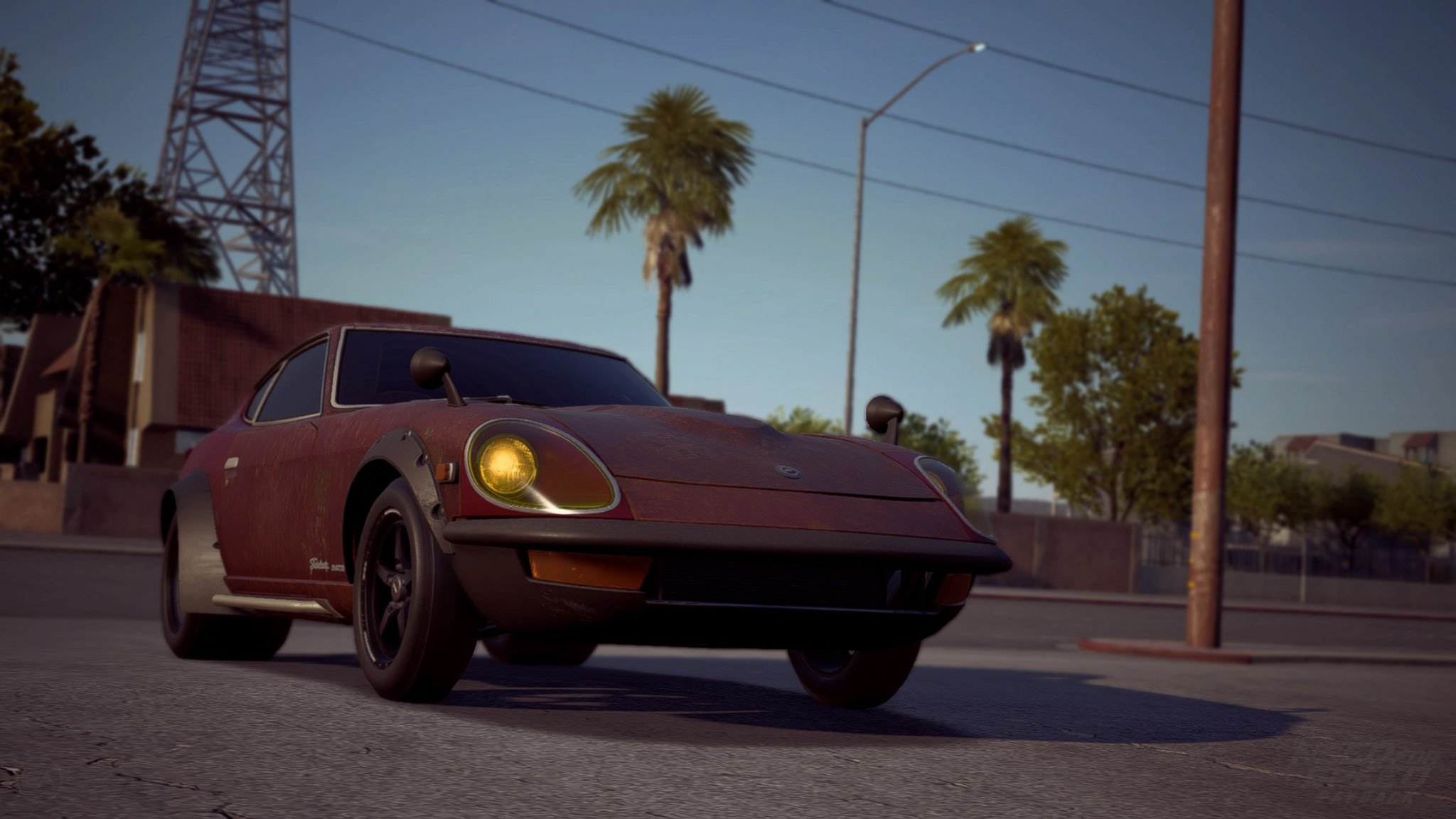
The vast world of Fortune Valley has more than just casinos and deserts to drive through.
The huge map featured in Payback drives the player across busy Las Vegas-styled city streets, red canyons mixed with desert landscapes, rich mountains and lush valleys. Race events like time trials, sprint and circuit races, drags, arcade-style checkpoints and police chases will fill the county of Fortune Valley in no time. The map is riddled with various objectives for Speed Runs, Speed Traps and high-soaring stunt jumps. Other locations like tune-up shops, gas stations and car dealers will also unlock the more you explore, or the more money you earn.
Sliding from side-to-side
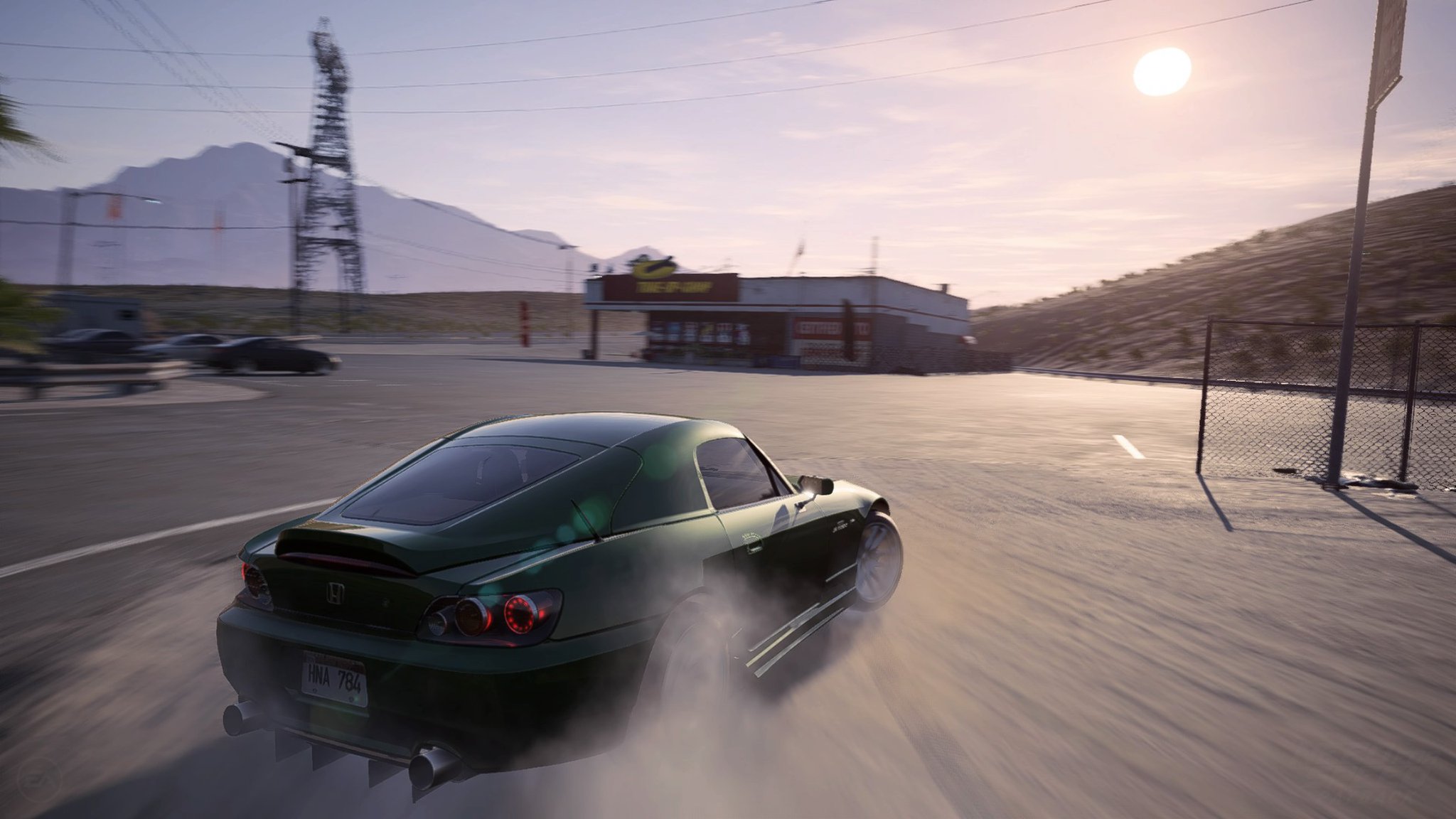
The car handling in Payback is driven towards the arcade style of the racing spectrum, featuring easy-to manoeuvre drifts, slides and hard turns. Though unrealistic, there’s plenty of entertainment and exciting thrills that come in almost each and every race. The cars are broken down into a handful of classes which act as the main portion of the difference in handling and overall driving. Drag, street race, off-road, drift and runner are the five categories to which you can equip your selected car with.
Races are the primary category, using the most of every performance part available, from high-speed to blurring acceleration, on the dime handling and quick-acting braking. Taking players through circuit races around various parts of the map, sprint races from point A to point B, and even high-speed pursuits to escape from law enforcement. Tyler is in charge of these events, as well as top speed drag races in Fortune Valley.
Sliding and drifting around turns is as easy as they come and serves as a crucial form of taking hard corners.
Drag races have been tweaked in almost every Need for Speed title since they first made their appearance in the 2003 Underground title. Still focusing majorly on the car’s tachometer and manually shifting gears, quick reflexes are required to achieve a perfect shift. However, the race countdown before the race has players revving their engines in an attempt to place the needle for a perfect launch on the green. Once the throttle is engaged, cars burn tread, lifting their front ends up into the air. Perfect shifts and well-timed nitrous bursts will have players screaming past busy streets, civilian vehicles and opponent racers.
Taking the racing off-road
The quick-hitting drag races and adrenaline-inducing street racing events bring the heart and soul of the long-running racing franchise. Drifting and off-road races have been included in a healthy amount of NFS titles in previous years, most notably the focus on car sliding drift competitions. Taking the wheel as Mac, the high-speed cornering of drift events feel slick and easy to navigate, but virtually no change between vehicles. Sliding through turns, ripping the e-brake and guiding the nose of your ride around the inside curve feels comfortable and never giving the player a lack of control. This may sound great in writing but comes off slightly diluted and unimpressive as far as diversity in vehicle manoeuvrability.
Drag racing to drifting to off-road hill hopping makes for a diverse racing experience.
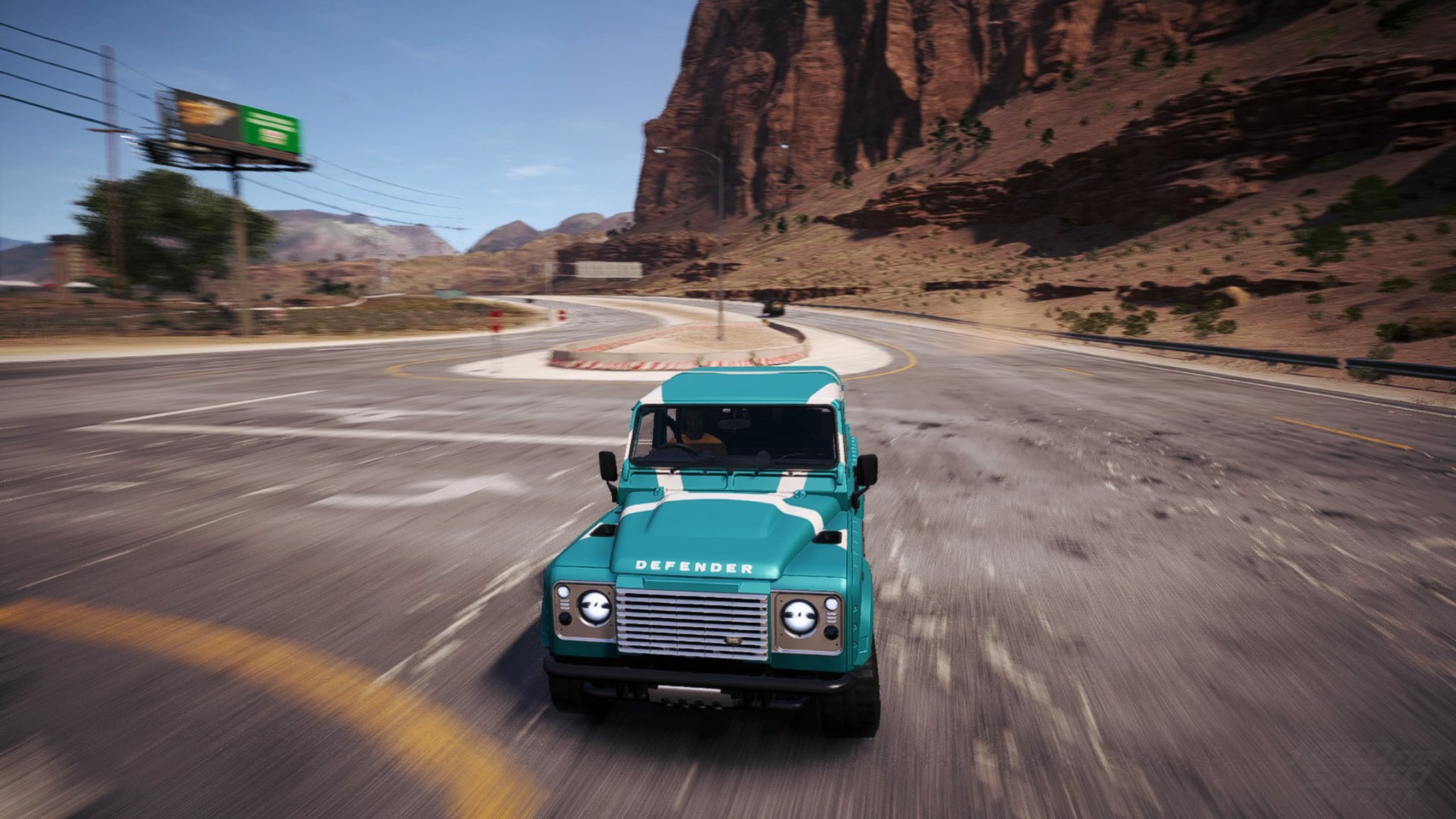
In the off-road events, players will tune a 4×4 vehicle, which could range from a smooth and flashy Subaru WRX to the hulking Ford F-150 Raptor. Dirt roads and huge jumps line the racing course with excessive airtime and rough rally style racing. These events are hectic and require skill to manoeuvre across the deep valleys and rocky terrain. Cutting across the course, finding the fastest way to the finish and smashing into your opponents serves as a nice change from the tight cornering and high speeds of street racing.
Building your derelict cars from the ground up
Aside from drifting, off-roading and drag racing across the vast map of Fortune Valley, there are also collectable poker tokens and the more valuable derelict car parts. Upon defeating a leader of each street racing gang, you’re rewarded with the first of five clues to a secret derelict car. The first clue reveals what car you’re investigating, as well as adds four more clues required to complete the build of the vehicle. Clues are small circled areas on the map to which the player needs to discover the location and unveil the hidden part by approaching the derelict item. After all of the clues are found, players may then select the derelict cars and categorize them to one of the five racing categories.
Many different derelict car parts can be found all over Fortune Valley, collecting them all will grant you a new car.
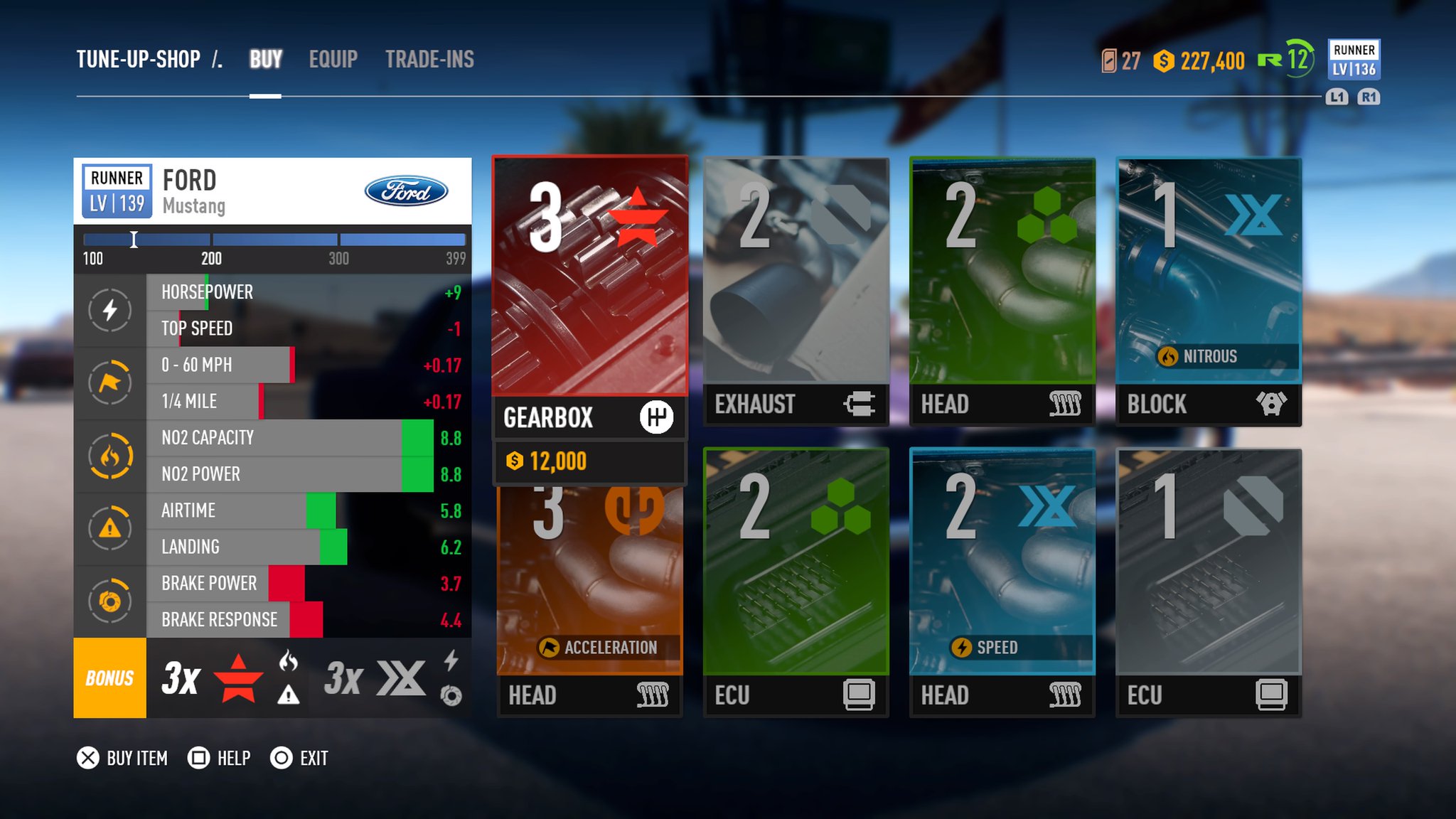
Upon receiving derelict cars or purchasing a new ride, players will then be inclined to improve its performance and upgrade their racer. The obvious choice is to spend hard-earned cash and improve your car by purchasing speed cards. The tune-up shops update randomly about every 10 minutes and a diverse selection of speed cards is available, from new exhaust and headers to enhanced turbos and brakes. Each card alongside its performance part also has one of 5 brands (or the stock part), and some also come with a performance bonus attachment. The brands act as a bonus when three or all six performance parts are equipped with matching brands.
After each race or event players are also rewarded with a mystery speed card which is revealed after the selection. Equipping, selling for cash or trading it in for coveted part tokens are your three options with what to do with every part you’re not using. Part tokens are another interesting way to receive other, sometimes more powerful speed cards through a “slot machine” style mini-game. With three wheels across the board, each one is labelled with a brand, performance part and bonus stat. Players will spend three-part tokens and select one of the three wheels on the selected part, brand or bonus, roll the other two wheels at random, and thus the gamble begins giving you a shiny new speed card.
Adding performance parts to your ride is done by equipping randomly generated Speed Cards which are loaded with extra bonuses.
A familiar NFS experience
The open world and diverse racing events in Need for Speed Payback are relentless in providing a thrilling experience. The story is brash and full of tiresome, predictable characters. The racing is tilted closer to the arcade side of the spectrum, leaving a controllable drifting, jumping and high-speed racing. Upgrading your car selection via speed cards is nifty and keeps things a little more randomized when visiting tune-up shops. Derelict cars provide a unique spin on the series with search-and-find missions and reward players with collectable cars. All-in-all Need for Speed Payback brings another familiar racing experience delivered by Ghost Games, with slight tweaks and enhancements for an exciting racing experience.
Arelite Core invests players into a journey in which a master blacksmith embarks on an adventure to witness the secrets of other master blacksmiths based around the world. Played in traditional RPG fashion with gorgeously rendered sprites, established turn-based combat, unforgettable characters and a timeless musical score wrap it all tightly together.
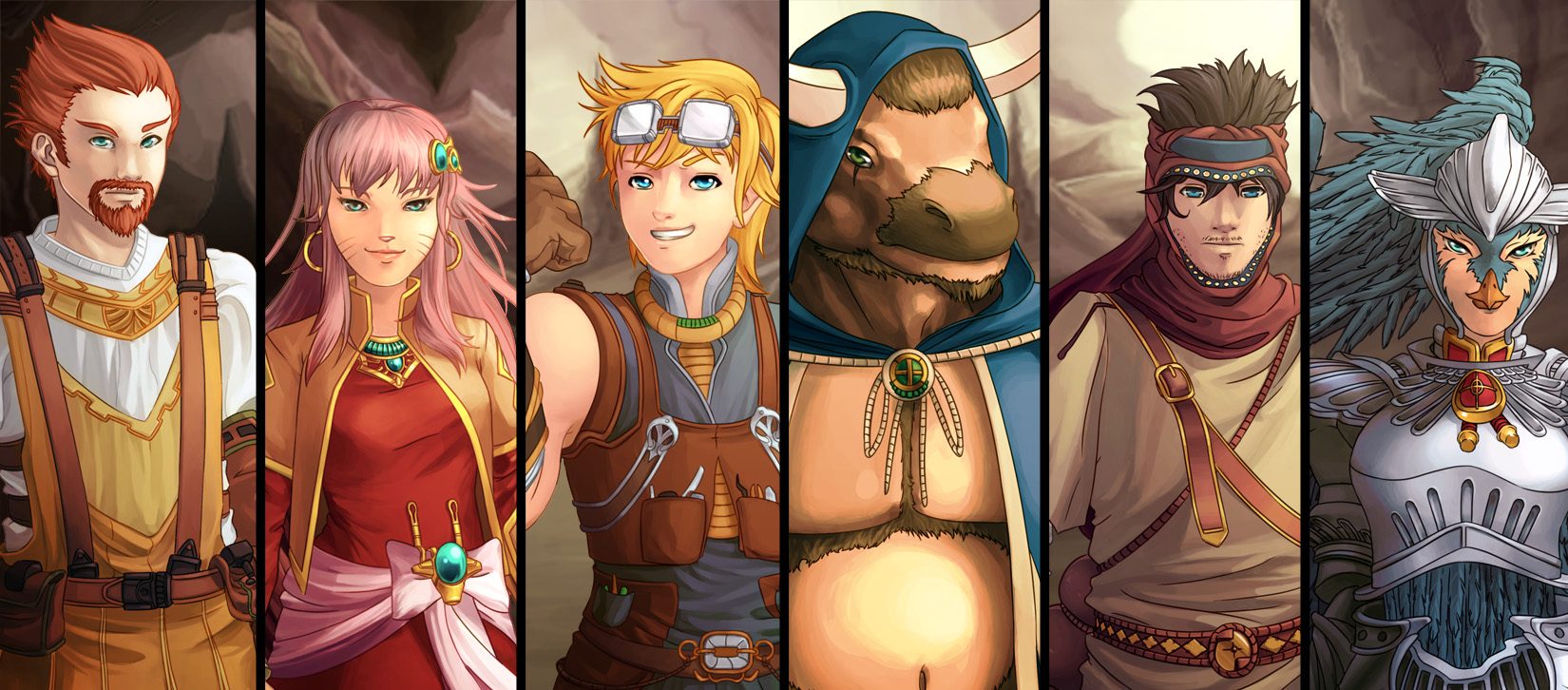
In Arelite Core, a master blacksmith – Karden – from the small village of Arreal undertakes a journey to travel around the world to learn the secrets of his trade. From village to village the legendary blacksmith will meet and greet with other master craftsmen, accompanied by his savvy and egotistical battle buddy, Baeme. Picking up other companions throughout your journey and uncovering truths about the dangerous ancient Arelite stones, players will swiftly grasp the mechanics of this familiar looking RPG.
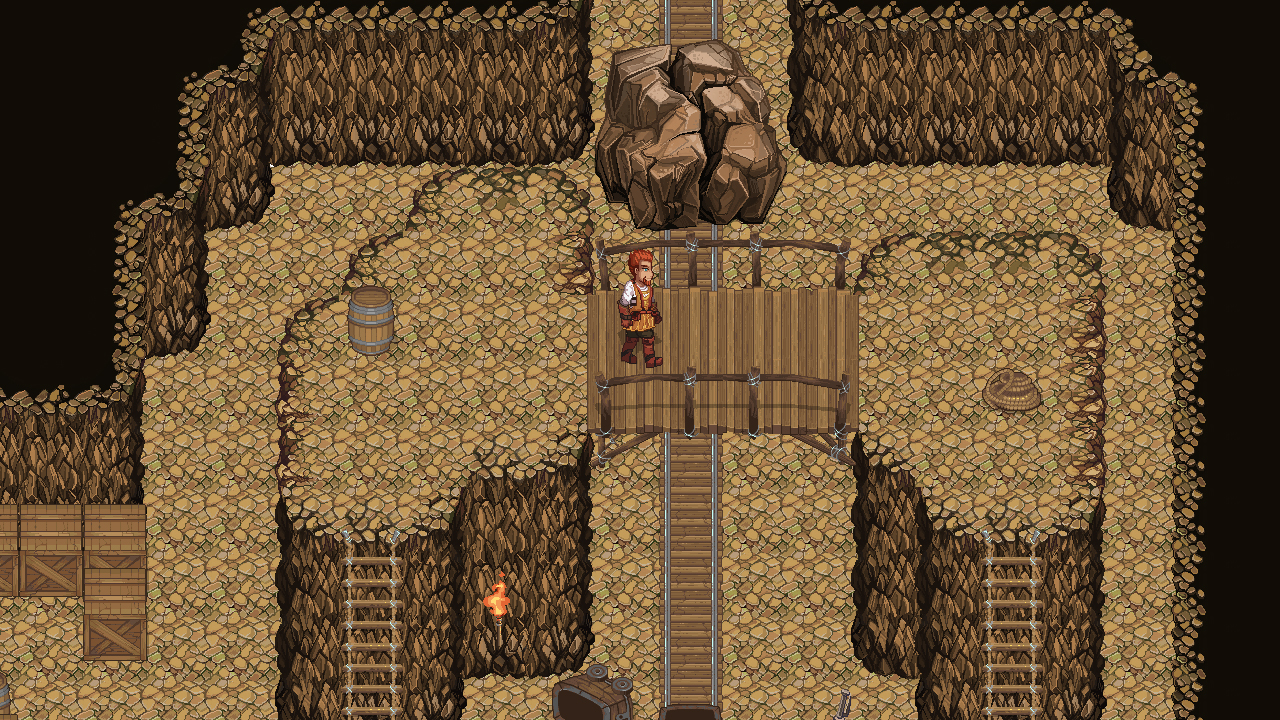
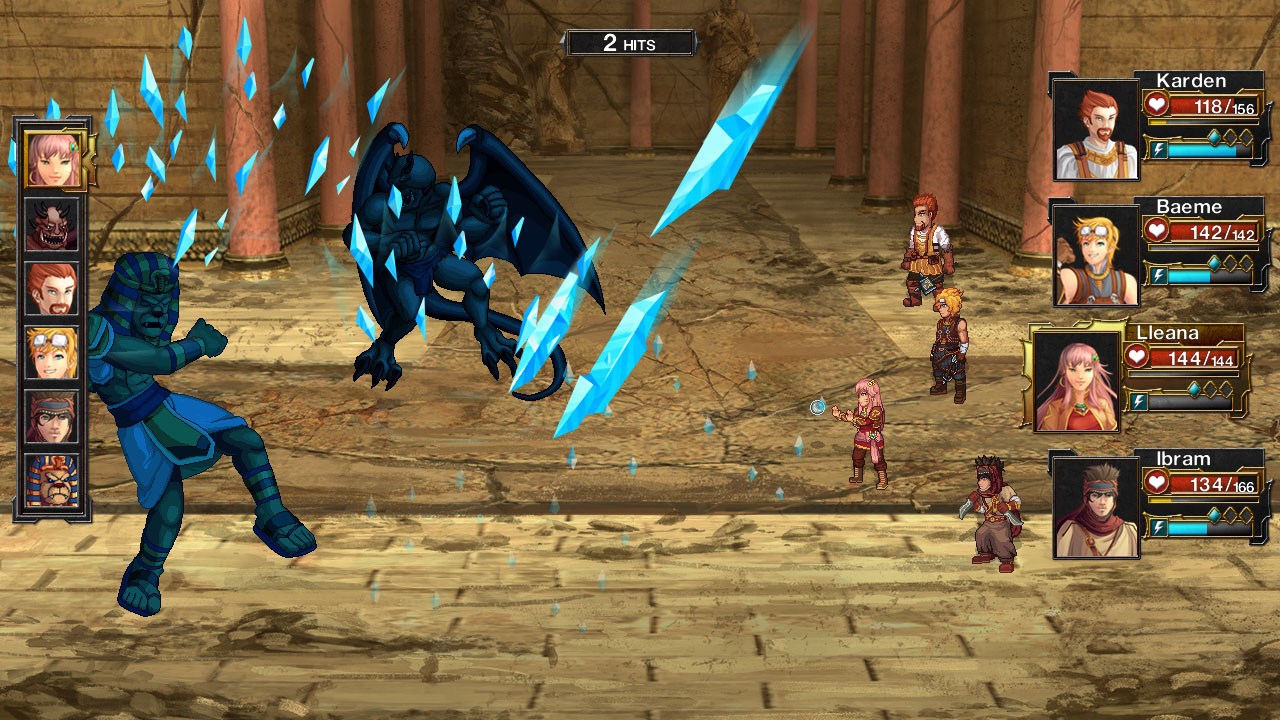
Traversing through dungeons may lead to hidden paths containing helpful items, as well as more monsters.
A Colorful World
As the simple story progresses about the dedicated craftsman and his cocky companion, the lurking dangers of Arelite – an ancient resource used to make absurdly powerful weapons – is now falling into threatening hands. Knowing the power of Arelite, increasing your knowledge and skills as a blacksmith is now crucial in stopping the evil forces and bringing peace back to the world.
The aesthetics of Arelite Core brings back the early years of the adventuring/RPG genre, with colourful and unique sprites, text-based narrative and an enthralling musical backdrop. Exploring, developing your characters/parties and easy-to-learn turn-based combat all provide for a thrilling ride atop the compelling story following the master blacksmith and his faithful and colourful companions.
The open areas and dungeons to roam are familiar in almost every sense of the word when compared to the 16-bit fantasy titles the gaming community remembers so fondly. Unraveling bits of lore and dialogue by talking to the wandering villagers, or bartering with charismatic business proprietors for useful items, armour and weapons are still the standard when entering new areas. Though the game doesn’t offer much difference when it comes to the traditional RPG mechanics, Arelite Core still manages to produce an immersive story full of role-playing tactics and a plethora of evil monsters.
Traditional turn-based combat mechanics bring common tactics found in a heap of other RPGs.
Classic Combat Mechanics With A Few Quirks
The turn-based combat tactics involve all of the strategic – both defensive and offensive – manoeuvres, including physical strikes, magic, healing and special moves known as Blitz. Battles break out once the player (or the enemy) has made contact, spinning players into a bout filled with a number of powerful monsters. Standard strike attacks deal damage using whichever weapon is equipped by each character. By gaining levels and upgrading your characters, new skill points and weapons will increase the strength of these strike attacks.
Other tactics like parrying and the ultra-powerful Blitz moves offer unique abilities to raise defence, recover health or deal massive blows to tough opponents. Parrying acts as a form of defence to prepare the given player a stance against any incoming attacks, but also adds a touch of health to the character as well. With every landed blow or damage taken, each characters’ blitz bar begins to fill. Every time the blitz meter fills, a point is acquired and may be used to initiate a special blitz skill. Powerful elemental attacks, magic abilities like summoning monster allies, or healing/buffing your companions in battle are only a few of the unique tactics available through the blitz system.
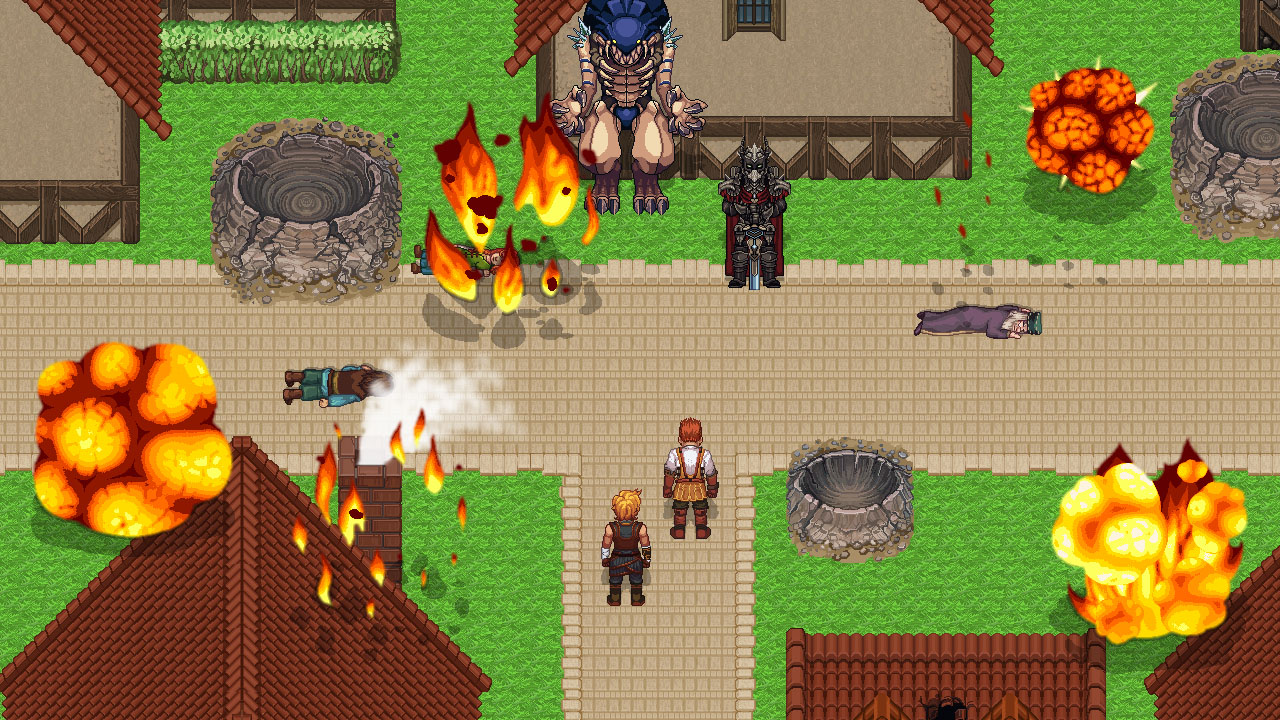
The world is in turmoil against a devious threat using the powerful resource, Arelite.
Strengthening Your Stance
Strengthening your party comes in a variety of useful skill and blitz upgrades. Adding skill points earned through multiple levels, three different categories known as Stances – one for each of the three combat moves – are available to increase in a manner of different ways. Increasing the Strike, Parry and Blitz skills provide a number of buffs, percentage increases in strength or defence, more effective blitz encounters or the ability to stun enemies more frequently. These skill categories act as the main form of character development giving each character a unique twist in combat and strategy.
Blitz, strike and parry moves are all vital stances in overcoming the odds, but having a strong weapon equipped can be just as important. Finding weapons happens, but more often players will find more success in forging their own weapons from resources and metals found throughout their journey. Taking gems and metals to blacksmiths will allow players to forge new weapons and armour for each character, also increasing your Smithing level in the process. The higher the Smithing level, the greater the weapons that can be forged at blacksmith shops.
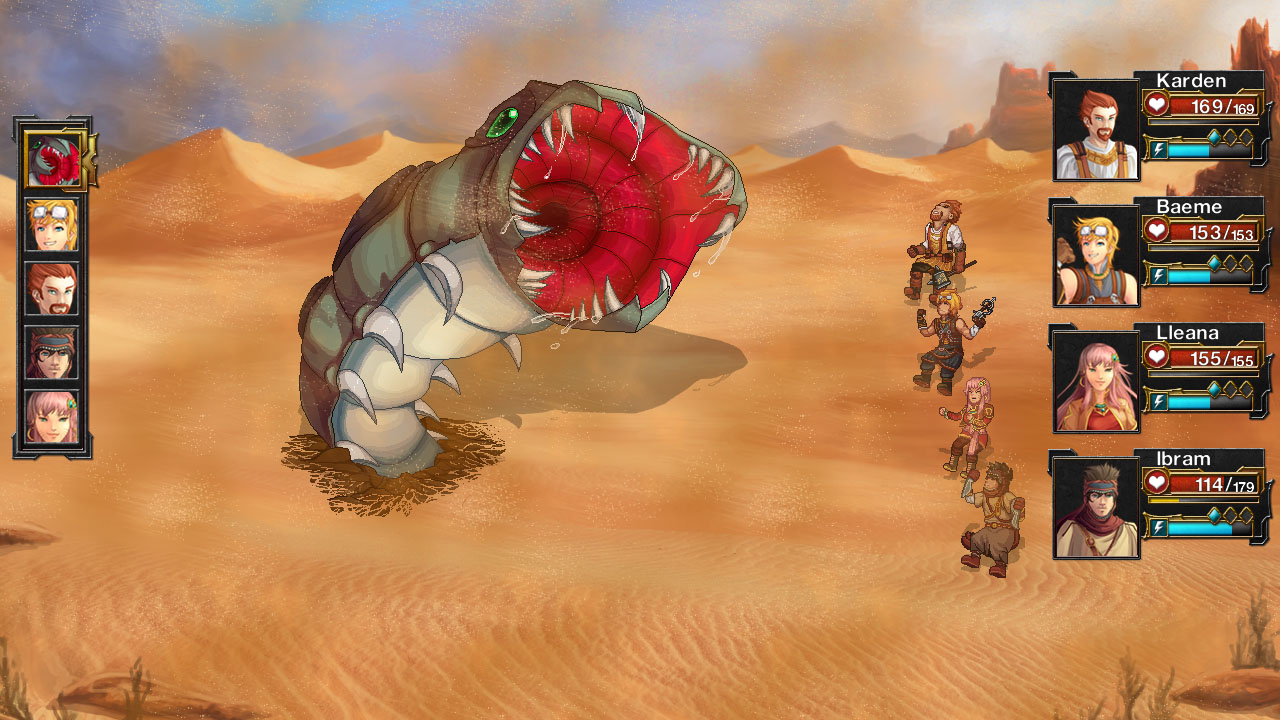
Tons of foul monsters loom in the vast world of Arelite Core.
Arelite Core Review
While traditional RPGs come a dime a dozen nowadays, it’s refreshing to embark on a journey from a different perspective. Playing as the blacksmith with unyielding determination to become the best at his craft is inspiring and charming. Dragon Slumber creates a riveting tale with intuitive perks, skills and useful upgrades. Tons of vile monsters and a cast glowing with interesting dialogue and deep character traits all fit neatly inside this tightly wound RPG. An experience rivalled by so many, yes, but it still brings its own identity to the saturated genre.
Earlier this year, Guerilla Games launched their new IP set throughout a vast and gorgeous postapocalyptic world in Horizon Zero Dawn. The adventure/RPG took players on an enduring journey 1,000 years into the future where humanity has devolved back to tribal living conditions – only to find themselves an outcast in a world overrun by the many ravenous and hostile machines. Months later, the gaming community uncovered the sacred hidden truths about the ancient world before the fall of civilization and craved more from the Nora warrior, Aloy. Meet The Frozen Wilds.
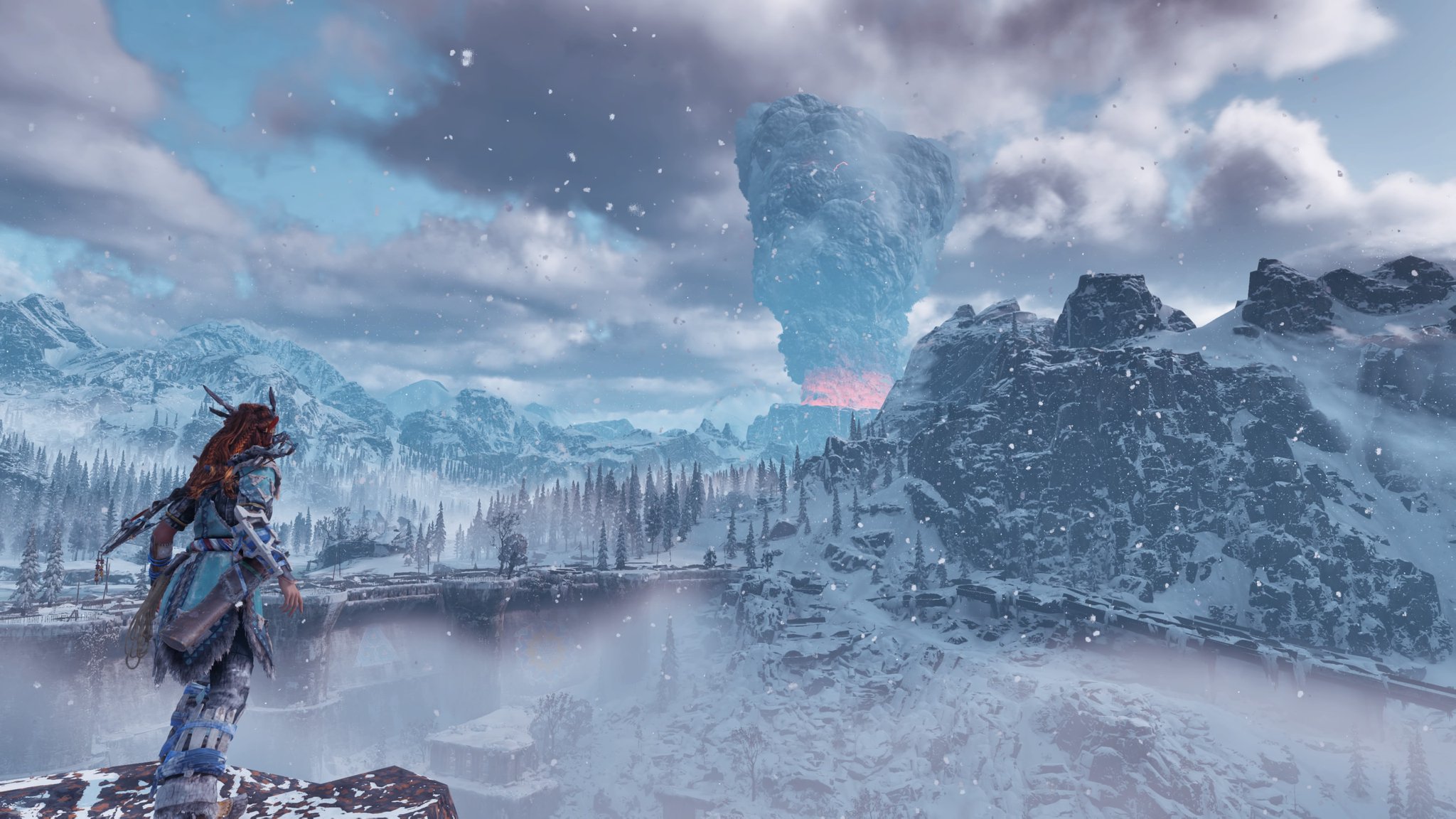
The icy region of The Frozen Wilds glitters the screen with heavy snowflakes and tundra-like conditions. The Banuk tribe has settled up north in Song’s Edge, a village just before The Cut – a snow-covered territory ravaged by never-before-seen machines, frozen peaks, mountain ranges, and the looming threat known as Thunder’s Drum. A billow of smoke suffocates the sky on the far edge of the map, but reaching the volcanic mountain comes with its own string of both physical, and spiritual, challenges.
The snowy peaks of The Frozen Wilds is an impressive sight, even with the billowing smoke of Thunder’s Drum.
Within the frigid lands of the Cut, Aloy will spend her time completing various tasks and objectives, similar to what she accomplished in Zero Dawn. Along with a new area of the map to explore, new weapons, outfits, characters and, of course, tribe-slaying machines, all await in the sizeable expansion to one of this year’s top releases. Adding more depth to the complex and driven personality of Horizon’s protagonist, Aloy will dive further into the truth surrounding the confusing relationship between the rationally intelligent machines, and their curious, and otherwise unstable, human creators.
The looming threat of Thunder’s Drum
Through the main line of quests featured in The Frozen Wilds, you’ll be introduced to the Banuk settler’s striving to survive in the snowy regions. Led by the chieftain, Aratak, Aloy finds her determination to discover what made the machines so hostile at the feet of the stout and fearless Banuk chieftain. With countless Banuk warriors lost to Thunder’s Drum in previously failed missions, very little hope rests in the dwindling tribe too proud to give in. Luckily, the fierce and persistent Nora warrior sheds any doubt that may inhibit her natural instincts to discover what lies in the depths of the scorching bowels of Thunder’s Drum.
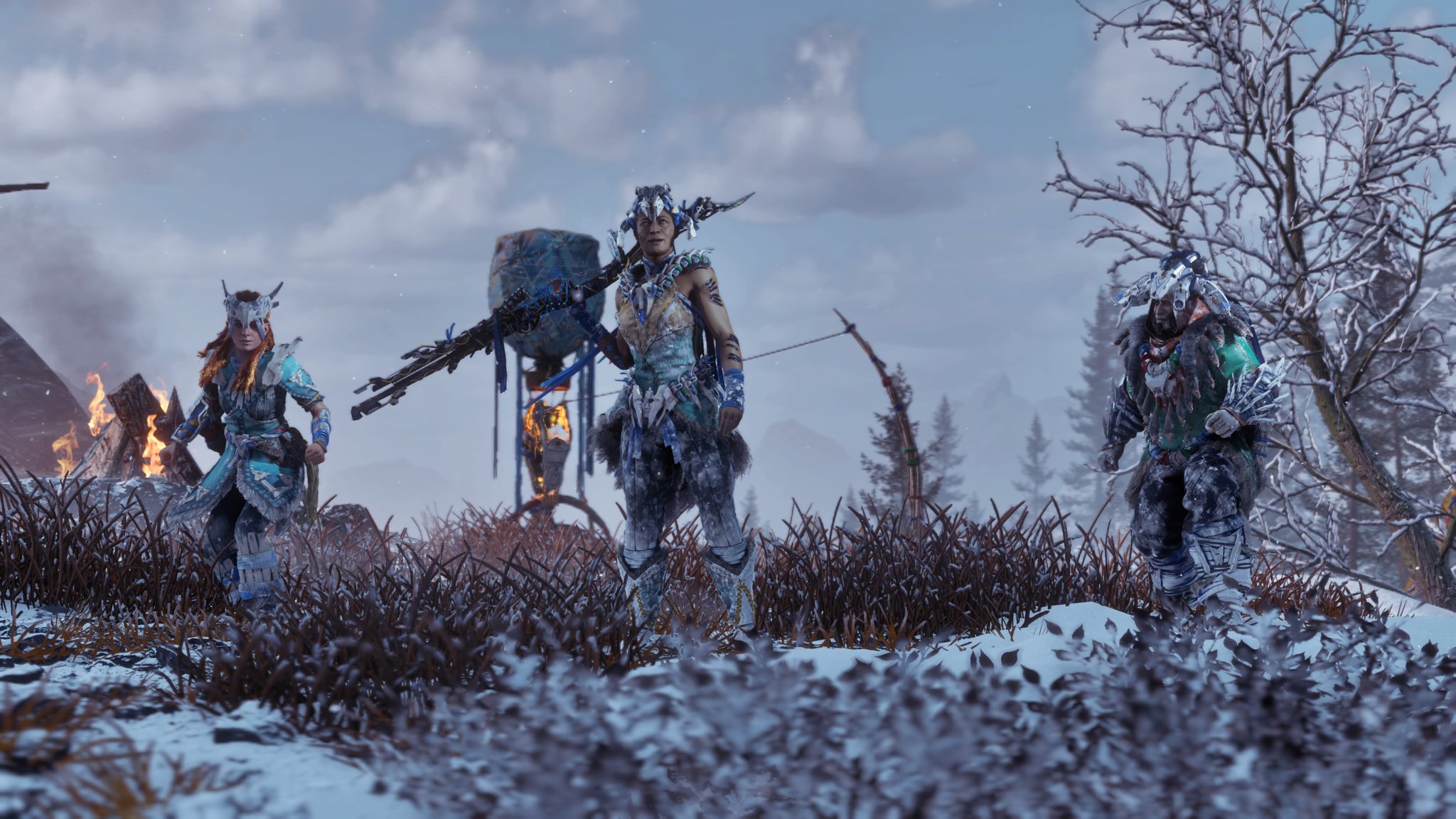
Aloy finds new companions – Chieftain Aratak and Shaman Ourea – in the Banuk settlement, Song’s Edge.
The weapons earned from proving your worth to the Banuk reflect the growth and perseverance our beloved heroine so faithfully exhibits throughout her encouraging story. The Forgefire relentlessly engulfs targets in a rage of flame dealing severe, close-range fire damage, while the Icerail freezes enemies with crisp ice damage in a short-distanced stream of frosty mist. Jolts of electric energy launch from the dominant Stormslinger, adding a useful long-range weapon to the list of cutting-edge weapons found in the treacherous wilderness of The Cut.
In addition to an arsenal of elemental weapons, a fourth skill tree has been added to accommodate the increased level cap. Focused on various travelling aspects of the game, players are now able to grant Aloy with a variety of new skills and abilities. Gathering loot while mounted on an overridden machine, or striking from the back of your travelling companion with the Dismount Strike attack are only a few examples of the added perks to Aloy’s skill tree. Many of these new abilities provide useful and tactical approaches to increase travel time, storage space and repairing your hard-earned, overridden machine mount.
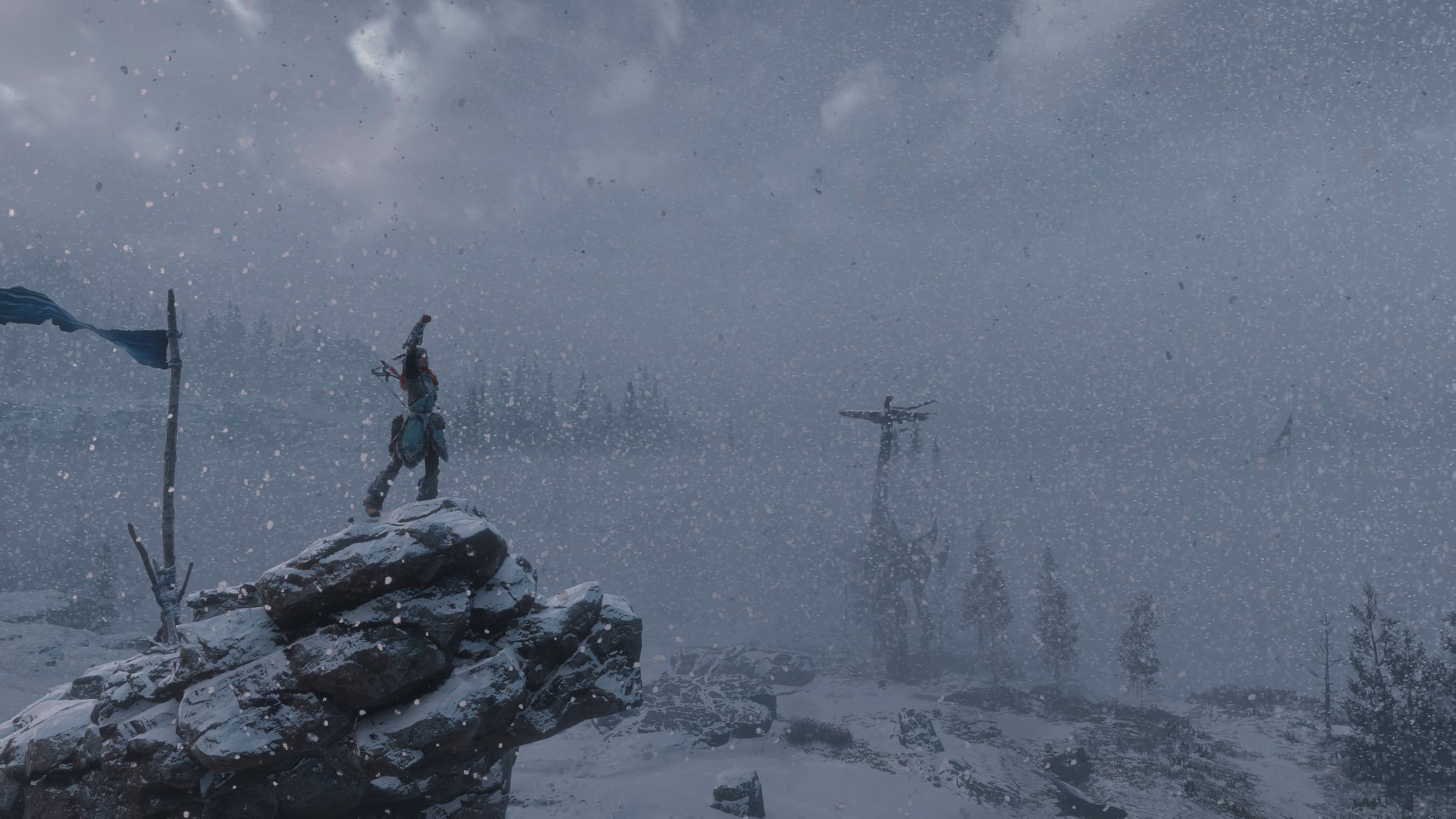
The new Tallneck viewpoint in The Frozen Wilds will first need to be reactivated before climbing atop the roaming machine.
Persevere against all odds
At the core of The Frozen Wilds Aloy finds herself in the midst of a lopsided war between the Banuk warriors, and another corrupt, machine-controlling virus, known as Daemon. Located in the depths of Thunder’s Drum, the Banuk have made their courageous run to infiltrate the mysterious plume of smoke, only to retreat empty-handed, and under-manned. Aloy will be put to the ultimate test of strength and will to determine if she has what it takes to uncover the secrets that lay within the volatile mountain. With the help of the spiritually obedient Shaman, Ourea, players will traverse the frigid lands in search of the hidden mysteries that make up the world Aloy so tenaciously pursues.
The frozen regions of The Cut opens players up to a new cast of keen and colourful characters eager to task Aloy with adventurous missions and reward her with extravagant loot. New hunting missions, side quests including an exciting new Tallneck viewpoint errand, as well as new bows and outfits crafted from the rare and exclusive resource, Bluegleam, are scattered throughout the snow-covered tundra. However, with improved weapons and skills comes new enemy machines, the likes that no warrior has faced before.
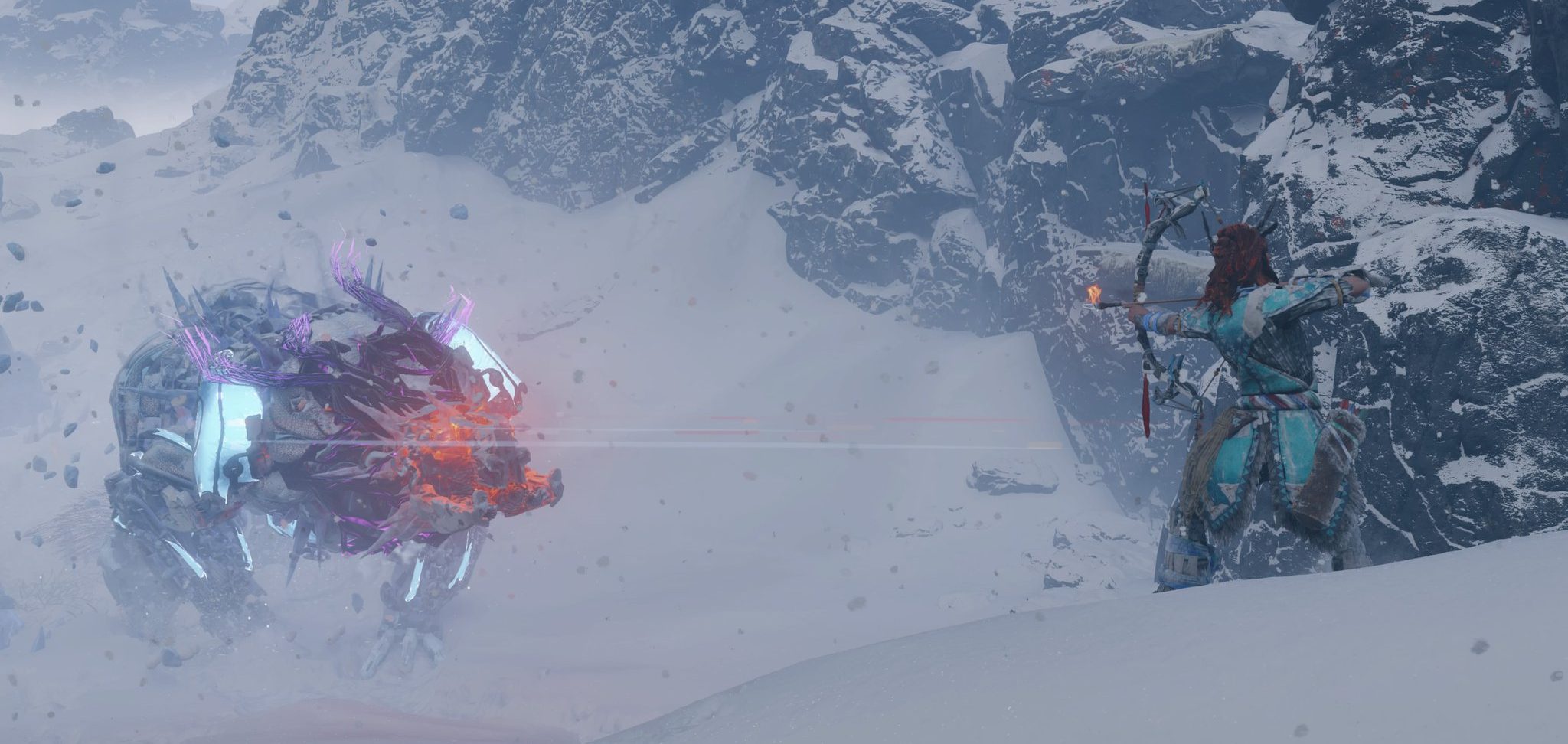
Scorchers and the virus corrupted Daemonic Machines are weak but persistent adversaries, while Fireclaws and Frostclaws are enormous and agile machines that deal corresponding elemental damage, often in rapid succession. All of these machines are capable of receiving healing waves generated by the new corrupted Control Towers, which must be destroyed or carefully overridden to reverse its healing effects. These towers are sprawled across the frost-riddled Cut, typically guarded by hordes of hostile machines.
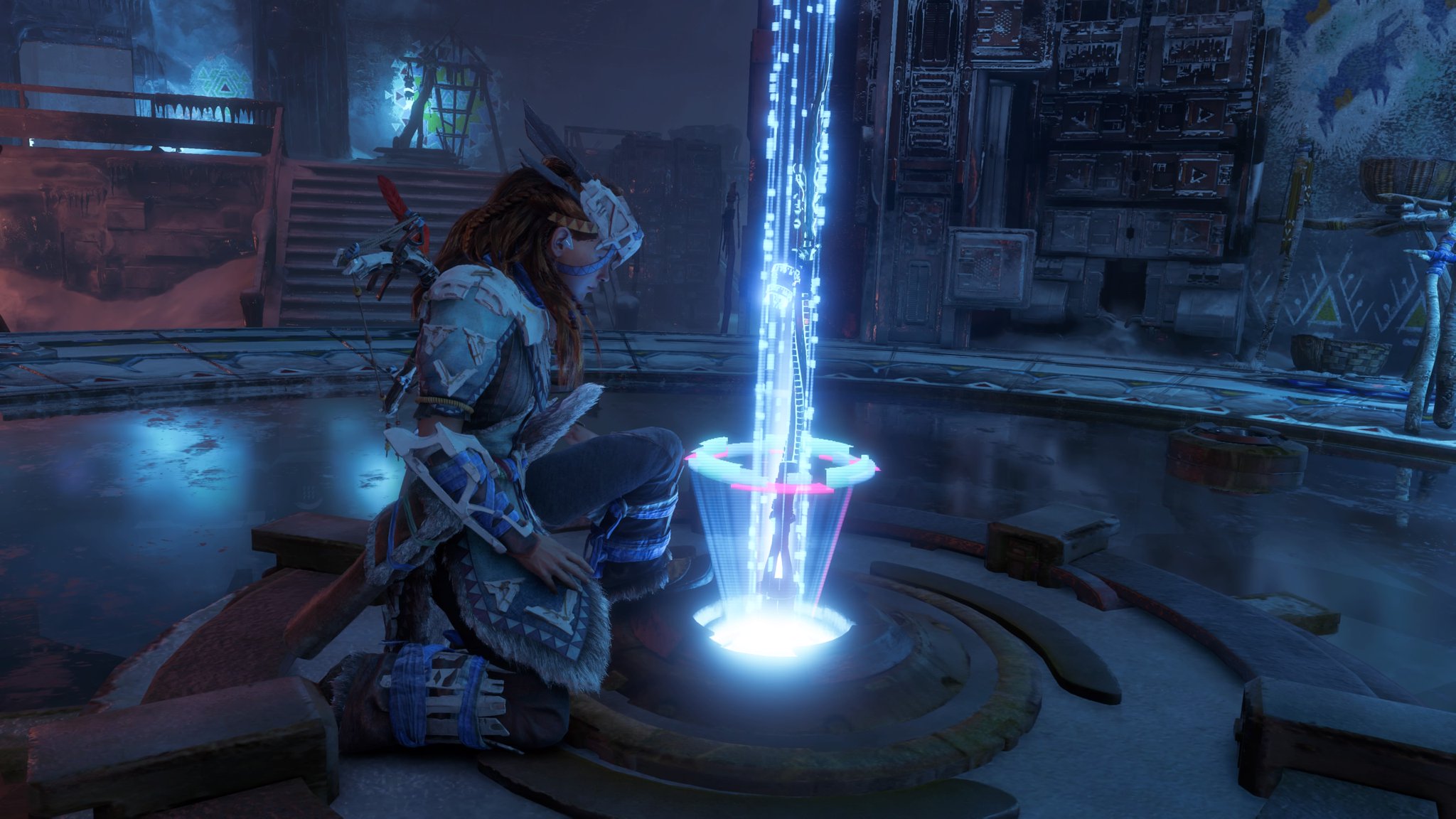
A handful of puzzles await in the Cauldron that rests in the belly of Thunder’s Drum.
Survive. Prevail. We are Banuk.
Horizon Zero Dawn has proven that the courage, confidence and determination of a young, fierce woman, who is overwhelmed with curiosity and under-appreciated by the culture around her, is enough to overcome even the most perilous odds. The Frozen Wilds expands heavily on the brave and righteous protagonist, bringing with it a tale revealing a spiritual Shaman devoted to bringing peace back to the lands in the name of her God, a chieftain too proud and mentally resilient to give in, and a sole survivor achieving everything she can to unravel the mysteries of a world overrun by unpredictable threats, and a dark, catastrophic past.
The Assassin’s Creed series has covered a broad array of historical time periods, numerous revolutionizing civilizations and provided fans with plenty of towering platforms plunging you headfirst into shallow haystacks. Year after year, Ubisoft released the next entry in the series for the past decade, only acquiring a small number of stand out titles from the Assassin’s franchise. After a year off from the constant barrage of AC titles, Assassin’s Creed Origins relieves fans from the drought with a massive world to explore, set in the earliest days of the brotherhood.
Discover ancient Egypt through the eyes of a Medjay
Our newest (or shall I say earliest) assassin goes by the name of Bayek and dons the presence of a Medjay – a sort of royal officer serving the majority of the populace found in Egypt. Acting as protectors not only of the people but of Pharaohs as well – often looked upon as hired mercenaries – Medjay listen to the people and help bring peace and safety to the lands of ancient Egypt. Soon, the death of his son enrages Bayek to chase down the masked ones responsible, in turn learning more about the ancient lands then he may have anticipated.
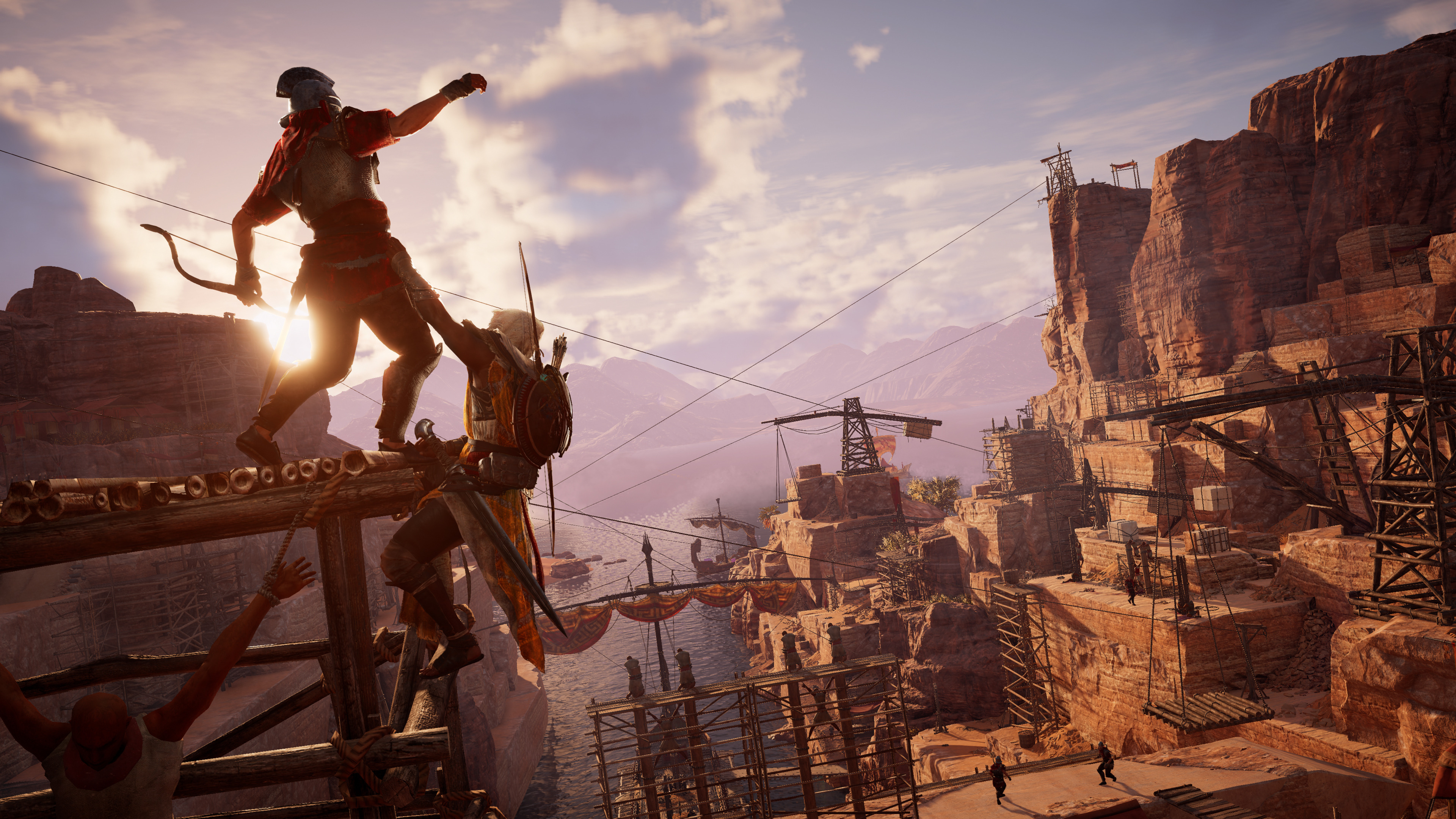
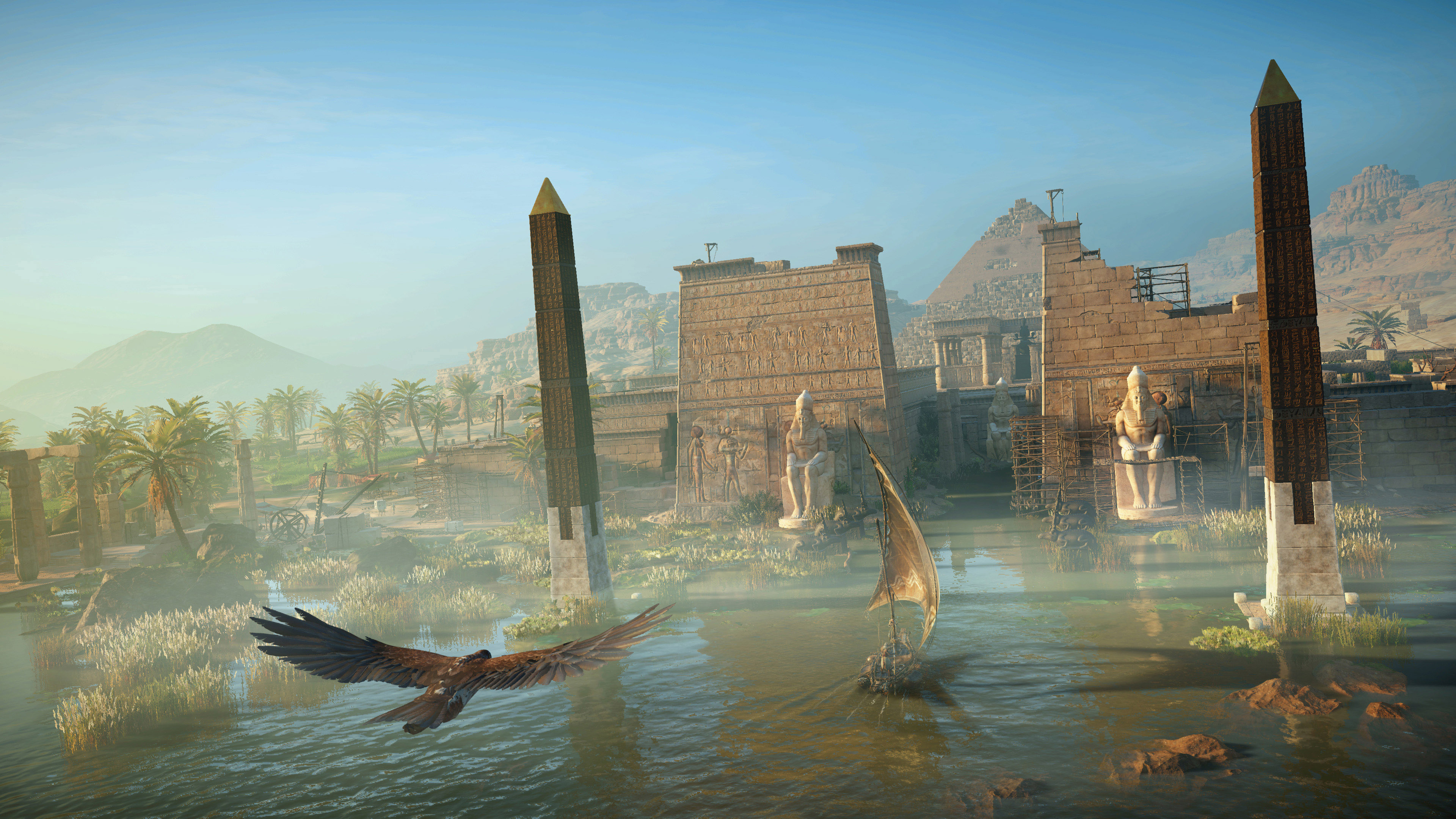
The world of ancient Egypt is sprawling with enemy hideouts, dozens of viewpoints and tons of sidequests.
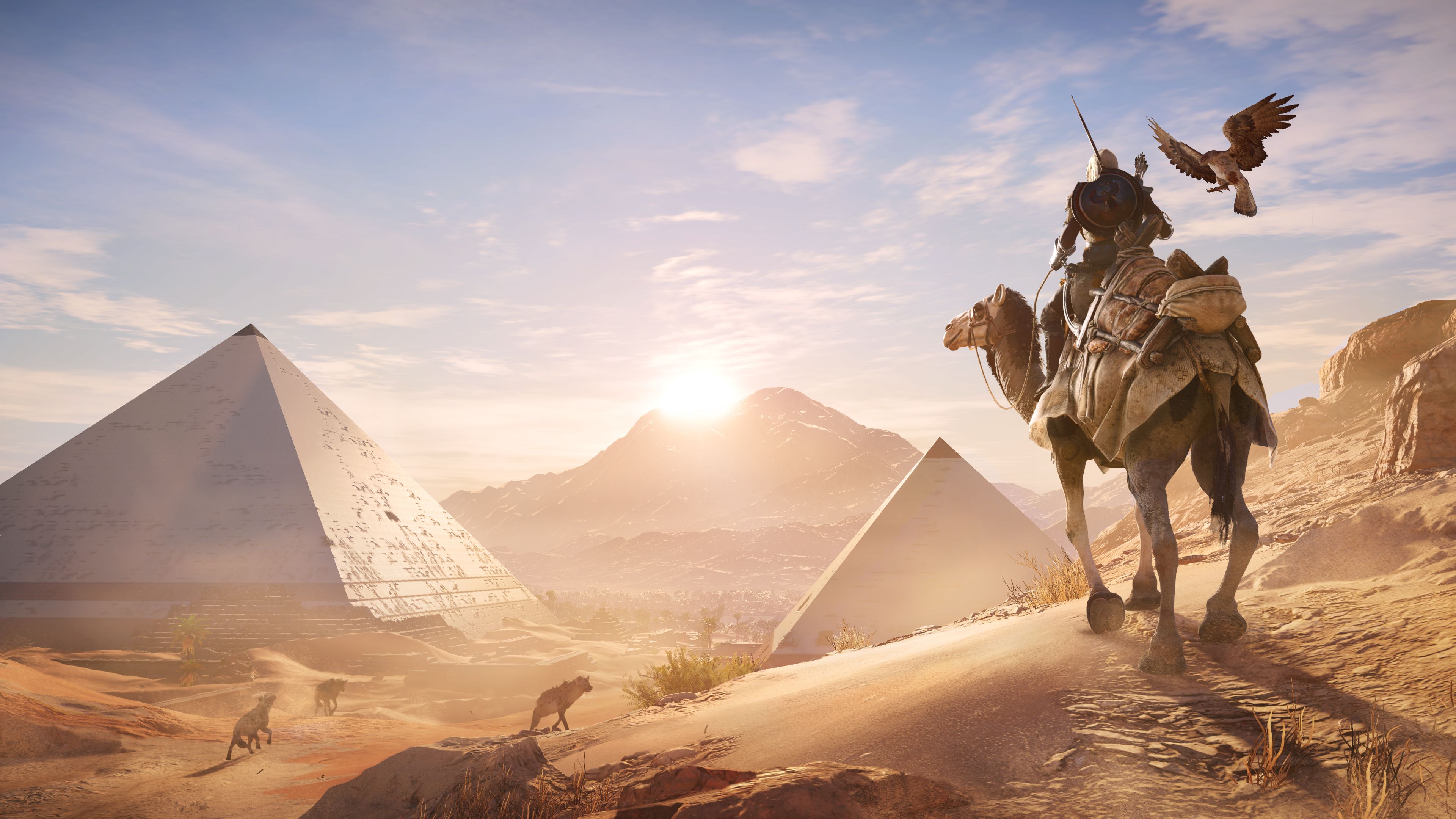
The arid scenery of the desert landscape is stunning, and the vastness of the map is daunting, to say the least. The open lands run through countless villages, ancient prospering cities and boundless desert climates reach as far as one can see. It’s no secret the team from Ubisoft took their time on Origins, but the sheer level of detail put into the living and breathing world is far greater than anything we’ve seen from the series. To say the vibrant world of ancient Egypt looks astonishing is nothing short of an understatement. Origins lives and breathes with the ebb and flow of life surrounding the civilization it so graciously clings to and does so brilliantly.
As you run through Egypt and its many territories found in Origins, many new features will begin to surface. The parkour technique has been simplified to one button, while the “marionette” style of character control scheme AC had so faithfully made claim to a decade ago has been completely abandoned altogether. But the true difference from the series doesn’t sit at the controls of Bayek outside of combat but is found in the overhauled mechanics during combat.
Big steps forward in revamping the combat system
To say the Assassin’s Creed new and improved combat system may have been influenced by outside sources beyond Ubisoft headquarters may become evident to most who have played other titles with similar combat experiences. Ditching the relentless style of attack where assassins would bounce between a dozen or so enemies, parrying each attack one after another in a flashy, ultra-bloody finish. Instead, Origins has the player focusing more on one enemy at a time with combat similar to that of The Witcher 3, or perhaps the Dark Souls series.
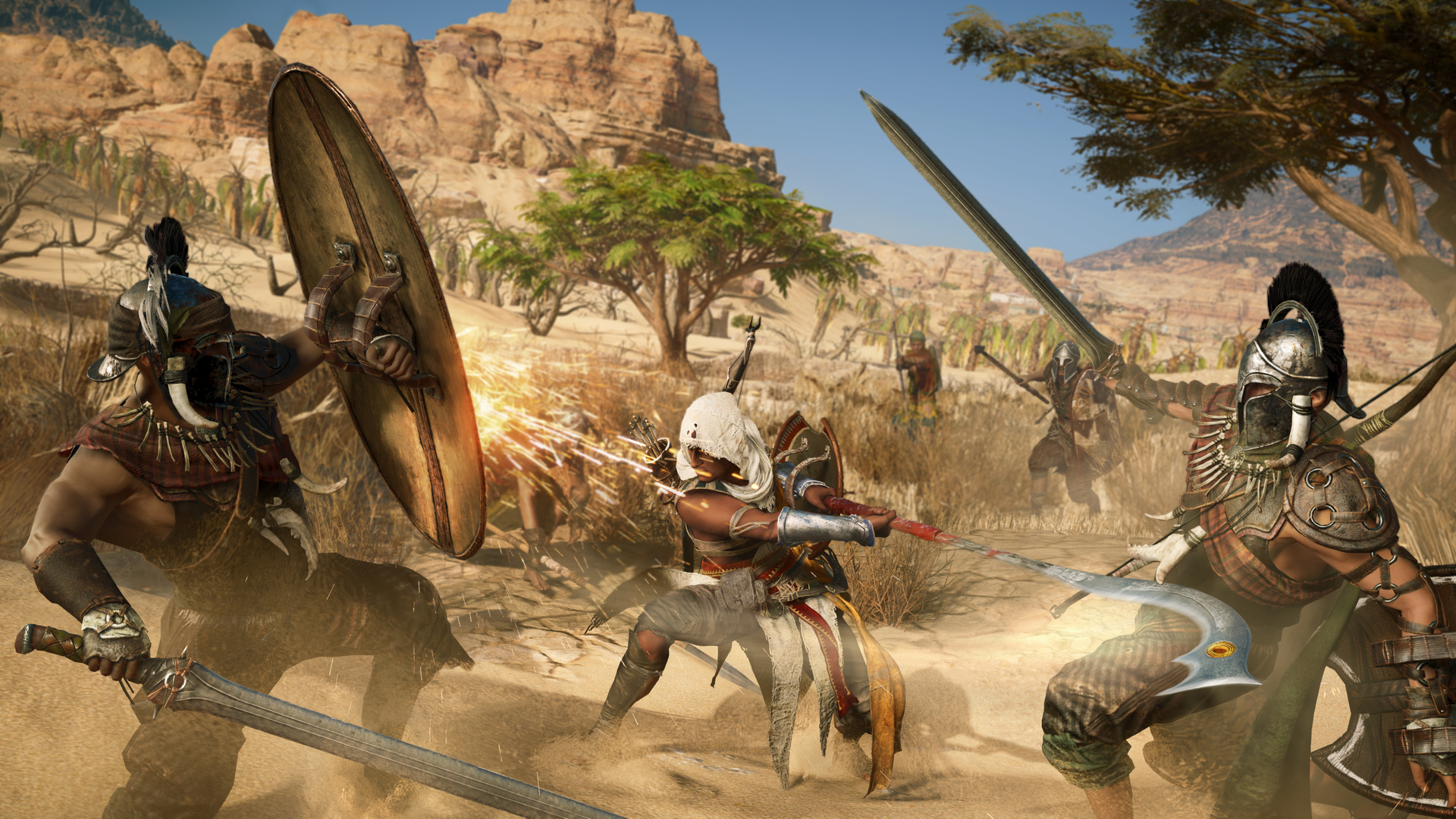
The revamped combat system brings a brand new approach to brawling with enemies.
Striking with either a light attack or heavy attack, blocking with your shield, using ranged attacks from a variety of different bows and, of course, pulling off stealth assassinations with the elusive hidden blade; the weapon to which made the assassin brotherhood so deadly. The combat in Origins will have you dodging around your enemy blows while counterattacking with one of many melee weapons to choose from. Be it mace, club, sword or spear, tons of thrilling weapons can be found in the massive world of Egypt.
While older systems and battle mechanics had players swinging their weapons at the perfect time to execute precise and deadly counterattacks, the combat would become stale quickly. Over and over we saw the same enemies, with the same predictable attacks, timing our counterattacks just right to squeeze off as many finishers as possible. Though the system saw tweaks here and there throughout the series, this is the first time it has actually been completely overhauled. And, while it takes away from one of the few aspects that separated the Assassin’s series from other titles in the dense genre, it fits well with the new mould the franchise has taken.
A hint of RPG elements
Skills that Bayek can learn throughout Origins are divided into a three-part skill tree. After each level up through gaining experience points, Bayek is granted one ability point to spend on one of the many enhanced skills and abilities. Becoming a stronger warrior with fierce, new attacks, discovering new skills for the helpful companion, Senu or acquiring various bombs equipped from Bayek’s tool belt are just a few examples of useful skills found from the skill tree in Origins.
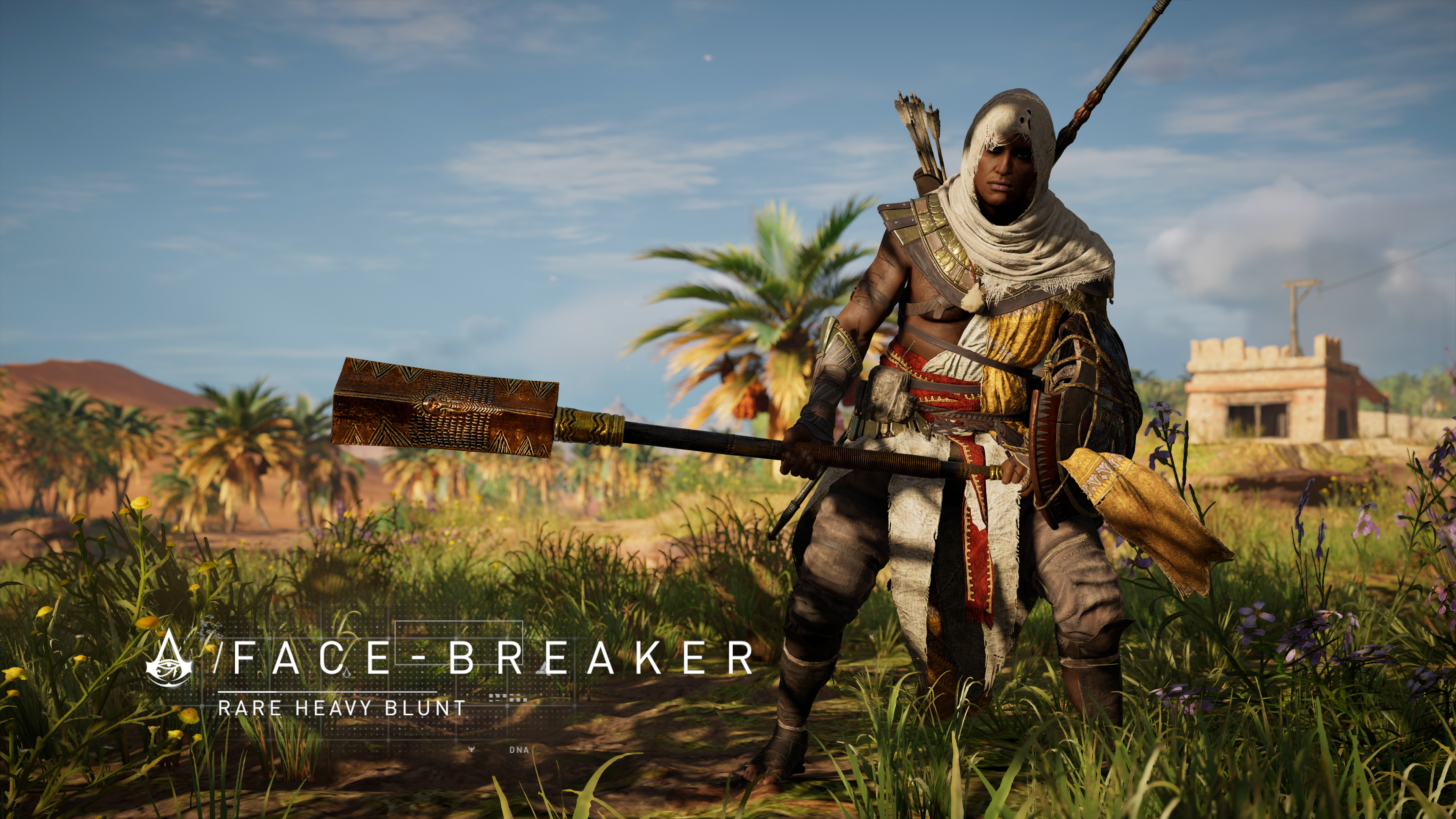
A dash of other useful RPG elements have been added to the game’s weapons system, now with tons of options from heavy, blunt weapons to ferocious attacking swords. No longer must players discard favourite weapons simply because they’re out-levelled and weaker compared to newer finds with the help of the weapon upgrading system. Upgrading your weapons at local blacksmith shops, be it melee or bows, will bring the weapon to Bayek’s current level, for a fee of course. In some cases where players may discover a particular weapon, they’re comfortable using, instead of replacing it down the road, the upgrading system allows them to continue using it effectively at higher levels.
Tons of weapons, upgrades, unique skills and abilities are discovered, rewarded or learned in the massive world of Origins.
Though, in many instances, it may be wise to switch to newer weapons. Coming in three different colours of rarity (similar to the colour coding found in other RPGs, i.e. Borderlands, Diablo, etc.) weapons will be labelled blue if they’re common, purple if rare and gold if legendary. There are tons of different weapons, each with various stat boosts, and all may be dismantled for precious crafting supplies.
While crafting, Bayek is able to enhance various pieces of equipment, which in turn upgrade important stats permanently. There are a total of six different items to enhance through crafting, including the bracer for stronger melee attacks, the breast-plate which raises Bayek’s health or the quiver which increases the number of arrows one can hold. Other pieces raise range attacks, the amount of bombs or other tools held and the power of Bayek’s hidden blade. Each piece of equipment requires a certain amount of crafting materials, typically found through hunting wildlife, or grabbing loot off of enemies. Finding the loot would be rather difficult if Bayek did not have the help of the scouting eagle, Senu.
Scout the endless skies with Senu
Using Senu is another big change in the series, replacing the eagle vision from previous AC games. Additionally, while flying with Senu, the map icons appear, as well as icons for any nearby crafting supplies, within a certain proximity of your soaring eagle’s sight. Senu has an unlimited distance to scout, and the more viewpoints synchronized, Senu’s sight range is slightly expanded. Aside from pointing out various activities, loot, side quests and crafting materials, Senu is also helpful to provide the player with guard activity and numbers when raiding enemy hideouts.
Explore the skies as Senu and scout for additional quests, important events and necessary items like crafting materials.
Throughout the enormous map that makes up Origins, plenty of side tasks and extra content lay at the feet of Bayek. With the addition of actual side quests, and tossing out the unoriginal and repetitive objective challenges from all of the other releases in the series, Origins stands as the most unique and rewarding Assassin’s title to date. Each sidequest – and there are tons – has a different and interesting storyline, which most are based on real-life instances, legends or myths from the ancient Egyptian era. Many may have players performing simple, and sometimes similar tasks, but all have unique backstories, and plenty of surprises to help ease the gameplay from becoming the same, worn-out cycle of events.
Overview
The massive lands of ancient Egypt sprawl past any other Assassin’s Creed title that has graced the gaming community since its debut in 2007. With a storyline that includes yet another rage-driven protagonist fueled by vengeance and hatred towards Templar forces, the start of the Brotherhood of Assassins is an impressive one. Gorgeous visuals compliment the astounding world of the mysterious Egyptian civilization.
With tiresome gameplay mechanics stripped away and replaced with new and exciting features that show Ubisoft is paying attention to what fans of the series want, Origins gives a lot more than it takes away. The all-new combat system is a delight to master, and gives players a true sense of accomplishment. The crafting and hunting system is an excellent way to continue to strengthen Bayek, on top of the expansive skill tree rewarded through experience points.
The Gran Turismo series has always left racing fans feeling accomplished, trained and ready to tackle the toughest racing courses known to man. The enormous selection of cars and daunting content featured in the series’ Career mode were both namesakes in the long-running racing franchise. With Gran Turismo Sport, the series does away with both, leaving long-time fans a bit sceptical to the change. However, Polyphony Digital manages to create something the genre desperately needs to stay competitive and does so with astounding visuals and sounds, ambitious online competition and a campaign mode geared toward making every player a better, more sound racer.
Taking the racing genre to new heights in online competition
If you’ve played through the beta last week, the layout of GT Sport should look familiar. Opened with a beautiful shot of one of the 160+ racing machines featured in Sport, the options on where to first go seem limitless. With various racing modes like Arcade, Campaign and the online hub of competitive racing – Sport, the best way to tackle this daunting racer is to hone your skills on the track. Campaign mode allows you to do exactly that, tasking you with various driving tactics like conquering S-curves, to full lap time trials.
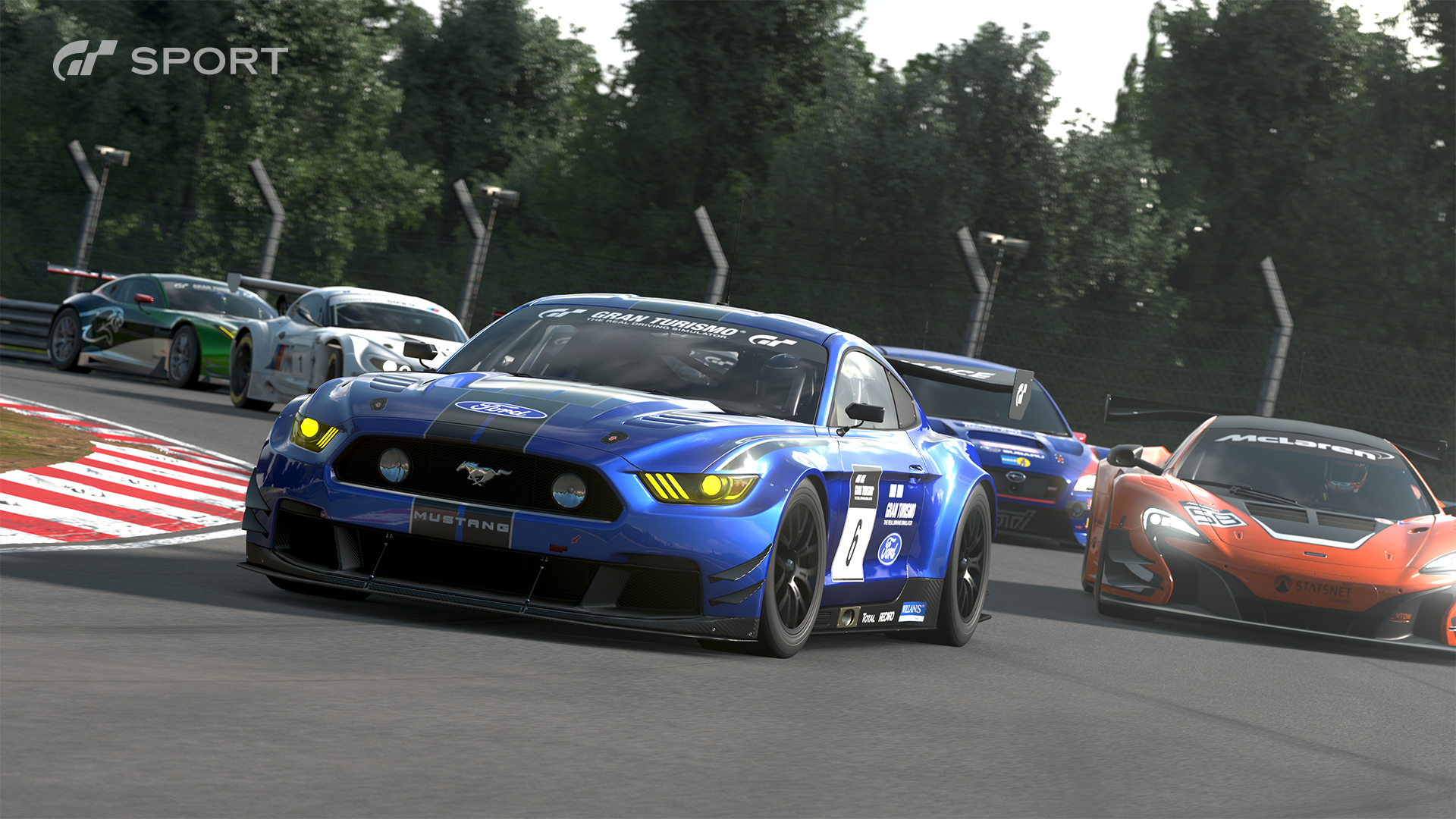
Without question, GT Sport is easily one of the most breathtaking titles to grace the current generation of video games.
The absence of favourite modes blinded by the glimmer of gorgeous visuals
One thing many fans of the GT series will notice almost immediately is the absence of the traditional career path. While I felt extremely disappointed by this initially, I collected my thoughts, took a few deep breaths and continued forward. The game alone looks and sounds like no other Gran Turismo in the series, which was enough to push me reluctantly further into the game. The exhausts growl, engines rumble and the turbo hiss all breathe fresh life into the series; which before shoved otherwise stale and recycled sounds of below standard racing motors.
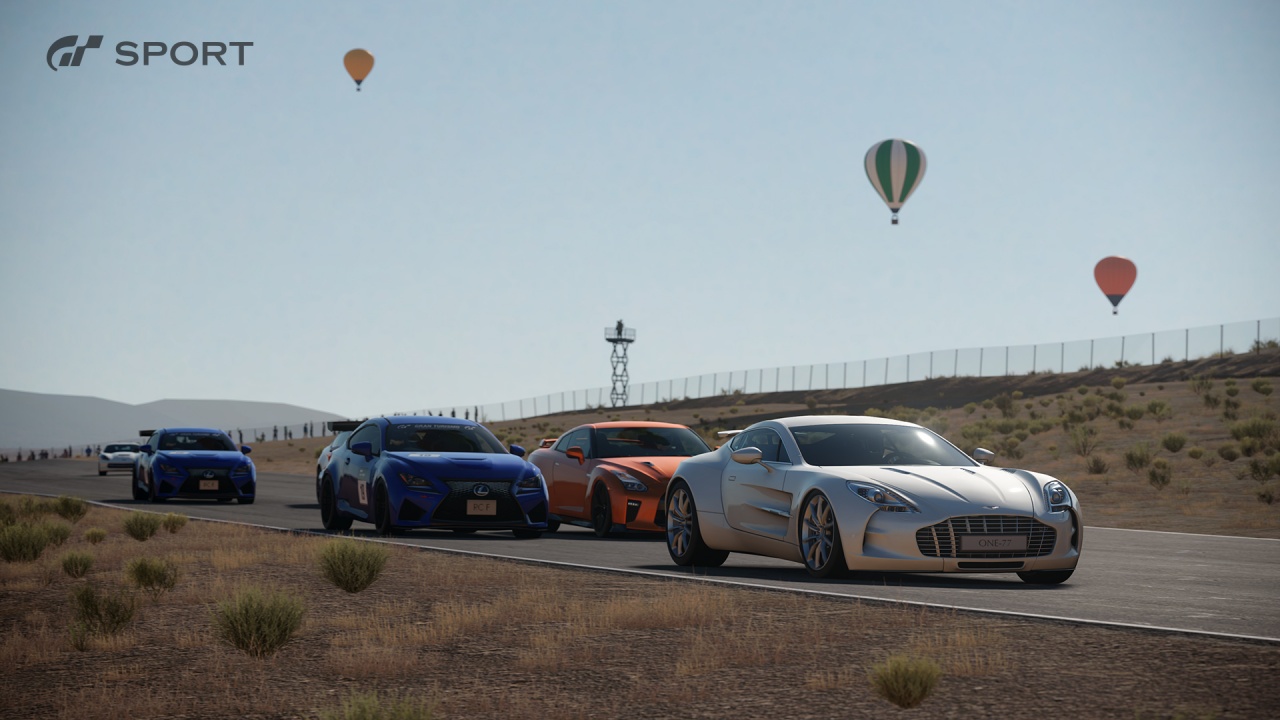
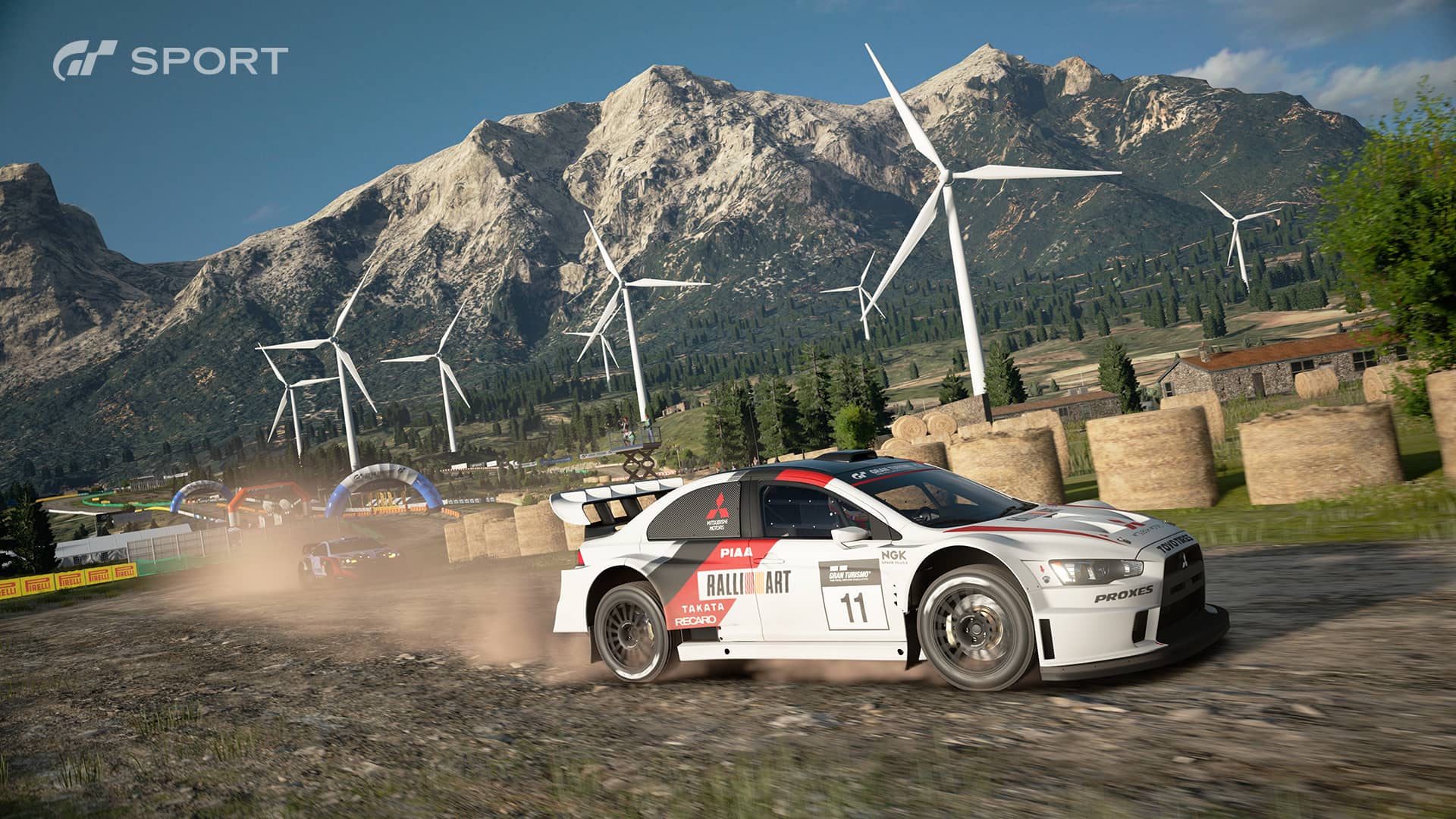
The level of detail found in every car featured in Sport is astounding and, above all, quite appetizing to the eye. The shimmer and gloss, the detail when racing in the cockpit view (which is by far the best looking cockpit camera view I’ve seen in any racing game to date) and liveliness of every course immerses the player into every race. The shadows that graze across the road follow the cars effortlessly as you patiently bend and curve around the course. The details and sharpness of Sport are quite possibly above all other racing games, however, there still lie a few hiccups in the overall production and appearance in the gorgeous racing title.
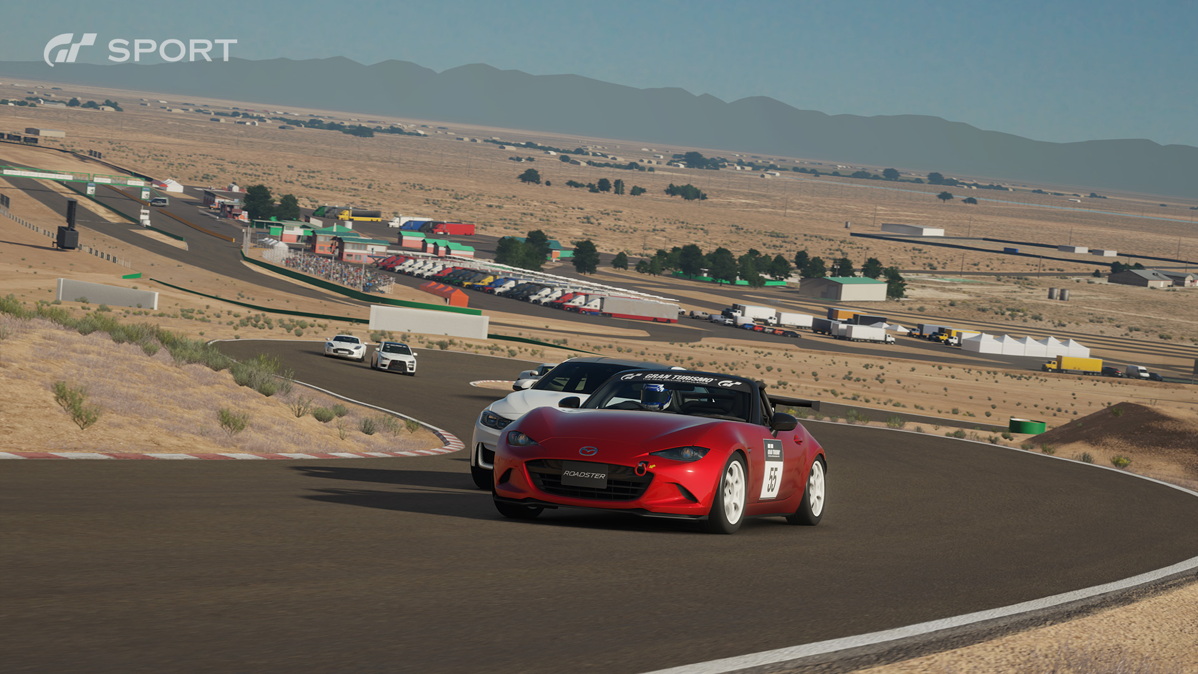
The courses in GT Sport are lively and beautifully rendered for some of the best racing experiences on current gen consoles.
Dynamic weather – something us racing fans have seen a lot of over the past couple of weeks in other new releases – is missing from the formula altogether. The challenge that comes about from slippery and icy courses or dirt stirred up from off-track racers found in other racing sims, which have recently hit the market, is nowhere to be found in GT Sport. The day-to-night cycles which help add a sense of time and endurance to longer races remain untouched in the Gran Turismo series, which easily could have helped push the latest instalment with even more challenges to conquer for the racer.
Making strides in providing enjoyable online races
That being said, this still doesn’t shred the fact that Gran Turismo provides a true racing experience at a high level of competition. In Sport mode, players are free to enter and participate in online races. From daily challenges to legitimate championships, Sport is (obviously) the centrepiece of what this release tries to narrow in on. However, before entering the ring of professional and dignified racing amongst the eager grid of online racers, the player is forced to complete the Racing Etiquette class for proper racing guidelines on how to – more or less – not race like an ass.
The ‘class’ is simply two instructional videos highlighting what counts as proper racing manoeuvres, and what makes you look like the king of all things awful in the world of online gaming. Bumping other racers in the back, boxing racers out around turns, blocking other racers from passing, cutting corners to gain ground; there are tons of rules to follow in the world of competitive online racing in GT Sport, but they do in fact help to make a much more enjoyable experience when diving in online.
Boxing out, blocking cars, ramming other racers, as well as a litany of other misbehaviours will not be tolerated in the competitive ring of online racing in GT Sport.
If stuck with a penalty, the driver is then instructed to slow down for a set amount of time. While the cars are ‘in the penalty’ they appear as a ghost car to help alleviate any further burdens for other racers. If the driver fails to follow the penalties, they seconds begin to add up throughout the length of the race, and the total is then tallied to their overall time; in turn losing a few spots in the final standings. However, if one racer spins out or smashes into a barrier/wall by an unfair racer, there’s not much help to retain the position you previously held. Sure the disobedient racer was punished, but that has little effect on the innocent racer at hand.
Drivers are separated by driver rankings and sportsmanship rankings in online competitions. The driver ranking shows off how fast you are and comes in a rank from S-A-B-C-D-E, with an S ranking as the best possible outcome. The sportsmanship ranking keeps track of your penalties and overall etiquette form, helping to place racers in evenly matched competitions. The proper racers earn better rankings, increasing their score and rank higher amongst the competition rankings.
Though missing the Career mode, there is still tons of content in GT Sport
Throughout Sport mode, there are a handful of options to choose from, most of which are unavailable at this time. The Daily Races is the only option to dive into right now, but once the online championships begin, there are three other events to partake in. For now, Daily Races will do as it helps to build DR and SR points in your driver’s profile. Each day three different courses are available with a broad range of vehicle classes to choose from. Giving players an evenly matched group of racing machines, players are able to enter the race and begin qualifying rounds. Again, there isn’t much to Sport mode right now, but the promise of taking your online racing career further is inching closer with the approach of competitive championships at stake.
The Campaign mode is where players go to learn the basics, and eventually graduate to more difficult challenges. Like other entries in the series, there are loads of tests taking the player through acceleration/braking, tackling s-curves, out-in-out manoeuvres, as well as tons of other useful skills to help build a better racer.
Oval courses, street and popular circuit courses, as well as the beloved rally tracks all make their appearance in GT Sport.
Accomplishing all tests with a bronze time or better will reward the player with a car at random. Aside from the new vehicle upgrade, the knowledge of how to conquer turns and other difficult manoeuvres are enough to help push the player a little further into the depths of the multiplayer experience.
Mission Challenge and Circuit Experience are the other two events found in Campaign mode. Mission Challenge gives players difficult situations usually involving the player behind a handful of spots on a specific sector in a course and urged to place the highest position possible before the finish line. Circuit Experience acts as a practice session for every sector, or an entire lap, in every course, with a gold, silver and bronze time to beat. There are tons of challenges and courses to conquer, of which does help to give some of the playability the traditional career mode provided in previous entries.
In Arcade mode, players will finally have the chance to get down and dirty with AI racers in actual full-scale races. Fans of career mode in the other GT games may find themselves hashing out races here, as it provides the closest familiarity to the missing career mode. The course and car selection may be the smallest ever featured in a Gran Turismo title, but the thrill of competing in this expertly handled racer is well worth the downsizing.
Other modes offered in the game are Brand Central, which is the manufacturing market for all of the cars in the game – where players purchase the cars of their dreams, Scapes which is the shiny and spectacular photo mode and the all-new livery editor. Buying your dream car to take on the road, placing it in gorgeous, jaw-dropping settings, or perhaps covering it with custom wraps and liveries to help personalize your ride, all give Sport a casual approach when the heat of the racing grid is too much to handle. The views and scenery in Scapes present a truly remarkable image, some even looking near identical to real-life photos.
Scapes mode gives players chance to place their dream car into a gorgeous scenic setting and snap the perfect photo.
Throughout Gran Turismo Sport players will race, crash, learn, and occasionally win; all in repeating order. With a strong emphasis on multiplayer racing, and an even stronger swinging hammer crashing down on racing etiquette, I can honestly say my reluctance has subsided almost entirely to the eSports approach. Earning points for your overall driver ranking and sportsmanship ranking, players are easily matched for a better quality of racing.
Find Polyphony Digital’s latest entry in the popular racing series – [amazon_textlink asin=’B00ZG1SVA4′ text=’Gran Turismo Sport’ template=’ProductLink’ store=’geali01-21′ marketplace=’UK’ link_id=’351cec9e-b40a-11e7-a8a4-63dad7f5c6da’] – out now for the PS4.
South Park: The Fractured But Whole’s release is right around the corner but many gamers still sit in the dark when it comes to the storyline. The prequel to Ubisoft’s upcoming release – The Stick of Truth – took players through a fantasy world full of aliens, zombies, and of course, the powerful Stick of Truth. Now players will have a chance to play the superhero role as the New Kid in the next instalment of the South Park RPG series.
With outlandish costumes, skills and abilities, as well as the ever-so-popular over-the-top narrative, the creative team behind South Park are back at it again with their new release quickly approaching. Entering Cartman’s new world of superheroes and villains, you’ll take control of a lowly new kid in a new world of fantasy mayhem, fighting enemy sixth graders and of course, tons of fart stomps.
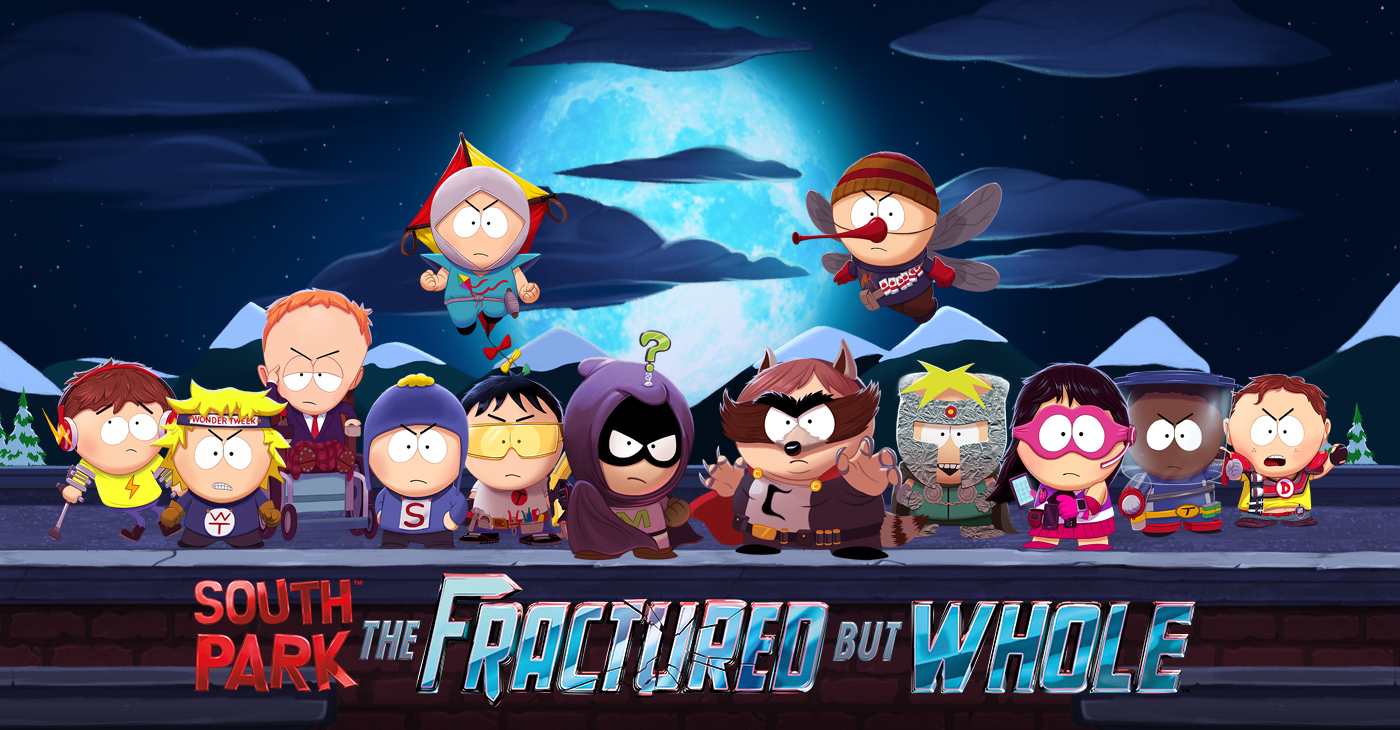
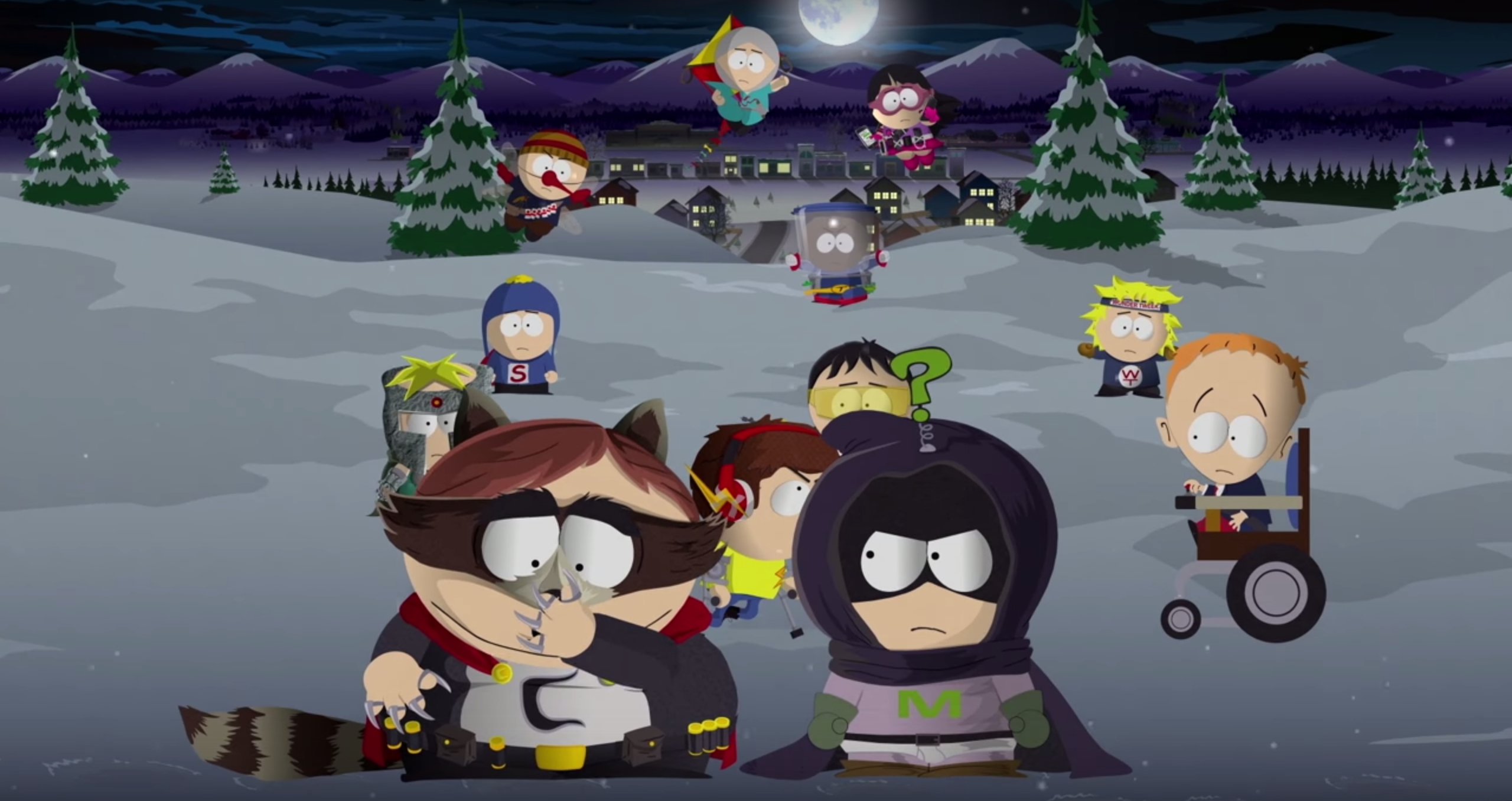
The cast of South Park will fend off evil in a brand new re-imagined superhero world.
Compared to The Stick of Truth – which harnessed the essence of traditional RPG mechanics combined with the hilariously disturbing and all around provocative dialogue – The Fractured But Whole takes this formula and expands on it immensely. With more of South Park to explore, diving into the lives of residents in the fictional Colorado town looks to become more enduring and exciting than its predecessor.
Highlighting the superhero world, the characters don heroic costumes, equipped with gut-wrenching moves and gross abilities. Players also have the option of choosing a starting superhero class, like the Blaster, Speedster, or the heavy hitting Brutalist, which changes the style of your player’s combat approach. Plenty of other stats, buffs and the powerful Ultimate move is sure to provide players with tons of combinations for intense, and excruciatingly side-splitting combat abilities.
South Park: The Fractured But Whole is coming in the wake of the astoundingly successful prequel, The Stick of Truth. The RPG approach to the acclaimed franchise as well as changing the theme of the story from fantasy role-playing to superhero fantasy battles means Ubisoft looks set to devour fans with tons of new content.
The release of The Fractured But Whole is now right around the corner, releasing October 17th on PS4, Xbox One and PC.