Echo Night: Beyond

Past Blast: Echo Night: Beyond

I had a very close friend in my childhood through to my teens, she got me through thick and thin, she was always someone to rely on. This friend was my pet cat, Thelma.

She may have been out for a day or two, but she always made sure she came back home to let me know she was fine – I knew she had my back. We went on adventures together, pretending that the spare room, which at one point was filled with a broken ship, was an alien land.

Unfortunately, my mother went through a divorce – which resulted in us moving out and giving up Thelma to a new home as we crowded into my grandfather’s house. The following years after that were tough, before I had my trusty companion, now I was alone. Thelma would have died by now, all I can hope for is that she was happy in her new home and that she went peacefully – but that’s something I’ll never know, and will never know. I never got to say goodbye properly. I never got closure.

Past Blast: Echo Night: Beyond

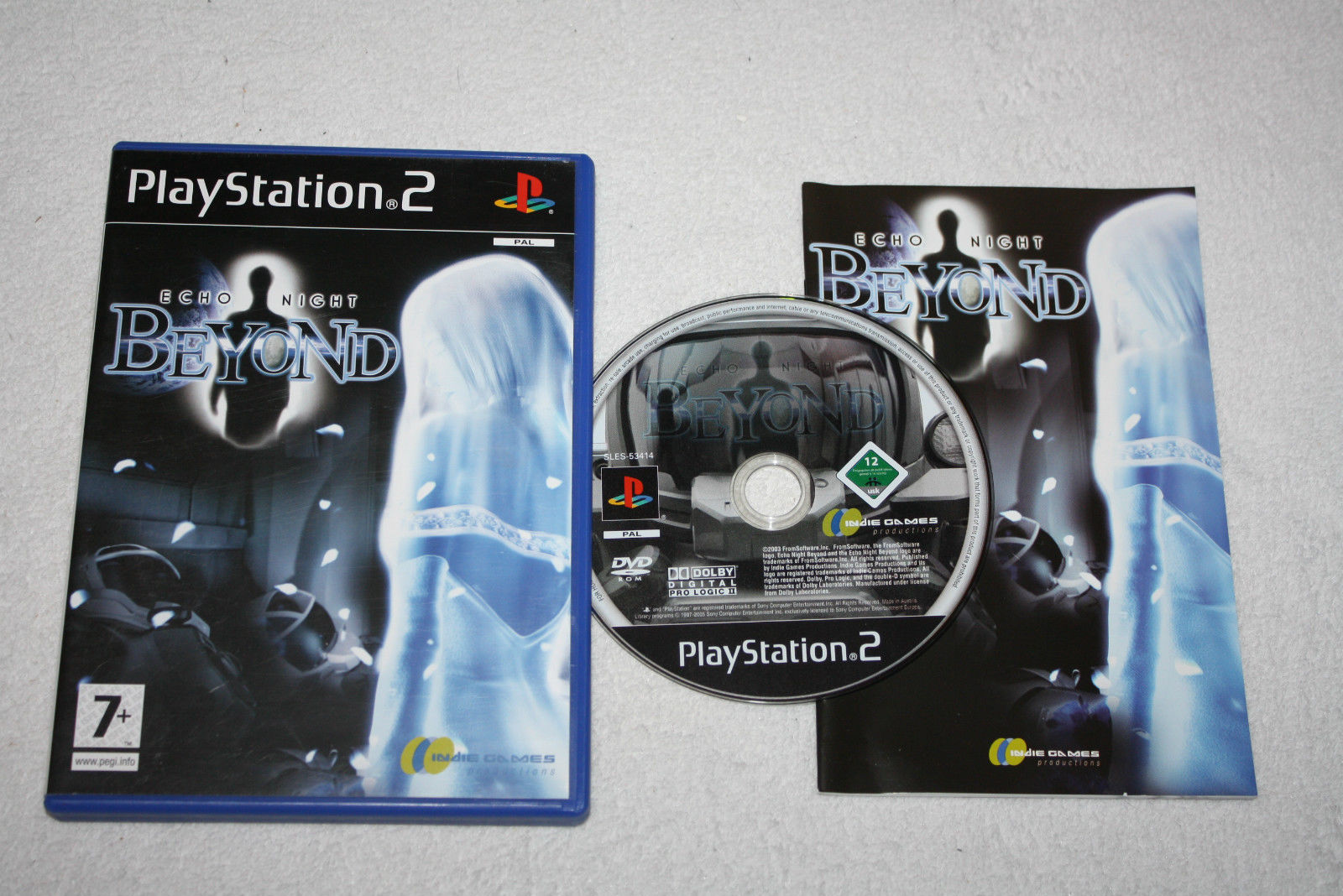
Ok, so. Echo Night: Beyond may sound like a performance but it’s a first-person survival horror adventure game – if released today it would simply be called a Walking Sim. It was developed by From Software (wooooh!) and was published in Europe by Indie Games Production for the PlayStation 2 in 2005.

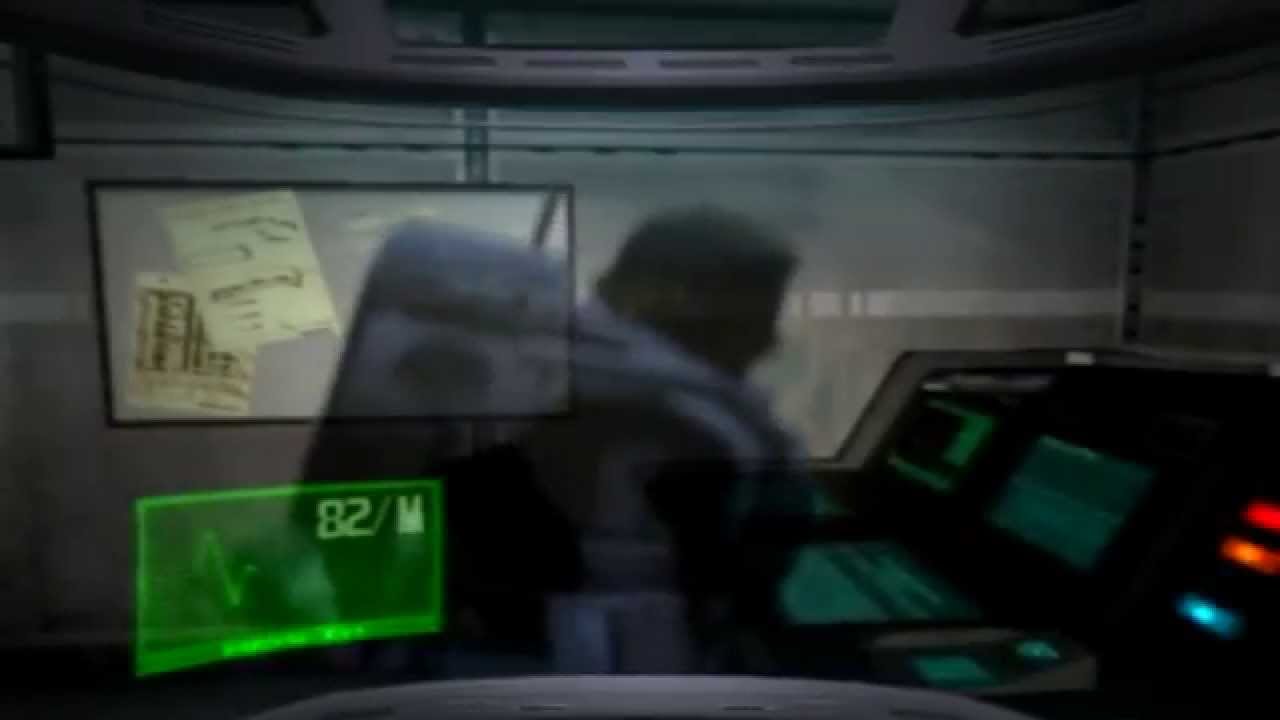
The game starts you off waking up on a shuttle that has crash landed into a Luna Space station. You were on a trip with your Fiancée who has now disappeared when you regained consciousness. There’s a  ring left on the seat next to you and a note opposite the seat saying, ‘Come to The Facility’. It’s from here you explore the space station and the Luna surface to find your loved one.

You quickly realize you are not the only one on this space station as you come across several ghosts who are waiting in purgatory – waiting to pass over. You communicate with these ghosts who will set you tasks in the form of fetch quests – doing this sets their spirit free.

The first spirit you set free warns you to stay clear of the fog: the base has a mysterious fog that makes the ghosts chase you, which then raises your heart rate until it hits a certain point… and then you die. It’s your job to clean the fog by finding the air conditioner terminal to clear it. This stops the ghosts being feral.

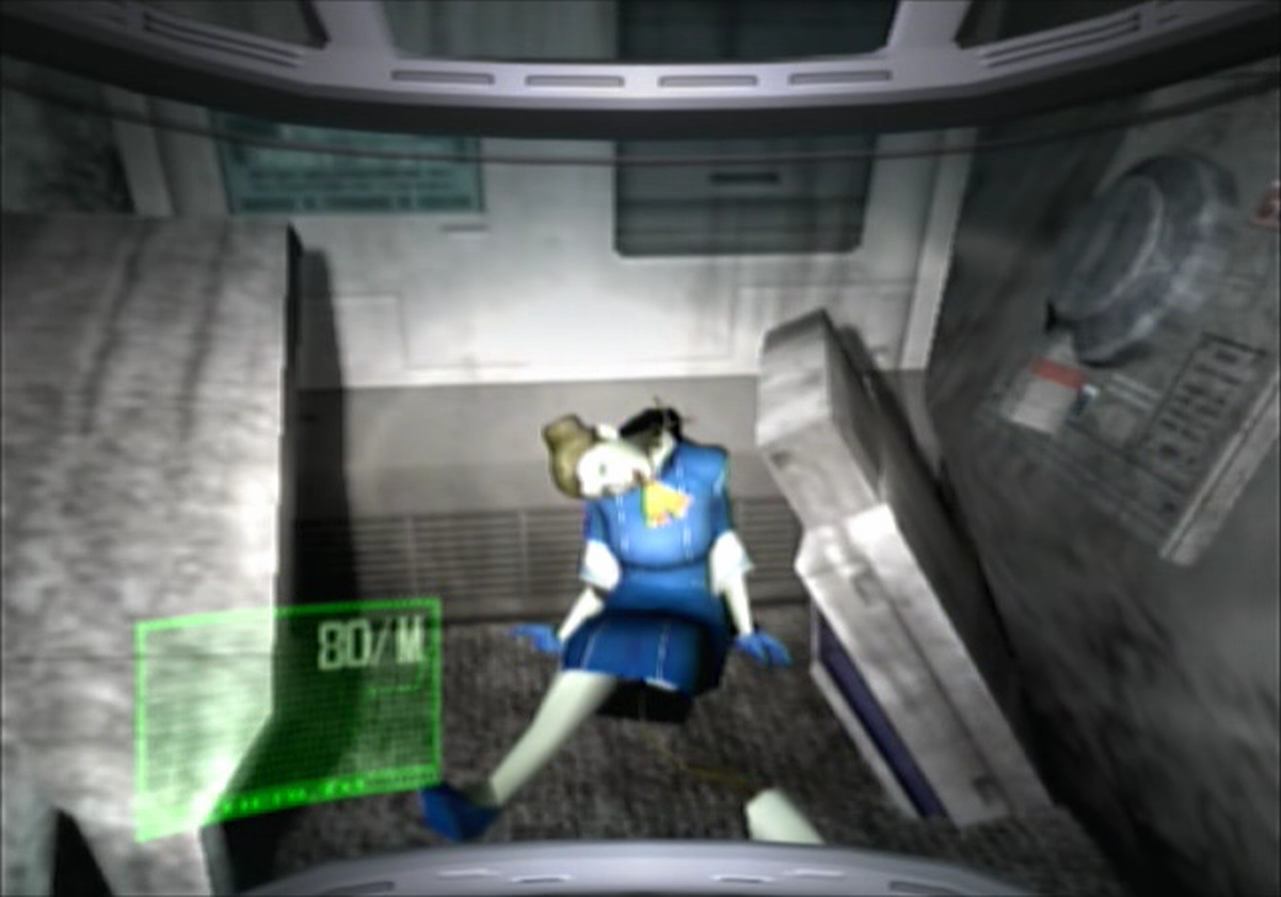
As I mentioned, you don’t have a typical health bar as it’s your heart rate instead. Ghosts make the rate go up, as well as running, and the higher it goes the less you can see. This is a strange mechanic because when you see a ghost you heart rate goes up, so you run away, that makes your heart rate go faster and thus diminishes your visibility… Yeah.

You are not that hopeless though, as you have Monitor Rooms that act as save rooms. You can also use the consoles to see through various cameras, so you can see where the ghosts and items are before you enter.
Echo Night: Beyond
Echo Night: Beyond

Visually, the game has that basic PlayStation 2 3D environment, but there some nice features like the occasional flickering light or various signs around the space station. There is a great sense of depth too, as corridors look like you are staring into a black hole – because they are that dark.

The sense of isolation is an ode to the audio though, being accompanied by your breathing, footsteps and the faint echoing voices of the dead repeating the same sentence – due to hardware limitations, but here it gives an unsettling and haunting feeling to the game. The main theme is a rendition of ‘Moonlight Sonata’, but with electronic instruments and a female vocal chorus that captures the game’s slow-paced and mournful tone.

So, would I recommend Echo Night: Beyond?

It’s not for everyone. The game’s pace is that slow, it’s drooling all over itself. There are no boss fights and no way of arming yourself; adventure game fans would appreciate it, but don’t worry, there aren’t any bizarre puzzles – like making a fake key out of soap and plaster.
Echo Night: Beyond
Echo Night: Beyond

At times Echo Night: Beyond is a beautiful experience because what it gets right, it really gets right. Like the brief encounters with the ghosts, you really get a sense of their personalities and why they are stuck in purgatory. There is a section in which you find a ghost looking at his dead body, remembering he was left alone and all he wanted was to be found; it’s a brief moment, but with the believable voice acting the moment really sticks with you and makes you feel sorry for the character.

The game is something you experience, not play. You experience these little beautiful moments, moments of Sorrow met with moments of Hope as you help these lost souls finally get some closure.

After playing Echo Night: Beyond it got me thinking about the afterlife, it gave me hope too; the hope in seeing my granddad again and having a conversation about The Beatles, the hope in seeing my grandma so I can show her some Krautrock, the hope in seeing my friend Jamie to reminisce about times in the flat, and the hope of seeing Thelma again, to give her a big fuss and pretend we were in that spacecraft again.

I take comfort in that, don’t you?
Closers

Closers Review [PC] – A Fulfilling Free-To-Play Hack ‘n’ Slash

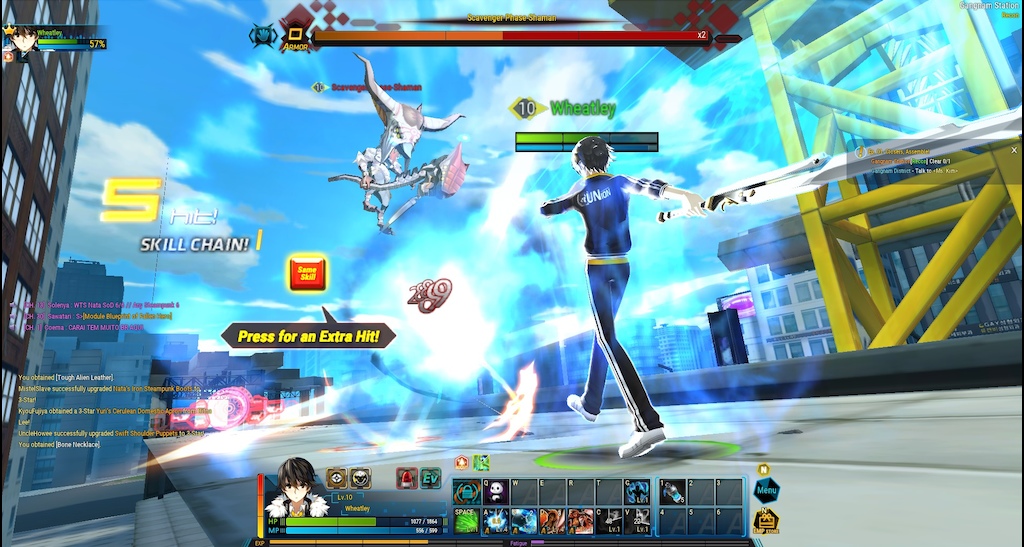
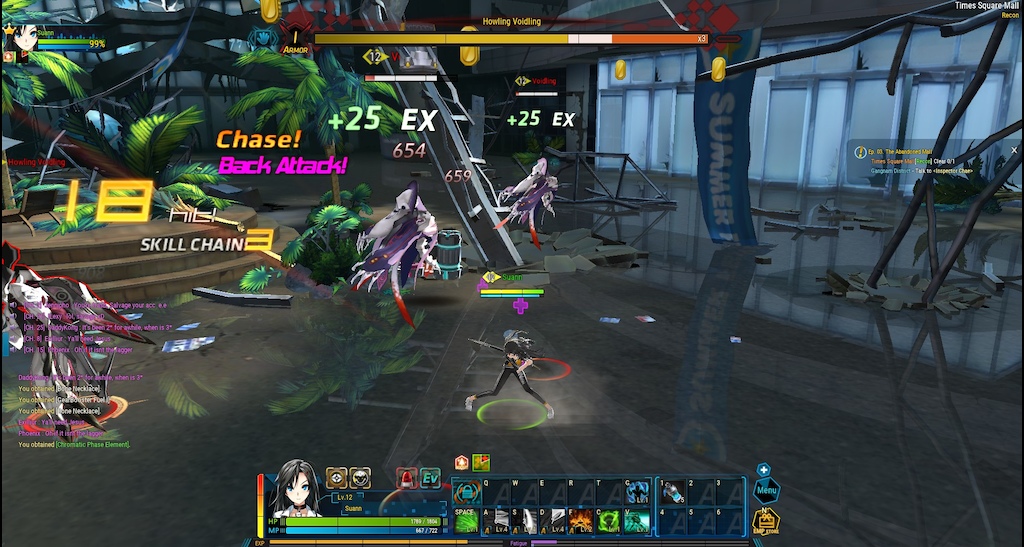
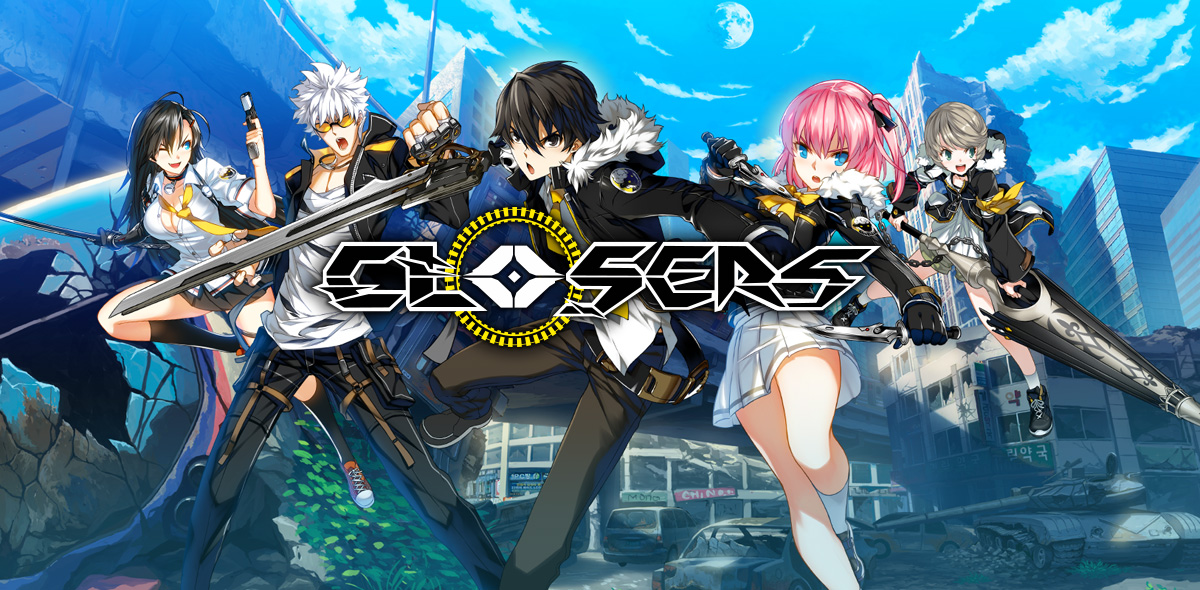
Closers is an action-packed hack ‘n’ slash title that takes the repetitive excitement of side-scrolling action games and sprinkles in a few RPG elements to add to the flavour. As a free-to-play title on Steam, Closers is a perfect start-up for any newbie gamer, but also has enough depth and action-oriented skill sets to draw in the most dedicated of gaming enthusiasts. With the striking anime-style visuals, simple controls paired exceptionally well with the addictive beat ’em up gameplay, Closers is only held back by its somewhat unreliable game servers.

In the not-too-distant future, a powerful alien race known as Dimensionals have taken over in a worldwide invasion. City by city the globe began to suffer, but not everything in it was destroyed. Upon the Dimensionals pouring through the gates leading to another dimension, a psychic type of power known as Phase began to emerge. Affecting a small number of humans, they soon harnessed the power of the Phase energy, acting as the only means to deal with the invading species.

Using Phase Energy At Your Disposal

You take control of the Phase-power-inducing, alien-eliminating teenage group simply known as Closers. Each one of the elaborate characters comes prepared with their own set of skills, equipment and personality. While the story of Closers stays the same with each character, how it unfolds depends on which character you choose to play with. Slashing and phasing your way through hordes of menacing Dimensionals through the deep combat and character customization gameplay, players will discover a truly captivating experience with the heart of an ass-kicking anime.

Closers
Each of the teenage Closers team members have their own set of unique skills and abilities using the powerful Phase energy.

Closers is more than a mere solo hack ‘n’ slash title, as it’s held up by a solid MMO foundation with a thrilling co-op experience. Missions are given out in the central hub of the game, allowing players to team up, or go it alone across the constantly evolving story. Closers must always be connected to the online servers when playing, making it a simple task for players to easily hop into co-op missions, but losing connection happened occasionally – causing the entire game to crash out. This takes away from the immersive experience making it difficult to continue forth in the alien exterminating endeavour.

While my time with Closers found a few unreliable spots in the online servers, I was still able to thoroughly enjoy the episodic MMO inspired action RPG. In its semi 2D form, the side-scrolling view made the game feel as approachable as any other button mashing title. Though, the combat tactics dabble a bit further past your traditional beat ’em up strategy, as numerous skills and combos help push the battle further into a well-rounded combat experience. Each character has a set of three unique skills, finishers and a focus mode which adds to the damage dealt. Combining skills and turning them into combos works as the backbone to the battle system in Closers, pushing players to level up their characters and discover the vast amount of abilities, weapons and equipment hidden throughout the campaign.

Closers
Laying out combos is important to wipe out the many hordes of Dimensionals invading the New Seoul.

A Rewarding And Expansive Inventory System

As you make your way through Closers, the depth of the inventory system makes itself much more apparent. The many different pieces of stat-buffing equipment, weapons – both melee and ranged – and unique Phase abilities are vital in enhancing if you plan on tackling those hard to beat Dimensionals. Aside from co-oping online or brawling it out with the hostile aliens solo, players are also able to raise a pet within their inventory. Like beloved digital Tamagotchi pets, players will raise these creatures from an egg, into newborn through their adult life. When grown, they will aid you in battle but players must be sure to feed and maintain a healthy environment during their growing stages.

Closers
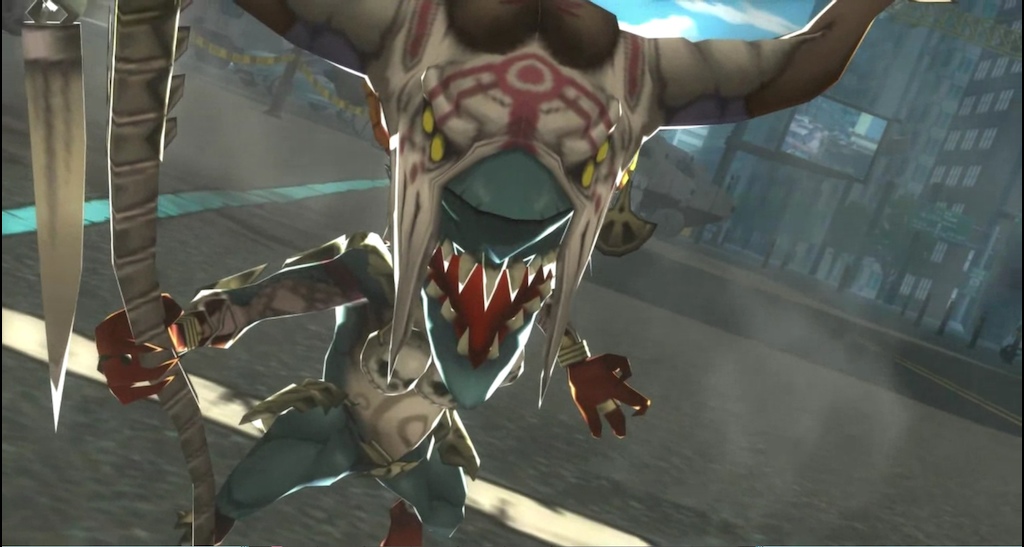
The Dimensionals come in many different forms, growing much stronger as the story progresses.

The 2.5D stylings of the side-scrolling hack ‘n’ slash MMORPG, Closers, is a gratifying experience too readily available to pass up. The free-to-play access and simple combat structure is as easily attainable as any fierce RPG infused beat ’em up can come, and doesn’t seem to be greatly hindered by extra costs and microtransaction packages. The episodic timeline shines in the realm of anime-inspired video games, fueled by the adrenaline-inducing action brought forth by cut-throat battles and an expansive character development system.

H1Z1 - Battle Royale

Dear Developers, Make Your Game, Don’t Mimic Others

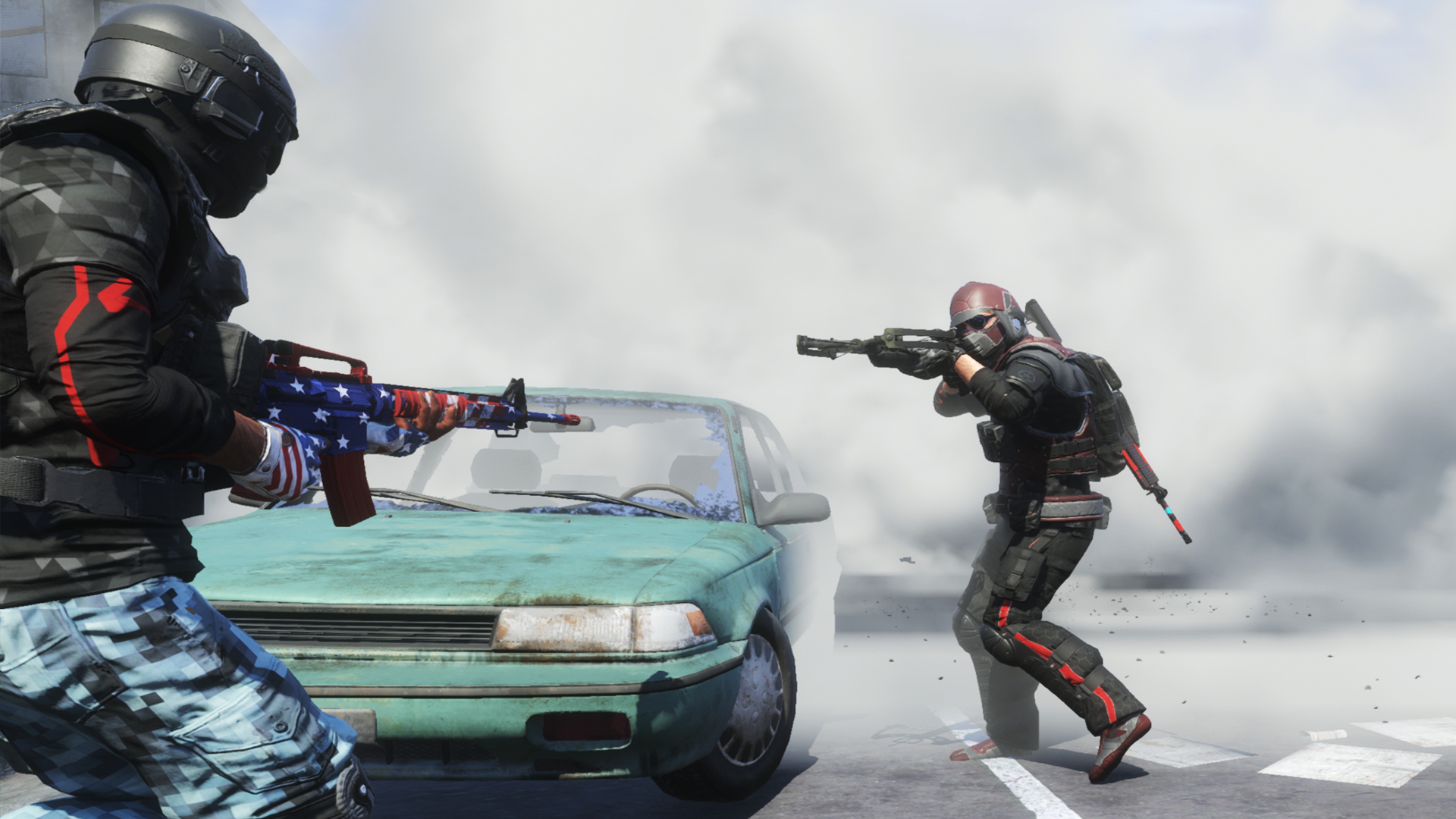
Battle Royale, the genre that is currently taking the gaming ‘world by storm’. With millions of gamers playing either PUBG, Fortnite or H1Z1 at any given time, the online gaming community hasn’t seen a craze like this since MOBAs first went mainstream with League of Legends and DOTA 2.

The Gaming Moment

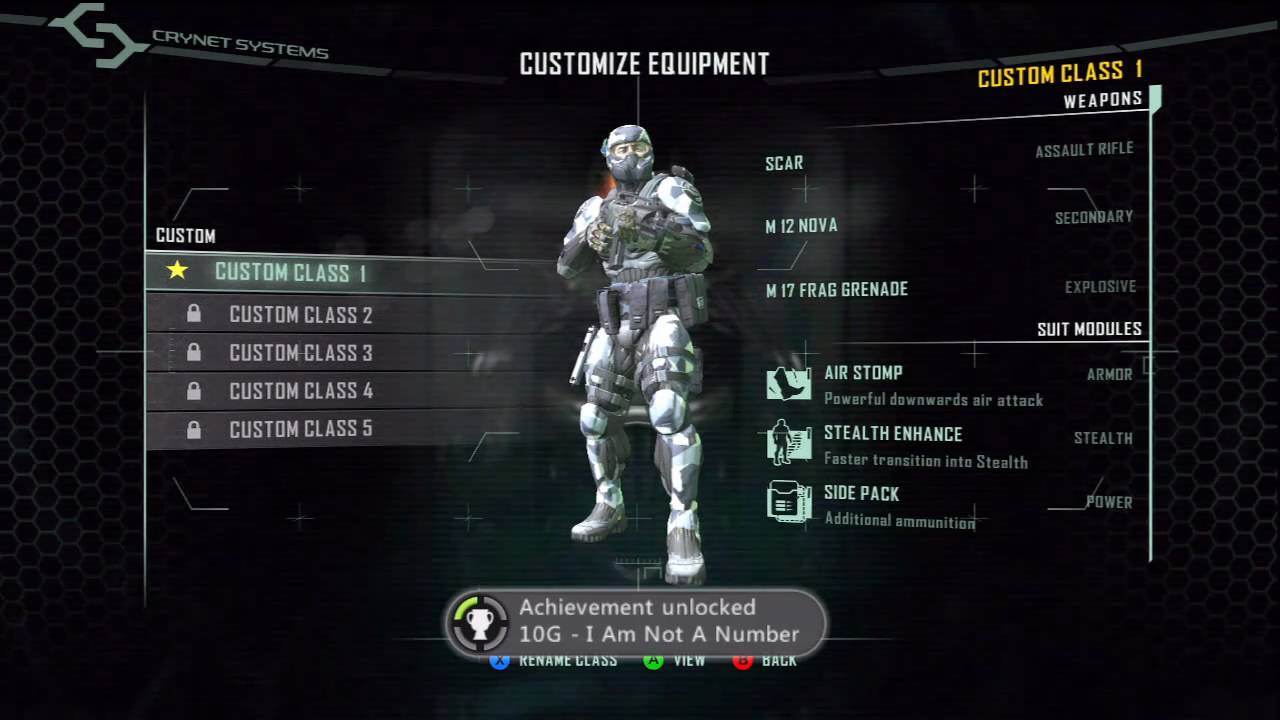
Gaming seems to go through what I would call “moments,” every few years. An example of a moment would be when Call of Duty 4: Modern Warfare was released all the way back in 2007. This game was a sensation and took the gaming world by storm. And, from this sensational game came more rip-offs and copies than I can even begin to count. Every game had to be like Call of Duty in some way or form. Halo 4 added their form of killstreaks, Battlefield added its own form of create of class, Crysis 2 and 3 just took Call of Duty’s multiplayer and put a sci-fi spin on it.

crysis2
Call of Duty or Crysis?

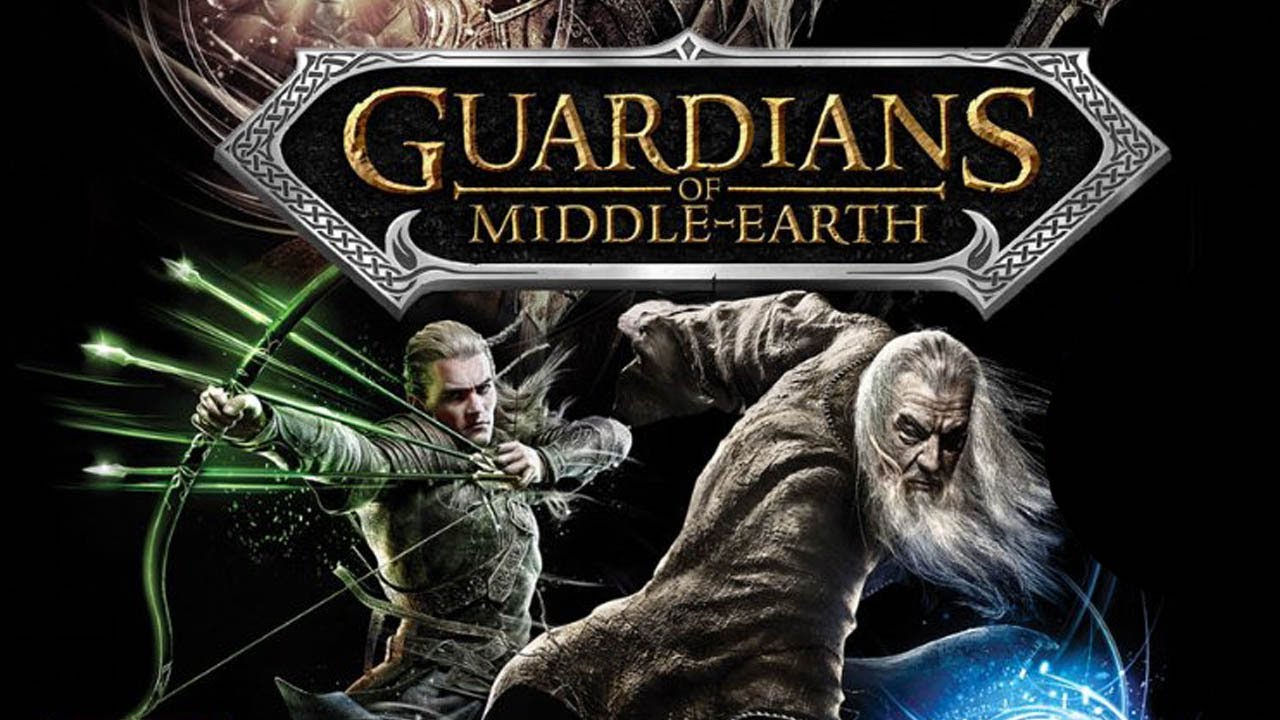
Another gaming “moment” would be a couple of years ago with the MOBA craze. And, just like with Call of Duty, everyone had to be League of Legends or DOTA 2. Shortly after League and DOTA took over a large portion of the gaming community, imitators like SMITE, Legends of the Storm, Paragon, Guardians of Middle Earth started showing up everywhere you looked. They were all trying to get in on the seemingly endless money pit of the MOBA genre.

Do you know what all of these imitators have in common? None of them ever replaced the respective games that they were trying so hard to mimic. League and DOTA are still some of the most played games in the world right now, Call of Duty is still the top selling game every single year. PlayStation All-Stars Battle Royale and Brawlout didn’t overthrow Smash Bros. I could go on all day, but if you’re still reading this, then I assume you get my point.

LOTR
Who thought a LOTR MOBA was a good idea?

The Battle Royale Trap

This brings us to the Battle Royale genre which is the “moment” of gaming right now. With the success of games like PUBG, Fortnite and H1Z1, there are rumours swirling of AAA games jumping on the Battle Royale bandwagon. Read Dead Redemption 2, the upcoming Battlefield and Call of Duty: Black Ops 4 are all rumoured to have some form of a Battle Royale mode within their game. My question for you is: why?

These franchises are popular for a reason, they all have their own individual strengths. Red Dead has an engrossing open world, Battlefield has large-scale warfare and Call of Duty has tight addictive multiplayer. Why do you feel you need to change what isn’t broken?

So developers, just focus on improving what already makes your games great. Don’t try to make your game into something it wasn’t designed around. As I wrote about above, mimicking other games never seems to pan out well. Going this route with your game development seems to only do more damage to your final product than good.

Stop recycling content. If you decide to do something different with your game, make it new and unique. That’s what we like to see. All of the gaming “moments” I mentioned above were successful because they were a new and fresh idea that players hadn’t seen or experienced before… Just some food for thought.

So, readers what do you think? Do you think developers will ever stop mimicking each other? Or are developers going to continue this endless cycle of making the same games in different skins? Let me know in the comments below!

Pixel Art

Why Is Pixel Art Still Around?

My obsession with video games came at a later stage of my youth than most; I was a late bloomer. Growing up in the 90s, I dabbled in Crash Bandicoot and earned all the gym badges in Pokémon Red (FWIW: Charmander is and will always be the best starter), but that was the extent of my gaming experience. No one played Doom or Wolfenstein in my neighbourhood, Mega Man was barely in my periphery, and abandon any hope for seven-year-old me trying to figure out which Final Fantasy to start with.

Why Is Pixel Art Still Around?

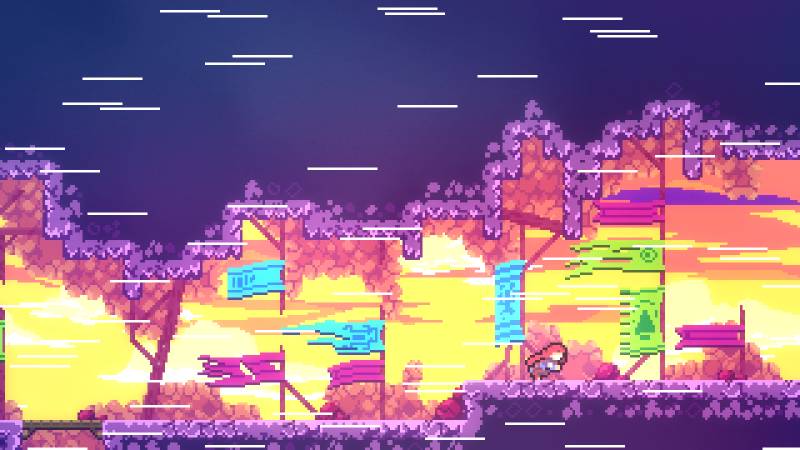
It wasn’t until the late 2000s (a less embarrassed me would claim the early 2010s) that I finally sunk my teeth into gaming. That’s all to say, I pretty much cruised past the first pixel art era – a time when pixel art wasn’t an aesthetic choice, but a hardware limitation. However, as someone who’s invested more than a handful of hours into Stardew Valley and watching Let’s Plays of Celeste and Hyper Light Drifter, I sought to understand why pixel art has resurged in a new era – an era in which popular indie games insist on returning to this stylistic well.

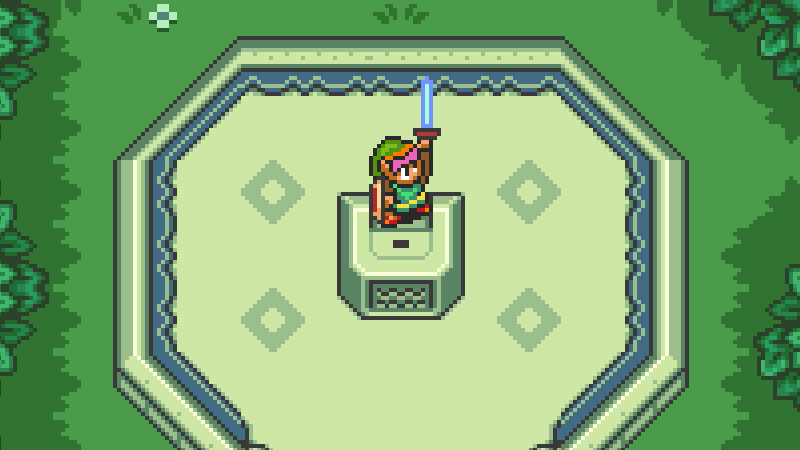
Link - SNES.png
Screenshot from The Legend of Zelda: A Link to the Past, originally released on the Super NES.

In the article “Pixel art games aren’t retro, they’re the future,” published by The Verge in 2014, author Sam Byford spoke with game designer Jason Rohrer. Rohrer claimed that he saw pixel art as “a digitally native [form of] cartooning.” His argument here is that pixel art is intrinsic to computers. Even though the technology has evolved towards high definition, the idea of breaking art into blocky pixels is something that transcends innovation. It’s a basic understanding of how computers display 2D images. To an entire generation of (older) gamers, pixel art is the simple, underlying language of the computer. The reason it has had such a lasting presence is partly a bid towards nostalgia, but more so because pixel art is a two-dimension expression of digital minimalism. It is, at its core, simplistic.

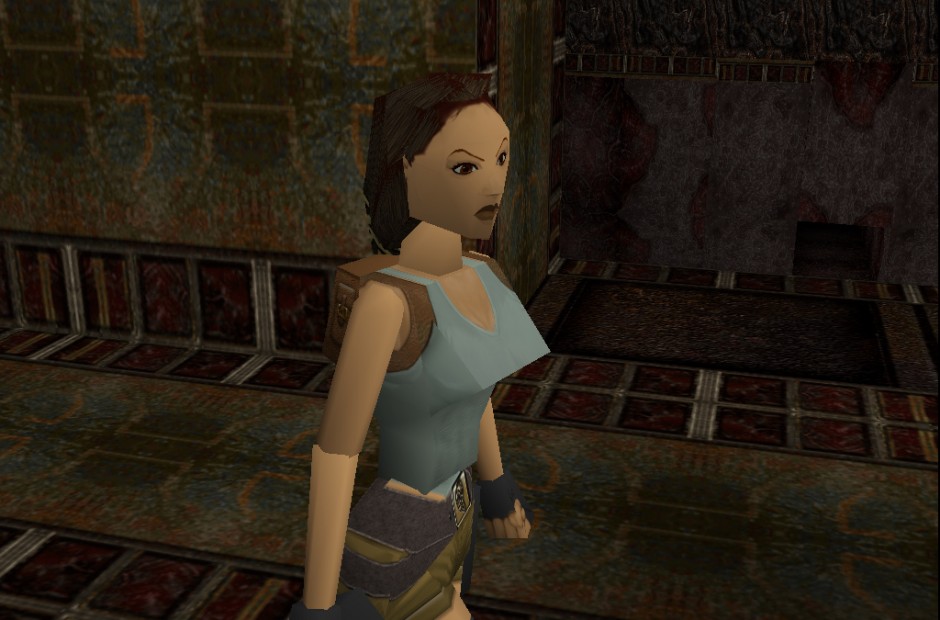
Compare an image of Lara Croft from the original PlayStation Tomb Raider to an image of Link from the SNES. The latter has aged well, while the former looks dated and low-tech. Tomb Raider’s low-poly aesthetic strived to push the technology towards complicated realism and landed too far away from the finish line to not be judged by time. In seeking to create the next-best thing, Tomb Raider moved away from graphical minimalism for flashy, groundbreaking effects. They didn’t embrace the jagged edges that they were limited to and, instead, attempted to mix curves and exaggerated body structures to hit a point of realism that they couldn’t achieve. Over the years, the low-poly aesthetic disappeared by way of graphical evolution but re-emerged after taking note from pixel art. Superhot, Minecraft, and Grow Home are just a handful of modern day examples.

Tomb Raider - PS1
Screenshot from Tomb Raider, originally released on the Sega Saturn, PlayStation, and MS-DOS.

As oxymoronic as it is to say, the resurgence of dated low-poly art and the longevity of pixel art lie in the ability to evolve with the technology. Designers of today who wish to re-connect with old gaming trends continue to refine the aesthetic and improve upon the capabilities of the original consoles. They take advantage of colors, expressions, and angles that were foreign to those classic machines.

In a blog post published on Gamasutra, Shovel Knight developer David D’Angelo talks about how their intention was to evoke the feeling of older games while simultaneously “breaking” the limits of the NES. They wouldn’t box themselves into old specs. He mentions the integration of parallax scrolling, an expanded color palette, and particle effects among other ways they improved the game’s pixel art aesthetic compared to its original era counterparts. While the style may originate from the 16-bit era, it owes its lastingness to its adaptability.

Ultimately, gamers are ageing into game designers who are seeking connection with their youth. They are embracing the technological shortcomings of the past and re-appropriating these aesthetics to become timeless art styles by paring them down to their most minimal, simplistic expression.

QUO VADIS 2018

QUO VADIS 2018 kicks off registration for this year’s Indie Game Expo

By kicking off the registration phase for Indie Game Expo at QUO VADIS 2018, organizer Aruba Events extends a long-standing tradition; up to 60 selected indie studios have the opportunity to present their works at their own booth.

QUO VADIS 2018 – The Indie Game Expo

QUO VADIS 2018, Europe’s longest standing developer conference enables aspiring studios to present their viral hits of tomorrow to an expert audience.

Speakers
Meet The Speakers

Up to 60 indie developers will be selected and can choose between three packages. All three comprise a booth with furnishings, include wide-coverage media presence for the first time, as well as a contingent for the matchmaking platform MeetToMatch and more.

Interested developers can apply via the official homepage, which also offers more details about packages and optional extras.

In time for the Indie Game Expo registration kick-off, the website received a redesign to give a better overview of the conference’s many attractions. The improved appearance offers a more engaging interface for the confirmed speakers and bundles all details about schedules, event location, offers into an inviting package.

For example, ordering a Business Pass before Tuesday, March 6th 7 p.m GMT, secures the buyer a Conference Pass for free. This and more offers are available here.

QUO VADIS, the longest standing developer conference in Europe, awaits the gaming scene on April 24th and 25th this year at Station in Berlin.

Swaps and Traps

Swaps And Traps Review [PC] – A New Twist On Platforming

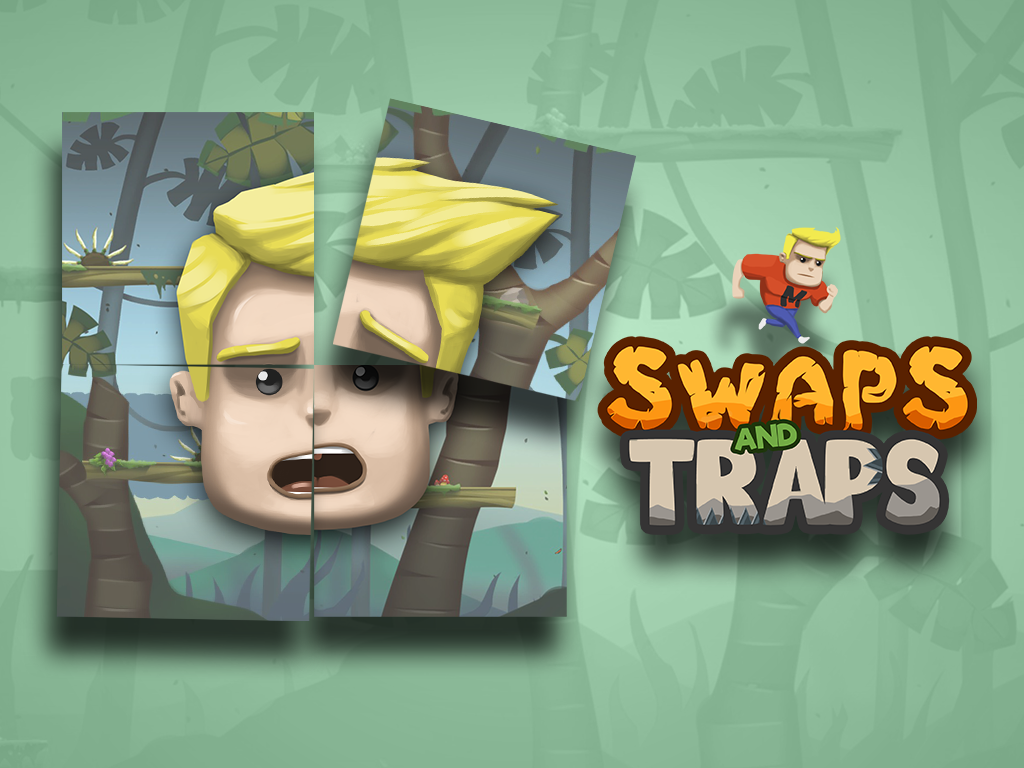
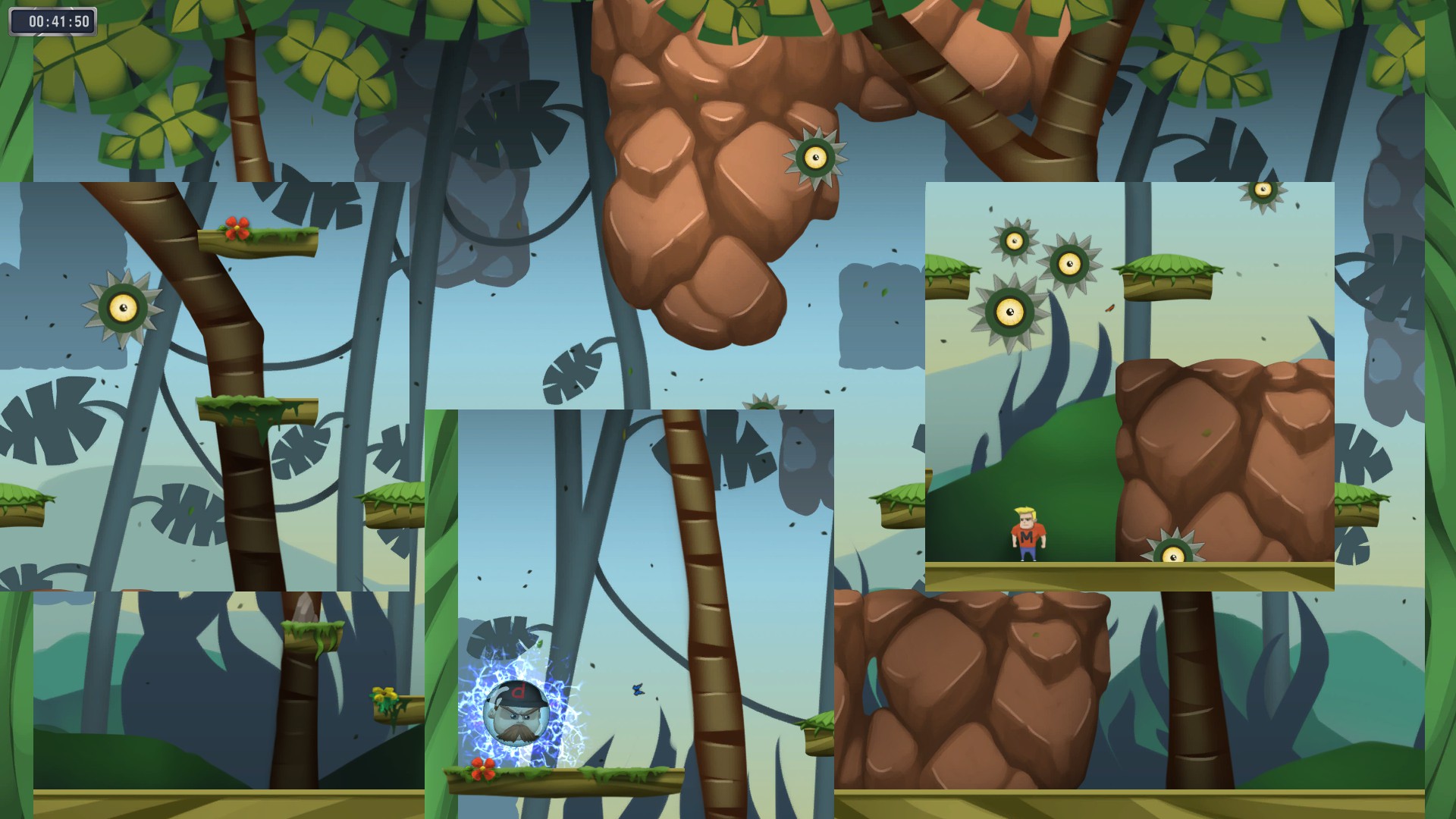
The skewed action in Swaps and Traps brings a delightful new approach to creating something modern and original to the typical standards we see in today’s platforming releases. While the same deadly obstacles and long jumps that help construct some of the best aspects from platformers today still exist in TeamTrap‘s debut release, a new kind of trap lies atop the head of the evil Divider’s head. His magical hat is capable of completely disorienting the screen, giving our hero Mike quite the methodical platforming adventure.

The blonde haired, muscle-bound protagonist is as carefree as they come, but when Mike hears of the theft of the enchanted hat by none other than his nemesis, ‘Divider’, things become a little more personal for our hero. You see, this mystical hat has the powers to change perception right before your eyes, and it’s up to Mike to retrieve the special keys, in turn, capturing the Divider – and his vile, disorienting ways. The story may be completely bonkers and provide very little depth of intrigue yes, but the gameplay does its job to keep you entertained.

Forgettable Plot With Memorable Gameplay

While the plot line isn’t anything to rave about, and the extremely awkward voice-overs strip any sort of justice away from the otherwise slick visuals, the concept behind Swaps and Traps is a doozy. Each stage consists of numerous platforms and treacherous obstacles that the player must evade to reach our dreadful villain, Divider. However, before Divider can be reached – which promptly clears the level allowing access to the next area – players must collect the cursed key(s) in each stage.

Swaps and Traps
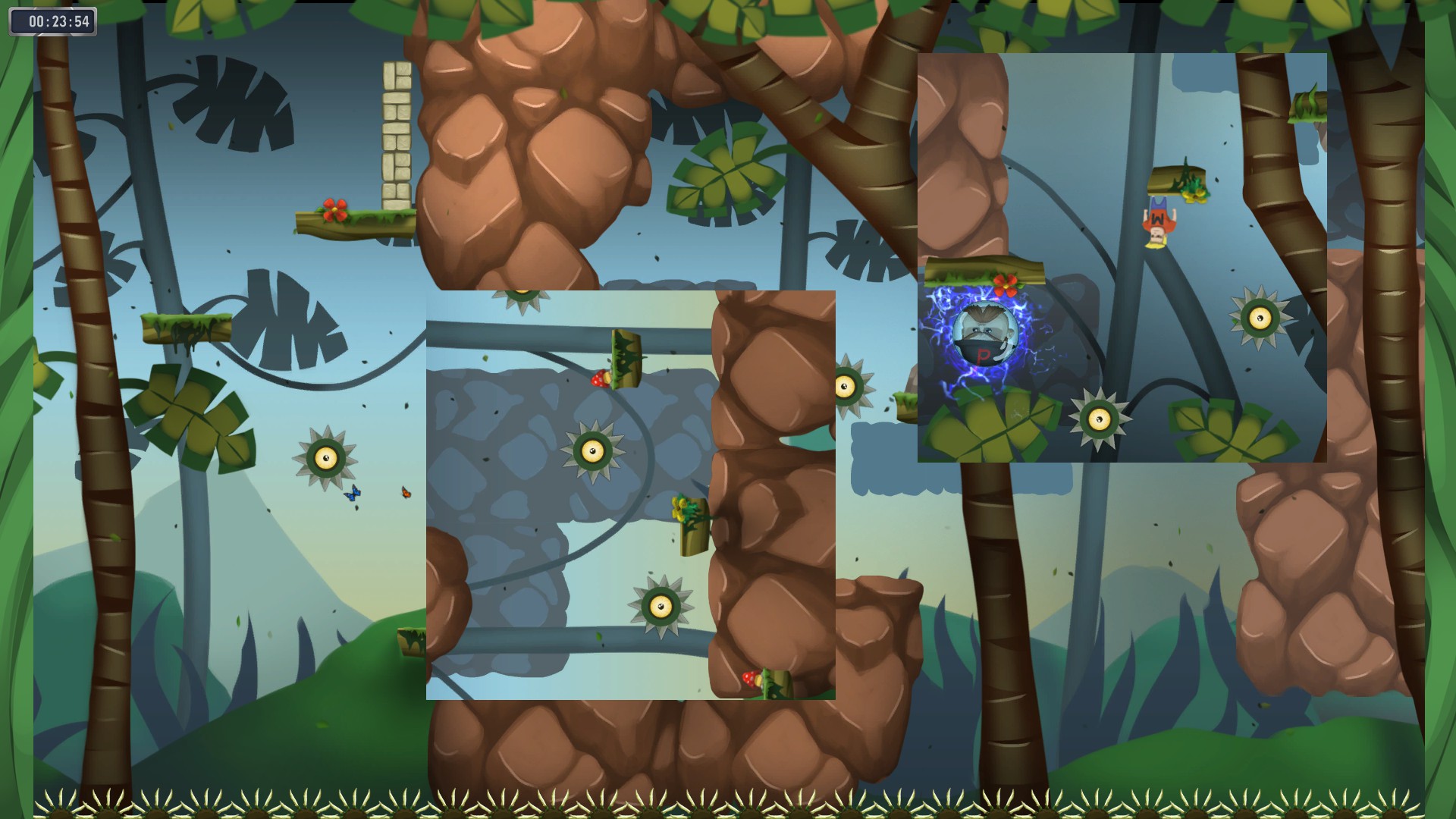
Finding yourself upside down completely changes the way you need to approach each obstacle.

Starting off the game with only one key per stage, Mike leaps and dodges his way around the small screen-sized obstacle course to grab the golden key. Once the key is grabbed, however, is when the levels begin to get interesting. Snatching the key may be the means for clearing the stage, but it also is the “key” element in completely rearranging portions of the screen. Just when you think Swaps and Traps will be your everyday modern platformer, things take a twisted turn and the game really starts to shine.

Taking one portion of the screen and swapping it with a portion on the other side can cause some very confusing, but highly entertaining reactions throughout the game. As you progress, the portions become smaller and more keys begin to appear in the stage, which adds more disorientation to the already bewildering stages. Collecting multiple keys in one stage can add an extra portion to be swapped, or even more puzzle inducing mayhem by rotating an already swapped portion. It’s common to find yourself re-configuring the controls mid-stage to adapt to an upside down platformer.

Swaps and Traps
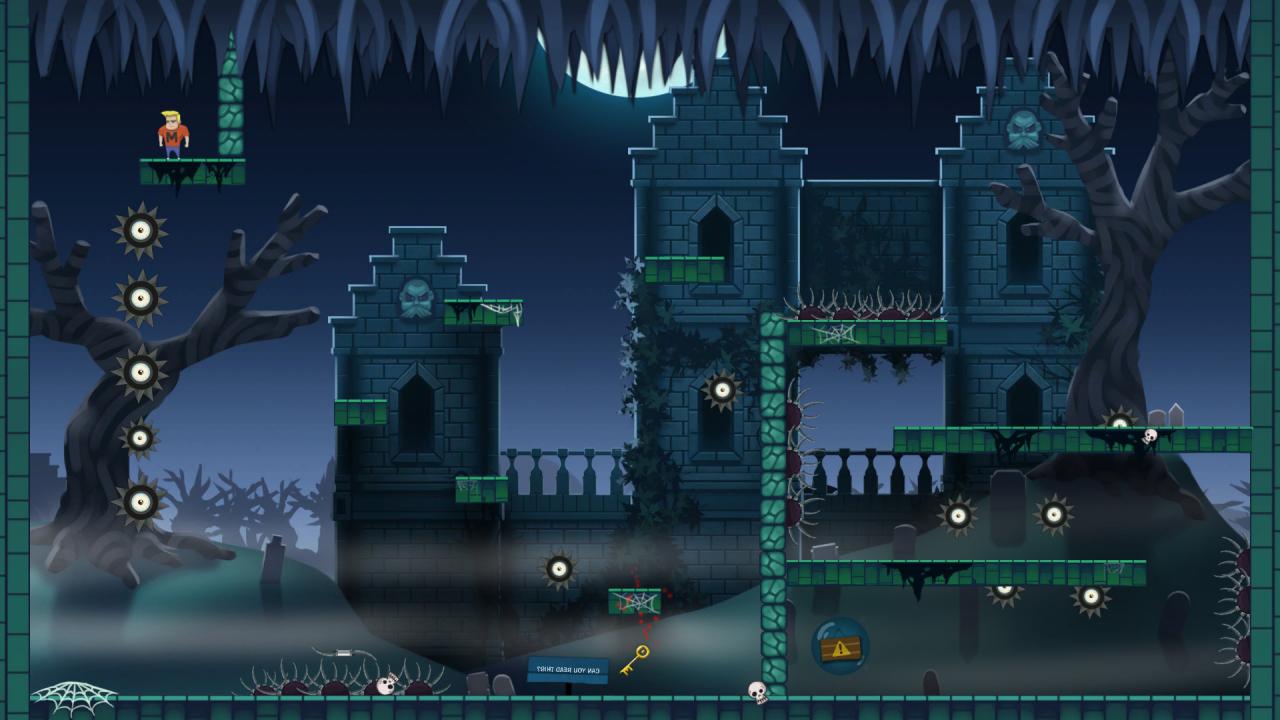
Different themes take you through the story – from wild jungles to dark and eerie castles.

A Disorienting Adventure

As you begin making your way through the stages things become not only more difficult from a platformer standpoint, but upon collecting numerous keys in one stage the utter confusion will begin to set in. Luckily, the developers realize how swapping out sections of the stage, as well as flipping them 180 degrees, can turn a rather straightforward level into an altered mess. Players thus have the option to reference back to the original layout in still photo form. With the press of the button, players can view an image of a particular stage’s original layout, even after sections have been swapped and flipped. As players begin to experiment they will soon discover that blindly leaping into a swapped section can often lead to death.

What really makes Swaps and Traps unique is that the entire stages aren’t completely flipped, but merely particular sections. While most of the stage might stay put after collecting a cursed key, the difficulty lies in the swapped sections that completely skew the player’s perception. Flipping and swapping out sections slows down the game as players try to figure out just how to land in a desired area, but that’s exactly what makes Swaps and Traps so approachable. Like most difficult platformers, our protagonist perishes after only one hit, giving a huge emphasis on trial and error, but the quick retry accessibility makes things much more attainable. The stages are extremely short, sometimes only taking a few seconds to complete, but it may take a few dozen tries to overcome some of the more challenging obstacles.

Swaps and Traps
Gathering keys will continue to disorient the player’s perception of each stage, making for a wildly puzzling platformer.

Tons Of Swapping Fun To Be Had

With up to 30 stages in each of the three chapters and a handful of off-the-wall bonus stages, Swaps and Traps never seems to come short of throwing thought-provoking challenges at the player. The platforming itself is a joy to control making for easy-to-learn gameplay, but the swapped portions of stages add just enough to keep the game thoroughly absorbing. While the story itself is forgettable, and the atrocious voice-over work does more damage than good, Swaps and Traps totally makes up for it with original and over-the-top platforming action.

Starsceptre 2.0

Starsceptre 2.0 Update: A Thank You To The Fans

When Starsceptre originally released it was to introduce a retro shmup with a new kind of control – Tilt ‘n’ Shmup. What I realized early on was not many people liked tilt, favouring touch instead.

Starsceptre 2.0 Update

The more I looked into it, the more I realized I needed to rework the game to give the ship the freedom of the whole screen that gamers were yearning for.

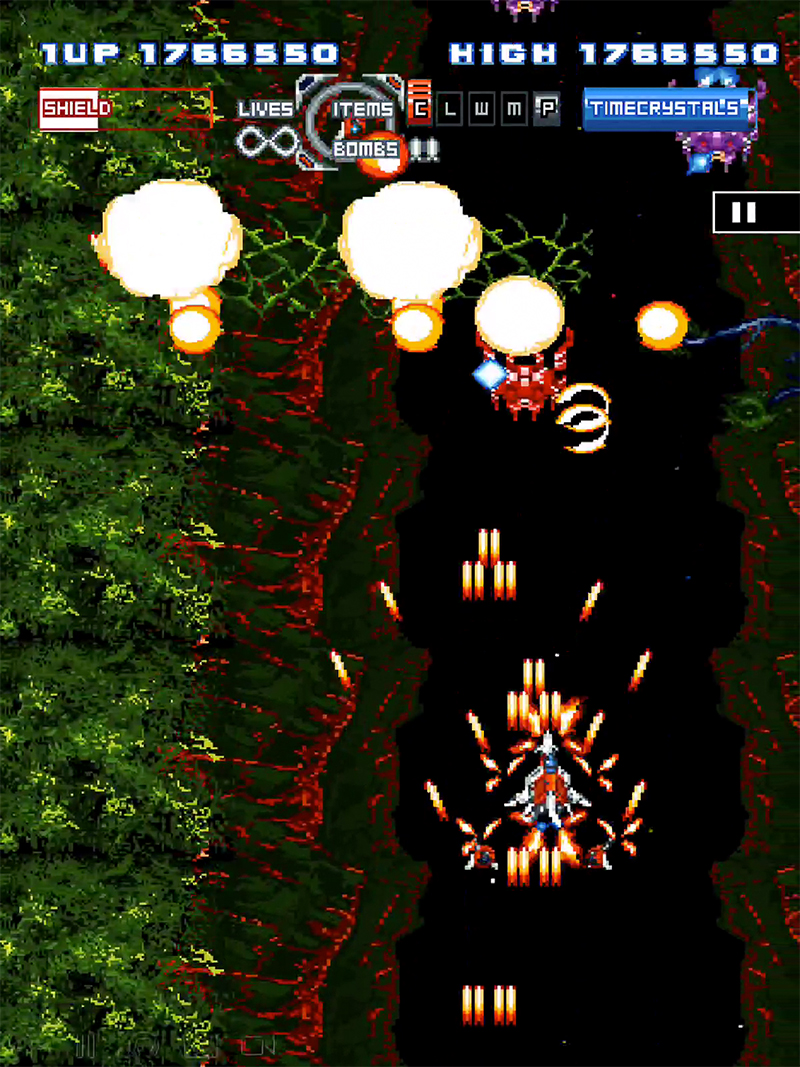
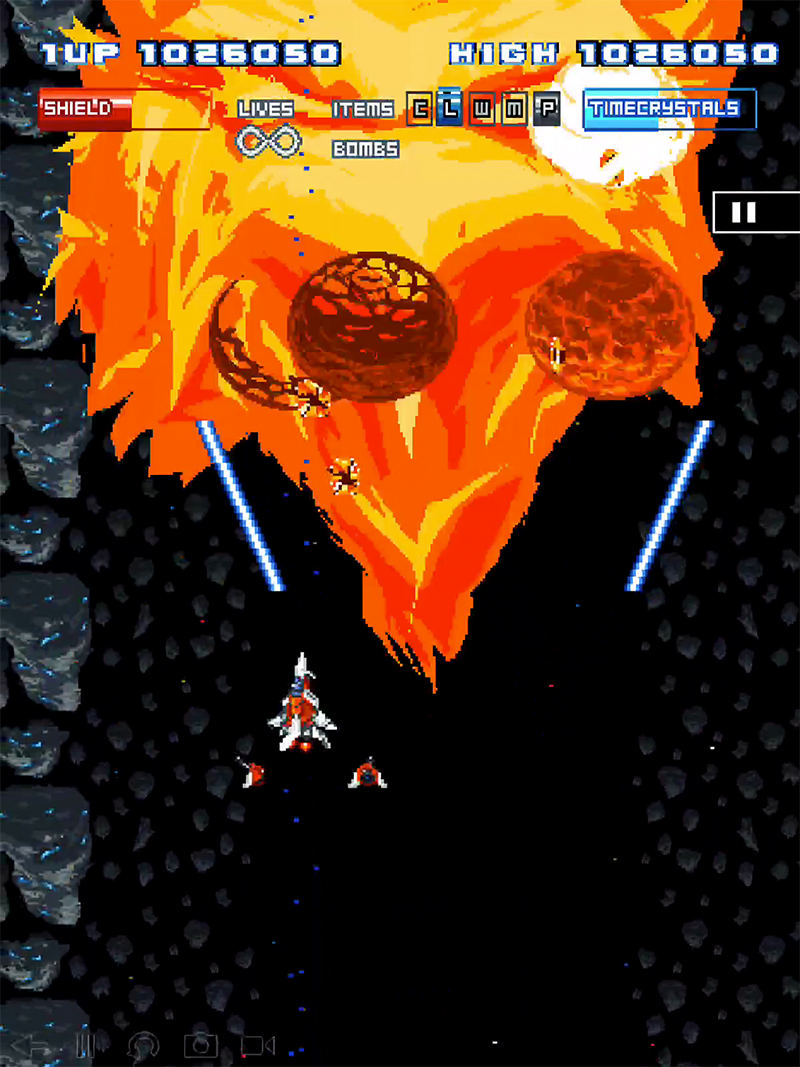
As a result, I redesigned, not just the controls, but the powerups too because when the ship moved around its rear became unprotected.

Starsceptre 2.0

Backwards canons and beams meant destruction happens behind you now as well as in front.

One of the secret features, built-in from day one, was a hidden code screen, accessible from a flashing star on the main menu screen. Clicking that took you through to an 8Bit controller whereby you could try out a 10-digit code to see what you could unlock.

Starsceptre 2.0

Retro gamers who knew the original Konami Code unlocked some additional weapons to start the game better off. And if you don’t know the Konami code, here it is:

Up, Up, Down, Down, Left, Right, Left, Right, B, A then Start.

But I also used this mechanic to unlock players for the game who had supported us since day one. Gamers, reviewers and game devs were selected to become unlockable Avatars on the home screen using a unique Konami-type code.

Starsceptre 2.0

Getting Starsceptre to launch and now to redesign has taken 2 and a half years of coding in my spare time on my commute to and from work. Coding on the iPad meant I could code and test straight away without needing to sit down at a computer. It’s been this approach that led me to make my dream of finally making a shmup that people could play. I hope you enjoy playing the updated game available on iOS now!

Richard Morgan

8Bit Magic Games

Starsceptre is currently at its lowest price of £0.49 GBP/$0.99 USD/€0.49 EUROs/¥1 CNY until the 7th March.

The Darkside Detective Review [Nintendo Switch] – A Mystery Worth Solving

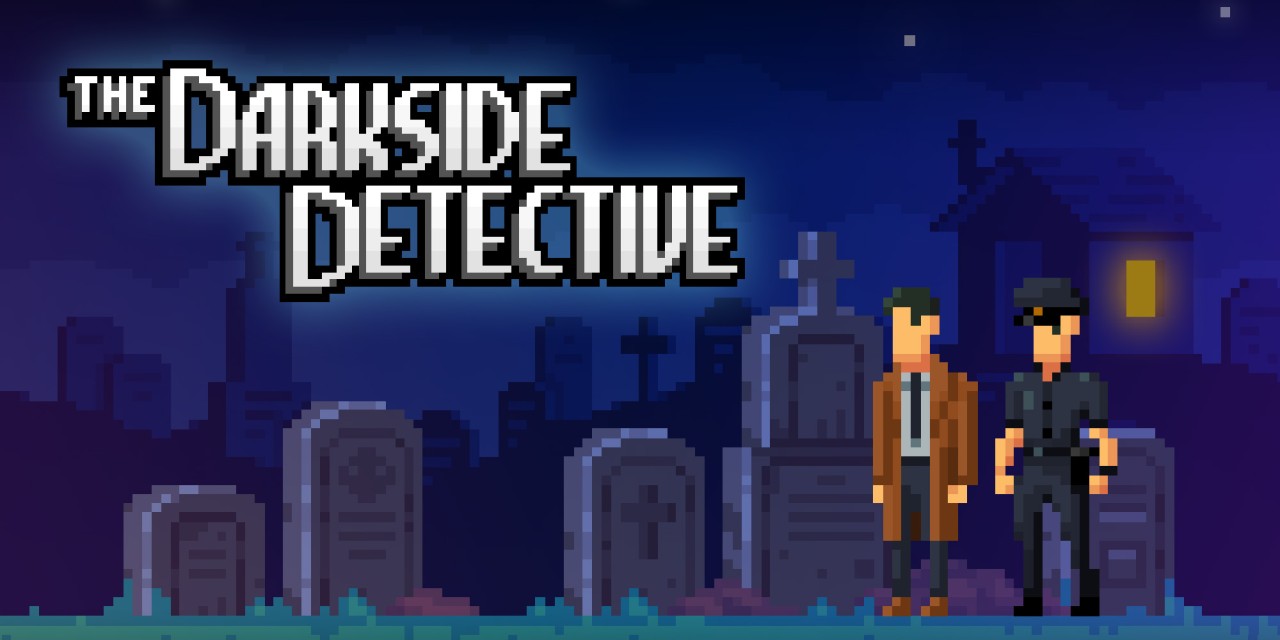
I tend to harp on the overly simplistic ports that have inundated the Switch since its release. The one to ten-year-old ports that have crowded the eShop can be annoying, and it’s that over crowdedness which can bury a great indie game under all the clutter. If you can manage to wade through all of the nonsense, you might just be lucky enough to find The Darkside Detective, from Spooky Doorway and Isometric Dreams. I simply adore everything about this title, with the story, humor, music, and overall premise of this game overjoying me. What could easily be dismissed as yet another title from a bygone era, is actually one of the more fun and entertaining titles in the Switch library.

The Darkside Detective Review [Nintendo Switch]

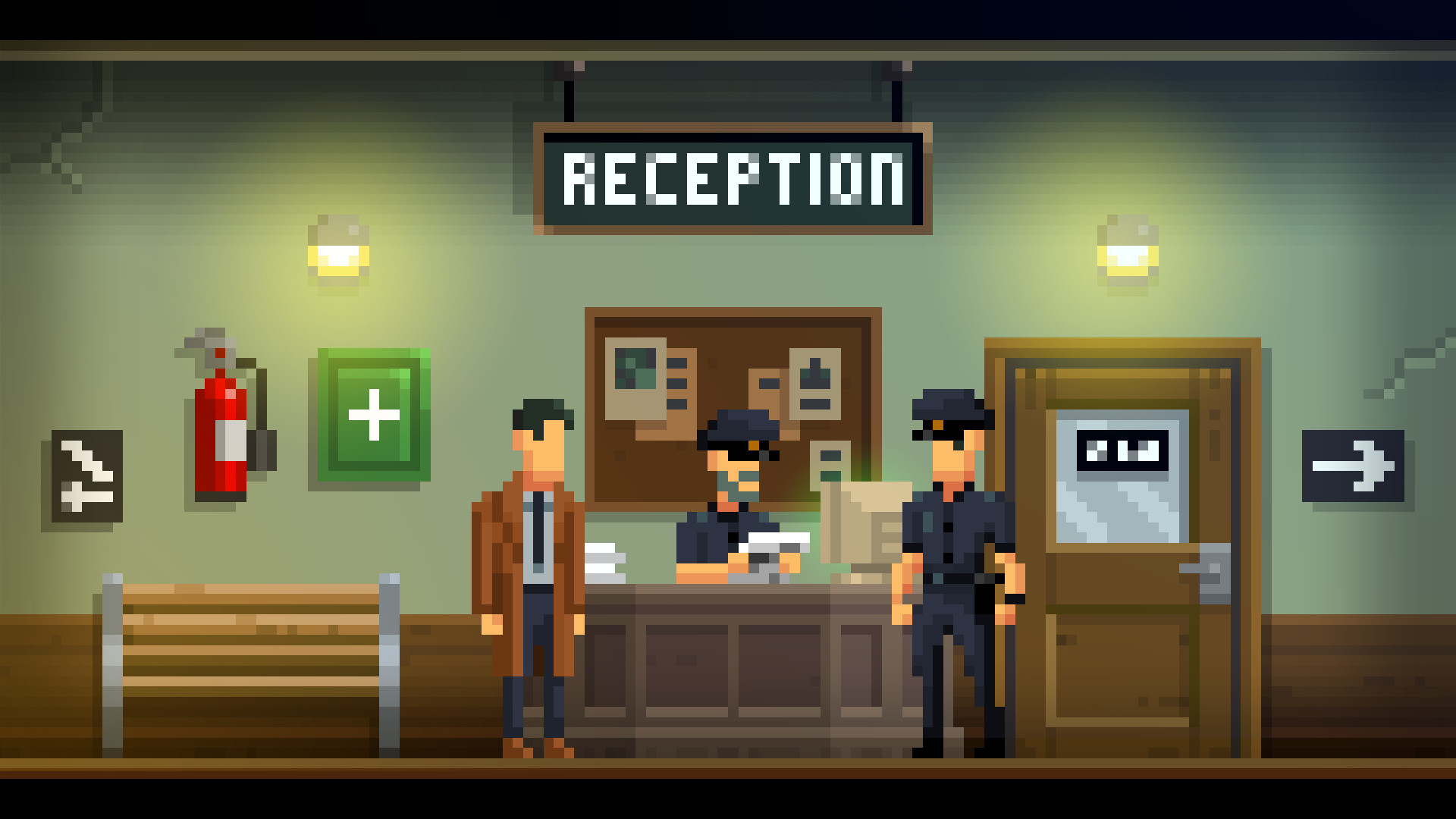
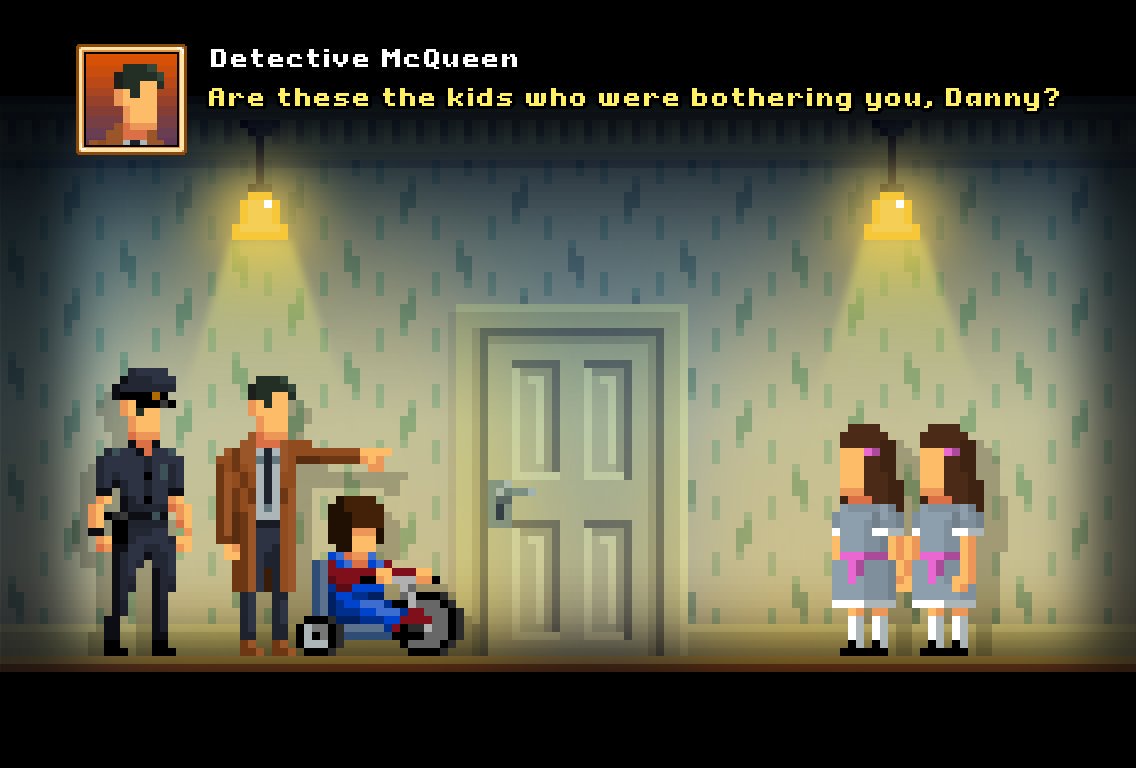
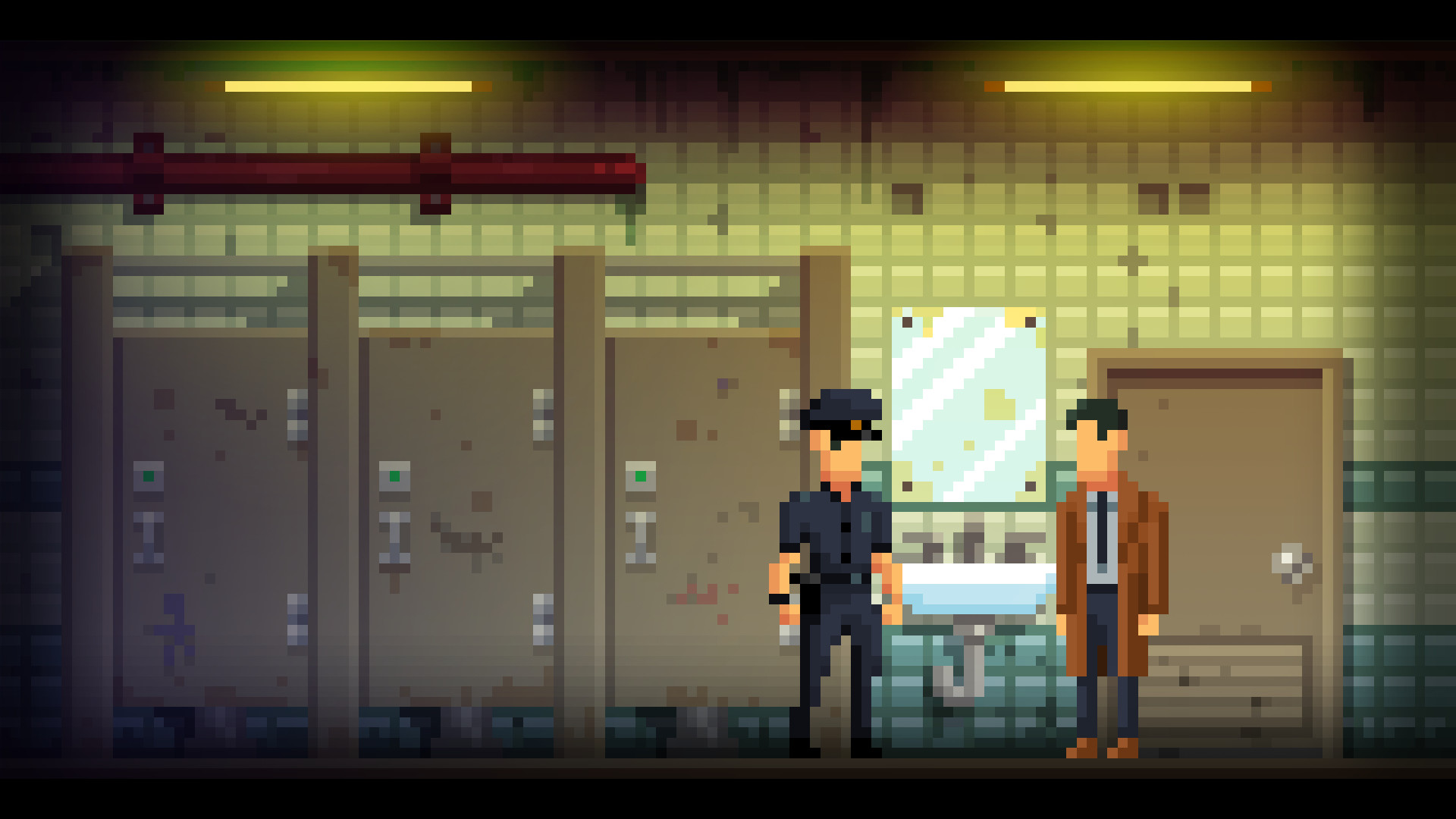
The Darkside Detective is a cross between the The X-Files, Kolchak, and Twin Peaks, and follows around Detective Francis McQueen as he attempts to solve mysteries of the supernatural. Following the Detective on his cases is officer Dooley, a dim-witted, but hilarious beat cop who adds little help to the case, but a whole lot of entertainment to the player. As the pair work on cases involving members of the occult, ghosts, monsters, and the paranormal, the detective must put all the pieces together to uncover the mysteries of the Darkside.

The Darkside Detective

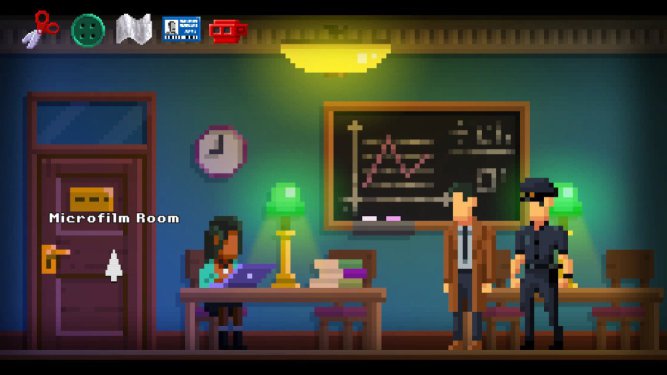
The game is rather simple at its core, and is mostly a point/drag and click adventure. There’s no free movement, but rather you click on the direction or room you want to go and the slide changes. Each room and environment (which are all beautifully animated), can be interacted with and searched for clues. As you hover the pointer over objects and people, you’re given the option to either talk, examine, or take. It’s very important to listen to everyone, as clues to the case could, and most likely would, be blurted out.

From haunted police stations, spooky libraries, and eerie subway tunnels, the town of Twin Lakes where this is all set is unique and filled with mysteries. McQueen must make his way throughout each location in order to solve the case, and the objects you find can be combined in order to help. A missed clue or object could mean endless searching for what you’re supposed to do next. The game is about being a detective, so go and detect!

The Darkside Detective Review
The Darkside Detective

Making the overall experience even more enjoyable is a laugh-out-loud tongue in cheek humor. From the names/puns of the missions and characters to the witty banter, I found myself bursting out into laughter on more than one occasion. I don’t want to ruin any of the funny lines, but in one instance, McQueen and Dooley are standing in a room with a giant marble statue of an angel. Click on the statue, and Dooley simply blurts out “Don’t Blink.” For any Doctor Who super-fan such as myself, that little reference is just about as close to perfection as a nerd can get. These pop culture references and humorous one-liners pop up throughout the game and help to set the adventure apart from similar titles.

The Darkside Detective Review
The Darkside Detective

The only true negative I can think of is that it’s all too easy. There are only six cases to get through, and I was already on case four by day two. The only time I felt challenged was when I failed to find an important object or didn’t talk to someone and missed a vital clue. This isn’t a bad thing necessarily, but as someone who is in love with the game, I really wanted the journey to last longer. It’s my hope that the developers release some new cases in a future DLC pack.

When I say I am in love with this game, I mean everything about it, including the music. As I was playing in handheld mode, the music sounded amazing. I slapped on some Bose headphones, and the experience magnified. From composer Ben Prunty, the man behind games such as FTL and Gravity Ghost, the music in Darkside Detective is just beautifully done. Befitting the supernatural tone of the game, Prunty’s score is some of the best music in recent gaming memory. Just remember, this is a simplistic game, so the fact that they put this much effort into the music really shows the passion surrounding the project.

The Darkside Detective Review
The Darkside Detective

Yes, Mobile Gamers Are ‘Real’ Gamers

In South Park and The Simpsons we’re shown as internet trolls, in Future Man we’re a lowly janitor still living with our parents, and in The Big Bang Theory, we’re a group of gangly and awkward nerds with social anxiety. The stereotype of a “gamer” is not one that is often shown with tact. Often these characters are reduced to a trope that is tired, lazy, and incredibly inaccurate. It would be easy to blame these portrayals on the “others” who don’t play games, but the problem is only exacerbated by the sense of ego and console class wars that the gaming community has seemed to foster.

If you scroll through the comments section of any big gaming site you’ll notice there’s often a litany of rallying cries around the “PC Master Race,” or the declarations of the death of the “Xbone” or the idiotic ineptitude of both “Nintendo and Sony fanboys.” As a community, we have created a toxic class system in which one console, or more broadly speaking one medium, has power and a status above another. For example, there is an entire Wikipedia page dedicated to the idea that PC gamers are ‘superior’ to their home console counterparts. The PS4, Xbox One, and Nintendo Switch are subservient. Do PC games look and run better? Yes, if you have the right set-up they generally always will, (the technology advances at a quicker rate). Does that, therefore, make a PC gamer better than everyone else? Of course it doesn’t. Even within the said latter console communities, there is a further hierarchical debate considering power, portability, and exclusives.

It’s this very immaturity that propagates the gaming industry into not being taken as seriously as it should be. This ‘class’ system has done more than just fueled poisonous debates about which console or platform is the ‘best’; it has also stunted the very definition of a “gamer” and is a key reason why the industry as a whole is still looked down on when compared to films, books and TV. It has created a rubric for what constitutes a “good” game and has set in place a structure for how serious or dedicated a gamer is based on their choice of system.

Yes, Mobile Gamers Are 'Real' Gamers

Under these guidelines, it would be a stretch to consider anyone who plays three hours of Candy Crush Saga a day on their phone a “gamer”. A game on a device that is graphically substandard and comparatively low-powered. And yet the gamer is sinking the same amount of time in as someone who is playing a game purchased on Steam. Obviously, comparing the capabilities of a PC and the gaming abilities of an iPhone is a fool’s errand, but does that mean we should discount someone who chooses this type of user experience? That should be celebrated, or at the very least tolerated, but is instead often crucified by a community that is seeking to organize their players by superficial graphics and frame rates.

With The Legend of Zelda: Breath of the Wild winning Game of the Year at the D.I.C.E. Awards, we have definitely made an effort to discount the power of the console – the Wii U and Switch stand nowhere near the other platforms when it comes to frame rate or graphics. Let’s extend this trend to mobile gaming and acknowledge that people who seek enjoyment from a mobile device are putting their knowledge of power behind them and simply embracing the game experience. If they devote ungodly amounts of time to Alto’s Adventure on the iPhone, they are no less a “gamer” than someone who spends an equal amount of time playing Overwatch.

In a 2015 study by the Entertainment Software Association, they reported that four out of five homes owned a device to play games on. Further, 42% of Americans played video games regularly. This is not a community that is devoted to one system, but a population that is spread out over many different gaming experiences. I’ve personally played games on every format imaginable: a “gamer” is a “gamer” if they’re dedicated to playing games. Like a “reader” of books is a “reader”, regardless of the length of the book.

We should celebrate our wide range of mediums if only so our portrayal in the mainstream is not so inaccurate and narrow. We should put the console/system ‘war’ (the silliest war I’ve ever heard of) behind us and admit that wherever, whatever platform we choose, we’re all just gamers trying to navigate an increasingly harsh reality.

Phoenix Wright: Ace Attorney

Past Blast: Phoenix Wright: Ace Attorney

Phoenix Wright: Ace Attorney, from Japanese giant Capcom, was produced for the Nintendo DS in 2005, or rather, an enhanced remake was. While it’s not all that common knowledge, the game was actually first conceived for the Game Boy Advance in Japan, way back in 2001. There was also a popular port of the title on Nintendo’s archaic, yet somehow fondly remembered WiiWare service in 2010.

Phoenix Wright: Ace Attorney

The first game in the series centred on the eponymous Phoenix Wright, a budding new attorney learning the ropes of the courtroom. What struck many, myself included, was that the story was good – really good. This was essentially a lawyer simulator turned into a game but, arguably, (and in this writer’s opinion), the title features some of the best writing in one to date.

Phoenix Wright: Ace Attorney
A Nintendo DS screenshot showing both screens in use.

‘Gameplay’ wise, you were tasked with finding contradictions within a witness’s testimony. This started off simple, but quickly became complex, with players often running the scenes through their head and asking questions such as: “How did they get there if they were also somewhere else at the exact same time? Something doesn’t add up.” Then, once you were sure enough of your own conviction, you could make yourself feel stupid/empowered and shout “Objection!” at your DS, or TV, depending on which version you played the game on. (Fear not, you could also just hit a button if you were feeling a little bit awkward on that crowded bus to work).

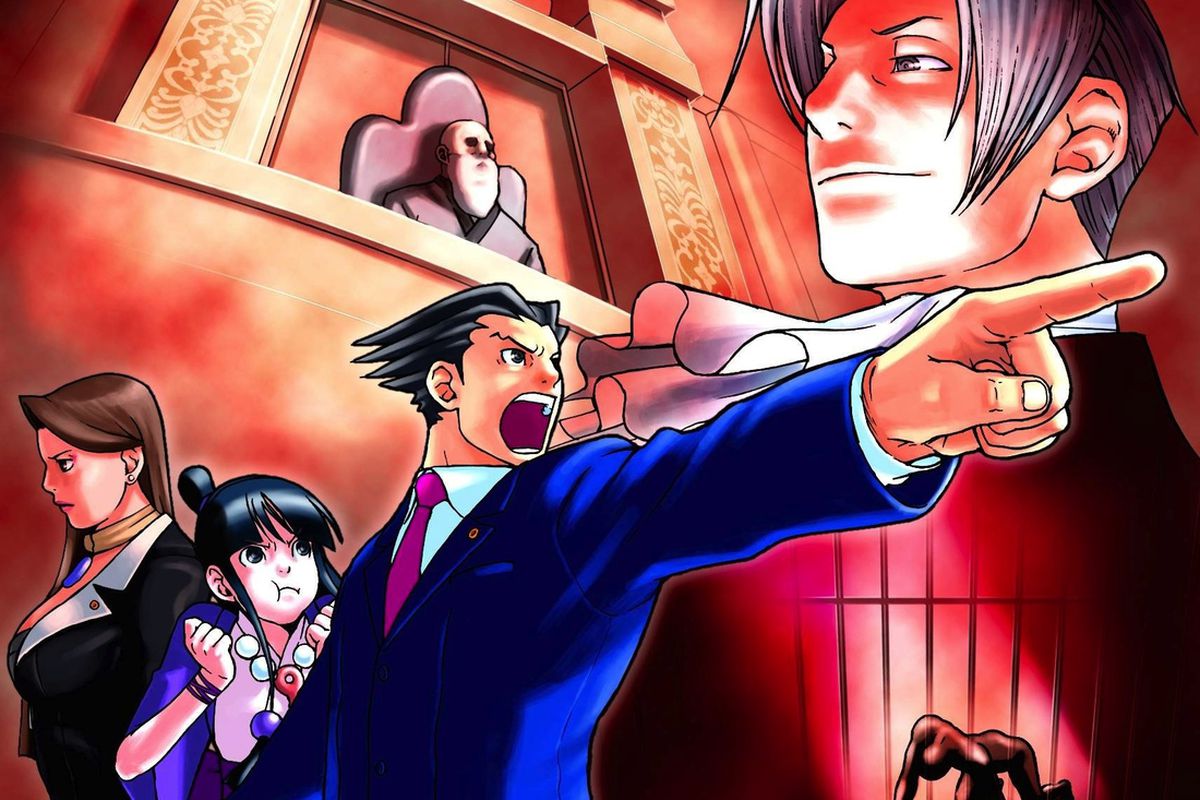
It was this spark of simple genius that made the game so compelling. If you were W-right (see what I did there? Ok, I’ll grab my coat), you saw your witness squirm in front of you, trying anything to convince you that they didn’t kill him or her. What made it even better was when the opposing prosecutor, Miles Edgeworth, came into the fray with a smart ‘get out’ for the witness – upping the ante considerably. Ensue a battle of wits until the very end, all in the name of justice. Like a Sherlock Holmes vs Professor Moriarty encounter. And really, there isn’t much better than that.

Phoenix Wright: Ace Attorney
The visuals were blown up on WiiWare.

Tie all this in with the aforementioned sagacious writing, sometimes silly, often hilarious, thought-provoking and incredibly dark when it wanted to be, and what you had was a game many had not ever experienced before. (It would be remiss of me not to mention the music that plays when Wright brings the justice):

But it wasn’t just the cases which were superbly put together in Phoenix Wright: Ace Attorney, it was the surprising depth of the characters as well – each had hours of intriguing backstory that would deliciously expand over the course of the game(s).

Nick himself, for instance, was a captivating protagonist. His quirky, yet determined to succeed and find the truth manner (something his creator Shu Takumi once admitted was based on himself) made the journey a truly thrilling ride. Wright’s character and position would subtly continue to develop over the games, from rookie to outright veteran in the later adventures. (Sorry, no major spoilers here!).

Let us not forget Miles Edgeworth either, a fan favourite of the series, and rightfully so. Edgeworth would end up becoming the anti-hero construction we all know and love in fiction. He would help Phoenix in the courtroom, but would nevertheless remain a formidable opponent who Wright had to prove himself to again and again; however improbable the events that unfolded!

That’s without mentioning the rest of the cast: the loveable yet struggling to achieve Gumshoe, the endearing and curious Maya. Manfred von Karma… All of these characters felt alive.

Phoenix Wright: Ace Attorney
Ace Prosecutor Miles Edgeworth.

This writer remembers getting to the last case of Phoenix Wright: Ace Attorney for the first time (many years ago), not knowing the series always ended on such an epic dénouement; the scale of it all hit me. That final case (and just wait until you play the others) is something to see; tense, absorbing and yes, moving. It’s comparable to the final court scene in the film A Few Good Men.

Admittedly, never having played Phoenix Wright: Ace Attorney on the DS, it was a series I had always wanted to try, but never got around to. Bigger names always stole my attention whenever I got close. For me then, it was on WiiWare where the natural love began. The rest is history: Ace Attorney remains one of my favourite games (and series) to this very day. There’s no doubt it gets more attention than ever, but it’s still a pretty niche series.

Phoenix Wright: Ace Attorney
‘Rise from the Ashes’ was a bonus case created for DS.

So, you’ve never played it? That’s ok, it’s never too late! Copies for the DS can be few and far between nowadays, so the best bet is to pick it up on 3DS or on iOS devices. As for the future of the series, we now know that Capcom is working on a new Ace Attorney title for the Switch. There are rumours circulating that an ‘Ultimate Edition’ of sorts is in the works too. But, as ever, we’ll have to wait and see on that.

Indeed, while we wait, if you’ve played the masterpiece that is Phoenix Wright: Ace Attorney already, why not share your memories with us below? With that said, I think it’s time to finish Spirit of Justice myself. Have a good weekend all.

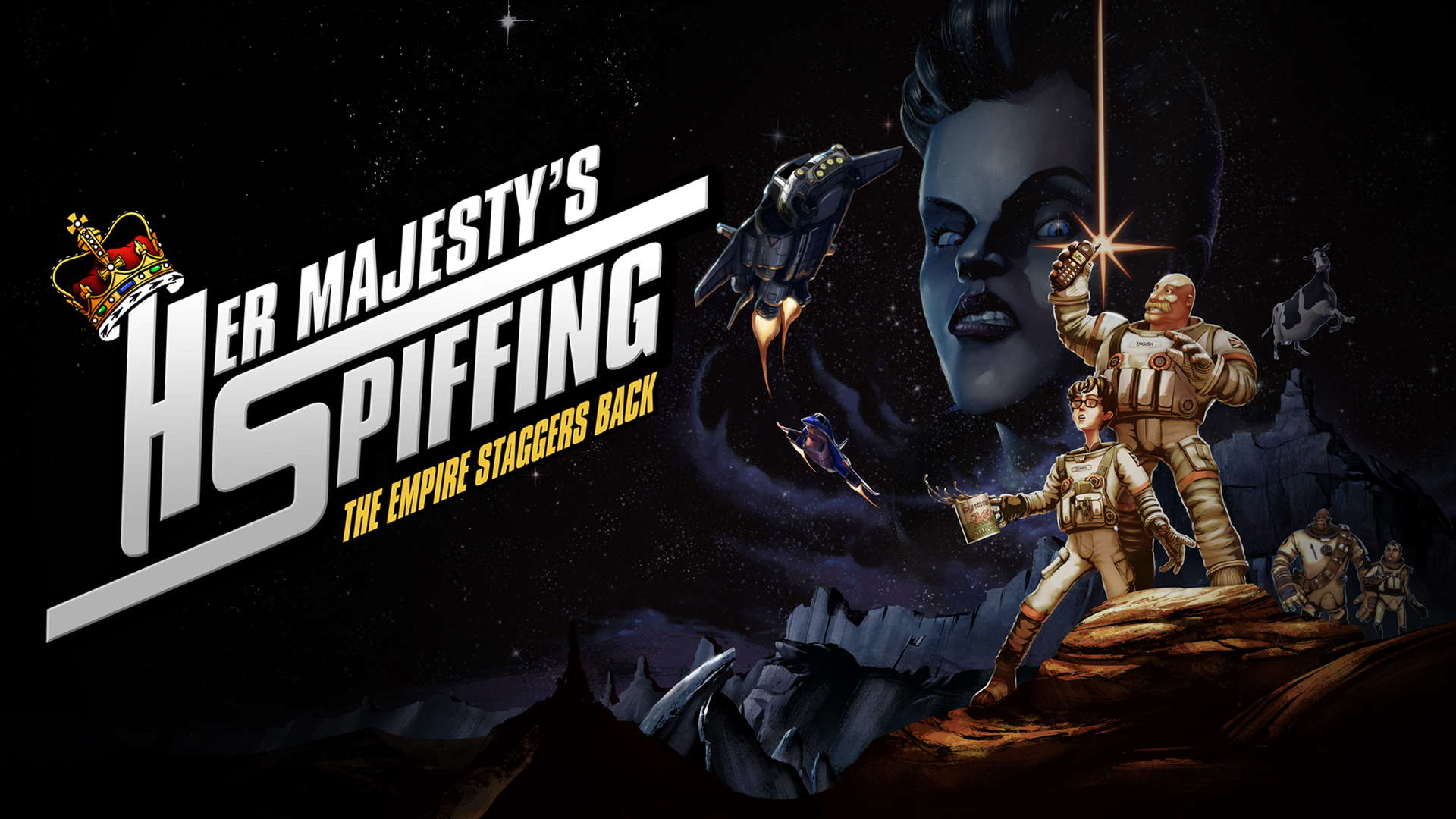
Her Majesty's SPIFFING Review

Her Majesty’s SPIFFING Review [Nintendo Switch] – Quintessentially British

If anyone needed an example of how to make light of a difficult situation, then they may well look the way of Her Majesty’s SPIFFING (HMS). The Brexit vote split the country almost precisely in half, so what better subject matter to cover in a satirical video game format?

Her Majesty’s SPIFFING Review – Nintendo Switch

With the outcome of the vote the same in this fictional universe, the Queen has decided to exercise her power to dissolve parliament and rule the country by herself. And what would any self-respected queen do upon her first day in office? That’s right; launch a space exploration program. More specifically the SPIFFING initiative, standing for Special Planetary Investigative Force For Inhabiting New Galaxies.

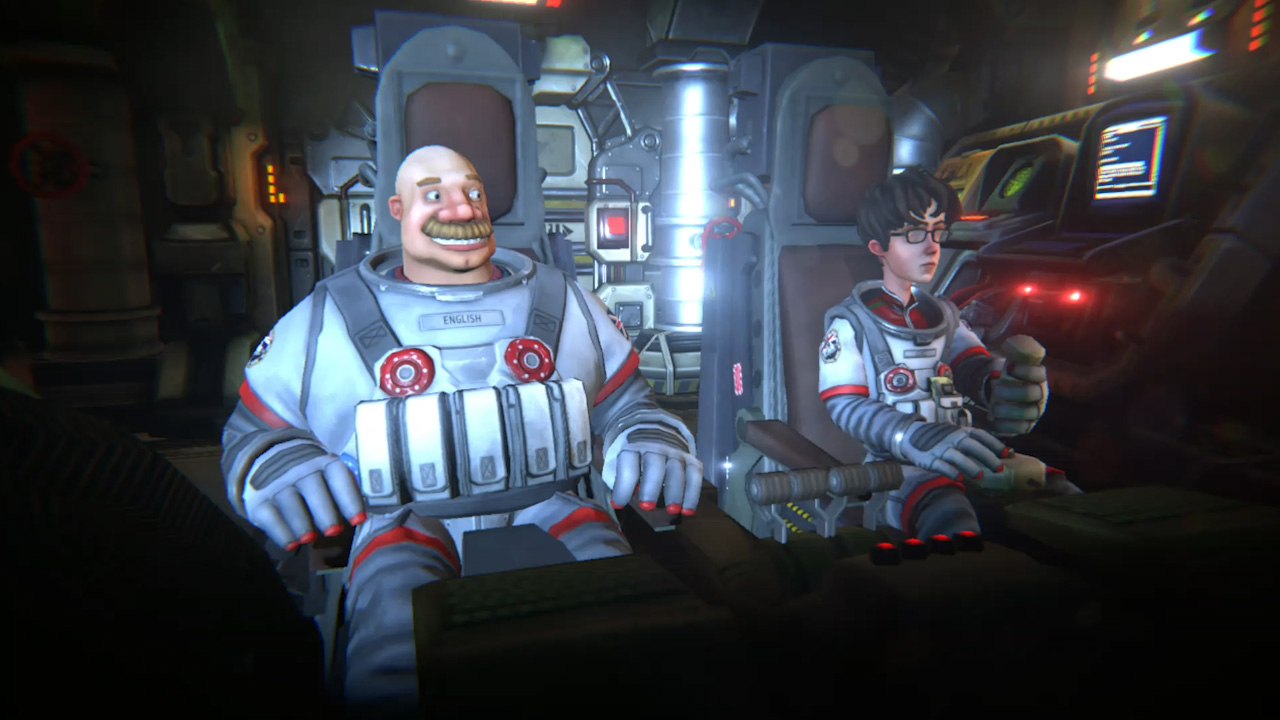
In charge of this brave exploratory mission into space is Captain Frank Lee English and at his side is his Welsh counterpart Aled. As the name suggests, Frank is the epitome of British-ness and loves a good cup of tea and living up to as many stereotypes as possible in a short space of time. HMS is a puzzler set in the ship on which Frank and Aled travel in their attempt to find pastures new for Britain to expand its Empire once more.

Her Majesty's SPIFFING Review

This plays out much like other puzzlers that have come before it, not too dissimilar to the games by Telltale and harking back to puzzle games of old such as Monkey Island. Completing puzzles keeps you on course to reach your destination and sees you fishing a metal detector out of a litter tray, sending frogs to sleep and tipping hot tea over Aled. It’s a fun game that takes a tried and tested mechanic and gives it a light-hearted twist, not taking itself too seriously.

The stereotypes it relies on to incite humour can sometimes border on cringy, but I think it just about gets away with it. The puzzles can often be obscure, leaving you scratching your head and traipsing around the ship trying to find a solution. If there was one thing I had to say about HMS is that it is over far too quickly. I know it is only one episode of what will hopefully be a succession of outings for the team at Billy Goat Entertainment, but I finished it in super quick time. If the game had multiple outcomes, which it doesn’t, then it would have a bit more longevity. Without that replay value is very limited, but the humour it gives you just about carries it through.

Kinect Star Wars

Looking Back At Kinect Star Wars

How much of a Star Wars fan are you? In all cases but for its LEGO adaptations, that was the question that needed to be asked to anyone who wondered whether they should buy a game based around George Lucas’ iconic sci-fi saga in the past.
For those gamers who didn’t know their Sarclaccs from their Sandcrawlers, their Ewoks from their Emperor Palpatine or (for shame) their Biggs from their Jar-Jar Binks, it was easy to reply that they wouldn’t ‘get’ the mythos and context of the complex storylines. By doing this, LucasArts could essentially narrow down the audience of these adaptations to a dedicated few hardcore followers. Strangely enough, though, I can’t help but think that entering Kinect Star Wars without expectations taken from some of sci-fi’s greatest adventures will make it much less disappointing as a video game experience than for the long-term fans who will surely already have picked it up.

Looking Back At Kinect Star Wars

The set-up for the game is simple enough: C-3PO and R2-D2 have returned to the Jedi Archives after the events of Return Of The Jedi, to document past Jedi adventures and galactic happenings, allowing the player to step back in time and experience these recorded events in order to aid the hapless droid duo. There’s certainly no risk of a lack of immersion as you boot the title up, the menu interface and the various halls suitably fitting the visual style of the films; if anything, one of the most impressive elements of Kinect Star Wars is Lucas Arts’ dedication to accurately representing the series lore by using a variety of much-loved characters, locales and battles to jog some of our favourite childhood memories. From Starfighter battles above Coruscant to speeder bike chases in crowded forests, there really is enough for every player to recognise and engage with, whether they’ve been with the series since its launch in 1977 or simply have a passing interest in it.

Kinect Star Wars

Ah, Kinect. Microsoft’s motion peripheral had a rough time, attaining the odd few enjoyable releases such as Child of Eden and The Gunstringer but never having them meet such success that they ever topped the charts. Part of the camera’s plight must surely have come from following in the trail of the Wii, a fully-featured motion console which had a head start of almost five years on it, yet on a more basic level, the lag and slow responsiveness which has been increasingly reported by gamers can’t have helped matters either.

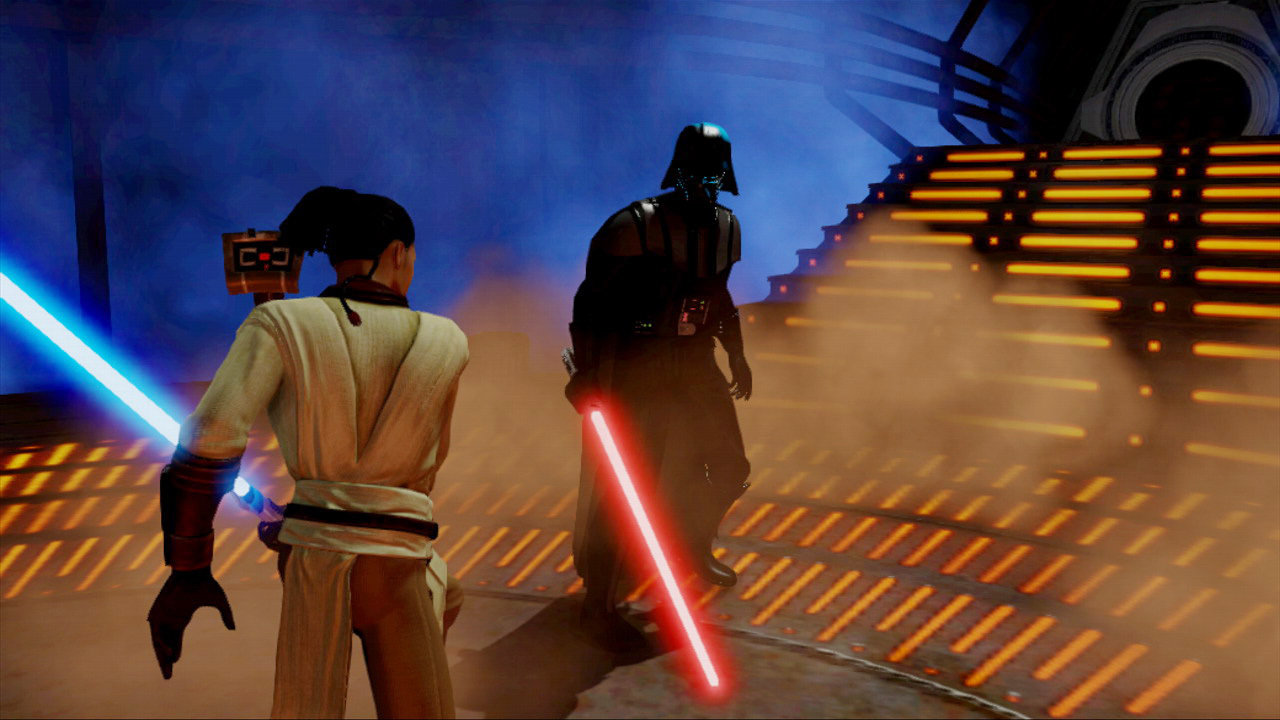
No matter how much the marketing team now try to get around it, the fact is that when we as gamers glimpsed a Jedi Knight leaping from a shuttle onto the streets of Naboo, smashing through droids and tanks galore until he headed straight into a thrilling confrontation with Darth Vader himself, we rightfully expected Kinect Star Wars to be the first true ‘hardcore’ Kinect title. What fans did not want to see, then, was a repetitive main campaign full of monotonous corridors where waves of enemies await and the choppy frame rate of the battles threatens to see their characters knocked out within seconds of meeting an adversary holding a saber rather than a blaster. Sadly, we’ve got the latter.

Kinect Star Wars

After a dozen or so odd repeats of the same predictable, tiresome battle in environments which are recycled to the point that we might as well be playing Episode I for the original PlayStation, everything begins to grate. What initially starts as a lighthearted gameplay mode good for some laughs despite its quirks becomes an infuriating challenge in its final stages, rendered close to unplayable by the glitchy final flight sections, all as a result of the restricted functionality of its source controller. Whether we should put the blame on Microsoft for making their hardware so difficult to work with lest the player stand up, or LucasArts for choosing to place such a focus on the Jedi conflicts is up to debate; nonetheless, it is an oversight that cannot be forgiven.

The ‘Jedi Adventure: Dark Side Rising’ storyline that covers the three sets of missions you partake in on two different planets and a battle cruiser is essentially the equivalent of a Star Wars Greatest Hits compilation, for better or for worse. Whereas in Mass Effect 3 the clear inspirations of Lucas’ grand universe were merely foundations for new and innovative adventures, here the screenplay writers become so reliant on the events of the prequel trilogy that they fail to come up with any interesting ideas of their own. What we get here, then, is a narrative beset with all of the dumb CGI gimmicks and over exaggerated dialogue that plagued the much-scorned Episodes I-III, not helped at all by the faulty gameplay pervading every section except the on-rails vehicular battles (which in themselves ask little but for the player to swing arms to point their cannons at enemies which then fire automatically).

Kinect Star Wars

The gameplay experience does not end with the brief five-hour story quest. There are four further modes that await, too – ‘Podracing’, an effective take on the hovercraft competitions from the Phantom Menace; ‘Rancor Rampage’, a fun if basic chance for players to vent their rage on famous planets like Felucia as the monstrous giants from Return of the Jedi; ‘Duels of Fate’, an expanded version of the drawn-out lightsaber battles that does little to ease the pain of the lag problems from the campaign; and ‘Galactic Dance-Off’, the much-vaunted Dance Central rip-off that actually does the job of providing fun music numbers pretty well, even if the shreds of dignity left within you after buying this are sapped away as you dance to ‘We No Speak Huttese’. As party diversions go, there are certainly many worse places to head than here, but the problem is that the supposed target audience for Kinect Star Wars really wasn’t looking for a new party game when they saw it announced.

As ironic as it might seem, LucasArts appears to have almost completely isolated themselves from any major demographic of players with their choice of format for Kinect Star Wars. Those who have been living in a galaxy far, far away from the realms of Lucas fandom are unlikely to be won over by this as a family title due to the admittedly geeky nature of its premise. If they do try it out, then they’ll find a barely enjoyable bunch of add-on modes sure to liven up a gig only if all else fails.

On the other hand, those fans like me who have been searching the skies for battle stations disguised as moons and awaiting the chance to tell friends that “those are not the droids they’re looking for” will probably be too shocked at the abysmal graphics, the cheap-budget set of identikit voice actors and the lacklustre storyline to even attempt to forgive the blatant shortcomings of the lightsaber duels and the downright insulting riffs of much-loved moments from the saga.