Taster: Gran Turismo Sport – Beta reveals high-end graphics, frame-rate details and a brand new course

In the world of gaming there’s enough instances of games being pushed back for later release dates to keep us used to the idea, and somewhat expecting, for certain titles. Gran Turismo Sport was initially set to release all the way back in the holiday of 2016 but has since been put on hold for an un-announced date. That being said, there has been a release of a closed beta offering a look at what the folks at Polyphony Digital have to offer for the seventh installment (not including 2007’s Prologue) of the long running racing sim series.

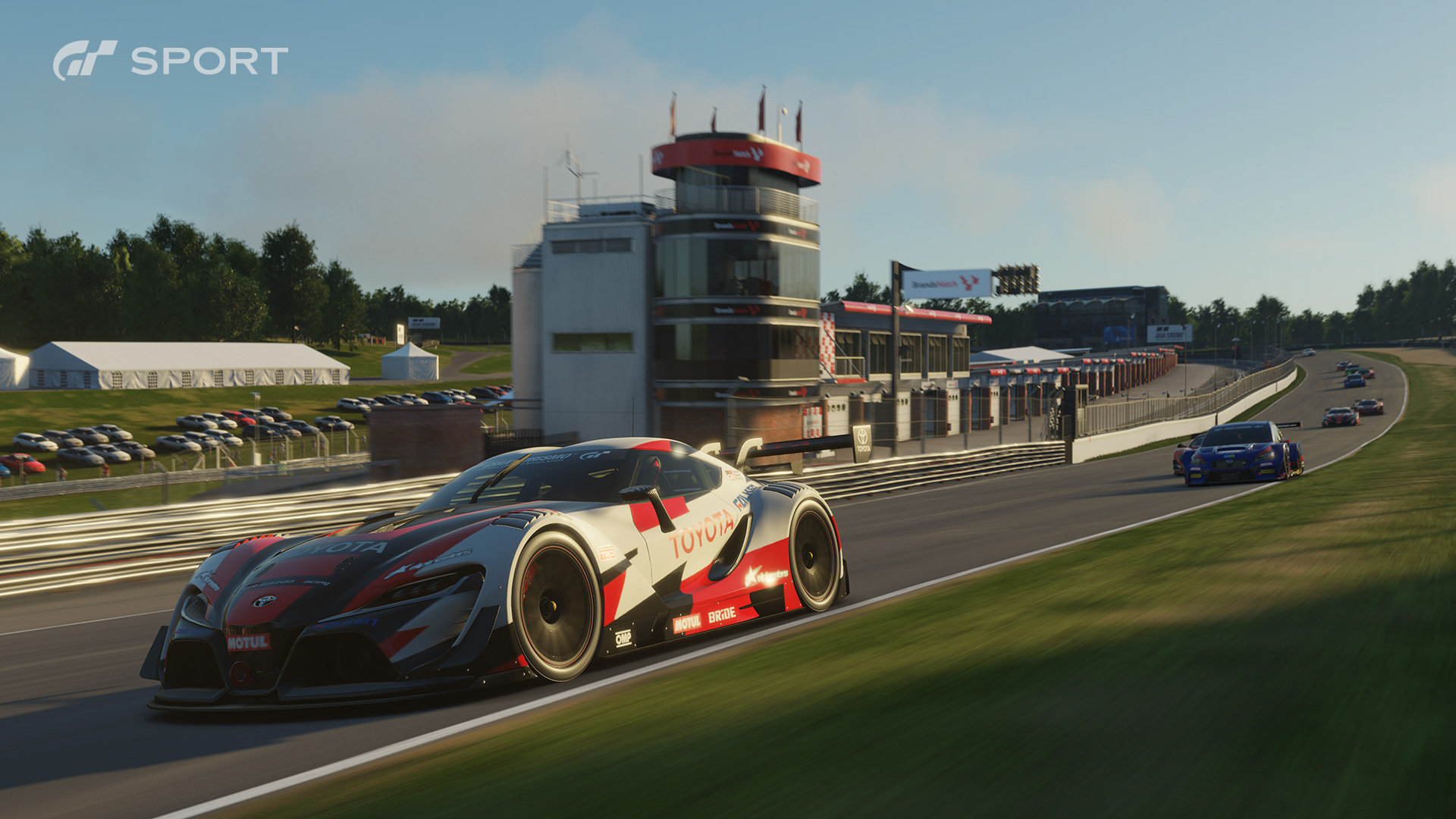
Thanks to the folks at Eurogamer, a detailed video of the closed beta in action has provided us with answers to a few unanswered questions. A closer look at the game’s frame-rate shows off polished looks on the cars and courses bringing the game to life in spectacular detail. Vivid colors showcase the game’s finely tuned graphics and pristine imaging across the three different courses throughout the beta test, including the new course Dragon Tail. Check out the guys at Digital Foundry’s run-through below of the beta below:

Beautiful detail embraces the racer in extraordinary fashion with impressive car models and the familiar realism that comes as an anchor in the Gran Turismo series. The lighting, shading, color tones and wonderful materials and textures gives the 4K experience a sense of gratification beyond the previous releases in the franchise. With a much smaller list of cars rounding somewhere near the 140 mark, the game will focus more on the racing, both online and offline, giving the player the feel of a true racing sim.

One big addition to the customization side of the game is the livery editor. Finally. Now racers have the ability to create and design their own unique livery and graphics for their vehicles giving a bit more personality to your racing machine. Additionally, you’re capable of sharing your favorite designs online with friends and other racers, showing off your creative side to the world.

There’s still much about the new title we’re not very clear on. How much different is Sport compared to other numbered games in the series, if at all? Is Sport acting as more of a half-way point to Gran Turismo 7 or taking the roll as a major release in the series? And, most importantly, will it deliver new, fresh and, at this point, crucial enhancements to various aspects of the game to keep it from declining further into staleness of the franchise? With no official release date on paper and E3 right around the corner, keep your eyes peeled for more on this title in the near future.

Hidden Gems: Steam indie games released this week (24/05)

There have been some great indie games released recently on Steam, here’s a few we selected for this week. You might discover something weirdly wonderful in this mix:

The Fidelio Incident

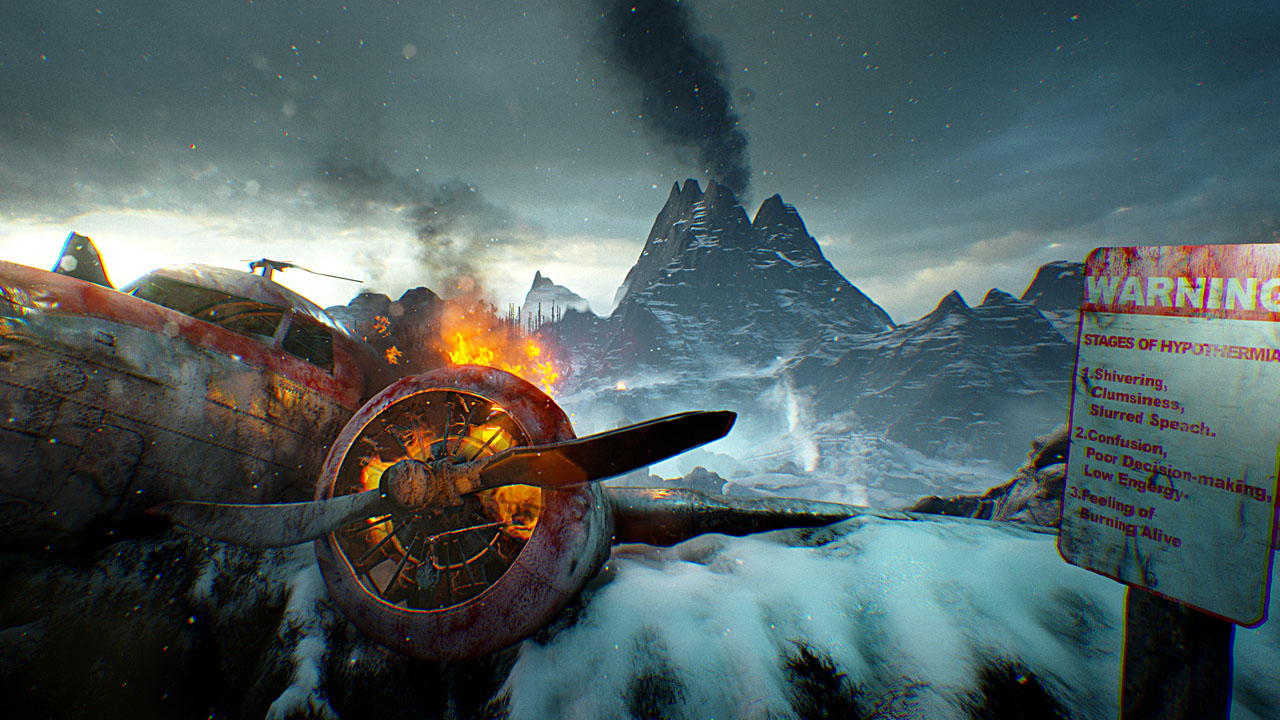
From the Art Director of God of War 3, this first-person thriller has been inspired by Beethoven’s only opera, Fidelio, and is set in Iceland after a violent plane crash.

http://store.steampowered.com/app/632070/The_Fidelio_Incident/

Ophidia

Consume all life as a serpentine demigod in this beautiful Norse Snake-esque style game – nom nom!

http://store.steampowered.com/app/625040/Ophidia/

Nano Project

Blast your way through this 90’s inspired FPS with a pulsating soundtrack and old school graphics.

http://store.steampowered.com/app/622320/Nano_Project/

Empyrean Frontier

A real-time strategy game based in space with two opposing factions – build your base, upgrade your fleet and conquer the galaxy with skirmish battles and campaign mode.

http://store.steampowered.com/app/586920/Empyrean_Frontier/

SmuggleCraft

A unique, energetic racing game with hovercrafts; your vehicle is your life and you need to clear your debt, take on quests and be the best smuggler!

http://store.steampowered.com/app/592020/SmuggleCraft/

Dead Realm

A hide and seek style game to play with friends, just don’t die, scream, laugh or breathe…

http://store.steampowered.com/app/352460/Dead_Realm/

The Superfluous

A gorgeous looking, fast-paced 2D pixel game described as a ‘cave-diving, sci-fi, rogue-lite, platformer’.

http://store.steampowered.com/app/507120/The_Superfluous/

Cyberhunt

A cyberpunk twin stick shooter game – blow up asteroids, avoid cops and enjoy a quirky chiptune soundtrack.

http://store.steampowered.com/app/636150/Cyberhunt/

Spellspire

Don’t underestimate this cutesy RPG word game – the longer the word the bigger the blast!

http://store.steampowered.com/app/626580/Spellspire/

Grab the Bottle

This puzzle game looks more of a party style game and an icebreaker, with nice ‘cartoony’ comic book visuals and a decent soundtrack.

http://store.steampowered.com/app/546410/Grab_the_Bottle/

Donut Distraction

Why not? This wacky, fun, colourful VR game will have you laughing as you dodge donuts, collect donuts and destroy donuts with your trunk, yes that’s right, trunk… you play as a floating elephant head.

http://store.steampowered.com/app/568420/Donut_Distraction/

Never want to miss a thing? Want to keep updated on our best content? You can subscribe to our newsletter here.

Viewpoint: The Future of Nintendo: 3DS vs. Switch

It’s that time of year where most of the gaming headlines are focused on this year’s upcoming E3 event, wondering how Microsoft and Sony will approach their respective conferences. It’s no secret that we’ll already see more on Project Scorpio and Sony are keeping quiet as it stands. As for Nintendo though, their approach is the same as it has been for the last couple of years; we’ll do our own thing.

Nintendo seem to be a law unto themselves lately, keeping a distance from the constant arms race that Microsoft and Sony are engaged in an attempt to outdo one another. Whilst they will have a strong presence at E3, Nintendo have elected again to have a special E3 Nintendo Direct presentation instead. Undoubtedly, this will have many announcements for the Switch including more on Super Mario Odyssey and other familiar franchises.

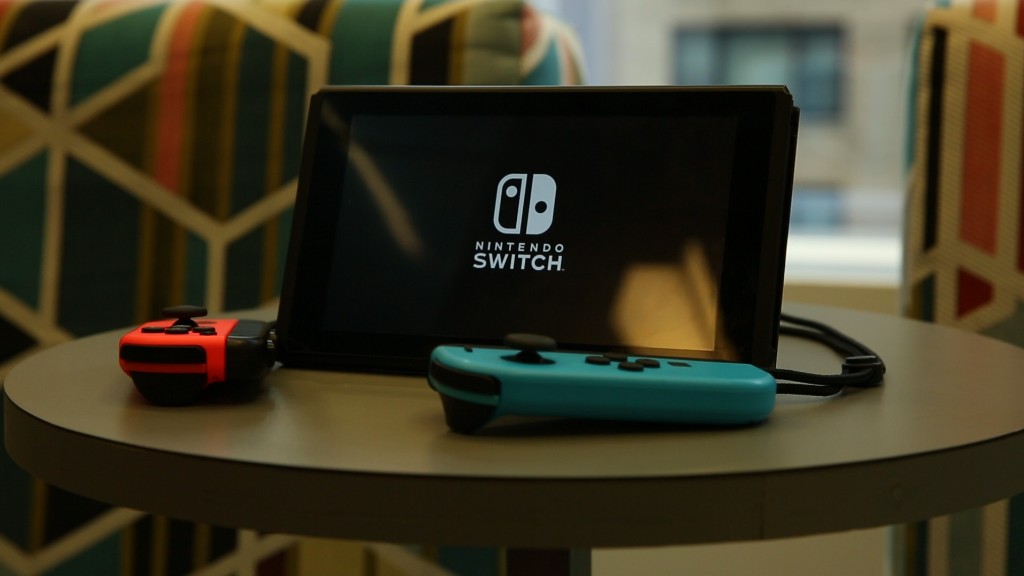
But whilst the Switch may take up the majority of the conference where will the 3DS fit in, or the recently face lifted 2DS? You see the Switch allows gamers to enjoy their latest titles in various ways; docked or undocked, inside or outside the home. So with that in mind, what does the future hold for Nintendo? Will they look to wind down their record-breaking handheld console in favour of the Switch, or allow both to flourish in their own right?

New 2DS

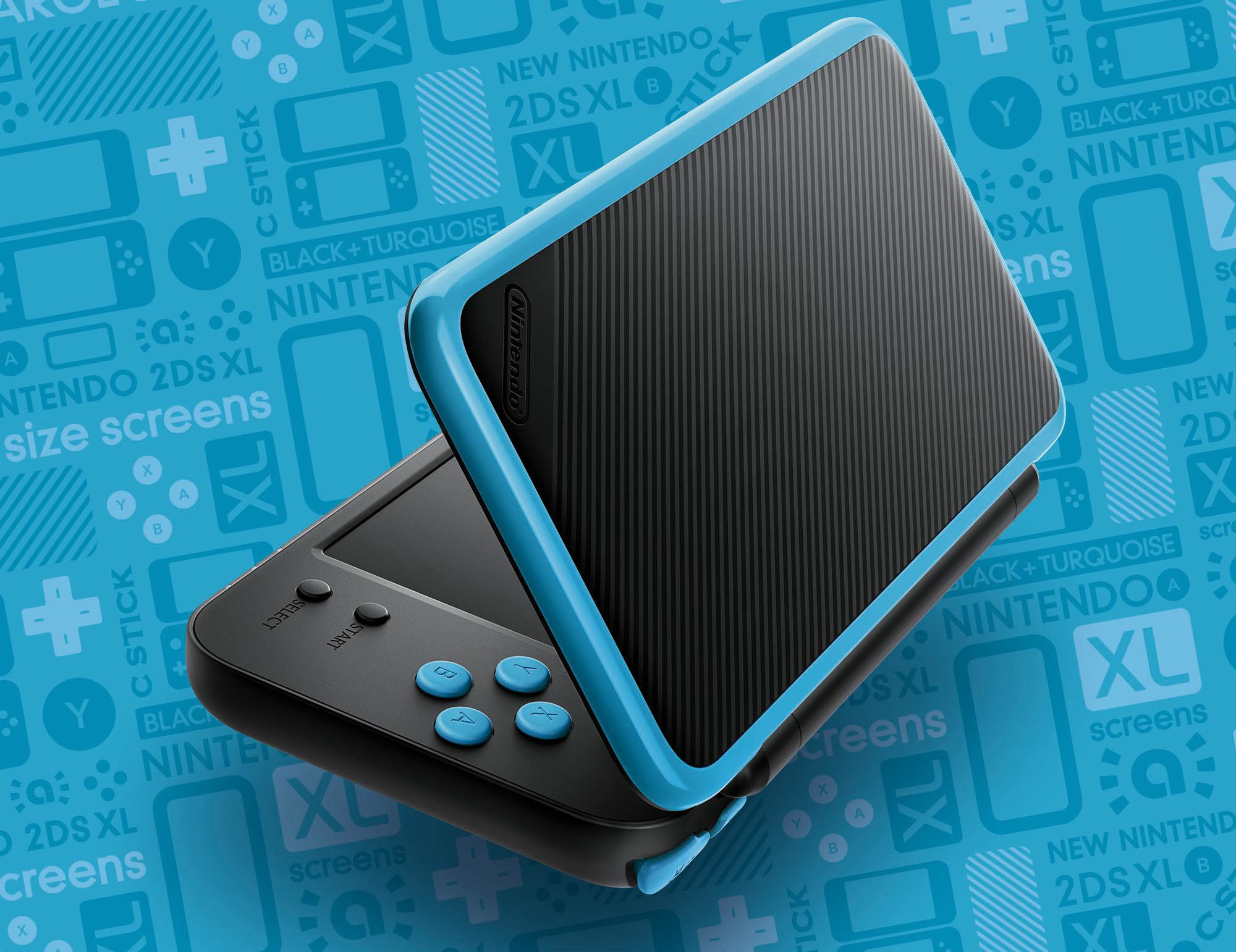
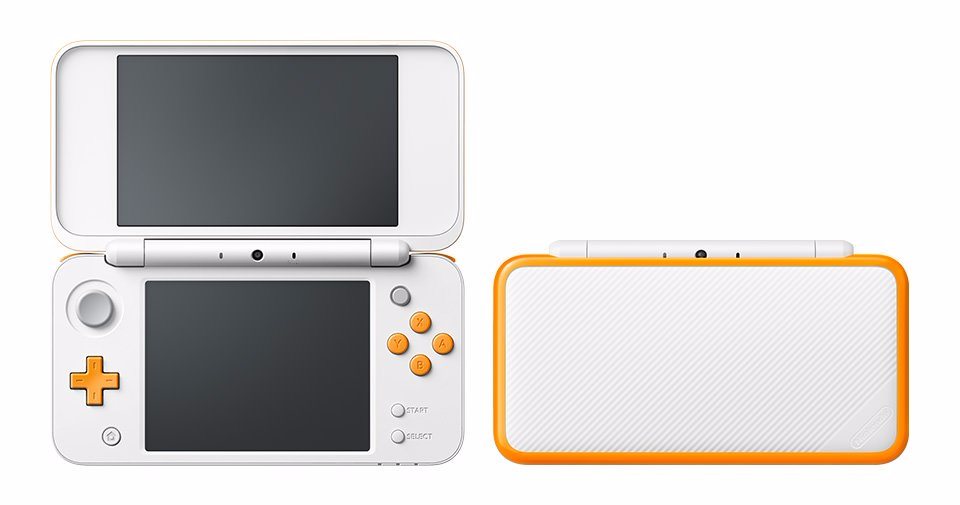
Nintendo face an interesting problem here as the Switch has proven to be very popular already. Many had questioned its popularity, but it has already flown off the shelves with limited availability in many regions. Granted, the launch line-up was limited but there are already some enticing games on the horizon which Switch owners can look forward to playing. Yet out of the blue with little warning, the new-look 2DS was announced which raises questions for both the 3DS and Switch.

The 2DS now falls in line with the tried and tested design of the 3DS, no longer looking like a doorstop. From the promotional images that have been released, it wouldn’t surprise me if many favoured one of these new units over the 3DS. With 3D gaming being a trend that has well and truly passed, it wouldn’t surprise me if many opted for this version or if Nintendo did start to end production of the 3DS itself.

But even then, does the Switch not offer a more viable option for mobile gaming? With the ability to take your home titles with you whilst you travel, you’re not getting a watered down version of the title to fit the portable platform. Granted, the 3DS/2DS would be more convenient size-wise and potentially have a longer battery life, but wouldn’t you rather have a better experience on a bigger and better screen?

These are questions purely based on the actual units themselves, but when you think about the games line-up it would surely make more sense to opt for the Switch. Personally, I own a Switch and have owned a 2DS and 3DS in the past. Even at this early stage, when the catalogue is relatively small, I would prefer to have a Switch and use that for portable gaming. Why would I need two devices that can offer the same function?

170302192617-nintendo-switch-1024x576

For example when Super Mario Odyssey comes out for the Switch, would you need a Mario game to come out on the handheld platform? I couldn’t see much demand for handheld spin-off, or a port of the Switch title onto the handheld when you could take the Switch with you. Of course, not every 3DS/2DS owner will have or want a Switch but surely Nintendo would want to support their latest console? What’s more, isn’t the idea of the Switch to offer the perfect solution to handheld gaming so you don’t need two devices?

Of course, there’s nothing to say that Nintendo can’t continue their handheld dominance and the Switch be a success at the same time. I think the Switch was a marker for their future however, and expect to see the Switch take priority for the handheld market. I wouldn’t want to feel that I was missing out on something only available on the 3DS/2DS nor would I want ports of Switch games to hold back their release. Granted this would be very unlikely, but Nintendo have got to please both audiences somehow.

I’m sure Nintendo will look to bring some exciting announcements to the table at their Direct showing for E3, some of which may clarify the future for both their console avenues. For all gaming fans, this year’s E3 could be the biggest and most exciting in recent years.

Viewpoint: A Look Back at Ocarina of Time

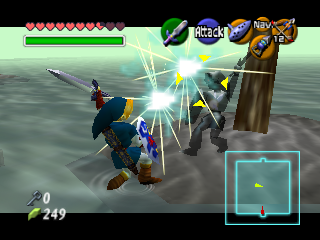
As I write this, there’s no doubt countless Zelda fans are enjoying the open-world brilliance of The Legend of Zelda: Breath of the Wild. You don’t need to even play the game to see that its making its place in gaming history, with a large number of gaming publications giving it scores of 9 and 10. But before this game hit the shelves, there was only really one other Zelda title that made as much noise. The true pioneer of the 3D action-adventure, it revolutionary lock-on targeting system, its excellent combat and puzzle-solving…there could only be one game that fits the description. That game, my friends, is The Legend of Zelda: Ocarina of Time.

legend_of_zelda_ocarina_of_time_9

It’s crazy to think that, just over two decades ago when it was released in 1998, that this was the very first 3D Zelda title. We may have become accustomed to seeing our green-garbed hero, Link, in three-dimensions now, but it was unimaginable back then. Before Ocarina of Time, the previous major Zelda was A Link to the Past, yet another 2D top-down adventure that garnered almost universal acclaim and a commercial success. If poorly done, Ocarina of Time could have been a cringe-worthy moment in the franchise’s life. Fortunately for us, this was far from the case and Nintendo truly outdid themselves here.

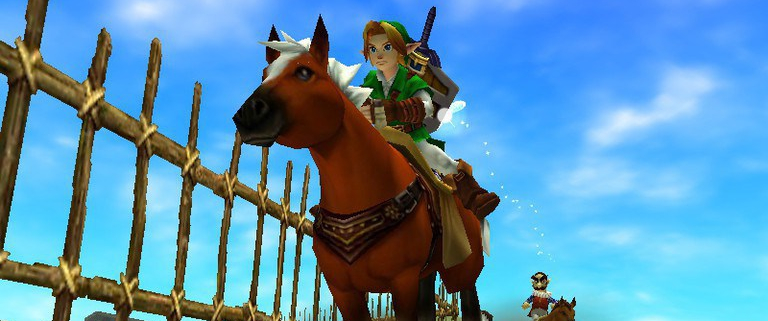
The game was revolutionary in how it combined so many elements in one 3D package; adventuring, combat, puzzle-solving, and horseback riding. The adventuring, in particular, was helped by the then-impressive presentation – cinematic graphics that showcased a diverse fantasy world, with some of the most iconic music in gaming. The moment when you first step out onto Hyrule Field, you hear its grandiose melody and realise that the in-game world is your oyster is one you’re likely not to forget.

765377-the-legend-of-zelda-ocarina-of-time-nintendo-64-screenshot

Ultimately it was OoT‘s impressive set pieces that made up for what is essentially a simple plotline. As Link, you must stop the evil king, Ganondorf from taking over Hyrule. Aside from small twists along the way, that is essentially the crux of the tale. But the simplicity of the plot can be excused simply because of a) the wonderful characters, Princess Zelda et al and b) the aforementioned setpieces.

This game is the first to give Zelda an actual personality. In previous games, she was just your stereotypical wise maiden who was an object to be saved by our elf-like hero. Here, Zelda is a far more endearing character who is a mischievous, naive young child at the start, but a responsible and knowing badass adult by the game’s end. This brings me then to the set pieces. One of the coolest setpieces of the game is Link’s transition from a young child to a growing adult. As a kid, watching Link become conscious as an adult after the time skip was one of the best things ever – and still is. Not only do we see a slightly different Hyrule than before, but this newly grown-up character can use a different set of items than his younger self, adding some variety to the gameplay. Then there is the famous horseback riding where adult Link can travel across Hyrule with his trusty steed, Epona. There are so many elements to this game that I could go on forever. I could, but I won’t. Even if I would love to do so!

Since the game was re-released and given a graphical overhaul in 2013 on the 3DS, there is now a whole new generation of gamers experiencing the game’s majesty. Just like I grew up playing the re-release on the GameCube and was completely spellbound from beginning to end, so will many others in the years to come.

Review: GRIDD: Retroenhanced (PC)

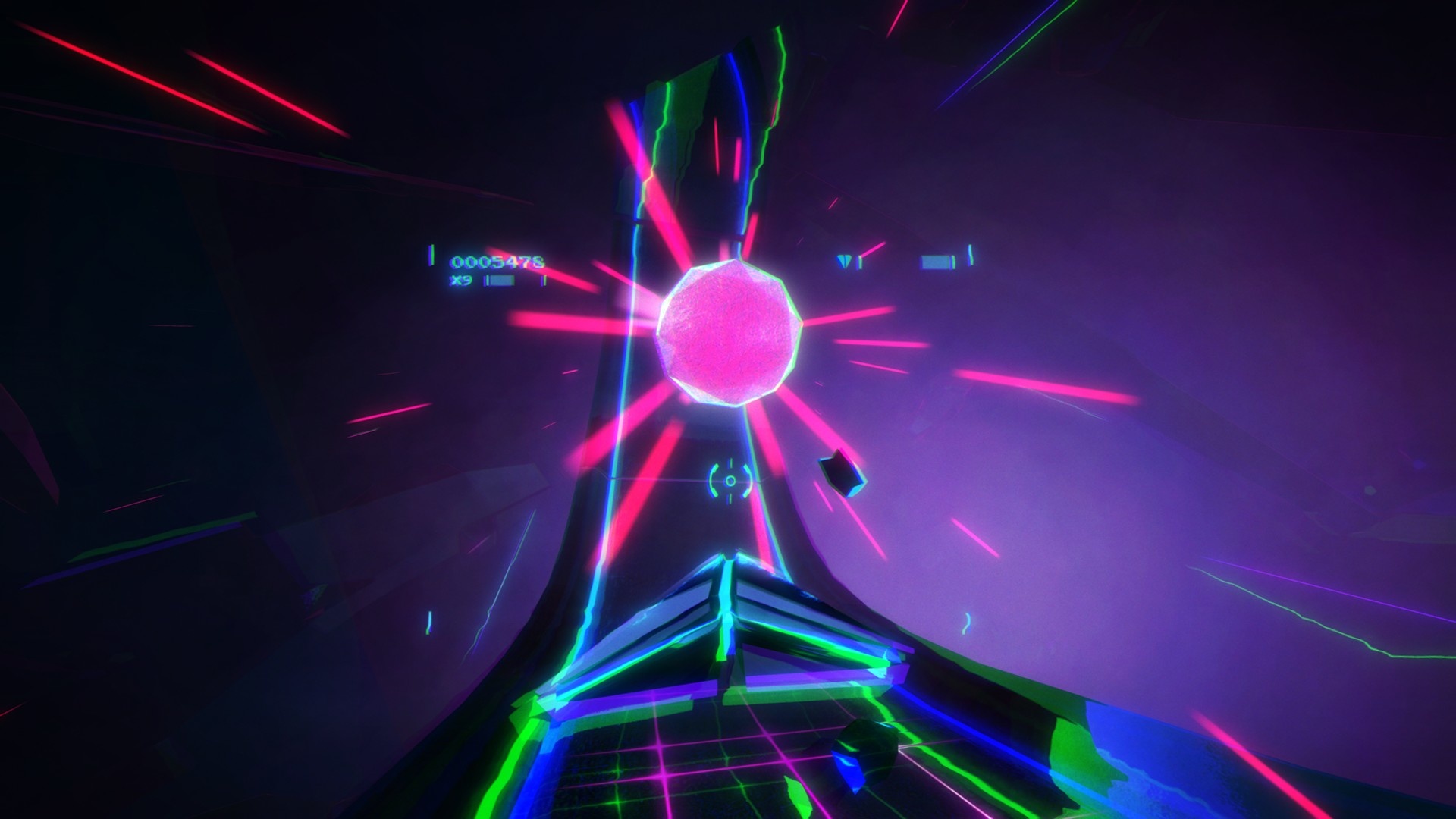
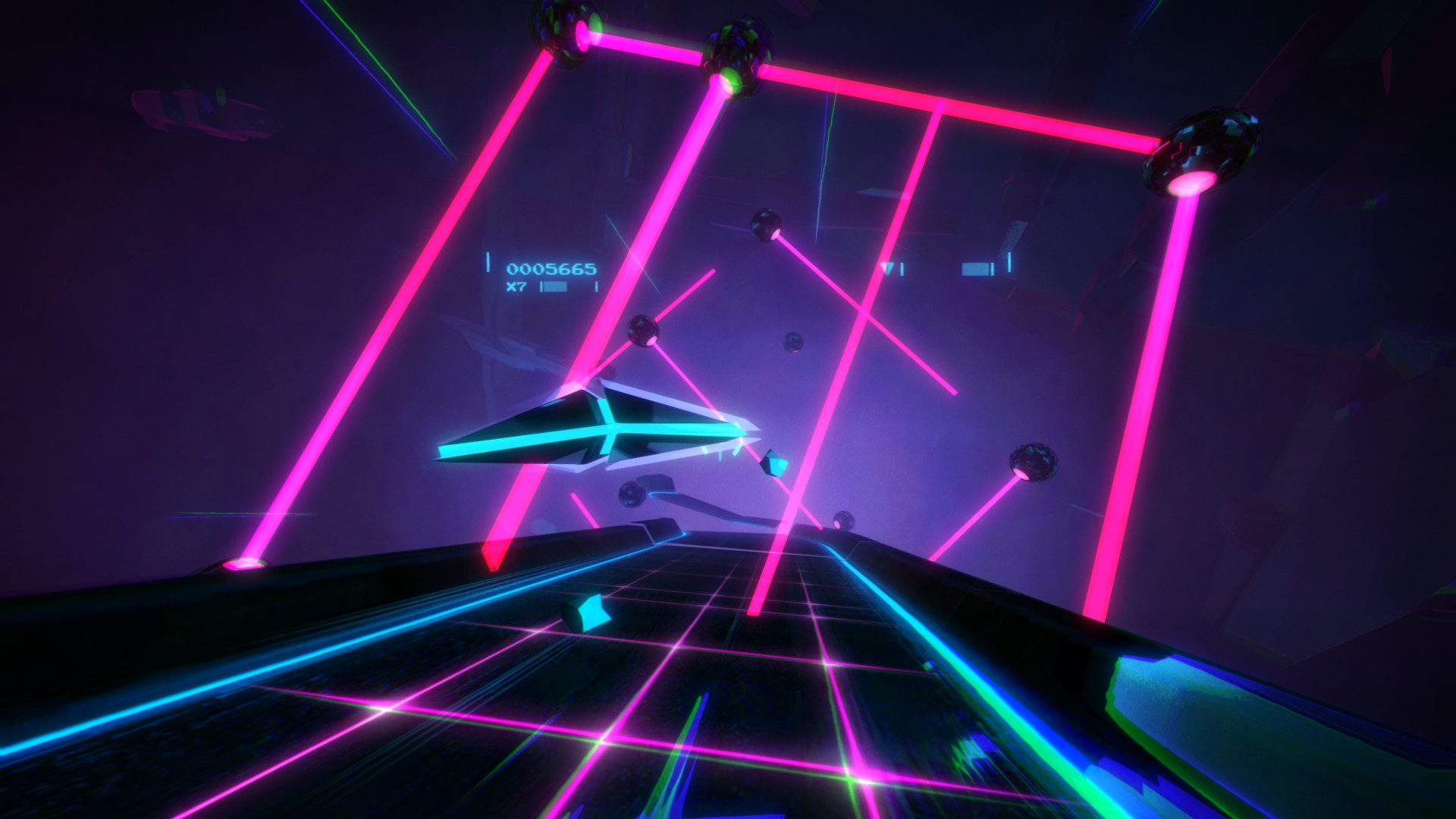
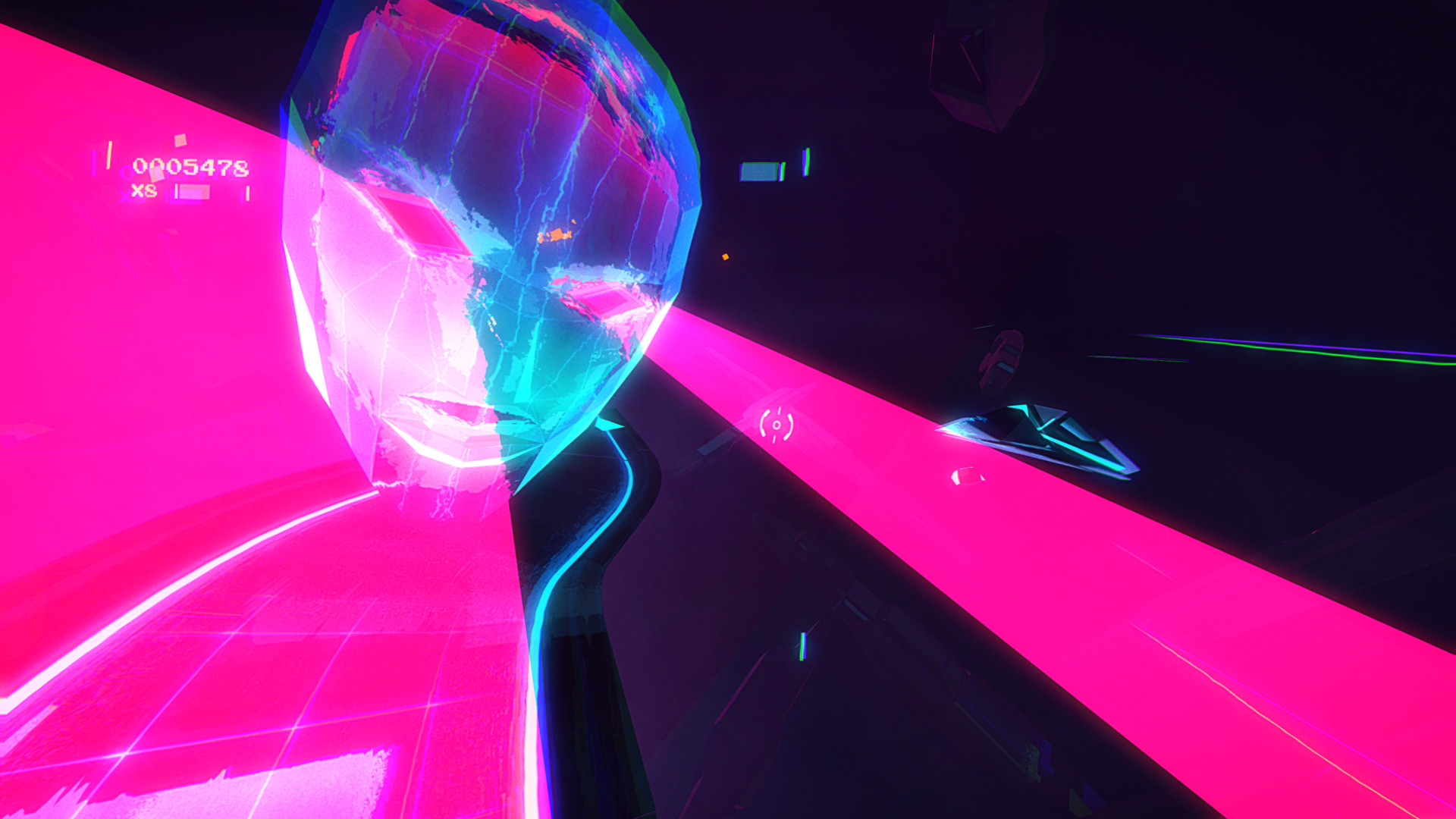
GRIDD: Retroenhanced is a fast and furious throwback to 1980s cyberpunk that feels fresh and perfectly at home in 2017. The player is pitted against the perils of a sinister network bent on preventing you from hacking your way through its defenses. True to the arcade feel, GRIDD leans more heavily on gameplay than plot. Nevertheless, this balance of a minimalistic cyberpunk narrative with stunning graphics, Tron-like neon effects and truly addictive gameplay make GRIDD a renewed reminder of what made gaming so great in the 80s.

In a day where games have become ever more complex, GRIDD hearkens back to a time when designers knew the key to creating a sense of compulsion in a player is sometimes simplicity. On the surface, the game is rather modest: you fly and shoot. However, I soon found excelling at the game was not so easy.

ss_47ad6181781d40781d362f98273369a4b2956162.1920x1080

Each stage offers a set group of obstacles that are randomly generated; making certain each attempt is different. This is particularly important because in Arcade Mode (the only mode made available at the onset), you are placed at the beginning again with each death. This might sound frustrating, but it is actually a mechanic that works in GRIDD’s favor. GRIDD is first and foremost a challenge of the player’s dexterity and their ability to improve with each attempt. The result is an enormous emotional payoff even for taking only minor strides.

The controls, once grasped, are simple but require a great deal of skill. I played the game using a keyboard, but if you have a game controller handy, it might make the initial learning curve a bit less steep for some players. The effect, however, is smooth and stunning to watch. The plane soars through cyberspace with a fluid motion somewhere between flying and swimming. Obstacles appear at breakneck speeds, and enemies will swarm as they launch attacks at your ship from multiple angles.

As you fly, you can shoot yellow objects to up your multiplier. The game scores you by keeping track of how many KB you collect with each run. The more objects you shoot, the better you score. But, be careful. Shooting metal objects will cause your bullets to ricochet back at your cybercraft. This helps ensure, particularly in later levels, that you can’t simply run through the game with guns blazing. Your mind has to be as quick as your fingers on the controls. There is some relief, though. Flying through special rings will assist the player by restoring your shield or upping your weapon’s power.

The challenge GRIDD poses adds to the game’s replayability. Even if Arcade had been the only mode available, I likely would have come back again just to try to beat my final score. The game, after all, is short enough that even after multiple playthroughs it never wears thin. However, developer Antab Studio was clever to add an Endless mode that allows players to get as far as they can without death sending them back to the beginning.

The world created in GRIDD is well fleshed out, even if we might not fully understand how we arrived in the network. The hacking motif isn’t simply a plot device for instance, but actually plays into the game itself. You will have to open literal firewalls along your journey. Hacking sequences will arise requiring the player to collect certain numbers in order to activate a key code. Perhaps, most striking of all is the overall feel.

As I flew through the cascade of shocking color at heart-stopping speeds to the beat of an electric soundtrack, I remembered why I loved gaming so much as a kid in the 80s. Not only does the game look like something that could have come straight from that era (if we had the graphical quality of today), but GRIDD grasps the addictive power of not only classic arcade shooters, but games of that era in general. A steep learning curve was once commonplace. Games like the original Kid Icarus and Mega Man required the player to replay each level until they get it exactly right. Being successful meant hours of trial and error. It was a test of skill and patience, but being pitted against yourself like that was also highly rewarding. GRIDD pulls the player in and won’t let them go using this same sense of self-trial. The fast pace and ever-changing levels make certain the challenge never grows stale before you finally reach the end.

ss_d3b189fe1e6006c71a95ed2ea8705b8e2168416c.1920x1080

GRIDD: Retroenhanced is more than a nostalgia trip, it is a top-notch arcade shooter for the modern gamer. The pumping techno-beat carries the player onward through an electrifying journey of sights, sounds, and constant action that will urge you to try again just one more time. Then one time more. And then you’re hooked.

The game is developed by Antab Studio and published by Kongregate. GRIDD: Retroenhanced is available on Steam for Windows, Mac OS X, and Steam OS + Linux. Review copy provided by Kongregate.

techtroid-rating8

Review: Injustice 2 (PS4)

The release of Injustice 2 is finally among us and NetherRealm Studios has delivered yet another deep and engaging fighter, piling on more modes and characters than its predecessor. Sticking with the darker edge in an alternate DC universe, where even the most light-hearted super heroes aren’t afraid of turning the tide in favor of doom and gloom, Injustice 2 takes you on an epic story giving you almost 30 characters to fight your way through. On top of the devious story mode there’s the multiverse, plenty of rare equipment and other online/multiplayer modes to keep the game from stalling out well past its release.

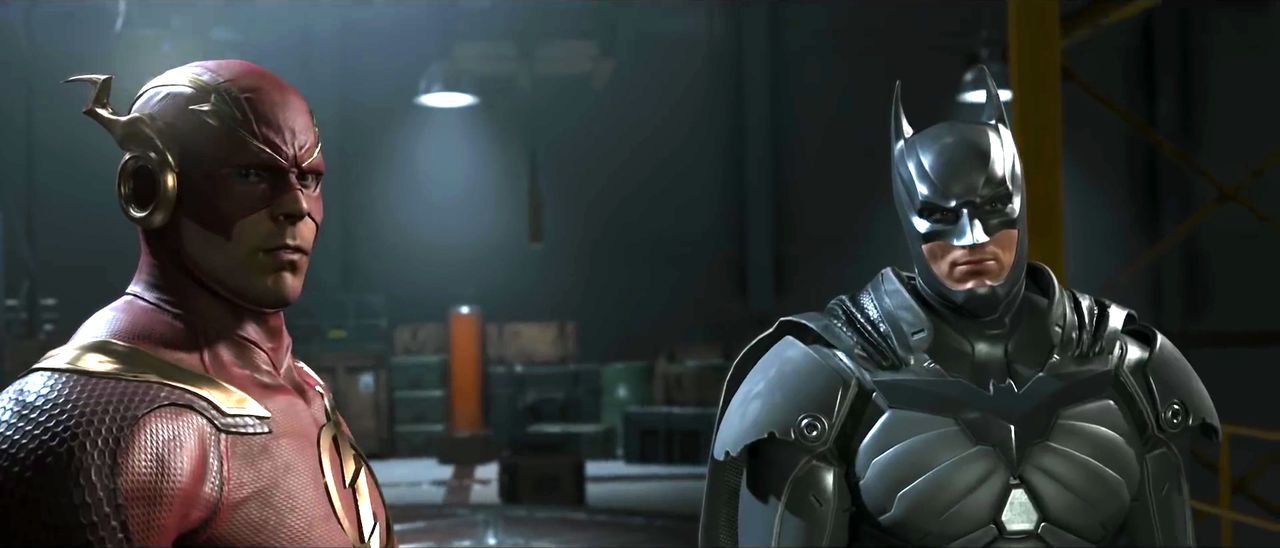
The game itself looks stunning. Impressive animations and CGI run smoothly leaving Injustice 2 in the top of its class as one of the sharpest looking games to date. The story mode is filled with gritty cut scenes and high-impact versus matches switching between the immense roster of characters, each chapter pertaining to a different hero (or villain). Delving deeper and deeper into the chaotic realm of the DC universe, it’s increasingly satisfying catching new characters share a little spotlight, as well as some lesser known comic book personalities showing off their abilities. Of course, the more prominent names share a demanding role creating the grander stage for the irreplaceable super heroes that we all know and love.
INJUSTICE-2-Everything-We-Know-So-Far-12

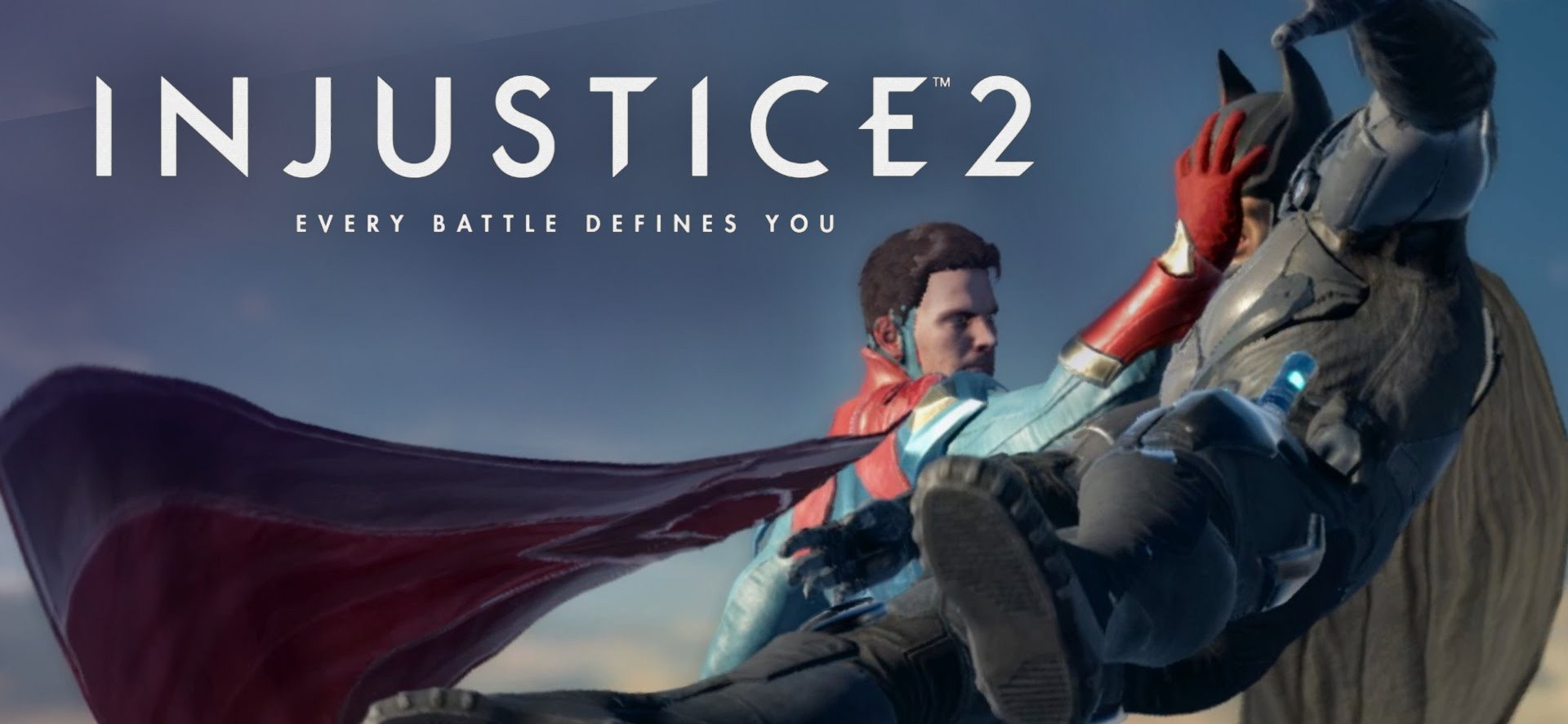
Stringing together brutal combos, leading into one of the characters’ many super moves, leaves an all-too-real gratification, engrossing you in every match. Each character comes with an assortment of special moves, from Batman’s grappling hook attack to the Green Lantern’s power ring. With a long list of varying combo and basic attacks, each superhero/villain also has a unique Character Power. With the push of a button each player performs a new move or enhances other skills giving more depth to the fighting ring. Environmental hazards and weapons play a huge part in turning the tables during the heat of battle as well. Whether you’re flinging a table across the screen or bouncing your enemy off a movie theater marquee, the 3D setting leaves a broad sense of perception in the 2D fighting plain.

The Super Meter acts like most other meters in previous fighting games. Filling with every hit landed or taken, once completely full you’re able to land a seriously outrageous attack known as a Supermove, not only dealing a massive amount of damage but showing off over-the-top superhuman strength. Using only a portion of the meter at a time combined with a special move causes a Meter Burn attack, which increases the damage done, adds extra hits or grants the ability to follow-up with combos. Graciously using up your super meter for stronger attacks or risking it all at once for a crucial strike is all part of the strategy during the intense brawls.
injustice 2 clash

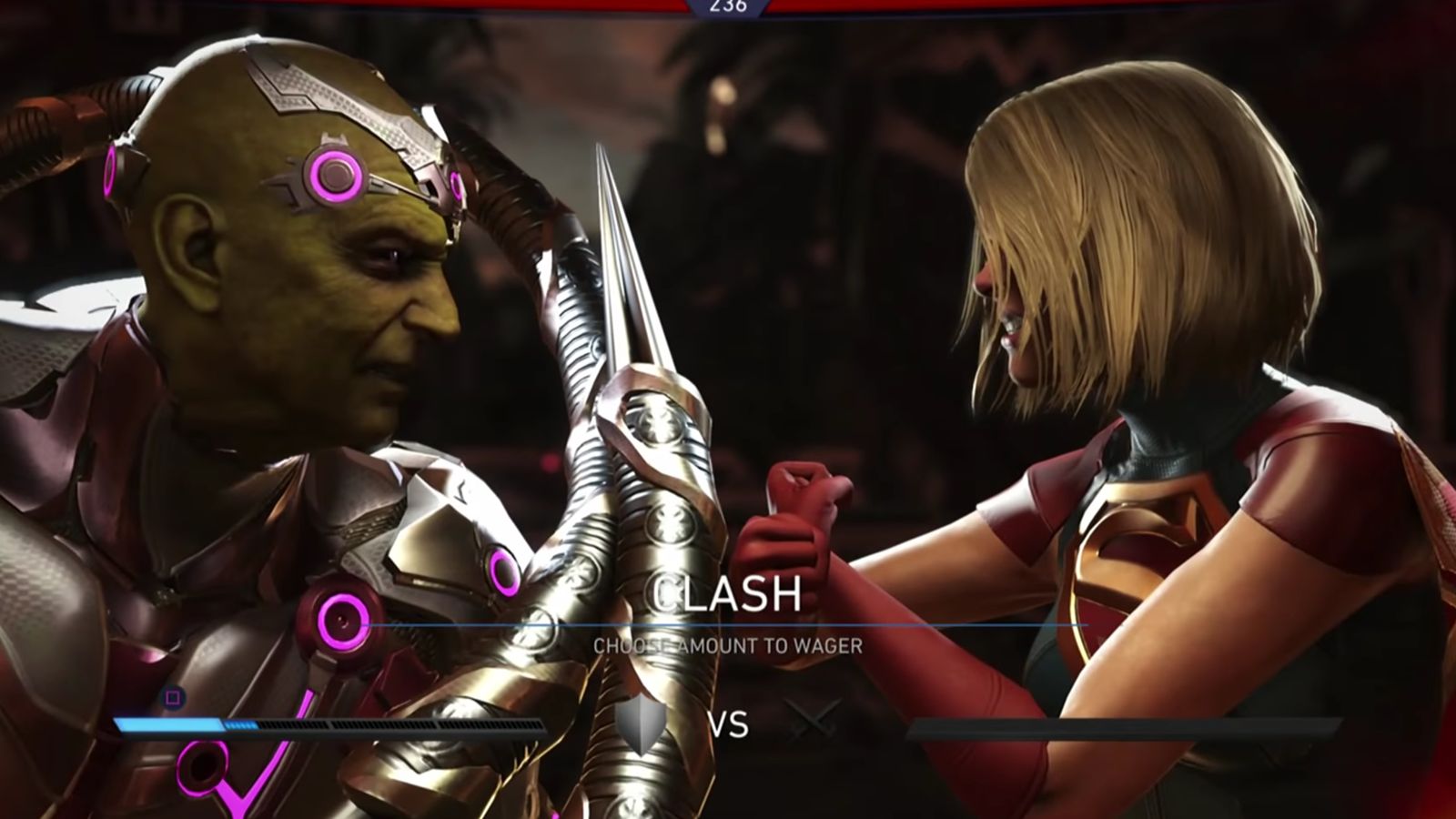
Offense isn’t the only purpose for use of the super meter. Drawing power from the meter, you can escape potential long running combos or attacks by starting what’s known as a Clash. Working in the sense of a wager, the characters go elbow-to-elbow, one player bets a portion of their super meter against the other’s bet. Whoever wins based on the difference of the wagers will either gain health if playing as defender, or the enemy will lose health, if you’re on the offensive. Following strict guidelines for when they can be used, one player may only perform one clash attack per match, leaving this method as a game changer if properly achieved.

Aside from killer graphics with addictive gameplay and a stunning story, there’s other engagements keeping you occupied in the game. Multiverse serves as a challenge map, giving you constant online updates with all new ways of fighting in the game, including modifiers that manipulate the match. Sometimes in your favor, other times not, the mods that are applied range from giving out health boosts to cryo rockets being steadily dropped upon you. The true multiverse opens up after completing three tutorial challenges, giving you a healthy dose of fighting but only a fraction of what you’ll be up against later on.
Injustice-2-Harley-Batman

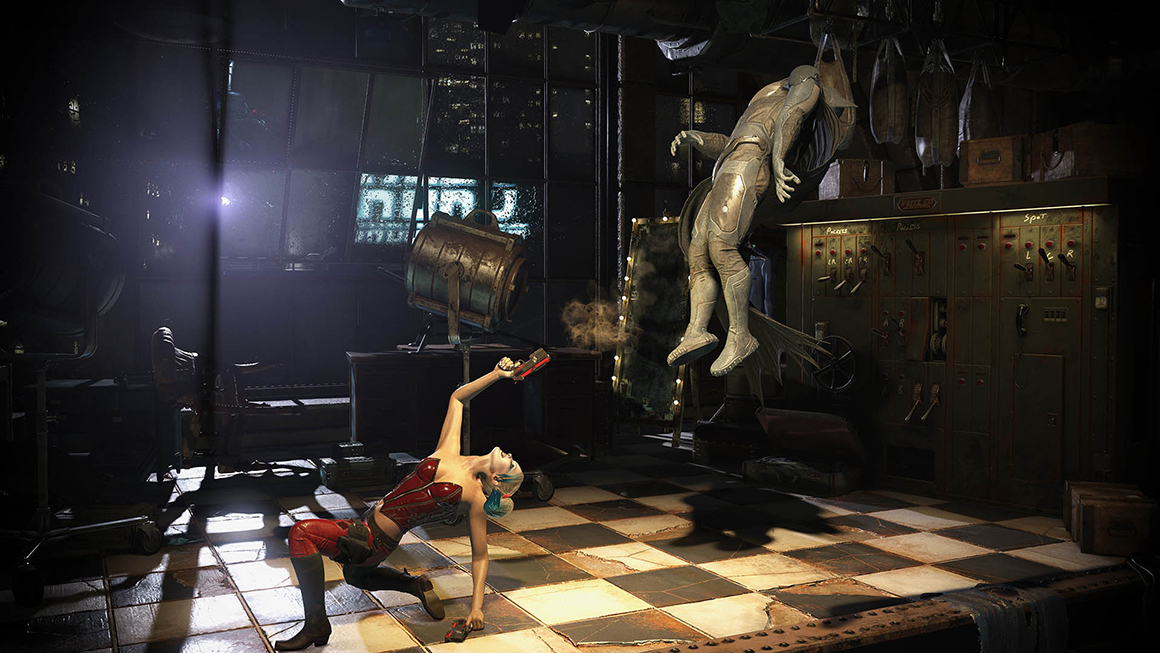
Equipping different pieces of gear, receiving new stat buffs and other various perks like bonus experience or additional damage from certain moves, is a perfect incentive to grind out battles in multiverse. From head pieces and helmets, arms, greaves, belts or chest pieces, there’s loads of equipment, including rare epic pieces that significantly boost your player’s stats. Not only do they enhance fighting capabilities but also add a little style to the game, giving you the option to change the traditional appearances of the characters. Though not available right away, equipment pieces are all level-locked for each character, all with tons of pieces, so sticking with one specific hero is vital for leveling up.

Various online modes are found as well as offline multiplayer, with classics like versus ranked/unranked matches, tournaments and the all new AI Battle Simulator. Acting almost like horse racing or some form of spectator fantasy league, you build your team of three, challenge a player’s team online and watch the battles ensue. Building your heroes up with appropriate gear helps tip the scales in your favor, all while trying to earn more precious rare equipment. Other rewards you may earn are known as Mother Boxes, which contain loot based upon the ranking of the box: bronze, silver, gold, platinum and diamond. These are easily obtained and are great ways to build your gear library, keeping the customized equipment plentiful as the game progresses.

Injustice 2 goes well beyond its purpose as a ‘AAA’ fighter, during what seems to be, a drought in the fighting genre. With fluid combos and universal comfort with almost every character, there’s still a strong sense of individuality, leaving a desire to try out a large amount of the available cast based upon how you approach the game. With one climactic moment after another, Injustice 2 hits you where you feel it, throws plenty of options into the mix and commits to being a demanding fighter with breakthrough equipment options and gameplay, while leaving you breathless and exhilarated along the way.

Review copy provided by Warner Bros. Interactive Entertainment UK

techtroid-rating8

Hidden Gems: Steam indie games released this week (updated 19/05)

Some great indie games released on Steam this week. Check them out, you might discover something wonderful in this mix:

Under That Rain

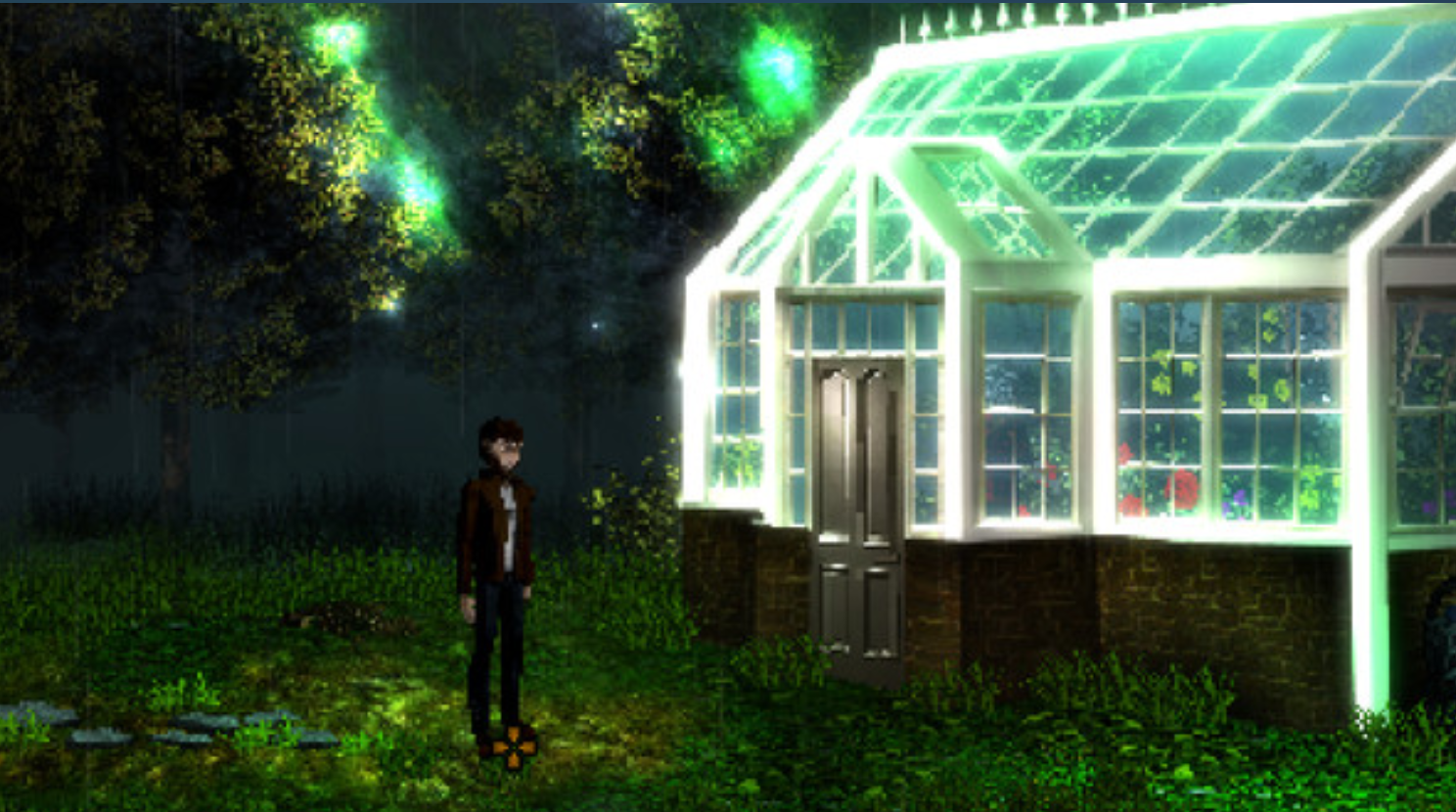
A gorgeous looking horror pixel-art adventure, inspired by the first classic point-and-click games.

http://store.steampowered.com/app/601960/agecheck

Mystery Mine

If you love old school pixelated 2D platformers this game is just the ticket…

http://store.steampowered.com/app/567170/Mystery_Mine/

SuperCluster: Void

A fresh take on RPG space adventure: command your fleet, battle your enemies and explore the galaxy.

http://store.steampowered.com/app/610740/SuperCluster_Void/

Empathy: Path of Whispers

Everyone’s Gone to the Rapture-esque surreal adventure game where you explore memories, emotions and puzzles from the people who once inhabited the world.

http://store.steampowered.com/app/291690/Empathy_Path_of_Whispers/

Vindictive Drive

A unique artsy cyberpunk stealth thriller game with twists and turns in the narrative.

http://store.steampowered.com/app/507400/Vindictive_Drive/

Iced

A gruelling first-person survival action simulation on ice – try to live, I dare you!

http://store.steampowered.com/app/575570/ICED/

Bounty Train

Explore this quirky game: build, upgrade and manage your steam train in 19th Century North America and shape events.

http://store.steampowered.com/app/371520/Bounty_Train/

Bitdude

A free VR game commemorating the 80’s arcade gaming icon everyone knows and loves.

http://store.steampowered.com/app/569370/Bitdude/

Fat Mask

A cutesy and quirky arcade puzzle brawler with the option of 1-4 players and a local multiplayer option.

http://store.steampowered.com/app/516790/Fat_Mask/

GRIDD: Retroenhanced

An arcade-style cyberpunk hacking shoot’em up – our review coming soon…

http://store.steampowered.com/app/553950/GRIDD_Retroenhanced/

Evil Possession

An atmospheric first person survival horror game – will you be able to face it?

http://store.steampowered.com/app/620700/EVIL_POSSESSION/

ALaLa: Wake Mi Up

This hide and seek dream VR party game looks to be a hit with friends and family.

http://store.steampowered.com/app/628820/ALaLa_Wake_Mi_Up/

Trigger Time

A top-down 2D shooter with physic puzzle elements and a badass soundtrack.

http://store.steampowered.com/app/512920/Trigger_Time/

Employee Recycling Centre

Solve puzzles in this first-person PC and VR adventure.

http://store.steampowered.com/app/629030/Employee_Recycling_Center/

Machine Hunt

Your aim is to destroy humanity in this first-person shooter… Maybe we need it.

http://store.steampowered.com/app/546930/Machine_Hunt/

Super Amazeballs

An energizing VR 3D dexterity puzzle game.

http://store.steampowered.com/app/594980/Super_Amazeballs/

Neverout

An unsettling mind bend of a unique puzzles this game for the HTC Vive.

http://store.steampowered.com/app/579720/Neverout/

Elevator

Keep an open mind of this VR and take a journey on the elevator simulator.

http://store.steampowered.com/app/625180/Elevator_VR/

Crypt Cards

A turn-based 3D online multiplayer card strategy game with a very nice soundtrack.

http://store.steampowered.com/app/553730/Crypt_Cards/

Never want to miss a thing? Want to keep updated on our best content? You can subscribe to our newsletter here.

Viewpoint: Why Mechanics in Games Aren’t Everything

To many, mechanics are absolutely paramount when it comes to assessing or critiquing their favourite video games. And while the very basis of this article is to dismiss this as a somewhat ill-informed notion, it is easy to understand why. Every game, even the most narrative driven ones, all share a common trait in that they are interactive. Interactivity is what separates games from all other forms of art, and to many, also elevates them. So, it makes sense. It makes sense that people that would be harsh on games that they feel aren’t mechanically sound. Functionality is imperative. However, though I do agree that it is important that a game works as an inherently interactive experience, I don’t necessarily agree that mechanics are the be all and end all of achieving this.

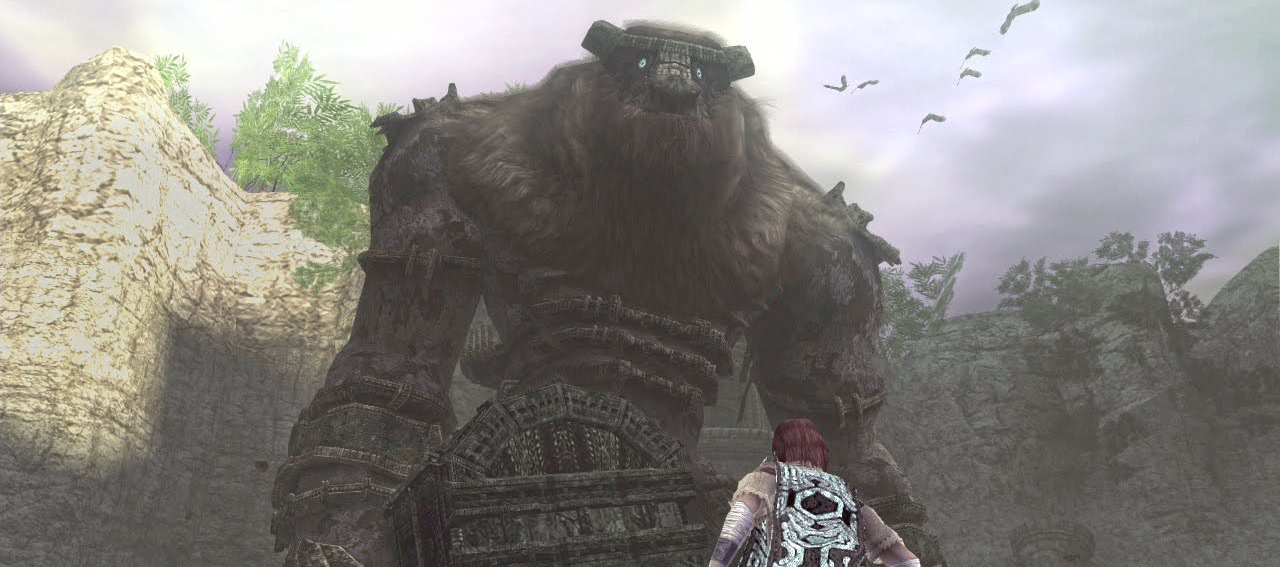
A game does not have to be mechanically perfect to work. There are numerous examples of excellent games that excel in other areas. Let’s look at something like Shadow of the Colossus. An absolute critical darling, considered by many to be one of the greatest examples of video games as an art form and lauded as a masterpiece in the gaming community. Nonetheless, even the most ardent fans of SOTC will admit that it isn’t exactly perfect from a pure gameplay perspective. Sure, it functions fine, but there are moments when the gameplay can feel relatively stiff. Some moments are even frustrating. People who have played it know this, yet the vast majority of people who have played it still concur that not only is it an outstanding artistic work, but that one of its biggest successes is creating a sense of emotion within the player, not through its core mechanics but from the feelings it manages to evoke from being interactive. It would not work as well in any other medium.

Wander, the player character, is designed in such a way that seeks to make the player feel as if they are in his shoes. He holds his sword in a noticeably awkward fashion. He will stumble and fall as he attempts to fight a colossi. Wander isn’t some pumped up, muscle-bound badass, but an everyman that the typical player can relate to. Sure, he has his own very specific (not to mention morally ambiguous) motivations for undertaking his quest but it is the way he is presented to the audience that makes people feel cordially towards him. Wander’s stallion companion, Agro is likewise programmed to make him feel more like a horse in real life than one you would commonly find in a video game. The relationship you build with him throughout the game feels like a genuine one. (SPOILERS)… There is a reason that his death often ranks highly on the lists of the saddest moments in gaming.

This is just one of the many aspects from Shadow of the Colossus that are just as, if not more so, memorable than the core gameplay that the game possesses. To write about them all would be an entirely different article in and of itself.

12.jpg

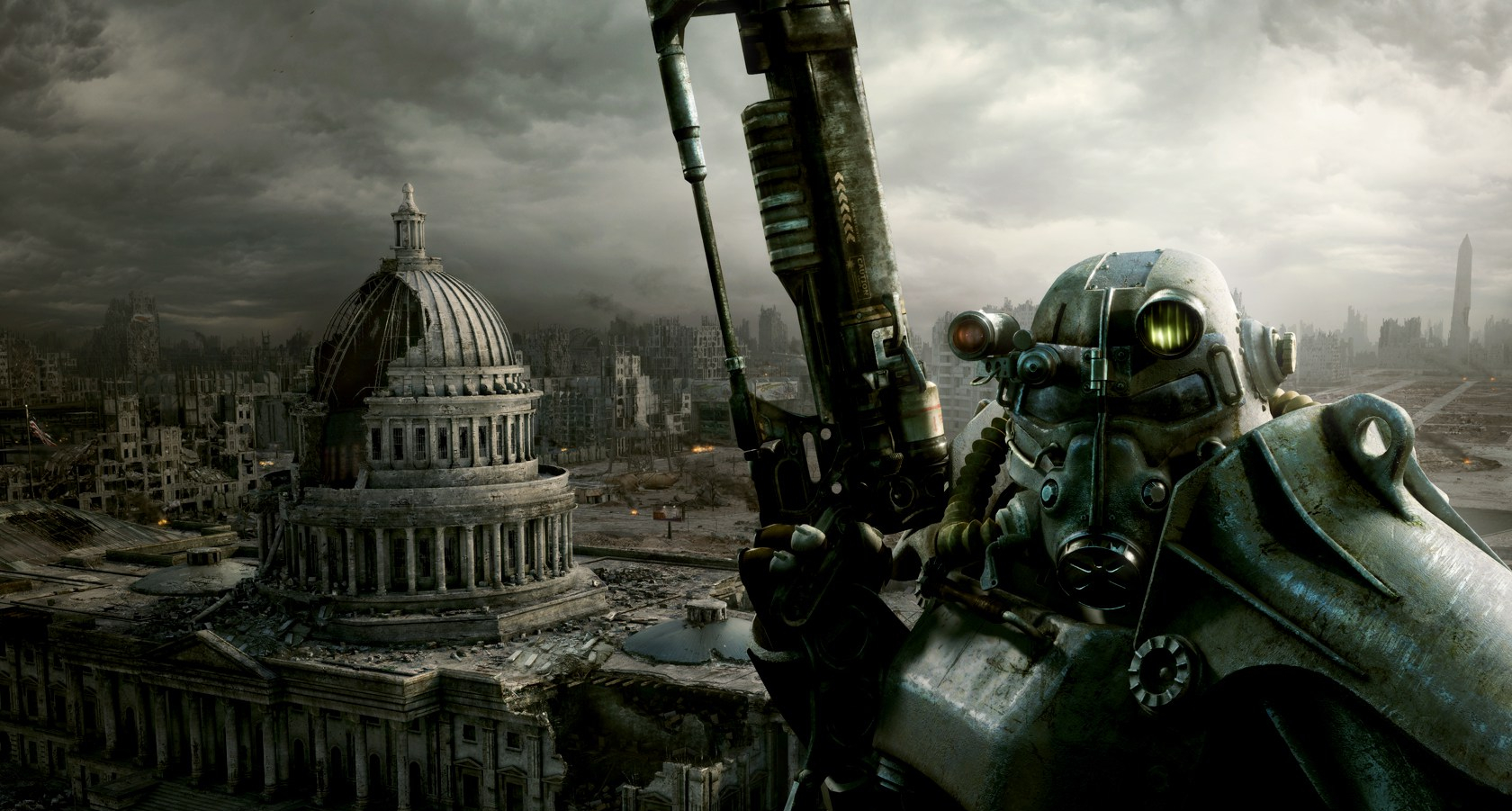
Is Shadow of the Colossus an anomaly? While it is extremely unique in many ways, the fact that its popularity stems from much more than its mechanics is not. Take Fallout 3 and Fallout: New Vegas for example. Both games were incredibly popular, but it was the giant, interesting and jam-packed sandbox world plus the sheer sense of adventure and immersion, that the games elicit in the audience, that got people coming back. The clunky shooting mechanics, stiff dialogue and wooden voice acting tend to be not as well-remembered, purely because of how engaging and indelible the setting was. There are numerous other examples of incredibly popular and/or acclaimed games where this is the case: The Last of Us? The mechanics are solid, but they are not the strongest aspect of the game by any stretch. Silent Hill 2? The atmosphere and associated lore are what generally sticks with the audience the most. Bioshock? Much like the aforementioned Fallout games, it’s the settings that tend to resonate more with players rather than the admittedly solid gameplay.

This can even extend to sports games, a genre where one would assume mechanics reign supreme. Take the outrageously popular FIFA games as an example. This is a series where describing the gameplay as unrefined would be an understatement. There are so many little issues that at times render the games a controller breaking level of frustrating. Yet, people still flock to it. Why? Is it because it’s an excellent simulation of what it’s like to play the world’s most popular sport? I would argue no, it’s because it’s an excellent simulation of the atmosphere and culture surrounding the world’s most popular sport. The games are impressively polished. People can put up with some maladroit mechanics here and there as long as they feel, consciously or otherwise, that they can project themselves into a convincing recreation of their favourite sporting environments. This was even the case back in the PS2 era, when Konami’s Pro Evolution Soccer series had a significantly more satisfying play experience to the FIFA franchise, yet the latter still regularly outsold the former.

None of this is to say that basic mechanics aren’t important. They absolutely are. They’re the bread and butter of the majority of gaming experiences. Nonetheless, the aspects previously mentioned in this article can, in some cases, prove to be every bit as important as the overall mechanics. Implementing these facets in an efficacious way can be the difference from a solid, enjoyable game and a true great of the medium.

What do you think reader? Let us know in the comments below.

Review: Mr. Shifty (Nintendo Switch)

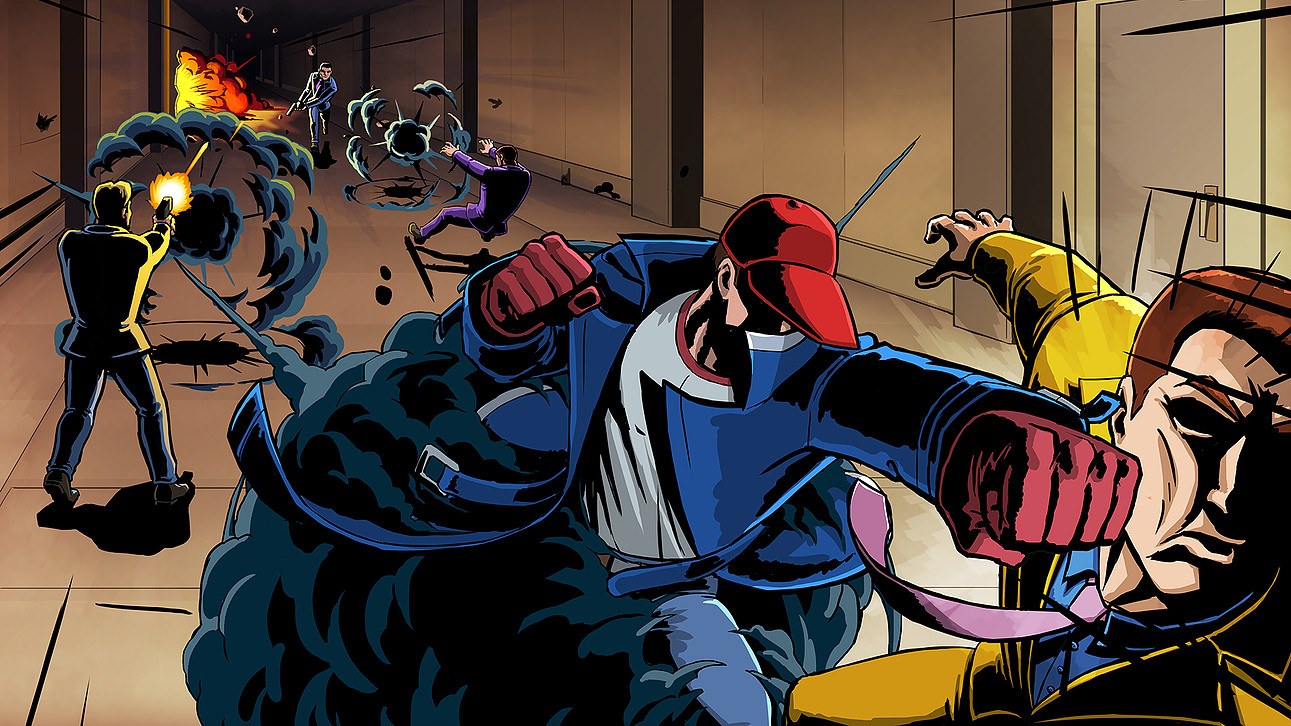
Playing Mr. Shifty will make you feel like a badass quite simply. The eponymous hero of the game doesn’t utter a single line of dialogue as he breaks skulls, takes names and artfully teleports his way through never-ending danger, (inside the most lethal skyscraper ever constructed). Sounds fun, right? Read on.

Across 18 short stages Mr. Shifty confronts increasingly tougher odds: shotgun-wielding guards, exploding tunnels, brutes, lasers, accountants, (we see what you did there TinyBuild) and an evil CEO that just doesn’t know when to quit. Basically, Mr. Shifty doesn’t take itself too seriously, it knows what it is, it knows what it wants to do, and that’s why it succeeds so thoroughly.

Let your fists do the talking

The game is so over the top you can’t help but feel a rush of adrenaline as you play it. For Nintendo Switch players, each strike is further emphasised by the built-in HD Rumble feature; punches feel like they connect with the jaws you’re hitting. Not an essential addition by any means, but it adds to the enjoyment and reinforces the point that Mr Shifty is a one-man army. When he gets into the flow of things, that is.

Make no mistake, Shifty isn’t immortal. The depth of the gameplay comes in the rhythmic flow of combat. As the player it’s your job to judge when to shift, and how much to shift. Shift at the wrong time and you’re dead. Shift too much and leave yourself out in the open? It’s a shotgun in the gut for you. There are no second lives here, you will die over and over again. Most importantly though, you’ll want to try again.

Outwitting your enemies is the key

Once you begin to master the timing of the shift, you’ll need to smack down your enemies in the precious few seconds you get. In the later levels of the game especially, the fast-paced gameplay goes something like this: shift, punch, punch, shift, shift, collect weapon, broom over the head, shift through a wall, recharge your ‘shifty meter’. To add to this, when you take out enough goons in a row, Mr. Shifty auto-engages his ‘shifty slo-mo’. This serves as the only lifeline the game will give you, allowing you to get caught in a spray of bullets and still come out alive.

While this non-stop action is going on, Mr. Shifty’s excellent soundtrack pulses on in the background, adding to the sense of rhythm and badassery. It repeats over the course of the game, so you can expect to have the songs firmly in your head after your first few play sessions. You can check out the video below for a taster of what’s on offer in the audio department.

The top-down visuals are simple, yet stylish in Mr. Shifty. Crucially, they allow you to see your enemies coming in from all angles as you form your plan of attack, and get ready to dance with your fists. Looking across the levels, by adjusting the movable camera, can be the key to survival as you weigh up which direction to shift through the skyscraper’s many rooms and halls. Often, this means you can outflank goons and eliminate them without retaliation.

Review: Mass Effect: Andromeda (PS4)

Exploring the depths of space, fighting off alien races before the brink of extinction takes its final bow, creating an alliance of super-soldiers of diverse species from across the galaxy. When Mass Effect first released there had been no game like it and it still remains comfortably prominent today. Taking advantage of the endless wonder of space while sprinkling in RPG elements and basic “cover ‘n’ shoot” gameplay, the Bioware series took off and kept dedicated fans eager to complete the Commander Shepard trilogy. Whether you’re a fan of how it all ended or one of the many who threw major upheaval during the final moments of the decisive ending, Mass Effect took players on a long, thrilling space expedition that sits radiantly amongst other popular trilogies.

In Mass Effect: Andromeda, Bioware’s next installation in the galactic adventure series, you leave the familiar faces of the Shepard crew and the Milky Way behind to embark on an excursion to Andromeda, a recently discovered galaxy 2.5 million light years away, over 600 years after the events of the original trilogy. Chasing supposedly habitable planets to create living environments for generations to come, you take control of one of the Ryder twins (male or female), awaking from a long, multi-century cryo-stasis nap. It doesn’t take long for things to heat up and the pressure to build upon landing in the Heleus cluster.

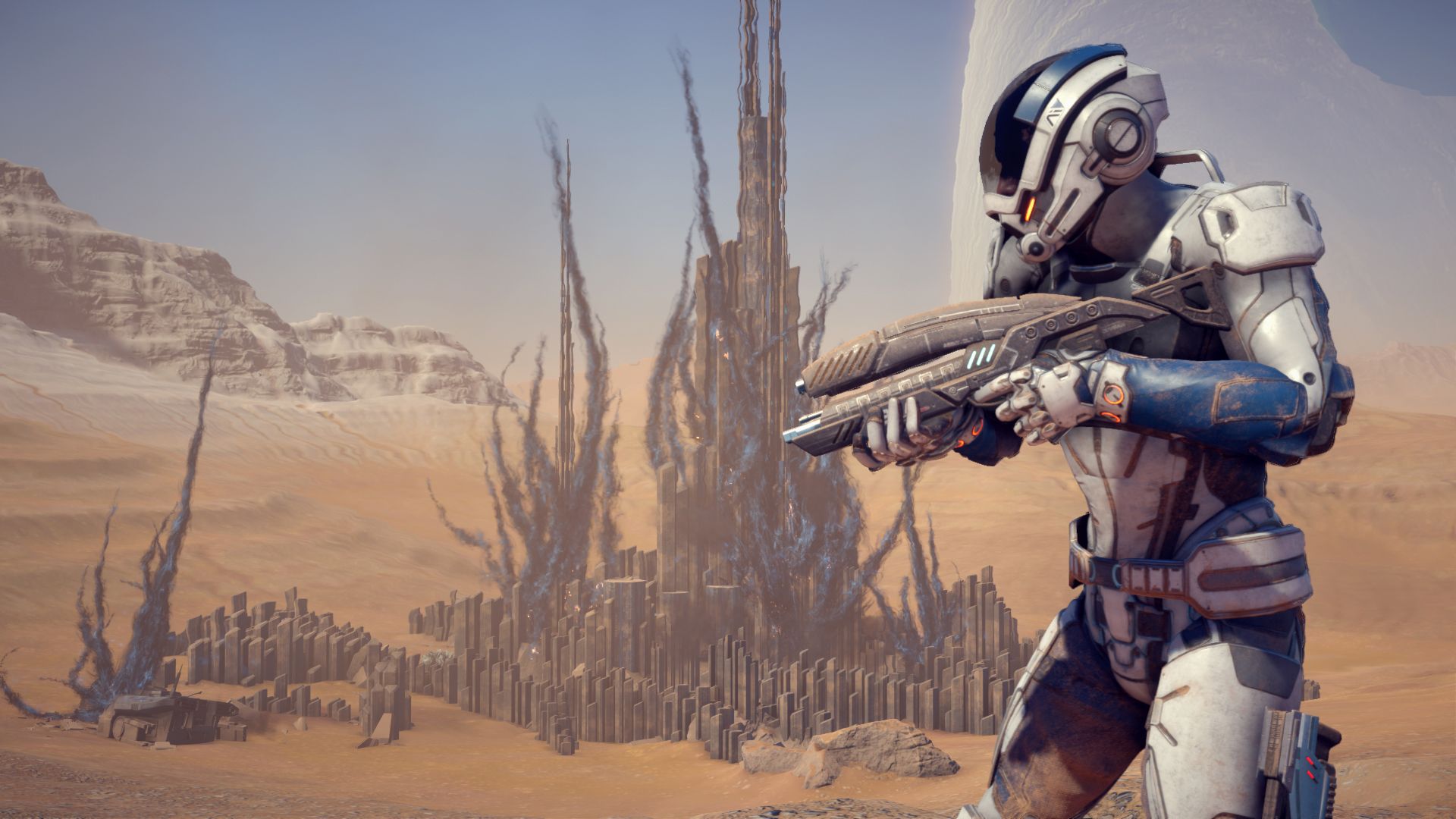
Unknown alien tech litters Habitat 7, the designated “new earth”, and patrolling foreign species known as Kett stay armed and ready for possible intruders. The gameplay is fluid, the easy navigating cover system works well and the combat feels more polished than any game in the series. Equipped to your armor is the new “jump-jet”, giving you a little more umph to your leap allowing extensive exploration through the rocky terrain. After meeting a couple of new crew members, Cora and Liam, and wiping off a few dozen Kett, events transpire leaving the plot in place, now guiding you along your mission as the Pathfinder.

Weapons you find early in the game are familiar as well as the biotic and tech powers used throughout the series. With a heap of skills to upgrade in three specific categories, combat, biotics and tech, you’re able to equip up to three powers at once. Interchanging the powers is a useful tactic, providing you a sense of profile freedom the more you progress through the game, switching between biotics expert to tech engineers to combat specialists. However you feel like playing the game is up to you at almost any moment, giving the game a fresh feeling after hours into the journey.

The armor that you equip is now broken up into four different pieces making full sets: helmet, chest, arms and legs. Pieces are dropped by enemies or bought from merchants and vendor kiosks. Mods can also be attached to your rig adding stat bonuses and weapon enhancements, giving you an edge in combat. All in all there’s plenty of customization, skills and weapons/armor to be found and equipped in the wide open galaxy of Andromeda.

A few hiccups in animation and an occasional glitch make for a harmless appearance; Andromeda looks to be up-to-par with current gen standards. While some facial expressions seem a little strange or obscure, more often they’re spot on giving off personal qualities that bring the game to life. Beautiful space settings and gorgeous planets look as brilliant as any game to date leaving much to discover with a number of different maps and locations, including the Nexus. Playing a role similar to the Citadel from the previous games (only still under construction), the Nexus is where you’ll find shops, clinics and plenty of friendlies looking for someone to send on various quests and missions throughout Andromeda.

With the sudden rise to Pathfinder status, Ryder is given the ship, Tempest, along with its own crew awaiting the arrival of their new leader. With a mission prioritized and an ambitious group of soldiers, scientists and new planets on the horizon, the journey has promising potential. Aside from minor struggling performance issues, which hopefully will receive a patch sooner than later, Mass Effect: Andromeda delivers an amicable experience filled with loads of new upgrades. Take the reins as Ryder and mold the legacy that awaits you in Andromeda.

techtroid-rating8

Viewpoint: The Psychology of Indie Games – How Small Developers Have Been Revitalizing the Horror Genre

Some of us play games for fun, some for family time, some for competition, and some of us like to have our wits and our desire to ever sleep again scared out of us for our own, personal enjoyment. Fans of horror games no doubt have AAA titles such as Resident Evil and Silent Hill to thank for pushing the genre into the mainstream and coining the now oft-used phrase “survival horror.” But, over the years the general mainstream horror genre has suffered from a loss of direction (think back to Resident Evil 6 before Capcom rebooted the series). The industry at large has failed to truly reinvent the genre after longtime fans became tired of the same old tropes, even when well-executed (think The Evil Within). But, as the larger studios have struggled to hit the mark, the indie game industry has managed to not only revive the horror genre, but infuse it with a fresh sense of dread, dark curiosity, and existential concepts that will keep you up at night.

Horror has always been about human frailty and probing what makes an individual through picking each aspect apart: the body, the emotions, and the psyche. Though funding issues often plague the hopes of smaller developers, not having to recover the higher budgets of AAA titles gives indie creators greater freedom to explore some of the more obscure concepts high-end developers often obfuscate. Unbridled by the pressures of larger investors, smaller developers have managed to zero in on what many bigger horror entries are missing: a sense of genuine internal trepidation brought on through feelings of mental dissonance and the subtle (sometimes not-so-subtle) use of the uncanny.

Home, a game that puts the player into the shoes of a man who might be as physiologically unstable as any of Edgar Allen Poe’s narrators, tells it’s story largely through a sense that something is out of place (namely the timeframe, but also some key piece of knowledge the game never quite divulges). This sensation leaves the player with a perplexed and disquieted feeling similar to someone who might have just noticed their mind slipping a bit. The effect is small and subtle, but terrifying, and all this is accomplished in a span of only around a couple of hours in an entirely old-style, pixelated world.

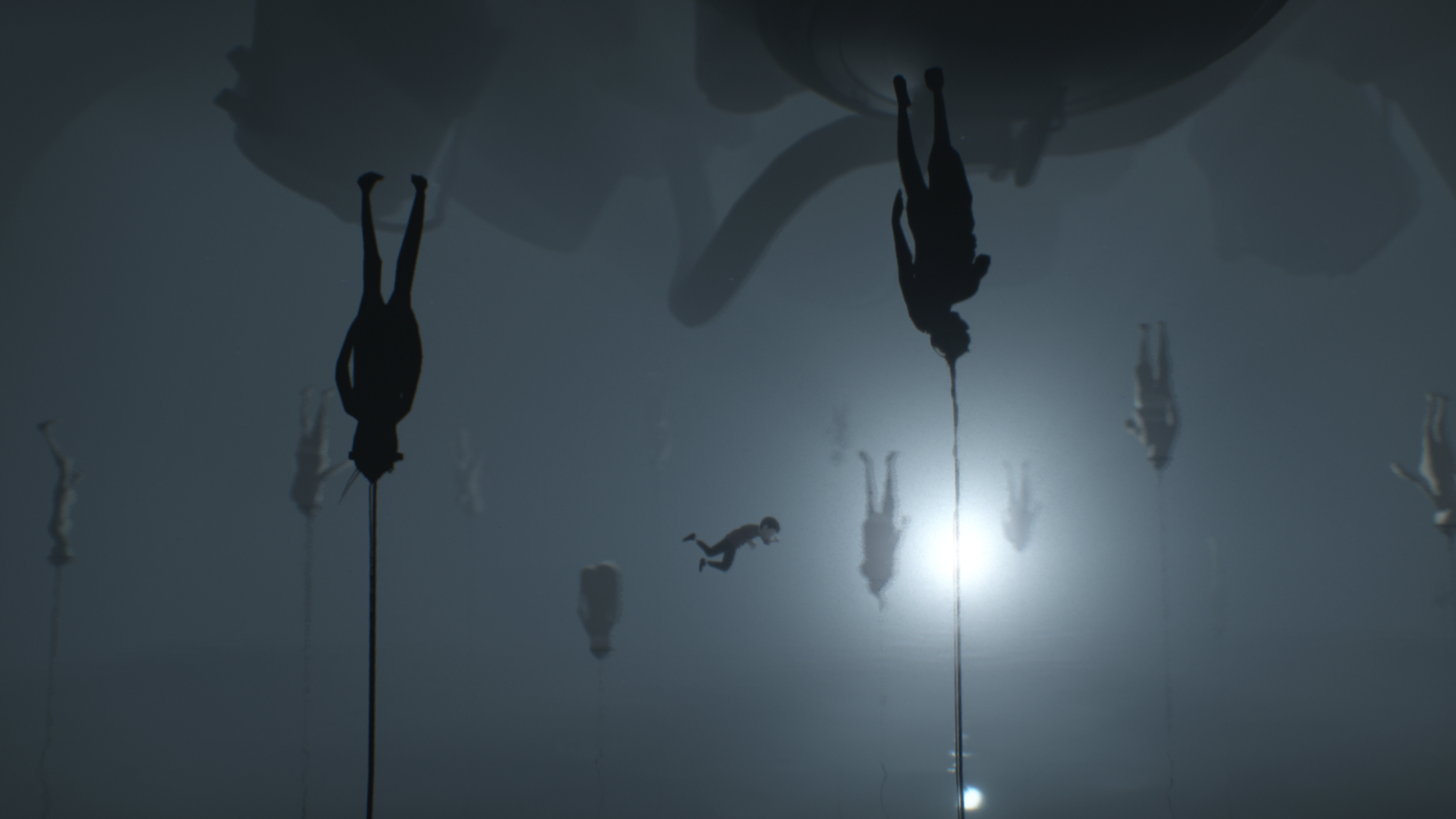
The horror of not knowing the full story and the feeling of a lack of control it produces in the player was well utilized by developer Playdead in Limbo and, more recently, Inside. In fact, Inside thrives on this feeling of displacement juxtaposed with puzzles that require the player to literally control the minds of the people around them. The fact the gamer is taking on the role of what appears to be a little boy adds to the sense of helplessness and lack of control. The ending toys with the player’s psyche even further by literally dumping the player at the end of the game with no more knowledge than that with which you began, even though your character has literally become entangled with a mass of other minds (and bodies). This sense of psychological disorientation is just one way indie horror has succeeded in tackling a major element of the horror genre often left out or unsuccessfully implemented by AAA titles.

Anatomy

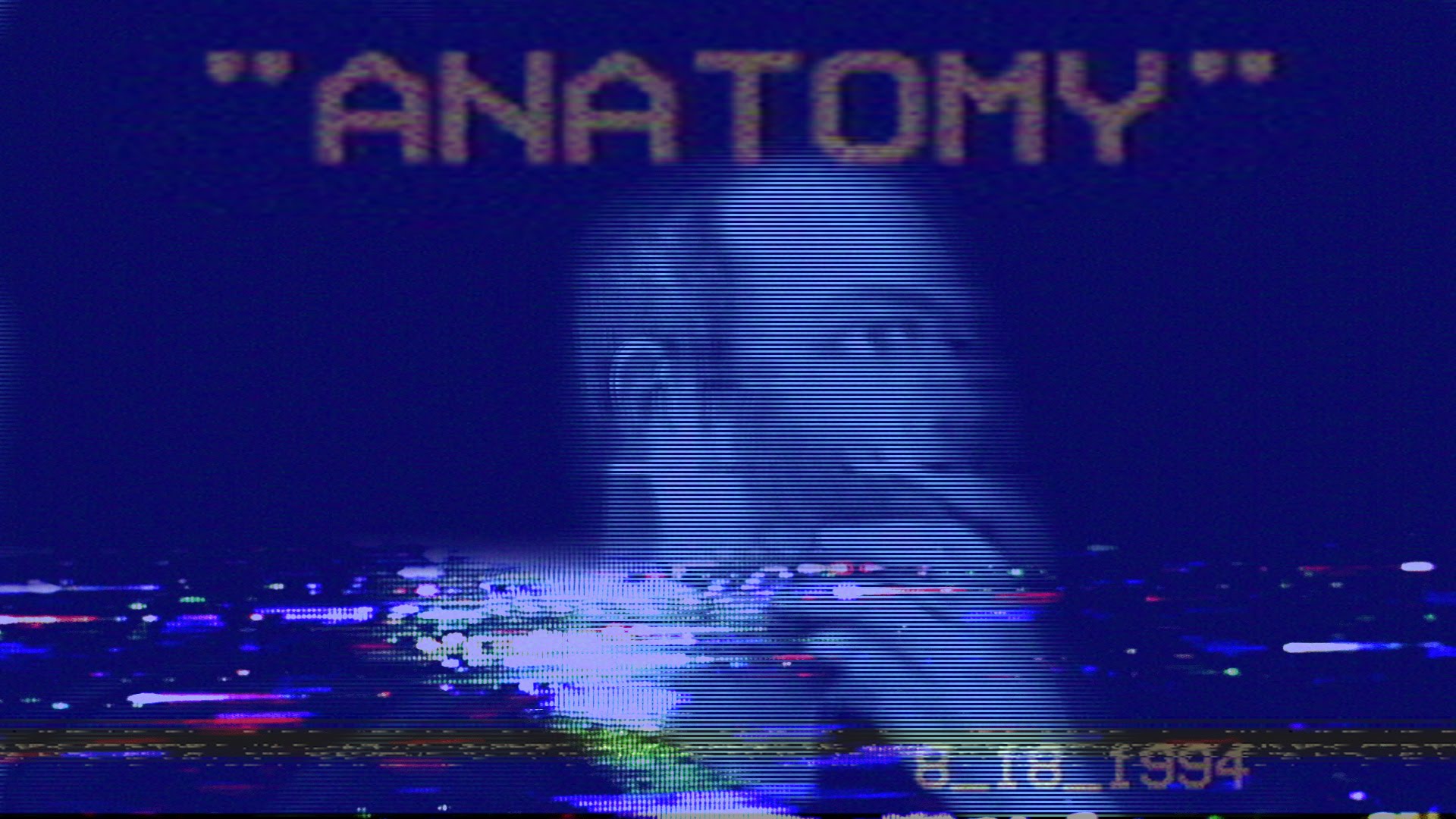
But, of course, some larger indie titles manage to get the feel right, perhaps due to the passion and determination needed to succeed in the independent market. Layers of Fear is a larger indie title that accomplishes on a more grandiose scale what entries like Anatomy by Kitty Horrorshow did on a more subtle note: create a sense of disquiet through over-familiarity with the mundane. Certainly a (possibly) haunted mansion isn’t exactly breaking new ground in the horror genre, but Layers of Fear managed to meld the psyche of the protagonist with the very building the player walks through, much like Anatomy does with a single family home. Though the stories are different, and Layers of Fear eventually takes on a more Alice in Wonderland level of distortion, both games succeed in amplifying common feelings of familial and domestic entrapment, and the fear of being unable to escape our own minds with all our worst memories and regrets, literally changing the mundane into an uncanny manifestation of the disorder in our own minds.

Of course, there are many other independent titles that deal cunningly with the terrors of cognitive dissonance that can result from everyday emotional trauma, depression, and feelings of entrapment. Titles such as Neverending Nightmares and Notes of Obsession both deal with these common enough passions and mental states from the angle of a horror title. Games like Outlast 2 and Soma go a step further, removing the player from reality to such a degree that they are then forced to question how much of our mental state dictates who we are, how we act, and what makes us human. If our minds are undependable like the players experience in Outlast 2, or if similar to Soma our humanity is as fragile and transferrable as a computer program, what does it mean to be human, and how can we really ever know who and what we are?

The indie gaming industry is not an easy place to find success in general. The difficulty in acquiring the proper funding, the need to locate a good publisher, advertising the game and hitting the right notes for the title to be widely successful make the path particularly difficult. Developers of horror titles have the added difficulty of an oversaturated market. The internet is inundated with would-be developers hoping to cash-in on the next great scare fest. But, while being a small developer is a hard road, the horror genre has seen an overall boon within the small games market thanks to the determination, creativity and passion of small developers. We can only hope the path eventually becomes a bit smoother, and more titles like the ones above can make their way across platforms into our homes, and into our nightmares.

Viewpoint: Project Scorpio has caused quite a stir, but is it really a blow aimed at Sony?

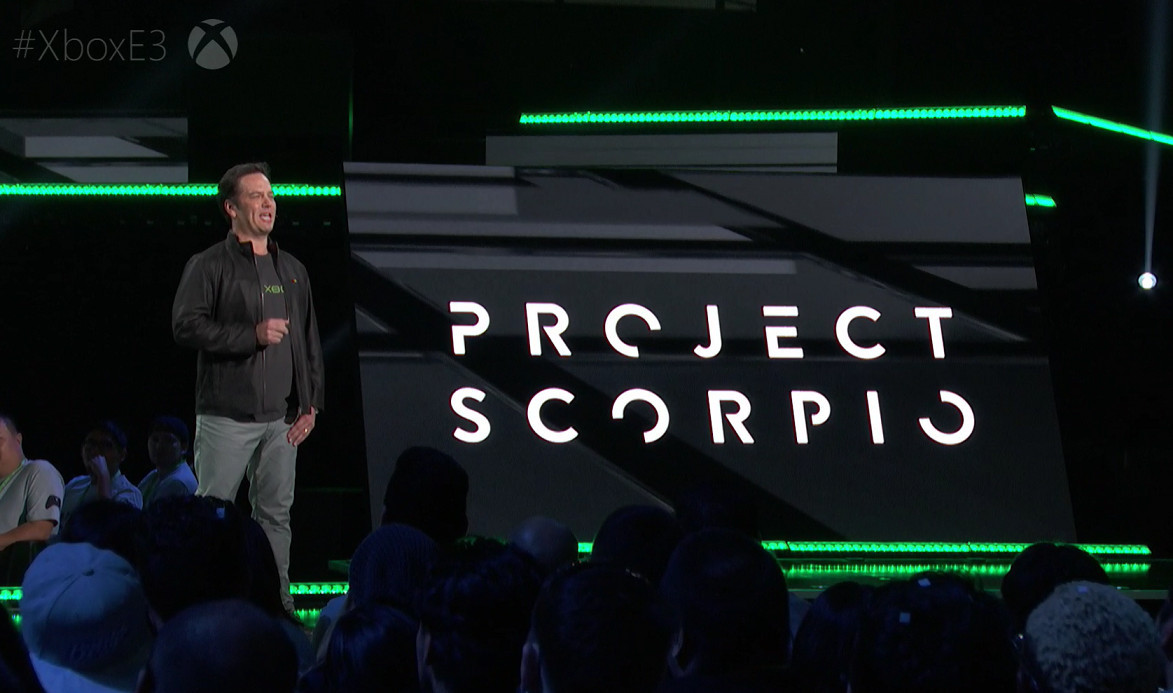
I thought I would let the dust settle somewhat before tackling Project Scorpio head-on because, let’s be honest, it’s caused quite a stir. The inferno that is the console war does not need any more fuel adding to it, but Microsoft seemed intent to deliver their next blow in the battle of attrition between them and Sony. But is it really a blow aimed at Sony? From what I can tell, Microsoft is putting an end to all the bravado and aiming to deliver the best experience possible for their fans.

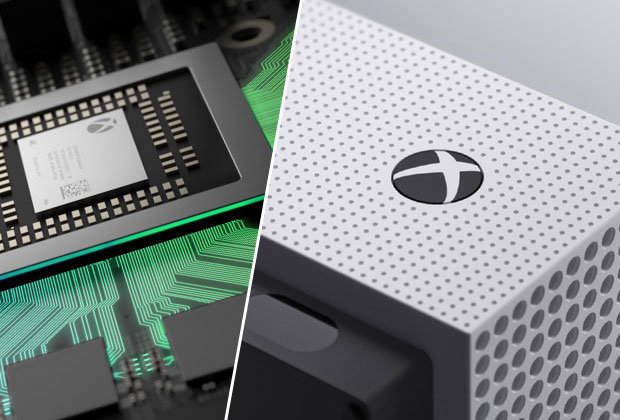
It came as no real surprise when Scorpio was announced as a mid-generation upgrade rather than a successor to the Xbox One. Much like the PS4 Pro was for PlayStation fans, Project Scorpio will give One owners an opportunity to upgrade to a 4K capable machine. And, in my eyes, that’s what Scorpio is; an opportunity to be part of the next step in console evolution.

As technology evolves and becomes more affordable, our demands inevitably increase and create a natural cycle. Old technology becomes redundant with new and better technology replacing it within an undetermined time scale. Take the advent of HD as an example, this was the big pull and selling point for the last generation of consoles and gave us a real reason to upgrade to a newer console. Is that not what Scorpio is now trying to achieve much like the 360 did with HD but with 4K?

I’ve seen many an article and video blasting Scorpio saying it’s nothing more than a weak gaming PC in disguise and a gimmick, almost unnecessary. But I don’t see this as a problem as that’s what consoles are at the end of the day; lower spec PC’s offering a convenient gaming package to those that don’t want to fork out for a £1000+ gaming machine. Why build something yourself, when you can play the same games (albeit at a lower quality) in a pre-built unit that fits perfectly with the rest of your home entertainment collection?

Granted, it comes at a somewhat earlier stage in the current generation’s cycle than most were expecting, but Scorpio is the aforementioned convenience. We can now have native 4K gaming in a home console with no self assembly required. 4K was always inevitable, but imagine the outcry if we had to wait until the next generation of consoles before we could experience native 4K gaming. Yet when that opportunity is offered, it’s not good enough.

xbone

Before I penned this article, I conducted a poll on Twitter to see what the general consensus of my followers was regarding Scorpio. I expected the worst and only a small amount voted, but the results surprised me. Out of 90 votes, 70% of people said that they liked Scorpio and would buy it with 10% saying they wouldn’t buy it and 20% saying they liked it but wouldn’t buy it. Most people stated that the main reason for their excitement was being able to play games in 4K without the need to build a PC, justifying the above point.

Now it would be silly not raise questions over the cost of Scorpio as this will be a potential sticking point for most, myself included. Microsoft have already said that Scorpio will be a “Premium console” but the price will not be astronomical. Now this doesn’t really settle those pricing doubts, but let’s say worst case scenario it costs circa £450, that will be significantly less than a comparable PC. Of course this won’t be upgradeable, but for the foreseeable future this will surely future proof your console experience.

Personally, I’m really excited for Scorpio. I can see why some people may raise concerns over the quality of games suffering for the sake of running at 4K but I cannot see that happening. Now more than ever, gamers are more savvy with their purchases so developers can ill afford to deliver a game that runs at 4K, yet fails to deliver a meaningful experience. Nor can Microsoft afford to have another questionable launch on their hands.

If I were a gambling man, I’d back Scorpio to be big. I think Microsoft are confident that they are onto something and I think this year’s E3 will be very interesting indeed…