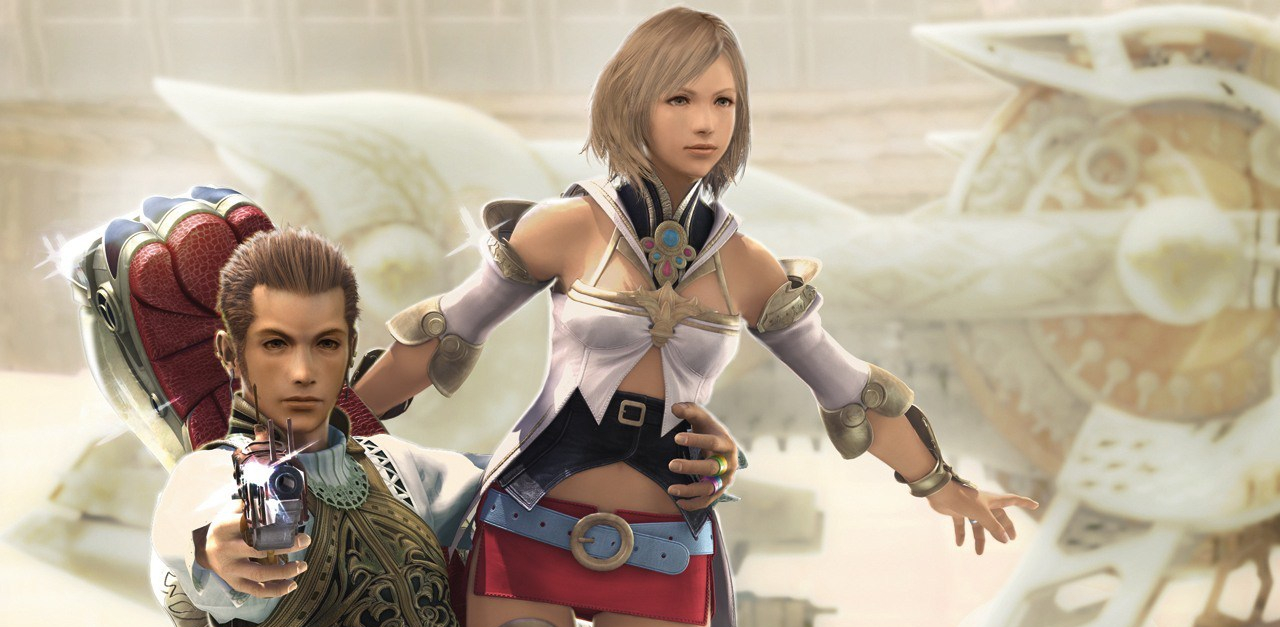
If there is one Final Fantasy title that has divided its fanbase, then it’s Final Fantasy XII. Originally released for the good ol’ PlayStation 2 in 2006, the game squeezed out the true capabilities of the aforementioned console’s graphical power, but split players due to its unique battle system and political storyline.
It was a Final Fantasy of a different flavour than previous instalments, that was for sure. But there is no denying that the game has its fair share of fans who regard it as one of the best JRPGs in existence. To such people, the upcoming HD remaster, Final Fantasy XII: The Zodiac Age, will no doubt be a good excuse to crack out the gambits and Espers once again.
But to those who didn’t have a chance to experience it the first time around? Playing The Zodiac Age is a pastime you likely won’t regret. Thus, without further ado, let us count down the key reasons why you should be playing this in July when the game finally hits the shelves.
1) The Stunning In-game Universe
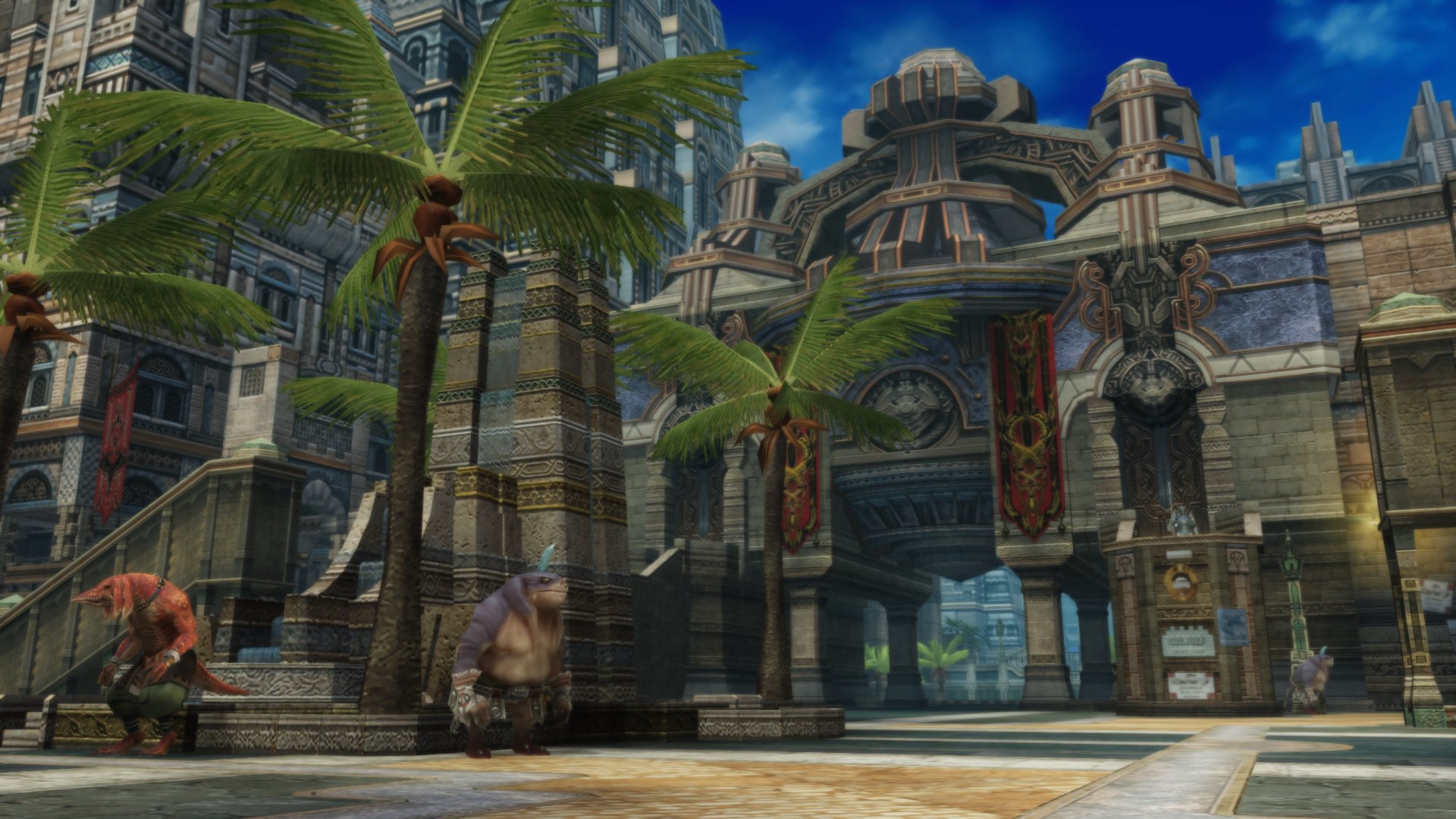
FFXII is set within the fictional world of Ivalice, which is where previous Square Enix titles such as the Final Fantasy Tactics games and Vagrant Story were set. In a similar way that Vagrant Story used the full power of the PS1, this game’s original release did the same with the PS2. Here, however, the visuals will be given a current-gen revamp, with the nooks and crannies of Ivalice looking sweeter than ever before. You will immerse yourself in a diverse and unique setting, from the Arabian-esque kingdom of Rabanastre to the wet and horrible Giza Plains to the relatively high-tech kingdom of Archadia. A world filled with anthropomorphic lizardfolk, rabbit-eared humanoids and high-tech airships (but public toilets haven’t been invented here yet, sorry!), your visit to Ivalice will unlikely to be one you forget in a hurry.
2) The Amount of Content
Final Fantasy XII has a stunning amount of content and will have you hooked well outside the bounds of its main storyline. No better is this demonstrated than with the game’s ‘Hunts’. These missions have you join up with a clan led by the lovable Moogle, Montblanc, where you will receive ‘hunts’ and are given a special ‘mark’ to kill. In return for killing these special monsters, you will be justly rewarded with spoils and also gradual increases in rank within your clan. Anyone who has played the original can vouch for how much time the Hunts – and other sidequests – take up. As the old saying goes, you’re getting a whole lot of bang for your buck here.
3) The Unique Battle System
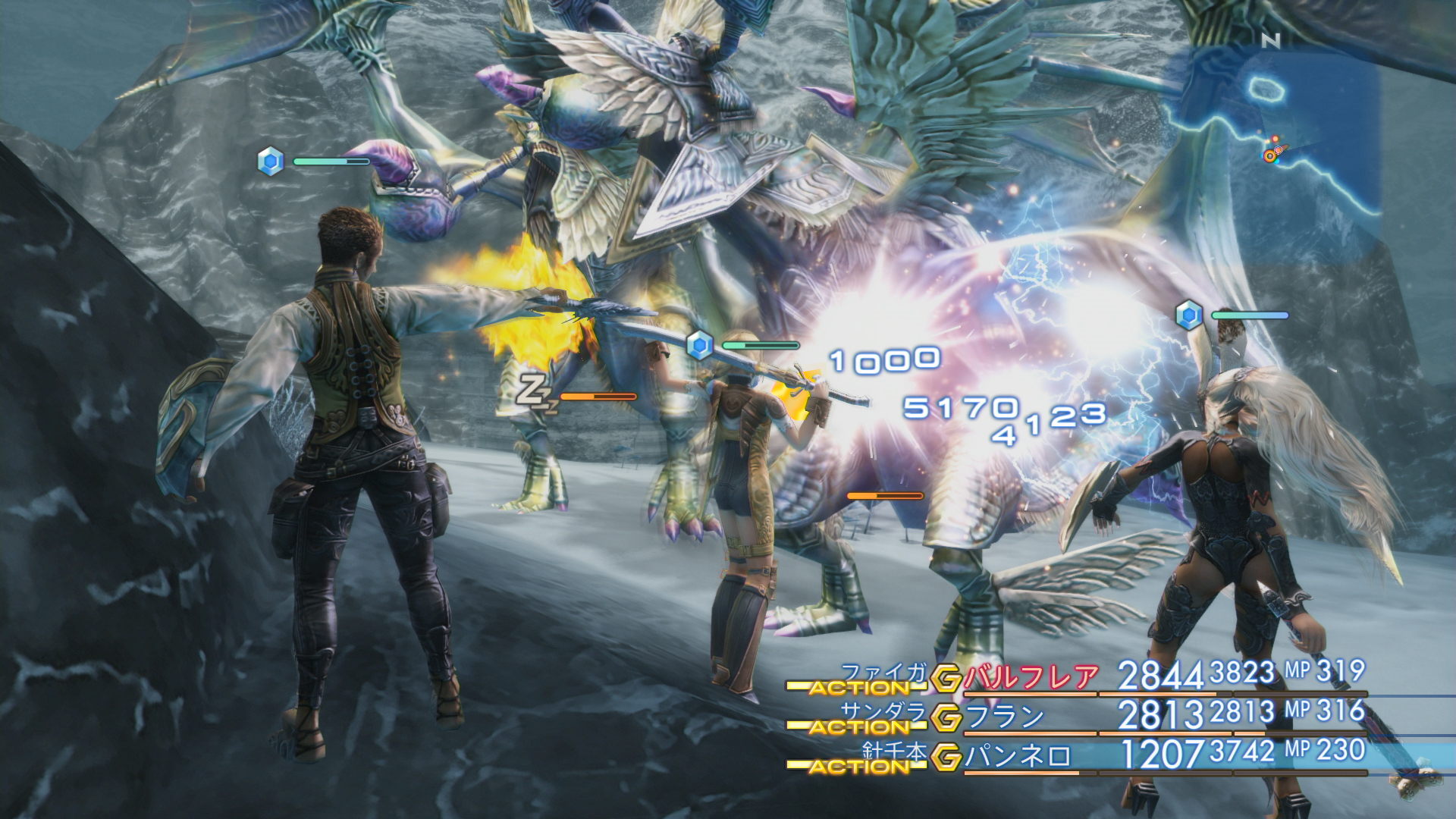
FFXII really divided the fanbase with its battle system. Gone was the traditional turn-based mechanics of previous titles (well, except the MMO FFXI, of course) and in came a real-time experience. No separate battle screens here – enemies were dotted throughout the landscape and your team would draw their weapons upon contact. The interesting thing here though is the ‘Gambit’ mechanic which allows you to tinker with your team’s AI, controlling how they act in battle. Want Vaan to cast Cure on the team once they are all under 40% HP? You can do that. Want Ashe to use an antidote on allies who are poisoned? You can do that too, and much, much more. The Gambit system enables players to act strategically and make their party the way they want it to be. It adds a layer of depth and flexibility that is often absent in other JRPGs.
4) The Characters (Balthier)
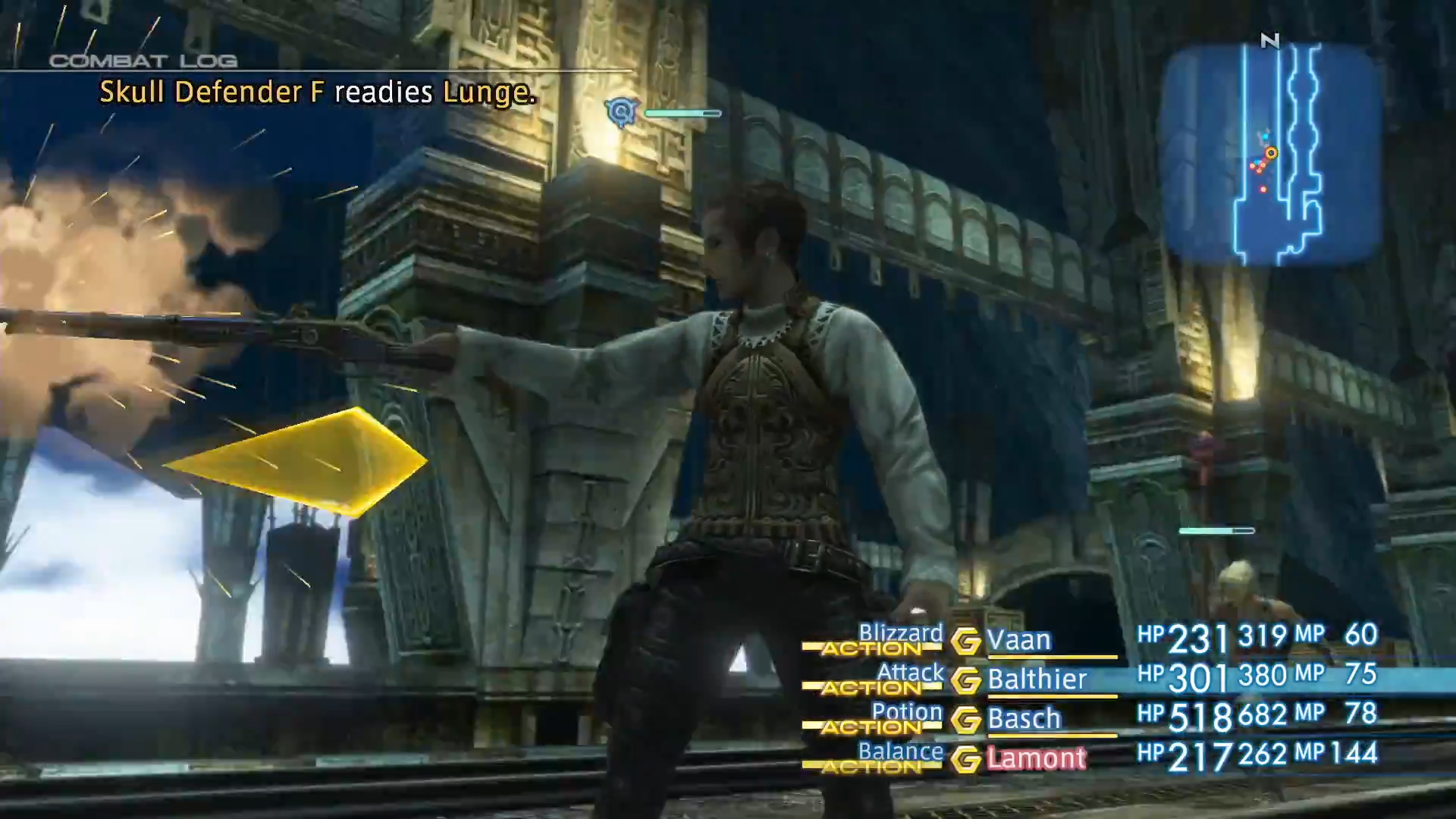
If you ask a FFXII fan about their favourite characters from the game, Balthier is sure to pop up. The witty British-accented charmer is a Sky Pirate, the ‘Han Solo’ of the game’s story, if you will. Together, alongside his sparsely-worded Viera partner, Fran, they act as Vaan’s mentors early on in the game. But, where cutscenes are concerned, Balthier has some of the most memorable dialogue in FF history, often referring to himself as a ‘leading man’. While that claim is no doubt questionable, this charming sky pirate will be on your mind long after the game has ended. Yes, the other characters have their merits, from the ambitious teenager Vaan to the jaded, aging soldier, Basch, but Balthier will always be the leading man in the eyes of many players – even if the game denies him this honour.
5) A Remastered Soundtrack
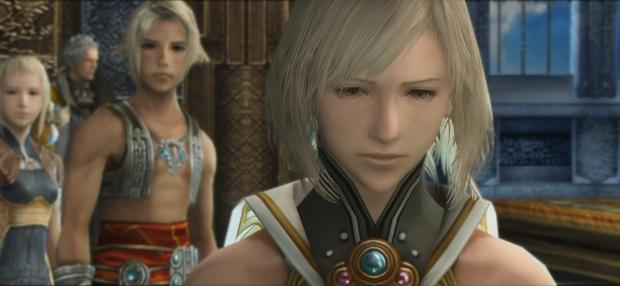
Final Fantasy XII‘s soundtrack is truly underrated amongst the series’ long history of musical genius – and, much like the FFX re-release, it’s getting a remaster. Mostly composed by Final Fantasy Tactics composer, Hitoshi Sakimoto, the soundtrack manages to capture a unique atmosphere from the moments exploring the Dalmasca Estersunds to the epic Esper boss battles. Some favourite moments include the imperial majesty of the city of Rabanastre and the beautiful strings of the Ozmone Plains. If you thought that the original, synthesized music was underwhelming for a game of such high visual scope, then the new, fully orchestrated versions will more than make up for that. They will literally give Ivalice a whole new lease of life than ever before.
Will you be buying the remaster of Final Fantasy XII: The Zodiac Age? Let us know in the comments below!

 Alright, as I have previously hinted there is another dolphin game in this ever-so tranquil list. Hence, this is it! Endless Ocean! It is sad to say, but Endless Ocean’s predecessor, Everblue did not make the cut because it was eclipsed by Ecco the Dolphin and his missing, kidnapped, and eaten sea friends. However, it is a beautiful thing Japanese game developer Arika persisted in furthering Everblue’s scuba diving adventures and released Endless Ocean for the Wii.
 When are clouds not relaxing? Oh, don’t answer that. Thanks to the University of Southern California (or So-Cal) students, everyone can now experience a day in the life with clouds. Cloud was designed and released by seven smarty-pants students in their efforts to produce a rewarding video-game during their Interactive Media Arts Master. It was published in 2005 and was released as a free downloadable game. Of course, nothing sounds better than a beautifully crafted free videogame. It didn’t take that long for Cloud to draw attention, and it had drawn the right one because it won the Best Student Philosophy award for artistic achievement at the Slamdance Guerilla Games Competition. By 2006, it received 600,000 download hits and 6 million visits – not bad, not bad.
 When I was in 7th grade I was tortured with extensive hours of microcosm biology; a smorgasbord of microscopic cells in mitosis endlessly splitting and fusing into another like blowing bubbles. So when I stumbled upon Osmos and found out that I can actively participate in this wonderful process of being a cell, I knew I had hit the motherload. You see, gandering at cells proliferating into tiny bits and pieces and having to watch that production reverse is not enough for me to wholly keep my lids peeled open. The only way I could possibly stay up watching a documentary on amoebas devouring protozoa and bacteria is if the producer precipitously scattered googly-eyes on the amoebas as a lazy after-effect.
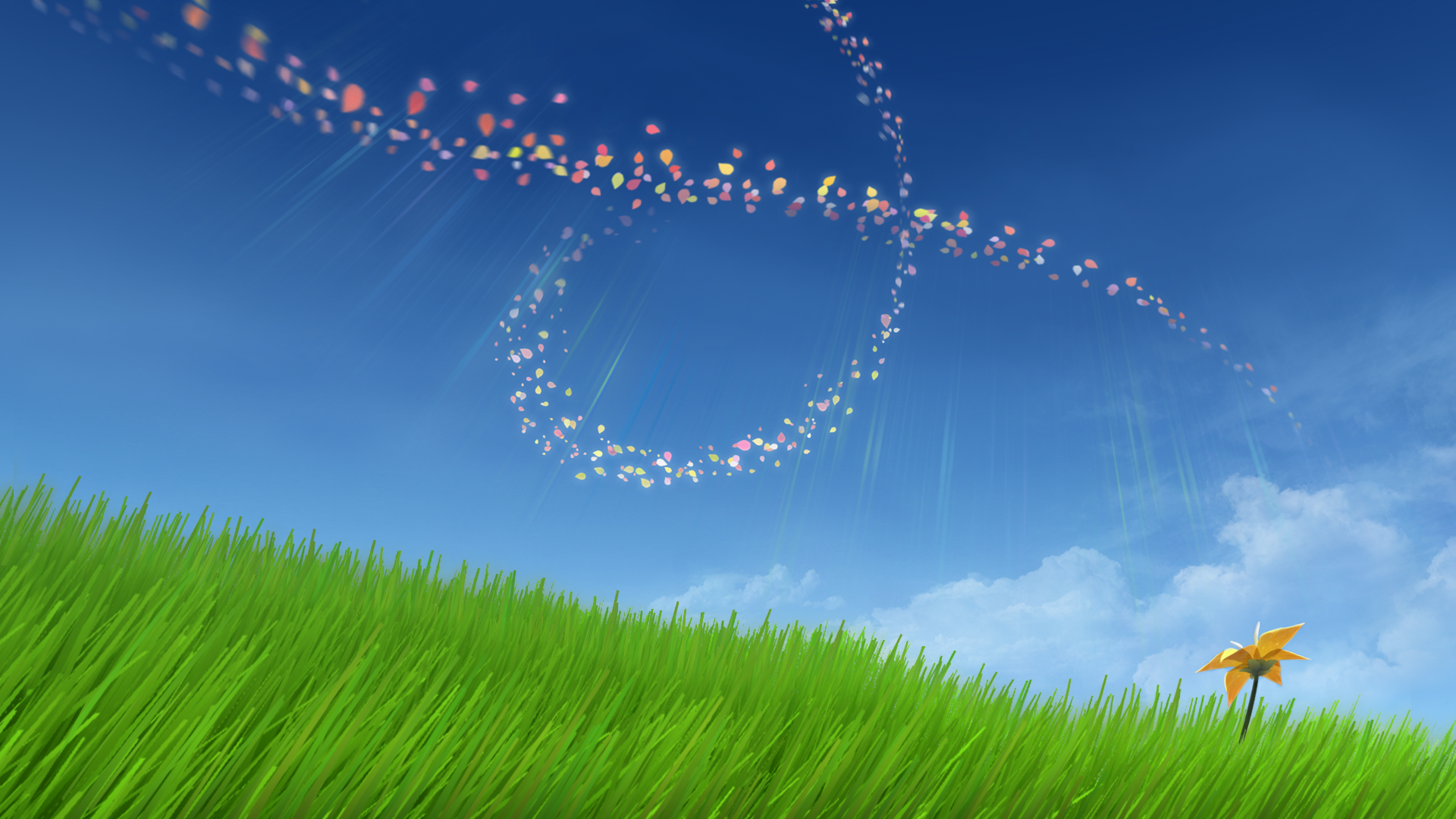
 Developed by thatgamecompany with the help of Nicholas Clark and Jenova Chen, Flower bloomed into an eye-catching ethereal indie game. The video-game was first released on February 12, 2009 in the PlayStation Network. It solidly gained a handful of followers after its release. As expected, since thatgamecompany has previously released flOw, a video-game much similar to Flower which initially skyrocketed thatgamecompany’s insoluble reputation into a distinguished name in the rapid industry of indie video-games. And no doubt, Flower is the spiritual successor of flOw and more. Upholding the same concept in gameplay as flOw, Flower provides a serene landscape to unreservedly maneuver around in without having to worry about austere demands and objectives. The goal is just to simply play and that is all.
 Can you say throw back? A Boy and His Blob dates back to the days of the NES. It didn’t gain much deserved applaud and finger-snaps back then, but it certainly deserves a standing ovation now. This lively light-spirited platform game was released in 2009 for the Wii. WayForward Technologies revamped this antique ‘beaut’ to fit modern adventure games. Unlike remastered editions, the Wii version for A Boy and His Blob has been dramatically molded to the finest details, such as visually allowing the audience to see the transformation of our cheek-pinching cute blob. Each magical transformation happens whenever the protagonist, the boy, feeds his hodgepodge mate some jelly beans. This induces the blob to transform into various helpful obstacle-conquering objects, such as ladders, transportation holes, and etc.


 Published by Sega, developed by Novotrade International, and released in 1992, this game provides a vibrant mesh of the 90’s color palette. There is already another dolphin game on this list (HINT: it is also set under the ocean) and I seriously considered if I should add Ecco the Dolphin, but this game is just too brilliant not to add on this list. So voila! Going back to the color scheme, at times it may look pretty harsh to the eyes – it is from the 90’s – but overall Ecco the Dolphin’s gameplay would unease and relax the high-strung mind.
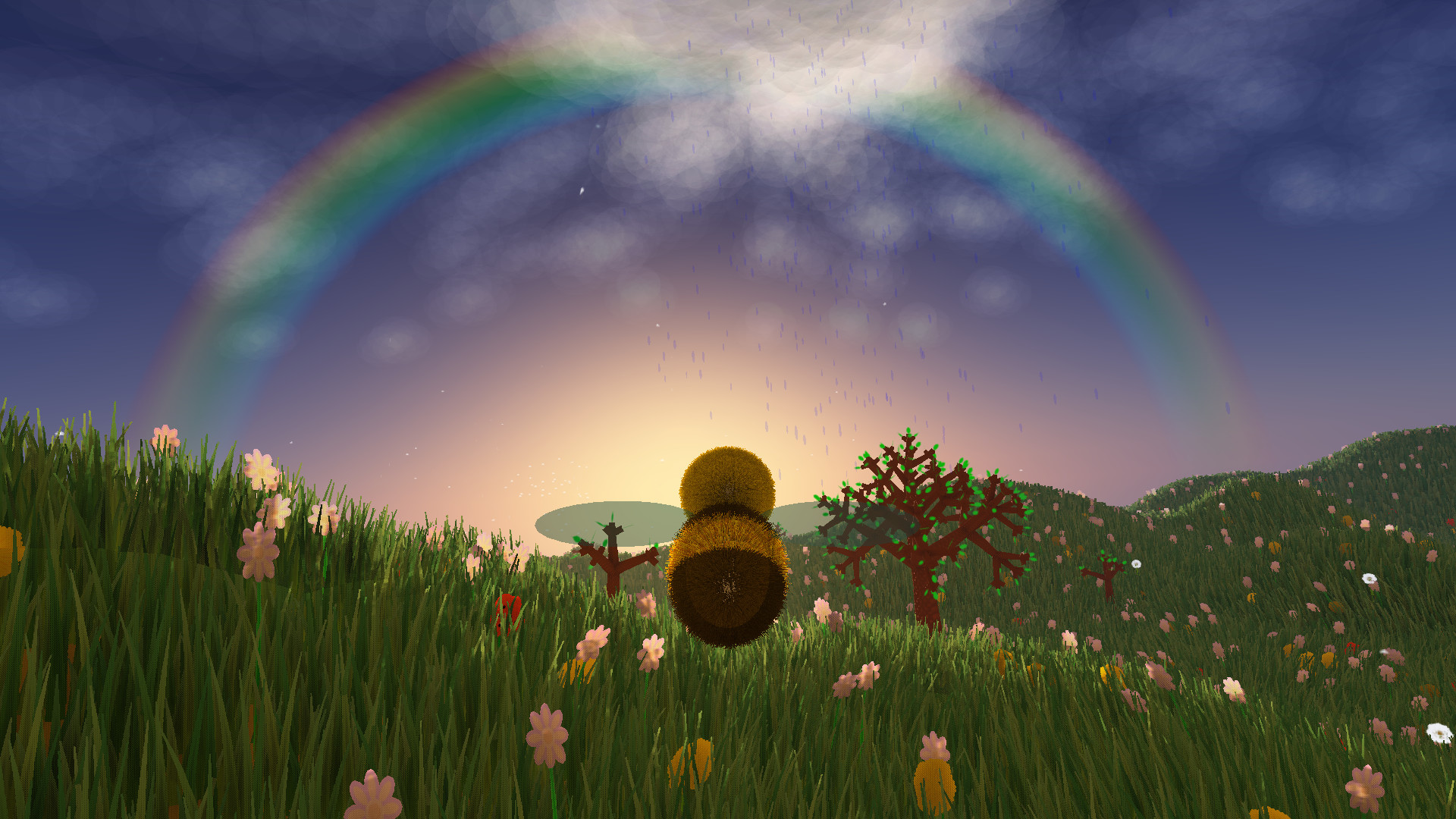
 Winner of the Seumas McNally Grand Prize for ‘Best Independent Game’, at the 2009 Independent Games Festival, scoots in Blueberry Garden. It also won ‘Best Innovation’ for the 2008 Swedish Game Awards. Alas, this delectable montage of awesomeness is developed by Erik Svedäng, and personally, I feel that its soundtrack made Blueberry Garden even livelier. If it were not for Daduk’s composing prowess, this game would have been just another independent game amongst Steam’s stockpile of undeserving games.
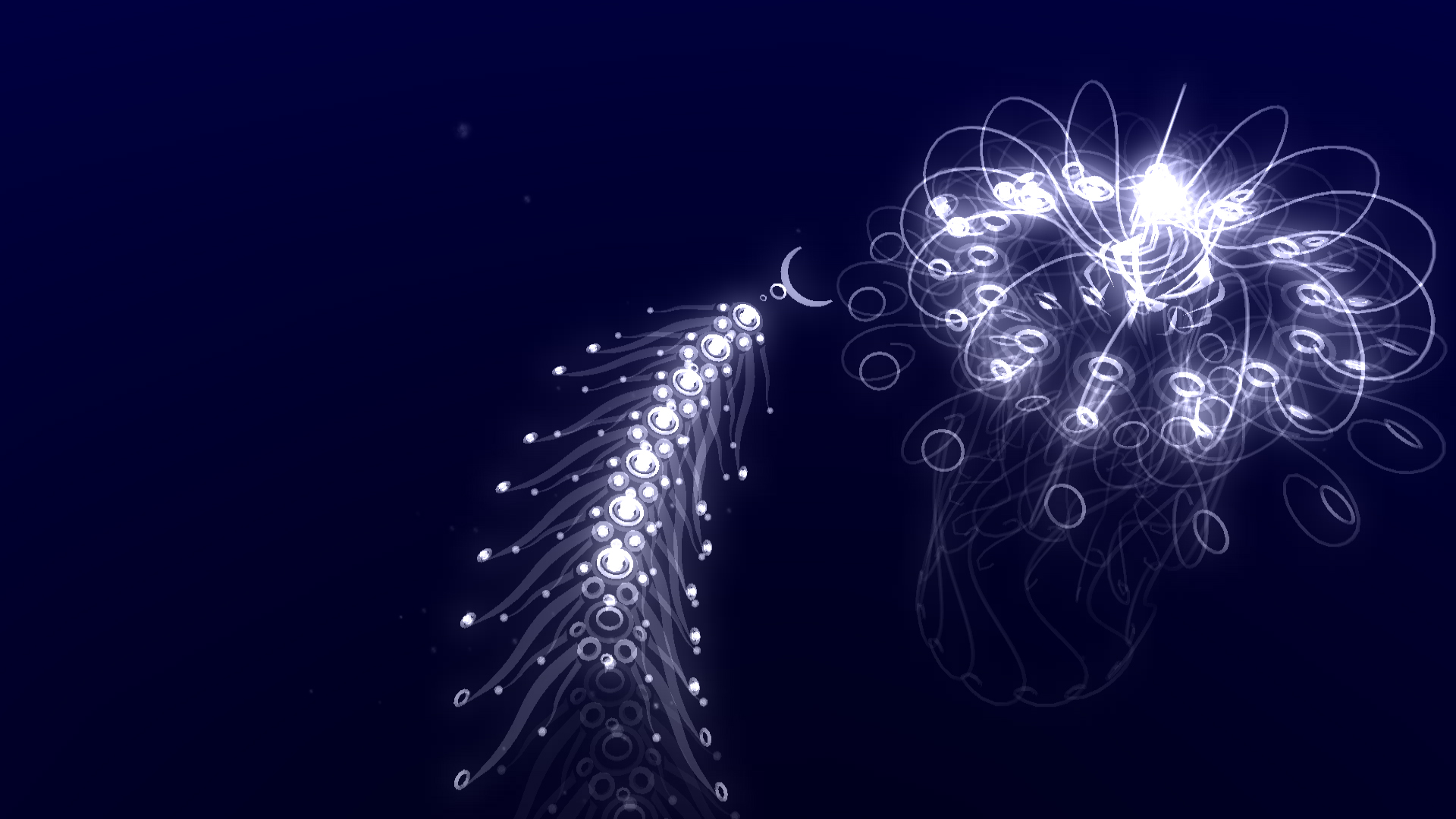
 Developed by Thatgamecompany, Jenova Chan and Nicholas Clark originally released flOw as a free flash game in 2006, which I vaguely remember playing back then. Fast forward to 2007, flOw was made available for the PS3, and later on SuperVillain adapted the game and released it for the PlayStation Portable as well in 2008. The free flash version received 100,000 downloads within the first two weeks. Such hits would only mean that flOw is definitively breathtaking or utterly stupid; good thing it’s the former.
 Usually in most video games (especially in RPGs), they give players a lot of room for customizing their characters, from lime-green beards to ice-blue cataract eyes. But I feel there is always a limit with just accessorizing these characters with physical attributes, a true customization should start from the very root of life: the cell.