Viewpoint: More Accessibility in Games is Important

Many gaming communities pride themselves on being “inclusive”. While one can endlessly discuss what that term actually means, I have to chosen to focus on a certain type of inclusiveness: game accessibility – the one that should be way more evident than it actually is. With a quick search on Google, there is no reason to doubt the existence of articles and websites that offer information and measures on accessibility in games. However, I personally was not aware of how extensive this issue was. If you’re in the same boat as me, I encourage you to continue reading.

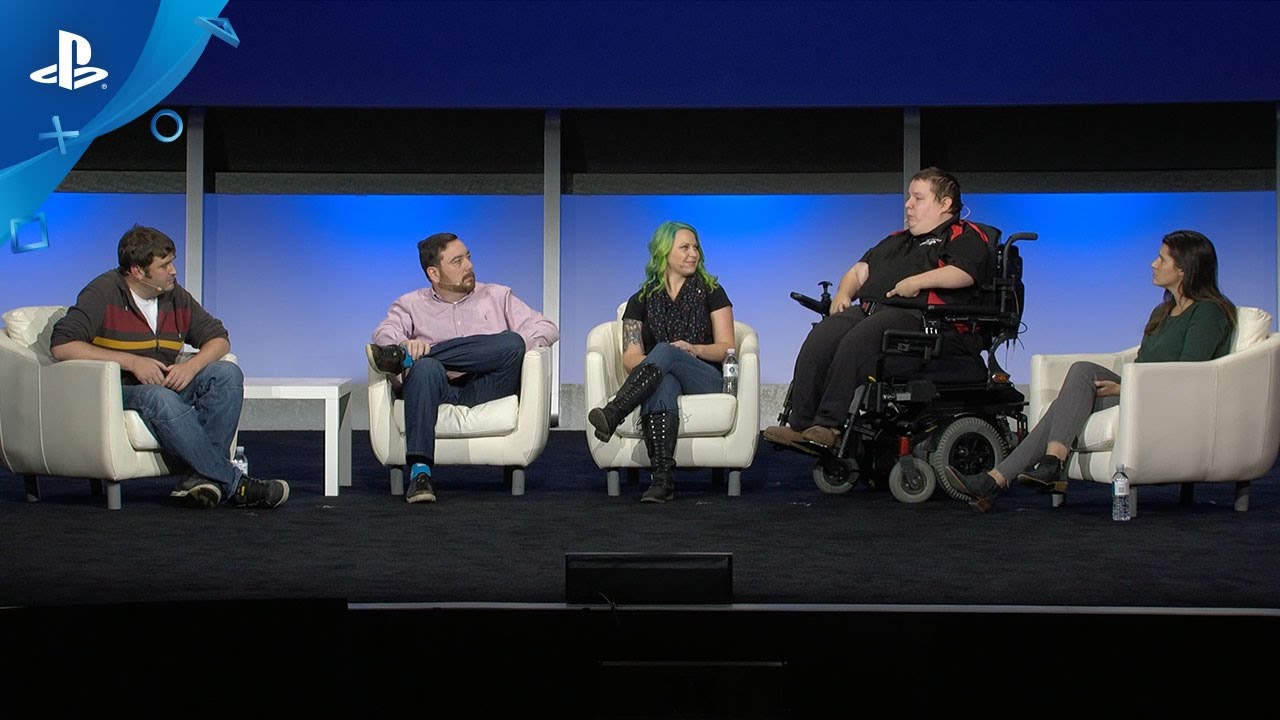
Recently, a friend showed me a YouTube video of Naughty Dog, PlayStation, and Josh Straub, one of the spokespersons for gamers with disabilities, talking about some of the efforts being made in the video game industry – it was essentially about how these small achievements make a huge difference for these gamers.

“What developers need to realize is that these games do more than just entertain the disabled. First of all, they provide an escape from the doldrums of being disabled. And second of all, they provide a social space where instead of being judged by physical appearance we’re purely judged by the action that we do and the things we produce in the game.” – Josh Straub.

Since there are so few gaming companies out there that don’t acknowledge the problem that not everybody can play their games, I believe there are more people out there like me who are not aware of this.

According to PR Newswire20% of casual gamers, that means one in five, have a mental, physical or developmental disability. Keep in mind, we are talking about disabilities ranging between bipolar, dyslexia, blindness, broken arm, and cerebral palsy – in other words, when they made this survey, they had a very wide grasp of the word “disability”. Either way, I still think it is important to acknowledge any type of disability, as it affects in a larger aspect how exactly we perceive games.
maxresdefault

An example could be the development of virtual reality, which is a major step forward in the gaming world. However, when we think about the accessibility of said VR, it is not that big of a step. There are many who aren’t able to try this revolutionary way of gaming because of a disability rendering them unable. Furthermore, this does not just apply to this new way of playing games, but also the traditional way too. While this is a subject that one could write a dissertation about, I only choose to highlight some important points.

According to the PR Newswire survey, games relieved disabled gamers of stress, it lifted their mood, and served as a distraction from issues related to the disability. It also functioned as a way to improve concentration and mental workout – each benefit varied from the type of disability. Upon acknowledging the fact that we all live different lives, have different life stories, we therefore obviously play games for different reasons. While many non-disabled gamers might relate to the same benefits of playing a game, and perhaps play games for the same reasons, I think it is important to acknowledge the fact that the same source of outlet has a major difference in accessibility.

“When I turn on a game like Uncharted, I’m not confined to a wheelchair. I’m a swashbuckler treasure hunter like Nathan Drake. That brief period of escape is why accessibility is so crucial, because the more games that offer that, the more people with disabilities will be able to escape and have better lives.” – Josh Straub.

Slowly, but surely, more developers are starting to listen. In a dialogue with Straub, Naughty Dog and PlayStation took what they heard into careful consideration, and started to introduce some important changes. Keep in mind that these are only a few of the many changes they introduced:

  • They added a color-blind mode in the multiplayer section of the game
  • The camera has lock-on features – this focuses on using only one joystick controller
  • Upon pressing down one button, the game will act as though you are pushing it down repeatedly

Naughty Dog should be proud of themselves for stepping forward as a role model when it comes to accessibility, making games available for as many gamers as possible. This goes to show how some video game developers are able to be considerate of their audience, by working towards the goal that every player should receive the same gaming experience. While there are still a lot of developers that could do a lot better in this regard, it’s good to take what we can get at the moment, and help bring the discussion into the light.

In my opinion, the fact that huge gaming companies that work alongside Naughty Dog do not talk loudly enough about this angers me. It creates an unnecessary unfairness that wasn’t meant to be there in the first place. 
lp-pad-xbox-controller
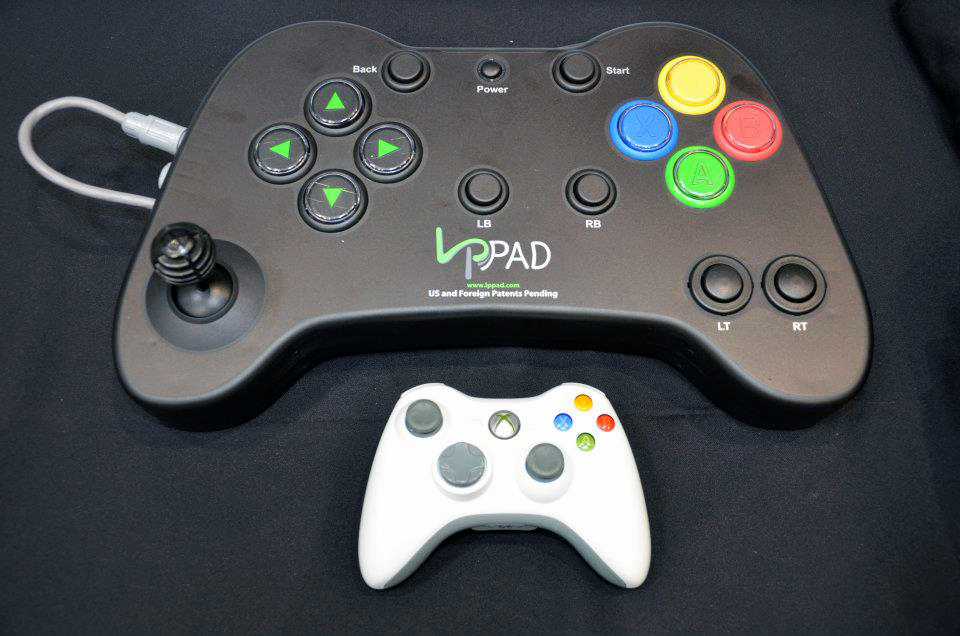
The LP Pad – an Xbox compatible controller made for gamers with little to no manual dexterity: designed to sit on the lap of the user. Picture taken from amsvans.com – you can read more about this controller here

As more game developers take into consideration the fact that people require different means of accessibility, the inclusiveness of the gaming community will expand. I think that with the right attitude and awareness, the goal is easily achievable. With further development, games will be available to a wider audience – everybody wins. We would thrive on a community where everybody receives an equal gaming experience. There are so many fantastic games out there: let’s include everybody in the fantastic world that is video games. I will never take for granted the opportunity I have to play any game, however I want, ever again.

You can read more about why and how accessibility matters here. You can also find the AbleGamers Foundation’s Game Accessibility Guidelines here.
Past Blast: Final Fantasy VII

‘Past Blast’ is a new feature we’ll be running that looks back at games from the past in a brisk, and hopefully, entertaining manner. First up, well, it’s a small game called Final Fantasy VII…

What is there to write that hasn’t been written before about Final Fantasy VII? For over a decade it has been lavished with praise, provoked lengthy debates amongst gamers, and brought millions to tears. It is the most successful entry of the series dealing with the nature of identity, responsibility and loss. The story indulges the emotions while the gameplay rewards your perseverance.

There aren’t many games that do it like this anymore.

VII is a story that was always about balance. Nature versus artificial. Understanding versus the unknown. Love versus lost. Each side a real element we deal with in our day-to-day existence. And these battles echo through the game itself. Whether it’s the beautiful pre-rendered backgrounds fighting against the harsh, real-time, polygonal characters. Or the amazing crafted score battling with the technological limitation of the MIDI format. Or simply the battle element, trying to defeat your opponent for the greater good.

And yet the villains and heroes of the piece are not necessarily so one-sided. In this game, good and evil are simply not exclusive qualities to any character. Just like us, each character is flawed. Each person has made mistakes. Each individual believes they are doing what is right, and what needs to be done.

And it is these traits that makes playing back Final Fantasy VII in 2017 an immensely satisfying experience. Sometimes, a good game doesn’t need to have photo-realistic graphics. Sometimes a good game doesn’t need a full symphonic orchestra. The fact that this game is encapsulated in that PlayStation 1 era adds a certain charm and nostalgia that only intensifies as the game progresses.

And when you find yourself saving your game at one in the morning, thirty odd hours clocked up in a few days, then you realise something: for me to invest this much time in a game made in 1997, yes, it really has to have something special about it.

An indescribable quality perhaps. Just perhaps.

Possibly the greatest game ever made…” said Gamefan many years ago. Looking back today, they may want to scratch that first word off.

Now, let’s see where that remake takes us.

Viewpoint: FIFA 18 For The Switch Has Me Worried

FIFA is finally coming back to a Nintendo home console. Yes, it’s been a long time Nintendo fans, just about five years to be exact. After FIFA and Madden both sold poorly for the Wii U, EA sports pulled support for the console. That was all the way in 2012, but with the recent release of the Nintendo Switch, EA is giving it another go. This time they’re taking a more cautious route, and are only releasing FIFA 18 for the Switch. Which honestly looks like EA is taking a test run with the console this year, and the downgraded version of FIFA they’re about to release shows just that.

With the announcement of FIFA for the Switch came a decent amount of anticipation from sports gamers, who are looking for a quality sports gaming experience on the go. But, it did not take long for the bad news to start leaking out. Literally a couple of hours after the Switch version was announced there was a rumor that it was just a port of the 360/PS3 versions of the game (thank god that turned out to be false.) Secondly, came the news that the game will NOT run on the Frostbite engine like the Xbox One and PS4 versions do. Instead, FIFA 18 for the Switch will use a “custom-made” engine to adapt with Switch’s different methods of play.

This is concerning. FIFA for the Xbox One and PS4 didn’t even start feeling like a “Next-Gen” soccer experience until they upgraded the engine for FIFA 17. So, straight off the bat, FIFA for the Switch is not only going to look worse (as expected) but play dramatically worse as well. The Frostbite engine upgraded the visuals, the AI, the ball and player physics, the atmosphere, the look of the pitch, etc. The ‘switch’ from the Ignite engine to the Frostbite engine really has changed the game of FIFA for the better. Also, the Frostbite engine was able to run on the Xbox 360 and PS3, which the Switch is clearly more powerful than. Now, obviously the Xbox One/PS4 version of Frostbite EA is using couldn’t work on the 360 and PS3, but the fact that Frostbite could run on the 360 and PS3 just shows how scaleable that engine is. So why can’t it run on the Switch? Just some food for thought.

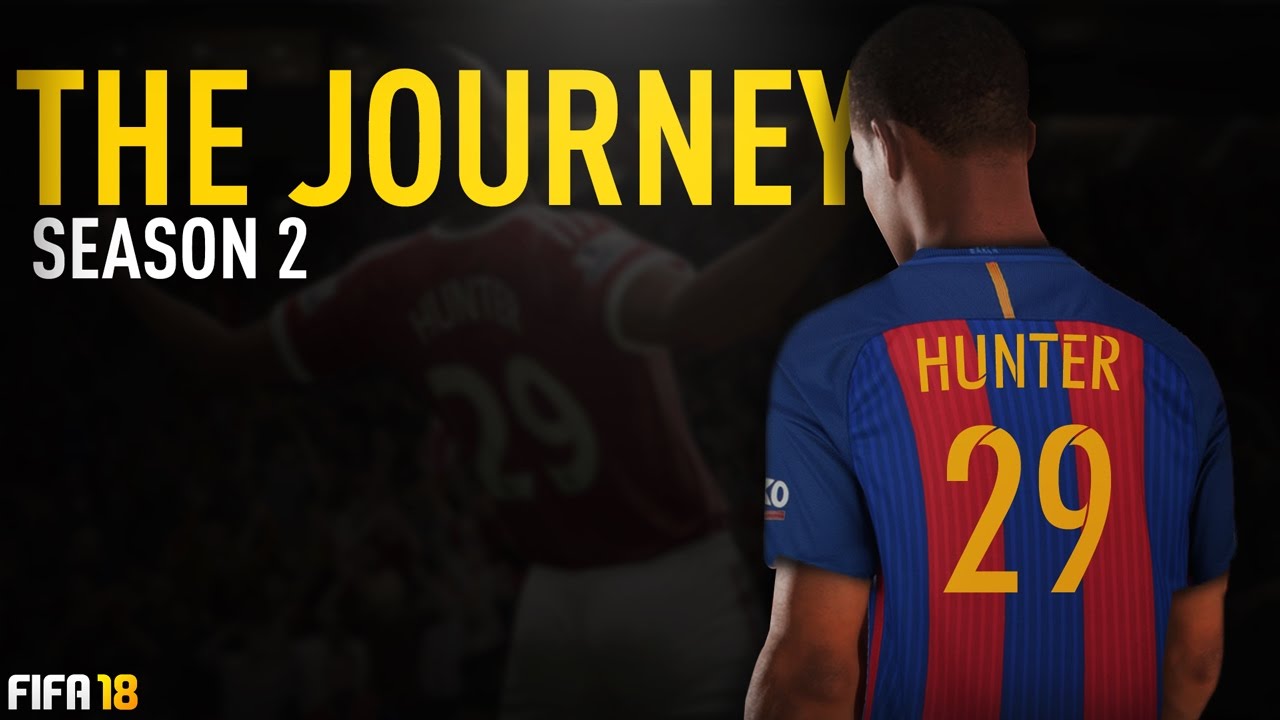
the journey

Thirdly, the Switch version of FIFA 18 will not have the game mode called “The Journey.” Which is a cinematic story mode where you take control of a young teenager, named Alex Hunter, and guide him through the English Premier League. While I was not a fan of this mode, and thought it was essentially just a rip off of the movie Goal: The Dream Begins, I won’t deny its wide appeal. EA says this mode is linked exclusively to the Frostbite engine, so it wont be on the Switch version. Well….. my question for EA is: why not? If you can make a custom build of the whole base game and all its other modes for the Switch, why can’t you guys do the same thing for the “The Journey” as well? This just makes EA look lazy or too scared to put money into the Switch version of the game.

Lastly, and my main concern for the game, is how it actually plays. I started playing the series back with FIFA 14 on the Xbox One, and I can tell you, gameplay is all that really matters. I was hopeful with their new custom-built engine that they were going to keep the action on the pitch as close to the Xbox One/PS4 versions as they possibly could, but from what I’ve been reading from the E3 demos, that does not seem to be the case. Gameplay is king, and if FIFA 18 on Switch really does play like the 2014-2016 Xbox One/PS4 versions, then unfortunately I will not be buying this version of the game. Which is a shame, because if FIFA 18 sells poorly on the Switch, it would not surprise me to see EA pull the product from the console. Just like they did with the Wii U and Vita versions.

Just to be clear, I would never expect FIFA 18 on the Switch to be a like-for-like with the Xbox One and PS4 versions. The Switch just isn’t powerful enough for that. But, that shouldn’t give EA permission to put out a half-assed product. This puts Nintendo fans in a hard spot because if they don’t buy this version of FIFA for the Switch, then they might never get another version of the game. I own a Switch and an Xbox One, I’ve considered buying both versions of the game to support the Switch. But, for the same price point of $60 for the Switch and Xbox version, I cannot justify spending the same amount on a much lesser version.

So, Nintendo and FIFA fans, what are your thoughts on FIFA 18 for the Switch? Will you be picking it up or will you not support it at all? Let me know in the comments down below!

Viewpoint: Why crowd-funding is an excellent idea

There is a massive shift in the gaming industry and it’s happening right now; it’s called crowdfunding. For the small minority who haven’t heard, this basically means that a developer has put out an advert seeking money in order to kick-start their gaming project. Sites like Kickstarter cater for this and many developers often exceed their funding goal with plenty to spare.

But what does this actually mean for the industry? And what does it mean for us as consumers? Well, read on and we’ll explore what effect it is having, and will have, on the gaming industry.

Gamers are in control

Remember all those times you have complained that the same titles are getting shipped out mercilessly, just in different packages? Well now you might be able to have your say on what does and doesn’t get released. Publishers usually quash smaller developers because they think their idea has no merit and is too small for them to bother about. Well not any more. This system results in games being published, even those with big budgets, without a publisher even being involved.

Gamers will get rewarded

We hear all the time how big companies are ever grateful of the customers who buy their games, but what do we really get in return? In comparison to them raking in the big money, it’s pretty much nothing. So, if we put our cash into a game getting developed and produced, we are now get rewarded for doing so. People who put in the right amount of money may end up being part of the production process, being part of the testing procedure or they simply receive a copy of the game before the release date.

Gamers become part of something

How awesome would it be to be able to say, “I funded this game, I brought it to life”? To share an experience with family or friends which you played a part in would be something huge, tied with the above point, those who fund titles could be onto something big in terms of their return.

Creative titles will become more common

The current batch of games we’re seeing is becoming stale, fast. With crowd-funding however we will begin to see people creating titles that are creative, fun and completely free of any sort of regulation by big companies. There will be no conflict of interests or poor marketing because the developer will be in full control of the whole project.

New genres may appear

In a similar light to new creative titles, this type of funding may finally mean we will step away from our obsession with guns and constant f-bombs and see some new genres come to the table. Granted many new games may just be a different spin on existing genres but imagine the endless possibilities smaller companies may actually be able to come up with.

Games will have a guaranteed audience

Think about it; people who put money in a project want to see the end result and will ultimately buy into it once complete. Those who fund a game will buy it and play it when it is released to see how their money has been spent. Similarly, if you raise enough cash to start working on your project then you know there’s an audience out there for it, but if you don’t, then it might not be worth developing.

On the flipside however, if a project does go under then it is very unlikely that investors will see any of their money back – but this is this risk people are seemingly willing to take. For what it unlocks in terms of potential and scope for the future I think this is a completely viable method of seeking capital for gaming projects worldwide. If it means a more fair, unique and open marketplace then I support this 100%.

What about you? Let us know in the comments below, if you please.

Viewpoint: Why don’t we finish games?

If there’s one thing I have a habit of doing, it’s not finishing my games before moving onto the next. It’s something that I’ve never really thought of before, but I recently cast my thoughts to my pile of shame. Being honest, we all have one, some larger than others, but we’re all guilty of leaving one or more games unfinished. When I look at mine, there are some games on there that you wouldn’t expect either; GTA V, The Witcher 3 and Mass Effect 3 to name but a few.

So why is it? Why can’t I finish a game before moving onto the next? When you look at the three that I’ve mentioned, it’s clearly not because of their lack of quality, so what could it be? The common denominator for those three would be that they are all games with long stories and feature many hours worth of gameplay before reaching a conclusion. With that in mind, are they too long and are other games for that matter?

Now this is probably a question that isn’t asked too often when we see far too many games that don’t overstay their welcome. But with that in mind, is a game that lasts between 50-100 hours as off-putting for some as those that last 10 hours? Dedication of time to gaming is something I suspect most gamers will struggle with these days, and some games can feel disjointed if not played continuously. There’s nothing worse than playing a game and coming back to it at a later date and not knowing what’s going on, (agreed, ed). So is that the problem; is there not enough draw in games these days to keep you hooked to the end?

Think of it this way: how many games share a similar control scheme or share the same mechanics? A number of games lend ideas from one another, giving the industry an air of familiarity regardless of the genre. You need to feel lost when starting a new game to keep you learning how to play it, so if you start a game with a sense of familiarity, your interest levels are bound to drop.

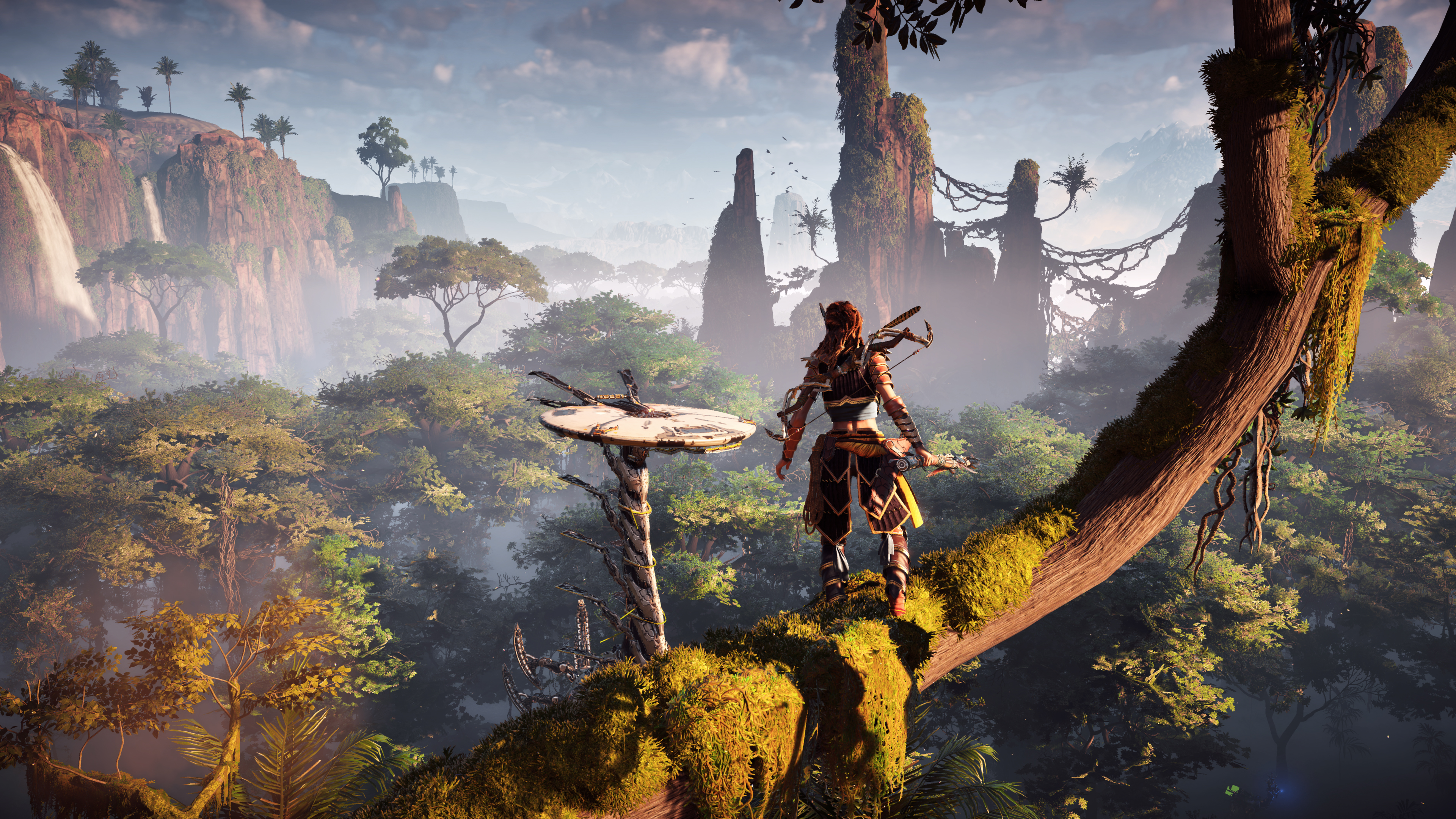
I recently started playing Horizon Zero Dawn (I know I’m way behind here) and since starting it, I’ve never once felt comfortable. By that I mean I have a constant sense of anxiety when entering a new area of the map; I never feel like I have the upper hand over the mechanical beasts. Robotic animals and dinosaurs are something new, something we’ve never seen before so require different tactics to overcome.

This is getting out of hand…

This is what keeps us coming back to a game, not one that has rinse and repeat enemies whose design took less than five minutes to finalise. I can honestly say Zero Dawn is one of my favourite IPs on any console to date and it’s not just any old open world game. I could easily forgo other games until I finished it, and there are a number of other games out there that could fight for a spot in the disc drive.

That in itself is a problem – look how many games get crammed into the same release calendar at any one time. If you look in particular at the holiday season, everyone fights to be the number one seller at Christmas. Of course, games need to generate revenue but surely a game needs to be launched to give people enough time to savour it? I don’t think enough games launch over the course of the infamous ‘summer drought’, which would be a perfect time to give people exposure to a new title.

The selection of games we have to choose from isn’t a complaint as such, it’s great to see so many, but I think we only suffer as a result. I love getting excited about new games just like the next guy, but I always question when I’m going to fit them in given that games are getting longer and longer.

Just look what we have coming out from October onwards; Assassin’s Creed Origins, Shadow of War, Super Mario Odyssey and Crackdown 3 to name but a few. These are all games I want to play, and will at some stage, but it’s impossible to have them all going on at any one time. So this, most of all, is the main reason why I don’t think we complete games as often as we used to before moving on.

Having new games is great, but they need to be released to give us, the gamers, enough time to enjoy them to their fullest. It’s no surprise that many opt to wait for games to drop in price before picking them up, which is a shame, as this does not support the developers as much as we should be able to.

What do you think reader? Let us know in the comments below, if you please.

Hidden Gems: Hot Indie Steam Games This Week (23/06)

There have been some great indie games released on Steam, here’s a few we selected for this week. You might discover a wonderful experience in this mix:

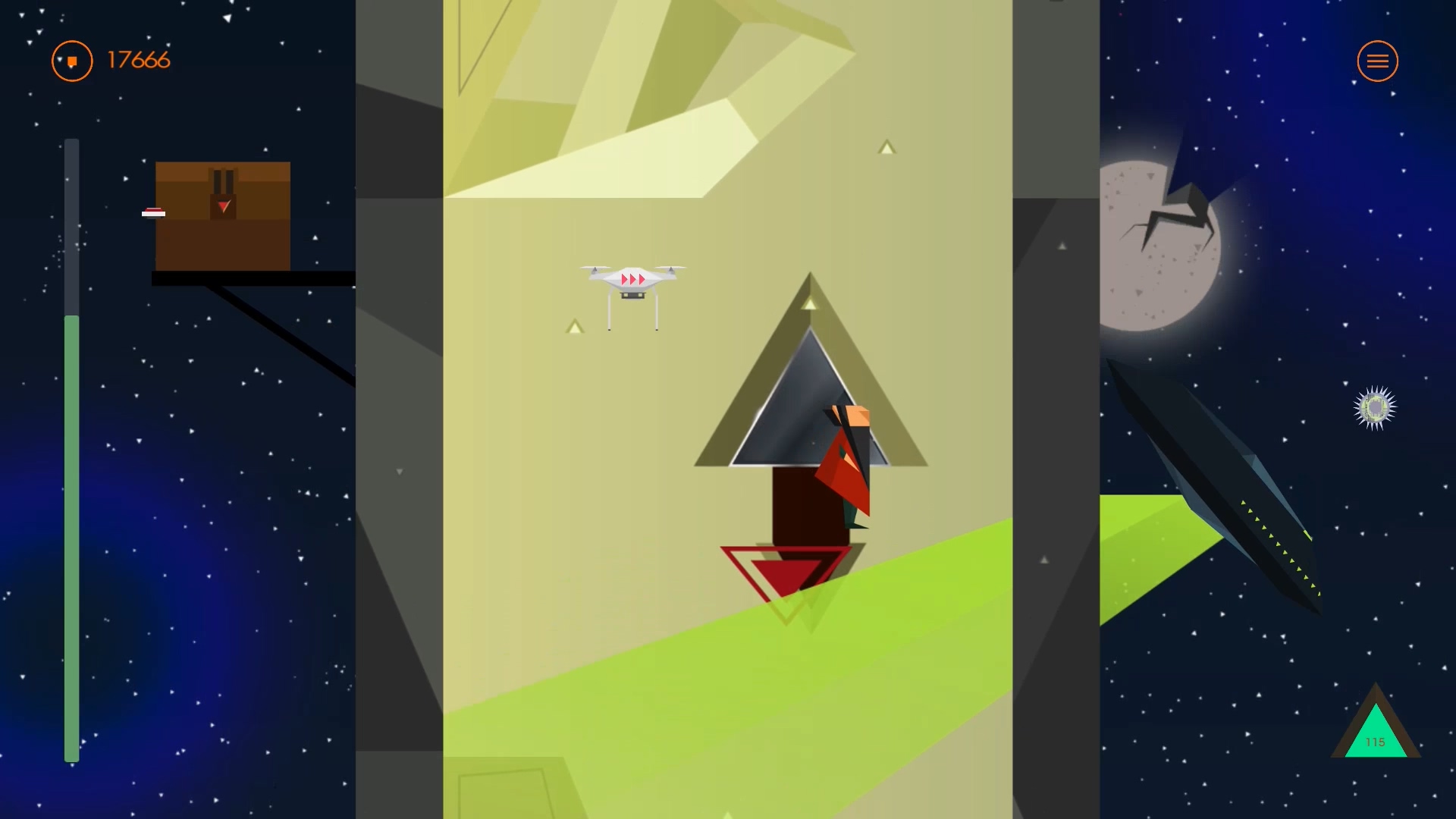
You Shall Not Jump: PC Master Race Edition

A roguelike ‘good old tower climber’ with RPG elements. Jump, shoot and challenge yourself, but don’t be fooled into thinking that it’s an easy game.

de Blob 2

A nostalgic blast from the past (de Blob and de Blob 2 were originally on the Wii) now on PC! Join Blob and bring the Prism City back to life with colour in this charming action adventure game.

Escape Together

A lovely puzzle adventure strategy game where you need to control two different character Smileyes, Grit and Meili. Enjoy the energetic soundtrack as you escape from the angry Smileye Dretos and the cave of obstacles.

Gravity Quest

A meditative 3D maze game with soothing music – it’s definitely a good stress reliever!

Super Sports Surgery

If you like an injection of dark humour while performing surgery with ketchup in one hand and a sausage in the other – then you’ll love this!

A Bloody Night

Fast, ferocious and bloody. Enjoy this action revenge game with pixelated blood and an old school arcade vibe.

Space Panic VR

Set onboard a futuristic space station, this VR Escape Room will feel realistic. Rack your brain cells to solve puzzles in order to escape.

Mega Maze

Challenge your ‘spacial awareness capabilities’ to find the exit and unlock the path in the virtual labyrinths of Mega Maze. Just don’t get lost…

Chimpology

Yes, that’s right, you’re a chimp from 1998 typing out pictures bit by bit (not much change for those that work online!). Can you keep the internet going, collect bananas and not get fired? This is quirky…

3..2..1..Grenades!

Imagine a snowball fight with grenades. Save the day or battle it out with bots or 4 buddies. If you love first person shooters then you’ll enjoy this retro N64-esque style game.

Viewpoint: How the Beyond Good and Evil 2 reveal represents the ever-changing nature of the games industry

2003 was a simpler time for gaming. A transitionary time of sorts. True widespread online accessibility was still a few years away and though technology was advancing rapidly, consoles and PCs weren’t the true technological behemoths that they are today. There were no trophies or achievements to display proudly. Things were different. Games, or rather, peoples’ attitudes to them were different too, at least on a rudimentary level. There were less variables to consider. This, coupled with the fact that titles were simply cheaper to make at the time, meant that studios, in general, were more willing to take risks.

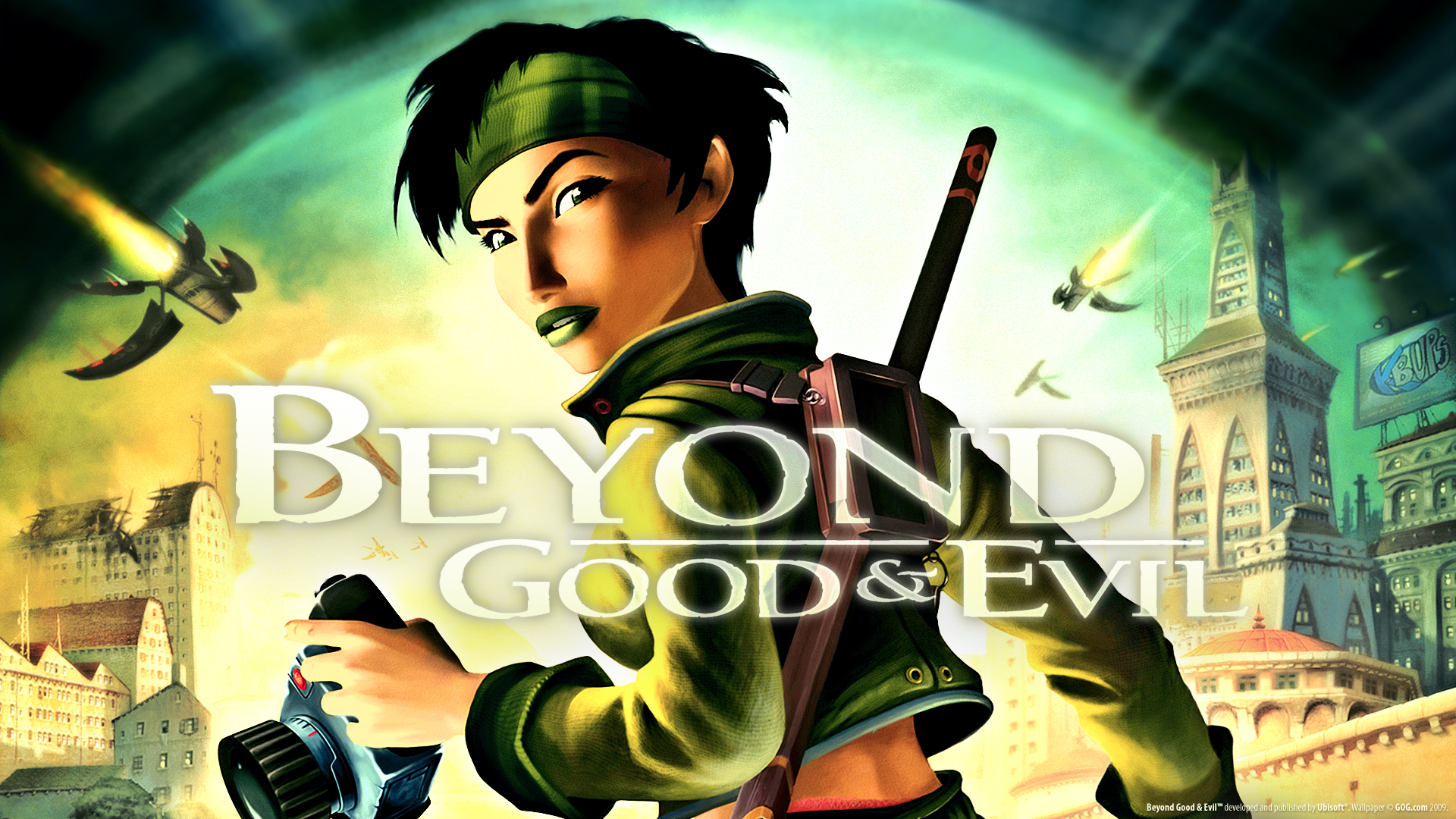
This brings us to Beyond Good and Evil. Considered by some (myself included) to be a classic of its generation, it is nevertheless easy to see why the game may have gone on to struggle financially. The game is often consigned into the miscellaneous genre of the “Action Adventure”, where games that can be difficult to pinpoint are regularly forced to tread. In reality, Beyond Good and Evil is a mesh of various genres, with platforming, stealth, third-person combat, exploration, and even photography thrown in for good measure. Add in a large dose of anthropomorphic characters and a linear structure and the game doesn’t come across as being overly marketable.

This all led to a dichotomy of sorts, wherein the aforementioned aspects proved to be detrimental to the game’s overall sales performance, with Ubisoft considering Beyond Good and Evil to be a financial failure, despite its receipt of widespread critical acclaim. The bust was big enough for Ubisoft at the time to scrap any future plans for a continuation of the series, even though the game ended on a cliffhanger of sorts, as the game’s director, Michel Ancel, had originally envisioned it to be the first instalment in a trilogy.

The game, of course, went on to attract a large cult following throughout the years, adjoining with the likes of Earthbound and Killer 7 as titles whose mediocre sales didn’t reflect their overarching popularity amongst the gaming community. The fanbase grew as word of mouth spread. Clamours for a follow-up were abundant. A short tech demo was released in 2008 but nothing concrete had been shown until now; 14 years after the original game’s initial release, not only do we finally have official confirmation of a Beyond Good and Evil sequel, but also actual confirmation on what the game will entail, albeit the details remain minimal for the time being.

As a fan, it should obviously be both encouraging and exciting to have learned of such an announcement (and it is). However, along with nervous anticipation upon viewing the trailer at E3, one of the primary emotions I felt was that of concern. 14 years is a long time by any reasonable standard, but in an industry that moves as quickly as the games industry it can seem astronomical. The relative innocence of previous generations are gone and the even though the specifics we have for Beyond Good and Evil 2 are scarce at the moment, they nonetheless, in my opinion, reflect that.

First and foremost, let’s address the somewhat puzzling choice to release this game as a prequel rather than an outright sequel, despite there still being questions left unanswered from the first game. Of course, it is important to note that we still know very little about the game, however, on the surface, this seems largely disappointing. Ubisoft have gone on record in the past, stating that they won’t release a game that doesn’t have the potential to be made into a franchise. The games industry has always been dominated by franchises to a certain extent. However, in an age where the majority of the more esoteric experiences tend to come mainly from the indie circuit, and new IPs are more and more scarce from AAA developers, the decision to deviate from the game’s original storytelling plan and instead focus on something new could be seen as a form of risk management. There will, no doubt, be some form of appeasement for long-term fans of the original, but the choice to not continue with the plot is hard not to be considered a disappointment.

Likewise, as previous stated, the original game was released during a time of transition in the industry. Sandbox games were gaining popularity, but still in their relative infancy, with the revolutionary Grand Theft Auto III being released only two years previously. As things stand today, the sandbox genre, along with online multiplayer, are arguably the two most popular aspects in gaming, with major studios often eager to emphasise one or more of these two components. Ubisoft, being the enormous company that they are, are no different.

The original Beyond Good and Evil was “open world”, yes, but the game was essentially linear, and the map acted as more of an extended hub world rather than a proper sandbox, to a certain extent mimicking the format of a classic Legend of Zelda game. With news that the prequel will feature a “vast and seamless online playground”, it is clear to see that Ubisoft are reluctant to release the game without maximising its appeal to an audience as large as possible. The primary purpose of anything a studio releases is to make money, so this makes sense. Ubisoft are also more than entitled to do what they want with an IP they created. However, it is unfortunate that the changes they are making don’t seem to ring true with the original tonality of the game. Speaking of tone, the inclusion of a foul-mouthed, cockney monkey in the trailer seemed to be some way off the more measured atmosphere the first game possessed. I would view this as being more a curious creative choice as opposed to anything to do with the current gaming zeitgeist, but it is nonetheless an oddity.

None of what I have written in this article is a criticism per se, merely a set of observations. It is early days yet, and, despite some of the suspicions I have described, there are reasons to be optimistic too. The trailer itself, despite not featuring any gameplay, was an impressive aesthetic accomplishment. Pairing this with the idea of having a vast world and/or universe for exploration does, also, seem like it could possess a certain appeal. Indeed, the fact that the hugely talented Michel Ancel is back as its director is also an encouraging sign, especially when you can see that the game is clearly such a passion project for him. The question remains, however; can Ancel and Ubisoft manage to deliver a financially successful title that not only manages to draw in new players, but also stays true to the original game and its loyal fanbase? Only time will tell, and I for one am eager to find out.

Taster: Die Young – Welcome to the Island

Die Young, developed by IndieGala, is one of those rare titles that manages to hit all the right notes, creating an exciting symphony of survival, adventure, and mystery. You take on the role of an affluent and adventurous young woman who sets out with her friends for what she thinks will be a new thrill and a good time on an island in the Mediterranean sea. She then awakens at the bottom of a well, bruised and bloodied, with no memory of how she arrived there, and with no clues aside from a map lying on the floor in front of her. You emerge from the well onto a picturesque island and it is then up to you to discover what happened to your friends and why you were seemingly left for dead.

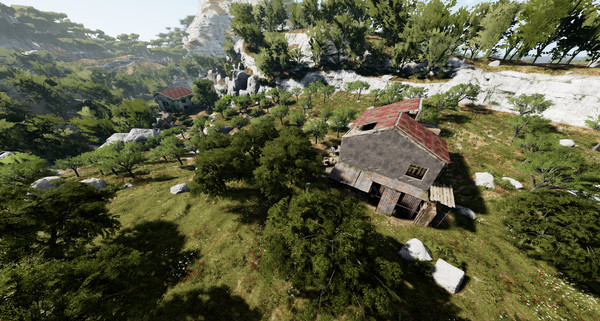
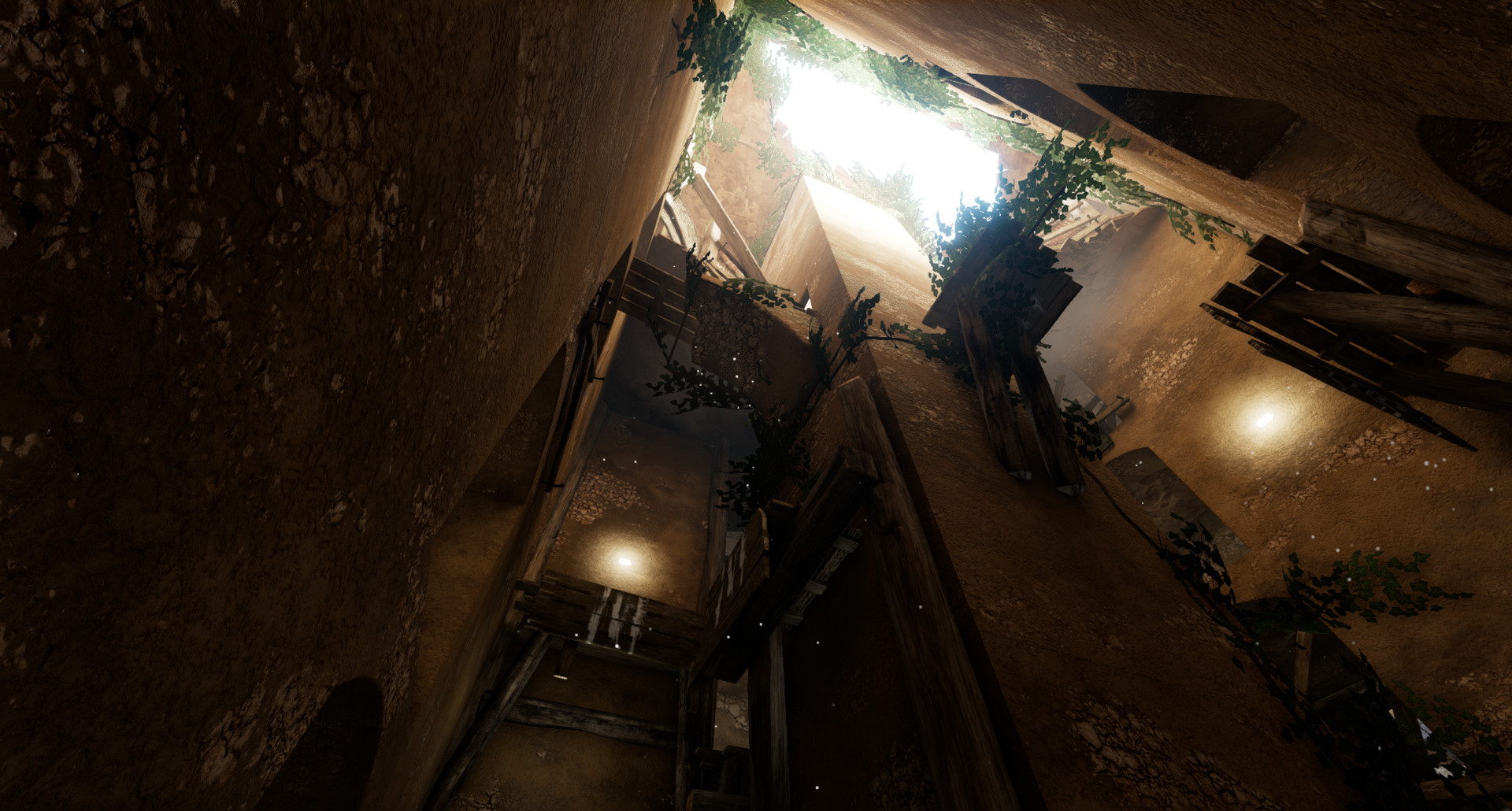
I was able to try the alpha build of the game, and I knew as soon as I opened the start menu that Die Young was going to be something different than your average survival title. I was greeted by the sounds of a steel guitar contrasted against an image of what appeared to be a quaint landscape, complete with country roads hedged with old wooden fences. After I escaped from the well using the game’s climbing mechanic (more on that in a bit), I was struck with just how gorgeous the game is, particularly when crossing the countryside. I was surrounded by rolling hills covered in flowers, green grasses, and fields of golden wheat that waved gracefully in the wind. Stunning beams of bright sunlight will stream through breaks in the trees or rocks, or through windows and cracks in the buildings and ruins you will explore. Even the dilapidated structures you discover have a silent magnificence.

Many of the plants littering the island have medicinal properties and can be gathered for crafting into various healing balms and medicines. The crafting system is simple to learn, and expands during the game as you locate more materials (such as wood, cloth, and metal) and other recipes. The menu is simple to maneuver with a list of crafting materials on the right, and a grid full of possible recipes or items you can create in the center. You can easily switch between crafting menus by type, select the item you would like to craft, see if you have the necessary components, and then simply hold down “E” (if you are playing with a keyboard) to create the item (which will include medicines, wound care items, weapons, and so forth). This makes it simple to not only create what you need, but to plan out which components you must gather.

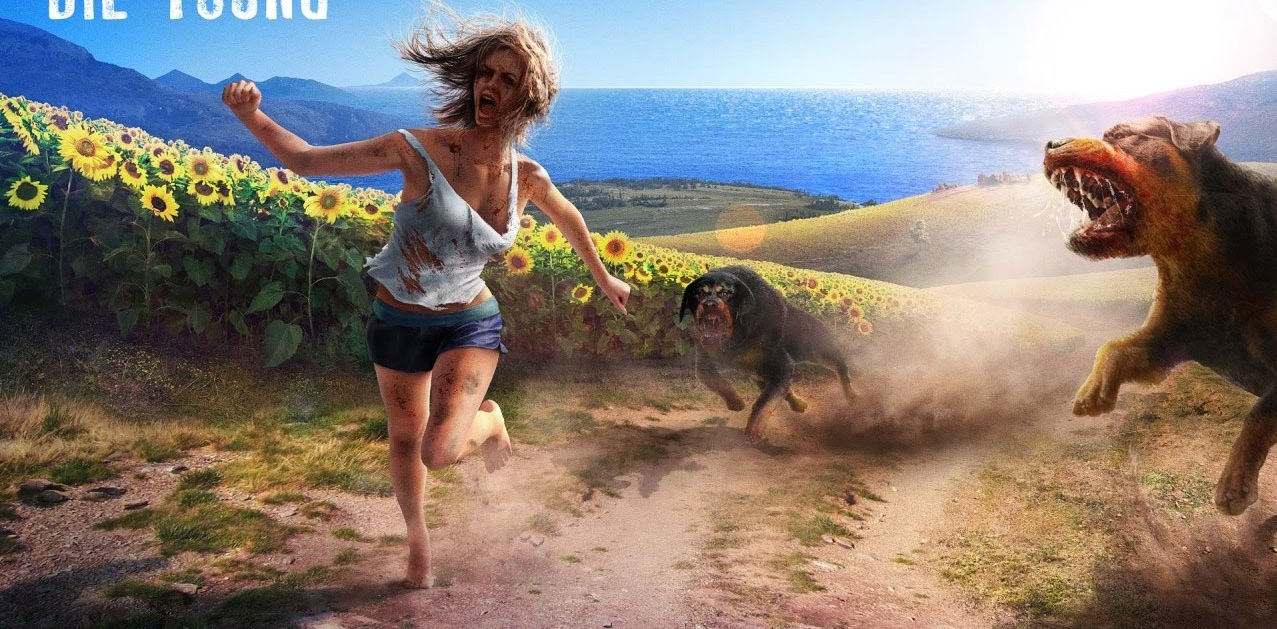
The finely tuned crafting system is not only a fun component of the game, but a welcomed one because you will need all the help you can get to make it off the island alive. The tranquility of the blue sky and surrounding water is enough to lull you into a false sense of serenity, but a little exploration will shatter any sense of comfort fairly quickly. Enemies are always stalking around the island, some more easily avoidable than others. As I was going about the pleasant business of gathering herbs (I needed to create a salve), I heard a disgruntled growl and a bark and turned to see a feral hound travelling my way at a great speed. I had no weapons and so all I could do was run, hoping the beast would relent. Thankfully, I was able to avoid death by outrunning him, but only just.

ss_0482640ef3eea9e1f7384175fbf7018f61fe6eb7.600x338

You have a stamina meter that appears on the lower left corner of the screen that lowers with exertion such as running or climbing. If the meter runs out, you will slow down to a walk or, if you are holding on to a handhold, you will lose your grip (an event that lead to my death more than once). I soon found out that if I squatted, I could avoid being detected by these hounds if I was in tall grass or weeds. In fact, one area I explored on the farm/villa required me to maneuver from one grouping of plants to another, like a ninja, in order to avoid the ravenous vengeance of these rather angry canines.

Other enemies that were a bit more difficult to avoid were rats and snakes. Often, I was forced to risk certain injury in order to make it through a room full of the hateful rodents, but thankfully their bites didn’t do major damage. This did mean I needed to make certain I stay stocked up on medicinal components, if I was planning on entering a structure that I might not easily be able to leave if I ran out of healing items. It is important to listen carefully because sometimes enemies will approach quietly. I once noticed a faint rustling sound only to realize I was being chased by a snake moving though the grass like an Olympic swimmer. It is possible to be poisoned in the game (and to craft items that will help counteract it), but thankfully I noticed the sinister serpent in time to run away poison-free.

Of course, antagonistic animals aren’t your only concern. You will notice while exploring that something has gone terribly wrong on the island, and something or someone far more sinister is still stalking about, (as if awakening at the bottom of a well with a map wasn’t enough to clue you in). In fact, at one point I heard footsteps behind me. I ran until I was no longer being chased, only to turn around and see in the distance a distinctly human enemy, who I immediately realized I didn’t want to run into again if I could help it. Strange goat-like images can be found draped across structures. Notes from former habitants or visitors are scattered throughout the buildings and ruins, describing how things went south. Gruesome discoveries serve as a warning and evidence that some sort of violent event occurred on the Island, disrupting what appears to at one time have been a peaceful experiment.

ss_4b360ace3a7baa6d522954f1637ae449900bc4b0.1920x1080

What exactly happened, though, must be pieced together bit-by-bit. The game does give you tasks to accomplish such as locating water or exploring certain structures around the island, but the game is non-linear which gives you the freedom to take on tasks as you see fit and put together the story at your own pace. This adds an intriguing element to your exploration that makes you want to dig deeper, especially the further down the rabbit hole you go (and you have no choice but to follow it through because, after all, your life depends on it).

Exploration is a blast, not only because you clearly have an ever-broadening mystery to solve, but because maneuvering through the various locations requires platforming puzzles that are just as well designed as the crafting system. Jumping and climbing are as simple as aiming in the right direction and hitting the jump button. However, you have limited stamina, so climbing takes not only skill, but planning. The only issue I had with jumping wasn’t mechanical, but rather that I often felt the distance between ledges seemed rather far for any human (even a virtual one) to make. However, once I got used to the fact I was Wonder Woman (or, rather, I had a seemingly superhuman jumping ability) it became one of my favorite parts of the game, as well as one of the most challenging.

Die Young is only in it’s beginning stages with just a portion of the Island currently available and it is already a well-oiled machine. Lovers of survival, adventure, and intriguing thrillers will all find something to keep them interested. The welcoming and simple to learn crafting system, the refined jumping and climbing elements, and the picturesque beauty of the environment will pull you in and beckon you back for more. The developers have promised extra enemies, more missions, death machines (seriously) and other additions. After playing the alpha, however, I would simply be happy just to spend more time on the island delving into it’s mysteries. The death machines do sound interesting, though, and I can’t wait to see what terror and intrigue the full game will entail.

The alpha build of Die Young, developed and published by IndieGala, is currently available on Steam Early Access.

Game Tune of the Month: Scott Pilgrim Vs The World: The Game

Starting this week, we’ll be doing a ‘Tune of the Month’ feature based on our favourite game songs. This won’t just be modern games either, we’ll be going right back to the conception of gaming.

What’s my pick for this month? A modern classic by the band Anamanaguchi.

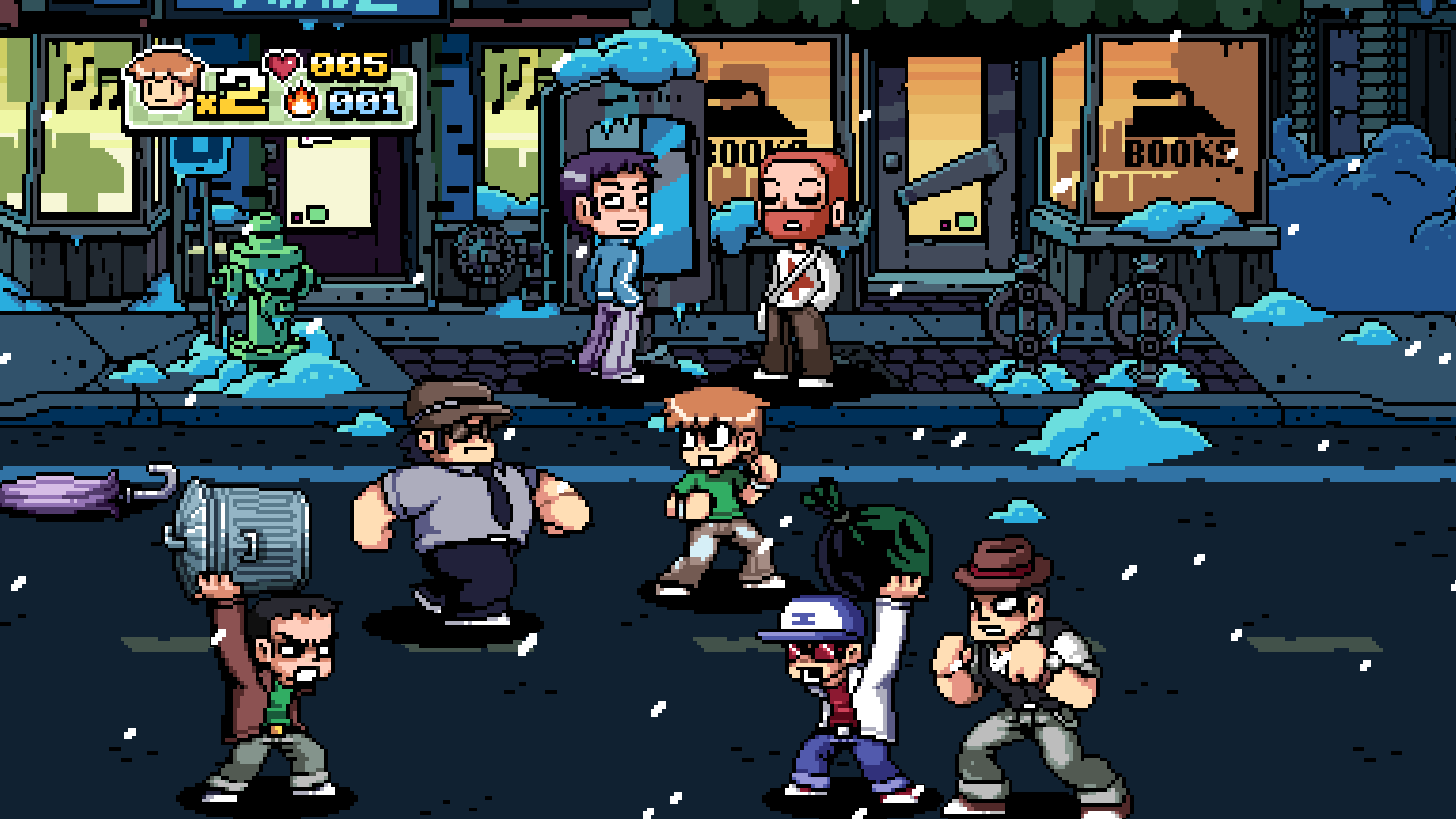
What’s it from? Scott Pilgrim VS. The World: The Game

Year: 2010

Platform: PS3 and Xbox 360 (specifically the PSN and XBLA stores)

Composed by: Anamanaguchi

Gaming context: This badass, retro-sounding theme plays when you’re facing Ramona’s first ‘Evil Ex’ boyfriend Matthew Patel.

Do you remember this epic boss fight?

Viewpoint: Are Games Losing Their Touch with Final Bosses?

It’s hard to argue whether or not final bosses are necessary in video games today. They’ve been a part of gaming for so long that they’re essentially the modus operandi in the overall design of video games.  It’s always about getting to that final boss and rejoicing at the sight of rolling end credits; as they slowly roll down the screen you reminisce about your tantalizing journey and everything it took to take that sucker down. It’s a great feeling but as innovation continues to grow in the gaming industry, the whole “final boss” complex seems tired and outworn. Especially when they’re not fleshed-out and come off as anti-climactic or uninspired.

Look at Uncharted 3: Drakes Deception.  You went through so many epic moments, from a burning chateau in the middle of France to falling out of a moving airplane and yet you’re greeted at the end with a less than impressive final boss that has you fist-fighting against Talbot, who isn’t even the main antagonist but a trusted henchman of Katherine Marlowe. It was bland and disappointing especially when the events prior to that confrontation were so larger-than-life and filled with adrenaline. Did Uncharted 3: Drakes Deception need a final boss or at least one in the traditional sense? Games these days quickly resemble Hollywood-like production values, Uncharted series is proof of this and their becoming more and more sophisticated as time goes on but they’re losing their touch with final bosses. Do we even need final bosses?

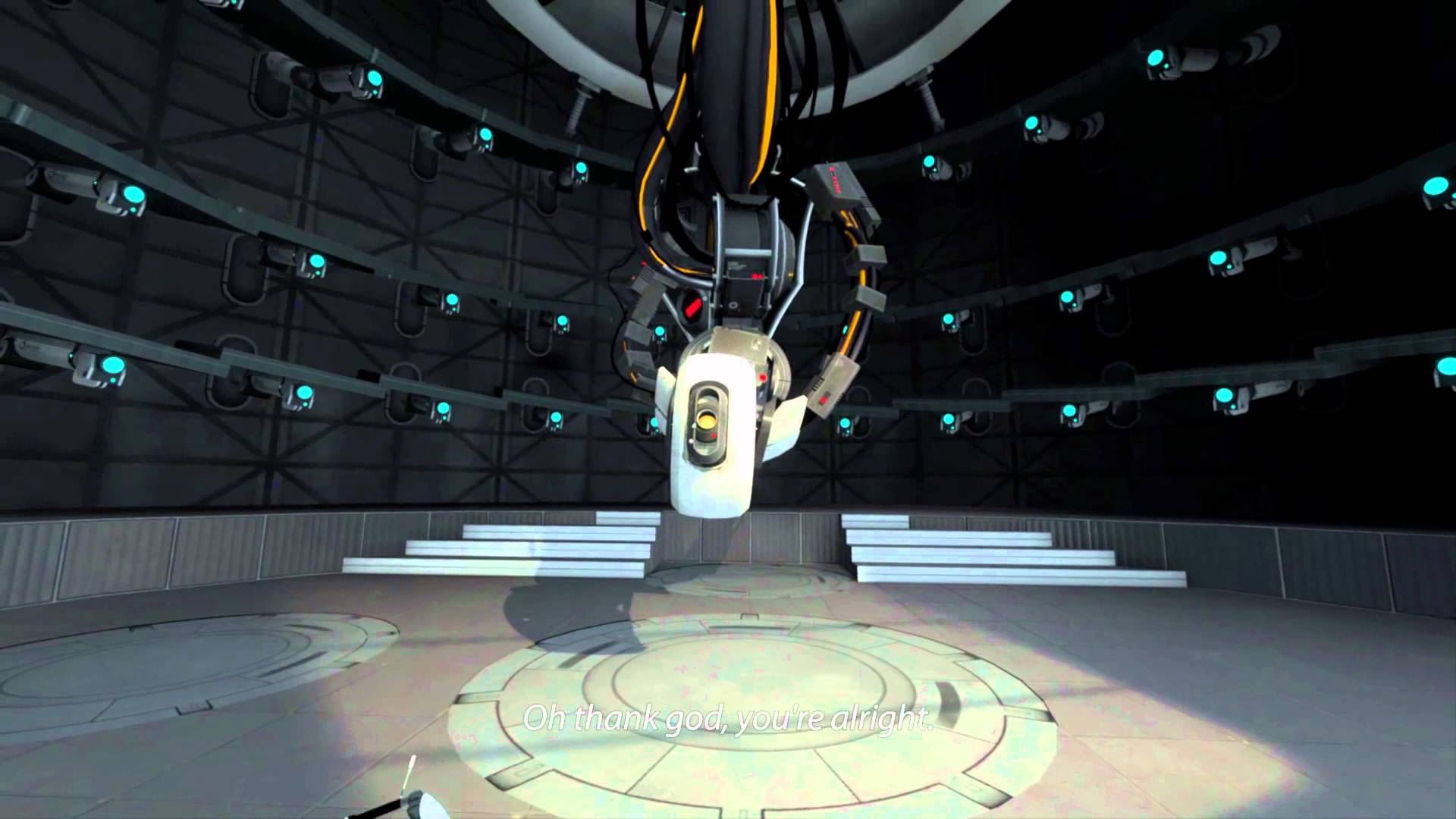
Portal 2 was a tour-de-force, combining laugh out loud scriptwriting with intuitive gameplay mechanics, it also had a simple yet hugely entertaining final boss that still resonates with me to this day. The reason why this final boss worked was because it had you use many of your acquired abilities that you have been using to get to this point and it remained relevant and consistent with the story. Not to mention it was uproariously funny to play.  Many games these days fail to reach this stage of quality because they usually, manipulatively, shoehorn a final boss at the climax just to make the gamer feel some sense of closure. We need more games that utilize the “final boss” sequence as not just a way to just end the game but to successfully conclude a story and involve the player in this experience.

maxresdefault.jpg

Of course, some games organically require final bosses or else it just doesn’t “feel right”, a good friend of mine says that “a game like Metal Gear Solid without some sort of ending boss wouldn’t feel right.” Understandably so, games like Mario or top-down shooters stick to this formula because it’s a trend that has been established since the very beginning. A game without a final boss often gets criticized and accused of being a rushed game and it’s quite ludicrous. A game that closes with an ambiguous ending like the Coen’s Brothers’, No Country for Old Men or Sean Dirkin’s Martha Marcy May Marlene would be refreshing, and if done right, could be really impactful and far more meaningful than a dull, lifeless quick-time event.

Perhaps we’re not up to that stage yet where developers are ballsy enough to deviate from the exhausted formula but we’re getting there, slowly but surely. That’s not to say all final bosses this generation are bad, but I would like one day to see a different approach, a fresh new take on ending a story that makes me feel like I did something important and impactful. Whether it’s a game like Heavy Rain or Halo, it’s imperative that the game must end memorably and not end just because you reached the final stage.

Game Quote of the Month: Command & Conquer: Red Alert

Starting this week, alongside our ‘Tune of the Month’, we’ll be doing a game ‘Quote of the Month’ as well. We’ll be going right back to old games, as well as modern ones.

This Month’s quote:

“For centuries we have waited and lurked from the shadows and now we will make ourselves known…”

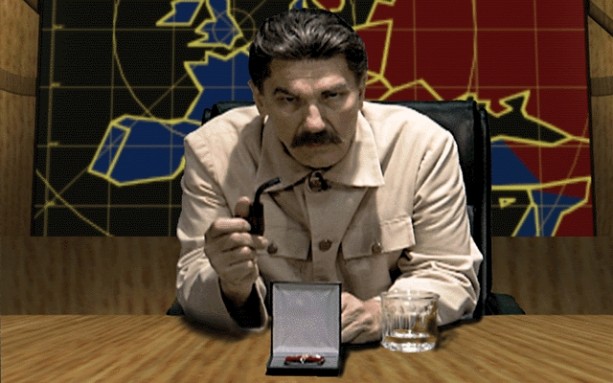
What’s it from? Command & Conquer: Red Alert.

Year: 1996/7

Platform: PS1 and PC.

Gaming context: Nadia, (Stalin’s advisor) has betrayed him, she utters these words with scorn as Stalin lies dead in front of her, only to be shot herself seconds later by the notorious Brotherhood of Nod leader, Kane, who’s somehow mastered time travel…

You can hear it at 2:30 in the video below, (which showcases some gloriously hammy acting).

Bring back any memories?