Regular readers/followers, please don’t get the wrong impression of me ok? My last few articles could quite easily be interpreted as negative, but they really aren’t. Granted, they do seem that way but my intentions are good, with our collective best interests at heart. You see, whilst I love games and gaming, I want to ensure that my experiences are enjoyable, worthwhile and memorable. This being the reason why I have come to believe that games are best played late, not at launch.
Playing Games Later
I used to love midnight launches; being one of the first to get a new title and rush home to install and play it. It’s a great feeling. Getting together with a few friends, staying up late together before succumbing to fatigue and calling it a night one-by-one is a great feeling. But what happens when that shiny new game that you’ve bought doesn’t live up to expectations? What if it wasn’t what you were expecting, leaving a sour taste in your mouth? Well, you won’t be waking up early to carry on where you left off, that’s for sure…
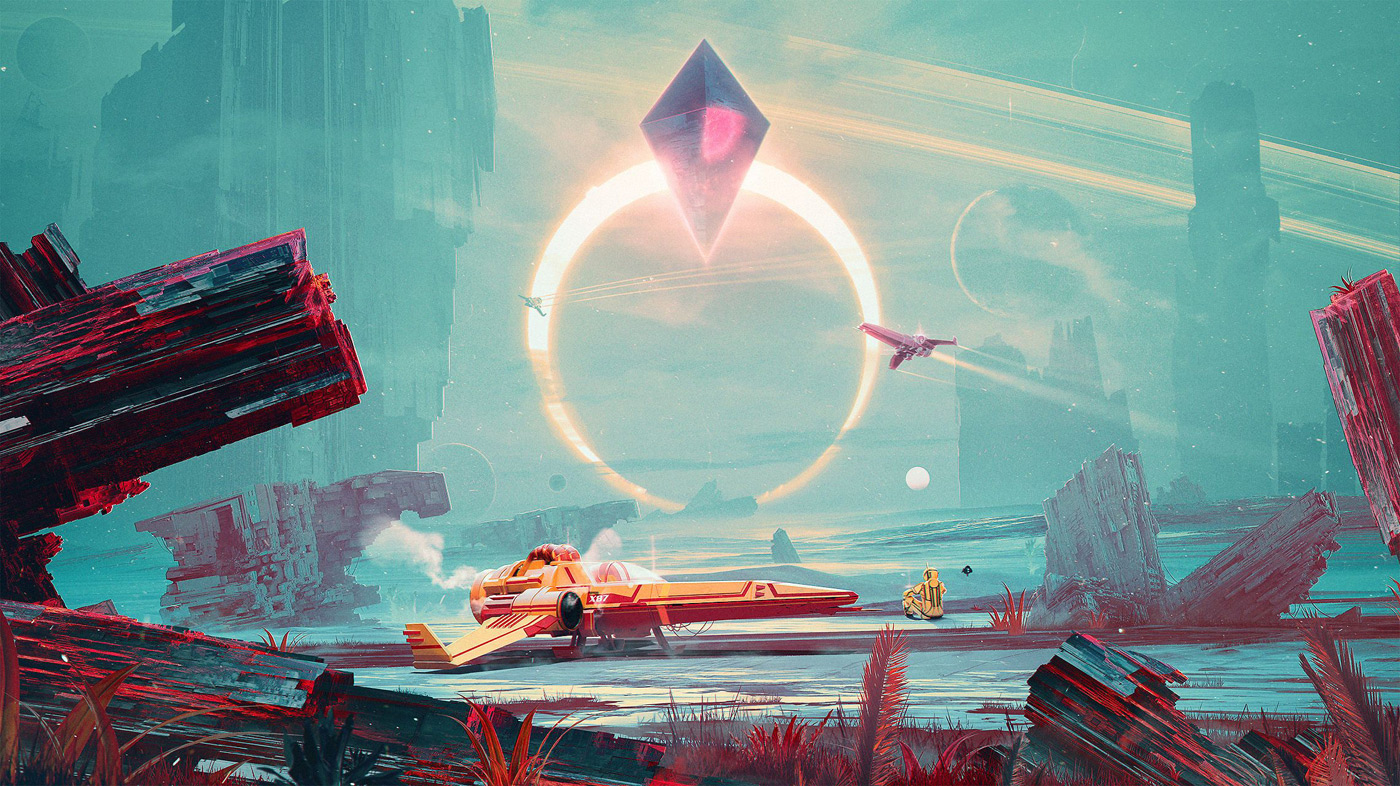
And this is my point; it’s easy to get lost in the media hype and be part of the zeitgeist when a new game comes out. We’ve all done it, lest we forget what happened with No Man’s Sky (the less said about that the better). Now let’s not interpret this the wrong way, I’m not writing this cynically against the developers or the gamers here, I have both their interests at heart. More so for the developers really, one bad launch can damage their reputation beyond repair and said game can flop with little opportunity to recover (see the above mention of No Man’s Sky).
“Ultimately though, the decision lies with us as gamers to decide how and when we spend our money.”
I’m not talking about games being buggy at launch either or cynical developers bringing out extra downloadable content out shortly after launch. I’m more making reference to letting a game settle, seeing people’s opinions once they’ve had it a while and then make an informed decision. Reading reviews pre-launch can be tricky as some don’t allow their games to be covered until release day to protect sales (which I don’t agree with) so making these informed decisions can be tricky.
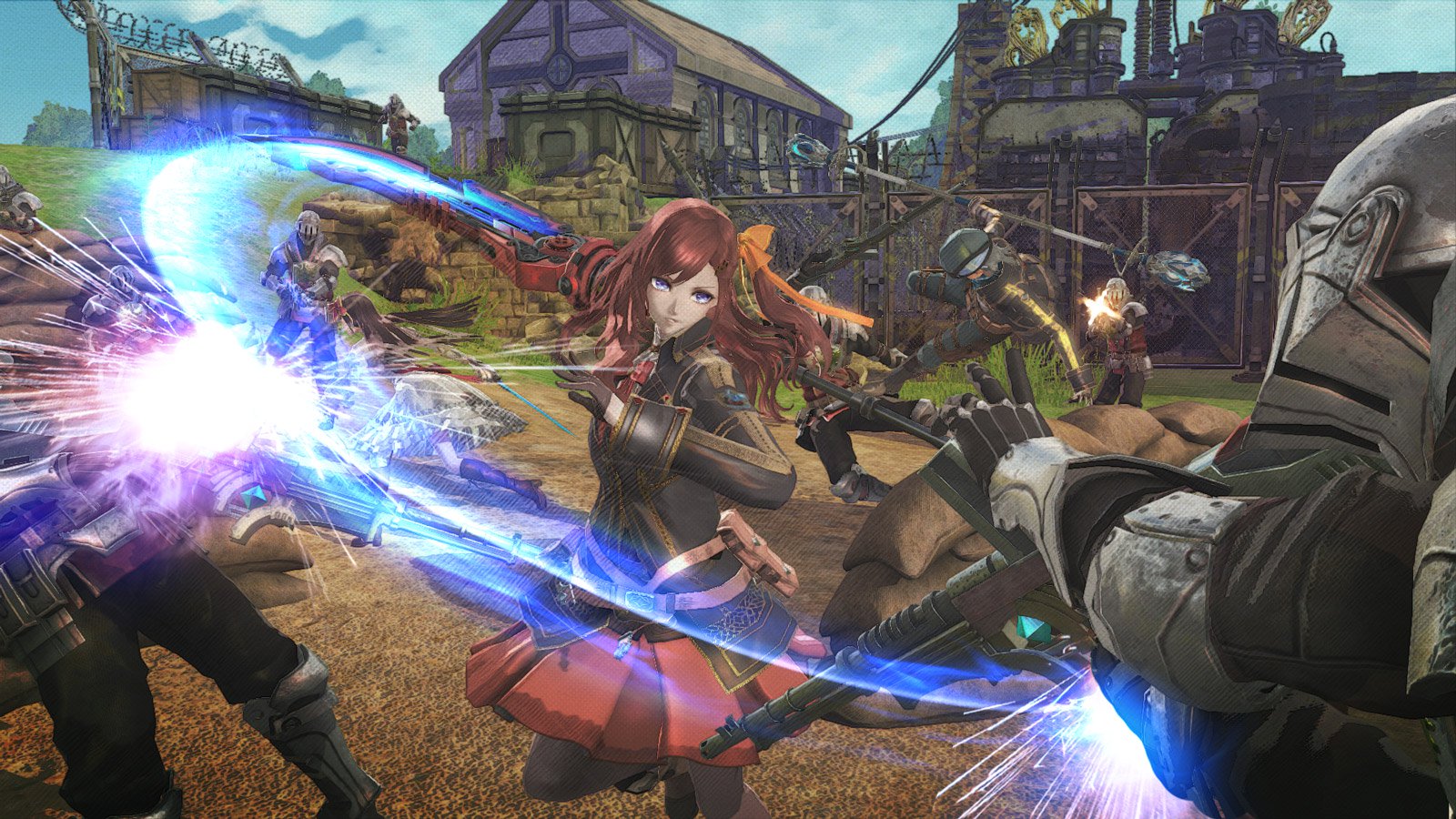
Valkyria Revolution
Ultimately though, the decision lies with us as gamers to decide how and when we spend our money. I’m not completely averse to spending money on games on day one, I’ve done it many times before and will continue to do so, but I’m more careful about deciding when I do now.
With the likes of Games Pass on the Xbox housing their new first-party games from launch, making this same decision on their platform at least will be much easier. For the sake of a low-cost monthly subscription, you can dip your toes, test the waters and come back at a later date once things have settled down or when you get the chance. Who knows, this model might be the future but one thing is for certain; I’m happy to wait if it means I can play my games in their complete form.
I am not a religious man, but I also don’t like to call myself an atheist either; atheism is just another belief, just another label and just another divide between people. I may not be religious, but I have no problem with religion either – religion fascinates me. The incredible stories, stories that guide people into living a better life, stories that give people hope and stories that help people through tough times; what’s so bad about that?
El Shaddai: Ascension of the Metatron
Behold El Shaddai: Ascension of the Metatron, a hack and slash platformer developed and published by UTV Ignition Games. The game was released for the PlayStation 3 and Xbox 360 in 2011. Development was led by none other than Takeyasu Sawaki, the character designer for classics such as Okami, Devil May Cry and Fatal Frame. It featured voice acting from Jason Isaacs who played Lucius Malfoy in the Harry Potter Movies.
So, with this class A talent working on the project, why haven’t you, most likely, heard of this game? I’ll tell you why, because you were too busy playing some Western FPS game, (probably).
You really should have played this game, and here’s why reader.
El Shaddai: Ascension of the Metatron
El Shaddai, roughly translated ‘God Almighty’ takes its story inspiration from several religious texts but the main bulk of the story comes from ‘The Book of Enoch’; Enoch being the character the player inhabits.
Enoch is a scribe in the heavens and is the only mortal human to ever be granted access to heaven, lived for thousands of years and is the grandfather of Noah. Enoch is instructed by Lucifel, a guardian angel who acts as the voice of God (The Metatron), to return the Fallen Angels to Heaven.
The Fallen Angels have disobeyed God’s will and have corrupted human life by progressing human evolution, due to this, the humans now worship the Angels more than God. The Fallen Angels have also created Nephilims, half-angel and half-human hybrids that devour each other (and humans).
It’s your job as Enoch, with the help of Lucifel and the Archangels (Gabriel, Michael, Raphael and Uriel) to put a stop to the Fallen Angels’ antics – preventing the Great Flood.
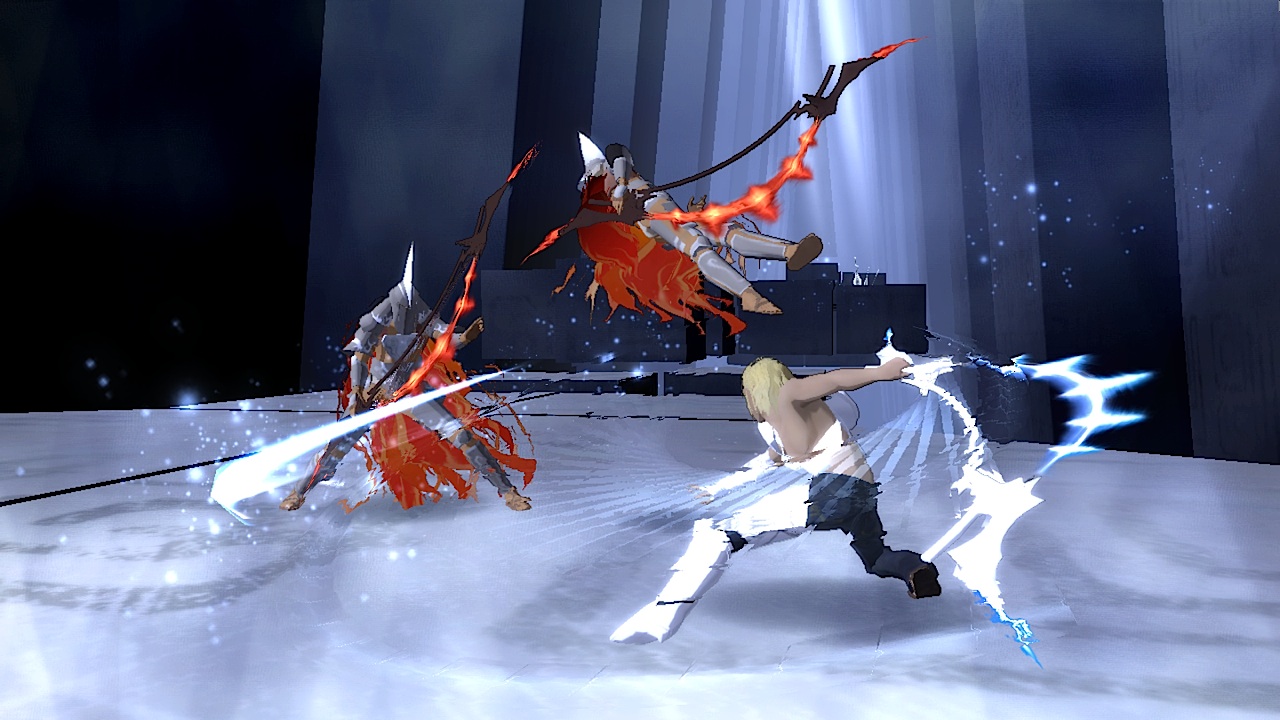
On the surface, this may look like your typical third-person platformer hack and slash, but it is, in fact, more unique than you would think. With only three weapon types: Gail, a long ranged weapon that allows you to dash in mid-air but is weak in terms of damage, Arch, a mid-damage melee weapon that allows you to perform combos quickly, and the Vail, a slow weapon, but powerful. It can also act as a strong shield.
These weapons can only be acquired by stealing them from enemies, and you can only have one weapon at a time – giving the game a little bit of strategy. After prolonged use of a weapon, the weapon will get corrupted and you’ll need to purify it. However, you must choose the right time to purify your weapon as it takes a few seconds to accomplish the action.
It’s the fight mechanics where the game will either turn people on or off. Spamming the buttons quickly will act as a light attack, having a split-second break within the attacks will act as a medium attack, and holding down the buttons is obviously a charge attack. It’s when you realize this that the combat’s nuances really start to shine through.
Not only this, but the game doesn’t give you a health bar (well, not until you’ve completed it once), instead your armour will break piece by piece until you are a shirtless man in jeans (yes, jeans) and that’s when you die… Or do you?
As the screen fades, if you spam all of the buttons, you will get another attempt and carry on from where you left off – but each time gets harder and harder to revive yourself. If that wasn’t enough uniqueness for you, the game also changes from 3D to 2D sections and never feels off when it does.
El Shaddai: Ascension of the Metatron
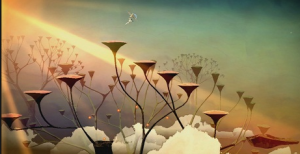
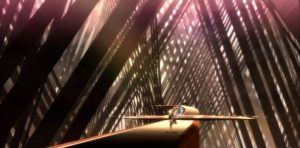
Without a shadow of a doubt, El Shaddai is visually the most beautiful game ever made; I can say that with no struggle at all. See, this story is set before Christ and is even set before there was a Hell, so the game has an otherworldly feeling; it looks and feels divine, nothing is man-made here. Like a Roger Dean illustration.
It achieves this through striking colours and shapes, but there’s also mobile phones, disco-dancing and a motorbike section; it’s the mix of old, contemporary and the profound, it’s like everything you’ve seen and like nothing you’ve seen all at once. The game has a charm to it too, with the characters appearing in a cel-shaded manner. The Nephilim? Even these cannibalistic abominations look cute.
The sound design is very THX, it sounds like they have been treated with a circuit board and transmitted by an aerial; natural but perverted by technology.
Then we have the music and what a soundtrack it is. Just like the visuals, it mixes old with new; you’ll have classic pieces that sound like Steve Reich and Philip Glass B-sides, only for the next level to change to what sounds like Vangelis jamming on a Moog synthesizer; obviously it’s not these artists, but you get where I’m coming from: variety, classic and modern fused together.
El Shaddai: Ascension of the Metatron
The game does have some faults, like the fixed camera in the third-person sections, making the 3D platforming sections rather irritating as you try to judge the platforms. Another is that the gameplay doesn’t really change throughout, with little variety (except the motorbike section), but with its reasonable short length it’s not too much of an issue.
El Shaddai takes what we know from the past – religious text, 2D platforming, a single attack button, classical music, and then puts its modern spin on everything. We get religious characters wearing jeans and using mobile phones, a rhythmic combat system and electronic music that creates an original and unique gaming experience you’ll get nowhere else.
Robert Kirkman’s The Walking Dead hit the ground running with its first and still strong comic series. Since its initial release, this comic series has spawned a massively popular TV series (even now) that loosely follows the story set in the source material, as well as a series of best-selling novels.
But the video game adaption of the beloved series was something different.
The Walking Dead: The Game
Most will think that the first game is a spin-off of the TV show due to its popularity, however, that’s not the case here. The Walking Dead game is based on the comics.
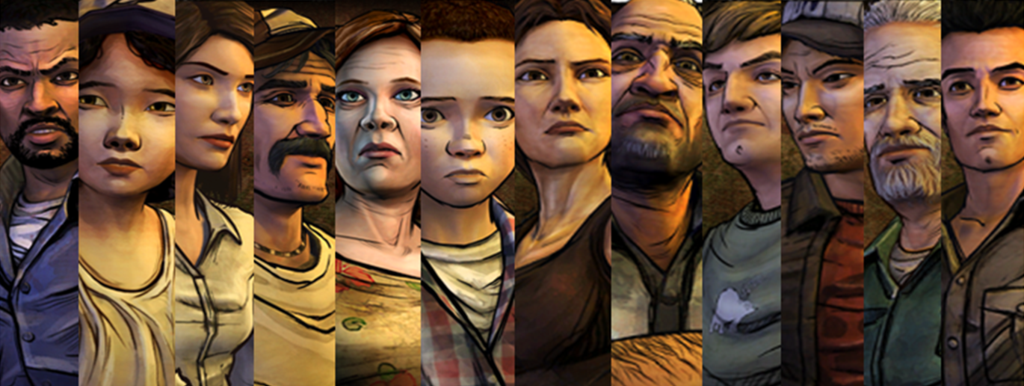
What does this mean for the casual fan of the TV series? Well, not much since the show follows the comic fairly well, however, the game’s characters are based on the comic representations rather than the show, and we don’t follow the beloved protagonist Rick Grimes – like the comic and TV series do.
Instead, we follow this series of games with a brand new character to the canon named Lee. It takes place during the first few days of the zombie outbreak, which is when Rick Grimes is still in a coma from his horrific shooting. This was a fresher take on the series since most of what people have seen in the show or comics is set in the aftermath of the zombie apocalypse.
Without giving away too much of the story, if you’ve yet to play it, I’ll just say the basics. Lee was your normal run-of-the-mill college professor who happened to be arrested for a crime he may or may not have committed, and on your way to the famous prison (set in the series), all hell breaks loose. The car crashes, and you find a girl named Clementine, whose parents are missing in this worldwide catastrophe. You and Clem set out to, well, survive.
The game hinges on the most important thing: surviving and choices. I was pleasantly surprised to find timed responses as well as how these choices affected all of your group’s perception of you, and what repercussions will come with all the decisions I’ve made.
The one thing that newcomers to the series will probably not like is the gameplay. The more casual gamer will probably buy this game solely thinking that it’s a shooter much like Valve’s Left 4 Dead. That’s not the case here though. The Walking Dead game, and its series, are different; they are point and click adventure games with more dialogue (and less killing of the undead). I actually found this to be a fantastic approach, and I still play the game today.
The gameplay was smooth and kept me on the edge of my seat the entire way. One of the most interesting aspects that I discovered in the game was the use of silence which created so much tension; I was actually nervous when I first entered Clementine’s house.
This isn’t, and wasn’t, a perfect game though.
There are some hiccups with the rendering between cutscenes and gameplay for example. Not a huge problem, but it was noticeable enough. My other complaint was the voice acting. At times it was great, but at other times I found myself laughing with the way Lee, as well as others, talked in certain situations. With moods drastically changing from being OK to suddenly furious in the conversations after critical decisions were made.
Fans of the series, like me, were delighted just to see a few of their favourite characters, such as Hershel Greene, Glenn, Lilly and others make appearances. But the game was more than that. It was better than anyone thought it would be. Much better.
Telltale Games crafted a five-part series that left many, many happy fans. And you know what? I still don’t think they’ve beaten it to this day.
Never-ending darkness. The only safety is from a small ray of light coming from your tiny flashlight. A creaking sound comes from behind you. You turn around, but of course, there’s nothing there. Your heart skips a few beats as you hear a child laughing in the distance. They’re watching you. Then, you start to hear small steps. Slow. But then the pause between each step becomes shorter. Someone’s coming…
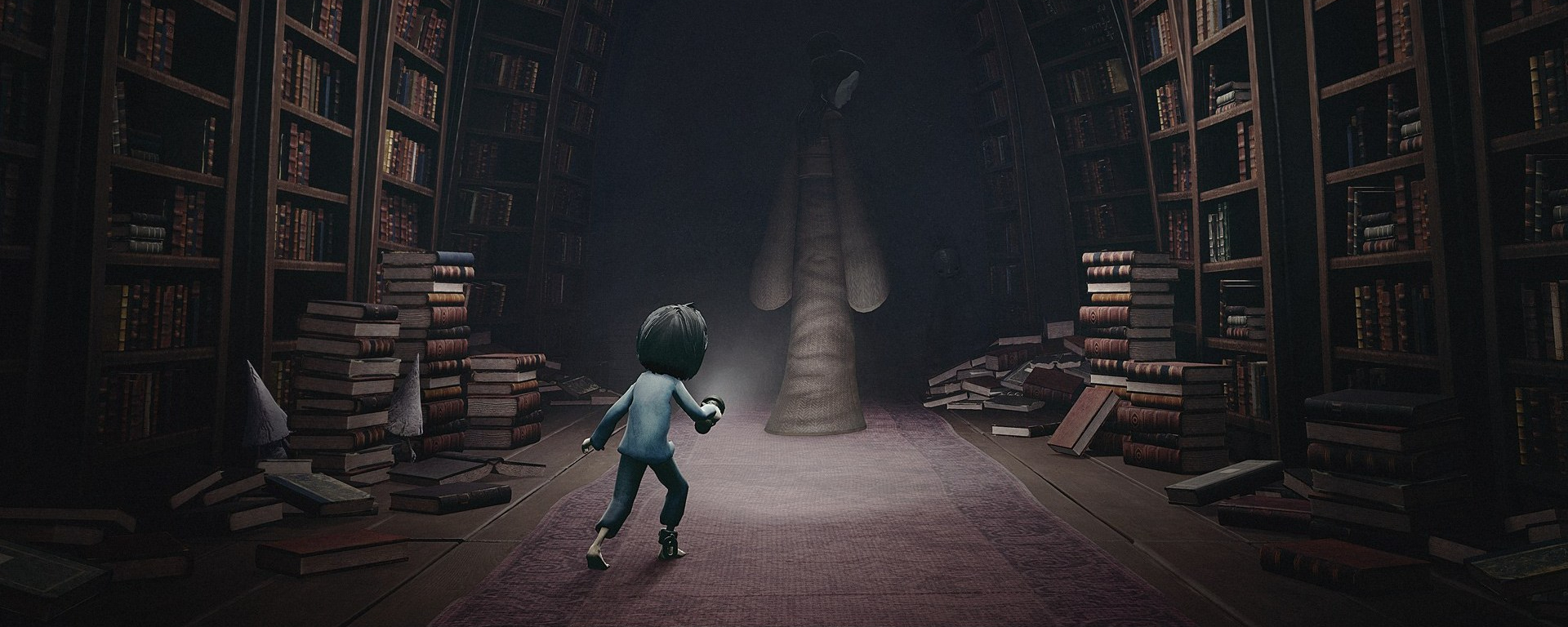
The last and final episode of the Little Nightmares’ DLC is out, at last, and is titled The Residence. As the world of Six and The Runaway Kid has unfolded, we have eventually gotten more horrifying insight into what might exist in the Maw. However, there is one character left that has yet to tell her story; the Geisha.
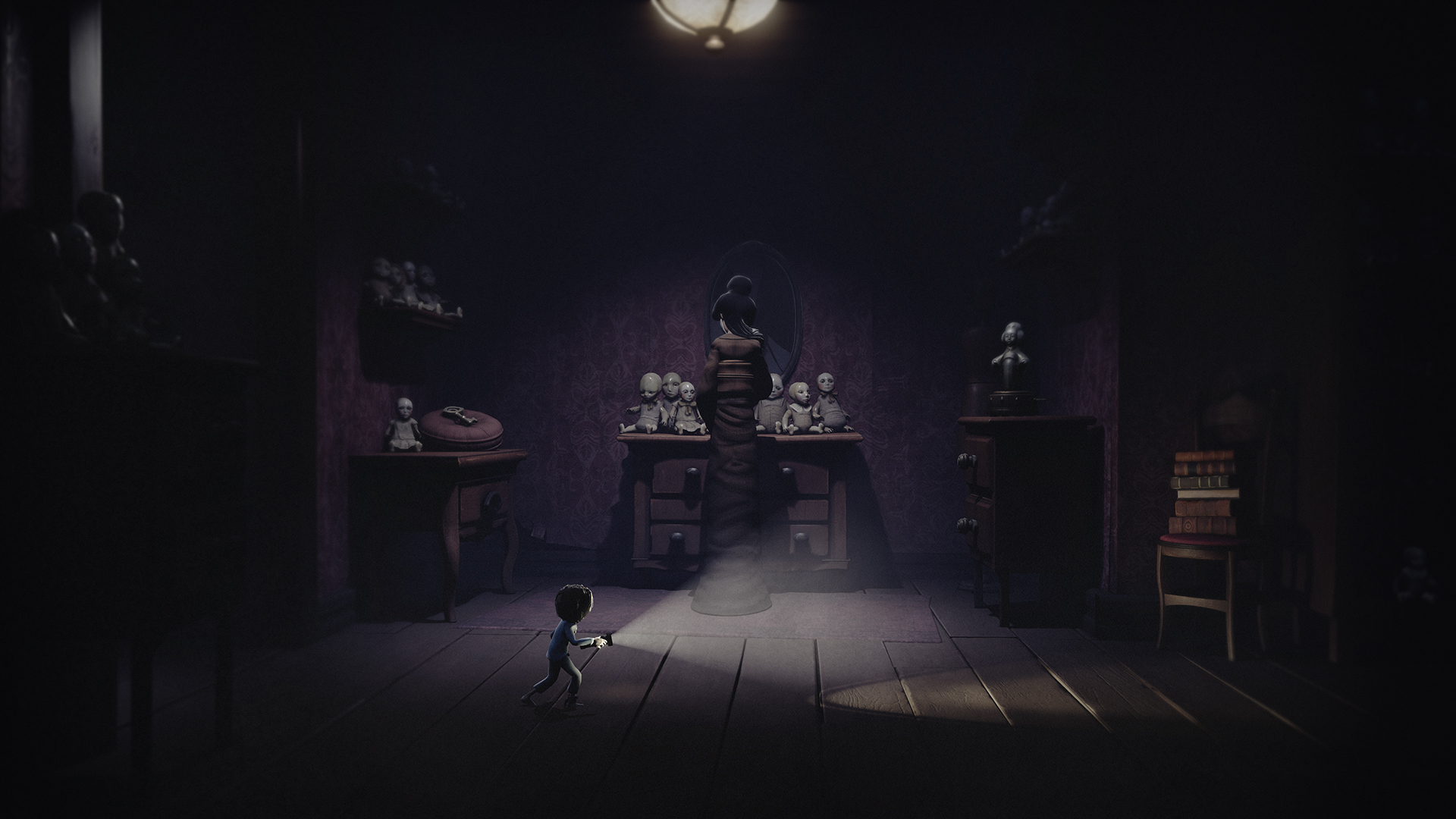
Some say that a person’s home describes a lot about their personality. We get to explore the residence of the Geisha, who surrounds herself with creepy-looking dolls and plenty of books. What exactly this says about her we never fully know, but I am sure that there are several possible theories to why she’s so interested in literature and porcelain figures. All I can do is make an educated guess and say that there must be a quite uncomfortable and scary story behind her character.
Hello?… Hi. Nice place you got here.
The episode starts out eerily silent, but it doesn’t take long before you hear a song coming from a small music box. The song fades away as we explore further into the house, and the player eventually encounters a new enemy: small, dark apparitions with small masks. What makes them even more creepy is the fact that they have the look and laugh that resembles children. The only way to attack them is to shine at them with your flashlight, so hold on to that thing, because it is going to save your life. With that said, the mechanic instantly reminded me of Alan Wake, where you have to focus your flashlight on the ghosts to weaken them.
In contrast to the previous episodes in the DLC, The Residence gives you a greater illusion of a more open-world. We are much more free to explore, as there is not necessarily a given way to go. The puzzles don’t have to be solved in a certain order, and they feel more intricate and detailed. Roughly, The Kid has to find dolls that are scattered around the Geisha’s residence and put them in their proper place.
While this might seem simple at first, the complexity of finding each doll easily swallows the time. There is also a stronger action element, which is interesting and refreshing compared to the previous episodes in this DLC. As if my stress levels weren’t high enough playing this game!
Looking at the episode from the puzzle side of things, The Residence was definitely one of the more challenging ones. It is also the shortest, where I used up approximately 2 hours at a relatively slow pace. However, in those two short hours, we discover the terrible fate of all those who have suffered the wrath of the Geisha – with a pretty huge twist at the end… well, of course, I’m not going to reveal this now… play it for yourself and find out!
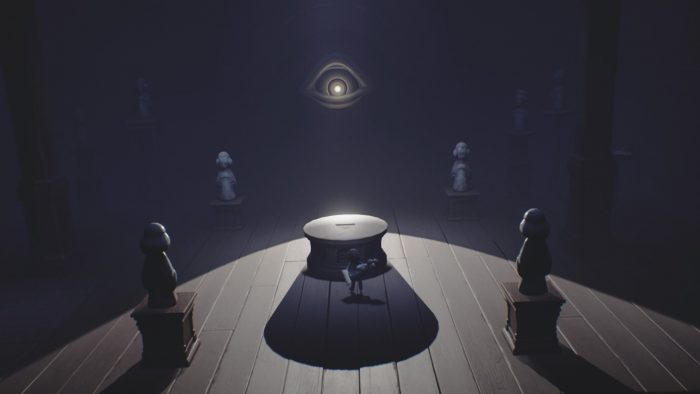
The eye sees everything.
What Little Nightmares masters is the continuous suspense of not knowing what is in the next room. It gets really intense at times, and I love it: I had to remember to stop once in a while and take a breather. However, this universe’s definite greatest strength is its take on the concept of fear. As we have seen before in various shapes and forms, The Residence wants to see our reaction to darkness, masks, and creepy inanimate objects such as mannequins.
The Little Nightmares universe will always hold a special place for me. I followed the game when the working title was “Hunger,” and I remember going to a lecture where the narrative writer of the game told the audience how the game would play on people’s nightmares, and I thought, “There’s no way that I’m going to miss out on this game!” The borderline between horror, thriller, and uncanny valley is unique, and I have yet to see games that use these elements the same way that Little Nightmares do.
At the end of the episode, I got an achievement that said: “we’ll meet again.” And I cannot help but wonder; is this a suggestion that it might not be the last of Little Nightmares? Are we truly finished? There might not be anything special behind it, but it certainly peaked my curiosity. Even with all these questions, I don’t know if we will ever receive an answer.
The Runaway Kid’s story has come to an end. With beautiful scenery and masterful storytelling, this has been a memorable experience. What the Little Nightmares universe is so good at doing, is to tell my brain to be ready to hit the emergency panic button, and then cranking my anxiety up to the maximum. It starts out in uncomfortable silence before increasing to a horrifying crescendo.
Having moved back out recently, I have been re-acquainted with my games room. No longer do I have to keep my life cooped up in one bedroom, I have a full house to spread it all out over. Before you think you’ve accidentally stumbled across a lifestyle or home improvement blog, you’re definitely here at Nitchigamer so please bear with me, this is definitely gaming related.
Having my games room is great, everything I need is in there; GameCube, Xbox, PS2, PS4, Xbox One and the Switch. With the slow start to the year coming to an end, you’d think things were starting to ramp up and the newer games taking their place on the respective consoles. Well, not quite. You see, moving out reminded me of all the games I had that have been stored away and having all my retro consoles set up ready to go has made it even easier to look back for inspiration.
If I want to jump on Halo on the Xbox or Grand Theft Auto on the PS2, they’re set up ready to go. But there’s one game, in particular, that has had me engrossed since moving out and that is Fallout 4.
Gaming Safety Blankets
Ever since Fallout 3 came out, I have been hooked on this series and have loved each game that has arrived since (yes that includes New Vegas, it was a good game!). The stories, the world and the characters have always captured my imagination. What if life was actually like this, should the worst happen? Minus the mutated creatures and lasers, of course, but a lot of the game could be real should we ever be faced with this situation of survival of the fittest. This is what keeps me coming back for more and, since moving out, I haven’t played anything since.
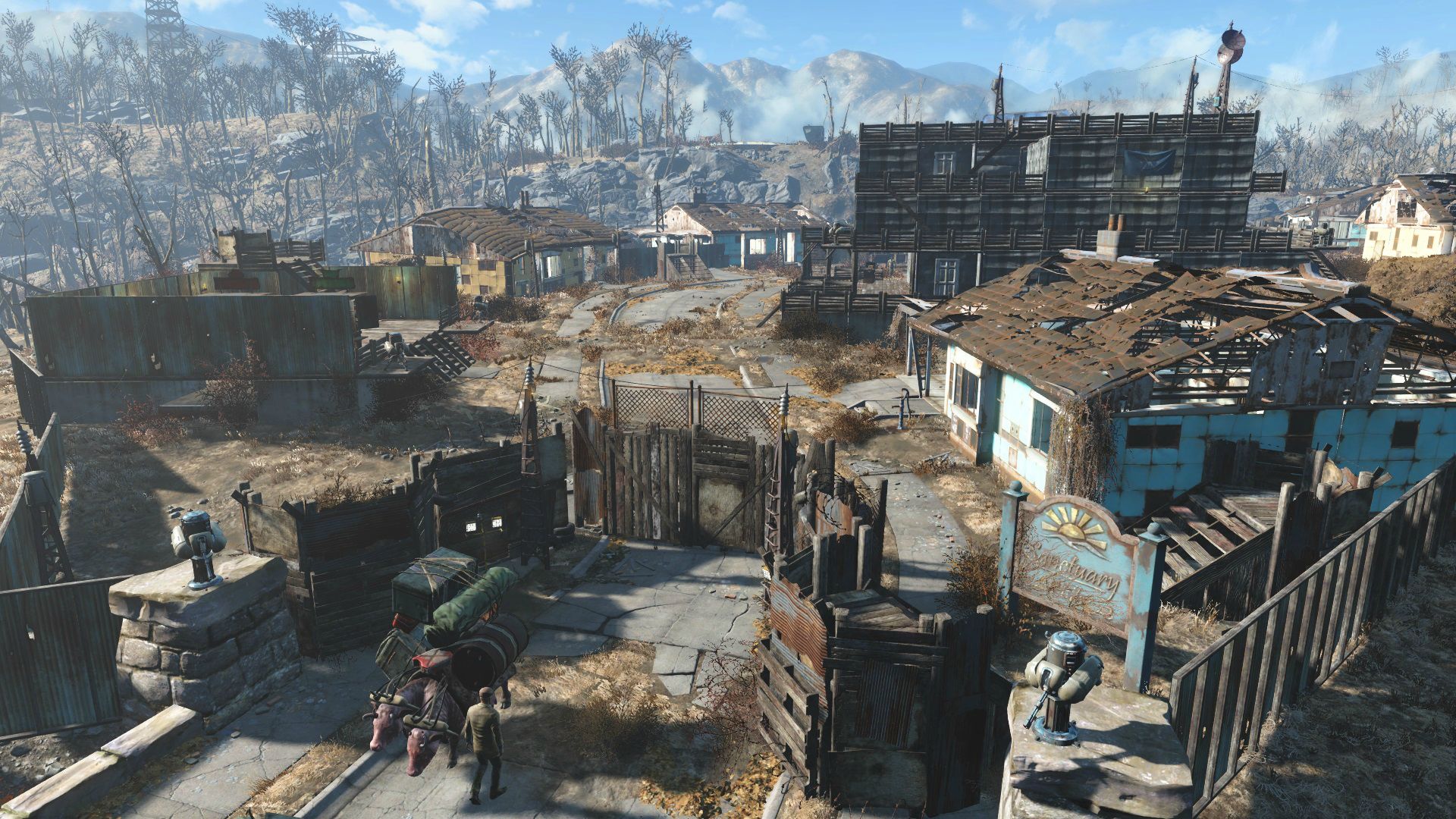
My safety blanket – Fallout 4
Have I wanted to? Not really. Have I had the opportunity or availability to play anything else? Sure. But nothing has grabbed me or made me want to play it. Granted, I rent most of my games these days so I don’t just go out and buy my games anymore, but even when I have had other things to play, I’ve not wanted to. I’ve stuck with my scavenged guns and my Fallout 4 safety blanket has well and truly been keeping me covered during my exploits.
Much like my recent article where I discussed the merits of taking a break from gaming, I feel returning to an old favourite can do us the world of good too. But just what is it that makes doing this worthwhile? Well, I’ve explained my love for the Fallout series, but it goes beyond this. Having completed the game on more than one occasion, I now know what to expect from it. I can jump in, aimlessly wander around the Commonwealth for a few hours and discover a few new locations, then put the controller down. Inevitably, there’ll be something I’ve missed somewhere along the line so even then it can still provide me with something new so that keeps me hunting for more.
It’s an example of a game done right. It knows what it wants to do and what it wants to achieve and executes it to near perfection. Where most open-world games lose their appeal when they’re either too barren or filled with repetitive quests, Fallout keeps you on your toes and throws a variety of missions and quests at you. From raiders racing domesticated robots, to outing a doctor, who has started experimenting on his patients, you will discover plenty of secrets and tales waiting to be told. It’s this that makes me come back for more; even in the remotest of caves, you’ll find a secret, a holotape with a diary recorded on it or a note left to be read when the writer has long-since passed.
But even when a game has something new to give you after such a long time, it’s nice to be lost in a feeling of familiarity. You don’t have to learn a new control scheme, any new mechanics or features, you can just pick up your controller and off you go. Of course, I’ll play the new stuff sometime soon, but until then I’m happily continuing my trip down memory lane and who knows where it’ll take me? With a selection of older consoles, I could end up anywhere. That, to me, is the reason why my safety blanket is equally as exciting as any new game that comes our way in 2018.
Are there any games which you find yourself going back to time again? If so, let us know in the comments below…
From Pitfall and Super Mario Brothers to Kid Icarus and Crash Bandicoot, the platformer has been challenging players for over thirty years. I feel the genre reached its peak in the late 90s when the PlayStation took the world by storm. Soon thereafter, games started to get exponentially larger and more complicated with hardware increasing in power with each successive generation. Gamers started to gravitate towards more hack-and-slash and open world titles like Devil May Cry or GTA.
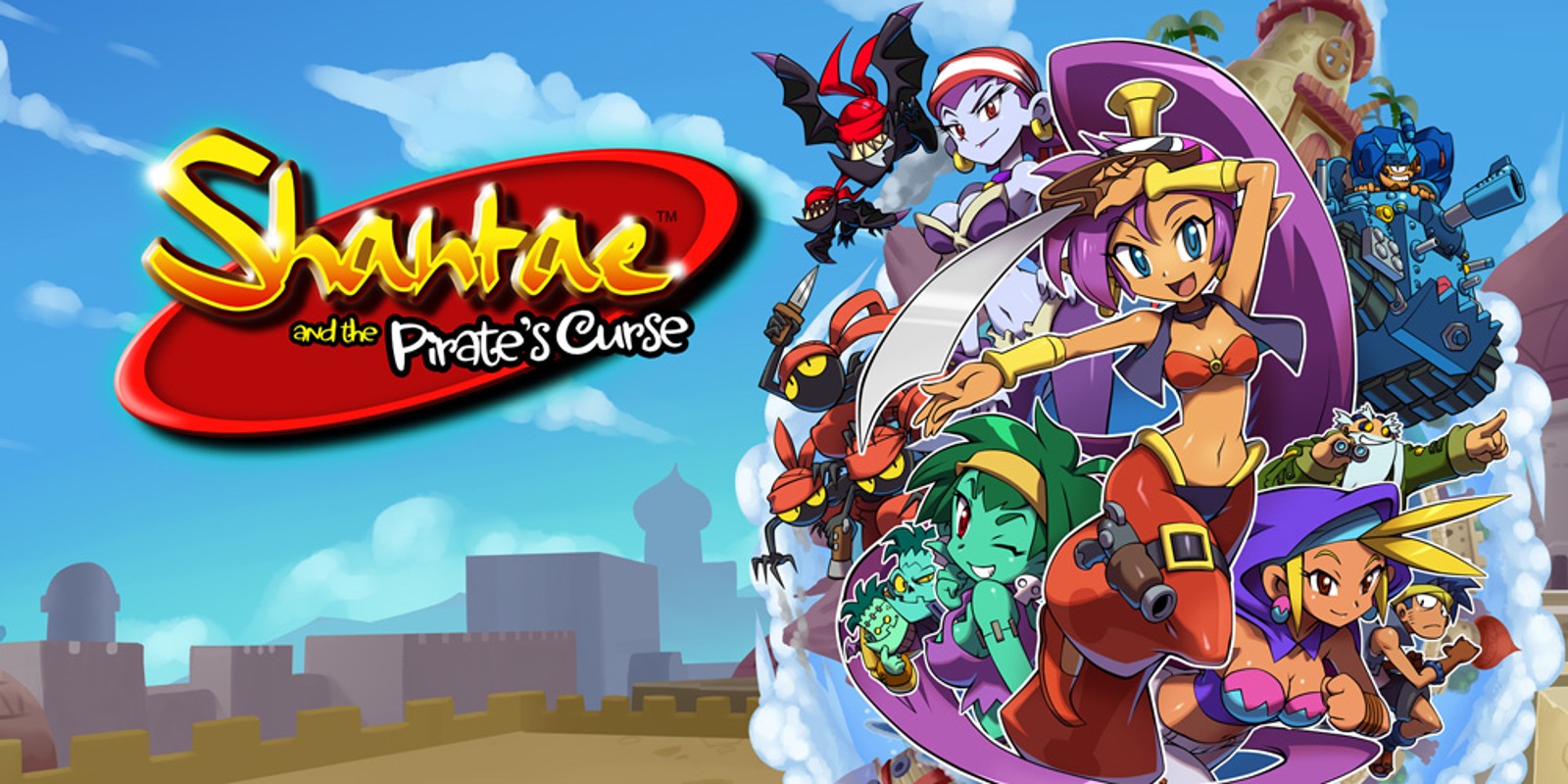
In today’s gaming universe, nostalgia is having a direct effect on developers who grew up in the 80s and 90s and are looking towards the beloved games of their past. With the proliferation of Steam and the monster success of the Nintendo Switch, the platformer is making a massive comeback in the most glorious way possible. Indie developers finally have their time to shine, with WayForward’s Shantae and the Pirate’s Curse proving that old school platforming is healthier than ever.
Shantae and the Pirate’s Curse Review Nintendo Switch
Shantae and the Pirate’s Curse Review Nintendo Switch
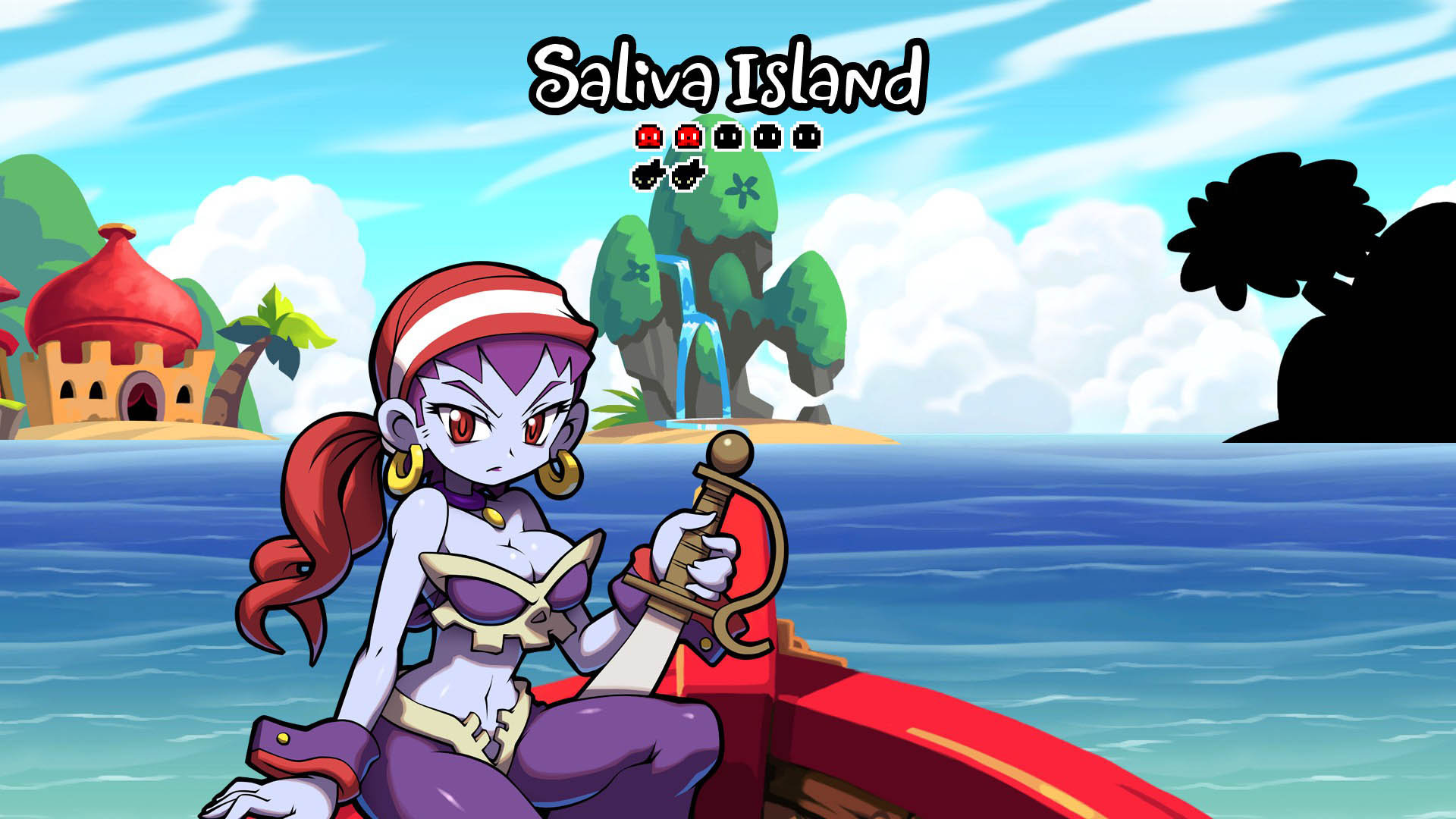
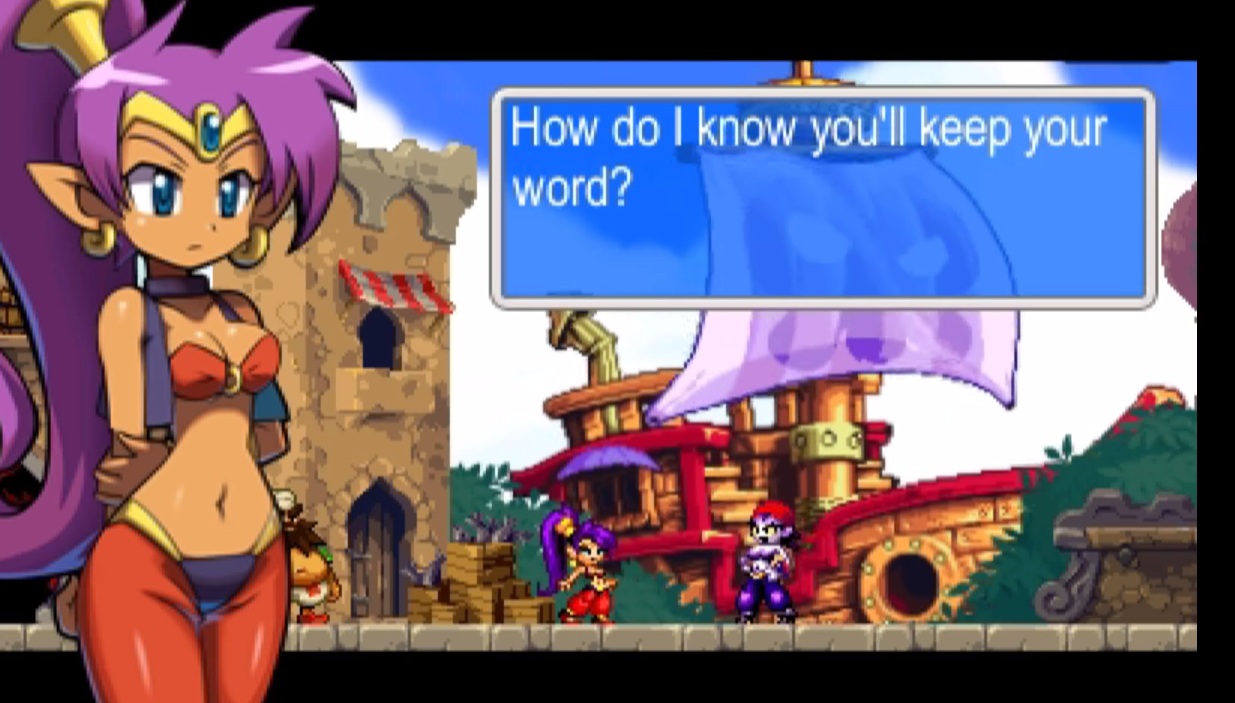
This is the third adventure to feature everyone’s favourite hair whipping genie, where Shantae has lost her magic powers just as a great evil takes over her home of Sequin Land. Shantae must join forces with her arch nemesis, the pirate Risky Boots in order to vanquish the evil. As she struggles without her powers, Shantae must learn the pirate way and gain new weapons to take on her enemies.
Let me preface the rest of this review by mentioning that I have never played any of the other games in the series. They all look great, but I won’t be able to make any comparisons between them. If you enjoy this game, I suggest playing the other titles for some more platforming fun.
Shantae and the Pirate’s Curse Review Nintendo Switch
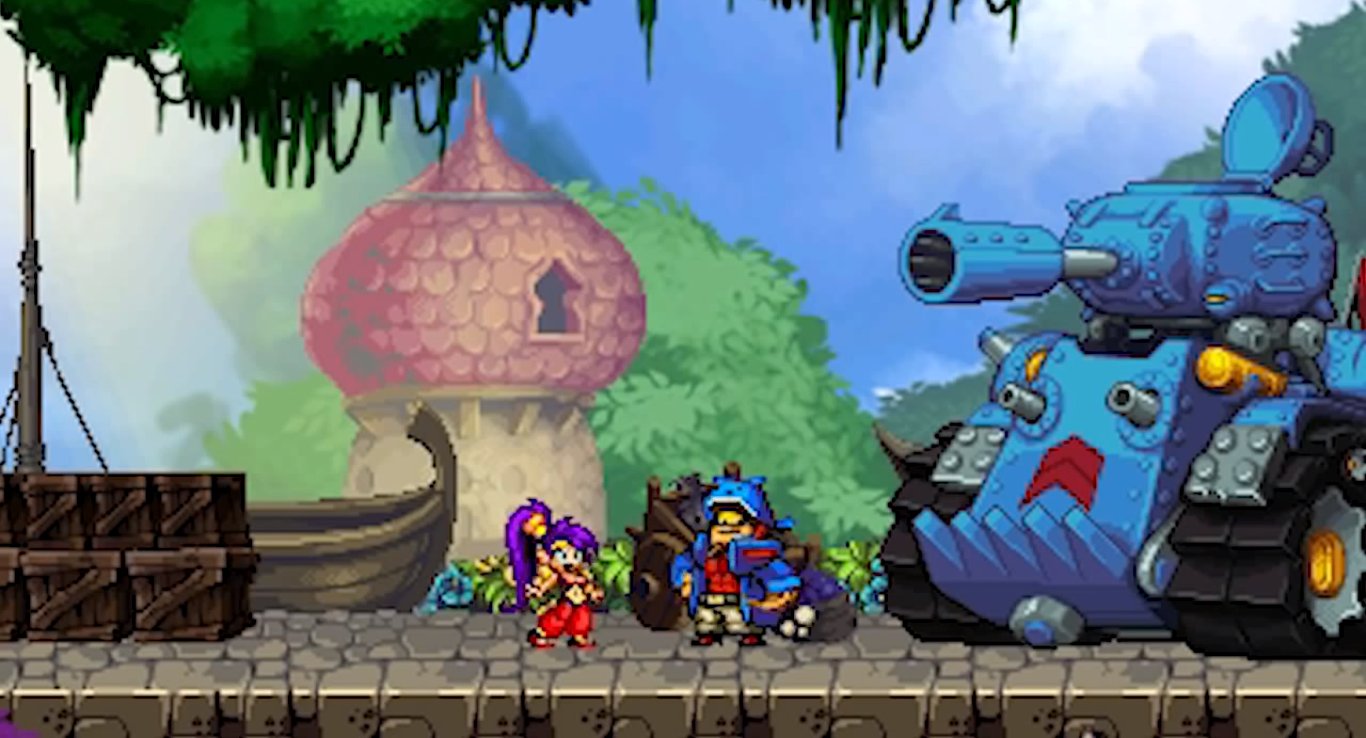
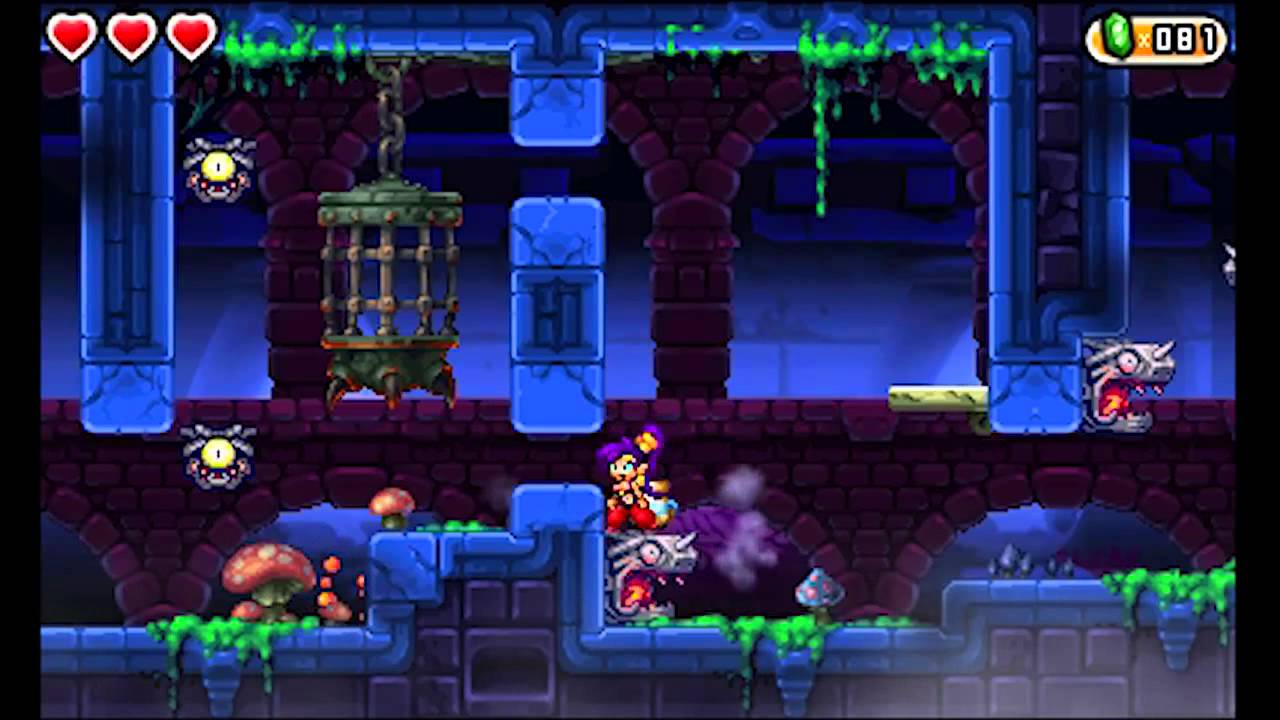
In this latest instalment, Shantae starts off with only the ability to whip her hair (her main weapon) and jump. Don’t let her innocent look fool you, that hair of hers is a deadly weapon and can vanquish her enemies with ease. As Shantae explores the islands around her home, she collects new weapons and upgrades which aid in the fight and also help her solve various puzzles located throughout. At the start of the adventure, you’ll notice hard to reach switches that you can’t seem to hit. It’s not until Shantae reaches the second island that you receive the flintlock pistol, which allows her to shoot through the narrow openings, activating the switches. The puzzles aren’t a great challenge, but they’re fun in their own right. You can also upgrade Shantae’s hair whip to make it stronger and more effective.
Just as the puzzles aren’t anything to write home about, the varying enemies could have been a little more ‘varied’. Each island has its own monsters to fight, but in reality, they all feel (mostly) the same, just with different skins. One island will have goblins, another has evil mermaids, and yet another will be populated with the walking dead, (not that one, sigh). The visuals are nice, yes, but they’re all defeated in the same way. I would have liked to see a little more variation in the baddies, instead of what seemed like the same sprites with new outfits.
Shantae and the Pirate’s Curse Review Nintendo Switch
The world that WayForward created is full of unique and colourful characters though, each beautifully animated throughout the adventure. I found the interactions between Shantae and the population tended to go on a little too long, but it all serves as exposition and backstory necessary to help move the story forward. It wasn’t so bad the first time around, but if you die and have to have the same interaction again, you’ll be glad there’s a skip button to race through the conversation.
The platforming in the game reminds me of a cross between Aladdin on the Genesis and any of the Mega Man games from the NES days. It’s not going to set any standards, but you’ll have a pretty fun time throughout the experience. Aside from vanquishing monsters, Shantae can also collect gems to buy health, weapons, and power-ups, and in a Zelda-like manner, find lost Heart Squibs which allow you to increase your heart containers/health meter.
Shantae and the Pirate’s Curse Review Nintendo Switch
As a fan of the platforming genre, I highly enjoyed Shantae and the Pirate’s Curse to the point that I would definitely seek out the other titles in the series. The game won’t win any awards on difficulty, but the story is funny, the characters well developed, and there’s a high fun factor in general.
Science and the spiritual realm are often considered opposites within our modern cultural milieu. So, what happens when the two clash together as very real yet polar counterparts? More specifically, what happens when the realms of madness come into contact with the methodical clockwork of the scientific method? Tesla vs. Lovecraft poses one answer to this: absolute and glorious chaos.
Tesla VS Lovecraft Review
Tesla VS Lovecraft Review
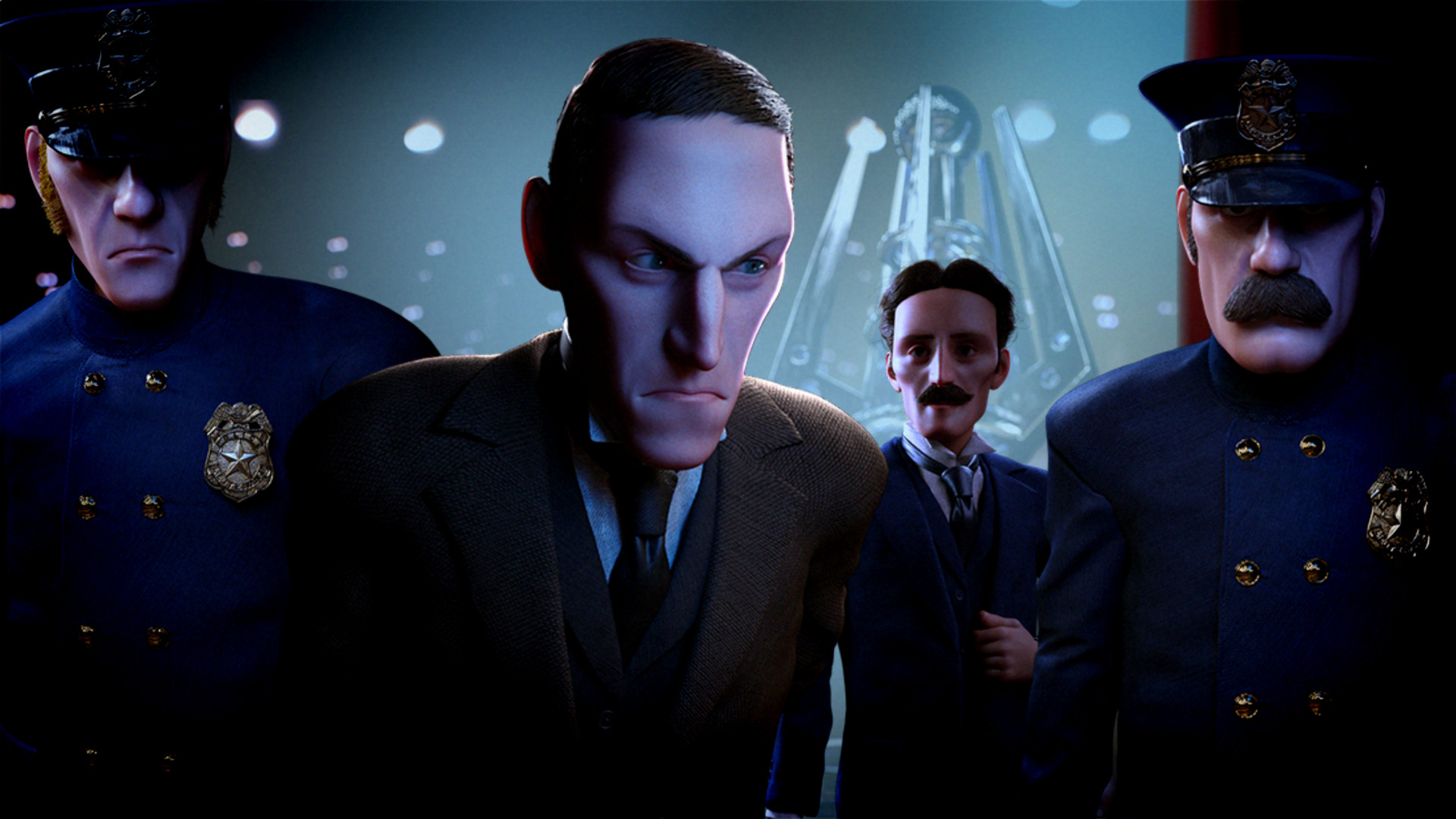
We recently did a full review of Tesla vs. Lovecraft for the PC, but as a bit of a refresher, the game centres on an ominous interaction between famous horror author H. P. Lovecraft and well-known electric guru Nikola Tesla. After ignoring Lovecraft’s pleas not to continue with his work on electricity, Tesla finds his laboratory raided by minions of the sinister Cthulhu. Tesla must now take back his inventions and castigate the forces of darkness using his scientific knowledge, and enough firepower to take out any collection of onerous elder gods.
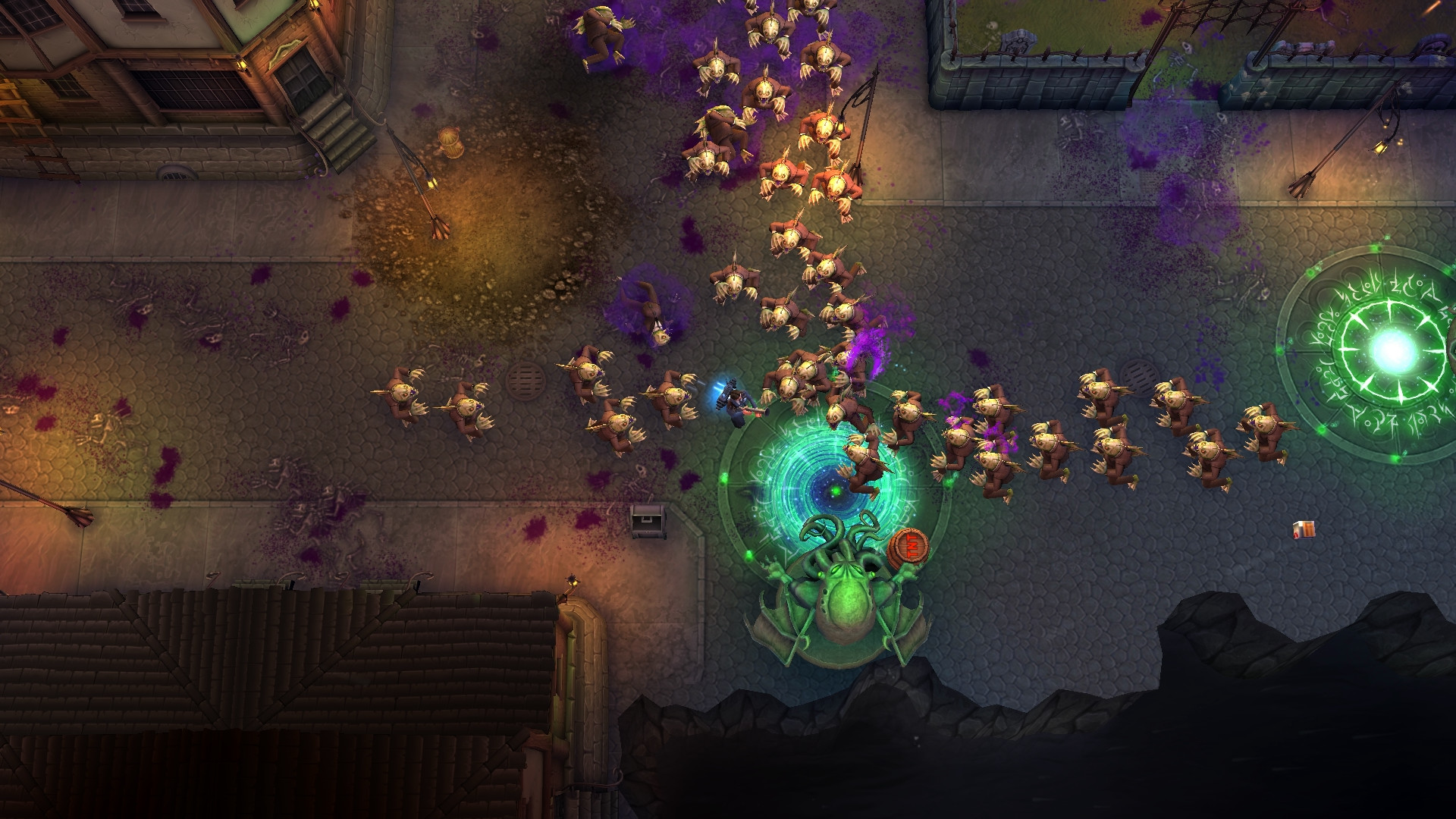
The battle has finally made its way onto the Nintendo Switch and thankfully none of the monster exploding mayhem has been lost in the transition. The neon blue of Tesla’s teleportation ability, the brilliant green of underworld portals, and the bright purple tones of a devastating blast translates just as well whether on full screen or in tablet mode. The monstrous hordes are just as crisp and clear on my TV as they are on the small tablet screen aside from the obvious reduction in size. At no point did I feel at a disadvantage using the tablet over the TV mode.
Tesla VS Lovecraft Review
In fact, I actually preferred using the tablet over playing in TV mode despite the smaller screen and decreased speaker output. I used a pro-controller to play on my TV and felt the larger screen combined with the more fluid, slightly raised analogue sticks made the movement feel less precise. The slighter, tighter movement of the Joy-Con controls matched with the smaller screen felt far more precise and made the action flow more fluidly for me. Of course, this will be a matter of preference and hand size, but I do think the game feels more natural on the tablet.
Plus, the visuals will still feel crisp and clear and the audio on the tablet, though not a match for TV speakers, handles the techno jive and bass output of the soundtrack quite well.
Tesla VS Lovecraft Review
The Switch version brings with it all of the quick gun action and screen-filling hordes that keep the pace pumping along at breakneck speeds. You will find numerous weapons of varying effectiveness lying about and will quickly learn which is best for dispatching enemies in the swiftest and most visceral fashion. Tesla can also collect certain perks that can be added at the start of each level. You will also acquire a mech that will increase Tesla’s firepower and shield for a few seconds before exploding. You can then begin collecting the parts from around the level in order to regain the power of the mech for a few seconds before the cycle begins again.
Tesla VS Lovecraft Review
Tesla can momentarily escape being consumed by the throngs by using a teleportation ability. This becomes extremely useful and often keeps you from feeling overwhelmed. But, be careful. It does take some seconds to recharge after a few uses. Once you get the hang of the dual-stick combat, you will find yourself dancing around and through the monstrous masses like some badass ballerina equipped with weapons that would make the Terminator jealous.
Hollow. As if some cosmic justice, some divine destiny or simply just bloody good luck, that’s exactly the game I’m going to review today. Finally, I get to review a game I want to play, something I was looking forward to…
Hollow Review [Nintendo Switch]
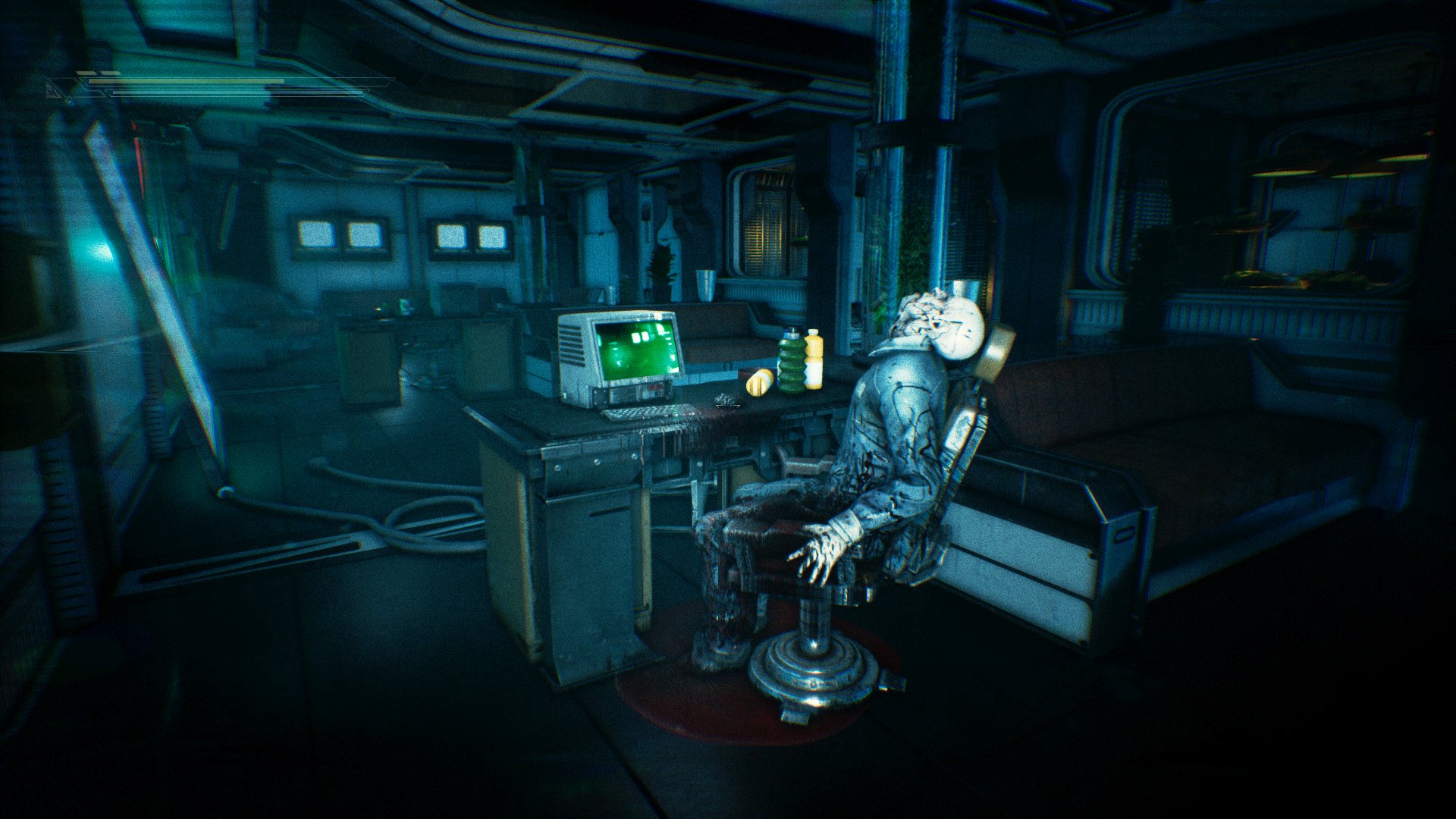
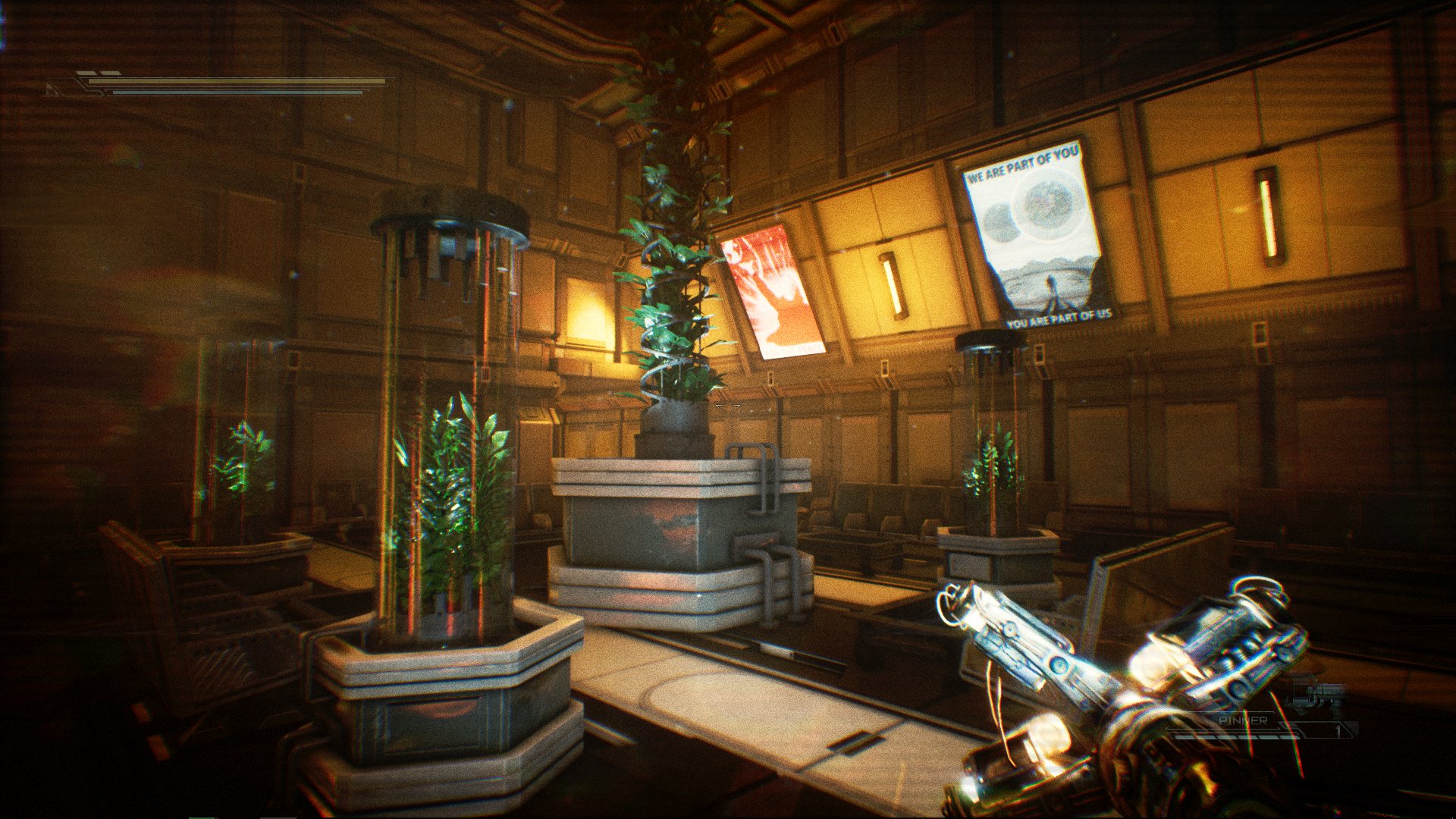
Hollow is a first-person survival horror game by Forever Entertainment. The game has you play as a male pilot waking up in a capsule pod boarding Shakhter-One: a mining space station that gathers resources from Jupiter. Boarding Shakhter-One and playing as another amnesiac, all you know from an emergency warning is that the power generators are down and that there are no living people aboard. It’s your job to regain power to the space station and find out what has happened on Shakhter-One.
As soon as the game loaded up with a warning ‘This game contains scenes of violence and gore’, a smile appeared on mine and any survival horror fan’s face. A lot of this game does seem to cater to a certain gamer of a certain generation, the golden age of survival horror games. As you move around, your character is clunky and slow, and even with the fastest movement toggled, your character doesn’t move that fast at all. Like the games of past, this isn’t an action fest either, it’s slow-paced and infrequent.
Hollow Review
As you start to play the game, you begin to release it’s just as much of a corridor shooter with the puzzle elements of a survival horror game mixed in; the game does what all great survival horror games do, feed you enough ammo to deal with most situations, but it makes ammo rare, not easily accessible – if you are a crack shot you can drop enemies with a single bullet.
Hollow adds a new mechanic I’ve not seen before, which is when you reload, you remove the clip with the ammo remaining within that clip; essentially throwing away bullets, it’s a great feature to have in a survival horror game as it adds more tension and more of a thought process to the genre.
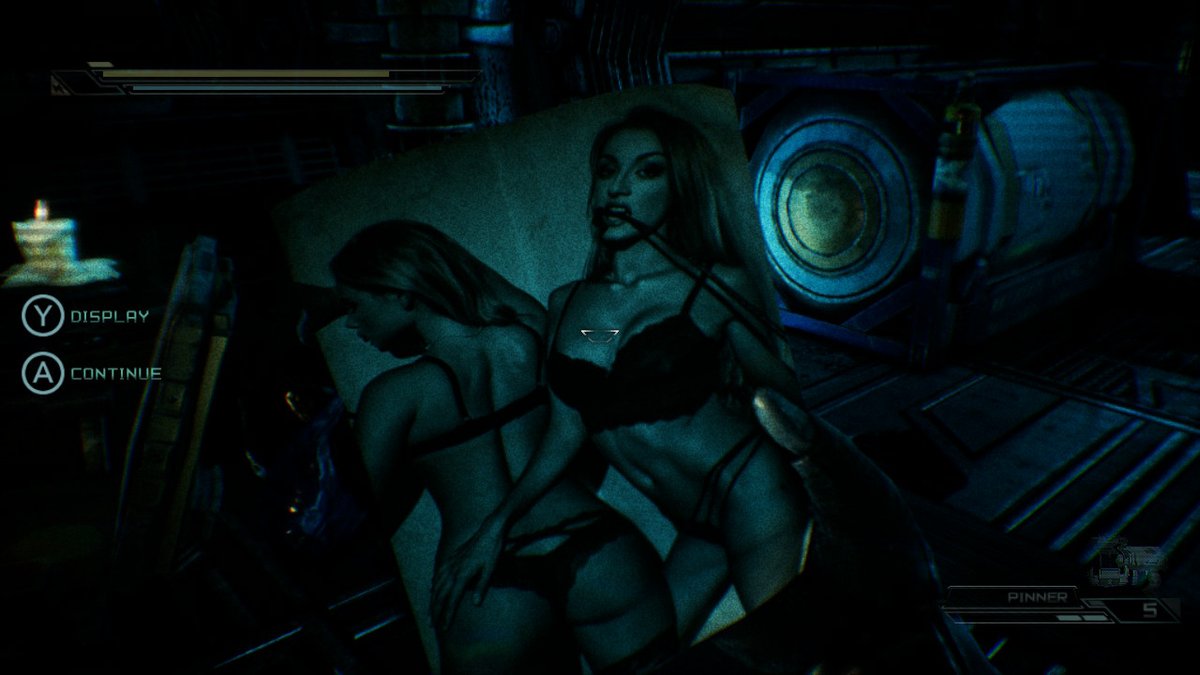
Hollow has you typically finding notes and reading files to get a deeper understanding of what has happened aboard Shakhter-One; you’ll find keycodes, but unlike other games, this one expects you to remember those codes. There are also collectables in the form of files and radios that play rather disturbing audio clips: ‘Rip his skin off’. Regarding enemies, there isn’t much variety as there are only 3 types. And there’s a lot of this around the ship:
Hollow Review
Hollow is a dark game, a very dark game. I am squinting most of the time playing it. Not to mention that your flashlight can sometimes hinder your view further as the light bounces off surfaces. It really makes you think of the best times to use it and the darkness makes you cautious, giving the game a claustrophobic feeling.
For an indie game, the environments are impressive, they feel lived in, it feels like Shakhter-One is a real space station, even with the reused assets. You’ll sometimes come across bodies hung up by chains with intestines laying around, it’s very ’90s.
Hollow has some great moments too, one in which all the power drops out and all the ambient sounds just stop… oh pants. I laughed right near the end as well, it’s one of the messages, I won’t ruin it, but good work Forever Games!
There are a few glitches and irks, unfortunately, especially with the textures going a bit crazy. I’m also not a fan of when you die, it takes you back to the main menu, making you sit through a large number of load screens. Necessary? The game isn’t great at signposting either, I missed the first gun in the game simply because I didn’t see it. It’s that dark. Lastly, the writing and voice acting, in short, are terrible, but, to be fair, it’s survival horror from yesteryear.
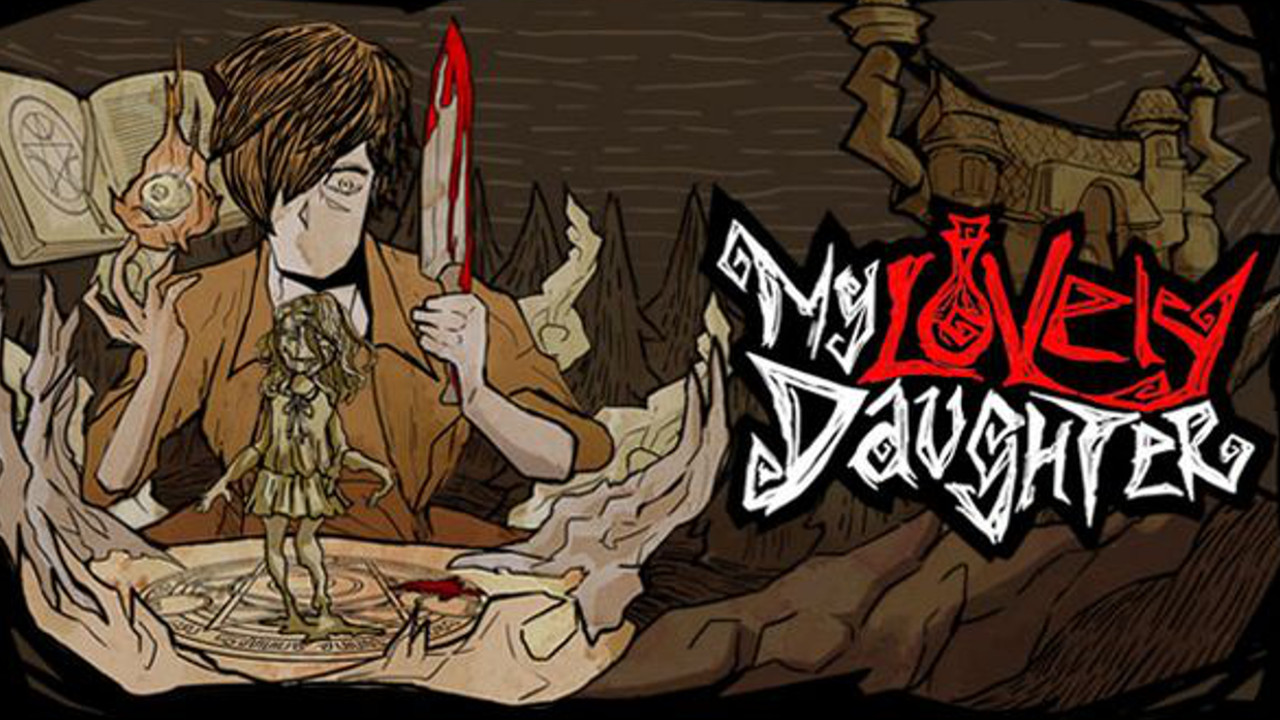
To say My Lovely Daughter is an unsettling story following the depths of how far a grieving father will plunge into alchemist hell might be the only reasonable explanation to describe the grim simulation narrative. Between work/money management, experimenting with alchemy and selfish murder all for the sake of resurrecting your recently deceased daughter – GameChanger Studio delivers an unnerving tale of fiction, but unfortunately comes with a rather tedious concept.
Faust is a man suffering from extreme memory loss discovering his departed daughter immediately upon gaining consciousness. Set centuries in the past, the small village serves as only a slight reminder of who he was, but after discovering the state of his beloved daughter he comes to the realization he, himself, studies in alchemy. The confidence of his abilities only strengthens from there, and off we go on a dark tale about how far a man will go to bring back what he cherishes most.
The idea behind My Lovely Daughter is to use your medieval alchemist abilities to, of course, bring your precious daughter back to the living. If you’re a fan of the anime series – Full Metal Alchemist – we all know what happens when you attempt to bring back the dead using alchemy – but Faust is a desperate man who’s only memories are adrift in the clouds. Slowly he begins to fill in the pieces of his memory as he begins to re-learn the shady process of alchemy.
Tedious Slave-Driving Management
The gameplay requires players to perform a series of tasks which all help to nurture the soul of Faust’s daughter, and eventually use the soul to bring her back from the dead. Players will use materials such as wood, clay, meat and water to transmutate into living homunculus that you’ll lovingly suffocate with work and gifts in order to reach specific affinity levels to add to your daughter’s remaining soul. Creating multiple homunculus will net Faust more income as you send them off into the village to earn a hard day’s wage, as well as grow in experience levels, but showing each one particular affection raises each one’s specific affinity.
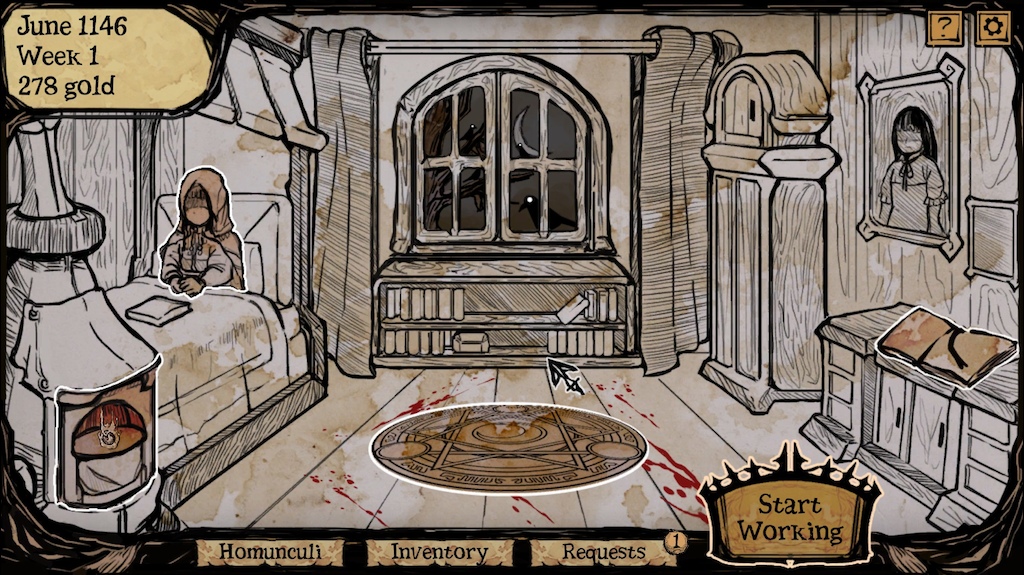
Check up on your daughter’s corpse or begin the fusion, perform alchemy to transmutate new homunculus, check up on your family of homunculus or set off for the 7-day work week.
Homunculus comes in a variety of affinity emotions ranging from anger to joy, to sadness and fear – and it’s up to the player to determine which place of employment decreases the affinity levels the least. The affinity tied to every transmutated homunculus is determined based off of the three ingredients used in the alchemy process. The affinity levels increase when particular items are gifted to the daughter-like homunculi, or the player decides to spend some much-appreciated time with the miserable chemistry experiments.
Across the village map lays a number of places to send your precious homunculi daughters off to scrape together necessary gold to keep your loving daughter in a composed form, as well as keep your homunculus collection happy. There are around 2-3 places pertaining to each affinity emotion, like pet grooming for sadness, gardening for joy or smelting for anger. The players send off from their house for a seven-day workweek emulated through a flowing timeline lasting around only less than half a minute. Within this time frame players are able to freeze the clock while they assign their homunculi crew to specific workspaces to earn gold and experience, purchase necessary items and strategize the remainder of the work week. This whole process is fairly easy to grasp early on making for a simple concept, but can grow rather tiresome and feel like a monotonous grind the longer you play.
Possessing a collection of various homunculus each representing a different emotion selfishly puts gold into Faust’s pocket with every passing day. Earning gold allows Faust to keep his daughter’s body from decomposing throughout the weeks spent obtaining crucial alchemy ingredients and perfecting the ancient art. Raising your homunculus affinity levels are important for finding the perfect formula needed to resurrect your daughter which is precisely where players must experiment with sacrificing their many homunculi.
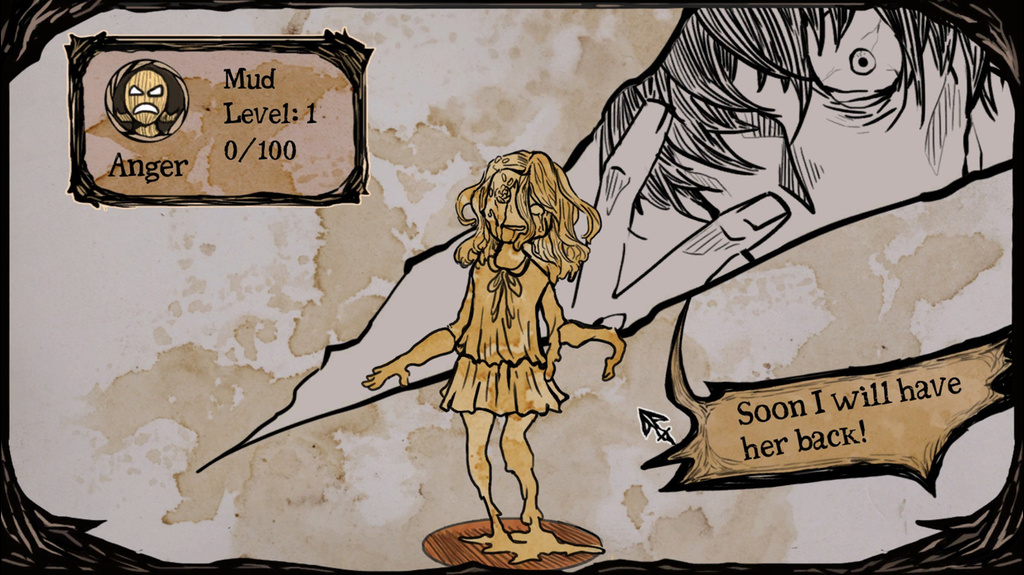
Once created, your homunculus are separated into affinity categories depicting their permanent emotion, such as anger, joy or sadness.
Collecting Your Sacrifices
Between the assortment of alchemy ingredients players will transmutate one homunculus after another in order to nurture, work and inevitably slaughter, in turn adding to your daughter’s overall soul affinity level. To reach your goal you must configure the perfect formula of the affinity emotions that perfectly match the amount of joy, fear, sadness and anger in which make up your daughter’s personality. The higher the affinity level for each homunculi means more of that specific emotion contributes to your daughter’s soul, but only after the homunculus has been mercilessly sacrificed. Every four weeks the player may decide to try to fuse the affinity-collected soul with your daughter – in an attempt to bring her back, but in doing so will apply all current affinity levels making all of your work prior to the fusion attempt a complete gamble.
The constant homunculus experiments, slave-driving mentality from our “hero” Faust, bizarre method of nurturing your twisted alchemy collection and unholy desire to relentlessly slaughter them as quickly as they were created is the entire concept of My Lovely Daughter. While grim as it is, the underlying tone urges players to dig deep within themselves and question: just how important is one’s life compared to another? The pleas and confusion displayed every time you decide to exterminate a homunculus are borderline gut-wrenching knowing this is your only option moving forward in the game. Still, growing a bond with your homunculus and watching as they begin to develop a faint wisp of trust for Faust only to be snuffed out in the name of the one daughter he actually gives a damn about is a tough pill to swallow, time and time again.
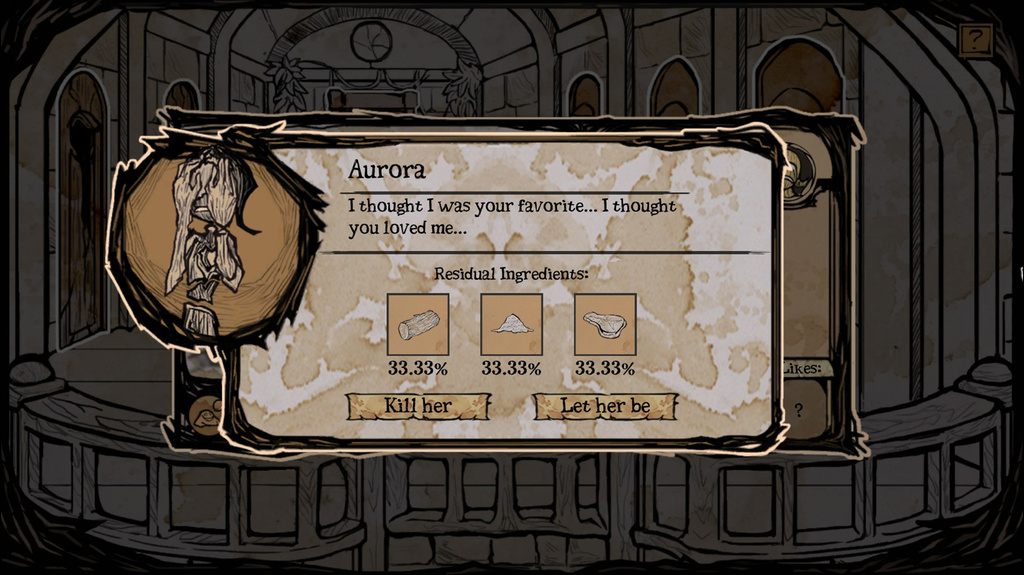
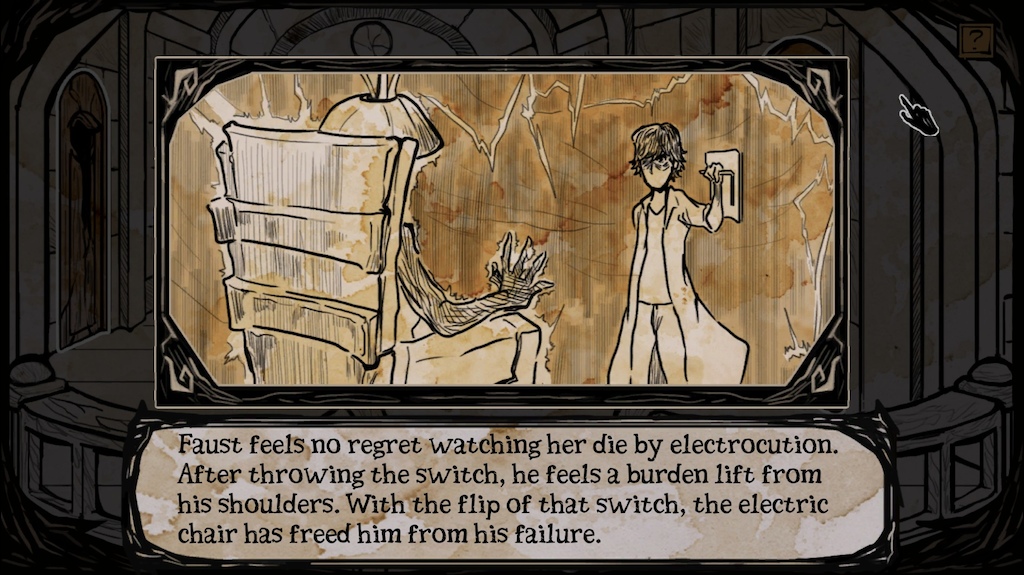
Once players have specific homunculus reaching a high enough affinity level – or things just aren’t working out – Faust may choose to end the bond through sacrifice…Sacrificing isn’t something Faust is exactly hesitant to either, often leading to gritty dialogue of his extraction of the homunculus.
The workload in the village rewards players with a modest pay in gold, but the cost of homunculus gifts, alchemy materials and expensive preservative balm – applying this periodically to your daughter’s corpse is vital in keeping her from decomposing – begins to add up. Aside from the typical everyday workspaces, players may also take on requests from the villagers. Usually asking for a number of specific materials gained from sacrificing your homunculus, i.e. clay, wood, iron etc., players may choose to take on these timed side quests to gain a hefty step forward in your gold total. While not mandatory, these do add a bit more depth to the otherwise tedious gameplay, but nothing to seriously change the overall concept of the game.
The dreadful story and bleak setting of My Lovely Daughter are enough to captivate players interested in experiencing a tale not typically told in video games. However, the constant grind and gambling process to achieve the overall conclusion is what may drive most of them off. While appreciating what the creators of My Lovely Daughter have accomplished in this maturely themed narrative, the gameplay is a bit lacking – let’s say something closer to a semi-strategic visual novel. Though the constant difficult decisions to sacrifice your lonely creations after so much time and effort put forth into bonding with them, and listening to their often depressing stories still somehow manages to weigh heavily on your conscience well after you finish the unique experience that is My Lovely Daughter.
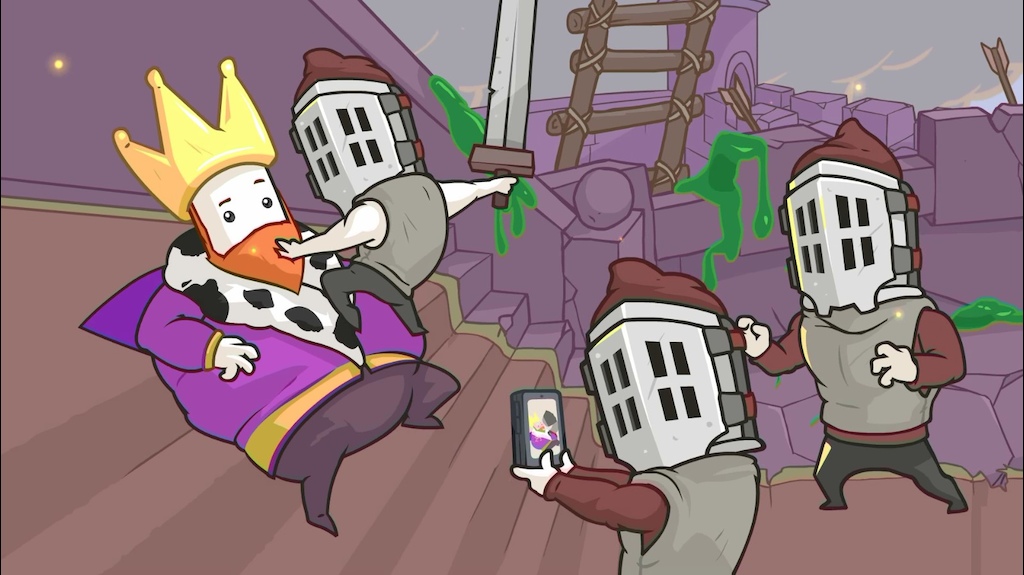
The indie developers at The Behemoth have created a delightfully hilarious RPG strategy game with an addictive, simplistic outlook on the often confusing genre. The shrunken hand-drawn visuals, compelling backing score and hysterical dialogue offer a brilliant experience while combining some of the finer elements from the turn-based category. Build your army to prepare to fend off against absolute absurdity in brutally tactical combat.
The game itself looks like a direct sequel to The Behemoth’s mega-successful 2008’s comical brawler, Castle Crashers, with unique hand-drawn visuals and off-the-wall humour. The characters that make up your party are as unforgiving as ever, squaring off against foes that only add to the off-beat charm and often greasy humour. Travelling across the sundry map in search of quests and ridiculous enemies sets players into a wagon ride filled with chaotic bouts, side-splitting narratives and combat that ceases to let up.
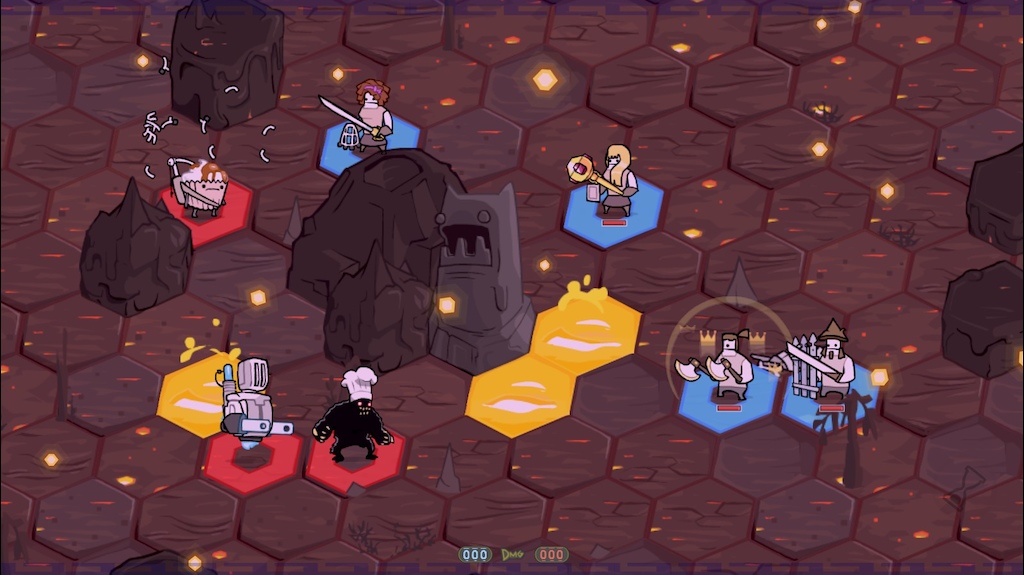
Within Pit People, you won’t find a team of highly skilled characters looking to overpower their way to victory, but rather a group of unlikely candidates with a rather grim take on life. Combat doesn’t take any unnecessary risks by adding complicating tactics, manoeuvres or abilities, but allows players to meticulously place their characters in strategic positions for the best outcomes. While players won’t have the standard options of defensive or offensive skills per every turn, the turn-based fighting style still manages to give off a fresh sense of tactical gameplay.
A Simple Twist On Strategic Combat
While in combat players simply select which position on the grid each character will move to in sequence. Each turn consists of the player choosing where each player moves to, as well as sitting back as your characters take damage. Your party members think for themselves as they will attack whichever enemy is closest to their position – as well as defend any incoming blows – on the combat grid. Moving around to appropriate positions, pairing your mates up against the weakest enemies and watching your crew take damage is all part of the dance when battling it out in Pit People, adding a broad sense of simplicity to the combat mechanics.
Pit People offers an easy understanding of the strategy inducing turn-based combat.
As your characters and battle companions begin their romp on the fantasy land of Pit People, each successful blow earns a bit of experience. Levelling up is a common occurrence, but never actually leads to any enticing unlockable skills, perks or abilities, but rather stronger and more advanced auto-attacks and a likely much-needed health refill. While the character development in any enduring RPG title will claim it’s a major asset found in the formula of keeping players successfully engaged throughout hours of gameplay, Pit People simply isn’t competing with that. That lack of any real character development is a bit disappointing – especially when live-action combat has been tossed out the window as well – but nonetheless offers yet another unique quirk from the veteran game developer.
The provocative nature of Pit People is borderline raunchy and filled with seemingly crude jokes around every corner. The narrator is an absolute cynic constantly pushing at the integrity of your group of “rough around the edges” heroes. One line after another leads to witty remarks that help keep the overall charm at play throughout the entirety of the campaign. The absurd monsters one will fight may come off a bit misleading at first, but once engaged the battles never seem overly impossible. Futuristic robots, dual wielding uzi sharpshooters or the vibrant unicorn foe barely show much of a difference when it comes to challenge of combat diversity, but does act as a solid form of exciting entertainment.
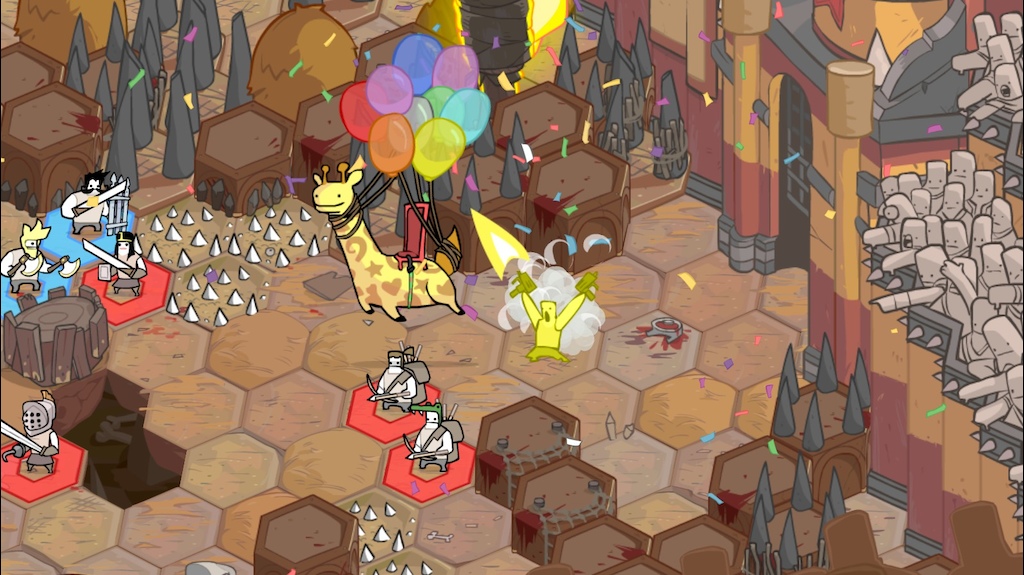
Nothing absurd about this…
Building your party in Pit People is a major factor in success, as players are able to capture a variety of monsters and enemies throughout their rambunctious journey. Leaving specific candidates left alive last will allow players to trap these beasts – with a simple net of all things – in turn providing players with an opportunity to add them to their squad. There are tons of different enemies and foes to capture throughout your adventure, all with their own unique assets in having them aid you in combat.
Enter The Pit
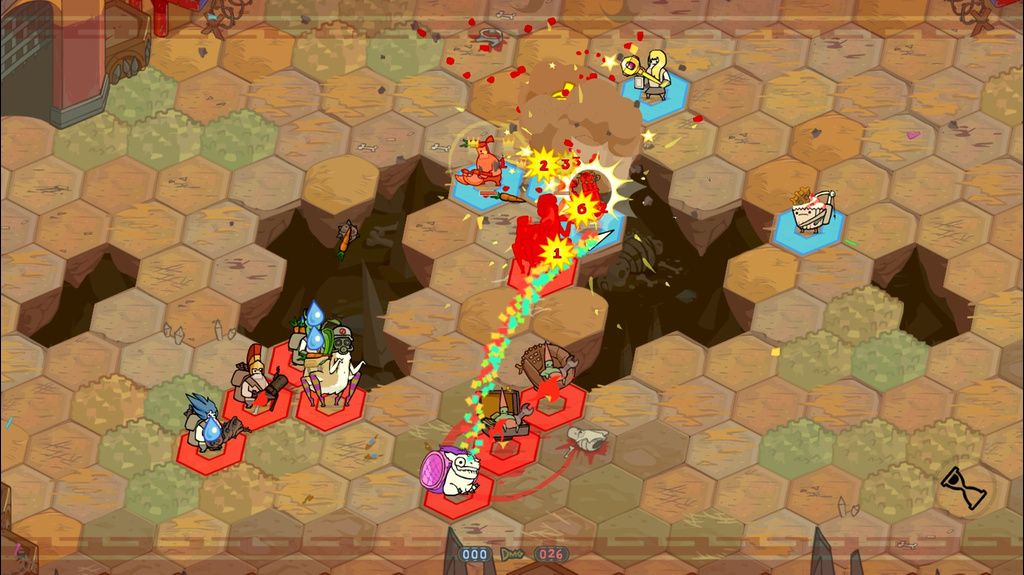
While the campaign is brimming with hysterical dialogue and methods of unlocking more carnage-inducing characters, The Pit mode offers more of a challenge. Taking on unfair waves of enemies or online versus matches provide the same amount of excitement that comes in the campaign, earning gold and levelling up your crew. The Pit offers the same style of combat found in the campaign, so there’s not much in the way of diversity, but facing off against online competition and unique waves of AI foes does offer a good amount of practice for winning those tougher battles down the line.
Entering the Pit allows players to face off against a variety of AI and multiplayer squads while levelling their own party and collecting valuable rewards.
Pit People is a vigorous turn-based title from a veteran indie team – and one in which they strayed from their usual path yet again. Taking on a new title in a genre that hasn’t been seen in their arsenal as of now proves The Behemoth isn’t afraid of taking risks to keep their library fresh and thoroughly enjoyable. The concept, gameplay, simple mechanics and, of course, off-colour humour shine delightfully all along the gruesome path left by your Pit People army.
Perhaps hoping to piggyback off the promotion of Pacific Rim: Uprising, Marvelous Games brings their PSP, Japanese exclusive game about mech suits to the PS4 and PC with middling results. A lack of captivating gameplay, setting, or story stifles any chance of elevating this interesting concept above a sub-standard shooter.
Assault Gunners HD Edition Review PS4
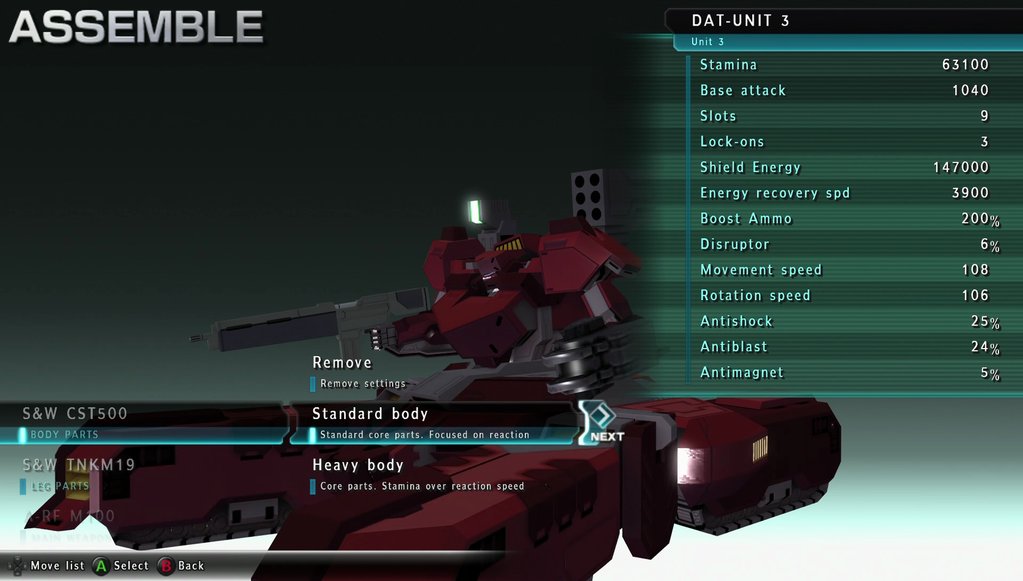
If it wasn’t already clear from the early 2000s’ graphics, just starting this game immediately signals it’s a port from a previous generation (in this case a handheld) – the menus are navigated with the D-pad. Though scrolling through menus becomes more tedious this way, the variety of menu and customization options is worth it if you’re determined to play the game. Before starting one of the 20 main levels (or additional two DLC packs), the game lets you select a difficulty, set friendly fire, and modify your supporter settings.
Assault Gunners HD Edition Review
In addition, the game allows you to personalize your units and manage your troops. Even seeing this pared-down version of an RPG-system is a welcome addition and a benefit to the game as a whole. However, this feature only became apparent to me after seeking it out and was not explained in-game, which would’ve been nice since the end of each stage listed various bonuses and supplies you collected from the level.
Though some may argue that video games have become too easy and straightforward, this lack of communication is frustrating (and it doesn’t help that all of the voice acting is in Japanese) and a flaw across many of the game’s aspects. There is clearly love, or at the very least effort, put into the story but the narrative never finds a compelling way to explain itself. Beyond slapping quick scrolling text (a la Star Wars) before every mission, there is little else directing the players’ motives. Who are these people? Why should we care? It seems the developer thought about those questions but buried them deep within the aforementioned menus to never be found unless the player is digging for them.
Assault Gunners HD Edition Review
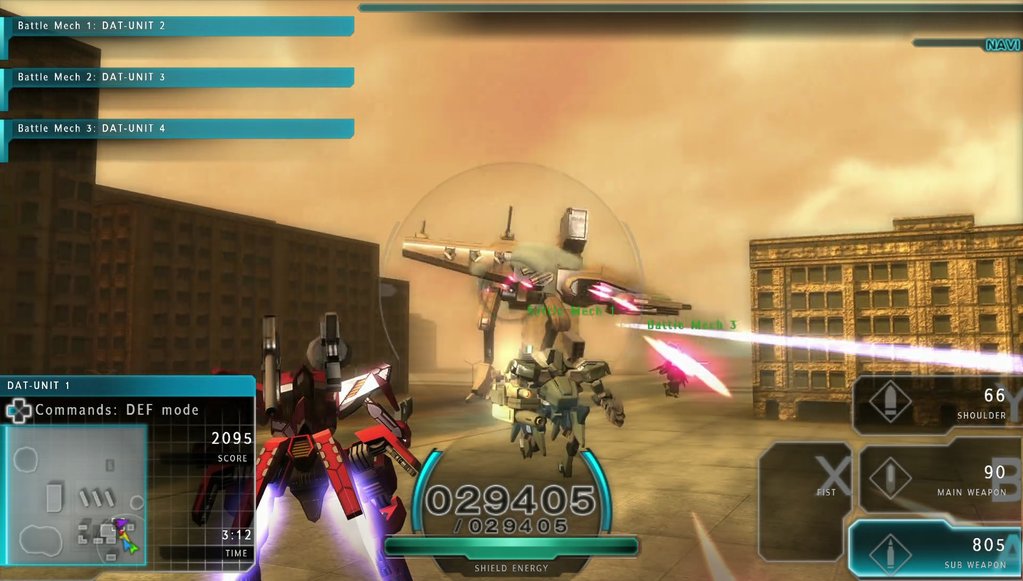
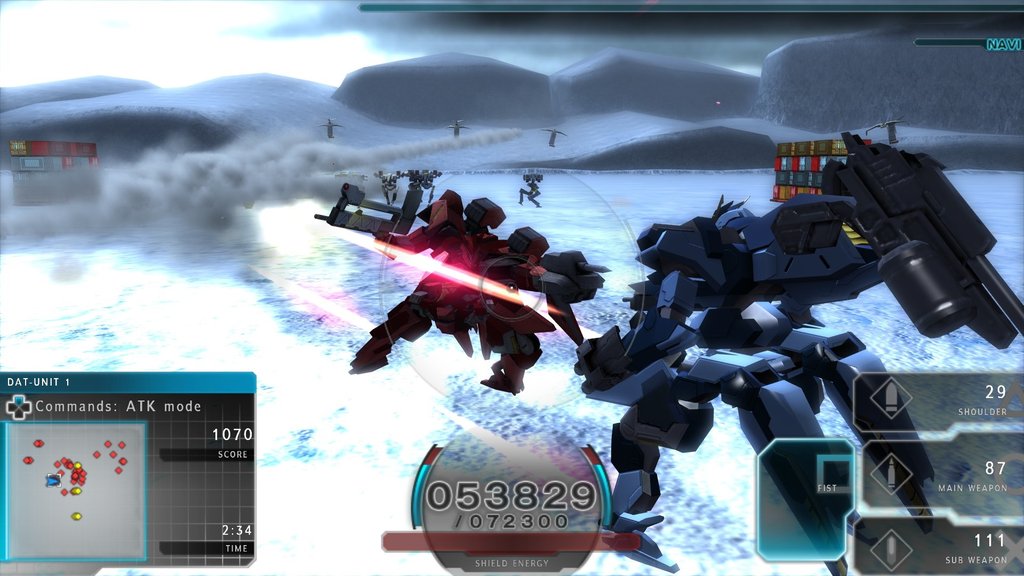
In addition, I often found it hard to determine whether my bullets or missiles were hitting their projected targets. If the attack struck (and the combatant was weak enough) the enemy would poof off the screen. For enemies that couldn’t be one-shotted, they merely absorbed the attack until, like the others, they just disappeared. I didn’t feel as if I was learning. I was just shooting until I cleared the stage. It wasn’t until the timer threatened to countdown and flunk me that I found any bit of fun, challenge, or variety of play. Those moments, however, were too scarce and most of the time I felt as if I was just mashing buttons and walking around the various arenas with no clear objective.
Assault Gunners HD Edition Review
Button mashing can be fun, but the game has to have more diverse environments to explore or ambience to set the mood. It didn’t help that as you marched your mech suits across the mostly flat stages, the music was bland and consistently played a similar tune. At times it was disjointed with the action; other times it faded into the background. It wasn’t fully a failure, but not even close to a success.
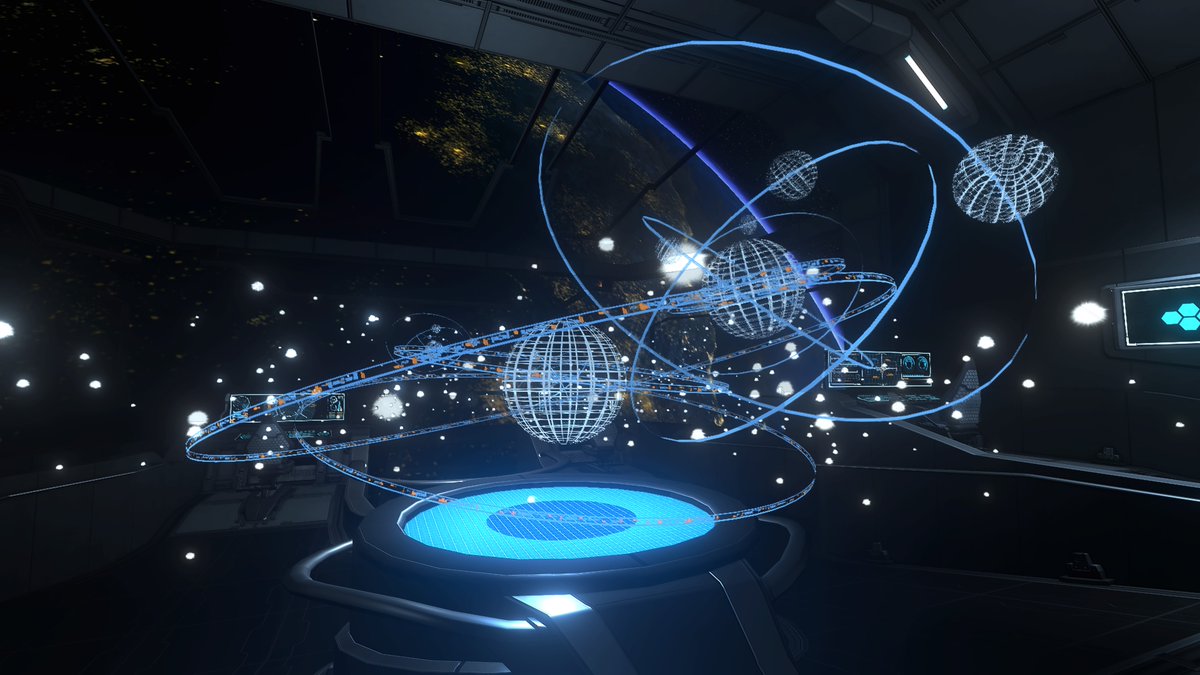
Exploring the depths of space is an adventure all on its own, so developers really need to dig deep when adding to the flare that is galactic gaming. The Station (not this one!) is a short but sweet tale that follows the relentless curiosities our species seems to have on the vast void of stars, undiscovered planets and distant galaxies.
With attentive puzzle solving and as about as gripping as any story can get in the span of an hour or so, the indie team behind the first-person space station explorer has created an impressively stout adventure that underlines the mysteries of space.
You’re sent to investigate a three-man team of scientists who have gone missing during a top-secret space mission involving interplanetary studies. Upon discovering another race of sentient beings, the team is determined to study the unknown planet caught in a civil war.
Rather than getting directly involved in the unknown alien species’ conflict, the team thought it vital to observe from a distance as the war rages on. That is until the crew turns up silent over the transmitters which is precisely where you come in, a space station recon specialist.
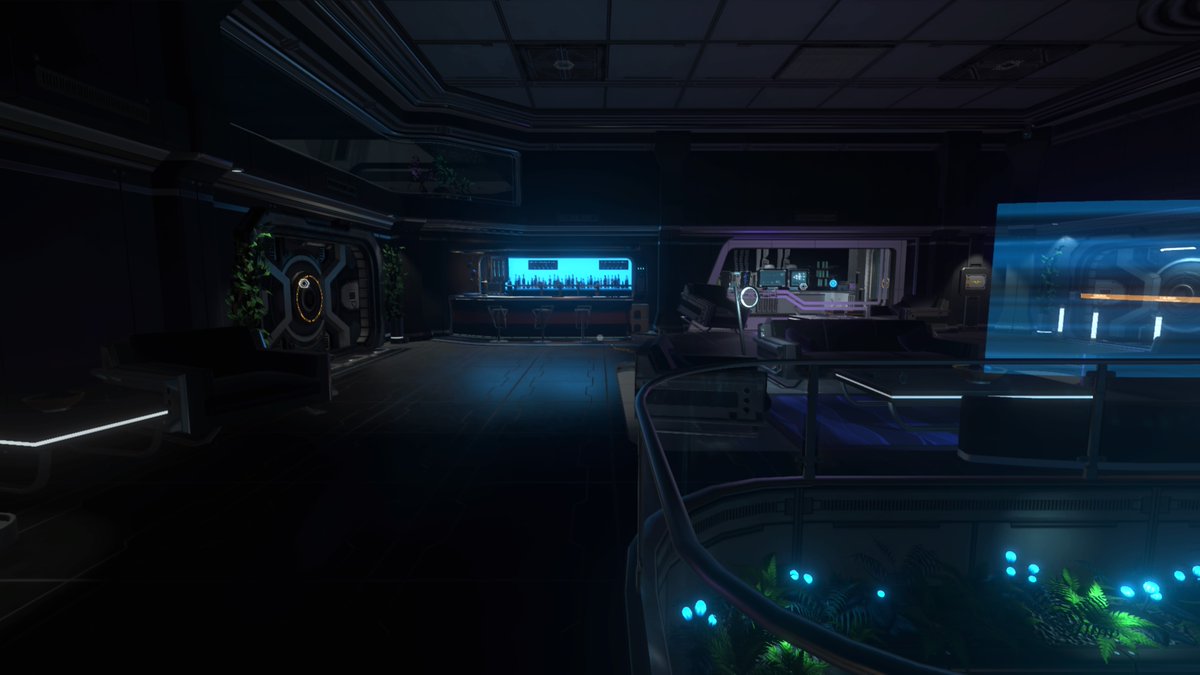
Welcome to The Station – a hidden space station created to study the nearby alien planet caught in the middle of a civil war.
Discover The Truth Behind The Warring Alien Planet
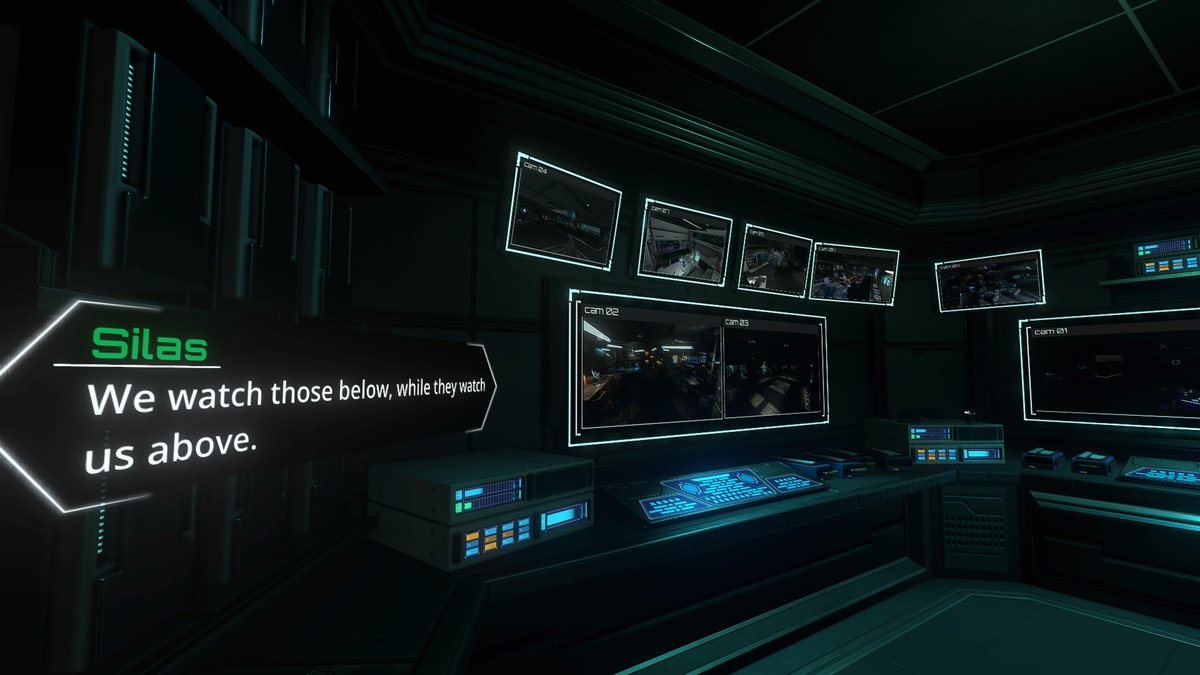
The Station takes players throughout a story that’s told through audio logs recently left behind from the crew, as well as a series of tasks and objectives that will ever so gradually push you towards the truth behind the foreign species.
In its short amount of completion time, however, players will find themselves amidst an intriguing plot line that is never as straightforward as it seems. While collecting pieces of dialogue content like emails and messages, informative audio logs and crucial pieces of equipment, you will continue to progress further into the station uncovering its many secrets.
The game is an honest balance of healthy discourse and thought-inducing puzzle-solving. Tasks lists frequently pop up to remind players of what they should be working on, but most everything else is left to the imagination of the player.
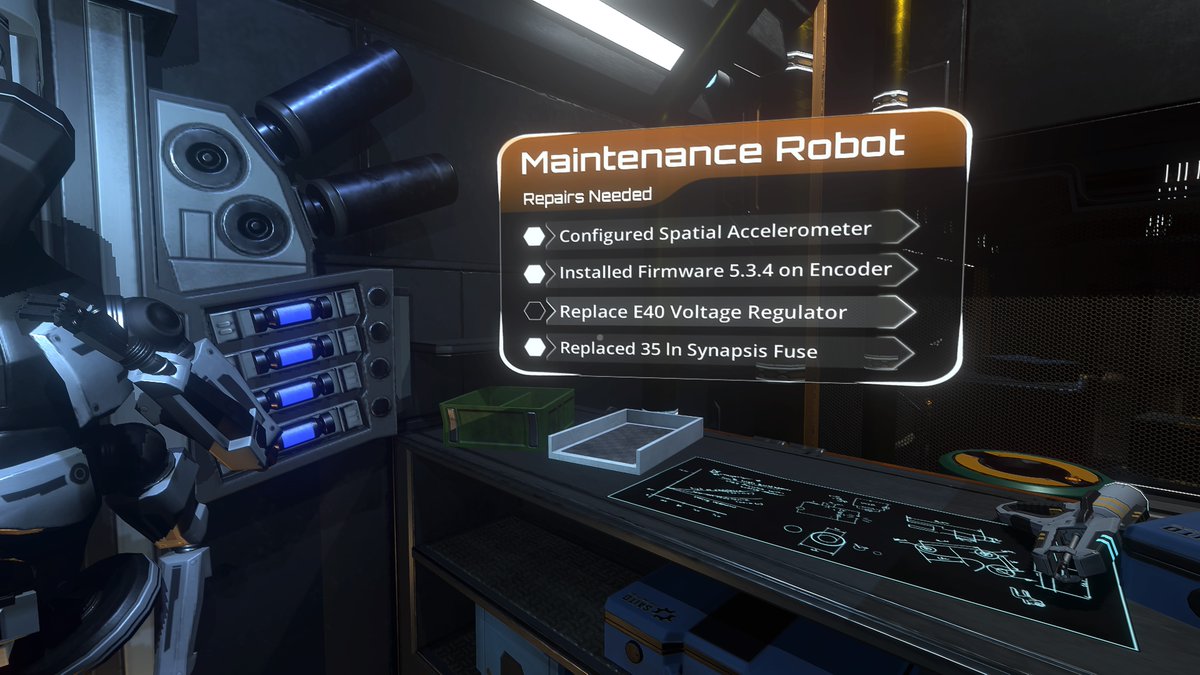
Repairing a maintenance robot by finding and replacing its components, or unlocking the team’s personal lockers by tracing their specific password, are just a few of the random tasks that will allow you to travel further into the station. The simple objective lists may seem easy enough at first, but nothing is ever as it seems when dealing with a failing space station.
Throughout your missions, you will find objective and task lists that help you explore further into the station.
Throughout your linear quest into the lonely space station, the overall mission never changes once. While the length of the game depends entirely on your ability to solve the tedious puzzles of fixing up everything around you or breaking into personal rooms/storage devices, players shouldn’t expect much out of the brisk space adventure.
The story leaves many interesting perspectives on the table with a truly exhilarating ending, but after one time through, nothing else changes and players can easily blast through in less time than an episode of Star Trek.
Uncover truths about the station through recent messages and audio logs left by the three-man team of scientists.
Worth The Trip?
All in all, The Station – as minimal as it is – serves its purpose as a mysterious and involved sci-fi puzzle adventure. The characters thrown into the plotline are interesting enough to keep players intrigued across their short journey, while the puzzles fit nicely into the setting of the lonely and seemingly abandoned space station.
With no outside threats or method of combat, players of all skill ranges can sit back and enjoy the curious and subtle thrills of solving the many mysteries of The Station.