A Way Out

A Way Out Review [PS4] – A Criminally Good Co-Op Adventure

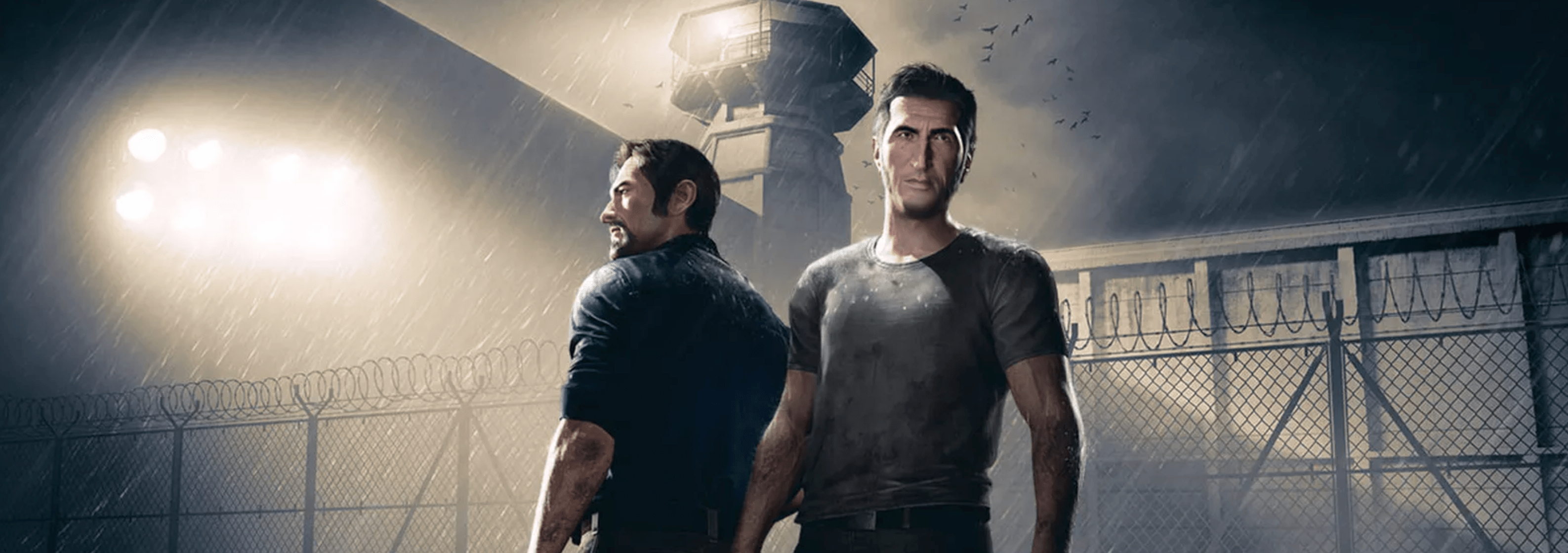
As they say, there’s no “I” in “team.” From the man who has believed in this mantra since his previous game Brothers: A Tale of Two Sons, Josef Fares is the director of the co-op exclusive A Way Out. Made by Hazelight Studios and published by Electronic Arts, this is a game I have been looking forward to ever since it was announced on E3 in 2017.

A Way Out is a textbook action-adventure game, but it’s unique in so many ways. As mentioned, there is no single-player option. You can play either local co-op, with a traditional split-screen style, or you can play online with another player. I chose to play the game in local co-op, so I can’t comment on how the game works online. From my experience with Fares’ previous game, Brothers: A Tale of Two Sons, I knew local co-op would not be a problem, as Brothers offered an amazing co-op experience.

A Way Out Review

At the beginning of the game, each player has to assign a character, which can be described in these short terms:

  • Meet Vincent Moretti. Smart and strategic, Vincent prefers the stealthy route when it comes to handling situations and is not one to be underestimated. Vincent is convicted of murder, and the game opens with him being lead into prison. Outside the prison, Vincent is in a somewhat rocky place with his very pregnant wife.
  • Meet Leo Caruso. Tough, honest, and never afraid to do things the hard way, Leo is a stubborn man who is willing to do whatever it takes to get the job done. Leo is already an inmate when Vincent entered the prison and was convicted of grand theft. Outside the bars, Leo’s faithful girlfriend and their beloved son are waiting for him.

While the two men have each taken a very different path in life up until this very moment, Leo and Vincent’s unique stories are connected into one fantastic storyline. As they slowly get to know each other, they find out about a common enemy, a con man named Harvey – the sole reason for them being in prison in the first place. Queue revenge-plot!

Prison is a dangerous place to be and escaping it isn’t easy. Leo and Vincent are determined to get out. How else are they going to get their revenge? So, walk around the prison, do your chores, and make discreet conversation with the other inmates to gather information on security, how the prison is built, its weaknesses, etc. Do everything you can to make the prison break more manageable, without letting anyone else know what you’re planning.
A Way Out
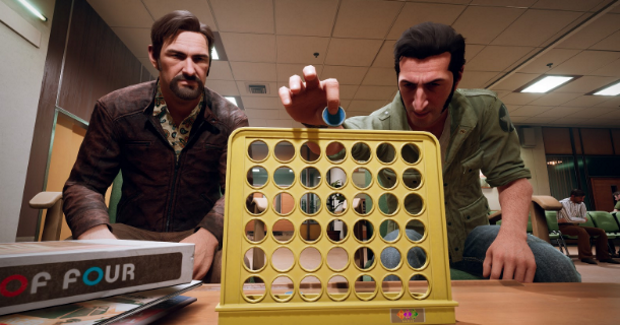
Take a break from the “escaped convict” life, and play a round or two of tic-tac-toe with your partner!

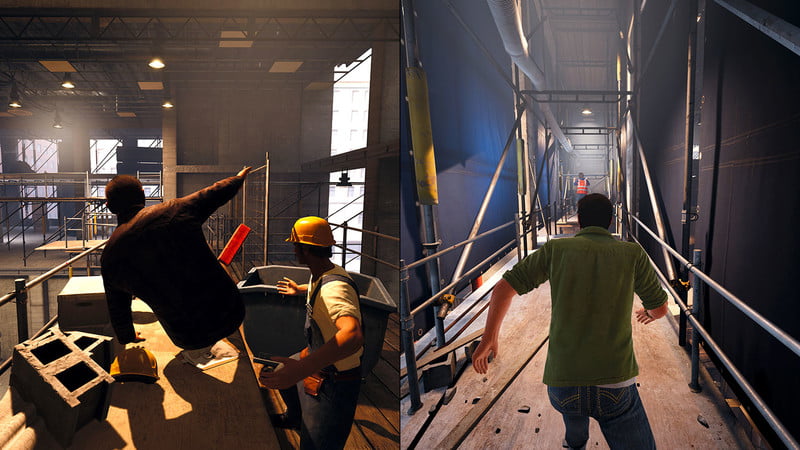
There are bound to be some fights in prison and this is no different. The fighting scenes are well-made, and in the very first one Leo and Vincent must work together in a ‘fighting circle’. The fights are badass, smoothly shifting from Leo’s perspective to Vincent’s – and it works really well. The quick-time events are terrific and so much fun. Three words: slow-motion scenes. However, there are also stealth-missions while inside the prison; one is the distraction, the other does the dirty work. The reliance on both of you to do your job is exciting and serves for some very refreshing gameplay.

The question on everyone’s mind is; how did they get there in the first place? The storyline moves back and forth between past and present, giving the player a right amount of story both before and after their escape from prison. And yeah, that is not a spoiler, by the way. The majority of the game does not actually surround itself with after prison; it surrounds itself with what happens after their escape. Leo and Vincent’s reunion with the world is not necessarily easy, as they finally must encounter the problems that have been waiting for them outside the bars.

What I really like is how A Way Out integrates the co-op factor into every single aspect of the game – with masterful success. Upon completing a task, such as opening heavy doors and climbing certain obstacles, you are dependent on your partner to help you. That’s just the minor things. The game is extremely interesting in how it presents a variety of different ways of getting through multiple situations.

The two escaped convicts have their own methods: while Leo prefers brute force, Vincent wants more stealth. Most importantly, the players actually have to agree on the choice. And let me tell you, that can definitely create some tension on each side of the couch. This also creates some great replay value – I would like to find out if the story unfolded differently if I had made other choices.
A Way Out
The nice pacing of the game makes each moment all the more engaging.

When it comes to dialogue and script, there is an excellent synergy between Leo and Vincent and it is well-written, intriguing and thrilling. The voice-acting was good, and the synergy between the voice-actors was just as good as the characters in-game. The emotions change quickly from witty commentary that made both me and my partner laugh out loud, to severe conversations that created a pit in our stomach.

Visually, A Way Out is a stunning action-game with perfect pacing. Like Brothers: A Tale of Two Sons, the game knows that it has beautiful scenery, and gives the player plenty of chances to slow down and observe, before throwing out a fast-paced challenge. As Leo and Vincent naturally must spend a lot of time outside, the game really gets a chance to show off incredible lighting and with perfect corresponding ambience.

The more I think about it, the more I realize the different nuances implemented within. In different instances of the game, the perspective changes. Some parts use the classic GTA top-down style, others it’s a Tekken/Street Fighter style. Josef Fares has made some bold decisions by adding a lot of variety, but somehow it just works perfectly and feels refreshing.

There is also a distinct change in audio when each character has separate conversations. If the players are exploring on different sides of a scenario, then the one who started to speak first will have the highest audio or the ‘focus‘ of the conversations. When one of the characters encounters a critical discussion, the game will automatically focus more on that. It’s an excellent way to focus on the essential things, and even though it was a bit confusing at first, it worked surprisingly well.

It wasn’t until I played A Way Out that I realized how much I’ve missed classic split-screen co-op. Nothing beats it. Where have all the good ones gone anyway? Because if I had to find a flaw in this game, I would say that I wished it was just a little bit longer… I wanted more, and though I know that wishes like that are often a double-edged sword, A Way Out is so much more than a get-out-of-prison game.

[There’s a huge twist at the end, a true turning point of the story; if you’re playing with someone in the same room, there might or might not be a problem. And that’s all I am going to say about that].
Juicy Realm Review

Juicy Realm Review [PC] – The Saltiest Fruit You’ll Ever Fight

Humans, despite our lack of brute strength, when compared to other predators in the animal kingdom, have managed to stay on top of the food chain due to our innovation, particularly when it comes to the creation of weapons.

But, what if another species suddenly developed weapons as well and decided our time as king of the jungle had come to an end? And, no, I am not talking about Charlton Heston against a band of royally perturbed, highly intelligent apes.

I am talking about an enemy that seems far less likely to arise, but if they ever did, man would find they have a bone to pick with us: sentient fruit.

Juicy Realm Review

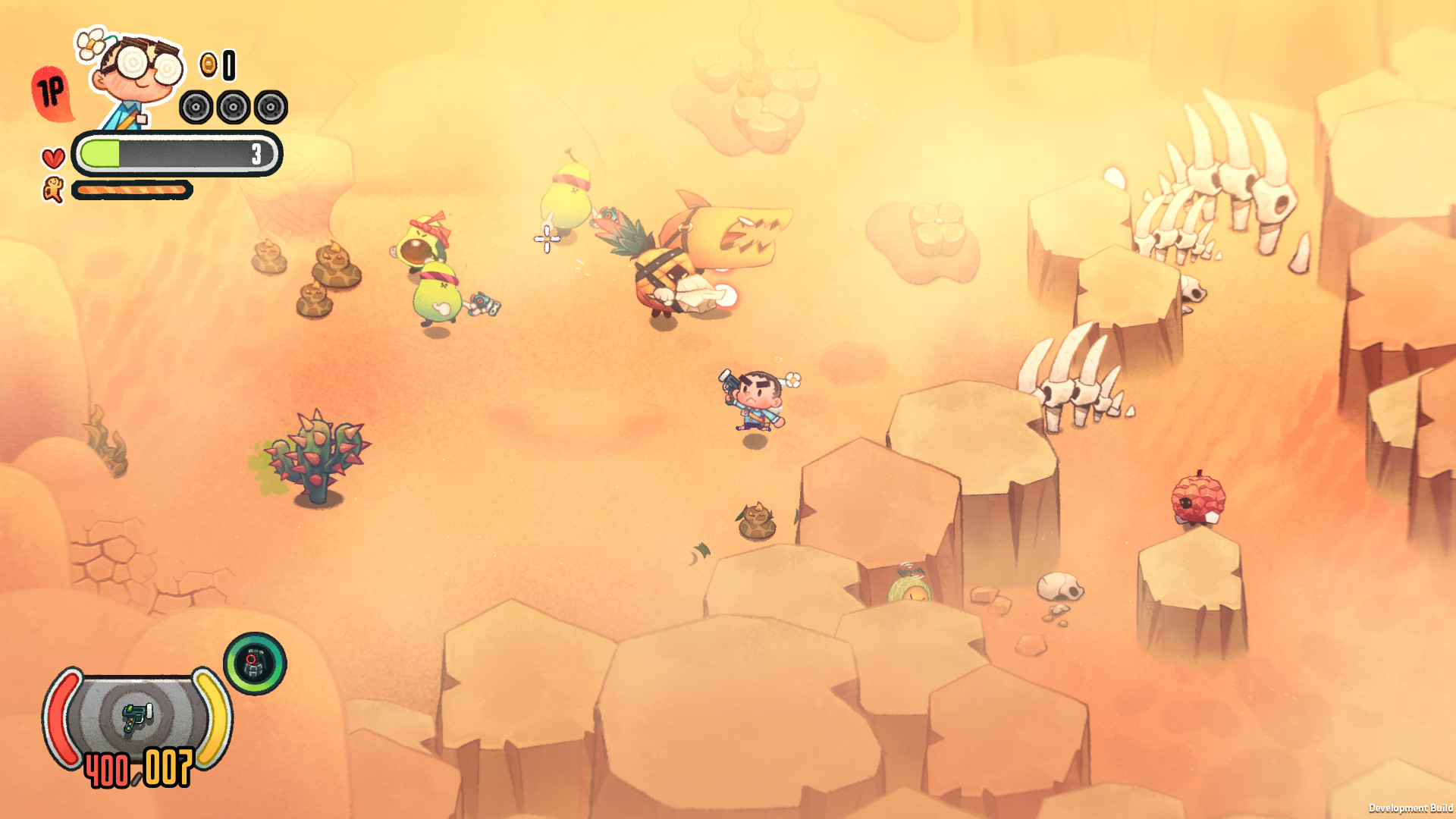
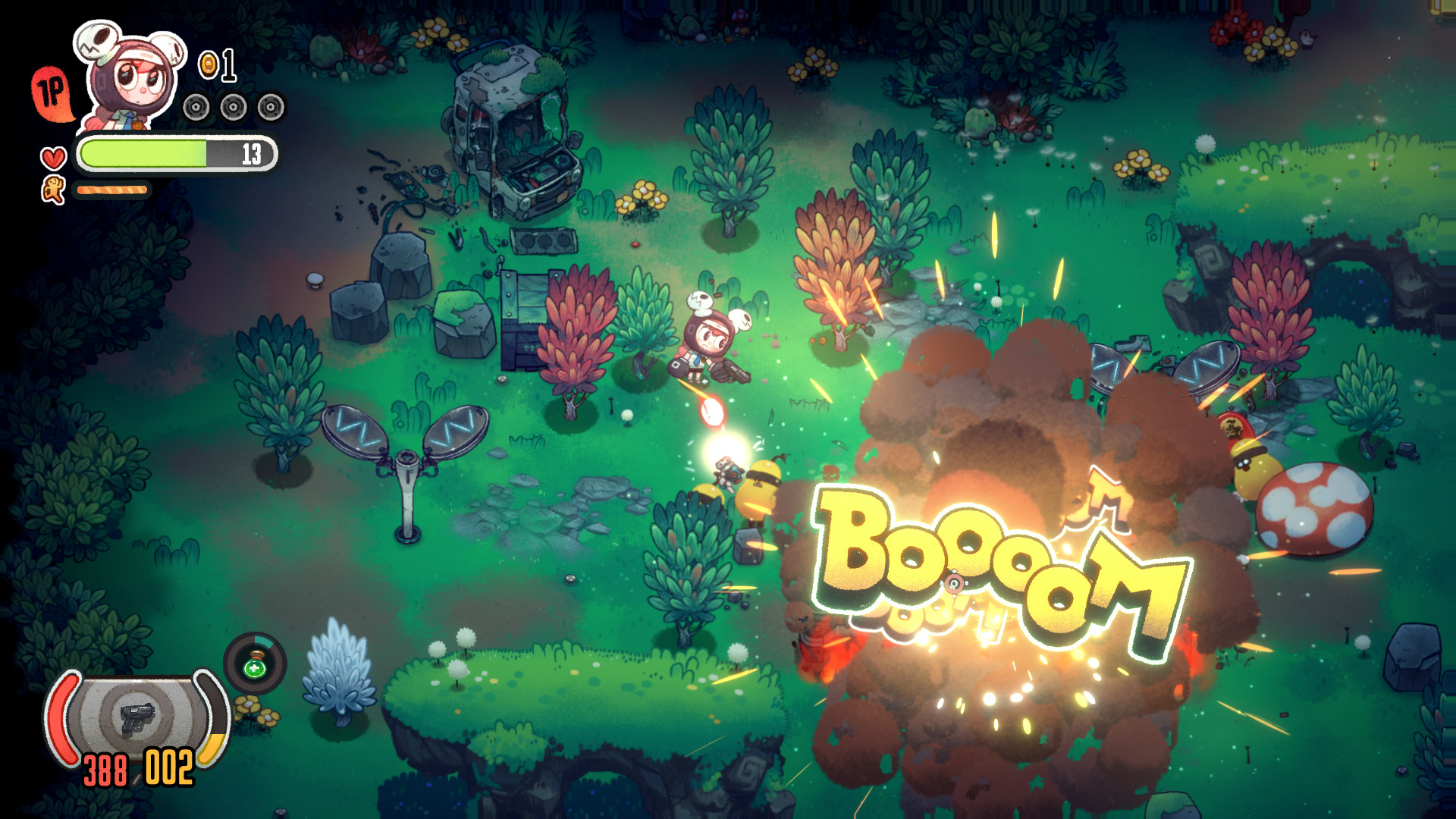
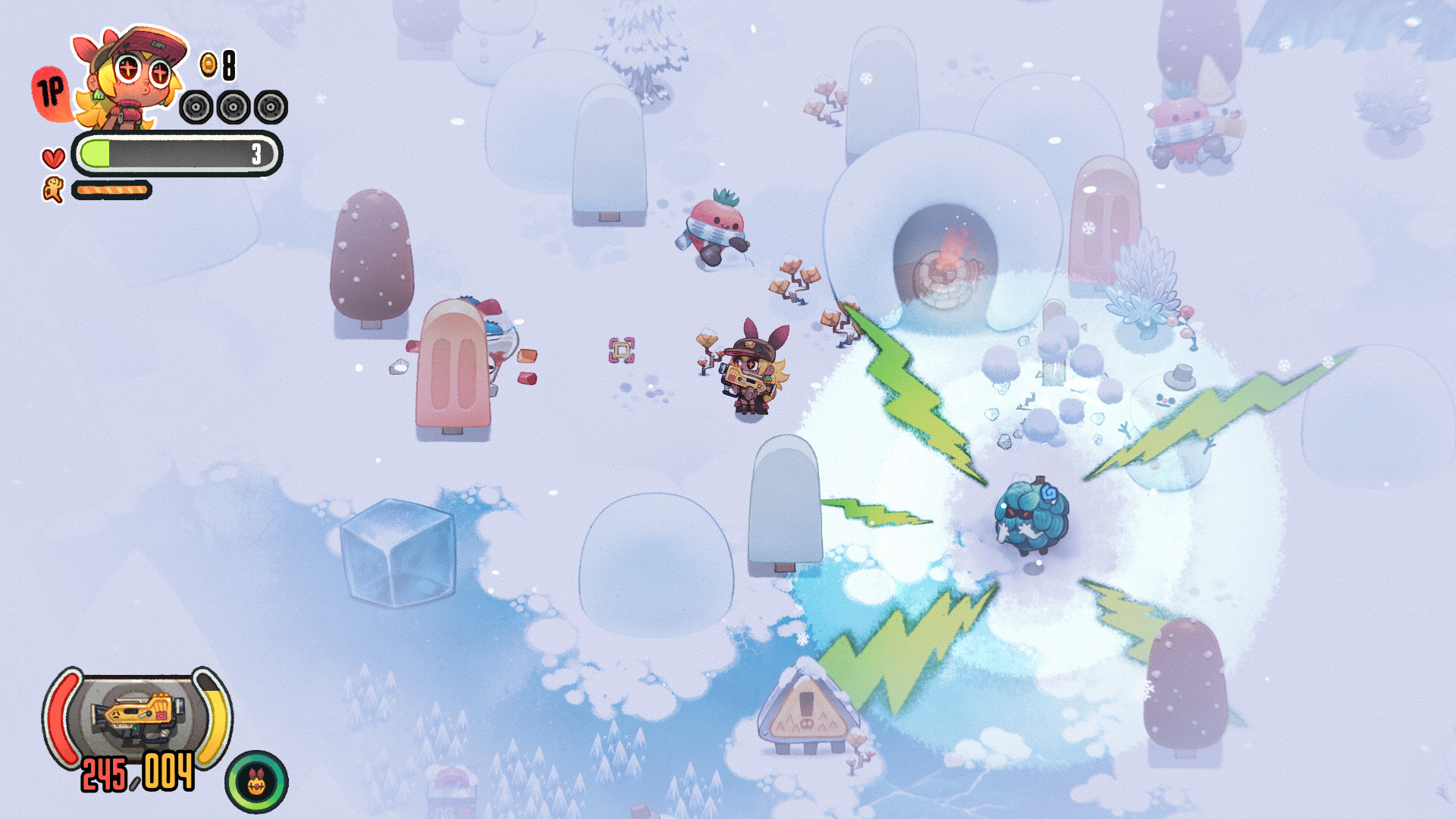
Juicy Realm is a roguelike in which you’re taking part in an ongoing war against cognizant crops of various berries, pomes, and melons.

Notes left behind by a brave, or foolish, observer provide some context for the world in which you now find yourself. However, it doesn’t take more than a few seconds of gameplay to figure out regardless of why or how these once docile and delicious eatables are out to kill.

Equipped with weapons ranging from dual-wielded swords to portable Gatling guns, the fruit prove to be formidable foes.

You have the choice to stand in the shoes of four different character types who come with varying stats and starting weapons: the Boxer, the Botanist, the Mercenary, and the Ninja.

All, except the Ninja, begin with a gun. The Ninja is the only one who begins with a melee weapon in the form of a giant sword. Between playthroughs, you can choose to switch out characters by going back to camp, but not during a play session.

Each character also comes with a unique item/secondary weapon classified as “gear” that cannot be dropped or replaced during combat. The Botanist comes with a grenade launcher type weapon. The Ninja has a tiny, mobile companion that can be dispatched to electrocute enemies. The Mercenary can set up a turret that sends single blasts toward approaching enemies. And, finally, the Boxer can use a life potion that refills portions of her HP as long as she stands within the glowing, green circle.

Once a character deploys their gear, a meter on the bottom of the screen empties and then slowly refills, indicating when the gear can be used again. the time between uses is long enough that you don’t depend too heavily on them as a sort of trump card during combat.

However, they do give some characters more advantage over others.

Juicy Realm Review

For example, the Boxer’s life potion and high beginning HP do make her easier to use than, say, the Ninja who’s beginning weapon, as badass as it may seem, make him far more vulnerable to attack since he must engage enemies at close range.

His companion, however, being mobile is far more useful than the Mercenary’s turret which requires you to lure enemies close to it before it becomes useful.

In this way, the developers of Juicy Realm have done a decent job of establishing a simple balance between characters and requiring you to use each character slightly differently during combat.

I do wish the game allowed you to compare the stats of each character’s starting weapons along with their other stats. Without this information, I had no way of knowing whether there was a specific advantage to any of the guns over the others, or even how the Ninja’s sword stacked up against other melee weapons I found throughout my journey.

The game does give you some simple stats for new weapons you find but unfortunately does not offer a way to compare them to weapons you are currently carrying.

A recent update improved the attack power of melee weapons, thus making their use feel a bit less like an unfair disadvantage during combat. This is especially important since weapons are dropped or discovered randomly.

So, if you end up running out of ammo and need to use the baguette you just found to defend yourself (yes, a baguette), you are not at the disadvantage you once would have been before this was corrected.

In fact, I often noticed certain melee weapons could take out enemies in two hits when the gun I was using took at least four or five shots. The advantage of the gun, obviously, is that I can keep moving and stay much farther away from enemies during a firefight.

The only issue, however, with the game giving you melee weapons is as effective as they may be, you are literally bringing a knife (or, rather, a wrench) to a gunfight. Some of the enemies can shoot three shots in quick succession. Others can fire multiple rounds one after another.

When there is a cluster of enemies, this makes using melee weapons quite difficult and made me wonder a few times why melee was available at all, or at least as common as it is, within what is clearly a dual-stick shooter type game, along with its roguelike elements.

In order to help players maintain use of their guns longer, the same update that increased melee attack power also added random enemy ammo drops. This means that while you can indeed run out of ammo, I rarely did. I was quite thankful I did not have to battle a boss with the baguette.

Plus, blasting away your equally equipped fruity foes was far more fast paced and enjoyable than the comparably slow melee attacks.

Juicy Realm Review

Aside from locating weapons and ammo at random, you can also break open boxes to reveal food which will restore your health.

Coins that you can either find or collect from fallen enemies can be used to purchase randomly generated items from vending machines you will find also at random throughout your run.

Keep your eyes open because “hidden” areas will appear that, though not hard to figure out how to get to, can offer extra coin or food or ammo. The game’s controls are smooth and straightforward. On the keyboard, you use the mouse to aim and WASD to move about. You click left to fire and clicking right on the mouse allows you to dash a short distance in the direction your mouse is pointed.

This works especially well when in close combat with an enemy that can fire several shots in succession, but I found I rarely needed it when using a firearm because all I needed to do was keep moving about.

Just like with the gear, there is a meter that depletes each time you use your dash ability which will need to refill after a certain number of uses before you can use the dash again.

The game also has controller support, though I found aiming with the mouse much simpler than the dual-stick controls on the controller. There is no way to customize the controls using either, but with such simple design, I didn’t feel the need to do so.

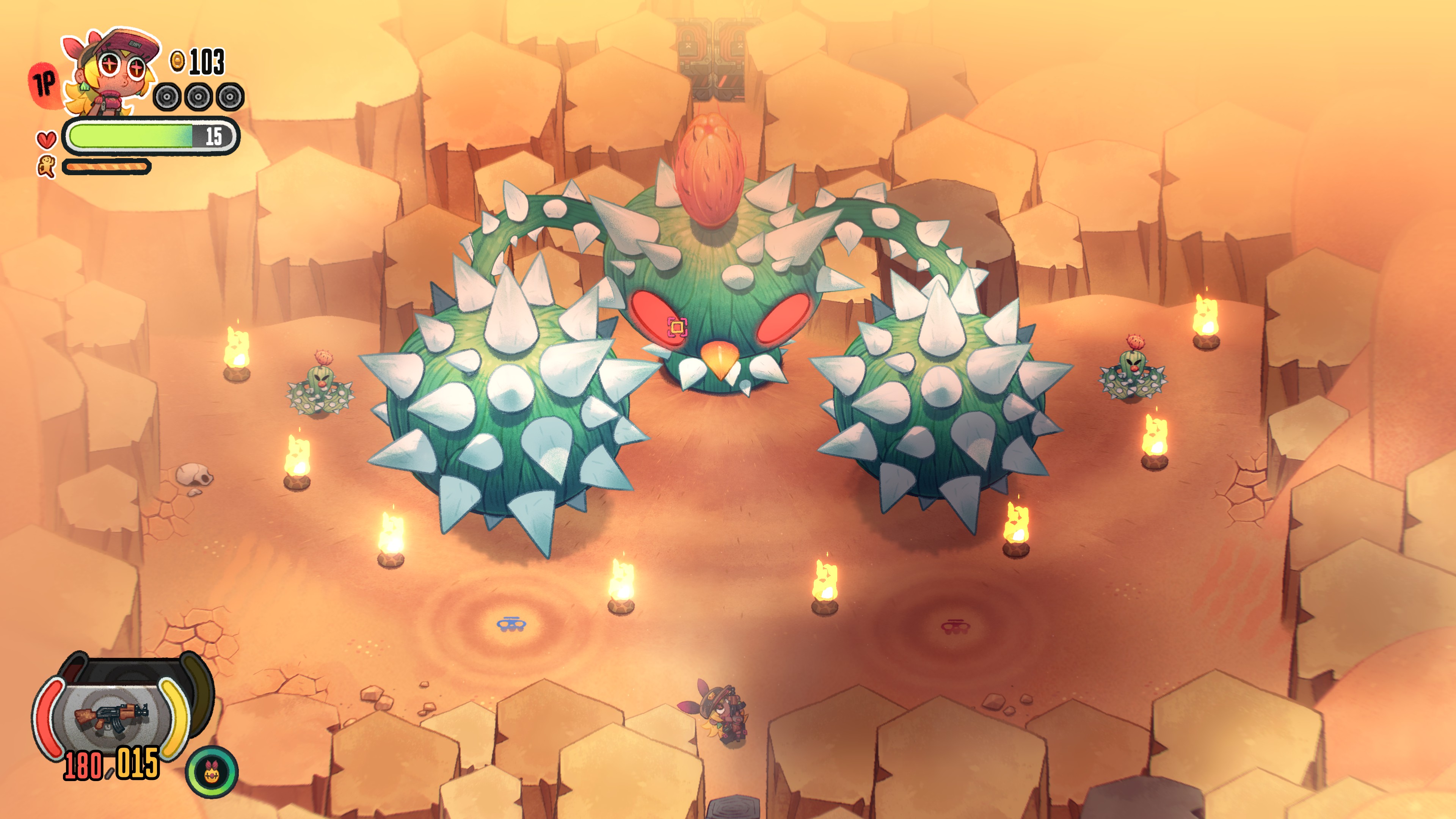
Boss battles have a traditional Zelda-like feel, requiring you to learn a series of attack patterns in order to achieve victory.

For instance, the first boss I fought, a giant melon, had four basic attacks: a dash, a ground pound, shooting several rows of wooden spikes, and setting loose a gaggle of tiny watermelon slices that are surprisingly aggressive despite their tiny appearance.

I quickly learned I could not do any damage unless the boss was momentarily incapacitated. So, I had to learn how to make that happen.

Of course, this means you will likely die at least once or twice before reaching your goal.

Punishment for death means going back to camp and starting over again. This might seem likely a heavy price, but due to the constantly changing level layouts, I never felt like I was making the same run twice.

Juicy Realm Review

On the downside, though, without any real way to upgrade or customize your weapons or characters, the multiple run-throughs begin to lose a sense of reward aside from hopefully making it all the way through.

The game is rather short, at least, so I never got to the point where I lost interest entirely. But, if I could customize my weapons or my character so that each run-through at least rewarded me with something that would make tearing through the same levels much faster and with more satisfying violence, it might raise the replay value quite a bit.

As it is, you can play against your own time once you finish the game, but there isn’t much else to keep you coming back. Unless that is, you want to play through with a friend using the local two-player mode.

Despite its tendency to perhaps be a bit overly simplistic, Juicy Realm boasts gorgeous visuals and a handful of different level designs. From dense jungle to desert sands, the vibrant, stimulating colour palette paired with the jovial soundtrack adds a level of excitement and wonder.

Black Future ‘88

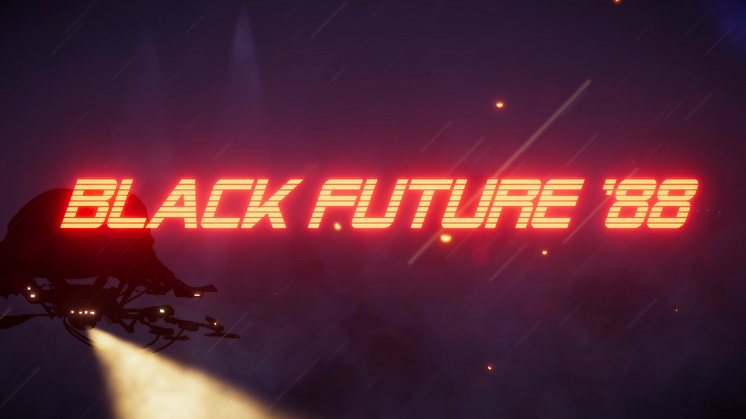
Say hello Black Future ‘88 – A cyberpunk, roguelike out this year

The 1980’s have come full circle again: the rise of vinyl records; the now 80’s dream-turned reality VR headsets; synth-pop labelled as Dream pop; the release of Ready Player One, and last but not least, the threat of another cold war; you know, fond moments.

Welcome to Black Future ’88.

Black Future ‘88

Hello Black Future ‘88

Set in the sci-fi version of the 80’s we all know from our imaginations and pop-culture references – neon lights, fog thicker than a smoking area at an airport, and one where everyone wants to kill you…

Anyway, you climb a procedurally generated tower that changes, influenced not just by your actions, but other players. The knack is you’ve only got 18 minutes to do so before your character’s heart explodes, starting you from the very beginning.

Black Future ‘88

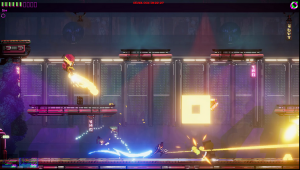
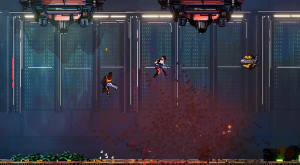
You’ll be playing through 6 dystopian zones with an arsenal of over 50 weapons in the side-scrolling platformer that has taken a strong influence from bullet hells. You can play with a friend in a co-op mode too.

Black Future ‘88

Black future looks like a great game just to blast on for a couple of minutes – when you have, you know, just those few minutes spare.

But it’s frantic style of gameplay also may make you think: ‘Just one more try’. Before you know it, two hours have gone by and your cat is staring at you with that glare of: ‘Make me food, you lazy humanoid’.

Yes, sir, Black Future has all the ingredients for an indie classic! It’s out this year on PC, and hopefully, the consoles will follow.

Max: The Curse of Brotherhood Review

Max: The Curse of Brotherhood Review [Nintendo Switch] – Magic?

There aren’t many times where I don’t sing the praises of the Nintendo Switch, and the same is going to happen here. Albeit not in the form of praise for its power, prowess or its stellar first-party line-up, but more for the fact it is helping me catch up with some games that I have missed on other consoles.

The Switch is the perfect platform for smaller, indie games new or old and it’s great to see so much support for the little guys out there by Nintendo.

Max: The Curse of Brotherhood Switch Review

Such a title that I missed back in 2013 was Max: The Curse of Brotherhood. Not through ignorance or purpose, it was just something that I never picked up at the time, much like many indie games I must ashamedly concede that launched around this time.

So, Max has had his time already on other platforms, including this generation and the last generation of consoles, not to mention PC. Now, though, is his time to shine for Nintendo…

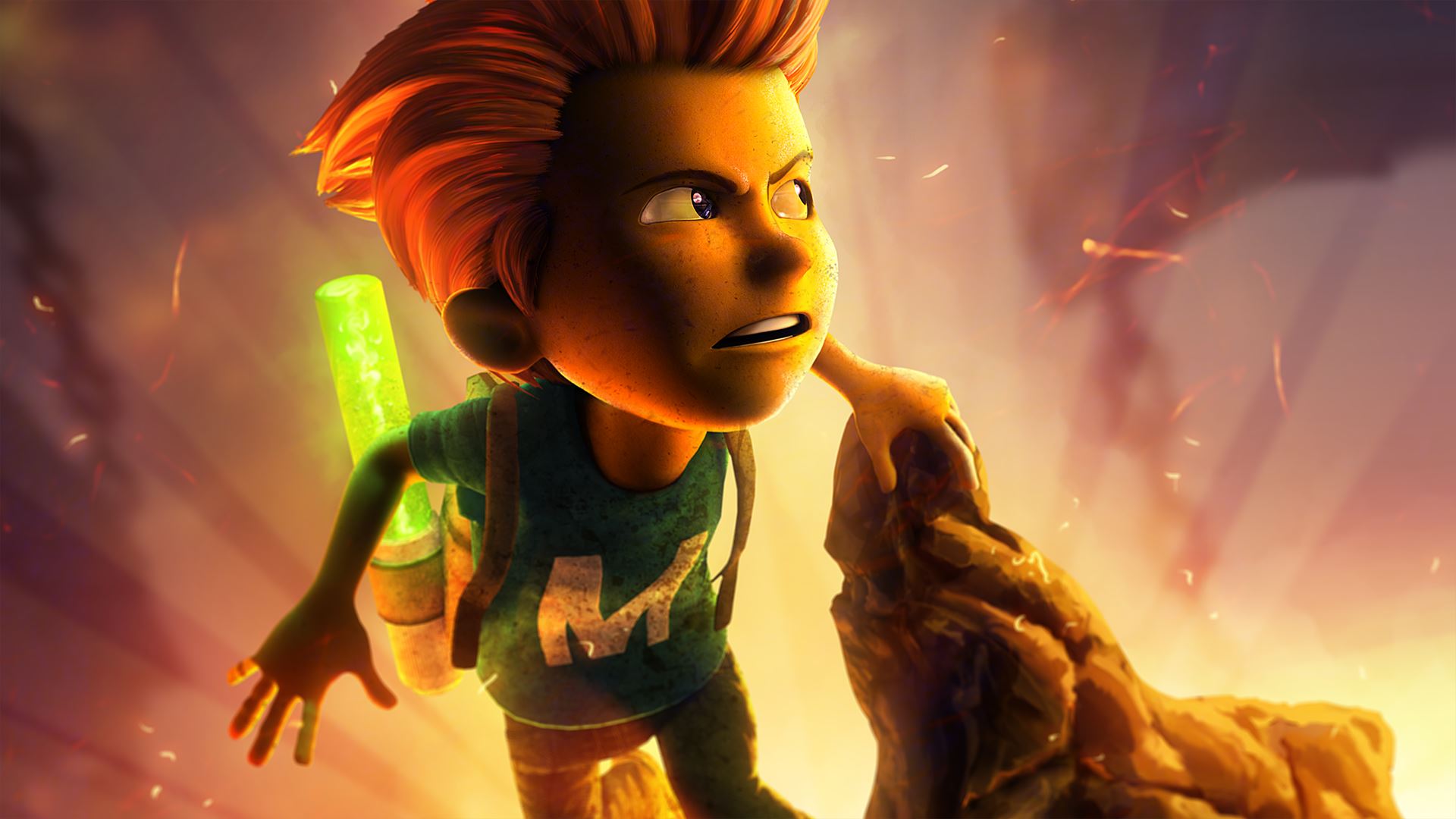
The Curse of Brotherhood starts with Max squabbling with his younger brother Felix – much like anyone else did when they had another sibling. Rooting through his toys and making an almighty mess, Max puts a curse on Felix that he found on the internet in an attempt to make him disappear.

Somehow it works and both Felix and Max get pulled through a wormhole into another creepy and bizarre universe where Felix has been kidnapped and Max must rescue his brother.

Max: The Curse of Brotherhood Review

Permanent Marker

The game plays out across your typical 2D platformer landscape with you having to navigate Max over obstacles and dodge enemies to move onto the next area.

Sadly Max didn’t come well-equipped for this task beyond having a permanent marker in his possession when he came through the wormhole. After meeting an old lady who has magic power, she grants his marker the ability to manipulate certain parts of the terrain to Max’s advantage.

This allows the Switch to show off its multiple inputs by having you control Max with the thumbsticks on the Joy-Cons but allowing you to use the marker by using the touchscreen display.

It’s simple, and makes perfect sense, as I imagine most people will play the game in handheld mode – as I did for the duration of my time before writing this review.

The game also looks very shiny on the console and runs smoothly, but it does also show its age sometimes, with the textures and reliance on the same mechanics throughout.

There are also a couple of issues with the detection when jumping and input for the marker pen which can result in you repeating certain sections.

But, for a five-year-old game, this does not detract from the title and it is to be expected that it won’t be as ‘shiny’ as if it were launched today.

Max: The Curse of Brotherhood is the perfect game for the Switch. It’s a game you can pick up and play at any point and makes use of the Switch’s portability and touchscreen. In fact, if you ask me, playing games like this is one of the biggest selling points for the Switch.

Death Road To Canada Review

Death Road To Canada Review [PS4] – Dying To Get There, But Enjoying The Journey

I remember playing Oregon Trail in the library of my middle school back in the day. Even with the best planning, hunting, and river rafting skills, you died often enough on your journey that the ability to leave witty messages on your tombstone for a future passerby to read became a regular ritual.

Bandits stealing all your supplies and dying of dysentery became part of the expedition. Luck played in almost as much as skill, but we kept playing, again and again, determined to get a bit further this time and, eventually, make it all the way to Oregon.

Death Road To Canada Review

Death Road to Canada, a rogue-like title set during the zombie apocalypse, takes a lot of the simple concepts from earlier adventure titles such as Oregon Trail and sets you on a fun, addictive, and often hilarious journey. Like that childhood trip to Oregon long ago, death comes often in this game, but you will almost instantly find yourself ready to get back on the road.

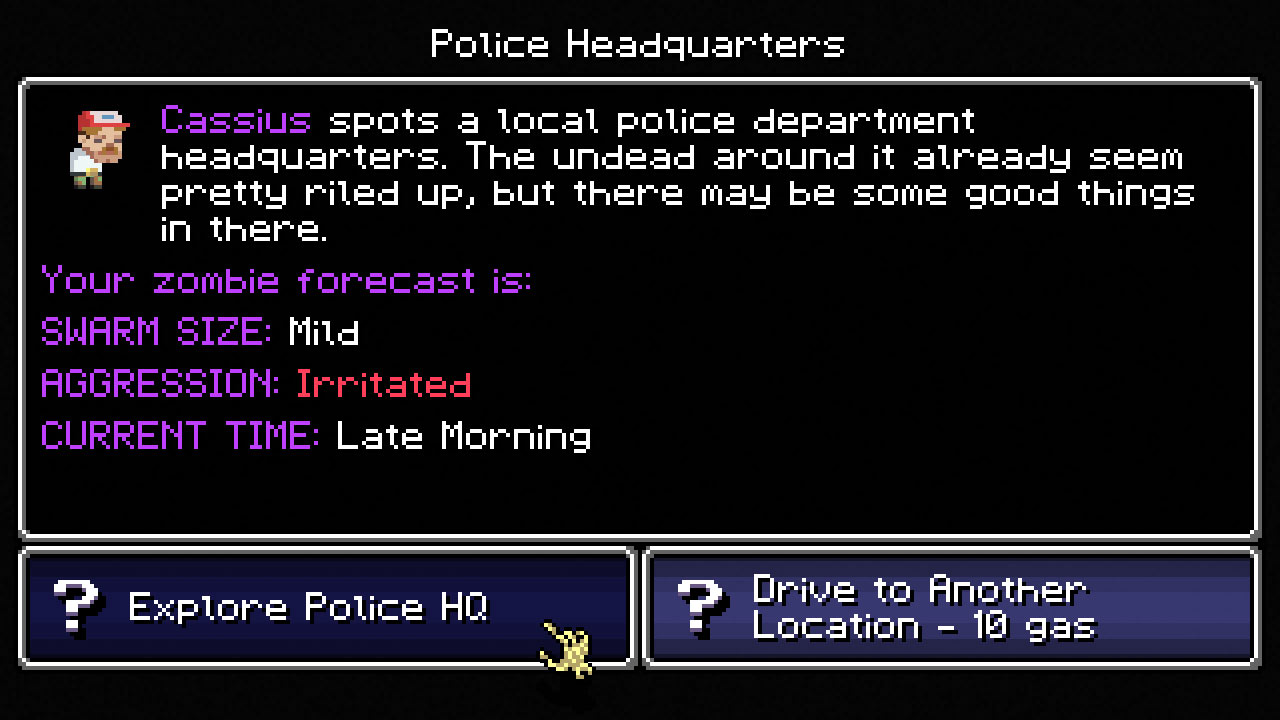
Your goal in Death Road to Canada is clear and likely self-explanatory. You must guide a ragtag group of survivors to Canada, the only allegedly safe place after the world has been ravaged by the ravenous undead. Everything you have you must scavenge from locations you visit along the way. Food, medical supplies, gasoline, weapons, and any other items you need must be obtained at the risk of life and limb. And, as if fending off hordes of the undead wasn’t difficult enough, you also have to keep up morale.

The Caretaker

Along with ensuring everyone is fed and rested, you must also keep characters happy and loyal and, obviously, keep them from getting murdered. The events in the game are randomized, so you don’t always know how your choices will turn out. Sometimes, your choices appear fairly straightforward.

We chose not to accept an overnight invitation from a creepy-looking caretaker (and, yes, the game explicitly told us the caretaker was incredibly creepy). Of course, perhaps we shouldn’t judge by appearances, but as we have learned from TV shows like The Walking Dead, trust doesn’t come easy and is rarely rewarded during the zombie apocalypse.

Other times, choices seem more capricious. Once, I had a character shoot a deer that was standing in front of our car, blocking our path. One of my other members became angry I hadn’t chosen him instead, thus dropping his morale. After losing our car later due to an unfortunate encounter with a man wearing heavy body armour standing in the road, this member’s morale dropped so low he became despondent and wandered off into the woods to an unknown fate.

Oh, and I also learned not to tell bandits to “Cool it.” They don’t appreciate it and can become surprisingly violent as one of my former teammates tragically discovered. On second thought, perhaps that really isn’t so surprising.

Zombie Forecast

What you do have more control over during the game is how you handle your inventory. Weapons range from rifles and shotguns to blunt weapons such as wrenches, hammers, and even femurs. There are also less common weapons such as grenades, and you might even get the chance to buy a turret.

You can easily swap weapons between team members during missions by pulling up the menu, as long as you are within range of that teammate. Some characters can hold more weapons than others, but most can hold three. You are able to drop weapons if you find one during the scavenging event you would like to keep, rather than one you came with. You can also easily switch between the weapons you are carrying during a battle with the press of a single button.

Death Road To Canada Review

There is no crafting in Death Road to Canada, so weapon management is simply a matter of distributing weapons thoughtfully, and only keeping the ones you think you will need. You have a total of 14 slots that can be used for storing weapons not currently being carried by characters. Before each mission, you can select which weapons you would like to take. Things like medical supplies are used automatically by team members after certain events and do not need to be managed.

In fact, one of the best aspects of the game is how it keeps it simple while offering just the right amount of customization. For example, each character comes with a certain set of skills and attributes which includes things like Medical, Shooting, Strength, and Mechanical ability. It might also include personality traits like a low morale, or low loyalty.

Boosting Characters

In the regular game mode where you will encounter random characters, you can increase some of their skills and attributes through certain activities or choices. For instance, you may get the opportunity to take shooting lessons, thus increasing everyone’s shooting skill. Or, you might have a certain character tinker overnight while at a rest stop, increasing their mechanical skill.

You also have the option of building your own custom characters. Each character comes with a certain set of traits. Traits can both positively and negatively affect skill sets and attributes. For instance, the “Inventive” trait will add two points to your mechanical skill, which might help you fix your car eventually if it breaks down.

I say eventually because on the negative side it might take a little practice. Sometimes the negative effects are comical. The “Nurturing” trait says it adds two points to your medical skill and gives you a great attitude. On the negative side, your positivity “may be an act.” For the risk taker, you can choose more extreme traits like “BESERK!” This boosts the character’s strength, fitness, and shooting ability by four points, but they can also be killed in one bite.

Being Surrounded On All Sides

You earn Zombo Points throughout the game that can be traded for perks. For instance, “Phoenix” resurrects a character upon death to full health, though it can also be used once per game. There are also more bizarre perks such as “Anime Fan”, which gives the player an overpowered Katana that cannot be dropped upon death. Just what every anime fan needs.

Death Road To Canada Review

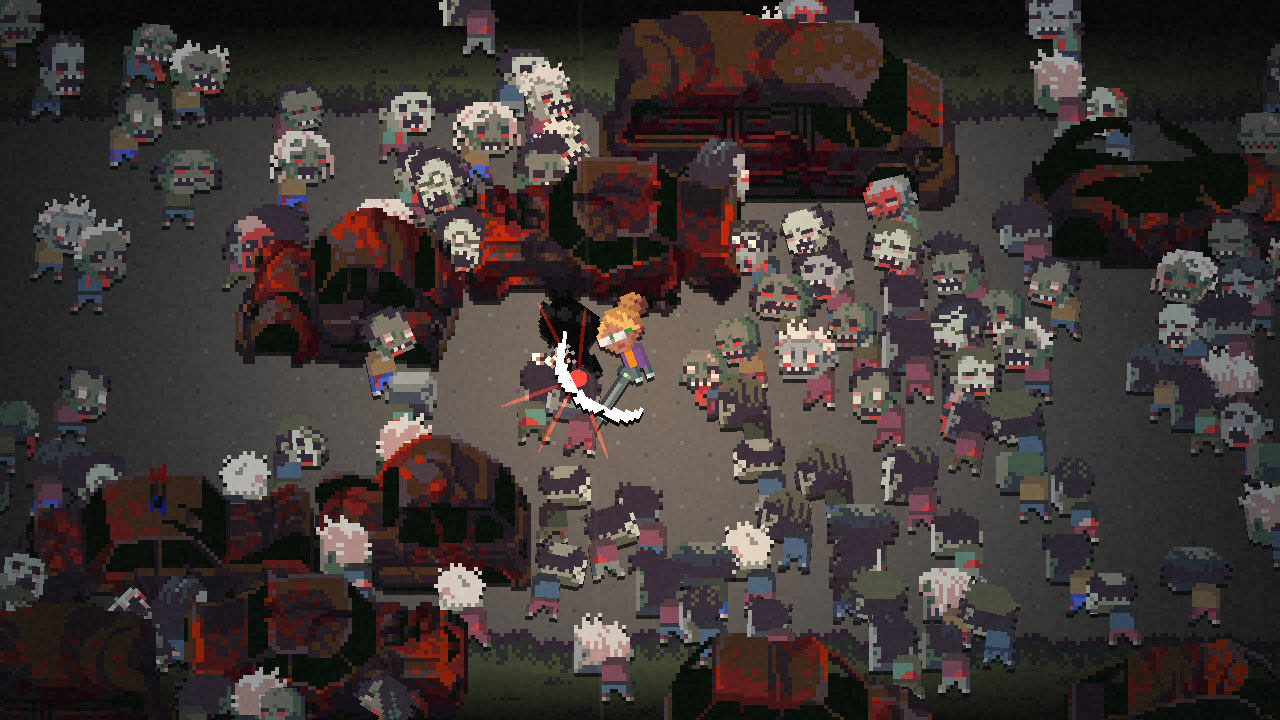
Combat is super simple, but fun. Cracking zombie skulls never seems to get old, and the splat they make when defeated is always satisfying. Using guns is also super simple and doesn’t require careful aiming, only that you are facing in the right direction.

But, be careful. Don’t be too overzealous with your zombie slaying. Your weapons break, and bullets, though not particularly scarce, are valuable, particularly when you find yourself in a siege event. What is a siege event, you ask? Only your worst nightmare, if your worst nightmare involves being surrounded on all sides by zombies.

There are five different game options available aside from the regular mode. Familiar Characters mode increases your chances of running into your custom characters. Rare Characters Mode increases your chances of coming across special characters, some with incredibly useful abilities, and some that look a lot like well-known characters such as Link from the Legend of Zelda series.

Deadlier Road Mode makes the game, well, more deadly than usual. The two remaining options either significantly shorten or elongate your road trip.

Best of all, the game never takes itself too seriously. The music, a 16-bit style techno and rock mix, is exhilarating and sometimes even quite catchy.

Quirky And Weird

The characters themselves are quirky and weird. My first character was using his time at the end of humanity to write a comic book about his life. I also ran across a man in a horse mask who, for all intents and purposes, considered himself an actual horse. I found him running along the highway, perhaps trying to locate his four-legged compadres, before my team forcibly pulled him into the car and made him join us.

Then, we all went to Y’all-Mart (you read that correctly). While at Y’all-Mart, I located a treadmill I had the horseman use despite the game’s warning against using a treadmill while surrounded by zombies. It all turned out for the best, however, as using the treadmill increased the horse man’s strength. Which was all well and good until I died some ten minutes later in a blaze of glory, mobbed by ravenous corpses. And, thus, the cycle began anew. The circle of life.

DayZ

Will the upcoming Xbox One release resurrect DayZ from the dead?

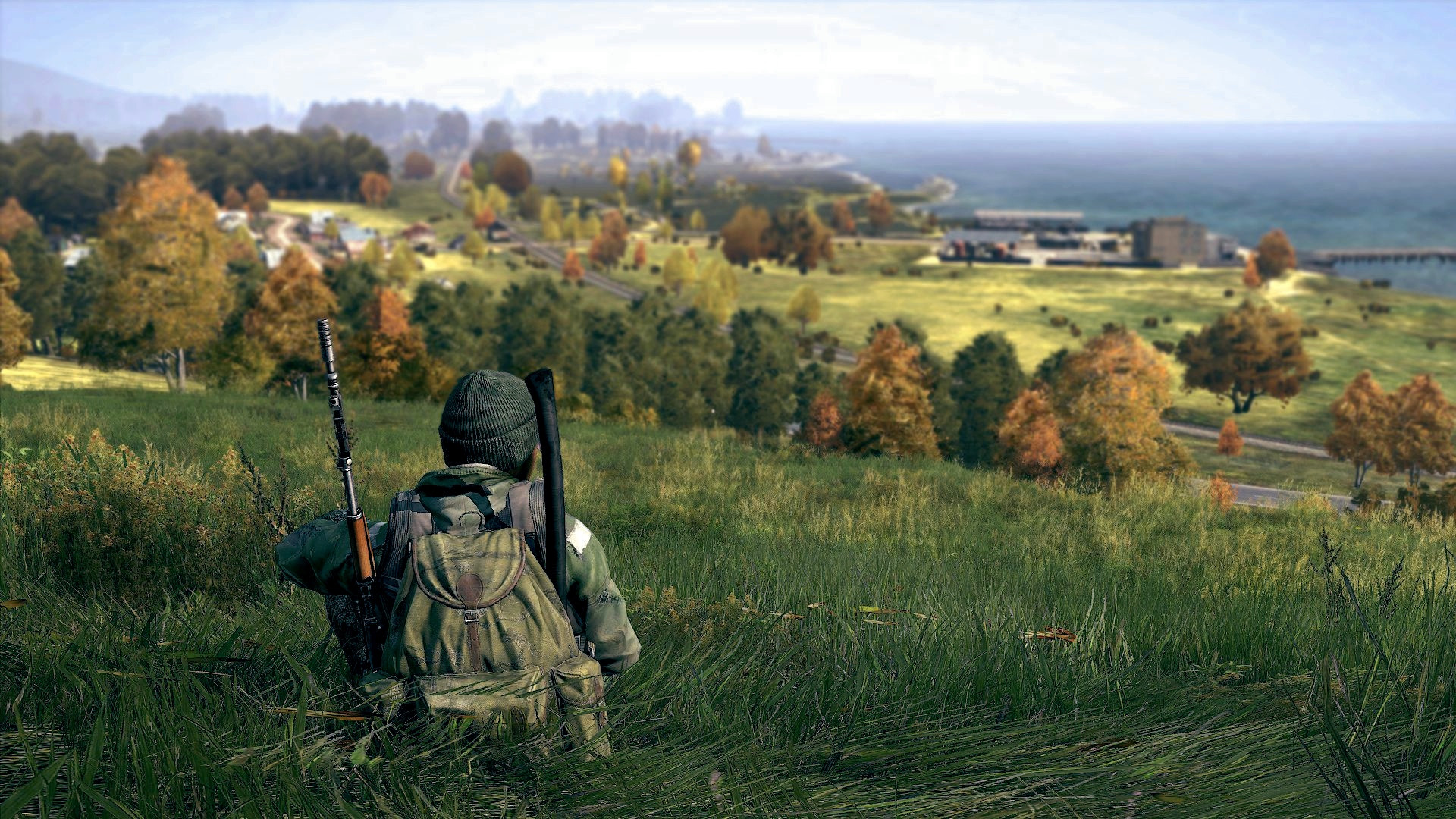
Yes, believe it or not, you read the title card correctly. DayZ, the phenomenon that swept the PC gaming scene by storm in 2014, is finally making its way over to consoles. This process only took developer Bohemia Interactive 4 years to finally port it.

The question I have for Bohemia is: isn’t this port a couple of years too late?

Resurrect DayZ From The Dead

Four years ago, all you heard was how amazing DayZ was. It was consistently a top-played and top-streamed PC title. It had adrenaline pumping gameplay, and was overall a very intense zombie survival experience, because not only did you have to worry about running into a horde of zombies, but at any giving moment you could be getting hunted by a fellow player.

At that time there was nothing like it, but 4 years on, the DayZ scene has changed drastically.

DayZ

Let’s face it, DayZ is nowhere near as popular as it used to be. If you take a look at Steam charts, this game has been haemorrhaging more and more players every single year. This could be directly related to the recent rise of the battle royale genre.

The Battle Royale Effect

DayZ and the battle royale titles have similar gameplay loops: being a player in a large open environment, you have to use the terrain, loot supplies and fight other players around you in order to survive.

Another issue that could have caused DayZ’s demise is the fact the game is STILL an Early Access title after being playable for over 4 years. And, to make matters worse, DayZ still has some of the same glaring issues that it did when it was originally released in Early Access. The main issue? A lack of an end game.

Yes, the end game has been the biggest issue for Bohemia since the beginning, they can’t seem to figure out what players want to do in their title.

DayZ’s end game is simply ‘survive for as long you can with your character’, and that’s it. So, you end up doing to the same gameplay loops over and over again. Loot supplies, avoid zombies, kill or hunt other players to take their loot, and avoid getting killed at all cost. Yeah… sounds pretty repetitive right?

So, what I’m assuming is after the rise of games like PUBG and Fortnite, Bohemia is thinking, in order for their title to survive, they need to tap into a new audience. And, this seems to be why they’re finally porting DayZ over to Xbox. I understand the reasoning behind this because the brand still has some recognition, but is it too little too late?

We will find out soon enough if Bohemia can bring DayZ back to its glory days when it launches later this year on Xbox One.

In the meantime, you can check out some early gameplay footage of DayZ running on an Xbox One X down below.

Juicy Realm

Top down shooter Juicy Realm out now on Steam

Created by SpaceCan, an indie Chinese developer, Juicy Realm is out now on Steam for $9.99, £7.19, or €9.99. The title will also be coming to the PS4 and Switch this August.

Square Off Against Bizarre Fruits

In the world of Juicy Realm, the line between animals and plants is blurred to the extreme. Plants have gained sentience – and limbs – and are now fighting humanity to the top of the food chain:

The game features top-down presentation, randomly-generated maps, different weapons to master, and a “host” of Easter eggs to discover. You can also play it solo, or players can team up with friends in a cooperative local multiplayer mode.

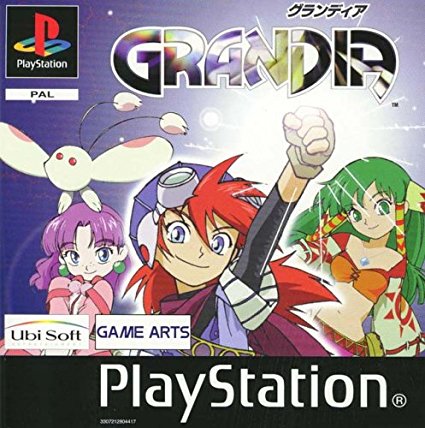
Grandia Past Blast [PSone] – Charm and Brilliance

The Sony PlayStation (or the PSone in its later slim, white iteration) was home to some of the biggest and best JRPGs in gaming. From the likes of the unforgettable Final Fantasy VII to Star Ocean: The Second Story to Suikoden II, Sony’s first console rivalled the Super Nintendo in terms of diverse and epic JRPGs. In this Past Blast, we’re focusing on one of the more charming and vibrant releases in the genre during the PSone’s lifespan. This release is Grandia.

Grandia

Grandia Past Blast [PSone]

Grandia was developed by Game Arts, a company previously famous for their Lunar series, the last of which had been released on the oft-forgotten Sega Mega-CD system in 1994 in Japan. Development began shortly after Lunar: Eternal Blue had been completed, taking a total of two years to finish. Although the game was initially going to be released for the Sega Mega-CD, it was eventually decided to be released on Sega’s next-gen console at the time, the Saturn in 1997. It was welcomed with large amounts of praise from fans and critics alike during its initial release in Japan but, despite a fan campaign as well as massive import sales, it wasn’t released in the West. It wasn’t until the game journeyed to Sony’s magic grey box two years later in 1999 that it was given an official English localization. And for many players, this is where their experience of Game Arts’ classic began. So, what exactly is so good about it?

Grandia

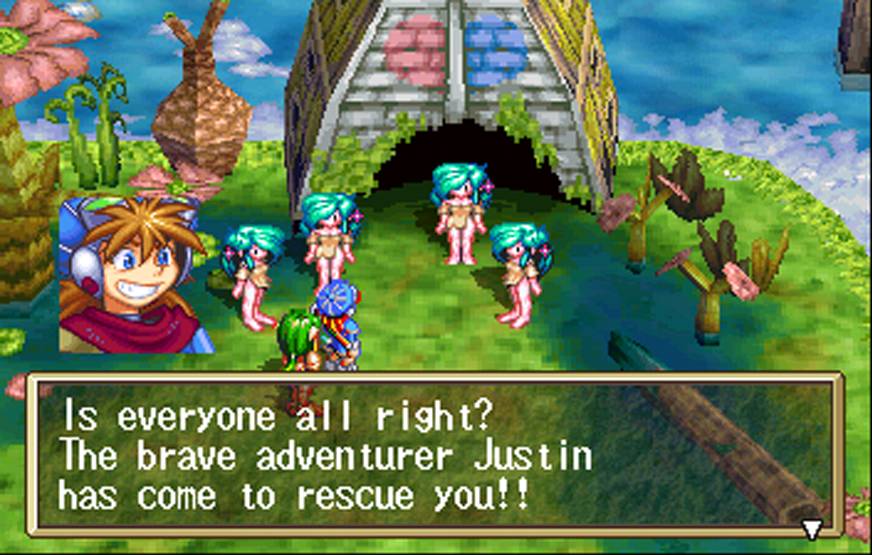
Well, firstly, there is the charm and character of the game which is not only apparent in its colourful, anime-esque presentation, but also in the shoes of its protagonists. The story follows the escapades of fourteen-year-old Justin, a wannabe adventurer, and his sidekick and childhood friend, eight-year-old Sue, as they travel the game’s world searching for the lost kingdom of the mysterious long-forgotten Icarian race, Alent. This consequently has them lock horns with a private army known as the Garlyle Forces, whose evil leader is looking to seize the secrets of the Icarians himself and use them to take over the world. As is evident, the story isn’t exactly groundbreaking – the game clearly has younger players in mind, after all – but it works.

Even the characters are admittedly not all that original, fulfilling specific archetypes down to a tee, but they’re so well-written (and many of them so well-developed over the course of the game’s narrative) that you are unlikely to care. The energetic, impulsive Justin’s rapport with the relatively level-headed but humorous Sue provides much of the game’s charm, especially in the opening chapters of the game. Even then, many of the later characters such as master swordsman, Gadwin, who acts as a mentor to the younger characters provide a lot of personality to the game, not to mention the teenage adventuress, Feena, with whom Justin develops a budding romance. Their personalities are further amplified by the emotive character portraits that appear during dialogue as well as the game’s impressive range of character animations. In fact, the range of animations – particularly during in-game scenes – are so large and varied, that it makes one think that maybe all games with sprite-based characters should be like for this.

Grandia

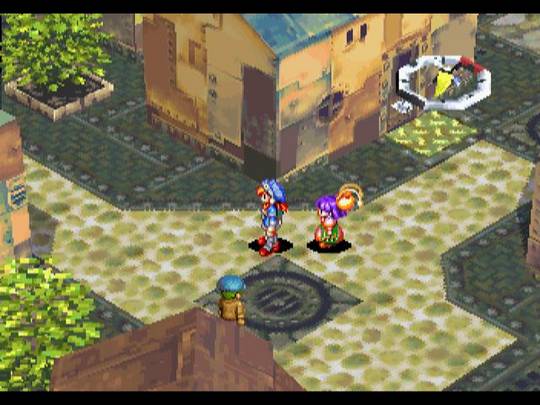
Another area where Grandia is strong is its in-game world. Unlike many of its contemporaries in the genre, Grandia doesn’t use pre-rendered backgrounds for its locations, instead opting to use fully 3D polygonal areas. While this does mean that the areas have a very jagged look about them (and especially noticeable in today’s climate where games are held to a much higher graphical standard), the game’s bright and vibrant colour palette, as well as the variety in location assets, nonetheless make it a joy to explore.

From lively towns to derelict temples to maze-like jungles, the game has it all, with an atmosphere aided by its great music. Now, while the game’s music is something of a mixed bag – shifting between inspired, catchy tunes and atmospheric dungeon music to rather lacklustre bongo drum loops for some of its outside areas – when the music gets good, it gets really good. This is particularly evident during some of the game’s important scenes which employ sweeping emotional strings during key emotional moments and a riveting orchestral score as its main theme. It’s a shame that the game’s soundtrack couldn’t have been completely orchestral, although this is perhaps a result of the limitations of the PlayStation’s disc space.

Grandia

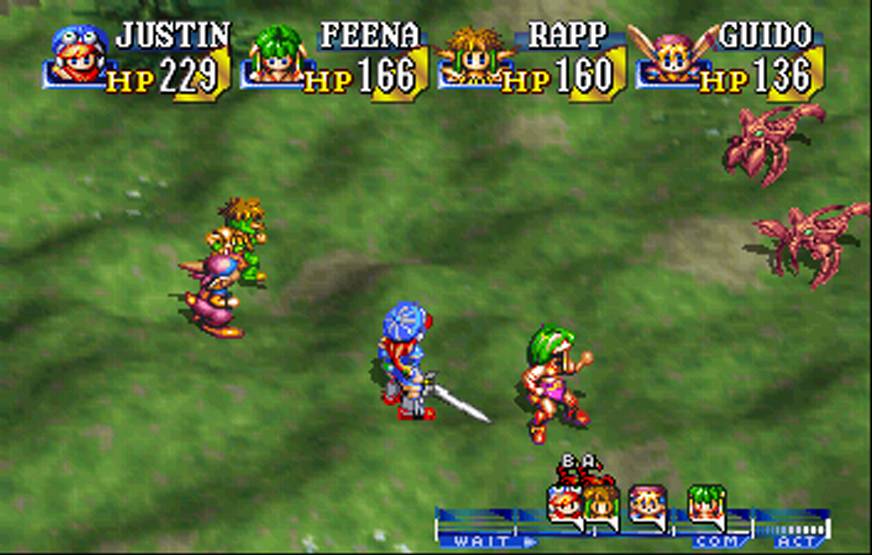
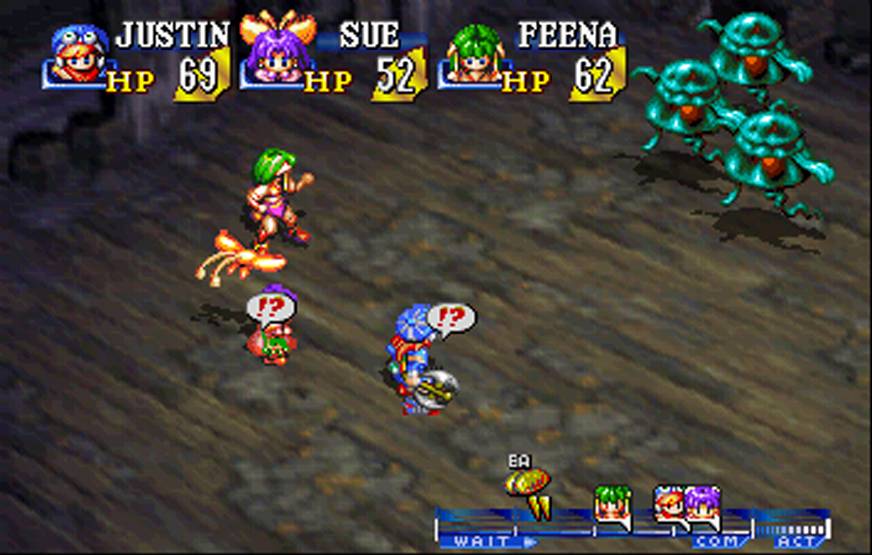
Luckily though, plenty of disc space was left for battles that are fun and engaging in equal measure. In an interesting twist, the game combines elements from both turn-based and real-time battle systems. During a battle, both the party and their enemies must wait until their icon reaches the midway point of the ‘IP’ bar before they can make an action. When an enemy or player is attacked, this usually means that their icon’s journey to the midpoint of the IP bar is momentarily postponed thus giving an opportunity for the player or enemy to reach their midway point before the other and gain an advantage. If the player manages to attack the enemy while they are planning an attack or spell, they will ‘cancel’ that enemy’s action – naturally, the same applies vice versa.

As can be expected from a JRPG, there is a wide range of special attacks and magic spells for the characters to learn and exploit. In the case of the special moves, these are (mostly) unique to each character and, interestingly, are linked to the player’s use of magic. By consistently using their magic (bought at town shops using special ‘mana eggs’ found in the field or dungeons), party members not only upgrade the vigour and effect of their spells but also their stats and their repertoire of special moves. Similar effects can be achieved through the continued use of different weapons. The nature of this is that it encourages players to switch between different kinds of weapons and to keep using different kinds of spells, working out which spell works most effectively on which kind of enemy. In addition, the prospect of more punishing special moves gives the player more reason to utilise their magic.

Grandia

The real magic, however, is in the game as a whole. Combining vibrant, colourful locations with brilliant characters, a fun battle system and intriguing lore, Grandia is well-worth a look, even in this day and age. There is a reason, after all, why it is still widely talked about and given that the game is readily available on the PSN network, you really have no excuse! In an era of angst-filled JRPG solemnity, the charm and brilliance of Game Arts’ classic is a welcome one. It’s time for adventure. It’s time to level up. It’s time for Grandia.

Swim Out

Swim Out Review [PC] – A Refreshing Splash

Swim Out is a turn-based puzzle game designed to be mentally stimulating while also relaxing the nerves and refreshing the soul. You can backstroke your way through a few levels to unwind after a stressful day at work, or perhaps enjoy a dog paddle after some guided meditation without harshing your mellow.

Swim Out PC

Swim Out Review PC

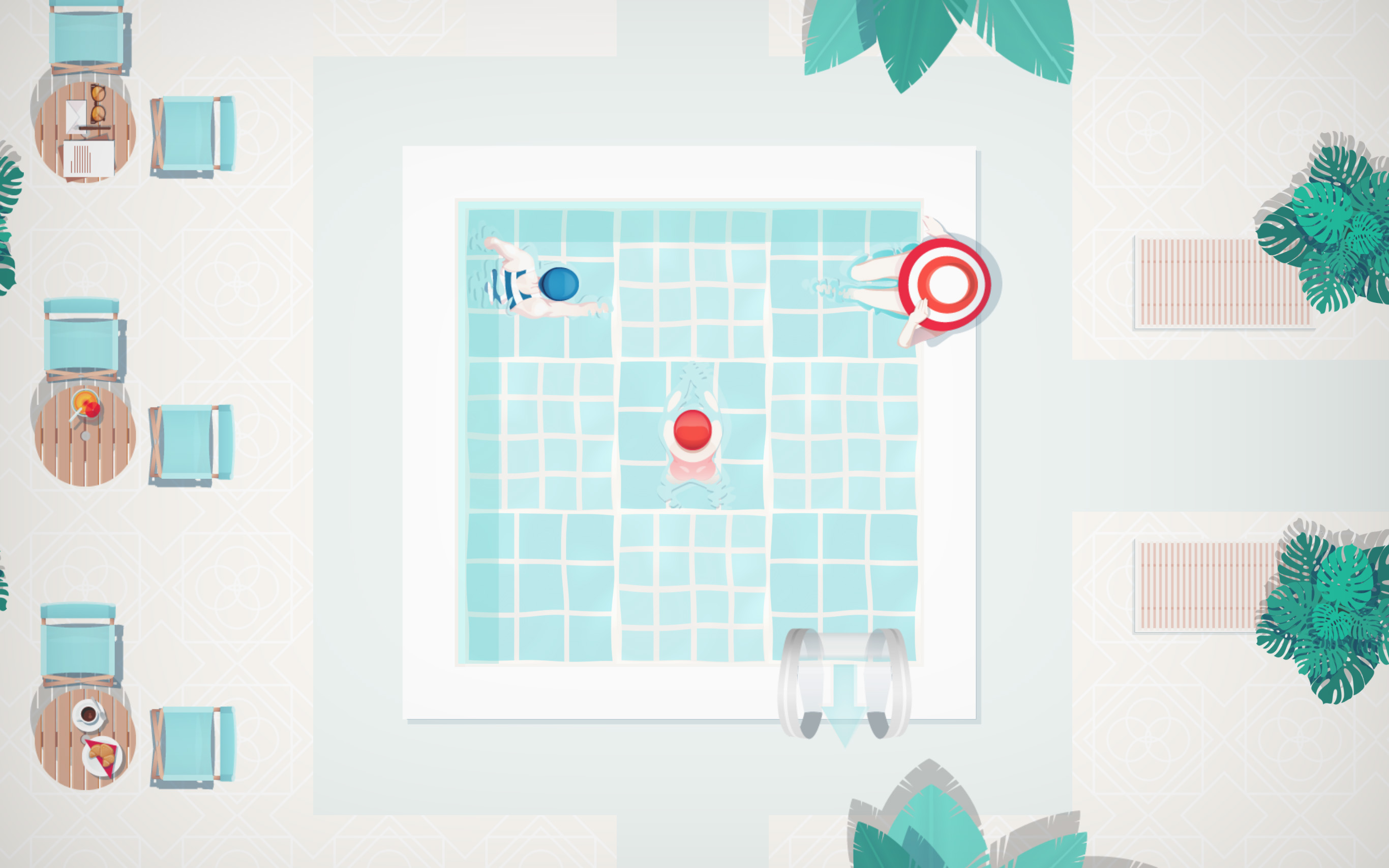
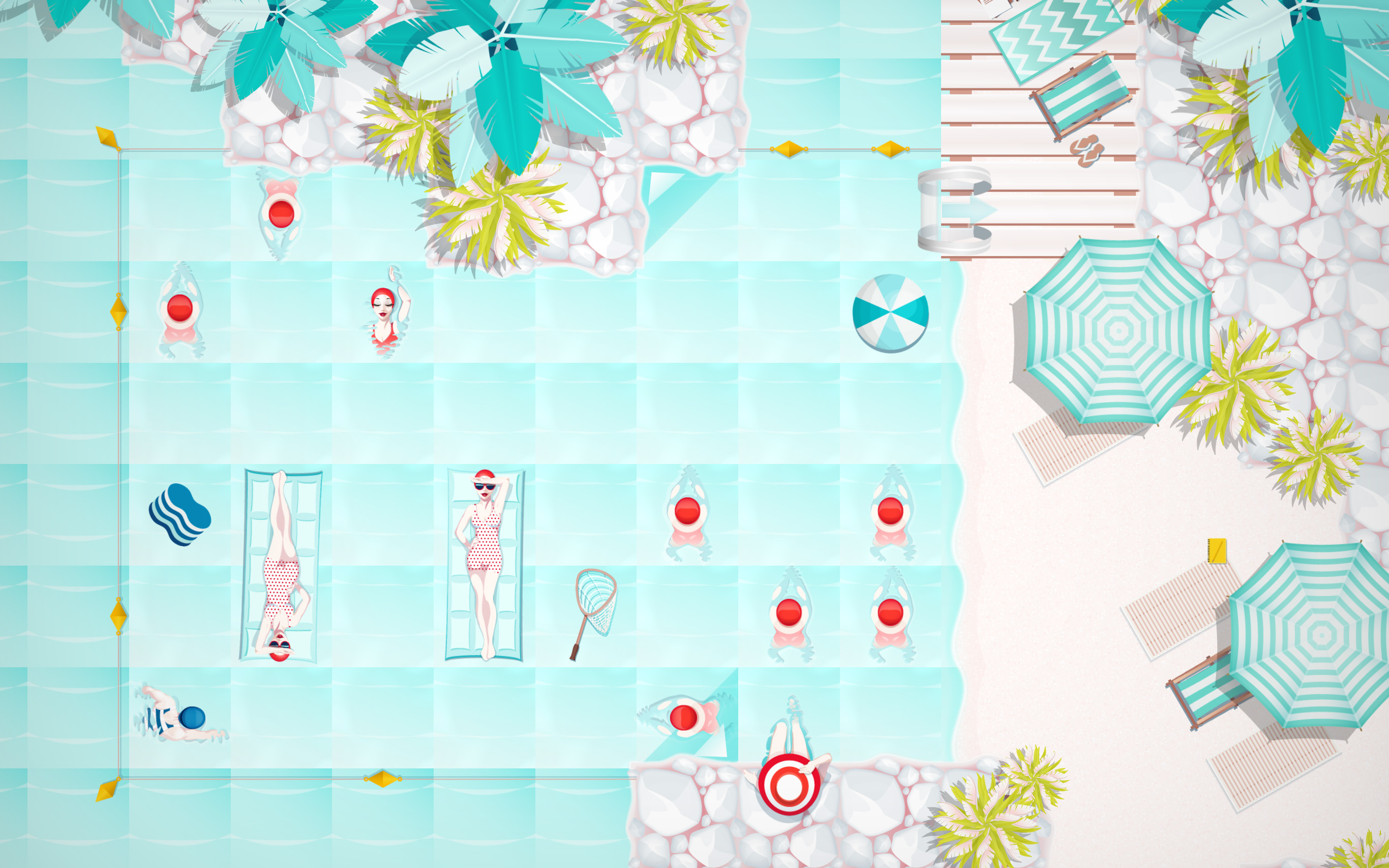
The game offers new players almost no tutorial. All you get are a couple of arrows to guide you to the exit. New elements are introduced one at a time, steadily increasing the complexity of the puzzles over time. The team at Lozange Lab does a nice job of making the elements feel intuitive, with their visual design complementing how they interact with the board.

Getting to the other end of the pool requires thinking a couple of moves ahead. You’ll need to first learn the pattern of behaviour for each different element in the pool. You will encounter different varieties of swimmer, ranging from elegant divers to kids doing cannonballs. Then you have to negotiate around the many types of environmental hazards, such as snippy little crabs or big waves that will delay you (or other swimmers) for a turn. Some puzzles include items that you will need to solve the puzzle, such as beach balls that can be used to stun nearby swimmers.

Relaxation is the guiding principle for the entire game. There is no timer. There is no move count and no “world average” like many other turn-based puzzle games. The game tracks your progress of which levels you’ve completed and gives bonus objectives on select levels, but there is no traditional score.

Swim Out PC

Handcrafted With Love

When you make a mistake, like running into another swimmer, the lifeguard will blow a whistle. It’s a sharp sound that could pull you out of the relaxed state. This is a minor quibble, but the sound might make some players hesitant to try out new strategies (or mute their audio).

Some of the puzzles are challenging and you might find yourself getting stuck. One of the nice features that Lozange Lab included was to unlock every level from the start. So, if you find yourself starting to feel frustrated, just skip back to the menu and try a different puzzle. That is a rare choice that fits nicely with the entire design ethos.

Swim Out’s gentle nature means that it might not be addictive in the traditional sense. The game doesn’t put you on a treadmill of accomplishments where there’s always some quest left unfinished. While that might be a downside for some people, this choice is another element in a cohesive design.

Nitchigamer

Nitchi gets nominated for the Neat Blogger Award

It’s always nice to get recognised and know you’re doing a good job, and I think it’s worth patting yourself on the back once in a while. Recently, Nitchi was nominated for the Neat Blogger Award by Arthifis’ Place for which we are eternally grateful. Likewise, we thank you all for your continued support and time – it doesn’t go unnoticed!

Real Neat Blog Award

But before we continue, who is Arthifis? Well, she is a devoted blogger with a passion for anime, video games and anything in-between. With a steady stream of content, there’s always something to read courtesy of Arthifis, which is always worth checking out.  She’s very engaging with her audience and always happy to have a chat about her latest piece or whatever it may be. Please go check her blog out and get involved, we’re all one big family here and we appreciate the nomination and raise a toast to you.

Nitchi has come a long way in a short time and thankfully I’ve been here since day one and have the great responsibility of representing us on this momentous occasion. I hope I live up to all your expectations and you enjoy the read. Check the rest of the blog out as well if you’re new here. Anyhow, here are the rules:

  • Display the award logo
  • Thank the blogger who nominated you and post a link to their blog
  • Answer the questions of the one who nominated you
  • Nominate 5-10 bloggers
  • Ask them 7 questions

So without further ado, let’s move onto the questions!

Go to the very first post you have written! Tell us what is it about, share the link and tell us if you think you have developed your writing – by a lot or is it yet the same?

Well, I’ve written across many sites (including the lovely D-pad Joy before moving to Nitchi) so tracing my very first article is tricky, but my first for the team here was a review of Lego City Undercover on the Nintendo Switch. Overall I was impressed with the game in its latest form, but it did suffer from performance issues which dampened the experience somewhat. From a writing perspective, I think my writing has developed so I am now more succinct, covering all my points in fewer words where appropriate. Likewise, I think my coverage of other subject matter (e.g. feature articles) has also come along with some great feedback received along the way. Even if one person reads what I have to say, then I am happy!

What was your last post about?

So my last post was about playing games late and if we should wait for all the hype to settle down before jumping onboard. Of course, it’s nice to be part of the zeitgeist every now and again, but with most games needing significant updates from day one, are we best waiting for them to be polished before jumping in? Likewise, we have so many social media channels these days that pre-launch hype can get out of control. So when you do get that disc in your console, and it doesn’t live up to the mark, that inevitable disappointment can be tough when you have spent over £40 on it.

What is your favourite post you have written so far?

This is a tough one as I like all my posts and take great pride in my work. Honestly, I’m very self-critical of them all too and I’m never sure I’m onto a winner or not before getting prior approval. I’m getting more sure-footed but my favourite piece, funnily enough, is one where I discuss taking a break from gaming in order to give ourselves a breather. With so many games to play and such little time to play them, I think we need to be smarter with our time management and turn to other mediums, such as books, movies, TV or even physical activities, such as walking or going to the gym, instead of gaming. A change, or indeed a break, can do us some good!

What are your 3 favourite characters of all time? It can be from everywhere!

Well, this is a very easy one! Anyone who knows me will already be able to guess my top two characters but for those who don’t know me, my one and two spots are taken by Bruce Wayne (Batman) and Steve Rogers (Captain America). I love them both in equal measures and love their backstory, what they both stand for and all associated movies and miscellaneous items… If I could be half of one and half the other, then I’d be happy! My third would be Sora from Kingdom Hearts. By rights the game shouldn’t work, nor should Sora work as a hero, but both do with fantastic effect. Who’d think that a hybrid of Disney and Final Fantasy would work? Likewise, who’d think the unassuming Sora would be the key (see what I did there?) to defeating the Heartless and darkness?

What is a place you would love to travel? Either real or fantasy!

America has always been somewhere I’d love to visit and go travelling, sadly I’ve not made it there yet!  I like the appeal of the country, the culture and mostly the food and beer you can get over there. As a long time New England Patriots fan, I’d love to go watch football over there and even go to the Super Bowl if I could. Ideally, I’d love to spend a few months out there travelling and seeing as many states as I can.

If you had to drop out one of your hobbies entirely what would you choose and why?

Well, this question couldn’t have come at a better time really, given that I am typing this with one hand after suffering a broken finger during cricket training. The season hasn’t started and I’m confident that I’m out for the season already which is a real shame. With that in mind, I think I may already be giving this up as being injured is becoming a regular occurrence sadly, I cant keep breaking fingers and not being able to play games, can I?!

Favourite Game/Anime? Depending on what your blog is about…

So being a gaming blog, my choice will be my favourite game! It’s not an easy choice as I love a lot of games in equal measure for many different reasons. Take Fallout 4 as an example or my first gaming experience of Final Fantasy 7 that got me properly into gaming. But if I had to choose one game as my all-time favourite it would have to be Kingdom Hearts. As I’ve mentioned already, on the surface it shouldn’t work, but it does with almost magical effect. Granted the story is a little convoluted with the many spin-offs there has been but the first is where it all began and is my favourite game to date. I’ve waited so long for the third instalment of the main trilogy and now it’s nearly here, the wait is almost unbearable.

So that’s it and that’s me! Or at least some information about me anyway. I hope you enjoyed it and here are my nominations:

Lastly, but by no means least, here are my questions for you all to answer:

  • What is your earliest gaming memory? What console were you playing on and what game were you playing?
  • When did you start blogging and why?
  • What feature do you wish any of your consoles had that they currently don’t?
  • Name a movie that you wish had a video game made after it; which developer would you want to make it and why?
  • Do you have a games room or corner? If so, let us see it (if you want to, that is!) and show us your favourite thing in there.
  • You have a child or a pet, which character do you name it after (could be from a movie, TV, or game etc) and why?
  • What keeps you going when gaming? Coffee, tea or something else?

Thanks to everyone for continuing to read Nitchigamer, the support is greatly appreciated.

Shape of the World

Shape of the World coming this year

In my teens I was in a band with a couple of friends, practising on Saturdays in my friend’s living room, aspiring to be the next Radiohead… you know, no biggy. One day during a school holiday we decided to go to the woods. We took our cameras and wandered through the woods taking photos of all the trees and wildlife.

You see, I live in Sherwood Forest, so these trees are centuries old, all grimacing faces, wise-looking and all staring at us; it’s only when history is staring at you, you realise how beautiful and fragile the world is. It seems like developer Hollow Tree Games wants to share that beauty too with their debut game Shape of the World:

Shape of the World
Shape of the World

Shape of the World Coming This Year

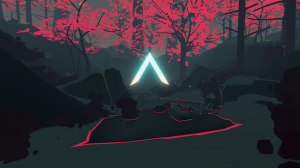
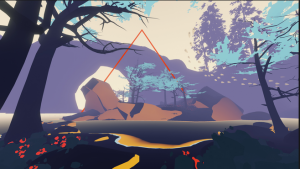
Shape of the World is a first-person exploration game where you play as an outsider, discovering a surreal looking realm and a reactive ecosystem.

Here are the game’s features:

  • Experiment with an organic and mysterious ecosystem: Play with mystical animals, ephemeral vegetation and intriguing monoliths.
  • A dynamic soundtrack that responds to the player’s travels: The audio environment is a central component of the game, amplifying your experience of the world.
  • Procedural Population: The forest only materializes around you when you get close, regrowing in a new way each time you pass. Will you find your way back?
  • First Person Exploration: More than just a ‘walking simulator’. Slide, soar and dive into a living world, at once familiar and alien.
Shape of the World
Shape of the World

Hollow Tree Games is another indie studio comprised of talent who have worked in the AAA game space. Here we have Stu Maxwell, senior VFX artist on Gears of War 4; a 20-year veteran of computer graphics and procedural animation, Athomas Goldberg, and composer Brent Silk.

Shape of the World
Shape of the World

Shape of the World looks absolutely gorgeous basically, with its minimalistic style and the use of striking colours against darker colours, it really gives the game an alien look to it. This could be a game that sits alongside other indie giants. Only time will tell.

Shape of the World is coming to PC, Xbox One, PlayStation 4 and Switch in 2018.

Shadow Bug Review [Nintendo Switch]

Shadow Bug Review [Nintendo Switch] – Oozes With Charm

Nitchigamer is pleased to welcome Chris Kaminski to the team. Chris is a former video game producer, most notably for MadWorld and Valkyria Chronicles from his time at SEGA. These days he’s producing film and TV. Over to you, Chris:

Shadow Bug is a stylish puzzle platformer for the Nintendo Switch. The game provides moments of surprise and delight as you explore each of the three-dozen atmospheric levels. Muro Studios delivers a compact and entertaining experience that stands apart in a crowded scene of indie platform games.

Shadow Bug Review [Nintendo Switch]

You play as a miniscule ninja that is fighting against an invading horde of gnashing piranhas, angry robots, and other sinister creatures. The goal is quite simple: Get to the end of the level, as quickly as possible, while collecting as many white orbs as you can. You will be rewarded with up to three ninja stars per level. One for completing the level. A second star can be earned for finishing under the par time. And a third star for collecting more than the benchmark of orbs, which can be found strewn about the level and are earned by defeating enemies as well.

Shadow Bug takes a refreshingly minimalist approach. There’s no story for this game. As a matter of fact, there is very little text at all. You’ll get a few instructions on the basic controls and some level names. That’s it.

The gameplay is easy to learn and yet it takes practice to master. Failure rarely feels punishing, which encourages experimentation and leads you gently down a path of discovery. This is an excellent combination of traits for a game that relies heavily on solving puzzles.

Shadow Bug Review [Nintendo Switch]
One of the uncommon design choices that Muro Studios made was to forego the traditional jump mechanic. There is no button to jump. Instead you can leap across great distances by attacking an enemy. The game was originally designed for touchscreen devices like phones and tablets, which lack controllers and buttons. The limited input makes traditional platform games challenging. Clever designers can use these limitations to create new experiences, which is exactly what happened with Shadow Bug.

Shadow Bug features a new control scheme that is unique to the Switch. You can use the left joystick to move the tiny ninja left and right, and the right stick’s motion controls to move a glowing firefly to indicate where to attack. While it might sound a bit confusing, the controls feel completely intuitive in practice. This control scheme often feels more precise and less-error-prone than touching the screen. You can still use the original touchscreen controls on the Switch if that is your preference.

The level design provides an array of different puzzle types. Sometimes you need to wander off the main path to find a key to unlock a door. Other times you’re timing your attack to avoid dangerous obstacles like lasers or spikes or globs of venom. Many of the levels contain delightful little visual surprises for figuring out something new.

Some levels involve fighting boss monsters. Many of these battles are reminiscent of Zelda games, where you have to figure out the weakness and then repeat that attack three times to kill them. This kind of mechanic feels perfectly suited to a puzzle-based platformer. It adds a welcome bit of variety and challenge to the game.

Shadow Bug Review [Nintendo Switch]
Shadow Bug also does a nice job of providing hidden areas, secrets caches of orbs, and bonus collectables. That combined with the three-throwing-star rating system provides a reason to play through the game additional times for those who want to achieve 100% completion or compete in speed runs.

The levels are short, so you can easily play for a few minutes and feel like you’ve made progress towards completion. This is the perfect feature for a game that originated on a mobile platform. It’s also for people who have busy lives and find it challenging to sit down to play for a couple hours at a time.