Night Trap

Night Trap Is Reborn And I Finally Played It

The original Night Trap released in 1992 for the Sega CD. At the time I was only 5 years old, and as I grew older, the game always seemed to elude me. Part of the reason was that I never owned a Sega CD, Panasonic 3D0 or Sega 32X until just last year.

The other reason is my stubbornness to never buy a disc-based game unless it’s complete. Needless to say, I have always wanted to play it and I never had a real shot at it.

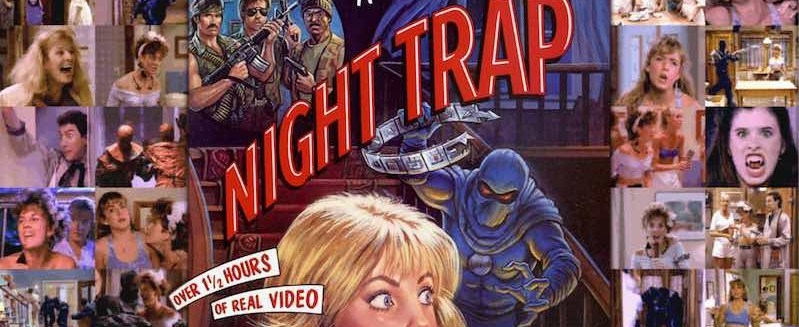
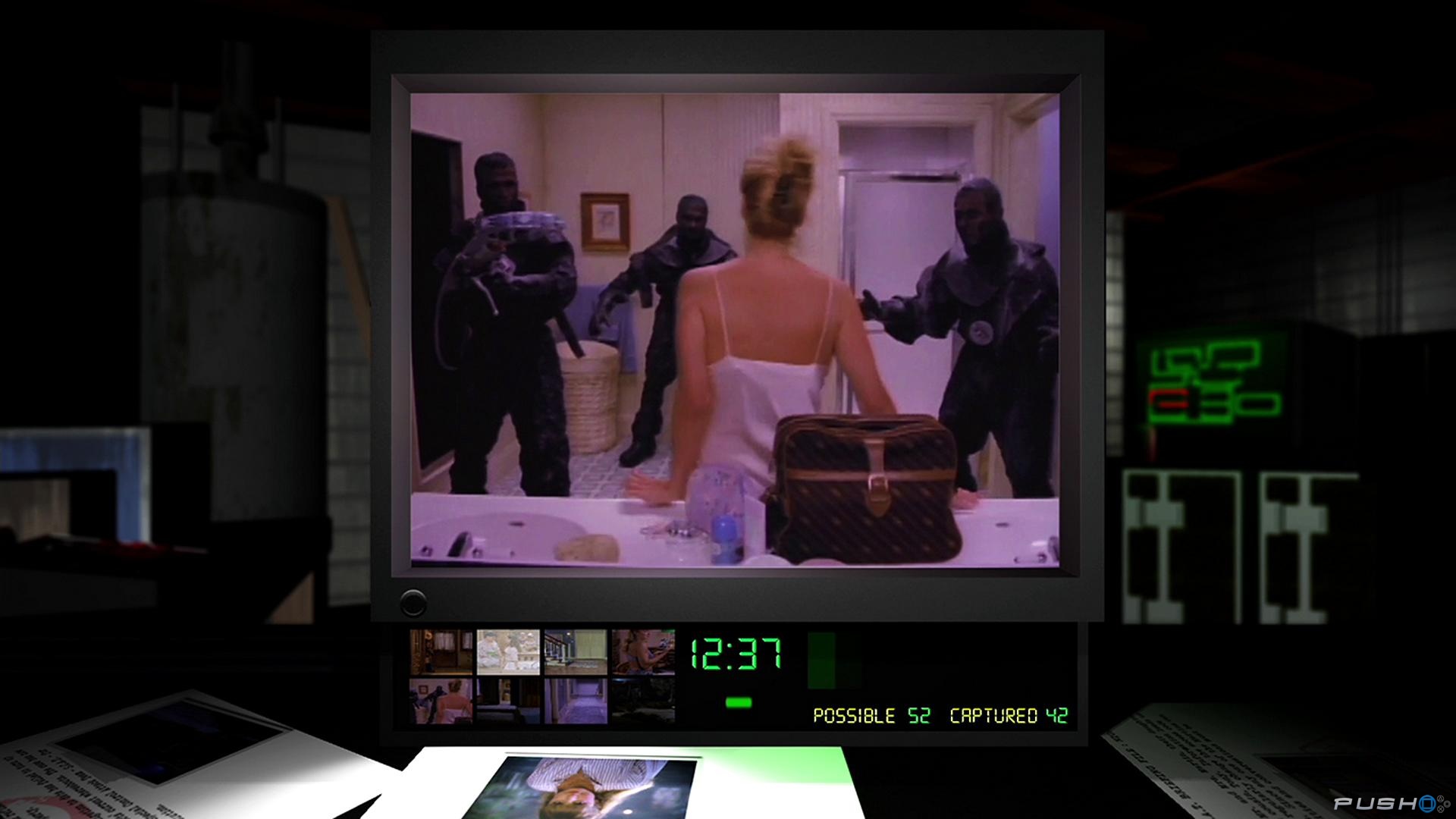
Night Trap is an interactive experience which uses full-motion video. You are a special agent that is tasked with surveillance duty as you watch a group of co-eds in a house. The girls are in danger from a bunch of weird vampire creatures. The actual game is very basic and repetitive as most full motion games were. You switch between camera angles and activate traps to capture the vampire creatures. Each trap you set triggers a different video scenario. As I type this article, the game doesn’t sound very exciting at all but, you have to understand this game’s history.

Night Trap 1

In 1993, Night Trap was the centre of attention at US Congress hearings. Along with Mortal Kombat, Night Trap had parents on edge about violence and sexual content in video games. It wasn’t every day that kids saw inadequately clothed women being kidnapped on their game consoles. Looking at the games we have today though, Night Trap is like a serving of soft serve ice cream. My how the times have changed. Nonetheless, it’s one of the things that lead to the ESRB or Entertainment Software Rating Board that is so prominent today.

Night Trap 2

This all took place during an infamous time in gaming history where Nintendo and Sega were in the heat of a console war. Sega was on fire and Nintendo was doing their best to keep things clean. It was during the 1993 hearings that then chairman of Nintendo Howard Lincoln stated that “Night Trap would never appear on a Nintendo console”. Fast forward to 2018, and Night Trap is announced for release on the Nintendo Switch.

This will be the second re-release of the game as Limited Run Games released 5,000 copies for the PlayStation 4 last year. I picked up a collector edition and Limited Run was nice enough to also send me a digital code.

Finally, I got my chance to see what the fuss was all about. It took me all of about 20 minutes to realize that Night Trap is not a good game. I do appreciate the cheesy 80s style video and costumes. I am a sucker for classic VHS style charm. I also appreciate developer Screaming Villains for reworking the game from the ground up. While the experience isn’t great, Night Trap will always have a special place in my heart.

All in all, Night Trap is a cult classic that sparked a real debate about content in video games. It will always be a nice part of video game history. Night Trap is set to go up for pre-order at Limited Run Games today. Unlike the PS4 release, there won’t be a release limit.

Game Streaming

What Game Streaming Means For Indies

Ubisoft co-founder Yves Guillemot recently said in an interview, “I think we will see another [console] generation, but there is a good chance that step-by-step we will see less and less hardware.”

More recently at E3, EA introduced Origin Access Premier, a Netflix-for-games streaming service which gives players access to more than a handful of games for a flat, monthly rate. Even Xbox has already started to play with Game Pass and by the end of the decade, I’m sure more publishers will announce their own services, as well.

What Netflix did to movie theatres and DVD players and what Spotify did to CD players and radio, streaming game services will inevitably do to the PlayStation and Xbox consoles (at this point Nintendo plays by its own rules so let’s move them aside for now).

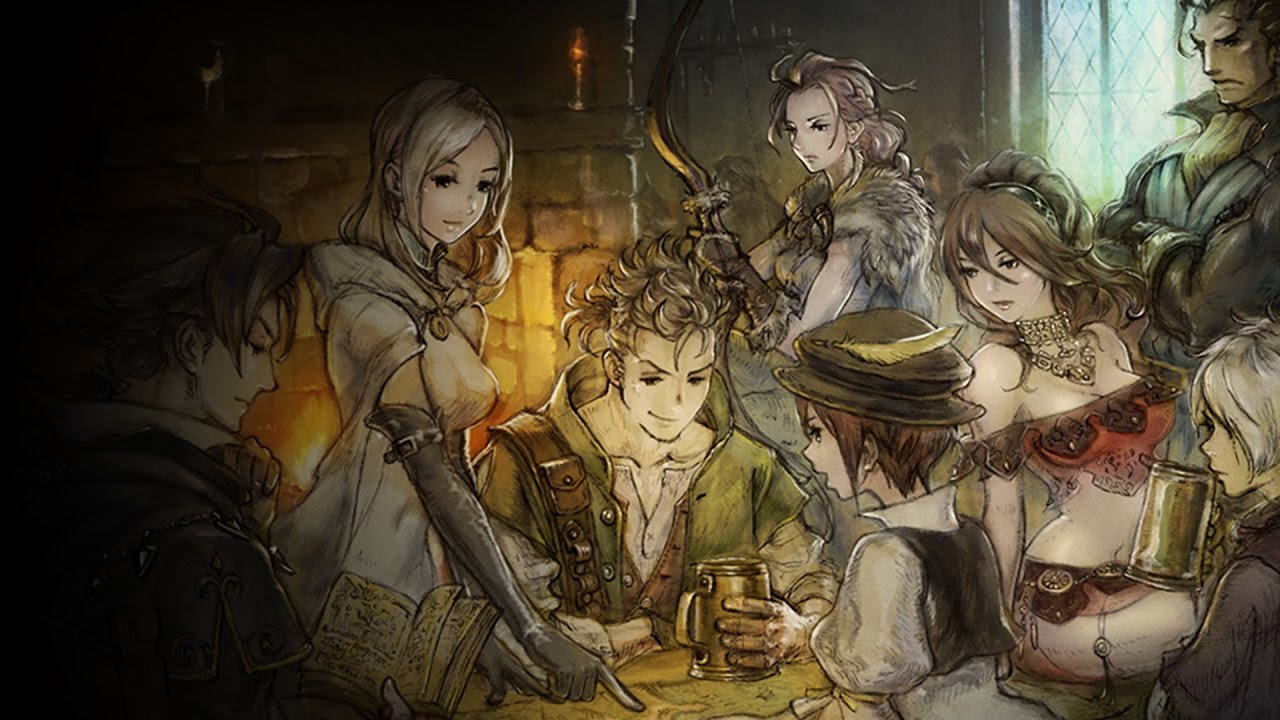
There’s a very possible future where a smart TV and a game controller will be all anyone needs to load up Square Enix’s probably-coming streaming service and dive straight into Octopath Traveler. But what does this mean for indie games?

Octopath Traveler
Octopath Traveler

In order for this to be successful publishers will need to beef up their library in order to compete with each other and they may find (as Netflix has found with their premium content) AAA games to be too complex to pump out quickly enough.

Indie games could be the solution. Steam already offers an experience in which indie games populate most of their storefront, peppered in with extremely popular AAA titles. It would be easy to see EA mirror this infrastructure and bulk up their EA Originals line to try to curate a better offer for their Origin Access Premier service. This creates tremendous potential in the growth of the indie market.

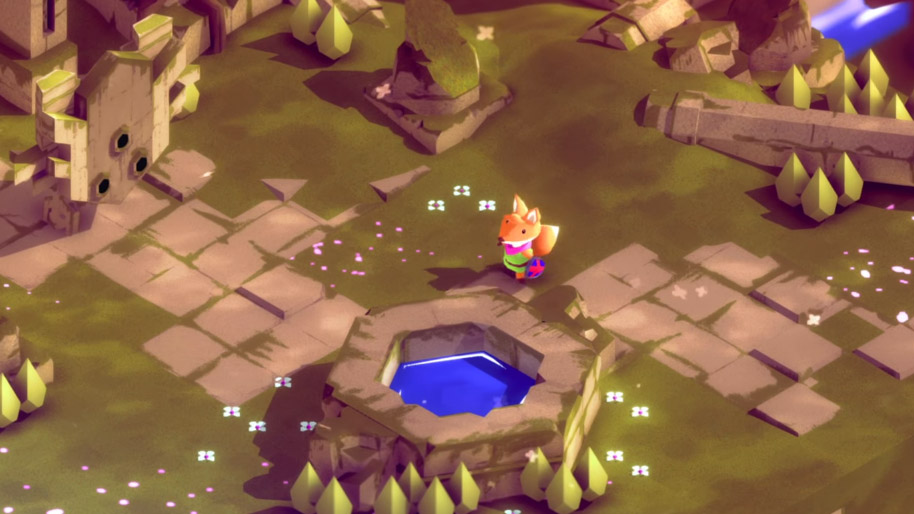
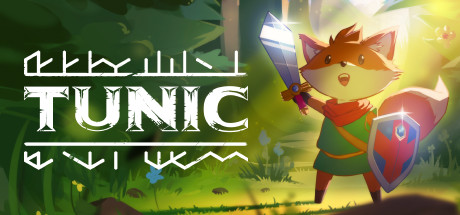
However, in this console-less transition, indie games might begin to suffer an image problem too. It’s not unreasonable to think indie games will be held to a higher, possibly unfair standard. By removing price tags and putting all games on a level playing field, games like Tunic will be given the same scrutiny from players as Halo Infinite.

Tunic logo
Tunic

When players are paying the same base price for an indie game as they are for an AAA game, will they be okay with the obvious size and graphical disparity? Will gamers be upset if indie games make up the bulk of any prospective streaming? Gamers who already play a wide breadth of games may instantly think this won’t be a problem, but for the gamer who only plays Call of Duty annually, will they be upset that they’re paying for a service that keeps offering them indie games?

Celeste
Celeste

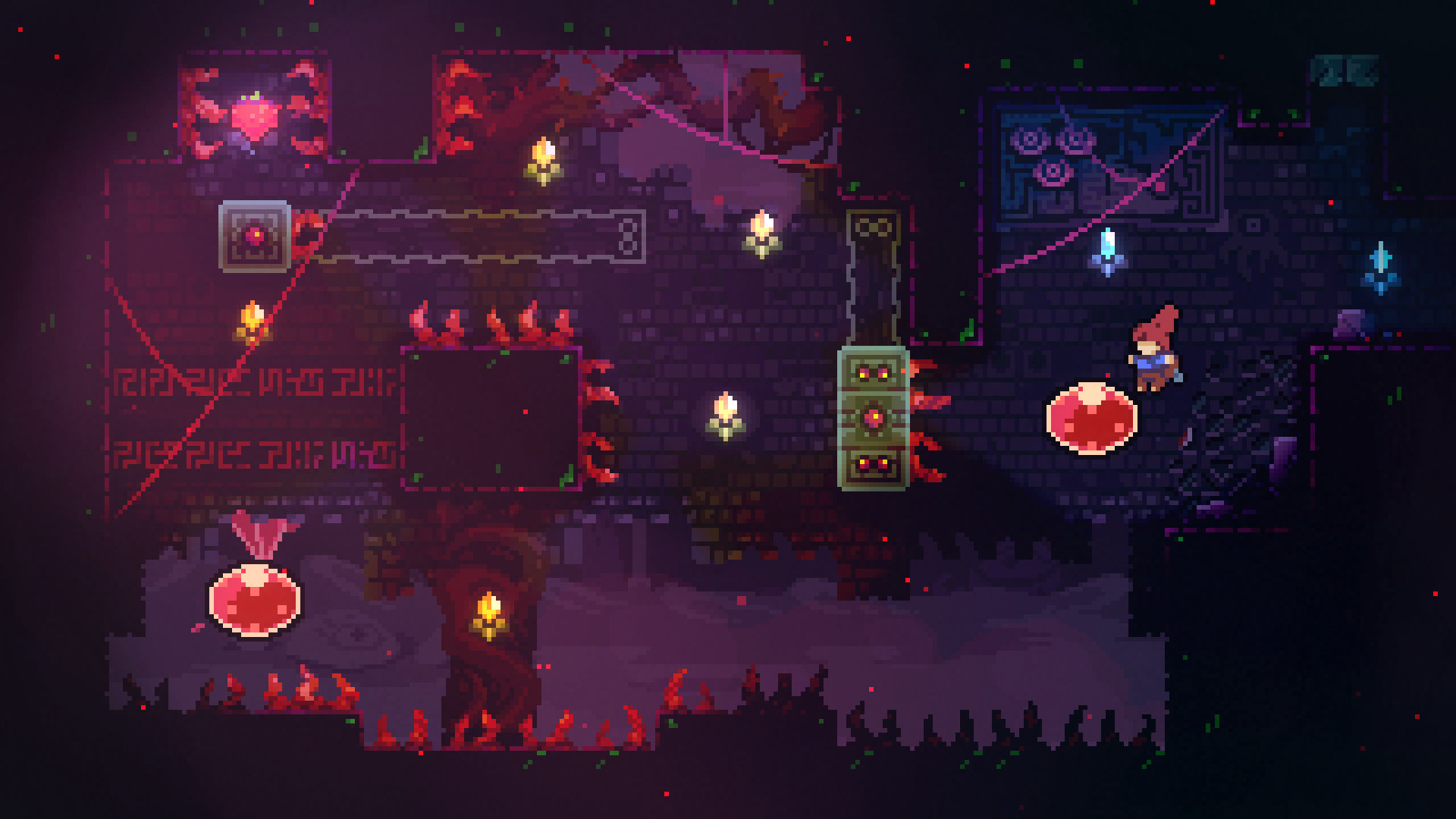
On the flip side, this could be an opportunity for that Call of Duty player to try their hand at smaller stories. There’s no extra work required to boot up Celeste when none of your friends are online and play a few levels in-between shooting matches.

Indie games could see a boom in their audience as they are paired next to games that they would otherwise not be associated. There can be tremendous potential to appeal to audience that wouldn’t otherwise choose to buy the game, but plays it now because they’re handed the experience for free.

The outlook may be bleak for consoles, but the future is uncertain for indie games. There could be tremendous potential to take advantage of future streaming services as long as they hold fast to their quality and create fun experiences.

Puzzle-platformer, Dream Alone, debuts on Switch and PC

The dark and grim platforming adventure, Dream Alone, is brought to life by indie teams Fat Dog Games and Warsaw Games – it’s officially released on digital stores on PC via Steam and the eShop on the Switch.

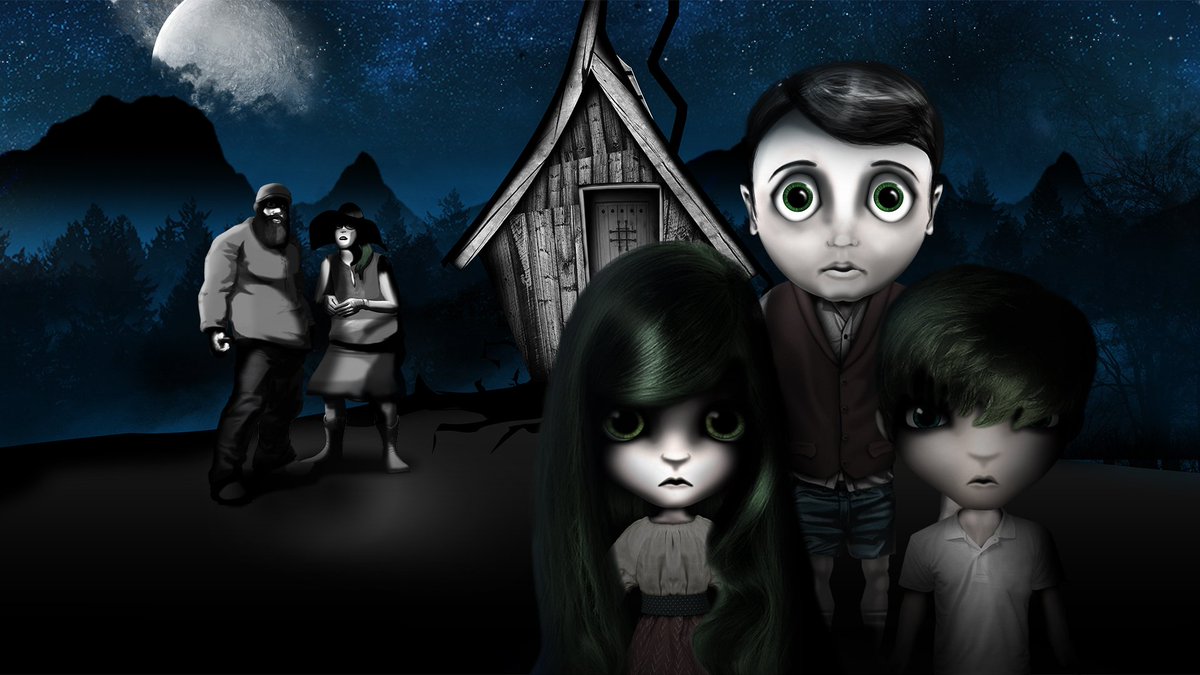
This terrifying journey has players plunging into a dark and twisted world in search of a cure that will save their village from a deadly plague. Twist around each level to conquer the bizarre settings inspired by silent black and white horror films.

To celebrate the release of the horror platformer is a fittingly gritty launch trailer showing off the dark atmosphere:

Check out some of the key features that make Dream Alone a one-of-a-kind experience:

  • Creatively manipulate each level to help guide your character safely through the dangers that lurk in areas like haunted forests, eerie ghost towns and mysterious caves. Use special abilities like distracting enemies with mirrored clones, switch between realities or slow down time.
  • The grim grey scaled aura adds to the mysterious and bizarre tone that mimics the peculiar setting heavily inspired by the German expressionist silent film era.
  • Award-winning composer, Paweł ‘Fleczer’ Flanc, provides a jarring musical score to help create a tense atmosphere that will have players engulfed in a dark and twisted journey through a surreal world.
  • As a young boy from a small village overrun by an ill-fated plague, players must search for the mythical Lady Death in hopes of discovering a cure to save your people.

“Dream Alone is a fairy tale for players to take part in, with mysteries to uncover in the grand tradition of folklore.” – Fat Dog Games CEO, Darek Skrzypkowski

Dream Alone is out now for the Switch and PC but is also heading over to the PS4 and Xbox One by the end of 2018.

Detroit: Become Human Thoughts

“Are We Friends?” – Thoughts And Reflections On Detroit: Become Human

Would you, as a human being, enter a relationship with an android (if it were as real as us)? Would you trust an android with your children? Do you believe technology to be a potential threat to mankind?

With its release a mere month ago, Detroit: Become Human gained instant recognition and fame. If you haven’t played the game yet, I must warn you that this article will contain spoilers.

Thoughts And Reflections On Detroit: Become Human

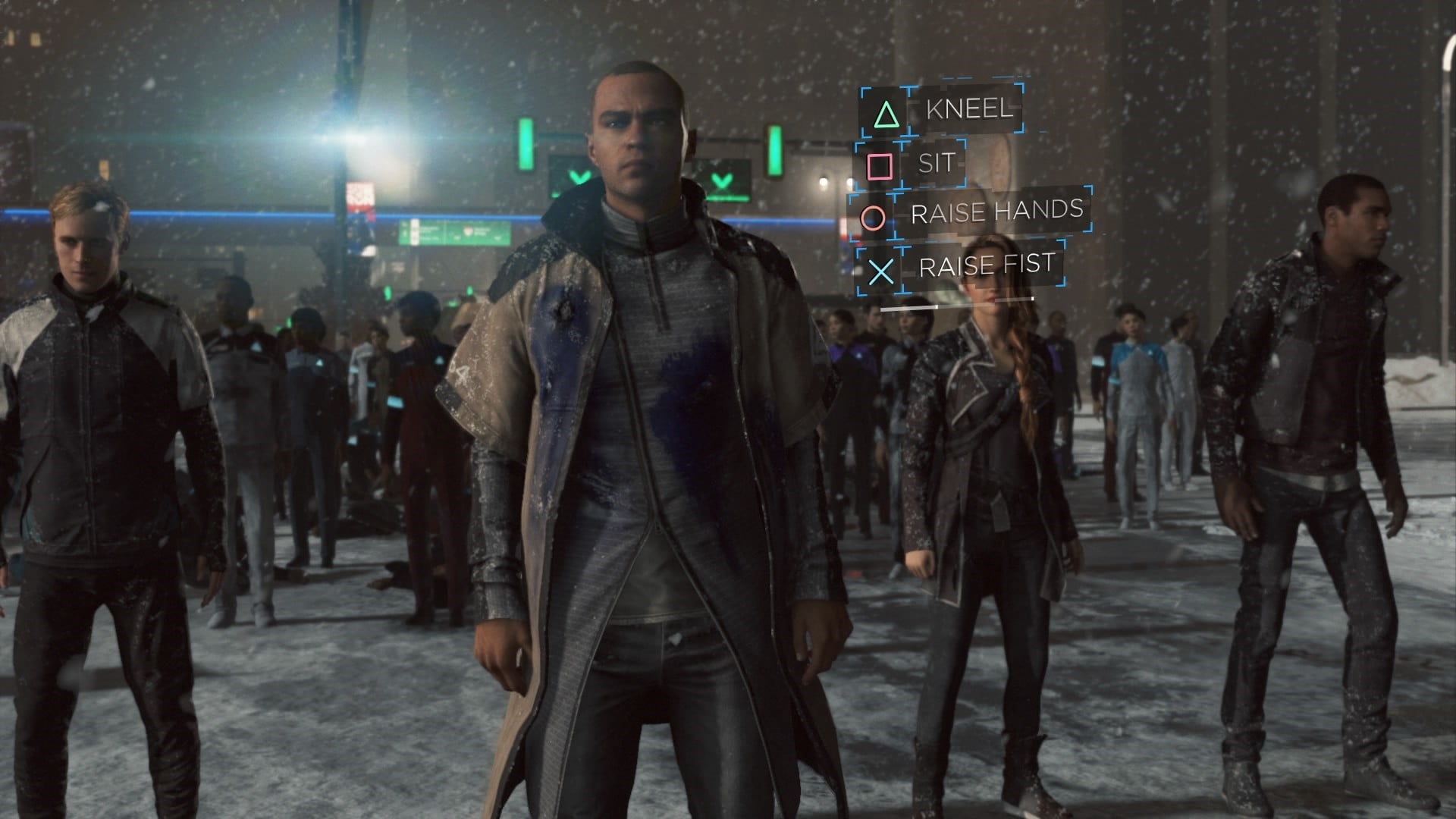
In Detroit: Become Human, we follow the three protagonists Markus, Kara, and Connor. Categorized as “Deviants,” an error in their program allows them to stray from their given tasks, becoming autonomous individuals. They each have their very own personality and unique way of interacting with things, creating three very different stories that eventually intertwine.

The game offers some of the best interactive gameplay and storytelling I’ve experienced in a while, and I was very hesitant to let these androids go when the game was done because I had grown so attached to them. Following their story was much more engaging than I would have imagined, and I genuinely care about each of the protagonists. However, should I feel conflicted that I feel empathy and care for these androids, machines made to serve us?

Detroit: Become Human Thoughts
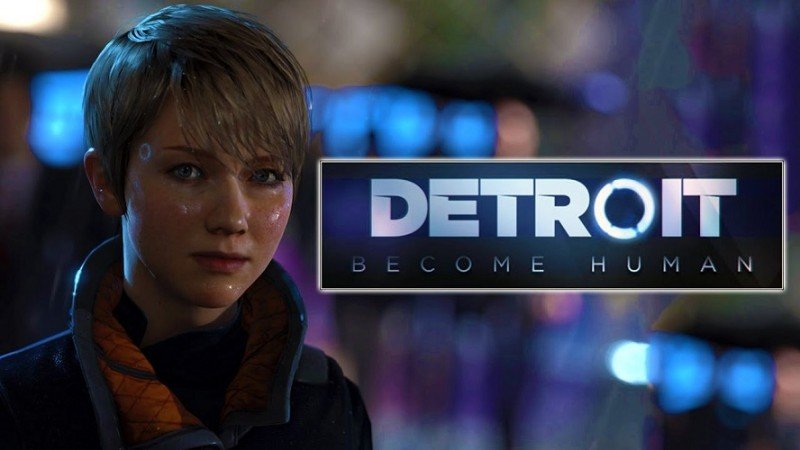
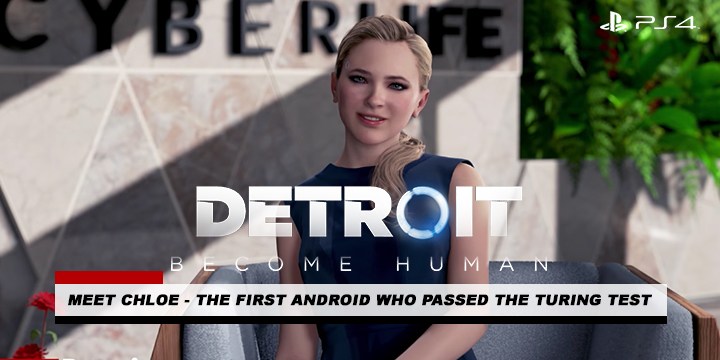
Chloe quickly became one of the most interesting characters in Detroit: Become Human.

I want to shed some light on a different character in Detroit: Become Human. One that surprised me with her presence and unexpected “conversation”. Serving as Elijah Kamski’s servant (the guy who created androids), Chloe is the first female android to pass the Turing Test, a psychological test that checks if a machine may possess the abilities to demonstrate intelligent behaviour equal to a human being.

But that is not what fascinates me. The fact that she was displayed on the menu-screen, she was the first face I met when I entered the game, and the last when I was exiting. She went from being formal, robot-like in her speech and attitude, to becoming a sentient being, commenting and questioning the choices I had made in the game. Even though our meeting with her in-game was brief, Chloe was a character that I continually looked forward to seeing again. Because she was unpredictable. When at one point she asked “are we friends?” my jaw dropped by surprise. I said yes. Yes, we were friends.

After she asked that question it was interesting to just sit there and observe her reaction. When it became clear that she was paying attention to the choices I made in the game, and even giving her own opinions on them, she gradually realized just how much of a self-thinking individual she is. As soon as she realized that she had said something that was outside of her program, her gaze became gradually more unfocused, and her facial expression turned into uncertainty and doubt… and sometimes fear?

These small, yet intriguing interactions with Chloe made me just sit on the menu for several minutes to wait and see if she said something else. That is how involved I got.

The incredibly hostile attitude of the human beings in the game is not necessarily a way that I would have reacted myself, even though I can, in some ways, understand the panic. Some don’t even render it a discussion, because it is easy to just discard the thought as “ridiculous,” and just throw it away.

Aren’t these androids a product of our own mistakes? Will humanity fall by their own hands?

Detroit: Become Human Thoughts
Is the scenario of androids leading a revolution real?

Historically speaking, Homo Sapiens, that’s us, get most of the blame for the extinction of several animal species, including different human species. Being the remaining Sapiens, we are used to being on top of the world. We are used to being the only creatures being able to converse and develop our language as complex as we do.

Many people are afraid of technology going too far; but when is it too far? Take for example Sophia the Robot, the first robot to gain a citizenship in Saudi Arabia, a country that only recently allowed women to drive. Even though Sophia is not nearly as lifelike as the ones in Detroit: Become Human, I think my point still stands. At this rate, the idea of our creations becoming autonomous seems to be a more and more relevant topic of discussion.

Are the androids simply a projection of who we want to be?

The game developers have made sure to portray the androids as “better than us,” both morally and physically, and that may be why the thought of them becoming sentient beings scares us. However, these are all existential questions that might never be answered, but I think it’s fun to contemplate them now and again, anyway.

Detroit: Become Human is a game that discusses these issues thoroughly and, in my opinion, pretty convincingly.

Sea of Thieves

When Games Just Do ‘It’ – Sea of Thieves

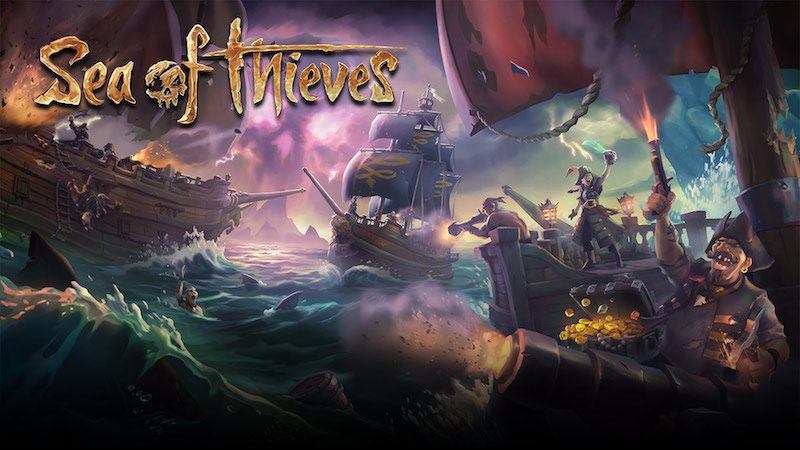
We like to bring you the latest from the indie scene, focussing on the small guys and not just giving the limelight to the big hitters out there. But every now and again, one of the bigger names gets something uniquely right, so much so, that you can’t explain it. For me, personally, it’s Sea of Thieves – if you would allow me to explain why.

I haven’t played much recently, my controllers have sat to one side for longer than they normally would and for longer than I’d normally like them to. What with starting a new job and planning a wedding, my evenings haven’t been as relaxed as they have been in the recent past. But Sea of Thieves has been the one game that has kept me coming back for more and, on some occasions, for a few hours at a time. A few hours these days is a significant thing.

Off You Go!

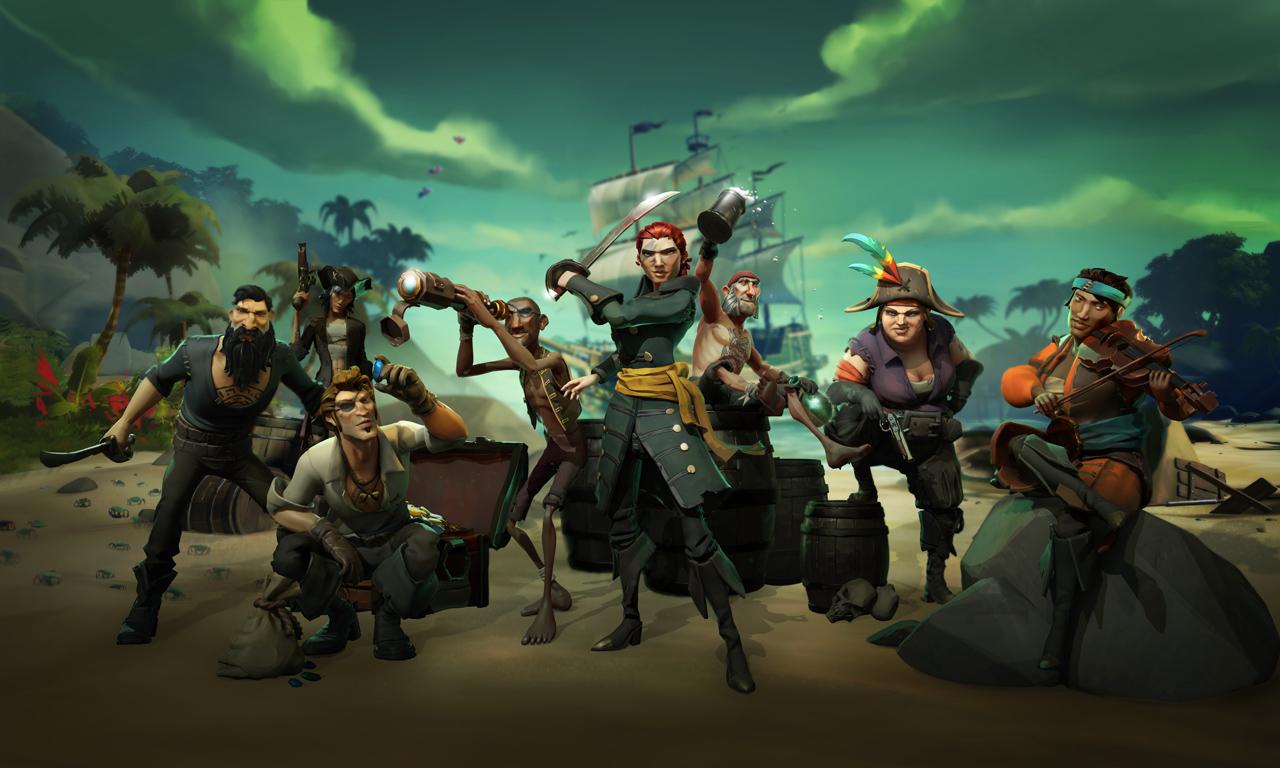
For many, this would probably not seem like a big deal or something out of the unordinary, but I’m not normally one for online gaming, opting for the classic solo experience, or one to play games that don’t really have a ‘point’ or endgame either. When I’m gaming, I like them to have a reason for doing something, making me want to play or justifying what I’m doing pushing me towards the end goal. But Sea of Thieves doesn’t have that. It’s very much a case of ‘here’s the world – off you go’ and allows you to make your own memories and experiences.

sea_of_thieves

What I also like as well is that everything you can collect and buy (using in-game currency) is all cosmetic. There’s no imbalance of power or a shift in dynamic when you level up and, to date, you won’t be on the back foot should you jump in at a later date. This, to me, is gaming done right and fair. No over-powering and no dividing the community and, what’s more, the content that is coming for it is going to be both regular and free. That’s something that can’t be said for most games out there that are hungry for the contents of the wallets of loyal fans.

Don’t get me wrong, Sea of Thieves isn’t without its criticisms as it isn’t the perfect game. The voyages on offer at present can get a little repetitive and until the bigger chunks of content arrive, it is limited in variety. The hungering deep has just arrived though, whereby you can summon a Megalodon which requires the completion of a series of preceding quests before you can do so. Plus there’s still more to come in weekly updates and larger content drops in the Cursed Sails in July and Forsaken Shores in September.

That aside, my enjoyment for the game has not come from the content, more the enjoyment of just playing the game and being able to enjoy it. It’s not a game where it makes you rage or be tempted to throw the controller through the window and has quickly become that title where I send a message to friends asking if they’re going online. When they do, we have a great time exploring and just sailing, chatting whilst we do and playing a shanty or two en route.

The occasional tense moment where you find someone else in your world and don’t know if they will be friendly or hostile also makes you doubt whether or not you should have cashed your booty in sooner. It scratches an itch and allows me to unwind and catch up with some friends, whilst meeting up with some new people should we decide to voyage with them.

It’s hard to pinpoint what the ‘it’ is when a game does it for you and it’s completely subjective, but is there a game that you enjoy playing and keep coming back for more?

Neo Cab game

Meet Neo Cab – ride the emotion through neon

She’s missing. She’s been missing for some time now. I need to find her and the only way I can find out is by driving these figures, chatting with these figures, one of these figures knows something and one of these figures will guide me to her.

Neo Cab

Neo Cab – The Last Human Taxi Driver

Imagine that you are the last human taxi driver in a future drenched in low key neon lights. The developers at Chance Agency will allow you to experience just that with indie title Neo Cab shown at this year’s E3.

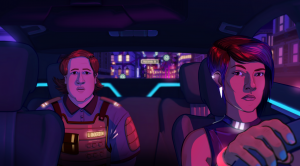
Playing as Lina, you must maintain your job, your rating and your emotional health whilst you find your friend who has mysteriously vanished. You must choose your passengers and your words wisely in this emotional survival game.

Neo Cab

You will navigate through a procedurally generated city full of random encounters and discoverable items with a diverse set of characters with their own branching paths.

It’s looking like a unique game indeed, with an emotional mechanic and in-game economy – this is one to watch out for when it hits PC, we think, this year.

Limited Run highlights indie titles in first E3 press conference

Limited Run Games held its very first E3 press conference with a nice list of indie game releases.

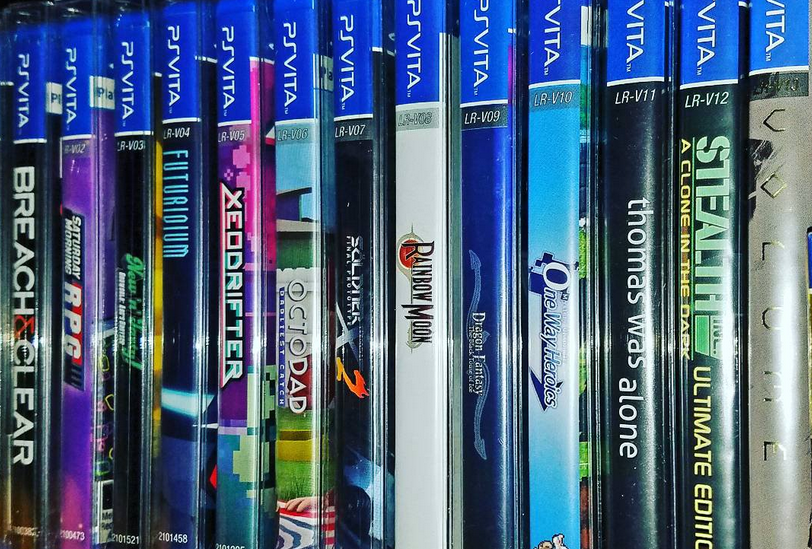
If you aren’t familiar with Limited Run Games, they release digital games in physical format. Most of these were previously released on PC. What makes Limited Run special is that their releases are extremely limited (usually between 2,000 – 5,000 copies). Many of these games become highly collectible due to their limited nature. Games started as PlayStation exclusive titles until a partnership with Nintendo Switch began this past Spring.

Limited Run Highlights Indie Titles

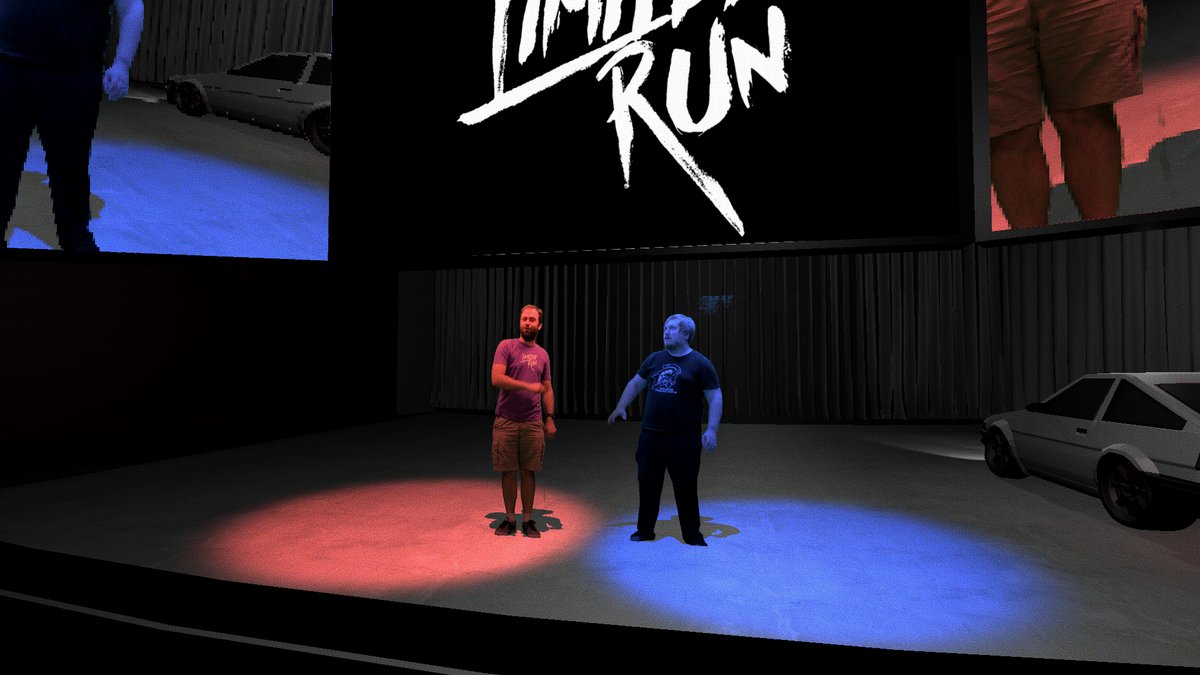
Along with a cheesy, yet charming green screen and weird 2D audience, Limited Run announced the following upcoming titles during their press conference:

Limited Run Presser

PlayStation 4

  • Iconoclasts
  • Observer
  • Thumper
  • The House in Fata Morgana
  • Spelunky
  • Phantom Breaker Battle Grounds Overdrive
  • Exile’s End
  • Salt and Sanctuary
  • Double Switch 25th Anniversary

PS Vita

  • Iconoclasts
  • The House in Fata Morgana
  • 2064: Read Only Memories
  • VA-11 HALL-A
  • Senran Kagura Bon Appetit
  • Spelunky
  • Exile’s End
  • Phantom Breaker Battle Grounds Overdrive
  • Salt and Sanctuary

Nintendo Switch

  • Golf Story
  • Layers of Fear
  • Thumper
  • Oceanhorn: Monster of Uncharted Seas
  • Cosmic Star Heroine
  • Night Trap
  • Yooka-Laylee
  • Dust: An Elysian Tail

If you are a fan of classic retro style games, want physical PC titles or just desire something obscure, well, Limited Run Games may have something for you. They even toss a cool collector’s card for each game you purchase. I have a lot of Limited Run titles on my game shelf and I must be honest when I say I hadn’t heard of 75% of them prior.

They have exposed me to a whole new world of indie games and experiences. If you happened to miss the press conference, be sure to check out the replay on Twitch.tv.

Anima: Gate of Memories - The Nameless Chronicles

Anima: Gate of Memories – The Nameless Chronicles out June 19th

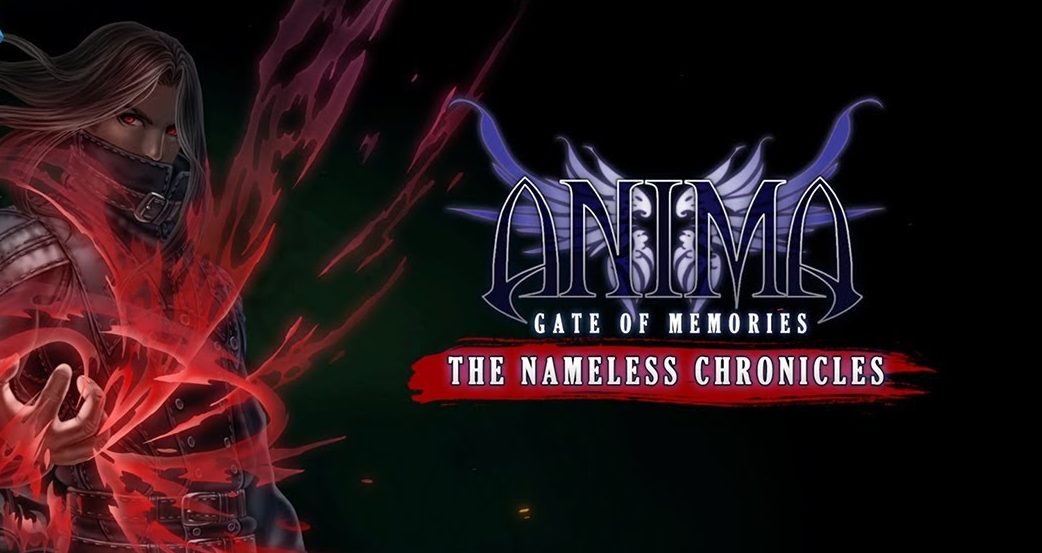
It was to my delight when I saw BadLand Publishing rebrand themselves and announce Anima: Gate of Memories – The Nameless Chronicles (a mouthful, so let’s abbreviate it to AGMTNC).

Anima: Gate of Memories - The Nameless Chronicles

Anima: Gate of Memories – The Nameless Chronicles

It’s a third-person action RPG hack and slash in which you level up and unlock combos and moves. Much to my surprise, this game sets you as a reoccurring boss from the first game (in the series) called The Nameless, an immortal cursed to walk the worlds until the end of time.  Shadows from his past come back to haunt him… and you’ll find secrets of The Nameless as well as the Gate of Memories.

Anima: Gate of Memories - The Nameless Chronicles

Like the first game, you’ll have skills trees, artefacts and weapons to unlock, a vast universe to explore with deep characters and lore. This time there is a feature that says, ‘Use the Hand of Tanathos, a unique action system that allows The Nameless to improve any attack.

I’m excited, the first title is something of a hidden gem. It wasn’t perfect, some of the jokes were off, the platforming was frustrating, the controls in combat lacked a responsiveness at times, but the game certainly made up for in its good points: the world, characters, lore, interesting bosses and changing of perspectives. It’s a middle tier game, a tier of gaming you struggle to find these days.

Anima: Gate of Memories - The Nameless Chronicles

My only concern with AGMTNC is that the ability to switch characters on the fly is more than likely gone, but hopefully, that coat of polish the first game lacked will be present. AGMTNC (that’s still a mouthful isn’t it?) will be out on Xbox One, PS4 and Steam June 19th.

No doubt the console physical releases will come packed with a soundtrack CD and manual.

Battle Royale: The New Zombies?

Weekend Thoughts: Is Battle Royale The New Zombies?

We’re almost halfway through the year which can only mean one thing: inevitable disappointment when the sun doesn’t make a significant appearance again during the summer months.

That and the fact that we are a very short time away from this year’s E3 convention which is already shaping up to be quite the show. We’ve already had some pre-show leaks thanks to the Canadian arm of Walmart listing some potential upcoming games early, but hopefully, there are some big surprises still in store!

There are also many questions that need answering this year; what games will carry the Xbox One X forward? How will Nintendo approach 2018 and will Sony have any surprise hardware up their sleeves?

Battle Royale: The New Zombies?

Alas, this article isn’t just about the big E3 build up. No, it’s about something more concerning; there’s an epidemic on our hands. We thought the zombie craze was bad (somehow there’s life in the old limbering corpse yet) but I feel that the ‘Battle Royale craze‘ is going to be far more significant.

When I say significant, I don’t necessarily mean positive either…

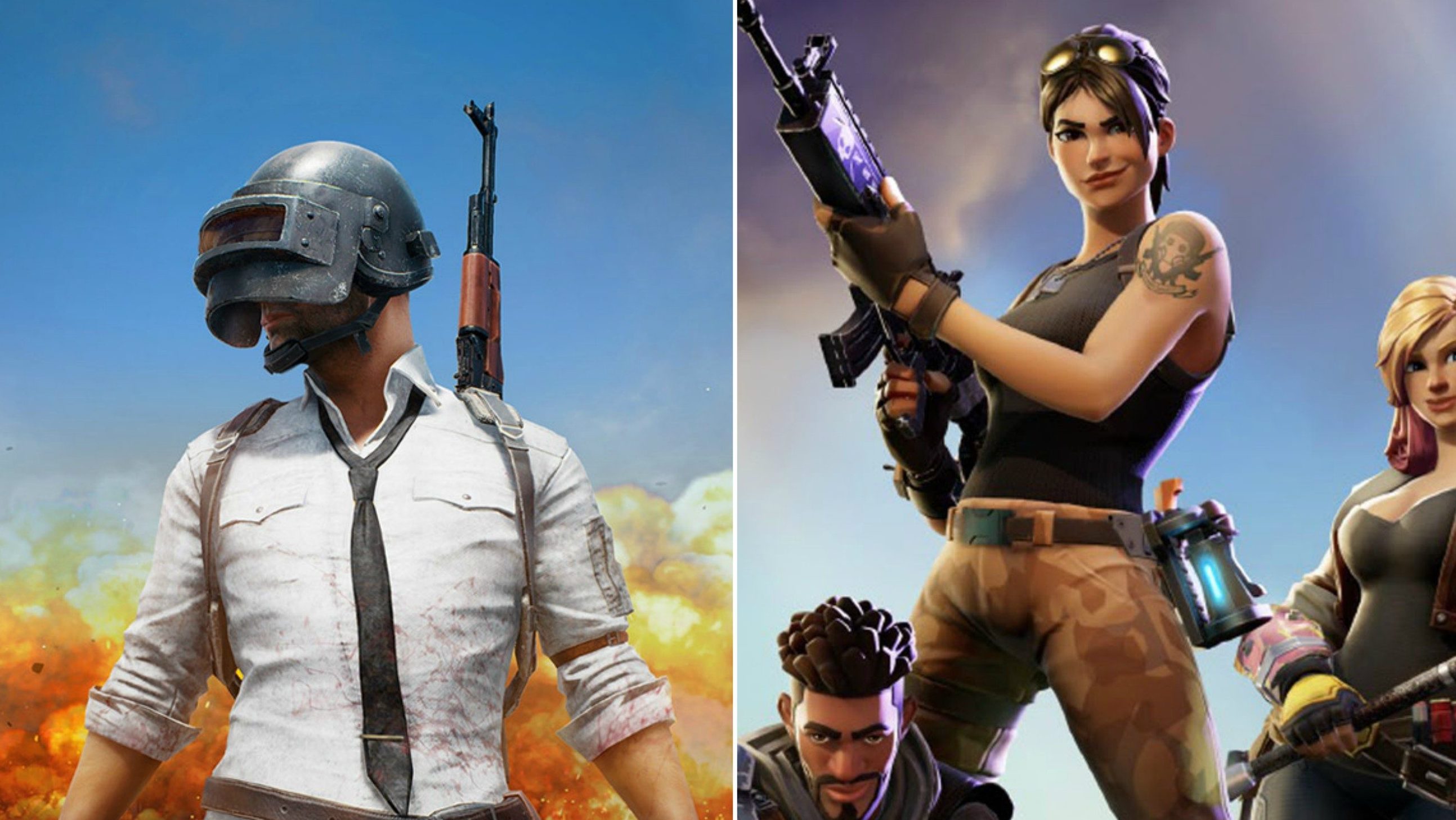
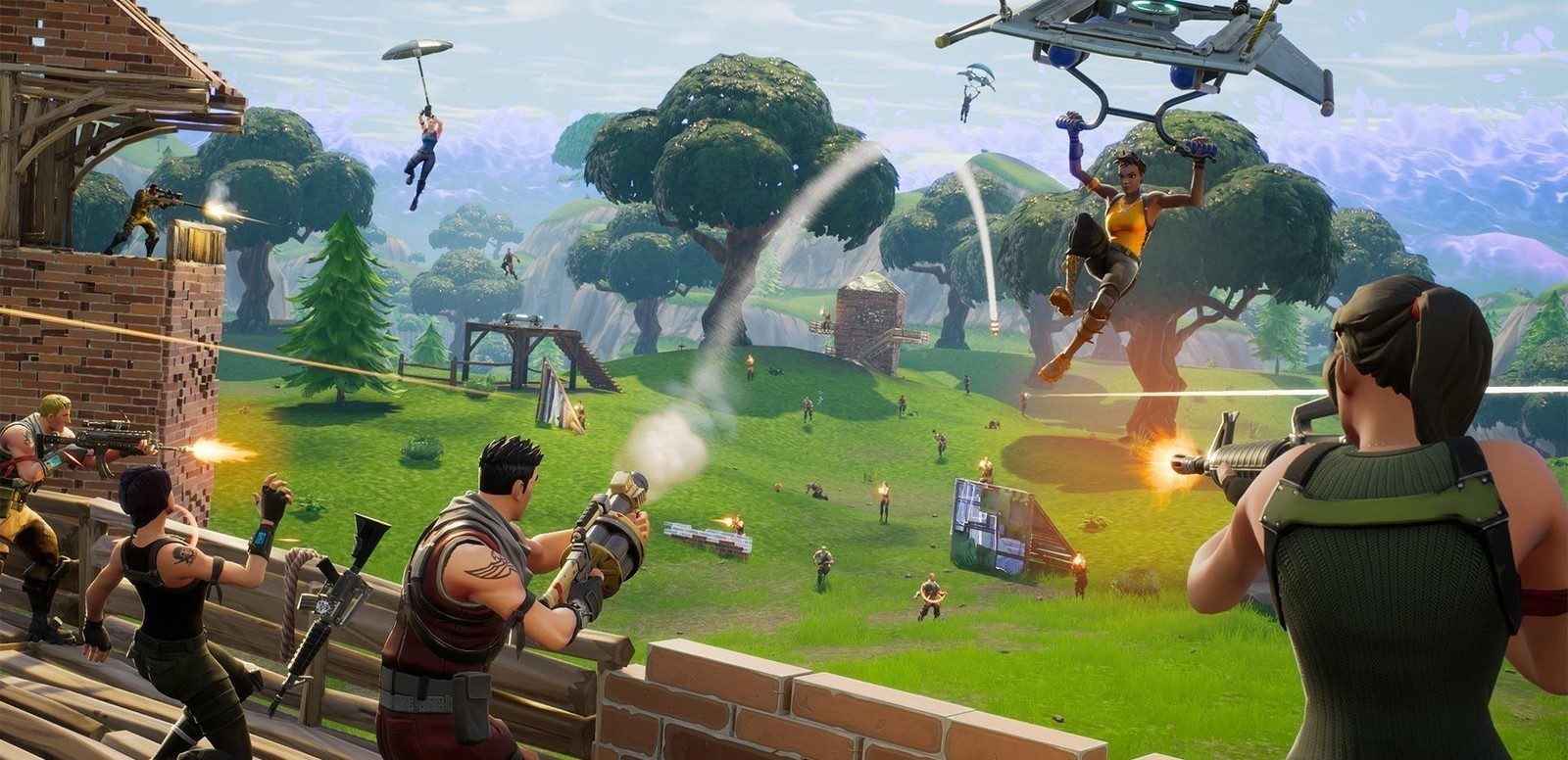
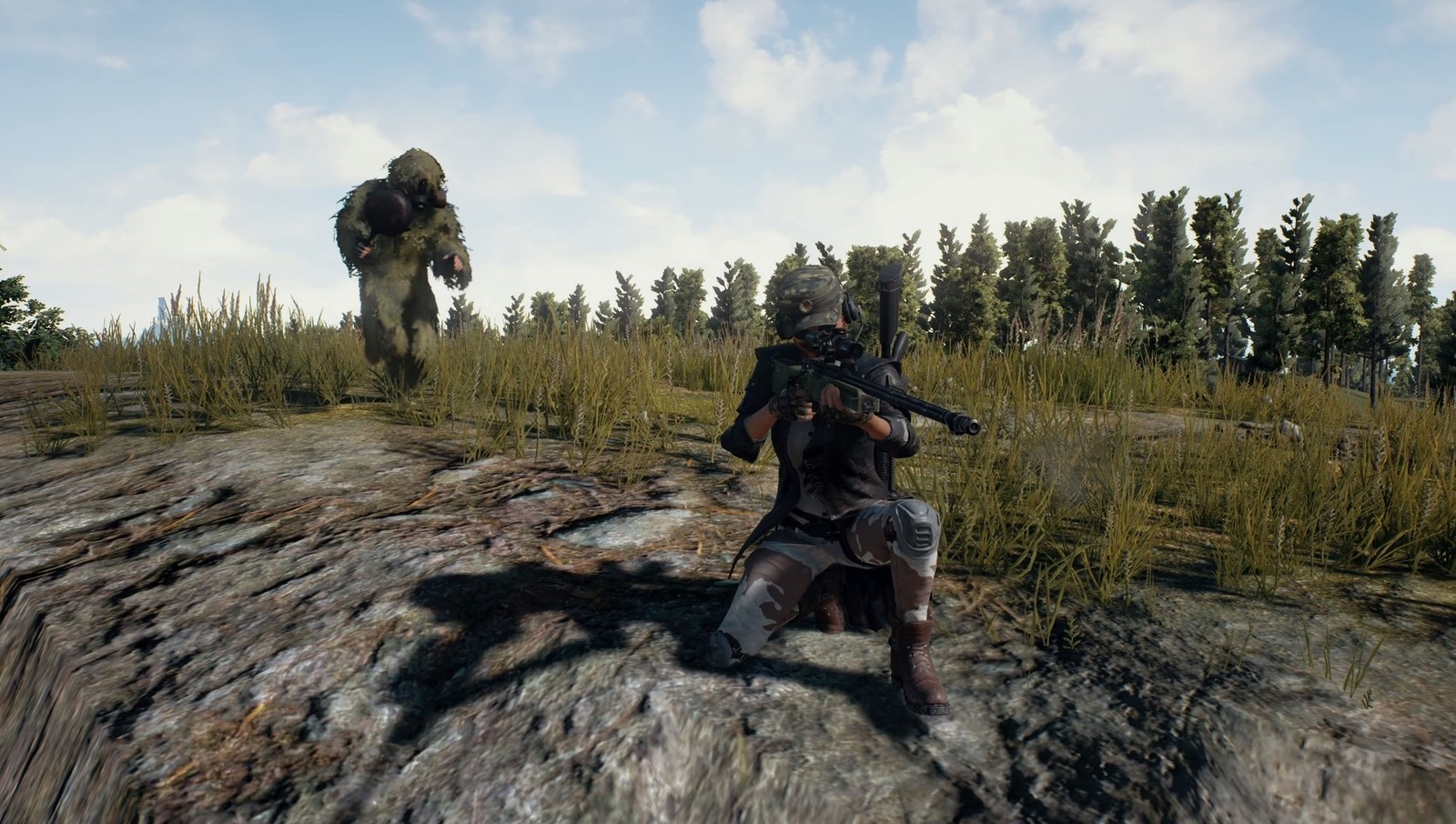
Before we get off on the wrong foot though, I’m not here to deny the popularity or success of the likes of PUBG or Fortnite. They have seen masses of players and followers flood over various platforms and social media alike, which is perfectly acceptable.

Weekend Thoughts: Is Battle Royale The New Zombies?

Likewise, it’s nice to see something a little different and it gives more people a choice when it comes to their online shooters beyond the likes of the usual Call of Duty or Battlefield.

What I don’t like though, is that we are starting to see people jump on the Battle Royale bandwagon and rush to have their own version of this mode included. From a business perspective, I can see why they would do this. If it brings in the numbers and also the money, then, of course, they will try to get in on the action.

However, when it is a detriment to an existing formula and series, then I don’t think mimicry is the best form of flattery in this instance. You see, it’s all well and good that the upcoming Black Ops game has a battle royale mode, but at what cost?

The single player campaign may be expendable to them, and others, but what about those who want a single player mode? There are some, myself included, who like playing the single player mode from the Call of Duty franchise and, without it, they may not even play it.

Weekend Thoughts: Is Battle Royale The New Zombies?

Without question, variety is the spice of life and that is certainly true in the games industry as it is nice to have something different and, without innovation, it would be a very boring marketplace indeed. But as Fortnite, or PUBG for that matter, aren’t direct competitors for the big hitters out there and are doing their own thing, just let them be. Appreciate them for what they are, and leave them be.

Others can mind their own business, continue with business as usual and try to innovate rather than renovate which is something that is lacking in the industry if you ask me; innovation. Heck, why can’t we try and innovate when it comes to campaign and single player modes to keep things fresh? Treyarch has said there’s plenty of value in their upcoming outing, but that’s in modes that are looking a little tired now.

Maybe make the campaign more expansive, more dynamic and more engaging. Give it some worth beyond a warm-up or prelude to the online modes perhaps?

But we shall have to wait and see if anyone else jumps on the hype train that is running 24 hours a day to destination Battle Royale. Do you like Call of Duty making this bold move or are you one of those who will refrain from playing Black Ops 4 because of this?

Let us know in the comments below.

Accessibility In Indie Games

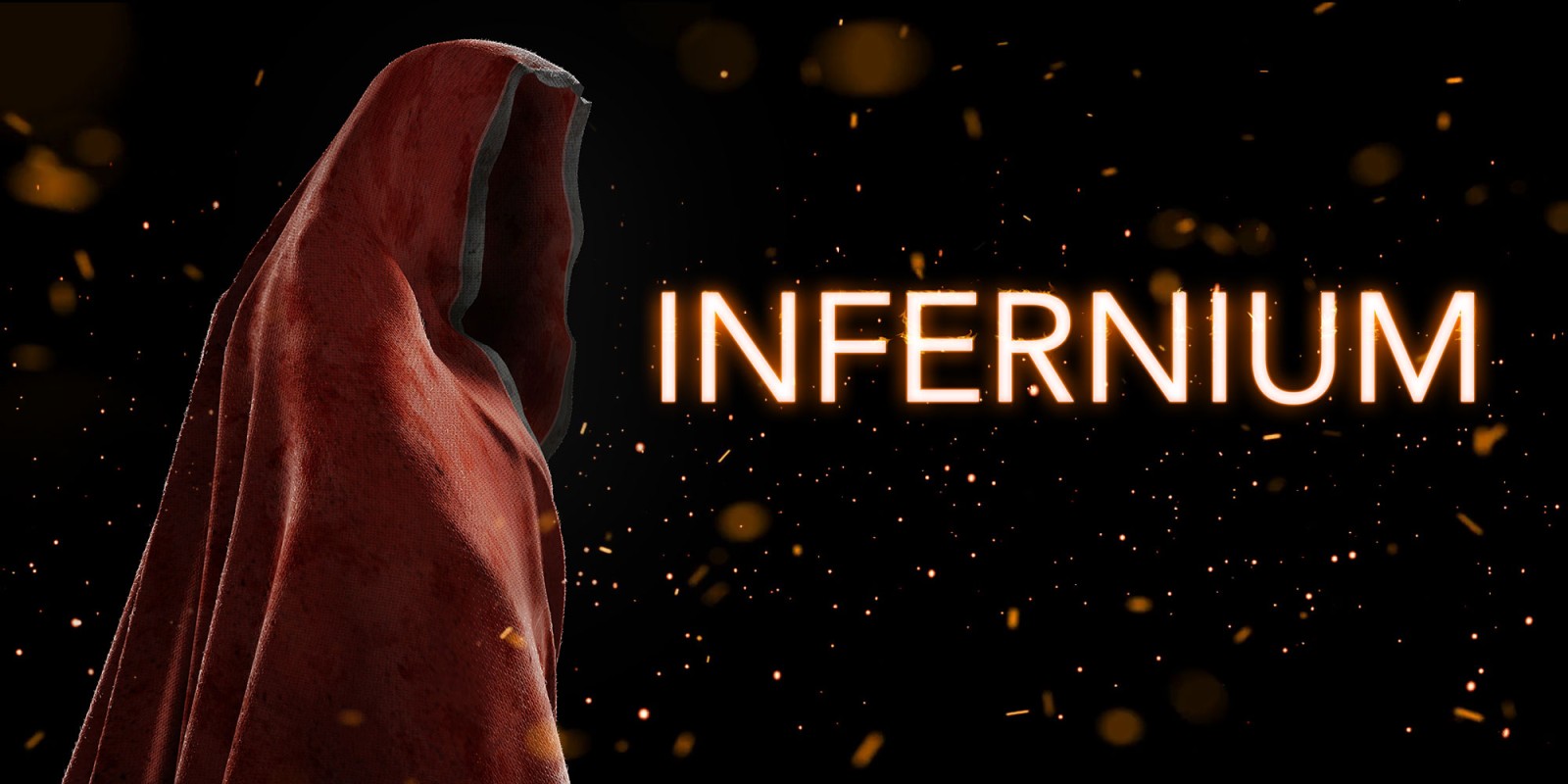
Infernium Developer Highlights Importance Of Accessibility In Indie Games

The need for accessibility in games is not exactly a new discussion. AAA titles regularly implement basic accessibility features such as contrast controls, subtitles, and multiple control scheme settings.

However, the need for further improvement in the industry has recently come to the forefront.

Everything from the need for exhibitors at conferences to take accessibility into account when setting up booths, to the need for controllers that can be used by gamers of varying abilities has demonstrated that while efforts are being made, the industry still has a ways to go.

This is especially true for indie developers. As indie titles become more important for the long-term future of the gaming industry, accessibility will become something indie developers will need to begin to take into account.

Of course, with all the financial and time constraints on small developers, this is not an easy task.

We recently had the opportunity to speak with Carlos Coronado, developer of recently released indie survival horror, Infernium.

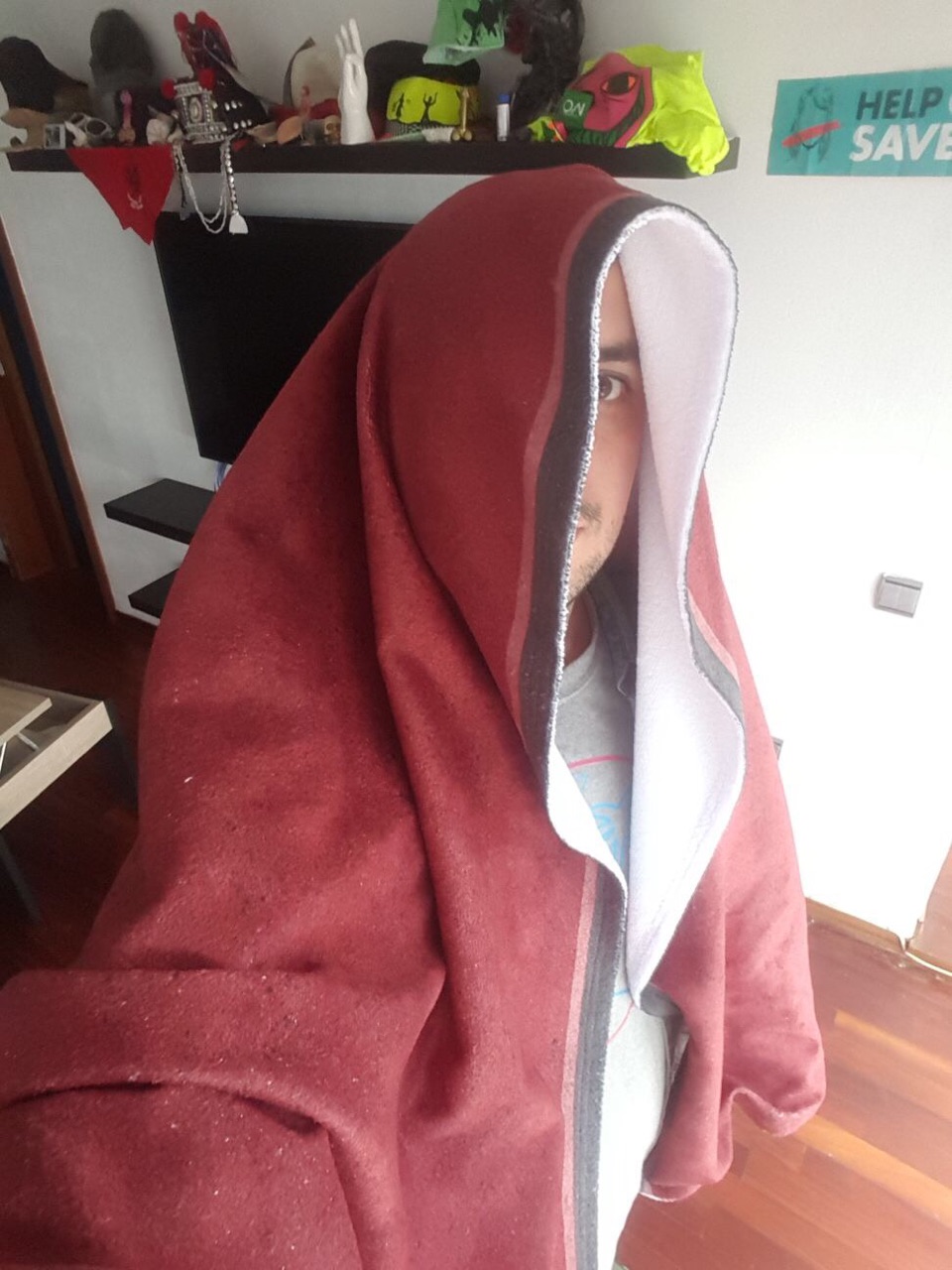
Carlos Coronado
Carlos Coronado

Carlos currently teaches at the University of Barcelona. He began his journey into the gaming industry by making the Warcelona mod for Left 4 Dead 2. He dove into indie game development in 2014 with his award-winning MIND: Path to Thalamus. After that, he developed Annie Amber for Gear VR and then started Infernium. He is also a scuba diving and sailing enthusiast.

Following the recent accessibility update for the Nintendo Switch version of Infernium, we decided to ask Carlos about his interest in accessibility in games: what made him interested in accessibility and what challenges it posed or benefits it brought as an independent developer.

We also got a brief description of what his next project will be after Infernium.

First off, before we get into the topic of accessibility, I have to ask you how you came up with the concept for Infernium? A PAC-Man inspired survival horror is definitely a unique premise.

What caused you to bring those two ideas together?

Well, I had always wanted to make a horror game but none of the ideas I had “clicked” with me. However, while doing my first-night dive in Apo Island (Philippines) I was amazed by how beautiful, calm, and at the same time scary the experience was!

I remember going out to the water and, even before putting on my scuba gear, I said to my diving buddy, “I know my next game is going to be a beautiful horror game where you see the enemies from a mile away!” So yeah, it was then when I had the idea, and the Pac-Man element came naturally while developing it.

The setting and concept of Hell are central to Infernium’s story, though it is certainly a version of Hell which has an element of beauty not commonly associated with purgatorial or eternal punishment.

Why did you choose Hell as a setting, and why did you decide upon this particular imagining of it as opposed to a more traditional, Dante’s Inferno version?

As I said, that diving experience was key. Aside from that, gameplay always comes first in my games, and I always try to think about settings that allow me to be very creative while generating cool gameplay mechanics. Hell was like a big sandbox for me, and the twist of making that Hell beautiful allowed for a greater level of creativity. The beautiful environments add an interesting psychological element. The game teaches you that the more beautiful an environment is, the more dangerous it is! This creates a contrast between what you see and what you feel that really drives players crazy, and I love that.

It is entertaining watching YouTubers and Streamers playing Infernium and witnessing them totally distrust the beautiful environments!

Now, onto accessibility, something you have been very vocal about. I have seen you discuss it with fans on your Twitter account and you have highlighted Infernium’s accessibility features on the game’s Steam page.

Even before your last accessibility update, Infernium offered not only sound but visual cues indicating a nearby enemy, as well as from which direction that enemy was approaching; a feature that is not incredibly common.

With the update, you have allowed more intermediate accessibility settings, including slowing game speed by decelerating enemies, or removing them altogether.

What made accessibility so important to you as an independent developer?

Yes! I must say I had no idea about video game accessibility before meeting Kait Paschall. She moved to Catalonia with her husband and while they were searching for a place to live they stayed in mine. During those months she got really interested in the development of Infernium and she introduced me to accessibility for video games.

She made me see that with a little effort on my part the player base would be much wider, and therefore I could sell more copies! For example, she explained the game would be 100% playable for deaf gamers by simply adding the red screen visual alarm when you start getting chased. This was the first one but the list goes on and on.

After the release of the game, I also experienced something that made me change my mind again and introduce even more accessibility features. For example, I saw my girlfriend (she is not a gamer) playing the game with the PC Mod “No Enemies” downloaded, and she was constantly telling me how great the experience was for her. She didn’t care about the challenge, but just walking in the game and seeing how everything was connected was a huge experience for her.

I also noticed the most downloaded mods for PC were all mods that made the experience more accessible for people, so I thought it was a good idea to make those options available to everyone, and that’s what I did with the accessibility menu. It basically adds 4 new options you can enable and disable anytime: No Enemies, Slower Enemies, More Tutorials, and No “Perma Death”.

Obviously, it is not how I intended players to enjoy the game but, hey, who the f*** am I to tell people how they have to play or enjoy!

After looking more into accessibility in games, I realise I took for granted how many features were already being implemented by AAA titles, such as allowing contrast controls, the ability to remap control schemes, subtitles, and making intractable objects obvious.

Do you think smaller, independent developers have a certain disadvantage when it comes to implanting these types of features?

In the AAA market, everything in terms of game-feel is sorted out. I mean, those are titles developed for really, really wide audiences! That’s why accessibility is taken for granted.

On the other hand, indie titles are more experimental and willing to risk more. I think that’s why most indies don’t think about accessibility features.

However I don’t really think introducing accessibility features is going to make your game ‘less indie’ or worse, and that’s something we all need to work on and spread. If indie devs realise accessibility features = money, more and more indie titles will introduce accessibility features.

Do you think smaller developers have an obligation to make certain their games offer at least basic accessibility features? This would entail at least some of the guidelines outlined here.

I think there is a thin red line between accessibility features and good game design. I think when you are designing good games and mechanics you don’t realise most of the time you are introducing accessibility features without even knowing!

That’s great, but we should work so that aside from good design, game devs also take accessibility into consideration.

What are some elements of Infernium that perhaps have not been mentioned specifically that you implemented to help make the game more accessible for players?

The in-game maps! I love those and no one is talking about them! Every time you visit a new area of the game you can search for a map sketched by someone in the past and if you take your time to read the map you can literally gather all the useful info: where the enemies are, where the light is, where the next map entrance is… It is super helpful if you are willing to invest the time to read the maps. Here is a guide made by a user showing all the maps.

Another “feature” I am really proud of is the crowdsourced Wiki! It’s literally filled with info, including a guide, tips, secrets and even the complete lore story in order. It is a way of getting yourself in the world of Infernium without even buying the game.

Where do you see yourself improving on accessibility in Infernium, or in future titles?

I’d say reducing the number of buttons/controls the player needs to interact with the game.

I’ve already been prototyping my next project. It is going to be a 2D sidescroller game about revitalising corals underwater. Think about Flower but in 2D with Limbo’s art style and controlled with only one joystick!

Where do you think the gaming industry as a whole stands regarding accessibility? Do you think improvements still need to be made and, if so, where do you see a need or needs that have not yet been met?

I see day by day more and more positive messages about accessibility are being spread.

I can say: “Hey! Put accessibility features on your game!” but few will listen. Instead, if I say: “Hey, In the first weekend after the accessibility update on Switch the game has sold as many copies as in all it’s life on sale”. Then more devs will listen.

In the future, I see accessibility features as something being taught at universities and eventually becoming common enough that it will be taken for granted in every game.

Final question: What advice do you have for aspiring independent game developers in general, and then regarding how they might make their games more accessible given the challenges indie developers often face?

My advice is that if they want to implement accessibility features, they need to do so early on in the development. It is easier and more elegant. It is way more complicated to introduce accessibility features once all the design is done and maybe even not worth it depending on the kind of game you are making.

In general, I would advise them to try to have short development cycles and never spend more than one year working on a single project. It makes you go nuts!

Indie Developers At The Forefront

While the gaming industry continues to evolve, concerns over making certain all gamers of all abilities will be able to learn from, play and experience more and more of what the industry has to offer will continue to rise to the forefront. There is always room for change and room to make things better.

If Carlos is any indication, indie developers may once again be at the forefront of the gaming revolution, just as more and more unique and clever content arises not from AAA titles, but from small developers with a passion to make great games that everyone can play.

The Rise of Independent Voices article

Weekend Thoughts: The Rise of Independent Voices

In the beginning, computers were functional but not intuitive. With invention came innovation and today the world is walking around with personal computers in our pockets.

Technology’s ease of use has lowered the barrier of entry for game developers; it has democratized video game development and given the power to the people.

The Rise of Independent Voices

Software like Game Maker Studio, Unity, and Stencyl have opened the gateways for amateur hobbyists and small indie studios to tell a story and create an experience that, just fifteen years ago, would’ve been restricted to mass-market video game titans.

We are at a time when indie games are at their most prosperous and the call to action is here to begin filling the void of diverse, untold stories. In the 90s we got games with male protagonists or female protagonists with busty tops and wide bottoms. Granted the men were in peak physical form as well.

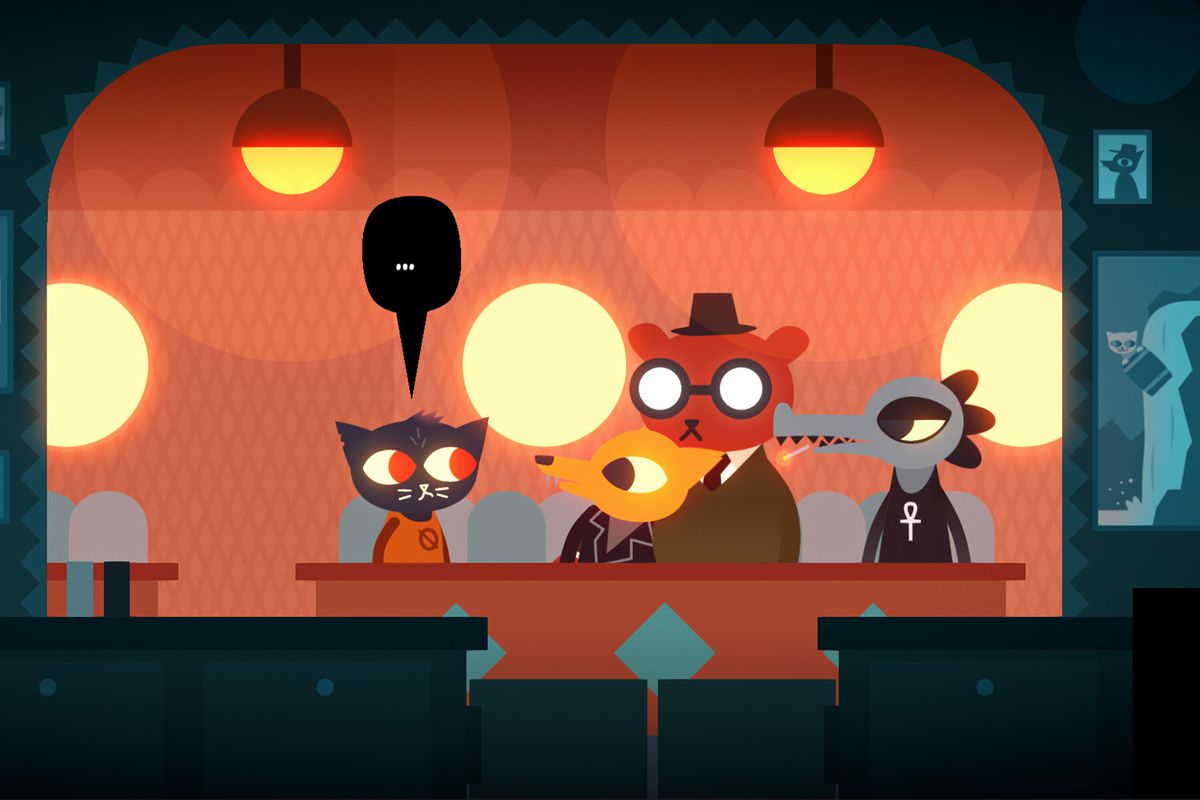
Today, we still carry this tradition onto a new generation, but also sprinkle in protagonists like Mae, a twenty-year-old cat college dropout, from Night in the Woods and Madeline trying to scale the titular mountain in Celeste.

The innovations in game development have opened the door for these types of representations, which can only be helpful in expanding the longevity of video games and growing the possible market.

Gameplay Ideas

It’s not just representation of characters, either. Indie games have become a breeding ground of new gameplay ideas from fresh perspectives.

The shooter is a genre that is as old (if not older) as the people playing them. It’s gotten faster, it’s added locked-on aiming, it’s added a battle-royale mode, but it hasn’t truly evolved in any monumental way since the second Halo brought playing online to the mainstream.

The Rise of Independent Voices
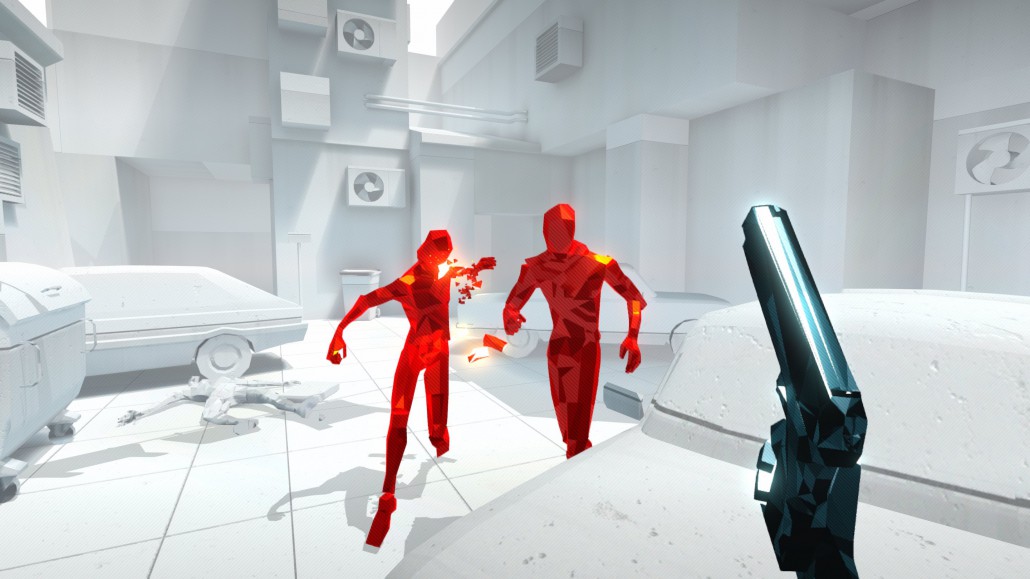
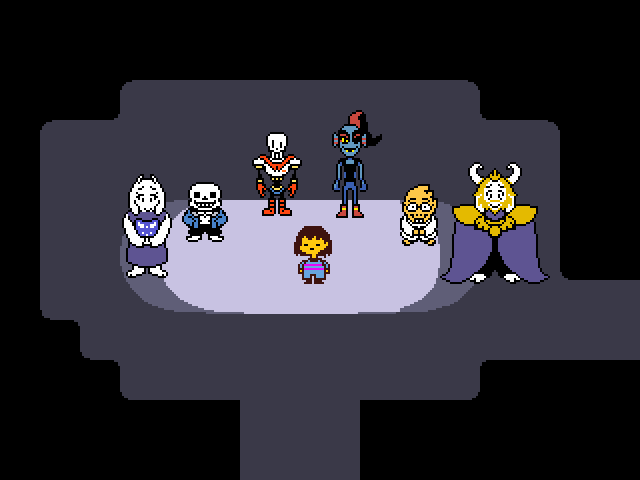
Superhot

That changed or is in the process of changing, with the help of indie titles leading the charge.

Superhot, a game that blasted onto the scene in 2017, introduced the idea of syncing your own movement with the game’s speed. They added a new perspective to the genre and created new opportunities to interact with FPSs.

Call of Duty slaps a fresh coat of paint onto their engine each year, but Superhot took the shooter genre and created a new way to play and think about killing your enemies.

An Influx Of Indie Game Developers

Indies have redefined characters and gameplay, but the biggest space that has developed from an influx of indie game developers is story. Games like the aforementioned Night in the Woods, Firewatch, and Undertale have tackled political issues and stories that would never dare be addressed in a AAA title.

The Rise of Independent Voices
Undertale

The ease of technology afforded by innovation has opened the market for indie video game developers to contribute their voices to the gaming scene. They have brought with them new characters, gameplay, and stories that can now appeal to a vast number of niche markets that were once thought to be unattainable from the AAA perspective.

Power has been given to quieter voices in the past few years and with Steam and Switch leaning hard into indie games, the roar doesn’t look to be silenced anytime soon.

Venture Kid

Venture Kid Review [PC] – Greater Than The Sum Of Its Parts?

Introduction

This review is going to work a little differently than the usual here on Nitchigamer. It’s broken up into two parts.

The first part is a concise review containing a summary of the game followed by a recommendation on who might be the right audience.

The second part provides important context and detailed criticism for the curious reader.
Venture Kid

The Concise Review

Venture Kid is a throwback retro 8-bit platform game. The development team says it’s their love letter to the games they grew up playing. It’s akin to the J. J. Abrams film, SUPER 8, which was his homage to the Stephen Spielberg adventure films of the same era.

This game has all the hallmarks of titles that were popular from that era, from the colorful overview map to the melodic chiptune soundtrack.

There is even a pitch-perfect storyline where you assume the mantle of Alex, a young man who must stop the evil Dr Teklov from completing his super weapon in an attempt to take over the world.

Alex is aided by his uncle who provides new special weapons as well as upgrades that can be purchased anytime during the game.
Venture Kid

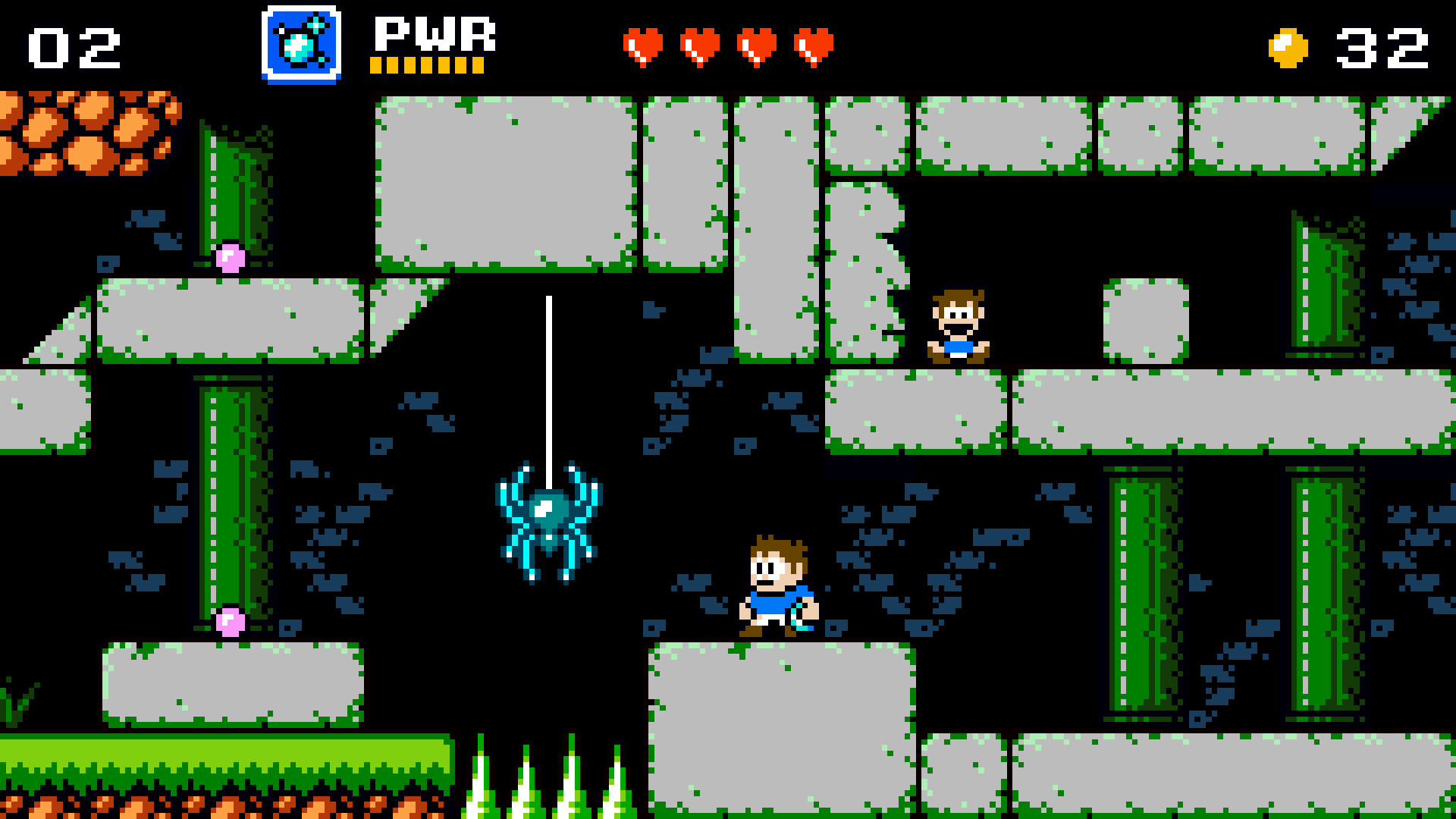
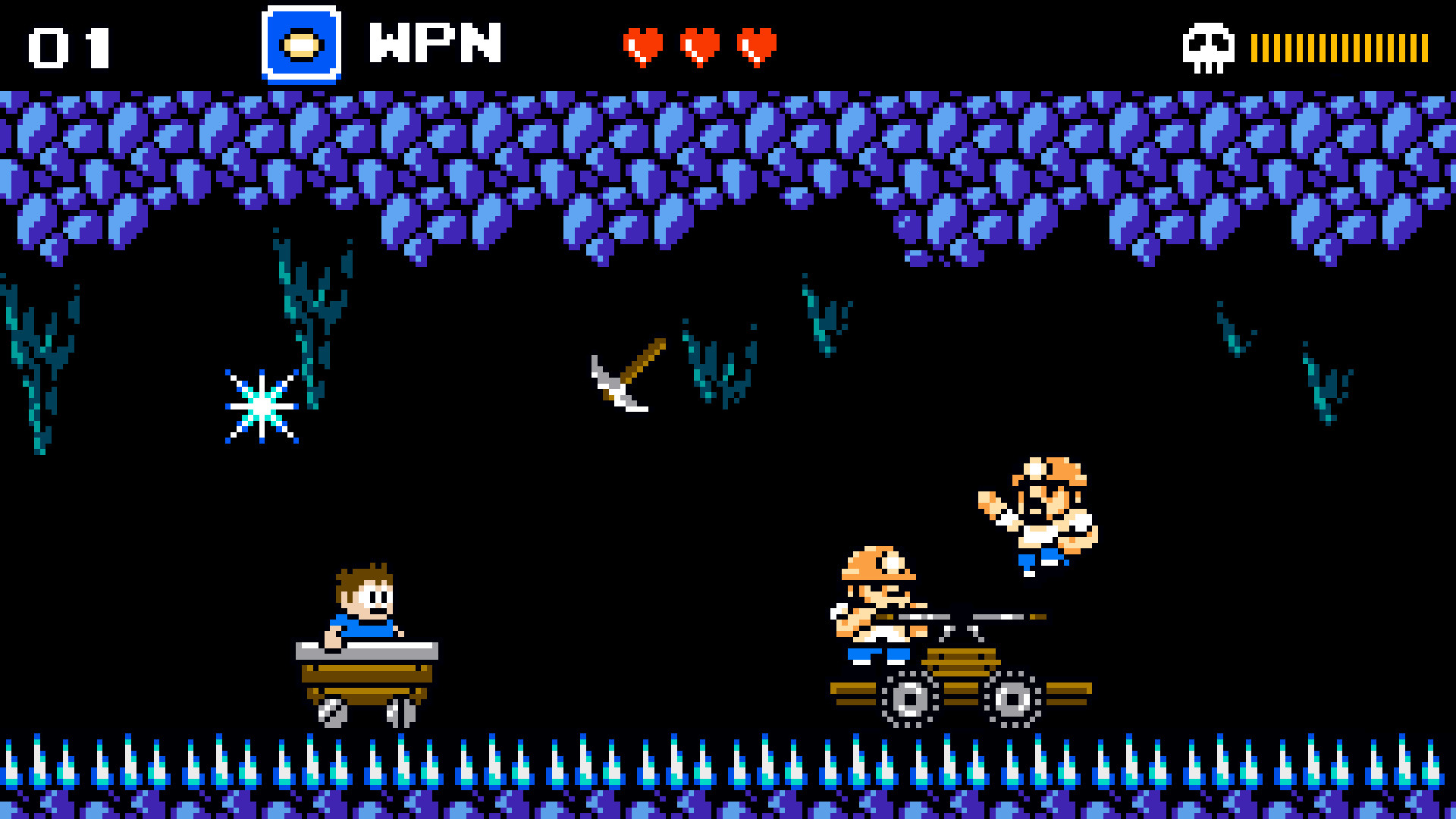
Players run-and-gun through nine visually distinct levels including classics of the platformer genre such as the futurist city, the snake-filled jungle, and the slippery ice caves.

Navigating each level tends to be a reasonably straightforward affair – fight a variety of hostile enemy combatants while avoiding deadly environment hazards, like spikes and lava, until you reach the final boss battle.

Venture Kid is tough to recommend for most audiences.:

  1. People who are new to retro platformers might find this game frustrating, even on the easy difficulty setting.
  2. Hardcore gamers may be unsatisfied with the short levels and inconsistent design.
  3. Casual gamers might find titles with contemporary mechanics better suited to their taste.

The game is best suited for players who grew up with 8-bit platformers, and still love them – warts and all.
Venture Kid

Context And Criticism

Creating a video game is difficult under the best circumstances. Ideally, a developer has sufficient funding to pay the entire team market-rate wages (with benefits).

They should also have the backing of an experienced publisher to manage the go-to-market tasks, such as distribution and marketing. Even with that, success is not guaranteed.

Most indie teams are working on a shoestring budget with the hope their finished product will find an enthusiastic audience to provide them with some measure of financial security and the ability to make the next game.

That makes a difficult task significantly harder.

Anyone with a developed sense of empathy would take great care in suggesting that an indie game could have trouble finding their audience.

With that in mind, let’s dive deeper into how that conclusion was reached. There are three areas worth examining in greater detail: level design, powerup weapons, and difficulty setting.

Level Design

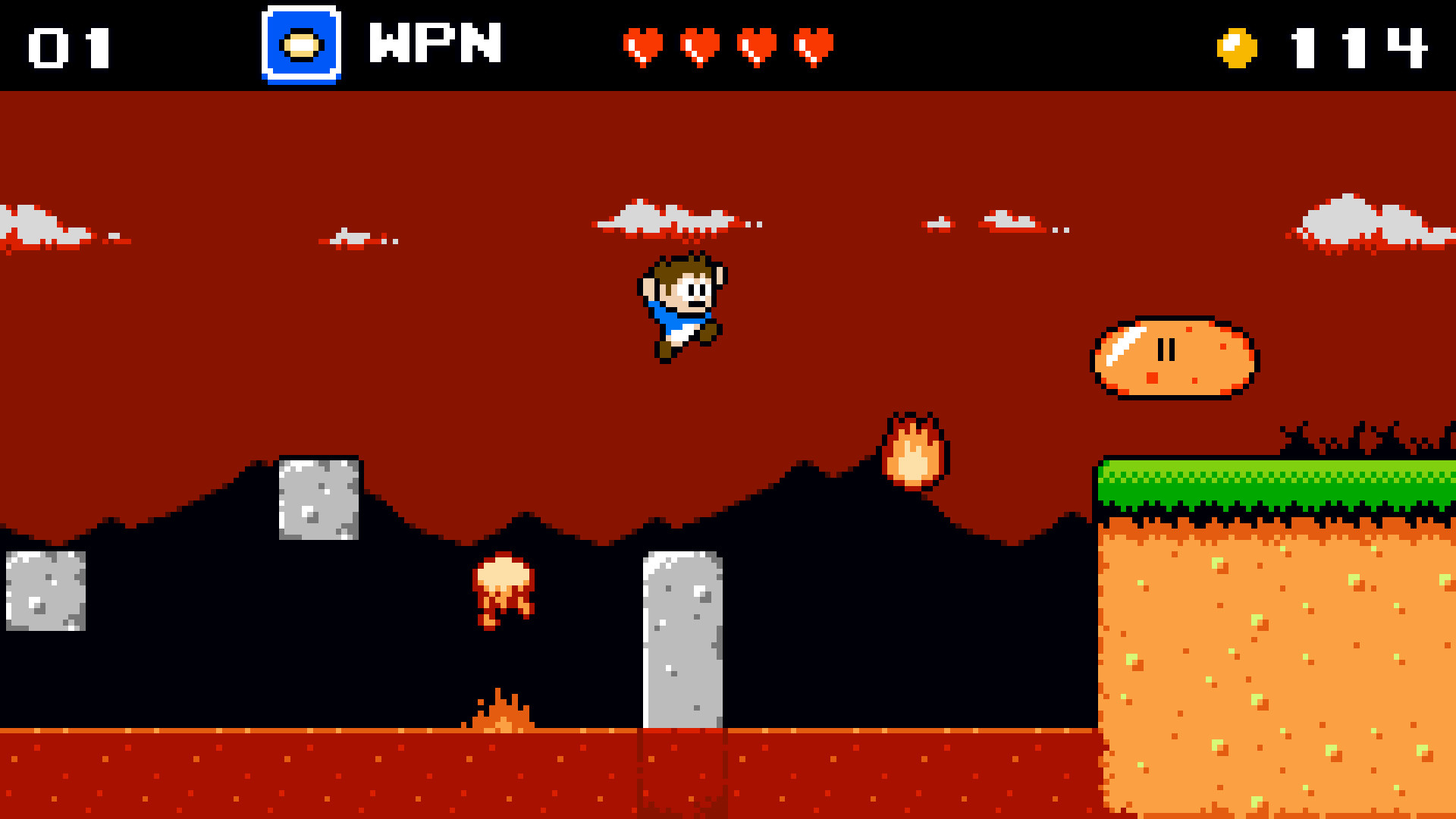
The biggest concern with the level design is simply inconsistency. Sometimes the design feels inspired and surprising, other times it feels confused and derivative.

The design and placement of enemies are emblematic of the consistency issue. Many levels feature unique enemies that perfectly mesh with the theme. The primates feel right at home in the jungle level. The robots whose heads pop off in the factory level are delightful.

But then we have snakes, jumping piranha, and giant spiders that appear in multiple levels. That isn’t to say a designer can never reuse quality enemies, but there are already some nearly identical clones (snakes/scorpions, piranha/fireball, rifleman/spearman).

If you’re going to commit to reskinning enemies, it’s best to go all the way.

The use of branching in the map feels similarly inconsistent. Most levels are linear, while a few of the levels contain branching paths. Some branches appear to lead to dead ends or circles, while others contain secret passages.

Unfortunately, some players may never find those secrets and end up frustrated. Confusion and frustration are generally emotions that players don’t want to experience.

It would be preferable to streamline the levels and hide most (or all) of the branches behind secret passages along the main route.
Venture Kid

Power-Up Weapons

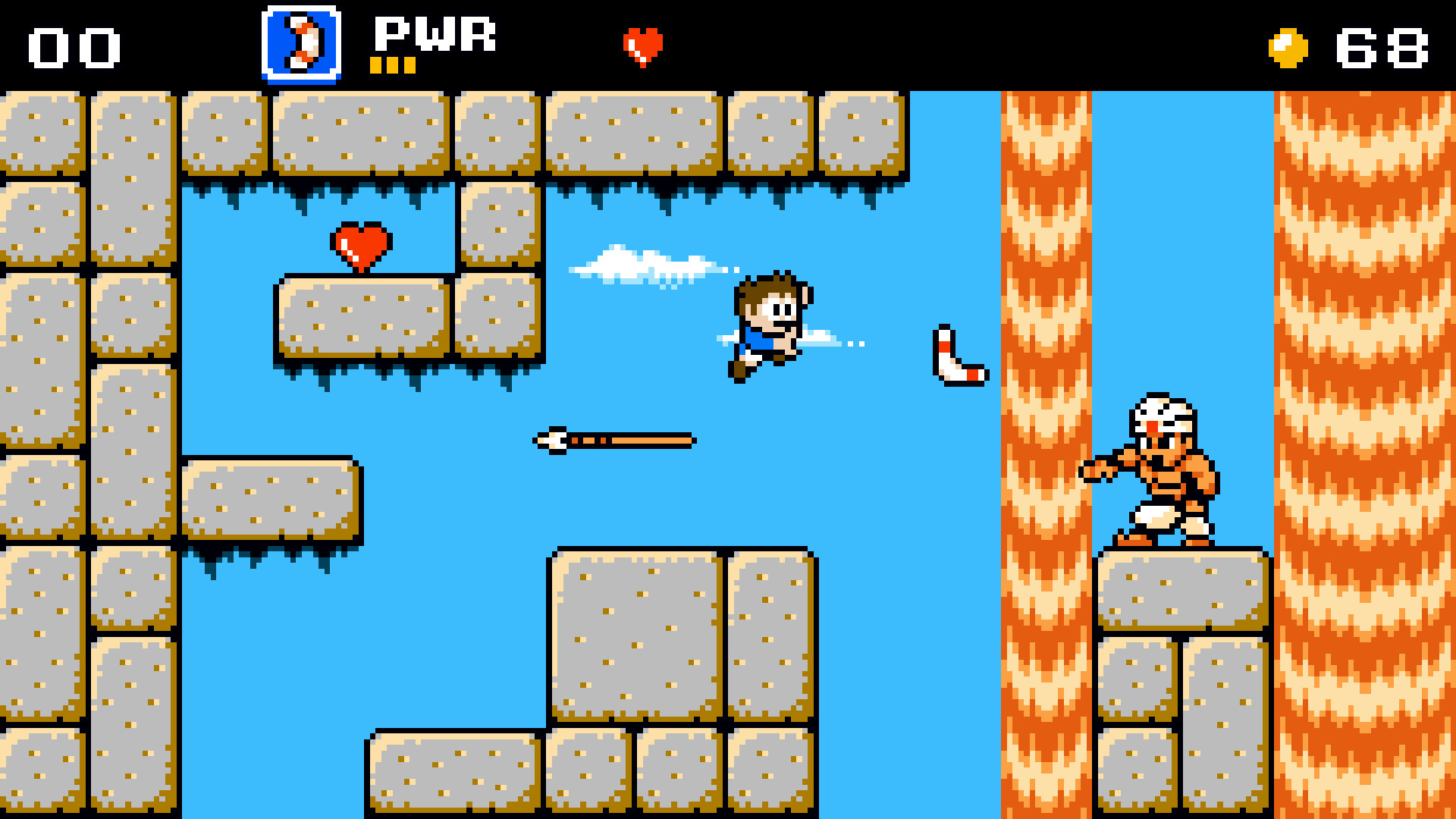
Power-up weapons are an aspect where Venture Kid could really shine. The weapon designs are interesting and provide variety. Two major problems with how the weapons are implemented: usage and management.

First of all, there just aren’t enough opportunities where the weapons provide significant advantage. Players can easily defeat most enemies with the standard blaster weapon and they can reach most items without things like the boomerang or the freeze weapon.

Later stages show a little bit of promise in this regard. For example, the grenade and spike boots come in handy in the factory level. However, these situations felt like the exception to the rule.

The bigger problem is managing the weapons. Each special weapon has limited charge. Enemies will randomly drop fuel canisters that recharge the power, but those canisters are only useful if a weapon is actively equipped. So, picking up a canister with the standard blaster will result in nothing happening, even if all of your weapons were drained. This effectively wastes the energy.

This design choice means that players are required to constantly cycle through all the weapons in order to use and maintain their arsenal. That can quickly become tedious for all but the most hardcore players, and those players might find the limited effectiveness of these weapons disappointing.

It would be great if more enemies, boss and regular varieties, were weak to particular special weapons. For example, many of the denizens of the ice cave could be weak against the fire blast from the grenade.

Also, it would be great to have a special weapon slot so that a player could have one of special weapon active at all times. That way picking up a canister would always charge the active weapon.
Venture Kid

Difficulty Setting

The last thing that is challenging is the difficulty setting. The only difference between the various difficulty settings appears to be the maximum number of hearts allowed to the player.

This is a problem because there are many other variables that make the level challenging, including a high number of instant-kill environmental hazards.

The game would benefit greatly from changing other variables too.

Depending on the difficulty level, enemies could also have a lower or higher rate of fire, respawn points could be moved closer or further apart, and some enemies could take fewer or more shots to kill. Those changes could increase the appeal to a much wider audience.