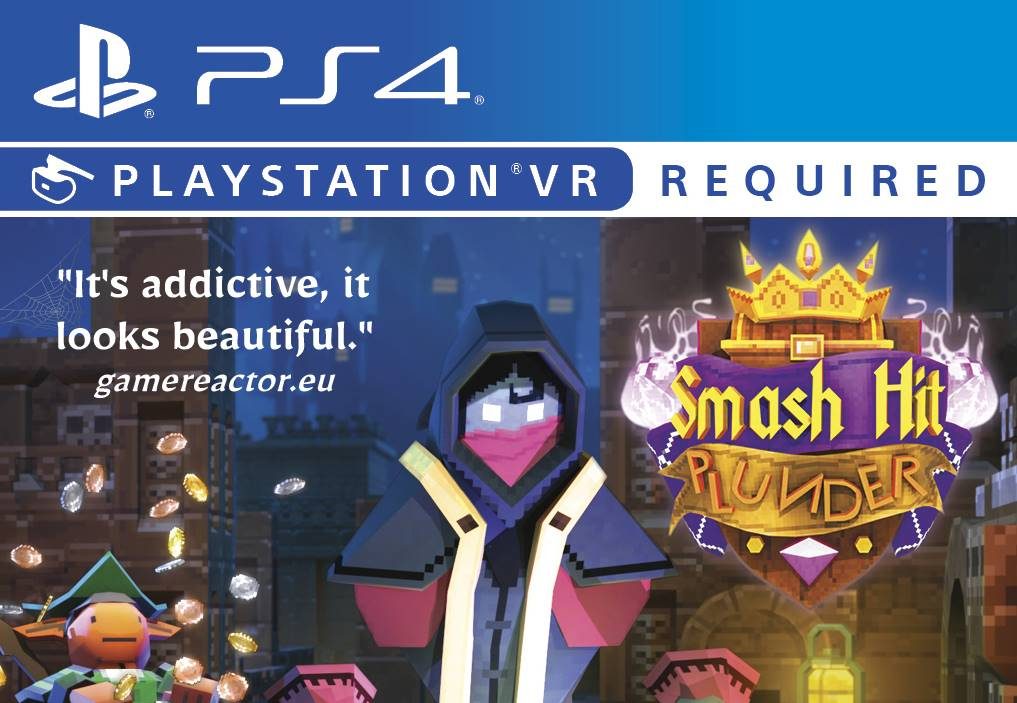
Triangular Pixels‘ PS VR multiplayer game Smash Hit Plunder is getting a physical release, via Perp Games, this year.
PS VR Multiplayer Game — Smash Hit Plunder
The multiplayer adventure features up to 4-player versus for friends and family while sitting in the same room. While also a solo adventure, Smash Hit Plunder is also the first — officially — ‘co-op narrative campaign adventure game’ for PS VR.
In singleplayer or co-op, you have to help the VR Mage through the main campaign and battle each other in versus modes using an alternate view of the world; specially designed for the TV screen while playing with the DualShock 4 controllers:
Smash Hit Plunder will be available for PS VR in a physical form at some point soon. The first playable public demo will be at this years’ EGX.
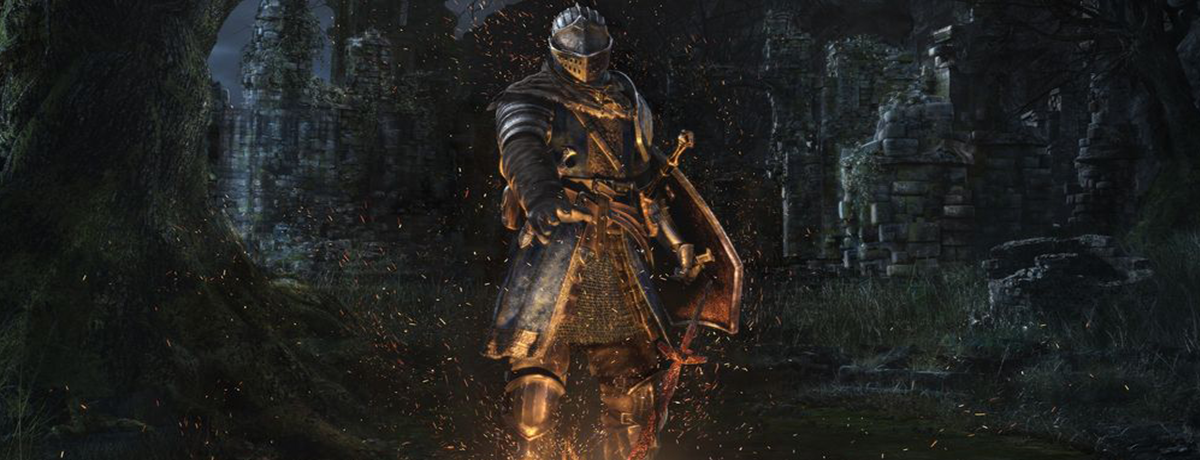
Stories get passed on and permutate over time but there is one story I’ve heard that doesn’t, a story of a knight – one of the knights of Gywn in fact, have you heard of it?
Some say this knight had an immense power that he could traverse the abyss. He set off to Oolacile, a once thriving city that fell waste to the clutches of the Father of the Abyss. The noble knight with his trusted companion, a wolf, journeyed to the land Oolacile. The knight and his companion were to fight the Father of the Abyss and to liberate Oolacile from the ghastly creature. The knight fought valiantly but with his companion downed and on the verge of being defeated, the knight acted selflessly and sacrificed his own life in order to save his companions. This once benevolent knight, now only recognizable by his physique had been consumed and corrupted by the abyss. In his new-found rage, attacked anything or anyone until one day an unnamed knight ended his reign of terror. Stories say his companion still awaits at his grave, waiting for what, I do not know.
You see Chosen Undead, no matter how powerful we believe one’s self to be, we can be corrupted and consumed; do not fall prey to the power of the Abyss, do not allow yourself to be a consumer.
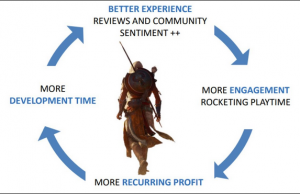
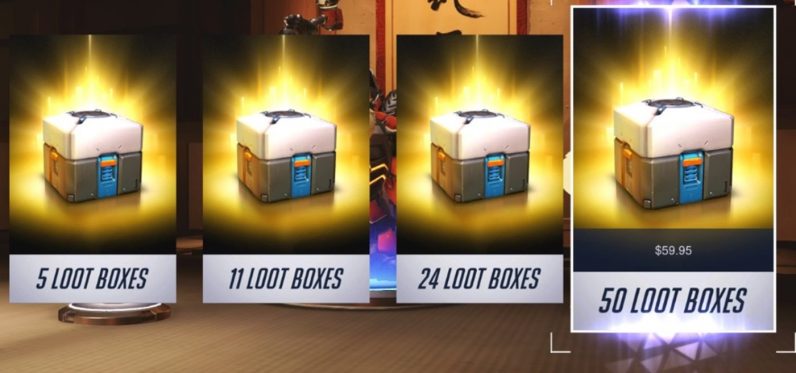
The abyss is pervading the land and tainting the very foundations of its construct. I and other reputable people try to inform the dangers and to fend off this lurid sap. A feeble idea marred by the nascent perception of the populous whom invest their souls on cosmetic items, loot boxes and other such content that should already be allocated within the innards of the game; sometimes that content is already prescribed on the disc. Tis not so much vexation if the game is free to play but one cannot possibly tolerate such etiquette with a full priced retail game. Principally when the game is formulated in such a way that its desiderata is for thee to spend their souls. This ritual has been coined ‘Games as a Service’ or ‘Live Services’, names conjured to send you adrift.
Not all ‘Games as a Service’ are harrowing, Nintendo’s ‘Splatoon’ hosts special events, adds new weapons, new maps and cosmetic items all for free; the only way to acquire the weapons are from points gained from participating within the game and the points are distributed respectfully… Many AAA companies such as EA and Ubisoft for example, have and will, design their games to devour your souls, applying this technique in both Multiplayer and Single player.
To me, this seems an unstable business model because companies are not just competing with other companies, but they will be competing with their own products.
These big AAA developers and producers no longer refer to us as players or gamers, we are consumers. Consumers, ha, must we not enjoy their games? Must we not look at them as entertainment? Must we not see them as an art form or a form of escapism from the atrocities of life? Not in their eyes. They are just consumable items for us to feed on, reducing their own games to just an item with no inherent value, insinuating we gamers just view these as products that we consume and gain no experience from. Ugh, uh… Surely, this implies that some publishers see games as nothing more than a vacuum sucking everyone’s time to serve no purpose other than to exist, acquire souls and then to be abandoned. Games are not the pendent.
Consumer! By the gods… Would you expect that from a director? Would you expect that from an author? Of course not, they are an audience or a reader. A level of respect participates, not mere vessels for conjuring souls. Would thou agree we should be treated with the same dignity?
If only there were more Covenant of Artorias… End this corruption and consumption… We all should protect ourselves, so our faint doth not follow that of the knights.”
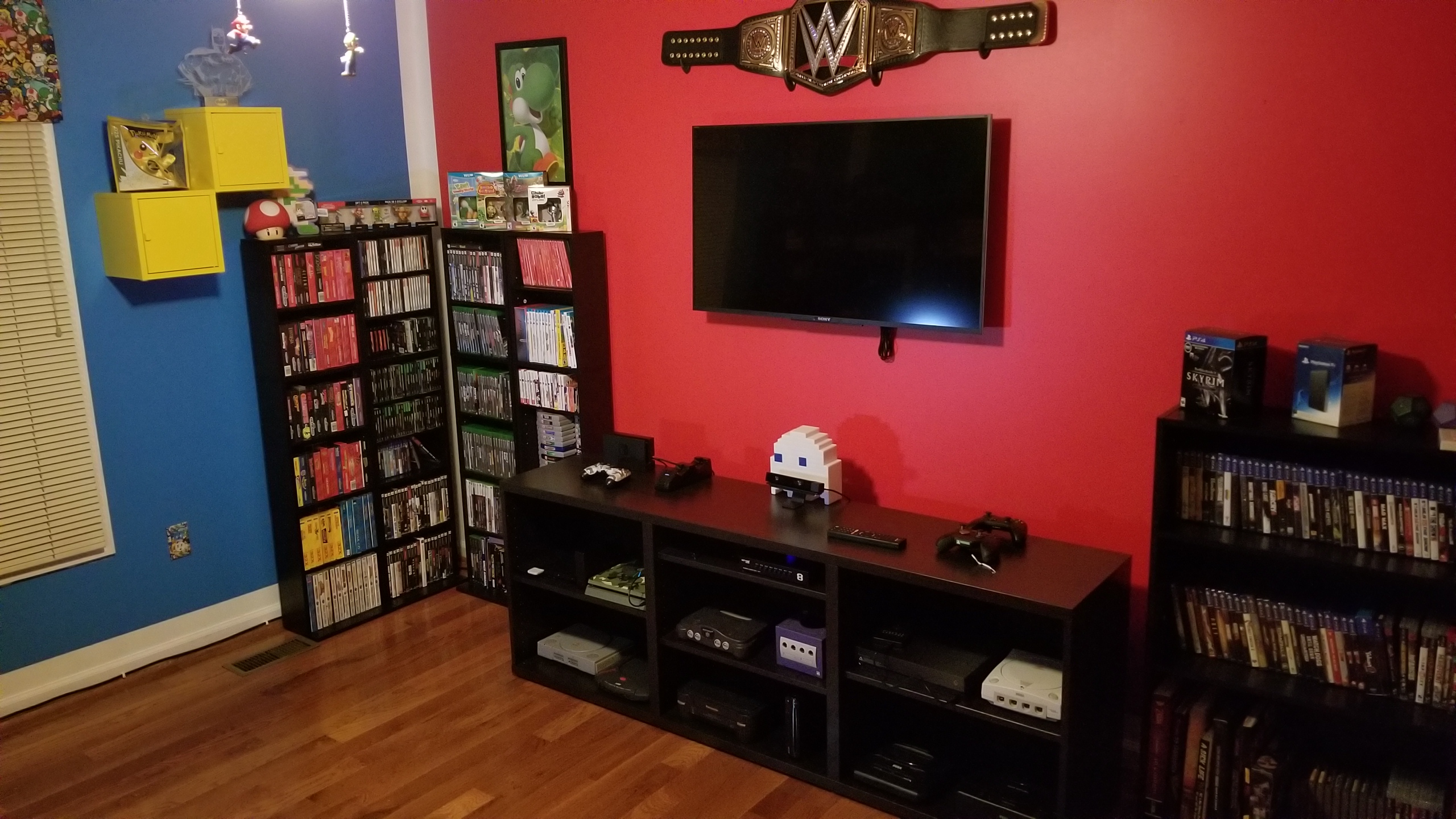
It isn’t uncommon for me to sit in my game room and complain about not having games to play – you hear it frequently on the web. The irony of that statement is that I have over 500 video games staring me in the face.
Despite having a huge library of games, I often find myself struggling to pique my own interest. This past weekend I sat back to reflect on my video game collection. Mixed with classic retro titles, indie releases and triple AAA smashes, I pretty much have it all.
So why am I losing interest in my game library? Here are five reasons why I feel that video game collecting has lost its lustre.
1. There are too many games
There are too many games being released and not enough time to digest them all. This was covered in another article here on Nitchigamer back in February.
The author (Stephen) felt the same as I do: that we are always playing catch up. As a collector, I have to have the physical game copies. That doesn’t mean that I don’t buy digital games but, 99% of my library is physical.
I look back at the games I purchased over the holiday season and most of them are still sealed. Many of them are a fraction of the cost I paid for them as well. As much as I try to keep up with the new releases, adult life kicks in. I just don’t have the time.
2. Mobile Gaming
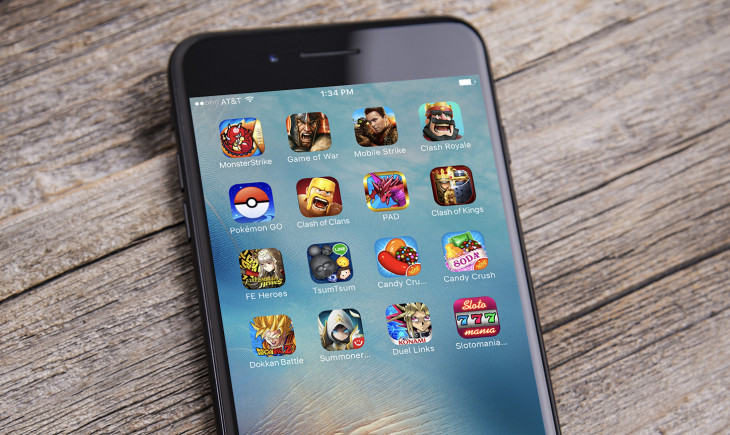
Mobile gaming has grown immensely over the last few years alone. Every company is looking to get in on the mobile craze. I also play games on my mobile device. You could even say that I sometimes spend as much time on mobile as I do on console.
It’s just so easy to sit on the couch and swipe at my screen. It’s pretty lazy when you think about it, but it brings me joy.
3. Indie Influx
In some of my earlier articles, I covered how indie titles were being brought over to consoles in physical form. Sites such as Limited Run Games and Strictly Limited to name a few. All releases are created in small print numbers which becomes a pit for collectors who feel like they may get something valuable.
It started as a release every few weeks and today it’s multiple releases on a weekly basis. I can’t blame the companies for running a business but, it makes me think about a time where things were more simple.
4. Collector’s Edition
Collector’s Edition games are just devilish. Let’s briefly look at an upcoming AAA – Assassin’s Creed Odyssey for example. There are 8 different versions of the game. Starting with the base game, each tier adds something additional. For any huge Assassin’s Creed fanatic, they would have to spend hundreds of dollars to collect each version.
I personally enjoy seeing what companies come up with next, but I can no longer justify spending the cash. Whatever happened to just a standard and a deluxe?
5. Microtransactions
I must make a small confession before I begin. I spend $5 here and there on my mobile games for a little edge. However, I am reluctant to pay for additional goodies for console games. I grew up during a time where video games were released complete. I never had to pay for DLC or cosmetic items. You would beat the game and everything would just unlock.
Today kids can pay their way to the top of the rankings. It’s just a sign of times where things just get easier and easier – where’s the skill? My parents always told me that I had things easy and now I know what they meant.
Wrap-Up
In conclusion, I feel that I need to backtrack 20 years and go back to a time before the internet took over gaming. A time where kids hung out together in one room to enjoy games.
As my age grows I become wearier that everything I loved about gaming will just wash away. With that being said, I have decided to collect retro games only. I will still buy the triple AAA titles that really stand out to me, but with retro at least I know what’s out there. I may even take a leap forward and just buy many of them digitally.
It’s time to do what really makes me happy as opposed to playing what I feel everyone else is. It only took me 31 years to realize this.
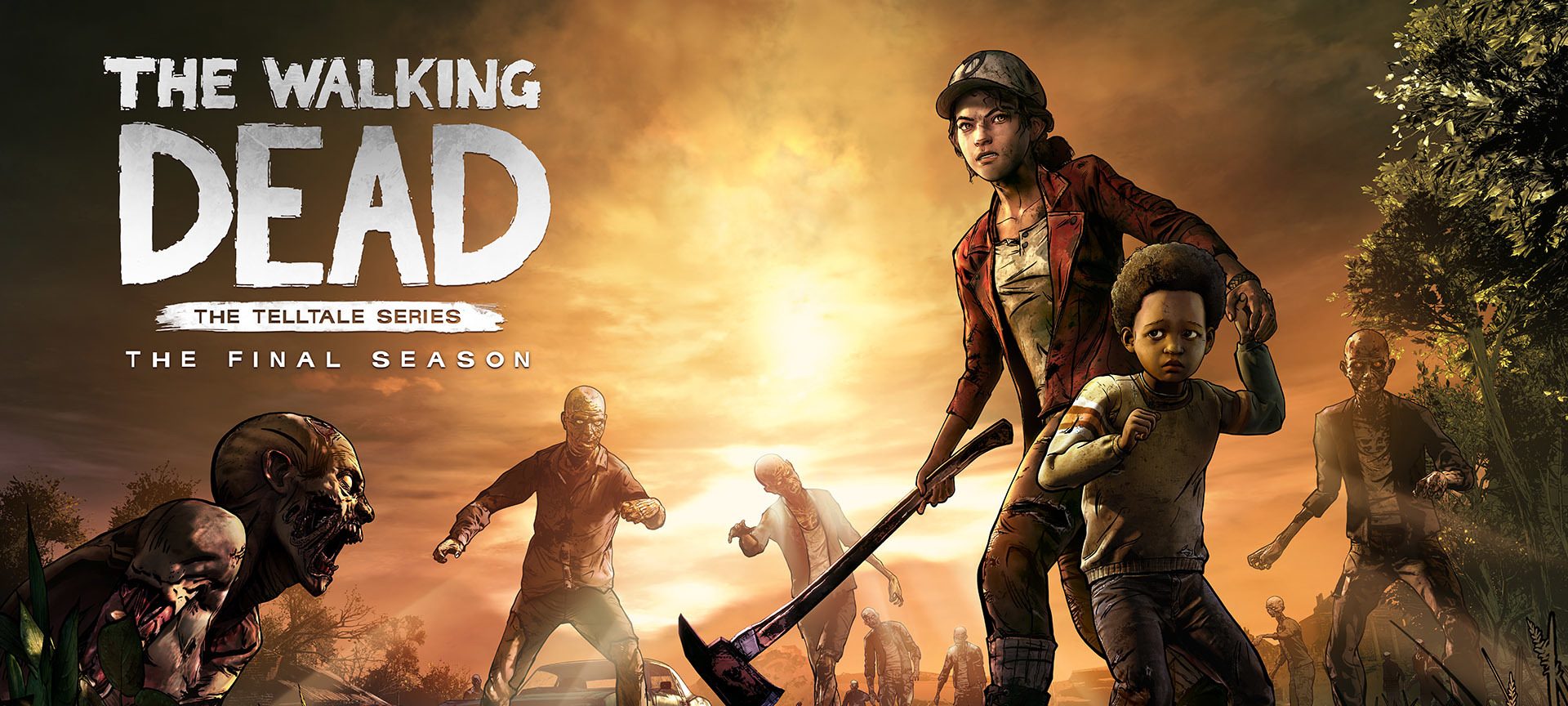
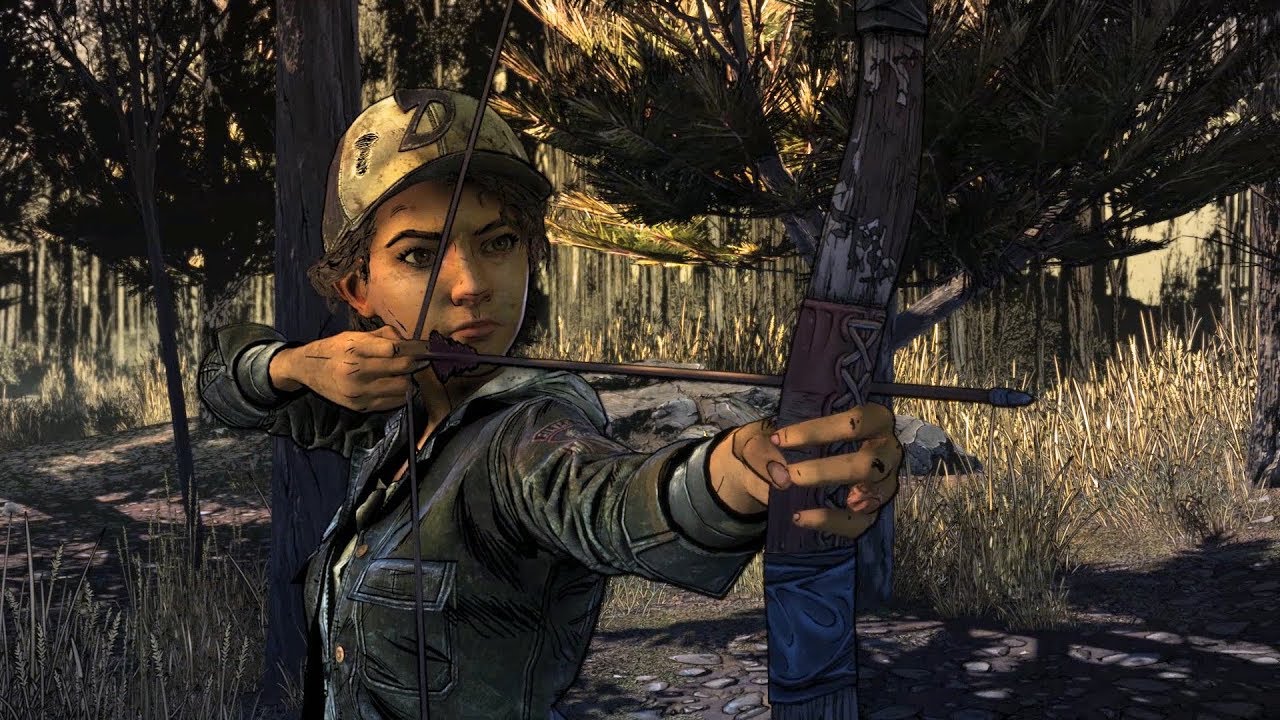
The Walking Dead is back. And this time, for the very final season. Telltale Games have expanded The Walking Dead’s universe through 4 seasons, in addition to 400 Days and the mini-series Michonne. We have arrived at the end of the road with our dear Clementine, where we will hopefully receive an answer to the question we’ve been waiting for; will she lead the same fate as Lee?
I won’t be giving scores on each episode but will give a final score for the season in total. Therefore, these reviews will be short (but sweet). With that said, I’ll try to keep it as spoiler-free as possible, but as the series goes on, I will eventually be forced to talk about relevant events.
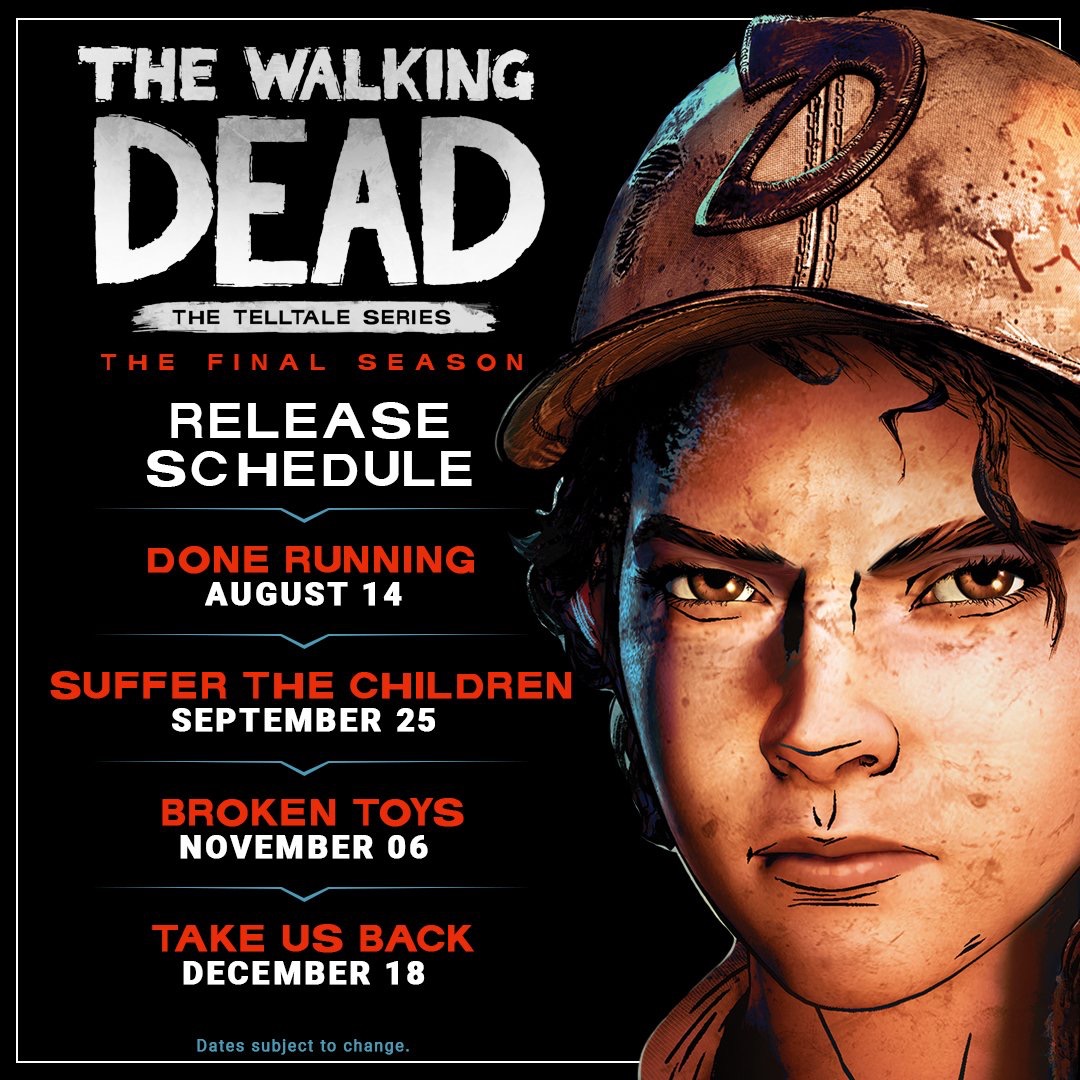
It was with a heavy heart that I sat down with TWD again, with the first episode “Done Running”. I can always appreciate ending a series when it’s good, but at the same time, I’m not at all ready to say goodbye.
Ever since the first season was published, I have spent a lot of my time on these games. I don’t mean just playing the games – that alone truly opened the world of storytelling in games for me. But they also inspired me to write my bachelor’s thesis on TWD Season 1, studying the video game alongside the comics; combining my passion for games with my studies. Even though I will most likely never have a conversation with someone from Telltale Games, I have a lot to thank them for. And I cannot think of a better opportunity to do that than with these final reviews.
She’s all grown up!
As always, the choices we make will have consequences as the story progresses. However, it will now also have repercussions for AJ – the little boy we came to know in the previous season, whom Clementine has become a parent-figure for. Our choices will have an impact on what kind of person he will grow up to become, how he is shaped as a human being.
In this episode, Clementine and AJ meet a group of kids at an abandoned school, who have created their own society and are generally living in peace. They get to know some of the kids there, they get their own room, and they are served food. Though I gotta say, accepting the kindness of strangers in this game feels weird and unnatural.
In terms of gameplay, some things have changed from the previous season. Because we now have our own room, you can gather collectables to decorate Clementine and AJ’s room, giving us a nice sense of finally belonging somewhere.
In terms of combat, you can choose to incapacitate the zombies before killing them, making it easier to deal with larger packs. In addition, I really have to praise Telltale Games for their development from season 1 regarding the graphics. It doesn’t just look better, but the shifting between scenes no longer have those small pauses they used to have, now they just smoothly move from one scene to another in one coherent motion. I love it.
But, as we have seen throughout the series, all good things must eventually come to an end. Nothing ever stays peaceful in the world of The Walking Dead, and one thing I’ve learned from these games is to never believe in a first impression. Towards the end of the episode, things start to get dramatic and increasingly intense. It ended with my mouth hanging open, saying: did I do that?
Watch this space.
In a way, I feel that as Clementine has grown, so has Telltale Games as a company. As an avid fan, among many others, I feel like I have been following their journey to the top; they went from being one of the smaller ones to becoming one of the most significant game developers when it comes to storytelling in games.
“Done Running” is a great start to the final season, and even though there have already been some surprising turns, I’m guessing that we haven’t seen the half of it, yet. The title is a good description of their momentary sanctuary, and just looking at the other titles for the remaining episodes makes me nervous. All in all, the episode looked amazingly good, it tugged at my emotions right away, and this is only the beginning.
So far, The Final Season is looking very good. One episode down. Three more to go.
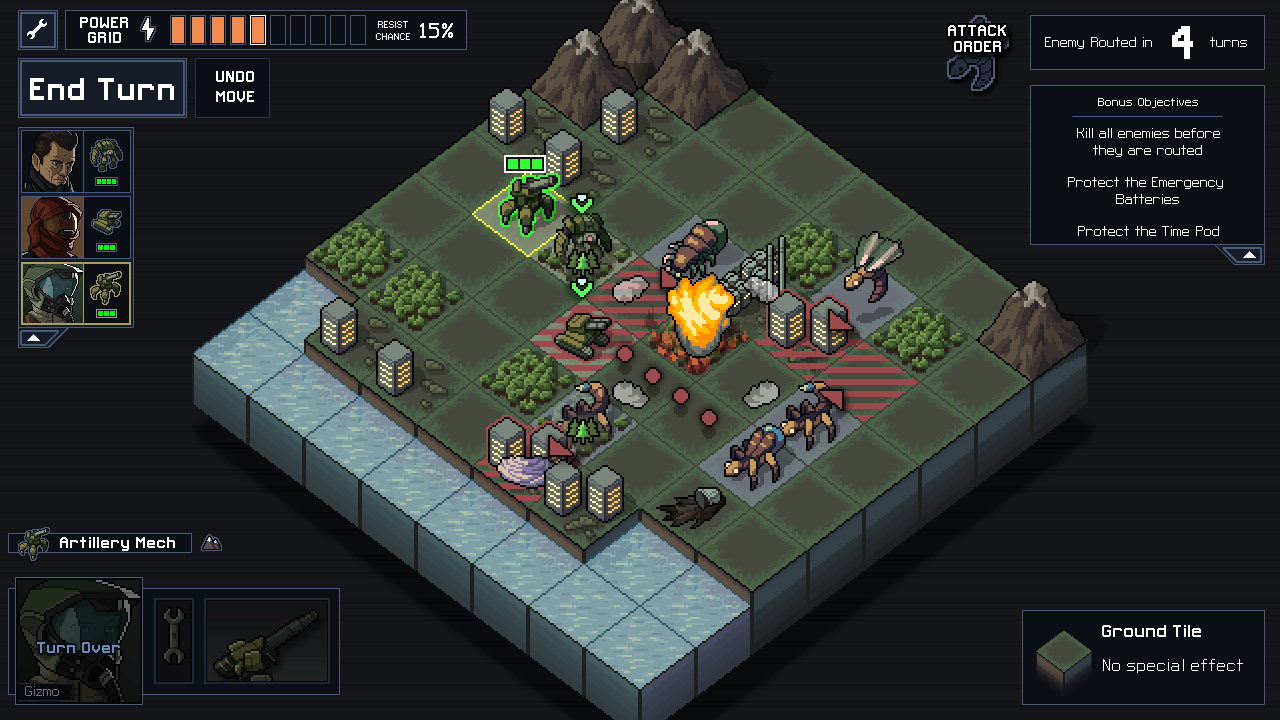
Sometimes you play a game that oozes a certain type of magic. It’s not always immediately clear why it does so either, but you succumb to the feeling nevertheless as it draws you into its intricate web of splendour. It’s a rare feeling, one in which only a handful of games have given me — admittedly — but it’s one I experienced while playing Subset Games’ Into the Breach. A strategic indie title that has, to some surprise, arrived on the Nintendo Switch without forewarning.
Into The Breach Review Switch
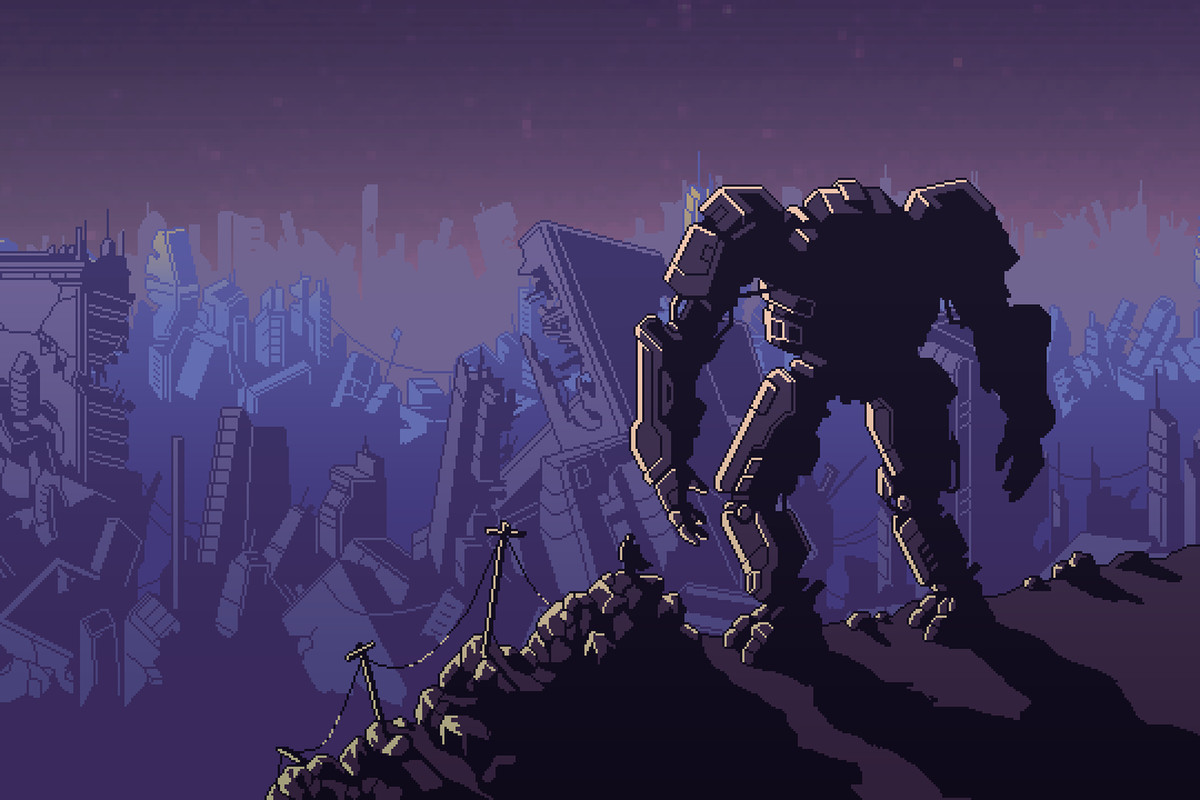
It’s tempting to say that the Switch finally has a new Advance Wars, at long last, but that wouldn’t really give Into the Breach credit. While obviously similar in its turn, grid-based gameplay, Subset Games offers its own unique take on the winning formula. No longer do you have command of an almost endless supply of troops and tanks to manoeuvre across the battlefield… Instead, you defend earth from the Vek — enormous creatures that are breeding beneath the planet — with just three ‘mechs’.
Every move has to be considered carefully. Good luck, commander.
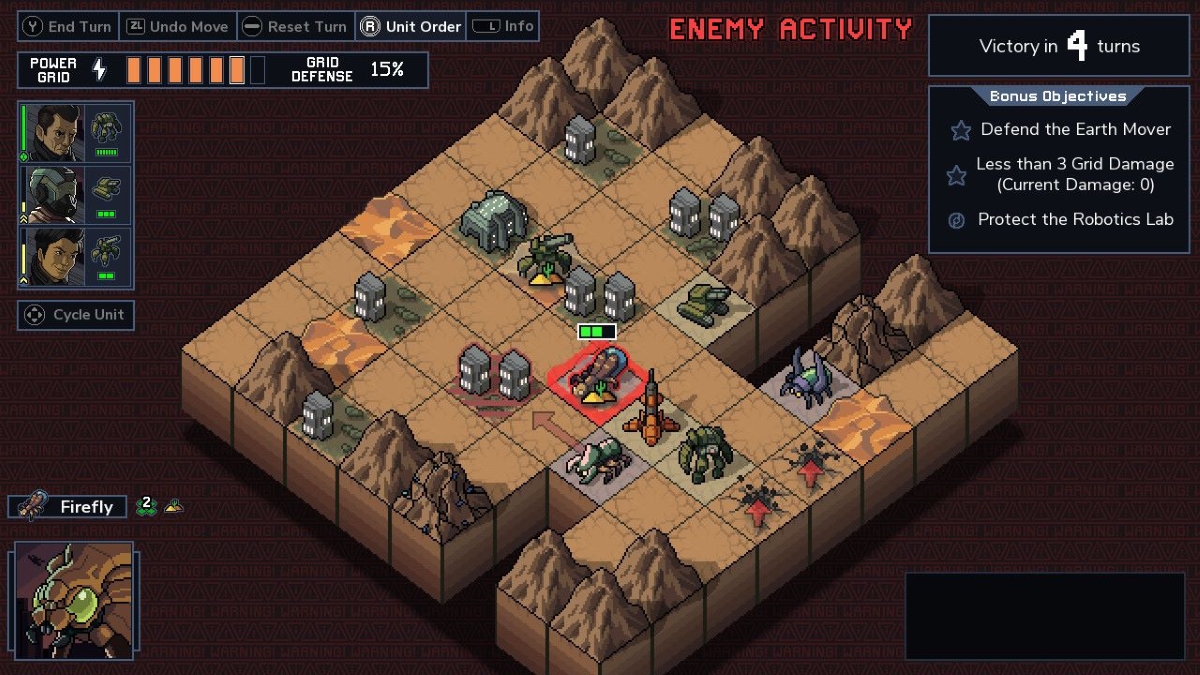
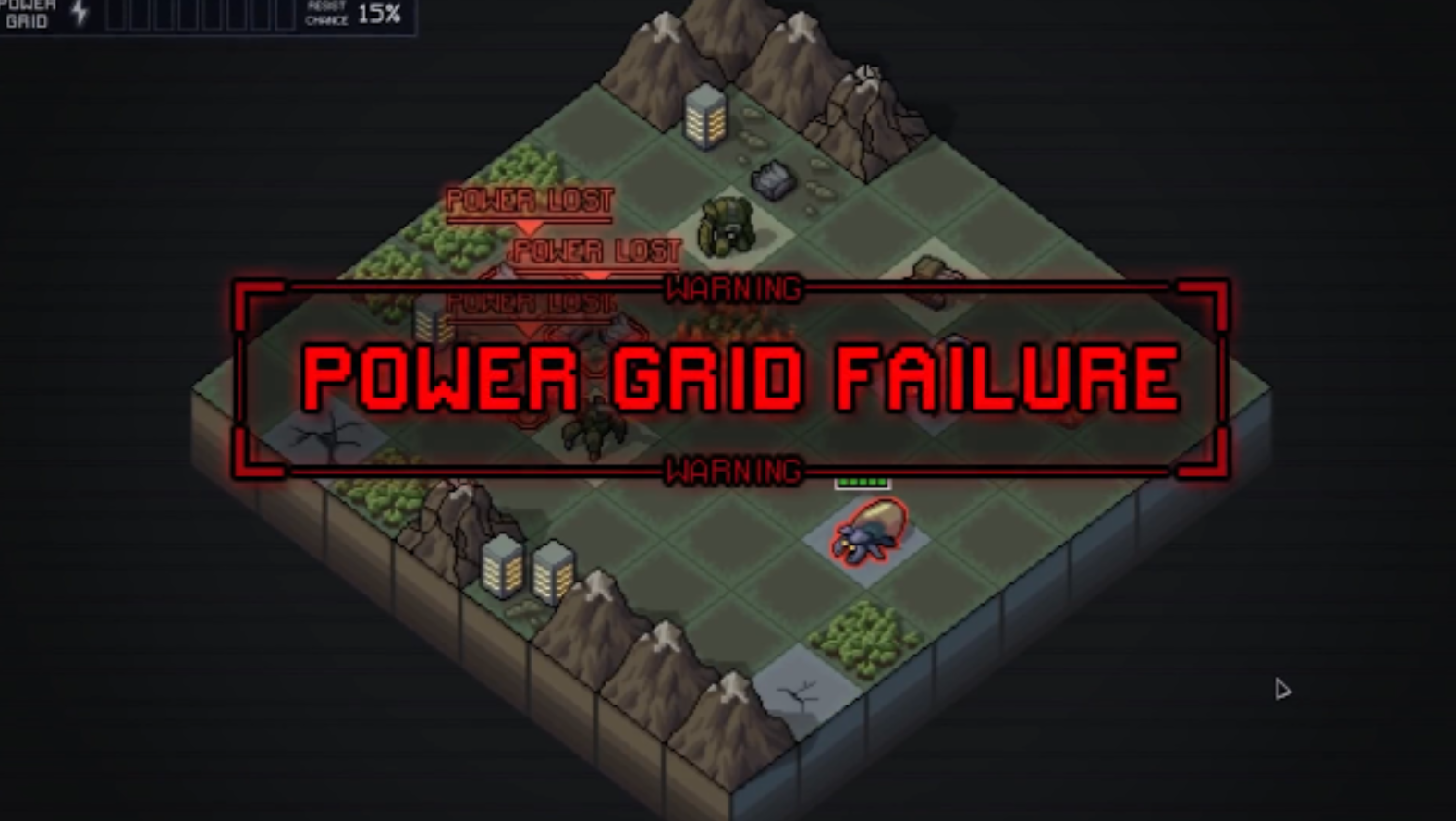
Each mini battle that takes place is essentially a fight for survival, a ‘hold them off until they decide to run affair’, across a number of different turns. During these battles, your job is to effectively minimise the damage to your power grid, protect your pilots and complete the available objectives in the smartest way possible. The penalty for a destroyed power grid is a literal Game Over and pilots killed in combat will not return. Buildings on the map are integral to powering the grid, so guarding them is important, but you also need to push back the Vek and smash those bonus objectives too — success here bestows reputation (upgrade) points, life is tough without them. In other words: your movements are very limited, yet there’s an awful lot to do.
Yes, much like XCOM, Into the Breach does a remarkable job of making you feel helpless and guilty against your determined attackers. Every resource counts, every decision is questioned, every movement potentially your last. You did well, but remember that single building that was destroyed? Well, hundreds perished inside of it. It’s this state of vulnerability that makes it so thrilling as you just about pull off a victory, allowing you to ever so slightly upgrade your mechs with greater durability or additional moves.
Giant insects infest the earth. It’s a nightmare worth living.
Subset Games ensures a punishing sci-fi journey then; Into the Breach won’t be for everyone, even on the easier settings provided. However, like great strategy titles before it, precision, intelligence and skill are rewarded. Of course, losing to the Vek, as your precious power grid is depleted, isn’t the end of days when the majesty of time travel is involved. Upon defeat, your mechs are transported back through time, to before the point you were overwhelmed, and you can do it all again. The extra catch involved here? One, and only one, of your experienced pilots, can come with you. That’s multi-timeline Ralph for you (my longest serving pilot).
Making your way through each of the islands in Into the Breach demands you learn the mechanics thoroughly. You can reverse a move once per battle, true, but that really serves as a warning that you should be doing better. A large portion of the strategy focuses on using your environment and the unique abilities of the mechs. In lieu of directly attacking a Vek, a more efficient move might be to push it into the sea and drown it. Setting alight the monsters will perhaps validate a long game approach, but, alternatively, maybe you should have shunted two of them into one another. It’s a combined game of chess and billiards, and this is partly where that aforementioned magic starts to reveal itself.
Naturally, with a game of this calibre, the magic transpires in other more observable places too: the simplistic, retro visuals impeccably crafted and synthesised with the harps, cellos and sullen electric guitar riffs of the soundtrack — which composer Ben Prunty describes as his, perchance, most ‘personal’ of all. One thing is for sure, the end of the world has seldom been this wholesome or inventive.
The even better news is that once you’ve vanquished the aliens and saved the earth, there’s so much more to see. New mech squads are available to purchase, think of them as extra chess pieces, which can radically change how you play. There are multiple pilots to recruit each with individual skills, a hard mode that demands just shy of perfection, and earning achievements serves a real, tangible purpose: it’s the currency used to buy these fresh squads. Numerous run-throughs are inevitable and encouraged.
New mech squads mean hours of fun. Forget your life.
The Switch version of Into the Breach is close to identical to its PC brother. It’s distinct, clear and attractive on the screen, with the UI from PC making it over in a rather perfect fashion. There’s some added HD Rumble support, for good measure, that subtly enhances the overall effect, but everything else is exact. Regardless, whatever platform you play Into the Breach on, quite simply, you should just play it. Did I mention that it’s a masterpiece?
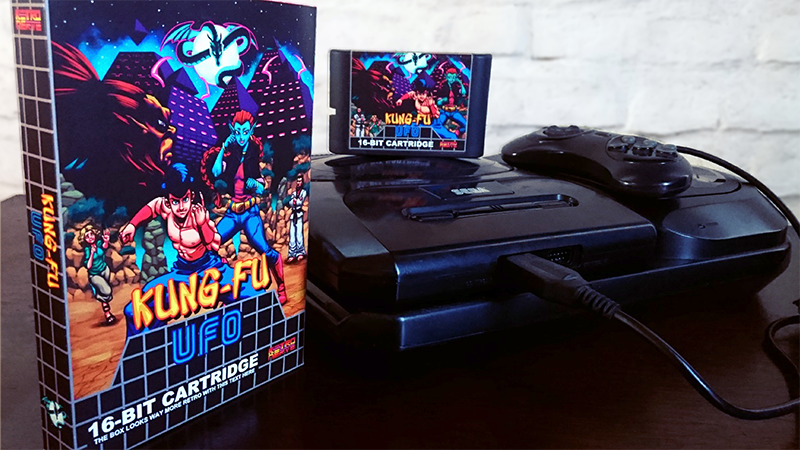
Kung-Fu UFO— a new SEGA Mega Drive/Genesis game — is launching on Indiegogo next month. It’s an original title for the SEGA console and will be released physically on cartridge next year.
Kung-Fu UFO – Mega Drive
It’s the ’90s, you are a humble boy from a small country who never knew his father. One night an alien reaches out to you through your old ZX Spectrum computer to give you a mysterious message.
Yes, Kung-Fu UFO is a story-driven adventure heavily inspired by sci-fi, martial arts films and video games from the ’80s and ’90s.
Inspiration appears from some obvious places too: Streets of Rage, Battletoads, Prince of Persia, and Mortal Kombat. That’s including retro and obscure games such as The Way of the Exploding Fist and The Way of the Tiger on the C64 and ZX Spectrum.
The game intends to follow the steps of previous crowdfunding success cases, such as Tanglewood and Xeno Crisis. The team intends to give new life to an old, but beloved console.
Key Features
Some key features of the game include the following:
A 16-bit cartridge – It’s playable on the SEGA Mega Drive/Genesis consoles and compatible clones (PAL, NTSC-US, NTSC-J)
16-bit pixel art – Features handcrafted and animated graphics and cutscenes.
16-bit chiptune – A rocking soundtrack with a variety of songs and sound effects.
Story-driven gameplay – Mixes different genres: platformer, beat’ em up.
Vehicles to drive and boss fights to win – Because running around all the time isn’t that fun, you’ll also be able to drive a motorbike, a plane, more.
Different stages – Not only graphically, but also in terms of gameplay mechanics.
A wide variety of enemies – Keeping the gameplay and the game’s progression diverse in every chapter, from beginning to end.
Difficulty levels – Everyone can enjoy and finish the game.
Password system – Bringing back the almost forgotten, yet thrilling experience of getting a pen and a piece of paper and writing down a code…
Kung-Fu UFO materialises from developers Retro Nerve. Who said your Mega Drive collection was complete anyway?
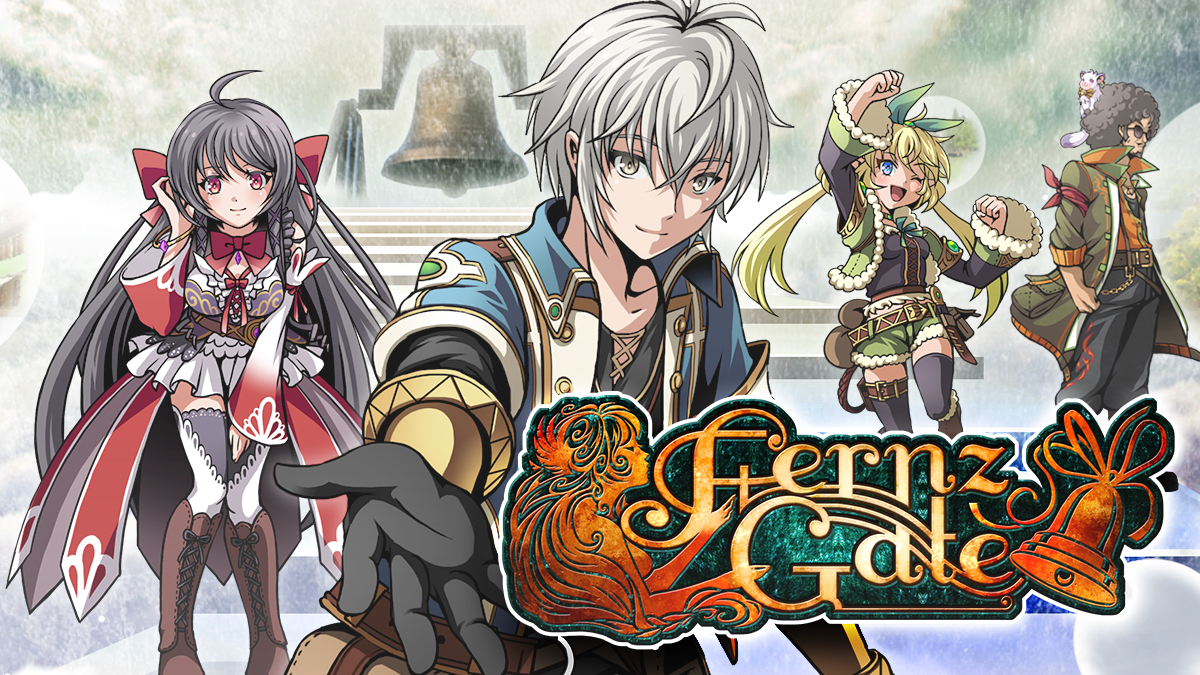
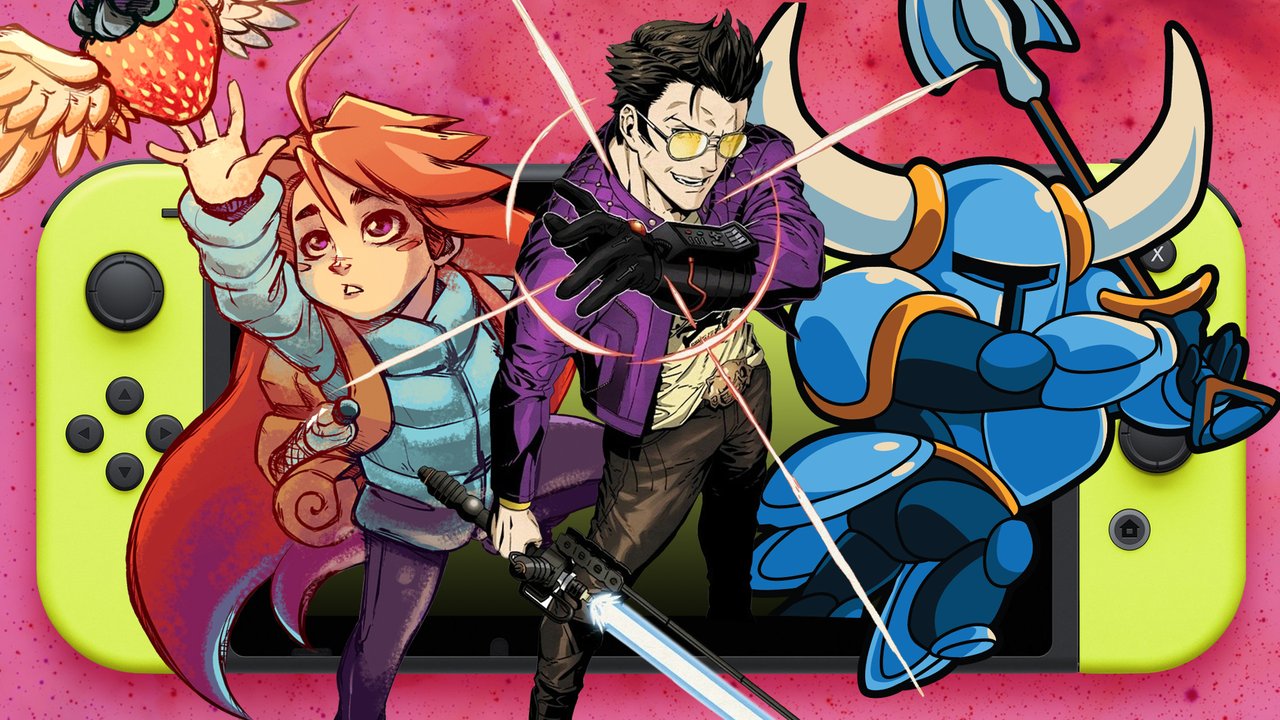
The Switch library of old-school turn-based RPGs just got a little heavier with the recent release of Fernz Gate from developers Exe-Create.
Dive into a fantasy world as Alex, an ordinary high-school student dumped into an unordinary situation in the once-peaceful world of Fernland.
Check out the Switch reveal trailer for Fernz Gate below:
Fernz Gate Switch – The Vibrant World Of Fernland
Here are a few key notes about the recently released vintage-style RPG game, Fernz Gate:
Players will take on the role of Alex as he drifts away into an unknown world filled with conflict and dangerous foes. After teaming up with Lita – a stranger from a peaceful world similar to Alex’s – they embark on a journey like no other to discover the truths about Fernland.
The classic turn-based combat system is simple enough for any RPG newcomer to tackle vigorous enemy battles with confidence and ease.
Like most RPG games of this nature, players will discover and recruit new friends and allies to help grow in strength and numbers.
Players can use party members not participating in battle scenarios to discover new secrets, as well as upgrade weapons and achieve new skills to open up combat.
Recently only available on mobile platforms, Fernz Gate is now accessible on the Nintendo Switch to help satiate the urge to play on home televisions and, of course, the handheld mode on the Switch.
You can find Fernz Gate at the eShop for Switch purchases, as well as iTunes, Google Play and coming soon to Steam.
I was confused when I first loaded up Victor Vran. Not because I didn’t know what I was doing, more that I didn’t know what I was playing. The reason? Titular monster-hunter come demon-slayer Victor Vran is voiced by Doug Cockle who many will instantly recognise as the voice behind iconic Witcher, Geralt.
Now if you told me I was playing a spin-off of the Witcher series, I would have believed you. Let’s look at that facts; the game is set in an alternate past where monsters, demons and other nasties have started running riot and it’s your job to pursue and end them. Sound familiar? Yeah, that’s what I thought, hence the confusion.
Haemimont Games, having worked on past titles such as the Tropico series, bring Victor Vran in its complete form to the Switch – full to the brim with extra content. More on that later, first of all, let’s take a look at what Victor Vran is in more detail.
Victor Vran: Overkill Edition Review Switch
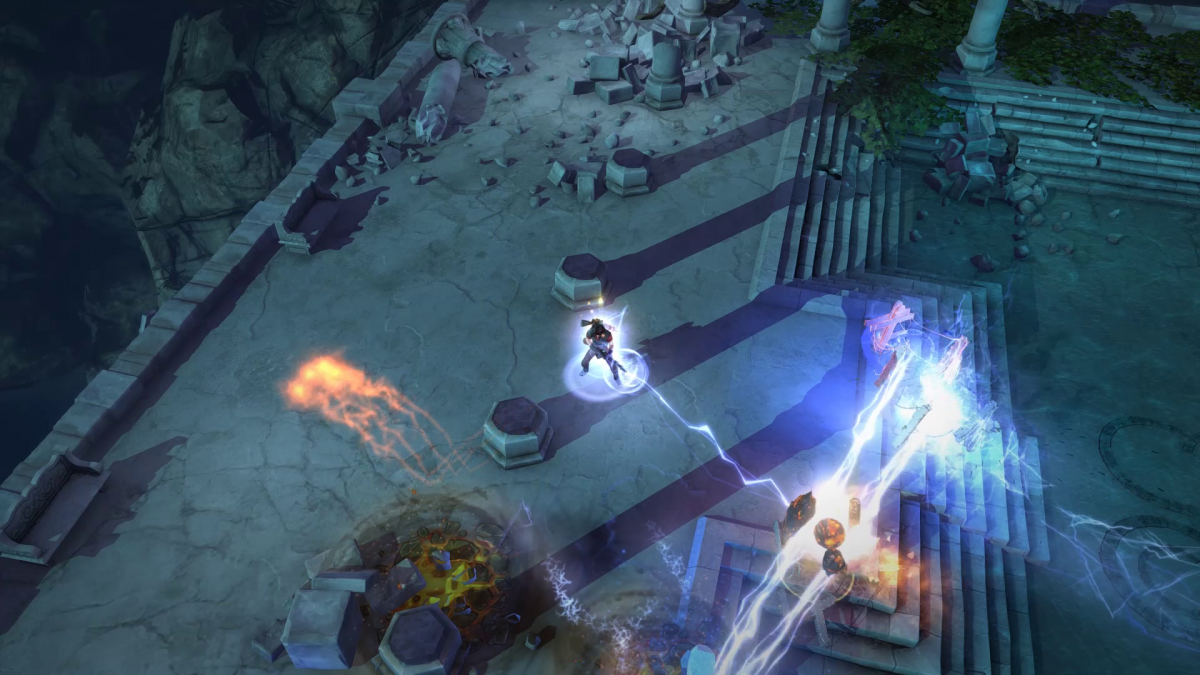
Like I mentioned, you play as Vran and it is your job to liberate the cursed city of Zagoravia from all manner of evil. Set as a top-down RPG, you begin to understand that this isn’t your average top-down adventure game. You choose how you want to play with outfits giving you different abilities, weapons granting different advantages and disadvantages and a levelling system that doesn’t force you down one particular route.
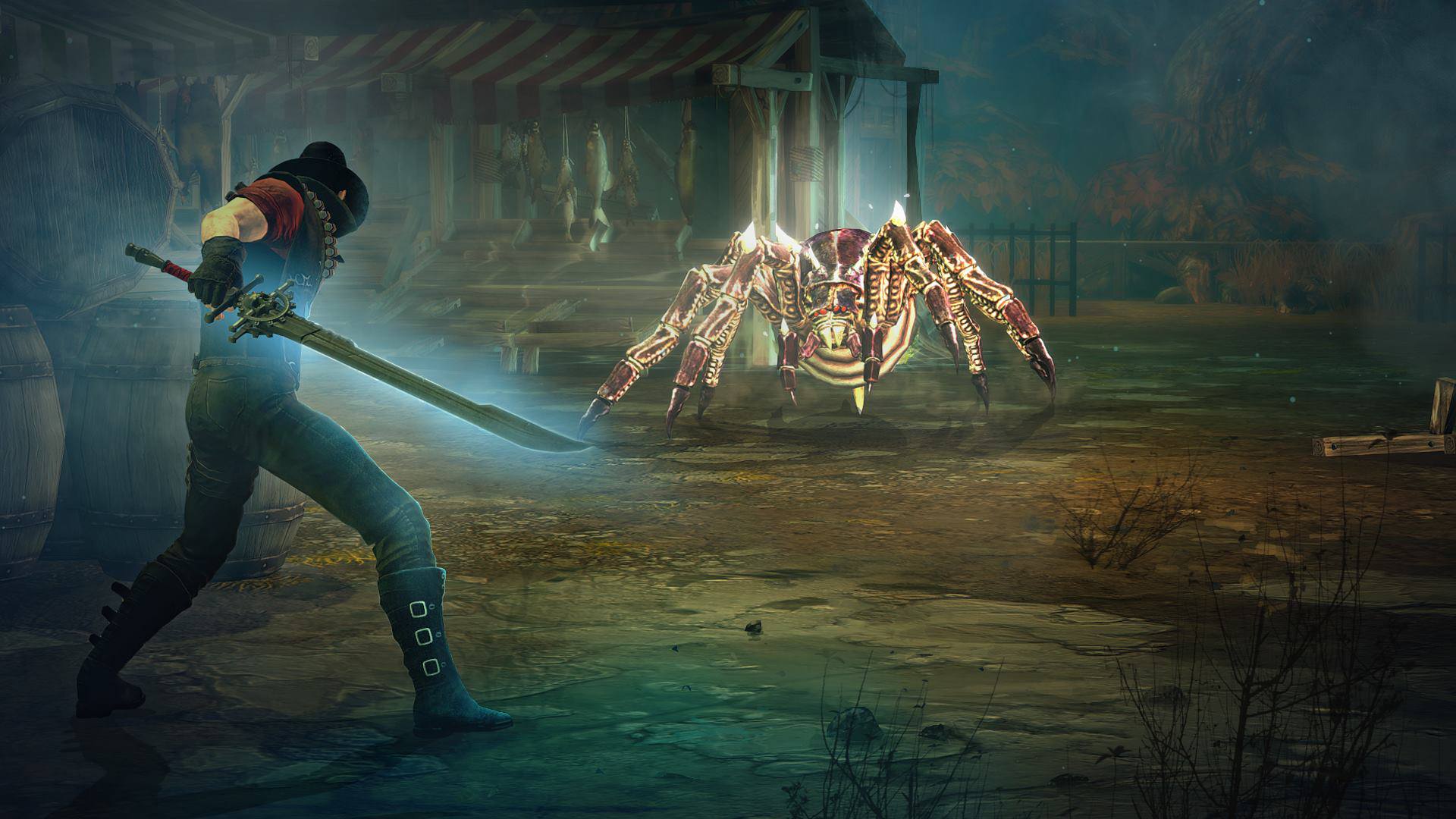
For instance, you can wield a shotgun running around like a crazy medieval Duke Nukem (which I did) or you can wield a sword or hammer and get up close and personal to your foes. Added to which a sharp fedora-topped outfit allows your demon powers to recharge slowly over time or a hunters outfit will charge your powers whenever you get hit. Using your demon powers on a large group of monsters is also very satisfying, especially splatting a swarm of spiders with a meteor shower! To top it off, each new level allows you to boost a given attribute such as ranged damage, health points or to get a loot chest – of which the content is random.
It’s little things like this that allow you to tailor the game around how you like to play and tackle each mission differently. Each level/area will also have challenges for you to complete which will grant bonus experience points, gold or other boosts to help you on your way.
Now whilst Victor Vran won’t set the genre alight, more likely sit amongst other great top-down titles, it does prove a massive point. That being that these sort of games can work and thrive on the Switch, which it does. Throughout testing, I played in handheld mode and the whole thing ran smoothly and rather quickly. Navigation wasn’t hard, nor was controlling Vran or the camera which made it so easy to play that I just kept going. One area would lead to another and I easily found myself losing a couple of hours at a time taking out skeletons, spiders and other ghostly beings.
The combat is quite intense too and doesn’t allow you to pause for breath for very long. If you stay stationary for too long you can quickly find yourself surrounded so staying mobile is always advisable, finding a brief respite where you can. This is one of the things which will keep you going as each fight is unique, requiring a different tactic each time.
Victor Vran: Overkill Edition Review Switch
In this, the Overkill Edition, Victor Vran comes with a host of extra content for you to tackle. Upon starting out you are given the choice of playing the base campaign, a campaign which is inspired by and revolves around the band Motorhead (paying tribute to the late metal legend, Lemmy) and finally the Fractured Worlds mode where everything takes an even more chaotic turn. Considering that the game can also be played online, there are many different things to play and ways in which to do so making this a great outing and addition to the Switch’s ever-expanding list of titles.
My only worry is over the pricing as this sits at £34.99 meaning it’s competing with the bigger and stronger titles out there, including Nintendo’s own strong first-party outings. Would people buy it at this price? It’s unlikely. Would I recommend buying it at this price? I don’t think so, maybe if it was more like half of that, which is a shame, as it may get overlooked until a price drop further down the line. If that does happen, however, I would recommend playing Victor Vran as I’m sure you’ll enjoy this charming adventure through Zagoravia.
Advertised as “the most inaccurate medieval cemetery management sim of the year,” I went into Graveyard Keeper expecting to find something weird, funny, and moderately inappropriate. What I found was something… very close to it.
Graveyard Keeper is indeed a resource management game made by Lazy Bear Games and tinyBuild, who are also the creators behind the fighter management game Punch Club.
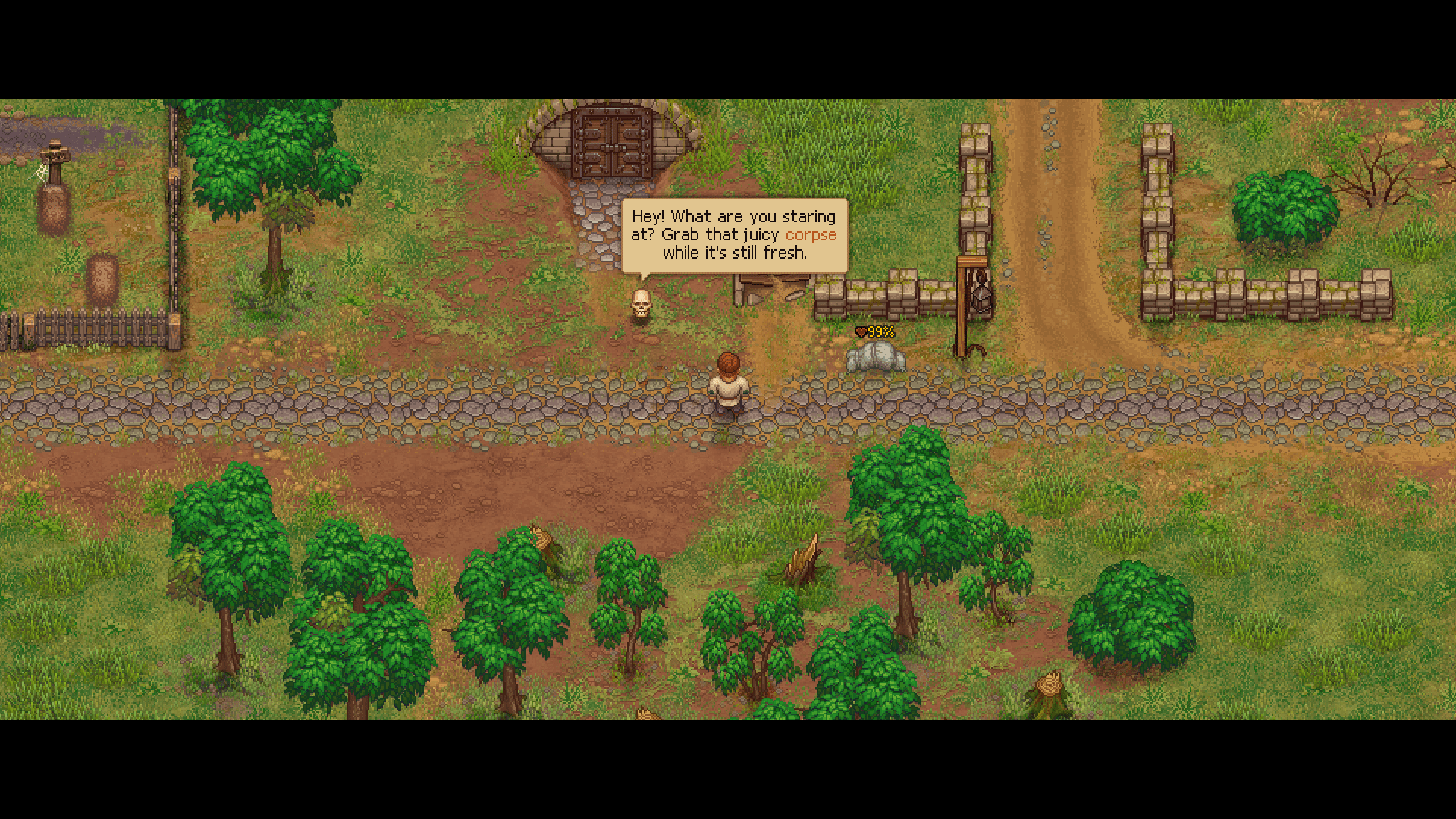
You are thrown right into the game, witnessing our protagonist’s rather unfortunate fate, which leads him into a curious conversation with Death himself. Suddenly, we are being teleported back in time (year 204 to be exact) and are assigned the role as a graveyard keeper. You receive in your possession an old, abandoned house on a hill, with an even older and rustic graveyard next to it.
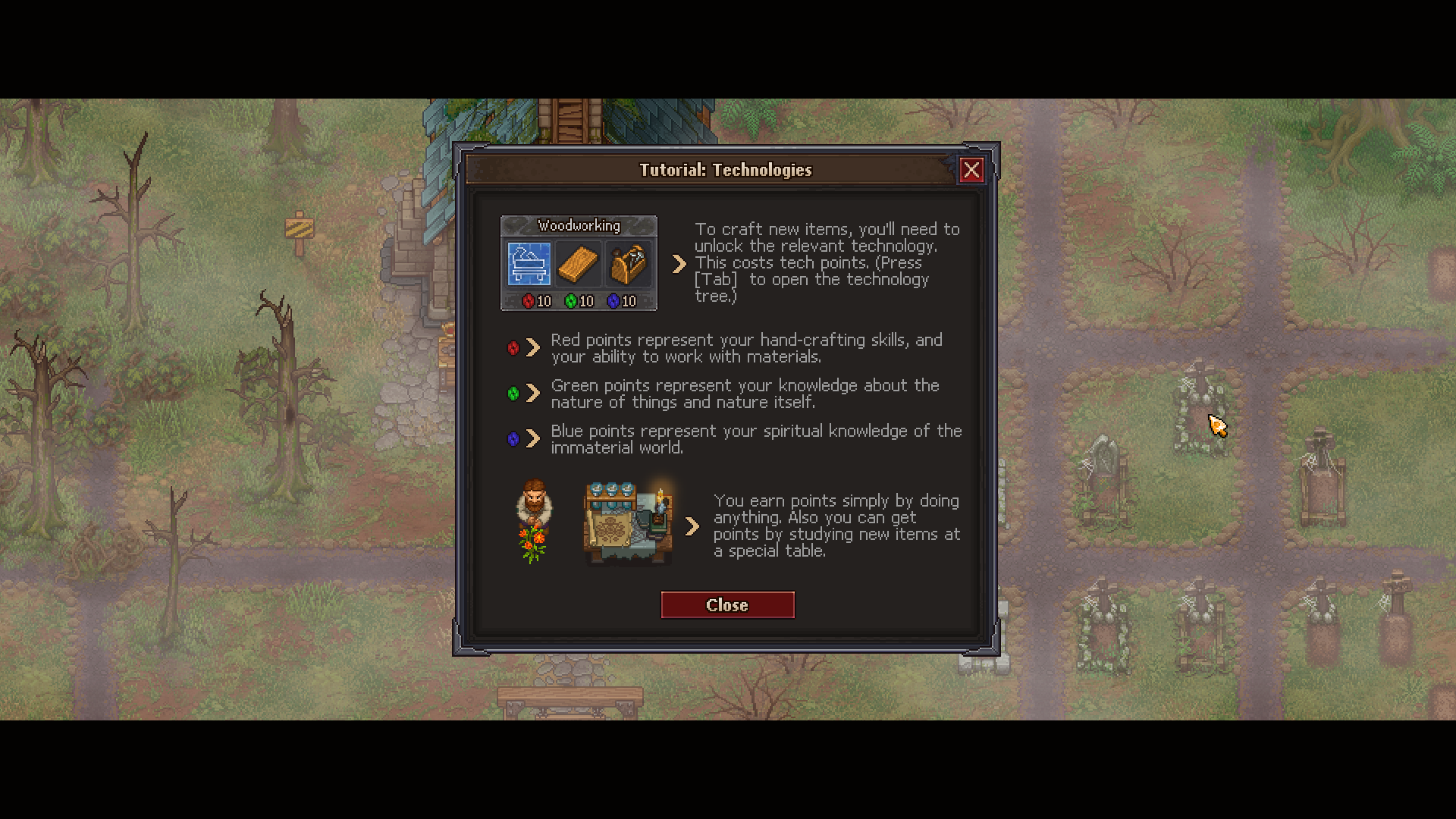
Enjoy your own little bizarre and slightly disturbing utopia by creating a garden, tidying up your graveyard and home. However, to do these things you need to unlock different technologies. As your skills and experience as a graveyard keeper expand, you will also unlock different ways of preserving and taking care of the bodies you receive.
It may seem complicated at first, but as you get into the game, things gradually fall into place.
Research and upgrade your characters’ skills by collecting red, green, and blue «points» – which kinda look like regular ol’ gems. Different gems are required for different techniques:
Red: represents hand-crafting skills.
Green: knowledge about the nature of things and nature itself.
Blue: spiritual knowledge of the immaterial world.
Collecting these points takes quite some time in the beginning, making the game feel very slow-paced. However, once I learned more skills, the game naturally became more interesting.
The fact that almost every single action in the game consumes energy feels like both a blessing and a curse. While this is not necessarily a problem in itself, one might discuss that each action takes too much energy. This becomes a little tedious when you eventually have plenty of tasks to do. A grave situation indeed!
Visually, Graveyard Keeper has a lovely retro style design. With that said, the geographical design of the game feels quite big. It feels like the distance between each relevant quest site is too far, and it takes me forever to get there; maybe an auto-walk button would come in handy. But hey, at least the game has really pleasant music that I can listen to while I walk!
One grave a day will keep the ghosts away… literally.
The voice effects of the characters are funny and reminded me a little bit of the voices in Undertale. The characters want you to do quests for them, and in return, you gradually build a friendly relationship with them. While the dialogue has many good intentions of being funny, I cannot exactly say that it tickled my funny-bone…
Even though the dialogue isn’t top-notch, Graveyard Keeper has a morbid sense of humour. They don’t take themselves too seriously, and that is kinda refreshing. For example, the local tavern is in dire need of meat for their delicious meals. And well, since you have flesh in abundance, you don’t really have to tell them where it comes from, right? … Right?
As you progress further in the game, you will also receive different recipes you can cook, so that you can restore the lost energy. Perhaps you might have some use for the flesh that you’ve been extracting too – if you know what I mean.
Being the graveyard keeper feels like a minor task in the game, compared to the tons of other stuff you can do: keeping a farm, a garden, working as a blacksmith to fix around your home, and doing various quests for the other villagers. The game runs in a day-and-night cycle, with different weather, even though I didn’t get the feeling it affected anything regarding gameplay. The characters’ availability, on the other hand, depends on which day of the week it is, where each day is indicated by its own symbol.
Moreover, Graveyard Keeper can become rather tedious. One example is being able to only pick up one thing at a time when you have to move quite a distance, making each task long and dreary. If I could pick up two things at a time, that would reduce the workload. If these glitches could be fixed, being a graveyard keeper wouldn’t be such a dead-end job…
Though I must say, after I’ve laid my character to sleep to regenerate his energy bar, I kept finding myself automatically playing another day. Looks I’m just dying to play more… Because even though the game definitely has some flaws, it is nevertheless an entertaining game with a lot of potential.
I believe that the game could become excellent if it received more updates. If you like grinding games, Graveyard Keeper will definitely give you many hours of entertaining gameplay to dig into.
P.S: I hope my editor doesn’t give me the graveyard shift after this!
Life is Strange has been embedded in video game history as a piece of – somewhat niche – memorable storytelling that weighs heavily on the player, no matter if you’ve played it once or a dozen times. Dontnod Entertainment is bringing back the highly acclaimed series with their upcoming sequel, Life is Strange 2.
Life is Strange 2
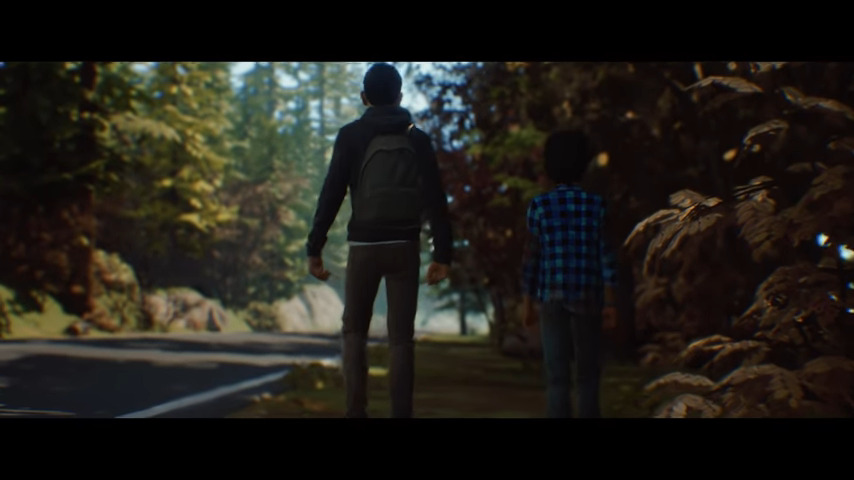
After the surreal events following Max Caulfield and Chloe Price, fans will return to the sobering universe as Sean Diaz, accompanied by his little brother, Daniel. As Devastating events occur involving the brothers, they are forced to outrun the Seattle Police and hitchhike their way to their home of Puerto Lobos, Mexico.
Check out the 19-minute long official gameplay “Seattle” trailer below:
Returning to the Life is Strange universe, fans of the series will be delighted to find the same atmosphere, mysterious powers and musical stylings are returning to the sequel.
Those who have experienced The Awesome Adventures of Captain Spirit earlier this summer will find that their decisions made in the demo will carry over to Life is Strange 2.
Episode (one) out of five of Life is Strange 2 is set to release on September 27th, 2018 for the PS4, Xbox One and PC. There is currently no official release date for the other episodes in the sequel.
So, here’s to 10 years of Braid. And 10 years of Blow.
Braid went on to become a hit, critically and commercially. It contributed to the rise of indie games, digital distribution being a viable platform and self-publishing. Its most profound achievement is showing an industry what games can be – like Ico before it – that games can be an art form and it inspired this sensibility, not just for indie games, but the AAA market too.
What Braid is, is a fine – and very rare – example of postmodernism in videogames. Braid takes what we know from platforming games – especially citing the pinnacle of the genre Mario on several occasions – to only flip it on its head; to take what we conceive and then change our preconception of it.
This is evident in the closing level when you finally come to rescue the princess in more ways than one. How its narrative is told through books of text and not a cutscene, or how its story is fragmented and deconstructed is like the postmodern literature of Vonnegut, Moore or Pynchon. It takes the fun and simplicity of Mario (Modernism), then changes it to a high concept and philosophical platformer, Braid (Postmodernism).
Everything in the game has meaning, even if it’s not clear consciously. This has many people speculating and theorizing the true meaning of Braid; such as the game is about a scientist working on the atomic bomb, obsession, etc.
The game’s story sees you playing as Tim to rescue a princess from a monster. The story is told through text at the start of each world, here you’ll read that Tim has made a mistake that he would like to forget. After completion, more text is revealed adding more narrative, in a more ambiguous nature highlighting more of the deeper themes of the game.
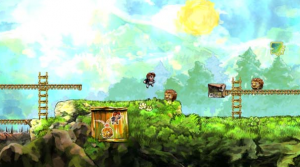
Aesthetically the game is seeping with European and British iconography of countrysides and castles smeared with whimsical watercolours. All this accompanied by a folk-inspired soundtrack, that just hearing it makes you smell the fresh moisture produced from the green pastures. It screams of classic children’s novels like ‘Peter Rabbit’, ‘Charlotte’s Web’ or ‘Wind and the Willows’.
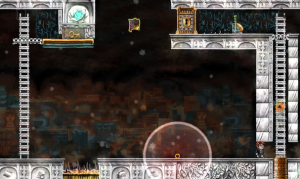
Braid, on the first glance, looks like a typical platformer with puzzle elements, with an added bit of collecting jigsaw puzzle pieces to complete a jigsaw on each level.
It’s when you play the game where one of the mechanics is the manipulation of time, mainly reversing time. It’s here where Blow shows his skill as a game designer and takes what I call a ‘Nintendo’ approach to game design; using a single mechanic and exploring that single mechanic to its full potential (now if anyone wants to debate this, please write in the comments as I’ll happily discuss… Even if you are Jonathan Blow yourself!).
This time manipulation is stretched and rolled like a piece of dough with some in-game items not being affected by it, the player’s shadow leaving an imprint on the world, slowing down time in a specific area or the world where time is governed by the direction you walk. Time manipulation isn’t just the mechanic, it’s the central core of the gameplay.
Here in the UK, we never had a video game crash. It was around this time the rise of independent video games happened. Teenagers coding on the ZX Spectrum, BBC Micro or Commodore 64. Hobbyists turned into rock stars and the biggest entrepreneurs in the UK.
So, independent games have been around for decades but the rise of independent games from the past 10 years owe it to Braid. Braid was released on the infamous Xbox Live and then saw ports to various other systems. It cemented Johnathan Blow as a video game legend overnight; ushering a new wave of independent developers with new sensibilities to game design.
I was in my second year of university studying media when a close friend from my hometown, I kept in contact through Xbox Live and party chat, told me about this game he was playing that blew his mind.
Eager to share this experience, my friend purchased me an Xbox cash voucher and told me to buy a game called Braid. Like my friend, I too was entranced by this video game, this piece of philosophy, this work of art. Never had I gazed upon a CRT for that length of time simply not moving – watching, understanding the levels and their logic.
You don’t simply play Braid, you assimilate Braid.