For all their touting of Shadow of the Colossus remakes, exclusive Spider-Man open-world adventures and Kratos’ explosive return to PlayStation hardware at their latest E3 conference, Sony couldn’t escape the relentless wrath of social media critics entirely.
The company’s Interactive Entertainment division came under fire from fans for failing to include much in the way of indie content in its showcase on Monday June 5th, particularly when juxtaposed with the plentiful number of non-mainstream titles like The Artful Escape,Deep Rock Galacticand The Darwin Projectunveiled by Microsoft at their Xbox One X E3 reveal conference
Enter Interactive Entertainment worldwide chairman Jim Ryan, who’s wasted no time in accepting an interview request from gamesindustry.biz to clarify why potent under-the-radar projects like Vampyr went unmentioned so as to let AAA franchises like God of War and Horizon: Zero Dawn retain the limelight instead.
Referring back to the early days of the PS4 era when the console was first unveiled at the 2013-14 E3 events with accompanying indie reveals aplenty, Ryan says “it was just good to talk about [the indie scene]” at the time but calls this subject matter “less relevant now” in an age where new gaming experiences like VR are the talk of the town.
Seemingly so far down their agenda were such projects, in fact, that the global division’s commander-in-chief asserts how even providing them with brief cameos in the conference via small gameplay videos would have been “viewed as wasted time” by the publishers as they mapped out their showcase structure.
That said, Ryan appears equally keen to allay fears that this temporarily diminished role for the indie sector means a decline in its output on PlayStation consoles lies around the corner.
“You know,” he says, “right now, we have tonnes of indie content on the [PS4] platform. And the fact that we elected, along with many other things such as Gran Turismo and PlayLink, not to give it its own spot on the stage […] in no way means it is not important, or it is not there, or we don’t worry about it.”
Whatever lies in store for the PS4’s indie offerings going forward, though, rest assured we here at D-pad Joy don’t plan on forgetting the oft-unsung wonders of the gaming industry anytime soon. Stay tuned for plenty more coverage of titles both as iconic as Assassin’s Creed: Origins and as up-and-coming as Inside and 10 Second Ninja in the days ahead…
If there’s one thing I have a habit of doing, it’s not finishing my games before moving onto the next. It’s something that I’ve never really thought of before, but I recently cast my thoughts to my pile of shame. Being honest, we all have one, some larger than others, but we’re all guilty of leaving one or more games unfinished. When I look at mine, there are some games on there that you wouldn’t expect either; GTA V, The Witcher 3 and Mass Effect 3 to name but a few.
So why is it? Why can’t I finish a game before moving onto the next? When you look at the three that I’ve mentioned, it’s clearly not because of their lack of quality, so what could it be? The common denominator for those three would be that they are all games with long stories and feature many hours worth of gameplay before reaching a conclusion. With that in mind, are they too long and are other games for that matter?
Now this is probably a question that isn’t asked too often when we see far too many games that don’t overstay their welcome. But with that in mind, is a game that lasts between 50-100 hours as off-putting for some as those that last 10 hours? Dedication of time to gaming is something I suspect most gamers will struggle with these days, and some games can feel disjointed if not played continuously. There’s nothing worse than playing a game and coming back to it at a later date and not knowing what’s going on, (agreed, ed). So is that the problem; is there not enough draw in games these days to keep you hooked to the end?
Think of it this way: how many games share a similar control scheme or share the same mechanics? A number of games lend ideas from one another, giving the industry an air of familiarity regardless of the genre. You need to feel lost when starting a new game to keep you learning how to play it, so if you start a game with a sense of familiarity, your interest levels are bound to drop.
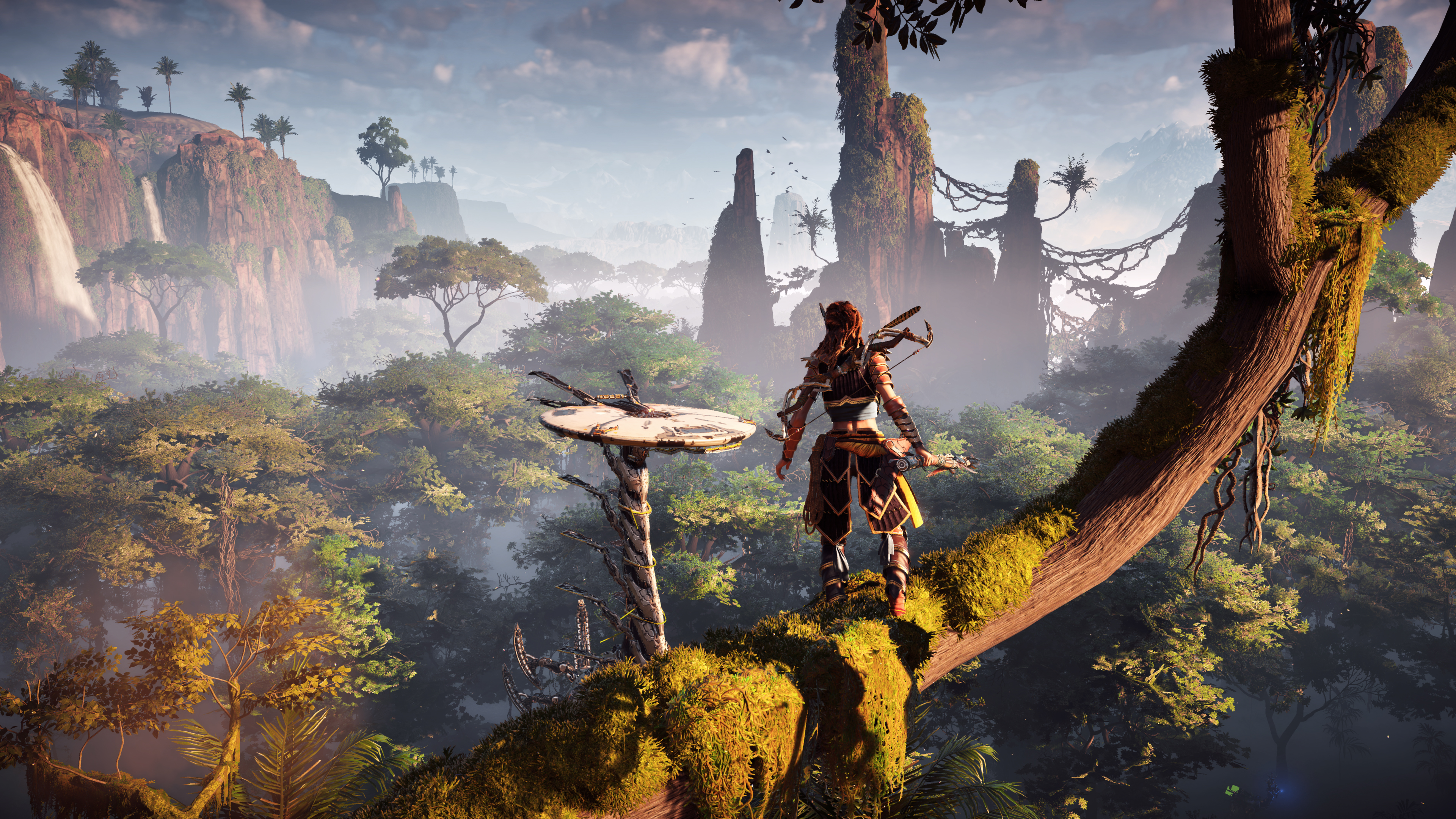
I recently started playing Horizon Zero Dawn (I know I’m way behind here) and since starting it, I’ve never once felt comfortable. By that I mean I have a constant sense of anxiety when entering a new area of the map; I never feel like I have the upper hand over the mechanical beasts. Robotic animals and dinosaurs are something new, something we’ve never seen before so require different tactics to overcome.
This is getting out of hand…
This is what keeps us coming back to a game, not one that has rinse and repeat enemies whose design took less than five minutes to finalise. I can honestly say Zero Dawn is one of my favourite IPs on any console to date and it’s not just any old open world game. I could easily forgo other games until I finished it, and there are a number of other games out there that could fight for a spot in the disc drive.
That in itself is a problem – look how many games get crammed into the same release calendar at any one time. If you look in particular at the holiday season, everyone fights to be the number one seller at Christmas. Of course, games need to generate revenue but surely a game needs to be launched to give people enough time to savour it? I don’t think enough games launch over the course of the infamous ‘summer drought’, which would be a perfect time to give people exposure to a new title.
The selection of games we have to choose from isn’t a complaint as such, it’s great to see so many, but I think we only suffer as a result. I love getting excited about new games just like the next guy, but I always question when I’m going to fit them in given that games are getting longer and longer.
Just look what we have coming out from October onwards; Assassin’s Creed Origins, Shadow of War, Super Mario Odyssey and Crackdown 3 to name but a few. These are all games I want to play, and will at some stage, but it’s impossible to have them all going on at any one time. So this, most of all, is the main reason why I don’t think we complete games as often as we used to before moving on.
Having new games is great, but they need to be released to give us, the gamers, enough time to enjoy them to their fullest. It’s no surprise that many opt to wait for games to drop in price before picking them up, which is a shame, as this does not support the developers as much as we should be able to.
What do you think reader? Let us know in the comments below, if you please.
2003 was a simpler time for gaming. A transitionary time of sorts. True widespread online accessibility was still a few years away and though technology was advancing rapidly, consoles and PCs weren’t the true technological behemoths that they are today. There were no trophies or achievements to display proudly. Things were different. Games, or rather, peoples’ attitudes to them were different too, at least on a rudimentary level. There were less variables to consider. This, coupled with the fact that titles were simply cheaper to make at the time, meant that studios, in general, were more willing to take risks.
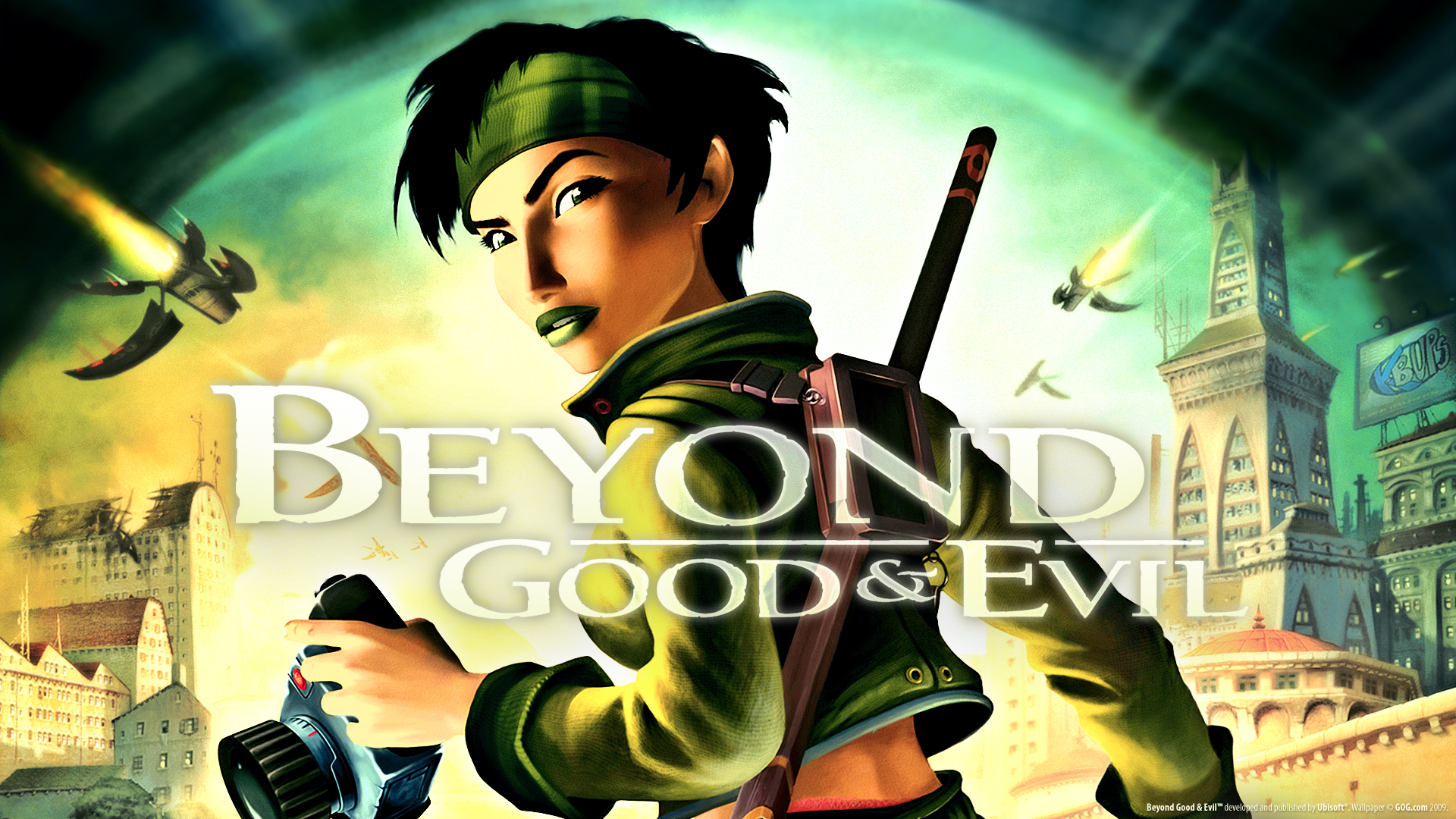
This brings us to Beyond Good and Evil. Considered by some (myself included) to be a classic of its generation, it is nevertheless easy to see why the game may have gone on to struggle financially. The game is often consigned into the miscellaneous genre of the “Action Adventure”, where games that can be difficult to pinpoint are regularly forced to tread. In reality, Beyond Good and Evil is a mesh of various genres, with platforming, stealth, third-person combat, exploration, and even photography thrown in for good measure. Add in a large dose of anthropomorphic characters and a linear structure and the game doesn’t come across as being overly marketable.
This all led to a dichotomy of sorts, wherein the aforementioned aspects proved to be detrimental to the game’s overall sales performance, with Ubisoft considering Beyond Good and Evil to be a financial failure, despite its receipt of widespread critical acclaim. The bust was big enough for Ubisoft at the time to scrap any future plans for a continuation of the series, even though the game ended on a cliffhanger of sorts, as the game’s director, Michel Ancel, had originally envisioned it to be the first instalment in a trilogy.
The game, of course, went on to attract a large cult following throughout the years, adjoining with the likes of Earthbound and Killer 7 as titles whose mediocre sales didn’t reflect their overarching popularity amongst the gaming community. The fanbase grew as word of mouth spread. Clamours for a follow-up were abundant. A short tech demo was released in 2008 but nothing concrete had been shown until now; 14 years after the original game’s initial release, not only do we finally have official confirmation of a Beyond Good and Evil sequel, but also actual confirmation on what the game will entail, albeit the details remain minimal for the time being.
As a fan, it should obviously be both encouraging and exciting to have learned of such an announcement (and it is). However, along with nervous anticipation upon viewing the trailer at E3, one of the primary emotions I felt was that of concern. 14 years is a long time by any reasonable standard, but in an industry that moves as quickly as the games industry it can seem astronomical. The relative innocence of previous generations are gone and the even though the specifics we have for Beyond Good and Evil 2 are scarce at the moment, they nonetheless, in my opinion, reflect that.
First and foremost, let’s address the somewhat puzzling choice to release this game as a prequel rather than an outright sequel, despite there still being questions left unanswered from the first game. Of course, it is important to note that we still know very little about the game, however, on the surface, this seems largely disappointing. Ubisoft have gone on record in the past, stating that they won’t release a game that doesn’t have the potential to be made into a franchise. The games industry has always been dominated by franchises to a certain extent. However, in an age where the majority of the more esoteric experiences tend to come mainly from the indie circuit, and new IPs are more and more scarce from AAA developers, the decision to deviate from the game’s original storytelling plan and instead focus on something new could be seen as a form of risk management. There will, no doubt, be some form of appeasement for long-term fans of the original, but the choice to not continue with the plot is hard not to be considered a disappointment.
Likewise, as previous stated, the original game was released during a time of transition in the industry. Sandbox games were gaining popularity, but still in their relative infancy, with the revolutionary Grand Theft Auto III being released only two years previously. As things stand today, the sandbox genre, along with online multiplayer, are arguably the two most popular aspects in gaming, with major studios often eager to emphasise one or more of these two components. Ubisoft, being the enormous company that they are, are no different.
The original Beyond Good and Evil was “open world”, yes, but the game was essentially linear, and the map acted as more of an extended hub world rather than a proper sandbox, to a certain extent mimicking the format of a classic Legend of Zelda game. With news that the prequel will feature a “vast and seamless online playground”, it is clear to see that Ubisoft are reluctant to release the game without maximising its appeal to an audience as large as possible. The primary purpose of anything a studio releases is to make money, so this makes sense. Ubisoft are also more than entitled to do what they want with an IP they created. However, it is unfortunate that the changes they are making don’t seem to ring true with the original tonality of the game. Speaking of tone, the inclusion of a foul-mouthed, cockney monkey in the trailer seemed to be some way off the more measured atmosphere the first game possessed. I would view this as being more a curious creative choice as opposed to anything to do with the current gaming zeitgeist, but it is nonetheless an oddity.
None of what I have written in this article is a criticism per se, merely a set of observations. It is early days yet, and, despite some of the suspicions I have described, there are reasons to be optimistic too. The trailer itself, despite not featuring any gameplay, was an impressive aesthetic accomplishment. Pairing this with the idea of having a vast world and/or universe for exploration does, also, seem like it could possess a certain appeal. Indeed, the fact that the hugely talented Michel Ancel is back as its director is also an encouraging sign, especially when you can see that the game is clearly such a passion project for him. The question remains, however; can Ancel and Ubisoft manage to deliver a financially successful title that not only manages to draw in new players, but also stays true to the original game and its loyal fanbase? Only time will tell, and I for one am eager to find out.
Shawn Layden at Sony has made something very clear today: there will be a PS5, and the smartphone style upgrade-approach will not takeover. In other words, we’ll still be getting our PS5 and ‘normal’ console cycles, probably in addition to smaller upgrades like the Pro, in the future.
Takeaways:
In an interview with German news site, golem.de, Shawn Layden said it “will probably be some time” before we see the PS5
Layden states there will “never” be a time when a game runs on the PS4 Pro, but not on the regular PS4
He reinforces the idea that gamers who have a standard PS4 will experience no “real” disadvantages going forward
There’s been a lot of talk about the PS4 Pro (and now the Xbox One X) signalling the end of the traditional console life cycle. Taking that into account, it’s reassuring to hear Layden say that Sony doesn’t plan to go down that route anytime soon. This writer in particular is a fan of the old way of doing things – but what about you? Let us know in the comments below, if you please.
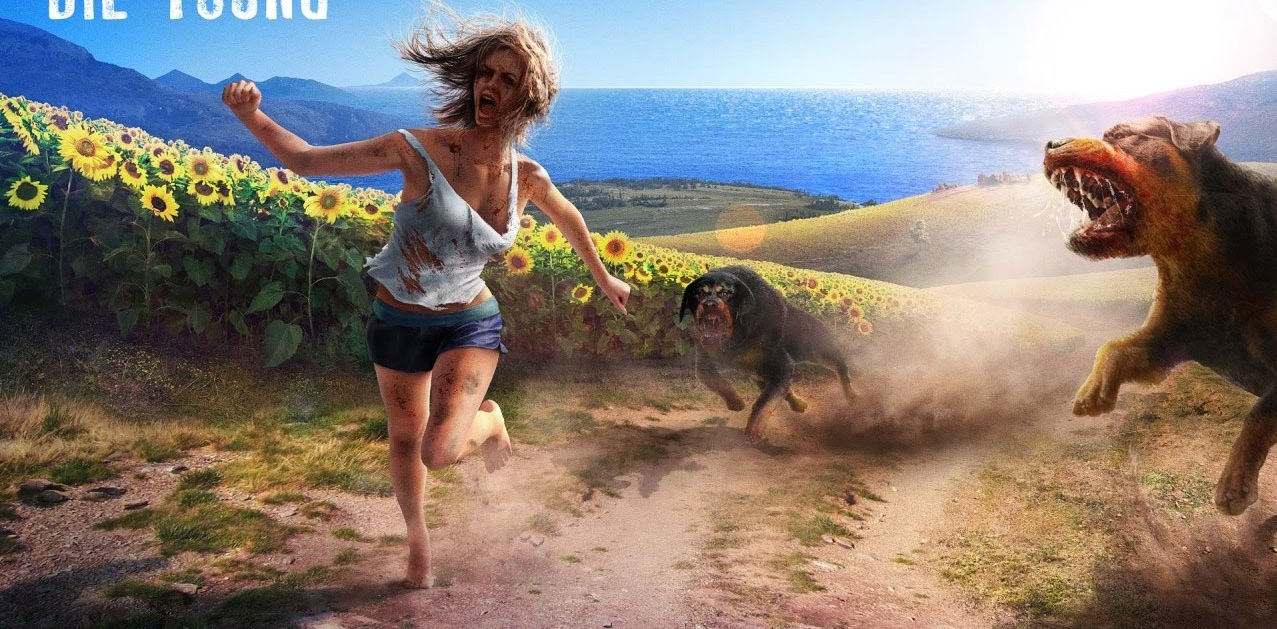
Die Young, developed by IndieGala, is one of those rare titles that manages to hit all the right notes, creating an exciting symphony of survival, adventure, and mystery. You take on the role of an affluent and adventurous young woman who sets out with her friends for what she thinks will be a new thrill and a good time on an island in the Mediterranean sea. She then awakens at the bottom of a well, bruised and bloodied, with no memory of how she arrived there, and with no clues aside from a map lying on the floor in front of her. You emerge from the well onto a picturesque island and it is then up to you to discover what happened to your friends and why you were seemingly left for dead.
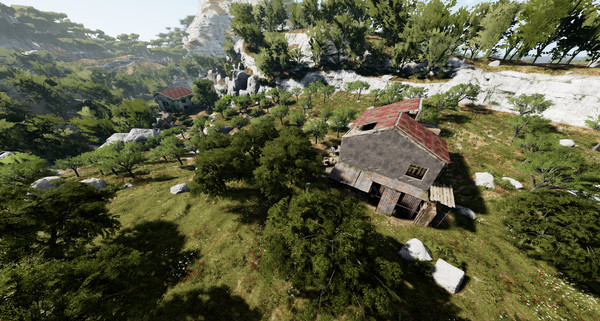
I was able to try the alpha build of the game, and I knew as soon as I opened the start menu that Die Young was going to be something different than your average survival title. I was greeted by the sounds of a steel guitar contrasted against an image of what appeared to be a quaint landscape, complete with country roads hedged with old wooden fences. After I escaped from the well using the game’s climbing mechanic (more on that in a bit), I was struck with just how gorgeous the game is, particularly when crossing the countryside. I was surrounded by rolling hills covered in flowers, green grasses, and fields of golden wheat that waved gracefully in the wind. Stunning beams of bright sunlight will stream through breaks in the trees or rocks, or through windows and cracks in the buildings and ruins you will explore. Even the dilapidated structures you discover have a silent magnificence.
Many of the plants littering the island have medicinal properties and can be gathered for crafting into various healing balms and medicines. The crafting system is simple to learn, and expands during the game as you locate more materials (such as wood, cloth, and metal) and other recipes. The menu is simple to maneuver with a list of crafting materials on the right, and a grid full of possible recipes or items you can create in the center. You can easily switch between crafting menus by type, select the item you would like to craft, see if you have the necessary components, and then simply hold down “E” (if you are playing with a keyboard) to create the item (which will include medicines, wound care items, weapons, and so forth). This makes it simple to not only create what you need, but to plan out which components you must gather.
The finely tuned crafting system is not only a fun component of the game, but a welcomed one because you will need all the help you can get to make it off the island alive. The tranquility of the blue sky and surrounding water is enough to lull you into a false sense of serenity, but a little exploration will shatter any sense of comfort fairly quickly. Enemies are always stalking around the island, some more easily avoidable than others. As I was going about the pleasant business of gathering herbs (I needed to create a salve), I heard a disgruntled growl and a bark and turned to see a feral hound travelling my way at a great speed. I had no weapons and so all I could do was run, hoping the beast would relent. Thankfully, I was able to avoid death by outrunning him, but only just.
You have a stamina meter that appears on the lower left corner of the screen that lowers with exertion such as running or climbing. If the meter runs out, you will slow down to a walk or, if you are holding on to a handhold, you will lose your grip (an event that lead to my death more than once). I soon found out that if I squatted, I could avoid being detected by these hounds if I was in tall grass or weeds. In fact, one area I explored on the farm/villa required me to maneuver from one grouping of plants to another, like a ninja, in order to avoid the ravenous vengeance of these rather angry canines.
Other enemies that were a bit more difficult to avoid were rats and snakes. Often, I was forced to risk certain injury in order to make it through a room full of the hateful rodents, but thankfully their bites didn’t do major damage. This did mean I needed to make certain I stay stocked up on medicinal components, if I was planning on entering a structure that I might not easily be able to leave if I ran out of healing items. It is important to listen carefully because sometimes enemies will approach quietly. I once noticed a faint rustling sound only to realize I was being chased by a snake moving though the grass like an Olympic swimmer. It is possible to be poisoned in the game (and to craft items that will help counteract it), but thankfully I noticed the sinister serpent in time to run away poison-free.
Of course, antagonistic animals aren’t your only concern. You will notice while exploring that something has gone terribly wrong on the island, and something or someone far more sinister is still stalking about, (as if awakening at the bottom of a well with a map wasn’t enough to clue you in). In fact, at one point I heard footsteps behind me. I ran until I was no longer being chased, only to turn around and see in the distance a distinctly human enemy, who I immediately realized I didn’t want to run into again if I could help it. Strange goat-like images can be found draped across structures. Notes from former habitants or visitors are scattered throughout the buildings and ruins, describing how things went south. Gruesome discoveries serve as a warning and evidence that some sort of violent event occurred on the Island, disrupting what appears to at one time have been a peaceful experiment.
What exactly happened, though, must be pieced together bit-by-bit. The game does give you tasks to accomplish such as locating water or exploring certain structures around the island, but the game is non-linear which gives you the freedom to take on tasks as you see fit and put together the story at your own pace. This adds an intriguing element to your exploration that makes you want to dig deeper, especially the further down the rabbit hole you go (and you have no choice but to follow it through because, after all, your life depends on it).
Exploration is a blast, not only because you clearly have an ever-broadening mystery to solve, but because maneuvering through the various locations requires platforming puzzles that are just as well designed as the crafting system. Jumping and climbing are as simple as aiming in the right direction and hitting the jump button. However, you have limited stamina, so climbing takes not only skill, but planning. The only issue I had with jumping wasn’t mechanical, but rather that I often felt the distance between ledges seemed rather far for any human (even a virtual one) to make. However, once I got used to the fact I was Wonder Woman (or, rather, I had a seemingly superhuman jumping ability) it became one of my favorite parts of the game, as well as one of the most challenging.
Die Young is only in it’s beginning stages with just a portion of the Island currently available and it is already a well-oiled machine. Lovers of survival, adventure, and intriguing thrillers will all find something to keep them interested. The welcoming and simple to learn crafting system, the refined jumping and climbing elements, and the picturesque beauty of the environment will pull you in and beckon you back for more. The developers have promised extra enemies, more missions, death machines (seriously) and other additions. After playing the alpha, however, I would simply be happy just to spend more time on the island delving into it’s mysteries. The death machines do sound interesting, though, and I can’t wait to see what terror and intrigue the full game will entail.
The alpha build of Die Young, developed and published by IndieGala, is currently available on Steam Early Access.
According to Nintendo of America, we could well be playing the recently announced Metroid Prime 4 as early as next year on the Switch. That’s the plan anyway.
Takeaways:
Charlie Scibetta from Nintendo of America has said that Metroid Prime 4, and the new Pokémon Switch game, will come out next year in an interview with VentureBeat
Scibetta says the Switch has great momentum, with strong first party and third-party support for the rest of the year
He says that the new Kirby and Yoshi games are very important for next year
States that Nintendo didn’t want to “front load” all their best games on day one – that’s why they’re coming out every month instead
You can find the full interview in the link below. It sounds too good to be true to us, but hopefully we’ll see either Metroid Prime or Pokémon next year – just one of them at least! What do you think? Let us know in the comments below, if you please.
It’s hard to argue whether or not final bosses are necessary in video games today. They’ve been a part of gaming for so long that they’re essentially the modus operandi in the overall design of video games. It’s always about getting to that final boss and rejoicing at the sight of rolling end credits; as they slowly roll down the screen you reminisce about your tantalizing journey and everything it took to take that sucker down. It’s a great feeling but as innovation continues to grow in the gaming industry, the whole “final boss” complex seems tired and outworn. Especially when they’re not fleshed-out and come off as anti-climactic or uninspired.
Look at Uncharted 3: Drakes Deception. You went through so many epic moments, from a burning chateau in the middle of France to falling out of a moving airplane and yet you’re greeted at the end with a less than impressive final boss that has you fist-fighting against Talbot, who isn’t even the main antagonist but a trusted henchman of Katherine Marlowe. It was bland and disappointing especially when the events prior to that confrontation were so larger-than-life and filled with adrenaline. Did Uncharted 3: Drakes Deception need a final boss or at least one in the traditional sense? Games these days quickly resemble Hollywood-like production values, Uncharted series is proof of this and their becoming more and more sophisticated as time goes on but they’re losing their touch with final bosses. Do we even need final bosses?
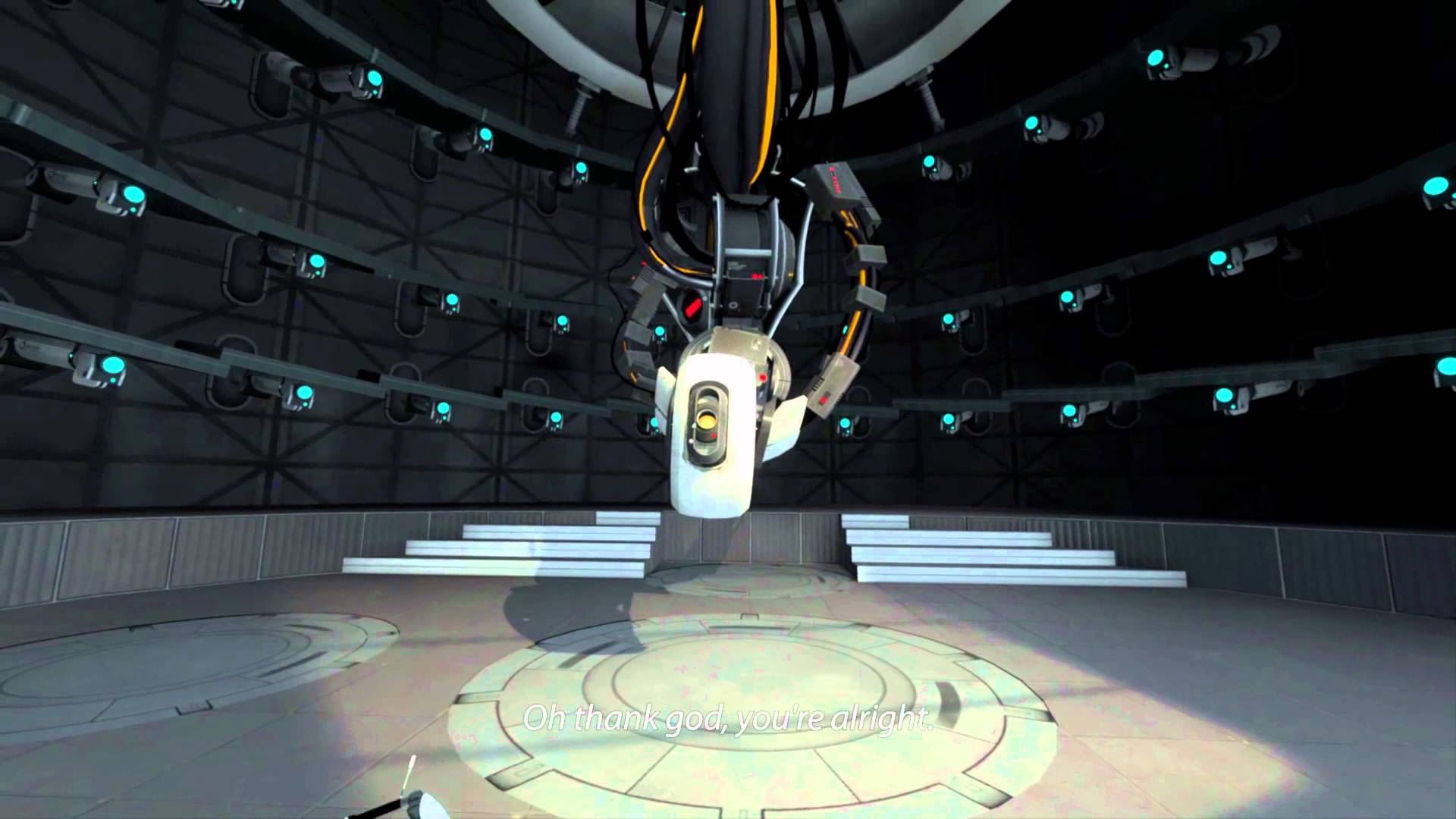
Portal 2 was a tour-de-force, combining laugh out loud scriptwriting with intuitive gameplay mechanics, it also had a simple yet hugely entertaining final boss that still resonates with me to this day. The reason why this final boss worked was because it had you use many of your acquired abilities that you have been using to get to this point and it remained relevant and consistent with the story. Not to mention it was uproariously funny to play. Many games these days fail to reach this stage of quality because they usually, manipulatively, shoehorn a final boss at the climax just to make the gamer feel some sense of closure. We need more games that utilize the “final boss” sequence as not just a way to just end the game but to successfully conclude a story and involve the player in this experience.
Of course, some games organically require final bosses or else it just doesn’t “feel right”, a good friend of mine says that “a game like Metal Gear Solid without some sort of ending boss wouldn’t feel right.” Understandably so, games like Mario or top-down shooters stick to this formula because it’s a trend that has been established since the very beginning. A game without a final boss often gets criticized and accused of being a rushed game and it’s quite ludicrous. A game that closes with an ambiguous ending like the Coen’s Brothers’, No Country for Old Men or Sean Dirkin’s Martha Marcy May Marlene would be refreshing, and if done right, could be really impactful and far more meaningful than a dull, lifeless quick-time event.
Perhaps we’re not up to that stage yet where developers are ballsy enough to deviate from the exhausted formula but we’re getting there, slowly but surely. That’s not to say all final bosses this generation are bad, but I would like one day to see a different approach, a fresh new take on ending a story that makes me feel like I did something important and impactful. Whether it’s a game like Heavy Rain or Halo, it’s imperative that the game must end memorably and not end just because you reached the final stage.
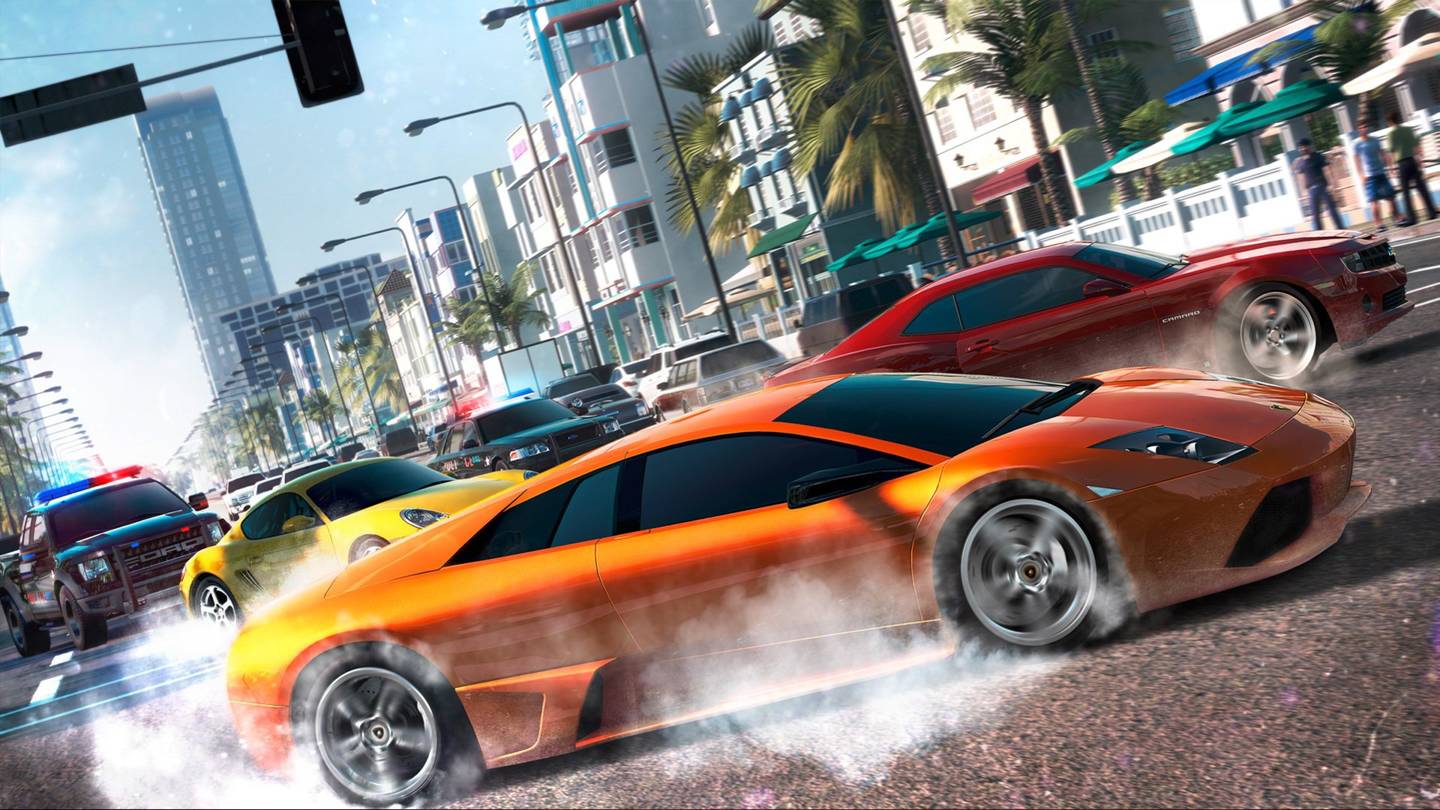
Ubisoft has been known to push out action titles left and right, giving players an adventure through Renaissance Italy, a hacker-filled San Fransisco Bay area or even the primal ages of the Mesolithic era. But stepping in another direction, developers at the busy studio(s) have continued to build a franchise combining racing with deep MMO elements. In 2014 The Crew was released and gave racing fans everywhere a massive open world racer with the map stretching from east coast to west coast in a stunning, condensed version of the United States. Later, a stand-alone release gave racers the ability to speed across the vast lands on powerful motorcycles, wetting the appetite of even more racing fans. Announced at this year’s E3, The Crew 2 will not only give fans more of what they loved from the first entry but will greatly expand the diverse and broad racing series.
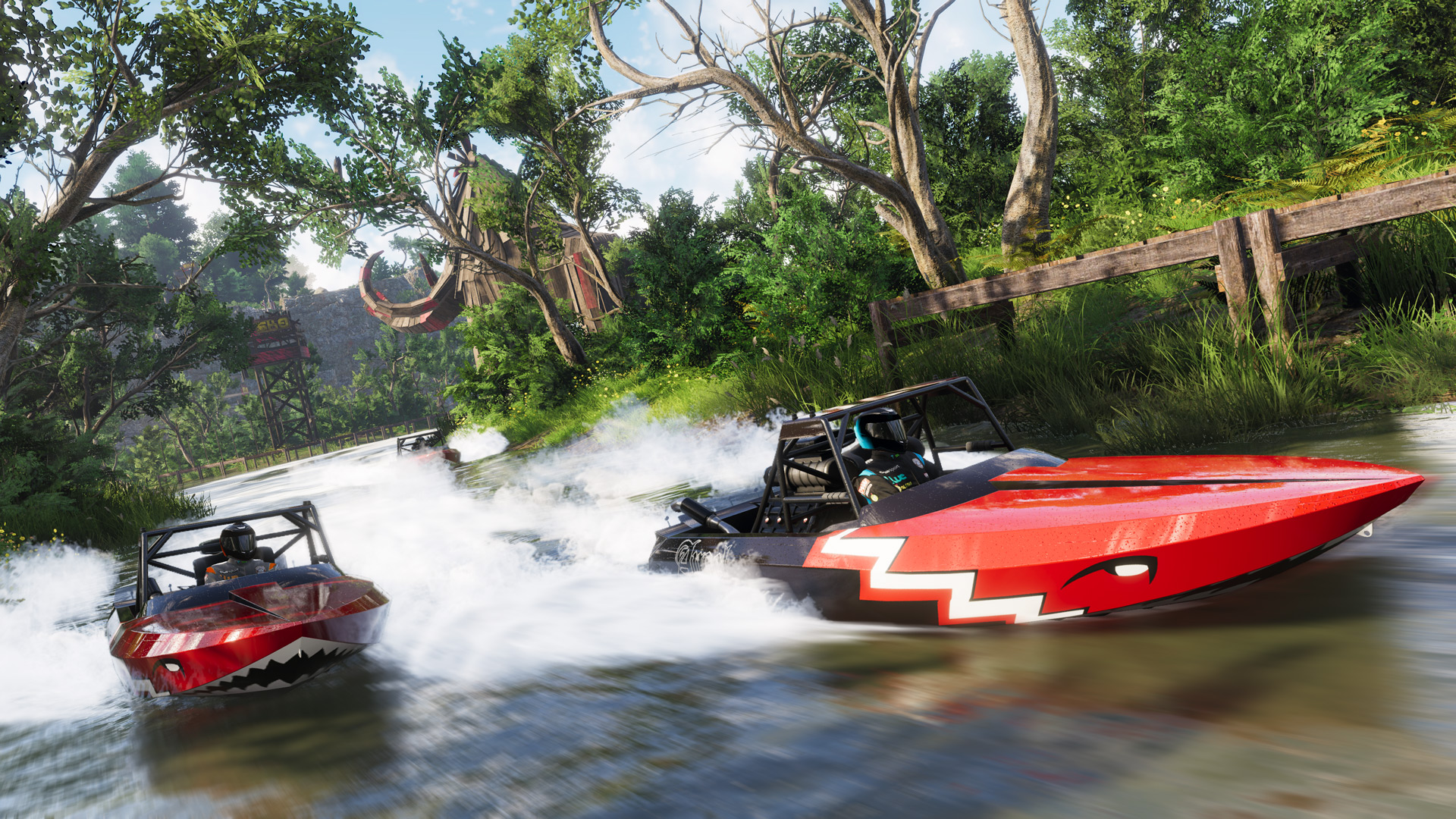
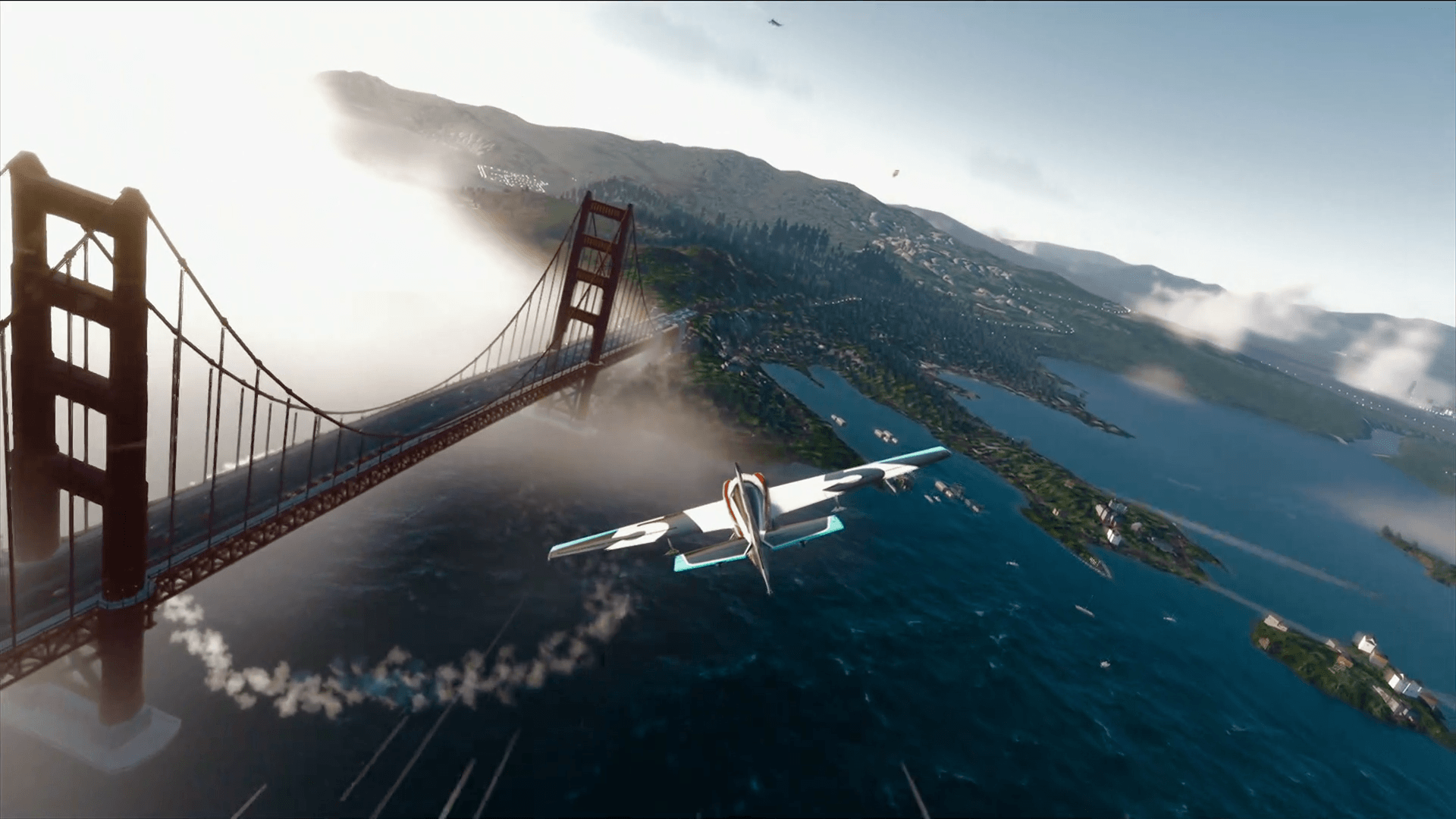
With the primary focus on Motorsports of all varieties, The Crew 2 adds much more depth to the already massive racing game. Keeping what fans loved about the first entry like the huge map stretching across the US – including famous landmarks and cities all along the stretching highways – a large selection of purchasable cars and deep customization options, The Crew 2 will now feature aerial stunt plane racing and wave-ripping boat races. What’s more, is you’ll be equipped with the ability to smoothly transition between any of these vehicles on the go, giving players an immense racing experience like no other.
The overall goal of playing through the campaign in The Crew 2 is to become the champion of all Motorsports in Motornation. At the core of the racing experience sits the street racing scene. Familiar in most other racing franchises, taking to the streets in sprint races, cutting sharp corners and dodging oncoming traffic returns from the first entry of the game. Racing in all regions of the enormous map from windy country roads to long desert stretches, to high mountain passes in any automotive form including the return of motorcycles, there’s plenty of adrenaline filled street races to feed your speed addiction.
Pro racing circuits and off-road events also come equipped in the giant racing package of The Crew 2. Tuning your racing machine, adding off-road tires for more tread or racing slicks to navigate around closed circuits as quickly as possible are just a few more options to keep the player engaged in this diverse Motorsports title. Acting as a less organized checkpoint race, Rally Raid puts players in off-road buggies for hill-hopping action, with all sorts of terrains at your disposal, making your way from start to finish in whichever way you find the fastest.
New racing sports added include the all new powerboat and nimble stunt plane racing. The powerboat competitions feature fast, agile machines designed to zip their way through rivers and other waterways. Obstacles like boat ramps and powerful waves – created either from natural occurrences or other racers – keep the high-rush water races full of adrenaline fueled moments. While the stunt planes offer a completely different perspective in the world of The Crew 2, there’s just as much full throttle moments as land or sea events. Barrel rolls and gliding past the smoke trails of competing airborne racers, the new aerial racing will give you beautiful views of legendary landmarks like the Rocky Mountains or the Grand Canyon, all across the vast land of the United States.
The Crew 2 utilizes the massive open world that Ubisoft developers created in the first entry, as well as the addictive “arcade” racing style gameplay. Taking this formula and adding almost every type of major Motorsports possible, giving players the freedom to transition between land, air and sea races at anytime, is sure to make the sequel feel fresh and exciting.
Expect to see The Crew 2 in early 2018 on the Xbox One, PlayStation 4 and PC systems. For early access check out the “Open Beta” sign up page from Ubisoft.
It’s safe to say that Nintendo has put on a great E3 show this year. With a line-up of games from their top IPs, along with a nice sprinkling of third-party support from Skyrim, Mario + Rabbids Kingdom Battle, FIFA 18, and Rocket League – Nintendo is on the mend. To celebrate this rebirth of sorts, we’ve put together their best trailers from the show, the ones which filled us with giddy joy – something Nintendo is quite adept at.
Metroid Prime 4
It’s just over 40 seconds long, but that was enough to explode the internet. The confirmation that Nintendo is finally working on a new Prime game is what fans have been waiting for – 10 years and counting. This was their best kept secret.
Mario + Rabbids Kingdom Battle
Mario + Rabbids Kingdom Battle was one of the biggest surprises (unless you read the web), first revealed at Ubisoft’s E3 conference. The idea of Mario and Rabbids coming together doesn’t instantly fill us with joy, however, once we saw some gameplay that showed remarkable similarities to the excellent XCOM games, we were sold.
Yoshi
A charming game for a charming character. Yoshi, that’s the name for now anyway, is coming to the Nintendo Switch next year. If the music in this trailer doesn’t make you smile, then surely the stylish, yet cutesy graphics will. Good to see you back old friend.
The Elder Scrolls V: Skyrim
Skyrim on your Switch, with the Master Sword in tow. Think about that. ‘Take a Walk’ shows off the potential of having a huge fantasy adventure playable on a much smaller screen – wherever you want. Passion Pit’s vocals help highlight this glorious fact.
Xenoblade Chronicles 2
Epic sci-fi action on your Switch in time for Christmas. Nintendo not only showed the world and characters in Xenoblade 2 in much greater detail than we had seen before, but also proudly revealed that the game would in fact make 2017 – something we believed wouldn’t happen. Lovely.
Kirby
Much like Yoshi, Kirby returns with a new adventure literally titled ‘Kirby’. Whether this is the working title, or the game serves as a soft reboot of the series, we don’t know yet. What we do know is that the delightful game is hitting the Switch next year. Stay tuned Kirby fans.
Fire Emblem Warriors
An assortment of Fire Emblem characters, classic and new, meet in the hack and slash game Fire Emblem Warriors. Nintendo’s E3 trailer satisfyingly showed us these folks coming together to fight a powerful new evil. It’s hitting your Switch this fall, because you need more to play!
Rocket League
A short but sweet trailer that showed us Rocket League finally coming to the Switch. This writer has never played the game before, so it seems like a perfect chance to dive in. Exclusive cars, items and cross-network play were also confirmed. The holiday season is getting busy to say the least.
Metroid: Samus Returns
We’ve got to have a 3DS title in here somewhere, right? Nintendo slyly announced Metroid: Samus Returns to the screams of forgotten Metroid fans all around the world on their Treehouse stream. They presented us with a 2D side-scrolling, sci-fi action game that harkens back to the gaming days of yore.
Super Mario Odyssey
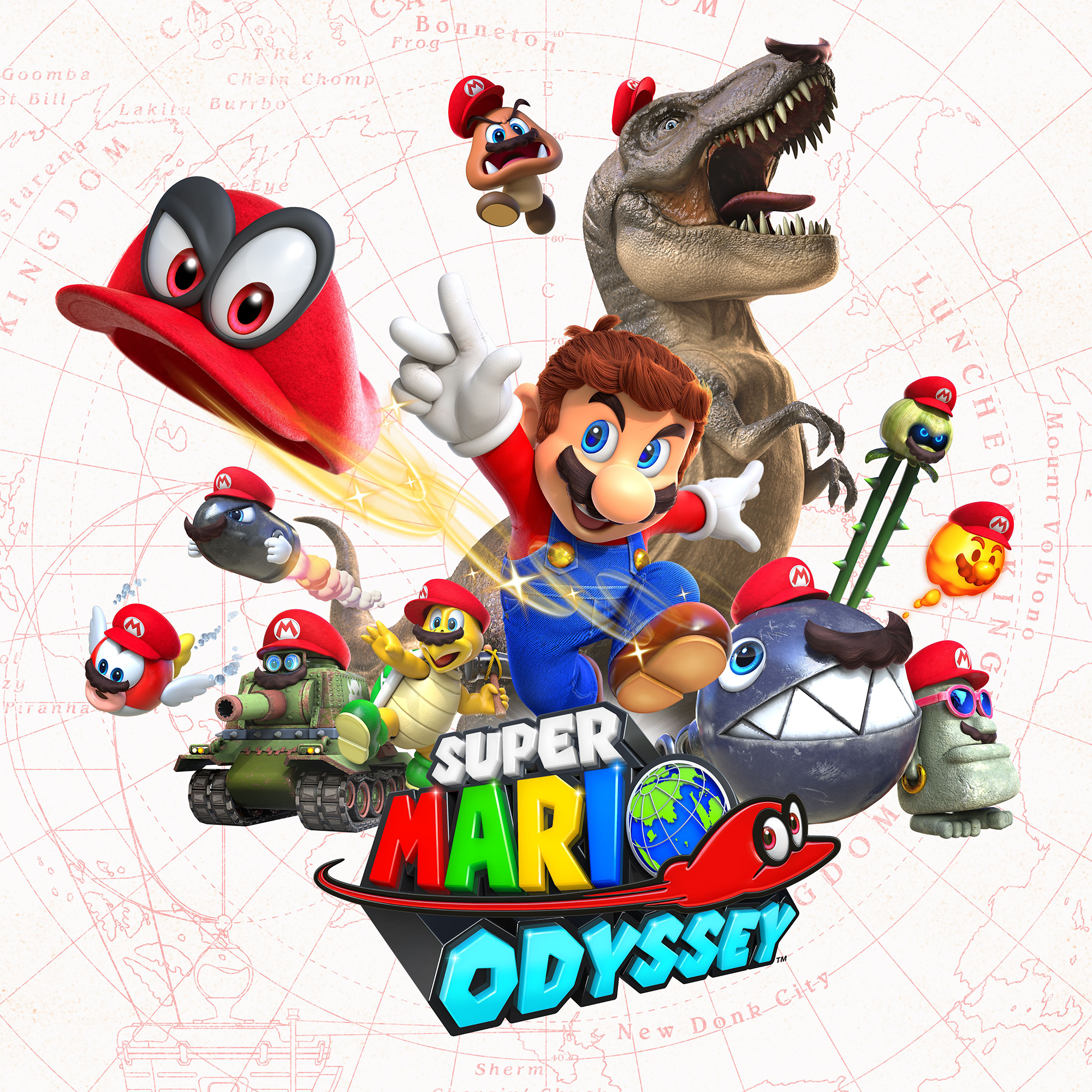
A Tyrannosaurus rex in a Mario game? Yep. A catchy new song called ‘Let’s Do The Odyssey’? Check. A Bullet Bill with a moustache? You got it. Super Mario Odyssey’s E3 trailer showed a more playful, wacky and confident Nintendo than we’ve seen for a long time. This one will certainly stay in the memory.
That about covers it. Did you enjoy Nintendo’s E3 this year? What was your favourite trailer? Let us know in the comments below!
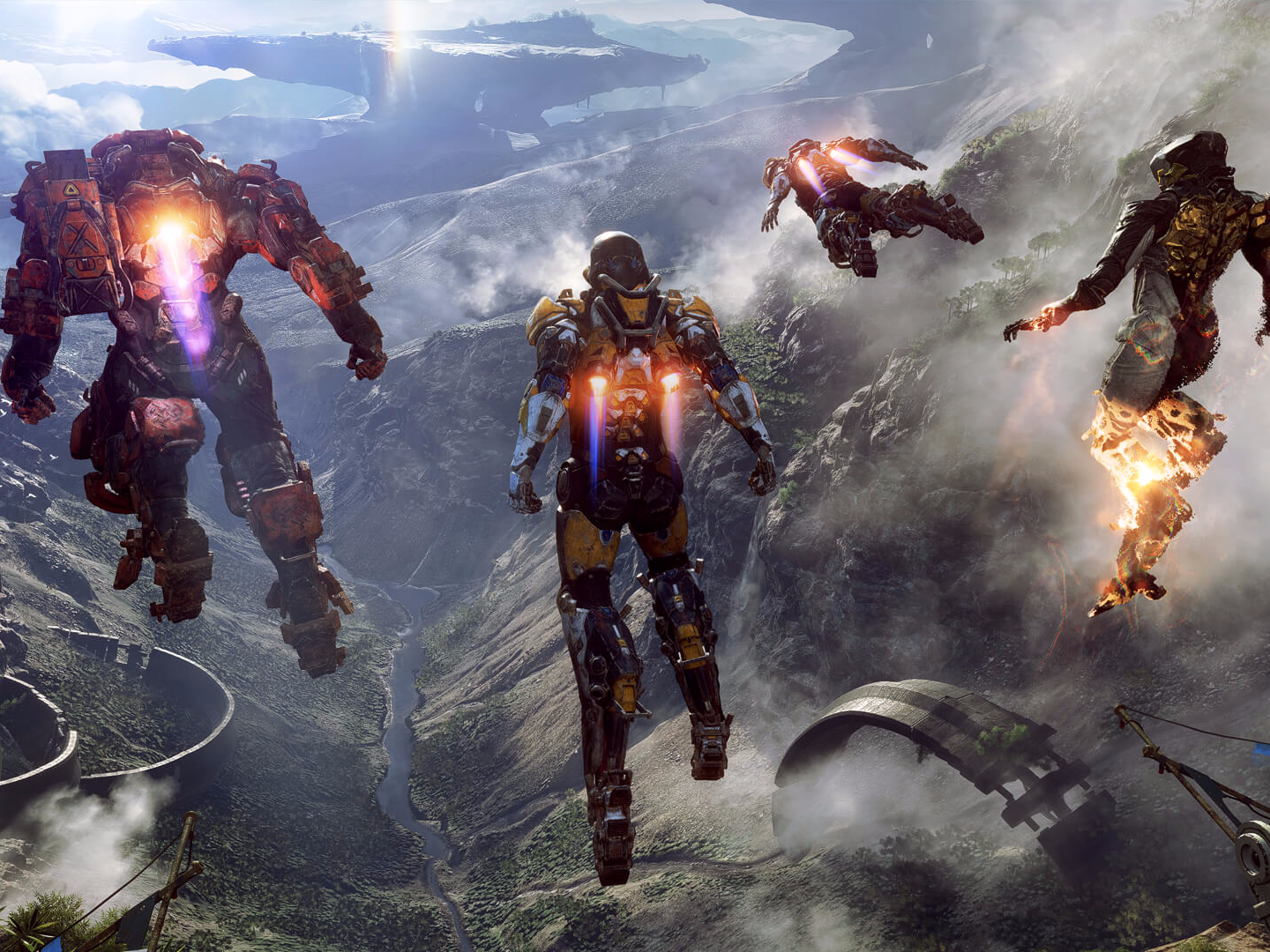
At this year’s E3, BioWare teased gamers on day one. It was during the EA Play conference that they showed us what they had been working on for five years. After the initial tease, a message stated that more would be revealed at Microsoft’s E3 Conference. So finally, at the end of the two-hour press event held by Microsoft, the last game featured was BioWare’s new online “Destiny-killer”: Anthem.
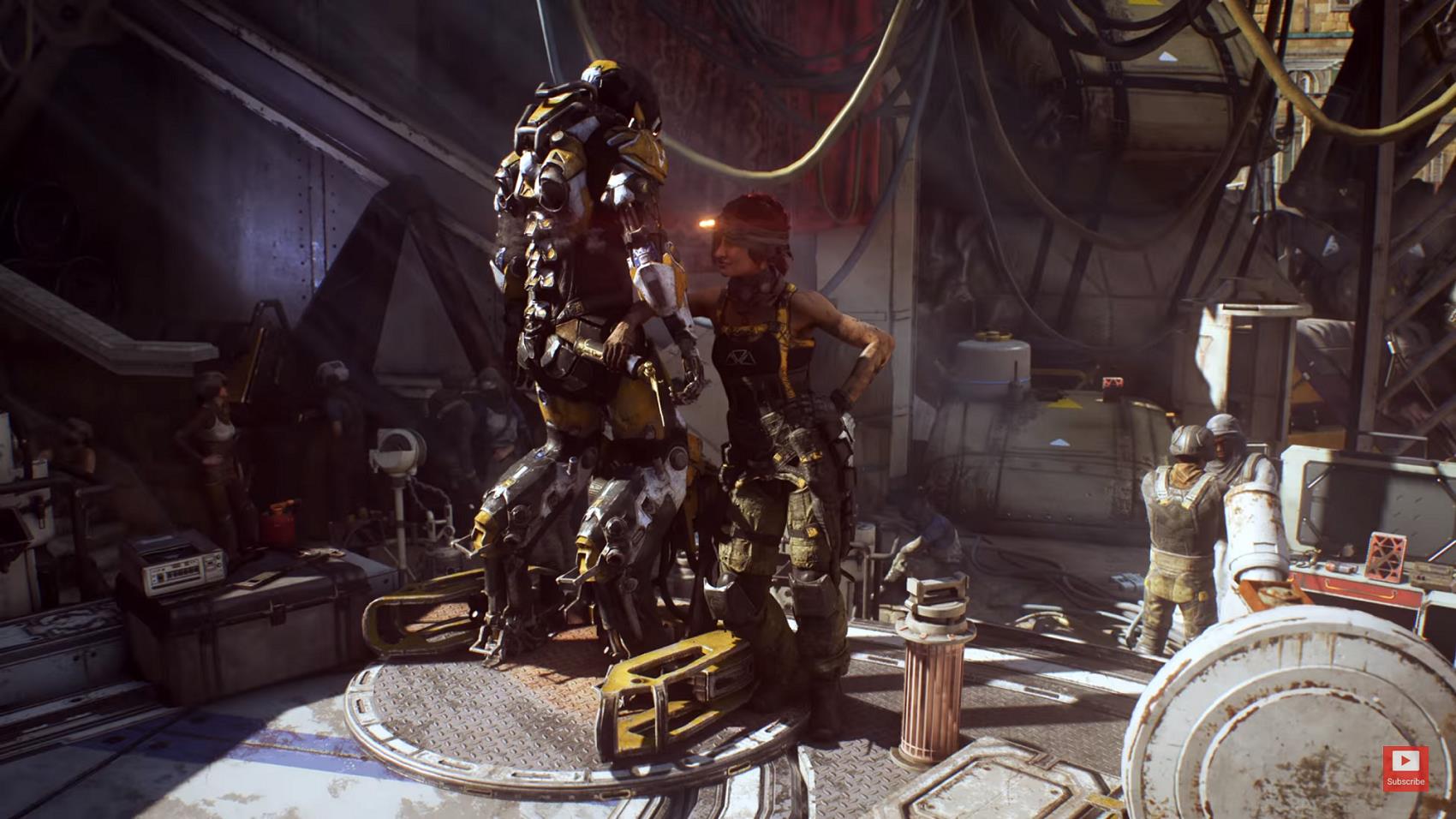
A full-out online adventure, pitting the human race at the bottom of the barrel, you explore the vast lands in your ‘Javelin’, an exosuit designed to keep you alive when leaving the safety of the settlement’s walls. The main settlement, which acts as a ‘hub’, allows the player to customize Javelin suits and take on more missions and quests.
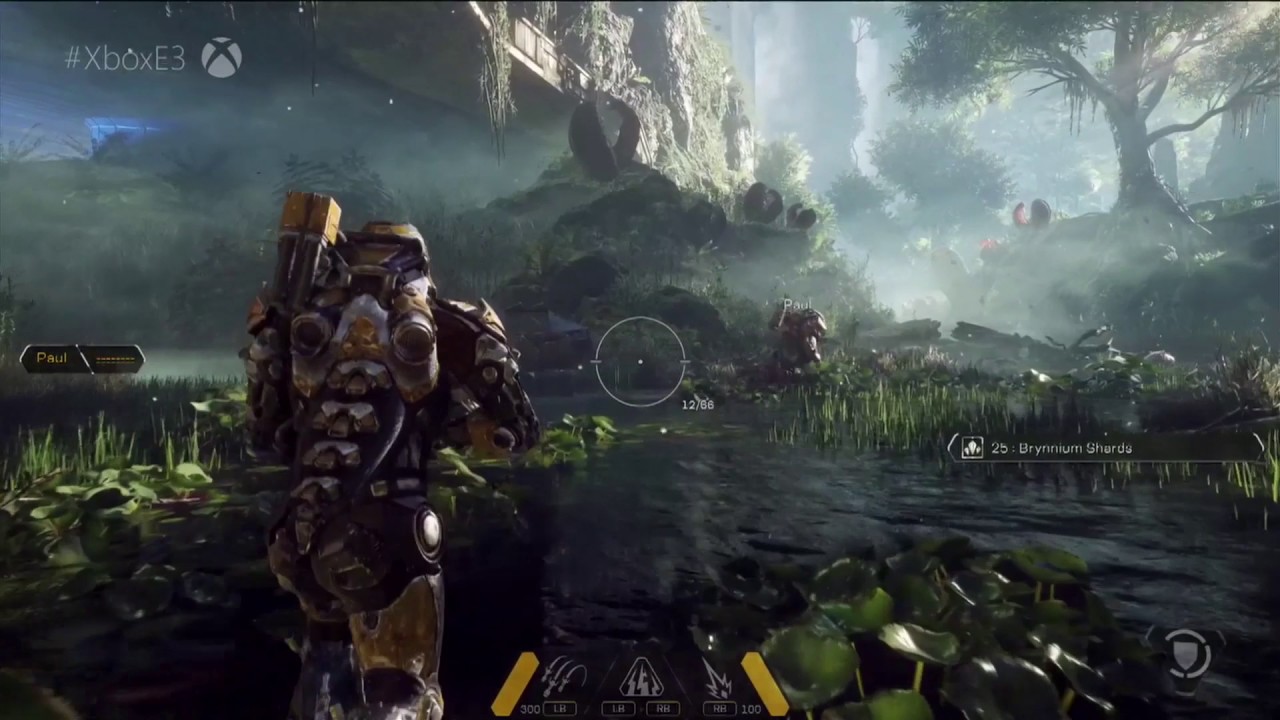
Stunning graphics, visuals and lighting, the gameplay footage seen at E3 2017 looked as smooth as any game to date. Taking the role of a freelancer, you explore outside the barrier of the walls of Fort Tarsis, to protect humanity and make new discoveries to further aid the human race. The gorgeous, expandable, open world full of unknown mysteries and surprises, along with what the Lead Designer of the project, Corey Gaspur calls “an amazing BioWare story”, is enough to hype plenty of fans looking forward to expanding their online expeditions.
Though previewed with online play and a large focus surrounding online co-op quests, BioWare states that Anthem is completely playable as a solo campaign, reaching out to those not interested in sharing the experience with other players. With deadly threats and ambushes throughout the world of Anthem though, online co-op might be what saves your life in dicey situations.
The upgradable Javelin suit gives your player personality in and out of battle. Different variations of the suits, like the quick and nimble Ranger, or the mega strength Colossus model – good for taking out dangerous enemies – as well as other models not yet mentioned, leave a strong sense of uniqueness to each exosuit. Said to be “heavily customizable”, these suits give you the creative controls to make your Javelin look and play as you wish. In the demo footage from E3, the Javelin is also shown submerging underwater with a continuous thrust from the jet-pack, making traversing the vast world as exciting as it is impressive.
The combat system in Anthem looks similar to BioWare’s Mass Effect, with cover and shoot gameplay, along with special abilities equipped on the Javelin – like the mortar bomb attached to the colossus or the missile barrage on the ranger displayed in the demo. With talk of various additions to add to the Javelin exosuits, you can expect more options and weapons to make their way into the world of Anthem.
Dangerous foes and giant beasts are not the only threatening disturbance in the dynamic realm. Shaper Storms and other world events will see you fighting through furious winds and lightning, and upon completion of these, more events will be unlocked. At the end of the E3 demo footage, the player is shown, purposely, flying directly into the heart of the storm where other players wait.
Not many details were released about Anthem’s overall playability. The healthy dose of gameplay was more than enough to get fans excited for the new IP however. We also know that Anthem is set to release on the PlayStation 4/Pro, Xbox One/One X and PC, sometime in 2018. Be sure to check back with D-pad Joy for more updates on BioWare’s exciting new game.
If you’re, (like me), struggling to keep up to date with all the new amiibo Nintendo has announced at E3, then hopefully you’ll find this list we assembled useful.
We have new amiibo for Super Mario Odyssey, Metroid, Fire Emblem, Zelda and even the Mario & Luigi series. One thing’s for certain: you haven’t seen the last of these little figures. Take a gander below and get your wallet ready while you’re at it.
Super Mario Odyssey
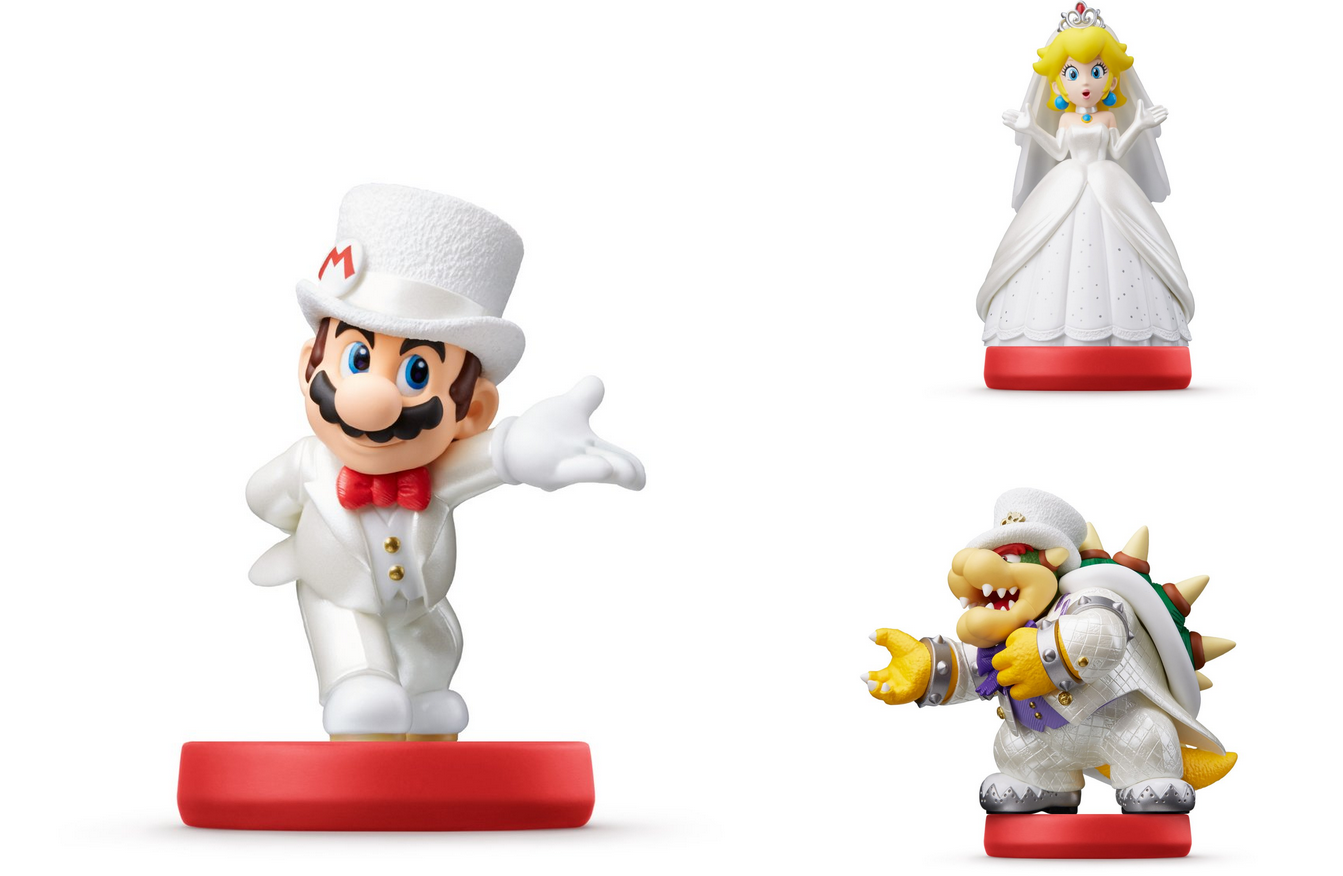
Three new amiibo were announced for Super Mario Odyssey, with Mario, Peach and Bowser in wedding outfits… Yes, Bowser wants to marry Peach, presumably as the ultimate form of revenge against Mario. Looking dapper indeed Bowser.
Release date: Same day as the game – 27th October
The Legend of Zelda: Breath of the Wild
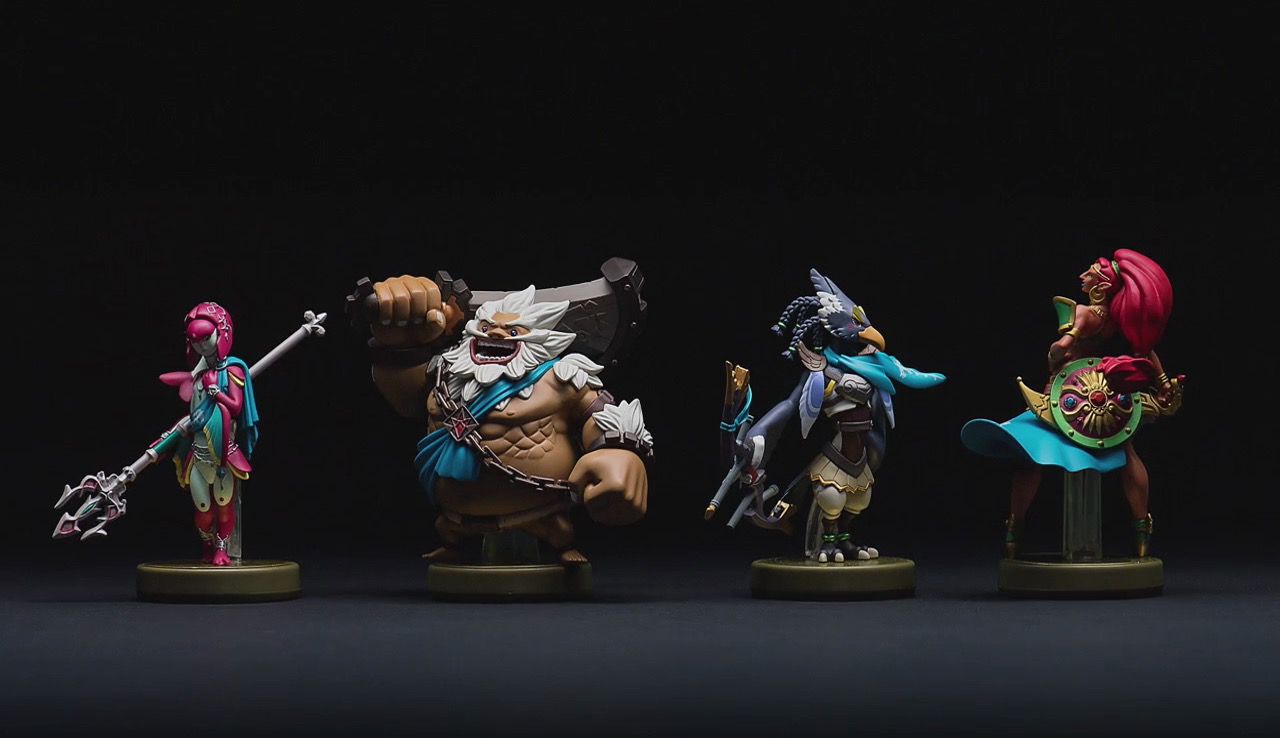
Four new amiibo for Breath of the Wild are coming, based on the champions in the game: Goron champion Daruk, the Rito champion Revali, the Zora champion Mipha and the Gerudo champion Urbosa. The level of detail on these guys is some of the best we’ve seen so far.
Release date: Holiday 2017
Metroid: Samus Returns
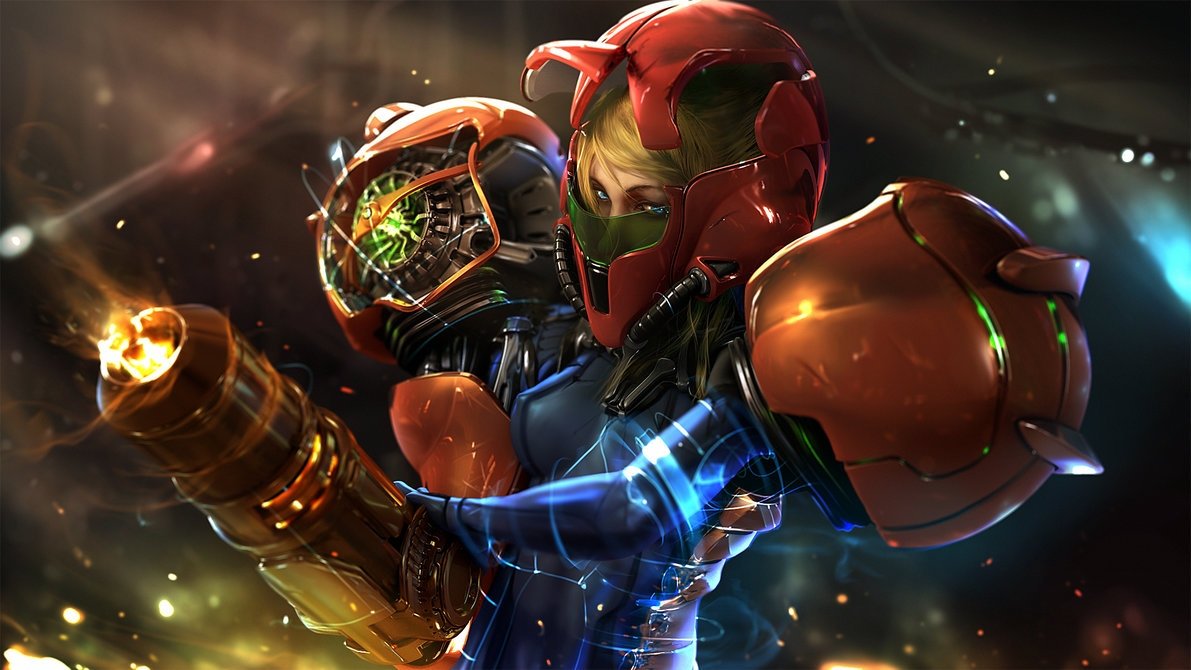
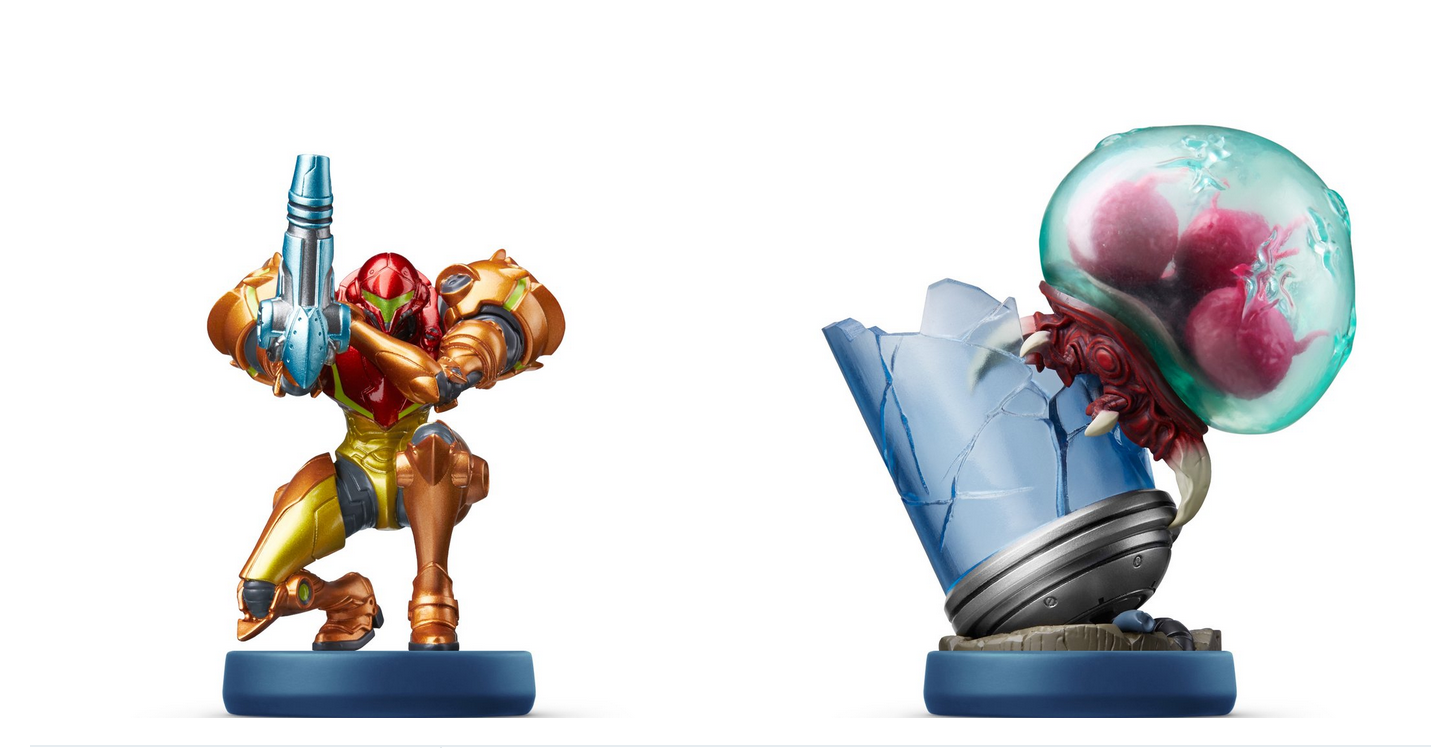
Two amiibo were announced for the new 3DS Metroid game. We have Samus Aran herself, along with a Metroid perched atop a broken containment tube. The Metroid design in particular is fantastic – it’s also squishable.
Release date: Same day as the game – 15th September
Mario & Luigi: Superstar Saga + Bowser’s Minions
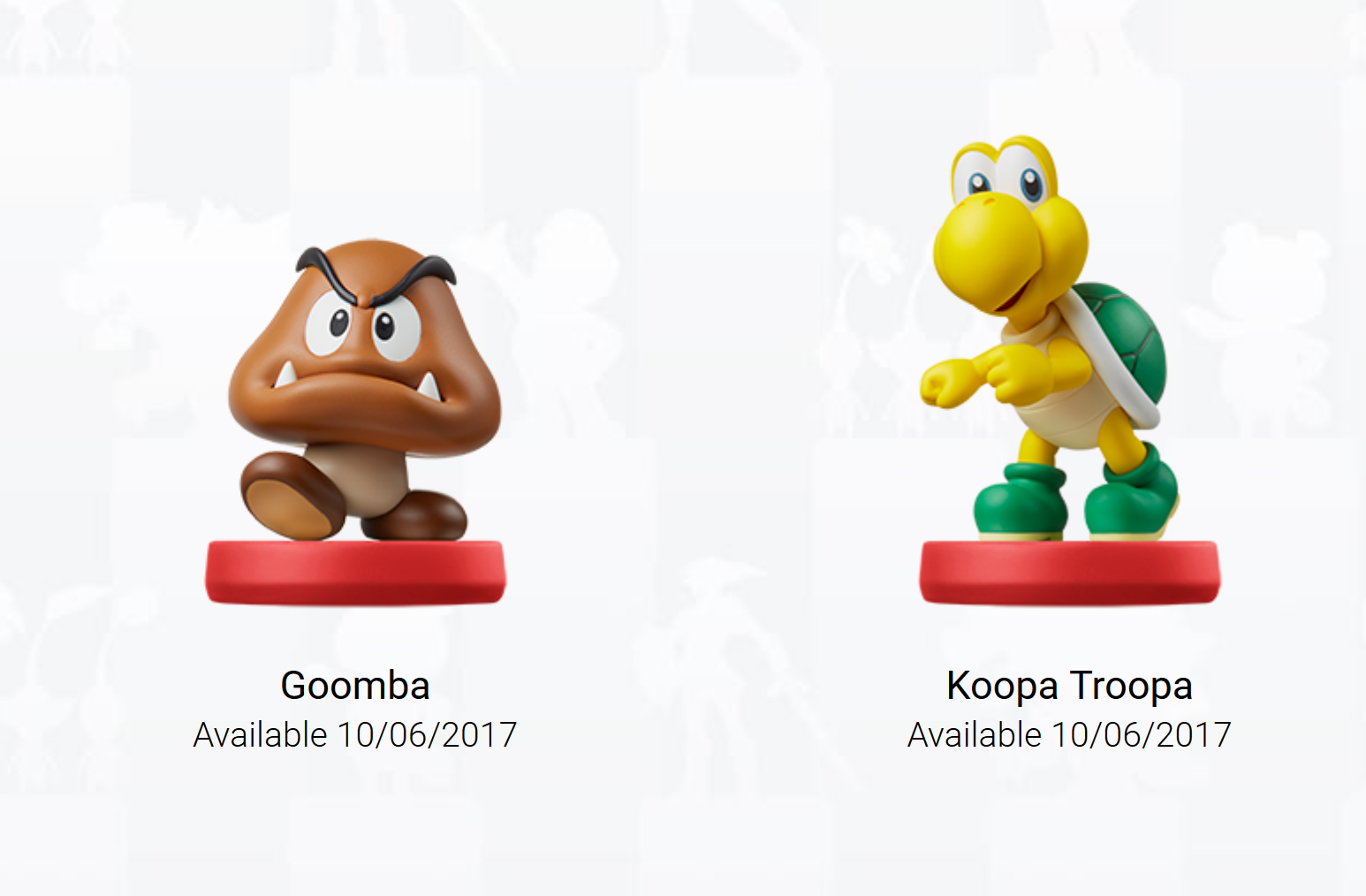
The surprise remake of the GBA game Mario & Luigi: Superstar Saga + Bowser’s Minions, (Nintendo announced the game after their E3 conference in the Treehouse stream) will have two plain amiibo launch alongside it. We have Goomba and Koopa Troopa figures, but unfortunately no Cackletta or Fawful ones – what a shame.
Release date: Same day as the game – 6th October
Fire Emblem Warriors
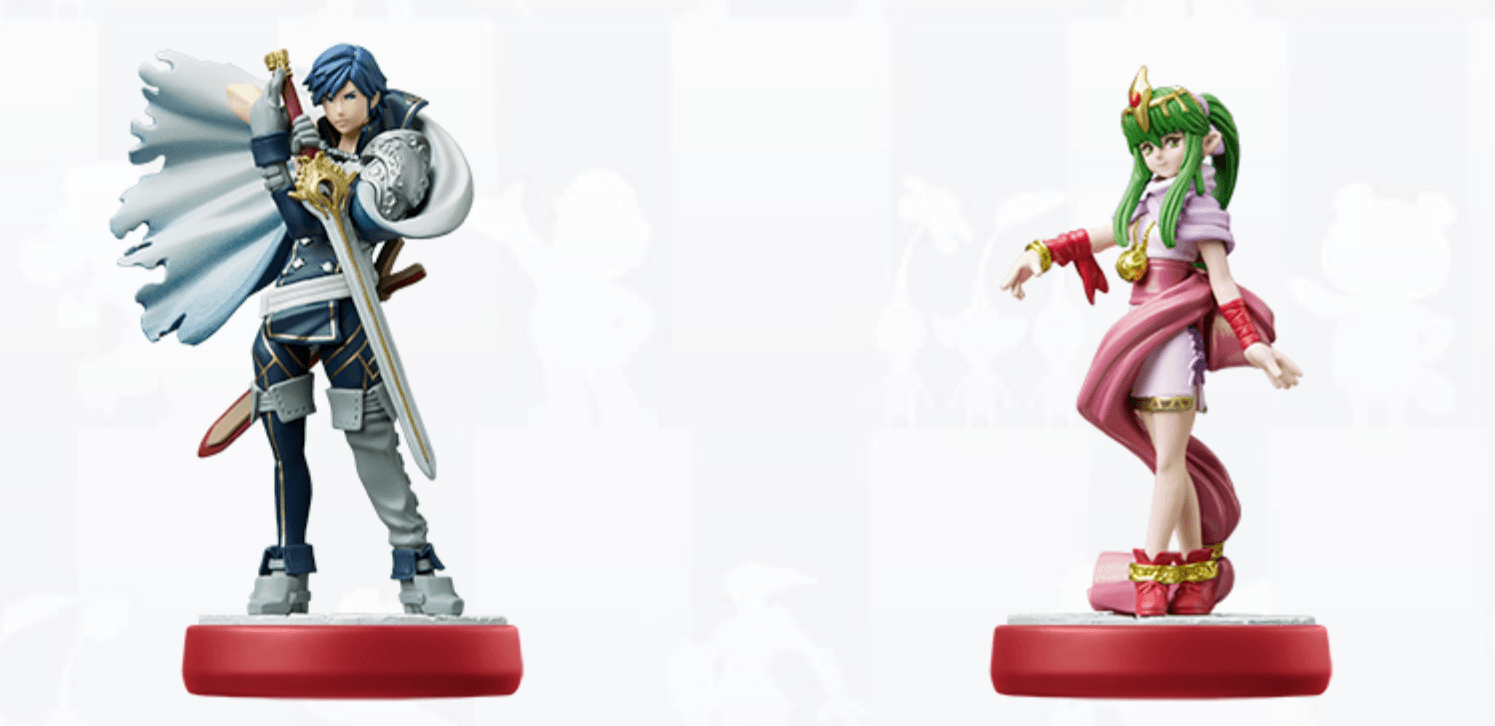
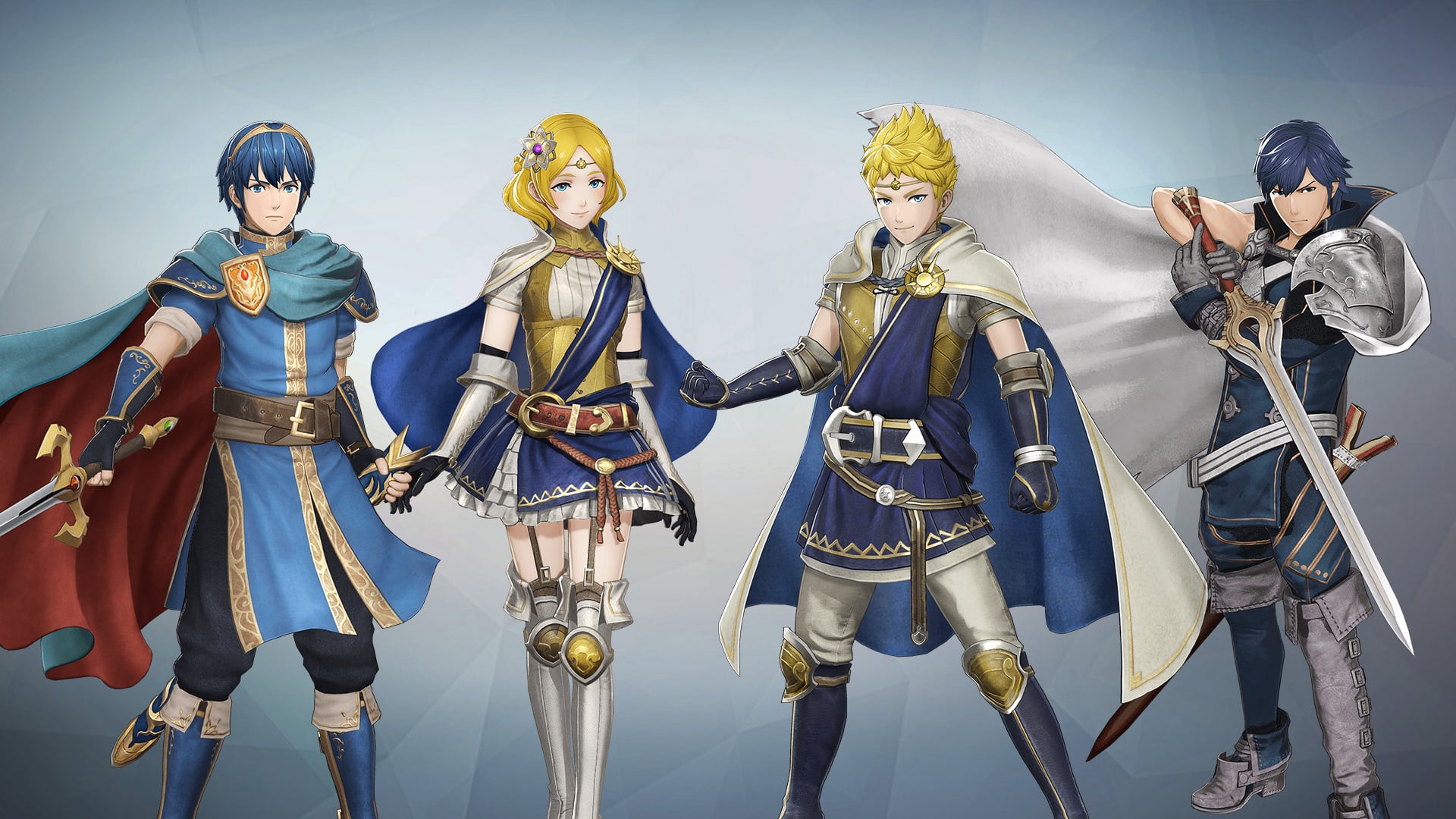
The hack and slash Fire Emblem Warriors gets two amiibo figures: Fire Emblem Awakening’s Chrom and the Manakete Tiki. Chrom just missed out on being included in Super Smash Bros. Wii U, so it’s good to see him get a dedicated figure at last.
Release date: Fall 2017
That’s your lot for now. We’ll update this post if Nintendo decides to announce anymore. Is your wallet weeping, or are you not fussed by amiibo? Let us know below!
‘An evil dragon appeared bringing chaos and destruction’, cue the Fire Emblem Warriors announcement trailer at Nintendo’s Spotlight E3 conference.
Let’s face it, Fire Emblem fans have been spoilt for choice this year with Fire Emblem Echoes: Shadows of Valentia (on Nintendo 3DS), the mobile game Fire Emblem Heroes and now Warriors. I’m all for more Fire Emblem as a fan, but is it too much at once?
Back to Fire Emblem Warriors for a second. It’s being developed by Intelligent Systems, and Koei Tecmo and it’s an homage to fans of the franchise, chock-full of easter eggs and characters (Marth and the lovely Chrom to name but a few) from different worlds and time periods. It’s a hack and slash action game much like Hyrule Warriors in terms of gameplay and the fact you’ll be taking on hordes of enemies.
The weapon triangle, leveling up, special moves/critical hits and the pairing of characters, which are famous in the series, are back in Warriors. Aesthetically, the special moves look glorious as you slaughter enemies with sword strokes (obviously this will depend on your character!).
The story follows two twin siblings, embarking on a journey to kill an evil dragon in order to protect their people. Standard stuff, but it’ll work. Here’s Nintendo’s short synopsis on the E3 Trailer:
Clash with legions of soldiers and fierce monsters as Marth, Xander, Corrin, and other Fire Emblem heroes unleash over-the-top-powerful Dynasty Warriors-style moves.
I’m happy to see Warriors shaping up so nicely and I think it will be great fun to play, although, again, I’m surprised at how quickly they got this game out (granted that it’s not your average FE). Hopefully, the Fire Emblem series won’t be churned out every year like some franchises though…
I understand that Fire Emblem is a big IP for Nintendo (now it is, thanks to Awakening), but what about other grid-based games and IPs? A new Advance Wars game would be welcomed and I’d like to see Code Name: S.T.E.A.M. on the Switch too. Can you imagine how good that would look? Drools. (Maybe that’s just me?) I think it’s time to take a few more risks again basically – the biggest strength the company has is their creativity and innovation after all.
Overall, I was very pleased with Nintendo’s E3 Spotlight, it must be said. I just want to see Nintendo go full-out with their creativity, and hopefully that’s the path they’re going down. Maybe less Fire Emblem in the future and more Advance Wars (something, please!) would scratch my itch.
What do you think? Am I right to worry about the Fire Emblem IP being used to much? Let me know in the comments below.
Fire Emblem Warriors will be released on Nintendo Switch in Fall 2017.