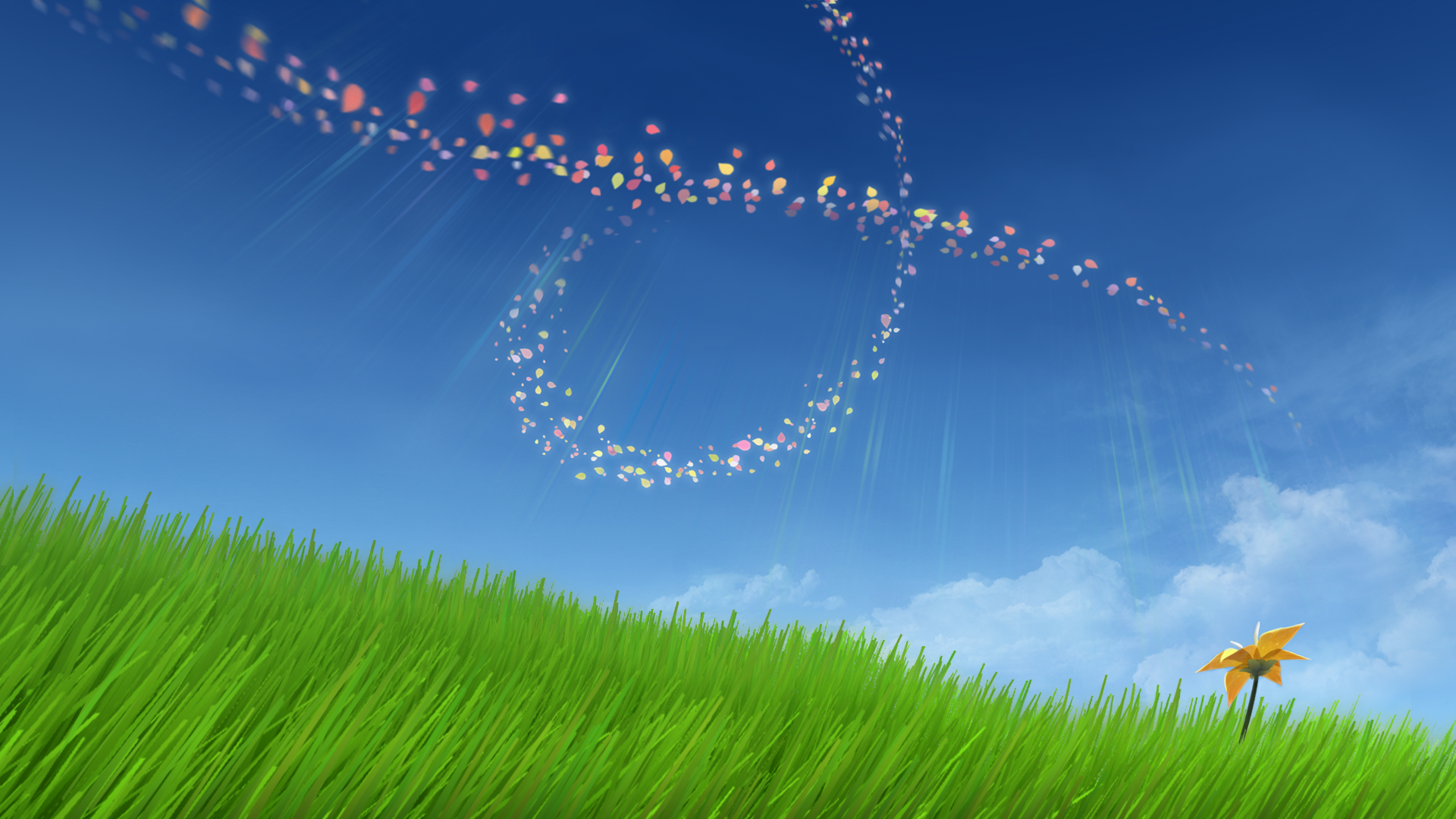
Is ‘Leaking’ In The Games Industry A Real Problem?

We hear about this all the time; developing company A has had some of its under-wraps footage leaked by irresponsible staff member B. Most likely, this staff member will be the intern, but either way, it’s still a common feature in today’s news. My issue here though is this: is this actually a problem where members of staff can’t be trusted, or are companies aware of the publicity they’ll receive as a result?

The material often contains several screenshots, which usually get left online, along with short trailers that detail certain aspects of the game. Be it multiplayer, or highlighting some of the single player campaign, the videos are usually pretty juicy and get that little bit more hype circulating around the game.

So knowing that hype will be created as a result, are some developers playing us for fools and playing innocent? Well, in some respects you would say definitely yes, as, given the fact that some material stays online, this suggests that they are not top-secret. A strong PR campaign can make the difference between being the top spot in the charts, or being pipped to the post by your closest rival. When people are already excited about your game, thanks to E3 and other expos, then how else to make them more excited than ‘leaking’ a video that is meant to be withheld?

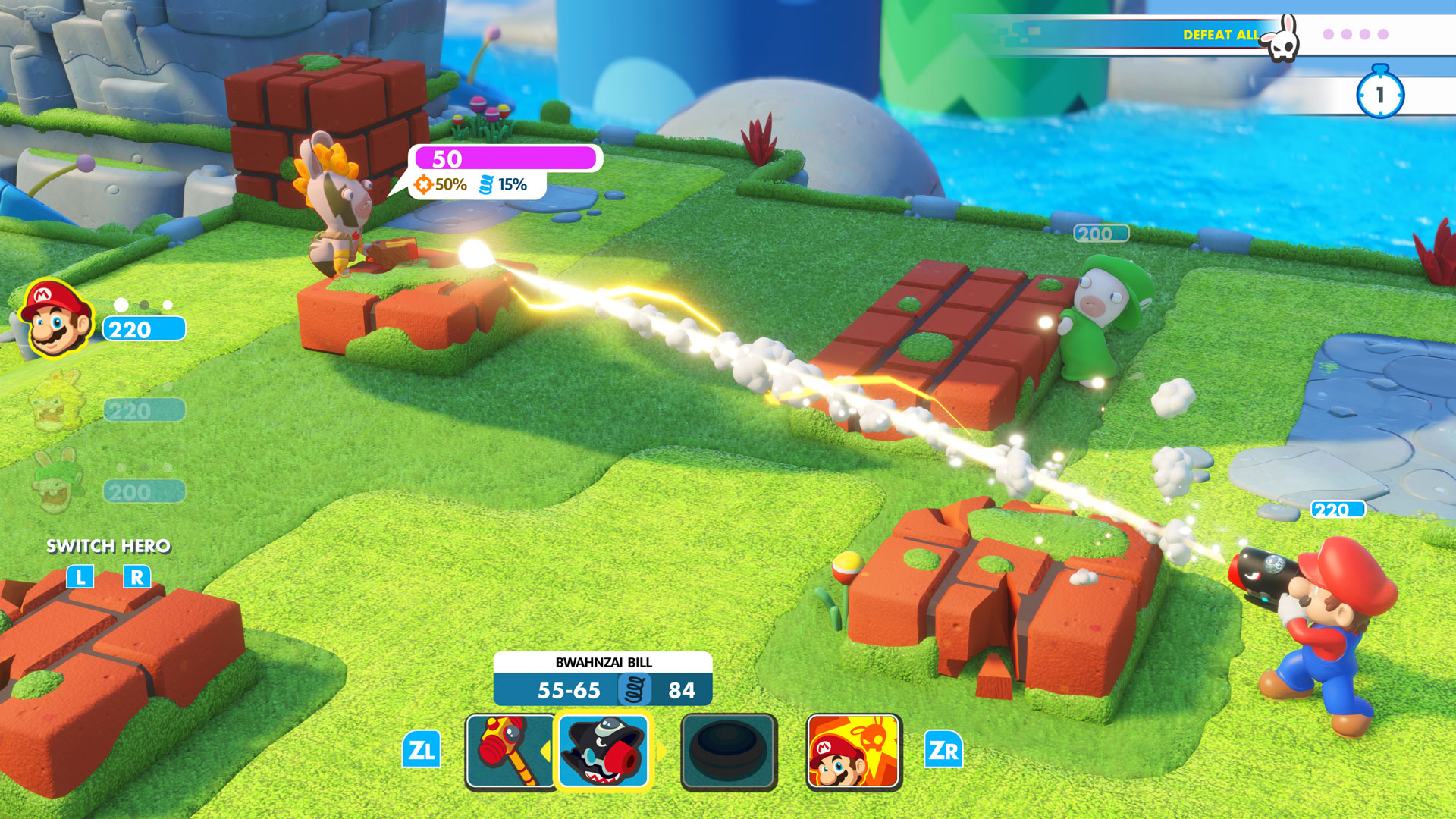
Mario Xcom
Remember this leak?

Unquestionably, these trailers and screens will keep the forumites busy which in turn, for the vast majority, will result in sales due to the expectation put on the game. You see, the positives stack up when you think about this logically and you can see why companies would do such a thing. There never seems to be any fallout from any of these incidents whereby staff have been laid off or any of their staff have spoken out against the developer. More food for thought.

On the other hand, though, could game developers just be on the receiving end of poor personal discipline in their PR department? Well, maybe, considering the hasty withdrawals of some of the leaked content, I mean if it was purposely done then you’d leave it out there longer wouldn’t you?

Whilst the accidentally-on-purpose leaking of this information might help a company in terms of sales, it can also have a negative effect on their chances too. Rival companies can see the latest additions and changes that have been made to the game and therefore do their best to replicate or exceed them in their own game. It’s unlikely when the game is at a late stage in development, yes, but if it was possible then a rival company wouldn’t discount the opportunity.

Whatever the end scenario is, it’s unlikely that we’ll ever know how material crops up on the internet. Be it a clever marketing ploy or a genuine fumble of accounts, (or a bit of both), one thing’s for sure: 90% of the time, this will create a positive buzz about the game in development.

Top 5 Best Food-Based Game Levels… Ever!

Over here at D-pad Joy, we love two things. Firstly and foremost, we love gaming. Secondly, we adore food. And what’s better than enjoying these two things separately? Enjoying them together.

And when food and gaming mix, it is a glorious thing. So in light of this, here are our absolute 5 best food-based game levels… ever!

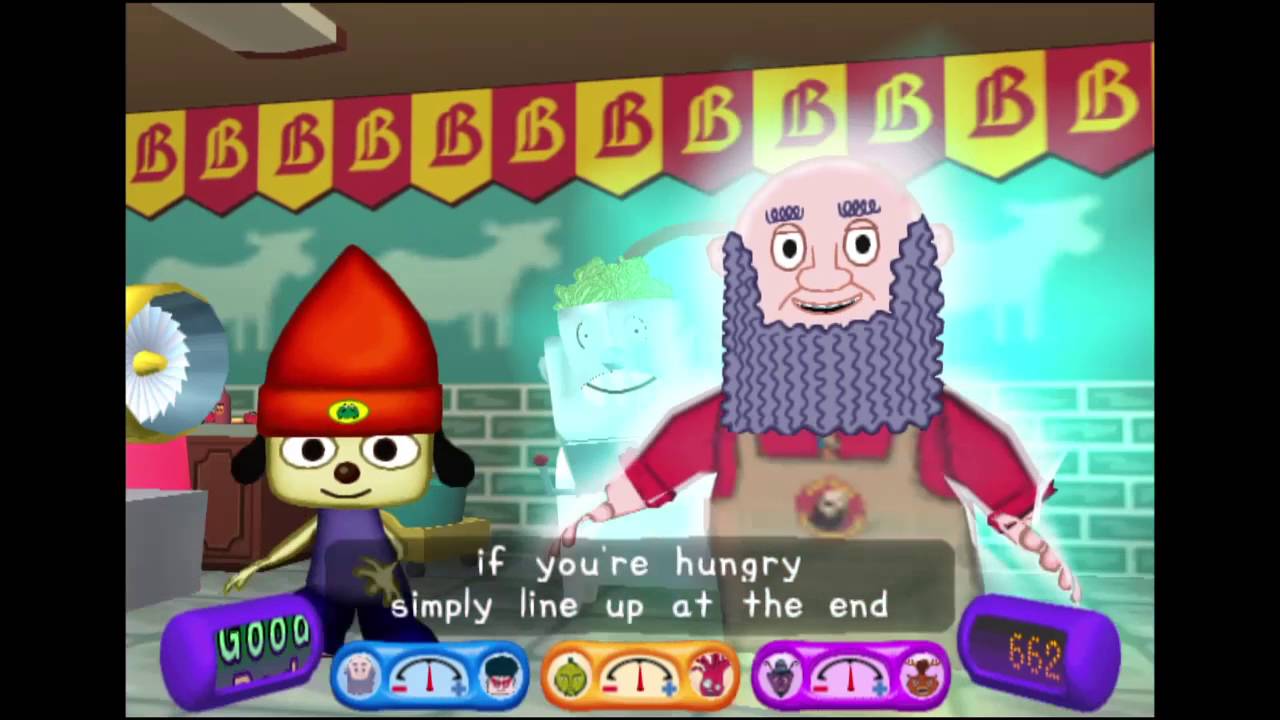
5) Toasty Buns – Parappa The Rapper 2 (PS2)

1

The original Parappa The Rapper game had some of the most inventive and creative music ever seen in a video game. It was catchy, well-produced and fit the game perfectly. So there was a lot of pressure for the sequel to live up to its predecessor.

Needless to say, all fears were alleviated as soon as this level started up. The graphics were massively improved, the sound quality was fantastic and the game was much, much more polished than anyone had expected.

Also, did anybody else finish this level with a mad craving for burgers? McDonald’s, here we come.

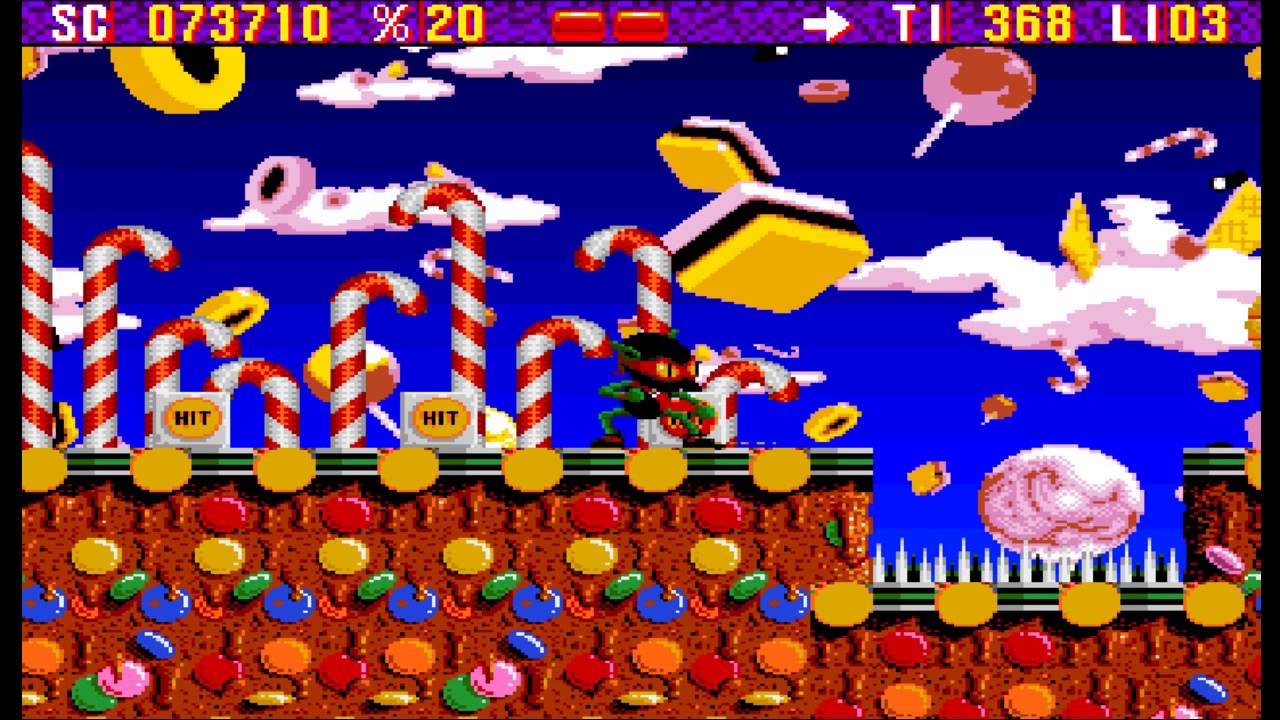
4) 1.1 – Zool (Amiga)

2

To be honest, I could pick any level from the Zool franchise. It seemed wherever you turned, whatever level you were on, Zool was choc-a-block full of candy canes, jelly bean and of course, the infamous Chupa Chup lollipops!

Playing this game with a big bag of M&M’s beside you has never felt so satisfying and oddly enough, I always find myself returning to the Zool franchise every Easter…

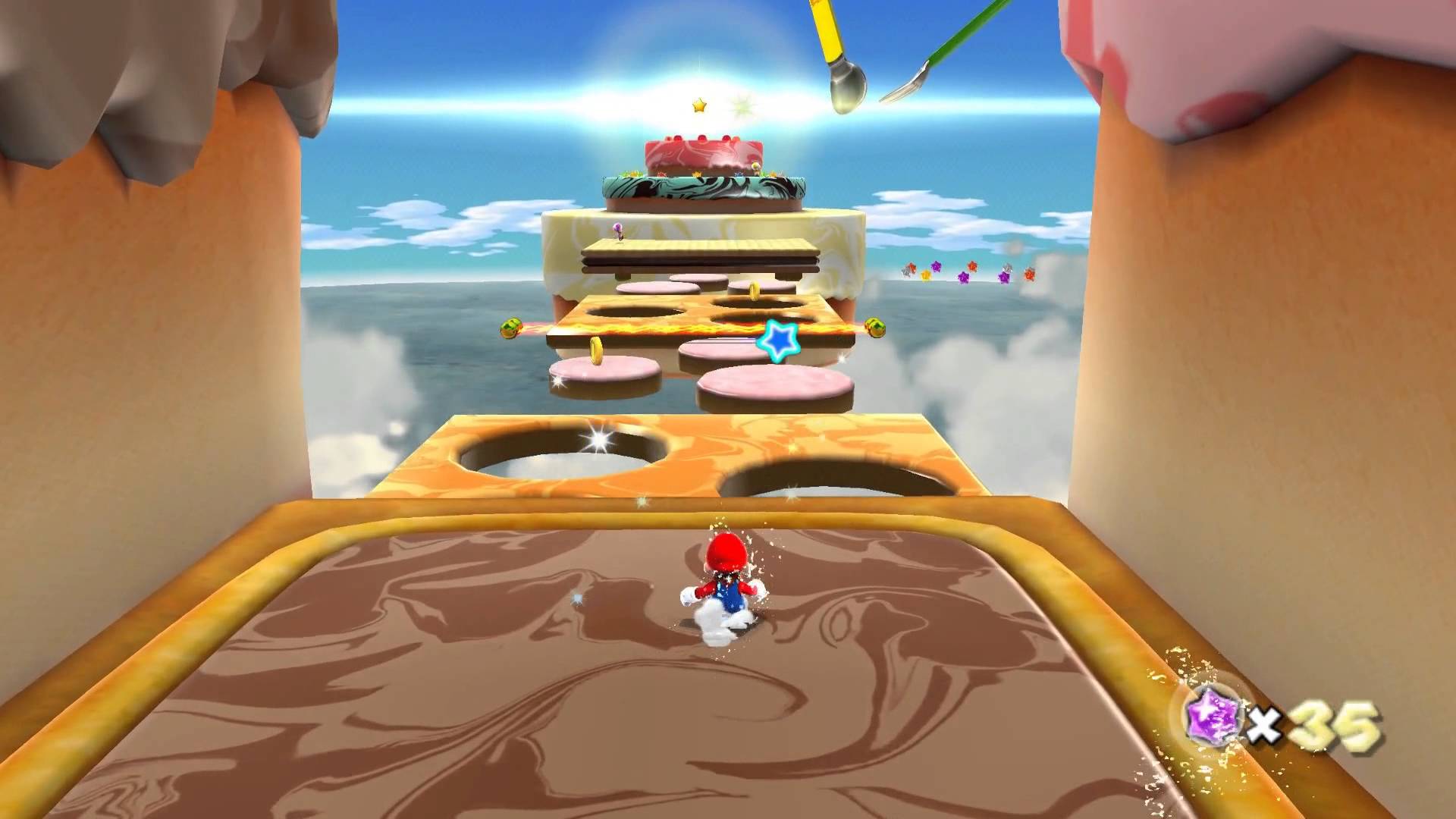
3) Sweet Sweet Galaxy – Super Mario Galaxy (Wii)

3

What’s not to love about this level? As soon as you fly in you’re met with a luxurious view of creamy chocolaty ledges, sweet sponge cubes and a delicious cake at the end of the level. I’ve got a feeling this level was deliberately designed to make the user salivate.

The level itself, although one of the smaller levels within the game, is deceptively tricky. It’s very easy to make a wrong move here, but then who cares? One more play through means one more time gazing longingly at the creamy goodness…. *drools*

2) Chocolate Factory – Castle of Illusion (Master System)

4

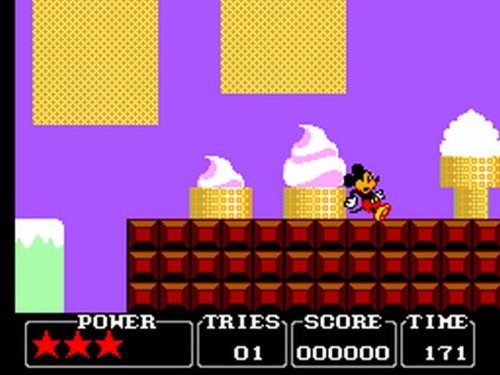
The third level from the Master System version of Castle of Illusion is surprisingly quite varied in its level design. You start off with a moving screen, trying desperately not to be caught out. There are narrow parts, wide open parts, swimming parts and good old fashioned platforming. You travel left, you travel right all whilst surrounded by chocolate. Lots and lots of chocolate.

I have a lot of time for this level. It is as fun to look at as it is to play. The only thing that keeps it off the top spot is the rather easy final boss battle, unfortunately.

1) Jelly Jitters – Micro Machines 2: Turbo Tournament (Mega Drive)

5

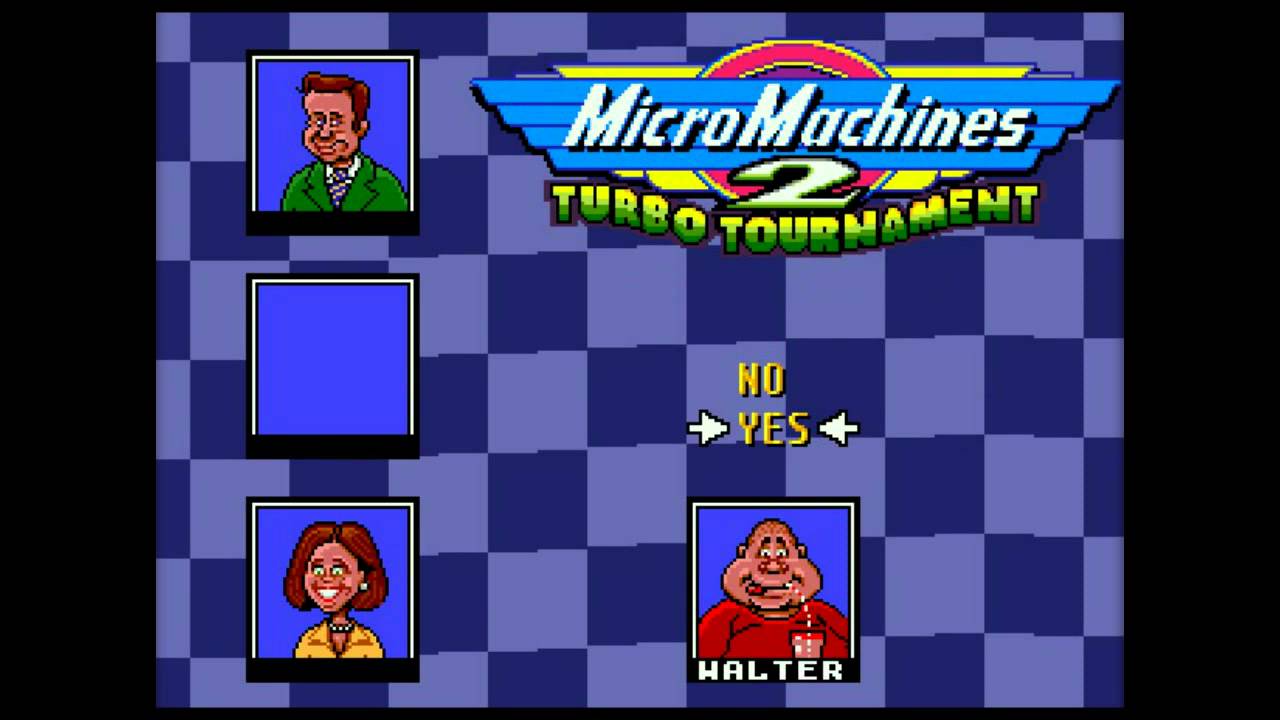
Micro Machines 2 is the undisputed don of frantic, race spoiling fun! With the ability for 8 players to play simultaneously, all jousting for position, deliberately knocking one another off and racing for glory, how could you not have fun whilst playing this masterpiece?

Now there were a lot of great tracks in MM2 but some of the trickier ones took place on a breakfast table. Jelly Jitters always seemed to be a track that was oddly difficult. You had to race big digger trucks which took ages to reach top speed. The challenge lay in avoiding hitting anything as if you did, you would lose a lot of time. Stupidly good fun though.

What would you pick, reader?

Stephen King’s The Dark Tower series would make for a great video game

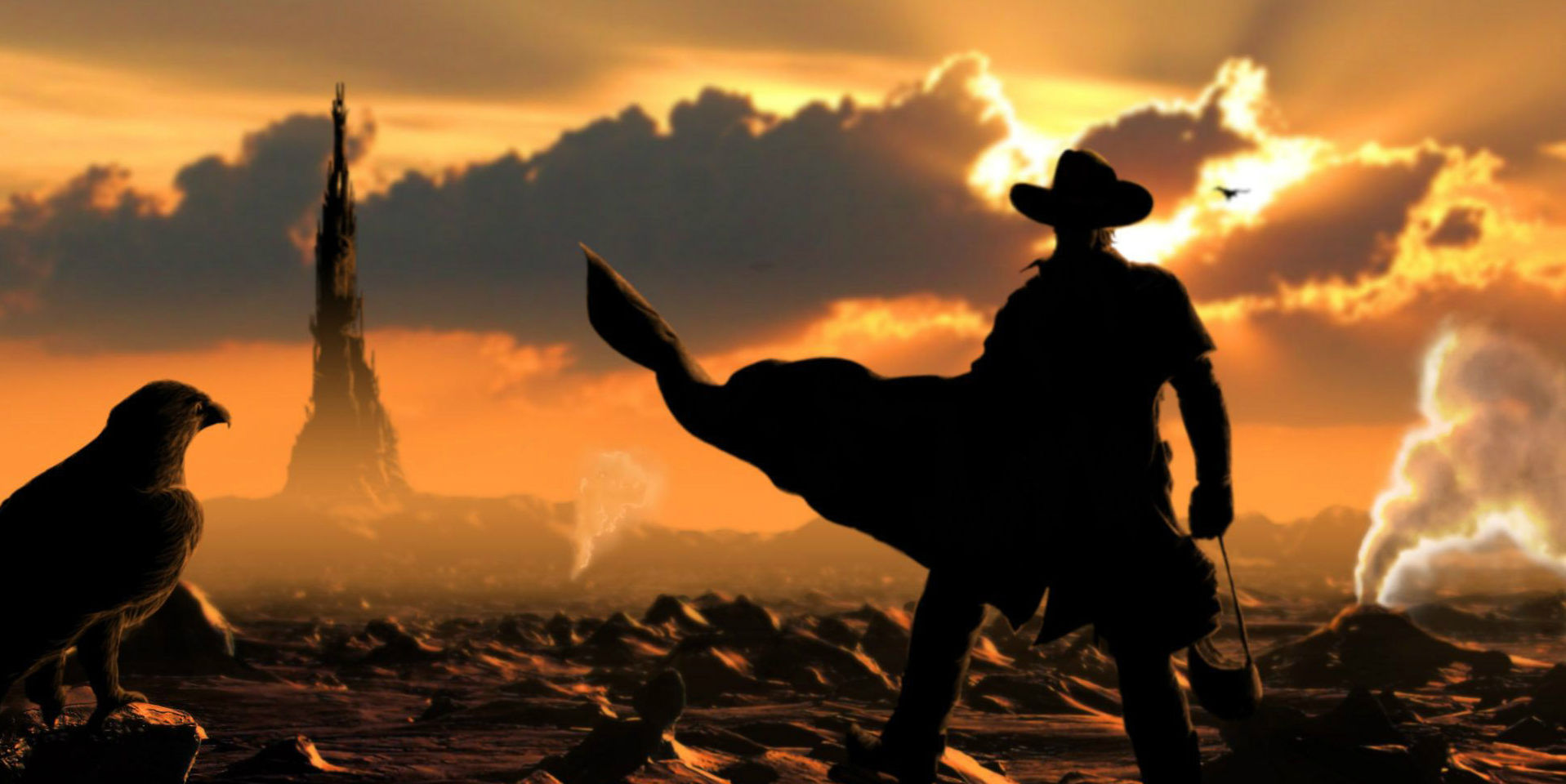
“The Man in Black fled across the desert, and the gunslinger followed.” This is the very first line from book one (The Gunslinger) of the epic Dark Tower series from Stephen King. This one line leaves you with great anticipation of the adventure you’re about to experience. This one line could easily be a pitch for, let’s say, a video game (or a sh** movie…) based off this series of books.

The Dark Tower is an epic tale, that mixes western, sci-fi, good vs evil, and fantasy in one very special package that is begging to be put in the hands of a good developer. You could take this potential game in so many directions. The two I would recommend is either an open world adventure like Red Dead Redemption or a choose your own adventure like Telltale – by going through the book’s story over multiple seasons, just like they have done with their other series of games.

For an open world game, there is limitless potential in the Dark Tower series, because there are quite a few different worlds, and each one can be radically different or similar to the others. But, if I were in charge of developing the game, I wouldn’t get crazy and go off the rails like the books get later on. I would keep it grounded, and would base it off the first book. The opening line sums up the first book to a tee, and that’s what the game could resemble. Exploring the universe of the Dark Tower series, meeting the iconic characters, doing quests, learning more about the lore, and ultimately chasing down the Man in Black.

The Telltale route would be an interesting endeavour because in those games you make the choices for the character, so you would have to spin-off the source material to make it work. If this were to happen, Telltale studios should have no problem pulling this off. They’ve done it with their other games The Walking Dead, Batman, Game of Thrones, etc. It would be awesome to experience what their version of a Stephen King world would be like.

The Dark Tower series really does have it all, from sorcerers to demons, to talking animals, to gunfights, to deep and intriguing characters, an expansive story and lore with connections to Stephen King’s other works. This series would do wonders in an experienced studio’s hand like Rockstar, Telltale or even better would be CD Projekt Red. If you can adapt the books without completely tarnishing what made the book series special, cough *the movie* cough, then it would be an absolute blast to be able to control Roland the gunslinger and hunt down the Man in Black.

If you guys have no idea what the Dark Tower is, I will include the movie trailer below, but I HIGHLY recommend reading the books, or even the graphic novels instead of watching the movie.

To those fans of The Dark Tower series, what do you think? Is The Dark Tower series primed for a video game adaption? Or should nobody touch it again after the recently released movie? Let me know in the comments below!

The Resurrection of the Retro Element In Video Games

It’s safe to say, the terms “retro” and “nostalgia” have walked hand-in-hand for quite a while. But when we think of “retro” in games today, we think of a certain graphical style, gameplay and music.

Like the demanding bunch of gamers that we are, we always want something new in the gaming scene, even though we miss certain aspects of old games. This desire from us has certainly made for an interesting challenge for game developers. Exploring how nostalgia has become a relevant factor in many modern games, implementing the retro element has shown that games are indeed developing – but why do we choose to look back, rather than forward?

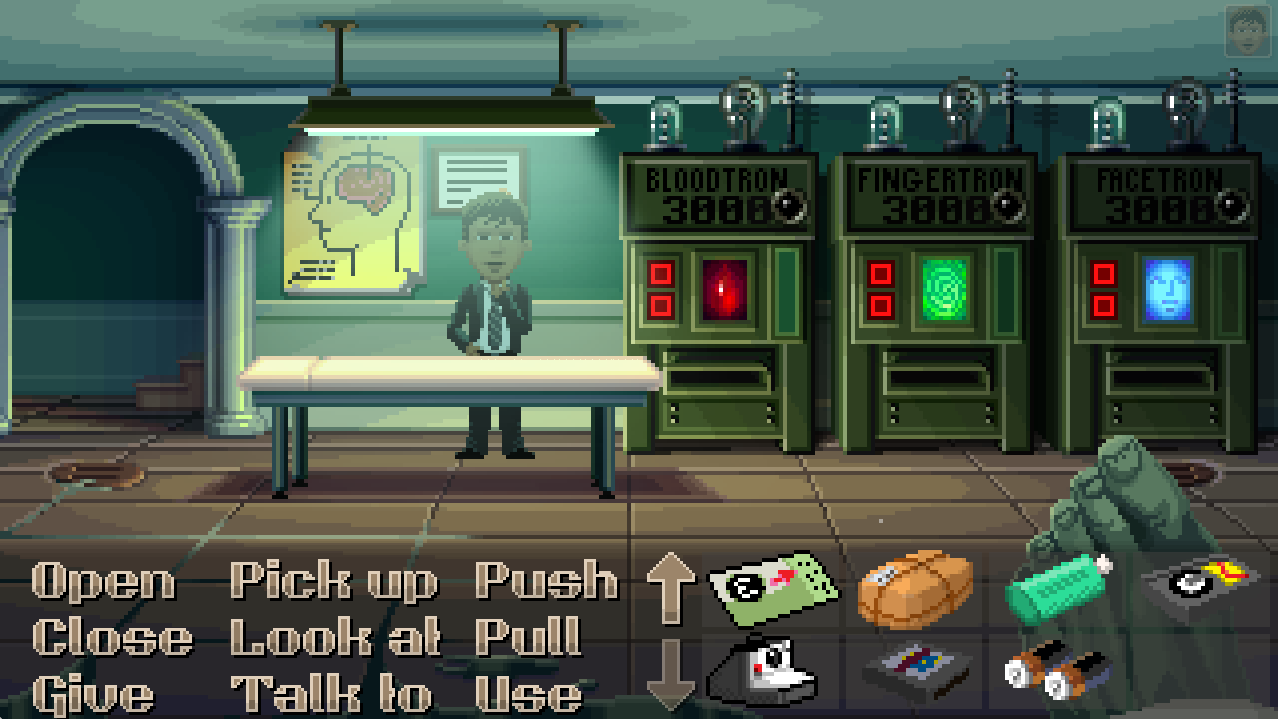
ThimbleweedPark-Reyes-Coroner
Thimbleweed Park is an excellent example of a game with retro gameplay, but with modern dialogue and story.

As the generations for said games grow up, so do our preferences for what type of games we play. Games such as Thimbleweed Park, Owlboy and Stories Untold have emerged from the indie-scene as very popular games, and have so far done a great job to fulfil some of these needs. In terms of retro-style gameplay, Thimbleweed Park provides a classic form of a point-and-click adventure, with an interesting touch on the dialogue. It is funny, weird, and intriguing, and definitely something worth looking into.

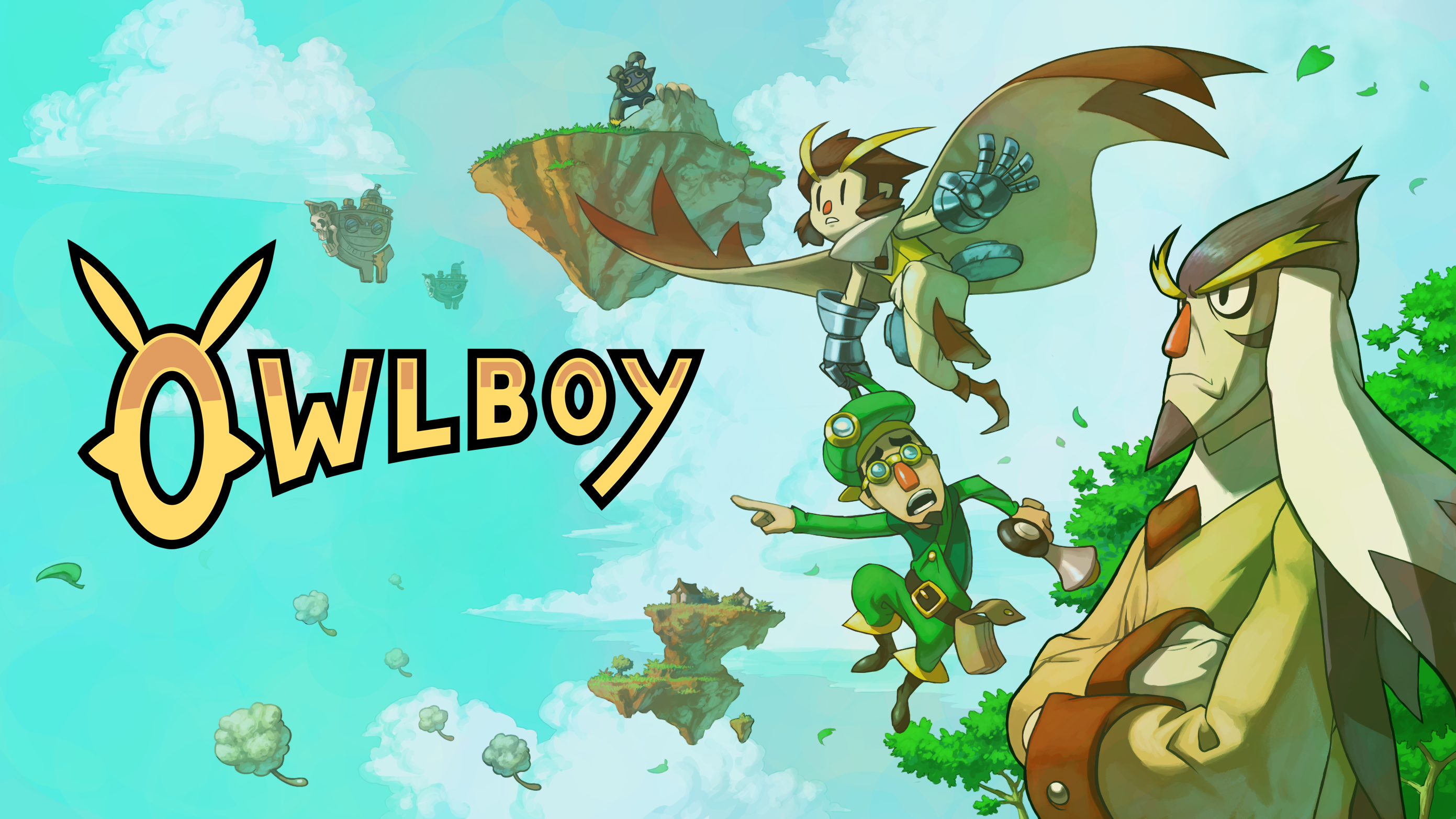
I’m not just mentioning Owlboy just because Norwegian developers made it – something that I am totally unbiased with, of course – but because it is also a good example of how a contemporary made retro game works perfectly, both in form and function. Sprinkled with well-written dialogue and lovable characters, Owlboy offers a really nice retro experience for both older and younger generations of gamers.

So why is this resurrection so fascinating, and why do we need it? The answer is fairly simple: the first gamer generation has grown up, and the gaming scene today is not what it once was; simple and straightforward. The desire for that element has become substantial, and game developers, especially, are taking this into careful consideration.

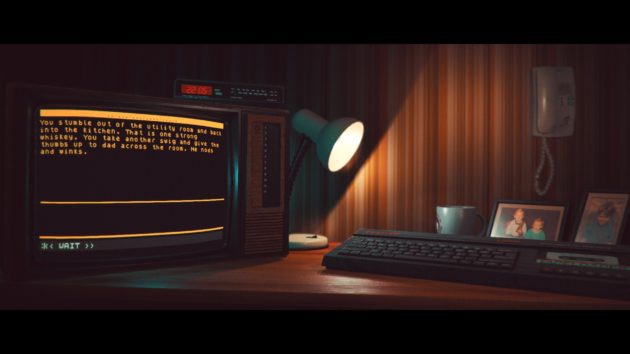
stories untold.jpg
Stories Untold offers frightening, yet compelling storytelling in an interesting way.

Stories Untold is a game that should be praised for the way that the developers have chosen to implement the retro element and is a fairly unique example of how they have tried to immerse the gamer into a world that blends retro and modern together. Stories Untold offers a fascinating gaming experience, where you play through different chapters, following a story that includes several forms of gameplay. The story is unique and is definitely recommended if you are looking for a game that is a tad different from what you may have experienced before.

The games mentioned show us that the resurrection of the retro element in games is highly effective and successful. We have come to a time where people start to discuss how “games have changed since we were kids,” and start to desire certain aspects of how gaming used to be – how they looked, how they sounded, and how they felt. Well, one of the awesome things about game development is that we can basically do whatever we want. A lot of games have been travelling in time lately, to a point where a certain generation of gamers feel like they have been before. This genre – I will dare to categorize it as such – is one that will always be relevant, because there will always be a time and place for looking back.

Will there be a time when gamers do not fully comprehend the meaning of “retro”? Yes, definitely. I have watched several movies in black and white, and that does not mean that I automatically experienced the time when televisions went from black and white to coloured. It will be interesting to see how the term develops, and what game developers choose to do with it as generations pass.

Top 5 Open Worlds of Last Generation

Ah, the open world. Perhaps the most tricky element of modern video gaming for developers to master, the idea of creating a huge gameplay area for players to roam at their own pace and explore to their heart’s content is certainly not unique.

But which open-worlds stood out the most in the last generation and can serve as a guiding light for this one? Where can you go to be completely immersed into the storyline experience of a particular game? Here are my Top 5 picks of the best open-worlds we saw on Xbox 360, Nintendo Wii, PlayStation 3 and the other, now, last generation consoles…

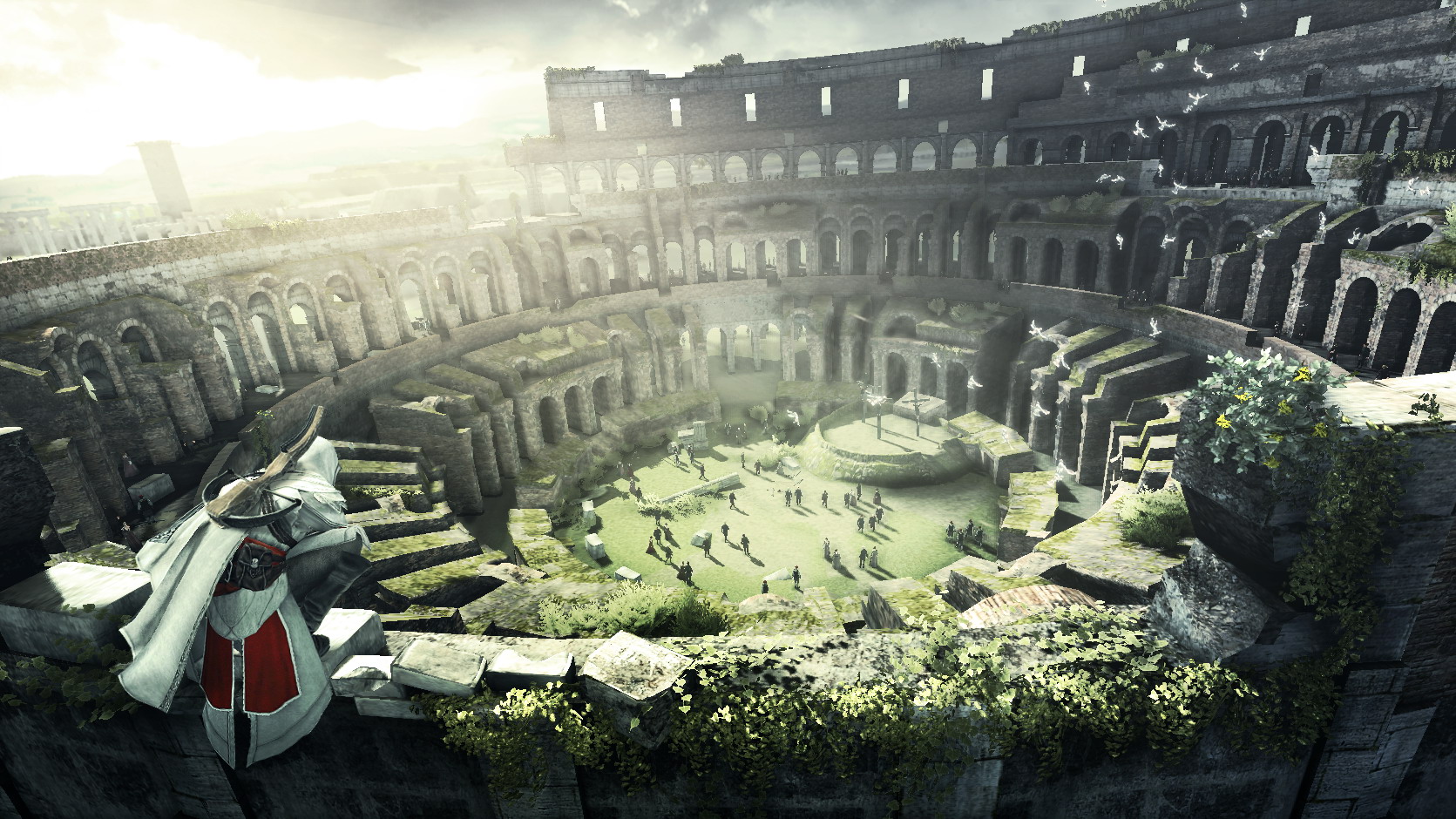
5. ROME (Assassin’s Creed: Brotherhood)

From the moment that fans got a glimpse of the legendary city of Rome in the Renaissance era of Assassin’s Creed II, Ubisoft must have known they were destined to fulfil expectations and head there next. In doing so, they gave us a beautiful portrayal of the ancient landmark, showing us vast rural landscapes juxtaposed with the iconic Colosseum and its neighbouring developing urban areas.

The Montreal studio didn’t just make their depiction of Rome realistic, though – they filled it with countless tasks and highlights. From the dangerous Borgia Towers to the plenitudes of Brotherhood recruits and side missions, there wasn’t a moment when something couldn’t be found to do in Brotherhood‘s rich world. It’s not often that an environment is one of the title’s main selling points, yet that was most definitely the case in this sublime continuation of the ACII trilogy.

4. GOTHAM CITY (LEGO Batman 2: DC Superheroes)

In the past, Rocksteady have created some amazing locations for us to discover (and I’ll get back to them later), but there’s one iconic place in Batman lore to which they’ve never truly allowed us access. Any self-respecting Dark Knight fan out there will know I’m talking about Gotham City itself.

That didn’t have to mean that we wouldn’t get to see a version of Bruce Wayne’s hometown this generation, though. In fact, the city’s on-screen salvation came at the hands of the fantastic second LEGO Batman game. I could go on about the countless ways in which developer TT Games succeeded in portraying the classic fictitious crime central perfectly, but I need only refer you to the breathtaking experience of flying amongst the skyscrapers and stars of Gotham as Superman to sum it all up.

Soaring around the city using the digital map as the Man Of Steel is a video game event that few other licensed titles have hoped to match this generation. TT’s attention to detail is incredible, with references to the DC universe scattered throughout the world. Perhaps the actual interactivity of the city is a little lacking, but that can’t possibly lay a notable scratch on such a beautiful blocky creation.

3. PARADISE CITY (Burnout Paradise)

Criterion never needed to prove themselves in the racing genre. The Burnout franchise had always been a consistent cult success long before the release of their 2008 entry Paradise. All the same, their divisive choice to enter the open-world fray with the aforementioned current-gen debut was to prove a major hit, as their fictitious Paradise City was a groundbreaking work of innovation.

Anyone who has played Burnout Paradise will no doubt recall that you can barely cruise a mile in your vehicle before stumbling upon a new race or trick event, allowing for a level of engagement and constant addiction that isn’t found in many other racing titles. That the game world looks so impressive for its time is of no detriment either, nor that there’s a brilliant backing soundtrack of hundreds of rock classics to blaze along to as you go.

2. ARKHAM CITY (Batman: Arkham City)

Remember when I said I’d get back to Rocksteady? Well, here we are. It is rather uncommon for me to choose two instalments in the same licensed franchise to appear in a Top 5 feature, but for the Caped Crusader’s current generation run, I just had to make an exception.

For all the good TT Games’ great, somewhat cartoony take on Gotham City could do for Batman fans, there was one key element which it lacked to make it higher on the list – realistic immersion. In this respect, the titular Arkham City soars – to make a believable game depiction of a historical or modern real-world location is one thing, yet to adapt a fictitious comic world in a way that it makes it seem completely real is another challenge altogether.

What Arkham City lacks in sheer size and breadth, it makes up for in subtle scale. The intricate layers of detail the team’s artists and programmers have integrated into their world reach their peak in a moment that some players may have missed, yet to me stands as one of the most emotional sequences in video gaming ever.

Having entered this cordoned-off district of Gotham, Batman can choose to fly to the rear of Monarch Theatre to the back streets of Crime Alley. This dark and dingy alleyway holds the drawn silhouettes of Martha and Thomas Wayne (who were killed there in Bruce Wayne’s childhood) along with a bouquet of flowers. As the Dark Knight examines this tragic monument of his inception, the player has the option to have the protagonist bend down and pay tribute to his folks. At this point, a melancholic melody slowly begins to seep into the game’s gothic soundtrack, until the latter has all but faded away and the player is left only with the haunting vision of a man forced into darkness by the seeds of crime.

If ever fans wanted proof that Rocksteady truly understands their fanbase and indeed the universe their games inhabit, this touching moment is it. That this sequence is but a fragment of what Arkham City has to offer as an open-world stands testament to its quality and legacy.

1. LIBERTY CITY (Grand Theft Auto IV)

It would be impossible to even contemplate the development of the open-world genre in the current generation without referring to GTA IV‘s breathtaking Liberty City. As such, this stunning benchmark for video game environments stands tall at the top of this prestigious and tightly-fought list of rankings.

I can’t begin to count the number of times I’ve simply just lived in the world of Liberty City. What do I mean by this, exactly? In all of video gaming, I can’t name another time where I can truly just walk, drive or fly through an environment and remain totally immersed by its random events and characters. This even carries through to Chinatown Wars to some extent, the pixelated top-down world being the only thing that breaks the immersion in the DS spin-off.

Liberty City has its own radios, television stations, internet cafes, dating services and so many other elements that place it high above its competitors, simply because they can almost lure you into forgetting that you’re playing a video game. Play Super Mario Galaxy 2, Portal 2 or The Force Unleashed and you’ll be left in no doubt as to what entertainment format you’re taking ahold of, yet head back into GTA IV at any time and you may become so dazzled by the lights and heights, (bar the dated graphics) the lines between digitalisation and reality may start to blur.

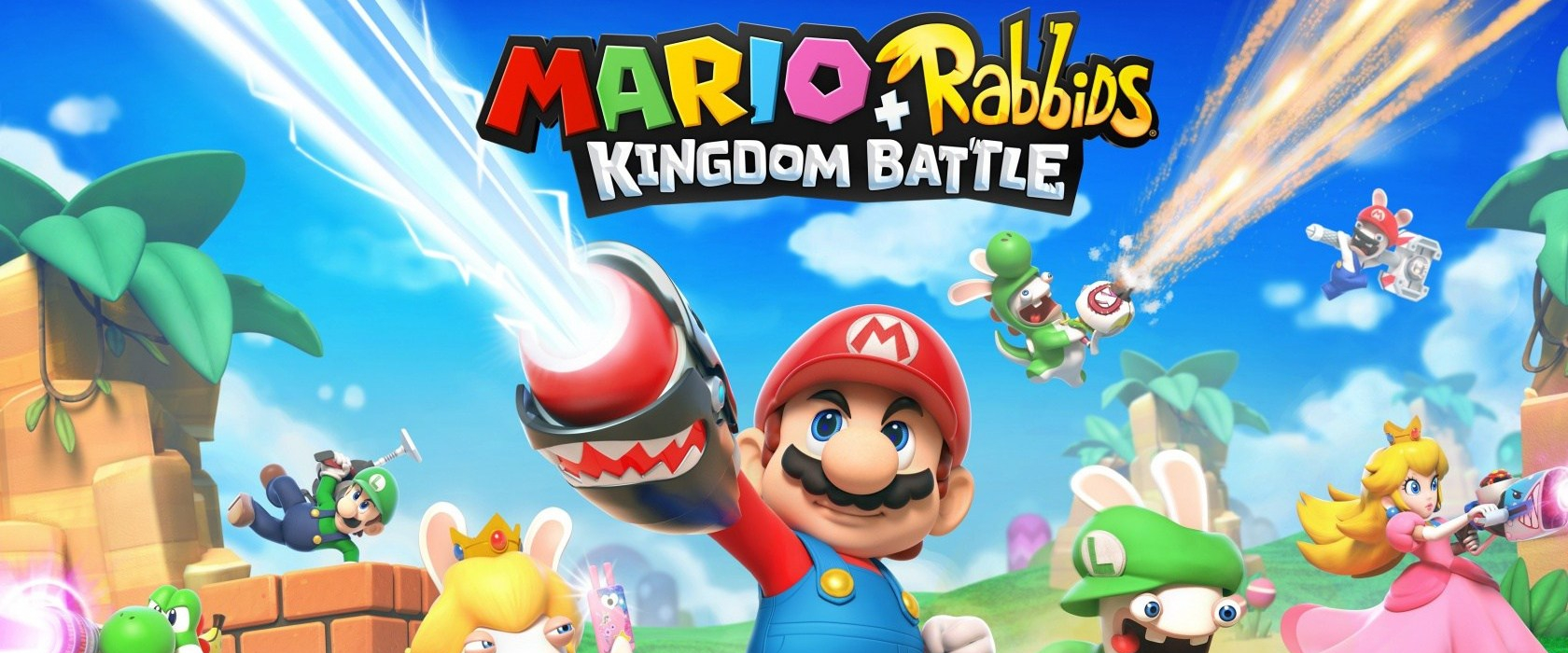
Motion controls: Separating the ‘Virtual’ from the ‘Reality’

Since the move from 2D to 3D dimensions, games have become increasingly more successful at replicating reality, and not just from a visual perspective. In the ’90s, games like Samba de Amigo and the Dance Dance series have required more from the gamer than simply pressing buttons.

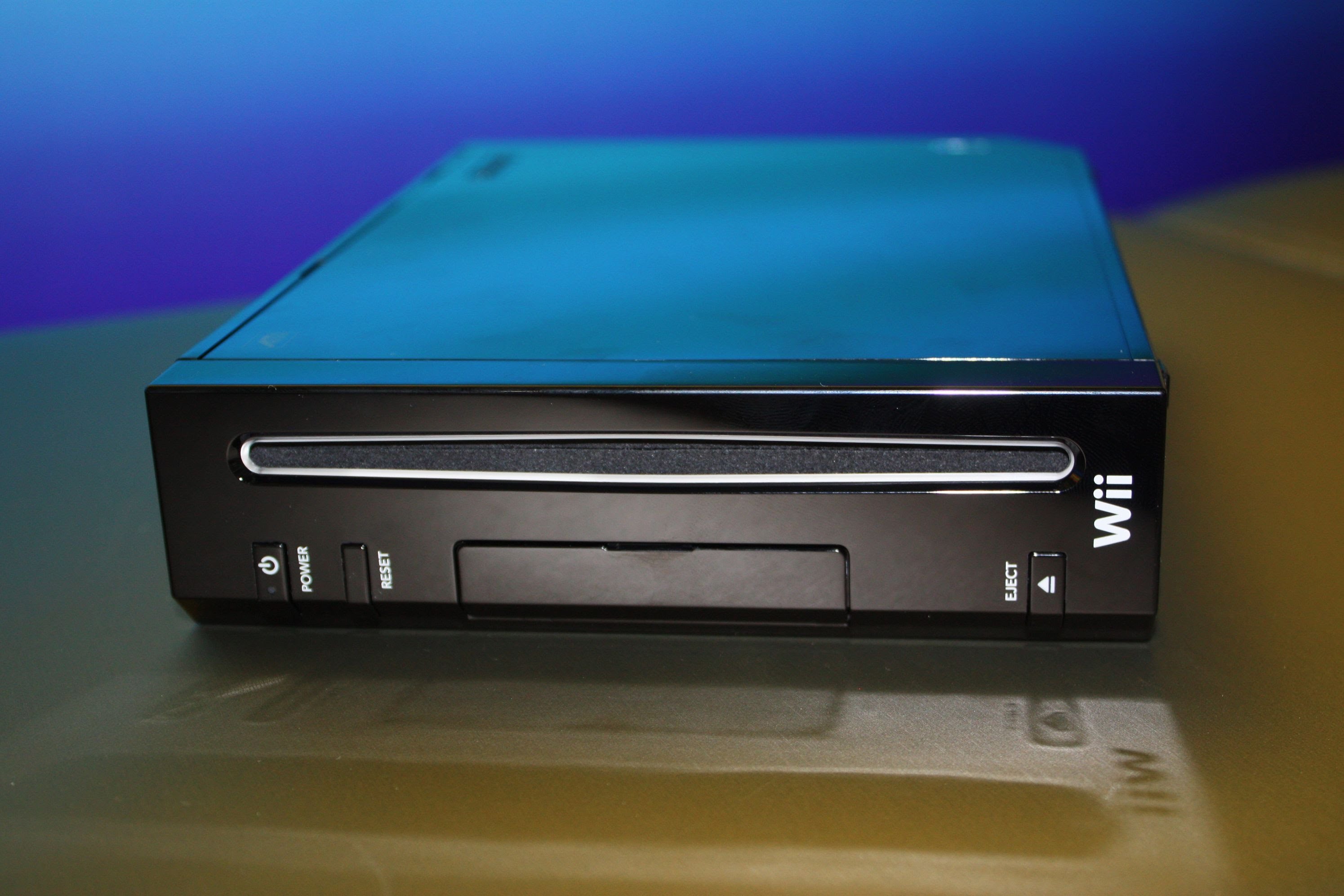
Nintendo evolved this idea to a philosophy with the release of the Wii in 2006. The thinking is by mapping your physical actions in a game, you’re removing the barriers between virtual reality, and real life.

The question has to be asked, however, what implications has this had, and what will it mean for the future of gaming?

Well, interestingly not as much as first thought. Although Nintendo very much accelerated a trend that was adopted by Microsoft and Sony, they backtracked somewhat with the Wii U, a console that largely abandoned motion control gaming. The Switch continues that trend.

Buttons are here to stay.

It’s hard to establish the importance of being able to control a video game by swinging one’s arms around. Nobody can deny the Wii’s global popularity and its intimidating record sales. But on the other hand, it encouraged a lot of cash cow products to the market.

Playing Zumba Fitness, I knew this wasn’t going to be something I could relax with after a hard day. Having been raised on Sonic and Mario, I’m a gamer that firmly enjoys the minimal movement required from a normal control pad.

I also chase deep and unique gaming experiences. So in some respect, I really enjoyed the Wii for what it was: something different. The problem is (as many have found out) there were too many Zumba Fitness-esq games and not enough actual ‘game’ games. If I buy a video games console, it’s to play video games, not to play glorified fitness videos.

And herein lies the problem. While motion controls in gaming did blur the boundaries between reality and virtual reality, it was not necessarily best suited to the games industry. It is a practical application to an impractical medium.

A video game is about escapism, not replication and this why I foresee that joystick junkies and the button bandits are here to stay.

Viewpoint: Is There Any Game That Will Unseat Breath of the Wild As GOTY?

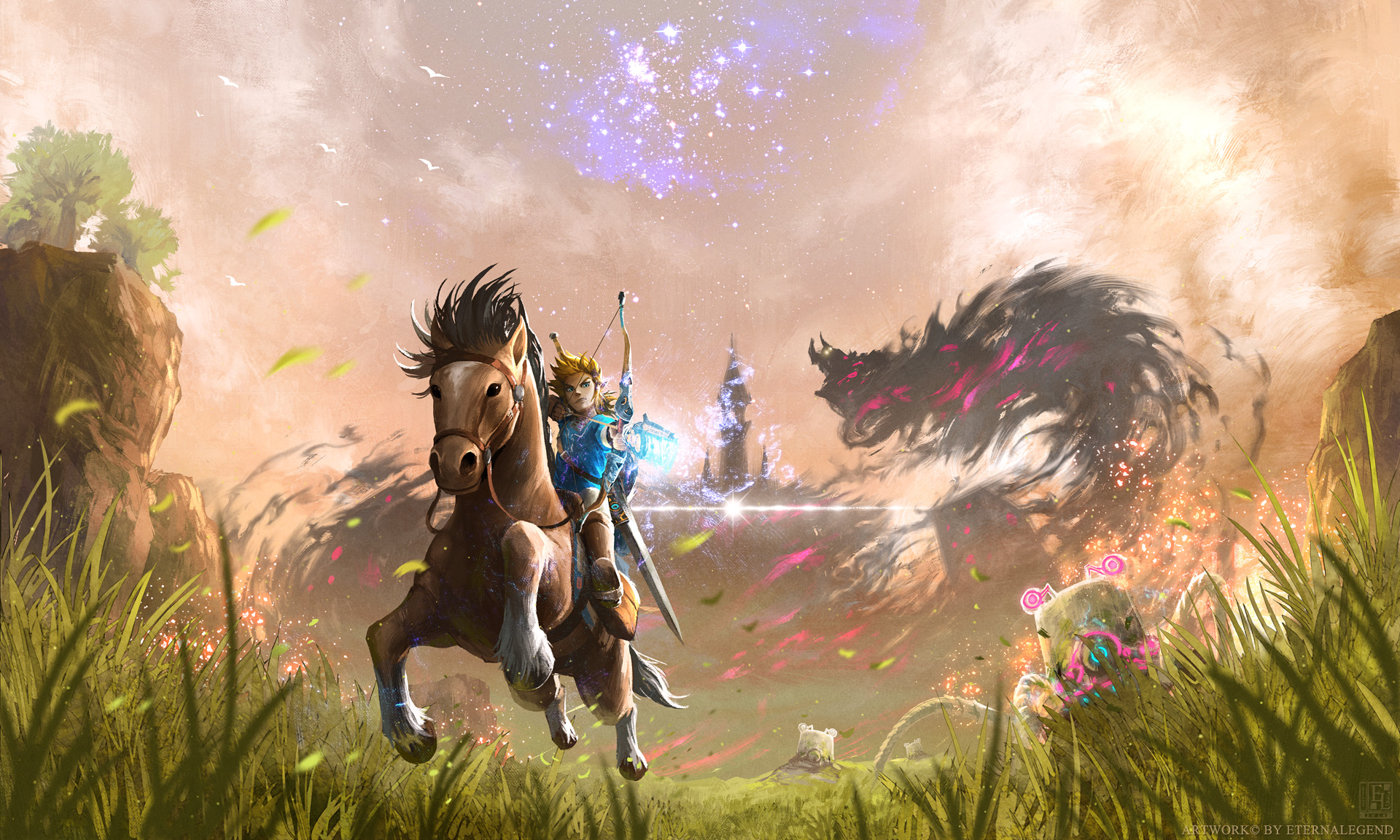
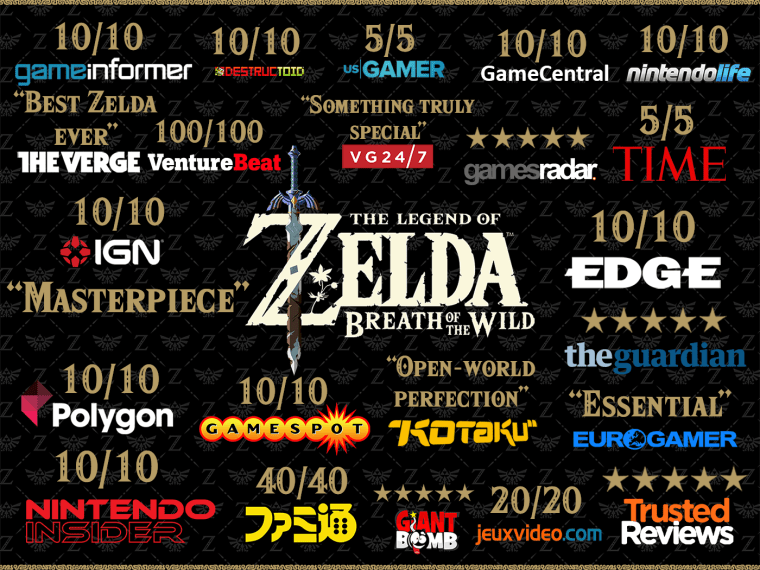
We are seven months into 2017, and currently the clear-cut winner for game of the year is The Legend of Zelda: Breath of the Wild. No other game this year has received such universal acclaim from critics and fans alike. Zelda is currently sitting at an insanely high score on Metacritic of 97. It has received more perfect scores from critics than any game in recent memory. So with more than half the year gone, is there any game that can unseat Zelda for GOTY? Let’s take a look at the upcoming releases.

[Everyone has their own personal game of the year. In this article, I am mainly going to predict what game/games will give Zelda a run for its money at the Game Awards – taking place this year on December 7th.]

First off, this holiday season for game releases does seem to be weaker compared to the past few. That automatically lends itself to Zelda’s favor. In the next six months, there don’t seem to be any heavy hitters to compete with Zelda, what we have instead are the franchises you’d expect. With Star Wars Battlefront, Call of Duty, all the sports titles, Assassin’s Creed, Destiny, Crackdown, Wolfenstein etc. Most of these games will, at least, be good, but just being honest here: none of these titles will win game of the year. So, what could unseat Zelda then?

Out of all the games that have come out this year and will come out this holiday season, only a couple come to mind that even have the possibility of competing. Those titles are, Uncharted: Lost Legacy, Super Mario Odyssey, Middle Earth: Shadow of War and Horizon Zero Dawn.

Let’s start with Uncharted: Lost Legacy, even though it’s just a $40 title, you can never count out Naughty Dog. They are one of the best, if not the best developer currently in the business. Coming off as a game of the year winner and contender with The Last of Us and Uncharted 4, it would not surprise me to see them hit another home run with Uncharted: Lost Legacy.

Next up we have Super Mario Odyssey. Might Nintendo be competing with themselves for game of the year? They could well be. This Mario title looks absolutely fantastic so far, and it looks like it’s a fresh new experience that all Mario fans alike have been waiting for.

zelda review
Good luck…

Thirdly, and probably the biggest underdog in this competitor’s group, is Shadow of War. This is the sequel to the Lord of the Rings game called Shadow of Mordor, that blew everyone away in 2014. It brought a brand new open world experience to the franchise and had a very new inventive game mechanic called the “Nemesis System.” Well, it’s been three years since Shadow of Mordor was released and now Shadow of War is coming. If Monolith can improve on everything from the first game and fix its few faults, then we could have a major contender on our hands.

Lastly, we have the only title that has been officially released so far, and that’s the brilliant Horizon: Zero Dawn. This new IP from Guerrilla Studios blew people away when it came out earlier this year. It’s currently sitting pretty at 89% on Metacritic. Also, coincidence or not, it’s actually a very similar game to Zelda, and both have been compared with each other since they launched.

I personally don’t believe any game will be able to beat Zelda this year. We will find out if I’m right, or completely wrong, when the Game Awards air on December 7th. But, I’m curious… do you guys agree with me that Zelda is the runaway favorite? Or is there another title that’s going to take home the award? Let me know in the comments down below!

5 Reasons Why Little Nightmares’ DLC Episode Creeps Me Out

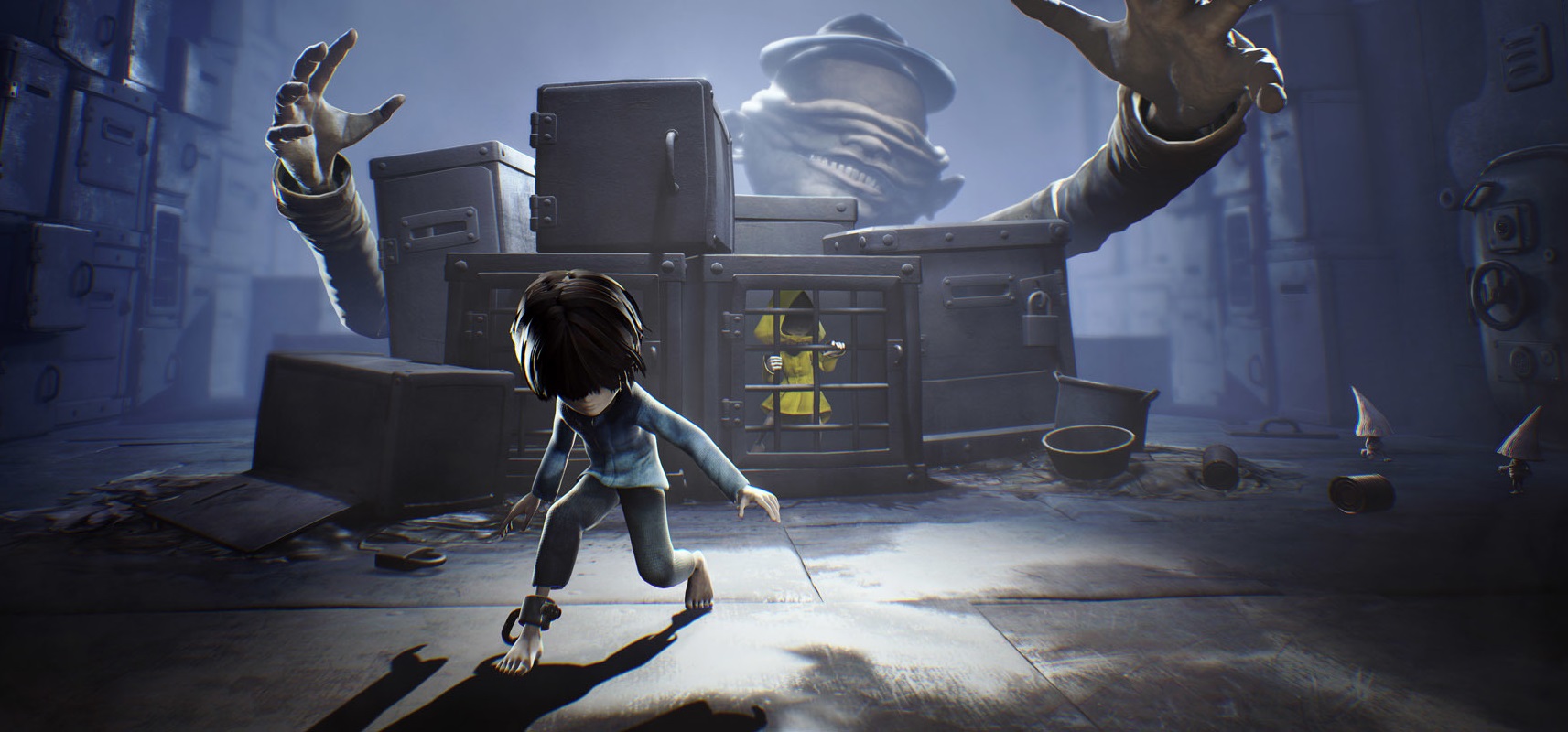
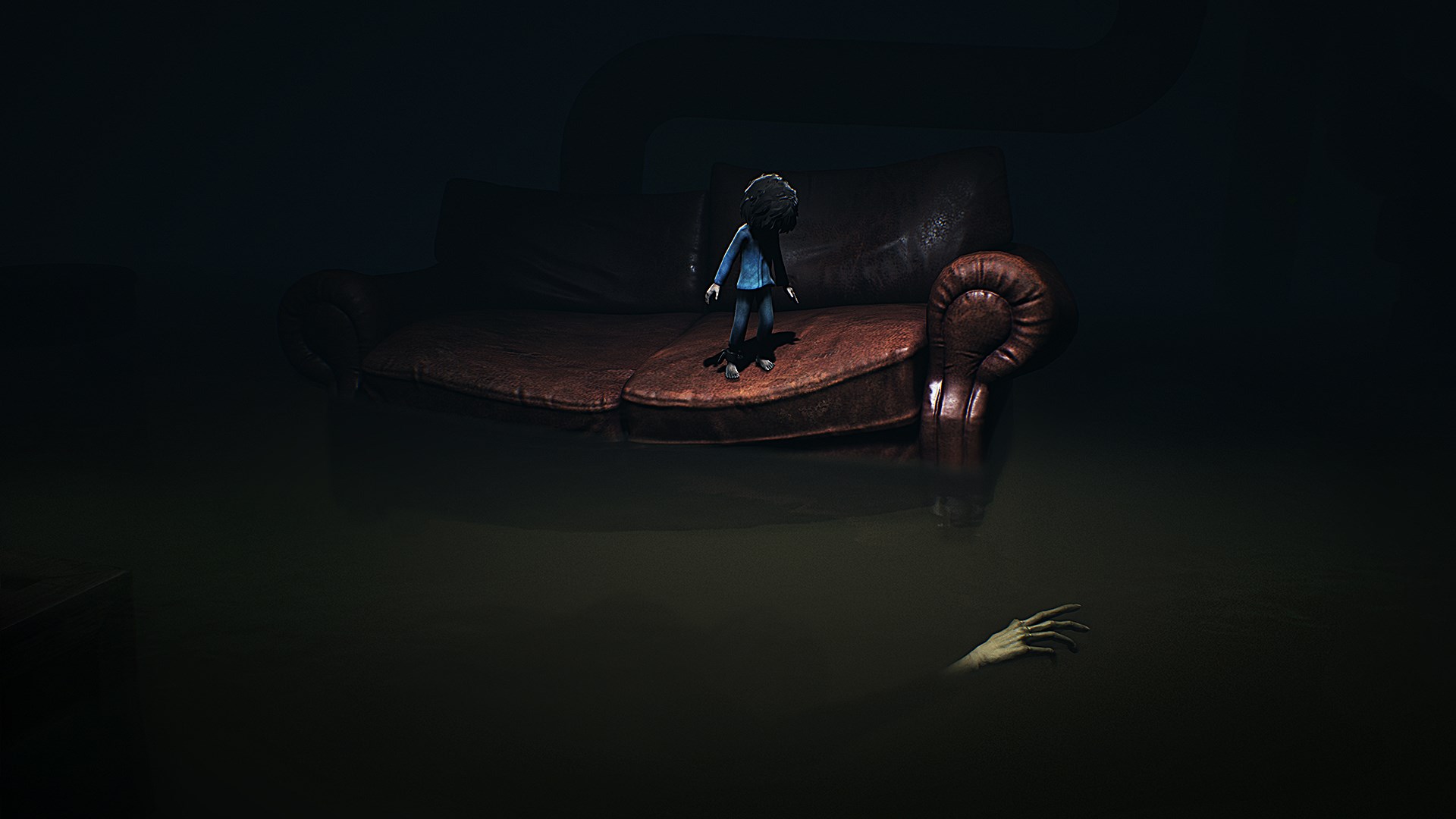
The eerie, yet wonderful Little Nightmares has released its first episode out of three in the new DLC, titled ‘Secrets of The Maw’. This time around they’re going to give us more information about what the Maw actually is, and what is going on there – through the eyes of a new character, The Runaway Kid. If you’re on the fence about buying the new DLC, I’m here to give you some insight. It did its job – it thoroughly creeped me out. Let me explain…

Reason 1: “Here we go again on my own / Going down the only road I’ve ever known”.

The first episode is clearly – and rightfully so – an introduction as to whom we are playing, and why we are here. The start of the game is uncannily familiar: something creepy and weird happens, and then The Runaway Kid (our protagonist) wakes up, realizing it was “just” a nightmare. Yeah, as if. The foreboding as to what is going to happen creates the same paranoia effect as the original game did. I keep asking myself “when”, “what”, “how”, and “why?”.

Reason 2: Realizing where exactly I met The Runaway Kid in the original game.

As he wakes up in his bed, I realize quickly that it is not just the dream sequence that is familiar. The bed and the room he wakes up in, is the exact same one as the room of beds that Six walks into when escaping the long-armed man: the bed with the sleeping children – and The Runaway Kid is one of those children. It gave me the chills knowing that he was there – especially as there were so few characters in the original game that were significant.

066389
Enter the water, they said. It will be fun, they said.

Reason 3: The familiar surroundings.

We are, after all, also trying to gather information as to how this boy meets our original protagonist, Six, and how their paths meet. That would require us to retrace our steps. Going through the same rooms, the same environment and remembering all the fears that made you want to escape that room as quick as your little legs could carry you in the first place, is ever-present.

TudXvv2kJfCFgtHuoYUxCJ
But why!?

Reason 4: The water.

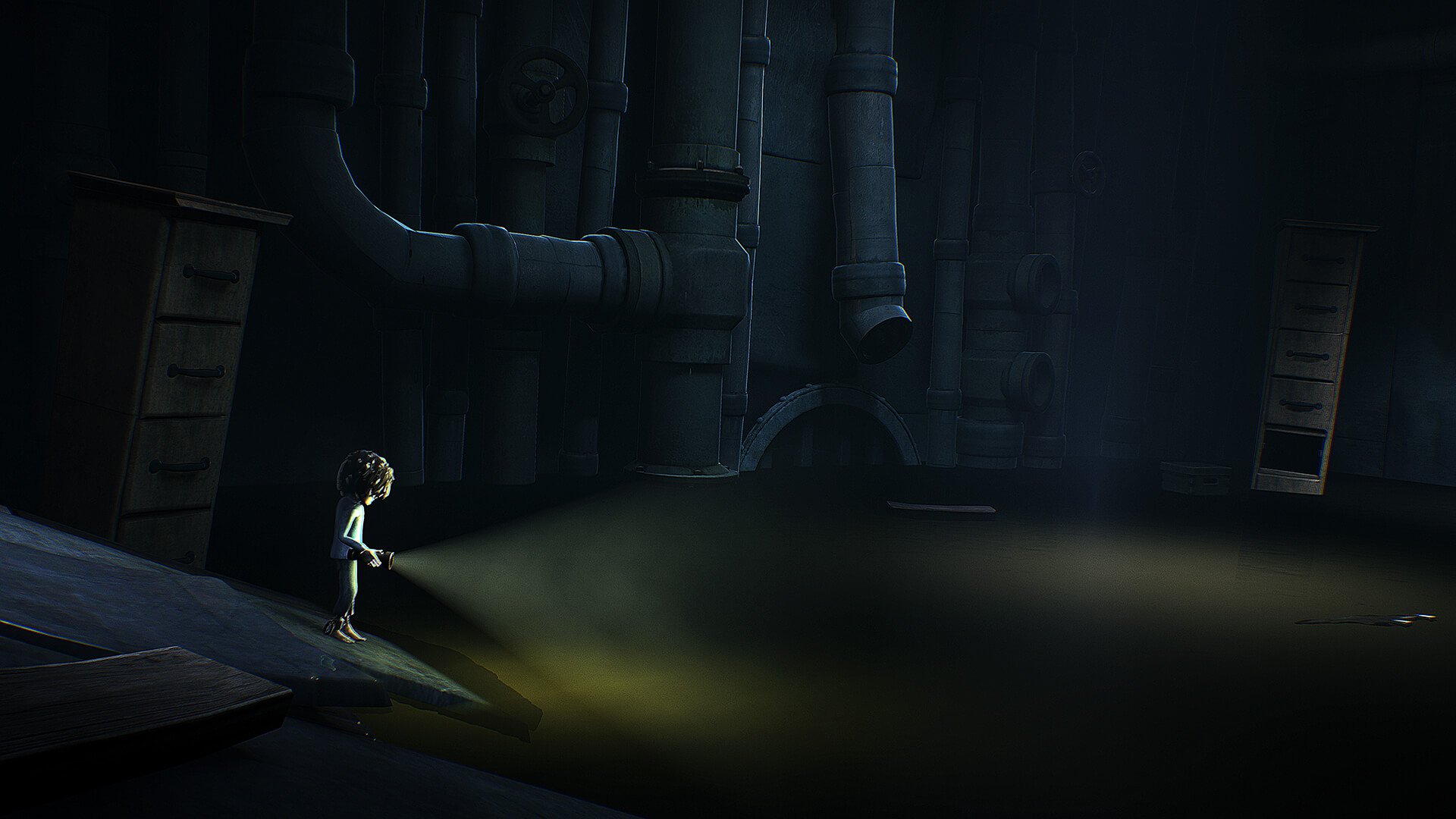
The freakin’ water, man. It is painfully obvious that they named this episode “The Depths” for a reason. As if water doesn’t make me squirm enough in the real world, it is a prominent element in this episode. Tarsier Studios have been true to their word, because not only is the water pitch black: it also contains something that I DO NOT want to encounter. But its contents sure want me. Which leads me to my final reason:

Reason 5: The monster(s).

There is one familiarity here: the leeches, which are far worse in this DLC. They are larger, faster, and more… gross. But they are not the worst of the bunch. As the developers previously warned us about, there is something lurking in the water. Oh ho yes, sir, what jolly good fun. You don’t actually see much of the creature in the water, but what you do see is horrifying. And he’s not there to tickle your feet, that’s for sure.

I love how Tarsier Studios have created a new puzzle – the story itself. The second episode will be released in November, the third and last episode in January. In other words, we will have to wait quite a while before we receive more pieces of the puzzle. The next episode is called “The Hideaway” – and it looks like we will meet some old friends there.

Let’s hope that the next piece to the puzzle is worth waiting for…

4 Games That Need A Sequel – But Probably Won’t Get One

There are those games out there which rightfully deserve a sequel. They delighted us, entertained us and still give us countless nostalgic rushes.

Sadly, the odds of these games ever getting a sequel are few and far between – for whatever reason that may be.

Enslaved (2010)

Enslaved

Chance-O-Meter 2/5

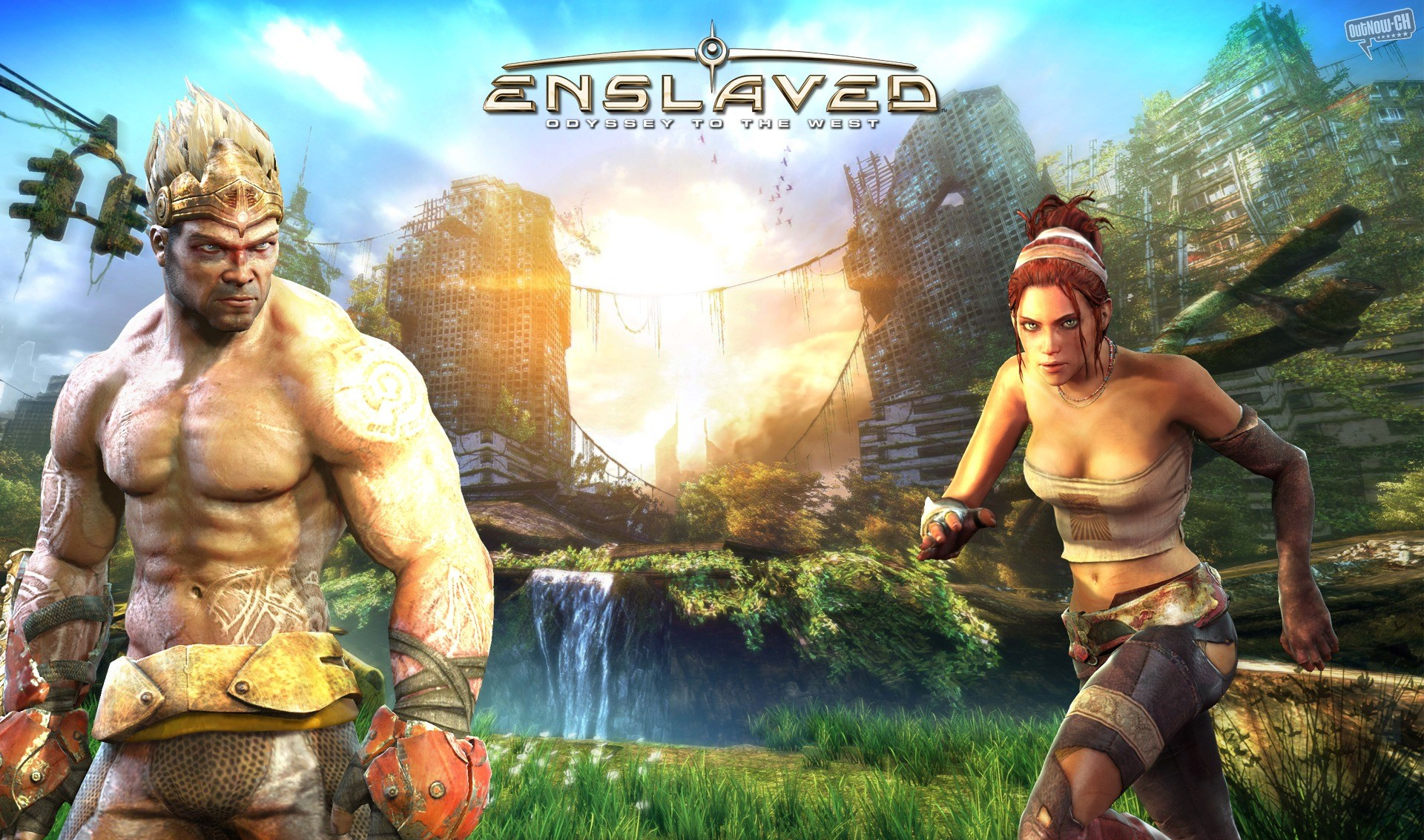
Enslaved: Odyssey To The West received a great all-round critical reception, but hardly anyone bought the damn game. And that’s a real shame.

Enslaved is a hidden gem of a game, one which will probably never be appreciated for the hard work and effort that has clearly gone into it. Following the main character Monkey, a tough, hot-headed, acrobatic genius, the player is taken on a journey with a really interesting storyline; this isn’t the usual ‘skip the scenes’ job. The characters and plot are really involving and without spoiling anything, the development between Monkey and Trip throughout the game is expertly executed.

Ninja Theory said they always planned for Enslaved to be two games, however, even they couldn’t anticipate the poor sales the game ultimately achieved. Come on, that ending needs expanding for sure. Maybe one day…

MediEvil (1998)

Medievil.jpg

Chance-O-Meter 1/5

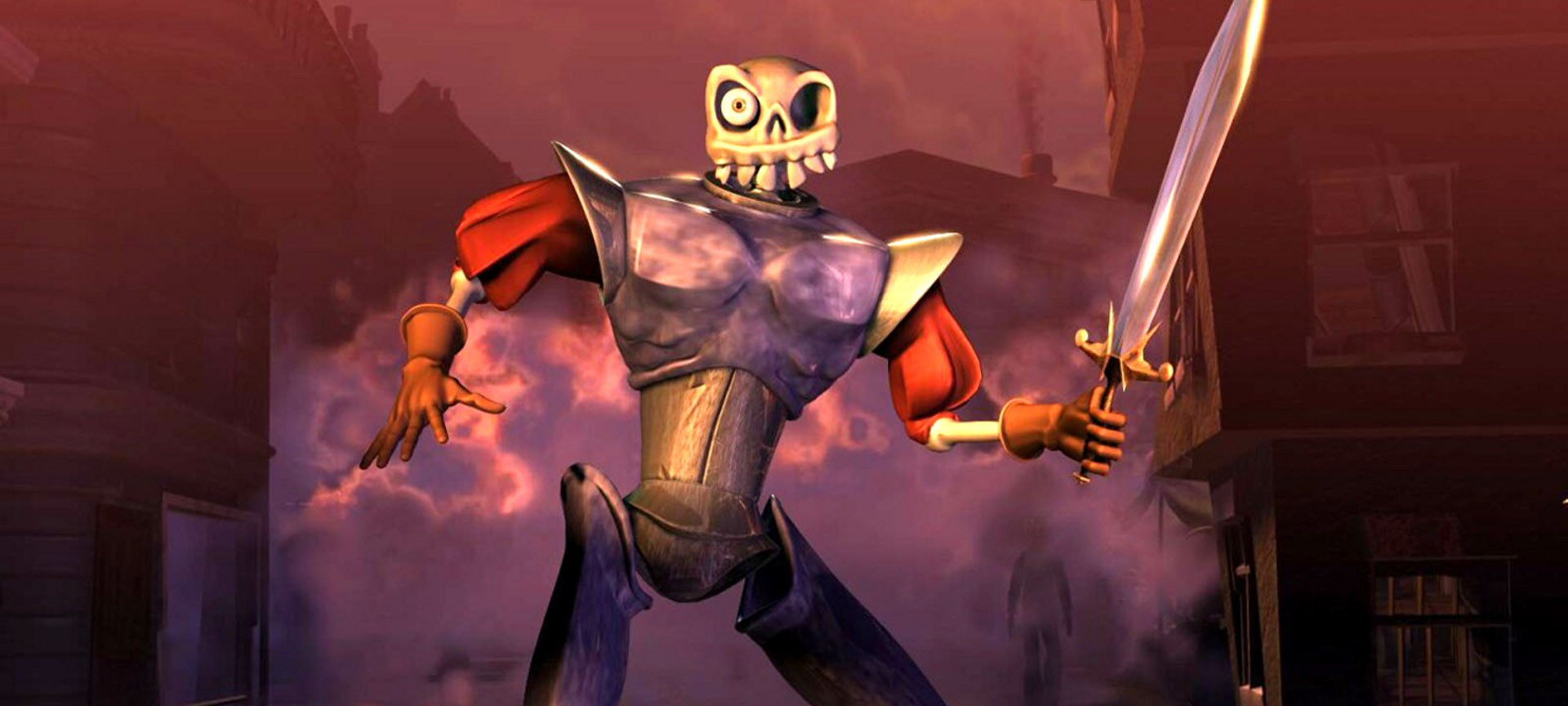
Ok, so MediEvil already had a sequel right? That doesn’t mean a third game shouldn’t happen. The first and second games were filled with charm. Players controlled the skeletal, one-eyed, Sir Daniel Fortesque, who couldn’t properly speak himself due to years entombed underground.

The dark, brooding atmosphere of the games really made them their own: combined with witty humour, yet having dark undertones within. The weapons were a particular highlight, with Dan in the second game wielding anything from a Magic Sword and Shield, to a Gatling Gun. The PSP outing titled: MediEvil: Resurrection, was a remake of the first game, and sadly not a new adventure for the loveable fella.

Hopefully Sony one day will see the error of their ways and produce a third game. With Call of Duty games coming out every year now however, who among the gaming mass really wants to play as this worn-out skeleton anymore – other than the cult following?

Hogs of War (2000)

hogs-of-war.jpg

Chance-O-Meter 1/5

Although Hogs of War was never given the top rankings among gaming critics, it wasn’t long before it became a classic in the eyes of those who played it. Rik Mayall even lent his voice!

The turn-based style that was clearly inspired from the Worms series of games meant that Hogs of Wars was essentially Worms with hogs – with perhaps more humour. Players had a team of hogs loaded with numerous strategic weapons for them to utilise. This ranged from Sniper Rifles, to Grenades, to Cattle Prods. The system – which saw your hogs promoted through the ranks – only made it even more painful when they fell in battle.

What makes it even worse is that a sequel to the game was confirmed to be in the making by Atari. Unfortunately, the game was quietly cancelled as far as everyone knows. Does that mean the chance of us ever seeing a revival is even slimmer? Pray it not.

World of Goo (2008)

World of Goo.jpg

Chance-O-Meter 2.5/5

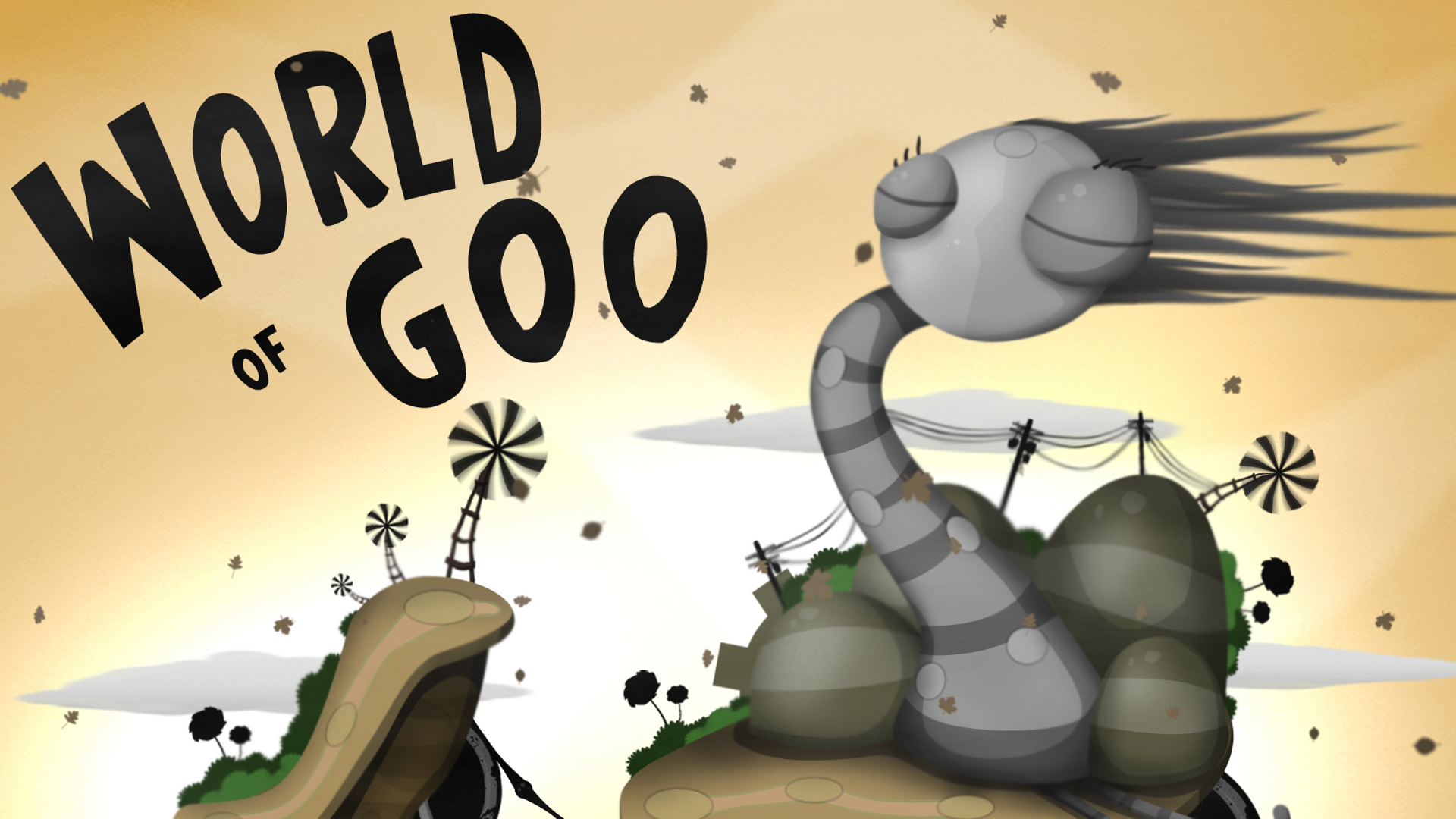
World of Goo was produced by only two people, but that doesn’t stop it from being one of the finest modern puzzle games conceived so far. With catchy music, brilliant design and lovely visuals, World of Goo took the world by storm.

The aim of the game is simple on the surface, but fiendish later on – something all good puzzle games should do. The idea was to get the Goo Balls to the end of the stage – by linking Goo Balls to other Goo Balls. The player could go about this in pretty much anyway they wanted, creating all sorts of weird shapes in the process of getting the cute black guys up the pipe.

So why is a sequel needed? Because everyone wants more levels, more music and more humorous plot scenes to take place. 2D Boy could even go about adding some new modes to the game, like online co-op for example. The first one was such a surprise hit for the duo, they’d be mad not to do another, surely?

Sequels Galore

So there you have it, four games that need sequels, (new IPs are always welcome as well). I’m aware that there are many more games out there that desperately need sequels, but this was my personal pick – what would yours be?

Games Have Always Included Politically Driven Stories, Regardless of Current Events

In today’s modern era we’re stricken with political events and issues throughout our ever-changing world. Everywhere we’re reminded of current elections, political scandals and opinionated viewpoints, whether you asked for them or not. Recent trailer releases of games like Far Cry 5 and Call of Duty WWII invoke infamous global wars and familiar cult-like criminals, all while in the heat of dangerous threats making worldwide headlines against international powers and leaders.

New national Presidents, like the U.S.’s Trump, making waves across news stations and the non-stop reports of political voting fraud have seemed to increase the awareness of everyday civilians on political scandals; with commotion equal to that of the Watergate Scandal of the Nixon years. But are video games expanding their ideas to politically corrupt leaders because of current relations in politics? Hardly. In truth, video games have been handing out corrupt villains acting as political leaders throughout the decades of the entertainment medium, regardless of what happens in real world politics.

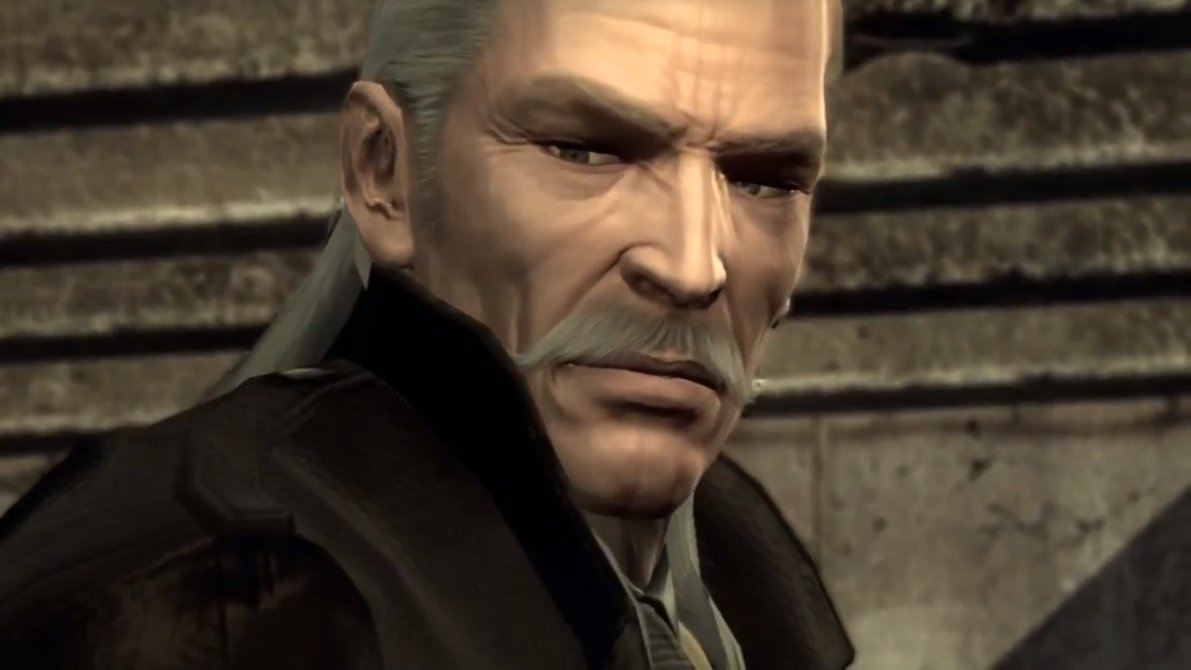
Take the Metal Gear franchise for instance. Since the original release on the NES back in 1987, creator Hideo Kojima has been increasing the fictional, but relatable, story to an unreal amount of authenticism. With its own downloadable database explaining all aspects of the long and elaborately detailed timeline, Kojima created a war-riddled world filled with corrupt governments and factions in every release throughout the series. Enhanced “super” soldiers genetically controlled by the powerful and dreadful opposing government, gun launders strategically playing off of all sides of war, and diabolical plans to have complete control over the world and its inhabitants, these are just a few examples of corrupt leaders and their actions making an appearance well before this modern era.

metal-gear-solid-4-guns-of-the-patriots--20070712014610150

Other series with corrupt governments and politicians range from Assassin’s Creed to Grand Theft Auto, and even to earlier Fallout titles, all with their own view of twisted leadership and questionable decision-making. The Final Fantasy series has also featured many overpowering governments and political forces, quick to make use of the land’s resources, the game’s mystical power “magi” and even civilians populating the fantasy worlds. Many game developers use these ideas based on what we see in the real world, to a somewhat smaller degree, but the use of video games allows us to dive into a more surreal corrupted environment; to play the hero that dissolves the overthrowing government.

Because, at the core of gaming, that’s primarily what the average gamer seeks: to be the hero. It’s easy to place a character into an intense atmosphere, where a powerful force ravages the lands and towns, giving the innocent lives no chance for a happy life. We’ve created an average villain in corrupt political leaders, soaked in by what surrounds us in the everyday norm. No, scandalous leaders are nothing short of being yet another predictable antagonist for gamers alike; it has become something we’re accustomed to seeing in our everyday gaming library, and that’s quite alright. For the sake of humanity, let’s hope these audacious stories do not become any closer to reality than what they’ve already predicted.

FF XII

Viewpoint: 5 Reasons Why You Should Play Final Fantasy XII: The Zodiac Age’s Remaster

If there is one Final Fantasy title that has divided its fanbase, then it’s Final Fantasy XII. Originally released for the good ol’ PlayStation 2 in 2006, the game squeezed out the true capabilities of the aforementioned console’s graphical power, but split players due to its unique battle system and political storyline.

It was a Final Fantasy of a different flavour than previous instalments, that was for sure. But there is no denying that the game has its fair share of fans who regard it as one of the best JRPGs in existence. To such people, the upcoming HD remaster, Final Fantasy XII: The Zodiac Age, will no doubt be a good excuse to crack out the gambits and Espers once again.

But to those who didn’t have a chance to experience it the first time around? Playing The Zodiac Age is a pastime you likely won’t regret. Thus, without further ado, let us count down the key reasons why you should be playing this in July when the game finally hits the shelves.

1) The Stunning In-game Universe

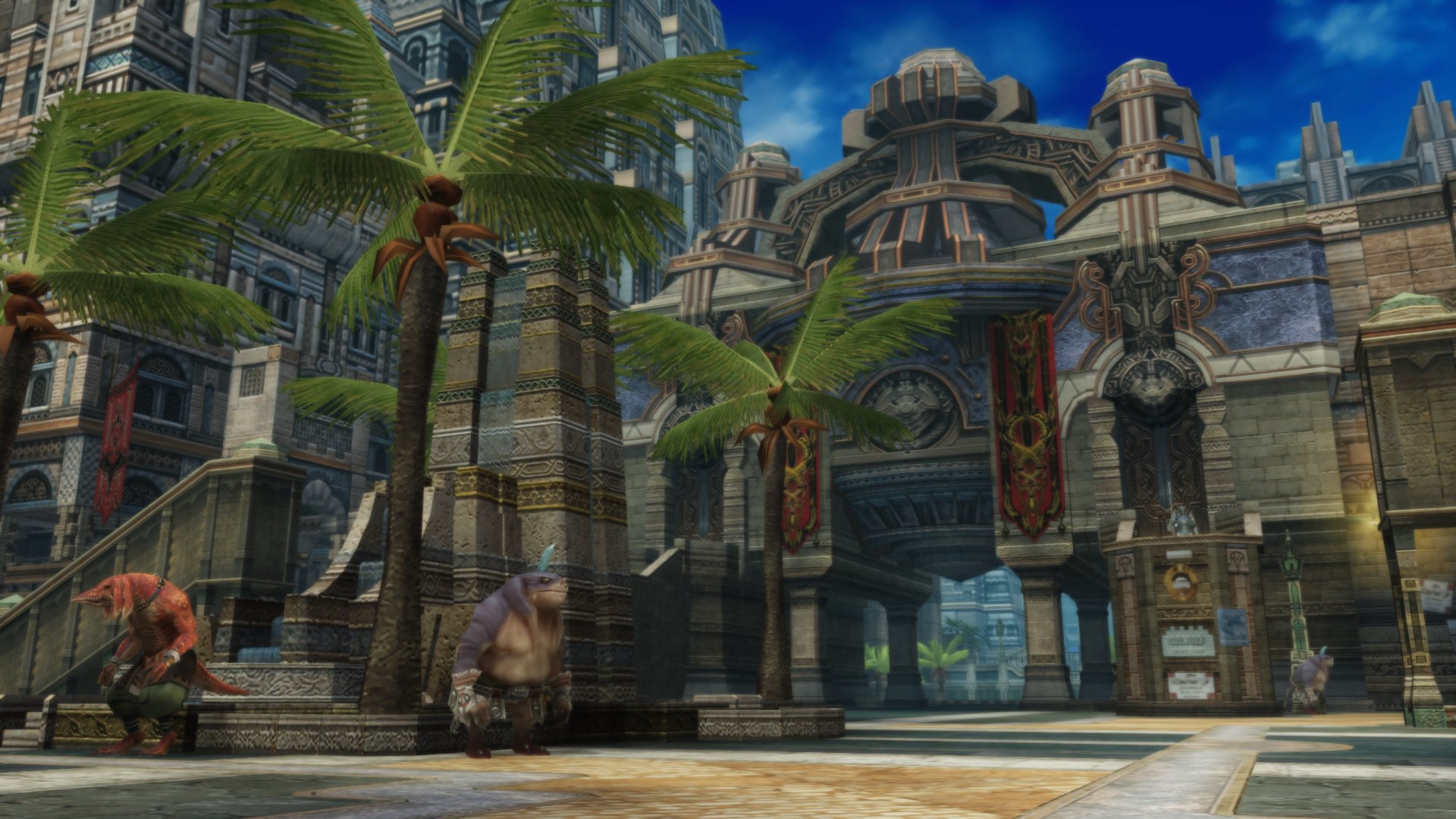
Final-Fantasy-XII-The-Zodiac-Age_2017_05-21-17_006

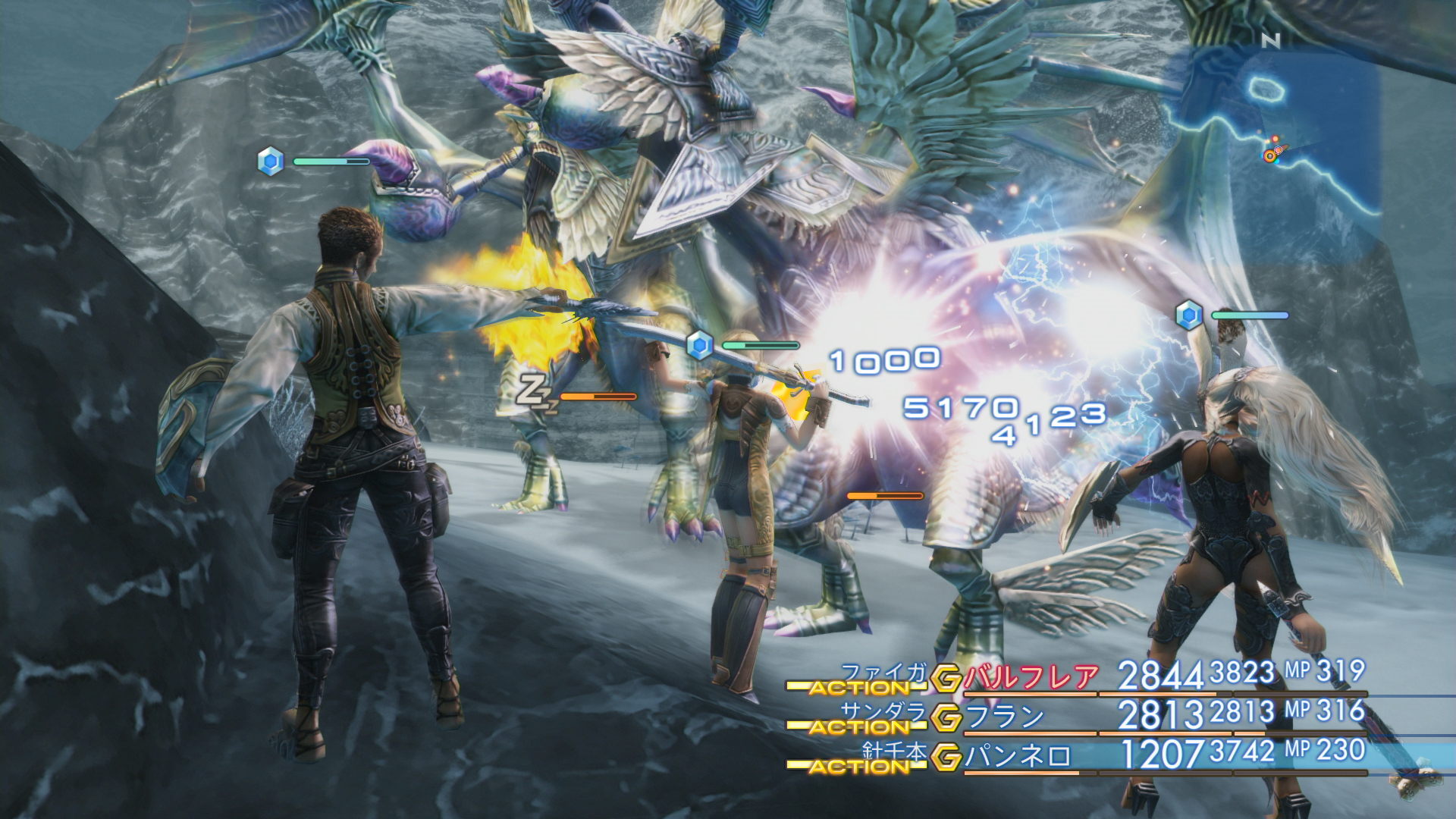
FFXII is set within the fictional world of Ivalice, which is where previous Square Enix titles such as the Final Fantasy Tactics games and Vagrant Story were set. In a similar way that Vagrant Story used the full power of the PS1, this game’s original release did the same with the PS2. Here, however, the visuals will be given a current-gen revamp, with the nooks and crannies of Ivalice looking sweeter than ever before. You will immerse yourself in a diverse and unique setting, from the Arabian-esque kingdom of Rabanastre to the wet and horrible Giza Plains to the relatively high-tech kingdom of Archadia. A world filled with anthropomorphic lizardfolk, rabbit-eared humanoids and high-tech airships (but public toilets haven’t been invented here yet, sorry!), your visit to Ivalice will unlikely to be one you forget in a hurry.

2) The Amount of Content

FFXIITZA_Apr162017_26

Final Fantasy XII has a stunning amount of content and will have you hooked well outside the bounds of its main storyline. No better is this demonstrated than with the game’s ‘Hunts’. These missions have you join up with a clan led by the lovable Moogle, Montblanc, where you will receive ‘hunts’ and are given a special ‘mark’ to kill. In return for killing these special monsters, you will be justly rewarded with spoils and also gradual increases in rank within your clan. Anyone who has played the original can vouch for how much time the Hunts – and other sidequests – take up. As the old saying goes, you’re getting a whole lot of bang for your buck here.

3) The Unique Battle System

FF12TZA_04-16-17

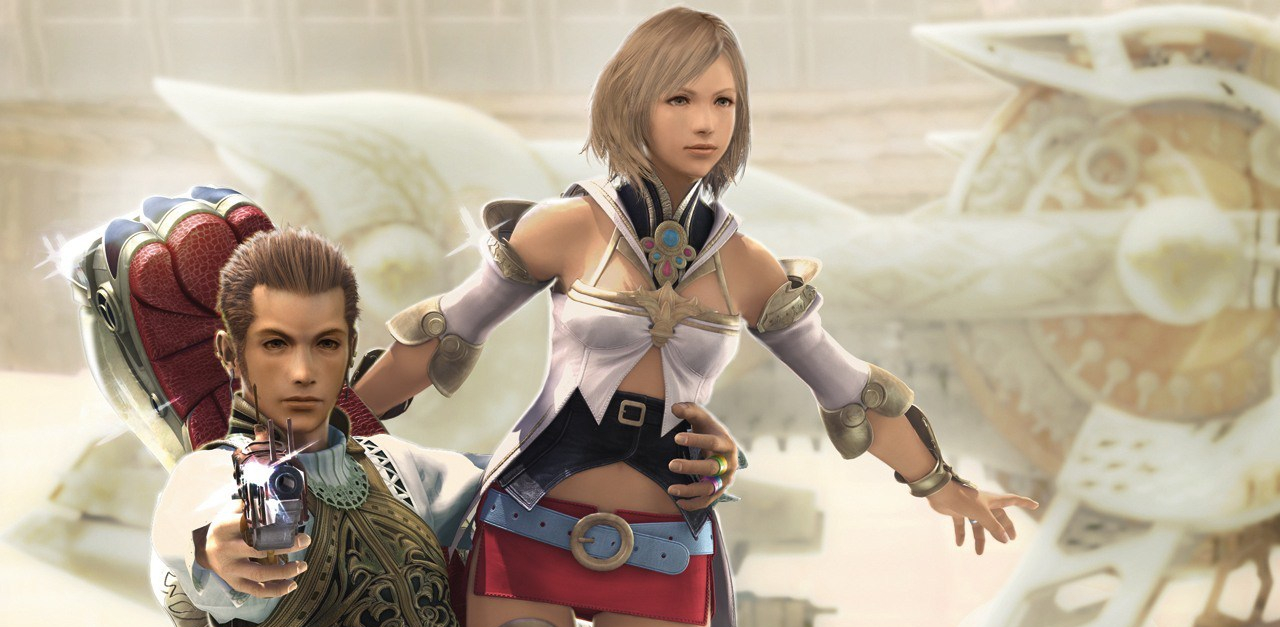
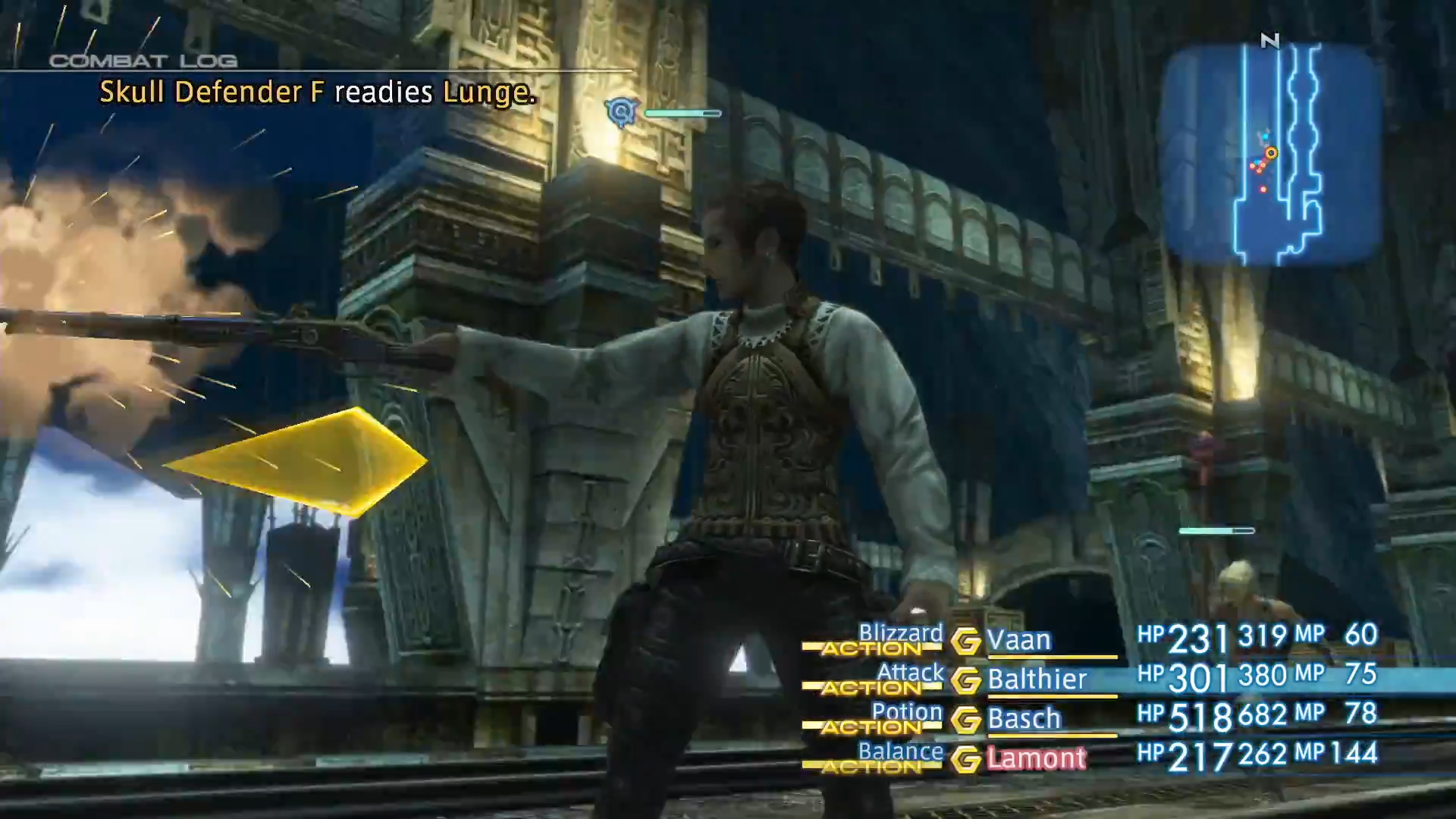
FFXII really divided the fanbase with its battle system. Gone was the traditional turn-based mechanics of previous titles (well, except the MMO FFXI, of course) and in came a real-time experience. No separate battle screens here – enemies were dotted throughout the landscape and your team would draw their weapons upon contact. The interesting thing here though is the ‘Gambit’ mechanic which allows you to tinker with your team’s AI, controlling how they act in battle. Want Vaan to cast Cure on the team once they are all under 40% HP? You can do that. Want Ashe to use an antidote on allies who are poisoned? You can do that too, and much, much more. The Gambit system enables players to act strategically and make their party the way they want it to be. It adds a layer of depth and flexibility that is often absent in other JRPGs.

4) The Characters (Balthier)

Final-Fantasy-XII-The-Zodiac-Age-Balthazar

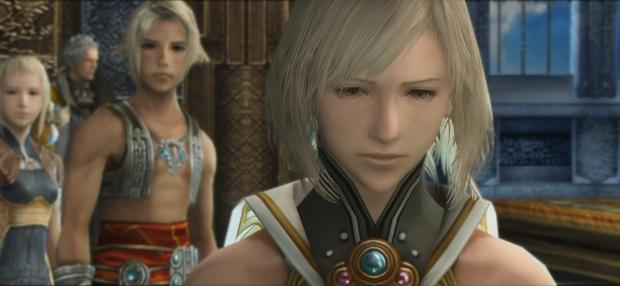
If you ask a FFXII fan about their favourite characters from the game, Balthier is sure to pop up. The witty British-accented charmer is a Sky Pirate, the ‘Han Solo’ of the game’s story, if you will. Together, alongside his sparsely-worded Viera partner, Fran, they act as Vaan’s mentors early on in the game. But, where cutscenes are concerned, Balthier has some of the most memorable dialogue in FF history, often referring to himself as a ‘leading man’. While that claim is no doubt questionable, this charming sky pirate will be on your mind long after the game has ended. Yes, the other characters have their merits, from the ambitious teenager Vaan to the jaded, aging soldier, Basch, but Balthier will always be the leading man in the eyes of many players – even if the game denies him this honour.

5) A Remastered Soundtrack

57165_201704001_new-final-fantasy-xii-zodiac-age-screenshots-drop

Final Fantasy XII‘s soundtrack is truly underrated amongst the series’ long history of musical genius – and, much like the FFX re-release, it’s getting a remaster. Mostly composed by Final Fantasy Tactics composer, Hitoshi Sakimoto, the soundtrack manages to capture a unique atmosphere from the moments exploring the Dalmasca Estersunds to the epic Esper boss battles. Some favourite moments include the imperial majesty of the city of Rabanastre and the beautiful strings of the Ozmone Plains. If you thought that the original, synthesized music was underwhelming for a game of such high visual scope, then the new, fully orchestrated versions will more than make up for that. They will literally give Ivalice a whole new lease of life than ever before.

Will you be buying the remaster of Final Fantasy XII: The Zodiac Age? Let us know in the comments below!

Viewpoint: Games that Relax Moods – Part II

Here’s our continuation of Games that Relax Moods: Part One folks. Remember to take it easy and relax to these games, once in a while.

5. Endless Ocean

Alright, as I have previously hinted there is another dolphin game in this ever-so tranquil list. Hence, this is it! Endless Ocean! It is sad to say, but Endless Ocean’s predecessor, Everblue did not make the cut because it was eclipsed by Ecco the Dolphin and his missing, kidnapped, and eaten sea friends. However, it is a beautiful thing Japanese game developer Arika persisted in furthering Everblue’s scuba diving adventures and released Endless Ocean for the Wii.

Endless Ocean (or Forever Blue if you reside in the Land of the Rising Sun) is essentially a videogame based on a group of scuba divers going for a splash under the deep blue depths and discovering the nooks and crannies of the “endless ocean”; looking for buried treasure and photographing exotic sea creatures, which could be quite dangerous because Disney’s Finding Nemo has ingrained it in my memory that cameras could knock a fish unconscious. But I for one have never scuba dived and caused severe brain concussion in a fish, so personally, I wouldn’t know. With that cautionary warning aside, Endless Ocean on the Wii and like every other Wii published videogame, it is connected to a motion-sensor that allows the players to use an on-screen cursor to guide the divers. Just remember, “It’s not a lake, it’s an ocean” meaning that you are no longer on top of the food chain once submerged under the deep, so watch out for those gnashing teeth and erected fins.

4. Cloud

When are clouds not relaxing? Oh, don’t answer that. Thanks to the University of Southern California (or So-Cal) students, everyone can now experience a day in the life with clouds. Cloud was designed and released by seven smarty-pants students in their efforts to produce a rewarding video-game during their Interactive Media Arts Master. It was published in 2005 and was released as a free downloadable game. Of course, nothing sounds better than a beautifully crafted free videogame. It didn’t take that long for Cloud to draw attention, and it had drawn the right one because it won the Best Student Philosophy award for artistic achievement at the Slamdance Guerilla Games Competition. By 2006, it received 600,000 download hits and 6 million visits – not bad, not bad.

Cloud’s plot was fairly creative, but like in all videogames, a plot does not necessarily constitute the whole worth of the game. More importantly, what counts is visually tying in the plot with the gameplay. Cloud was able to transcend beyond the typical aesthetics and gameplay, and if there is anyone out there that disagrees, well human please, it’s best to smack-talk elsewhere. I do despise smack-talkers. Just a fair warning for anyone thinking of gunning-down Cloud with their abrasive insults, I have heard several cases where smart-mouthing alecs have been severely incapacitated; some had their intestinal organs tied into an origami-like platypus whilst others had their incisor teeth removed and used for an Indonesian voodoo hair-growing potion – not really. In all seriousness, it is unimaginable to debrief Cloud as a lousy independent game because it gives everything you could possibly ask for in a free game: killing your time with sheer fulfillment. Go forth and conquer the sky.

3. Osmos

When I was in 7th grade I was tortured with extensive hours of microcosm biology; a smorgasbord of microscopic cells in mitosis endlessly splitting and fusing into another like blowing bubbles. So when I stumbled upon Osmos and found out that I can actively participate in this wonderful process of being a cell, I knew I had hit the motherload. You see, gandering at cells proliferating into tiny bits and pieces and having to watch that production reverse is not enough for me to wholly keep my lids peeled open. The only way I could possibly stay up watching a documentary on amoebas devouring protozoa and bacteria is if the producer precipitously scattered googly-eyes on the amoebas as a lazy after-effect.

Well what can I say? I am no longer in 7th grade, so I can’t really whine about the dragging cell videos. And if I further pick at it, I am just sullying the name of Science, and that wouldn’t be so benign. In light of it all, Osmos will not bore you, but will carry you into a velvety cellulose backcloth; almost making you feel like a jellyfish undulating in jazzy waves. With an award-winning soundtrack, Osmos boasts a mesh of atmospheric and electronic soundscapes that would reel players into the infinitesimal existence of single-celled organisms.

2. Flower

Developed by thatgamecompany with the help of Nicholas Clark and Jenova Chen, Flower bloomed into an eye-catching ethereal indie game. The video-game was first released on February 12, 2009 in the PlayStation Network. It solidly gained a handful of followers after its release. As expected, since thatgamecompany has previously released flOw, a video-game much similar to Flower which initially skyrocketed thatgamecompany’s insoluble reputation into a distinguished name in the rapid industry of indie video-games. And no doubt, Flower is the spiritual successor of flOw and more. Upholding the same concept in gameplay as flOw, Flower provides a serene landscape to unreservedly maneuver around in without having to worry about austere demands and objectives. The goal is just to simply play and that is all.

What separates Flower from flOw is the wider-terrarium setting filled with rolling-green pastures emblazoned with countless flowers. The fundamental simplicity of both games remain intact but Flower has grown beyond waif-like cellular organisms oscillating through plasma. Flower pumps a brand new experience outside of the cell by letting players take-on massive grass fields; wielding the untainted dint of nature, the wind. The title may seem a little misleading because it probably conjected an idea of gardening for the most of us, but even if it was about a remedial hobby like gardening, it would still be a delightful peppy game. In light of it all, the game has nothing to do with floriculture whatsoever. But it has something to do with fauna! Players will seize control or better yet, be the wind themselves. As they ramble about the prairies, flower petals will be swept along as the players continue to glide through different areas. Flower is a sure way to have yourself loosen-up after being aggrieved by shrilly-kids in Call of Duty.

1. A Boy and His Blob

Can you say throw back? A Boy and His Blob dates back to the days of the NES. It didn’t gain much deserved applaud and finger-snaps back then, but it certainly deserves a standing ovation now. This lively light-spirited platform game was released in 2009 for the Wii. WayForward Technologies revamped this antique ‘beaut’ to fit modern adventure games. Unlike remastered editions, the Wii version for A Boy and His Blob has been dramatically molded to the finest details, such as visually allowing the audience to see the transformation of our cheek-pinching cute blob. Each magical transformation happens whenever the protagonist, the boy, feeds his hodgepodge mate some jelly beans. This induces the blob to transform into various helpful obstacle-conquering objects, such as ladders, transportation holes, and etc.

Ultimately, without the blob, the boy would be a goner before he could even learn how to utter, “Oh my dear!” It’s called A Boy and His Blob for a good gosh darn reason. Both characters must forthwith combine their abilities in order to overcome the puzzles incorporated in each level. Imagine you are just a brain in a vat attached to a bio-mechanical vocal speaking box, which enables you to yell commands to your ever-loyal silver unicorn. A Boy and His Blob takes after the same said concept. Even if an enemy slightly brushes up the boy, he would inevitably die, and that is why he has his fateful blob by his side so both can conquer these troublesome pests.

That sums up this round of relaxing videogames! I hope you enjoyed, dear reader.