Madden 18 officially announced for PS4 and Xbox One

The annual franchise “Madden”, from EA sports, has just revealed their title for the ongoing series: “Madden 18.” The name is no surprise, but the cover athlete should be. Gracing the cover this year will be the one and only New England Patriots quarterback Tom Brady.

This is the first time in Madden history that players from the same team will be the cover for consecutive years (Madden 17s cover had the Patriots TE Rob Gronkowski.) The last time Tom Brady has appeared on any sports game cover was all the way back in the PS2 era for the now defunct series called “NFL Gameday”

gameday 2003

Along with the cover announcement, a release date of August 25th was announced, with a ten-day early trial through EA Access, a special edition called the “G.O.A.T EDITION” (which is an acronym for the “greatest of all time”,) and the debut trailer. Lastly, they also announced that customers who pre-order the “G.O.A.T EDITION” get to receive the game on August 22nd instead of the launch day of the 25th.

Tom Brady

The debut trailer shows that this iteration of Madden is following the footsteps of FIFA 17 last year, and is moving over to the frostbite engine. But, that’s not they only thing Madden seems to be borrowing from FIFA…

Last year, FIFA 17 introduced a new game mode to the franchise called “The Journey,” and in this mode, you play has a young kid into adulthood and let him live out his soccer dreams. Well, if you watch this new trailer for Madden 18, you can see towards the end of it that Madden has added their own version of the new mode. This short clip shows a young man (who I assume you control through the course of this story mode) standing outside of Lucas Oil Stadium in Indianapolis, Indiana. This seems to be a significant part of the story, because for those who don’t know, the NFL Combine is held at Lucas Oil Stadium every year. This is where all the college players who declare for the NFL draft, get put through all sorts of drills and exercises in front of NFL coaches and scouts, to try to prove to them that they belong in the NFL.

Madden 18 launches on PS4 and Xbox One on August 25th. What do you guys think of the new trailer and cover? Let us know in the comments down below!

Indie Profile: Dreadlocks – Creators of Dex

Intro

Dreadlocks Ltd is a young startup company that has been making games since 2011. They are passionate about utilising modern technology.

Their games have featured on PC, PS4, PS Vita and Xbox One.

History

Dreadlocks is an indie developer studio based in Czech Republic, Prague. It was founded by a group of students from Czech Technical University.

They focus on tailored multi-platform games, AR and VR.

Games

Here’s a list of the games that Dreadlocks have developed:

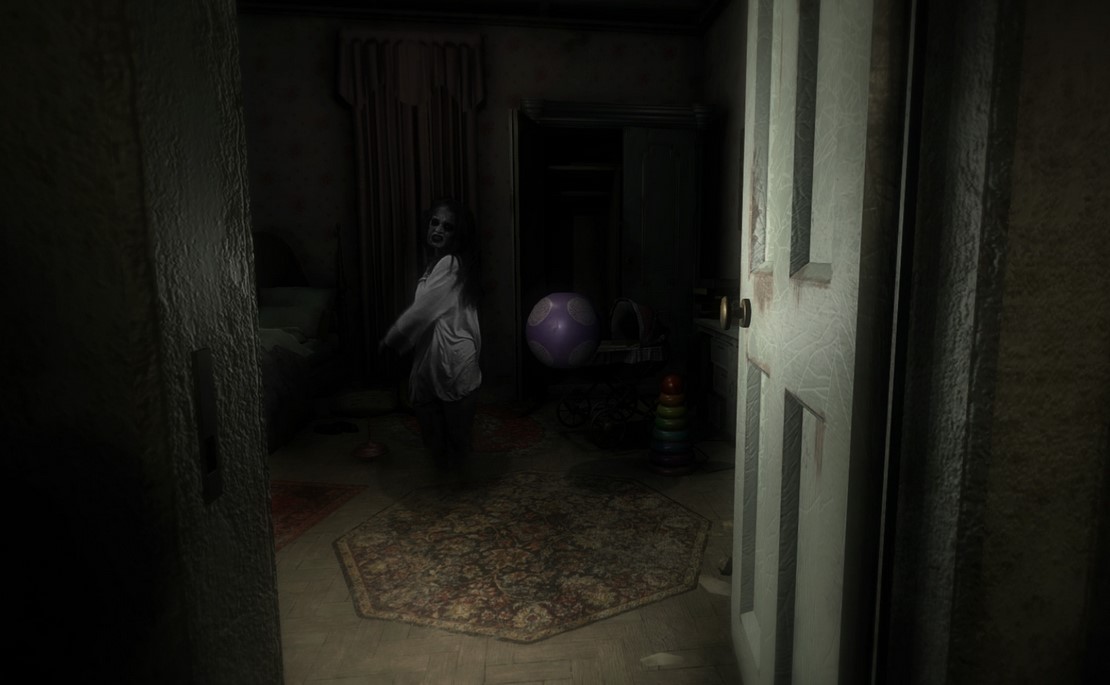
Ghost Theory

  • Dex
  • Ghost Theory (in progress)

Videos

You can view videos for each of Dreadlock’s titles below:

Inspirations

  • Castlevania
  • Resident Evil

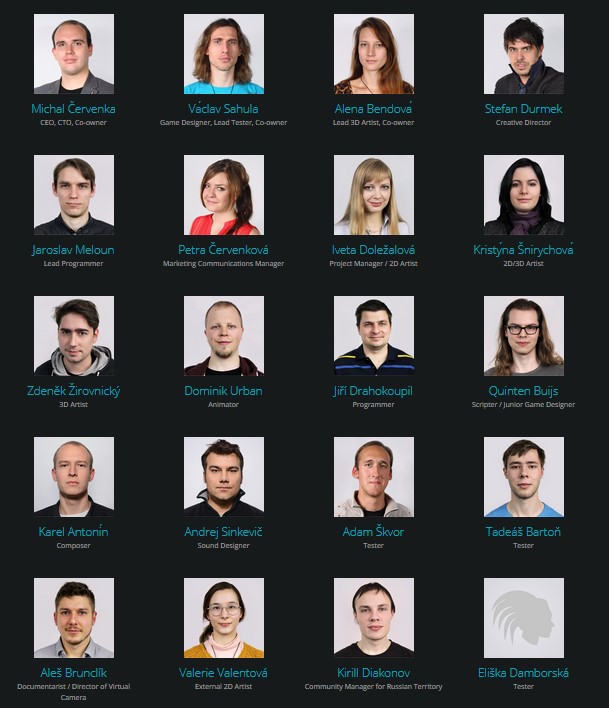
Team

Team

Future Projects

Ghost Theory

Others unknown

Support

Support Dreadlocks by buying their games from the following places:

Contact

info@dreadlocks.cz

Social Media

Twitter

Facebook

YouTube

Website

http://en.dreadlocks.cz/

NBA Playgrounds officially launches on PS4, Xbox One and Nintendo Switch

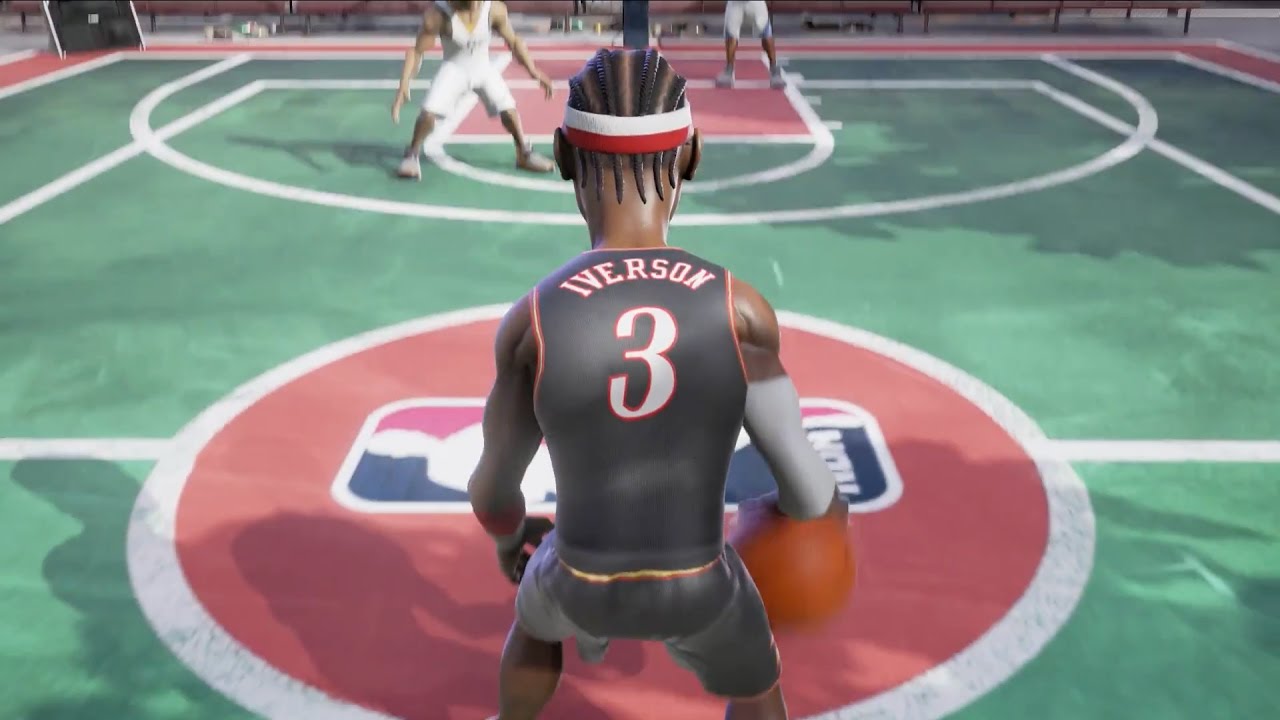
The newest title from Saber Interactive called “NBA Playgrounds” has officially launched on all major platforms. The highflying, fast-paced gameplay and street ball aesthetic will instantly bring back the classic vibes of NBA Street vol 2, and NBA Jam. From the looks of “NBA Playground” Saber is trying to resurrect the long lost arcade basketball games from years past. Will they be successful? Well, it’s too early to tell at this point, but the game has launched to mostly positive reviews.

Although, there should be a day one buyer beware sticker for this game. Depending on the console that you purchase “NBA Playgrounds” for, the game will be missing certain features at launch. For example, the Xbox One, and PS4 versions will be missing the ability to play with your friends over Xbox Live and the PlayStation Network. Which is a disappointment, but that’s a whole lot better than what the Nintendo Switch version is launching with.

NBA playgrounds will launch for the Nintendo Switch with no online compatibilities of any sort. Additionally, all versions of “NBA Playgrounds” will be missing the online tournaments feature at launch, as well. But, if you decide to take the dip on “NBA Playgrounds” at launch then fear not, Saber has said there is a plan in place for all these missing features.

According to a spokesperson from Saber, these missing modes and features for all consoles, will be added in a future update. Apparently they’re coming “a few days after launch.”

Unfortunately, games coming out without promised features is becoming a common trend. Just last month, “Sniper Ghost Warrior 3” from CI Games, launched on PC, PS4 and Xbox One. None of these versions had the promised multiplayer mode at launch…

NBA Playgrounds launched on 9/5/17 digitally for all major consoles at the price point of $19.99. Will you be buying it?

Viewpoint: The Psychology of Indie Games – How Small Developers Have Been Revitalizing the Horror Genre

Some of us play games for fun, some for family time, some for competition, and some of us like to have our wits and our desire to ever sleep again scared out of us for our own, personal enjoyment. Fans of horror games no doubt have AAA titles such as Resident Evil and Silent Hill to thank for pushing the genre into the mainstream and coining the now oft-used phrase “survival horror.” But, over the years the general mainstream horror genre has suffered from a loss of direction (think back to Resident Evil 6 before Capcom rebooted the series). The industry at large has failed to truly reinvent the genre after longtime fans became tired of the same old tropes, even when well-executed (think The Evil Within). But, as the larger studios have struggled to hit the mark, the indie game industry has managed to not only revive the horror genre, but infuse it with a fresh sense of dread, dark curiosity, and existential concepts that will keep you up at night.

Horror has always been about human frailty and probing what makes an individual through picking each aspect apart: the body, the emotions, and the psyche. Though funding issues often plague the hopes of smaller developers, not having to recover the higher budgets of AAA titles gives indie creators greater freedom to explore some of the more obscure concepts high-end developers often obfuscate. Unbridled by the pressures of larger investors, smaller developers have managed to zero in on what many bigger horror entries are missing: a sense of genuine internal trepidation brought on through feelings of mental dissonance and the subtle (sometimes not-so-subtle) use of the uncanny.

Home, a game that puts the player into the shoes of a man who might be as physiologically unstable as any of Edgar Allen Poe’s narrators, tells it’s story largely through a sense that something is out of place (namely the timeframe, but also some key piece of knowledge the game never quite divulges). This sensation leaves the player with a perplexed and disquieted feeling similar to someone who might have just noticed their mind slipping a bit. The effect is small and subtle, but terrifying, and all this is accomplished in a span of only around a couple of hours in an entirely old-style, pixelated world.

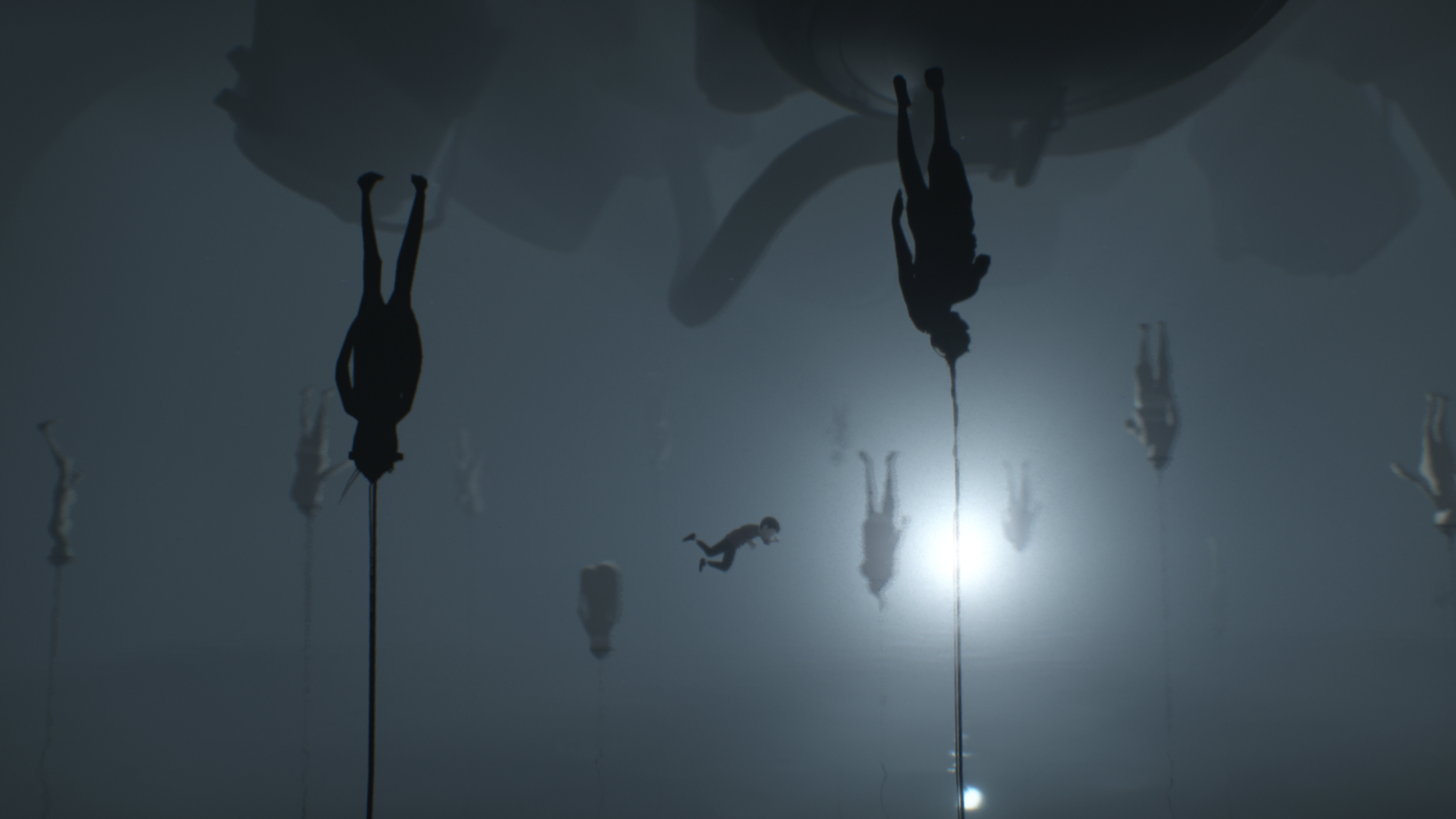
The horror of not knowing the full story and the feeling of a lack of control it produces in the player was well utilized by developer Playdead in Limbo and, more recently, Inside. In fact, Inside thrives on this feeling of displacement juxtaposed with puzzles that require the player to literally control the minds of the people around them. The fact the gamer is taking on the role of what appears to be a little boy adds to the sense of helplessness and lack of control. The ending toys with the player’s psyche even further by literally dumping the player at the end of the game with no more knowledge than that with which you began, even though your character has literally become entangled with a mass of other minds (and bodies). This sense of psychological disorientation is just one way indie horror has succeeded in tackling a major element of the horror genre often left out or unsuccessfully implemented by AAA titles.

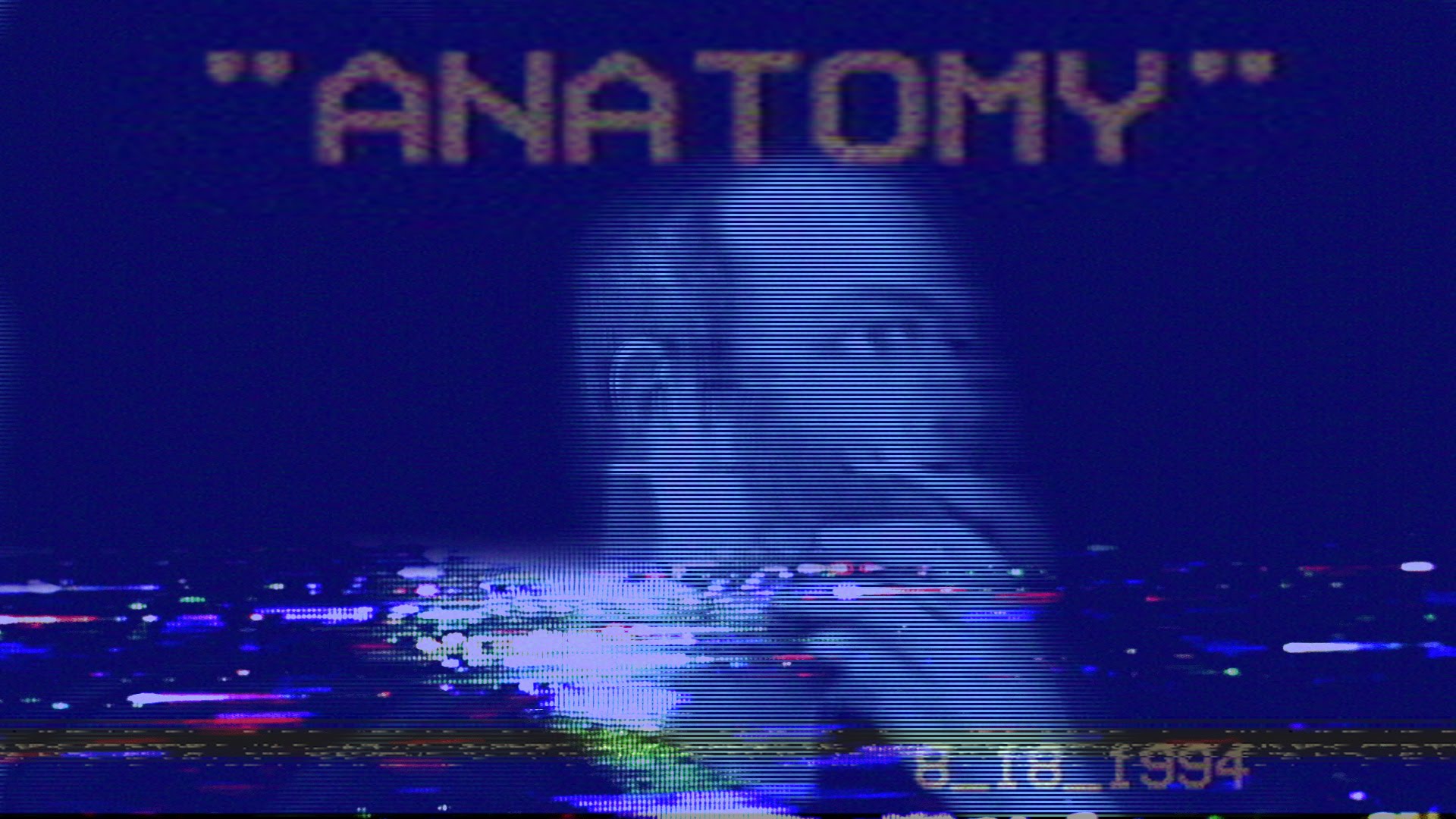
Anatomy

But, of course, some larger indie titles manage to get the feel right, perhaps due to the passion and determination needed to succeed in the independent market. Layers of Fear is a larger indie title that accomplishes on a more grandiose scale what entries like Anatomy by Kitty Horrorshow did on a more subtle note: create a sense of disquiet through over-familiarity with the mundane. Certainly a (possibly) haunted mansion isn’t exactly breaking new ground in the horror genre, but Layers of Fear managed to meld the psyche of the protagonist with the very building the player walks through, much like Anatomy does with a single family home. Though the stories are different, and Layers of Fear eventually takes on a more Alice in Wonderland level of distortion, both games succeed in amplifying common feelings of familial and domestic entrapment, and the fear of being unable to escape our own minds with all our worst memories and regrets, literally changing the mundane into an uncanny manifestation of the disorder in our own minds.

Of course, there are many other independent titles that deal cunningly with the terrors of cognitive dissonance that can result from everyday emotional trauma, depression, and feelings of entrapment. Titles such as Neverending Nightmares and Notes of Obsession both deal with these common enough passions and mental states from the angle of a horror title. Games like Outlast 2 and Soma go a step further, removing the player from reality to such a degree that they are then forced to question how much of our mental state dictates who we are, how we act, and what makes us human. If our minds are undependable like the players experience in Outlast 2, or if similar to Soma our humanity is as fragile and transferrable as a computer program, what does it mean to be human, and how can we really ever know who and what we are?

The indie gaming industry is not an easy place to find success in general. The difficulty in acquiring the proper funding, the need to locate a good publisher, advertising the game and hitting the right notes for the title to be widely successful make the path particularly difficult. Developers of horror titles have the added difficulty of an oversaturated market. The internet is inundated with would-be developers hoping to cash-in on the next great scare fest. But, while being a small developer is a hard road, the horror genre has seen an overall boon within the small games market thanks to the determination, creativity and passion of small developers. We can only hope the path eventually becomes a bit smoother, and more titles like the ones above can make their way across platforms into our homes, and into our nightmares.

New Injustice 2 Trailer “Everything You Need to Know”

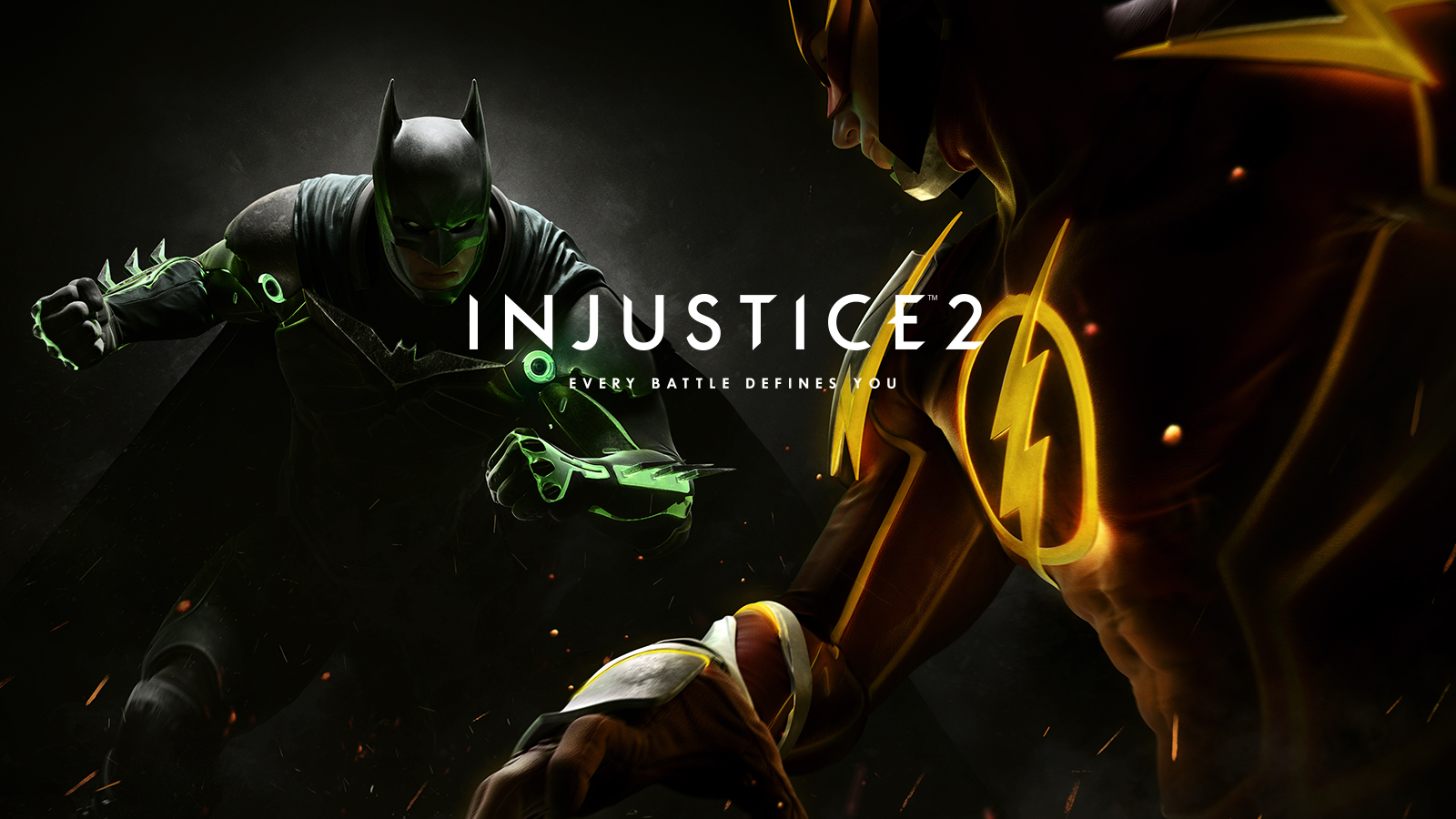
Hitting shelves in North America in less than a week, the folks at Warner Bros. Games have released an official trailer for Injustice 2, showcasing new features not only to the Injustice series but to the entire fighting genre.

Titled ‘Everything You Need to Know’ the trailer shows off the tight Story Mode, a few characters from the mammoth-sized roster, newly added gear to equip fighters with and the social online Guilds and new fighting mode called the Multiverse. If anything the newest 5 minute video gives players a chance to see just how much this new fighter is determined to change the way we play these games. It’s no longer about which characters are good or evil, who has the better move list or who claims the most popular; but more about decisions, customisation and an audacious new approach to competition.

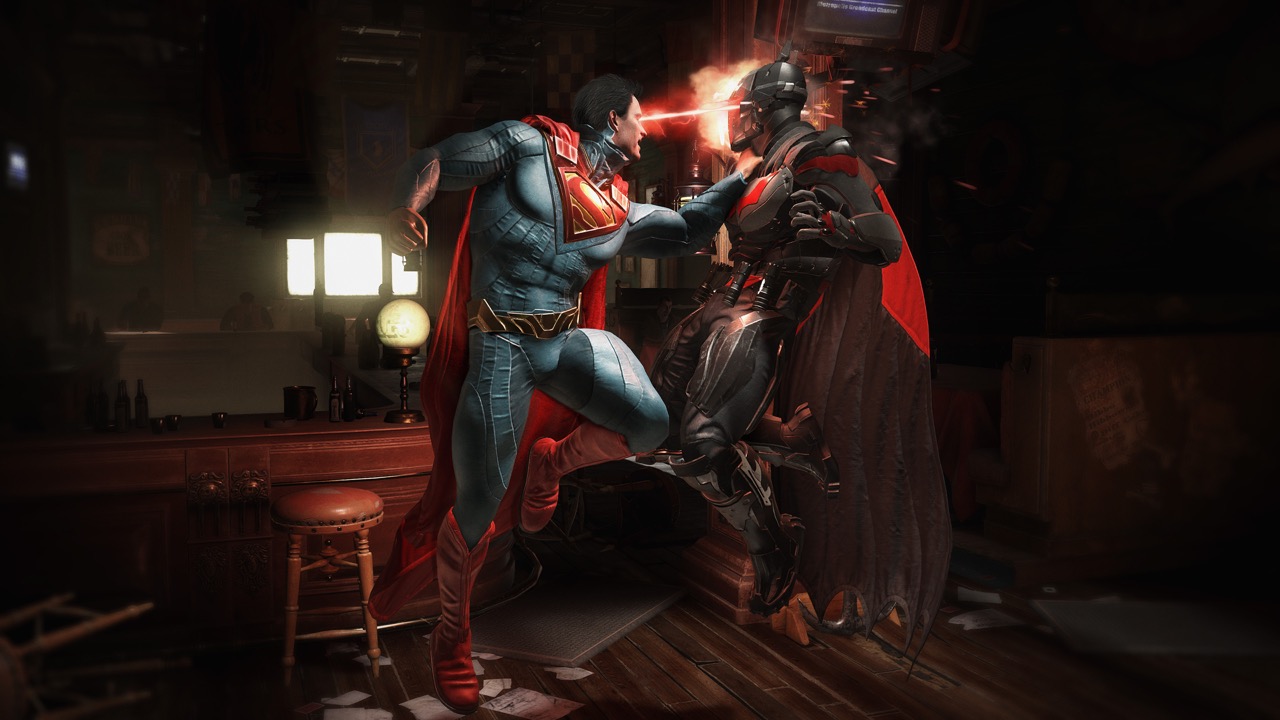
In a devastating manner the game takes place with an all-out war between all factions of the DC universe, including superheroes, super-villains and new additional wild card characters like Supergirl and Swamp Thing. Making your way through the extensive storyline, fighting through opposing alliances to reach the ultimate battle facing-off against the maniacal prodigy Brainiac, you’ll be faced with crucial decisions to make along the way, ever-changing the tide of battle.

You’ll find out there’s up’s and down’s through all aspects of the story, whether you’re fighting in alliance with the likes of Superman, Batman, Gorilla Grodd or choosing to go solo as Swamp Thing or even Brainiac himself.

inj21280-2

Injustice 2 has a deep story allowing players to create their own experience while in control of DC’s expansive list of most notable characters all the way to the lesser-known heroes and villains in the spectrum of DC comics. What makes this sequel ground-breaking is the new addition of equipping gear to your fighters. With different stat upgrades, unique appearances and a variety of special moves, each character can be suited to your liking after earning gear through winning fight after fight, making the vast roster seem even more daunting.

NetherRealm Studios brings more to the table in terms of challenging the player offline as well as online. With the all-new Multiverse in play, you have constantly changing challenges that modify battles, bringing new ways to play the game. Awarding you with rare gear and adding more to depth outside of the story mode, Multiverse is an important addition, keeping the game fresh and innovative far passed its initial release. Also with the introduction to online guilds brings more challenges and exclusive rewards by joining forces with friends or other online players to create a reigning alliance battling its way to the top of the online leaderboards.

This highly anticipated comic book brawler has been teasing fans for months with character updates and gameplay clips. Now, less than a week away from the North American release, we have even more to look forward to with Injustice 2. Catch the new trailer below.

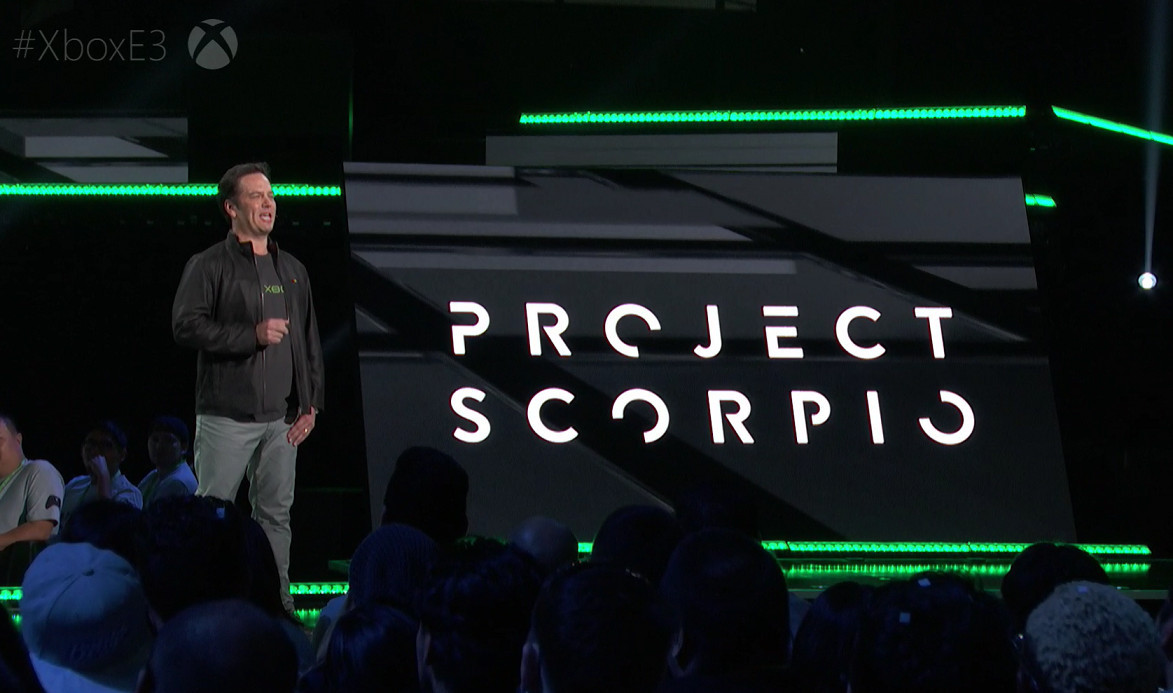
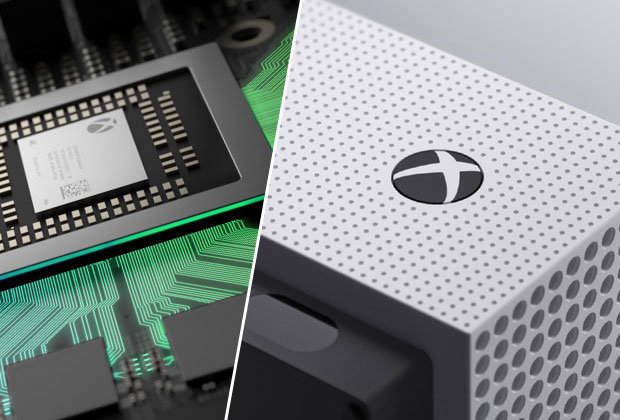
Viewpoint: Project Scorpio has caused quite a stir, but is it really a blow aimed at Sony?

I thought I would let the dust settle somewhat before tackling Project Scorpio head-on because, let’s be honest, it’s caused quite a stir. The inferno that is the console war does not need any more fuel adding to it, but Microsoft seemed intent to deliver their next blow in the battle of attrition between them and Sony. But is it really a blow aimed at Sony? From what I can tell, Microsoft is putting an end to all the bravado and aiming to deliver the best experience possible for their fans.

It came as no real surprise when Scorpio was announced as a mid-generation upgrade rather than a successor to the Xbox One. Much like the PS4 Pro was for PlayStation fans, Project Scorpio will give One owners an opportunity to upgrade to a 4K capable machine. And, in my eyes, that’s what Scorpio is; an opportunity to be part of the next step in console evolution.

As technology evolves and becomes more affordable, our demands inevitably increase and create a natural cycle. Old technology becomes redundant with new and better technology replacing it within an undetermined time scale. Take the advent of HD as an example, this was the big pull and selling point for the last generation of consoles and gave us a real reason to upgrade to a newer console. Is that not what Scorpio is now trying to achieve much like the 360 did with HD but with 4K?

I’ve seen many an article and video blasting Scorpio saying it’s nothing more than a weak gaming PC in disguise and a gimmick, almost unnecessary. But I don’t see this as a problem as that’s what consoles are at the end of the day; lower spec PC’s offering a convenient gaming package to those that don’t want to fork out for a £1000+ gaming machine. Why build something yourself, when you can play the same games (albeit at a lower quality) in a pre-built unit that fits perfectly with the rest of your home entertainment collection?

Granted, it comes at a somewhat earlier stage in the current generation’s cycle than most were expecting, but Scorpio is the aforementioned convenience. We can now have native 4K gaming in a home console with no self assembly required. 4K was always inevitable, but imagine the outcry if we had to wait until the next generation of consoles before we could experience native 4K gaming. Yet when that opportunity is offered, it’s not good enough.

xbone

Before I penned this article, I conducted a poll on Twitter to see what the general consensus of my followers was regarding Scorpio. I expected the worst and only a small amount voted, but the results surprised me. Out of 90 votes, 70% of people said that they liked Scorpio and would buy it with 10% saying they wouldn’t buy it and 20% saying they liked it but wouldn’t buy it. Most people stated that the main reason for their excitement was being able to play games in 4K without the need to build a PC, justifying the above point.

Now it would be silly not raise questions over the cost of Scorpio as this will be a potential sticking point for most, myself included. Microsoft have already said that Scorpio will be a “Premium console” but the price will not be astronomical. Now this doesn’t really settle those pricing doubts, but let’s say worst case scenario it costs circa £450, that will be significantly less than a comparable PC. Of course this won’t be upgradeable, but for the foreseeable future this will surely future proof your console experience.

Personally, I’m really excited for Scorpio. I can see why some people may raise concerns over the quality of games suffering for the sake of running at 4K but I cannot see that happening. Now more than ever, gamers are more savvy with their purchases so developers can ill afford to deliver a game that runs at 4K, yet fails to deliver a meaningful experience. Nor can Microsoft afford to have another questionable launch on their hands.

If I were a gambling man, I’d back Scorpio to be big. I think Microsoft are confident that they are onto something and I think this year’s E3 will be very interesting indeed…

Review: Little Nightmares (PS4)

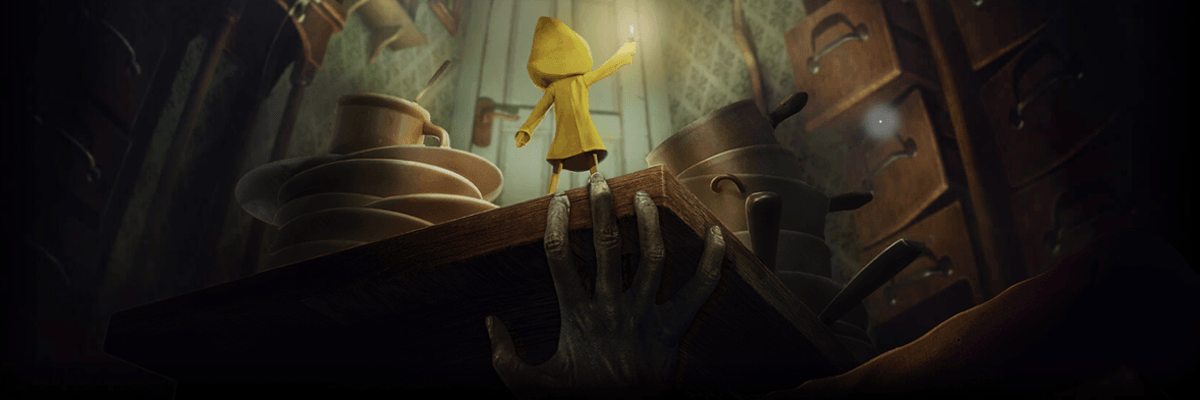
Little Nightmares is a horrifyingly mesmerizing puzzle-platformer developed by the Swedish-based Tarsier Studios. You play as a little girl named Six, wandering through The Maw, a disturbing world filled with monsters and horrors that makes your spine tingle.

This game is disturbing, uncomfortable, and absolutely gorgeous. However, there is also something alluring about it. I got a feeling that I had to explore this cruel and gruesome world with Six, so that somehow, I could protect her: so that I knew she wasn’t alone – and into the Maw we went.
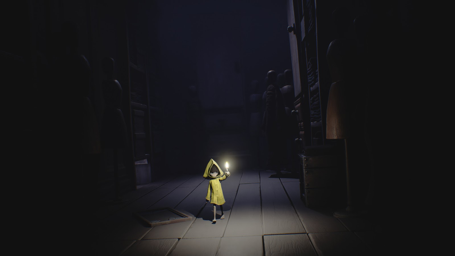
Six

In the early 2016, I went to a lecture about digital culture. Dave Mervik, the narrative designer for Tarsier Studios, was present and a part of the discussions. The lecture was called “The Art of Storytelling in Games.” One of the discussions was about how there could be a narrative designer for a game that doesn’t have a narrative. Playing games like Little Nightmares is always interesting because there is so much being told if we are willing to look.

Already then, the audience was given some sneak peeks about Little Nightmares. They were really small peeks though, since the game was still in development, and there were strict limitations to what Mervik could reveal. However, he revealed that the current name of the game was Hunger.

One of the themes I kept encountering was exactly this – the hunger. The insatiable hunger, where the mind is so overruled by this feeling that it stops thinking rationally. In one of the last parts of the game, you venture out on a gigantic ship where it seems that the only thing the guests are doing is eating. Eating with greedy hands, and greedy mouths. If they spot you, they will throw away everything in their hands, and reach for you. Even if they fall from their chairs in the process, they will keep grabbing at you, crawling towards you, groaning and moaning. That’s downright disturbing and uncomfortable. Even Six, our little adorable protagonist, will turn into a monster when hungry enough.

Is this what humans look like? Can we really be that greedy? The thought scares me…
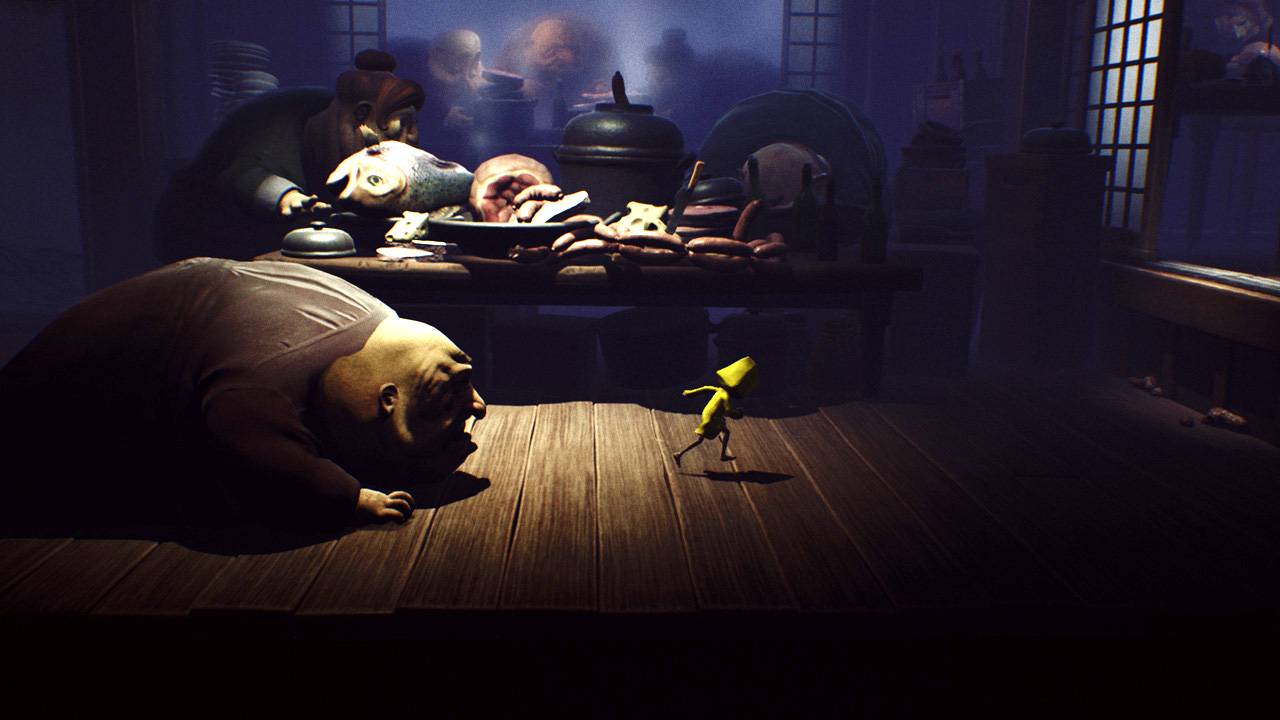
A nopety nopey nope

I love the attention that the developers have made to the small details. Small details such as Six running her hands along the wall when walking close to it, feeling existence in the darkness. She turns her head to look at something interesting, as perhaps an indication to the player what is significant. The game is also beautifully structured, with a nice build-up and end on every level. It makes you hold your breath, with your heart pounding and your slightly sweaty hands on the controller.

My main issue with the gameplay: the sensitivity of controlling the character. It’s much trickier than it had to be, which sometimes could ruin the flow of the game.
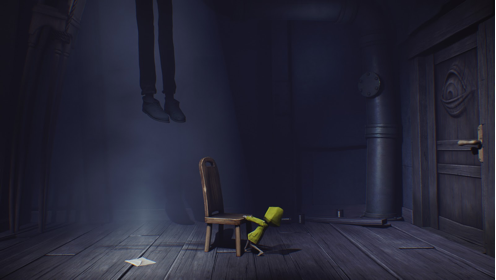
Hanged man

It is clear as day that this game has several themes/elements to it. One of those elements is darkness. There are contrasts of darkness and light as Six always carries around a little lighter. You also light up candles and lanterns along the way. Little Nightmares makes it clear that it plays off your fears, such as the fear of darkness, tight spaces, critters, paranoia, etc. It was ominous when the monsters always showed up exactly where I was at all times. Thus, that is how it is when you are having a nightmare. The monster is always following you, and it is difficult to get away.
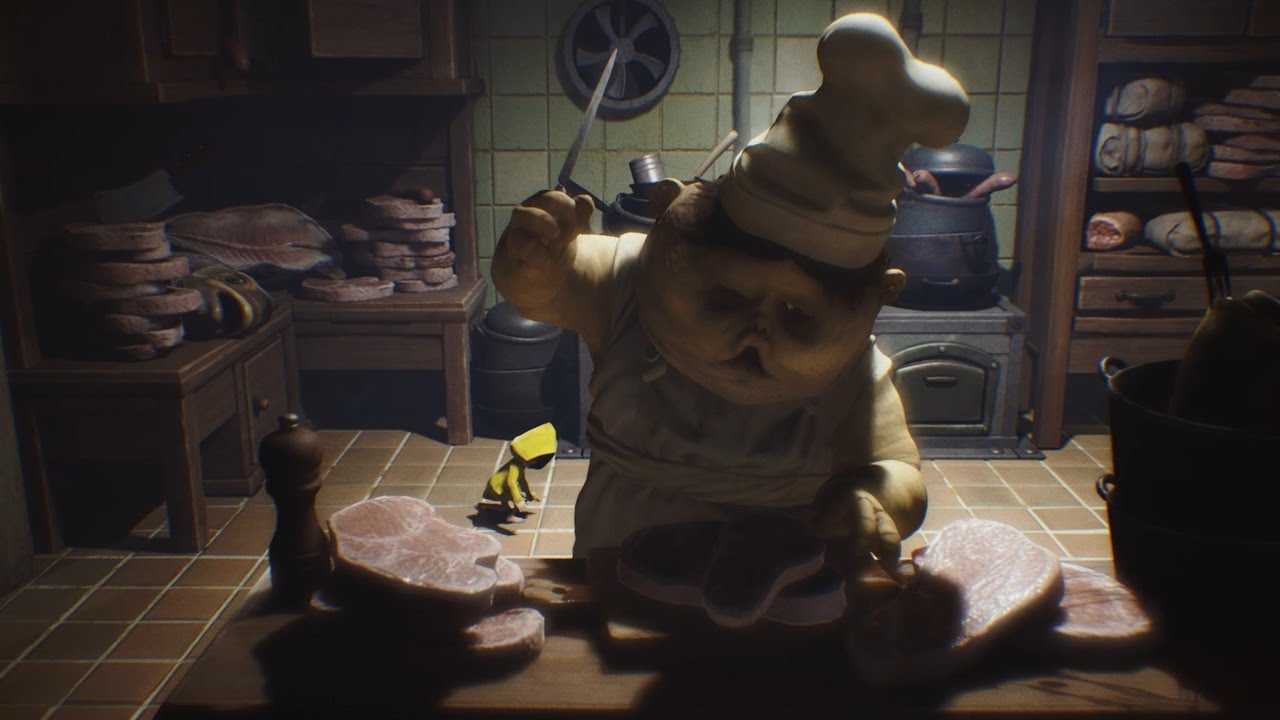
a bigger nope

As I was playing the game I realized that it created a lot of philosophical thoughts in my head. That’s a good thing – I can always appreciate a game that makes me think. One of the discussions in the lecture about storytelling in games was about how there could be a narrative designer for a game that doesn’t have a narrative. Playing games like Little Nightmares is always interesting because there is so much being told if we are willing to look.

Little Nightmares shows how defeating your ultimate fear may make you able to conquer them all. It shows you how fear can be created where there is none. Without fear, there are no nightmares. If there’s one thing I’ve learned from this experience, it’s that the Maw can be pretty damn horrifying, in it’s beautiful, messed up sort of way. You learn that in the great scale of it all, we are but one single organism. Insignificant in the bigger context.

With Tim Burton characteristics in its style, Little Nightmares provides beautiful scenery and excellent ambience. When you realize how eerily quiet it can be around you, except from the rumbling of the machines, the occasional howl of the wind. Everything creaks, something squeals, something drags itself across the floor, and among it all – the small pitter-patter of Six’s feet. Overall, Little Nightmares is a work of art. It brings forth interesting themes, conveyed through what might very well be considered, quite simply, human nature.

techtroid-rating8

Gamecast: Prey: The Opening Hour Demo – With Sally Mettson Part 2

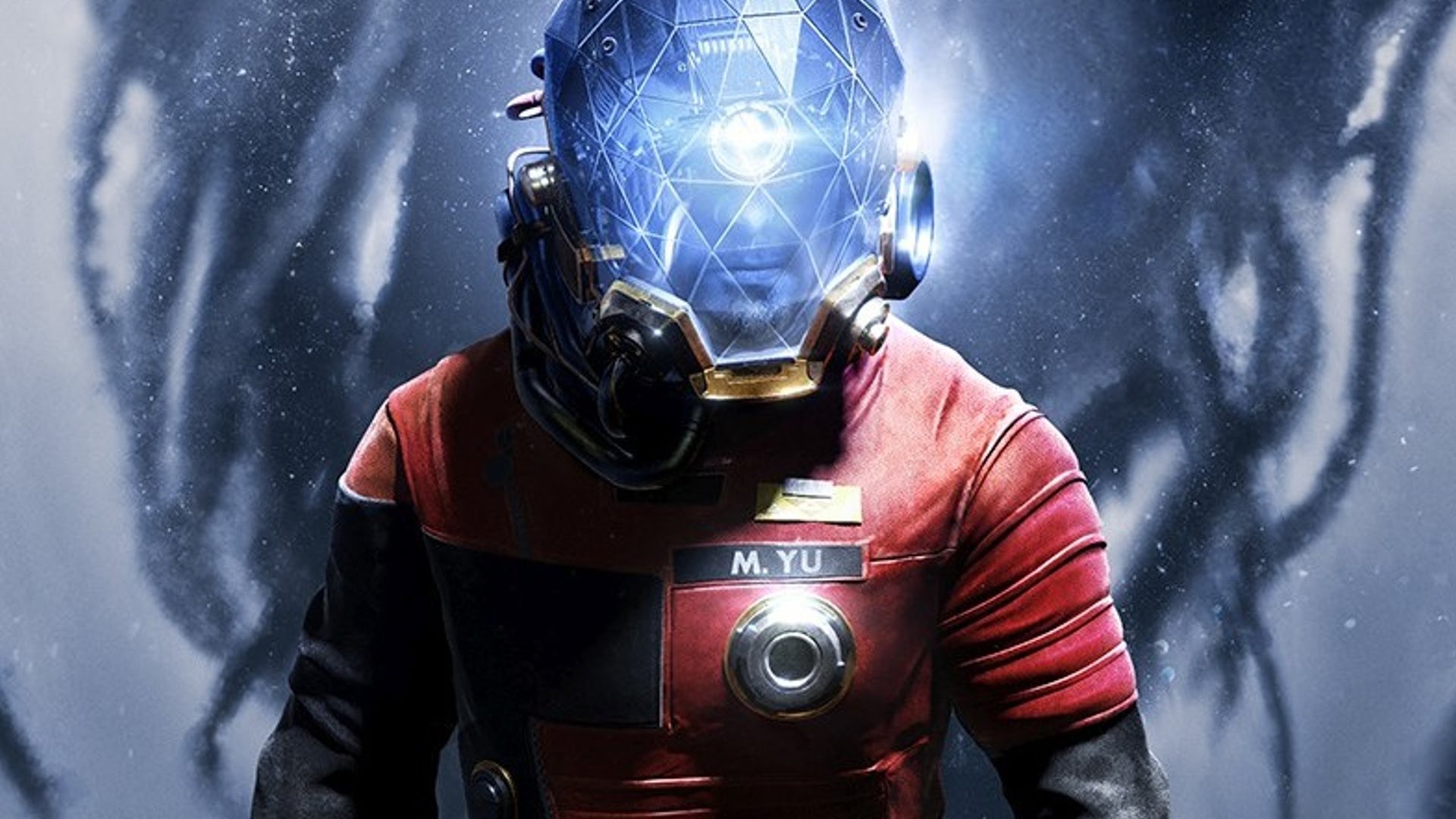
Hi everyone, here’s part 2 of my time on the Prey: Opening Hour Demo. Suprisingly, I did feel scared whilst playing the demo, not PT levels of scared, but quite jumpy.

The music was very atmospheric and at times you could hear Morgan, the main protagonist, breathing as much as I was!

You can check out part 2 as I try to find my way around!

Gamecast: Prey: The Opening Hour Demo – With Sally Mettson

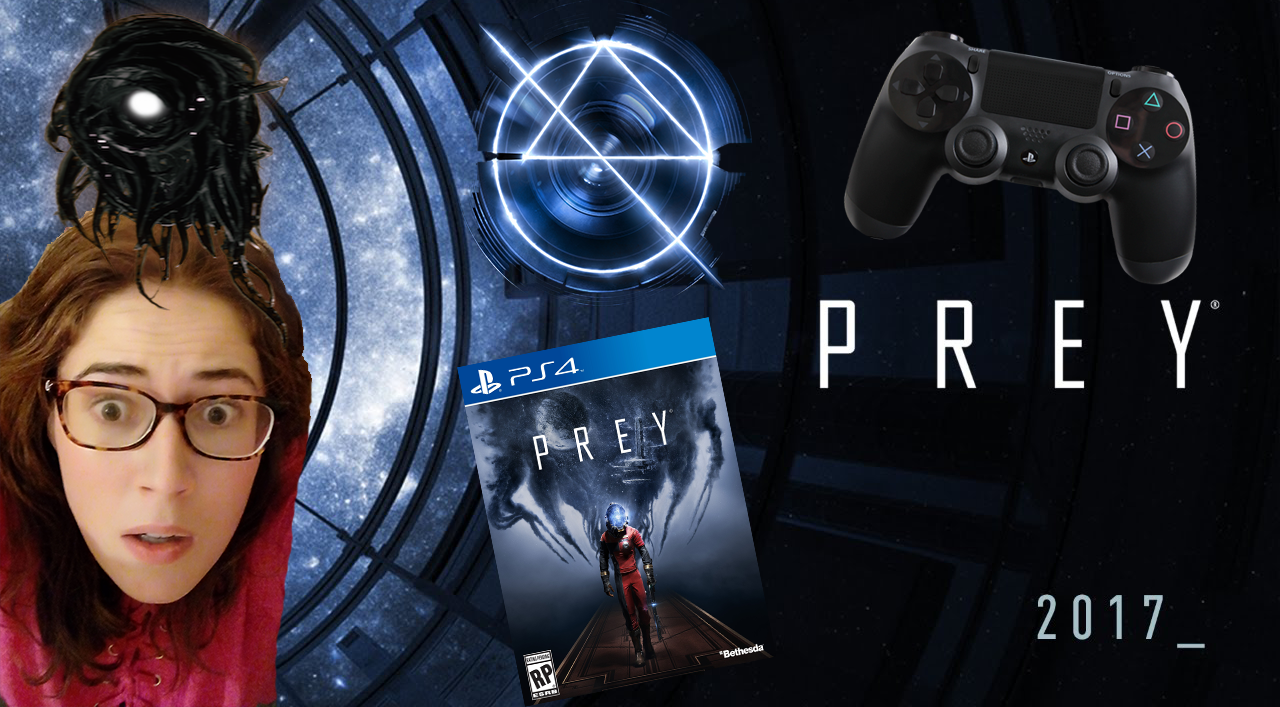
Sally here. I played the recently released Prey: Opening Hour Demo in celebration of the game coming out this week. You can also read what Chris thought about the demo if you prefer the written way of doing things!

I haven’t had much experience with FPS games but I gave it a go anyway. I really liked the test subject idea, it made me feel unsure of whether I was the enemy or the catalyst for the whole nightmare that unfolded. Is everything in this world a simulation? That I’m not sure of yet.

Check out the first part of my video below:

Breath of the Wild DLC Details Revealed

The Nintendo Switch has been breaking records and making headlines all over the world. Much of this wouldn’t have been possible without the launch day release of the popular sword swinging elf-like hero, The Legend of Zelda: Breath of the Wild.

With a huge, beautiful open world to explore and gorgeous graphics to accompany a tugging storyline, the new DLC, The Master Trials, gives players an even more engaging experience with more hours to pour into the massively successful title.

The new additions, the first of two DLC’s to be released for the game, include an all new Hard Mode, a new challenge known as Trial of the Sword, and for the completionists there’s “Hero’s Path” mode, a few new items and new equipment pieces. The only option to purchase this DLC is to buy the bundle pack of both DLC’s at the cost of $19.99. Let’s take a look at what you’ll receive with the new add-on content releasing this summer.

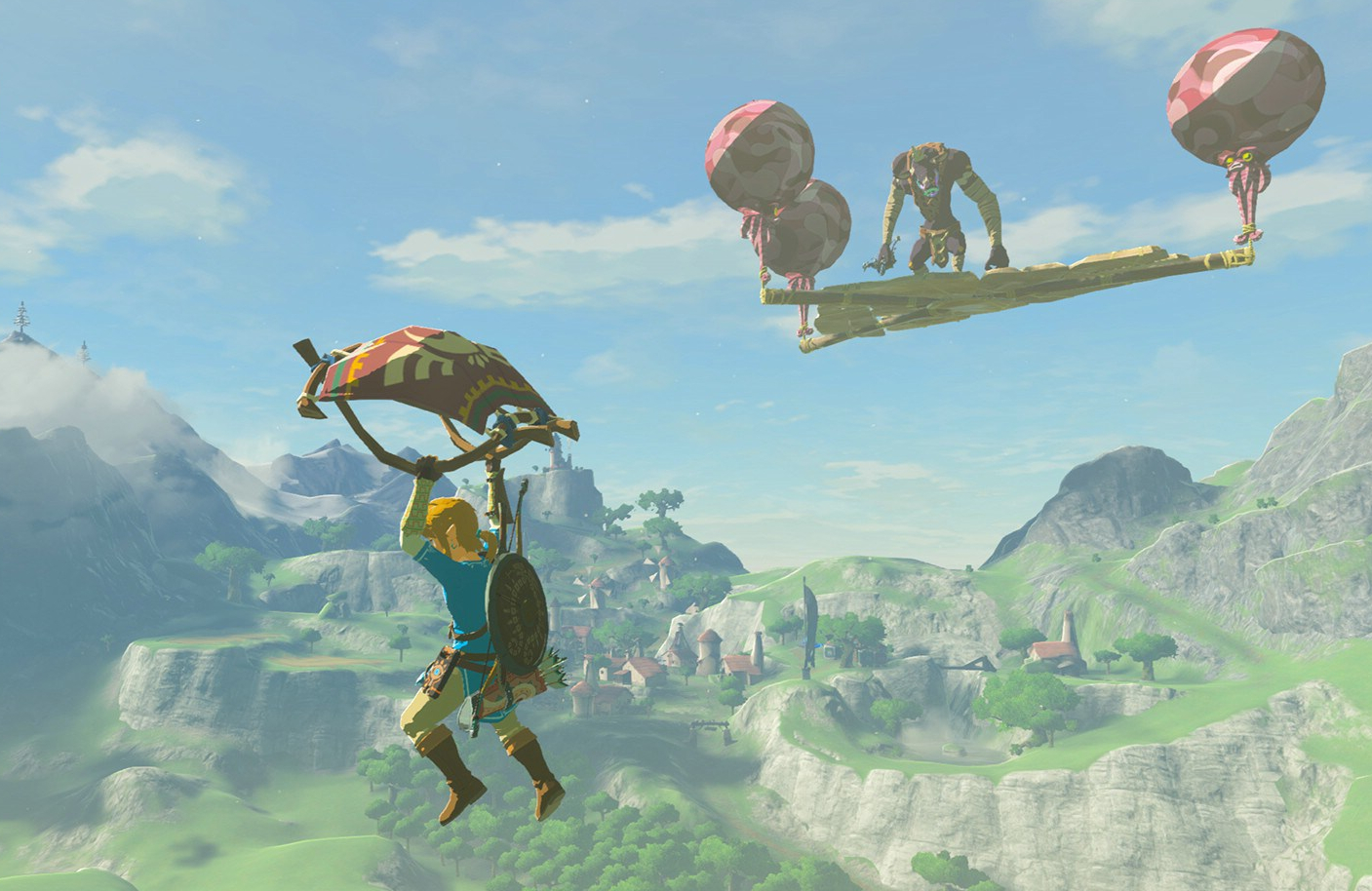
Hard Mode: If you’ve played through Breath of the Wild multiple times, getting your fill of the immense land may start to seem a little lacking of challenge. Changing the ranks of enemies and even a few high-ranking enemies you wouldn’t normally stumble upon, hard mode speaks to the thrill seekers and anyone looking for a true challenge in the realm of Zelda games. With a more combative healing structure giving enemies a health recovering system and a better detection system making Link harder to sneak around, this mode is sure to raise the bar. Finally, adding floating platforms throughout the game with hidden treasure, naturally guarded by tough enemies gives players even more to discover.

HardMode

Trial of the Sword: Bringing in a new enemy wave-challenge series, Trial of the Sword brings 45 trial rooms to complete in succession with an ultimate reward. In each room there are waves of baddy’s to defeat and once each room is cleared, it’s on to the next one. The Master Sword will awaken to its true power once all rooms have been cleared, also granting a constant glowing powered-up appearance.

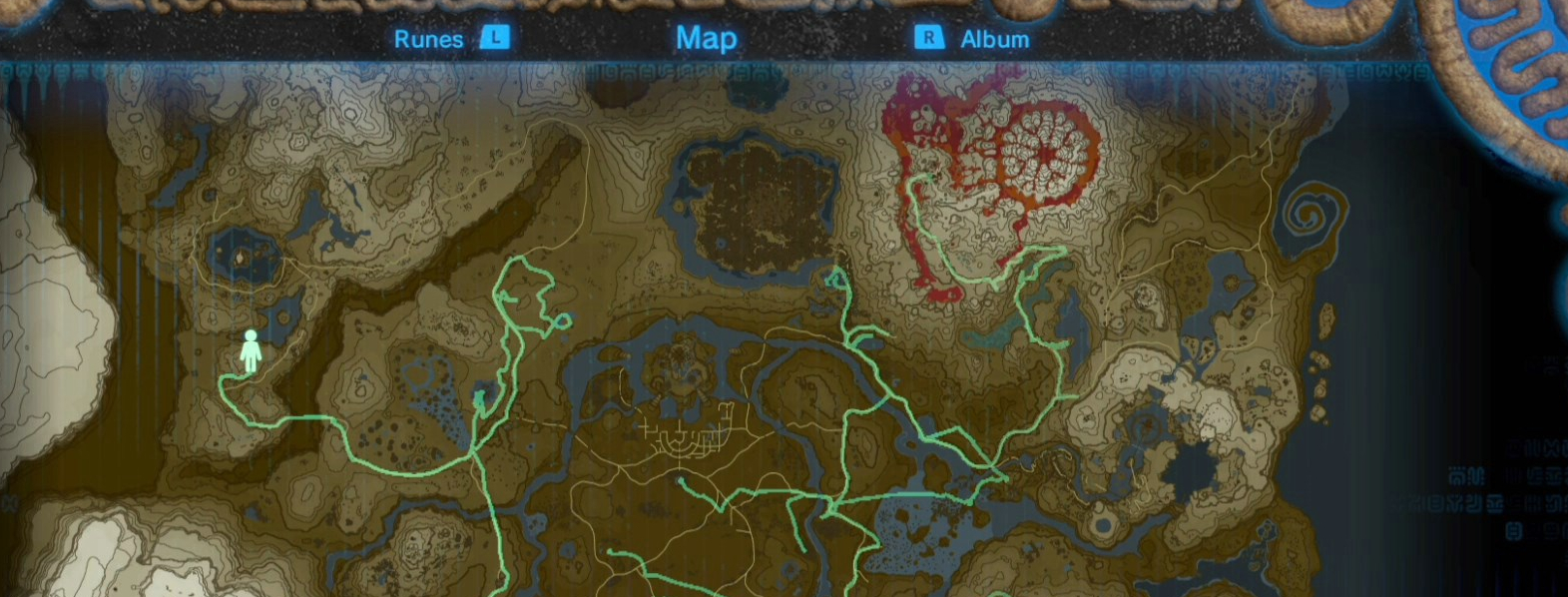
Hero’s Path Mode: Something a lot of other open-aired game makers could get behind is Breath of the Wild’s soon-to-be released Hero’s Path, which highlights every path you’ve taken for up to 200 hours of gameplay. Included is a slider bar that’s attached to the game’s timeline to give easy access to find where and when you’ve visited a certain area.

Hero_s_Path

This will help players reveal parts of Hyrule they might have missed previously, including any Shrines not yet encountered. Additionally this will work retroactively meaning any previous steps you’ve taken before the DLC release will appear on the map as well, once the Hero’s Path is installed.

New Items: “The Travel Medallion” and “Korok Mask”. In a new treasure chest there lies a new item called The Travel Medallion which allows easier access to previously visited areas. Placing a travel blip on the map wherever you’re currently standing, this allows the player to be transported back to that point at any time, but only one blip can be placed at one time. A handy feature useful for remembering important areas you’d like to return to later.

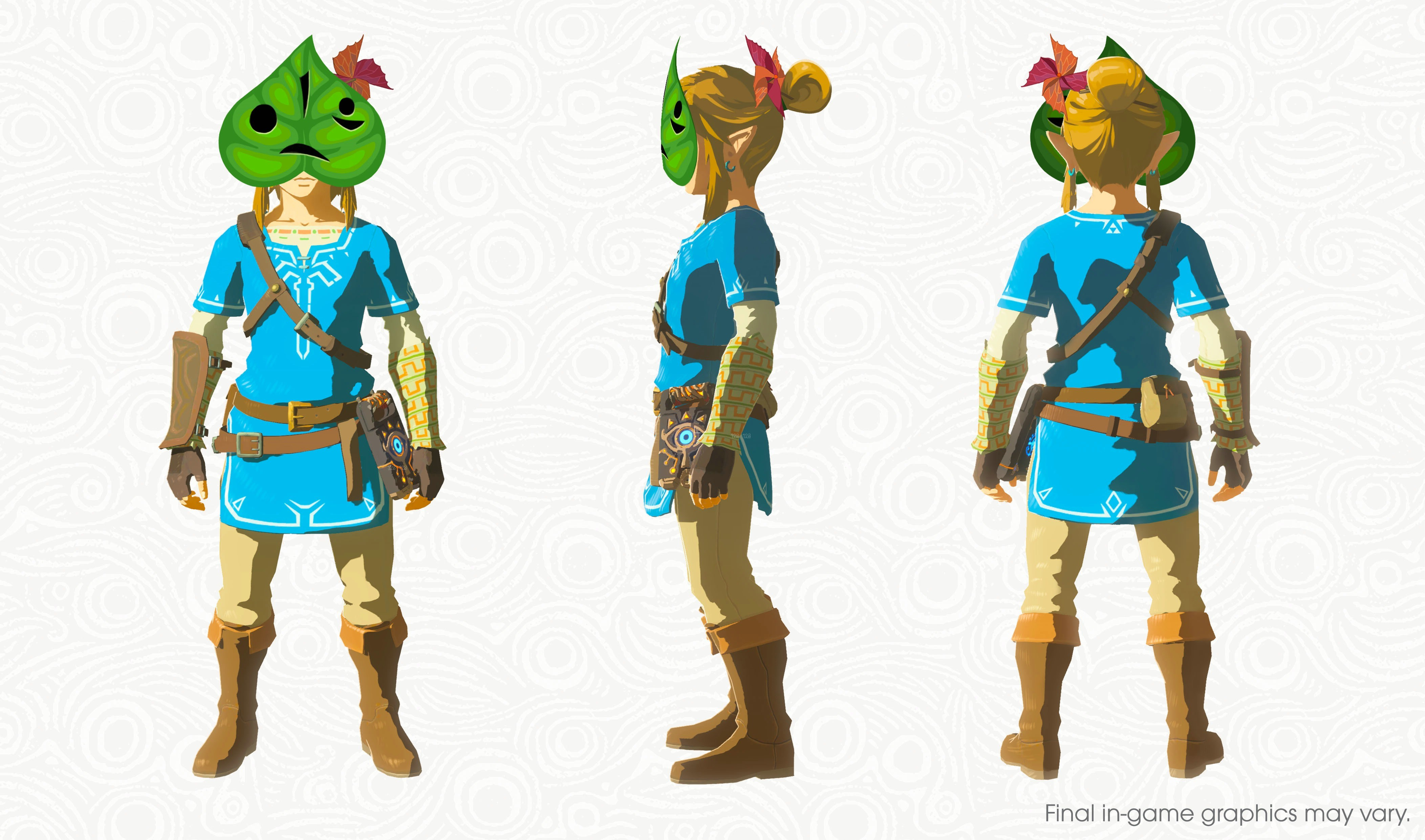
The new Korok Mask can also be found, which when equipped helps you find more Korok locations. When near-by a location the mask will begin to shake making it easier to pin-point any undiscovered Korok areas.

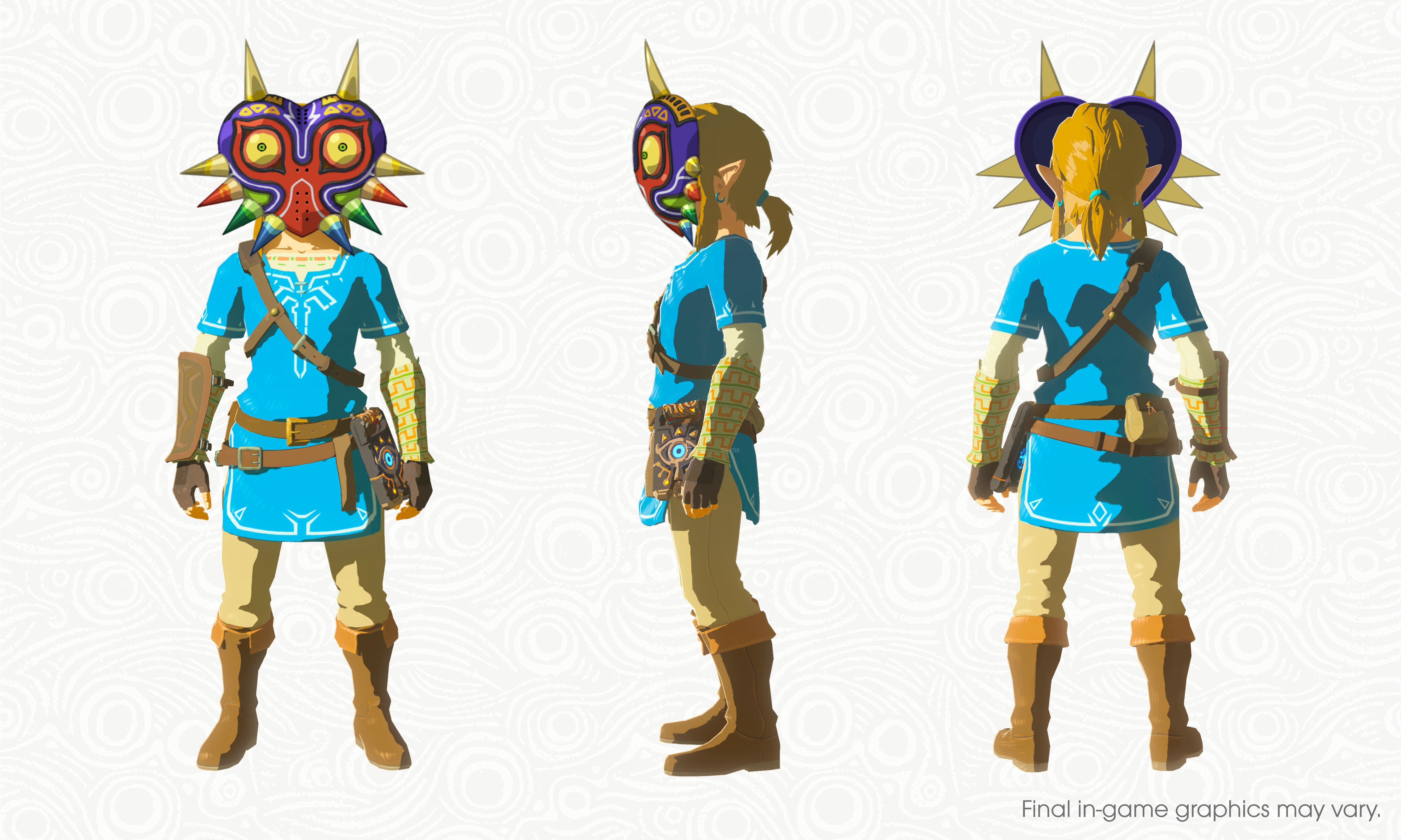
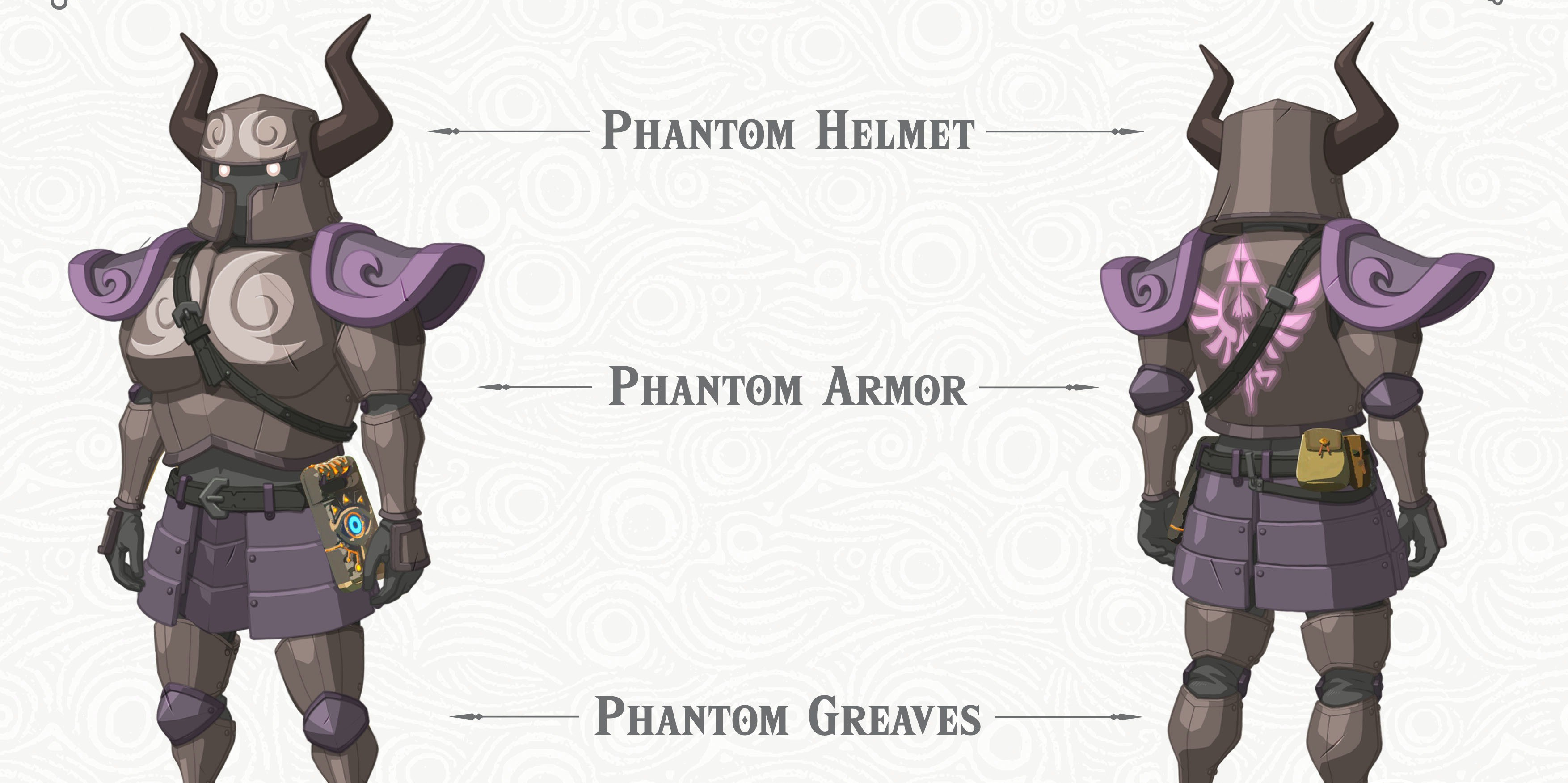
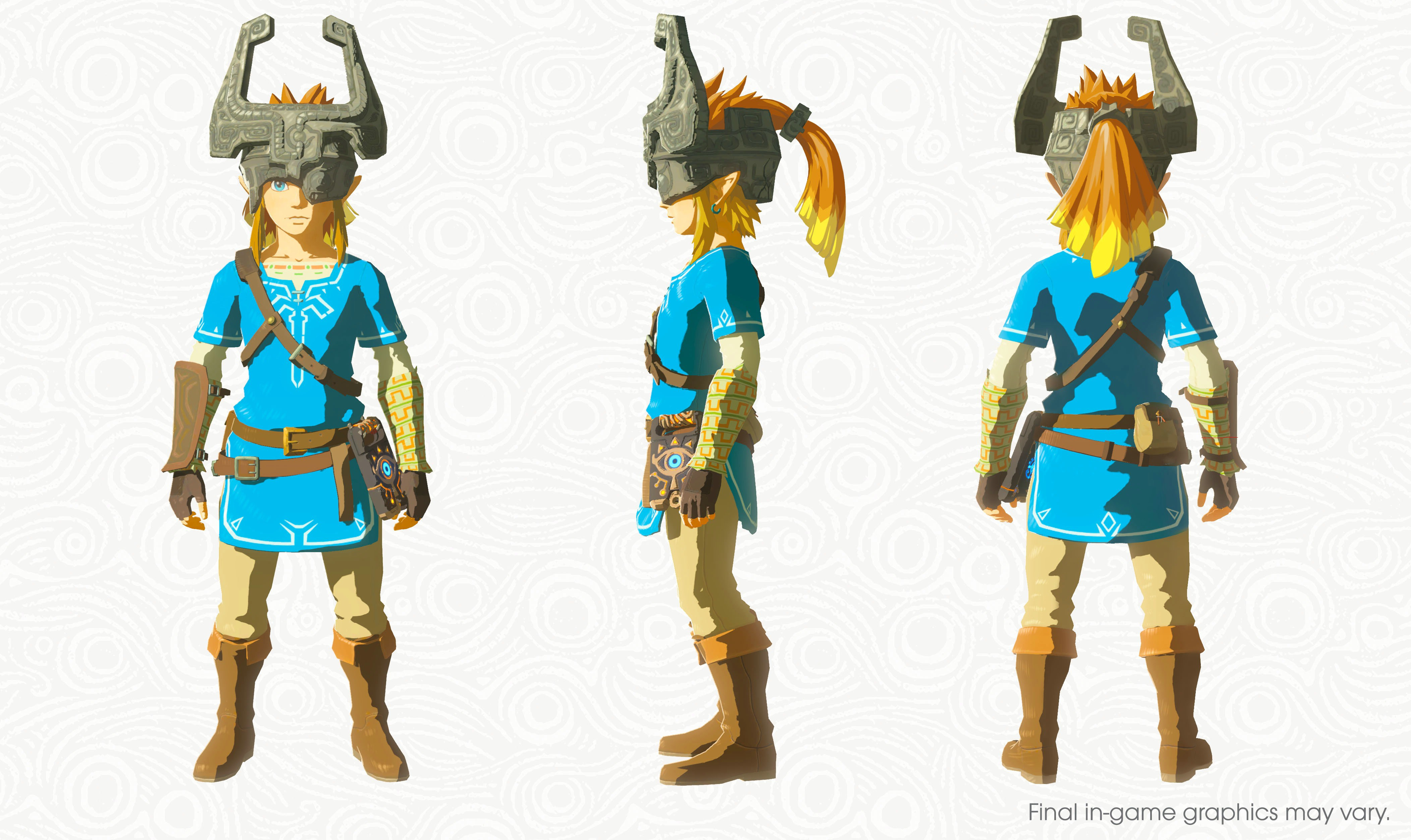
Alas, equipment themed from previous Zelda games and characters will also be available to unearth throughout Breath of the Wild. Fan-favorites such as Tingle, Phantom, Midna and Majora’s Mask are all included in the DLC coming soon.

korok_mask.jpg

majora_mask.jpg

phantom_armor.jpg

midna_helmet.jpg

More information will be released later this year about the second DLC which is scheduled to release this holiday season. Both the Switch and Wii U versions are available for the additional content, with the first release gracing Zelda fans everywhere this coming summer.

The adventure isn’t coming to a close yet – it’s gearing up for a long haul well into next year.

Indie Profile: Tribute Games – Creators of Flinthook

Intro

Tribute Games has been steadily creating fun and challenging video games since 2011. They use modern game development processes and technology to design new original titles.

Their games have featured on PC, PS4, PS Vita and Xbox One.

History

Tribute Games is an indie game studio based in Montreal, Canada. It focuses on retro games for PC, PlayStation 4 and PlayStation Vita.

It was founded in 2011 by former Ubisoft employees Jonathan Lavigne, Jean-Francois Major and Justin Cyr.

Games

Here’s a list of the games that Tribute Games have developed:

Flinthook

  • Ninja Senki
  • Wizorb
  • Mercenary Kings
  • Curses ‘N’ Chaos
  • Ninja Senki DX
  • Flinthook

Videos

You can view videos for each of Tribute Game’s titles below:

Inspirations

  • Castlevania
  • Metroid
  • Mega Man

Team Members

The most important bit – the creators themselves.

Jonathan Lavigne – Game Developer and Co-founder of Tribute Games

Jonathan Lavigne

Jean-Francois Major Programmer and Co-founder at Tribute Games

JFMajor

Justin Cyr – Indie animator/game designer, 2D pixel art specialist and Co-founder at Tribute Games

Justin Cyr

Future Projects

Currently unknown.

Support

Support Tribute Games by buying their games from the following places:

Contact

info@tributegames.com

Social Media

Twitter

Facebook

YouTube

Twitch

Website

https://tributegames.com/

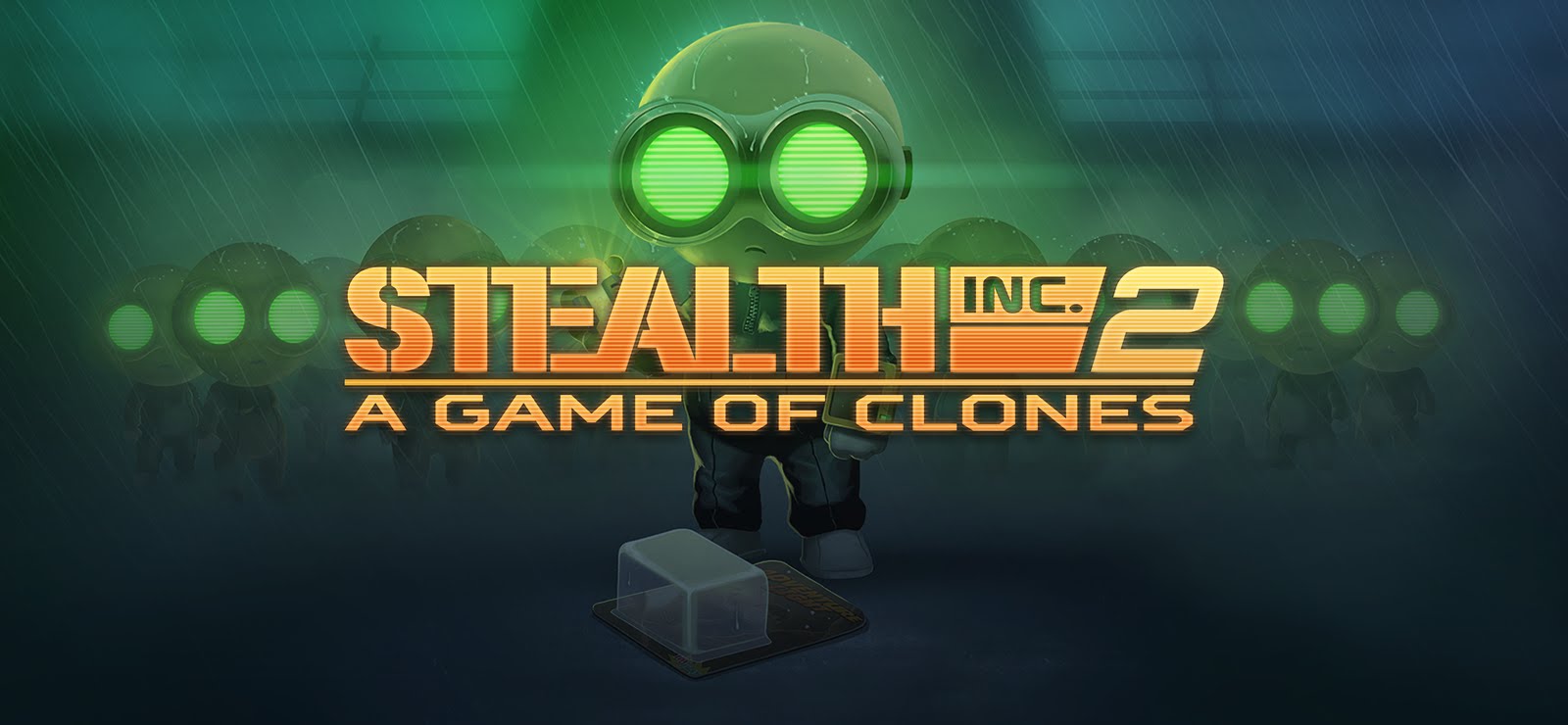
Indie Profile: Curve Digital – Creators of Stealth Inc 2: A Game of Clones

Intro

Curve Digital‘s mission is simple: develop and publish great video games. Their office is based in central London. The team is made up of creative individuals who have developed games for a long time.

Their games have featured on the PS3, PS4, PS Vita, Wii, Wii U, Nintendo 3DS, PC and Xbox One.

History

Curve Digital is a British game developer that was founded in 2005. In 2013, the developer began publishing games as well. In 2016, they were acquired by The Catalis Group and merged with their own development branch Kuju to form the publishing entity Curve Digital Entertainment.

Games

Here’s a list of the games that Curve Digital have developed:

Stealth INC 2

  • Fluidity
  • Explodemon
  • Stealth Bastard
  • Fluidity: Spin Cycle
  • Stealth Inc 2: A Game of Clones

Videos

You can view videos for each of Curve Digital’s games below:

Inspirations

So what inspired Curve Digital to get into video game development? Ring any bells:

  • Mega Man
  • Oddworld

Future Projects

Human Fall Flat – Pre-orders available now

Support

Support Curve Digital by buying their games from the following places:

Contact

hello@curve-digital.com

Social Media

@curvedigital

Website

http://www.curve-digital.com/