Danmaku Unlimited 3 Review – An Exciting Addition to Bullet Hell Shooters (iOS)

Intense bullet hell shooters bring a much-needed adrenaline rush to the category of casual games. Doragon Entertainment has pushed the limit of how mobile style games generate addictive and thrilling experiences, by providing an arcade style shooter that leaves your heart pounding in an awe of gorgeous colours and visuals in, Danmaku Unlimited 3.

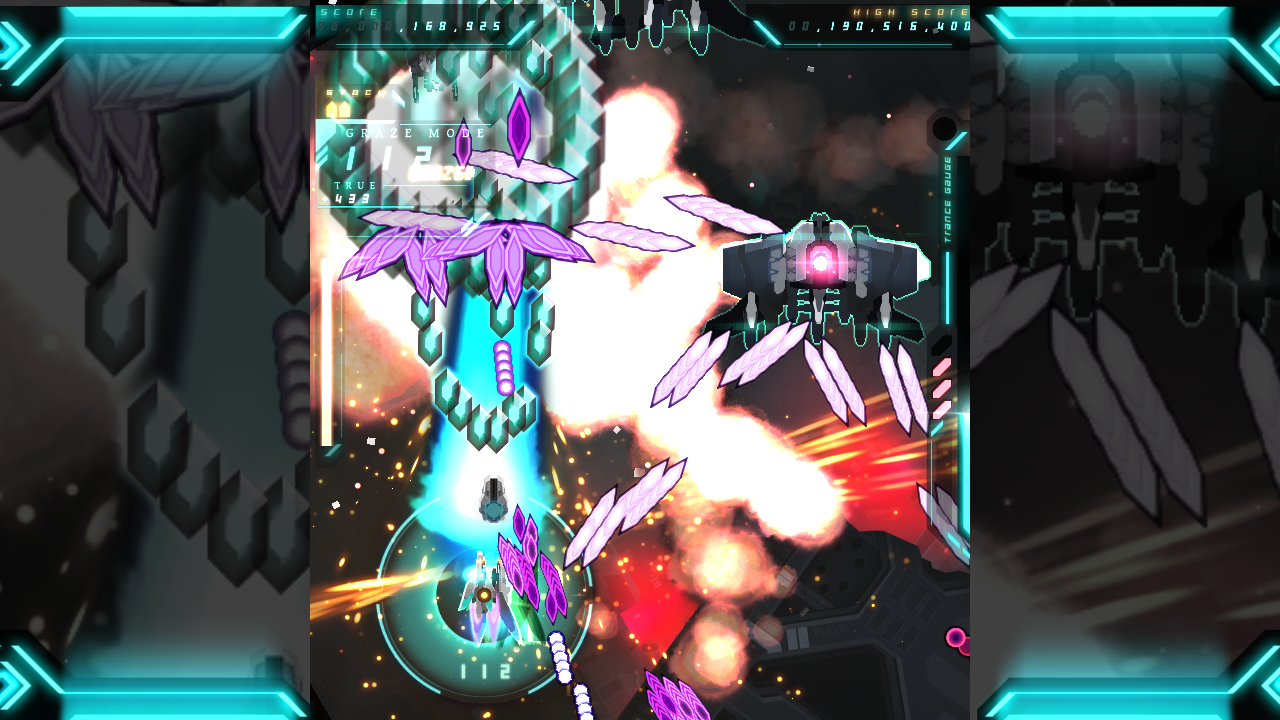
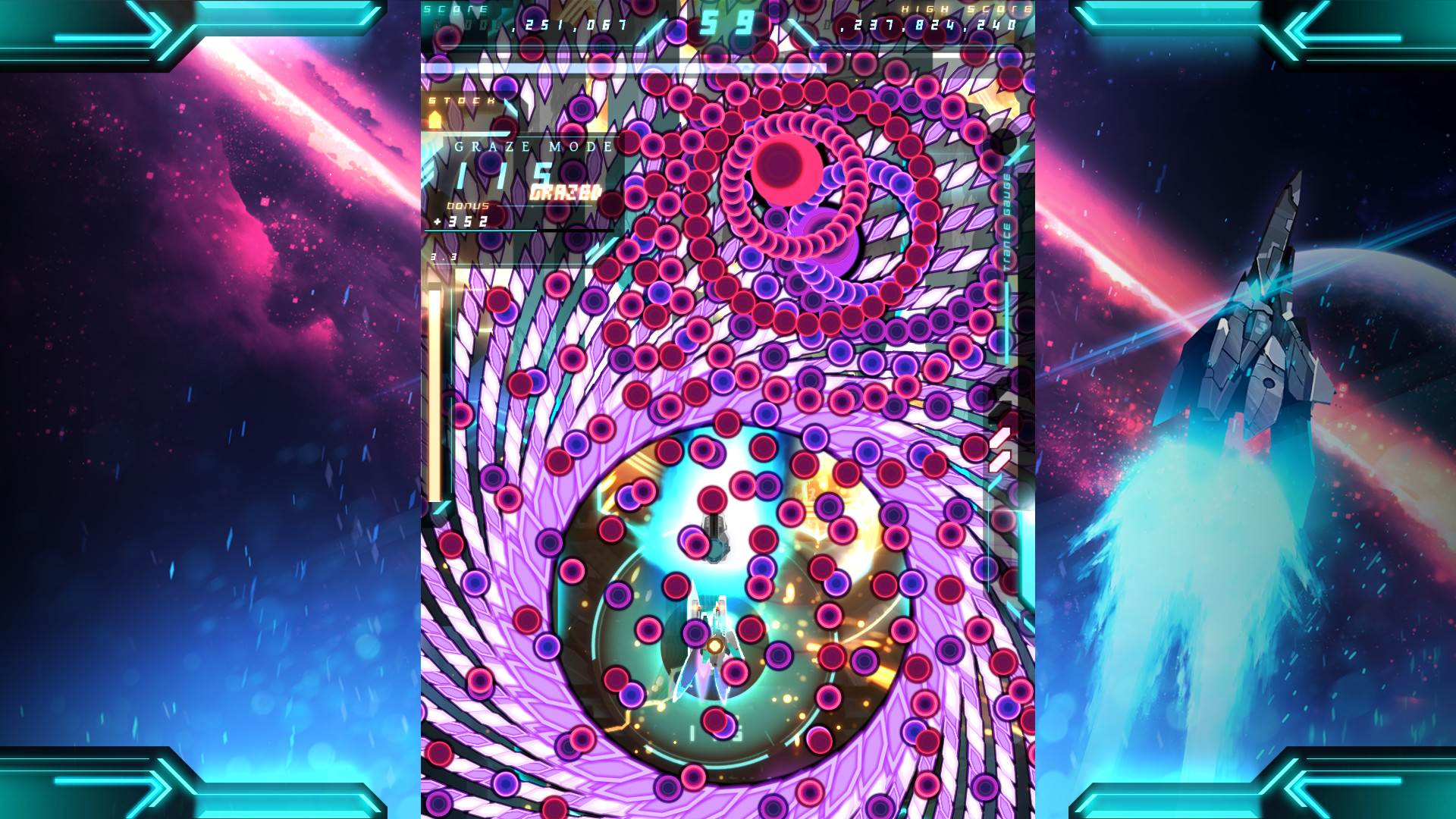
Piloting an agile spaceship, you’ll find yourself in the middle of a storm of bullets and projectiles fired from a fleet of opponents and enemy ships. High octane rock music fuels the adrenaline filled levels as you’ll desperately guide your ship back and forth through hordes of darting bullets laid out in spectacular designs, while delivering every ounce of destruction capable in your various streams of gunfire.
DU3_switch_2

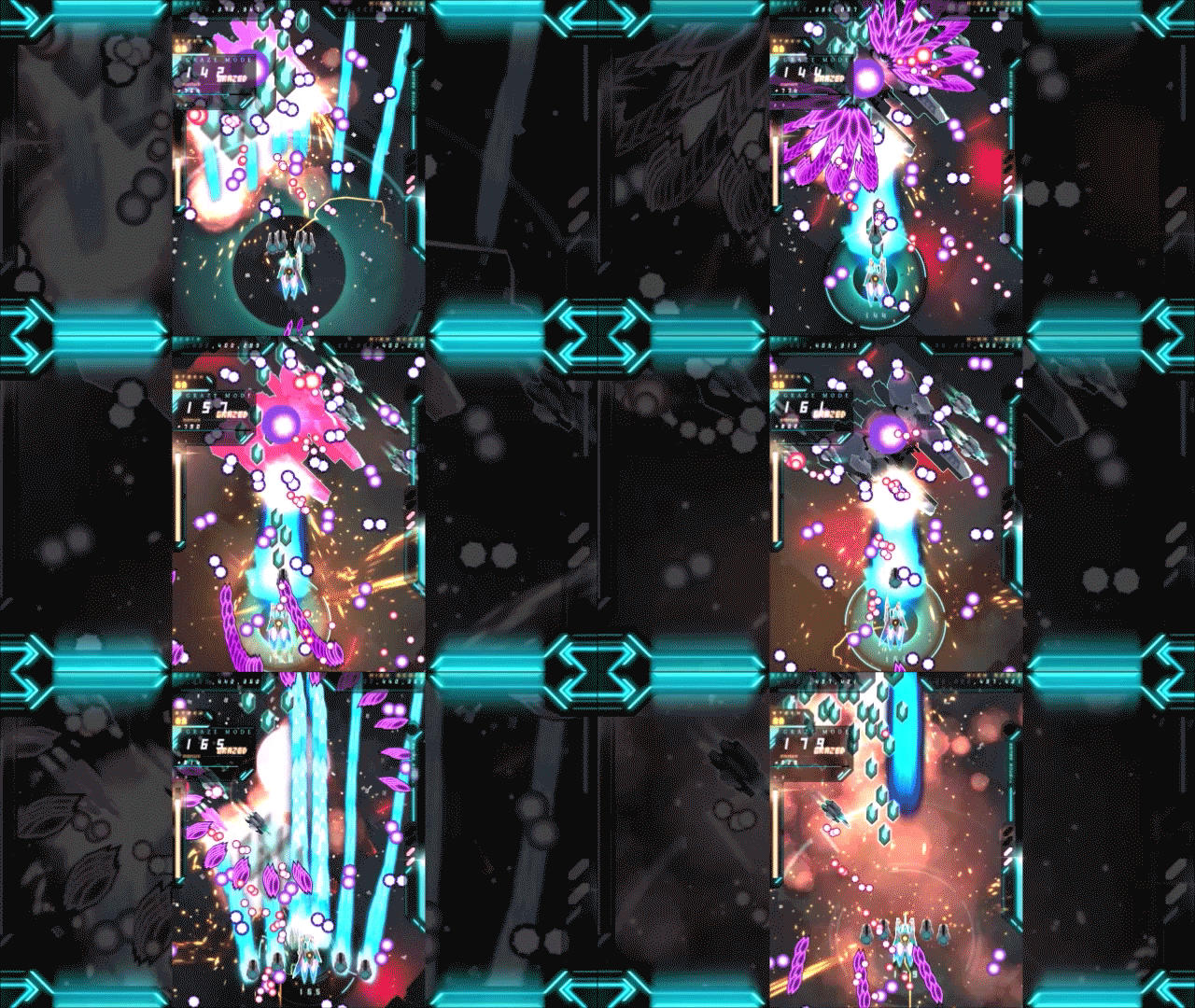
Through five different stages, the player uses a wave of bullets stretched across the game screen, as well as the option to switch to a sizable beam delivering an accurate source of damage on whoever sits in your way. Also found throughout the levels are bombs, where once obtained, you’ll be able to detonate a powerful explosion surrounding the area around the player’s spaceship. The bomb is a sure way to make quick work of the enemy ships zeroing in too close.

With the unique Spirit/Graze system, you’re able to counter attack your opponents by using the enemy projectiles to charge up your Trance Gauge. Flying too close to bullets, or grazing them, the Trance meter will start to fill. Once filled and engaged, your ship is charged with enhanced firepower, also destroying all ships in sight and turning them into valuable gems and points, to further increase your score.

Waiting at the end of each level are multi-phased boss ships capable of dealing mesmerizing bullet patterns, sometimes filling the screen with colourful explosions and fire-power. Quick lasers, a volley of torrential bullets and heavy-duty explosions are common in Danmaku Unlimited 3, so you’ll have to make good use of strategy and keen reflexes as you dip and dodge appropriately through the maze of bullets and projectiles.
SCN_4.png

A range of difficulty comes provided with Danmaku Unlimited 3, making sure players of all skill levels may adapt to the high-energy arcade title. Spirit Mode and Graze Mode separates the casual from the hardcore, creating an excellent balance of challenges for the long-time fans, or the newcomers who are getting acquainted with the unique style of play. Also included is a healthy dose of weapon combinations, changing the spread layout of your primary guns, the beam intensity or perhaps the number of beams fired from your ship. Unlocked in various ways throughout the game, these weapon combos give players enhanced action and battle tactics when pushing further into more challenging areas of the game.
DU3_5.gif

In a flurry of bullets comes Doragon Entertainment‘s next arcade shooter in the acclaimed bullet hell series. With a scorching soundtrack, high-energy gameplay, tight controls and gorgeous visuals to back it all up, Danmaku Unlimited 3 delivers a fierce experience not typically found in the world of mobile gaming; one any dedicated mobile gamer can’t miss.

techtroid-rating8

The Tavern Review – A Visual Novel/RPG Hybrid (PC)

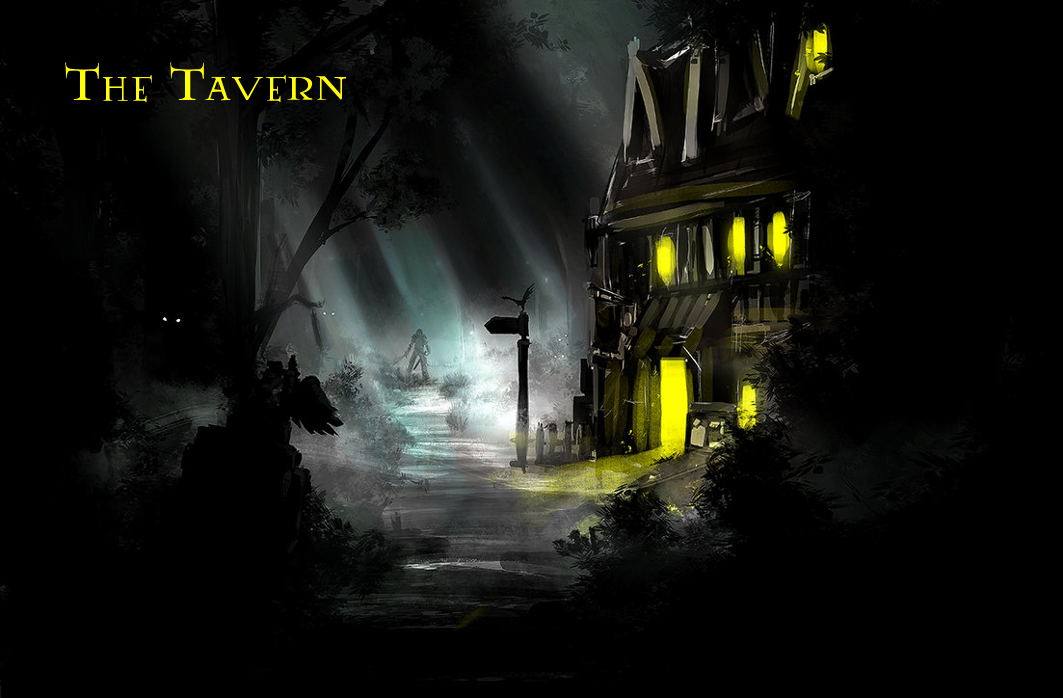
Selective dialogue and story driven games have been gaining ground since the rise of the indie game market. It’s no surprise to learn that game developers Moral Anxiety Studios continue this trend with The Tavern. What we see here is a thrilling tale solely based around your actions and responses in dialogue. Clinging to the slim hope of survival, The Tavern delivers an eerie story where the threat of defeat lurks around every corner.

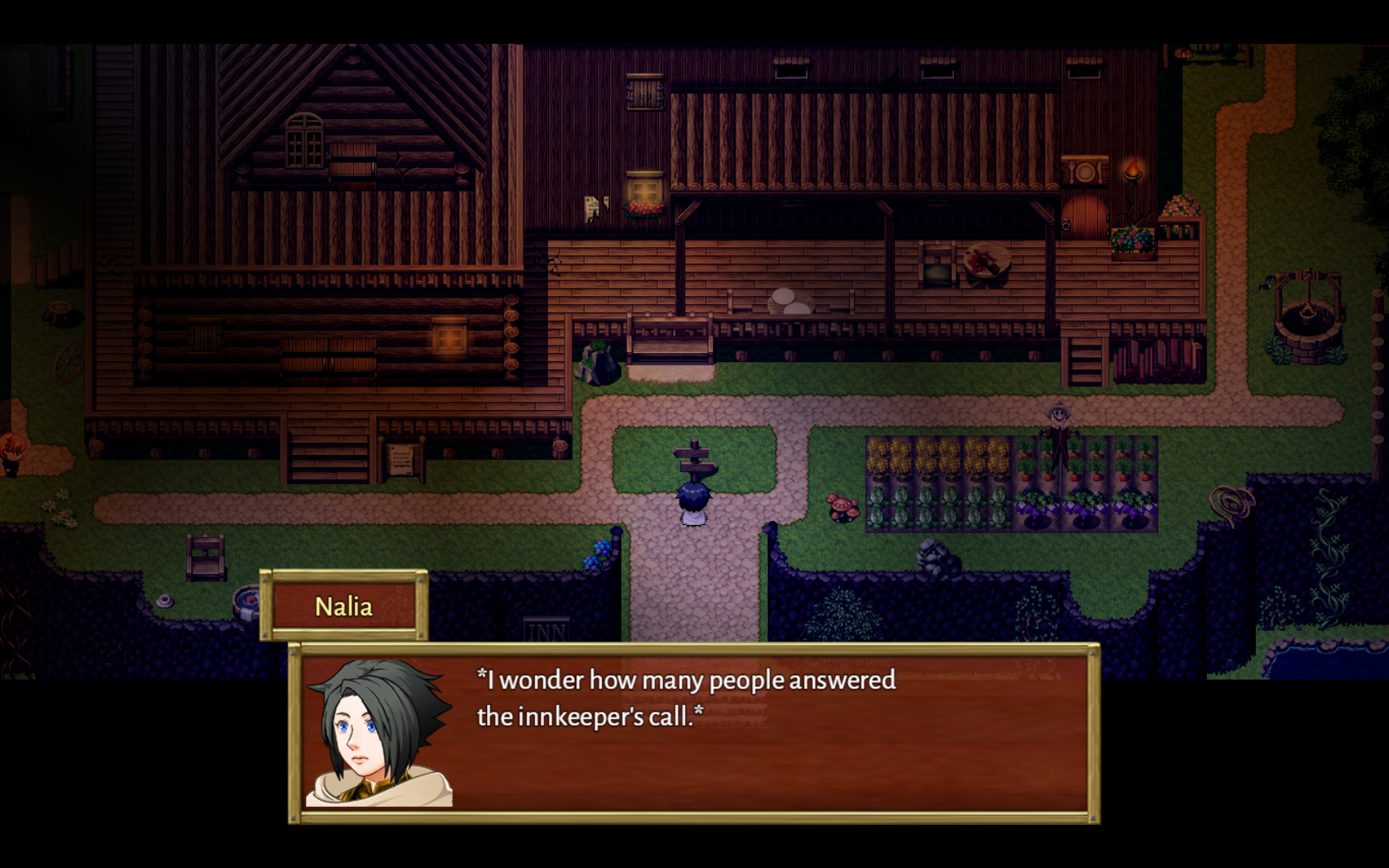
Starting the game, you’re placed in control of a lone mercenary by the name of Nalia. Determined to support your family, you venture off for work in the dangerous lands around you. Adopting the retro semi-isometric style of early RPGs, The Tavern plays and explores just as any adventure title would, but where it differs is the action portion of the game.

TheTavern_Screenshot_01
There’s lots to discover.

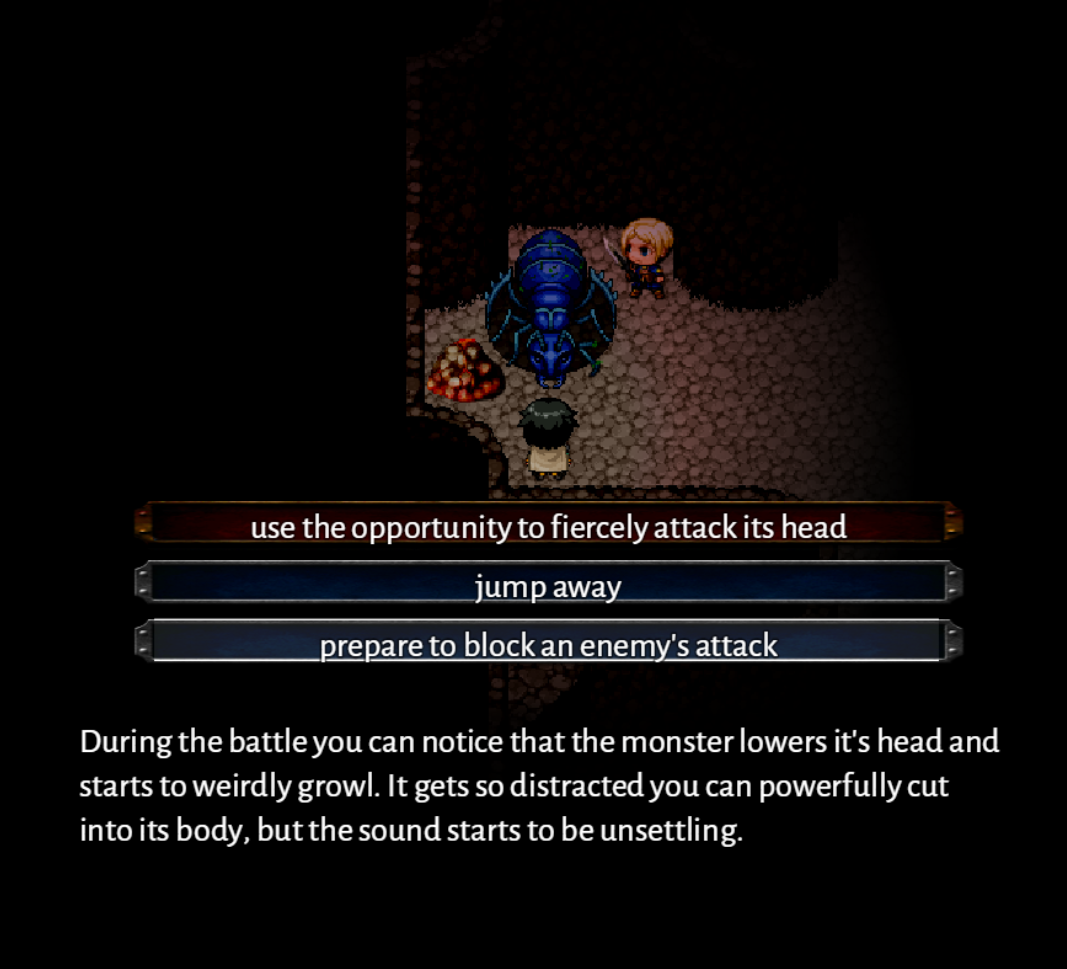
No button mashing, gun-toting or spell wielding action awaits you in this story driven title. The visual novel style is similar to the popular Telltale games: you’ll be given a list of dialogue options for each major interaction, where every response or action could have minor, or major consequences, sometimes even ending the game. Luckily, you can save when you want, making easy work of dishing out the appropriate solutions with dialogue options. Multiple endings are available throughout the game too, leaving the decision to either continue further into the dark journey or, for whatever reason, to end it early. That’s up to you…

Interaction is a key feature of the game. Focusing on its RPG side, Nalia can interact and explore her surroundings, revealing sometimes important notes and additions to her journal. Other times useful items or friendly lore may be found, adding to the depth of exploration displayed in the grim adventure title.

TheTavern_Screenshot_05
A tough choice?

The Tavern is relatively short in terms of today’s modern gaming era though, clocking in at around an hour for my first playthrough, and the second in just over 2 hours, after what was deemed an “appropriate” ending. The deep characters and story give you plenty of reason to make multiple playthroughs and encounter new scenarios and endings each time you play. Tough choices make up most of the game’s difficult moments, so taking the time to re-live gripping moments and discovering different outcomes proves to be a rather satisfying feature.

A lone tavern shrouded in mystery, filled with enigmatic characters in the depths of a dark land amidst a war, The Tavern places itself among few others in the adventure category of video games. Thrill and excitement surface from rich text and story, deep and personal relationships, as well as the fear of losing it all before every decisive action. A truly unique experience as an average mercenary looking to save her family, The Tavern is filled with enough grit for story enthusiasts to indulge in. Familiar and easy ‘selective dialogue’ gameplay, a fantastically grim soundtrack echoing throughout your journey and intriguing decisions along every step of the way make for a welcome break from the everyday norm we see in mainstream games today.

Tyd wag vir Niemand (Time Waits for Nobody) Review (PC)

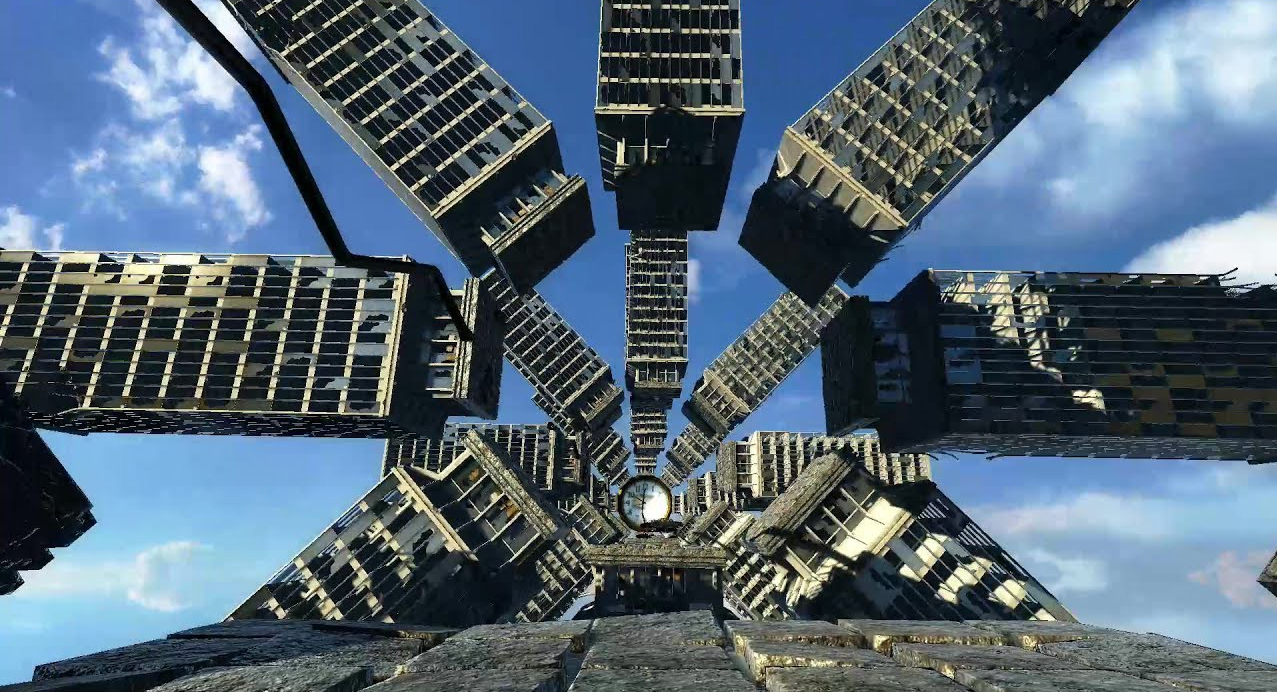
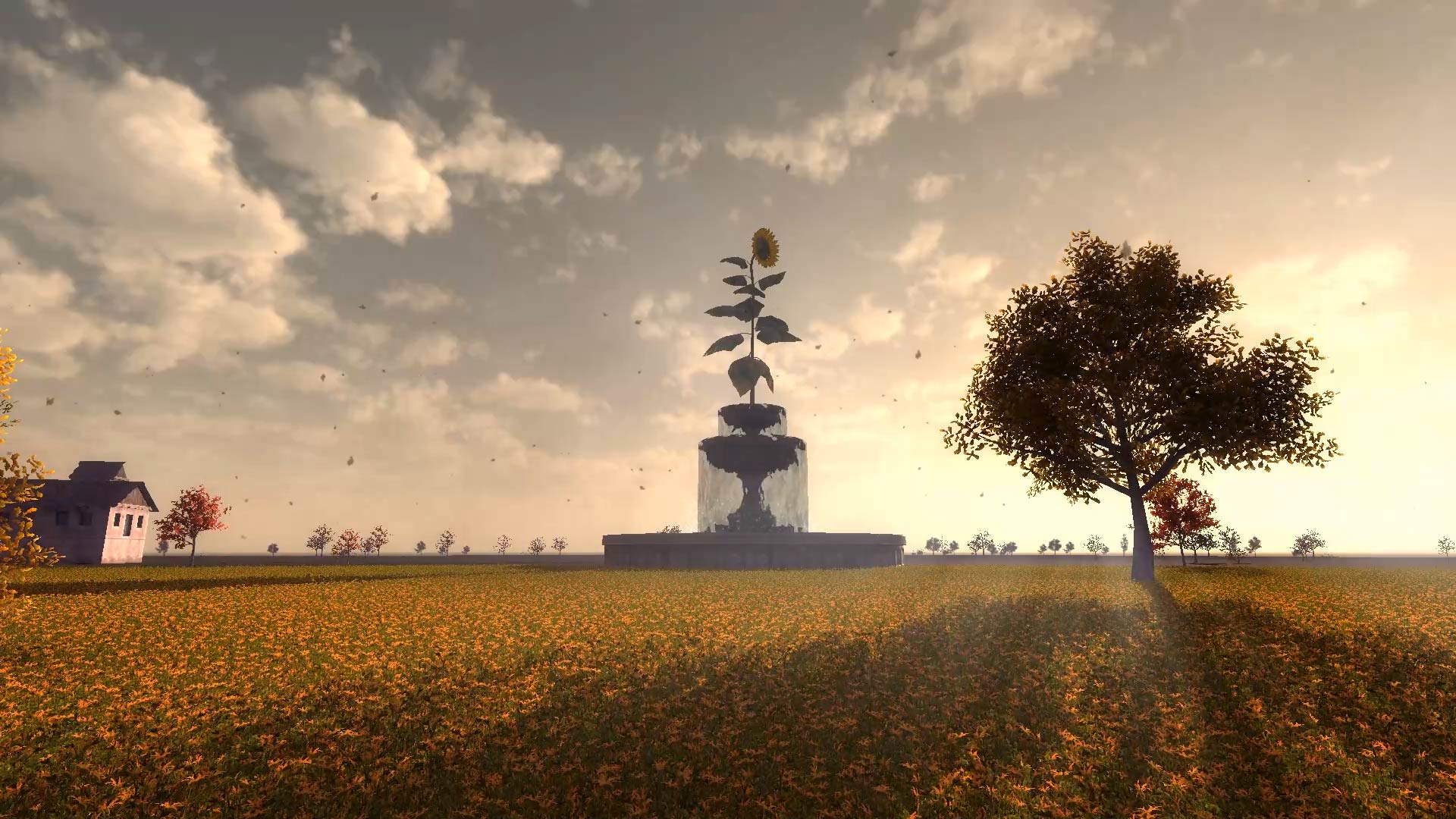
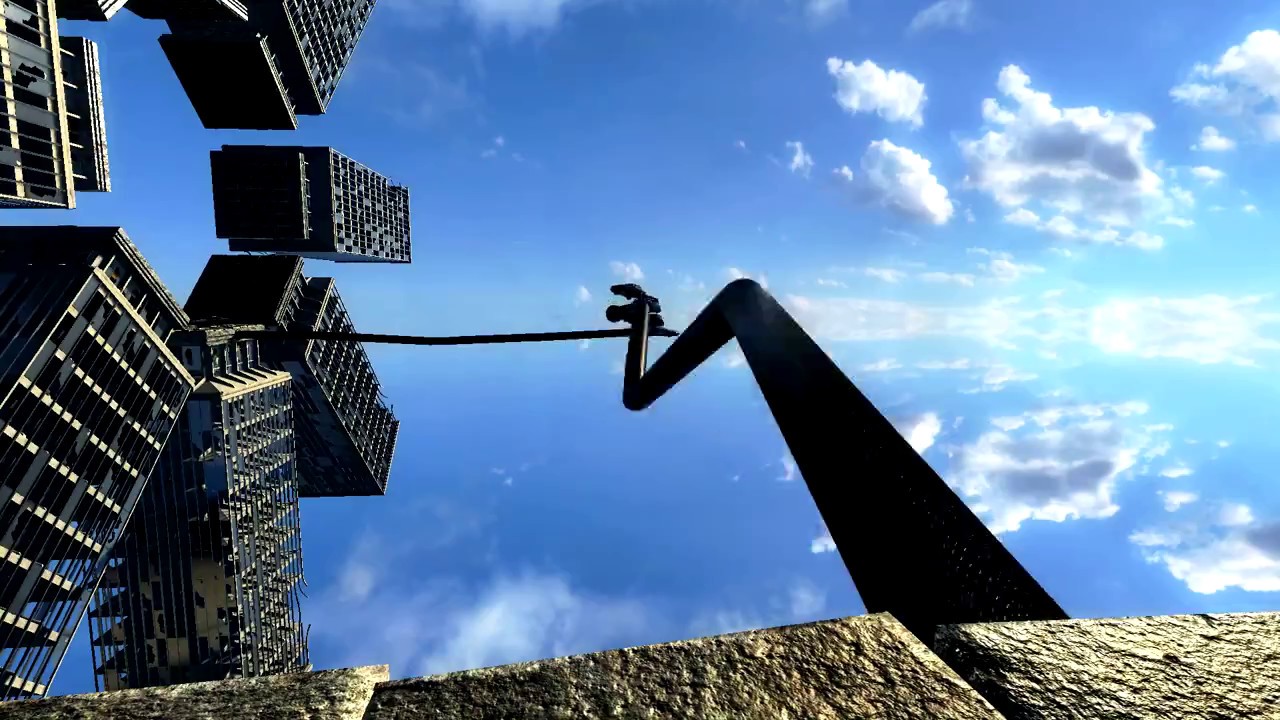
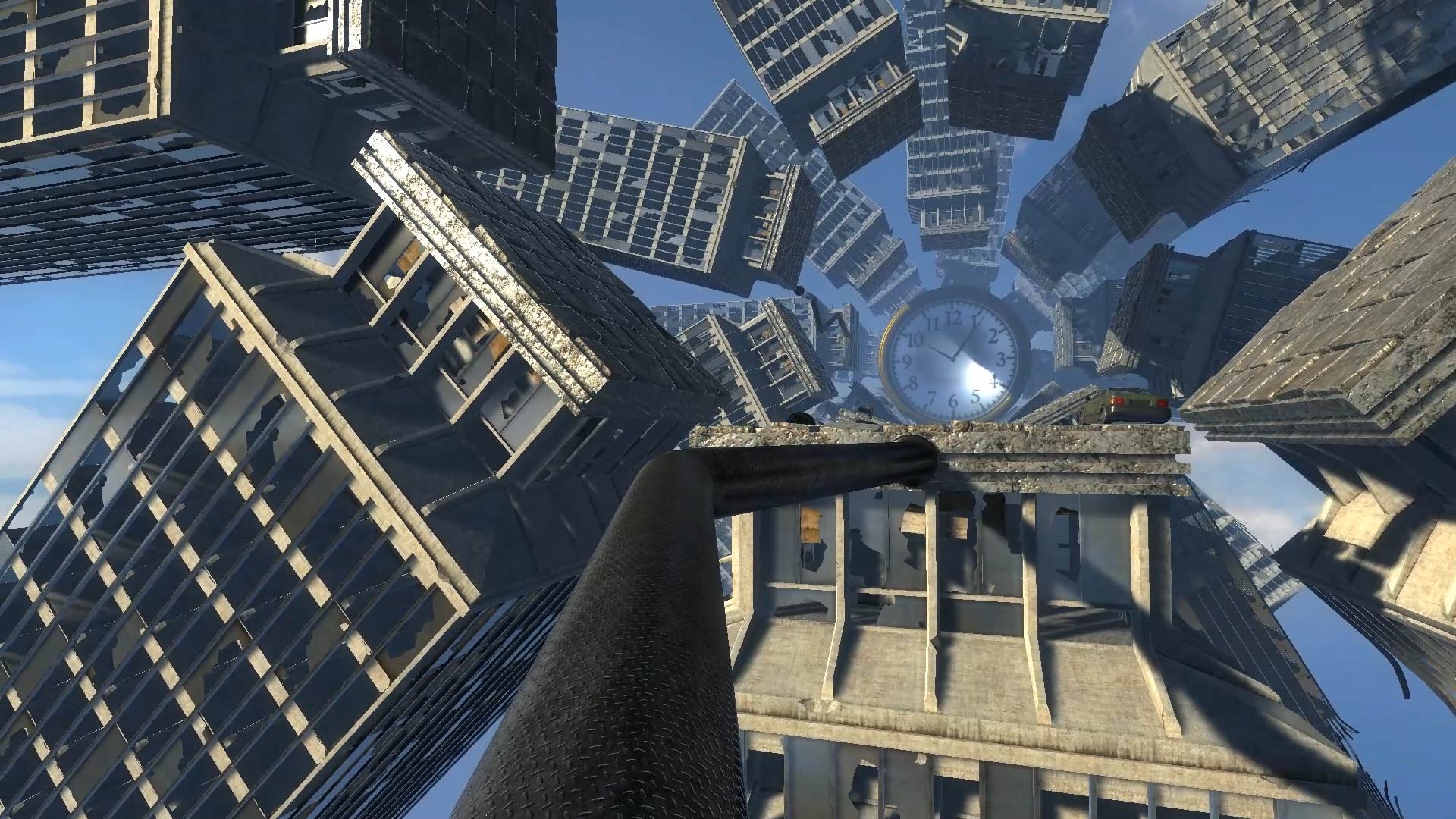
Puzzle platformers are most commonly played with the side view, run and jump gameplay mechanics left behind from the early ages of the video game legacy. South African game developers, Skobbejak Games, gives gamers a chance to dive into the genre with the less common first-person approach to a surreal, puzzle platforming adventure, Tyd wag vir Niemand, or as translated into English from the original Afrikaans language – Time Waits for Nobody.

tyd4
What’s going on here then?

Receiving a message from an unspecified agency, you’re instructed to find and rescue the long-lost science team located somewhere in the frozen tundra of Antarctica. Upon arrival of the massive machine you’re sent to discover, the scientists are nowhere to be found, as the overall feeling of desolation sets in. The radio signal between you and HQ becomes non-existent, and now you’re left inside of this strange machine you know nothing about, equipped with an unusual device with unimagined powers.

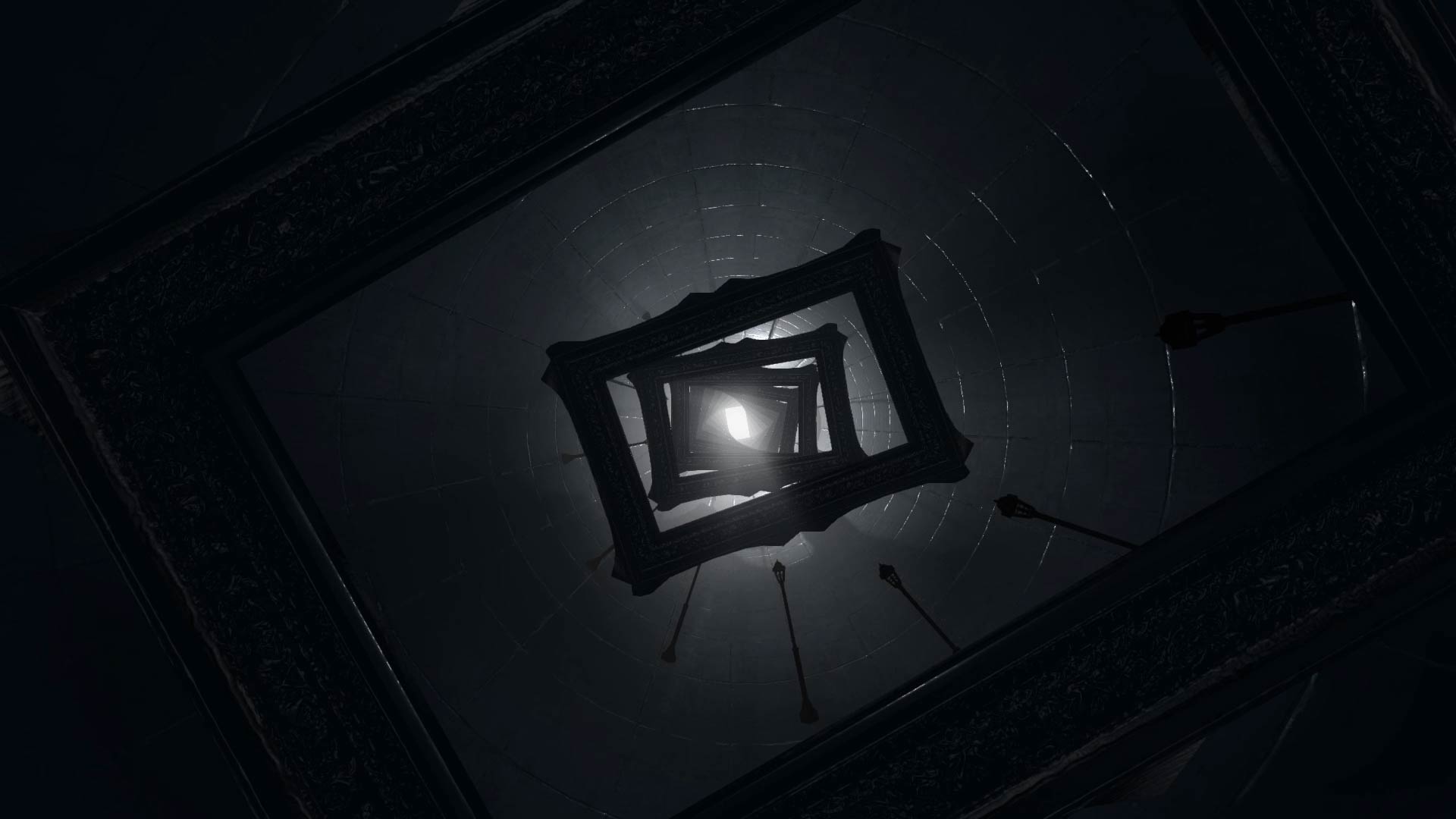
After being transported to a world where physics and time don’t apply to the everyday norm, you find yourself in the midst of uncovering the ability to slow down time drastically in favour of your need and want to escape this paranormal world. The only way that seems viable is to endure the timeless world and make your way through the turbulent and puzzling unknown.

tyd2
It’s pretty abstract.

The gameplay of Tyd wag vir Niemand is simple and vague but leaves a biting feeling of rewarding frustrations amidst dream-like level designs. Simple puzzles quickly turn into confusions based off the appropriately vague level descriptions. When thrust into an unknowing world, one is left without the most important tips to succeed; the same goes for the world of Niemand.

As the game’s story progresses, specific information becomes known in the vaguely familiar worlds. The project to restore Earth to its original form – before the great catastrophe – is centred in the real world outside of this mysterious dimension, but somehow this world and the one you know are connected. These dimensions serve as personal and distinct memories from your character’s past. What they have to do with restoring the Earth is another mystery that lies in the depths of Niemand.

tyd
This could be tricky.

Whether platforms are rising up and down, shifting side to side, rotating in circular motions, rolling frantically, rapidly shifting pipes to walk across or focusing your camera precisely on target for a designated time period, the ability to slow time around you is the key element to passing through these puzzled worlds. Some pose simple, obvious solutions, while some levels require a lot of thought, patience, as well as plenty of trial and error to solve this meticulous paradox.

The sounds of Tyd wag vir Niemand are minimal, but what you do hear provides the necessary ingredients for an immersive playthrough. With a frantic score plucking away at every nerve, the game does a great job of directing the player and placing a driving sense of urgency as time is slowed. A specific amount of seconds is set when you slow time, acknowledged by a slow chiming “tick” which increases in speed, in turn signalling the ability is soon to deactivate. Guided by the sounds and songs of the game, the player is sure to feel a true sense of exploration, thought and tranquillity along the path of the mysterious dimensions.

tyd3
At the centre of it all is time.

A unique puzzle platforming experience set in an interesting and mysterious world provides Tyd wag vir Niemand with an authentic and original game design. Frustrating gameplay mechanics are soon easily adapted to and the curiosity of what this world is and why you were transported here keep your attention throughout the short indie game. Skobbejak Games delivers an astounding experience filled with head-scratching puzzles and mechanics, within a surreal world for gamers to enjoy and explore in Tyd wag vir Niemand.

techtroid-rating8

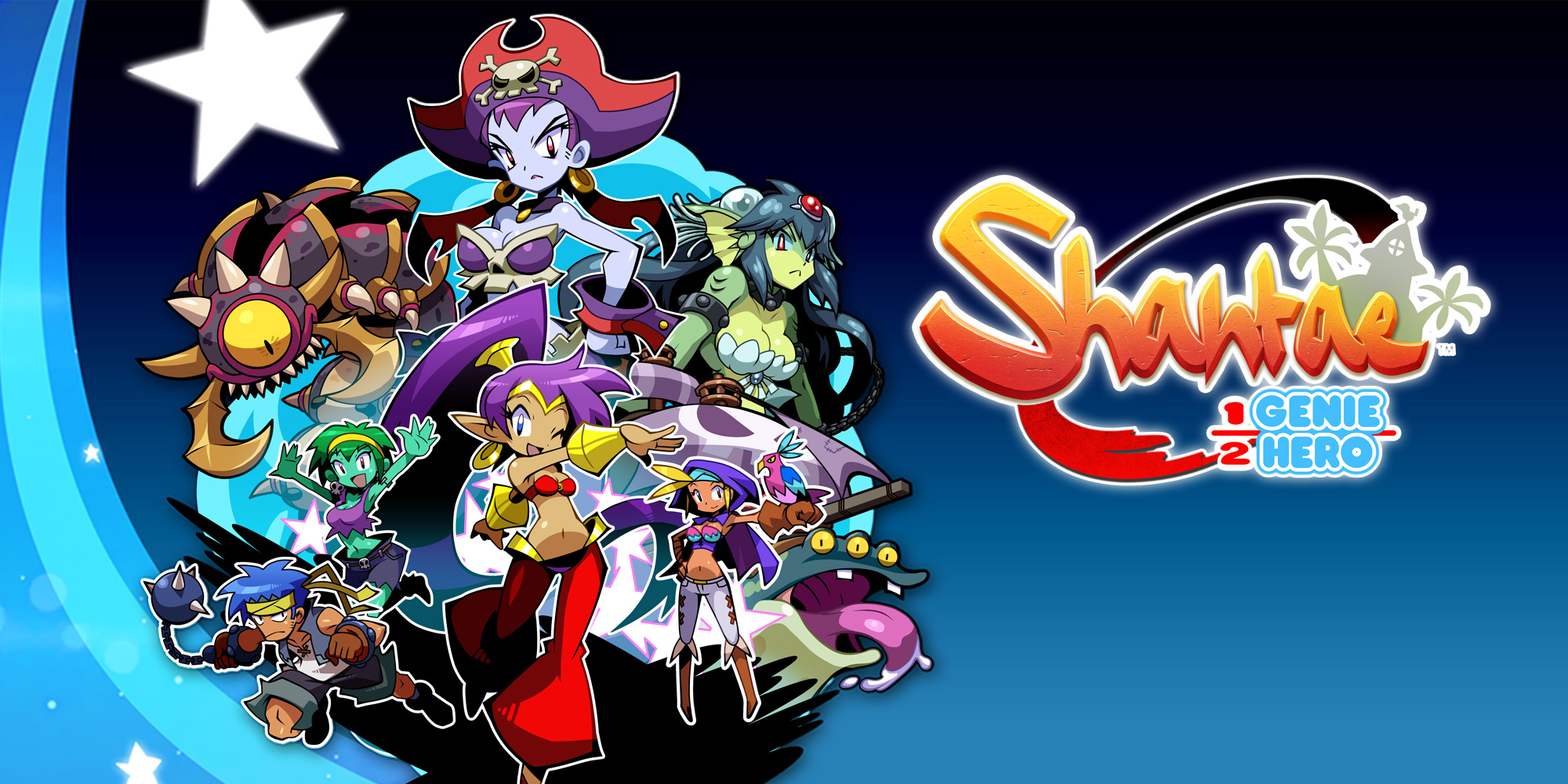
Shantae: Half-Genie Hero Review [Nintendo Switch] – Classy

Developer: WayForward

Platform: Nintendo Switch

Price: £15.99/$19.99 (eShop)

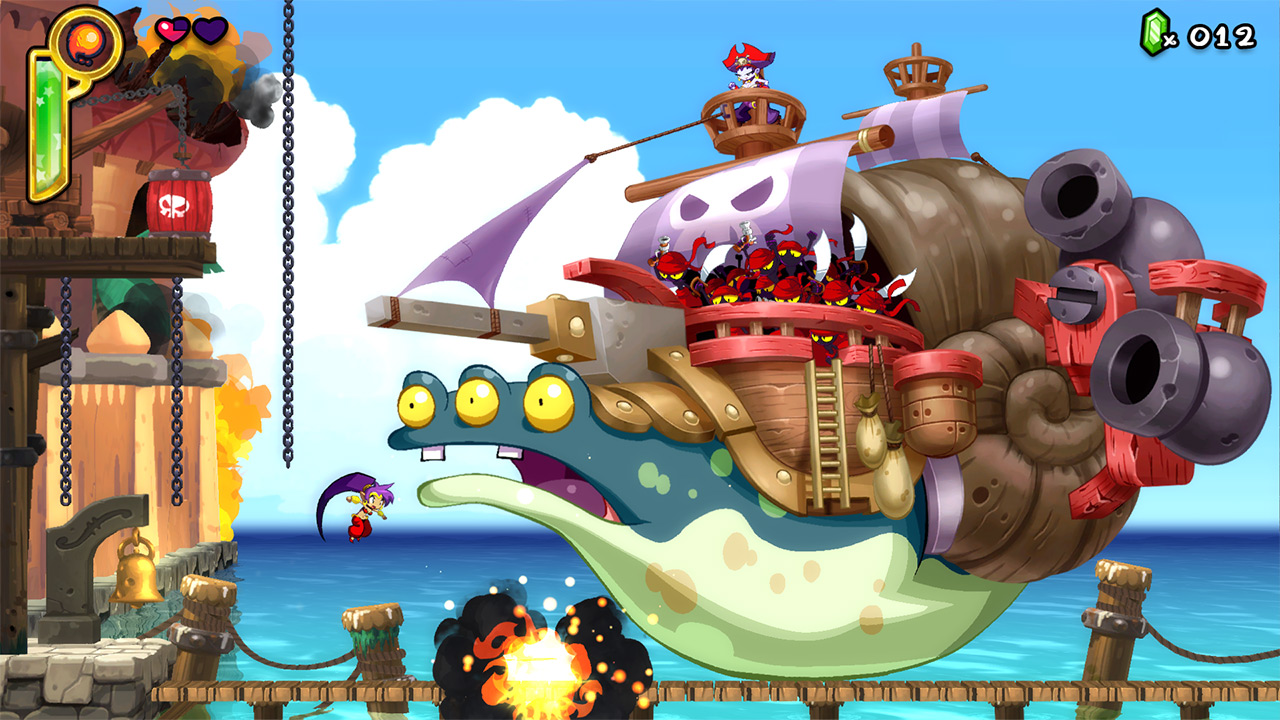
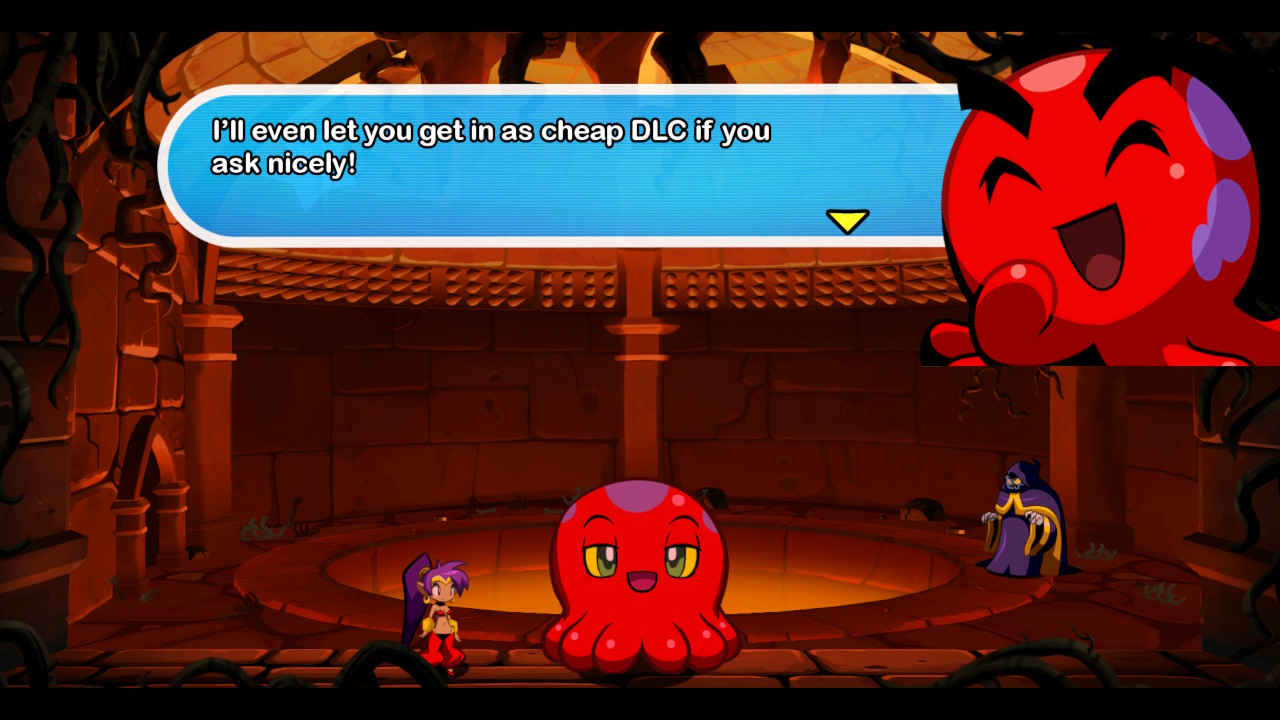
Shantae: Half-Genie Hero is the fourth adventure in the distinguished Shantae series. In case you haven’t been following them, the games are platformers featuring the protagonist Shantae and her habitual hair-whipping attack. She’s half-genie, which allows her to transform into a variety of animals, and she can cast magic spells to banish her enemies. Whimsical and polished, the series is an exemplar of top indie gaming. So, I’m pleased to say that the developer WayForward largely maintains this.

Across 6 levels (and a hub world), Half-Genie Hero shows its quality through clever level design, varied environments, stunningly beautiful visuals and its beloved and jaunty characters. The problem is there’s not enough of it. Coming in at 6-8 hours on a standard playthrough, the game is a fleeting experience that leaves you wanting more. A few tricky areas aside, it also feels like an easier ride compared to the previous entries. The levels are more streamlined and it’s undoubtedly more linear in its approach too. That’s why I recommend Shantae veterans start it on the tougher “Hardcore” mode available from the off, as it adds a greater challenge that keeps you playing for longer.

Shantae 1
The bosses are easier than they appear.

The progression system in Half-Genie Hero is classic Metroidvania, as in you need to acquire abilities that allow you to explore previously closed off areas. It’s all about unlocking “Dances” that transform you into endearing animals. My personal favourite of these was the Mouse Dance that enables you to enter and solve small mazes to come out on the other side in a new location. Other notable mentions include the Spider Dance, allowing you to grapple to ceilings and the Harpy Dance which grants you the awesome power of flight. The most challenging aspect of the game is knowing how and where to unlock the Dances and their subsequent upgrades, called “Relics”, to progress things along. WayForward has accounted for this with hints that are available from the hub world, although you may still find yourself lost and wandering at certain points.

The presentation in Half-Genie Hero is absolutely top-notch. The hand-drawn visuals this time around replace the pixel art used in the older games, but the result is quite brilliant. At times it looks like a comic book coming alive to greet you. It also helps that the Switch’s 720p screen has a knack for making colours pop. To back these sumptuous visuals up is a soundtrack once again provided by the talented Jake Kaufman (Mighty Switch Force, Shovel Knight). Kaufman is a master with chiptune-style synthesizers and his work shines through here once again. Expect infectious melodies that lodge themselves in your head over and over again.

Shantae 2
Meta…

I found myself equally impressed by the use of the Switch’s HD Rumble feature by WayForward. In fact, it’s one of the best implementations of the technology thus far, enhancing the gameplay with haptic feedback that feels appropriate to in-game actions. For those that haven’t tried HD Rumble out yet: for example, when I jump into the water as Shantae, I experience sensations that make me feel like I’m moving around in it. It’s something I’d like to see more developers utilise because, although it’s not fundamental, it definitely increases your connection with the game when it’s executed properly.

Shantae: Half-Genie Hero is a fine video game, there’s no doubt about that. Lovingly crafted, it’s a pleasure to the senses while it lasts. The platforming is smart, the visuals and soundtrack are sublime, and most importantly, it’s fun. The game’s excellence is only dimmed by its short length, linearity and lack of challenge.

Review: Journey (PS4)

We present to you a review of one of our old favourites reader…

Are games art?

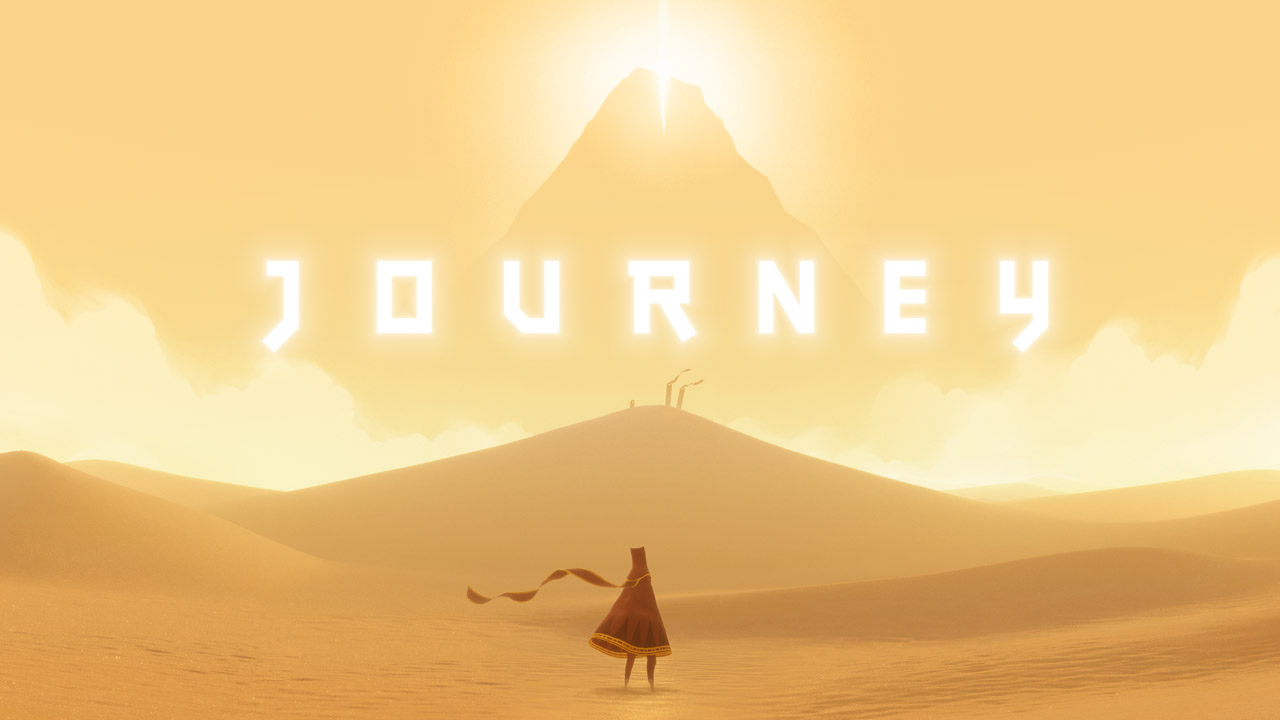
Journey wasn’t made or conceptualized by Pablo Picasso or directed by Jean-Luc Godard, neither has it won any Nobel Peace Prizes. It wasn’t written by F. Scott Fitzgerald nor was it featured in the Smithsonian, but this game made me feel as much emotion and as much awe and wonderment, if not more, than all of these great literary masters and artists. The whole Roger Ebert “game isn’t art” argument is quickly decaying and fading in relevance.

Art is supposed to invoke a broad spectrum of emotions within us all and this game explodes with just about everything that art itself stands for. Journey is the culmination of ThatGameCompany’s hard work and labour, from Flow to Flower; this is the game that defines who they are and what they stand for. A force to be reckoned with, ThatGameCompany has delivered a bite-sized experience that feels larger than life.

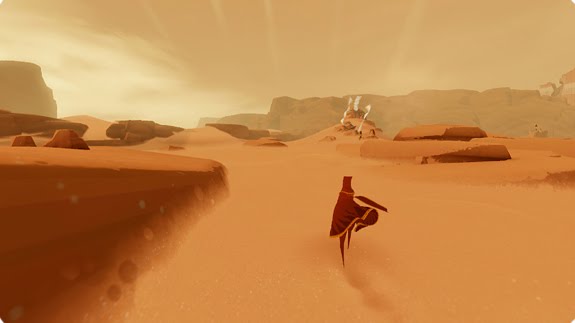
The story in Journey is purposely vague in its spiritual and airy nature, borrowing exploration elements from games like Shadow of The Colossus combined with the freedom and sense of empowerment of Flower. Hieroglyphs depict forthcoming revelations that players will experience throughout the game; for example, at the end of a certain level you may be shown a hieroglyph that shows a bridge of some kind or a structure being built, this lets you know a little bit more about this mysterious world and how you go about. There are also cutscenes that actually serve as transitions from one level to the next, really minimal and quiet, but impactful since it makes you feel like you’re getting closer to your destination.

Journey1

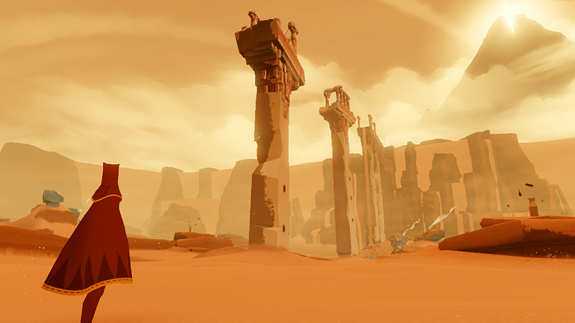
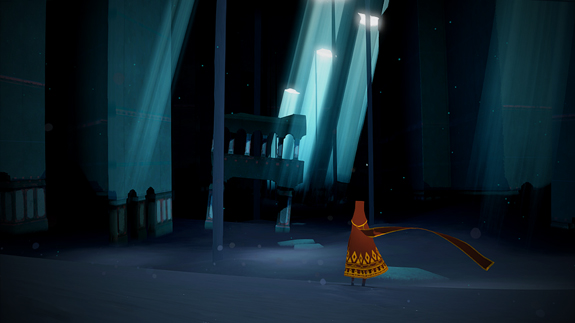
Without getting into the whole mythology of Journey, as fascinating as it is, your primary goal is to reach this mysteriously high mountain that echoes its presence in the distance. The closer you get, the harsher the conditions become as you brave through blistering blizzards and underground creatures, symbolizing that whatever that mountain is, it will be all worth it at the end.

Journey’s controls are tight and responsive with the right amount of float. You have a jump button that really makes you soar high up in the sky depending on how many pieces of fabric are attached to your magical scarf. You get these replenished by interacting with other pieces of fabric that exist in the world, or by interacting with another human player online. You are not given many abilities as you have to use your limited capabilities to make big changes to the environment. Interaction is key!

Journey was one of the best-looking games of 2012, the sand animation and textures are still stunning, and the character animations are fluid and top-notch. You would expect these kinds of enhancements and polish from a $60 game, so having this amount of polish in a downloadable experience is very encouraging.

Journey-2

It’s ThatGameCompany so you should already expect to be floored by a moving and sweeping score by Austin Wintory. It’s uplifting at times as you scale down a large hill as the sun is setting, and other times it can get dark and ominous as you venture deep into the abyss. Wintory keeps it moving from setting to setting without overdoing it and sometimes I found myself replaying levels just to hear the music as I explore around looking for more glyphs to unfold.
Journey boasts a seamless “drop-in” online co-op experience, passive multiplayer as they like to call it, ala Dark Souls but not quite. Players can randomly meet other players along their journey and if you wish, you can accompany your new companion all the way to the end with no interruption. However there are no PSN IDs or HUDs, no voice chat communication, so you have to use your “call” or “chant” that sounds similar to the sound you make when you touch flowers and roses in the game Flower; kind of like a symphonic tone that changes slightly the more times you interact.

At the end of the game, as the credits finish rolling, the players you met along the way are revealed to you in the form of their PSN IDs, and it’s really rewarding to actually see and find out who it was that helped you out. The sense of amazement is unmatched; the fact that I made it through the end with a complete stranger and that we bonded along the way, it’s unparalleled and it’s an experience I’m going to relive again and again thanks to ThatGameCompany.

Journey-3

Journey has made me feel emotions that I’ve never felt before when playing a game, it’s a rare treat and will continue to live on and set examples for what gaming can really provide and what it can do. You will not experience another game quite like this one, and if you haven’t picked it up yet, I recommend you stop reading this review right this moment and hop on the PS Store (the PS4 version is the best) and buy it immediately. Sit back, enjoy, and immerse yourself in a Journey you will never forget.

techtroid-rating10

Review: Vaccine (Nintendo Switch)

  • Developer: Rainy Night Creations
  • Platform: Nintendo Switch
  • Price: $9.99/£8.99 (eShop)
RE Joke.jpg
Cheeky!

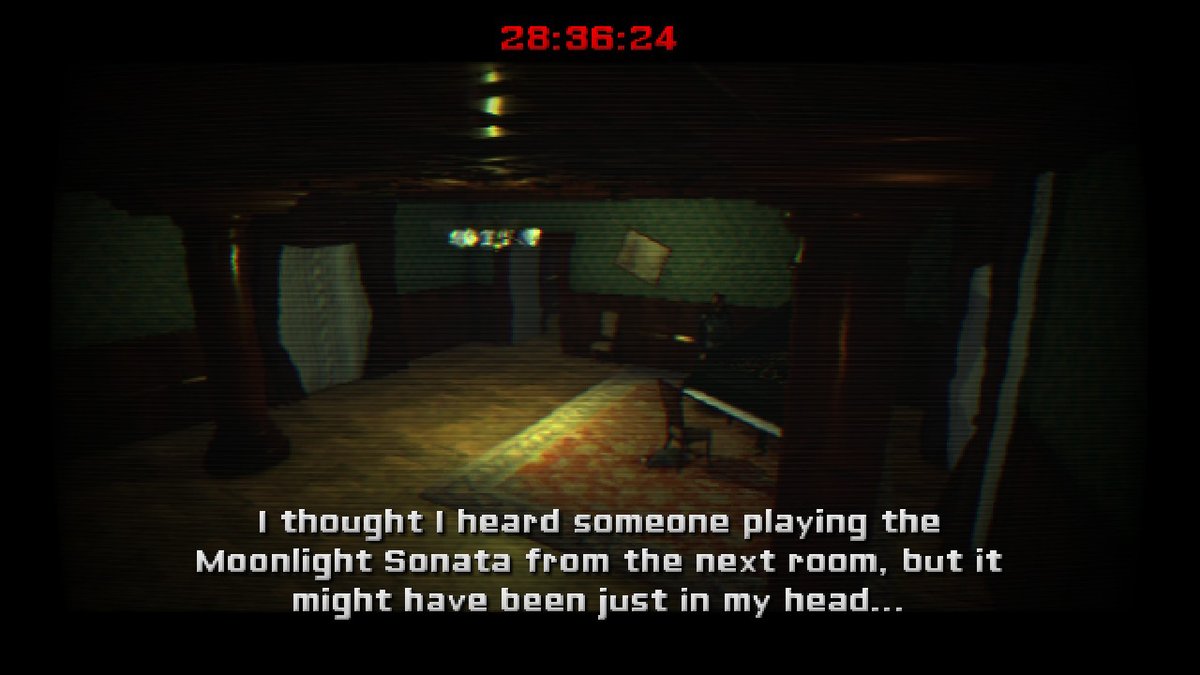
Vaccine is a survival horror indie title inspired by games from the ’90s – most significantly, the early Resident Evil games. What it aims to do is recreate that same feeling of dread with limited resources, malevolent creatures of the night, and fixed camera angles. There’s even some evil sciency stuff going on in the background. It’s not Umbrella this time, of course. And there’s no Wesker.
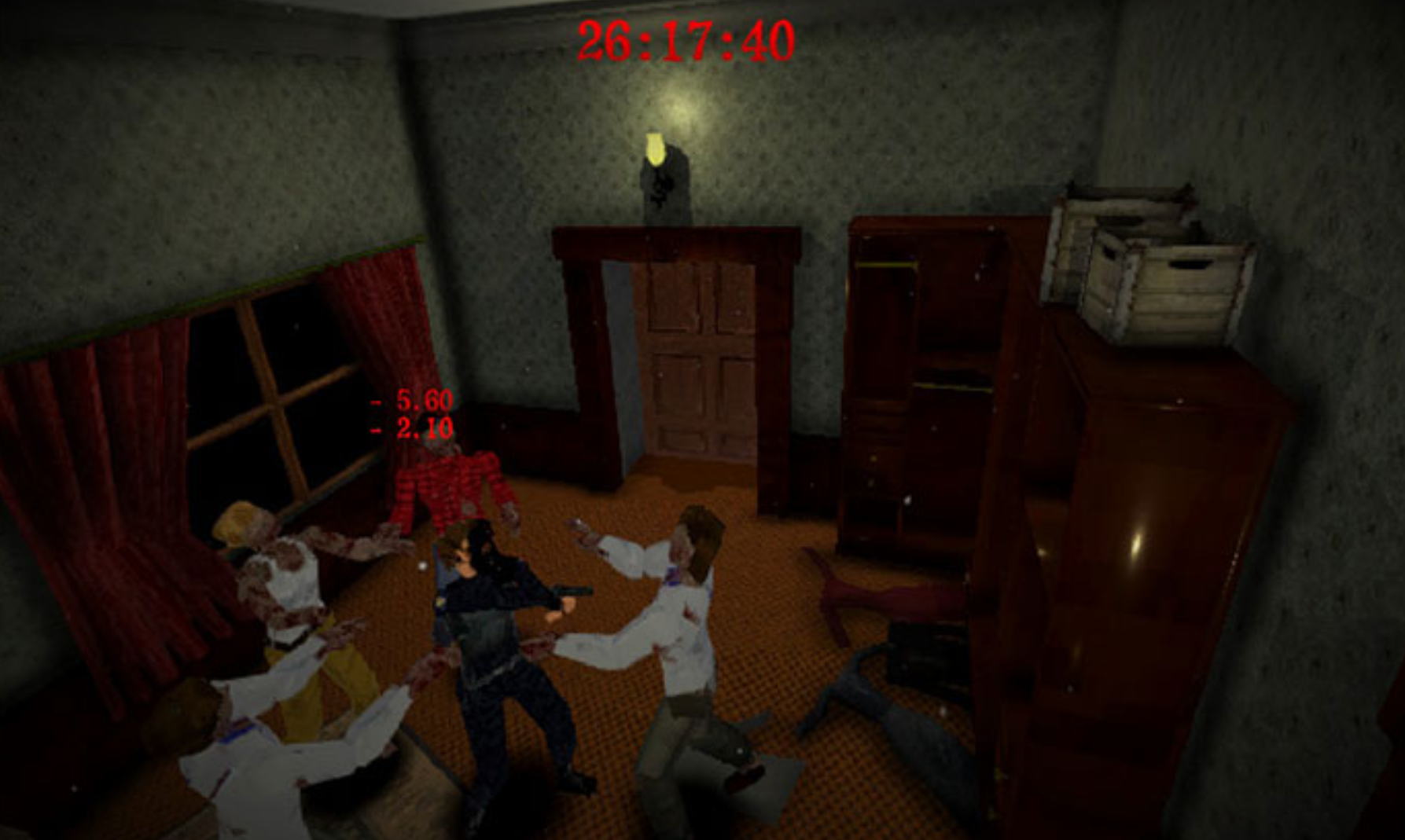
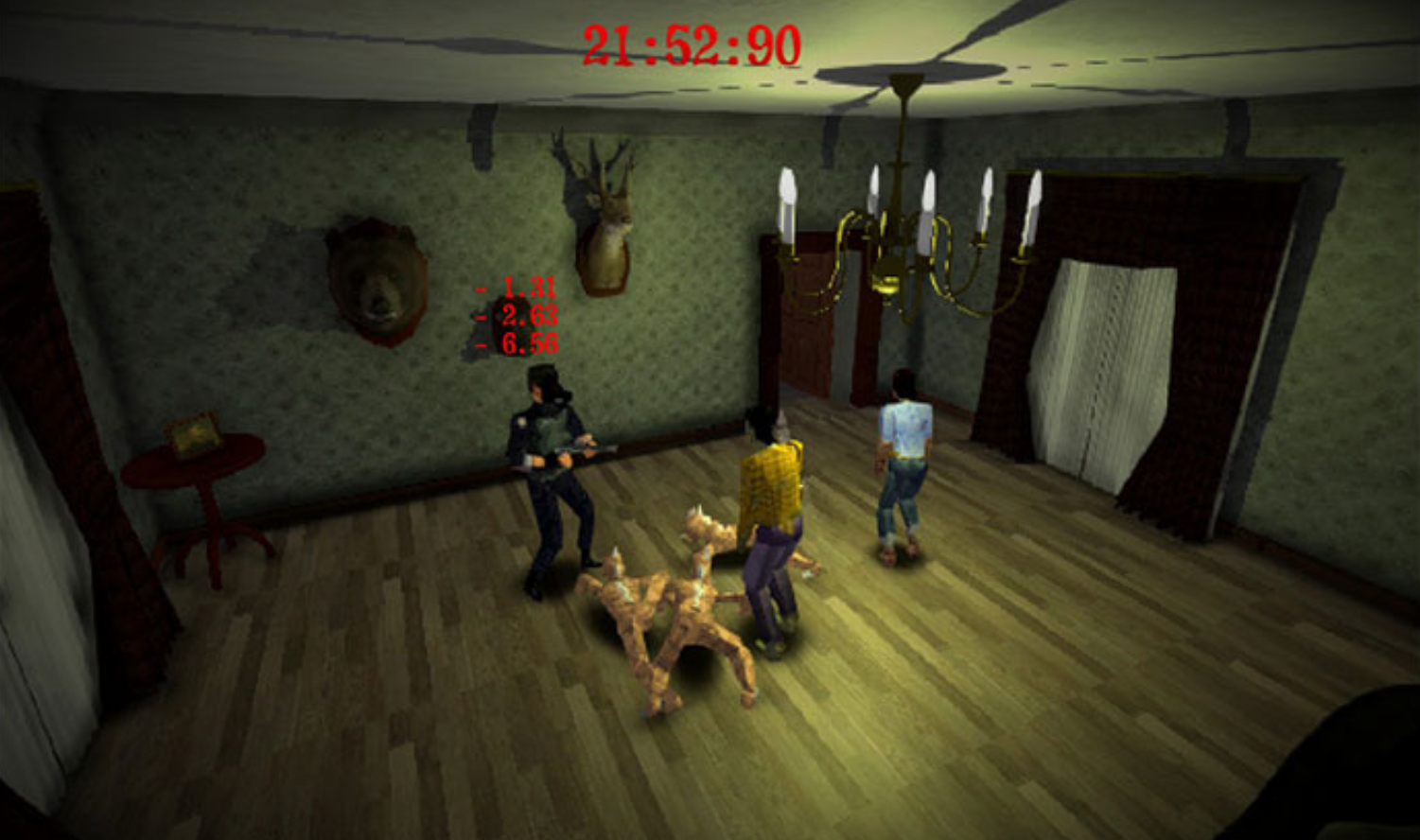
So is it any good? Well, it achieves the aforementioned: Vaccine can be unsettling to play at night with your headphones on. Being down to your last shotgun shell while faced with a horde of impending zombies can also be thrilling. Rainy Night Creations, a one-man team, adds some great ideas to the mix too. A randomly generated mansion layout ensures that no single run is ever the same – items and enemy placement change every time you try. What’s more, the game tells you that you only have 30 minutes to find a vaccine (surely it’s an antidote?) to save your friend, which intensifies matters.

1
It could be tricky to get out of this.

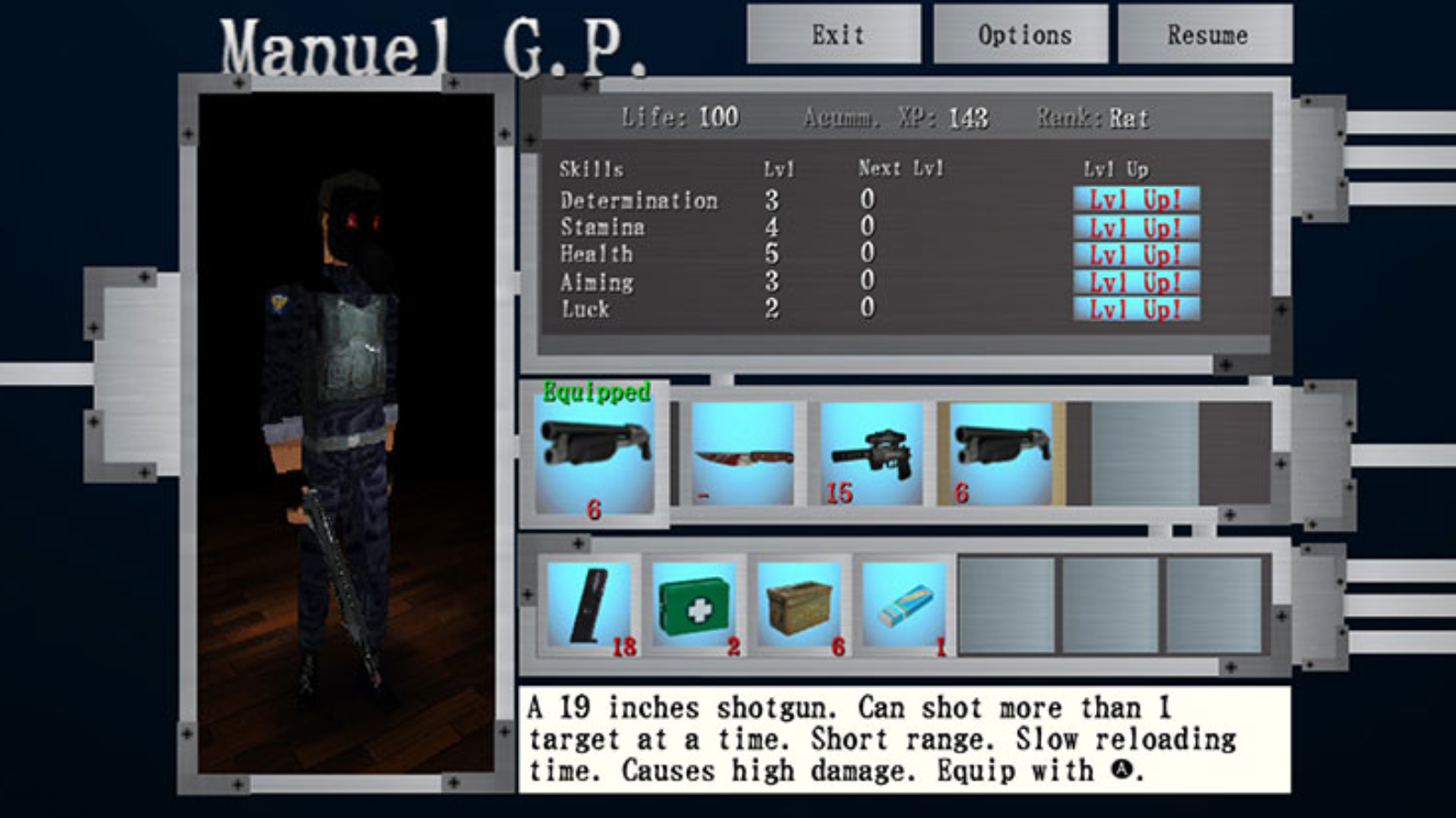
Another thing we really liked was the leveling up system. You acquire experience points as you put down the undead which can then be used to upgrade your health, determination, stamina, aiming and luck. The last one, and perhaps the most important, affects the randomization element of the game, meaning you will find better items, (hopefully a shotgun) to make your progress through the mansion a bit easier. It’s novel ideas such as this which show the best of Vaccine and its creativity.

Unfortunately, there are a number of problems which prevent the experience from becoming an essential one.

2
We think this needs changing.

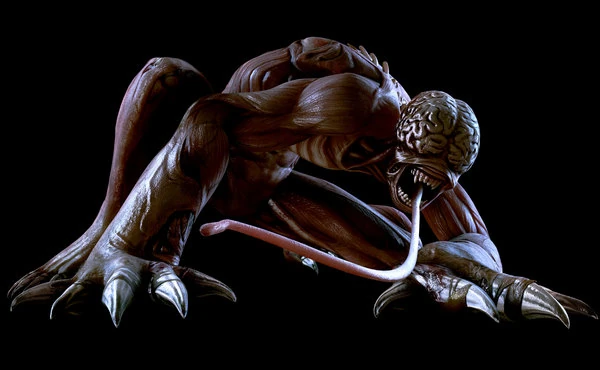
For starters, the balance of the game. Let’s say you’ve had an amazing run which is 23 minutes in, your character is levelled up and you’re feeling pretty good about things. Suddenly, a creature that very much resembles a Licker from the Resident Evil games, (without the long tongue) appears. This guy is tough, really tough. But it doesn’t matter, as you’re a powerhouse at this point, right? Wrong. Each claw attack of the pseudo Licker hits you so hard that it’s almost impossible to survive. On the rare occasion you do survive, and it does happen, you’re so utterly fatigued by the encounter that progressing any further becomes extremely challenging.

So that’s 23 minutes of your time pretty much gone. But at least your stats carry over to encourage you to keep going in the face of these type of scenarios, right? Nope. Everything gets reset. Now don’t get us wrong, we like a good challenge in our games (I’m about to platinum the Crash Bandicoot remaster myself, it’s damn hard to do), and at the core of a tense survival horror experience is a difficulty which keeps you very much on your toes, but here, we’re afraid to say, it’s just unfair.

3
Three ‘Lickers’ at once? Game Over man.

Game balance aside, Vaccine is also let down by small issues that add up. For example, the menu to equip guns, use items and level up is cumbersome – which quickly becomes frustrating. We’ve also experienced the game completely freezing a few times in handheld mode during pivotal moments of battle, again, with everything being lost that we achieved. In terms of variety, there are only three weapons, a pistol, (a more powerful pistol if you get lucky) a shotgun, and a knife, and the enemy types seem lacking with just rats, crows, zombies, our favourite, the pseudo Licker, and a Tyrant-like enemy. The soundtrack also frequently repeats, even if it does provide a suitable menace to the whole thing.

It’s a shame because Vaccine features some really good ideas and we still had fun with it. The developer has also been brave enough to put out a ’90s inspired survival horror game in 2017 – which is commendable and enticing, certainly as they’re such a rarity now. That’s why we’re personally appealing for a sequel with a bit more polish, greater variety and better game balancing. If RNC did that, yet retained their innovative ideas, we’re confident that a future Vaccine would be a huge hit for the indie game world. That being said, if you’re craving an old school Resident Evil escapade, it’s probably worth the asking price.

techtroid-rating6

Review: Crash Bandicoot N. Sane Trilogy (PS4)

Ladies and gentlemen, welcome to the biggest nostalgia-trip of the year! Before we embark on this old, yet new journey, I must insist on warning ye who enters, that this is a highly subjective review. There are too many memories here for me to be objective about it. But if you are not familiar with Crash Bandicoot, I sincerely hope that my enthusiasm for these games will make you want to try it out for yourself – be your own judge. Since this is a trilogy, I have chosen not to make a complex review of each of them, but rather a short and concise review of my total impression of the games.

Because the wait is over: Crash Bandicoot N. Sane Trilogy is finally here. Everybody who played these games when they were younger was probably waiting with great excitement for this. I know I have been. I am here to tell you that the wait was not in vain. Back to collecting apples and crushing crates, ya’ll!

Activision proudly presents an explosive blast from the past!” With these words, the game is introduced in its new and polished form, and it becomes obvious who these games were revamped for – the generations that played them when they first came out: those already familiar with the universe. I instantly felt a rush of nostalgia, perhaps reaching its high point when playing Warped, mentally travelling back in time to when I was a little girl playing on my PlayStation. I spent countless hours on the Crash Bandicoot games – it is then, perhaps, no wonder that I have already spent an equal amount of time on the new version.

Crash Bandicoot N_ Sane Trilogy_20170627022921.png
Take it easy, buddy.

Great precision is required to play each of the games, although specifically in the first. The controls are fairly sensitive, but they have not changed. If you played the games when they first came out, then learning the controls will be no problem. I started playing with immediate ease because it was all so familiar. I then thought about muscle memory, and in Crash Bandicoot Warped, I could see how many levels still stuck with me after all these years – the result of perfecting them when I was younger.

One thing is demanded from you as a gamer: patience. Because these games… are difficult. If you’ve played the levels “Road To Nowhere” or “The High Road”, then you know what I am talking about. The first game is considerably harder than the two others. I don’t even know how many hours I spent on completing a single level. With that said, I realize that the majority of deaths are my own fault. When playing the first Bandicoot game, I often thought “was it really this difficult before?”. Sometimes the levels required such precision that they might come off as tedious. I will admit that I went full on rage-mode a couple of times and had to take a few hours break, otherwise I would have thrown the controller at the TV – but hey, who hasn’t?

Your pulse rate will certainly increase. The difficulty is heightened by throwing several challenges at you simultaneously, which creates some real rage-mode moments. In the levels where Crash (or Coco) is being chased, apart from being stress-inducing, there is a certain rhythm to the levels. With the difficulty gradually increasing, that rhythm is easily broken – ruining the flow of the game. That can be frustrating at times.

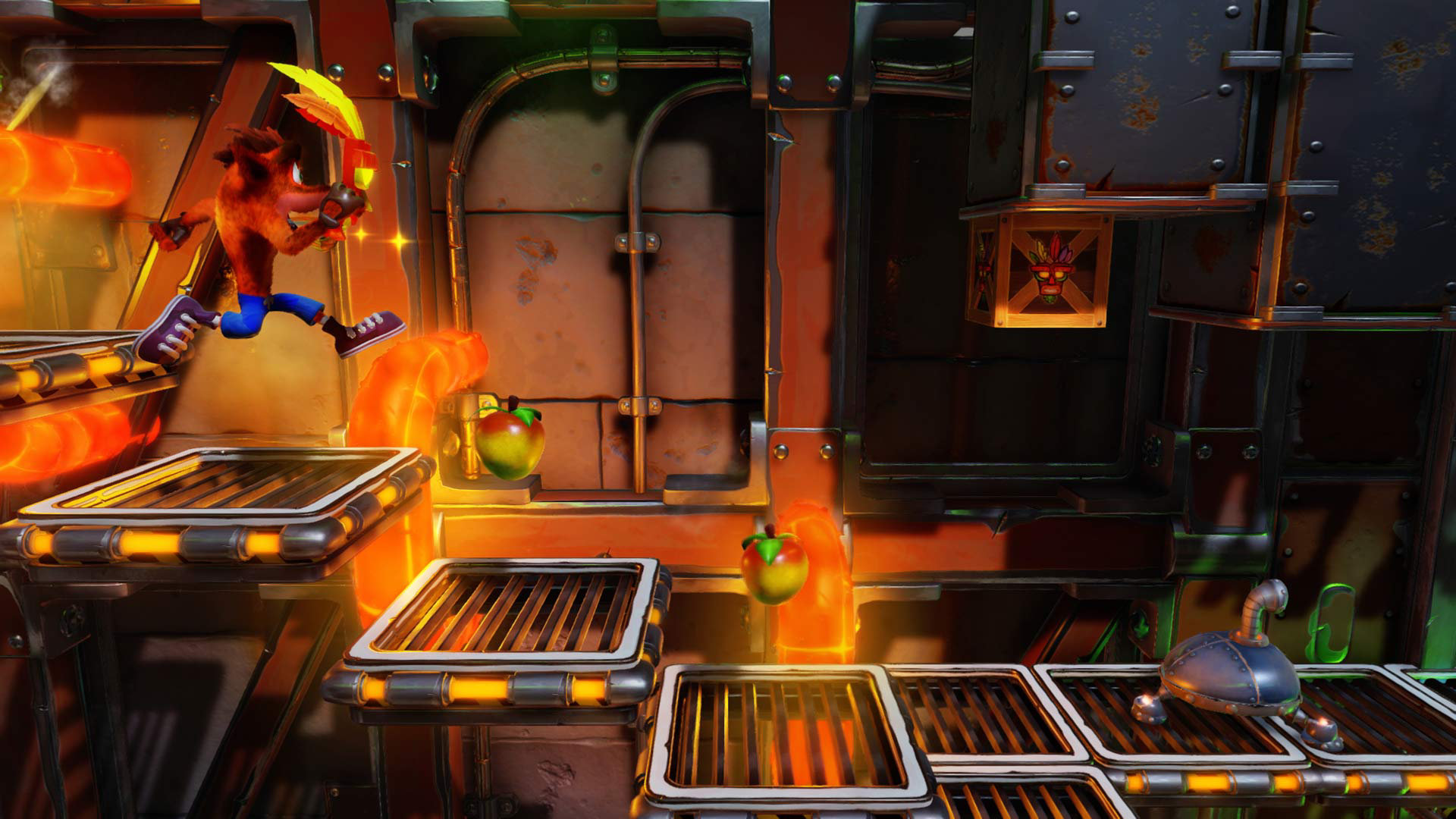
I am really impressed with how the games turned out visually. There has obviously been a huge upgrade to the graphics, and this is the most prominent change in the trilogy. The camera angles are simple, thus they serve some interesting challenges when it comes to depth perception. Everything looks so smooth and beautifully lighted – looking at how the sunlight peeks through the trees, and how the rain falls on the ground. The levels inside the crypts are excellent examples of just how good the lighting is. This, along with the lovely details to the characters such as nuanced facial expressions, creates a beautiful recreation of a beloved universe.

crash-bandicoot-n-sane-trilogy-screen-09-us-03dec16
Those pipes look a little bit hot.

The level design is very familiar and well-made – even though you will have to learn each of them. If you manage to soar through a level on the first try, kudos to you! I also love how each level feels a bit different from the last, and not simply a repetition of the previous ones (apart from the fact that in Warped, some of the levels are actually the same, only with a higher difficulty!). The levels offer different points of view, with themed music, and new mechanics such as belly flops and double jumps – all of these factors create a nice diversity to them.

But oh, the music! The sound effects! One can appreciate the familiarity of it all as we reunite with beloved characters such as Crash Bandicoot and his sister Coco, Aku Aku, Uka Uka (yes, confusing, I know), Cortex, and of course all the bosses you encounter throughout the games. I appreciate the fact that they implemented more playtime for Coco, and not just certain levels too.

Crash Bandicoot Warped is probably the game I played the most when I was younger. I remember spending so many hours on it, so it’s no wonder that I suddenly found myself spending the same amount of hours on it this time around. Warped definitely features the best music of all the Bandicoot games, and it’s the one I was looking forward to playing the most. However, it was interesting to see what had become of the other games as well. 

All in all, Crash Bandicoot N. Sane Trilogy is a trip down memory lane. It is nothing more, nothing less. The games within offer high entertainment value, and will definitely give you many hours of fun. The replayability is high because of the several hidden paths one might choose to take, and collecting different crystals and so on for the achievement hunter, if you are that kind of player. There’s plenty to go around. So have at it! By playing these games, I feel that I have reunited with a friend I didn’t even know I missed this much, solving puzzles together just like we did before. I’m glad I finally have the complete trilogy in my gaming inventory too, and that I can now revisit them whenever I want. 

techtroid-rating8

Review: Oceanhorn: Monster of Uncharted Seas (Nintendo Switch)

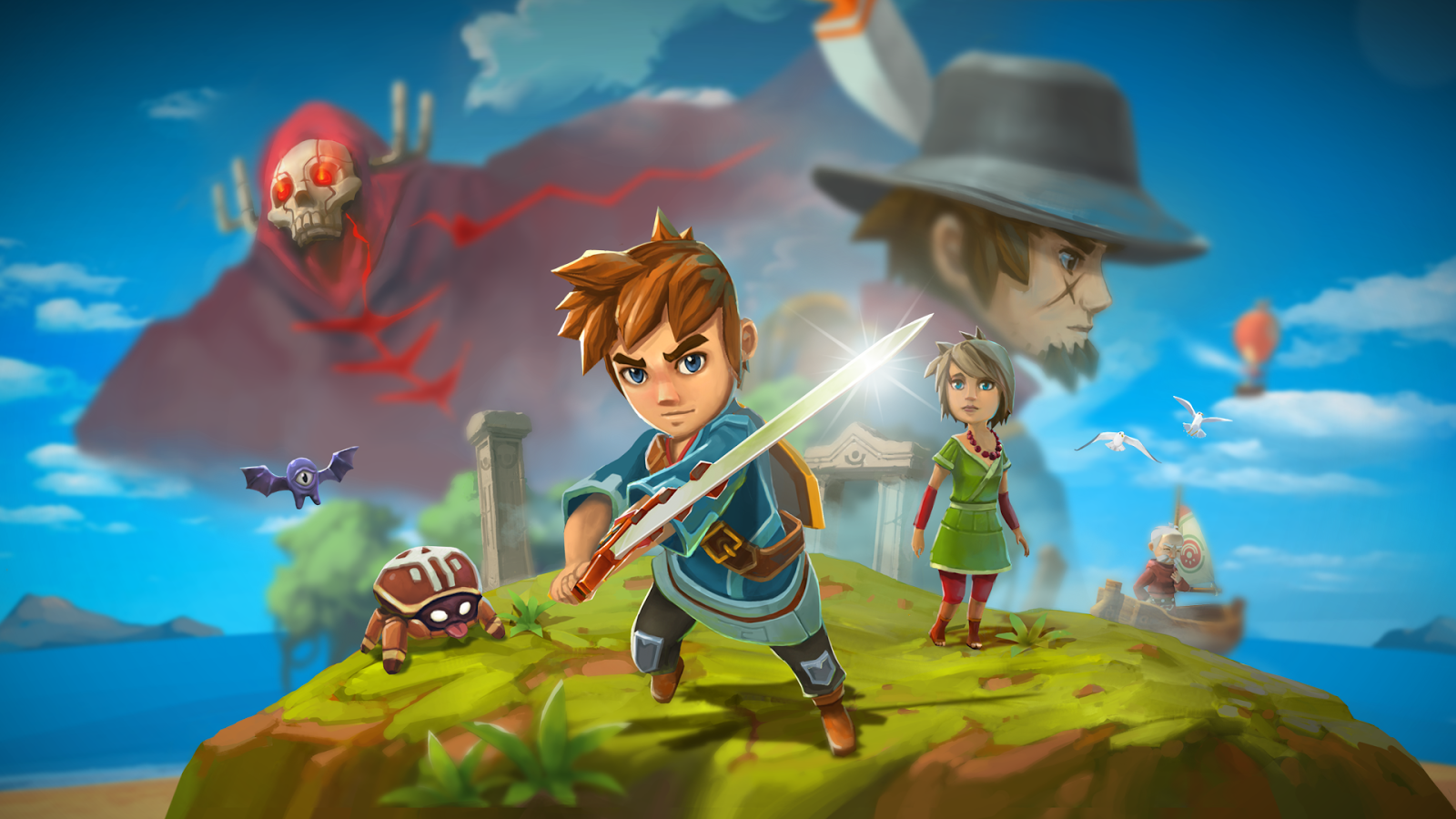
Let’s get the obvious out of the way then, shall we? Yes, Oceanhorn: Monster of Uncharted Seas has borrowed quite a lot from a certain other famous series – The Legend of Zelda can be seen throughout, quite clearly. But does that mean it’s, by default, a bad game? Not at all. If you want to create a great experience, you look at the best in the industry for a few hints on how to do that. So that’s what the game’s developer, Cornfox & Bros., have done.

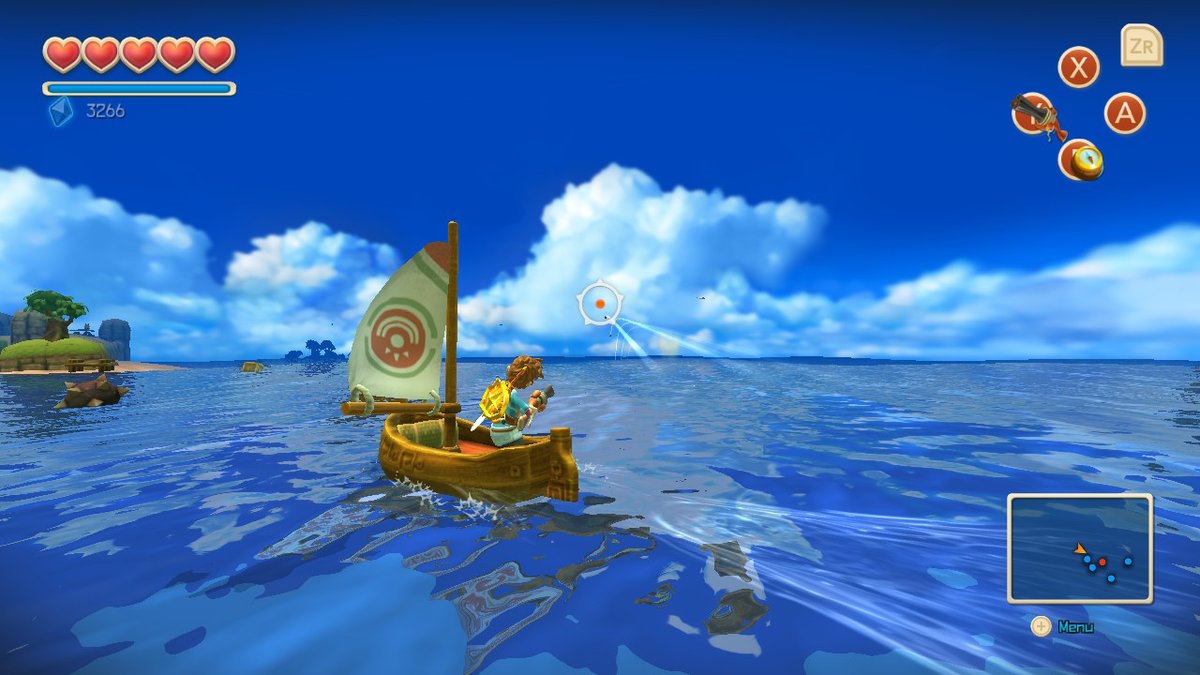
The isometric Oceanhorn features the puzzles, combat, and exploration you’d very much expect from a developer who’s been inspired by Zelda. In particular, The Wind Waker is the ultimate muse here – we even get to see our young protagonist sailing triumphantly across the impressively rendered ocean. However, Oceanhorn isn’t a soulless cut and paste affair, make no mistake, it’s full of its own charm, character and heart.

You’ll need to discover and sail to new islands to get anywhere in the game. We say sail, but this is pretty much an interactive loading screen with the ability to fire at enemies with your gun while you wait. In other words, you don’t control the boat like in Wind Waker and you can’t freely explore the oceans – this is not something we expected from a small indie title, but it’s worth pointing out. Once you arrive at these islands you’ll sometimes find towns where you get to meet the friendly folk in Oceanhorn. Mingling with these people helps to flesh out the story and culture of the world as you search for your missing father. You’ll be able to buy items, such as heart pieces and arrows, in the shops you find as well.

Sailing
Wind Waker, is that you?

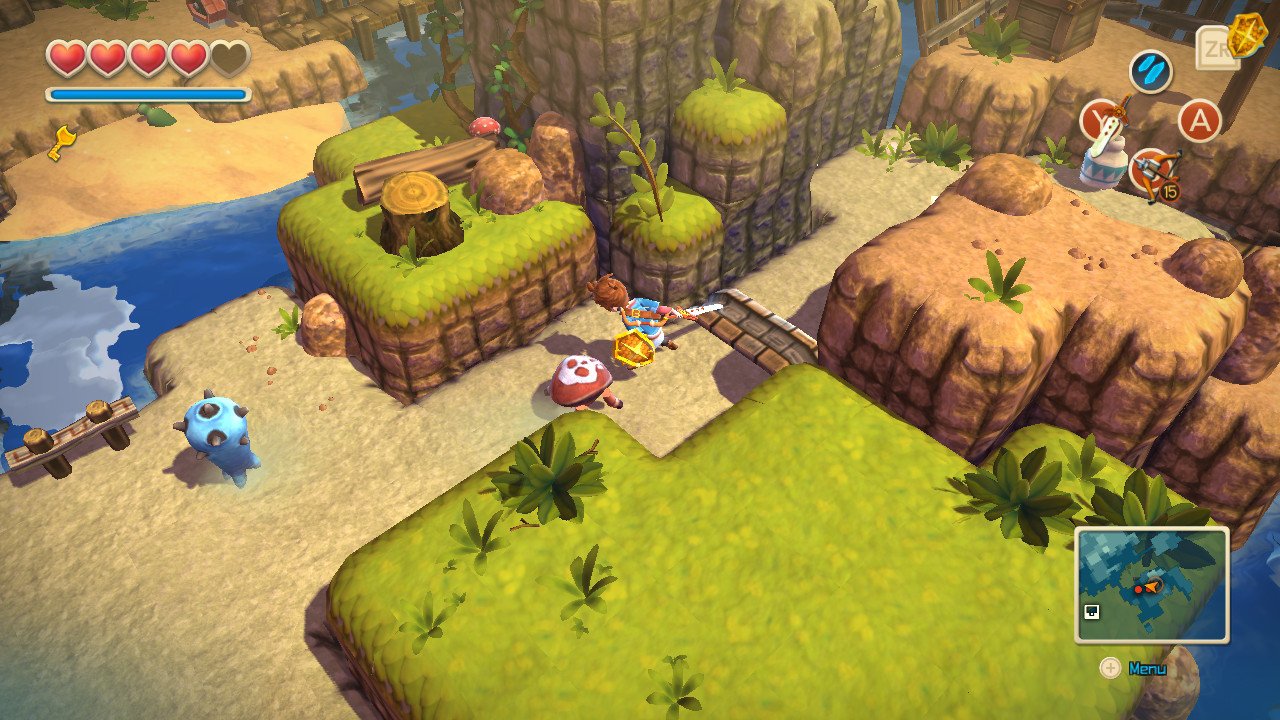
Over the course of the ten hours or so that Oceanhorn lasts, you’ll encounter puzzles that consist of placing objects onto switches, blowing up secret walls, setting alight torches and pushing boxes into the correct place. There were very few times where we found ourselves stumped by the puzzles – they do repeat the same ideas quite often – but they were still fun to solve. The dungeons, where most of these puzzles can be found, aren’t overly complicated either, but they’re still rewarding to complete, especially as making your way through each of them grants you a power-up that enables you to advance further in the game. These upgrades include the ability to throw bombs, shoot arrows or even conjure spells and are useful in battles.

The combat, that can be found everywhere in the game, is simplistic though. Most times it does feel as if you can blindly mash the attack button, with very little in the way of strategy, to win. Lobbing a volley of bombs at your clumsy enemies is equally efficient in this regard. The one saving grace of the battle system? The experience you acquire after you defeat foes (and complete in-game challenges), allows you to level up and gain new perks. This is something we really liked, and it helped to differentiate the game from its evident inspiration.

Combat
Bugs are evil, as we all knew

Oceanhorn has landed on the Switch four years after its iOS debut, so by now the character models – and their facial expressions – are a bit dated. However, the overall presentation is impressive on the hybrid console. The game runs seamlessly at 60 fps / 1080p in docked mode and at 60 fps / 720p in portable mode, (both look great, although we mainly played on the Switch’s lavish screen for comfort). Visually then, what you’re getting is a clean, colorful and bold image – it’s certainly the definitive version of the game.

Oceanhorn’s soundtrack is a treat to the ears as well. Backed up by industry legends like Nobuo Uematsu, (Final Fantasy) and Kenji Ito (Mana), along with Cornfox’s own talented Kalle Ylitalo, it won’t be long before you start appreciating the music this group has created. From whimsical and heroic themes, to dark and mysterious ones, there are some beautiful, and powerful, compositions in here. You can get a taster below of the main theme, composed by Uematsu himself.

Oceanhorn: Monster of Uncharted Seas is an enjoyable game, and it’s perfect for those just getting into the action-adventure genre. It doesn’t quite hit the lofty heights of a Zelda title, but it’s a damn good attempt that’s full of soul. The combat and puzzles might be too simple for those expecting more, but the stirring soundtrack, great visuals and sheer amount of love that has gone into the game mean it’s defintely worth a go.

techtroid-rating8

Review: Pinstripe (PC)

Pinstripe is a game made over the course of 5 years, by the one-man team Atmos Games, where Thomas Brush is the man of the hour. The game was funded by Kickstarter, and I am really impressed by the final product.

Thomas Brush, creator of award-winning games Coma and Skinny, reveals a gorgeous art style, breath-taking score, and chilling story with influences from The Nightmare Before Christmas, Coraline, and Alice in Wonderland. – pinstripegame.com

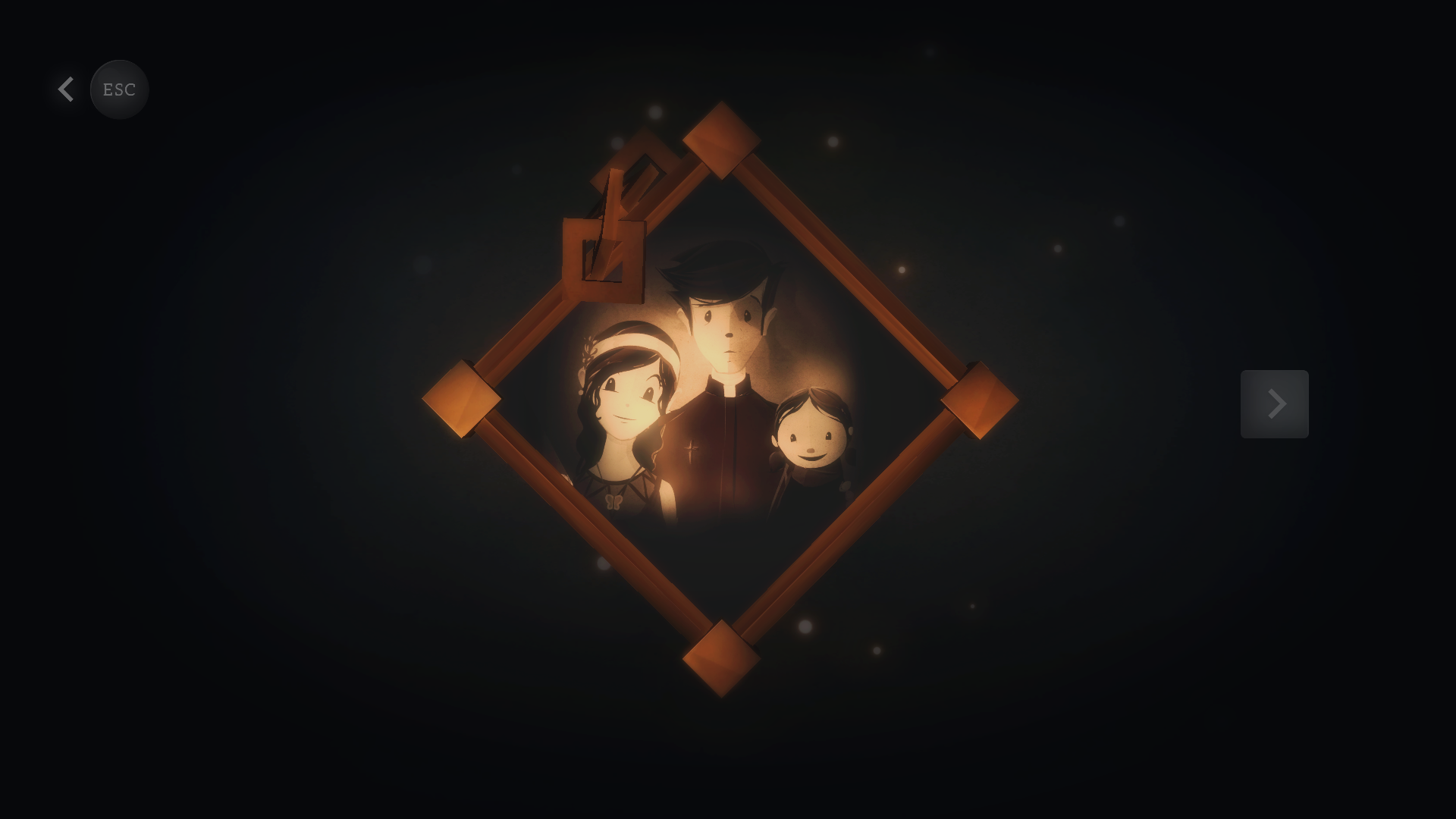
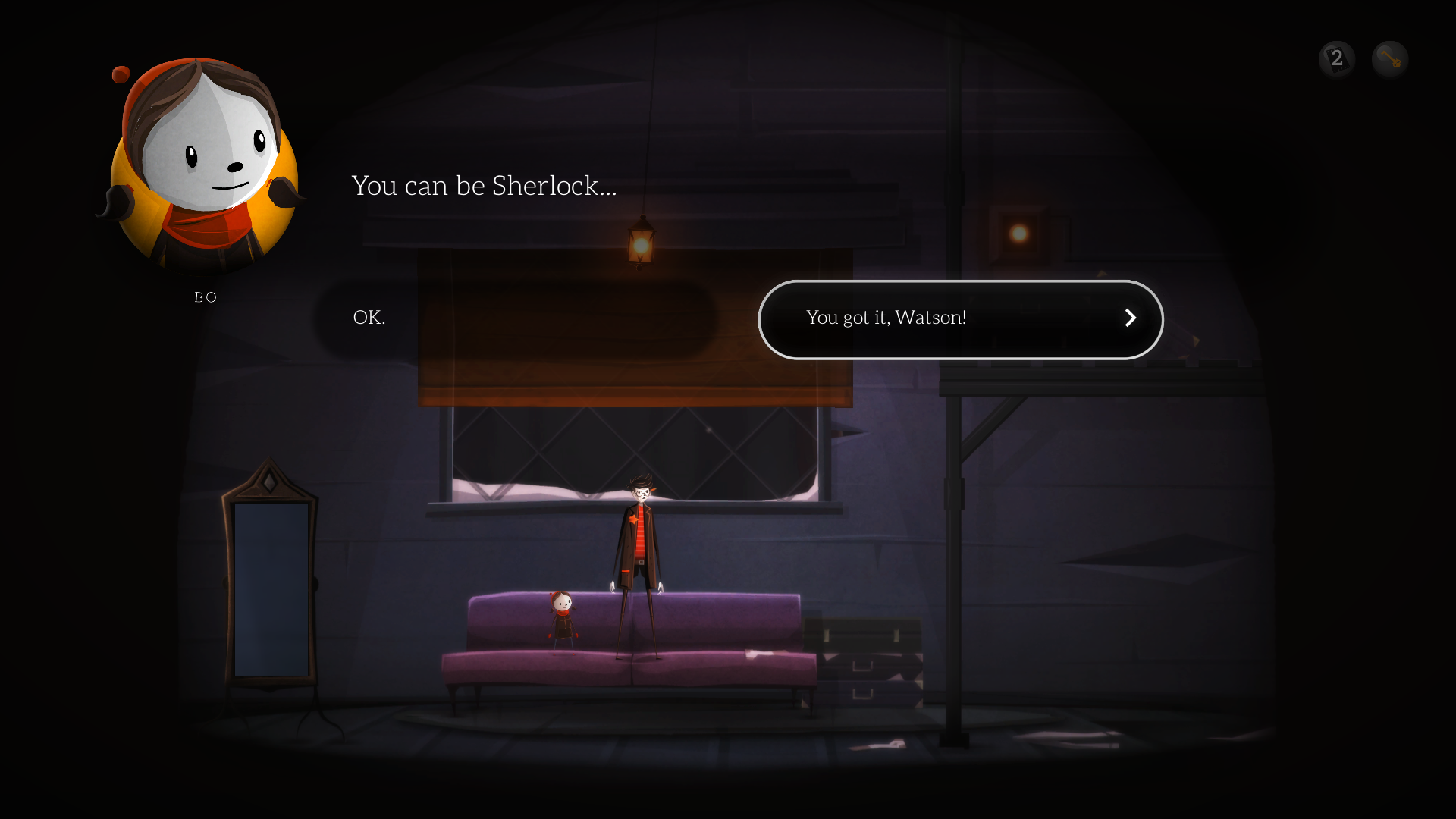
Looking at these influences, I quickly figured out that this game would be my cup of tea. I adore these worlds. Pinstripe is a beautiful, yet fairly short adventure game about Ted, an ex-minister, searching the afterlife for his daughter Bo, and her wicked kidnapper Mr. Pinstripe. On an interesting side-note, the sub-title of the game is: “A Father in Hell,” which serves for an interesting homonym – the priest and the parent. An interesting and clever touch!

On our journey through Hell, we have to look for clues and puzzles on the whereabouts of Bo and Mr. Pinstripe. I’ve easily taken a liking to every character I have encountered in the game. They are interesting, witty, creepy, and everything in between. They’re weird, and I like it.

Sherlock and Watson

Mr. Pinstripe is probably the most memorable of all the characters – a mysterious and intimidating man who lives in Red Wash, a lake deep down in the bowels of Hell. The rest of the inhabitants of Red Wash, however, seem to be only shadows of what they once were… As if the darkness is repeatedly taking pieces of them, leaving them on the verge of insanity.

One thing I will truly praise the game for is the voice acting. Mr. Pinstripe’s voice gave me the chills, making my spine tingle. It’s phenomenal, skipping between deliriously happy and crazed lunatic. As the characters’ voices vibrate through my headphones, the game gives an even more present touch of the uncomfortable – making me feel like the voice is coming from right behind me. Fun fact: there are several cameo appearances by popular Youtube personalities such as PewDiePie and JackSepticEye, making a highly interesting contribution in lending their recognizable voices to a small indie game like Pinstripe.

In his own description of the game, Thomas Brush is being true to his word: “The long and slim figures of the characters remind me of Jack Skellington from Nightmare Before Christmas, while the funny and random remarks bear resemblance of Alice in Wonderland”. Speaking of remarks, I love the humor in this game – with a touch of weirdness, and a drop of insanity. I cannot help but laugh at some of the characters.

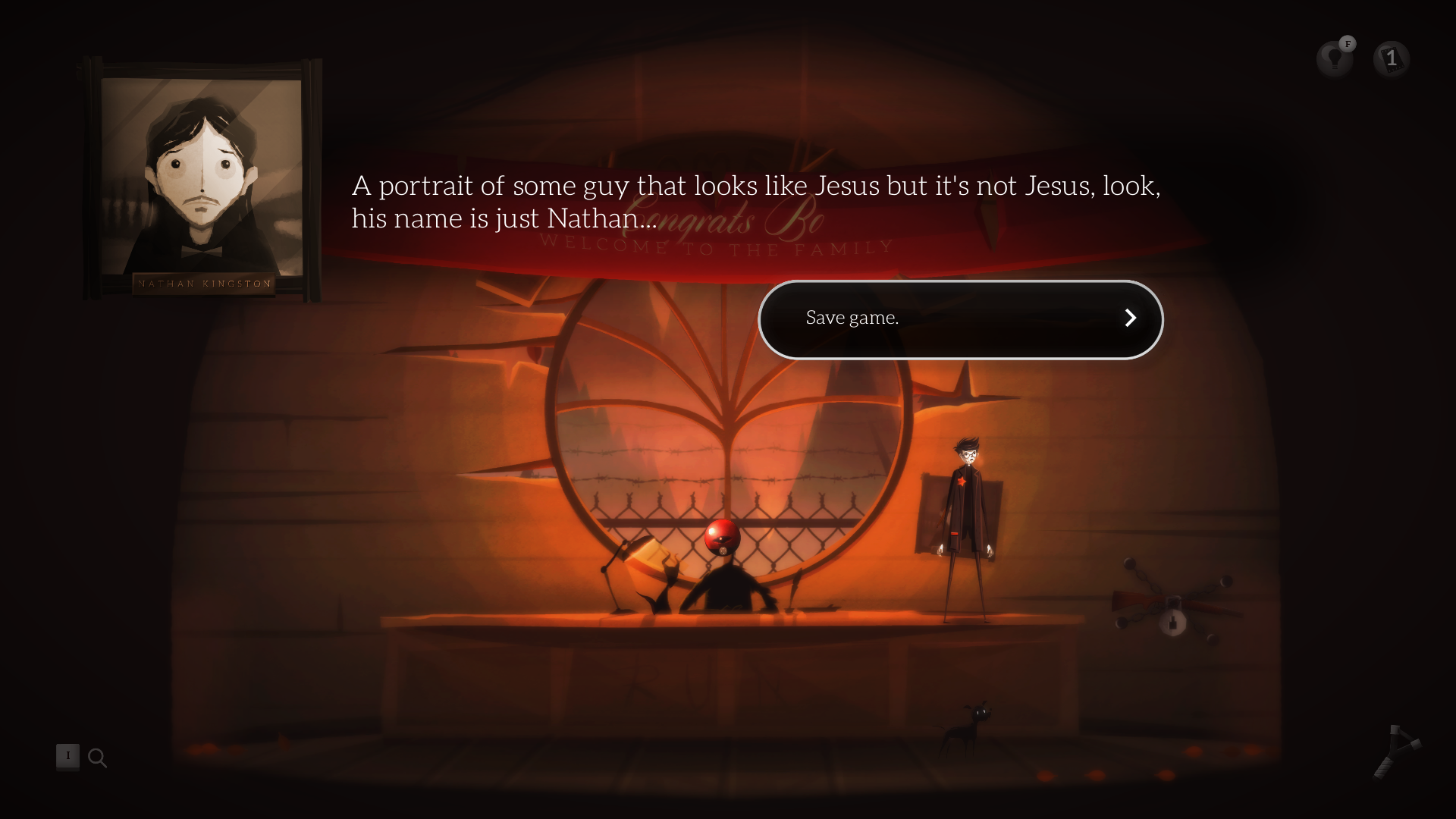
The art style of the game is gorgeous too. Along with a fantastic score and ambience, the gameplay works exceptionally well. As one progresses through the game, one might notice the developer’s awesome attention to detail. Some of them are made as a clever part of the gameplay, examining items closely in order to find more clues and solve puzzles. Save points in the game are portraits of different people for example (Kickstarter-backers, perhaps?), an interesting addition I do not think I have seen before in other games.

Jesus but not jesus just nathan.png

Throughout Pinstripe, you collect Frozen Drops, which is the currency of the game. Here is where the replay value comes in: if you’re an achievement hunter, Pinstripe is for you! There are several things you can do with these drops, but they can only be achieved when playing the game several times.

According to my Steam account, it took 3 hours to complete the game – I took my time talking to everybody, searching through each nook and cranny for stuff. I like how the puzzles were not too challenging, maintaining the flow of the game. However, I do have some mixed feelings about the ending. Without spoiling anything, I can say that it was beautiful, yet complicated. The game had a great build-up, but the ending was kind of anti-climactic.

Pinstripe is enjoyable and casual – with memorable characters, a beautiful atmosphere and great voice acting, it is a thoroughly well-made game. It’s clever, funny, mad and is definitely an experience you should not pass up.

Pinstripe is available for Microsoft Windows, Linux, and Mac OS, but hopefully it will be available on other platforms soon!

techtroid-rating8

Review: Armed with Wings: Rearmed (PC)

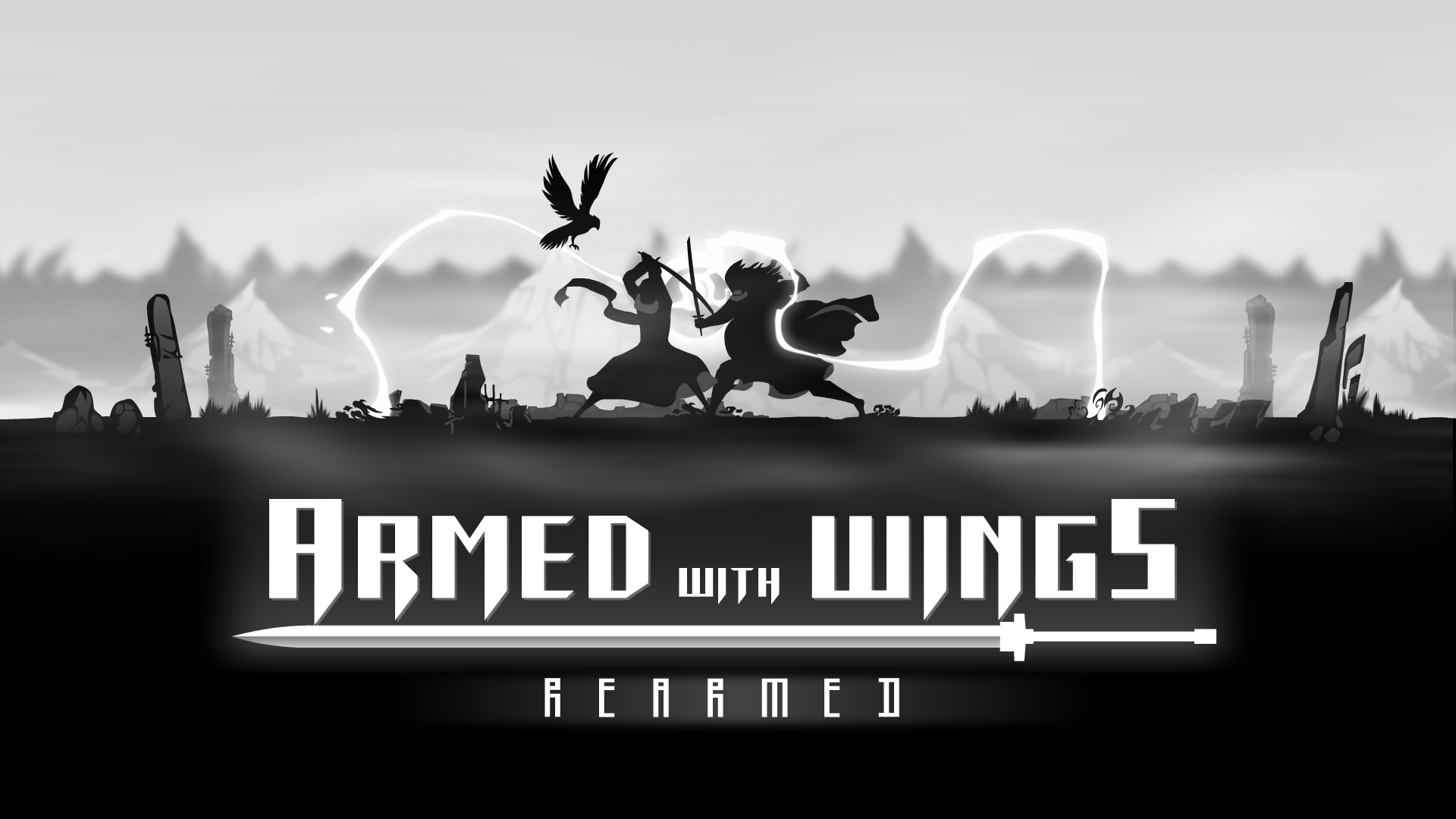
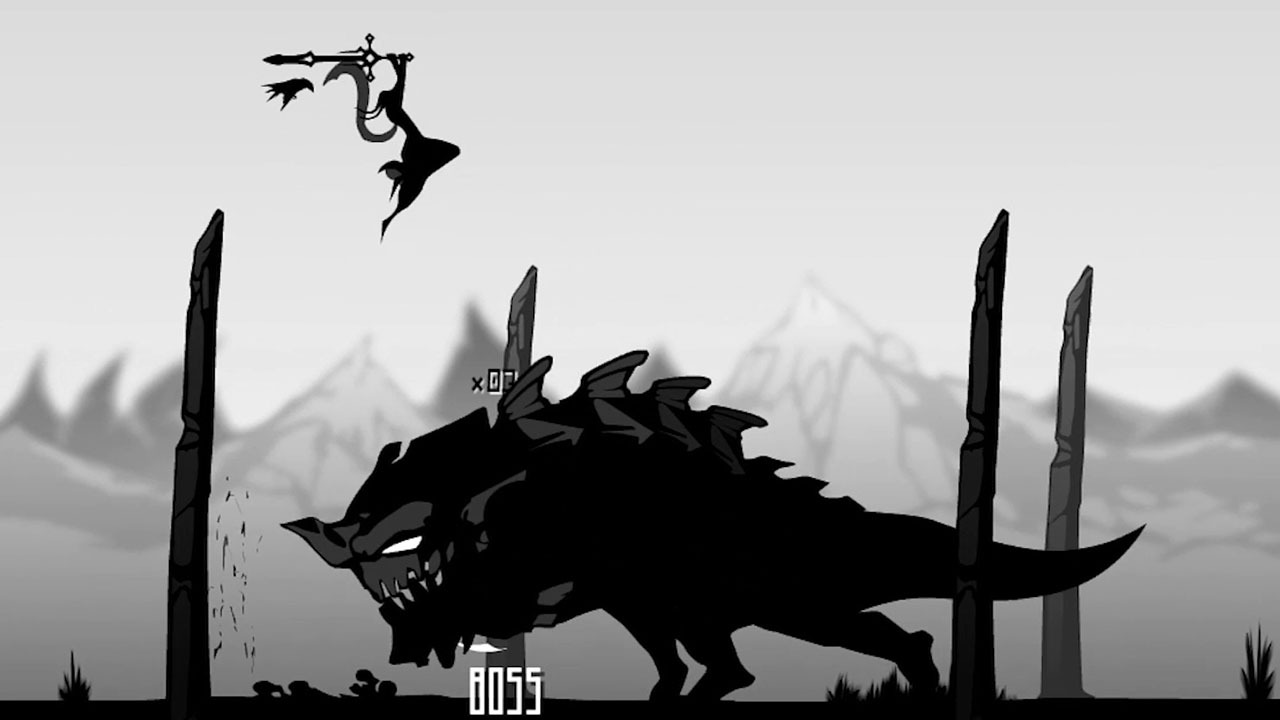
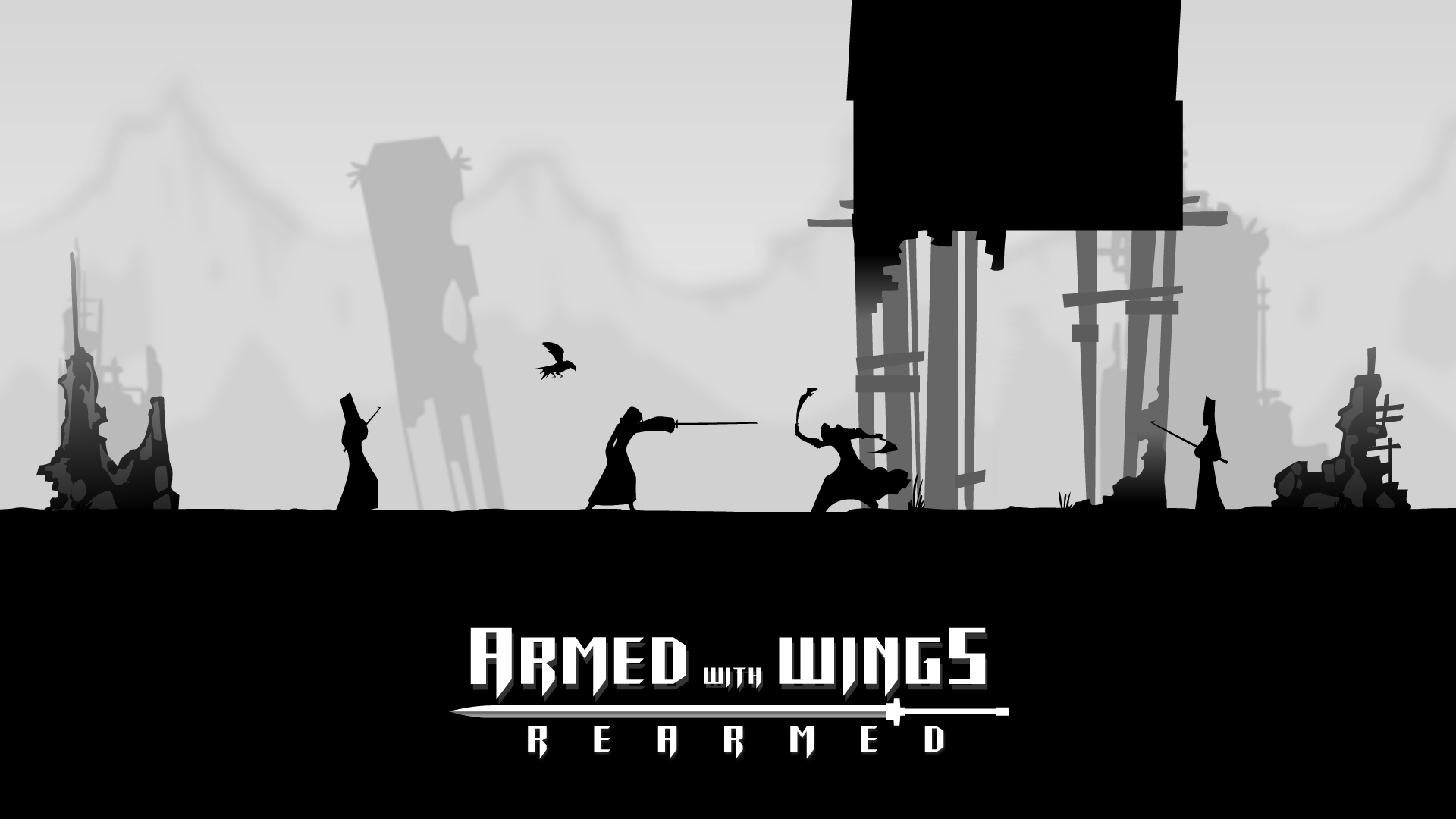
Armed with Wings: Rearmed is a flashy, fast-paced 2D hack em’ up/platformer game with a sleek, new approach to the genre. Previously released as a Flash Game in 2008, Rearmed slices its way onto Steam with this updated and addicting slasher. Playing as a lone samurai, the striking silhouette swiftly glides across the levels, slashing through the many enemies thrown in your direction. Equipped with your trusty blade harnessing the power of lightning and your faithful Eagle, you’ll embark on a furious journey to stop the evil tyrant’s – King Vandheer – overpowering authority.

Daniel Sun of Australian based animation studio, Sun Studios, has created a samurai adventure that adds extra value to the platforming genre. Entering the world of Blackmist, you run through short levels wiping out any opposing soldiers who will try to cut your blade-swinging life short. Coming across, (sometimes rather tedious), puzzles, your Eagle companion will lend a wing to fly to areas unreachable by man. Retrieving relics, scouting ahead or even acting as a useful distraction are all vital elements accompanied with your screeching ally.

Though many levels have you gracefully slashing your way through various enemies, other levels, later on in the story, are strictly platforming based. Calling on the Eagle to find and carry orb keys to unlock gates blocking your path, methodically using jump pads to clear dangerous hazards or completing a series of enemy waves coming from either direction, a solid dose of challenges keep your samurai journey feeling fresh all the way through.

armed-with-wings-1446781230172_1280w

The combat with your lonesome samurai warrior is fluid and swift, allowing easy button inputs to dodge and cut your way through surrounding enemies. Harnessing the power of thunder and lightning, you’re capable of dealing a charged strike downward, unloading a great deal of ravaging damage. The push of a button allows a ‘dance’-like skill to leap around your enemies, making you feel like a true, untouchable samurai warrior. This defensive mechanic is significantly helpful when dealing with tough soldiers/bosses further in the game. No jump action is present through most of the game – your player will automatically leap from ledge-to-ledge when running straight through – though additional skills may add this ability as you progress.

Tons of weapons become available to help aid you on your expedition, each with their own traits, and some even with exceptionally useful bonus skills, like health regeneration or the tactical advantage to ‘Jump’. There are all different kinds of blades from classic katanas to broad swords and hook swords; Rearmed gives plenty of variety and stats to base your combative decision on. Found throughout the game when dropped by fallen foes, you’ll also unlock more weapons with score points earned by collecting glowing bubbles (also used as health) and dealing with enemies in both Story and Survival modes.

In Survival Mode – like a few levels found in the campaign – waves of enemies spawn in timed fashion, leaving you alone to deal with them before they’re able to deal with you. Though, much tougher than the wave trials found in the main story, these survival waves offer a chance for more points, in turn giving you the ‘edge’ in combat later down the line. Everything from your standard grunt enemies to elites and even bigger boss-type monsters appear in Survival Mode, so being prepared with the best weapon load out proves useful when conquering the next fierce wave.

WALLPAPER.png

With dozens of unique weapons fused with unique skills and traits, two more bonus playable characters to unlock and an addictive style gameplay, Armed with Wings: Rearmed brings stylish 2D action to the lucrative platforming table. Short, to-the-point levels (some offering multiple ending points for enhanced replayability), Survival and various two-player modes like one-on-one weapon battles and tournaments, there’s a good helping of content to feed your samurai hunger.

A solid helping of hack ‘n’ slash vengeance mixed with unique puzzle solving mechanics, Armed with Wings: Rearmed brings beautiful carnage to the platforming genre.

Review copy provided by Sun-Studios.

techtroid-rating8

Review: Old Man’s Journey (PC)

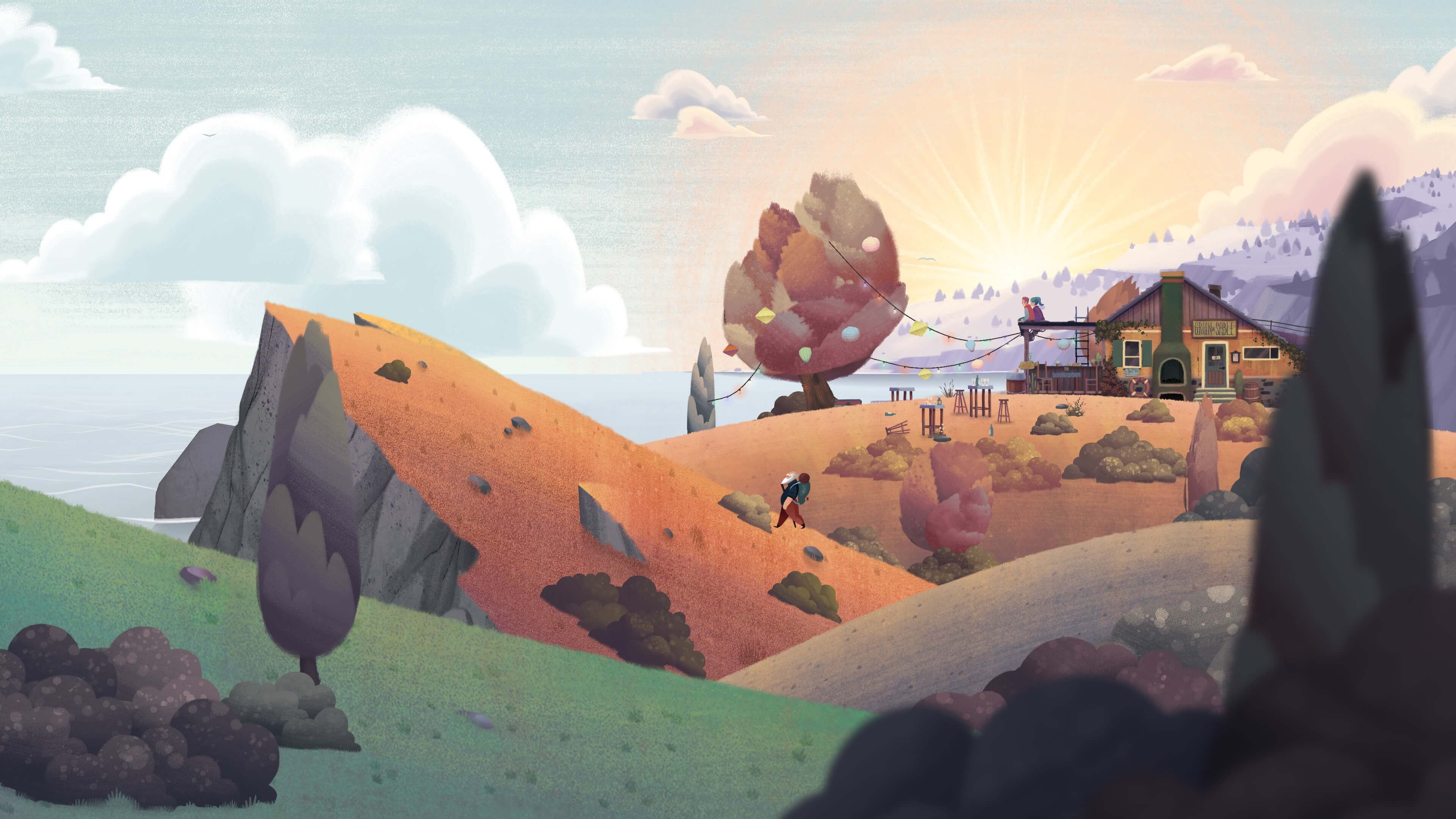
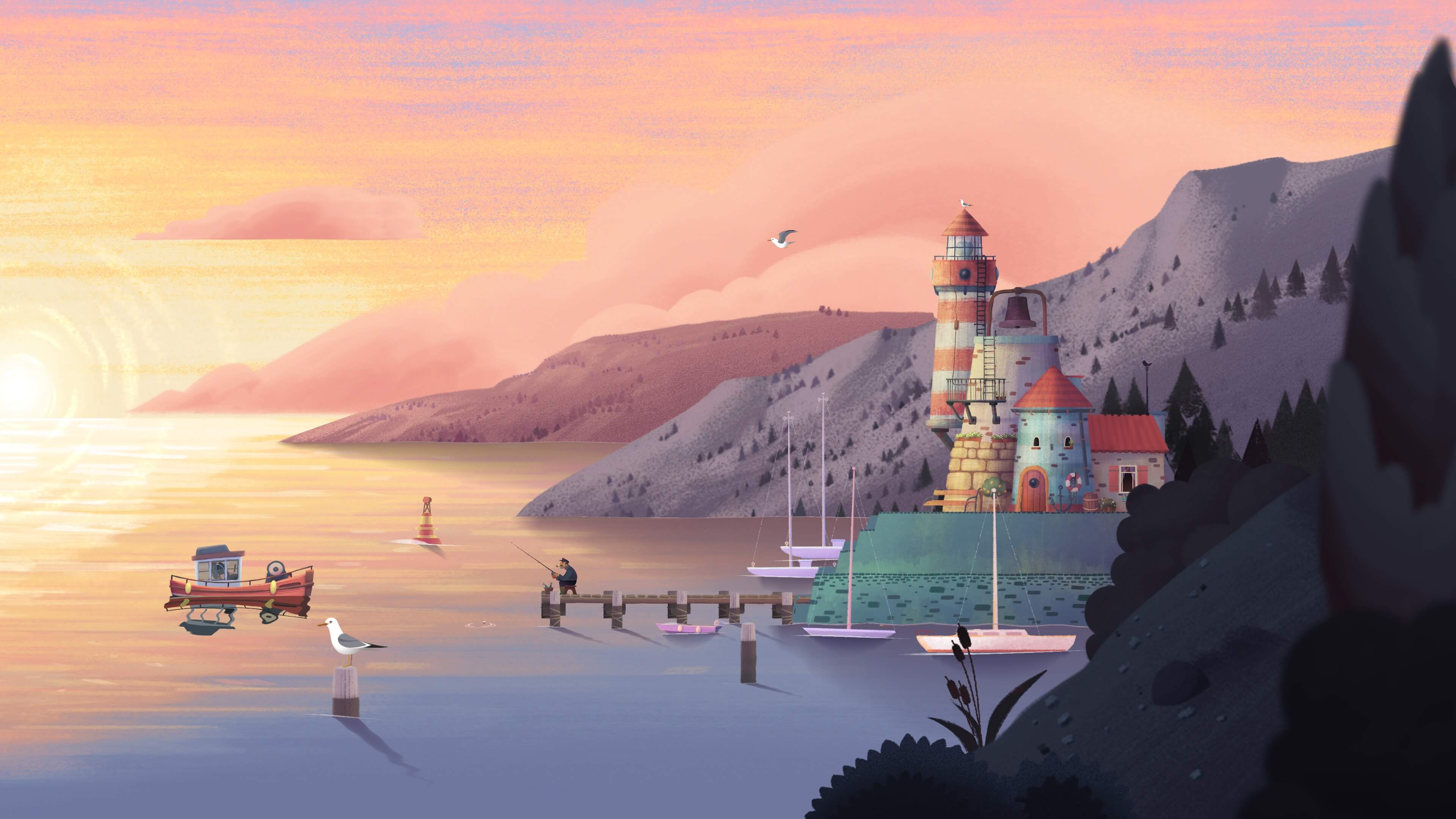
Old Man’s Journey is a short and unique point-and-click adventure game from the independent game studio Broken Rules, based in Vienna, Austria. They have made a game about life experiences, and everything that entails – love, happiness, regret, and reconciliation.

We follow an old man who lives in a beautiful house out by the sea. The game starts off with him receiving a letter, with the content left to be revealed at the end. As he gathers his backpack and walking cane, we join the old man as he ventures out on a journey through land and sea.

1

There are 15 different levels, or scenarios, in the game. Upon finishing each one, the man sits down on a nearby bench and scratches his white beard, pondering and re-exploring his past. With each memory, we collect more and more pieces of the story.

The level design of the game should be given high praise. Each level represents a different memory in the old man’s life, telling us where he has been and where he might be going. This way, we slowly progress through the old man’s life experiences up to the present.

5

The environment plays a huge role in the aspect of gameplay. In order to help the old man on his journey, the player has to manipulate the terrain around him, which I think is quite unique. Each level contains puzzles where you have to twist your brain a little, but never so much that it hurts. It never gets too challenging. Many might see that as a negative, but I rather enjoyed sailing through without much difficulty in a game like this: it is, after all, an atmospheric casual game.

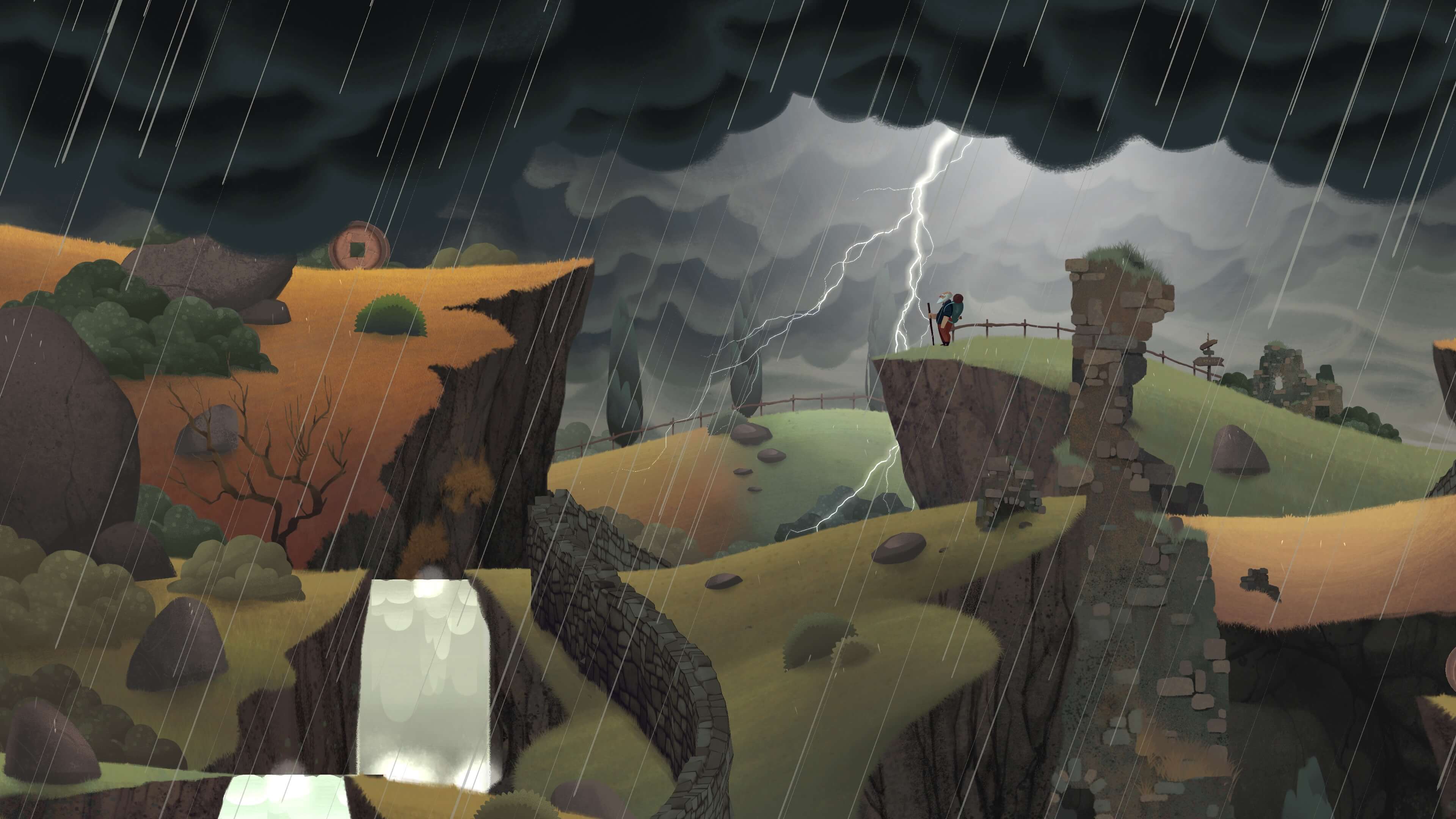
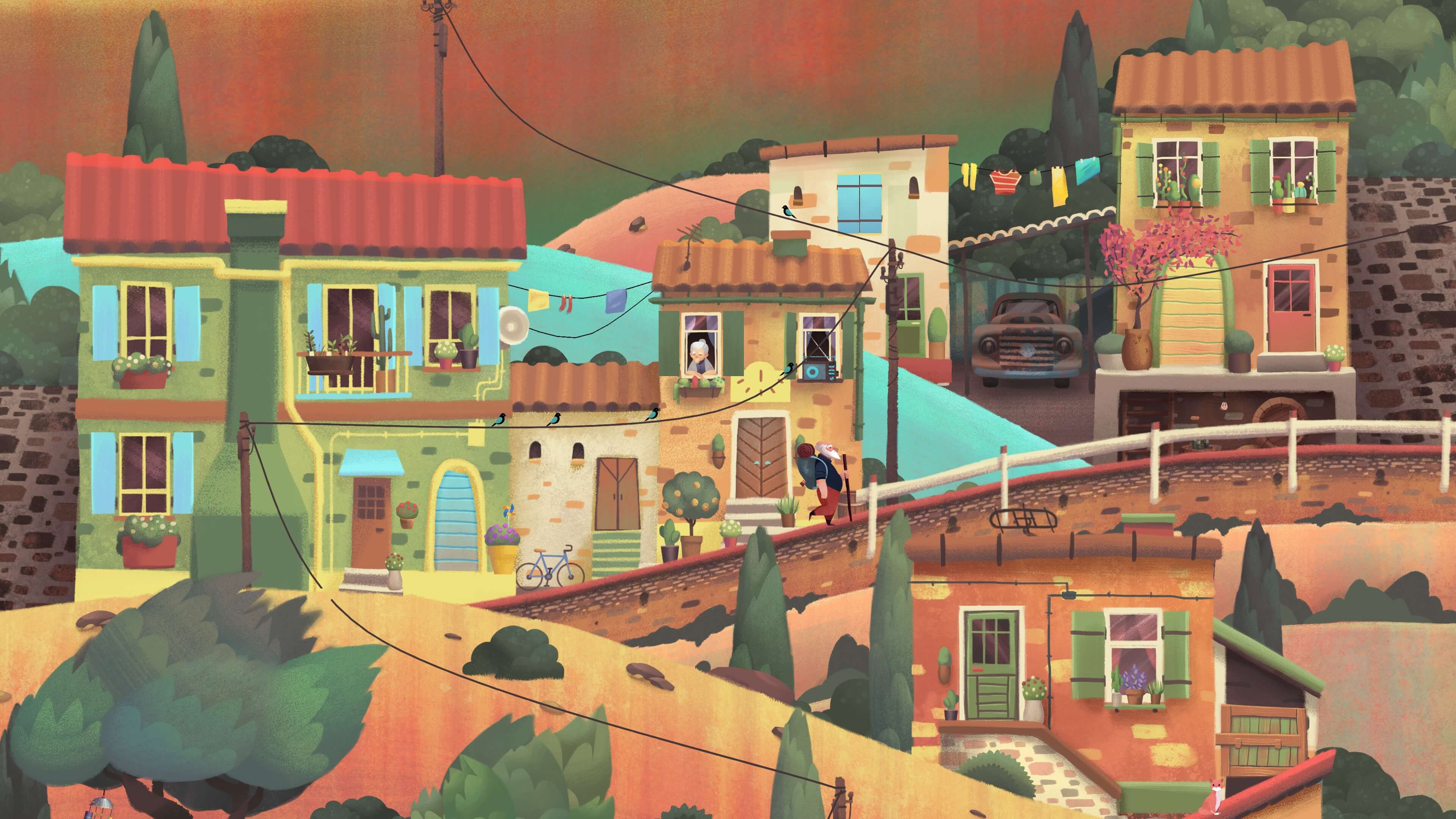
This game lives and breathes for the aesthetics. The memories look painted with watercolors, letting you experience art in a beautiful way – I feel like I’m walking through different paintings. With beautiful ambience such as the sounds of the ocean or the wind through the mountains, and simple yet gorgeous music with a present guitar and accordion, Old Man’s Journey provides a symphony for your eyes and ears. Putting on headphones and immersing yourself in the music and sounds when playing this is highly recommended. (THIS GAME IS GORGEOUS).

3

Amidst all the wonderfulness of the game, I encountered a few bugs where I had to restart some of the levels over again. This became all the more bothersome when I was right at the end of said levels. Along with a few graphic bugs as well, I felt that it broke up the flow of the game, which was fairly annoying when I’m in a meditative state of serenity.

I feel like I should also give a fair warning that Old Man’s Journey has little to no replay value. There’s no extra puzzles to solve, for example. When you figure out the ending to the story… it ends. Maybe that’s a message about life. Still, it would have been nice to have something else to do afterwards. That being said, the game is roughly 2-hours long, so it’s clear that the developers have created something to be played in one sitting, as there is no manual save function either.

Old Man’s Journey is a short and delicate game with a touching story. The music is simple, yet beautiful. Combined with an impressive art style and unique gameplay, Broken Rules has created a powerful piece of expression. I suggest you visit the Steam page while I dry my tears.

Review: GRIDD: Retroenhanced (PC)

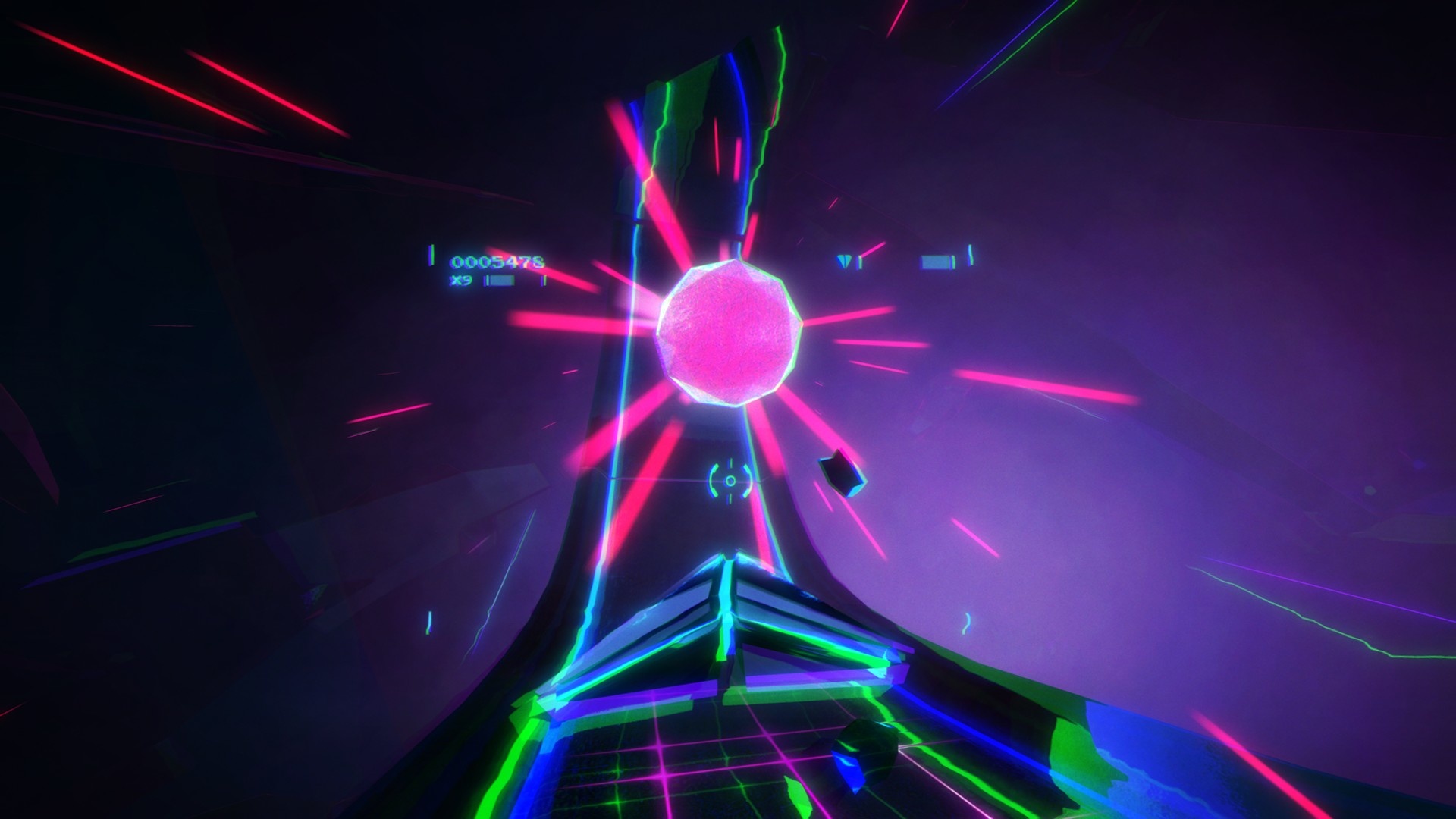
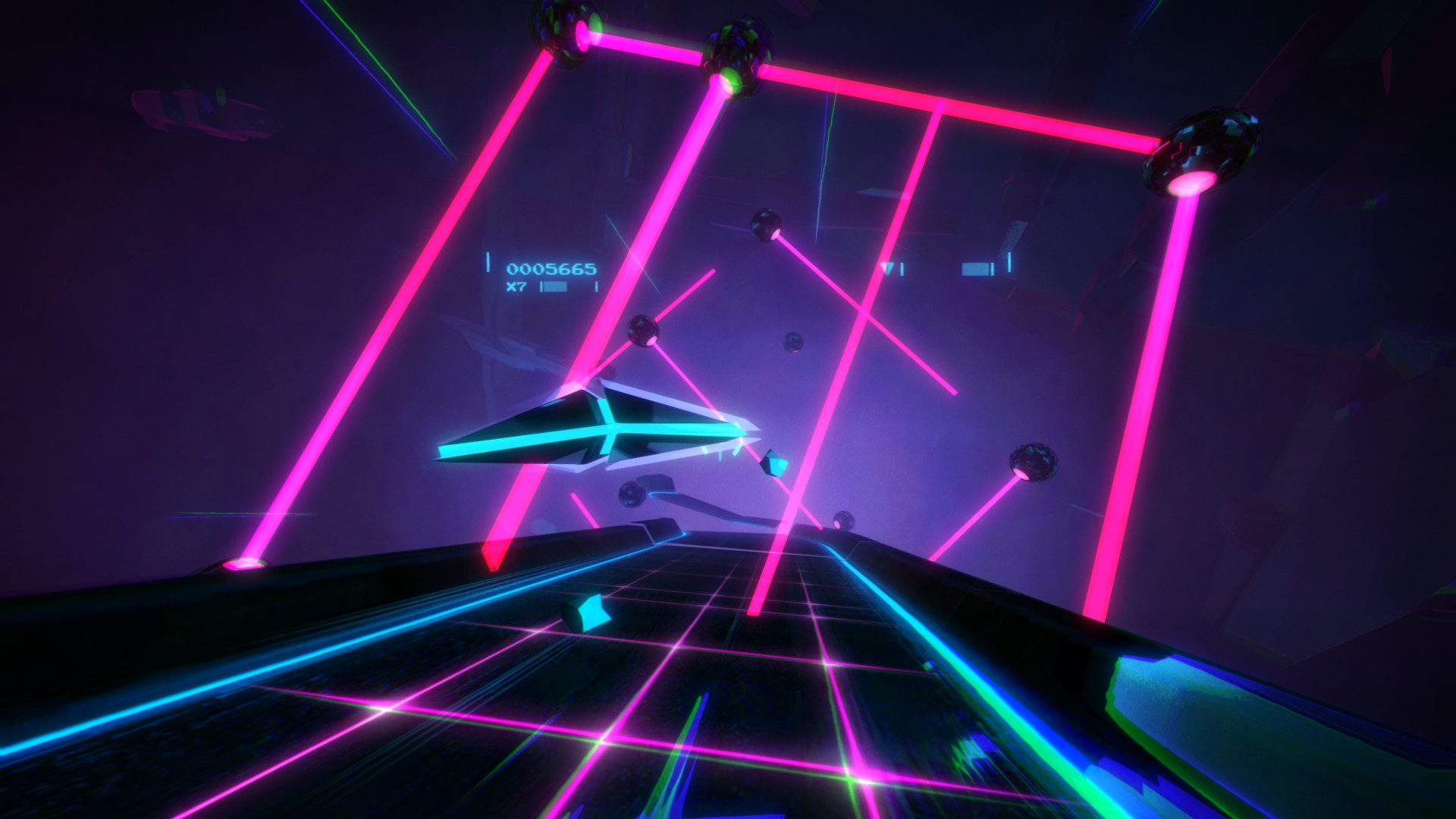
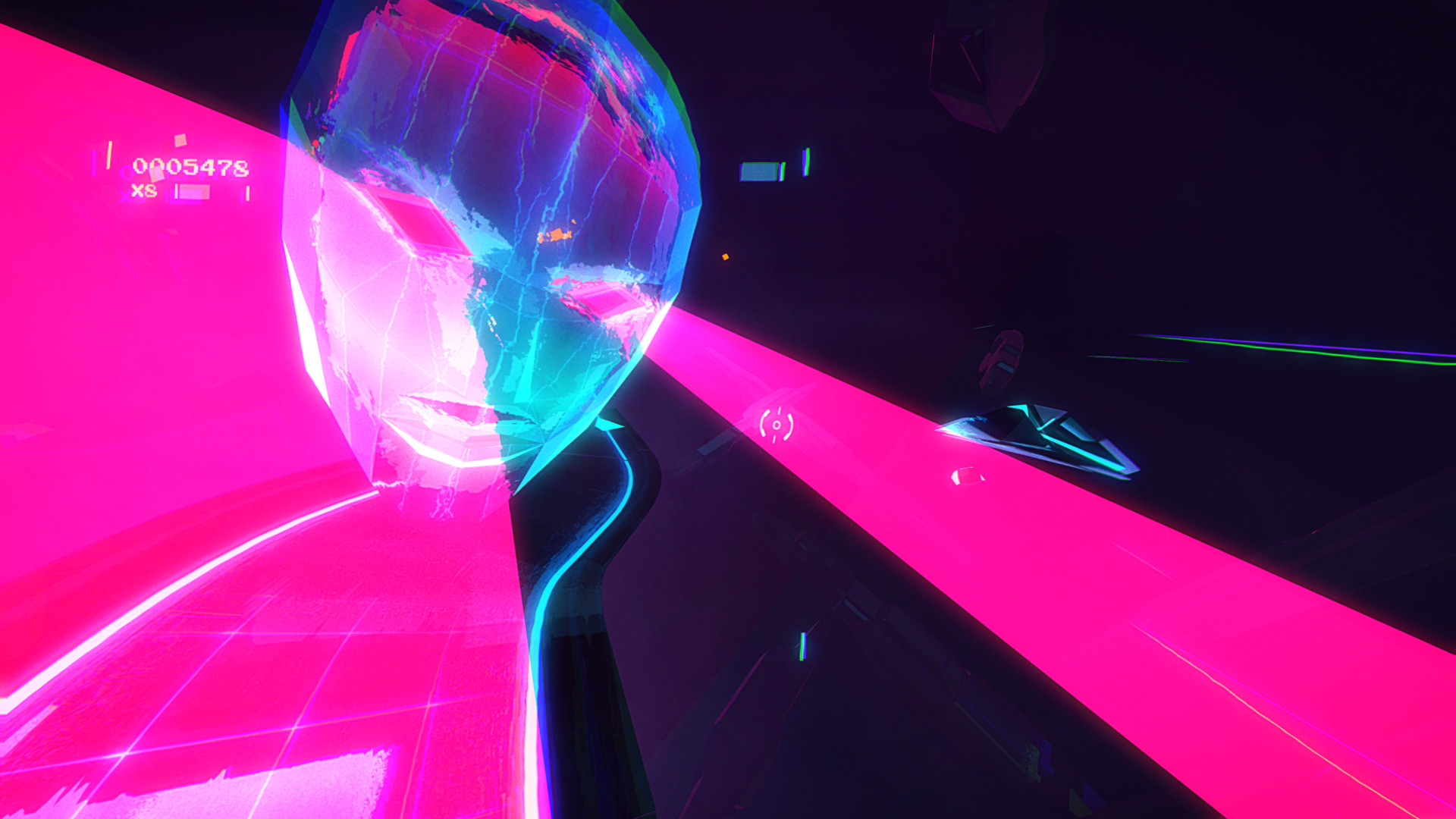
GRIDD: Retroenhanced is a fast and furious throwback to 1980s cyberpunk that feels fresh and perfectly at home in 2017. The player is pitted against the perils of a sinister network bent on preventing you from hacking your way through its defenses. True to the arcade feel, GRIDD leans more heavily on gameplay than plot. Nevertheless, this balance of a minimalistic cyberpunk narrative with stunning graphics, Tron-like neon effects and truly addictive gameplay make GRIDD a renewed reminder of what made gaming so great in the 80s.

In a day where games have become ever more complex, GRIDD hearkens back to a time when designers knew the key to creating a sense of compulsion in a player is sometimes simplicity. On the surface, the game is rather modest: you fly and shoot. However, I soon found excelling at the game was not so easy.

ss_47ad6181781d40781d362f98273369a4b2956162.1920x1080

Each stage offers a set group of obstacles that are randomly generated; making certain each attempt is different. This is particularly important because in Arcade Mode (the only mode made available at the onset), you are placed at the beginning again with each death. This might sound frustrating, but it is actually a mechanic that works in GRIDD’s favor. GRIDD is first and foremost a challenge of the player’s dexterity and their ability to improve with each attempt. The result is an enormous emotional payoff even for taking only minor strides.

The controls, once grasped, are simple but require a great deal of skill. I played the game using a keyboard, but if you have a game controller handy, it might make the initial learning curve a bit less steep for some players. The effect, however, is smooth and stunning to watch. The plane soars through cyberspace with a fluid motion somewhere between flying and swimming. Obstacles appear at breakneck speeds, and enemies will swarm as they launch attacks at your ship from multiple angles.

As you fly, you can shoot yellow objects to up your multiplier. The game scores you by keeping track of how many KB you collect with each run. The more objects you shoot, the better you score. But, be careful. Shooting metal objects will cause your bullets to ricochet back at your cybercraft. This helps ensure, particularly in later levels, that you can’t simply run through the game with guns blazing. Your mind has to be as quick as your fingers on the controls. There is some relief, though. Flying through special rings will assist the player by restoring your shield or upping your weapon’s power.

The challenge GRIDD poses adds to the game’s replayability. Even if Arcade had been the only mode available, I likely would have come back again just to try to beat my final score. The game, after all, is short enough that even after multiple playthroughs it never wears thin. However, developer Antab Studio was clever to add an Endless mode that allows players to get as far as they can without death sending them back to the beginning.

The world created in GRIDD is well fleshed out, even if we might not fully understand how we arrived in the network. The hacking motif isn’t simply a plot device for instance, but actually plays into the game itself. You will have to open literal firewalls along your journey. Hacking sequences will arise requiring the player to collect certain numbers in order to activate a key code. Perhaps, most striking of all is the overall feel.

As I flew through the cascade of shocking color at heart-stopping speeds to the beat of an electric soundtrack, I remembered why I loved gaming so much as a kid in the 80s. Not only does the game look like something that could have come straight from that era (if we had the graphical quality of today), but GRIDD grasps the addictive power of not only classic arcade shooters, but games of that era in general. A steep learning curve was once commonplace. Games like the original Kid Icarus and Mega Man required the player to replay each level until they get it exactly right. Being successful meant hours of trial and error. It was a test of skill and patience, but being pitted against yourself like that was also highly rewarding. GRIDD pulls the player in and won’t let them go using this same sense of self-trial. The fast pace and ever-changing levels make certain the challenge never grows stale before you finally reach the end.

ss_d3b189fe1e6006c71a95ed2ea8705b8e2168416c.1920x1080

GRIDD: Retroenhanced is more than a nostalgia trip, it is a top-notch arcade shooter for the modern gamer. The pumping techno-beat carries the player onward through an electrifying journey of sights, sounds, and constant action that will urge you to try again just one more time. Then one time more. And then you’re hooked.

The game is developed by Antab Studio and published by Kongregate. GRIDD: Retroenhanced is available on Steam for Windows, Mac OS X, and Steam OS + Linux. Review copy provided by Kongregate.

techtroid-rating8