My Big Sister Review [PC] – A Dark Comedy About The Love Between Siblings

Alisa Hail reviews My Big Sister…

Dealing with your siblings is a chore sometimes. More so for some than others. But, what if your sibling was turned into an undead ghoul with a ravenous appetite for raw flesh? Would you still be willing to help them out? More importantly, perhaps, are you still going to argue about those annoying sounds they make when they eat? My Big Sister is a story that explores the more mundane aspects of sibling love and rivalry, juxtaposed against an unsettling atmosphere of death, curses, and the invisible things we suspect late at night stalk us unseen in the dark.

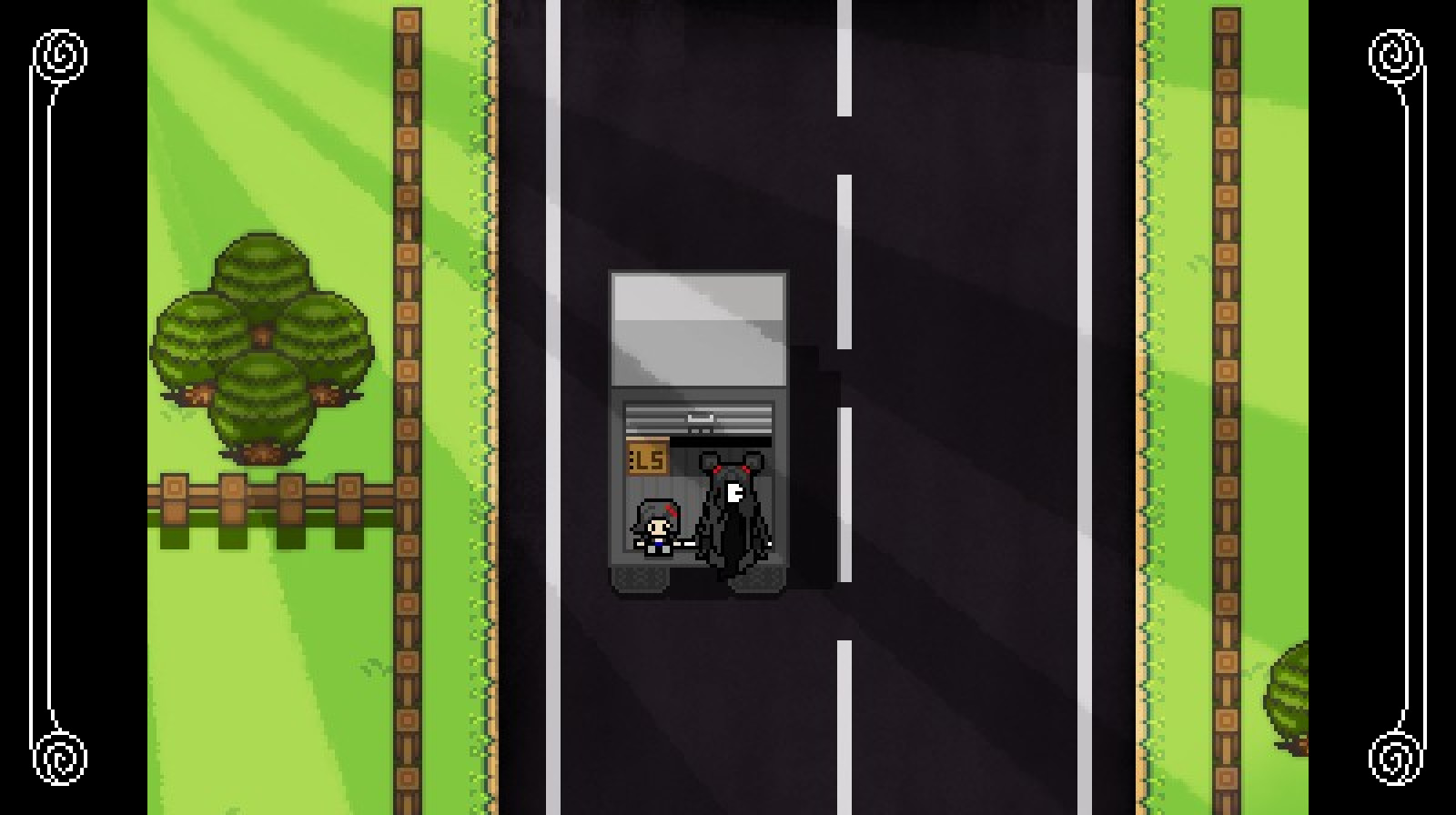
Luzia is not your average little girl. Her jaded personality seems a bit beyond her age. Her regular annoyance with her older sister, Sombria, however, is easily relatable. Following an unplanned and ill-fated trip to a bathhouse, Sombria falls victim to a curse. Her form overly stretched and her skin too pale, she is clearly no longer human. Sombria’s salvation, if possible, lands on the young shoulders of Luzia. Thankfully, Luzia is perfectly suited to the task.
ss_3d78096169f67655d54f8814e28838a233a99caa.1920x1080

It is not often I have described a game with plenty of blood, and gore, and a few alarming instances as delightful, but that is the most accurate description I can give My Big Sister. Luzia’s childlike embrace of the strange world around her feels akin to Alice trapped in Wonderland. It is almost as if the dangers always at her heels can never quite touch her due to her innocence. For instance, early on Luzia runs across a demon in need of a face. The demon, surprised by Luzia’s unexpected desire to help, takes a liking to her, even giving her a candy bar as a reward after she delivers. But, therein also lies the persistent feeling of dread. When will her curiosity press her too far and the darkness finally closes in?

But, Luzia never loses her sense of humour despite everything. In fact, it is both Luzia and Sombria’s casual wit juxtaposed against the sinister reality of their plight that makes for most of the humour in the game. For example, Sombria loses herself to her new raging hunger and ends up devouring a deer. When Luzia arrives to find the gruesome scene she makes a Bambi joke. It is this type of banter that kept a smile on my face the whole time.

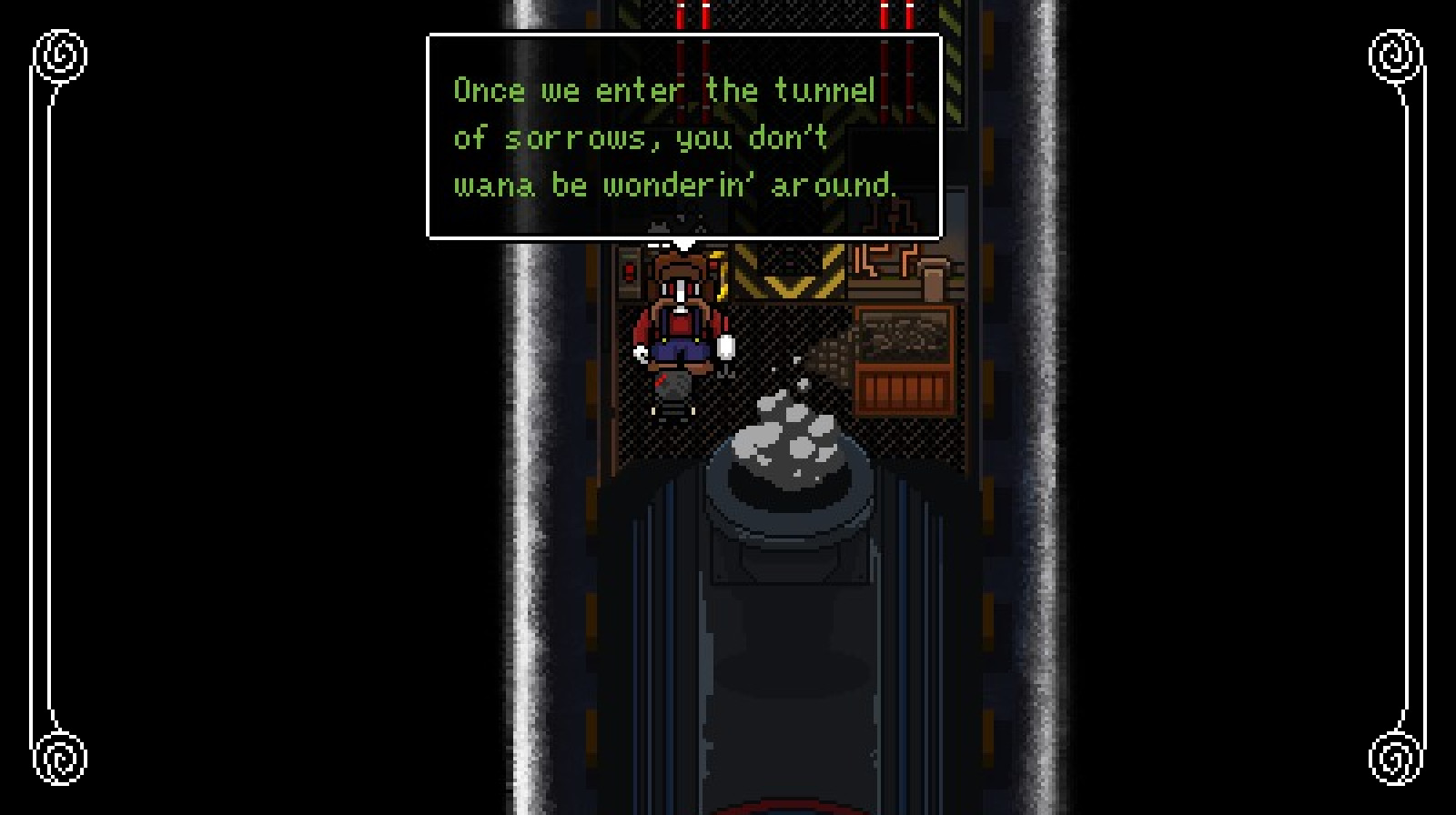
Gameplay is simple. Exclamation marks appear whenever there is an area that can be explored or an item that can be examined. Inventory requires you to scroll from left to right to look at and select items, but since you are never carrying more than four or five items at a time, this works very well. The developers have added save points throughout, but unfortunately you only have one save file. However, since there is no real combat in the game, so the possibility of death is rare.
ss_7284fbb1425809613d6e4be34f7f5b7b37eff9aa.1920x1080

The world of My Big Sister is so well crafted, particularly because the relationship between Sombria and Luzia feels so natural and heartfelt, that it is easy to feel comfortable in the world yourself.

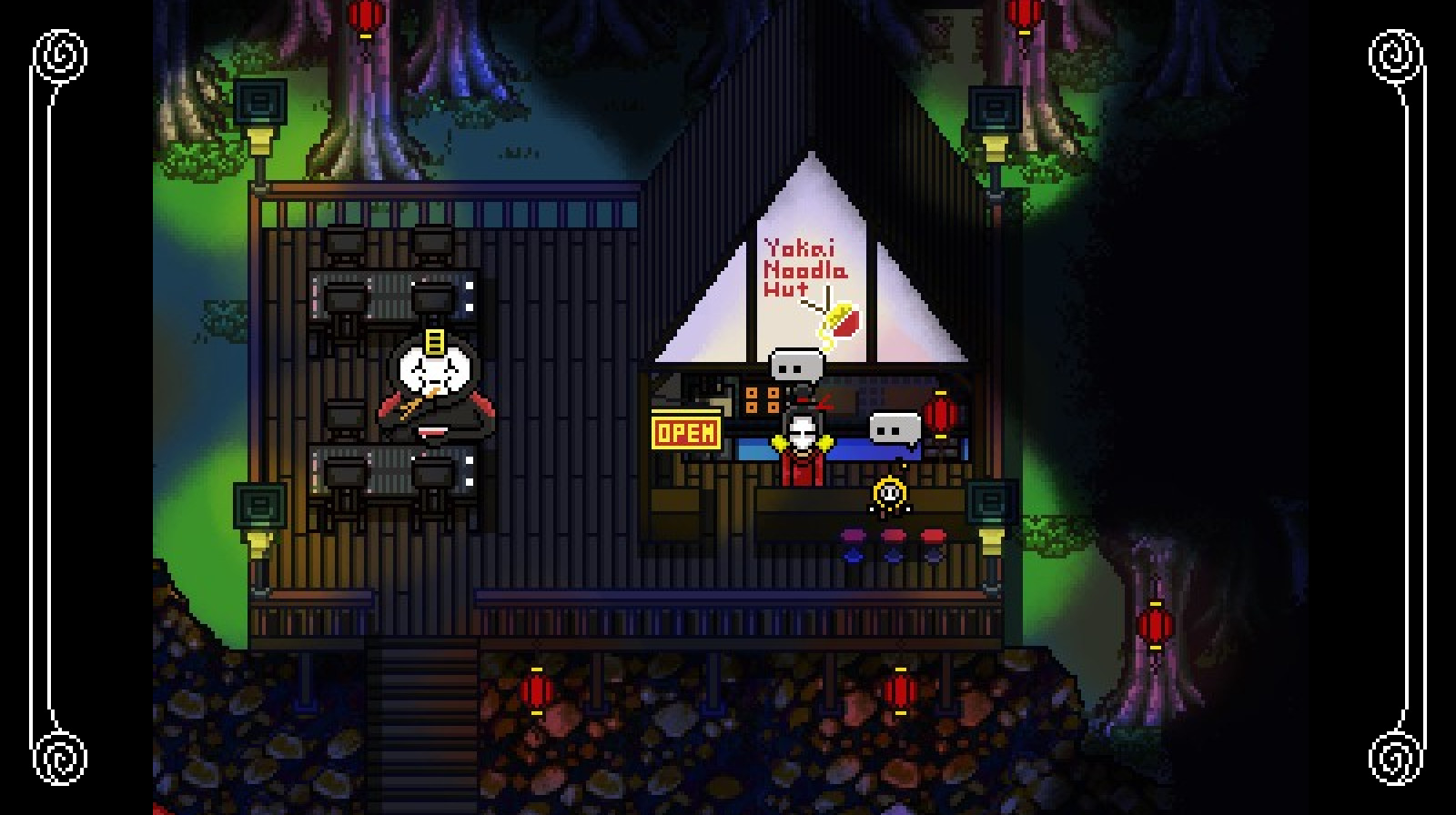
Run across a noodle house for the spirits nestled in the woods? Of course. Why wouldn’t that be there? It is at once absurd, and terrifying, and yet familiar. In some ways, the childlike whimsy mixed with the darkness and danger makes me think of a classic Studio Ghibli film. It is a reminder of the curiosity of the childhood, the fear of the dark, and the relationships that make life worth the journey.

Metroid Prime 4 Delayed And Rebooted

Metroid Prime 4, a title we knew nothing about anyway, is being rebooted, Nintendo has announced today.

It’s a move that is both welcome – Retro Studios and original producer Kensuke Tanabe will lead the project – and unwelcome too, development time will be extensive.

In classic (and somewhat admirable) Nintendo fashion, the event is being taken very seriously:

It’s a significant blow for Prime fans, and it could be years before we see game 4, but it should more than deliver when it arrives.

You better keep yourself busy for the next 48 months.

Indie Highlights Presentation

Indie Highlights Presentation Shows Off Wargroove, Double Kick Heroes, More

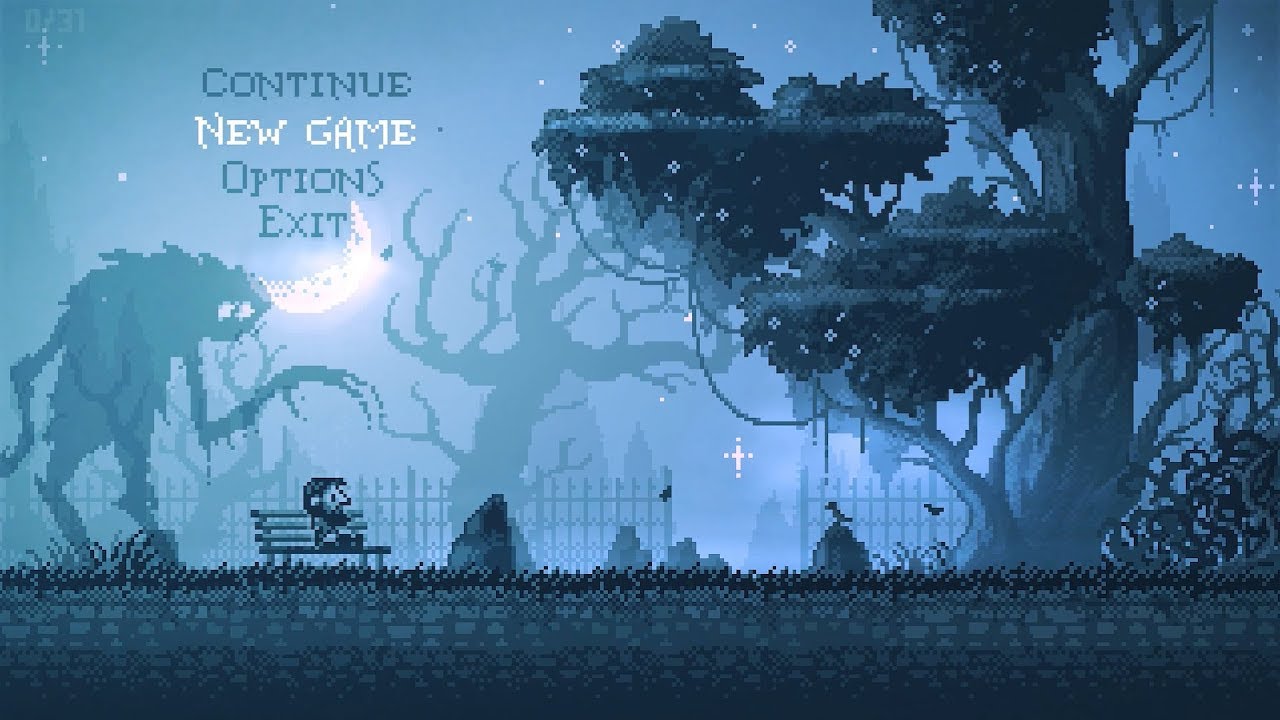
Nintendo’s Indie Highlights Presentation showed off some diverting looking independent titles today, including Wargroove, Double Kick Heroes and Inmost.

You can watch the full presentation below:

Personal standouts for this writer? Strategic thinker Wargroove, the atmospheric horror game – which looks like it has quite the story to tell – Inmost, and Image & Form’s latest SteamWorld title, SteamWorld Quest: Hand of Gilgamech.

What appealed to you? Let us know in the comments below.

Indie Title Disco Elysium – Deprived Fun

Jack Boyles takes a look at indie game Disco Elysium…

“When did it all change? When did we become so deprived? So feral? I see these streets, these deteriorating streets in denial with itself, desperately holding onto a more prolific time. And its citizens have all aged with it. Staring with their vacant eyes, expressionless, lost in their own refutation. But then there is me, I. What is I? Where do I fit? After all, I am no different from these inhabitants, dumbfounded and alone in an age of irrationality”.

As we know from my previous articles such as Pixel Noir (my first article for Nitchigamer) I’m a big fan of film noir. The pessimistic world view is something I can relate too. Being a working-class male brought up in a town ravaged by pit closures, not evolving and just lying there stagnated. So, to my pleasure, I got my hands on a new detective game that fits nicely in that world view, Disco Elysium.

Disco Elysium is an isometric RPG that is heavily inspired by tabletop RPG’s using a dice/luck mechanic to see if you are successful in your decision and dialogue. Developed by Zaum Studio and published by Humble Bundle, it markets itself as a hardboiled show in a fantasy setting.

You play as Revachol West, a shamed lieutenant detective of a shore town where misfeasance lays around every corner. You must keep your character’s sanity in check while trying to solve cases, interrogate suspects or explore the streets. The game features many open-ended cases leaving player expression to address them.

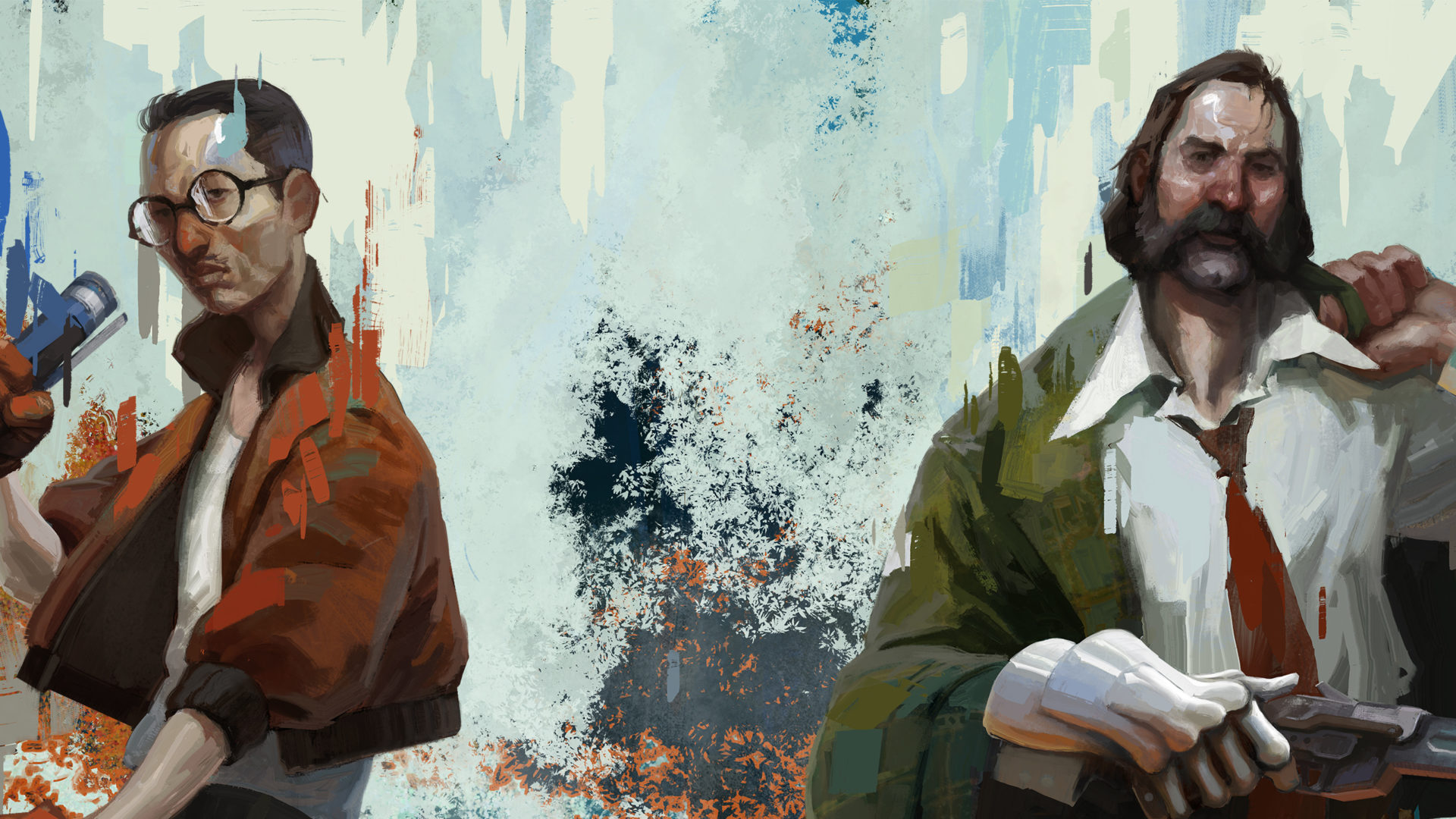
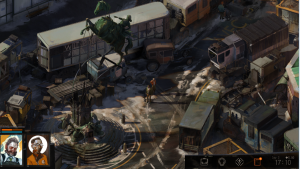
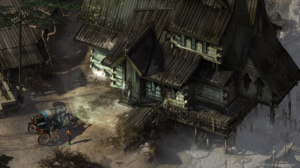
Glancing at the game, you are instantly drawn in by the visuals. The game looks beautiful, yet it still manages to have this sense of grit. A painted aesthetic gives a very expressionistic feeling to it, how it uses colour and shade to add detail to the environments instead of having each little detailed applied to them. However, this allows the developers to make the settings more nuanced; for example, a rug with a corner overturned or segments of the tiled flooring wear and tear. This is an excellent example of how strong rendered graphics are and how they can add so much personality into environments. Even the skill cards have the Francis Bacon look of body-distorted imagery. It’s these artistic choices that make Disco Elysium standout from most other indie games as well as showing the quality of the game and focus on encapsulating the mood of the world.

If the visuals weren’t enough for you, the gameplay follows suit with its same level of quality. As I previously stated, this game takes the tabletop formula of dice roll/chance gameplay. You’ll be given certain dialogue trees depending on your stats, though you will have a certain chance of this dialogue being successful which is represented by a dice roll. It’s no different to chance/stat based choices in RPG games such as the early Fallout games. Though it’s that dice roll that makes it more engaging and impactful; like the ball spinning on a roulette wheel, it reminds you that odds are just odds. Furthermore, the dialogue options are plentiful, sometimes hitting around seven choices and specialist choices appearing due to your stats; this game has the potential for many watercooler chatting moments.

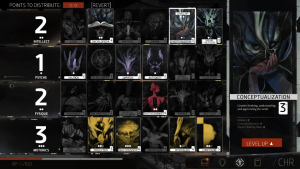
Though it’s the skill system in Disco Elysium that surprises yet again, instead of going for your typical speech, charism skills; Disco Elysium goes with a more psychological skill base. You have four tiers of skills: Psyche, Intelligence, Physique and Motoric, all with there own attributes such as Empathy, Conceptualization and Composure to name a few. It’s here you craft what type of detective you are but not by the skills they have but by their personality, doubts and instincts.

The demo starts me with choosing a character type. I went with the alcoholic detective because that’s the type of detective I am. The intro had this inner monologue/debate my character was having with himself, the empathy side and the damn crazed one; me keeping them both in check.

Waking up in my apartment with a smashed window, it’s here you start to realise that as much of an RPG the game is, it’s also a point and click adventure game. Collecting and inspecting your environment and items to put in your inventory and/or for clues. Staring into a mirror, you once again have an internal monologue — to which I made my mess of a detective be that delirious he thought he was handsome (like I said, my kind of detective) which then displayed a character icon at the bottom of my screen of a crazed delirious man… Genius.

It’s from your inventory menu you can select items of clothing, and I refused to find my lost shoe, resulting in a detective walking around with one shoe on… Genius.

From here I spoke with many NPC characters to find out what happened and who I am (because of his drunk ways). I tried to hit on my neighbour. I spoke with the landlord who wasn’t my biggest fan and a colleague who I pretended to know what he was going on about. These characters were top notch and believable due to the excellent writing; I expect to see many memorable characters when the full game is released.

I loved this game and from speaking with other people (the lads at Special Moves Podcast when I bumped into them) are also enjoying this game. It’s just brimming with quality from top to bottom, in all aspects of the game – especially the writing; it’s really impressive. The level of choices you get, I walked away from the demo knowing that’s my detective, the alcoholic, one shoe wearing delirious man and because of those choices, it was my story.

It’s the grey choices that make these types of RPGs enthralling and the team at Zaum Studios know this. The choices I made didn’t feel like good or bad, they felt like choices that could go either way; making my decisions are more impactful because I didn’t know what the outcome was going to be. Likewise, the chance mechanic, sometimes that choice might fall flat on its bottom. They are mixing the adventure game genre with RPG elements with stats based on emotions and personality traits. You can see this game going into interesting territory and with the buzz already surrounding this game; so can everyone else.

Disco Elysium is one of the most original, unique and fun RPGs that diehard fans of the genre have been waiting for; this is one game that is going to be a highlight of the indie game scene.

A Look At Indie Title ‘Obviously Inappropriate Content’

Jack Boyles takes a look at indie title Obviously Inappropriate Content…

“There must be something in books, something we can’t imagine, to make a woman stay in a burning house; there must be something there. You don’t stay for nothing.”

Ray Bradbury, Fahrenheit 451

Censorship has always been an issue with the game industry; from the days of Mortal Kombat and Night Trap to Grand Theft Auto and South Park: The Stick of Truth. However, it does feel that video games are another convenient scapegoat, and they always will be if we keep shrugging. Pieces of entertainment that change people into the ‘violent, anti-social demons that are here to corrupt your children and loved ones’.

Yet we don’t question society itself not nearly enough on real issues, the fake news phenomenon, proxy wars, news narratives, religion, politics, governments who in reality couldn’t care less, the complete lack of proper workers’ rights and investment, austerity, appalling homelessness; these things that influence our lives and behaviour; people are defined by their experiences.

Appropriate then, that a game is being developed about censorship in video games…

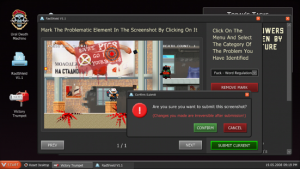
Obviously Inappropriate Content is an Orwellian 2D Shooter Job Simulator. You play a 2D action game which cuts to a desktop mode in which you receive emails. The emails will give you tasks within the 2D game mode, like to screenshot swear words, for example, that you upload in desktop mode.

Think, ‘Metal Slug’ meets ‘Papers Please’. But why, as the player, are we doing this? Well, I’m going to tell you in the next paragraph.

The government is ruled by ‘The Supreme Leader’, who enforces regulations to encourage a positive lifestyle upon the country. You play as a game tester; your job is to censor the videogame in conjunction with the government’s regulations. Throughout the game, the regulations become more frequent, vaguer and longer. However, the company you work for have their own interests at heart that are in opposition to the government. It’s your job to censor enough to keep the government happy, while still maintaining the trust of your company. Your choices will determine the outcome of the game.

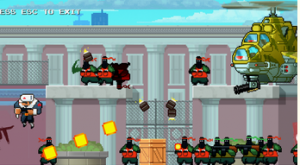
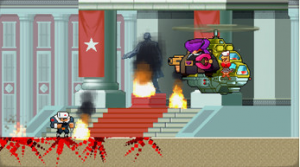
The 2D shooter section is the game you are testing called ‘Ural Death Machine’. You run from the left side of the screen to the right, shooting enemies and throwing grenades; dealing with waves of enemies and boss battles such as helicopters. These sections of OIC could be a standalone game. It may lack the finesse of other run and gun games, it still plays fantastically well. Only for that enjoyment to sap when you come across a ‘glitch’ or something you must censor. It really portrays how I imagine game testing is; a mixture of excitement and tedium.

Then you have the desktop mode, in which you receive and respond to emails or messengers from various staff members and government authorities. It’s here you submit your findings, acquire objectives and sustain feedback from either company or government.

Due to the desktop mode, the game (for now) requires the use of a mouse though for the platforming sections you can use either joypad or keyboard. This could be an issue for console porting if an alternative can not be found.

It’s a rarity that we come across games that try and say something worthwhile. Based on the developer – Shuaiying Hou – his own experience of censorship, with the goal of the game to express the effects of censorship within the industry and society.

In my opinion, the triple AAA industry is still making ‘mature’ games that are actually aimed at children. It’s refreshing to see a culture of developers push the medium in a respectable way.

As a fan of dystopian/political satire/social commentary in my video games such as BioShock, the Oddworld series or Deus Ex; it’s great to see a game put you in the shoes of someone who must make that decision.

Someone who asks themselves, is this right? A playable demo can be found here.

Hit The Slopes In Snowboarding The Next Phase

The developers at Session Games have teamed up with Red Bull to bring Snowboarding The Next Phase to the Nintendo Switch.

The game was created by developers that previously worked on SSX and Skate on past consoles. This marks the first snowboarding game to release for the hybrid console. And to top it all off, it’s available right now.

Across the game’s 11 locations, you beat missions while earning equipment and gear from your sponsors. The game is backed by Red Bull so expect product placement.

You complete tricks and push for high scores on your way to becoming the best snowboarder in the world. Game modes include arcade mode, career mode, split-screen multiplayer and photo challenge.

If you’re a fan of classic snowboarding titles like SSX and 1080° Snowboarding, you should consider Snowboarding The Next Phase.

Check out the trailer below and get ready to hit the slopes:

Solar Flux Review [Switch] – Simple, Beautiful, And Addictive

Jordan Zolan reviews Solar Flux on Nintendo Switch.

Playing Solar Flux from Firebrand Games on my Switch, I was reminded of an old quote from French novelist George Sand. He (she) said, “Simplicity is the most difficult thing to secure in this world; it is the last limit of experience and the last effort of genius.”

With increasingly more powerful systems launching alongside intricate and massive games, it’s hard not to think the age of simplicity is a thing of the past. I love playing through experiences such as Horizon Zero Dawn, Dishonored, Red Dead, and all the rest, but sometimes I crave simplicity at its finest. Solar Flux offers just that, in the form of a beautiful puzzler with soothing notes and serene visuals. It’s a game that doesn’t pack a lot of punch but will keep you engaged and pleased for hours on end.

Solar Flux: Switch
Solar Flux: Switch

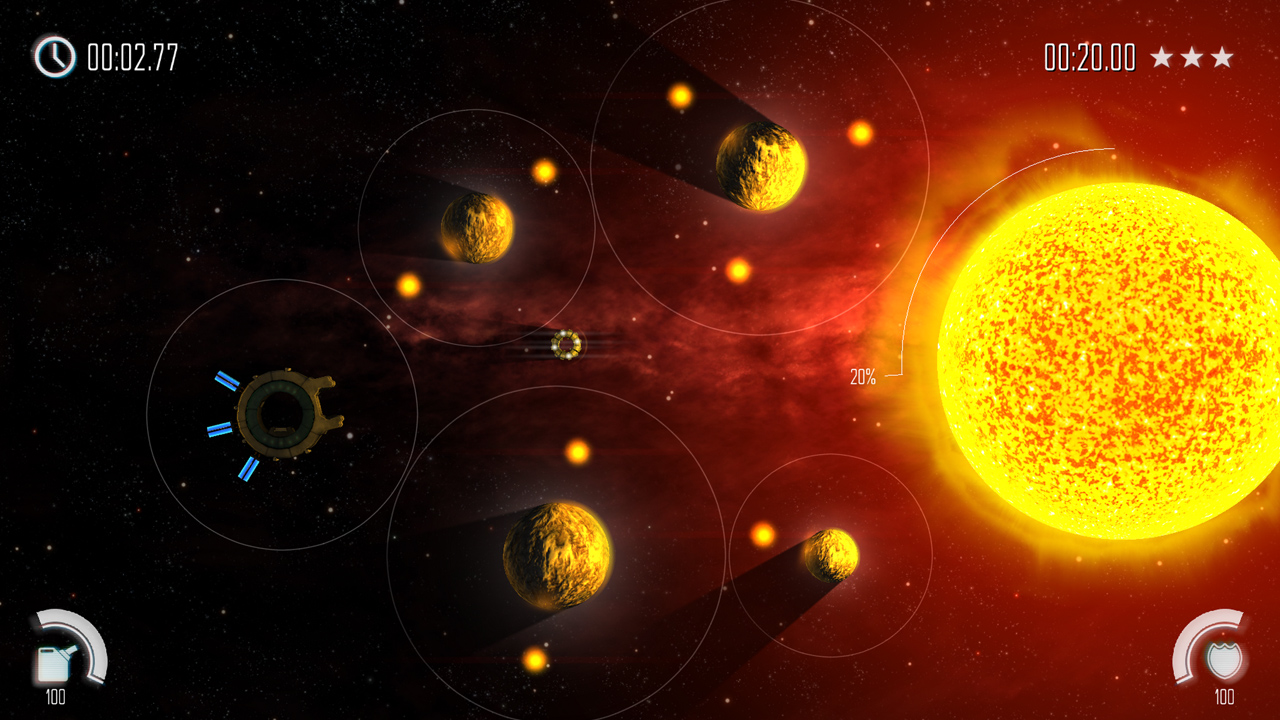
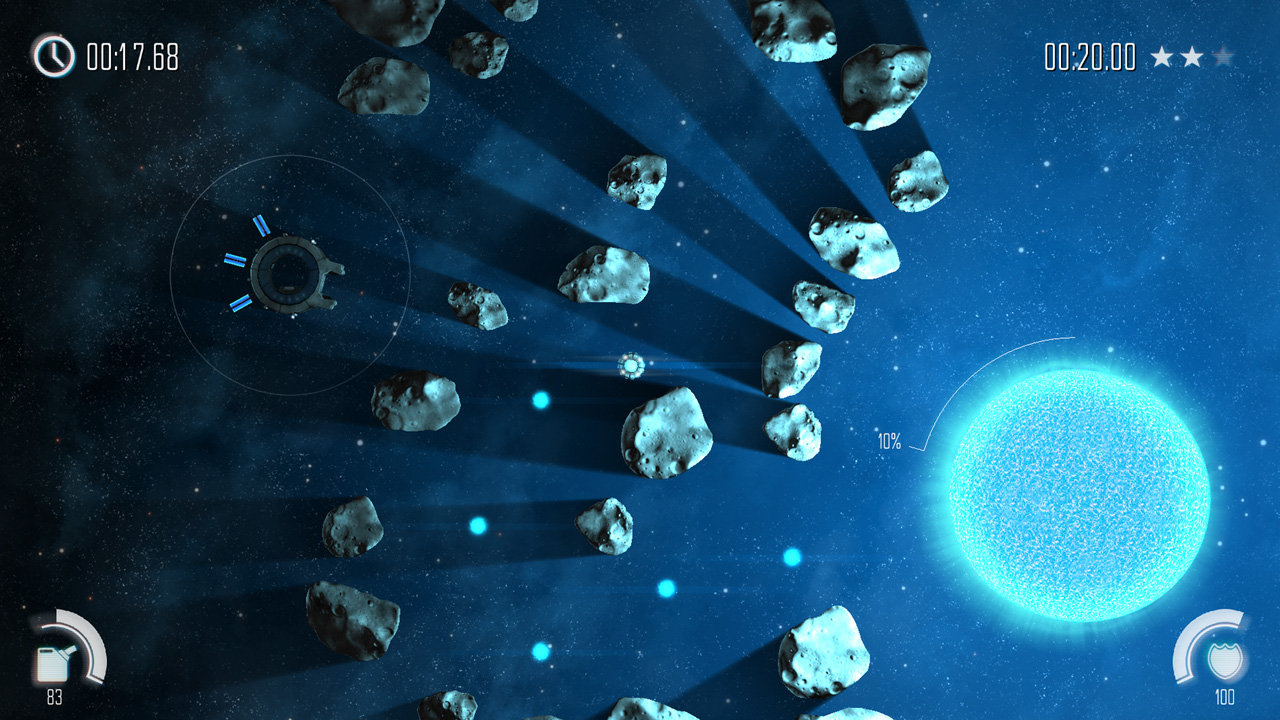
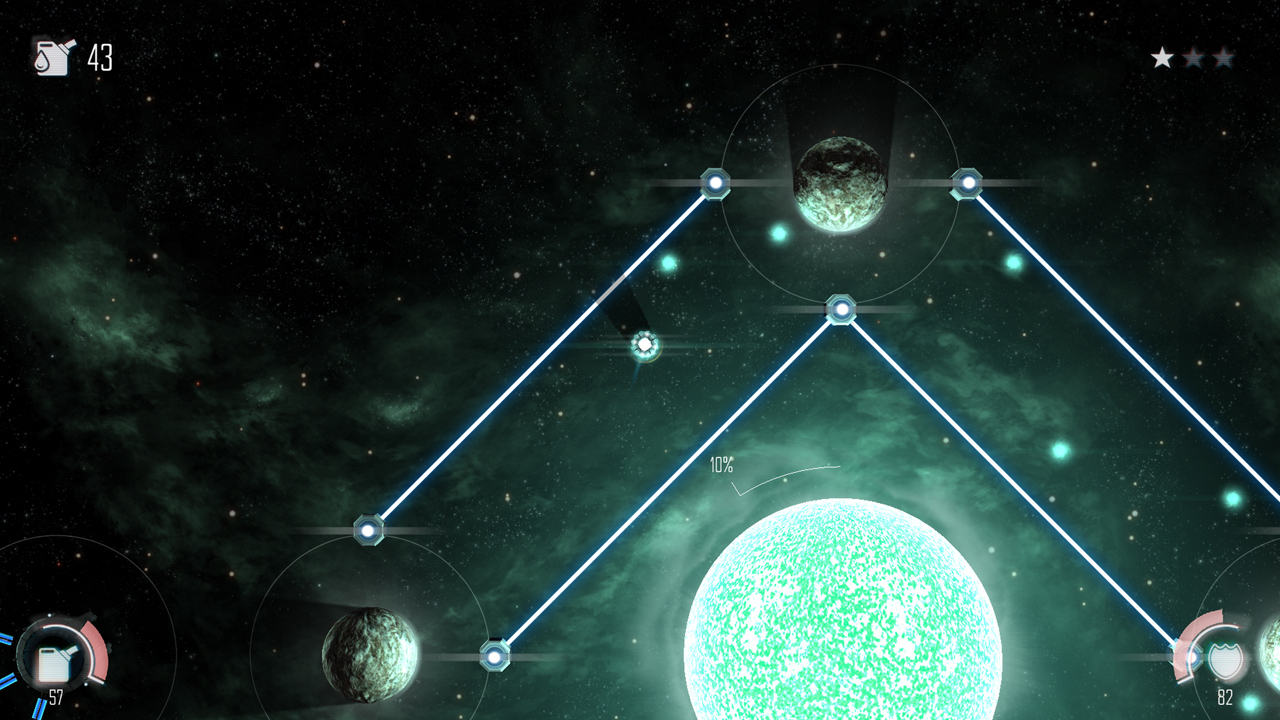
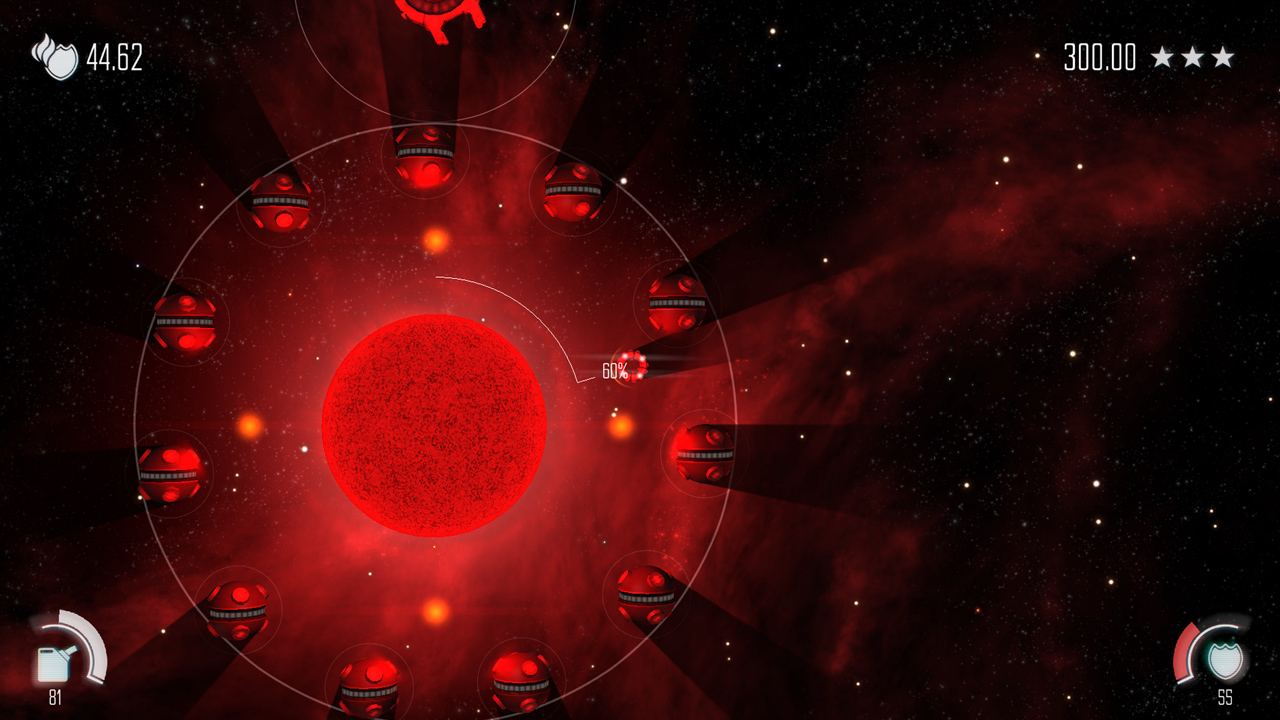
Stars are on the brink of burning out, and it’s your job to reignite them before they’re gone.  The object of the game is simple; collect balls of plasma and launch them into a star, with each sun on screen denoting how many balls of plasma it needs in order to accomplish the mission. Sounds simple enough, but the strategy needed to collect and launch plasma safely is a whole different story.

The controls are exceptionally simple. Each level starts with the player needing to launch the ship by aiming towards the desired location. Once launched, the only other options are to fire plasma or use your engines, all accomplished with a touch of the screen. To launch the plasma, simply tap on the star you want to fire at, and to operate the engines, touch the screen behind the ship in the opposite direction you want it to go.

Solar Flux: Switch
Solar Flux: Switch

Even though you have engines, the point of the game is to complete the mission without using them. Every time plasma is launched into a star, a 360-degree shockwave is emitted from the centre of the sun. Time the shockwave just right, and your ship will be nudged in another direction. By riding these waves, you can traverse each level, collect all the necessary plasma, and complete the mission without ever using any fuel. Finishing each level in this manner will yield the player three out of three stars. I personally make it a goal to always get a perfect score on puzzle games such as this, so I found myself replaying levels over and over to achieve perfection.

It wouldn’t be a great puzzler if there weren’t hazards stopping you from completing each mission. Scattered over the maps, you’ll find asteroids, black-holes and comets that frequently lead to your ship’s destruction. Even the stars themselves can ultimately come between you and victory. Space is a stunningly beautiful place but deadly through and through.

Solar Flux: Switch
Solar Flux: Switch

As I played through the scores of levels, 80 in total, Solar Flux began to remind me of the game Zuma and of the classic arcade staple Asteroids. The relationship between physics and geometry during play is of the utmost importance. Not only do you have to launch your ship with precision aim, but you need to know the correct second to shoot plasma, in order to ride the shockwave to the next destination. Shoot too early and you’re flung off in the wrong direction or into the dead of space. Time the shot too late, and your ship could be sent hurtling into an asteroid belt. As the levels go on, I found the increase in difficulty to be both masochistically satisfying and at times wildly frustrating; just how a great puzzler should be.

The sound design is simple and yet hauntingly beautiful. The subtle notes of the underlying score have an empty feeling, giving the sense of being in a cold and vacuous place. Everything from the sound of collecting and shooting plasma, to the shockwave, and even the low hum of your engines, seem to denote an odd calmness. It’s all painfully simple but manages to pull me into the atmosphere the game is trying to create.

Solar Flux: Switch
Solar Flux: Switch

I’ve always had a love for challenging puzzle games. They don’t need to be overly sophisticated in order to be good at what they’re supposed to accomplish. Games such as these force me to think in ways most big blockbuster titles don’t. I’m not exploring ancient cities or long-lost ruins, and I am not gunning down thousands of baddies with a myriad of weapons. Solar Flux simply asks you to collect and discard, but to do so perfectly will take a keen eye and a brilliant sense of timing.

Yoshi’s Crafted World Launches 29th March On Switch

Yoshi’s Crafted World will launch for Switch worldwide on the 29th March, Nintendo announced today.

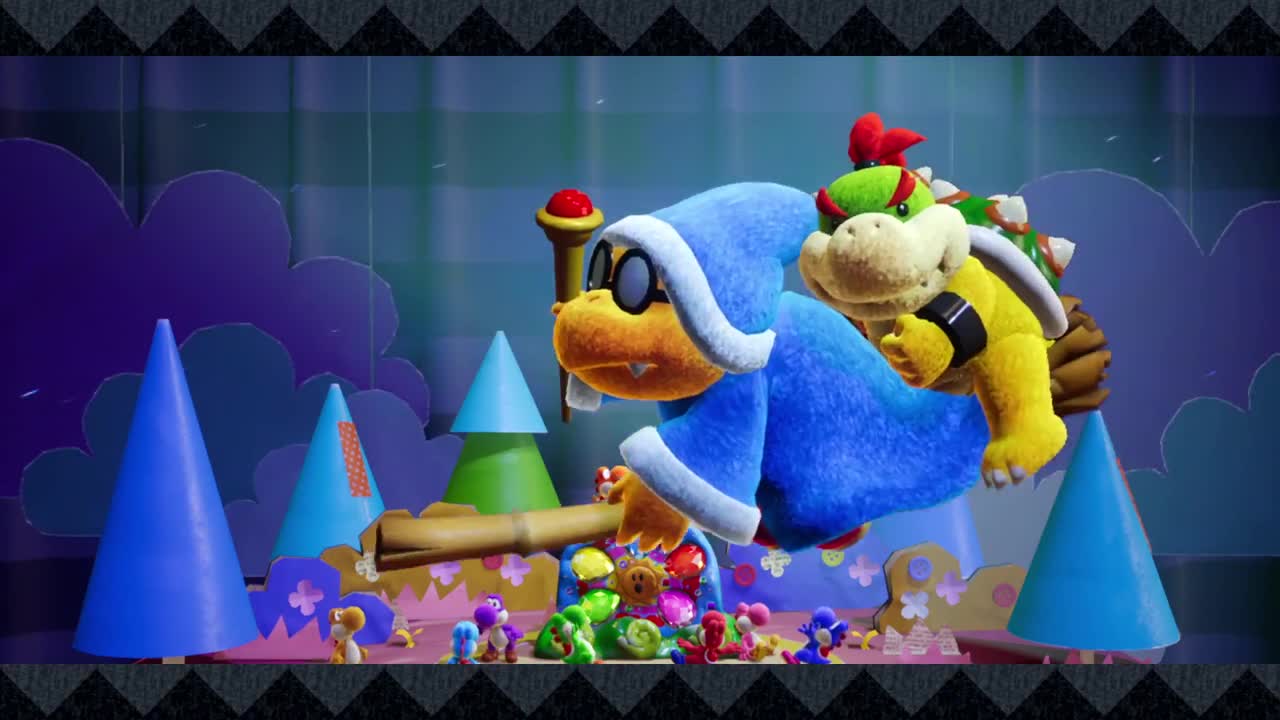
From the talented developers at Good-Feel (Wario Land: The Shake Dimension, Kirby’s Epic Yarn), the delayed Crafted World utilises a cardboard cutout art style that allows players to view stages from opposite viewpoints — these stages can be played backwards effectively. The game also features a co-op two-player mode that is sure to bring squabbles aplenty.

It’s up to you, as Yoshi, to stop Kamek and Baby Bowser who have set out to steal a “gem-set stone”. Legend has it that this fabled artefact can grant the bearer their wildest dreams.

That’s about it for the story, as you might expect:

Nail The Perfect Line In Future Grind

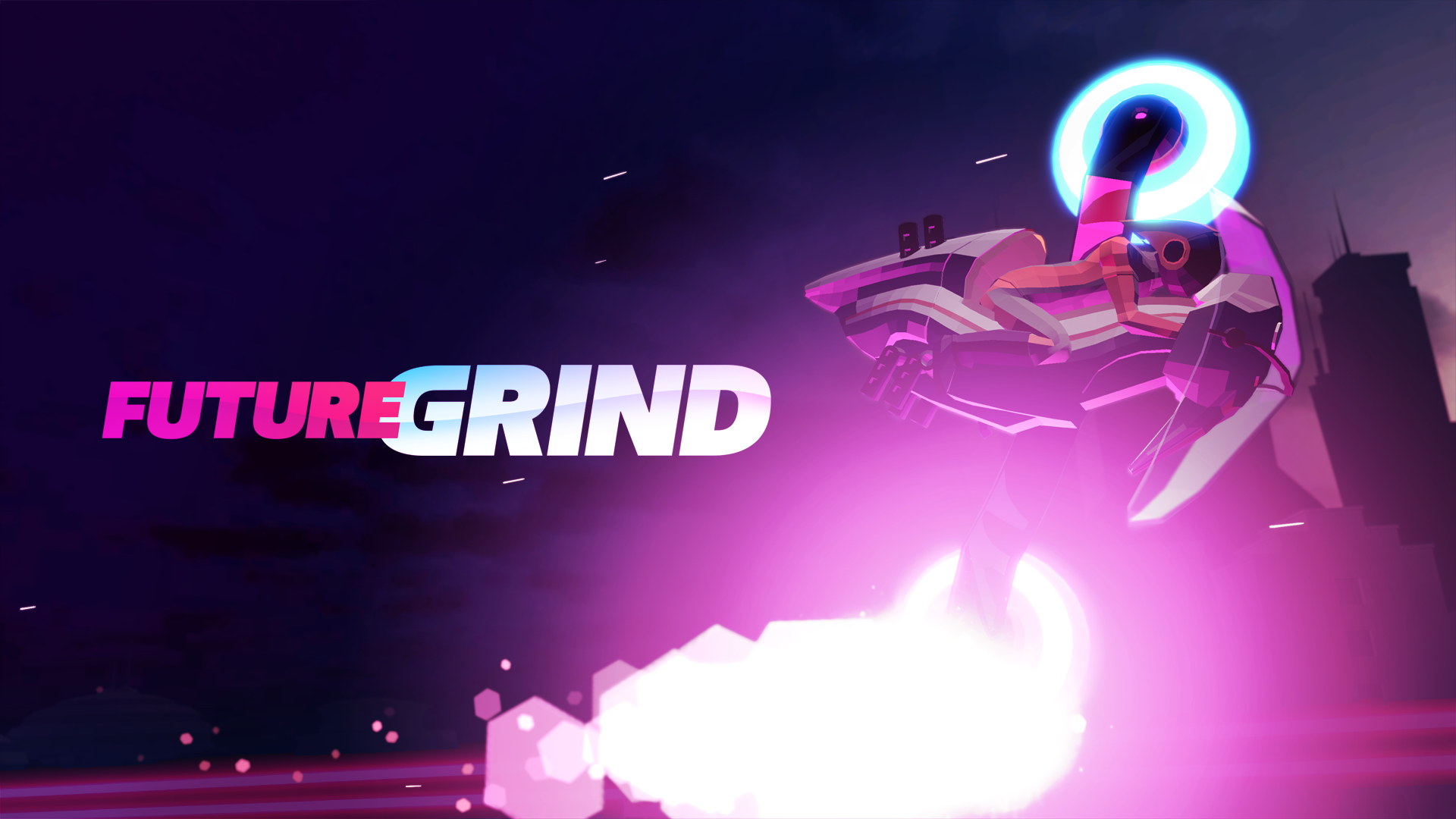
Future Grind is a futuristic stunt bike platform game developed by Canadian developers Milkbag Games.

In this title, you ride a stunt bike that allows players to chain together massive combos from floating rails. The rails are colour-coded to match the colors of the bike wheels. Land the wrong color and the bike explodes at first contact.

Future Grind comes with a story mode that follows you as you perform for sponsors. As you progress you earn new bikes and access new tracks. The story takes a turn when you realize that things aren’t as they seem. Riders are being closely watched and it is up to you to find out why…

With multiple games modes and an original soundtrack, Future Grind looks to challenge even the best of gamers.

Future Grind releases for PS4, PC and Nintendo Switch on January 22nd. A 4-track Future Grind EP is also available for download at bignic.bandcamp.com

Indie Title Eldest Souls – Beware Of The Gods

Happy New Year everyone.

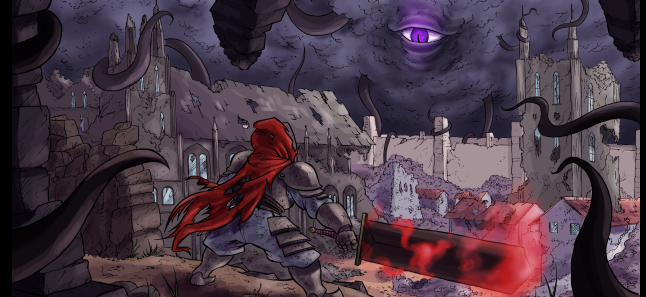
The gods have dealt their hand and the message is understood, they don’t want humanity to succeed any more. Such a futile and archaic notion that the gods think they can prosper without humanity. Who would be there to serve them? Who would be there to pray to them? It is man that gives them power in exchange for hope; now they give us disparity. What the god’s fail to understand is, that man together provides hope, man together provides power. Fear not gods, it will be the hands of a man that will end your tyranny.

Jack Boyles discusses Eldest Souls…

The Souls-like genre (I know, I hate the name too) has been a genre that has exploded the past few years due to the success of Demon’s Souls and Dark Souls. As such, we’ve seen games like ‘Salt and Sanctuary’, ‘The Surge’ and ‘Elex’ arrive with challenging yet rewarding gameplay; Souls games are slower paced, there’s more strategy and more thinking required than your typical action adventure game. Though it’s not just the gameplay that make the Souls games great, it’s the world building, lore and atmosphere; some of the examples above have these elements within their games yet they never feel a cohesive whole.

Eldest Souls is an independent game made by Italian Studio ‘Fallen Flag’. Pitched as a Pixel-art Souls-like RPG, as you can tell from the title, it proudly wears its influence on its sleeve.

Humanity has been thriving with kingdoms blossoming on the once forsaken temples which imprison the old god. In retaliation, the old gods have unleashed a great desolation on the world as crops turn to barren wastelands. It’s your job as a lone warrior to slay the old gods ending the great desolation.

Firstly, the pixel art is nothing but outstanding. It manages to evoke so much atmosphere and it really captures the true art of using pixels. Little details of vines hanging from a tree, swords sticking into the ground from fallen warriors all elicit this sense of deprivation using limited visual fidelity.

Then you have the enemy designs, these giant creatures visually show their experience of battle, standing there panting and looking haggard. Everything looks aged and windswept as you travel through the forsaken land. It’s an impressive feat to achieve that sense of foreboding using pixel art, yet it’s that restriction in quality that enhances the atmosphere.

To my surprise the sound design didn’t follow suit with the retro aesthetic, instead, choosing to go with more grounded and realistic sounds. However, it works and works very well. If anything, it supplements the art direction and atmosphere using realistic sounds to strength the sense of danger. It reminds you this world matters and doesn’t care about you.

Sounds are an indicator to the player, as certain roars of enemies let the player know what attack is coming; here that is more important as enemies can’t really indicate attacks by animation as clearly. Furthermore, we have the soundtrack, like Dark Souls, it is very silent allowing the ambience to lure you into this world but when the time comes erupts to heighten your senses; it keeps you alert and to add gravitas to boss battles.

There is no need to worry though, Eldest Souls is a satisfying game to play. Never did I once feel like the character was doing something I didn’t want him to do nor was there any latency. He dashed when I wanted him to dash and he swung his sword when I wanted him to, which is precisely what you want with an game such as Eldest Souls; you would forget the demo I played is still in Alpha.

The introduction of Eldest Souls is surprisingly slow. You wander through the land looking at what has failed before you. Along the way, there are hazards like a strong wind gushing parts of a rickety bridge apart and a spike trap you must avoid. Though these are minor, it does create a small amount of tension and lets the player know that they shouldn’t get comfortable. But most of all it really establishes the sense of isolation; a long hollow walk into an unknown land.

It’s here the game acts as a tutorial, setting up various situations to get to know the controls like smashing down a wooden wall or dashing through the spike traps. Stamina works slightly different to other Souls games, as you have three little bars. A dash will use one bar, upon using all three bars you’ll only be able to dash once a bar is fully filled.

Arriving at the boss you quickly grasp that the combat is more offensive like Bloodborne. As a first boss, I’ll admit it I got slapped about a few times. Unlike those games where you can use what stamina you have as soon as it builds, Eldest Souls lets you wait until the bar fills, meaning any wrong movement has a detrimental effect on you. Unfortunately, I didn’t have enough time to spend with the game, albeit what I played I enjoyed.

Eldest Souls captures the spirit of its obvious inspiration. It may not do much to change the formula but what it does offer is a refined gaming experience. With From Software leaving the Souls brand, as well as the stamina bar in Sekiro; this may be the right game for that core Souls audience.

As polished as Eldest Souls is already, my only concern for the game is the amount of Souls-Borne games we’ve seen; will this game stand up to the already saturated market?

Only time will tell.