Top 5 Video Game To Movie Adaptations

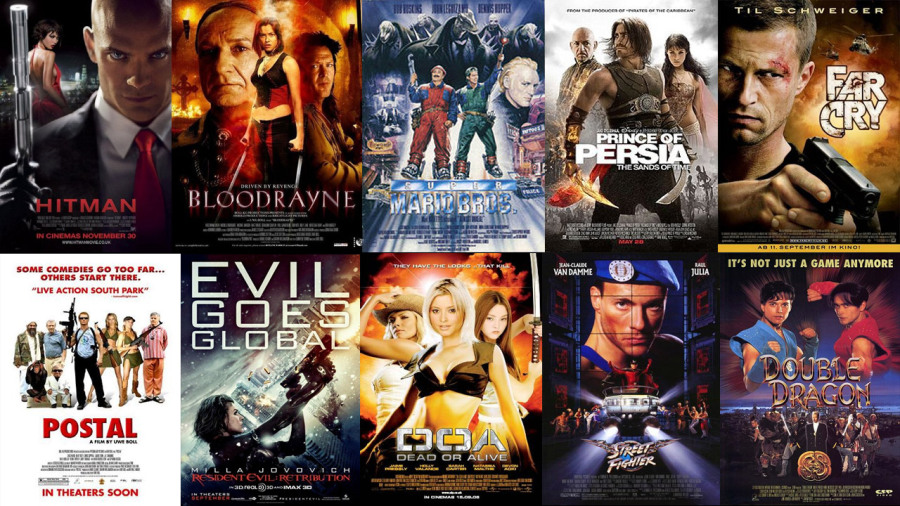
There is a question, which has existed throughout time and space, and an answer that remains one of Earth’s greatest mysteries. No, it’s not THAT question, whose answer is 42, but rather, why can’t Hollywood make a good movie adaptation of popular video games? It doesn’t make any sense to me. The best gaming franchises come gift wrapped with intricately developed characters, storylines, epic set pieces, and established dedicated fan bases. Hollywood has this innate ability to constantly screw things up, but there are a few glimmers of greatness among the pile of failed adaptations. Here is my list of the top five “best” video game adaptations (please note, I’m not saying these movies are perfect…):

Doom

First off, this movie has the Rock, end of story! Ok, the Rock aside, Doom isn’t that bad of a movie. Sure, they changed the story, but that doesn’t really matter; no one ever played Doom for its riveting and salacious story telling. The action was great, the monsters were well-done, and the Rock and Karl Urban were awesome. There was also that twist in the end, which I won’t spoil, that made things fun in the last few minutes. Besides, even if you disagree with all of that, you can’t tell me the first-person camerawork scene, just like in the game, wasn’t awesome to see.
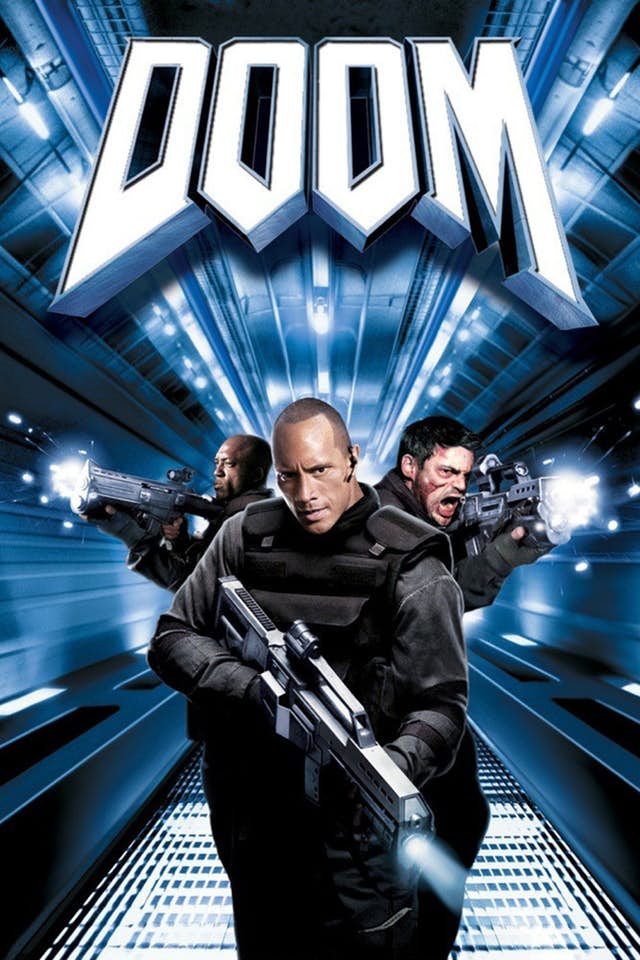
8c504-doom-2005-poster

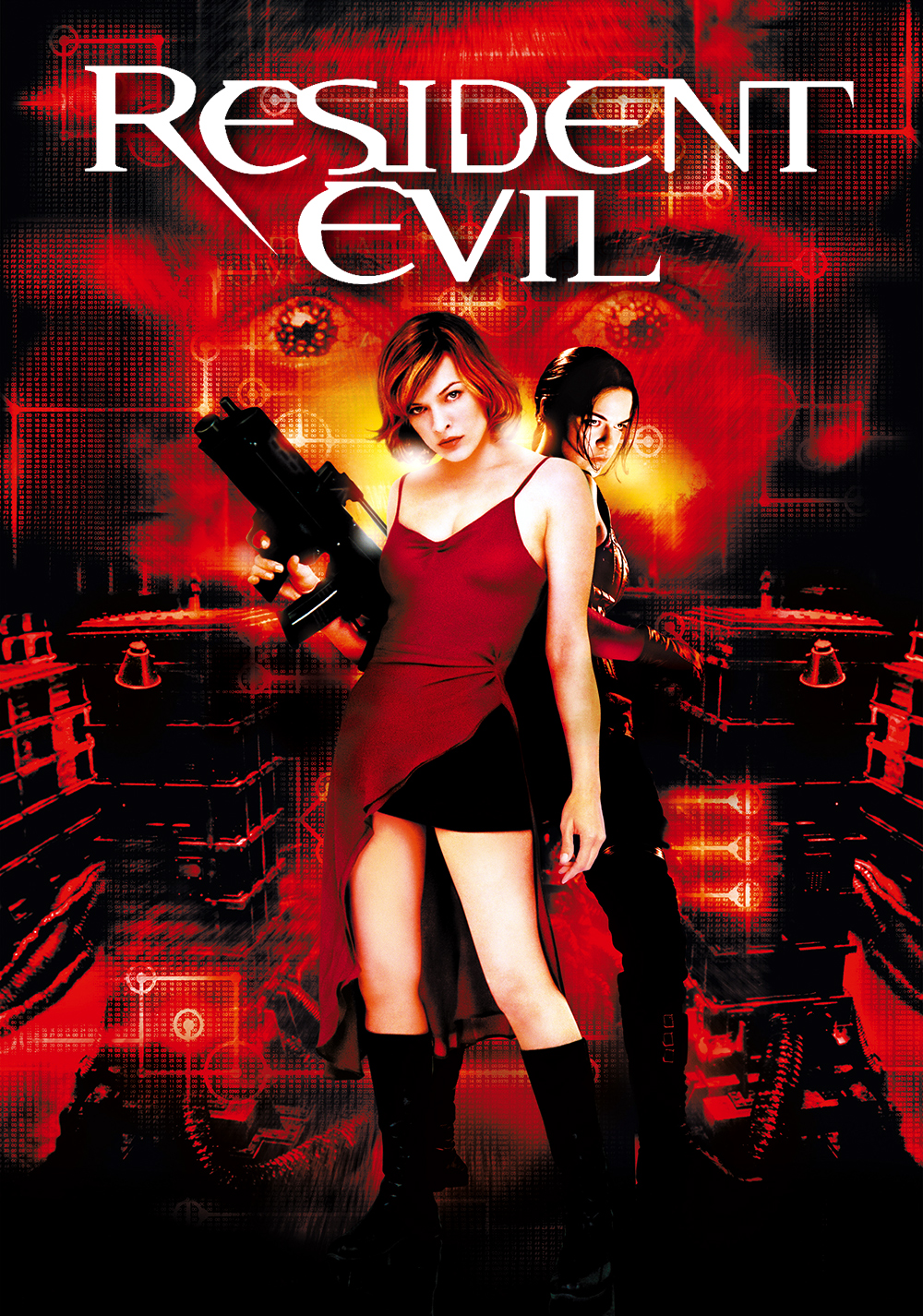
Resident Evil

Two words – Milla Jovovich! That’s all I need to say. The original Resident Evil wasn’t a cinematic masterpiece by any stretch of the imagination, but it was a fun movie regardless. You had kick-ass female characters, great enemies, interesting weapons, and a creepy A.I. that gave me nightmares for years. How amazing was that checkerboard laser scene; you know which one I’m talking about! I fell in love with Jovovich the instant I saw her in The Fifth Element, so it wasn’t a tough sell to get me behind this movie. Paul W. S. Anderson isn’t going to bring home any Academy Awards, but he has consistently made entertaining movies throughout his career. I know people bad-mouth this adaptation, but come on, at least it wasn’t one of Uwe Bolls Crap-A-Thons. Or the latest film in the series.
resident-evil-5317fb65d3687

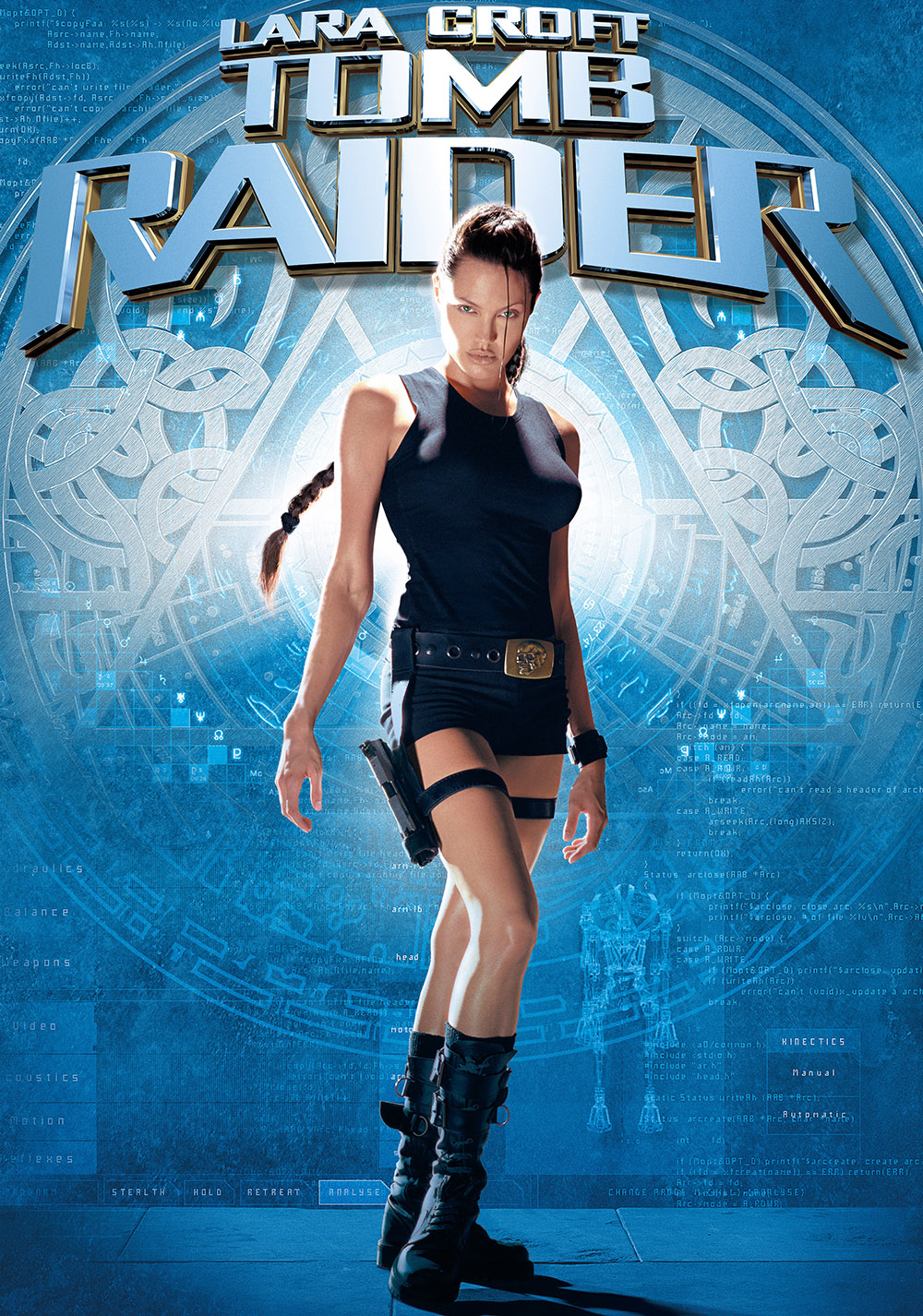
Lara Croft: Tomb Raider

You can say whatever you want about this movie, but back in 2001, Angelina Jolie was the living embodiment of Lara Croft. Just look at the picture below…I’ll wait. Great, now I dare you to say Jolie doesn’t look like she was born for the role. Unfortunately, the perfect casting (also starring Chris Barrie, Rimmer from Red Dwarf!), didn’t come with a perfect script. The movie felt clunky at times, had some questionable CGI, and didn’t really do much to set up the character for long-term potential. What we did get though, was a decent movie, with an amazing cast, and a chance to see our favourite daring adventurer archaeologist come to life for the first time. Let’s hope the reboot fares a little better.
62396Q1E_v3TombRaider1SheetLOAD

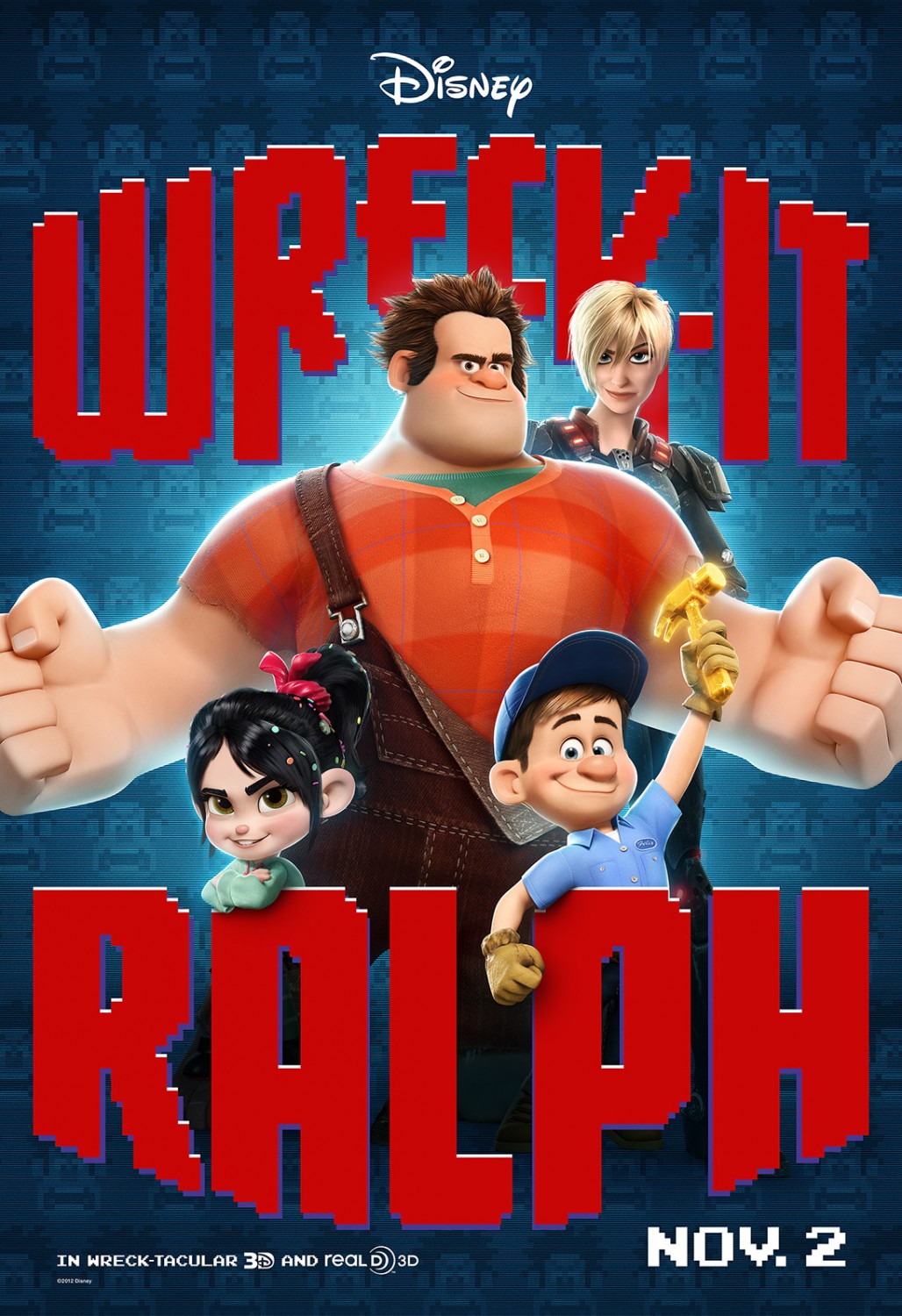
Wreck-It Ralph

Please don’t write in the comments “Jordan, this isn’t based off one specific game, but an amalgamation of many iconic gaming characters!” I get that, OK, but this movie rocked, and was exactly how something of this calibre should be. If you want to see how NOT to do it, just put on Adam Sandler’s unwatchable Pixels; that’s a lesson on how you take some of our greatest gaming icons and turn them into a steaming pile of…pixels! Wreck-It Ralph is incredibly well-written, with our main character voiced to perfection by John C. Reilly. Like most animated movies of the like, it plays exceptionally well to kids, while having inside jokes for adults. Some of the nostalgia references alone in this movie were worth the price of admission; I’ve seen it a few times and I still haven’t caught all the references. If you haven’t seen Wreck-It Ralph, I highly recommend you step away from your gaming PC, put down the Mountain Dew, and go watch it now!
Ralphnew002

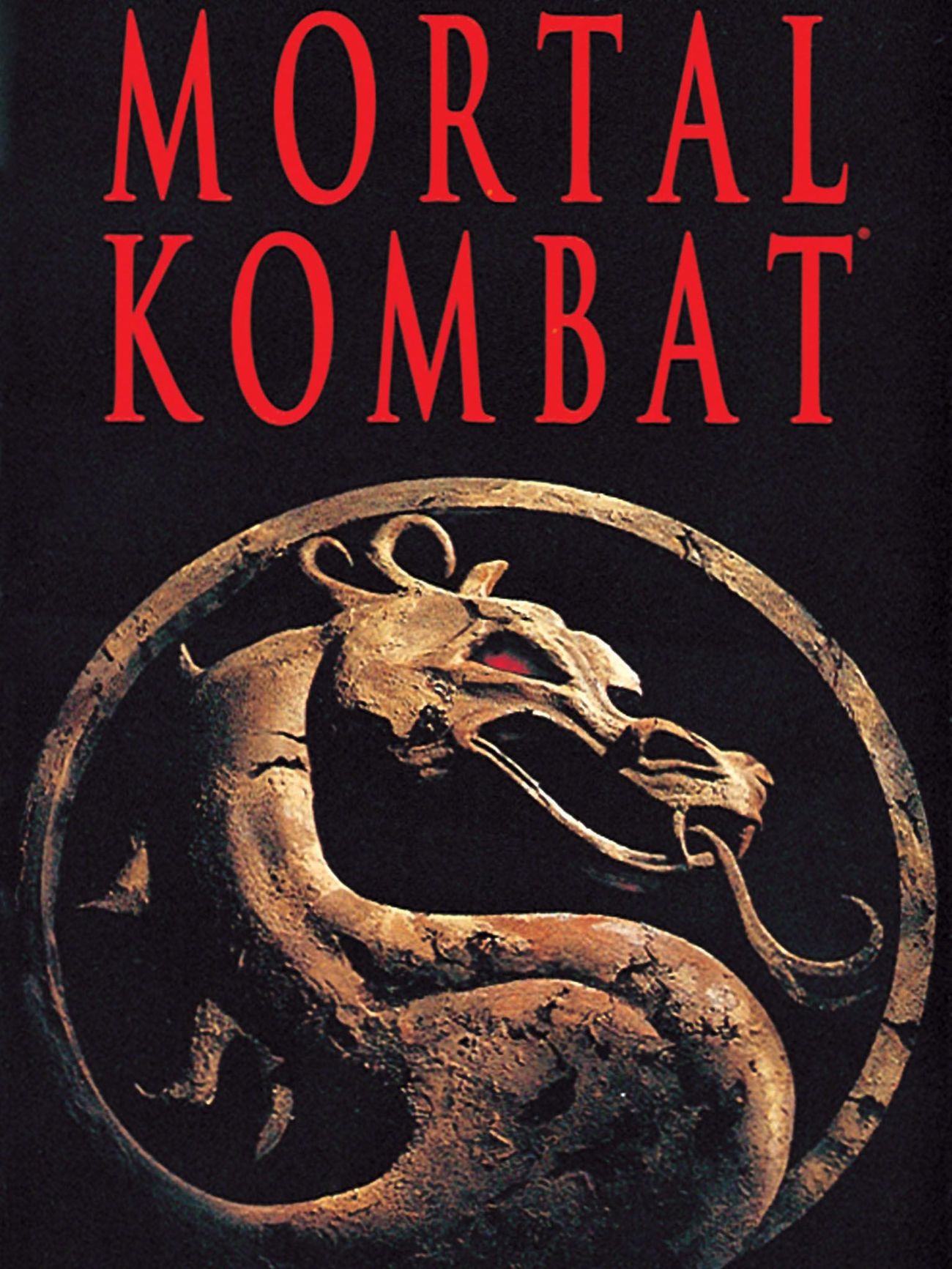
Mortal Kombat

This is MY list, so I get to choose MY favourite video game movie – *dodges incoming axes. I absolutely adore the first Mortal Kombat movie and everything in it. Sure, it was cheesy at times, with some notably bad dialogue coming from Luke Cage especially, but the fight scenes and soundtrack were outstanding. I remember grinning ear to ear when I first saw Scorpion and Sub-Zero on the screen; they looked perfect! The Johnny Cage vs. Scorpion and Liu Kang vs. Reptile fights were insane, with choreography orchestrated to perfection. I would say the only misstep came from the Goro fight (though I chock that up to poor animatronics and CGI). As I mentioned, the music in this movie was amazing. With Tracks form George S. Clinton, KMFDM, Fear Factory, The Immortals, Sister Machine Gun, and more, the album went as high as tenth on Billboard’s Top 200 and placed #1 on Top Tastemakers Albums in 1995.  You can’t tell me you weren’t pumped every time “MORTAL KOMBAT” belted out on the title track. It’s a shame the sequel was so terrible and a clear cash grab to sell albums because we never got the true sequel we deserved. Rumors have circled for years of a reboot, but I won’t hold my breath for that.
12275292_1300x1733

There you have it, folks, those are my favourite video game to movie adaptations. I am sure the rest of you have a few different choices, and I would love to hear what they are. Do you absolutely love Silent Hill or Van Dam’s Street Fighter, let us know in the comments below.
Xenoraid Review [Nintendo Switch] – A Fun Vertical Shooter To Take On The Go

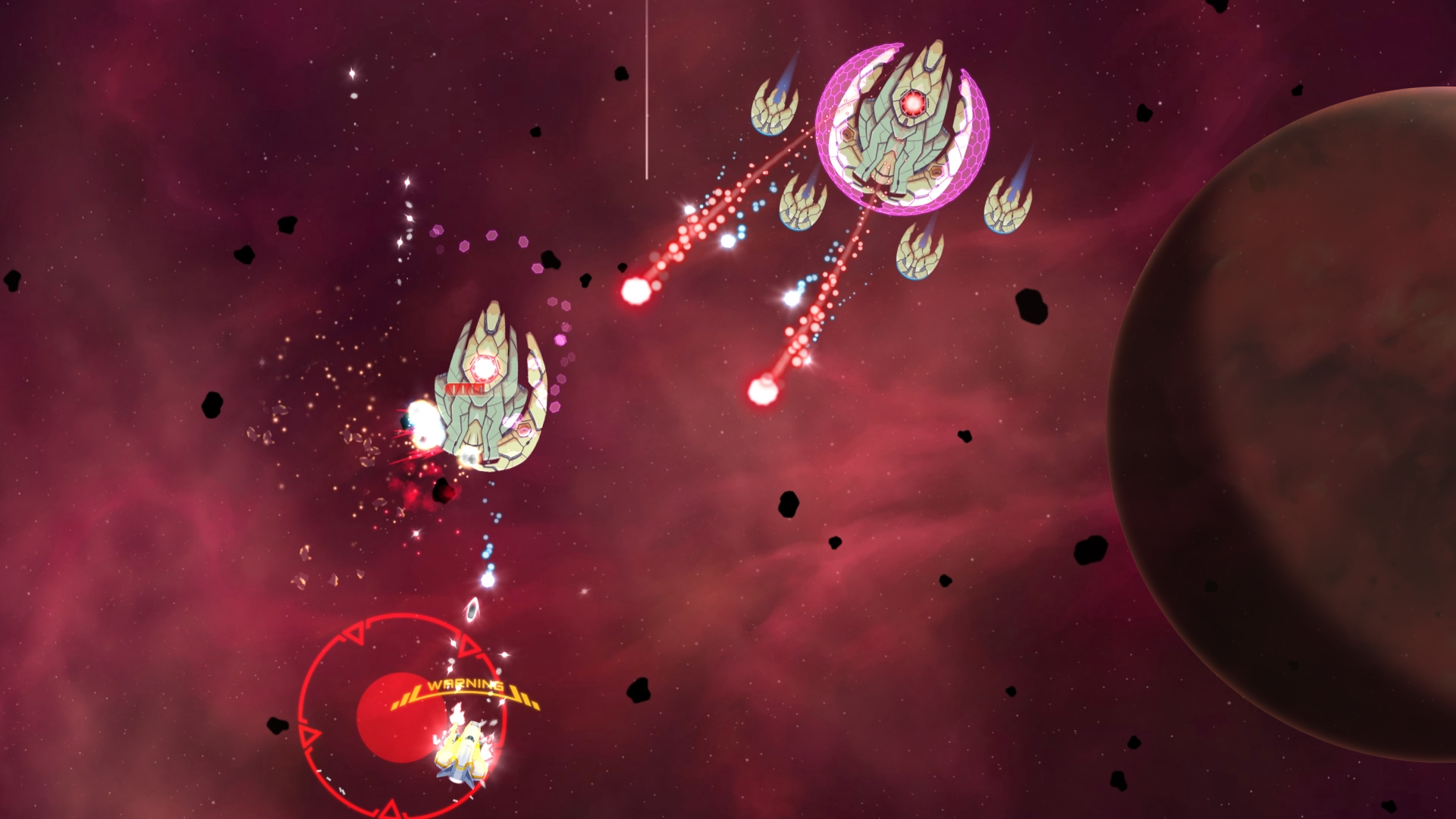
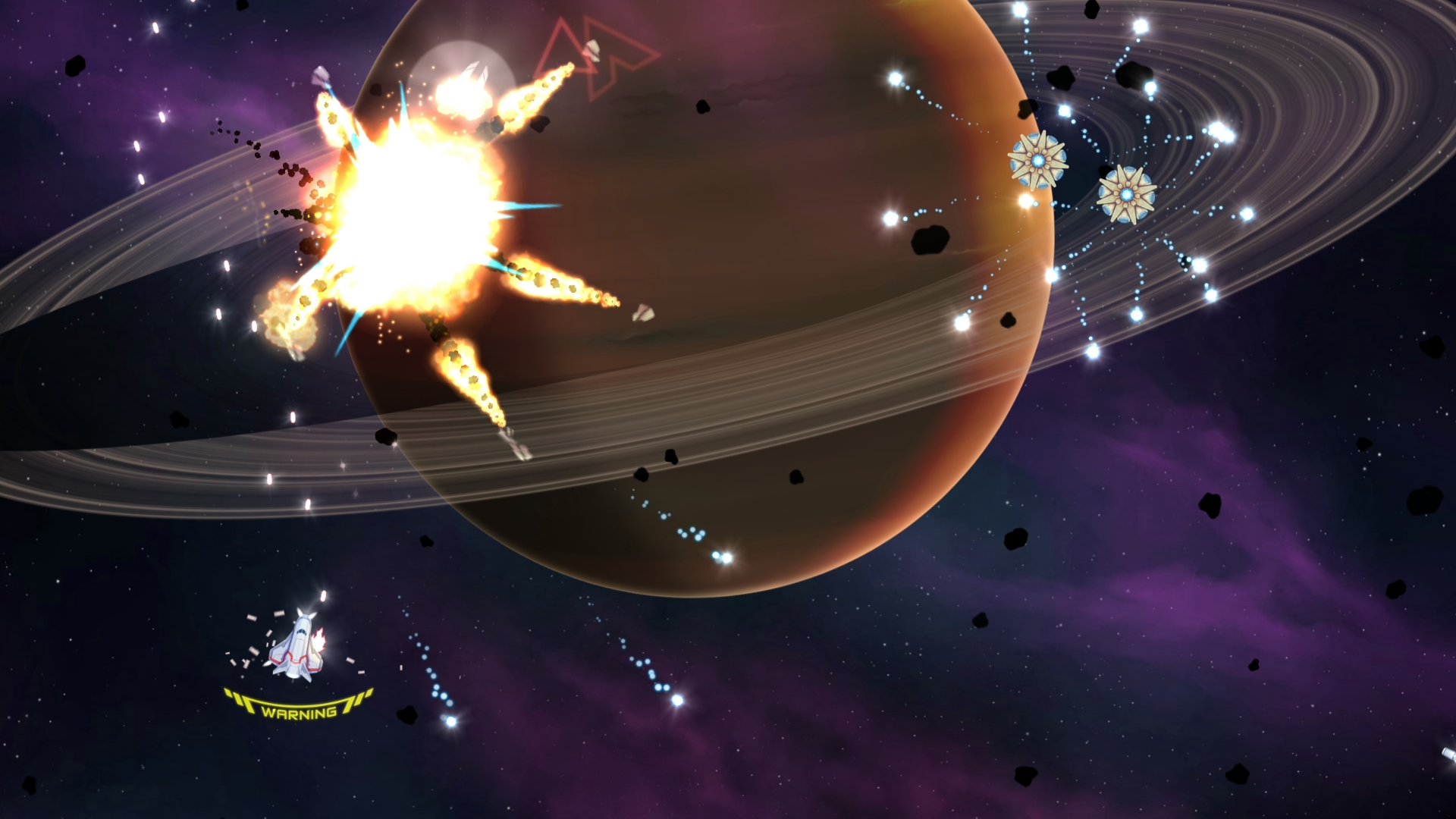
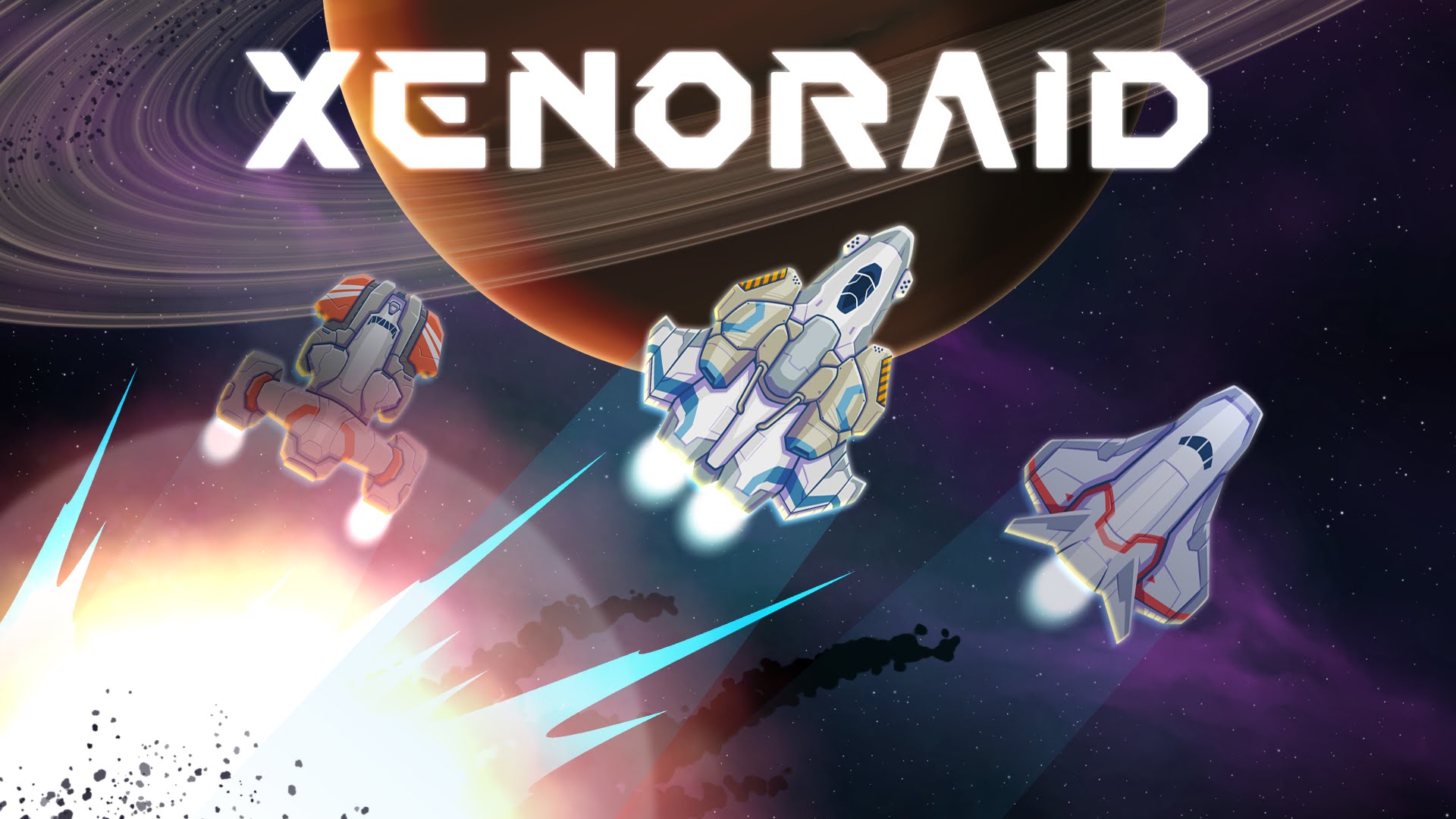
At the exact time that you read this, there will be fifty-three billion vertically scrolling shoot’em up games out on the market available on every system and platform you can think of. I might have just made that up, but after several decades in existence, the vertical shooter has seen a multitude of titles, most disappearing into the nether realm after a brief existence. Xenoraid by developer 10tons, now available on the Nintendo Switch, may have its faults, but the game is a surprisingly fun addition to an excruciatingly crowded genre.

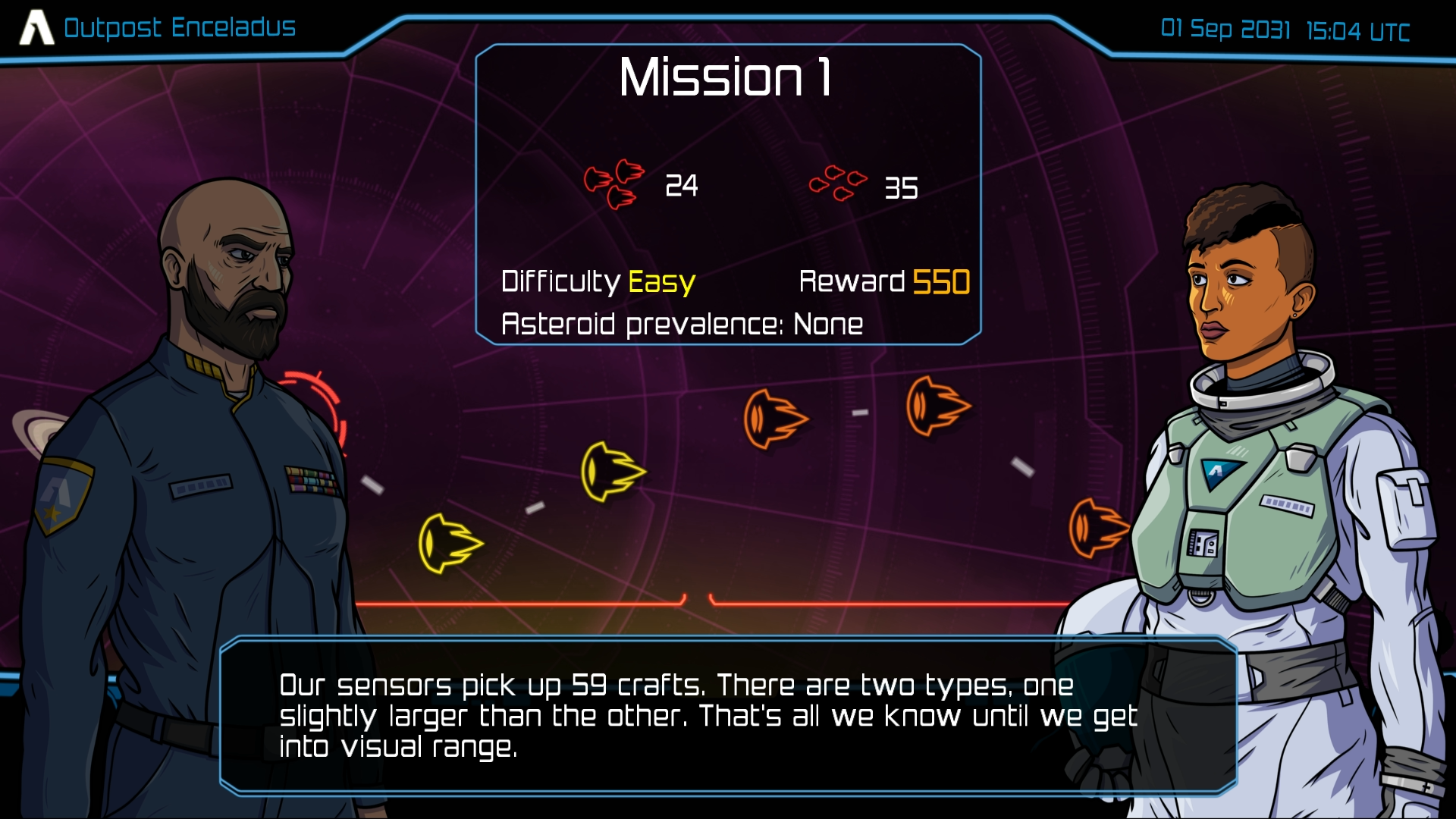
Does anyone actually pay attention to the story in these types of games? Do you sit down and hope for a Game of Thrones level of drama and intrigue? In the case of Xenoraid, don’t expect Battlestar quality of writing as you battle your way through dozens of baddies, hell-bent on destroying you. Simply put, the game revolves around the first space war between Earth and a “superior” alien race. Your new alien enemy would like nothing more than to see you dead, but humans have been playing vertical shooters for years, so we got this.

shot-3

To help ward off the incoming alien raiders, players control four fighters at the start of the game, which you can instantly swap out throughout the course of a mission. As the game progresses, players have the option of buying new ships in varying styles, as well as a wide array of weapons, bombs, upgrades, and boosters. New ships, as well as the aforementioned upgrades, are purchased with credits you pick up in battle.

After each mission, players can repair their damaged ships in addition to the upgrades. Between the repairs and upgrades though, I  feel the game doesn’t yield enough of the credits for everything you would want to do. At one point, I needed to buy a new ship, but couldn’t afford to also repair the damaged ones. I had to go into the next mission with one good fighter, and three that were in various states of disrepair. The fact that you need many credits for upgrades, ships, and repairs, but don’t get nearly enough during a mission, was something I felt hampered the game throughout.

shot-2

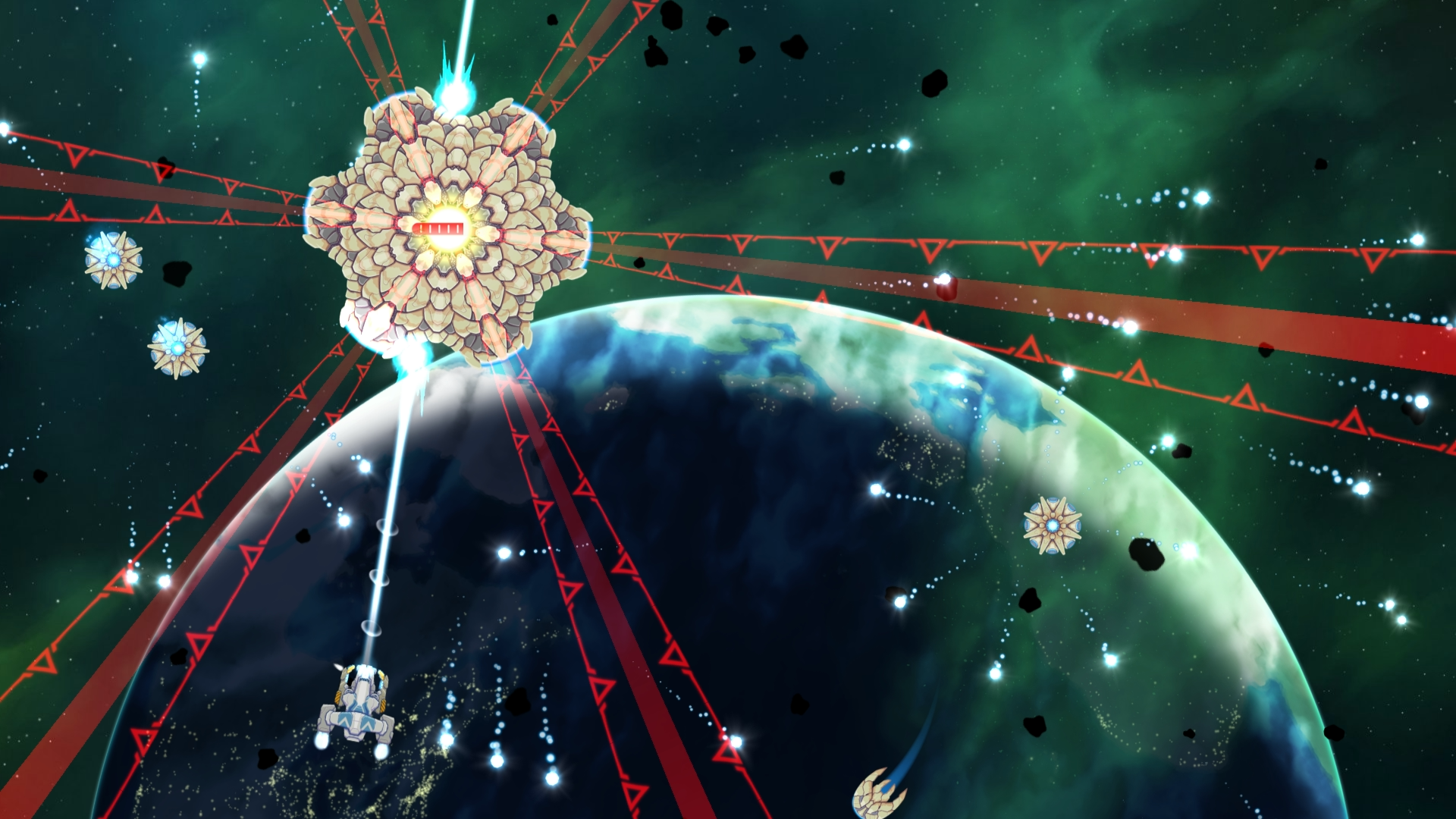
Xenoraid utilizes a randomization tactic; ensuring players can’t “memorize” a level, making it easier to beat. Ships enter the viewing screen at random points, exit, and reappear in different locations. It reminded me of the classic arcade game Asteroids in the way the ships fly through space. I was impressed with the shooting mechanics of the game, which allow you to tilt your ship, shooting enemies at an angle who might be entering the playing field on opposite sides of the screen. Your ships do have a max angle in which they can turn however, which I found slightly frustrating at times when an enemy was just out of reach; I wished they allowed for full 360 firing.

When I first started playing Xenoraid, I felt the game was disappointingly easy. I am not sure if this was in order to give me a false sense of security, but after a few missions, I found myself struggling to stay alive. If anything, I would say the game is a tad uneven in the level design. Sometimes you’re begging for something to shoot, while at other points it gets a little too crowded.

shot-1

The game also features a laboratory, which will allow players to research new weapons and technology to add to their respective fighters. These features can be unlocked/bought using different types of credits, which are picked up during missions. I highly recommend players pick-and-choose what to research carefully, since you have a limited number of special credits. With a lack of credits aside, customizing your ships works really well in Xenoraid. With four ships, players can modify each to best suit their needs. Having a ringer in your corner makes it easier to defeat harder enemies and bosses throughout the over 40 missions.

Another small feature that I thought made the game more challenging was its focus on shooting. In so many games of the like, you simply hold down the trigger button and destroy anything that wanders into the bullet’s path. With Xenoraid, they don’t make it so easy. Holding down the fire button will only result in your guns overheating and shutting down for five seconds as they recharge. At this point, you either have to put your flying skills to the test and avoid everything or switch to a backup fighter in the interim. I found the most effective way of dispatching enemies was short and highly focused bursts, making sure not to overheat your guns in the process.

shot-4

Xenoraid is a good looking game with pretty decent sound design. If you have some friends, all game modes are playable with two to four players in local co-op. I haven’t been able to try this out due to a lack of friends, but I can imagine this feature is fun – though I can also see players getting in each other’s way.

Arelite Core Review [PC] – A World Only A Blacksmith Can Save

Arelite Core invests players into a journey in which a master blacksmith embarks on an adventure to witness the secrets of other master blacksmiths based around the world. Played in traditional RPG fashion with gorgeously rendered sprites, established turn-based combat, unforgettable characters and a timeless musical score wrap it all tightly together.

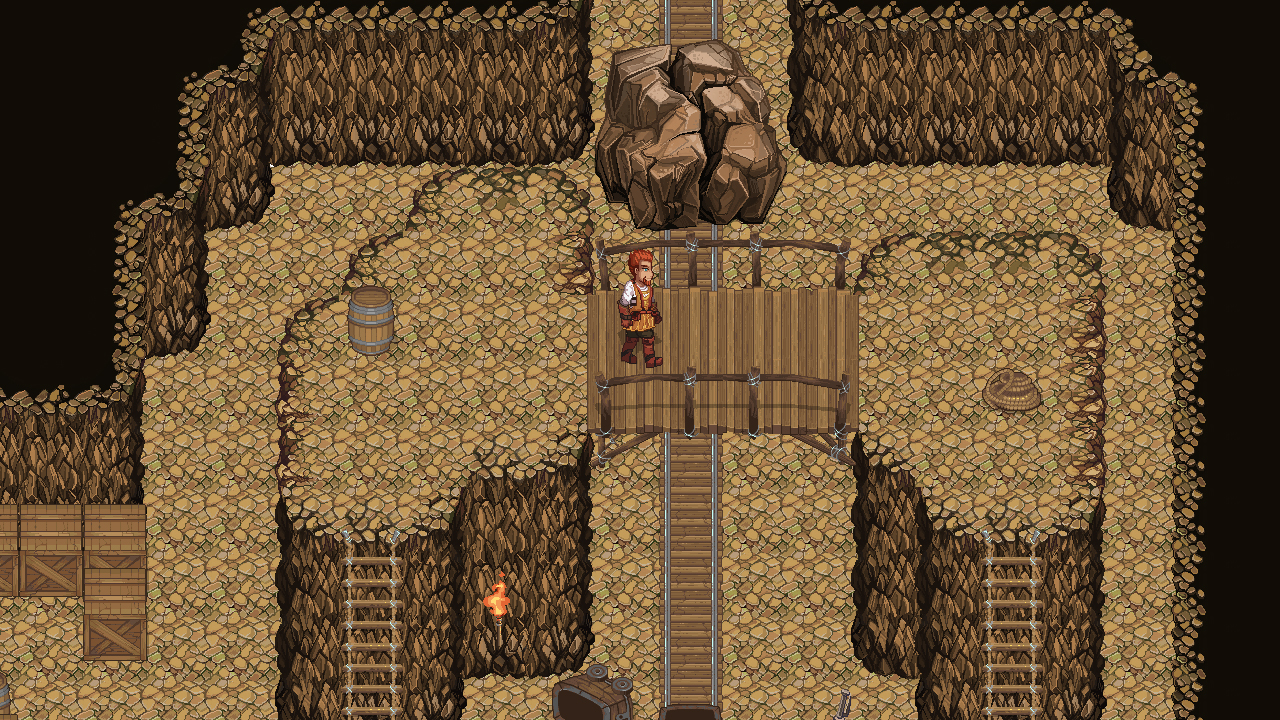
In Arelite Core, a master blacksmith – Karden – from the small village of Arreal undertakes a journey to travel around the world to learn the secrets of his trade. From village to village the legendary blacksmith will meet and greet with other master craftsmen, accompanied by his savvy and egotistical battle buddy, Baeme. Picking up other companions throughout your journey and uncovering truths about the dangerous ancient Arelite stones, players will swiftly grasp the mechanics of this familiar looking RPG.

Traversing through dungeons may lead to hidden paths containing helpful items, as well as more monsters.
A Colorful World

As the simple story progresses about the dedicated craftsman and his cocky companion, the lurking dangers of Arelite – an ancient resource used to make absurdly powerful weapons – is now falling into threatening hands. Knowing the power of Arelite, increasing your knowledge and skills as a blacksmith is now crucial in stopping the evil forces and bringing peace back to the world.

The aesthetics of Arelite Core brings back the early years of the adventuring/RPG genre, with colourful and unique sprites, text-based narrative and an enthralling musical backdrop. Exploring, developing your characters/parties and easy-to-learn turn-based combat all provide for a thrilling ride atop the compelling story following the master blacksmith and his faithful and colourful companions.

The open areas and dungeons to roam are familiar in almost every sense of the word when compared to the 16-bit fantasy titles the gaming community remembers so fondly. Unraveling bits of lore and dialogue by talking to the wandering villagers, or bartering with charismatic business proprietors for useful items, armour and weapons are still the standard when entering new areas. Though the game doesn’t offer much difference when it comes to the traditional RPG mechanics, Arelite Core still manages to produce an immersive story full of role-playing tactics and a plethora of evil monsters.

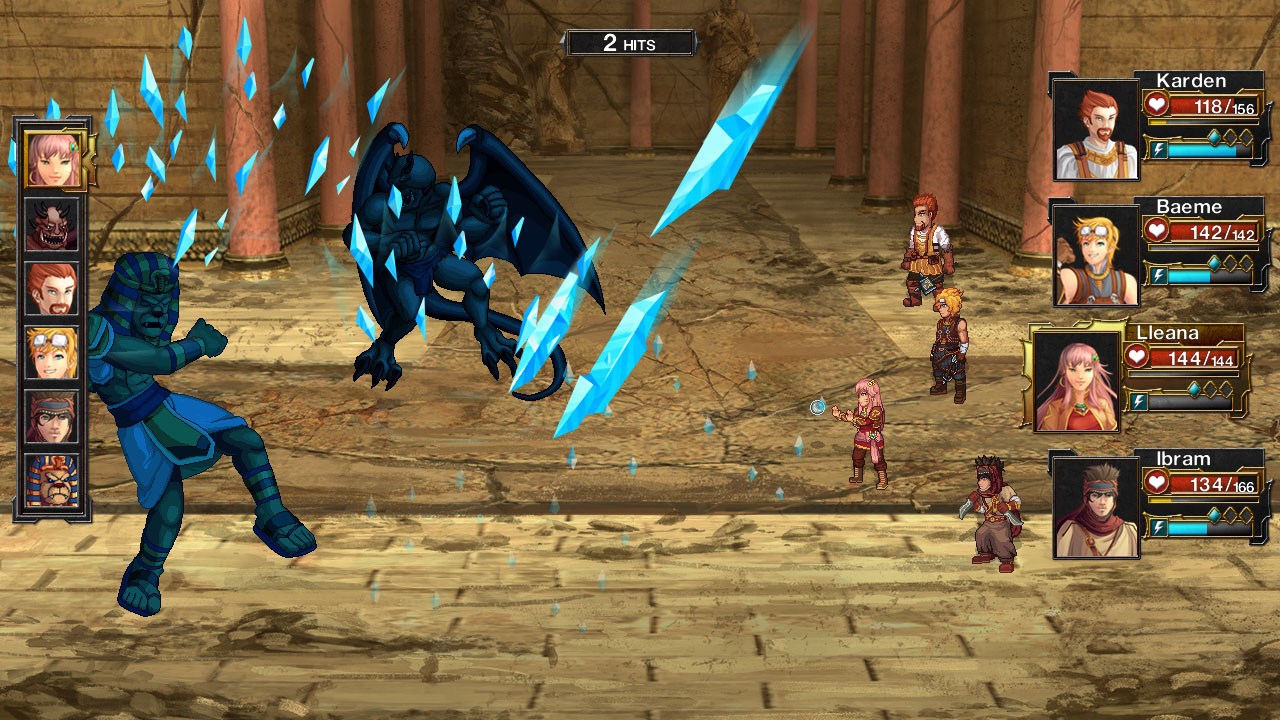
Traditional turn-based combat mechanics bring common tactics found in a heap of other RPGs.
Classic Combat Mechanics With A Few Quirks

The turn-based combat tactics involve all of the strategic – both defensive and offensive – manoeuvres, including physical strikes, magic, healing and special moves known as Blitz. Battles break out once the player (or the enemy) has made contact, spinning players into a bout filled with a number of powerful monsters. Standard strike attacks deal damage using whichever weapon is equipped by each character. By gaining levels and upgrading your characters, new skill points and weapons will increase the strength of these strike attacks.

Other tactics like parrying and the ultra-powerful Blitz moves offer unique abilities to raise defence, recover health or deal massive blows to tough opponents. Parrying acts as a form of defence to prepare the given player a stance against any incoming attacks, but also adds a touch of health to the character as well. With every landed blow or damage taken, each characters’ blitz bar begins to fill. Every time the blitz meter fills, a point is acquired and may be used to initiate a special blitz skill. Powerful elemental attacks, magic abilities like summoning monster allies, or healing/buffing your companions in battle are only a few of the unique tactics available through the blitz system.

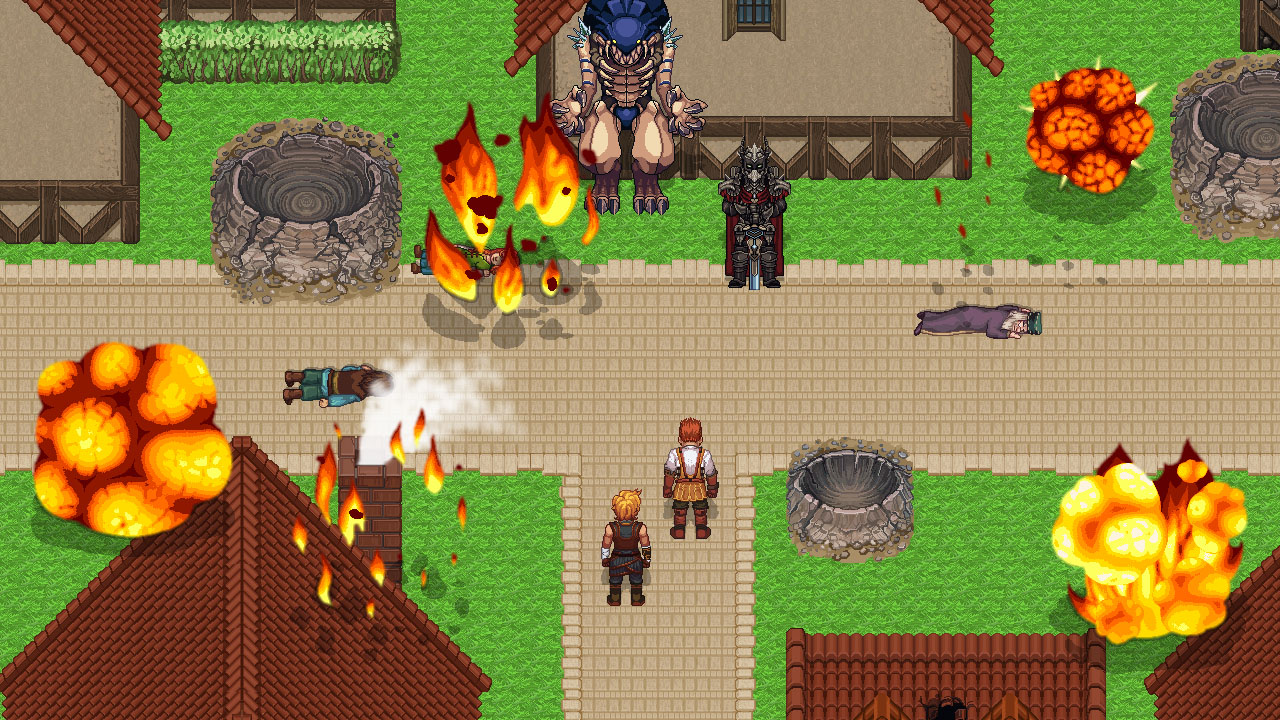
The world is in turmoil against a devious threat using the powerful resource, Arelite.
Strengthening Your Stance

Strengthening your party comes in a variety of useful skill and blitz upgrades. Adding skill points earned through multiple levels, three different categories known as Stances – one for each of the three combat moves – are available to increase in a manner of different ways. Increasing the Strike, Parry and Blitz skills provide a number of buffs, percentage increases in strength or defence, more effective blitz encounters or the ability to stun enemies more frequently. These skill categories act as the main form of character development giving each character a unique twist in combat and strategy.

Blitz, strike and parry moves are all vital stances in overcoming the odds, but having a strong weapon equipped can be just as important. Finding weapons happens, but more often players will find more success in forging their own weapons from resources and metals found throughout their journey. Taking gems and metals to blacksmiths will allow players to forge new weapons and armour for each character, also increasing your Smithing level in the process. The higher the Smithing level, the greater the weapons that can be forged at blacksmith shops.

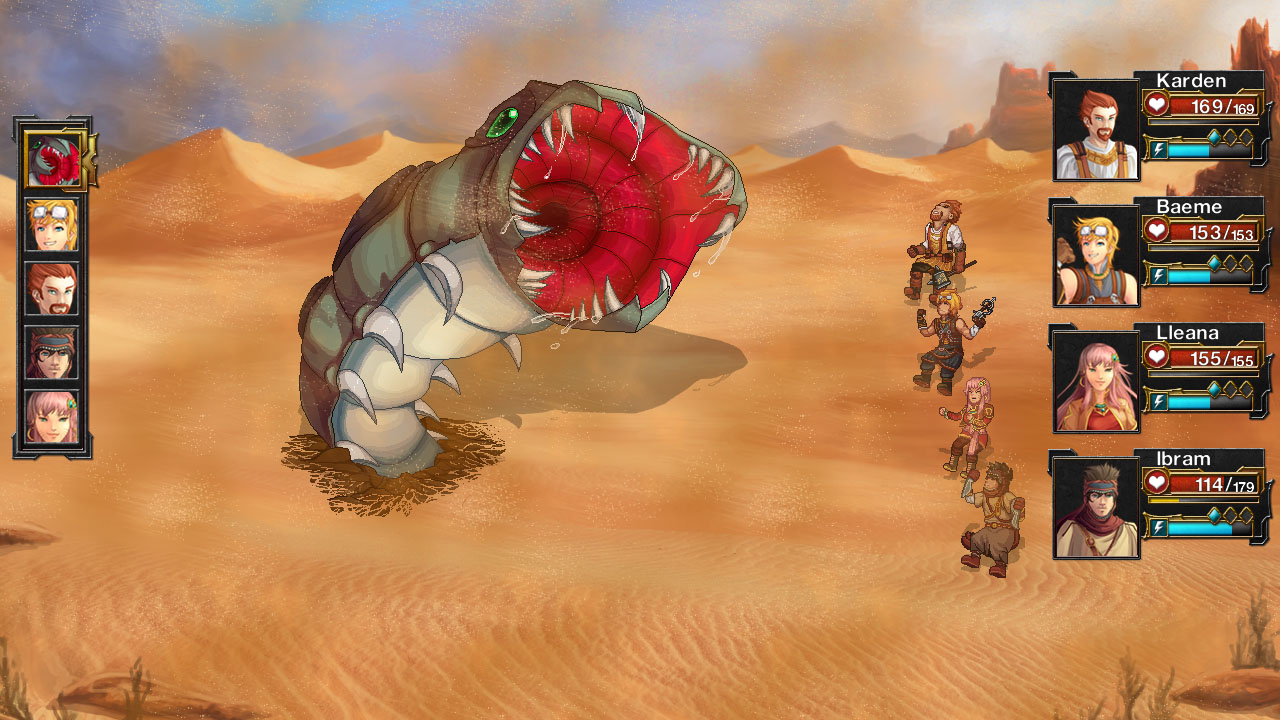
Tons of foul monsters loom in the vast world of Arelite Core.
Arelite Core Review

While traditional RPGs come a dime a dozen nowadays, it’s refreshing to embark on a journey from a different perspective. Playing as the blacksmith with unyielding determination to become the best at his craft is inspiring and charming. Dragon Slumber creates a riveting tale with intuitive perks, skills and useful upgrades. Tons of vile monsters and a cast glowing with interesting dialogue and deep character traits all fit neatly inside this tightly wound RPG. An experience rivalled by so many, yes, but it still brings its own identity to the saturated genre.

Latest UK game charts – Call of Duty WWII stays on top

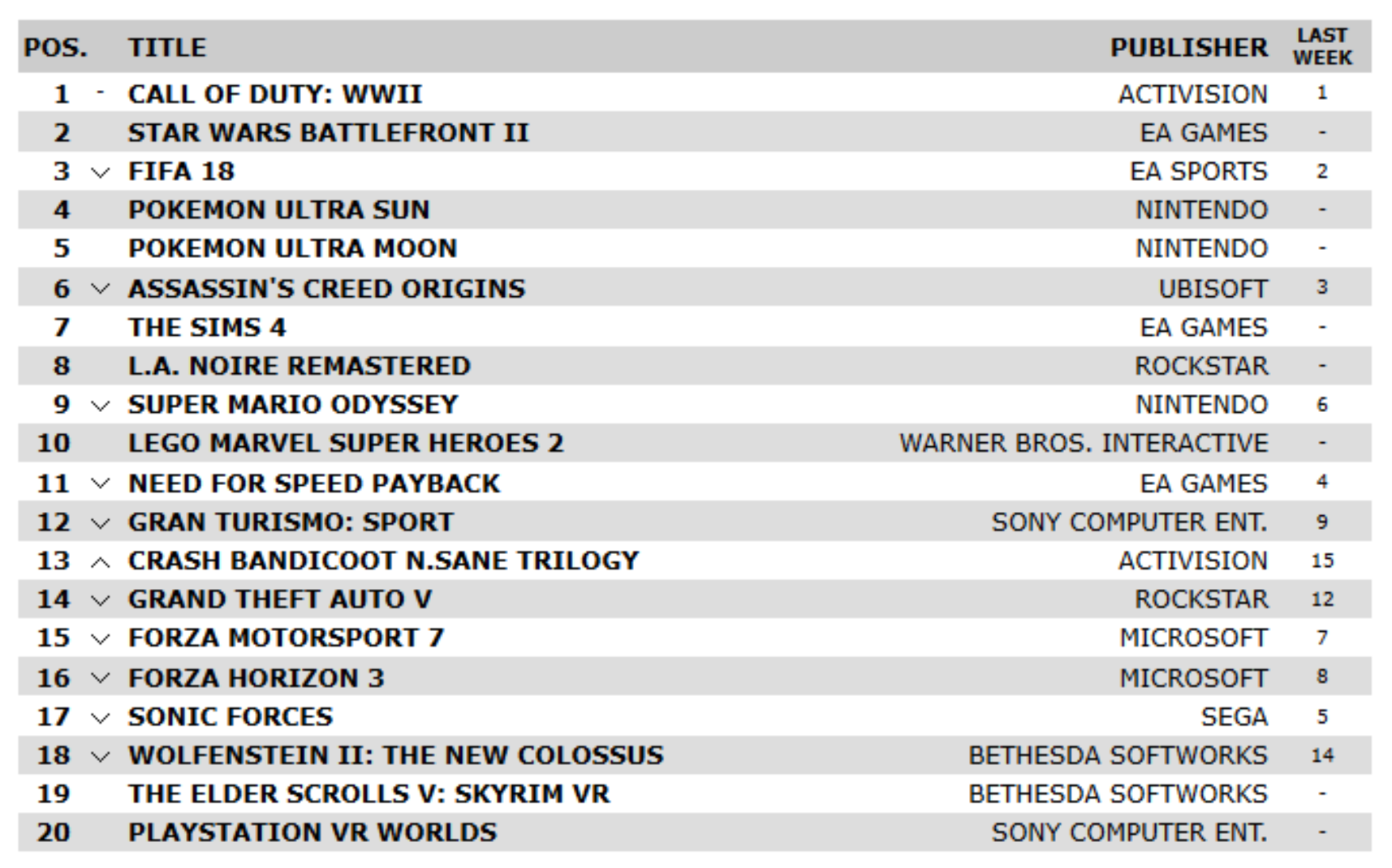
The latest UK charts are here and Call of Duty WWII hasn’t budged. Can it maintain this dominance all the way up to Christmas?

Latest UK Game Charts

The rest of the UK charts see Star Wars: Battlefront II take second place, with FIFA 18 now in third, Pokémon Ultra Sun and Moon in fourth and fifth respectively, and the remastered L.A. Noire in eighth.

Here’s the full Top 20 list:

The Sims 4 finally released on consoles this month and made a solid entry on the list as well. Clearly you can never have enough of The Sims in your life.

Looking Back: Top Eight NES Games I Never Beat

For those of us who grew up in the age of Nintendo, there are countless stories of NES games we simply couldn’t beat. Whether they were difficult, poorly designed, or simply made no sense, here is my list of the top 8 NES games I just couldn’t beat:

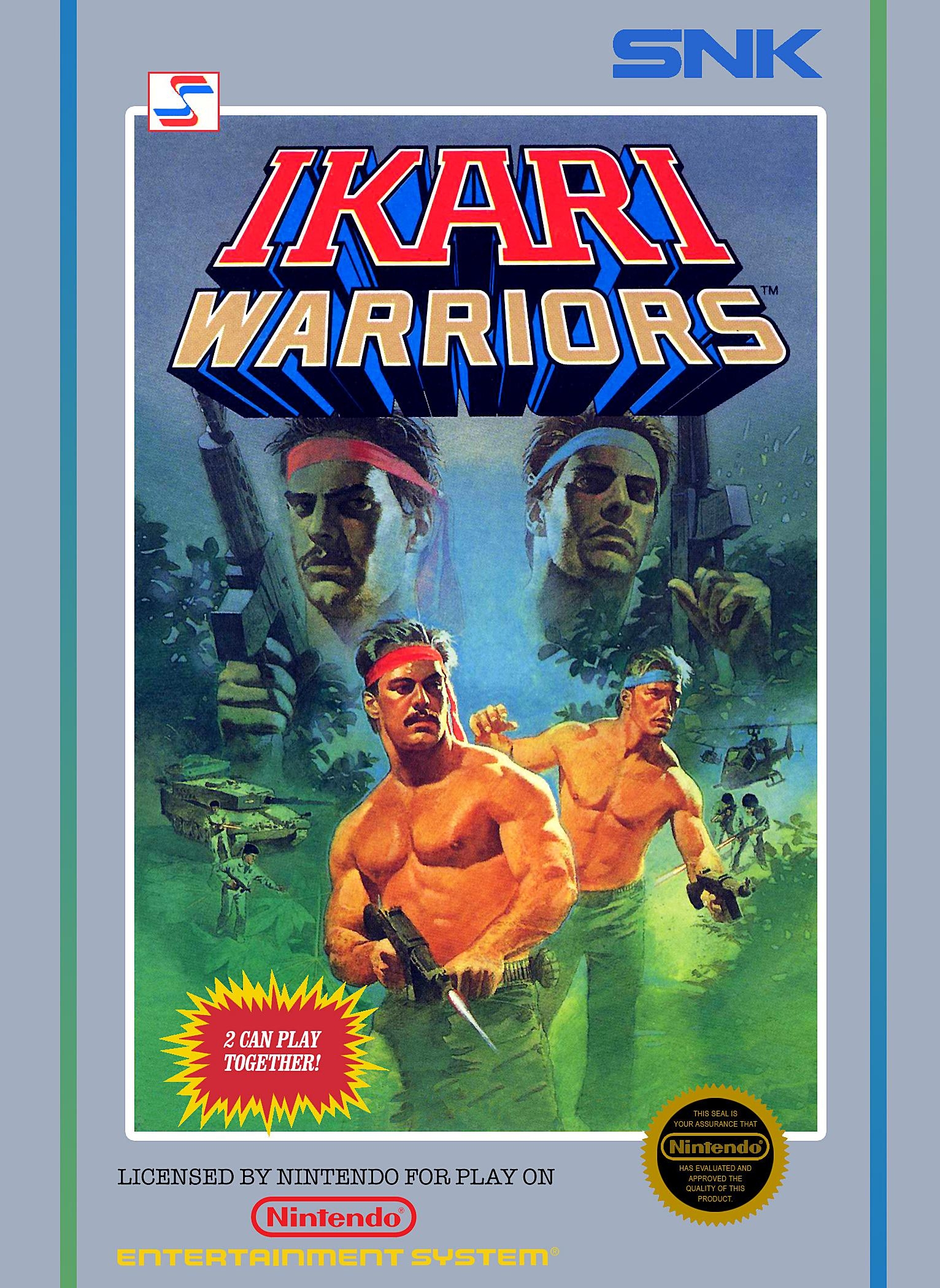
  1. Ikari Warriors – Released in 1987, Ikari Warriors was a formulaic run & gun arcade game, which my brother and I were obsessed with growing up. The game wasn’t necessarily hard, just incredibly long and time-consuming. Each mission lasted forever, and the action never stopped. We spent hours upon hours playing that game and never came close to finishing it. Going at it solo was an exercise in futility and most of the time when playing co-op, one of us would give up, throw the controller, and vow never to play the game again; we always came back.

nes_ikariwarriors

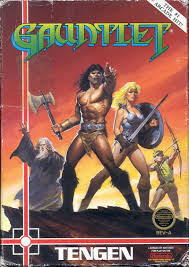
  1. Gauntlet – Everyone knows Gauntlet. The game has had countless iterations on a multitude of platforms, with sequel after sequel popping up every generation. The original game was no slouch in the difficulty department, always finding a way of infuriating you as hordes and hordes of creatures came pouring out from their bullpens. this was only made worse with the constant grunts and moans of your character every time something touched you. I never could beat this game, though; I suppose I never really tried.

gauntlet

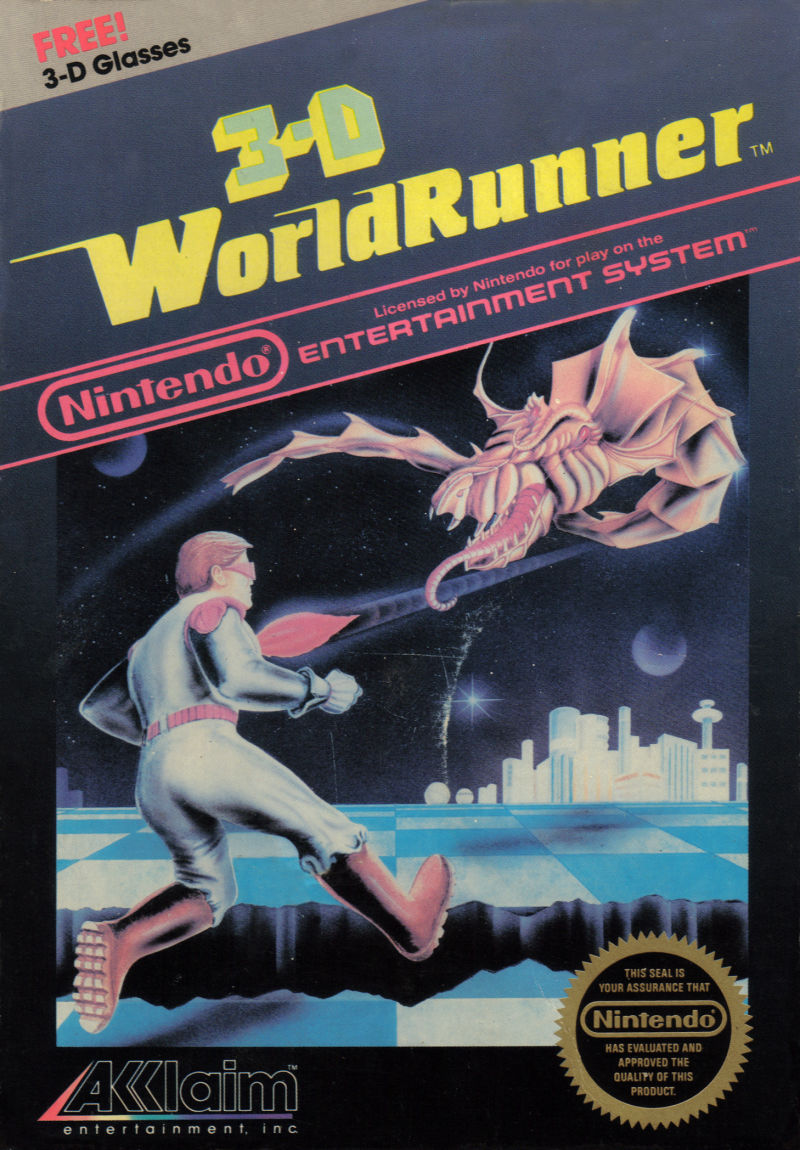
  1. 3D Worldrunner – An unnecessarily hard third-person rail shooter that made me want to destroy controllers on a regular basis. Part terrible level design, mixed with uneven gameplay, and a splash of awkward controls, this game was ridiculous. Countless times a simple jump miscalculation would bring your character to his demise. It was infuriating, especially if you were certain you had made the right move. Although I never came close to beating it, I would pop that sucker back in any time and try again. The music, however, was fantastic!

202533-3-d-worldrunner-nes-front-cover

  1. Ghosts N’ Goblins – RAGE! Pure unbridled rage! This game was incredibly difficult from start to finish. Not only did you have just three lives, but exhausting all those lives, say at a boss fight, would see you start the whole level over again. To this day, I don’t think I’ve made it past level 3. Ghosts N’ Goblins is an NES classic, but I wish Capcom wasn’t a mecca for gaming masochists, hell-bent on destroying your sanity. To be fair, I thought all sequels and iterations thereafter were also difficult in their own right.

ghostsgoblins

  1. Xenophobe – WHAT WAS THIS GAME. No seriously, can anyone tell me the point of this game.  The goal was to eradicate all alien invaders from the various moon bases, planets, ships, cities and more. I can’t tell you why I loved it, but I do know I never did beat it; I don’t even know if there was a real ending or not. To some, this might be an excruciatingly boring game, but to me, there were definitely enjoyable parts; I just can’t remember what they were anymore.

xenophobe

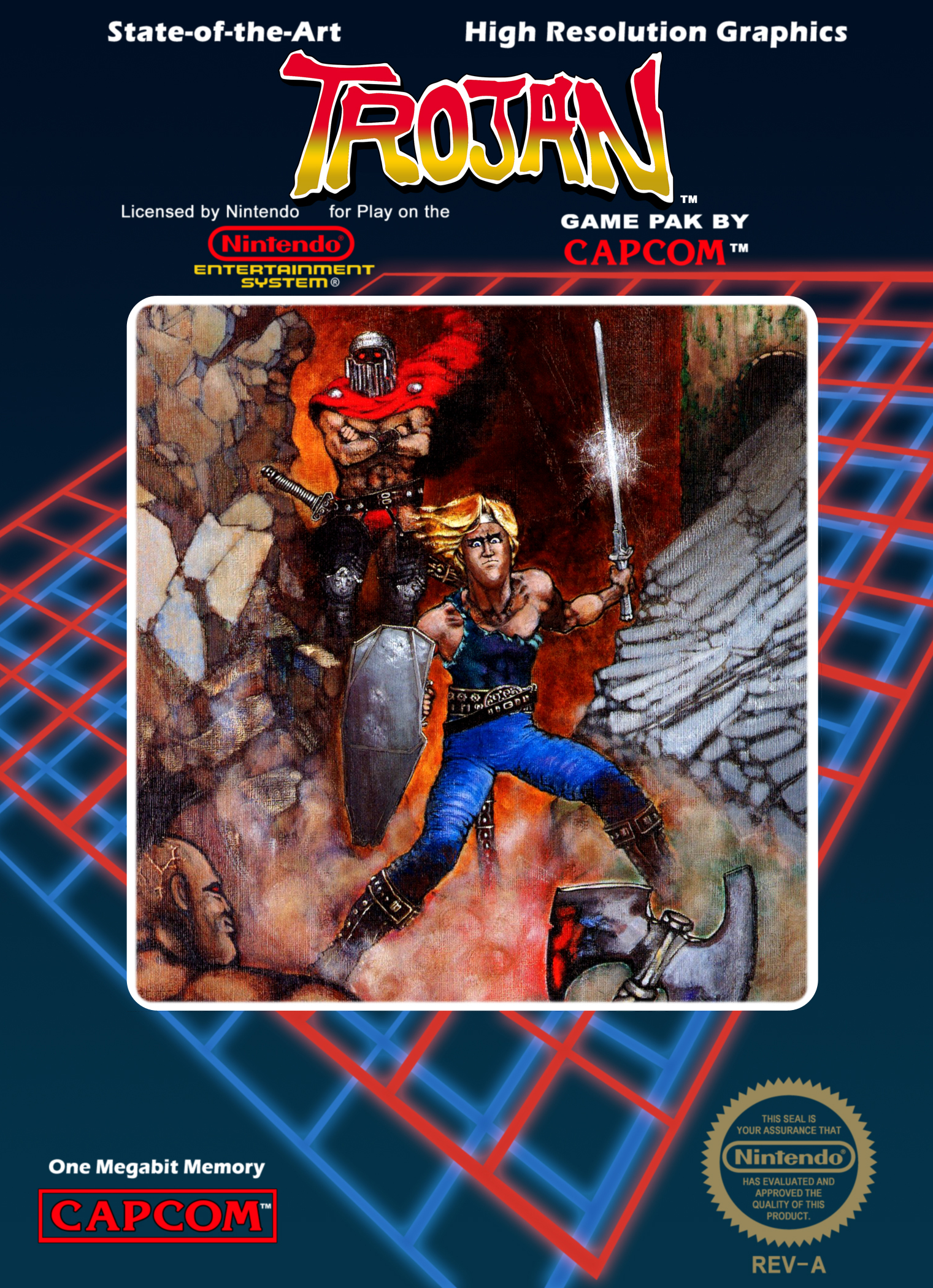
  1. Trojan – Another in a long line of side-scrolling action games, Trojan was never going to redefine the genre. Armed with a sword and shield, you made your way through a post-apocalyptic landscape, battling baddies along the way. Someone probably should have told our hero not to bring a sword to a gunfight, but it all worked out. I found it amusing that your character used an archaic sword, but mixed into the action were enemies with guns and bombs (and swords, maces, axes, and daggers). I’ve always had a soft spot for Trojan but never could beat it. With clunky controls and uneven enemies, the game can give players a run for their money; or whatever they use for currency in the apocalypse.

aTrojanNES

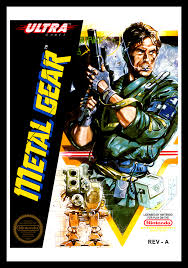
  1. Metal Gear – Has anyone actually played the original Metal Gear lately? I have two distinct memories of this game; one from my childhood when the game hit shelves, and again when I was a teenager and picked the game up after several years of it collecting dust. When Metal Gear first came out, I had no idea how to play. The game is impressively complex for something released on the NES. At the time, I don’t think I made it inside the main compound. Cut to years later, sometime during the mid-90’s and I decided to give my older self another shot. This time, I actually figured it out and fell in love with the game. So many aspects we’ve grown to love in the sequels have their origins (albeit simplistically) in this original instalment. It was fun, suspenseful, dynamic, and well thought-out. To this day, I can remember exactly where I left off; still having no clue how to beat the part I had reached so many years ago. Maybe one day I’ll pick it up for a third time, and finally play it through to the end.

metal gear

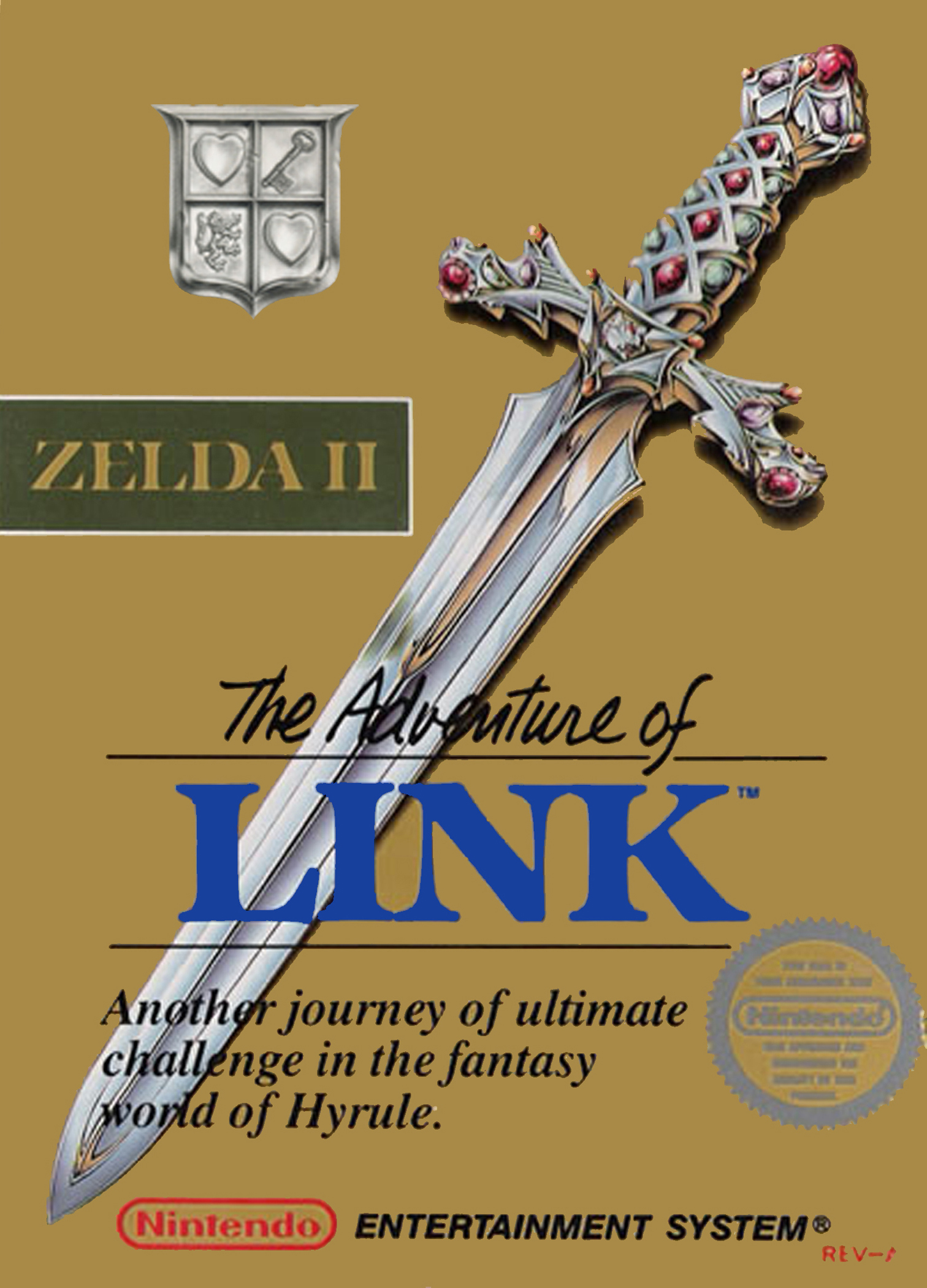
  1. Legend of Zelda: The Adventure of Link – The much-debated sequel to arguably one of the greatest games ever made, has infuriated players for over two decades. There are those who love this game and its fresh take on the original source material, while others simply can’t stand it. I am somewhere in the middle. Growing up, I was never a huge fan. I hated the redesigned overworld, new play mechanics and controls; everything about it seemed off. It was and still is, one of the hardest games I’ve ever played. The combination of twitchy controls and overly difficult enemies frustrated me the most. Half my life I didn’t even think the game made any sense.  I started replaying the game recently, but damn, it’s still exceptionally difficult. If my controllers weren’t over thirty years old, I would have chucked them against a wall out of frustration. Not only did I never beat this game, I never even got past the second dungeon. I also hated the music; there I said it!

Zelda_II_Box

There you have it fellow gamers. I’m curious to know which games stand out from back in the day that you never beat. Did you beat one of the games I mentioned above and want to rub it in my face? Awesome! I look forward to hearing about which games gave you all a hard time.

Honorable mentions: Battletoads, Rambo, Wolverine, and Karnov.

Insane Code On Their (Kind Of) New Racer, 80s Overdrive

Outrun is one of the best arcade racers – nay, one of the best video games, ever made (and played).

Developed by legendary development studio, Sega-AM2, Outrun took early 3D arcade racers to the next level. 3D arcade racer releases since have been content following Outrun’s lead, but a new 3D arcade racer looks as if it may overtake Outrun’s decades-old pole position. 80s Overdrive is that new 3D (by way of 2D) arcade racer and it looks great.

80s Overdrive is described by its developers, Insane Code, as:

A 2D pixel art racing game, designed to take you back in time to when 8 and 16 bit consoles and arcade games ruled the world. Compete against opponents in career mode to unlock new races, buy new cars and upgrade them with state-of-the-art technologies! Try your skill in time attack mode and see how far you can get in this race against the clock! Create your own tracks with the built-in track generator and easily share them with your friends!

I accidentally happened across 80s Overdrive’s Twitter account a couple months ago and I was immediately gripped by a childlike excitement. However, being a huge fan of Outrun and the racers it spawned, 80s Overdrive sounded to me almost too good to be true. I began to wonder whether or not 80s Overdrive was real or some variety of illusory, retro-flavoured racing oasis in a desert-themed fever dream.

Questioning my grip on reality, I decided to reach out to 80s Overdrive developers, Insane Code. Fortunately, Insane Code informed me 80s Overdrive is real, and they were also kind enough to answer a handful of questions I had regarding the game and their history as developers.

The following contains my questions and their answers:

What’s your development studio’s name and how long have you all been
developing games?

For a long time there was no studio name, as there was no studio! We just started to mess around with game mockups and an engine prototype. Me, I had my design business running and Krzysztof had his programming business. So, it was more of a B2B cooperation. Later on, Krzysztof gained rights to develop and publish for the Nintendo 3DS eShop so we decided to go under his label – Insane Code.

Later on, a second programmer, Marcin, and a tester, Sebastian, joined to help. When it comes to our game development history, we all had over 5 years of experience (including on the Nintendo 3DS), but 80’s Overdrive is our first self-developed and published title.

What games have you developed and for what platforms?

None as of yet. Separately, we worked on mobile, iOS/Android, Sony PSP, PS3, Nintendo DS, DSi, 3DS and Wii games. For example, I worked on Rage of the Gladiator, Hazumi, League of Heroes and many, many more.

Arcade racers aren’t as popular as they once were. Why in 2016 did you begin developing a racer inspired by and modelled after classic arcade racers like Outrun, Rad Racer, Road Rash, and Cruisin’ USA?

Somewhere around the summer of 2015, we had a talk about ideas for games we would like to see and develop. We used to play a lot of 2D racers when we were kids. We loved them and started to wonder if this kind of game made any sense nowadays. So, to bring the memories back, we returned to playing: Outrun, Lotus 3, Crazy Cars/Lamborghini American Challenge, Top Gear Series, Cisco Heat, Jaguar XJ220 and found something interesting. Most of them aren’t arcade games even.

As you play old games they often don’t match what your brain remembers about them. After replaying them nowadays, you often feel disappointed about the frustrating gameplay, graphics, sound. But, there is still something that works. The simple but addictive gameplay mechanism, precise controls and overall feeling of the game which is lost in modern productions. We try to match the good things of the old and minimise the bad.

Are you excited or afraid to release a game the likes of which hasn’t been released in a while?

Both. Anyway, 80s Overdrive is our part-time project. We do have day jobs and our lives don’t depend on 80s Overdrive, so we just took the risk. From the creative point of view, it was worth it. We did fulfil our creative needs. When it comes to success, we will see, but it wasn’t the most important part.

Why the 80s aesthetic? Why not something aligned with more modern tastes?

That’s easy. Modern looking game wouldn’t be “something new”. Isn’t that ironic? We would end up with another NFS or some F2P racing. Also, our creative needs wouldn’t be fulfilled and our nostalgic feelings wouldn’t be satisfied.

One of 80s Overdrive’s trailers features text dialogue and character portraits. Is there a story mode?

Well… I can’t say. There will be a treat for dedicated and patient players. Anyway, too much story in an arcade racing game isn’t a good idea…

What are other gameplay modes available in 80s Overdrive?

There will be 3 game modes:

Career mode in which racers are competing against each other on various, point-to-point style tracks or complete special missions. The player can be also chased by the police.

Time-attack mode (“Outrun Mode”) in which  the player is fighting against the clock and tries to get as far as they can until the time runs out.

The Track Editor in which players can race on their own tracks. Tracks are be made by editing parameters. This generates the track code which can be shared with friends.

Many people on forums have been wondering what the green bar graphic seen on the left side of the player car in trailers is?

You mean green, rounded bar on the magenta background? In Time-attack mode, the player will be able to gain extra time by doing risky overtaking! Depending on how close the player passes traffic, they will be able to get an extra 1-3 seconds. It could be life-saving if you’re running out of time and a fork (junction) is still far away. But, you could also crash into the traffic if you aren’t careful.

What cars can players expect to drive? Is the soundtrack original or will it feature licensed tracks?

6 retro-supercars: Aggressor, De Loan, Intruder Turbo, Penetrator Turbo, Testosterando and Tensor V12. When it comes to music, some tracks are licensed, some are made especially for the game. There are 13 synth/retro wave music scores in total.

Are there any secrets or cheats you want to reveal before release?

No… But be sure to watch Facebook and Twitter carefully… and also please do complete the game 100%!

Will there be any DLC in the future?

If that’s what the audience desires, we don’t see any problems with that. Adding a new car or a visual theme won’t be that problematic. Also the Nintendo 3DS eShop supports updates so… who knows.

Are there any plans to port to Switch or other platforms?

Honestly, we don’t know that yet.

When can players expect 80s Overdrive to be released?

The game was sent to Nintendo Lotcheck. I think that December 2017 is very probable.

END

There you have it. Are you a fan of 3D arcade racers? If so, keep an eye on the 3DS eShop this December for the release of 80s Overdrive.

Until then, check back here at D-pad Joy for news and updates regarding the game.

Xbox One X finds success in UK

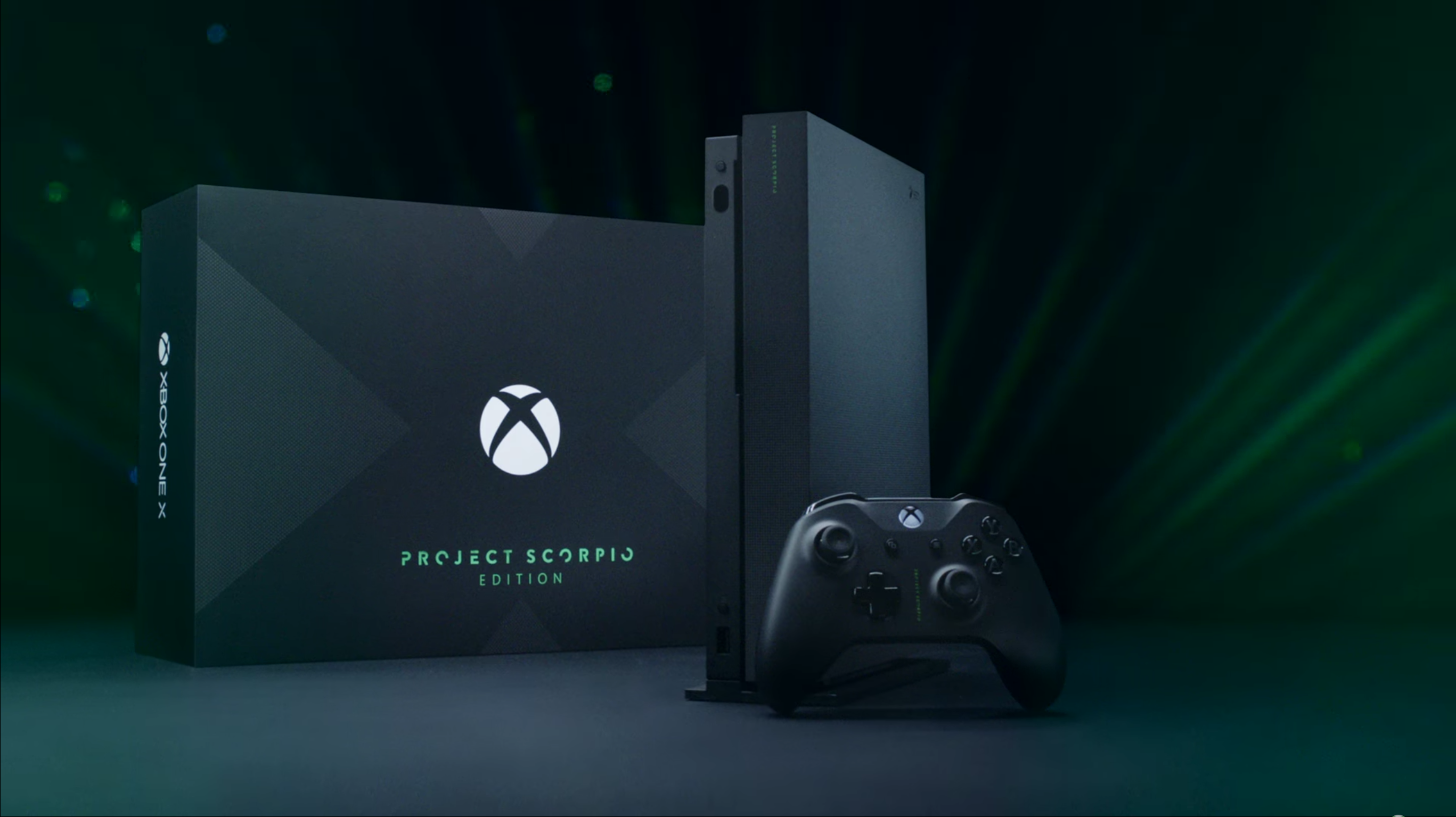
The Xbox One X has enjoyed success in the UK, selling 80,000 in its first week.

This nearly matches the total sales of the Nintendo Switch during its first week in March. The X also outpaced PS4 Pro numbers from its launch week when it only hit 50,000. It took the PS4 Pro four weeks to reach the 80,000 mark in the UK.

However, both Sony and Nintendo were impacted by supply shortages, which dropped the possible number of sales.

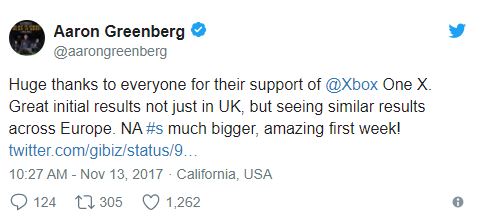
Nevertheless, Xbox executive Aaron Greenberg was pleased and confirmed the number via Twitter:

Capture

This is no doubt a win for Microsoft to start off the Holiday season. It’s a much better result than Japan too.

For a list of software chart-toppers in the UK, you can find that here.

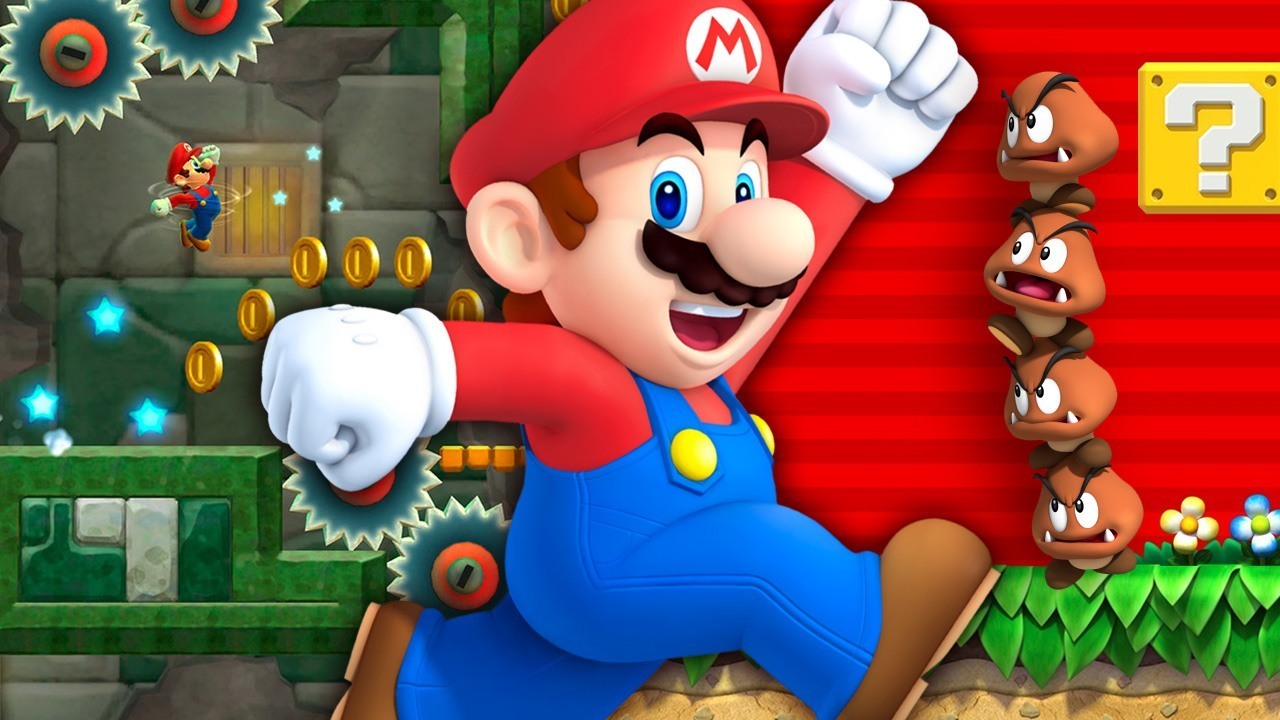
Super Mario headed to the big screen

There is a reason why Nintendo stopped making movies based on its intellectual property over 23 years ago. That simple reason has a simple name: Super Mario Bros. A universally panned, disgrace of a movie that scared the big N away for decades.

e57afb46bf56e55d579cb36da47b6f9b81fb719a869ff4f3c892dc7d4fda4f8a
Yes, this one.

This however, is all about to change. The Wall Street Journal is reporting that Nintendo, under the guidance of Mario creator Shigeru Miyamoto, are in discussions to bring Mario and all his pals (and enemies) to the big screen in a new, 3D animated adventure.

A deal is reportedly close at hand with Illumination Entertainment, the minds behind the Minions movie, to partner with Nintendo on this big screen venture.

If this venture succeeds, Nintendo could potentially look into bringing some of their other famous faces to theatres far and wide.

We all know big screen video game adaptations have been disappointing over the years, save for a few gems in the crowded field. It’s everyone’s hope that with Nintendo working closely alongside Illumination, perhaps Mario will finally see big screen success after his long 32-year-old life.

Looking Back at Lollipop Chainsaw – Saving Classmates, Decapitating Zombies

Grasshopper Manufacture has released a pretty solid library of games. It was set up by gaming luminaries Suda 51, Shinji Mikami and Akira Yamoaka. Shadows of the Damned managed to be an entertaining, chaotic trip through hell. Grasshopper then set its sights on small-town America with Lollipop Chainsaw. But was it a Past ‘Blast’?

Produced by Kadokawa Games and Grasshopper Manufacture, Lollipop Chainsaw tells the story of all American cheerleader Juliet Starling. Juliet spends her days eating lollipops, cheering and being incredibly annoying while her nights are spent battling legions of the undead with her zombie hunting family. Think Buffy the Vampire Slayer crossed with The Walton’s.

The story, what little of it there is, is penned by Hollywood writer and director James Gunn. Suda 51 sprinkles his trademark brand of lunacy over the proceedings as creative director and overall the writing is pretty funny if at times bordering on highly irritating in the case of Juliet. The tale of severed heads, disco zombies and over-sexualised teens is entertaining enough and delivered with a strong tongue in cheek theme that enables it all to be likeable if you can look past all the upskirts and creepy lollipop sucking from the games’ lead.

Story and writing, however, aren’t Lollipop Chainsaw’s main selling point, and I only mention them first because the gameplay, the meat of the game, is so painfully average. Juliet’s adventure plays out in your basic hack and slash style with the titular cheerleader exploring the games’ six levels, saving classmates, decapitating zombies and eventually taking on an end of level boss.

The basic “light, light, heavy” God of War style gameplay was broken up admirably with some pretty cool moments that I won’t spoil here, but aside from these moments and a few QTE’s, gameplay in Lollipop Chainsaw basically amounts to running through corridors hammering a few attack buttons then running on. Now this wouldn’t necessarily be a bad thing, the previously mentioned God of War and many other titles stick to this formula and are brilliant games, but combat in Lollipop Chainsaw feels incredibly dull and formulaic. After unlocking a few combos I found myself sticking to the same two for the entire game, never experimenting with any others because the combat is so dull that I  was just ploughing through it.

There’s little enemy variation outside of the tried and true “exploding enemy, flying enemy, slow enemy, fast enemy, rinse and repeat” approach to character design which just adds more to this glazed over “hit things until they stop moving” feel of much of the game. There is a few bells and whistles such as the “Sparkle Hunting” mechanic which rewards multiple decapitations at the same time and the inclusion of a few semi-vehicular sections but these trimmings do little to improve the overall experience.

Games like Lollipop Chainsaw live and die by the quality and feel of their combat. God of War worked brilliantly because it made you feel like the most powerful badass in the world, Bayonetta worked because you felt like an agile and magically sadistic killing machine. In Lollipop Chainsaw controlling Juliet in combat, navigation and even in the poorly presented QTE’s just feels like a chore.

It’s clear from the large amount of unlockable costumes and the online leaderboards that Lollipop Chainsaw is a game that’s meant to played multiple times, especially when it can be beaten in around six hours on normal difficulty. This is a great idea and one shared by many games of this type, however, this idea falls down a little when there’s nothing worth actually unlocking from all this work. Outside of the before mentioned costumes and a few pieces of concept art, Lollipop Chainsaw does little to hook gamers in for that third or fourth run through.

It’s not all bad though, the presentation in Lollipop Chainsaw is exceptional. The gorgeous cel-shaded look of the game blends in with its overall comic book feel, hand-drawn hud elements flash up looking like a golden age comic and every inch of the menu system follows this theme. It really looks like a pulp comic from the 1950’s, albeit a far gorier and filthier version.

The boss encounters are the only hint of how off the wall and great this game could have been. Taking cues from music genres Lollipop Chainsaw’s bosses are fantastically designed. One level you’re fighting a punk rock zombie that uses swear words as attacks the next you’re on a flying black metal Viking ship shooting at a severed head covered in corpse paint. These encounters really are entertaining, showing that if this level of detail and thought had been given to the rest of the game it could have been something special. However the gameplay complaints still remain and while these boss fights look and sound great, they’re far too easy and boring to actually enjoy.

Music is also used to great effect. I couldn’t help but grin like a moron when I heard Children of Bodom playing in the background as I dodged lightning bolts being fired from the sky. The section where the Dead or Alive hit “You Spin Me Right Round” booms out while Juliet is using a combine harvester to mow down zombies is also a slice of genius.

It really is a shame about Lollipop Chainsaw. In retrospect, the game had some really funny, interesting moments but none of these occurred when I was actually controlling the game. The music, presentation and the concept of the game are great – it just feels rushed and poorly executed. There is little about the game to recommend to fans of the character action genre that can’t be found somewhere else where it has been done better. Besides the titillation and the gore, there really isn’t much to Lollipop Chainsaw, it’s as if years of eating nothing but Chubba Chubs has made Juliet a little anaemic.

I also wanted to like this game, I really did. I love zombies, I love this type of game and I loved the concept but there just isn’t enough actual game here – and that hasn’t changed years on. In all honesty, if you’re looking for a great character action game with a sexy lead character and insane gameplay, buy Bayonetta.

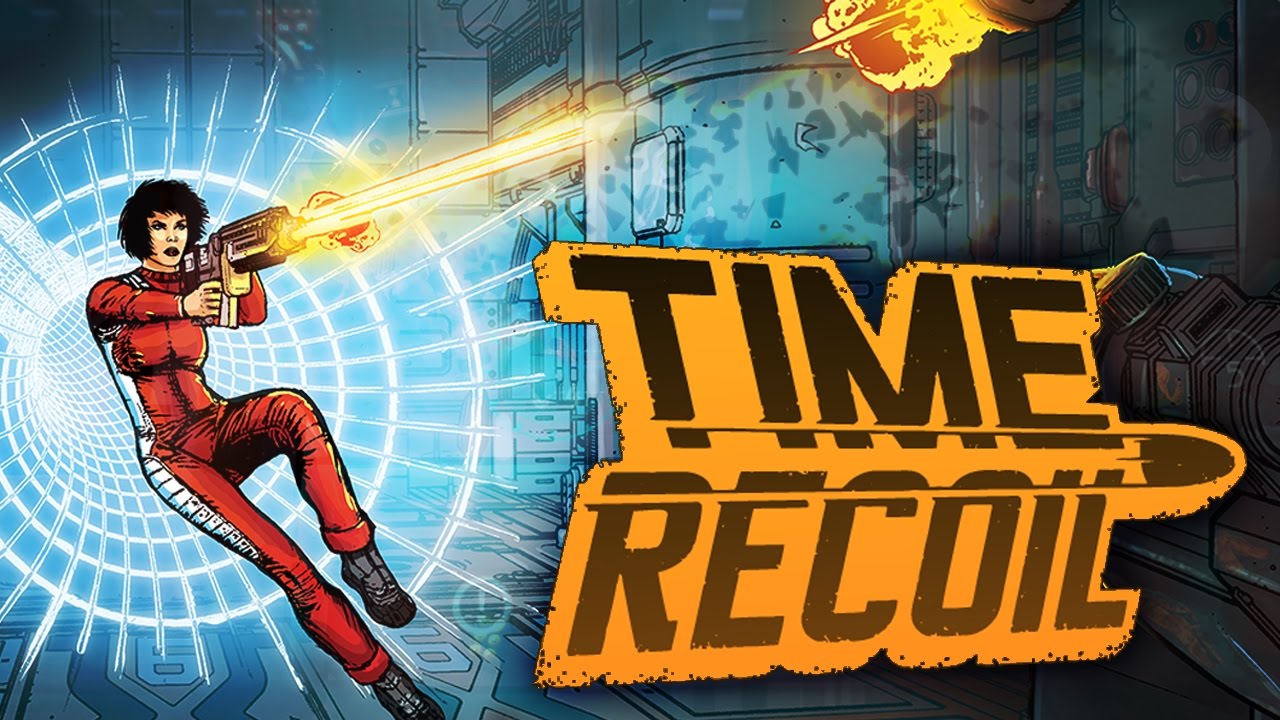
Time Recoil Review [Nintendo Switch] – After The Battle Comes Quiet

When it comes to the time travel genre, why is it that the inventors always focus on world domination or wreaking havoc? They never put their inventions to good use or help solve world problems. If they didn’t, however, we wouldn’t find ourselves here in the presence of Time Recoil; a twin-stick, top-down shooter on the Switch.

If this sounds familiar then it’s no surprise as Time Recoil is brought to us by the folks at 10tons; the brains behind JYDGE and Neon Chrome. The indie scene is thriving on Switch at the moment and 10tons seem keen to capitalise on this. The big question is, though, does this deserve a place in your Switch lineup?

Short answer is maybe, and the long answer is it all depends on how accepting you are of the games shortcomings. For all it offers, Time Recoil could be so much more and follow through with its premise of time travel. It shows its hand early, reels you in with a promising story but it all drops off far too quickly.

TR Image 1.jpg

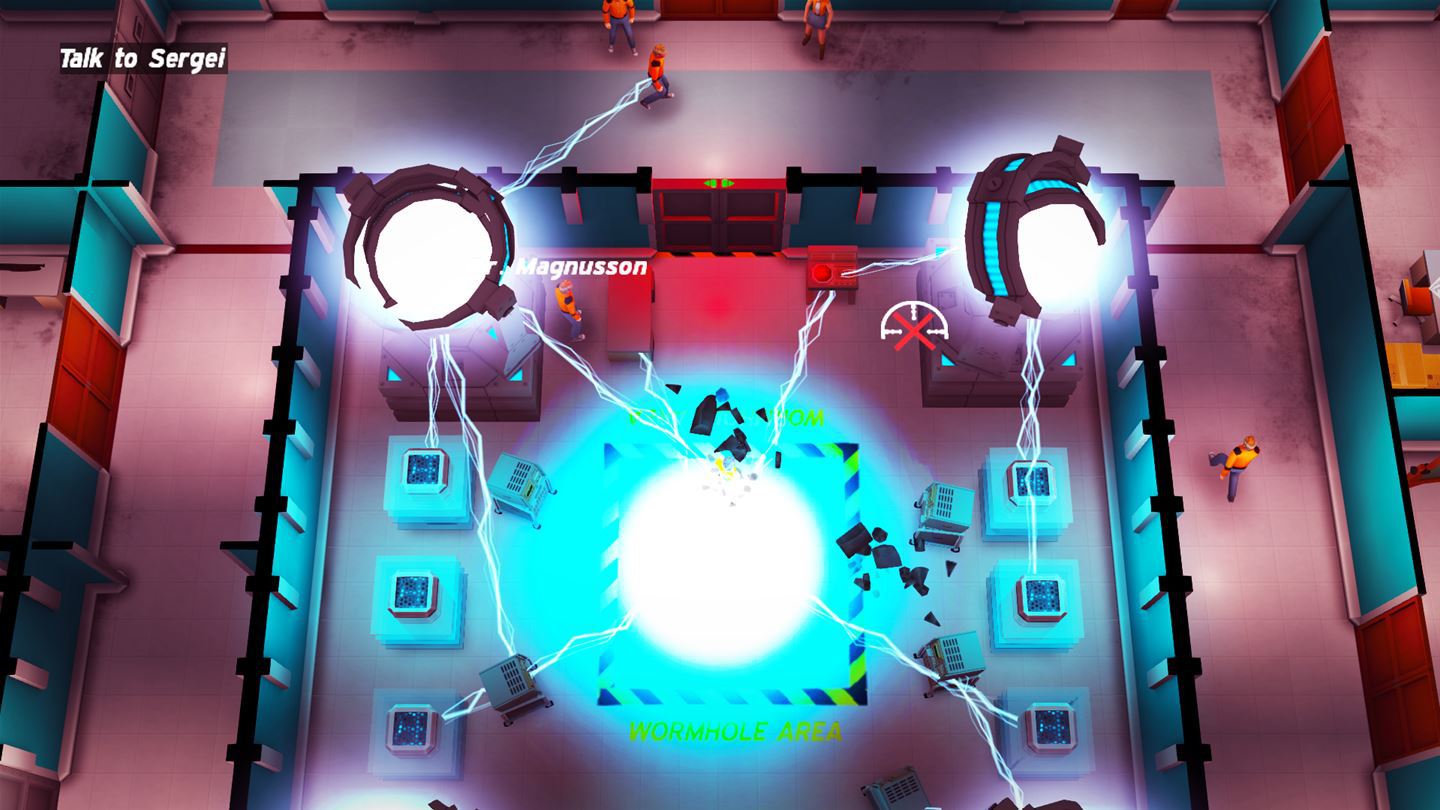
You’re a rescued scientist who has been exposed to time travel experimentation with few side effects. You worked with the now dictator, Mr Time, in the past and have been brought forward into time to prevent him taking over Europe. The problem now being that his whereabouts are unknown, resulting in you flitting between 70’s and 80’s to track him down and put an end to his reign of terror. This suddenly gets a little convoluted, with the missions being a sequence of fetch quests.

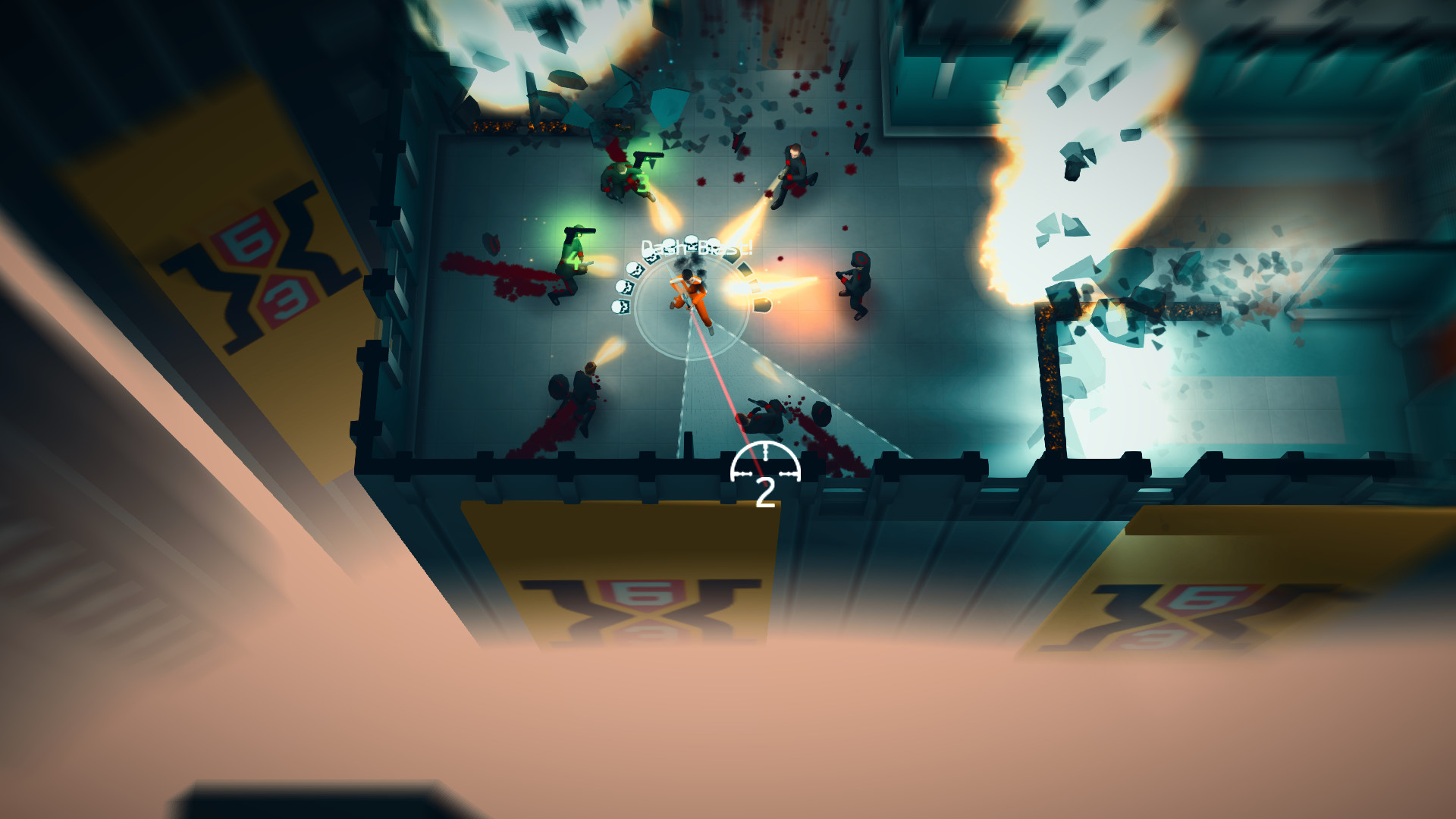
The saving grace of these being the challenge behind reaching your objectives and utilising your time manipulation powers. A consequence of time travel here is that you can’t travel laden with equipment, restricting you to a pistol at the start of each mission with limited ammunition. This pushes you to be both creative and accurate with your shots in order to not waste ammo and build up your powers. Each kill slows down time, and every consecutive kill grants you an ability such as a powerful dash or to cause an explosive rift. Eight consecutive kills will grant you a short bonus of stopping time, with bullets hanging until time resumes and hitting their targets once it has done so.

The problem is, however, being accurate is easier said than done as the sensitivity of the sticks is so high. You often find shots miss their target or that or they embed themselves into a civilian whom you are meant to be rescuing. With relatively few checkpoints, this can easily see you tearing out your hair following numerous deaths. The key to success is through repeated attempts, remembering enemy patterns and placements and remaining relatively unseen. The element of surprise and firing first is of great benefit here.

TR Image 2.jpg

Time Recoil does look rather nice in both docked and undocked modes with relatively few performance issues in either. It has a charming soundtrack and appearance that is reminiscent of the time periods which you hop between as part of your task. I’d say the same about Time Recoil that I would about JYDGE, however; at a price of £11.99, it’s hard to recommend given that it’s likely to have a short life on your Switch. That’s not because it’s not a good game, it is, but you’ll likely rage quit whilst playing it and mean to come back to it but never do. There are so many other titles out there jostling for your attention that it’s inevitable that this could happen.

Looking Back at Kingdoms Of Amalur: Reckoning

Do you remember the good old days, when video games put fast hack-and-slashing combat sequences and extensive levelling systems first and a deep narrative with memorable characters second? BigHuge Games certainly banked on gamers holding some kind of nostalgia for those titles of yore with their fantasy RPG Kingdoms Of Amalur: Reckoning. However, depending on your preferences, their ambitious open-world title may appear to have backfired in its retro homage.

You need only sense the feeling of lacking innovation that pervades Reckoning’s storyline to see just how much emphasis it places on its gameplay- you’ll find your character resurrected from the dead into an ancient war between the mortal races and their immortal tyrants, and thanks to your selective amnesia, in essence, you’re given the chance to choose your destiny, branching off into any skill set and reputation that suits your play style. Various fantasy stereotypes like the intimidating wise councils, the ancient royal families and their descendants are employed constantly and regularly, to the point that you’ll find yourself almost completely devoid of empathy or emotive connection to any of the identikit races that you come across.

This sounds like an exciting premise at first, but it’ll quickly become apparent that the supposedly limitless choices at your disposal are markedly more finite than they are in Skyrim. Far from being able to forge your fate and have your name become either one that instils fear or pleasure across the kingdom that lies before you, all of the separate towns and villages just feel like isolated mission areas whose population only have an inclination to you based on the pre-determined actions you perform throughout the entirety of the forty-hour campaign and the various (repetitive) side missions.

The moment that it becomes obvious that your actions are having very little major change on the game world around you is precisely the point at which you’ll realise that Reckoning is far less immersive and compelling to blitz through than any recent RPG legends.

That the game’s graphics are sub-par at best- unlikely to have looked out of place on the PS2 or the original Xbox in a similar vein to Fable– doesn’t help, either. Electronic Arts didn’t place much faith in the Kingdoms franchise based on the underwhelming locales and character models that must surely be the result of a restrained budget.

The game’s one saving grace is undoubtedly its fine combat- harkening back to classics like God of War, it’s fast-paced and dynamic (even more so than Skyrim at times), boasting a genuinely arcadey style that is easy to pick up and develop on as you progress your character’s skills and abilities. If BigHuge could have worked on making every element of the game experience as refined and unique as this, we might have ended up with a more satisfactory overall product than we got with Reckoning.

Everything about Kingdoms Of Amalur: Reckoning feels a little dated, its woefully recycled plot suffering the worst in a period where video gaming narratives had evolved to become such deep and engaging experiences. Although if I’m being nice, you still may be able to get some fun out of this.

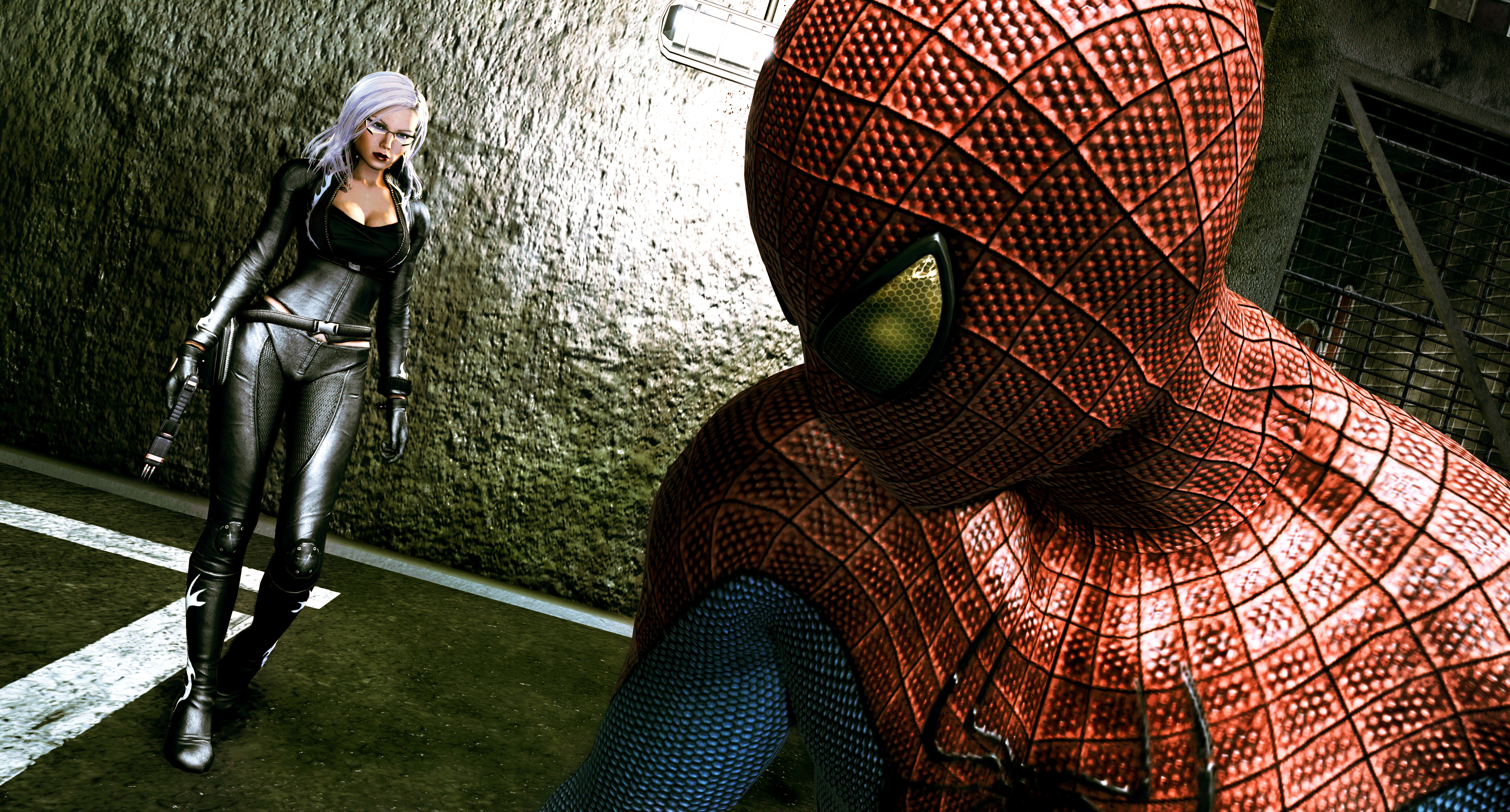
Looking Back at The Amazing Spider-Man [Xbox 360]

Hello, true believers! I’ll be presenting this Past Blast in a slightly different format than usual, so without further ado:

Was The Amazing Spider-Man a good movie game?

The short answer? Heck yes. In fact, I’d go so far as to say that this was the best movie licensed video game that gamers will have seen in a long time, packing a very compelling narrative, solid game-play and plenty of incentives to explore its deep and rich world. This kind of effort from developer Beenox puts previous identikit effortless movie instalments including Monsters Vs Aliens and Green Lantern to utter shame.

Does it match up to Spider-Man 2, Beenox’s other efforts and/or Arkham City?

Right from the off, many of you will no doubt have wondered whether this movie tie-in could possibly live up to what are perceived as the best Spider-Man games, recent Spidey efforts from Beenox and indeed the legendary Batman: Arkham City. What I’ll do first is provide a brief list of the scores I would have given to the past aforementioned games:

  • Spider-Man 2 (2004): 4/5
  • Ultimate Spider-Man (2005): 4/5
  • Spider-Man: Web Of Shadows (2008): 3/5
  • Spider-Man: Shattered Dimensions (2010): 3/5
  • Spider-Man: Edge Of Time (2011): 2/5
  • Batman: Arkham City (2011): 5/5

This is right up there with the best entries in the Spider-Man games roster so far. This almost does for Stan Lee’s Webbed Wonder what Arkham Asylum kicked off for the Dark Knight, yet there is a little too much crawling in repetitive sewers, Oscorp facilities, factories and sewers (oops, did I already mention that?) for this to be dubbed truly as ‘amazing’ a development as the Arkham series.

It’s probably fair to say that this may be the best Spider-Man game of all time, but all the same that doesn’t mean that it’s up on the same level as Batman’s best just yet.

How strong is the game’s storyline? Does it feel like a pointless epilogue?

There was a confidence here, thanks to Marvel’s allowance of creative vision on the part of the writing team, that can’t help but wow the player – even today.

After the events of the film, Peter Parker’s alter-ego is forced to live with the consequences of his actions as his attempts to stop the Lizard have put someone in power at Oscorp who poses perhaps an even greater threat. Surprisingly enough, this man is not Norman Osborn, yet the hints we get at his overarching role in this rebooted universe and the shocking plot twists that occur throughout the game are incredibly effective, doing to the film franchise what the Arkham games did to their self-contained version of the DC Comics universe.

While this game isn’t intended to connect The Amazing Spider-Man to its 2014 sequel, the narrative is a sublime adventure for players to blitz through, really upping the stakes in a way that other movie games could only aspire to.

Will the visuals impress me as much as Arkham City’s did?

Sadly, no. One of the only major faults I can pick out in Amazing are the graphics of the game. Much as Beenox have clearly put a lot of effort into creating a living and breathing replica of a modern-day Manhattan in their engine, the majority of the buildings, characters and environments on offer here are bland to say the very least.

It was never likely going to be possible for a movie game whose budget was sparse, to say the least, to match up to Rocksteady’s sublime, beautiful epic. Nevertheless, it is a shame that we’ve got graphics here that are more reminiscent of 2008’s Web Of Shadows than they are of Arkham.

Does the free-roaming Manhattan work well as an open-world?

Thankfully, this one is most definitely a positive. Although it perhaps doesn’t sport as wide a variety of (divisive) mini-games as the Spider-Man 2 tie-in’s incarnation of the Big Apple, this version of Manhattan is the most believable and realistic rendition of the city yet. Indeed, it truly fits in with the vision of the Marc Webb film reboot.

The new Web Rush mechanic allows for great, fluid navigation of the skyscrapers and roads in a way that no other game based around everyone’s favourite Webbed Wonder has before. Just swinging through Manhattan will feel pretty exhilarating to the vast majority of fans, and the action-packed battles you’ll partake in on the city’s various layers simply enhances the sheer immersion that this open-world exudes every time you boot it up.

Is the combat and stealth gameplay engine just a rehash of the Batman games?

There’s no doubting that Beenox has taken inspiration from the popularity of Arkham Asylum and Arkham City’s gameplay style in their road of development for Amazing. Anyone who’s played either of the aforementioned Dark Knight greats will smell their scent here from a mile off, and as such, there’s no way this licensed title could ever hope to fully top its superhero predecessor in terms of basic innovation.

Again, the Web Rush feature factors strongly into the way that Spider-Man faces his enemies, and for the most part this works marvel-lously (see what I did there?). However, the actual combat-counter system a la Arkham feels somewhat more static than its inspiration – there will be times where you’ll take hits that seemed unfair and the ‘Spider Sense’ alert mechanic doesn’t appear to give you nearly enough leeway. It’s nothing game-breaking by any means, but it does certainly highlight the learning gap between this and the near-perfect mechanics employed over in Gotham City in the past.

What kind of replay value (if any) is there in the title?

As I mentioned earlier, Beenox’s dedication to providing us with a Spider-Man title worthy of the universe’s fanbase has resulted in some brilliant extras being included on top of the campaign. In addition to the obligatory heaping of side missions and character upgrades, there are literally hundreds of comic-book pages scattered throughout the city for Spidey to grab on his travels.

Where other licensed titles might stop there and simply offer a few Achievements or Trophies at certain percentages of collection, the developers take things one step further. Once you’ve collected the required numbers of pages, you’ll actually have the chance to read the stories you’ve pieced together. Yep, from the classic issue of Amazing Fantasy that introduced us to the arachnid wonder to his own title’s first renditions of in-game baddies such as Rhino, Scorpion and Alistair Smythe, there really are some fantastic adventures to learn about or relive here, and it stands testament to Beenox’s attention to detail and nostalgia that they would include such a worthy source of replay value into a movie licensed game.

Conclusion

I think it’s fair to say that no-one would ever have expected The Amazing Spider-Man to be up there with the best games ever. What was a hugely pleasant surprise, though, is that were it not for the stolen gimmicks and lacklustre visuals, I think this entry really came closer than any other Spidey game to being considered for that accolade.

Now, we await next year’s Spider-Man on PS4. How will that turn out? Time will tell. Until then, Excelsior!