Be More Specific About Video Games

The Devil Is In The Details – Be More Specific About Video Games

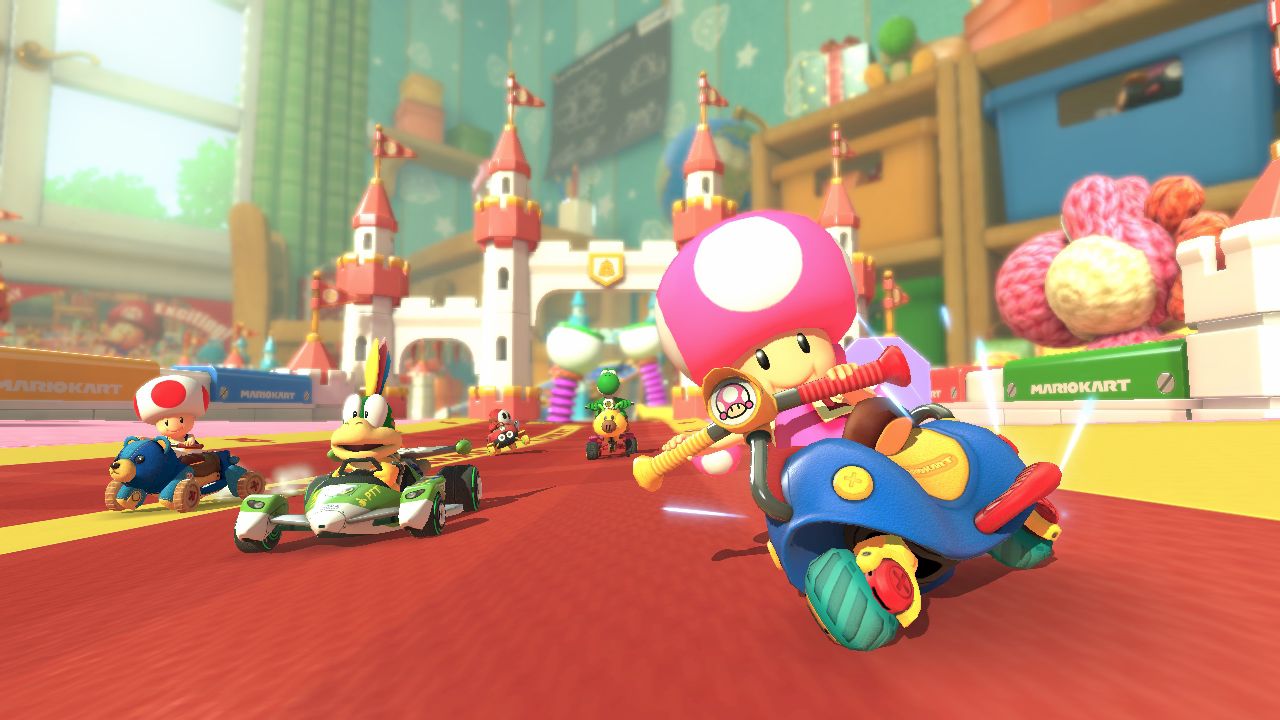
When I’m feeling stressed or overwhelmed, there’s something about zoning out into Mario Kart’s easy-to-play-hard-to-master, three-button gameplay that relaxes me. It’s not that I’m imagining my coworkers exploding from a blue shell or pretending that a cheating ex is knocked off the Rainbow Road into the empty loneliness of space. For me, the physical act of pressing three buttons on a controller (or handheld, because it’s a new era!) and watching Baby Luigi soar through anti-gravity puts me at ease.

The Devil Is In The Details

At a time when there’s increased scrutiny and negative opinions about video games, in America, we should remind ourselves that there are also benefits to digitally turning off the stresses of the day and that while the medium may have ‘questionable’ material, the industry as a whole should not be punished.

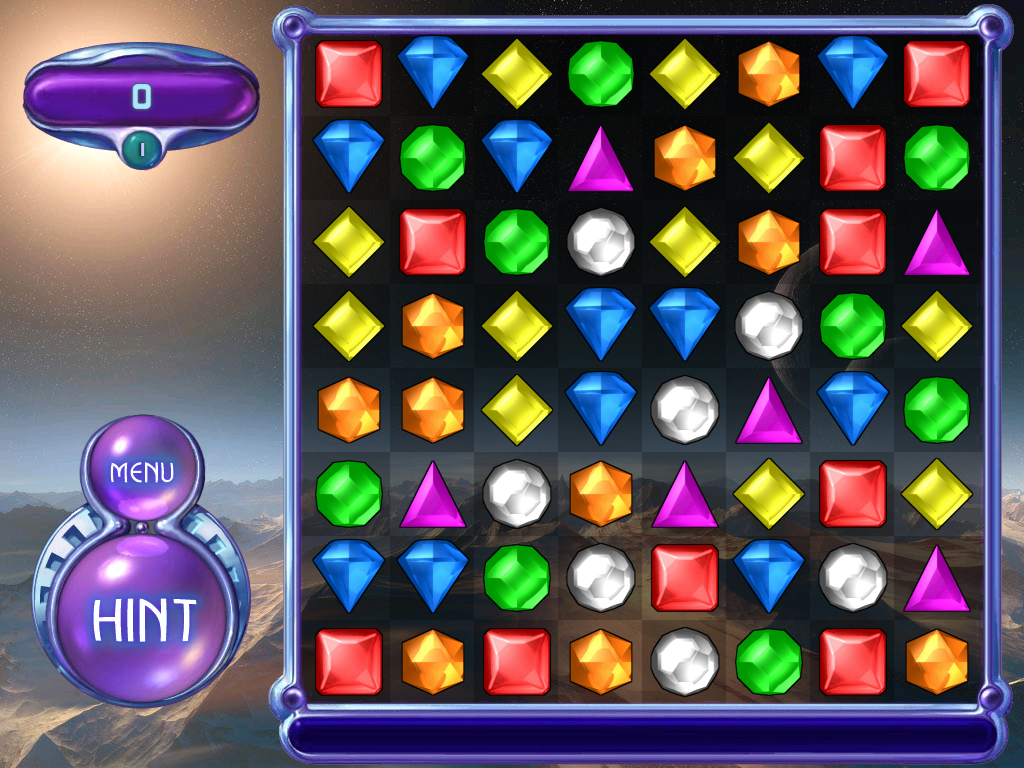
While Mario Kart’s effects on me might be anecdotal, there is tangible evidence to be found in science. In 2009, scientists at East Carolina University took up the challenge of measuring a player’s electroencephalography (basically brain wave) changes while playing casual video games. In their study, 134 participants played a combination of Bookworm Adventures, Bejeweled II, and Peggle as the scientists studied their mental behaviour. Not surprisingly, “the results of this study clearly demonstrate the intrinsic value of certain casual games in terms of significant, positive effects on the moods and anxiety levels of people suffering from any level of depression.”
Be More Specific About Video Games

While these games are tonally far from the cavalcade of gore that the President saw in the now infamous video about violence in video games, his talk about video games has been all-encompassing of the medium. He said: “I’m hearing more and more people say the level of violence in video games is really shaping young people’s thoughts.” Full stop. He doesn’t qualify which video games he’s alluding to but refers to the industry as a whole.

While these talks continue and the US grapples with how to approach an increasing amount of violence in communities, it’s important to remember that video games are a medium and, just like any other medium, contain content that is mature and sensitive. To speak about the industry as a whole discounts the positives and I worry, if talks continue to be so non-specific, it could eventually hurt the growth of the industry. No one wants that.

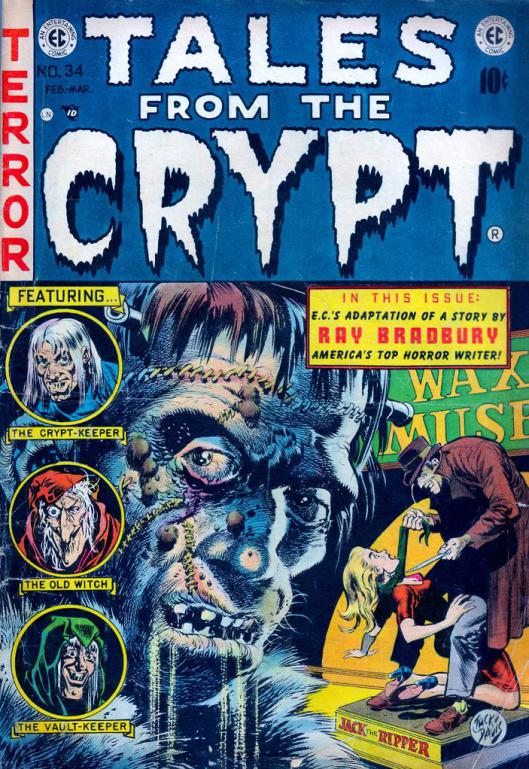
This fear isn’t unfounded though. With almost poetic symmetry, comic books encountered a similar scare in the mid-50s. At the height of comics like The Vault of Horror and Tales from the Crypt, the US Senate began looking into how the content of these books affected their audience. What arose was the Comic Code Authority (think the ESRB for video games). They released a set of guidelines that a comic must follow in order to have their approval, among them rules like “no comic shall use the word ‘horror’” and “scenes dealing with walking dead, torture, vampires and vampirism, ghouls, cannibalism, and werewolfism are prohibited.”
Be More Specific About Video Games

They weren’t tactful with their rules, but instead targeted broad categories of violence and supernatural with an almost careless approach. In fact, the rule was so broad that the CCA discussed whether it was okay for an author with the last name “Wolfman” to be mentioned within the pages of the book. Yes, really.

Imagine if similar broad rules were put in place today in the video game industry. GTA would be the first to be banned, Activision’s biggest title could be Skylanders, and even Lego Harry Potter would cease to exist.

Ok, while this is a hyperbolic picture of the future, it’s a warning that if discussion about video games becomes more about the fear of the medium itself, the industry may face more victims than just the ultra-violent games. It’s always important to stress the positives and remember the benefits, on the other hand, we need to shine a light on questionable content while discussing censorship. So, we need balance, common sense and specificity.
Playing games later

So, Are Games Best Played Late?

Regular readers/followers, please don’t get the wrong impression of me ok? My last few articles could quite easily be interpreted as negative, but they really aren’t. Granted, they do seem that way but my intentions are good, with our collective best interests at heart. You see, whilst I love games and gaming, I want to ensure that my experiences are enjoyable, worthwhile and memorable. This being the reason why I have come to believe that games are best played late, not at launch.

Playing Games Later

I used to love midnight launches; being one of the first to get a new title and rush home to install and play it. It’s a great feeling. Getting together with a few friends, staying up late together before succumbing to fatigue and calling it a night one-by-one is a great feeling. But what happens when that shiny new game that you’ve bought doesn’t live up to expectations? What if it wasn’t what you were expecting, leaving a sour taste in your mouth? Well, you won’t be waking up early to carry on where you left off, that’s for sure…

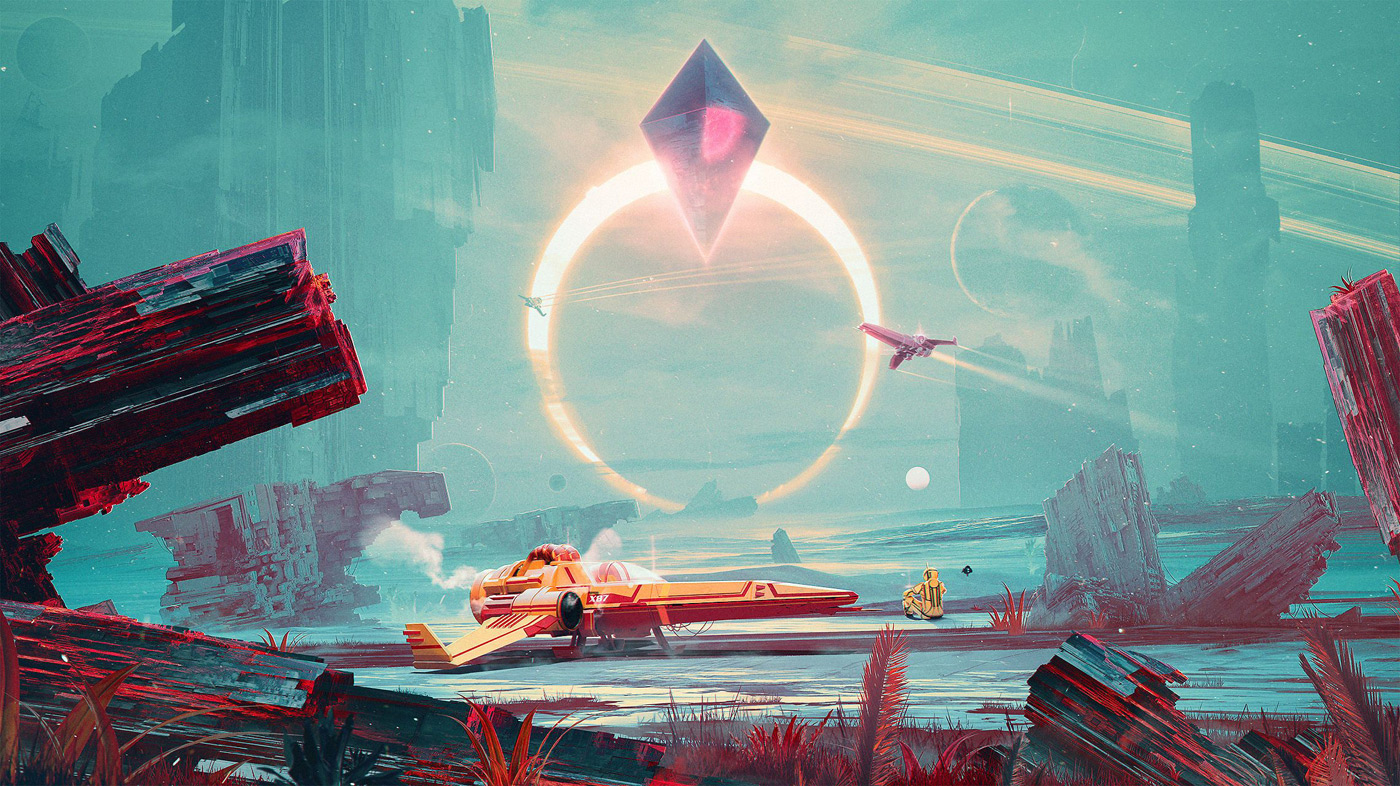
And this is my point; it’s easy to get lost in the media hype and be part of the zeitgeist when a new game comes out. We’ve all done it, lest we forget what happened with No Man’s Sky (the less said about that the better). Now let’s not interpret this the wrong way, I’m not writing this cynically against the developers or the gamers here, I have both their interests at heart. More so for the developers really, one bad launch can damage their reputation beyond repair and said game can flop with little opportunity to recover (see the above mention of No Man’s Sky).

“Ultimately though, the decision lies with us as gamers to decide how and when we spend our money.”

I’m not talking about games being buggy at launch either or cynical developers bringing out extra downloadable content out shortly after launch. I’m more making reference to letting a game settle, seeing people’s opinions once they’ve had it a while and then make an informed decision. Reading reviews pre-launch can be tricky as some don’t allow their games to be covered until release day to protect sales (which I don’t agree with) so making these informed decisions can be tricky.

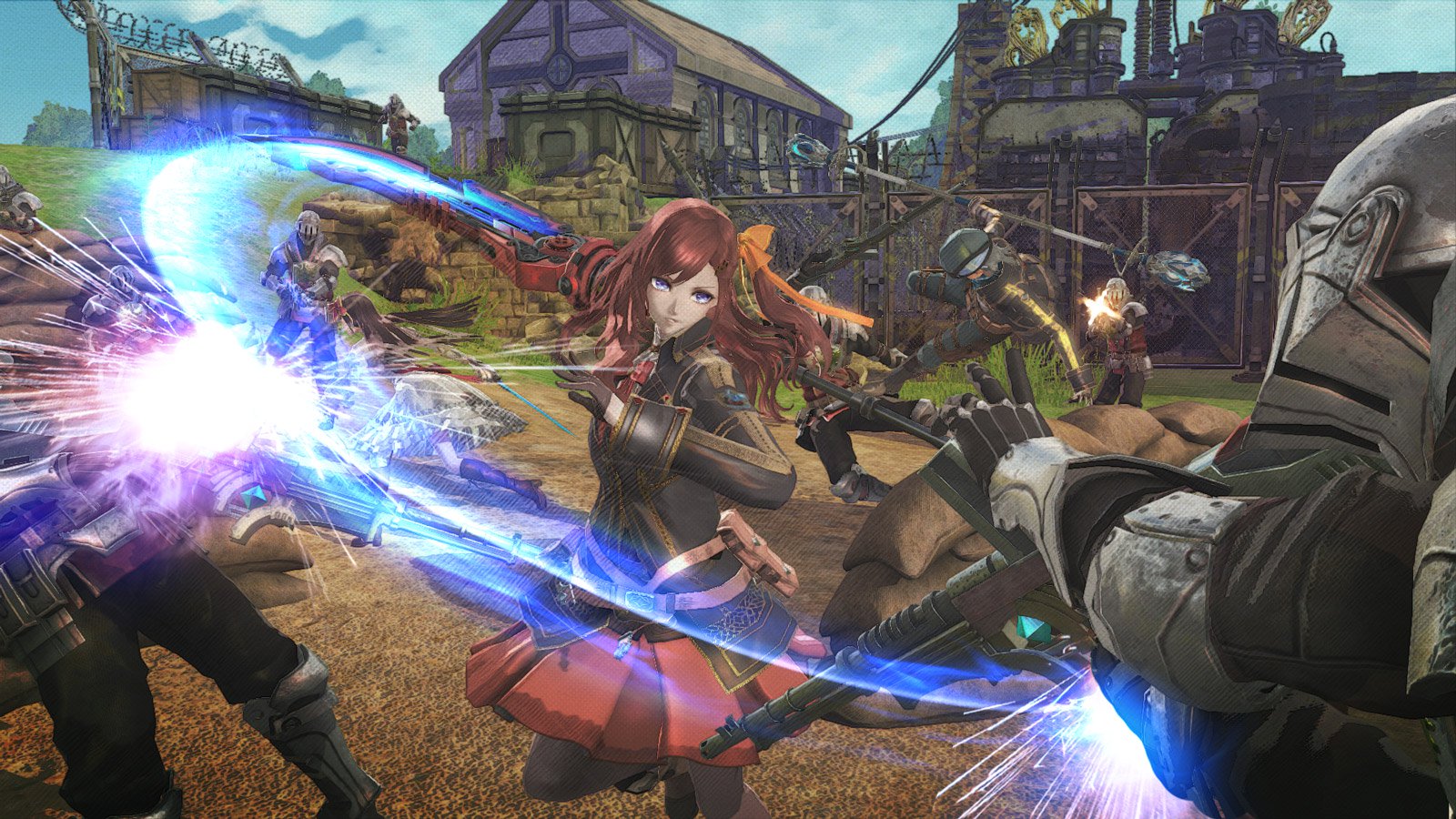
Valkyria Revolution
Valkyria Revolution

Ultimately though, the decision lies with us as gamers to decide how and when we spend our money. I’m not completely averse to spending money on games on day one, I’ve done it many times before and will continue to do so, but I’m more careful about deciding when I do now.

With the likes of Games Pass on the Xbox housing their new first-party games from launch, making this same decision on their platform at least will be much easier. For the sake of a low-cost monthly subscription, you can dip your toes, test the waters and come back at a later date once things have settled down or when you get the chance. Who knows, this model might be the future but one thing is for certain; I’m happy to wait if it means I can play my games in their complete form.

Gaming 'Safety Blankets'

Gaming ‘Safety Blankets’ – Here’s Mine

Having moved back out recently, I have been re-acquainted with my games room. No longer do I have to keep my life cooped up in one bedroom, I have a full house to spread it all out over. Before you think you’ve accidentally stumbled across a lifestyle or home improvement blog, you’re definitely here at Nitchigamer so please bear with me, this is definitely gaming related.

Having my games room is great, everything I need is in there; GameCube, Xbox, PS2, PS4, Xbox One and the Switch. With the slow start to the year coming to an end, you’d think things were starting to ramp up and the newer games taking their place on the respective consoles. Well, not quite. You see, moving out reminded me of all the games I had that have been stored away and having all my retro consoles set up ready to go has made it even easier to look back for inspiration.

If I want to jump on Halo on the Xbox or Grand Theft Auto on the PS2, they’re set up ready to go. But there’s one game, in particular, that has had me engrossed since moving out and that is Fallout 4.

Gaming Safety Blankets

Ever since Fallout 3 came out, I have been hooked on this series and have loved each game that has arrived since (yes that includes New Vegas, it was a good game!). The stories, the world and the characters have always captured my imagination. What if life was actually like this, should the worst happen? Minus the mutated creatures and lasers, of course, but a lot of the game could be real should we ever be faced with this situation of survival of the fittest. This is what keeps me coming back for more and, since moving out, I haven’t played anything since.

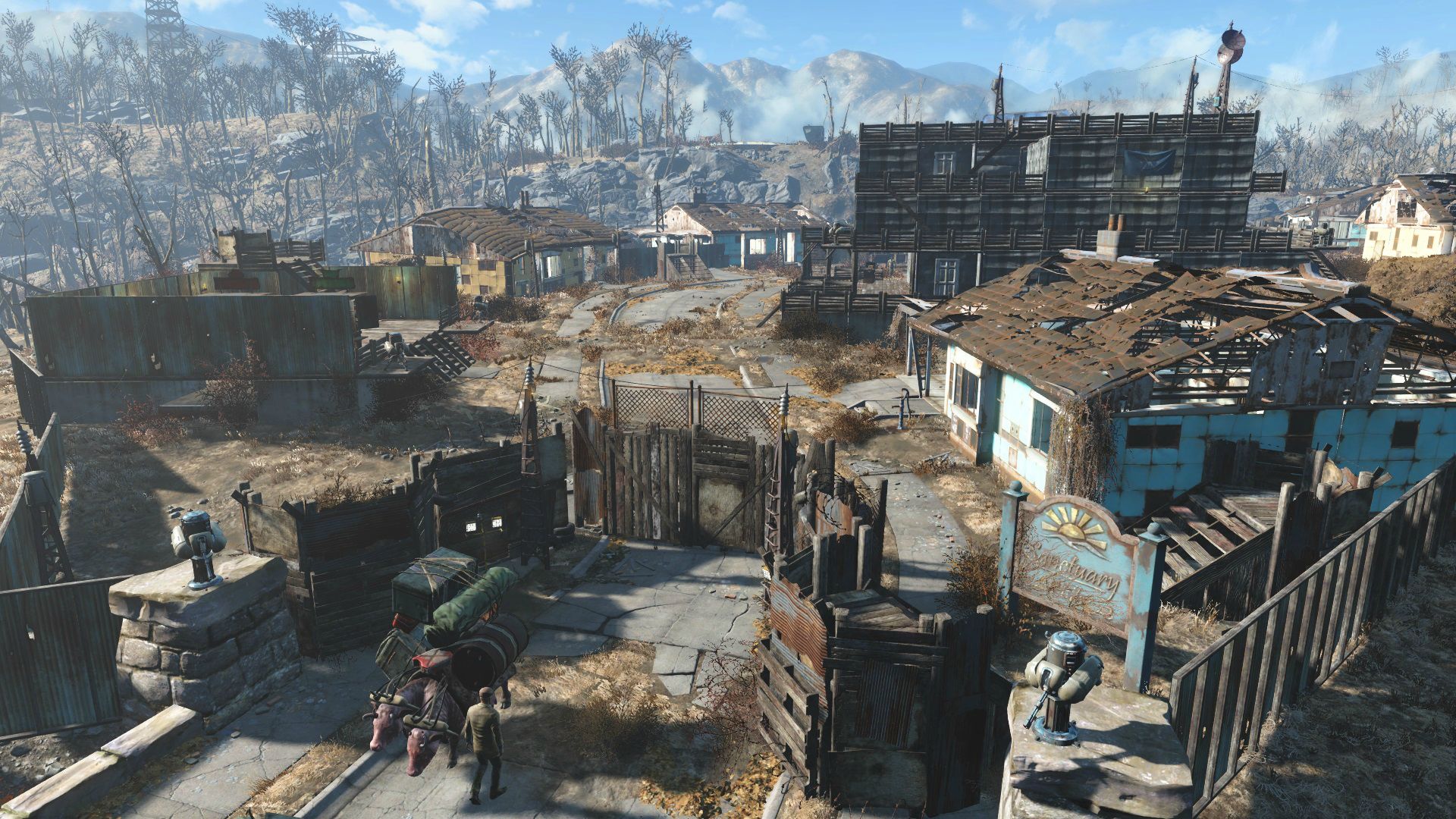
Fallout 4
My safety blanket – Fallout 4

Have I wanted to? Not really. Have I had the opportunity or availability to play anything else? Sure. But nothing has grabbed me or made me want to play it. Granted, I rent most of my games these days so I don’t just go out and buy my games anymore, but even when I have had other things to play, I’ve not wanted to. I’ve stuck with my scavenged guns and my Fallout 4 safety blanket has well and truly been keeping me covered during my exploits.

Much like my recent article where I discussed the merits of taking a break from gaming, I feel returning to an old favourite can do us the world of good too. But just what is it that makes doing this worthwhile? Well, I’ve explained my love for the Fallout series, but it goes beyond this. Having completed the game on more than one occasion, I now know what to expect from it. I can jump in, aimlessly wander around the Commonwealth for a few hours and discover a few new locations, then put the controller down. Inevitably, there’ll be something I’ve missed somewhere along the line so even then it can still provide me with something new so that keeps me hunting for more.

It’s an example of a game done right. It knows what it wants to do and what it wants to achieve and executes it to near perfection. Where most open-world games lose their appeal when they’re either too barren or filled with repetitive quests, Fallout keeps you on your toes and throws a variety of missions and quests at you. From raiders racing domesticated robots, to outing a doctor, who has started experimenting on his patients, you will discover plenty of secrets and tales waiting to be told. It’s this that makes me come back for more; even in the remotest of caves, you’ll find a secret, a holotape with a diary recorded on it or a note left to be read when the writer has long-since passed.

But even when a game has something new to give you after such a long time, it’s nice to be lost in a feeling of familiarity. You don’t have to learn a new control scheme, any new mechanics or features, you can just pick up your controller and off you go. Of course, I’ll play the new stuff sometime soon, but until then I’m happily continuing my trip down memory lane and who knows where it’ll take me? With a selection of older consoles, I could end up anywhere. That, to me, is the reason why my safety blanket is equally as exciting as any new game that comes our way in 2018.

Are there any games which you find yourself going back to time again? If so, let us know in the comments below…

Payday 2 On Switch Is A Huge Disappointment

Ah Payday 2, you’re probably one of the most controversial games ever made. Not by the content of the game itself, but how developers Overkill have handled the production and post release of their most successful title to date.

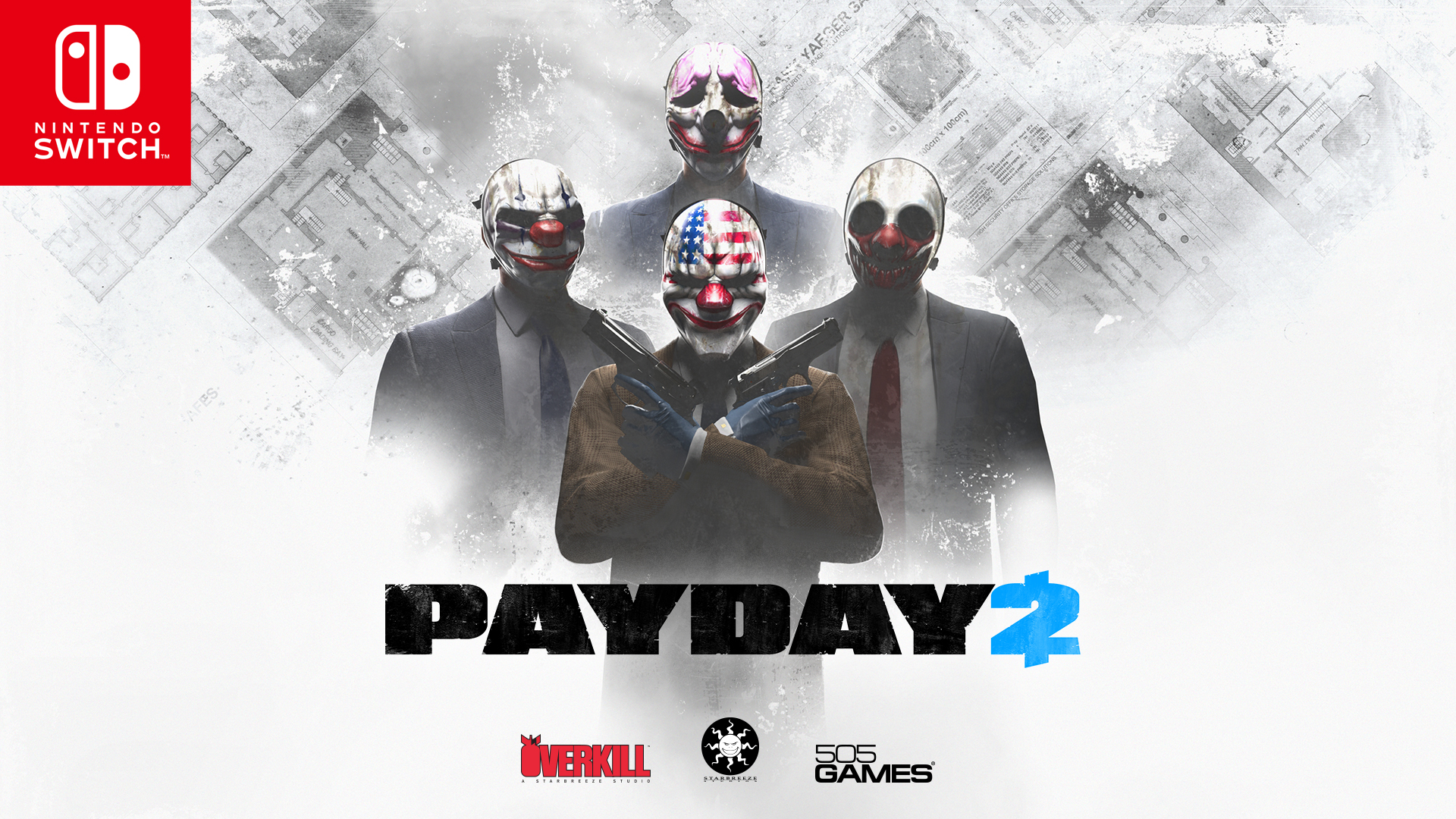
Payday 2 On Switch

Where should I begin with the controversy surrounding this Payday? Let’s start from the beginning. Payday: The Heist is a cooperative FPS that is focused around doing robberies and large scale cons, it launched all the way back in 2011 for PC and PS3. This title was a surprisingly big success for Overkill Studios, by selling over 700,000 copies since launch. With this newfound success and large amount of cash, Overkill Studios took just under two years to make a sequel in Payday 2.

Overkill launched Payday 2 for almost all platforms in August of 2013 with some lofty ambitions. First off, Overkill stated they have plans to support Payday 2 for 4 years. This means consistent updates, enhancements, and DLC add-ons from 2013-2017. This is a promise that Overkill has actually gone through on, with support surprisingly being extended all the way into 2019.

Secondly, Overkill promised its fan base that there will be no form of microtransactions throughout the lifespan of Payday 2. Well… that lasted for about two years until Overkill went back on their promise to their community, and added microtransactions (called the Black Market) into their game. This caused fan outrage like the gaming world has only seen a few times. The community was not only upset that they were lied to, but the fact that the microtransactions that were added into the game were stat boosted weapons and gear. This means the more you spent on these microtransactions, you’d end up with a better overall character than a free player. This is a mechanic known in the gaming community as “Pay2Win.”

Payday 2 On Switch
Payday 2 On Switch

With this outrage came all sort of bad press for Overkill, not only were they getting lambasted by the gaming media, but there was a gargantuan drop off in player counts for Payday 2. All of this controversy made Overkill remove all microtransactions all together from Payday, and start giving out free content in an attempt to win the community back. But, the dust was only settled for so long before the console community started to get fed up with Overkill themselves.

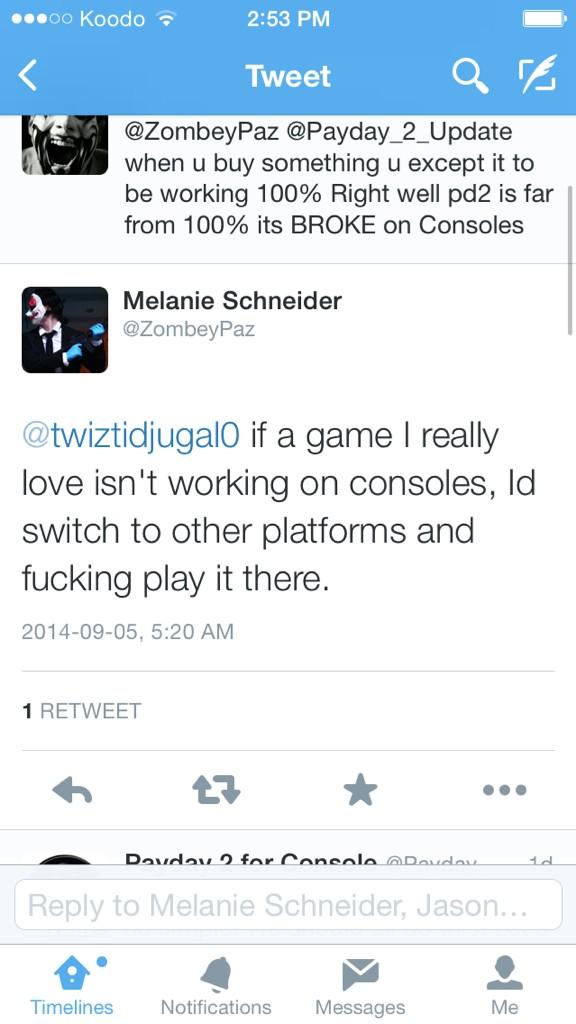
Shortly after the microtransaction controversy, came the console controversy. The Xbox One and PS4 players were abandoned by Overkill Studios for over 400 days. No updates, no new content for over a year. When these players were promised a game that would be supported for years to come. What made matters even worse, is when console players complained to the developers about the update issue, they were treated to a response of “go to other platforms and fucking play it there.” As you can probably understand, this caused even more outrage. This finally led Overkill to start taking care of the console versions of their game, in which they now update on a semi-regular basis.

Even with all of this background noise about the developer, I was optimistic for the newly released Nintendo Switch version of Payday 2. What excited me about Payday on the Switch is the fact that the Switch is starving for first-person shooters. With the only other big FPS title on the system being the excellent DOOM. So, I took a risk, and went out and purchased the Switch version of Payday 2 on launch day. To be honest with all of you, I regret it… for the most part. And truthfully, I don’t like to moan about things unless I think there’s a problem.

Payday 2 On Switch
Payday 2 On Switch

Instead of getting an up-to-date port of Payday 2, Switch owners got a version of Payday that is behind in content compared to the PS4 and Xbox One versions. All in all, the Switch version of Payday 2 is almost a full year behind in content and updates compared to the PC version.  Now, Overkill did say they will be patching the Switch version to get it lined up with the other console versions in terms of content. But, with their reputations with patches and updates for us console players, who knows if this patch is ever going to come out.

To make matters even worse, the Switch version itself suffers from loads of technical issues. With frame rates dropping to the low 20s whenever there are any form of alpha effects on screen (smoke, explosions etc.) Additional issues include not being able to connect with other players online, game crashes, heists not being able to progress past a certain point, and useless/unhelpful A.I. companions. But, the most glaring issue above all else for the Switch version, is the lack of voice chat.

Yes, you read that right, you cannot communicate with your online companions in the Switch version of Payday 2. This game is built on coordination and cooperation between you and your squad mates. Without being able to communicate with them, the higher tier heists become almost impossible to complete. And, yes the Nintendo Switch does have a companion voice chat phone app for this very feature. This makes the exclusion of this feature even more inexcusable. I personally don’t know how you can ship a cooperative title like this, without any form of communication for your community. So, good luck to any of my fellow Switch Payday players on beating any heist with a difficulty level of ‘Mayhem’ or above.

Even with all of Payday’s faults on the Nintendo Switch, I would be lying to you if I said I haven’t had any fun with it. The core gameplay of Payday is adrenaline-pumping, exciting and fresh. There are very few titles out there that focus plainly on executing heists. This is what makes Payday such an unique and appealing experience to so many people. There is nothing out there similar to it.

Payday 2 on Switch is generally fun to play, but I still cannot recommend you go out and purchase it (especially at the current $50 price tag.) There are still too many glaring issues, and the development team behind it dosen’t give me any confidence for long term support.

So, what do you guys think? Will Overkill Studios actually take care of their Switch port of Payday 2? Or will they just let it fade away over time? Let me know in the comments below!

H1Z1 - Battle Royale

Dear Developers, Make Your Game, Don’t Mimic Others

Battle Royale, the genre that is currently taking the gaming ‘world by storm’. With millions of gamers playing either PUBG, Fortnite or H1Z1 at any given time, the online gaming community hasn’t seen a craze like this since MOBAs first went mainstream with League of Legends and DOTA 2.

The Gaming Moment

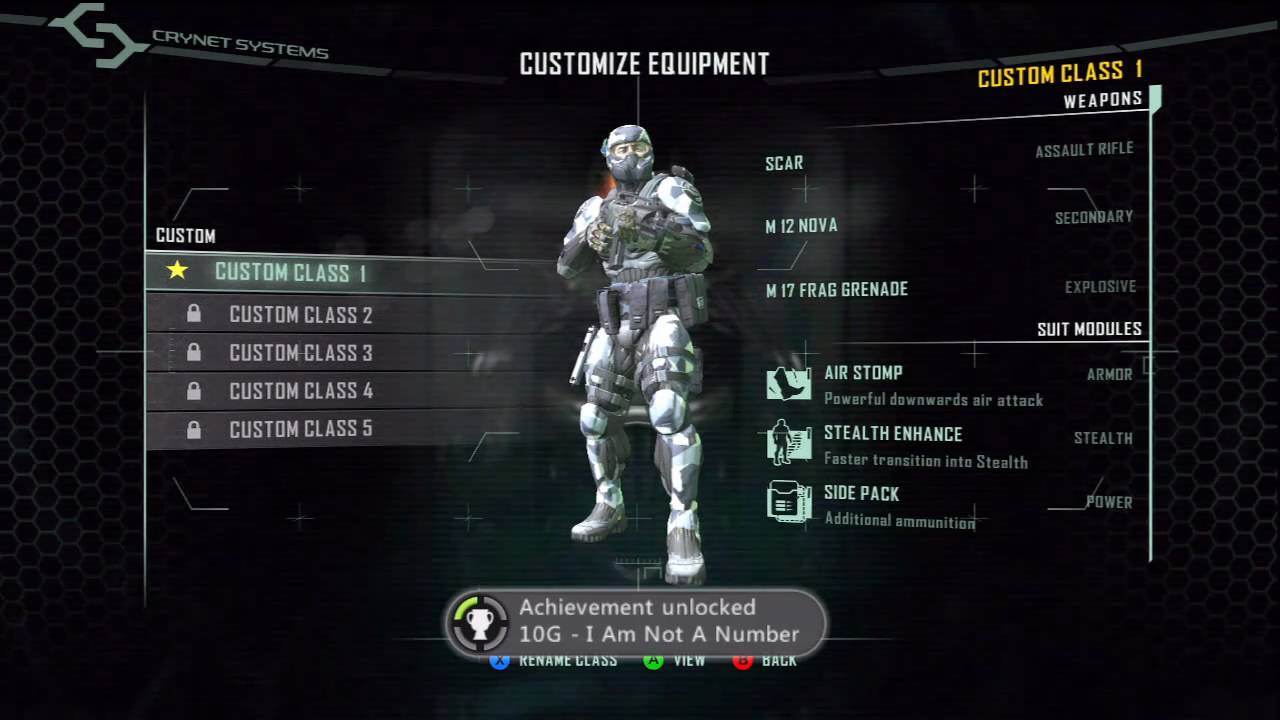
Gaming seems to go through what I would call “moments,” every few years. An example of a moment would be when Call of Duty 4: Modern Warfare was released all the way back in 2007. This game was a sensation and took the gaming world by storm. And, from this sensational game came more rip-offs and copies than I can even begin to count. Every game had to be like Call of Duty in some way or form. Halo 4 added their form of killstreaks, Battlefield added its own form of create of class, Crysis 2 and 3 just took Call of Duty’s multiplayer and put a sci-fi spin on it.

crysis2
Call of Duty or Crysis?

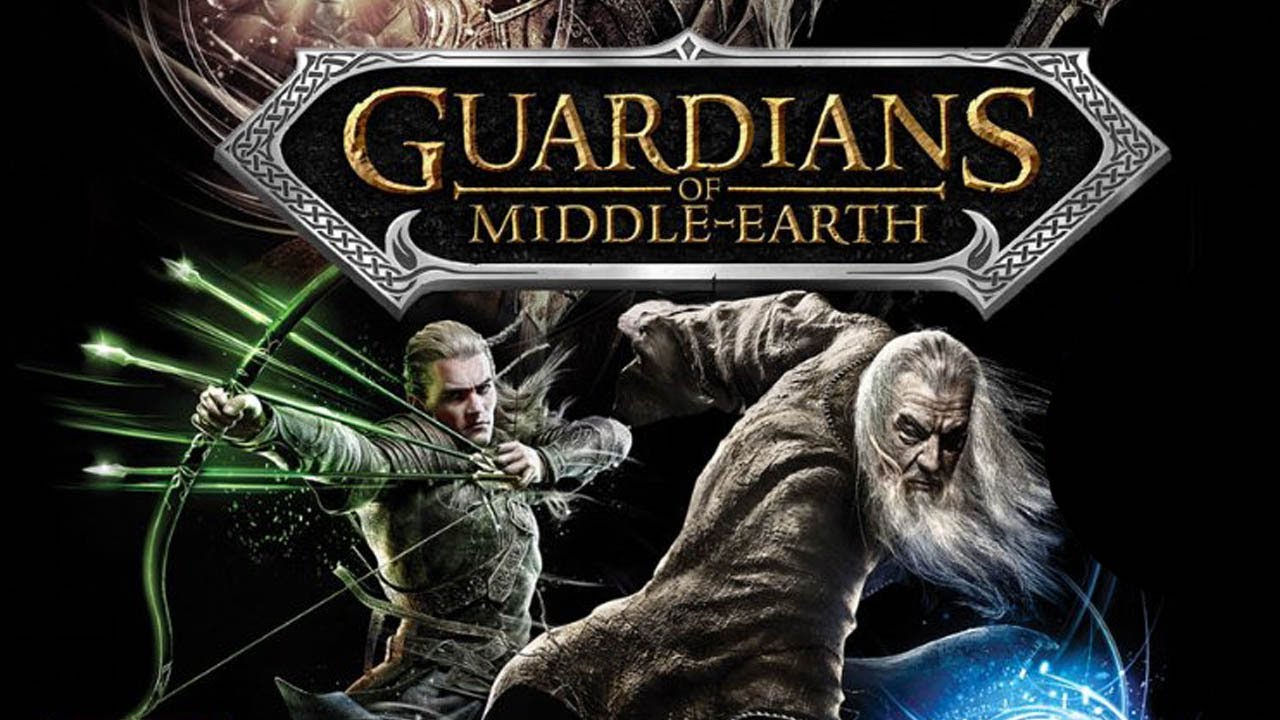
Another gaming “moment” would be a couple of years ago with the MOBA craze. And, just like with Call of Duty, everyone had to be League of Legends or DOTA 2. Shortly after League and DOTA took over a large portion of the gaming community, imitators like SMITE, Legends of the Storm, Paragon, Guardians of Middle Earth started showing up everywhere you looked. They were all trying to get in on the seemingly endless money pit of the MOBA genre.

Do you know what all of these imitators have in common? None of them ever replaced the respective games that they were trying so hard to mimic. League and DOTA are still some of the most played games in the world right now, Call of Duty is still the top selling game every single year. PlayStation All-Stars Battle Royale and Brawlout didn’t overthrow Smash Bros. I could go on all day, but if you’re still reading this, then I assume you get my point.

LOTR
Who thought a LOTR MOBA was a good idea?

The Battle Royale Trap

This brings us to the Battle Royale genre which is the “moment” of gaming right now. With the success of games like PUBG, Fortnite and H1Z1, there are rumours swirling of AAA games jumping on the Battle Royale bandwagon. Read Dead Redemption 2, the upcoming Battlefield and Call of Duty: Black Ops 4 are all rumoured to have some form of a Battle Royale mode within their game. My question for you is: why?

These franchises are popular for a reason, they all have their own individual strengths. Red Dead has an engrossing open world, Battlefield has large-scale warfare and Call of Duty has tight addictive multiplayer. Why do you feel you need to change what isn’t broken?

So developers, just focus on improving what already makes your games great. Don’t try to make your game into something it wasn’t designed around. As I wrote about above, mimicking other games never seems to pan out well. Going this route with your game development seems to only do more damage to your final product than good.

Stop recycling content. If you decide to do something different with your game, make it new and unique. That’s what we like to see. All of the gaming “moments” I mentioned above were successful because they were a new and fresh idea that players hadn’t seen or experienced before… Just some food for thought.

So, readers what do you think? Do you think developers will ever stop mimicking each other? Or are developers going to continue this endless cycle of making the same games in different skins? Let me know in the comments below!

Pixel Art

Why Is Pixel Art Still Around?

My obsession with video games came at a later stage of my youth than most; I was a late bloomer. Growing up in the 90s, I dabbled in Crash Bandicoot and earned all the gym badges in Pokémon Red (FWIW: Charmander is and will always be the best starter), but that was the extent of my gaming experience. No one played Doom or Wolfenstein in my neighbourhood, Mega Man was barely in my periphery, and abandon any hope for seven-year-old me trying to figure out which Final Fantasy to start with.

Why Is Pixel Art Still Around?

It wasn’t until the late 2000s (a less embarrassed me would claim the early 2010s) that I finally sunk my teeth into gaming. That’s all to say, I pretty much cruised past the first pixel art era – a time when pixel art wasn’t an aesthetic choice, but a hardware limitation. However, as someone who’s invested more than a handful of hours into Stardew Valley and watching Let’s Plays of Celeste and Hyper Light Drifter, I sought to understand why pixel art has resurged in a new era – an era in which popular indie games insist on returning to this stylistic well.

Link - SNES.png
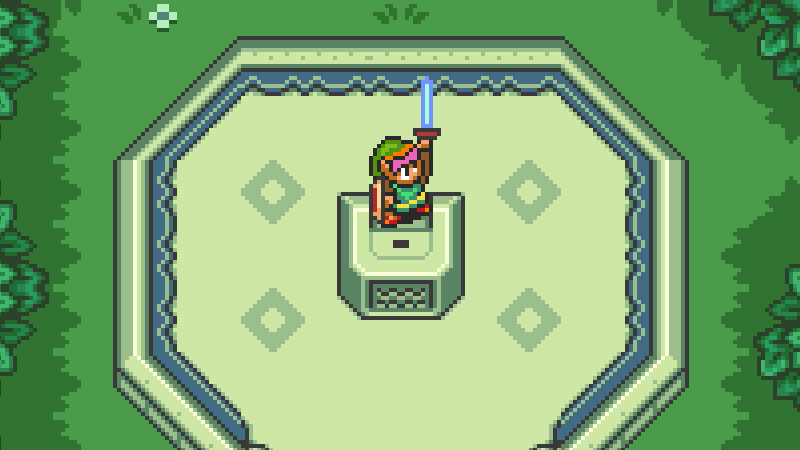
Screenshot from The Legend of Zelda: A Link to the Past, originally released on the Super NES.

In the article “Pixel art games aren’t retro, they’re the future,” published by The Verge in 2014, author Sam Byford spoke with game designer Jason Rohrer. Rohrer claimed that he saw pixel art as “a digitally native [form of] cartooning.” His argument here is that pixel art is intrinsic to computers. Even though the technology has evolved towards high definition, the idea of breaking art into blocky pixels is something that transcends innovation. It’s a basic understanding of how computers display 2D images. To an entire generation of (older) gamers, pixel art is the simple, underlying language of the computer. The reason it has had such a lasting presence is partly a bid towards nostalgia, but more so because pixel art is a two-dimension expression of digital minimalism. It is, at its core, simplistic.

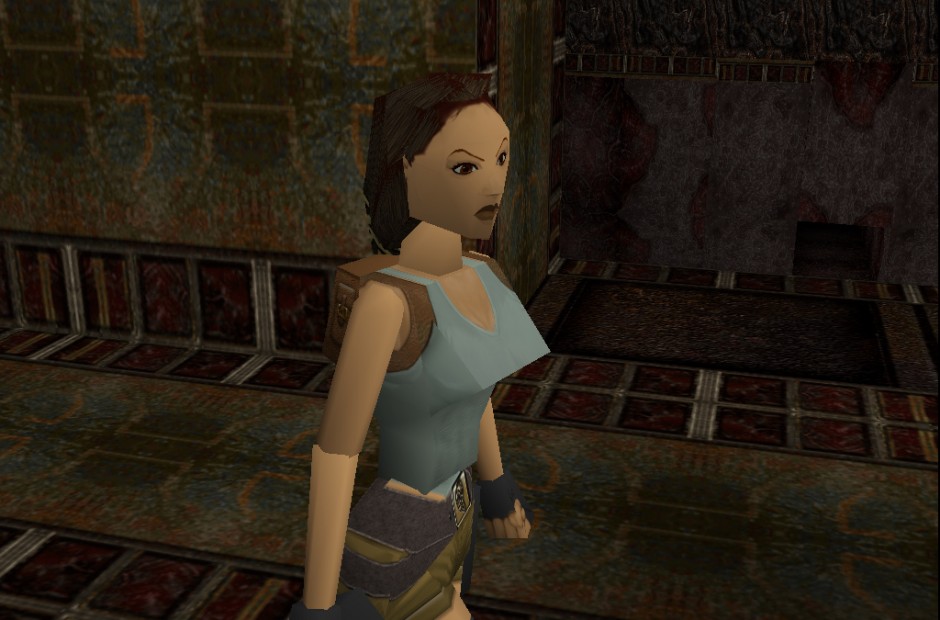
Compare an image of Lara Croft from the original PlayStation Tomb Raider to an image of Link from the SNES. The latter has aged well, while the former looks dated and low-tech. Tomb Raider’s low-poly aesthetic strived to push the technology towards complicated realism and landed too far away from the finish line to not be judged by time. In seeking to create the next-best thing, Tomb Raider moved away from graphical minimalism for flashy, groundbreaking effects. They didn’t embrace the jagged edges that they were limited to and, instead, attempted to mix curves and exaggerated body structures to hit a point of realism that they couldn’t achieve. Over the years, the low-poly aesthetic disappeared by way of graphical evolution but re-emerged after taking note from pixel art. Superhot, Minecraft, and Grow Home are just a handful of modern day examples.

Tomb Raider - PS1
Screenshot from Tomb Raider, originally released on the Sega Saturn, PlayStation, and MS-DOS.

As oxymoronic as it is to say, the resurgence of dated low-poly art and the longevity of pixel art lie in the ability to evolve with the technology. Designers of today who wish to re-connect with old gaming trends continue to refine the aesthetic and improve upon the capabilities of the original consoles. They take advantage of colors, expressions, and angles that were foreign to those classic machines.

In a blog post published on Gamasutra, Shovel Knight developer David D’Angelo talks about how their intention was to evoke the feeling of older games while simultaneously “breaking” the limits of the NES. They wouldn’t box themselves into old specs. He mentions the integration of parallax scrolling, an expanded color palette, and particle effects among other ways they improved the game’s pixel art aesthetic compared to its original era counterparts. While the style may originate from the 16-bit era, it owes its lastingness to its adaptability.

Ultimately, gamers are ageing into game designers who are seeking connection with their youth. They are embracing the technological shortcomings of the past and re-appropriating these aesthetics to become timeless art styles by paring them down to their most minimal, simplistic expression.

Yes, Mobile Gamers Are ‘Real’ Gamers

In South Park and The Simpsons we’re shown as internet trolls, in Future Man we’re a lowly janitor still living with our parents, and in The Big Bang Theory, we’re a group of gangly and awkward nerds with social anxiety. The stereotype of a “gamer” is not one that is often shown with tact. Often these characters are reduced to a trope that is tired, lazy, and incredibly inaccurate. It would be easy to blame these portrayals on the “others” who don’t play games, but the problem is only exacerbated by the sense of ego and console class wars that the gaming community has seemed to foster.

If you scroll through the comments section of any big gaming site you’ll notice there’s often a litany of rallying cries around the “PC Master Race,” or the declarations of the death of the “Xbone” or the idiotic ineptitude of both “Nintendo and Sony fanboys.” As a community, we have created a toxic class system in which one console, or more broadly speaking one medium, has power and a status above another. For example, there is an entire Wikipedia page dedicated to the idea that PC gamers are ‘superior’ to their home console counterparts. The PS4, Xbox One, and Nintendo Switch are subservient. Do PC games look and run better? Yes, if you have the right set-up they generally always will, (the technology advances at a quicker rate). Does that, therefore, make a PC gamer better than everyone else? Of course it doesn’t. Even within the said latter console communities, there is a further hierarchical debate considering power, portability, and exclusives.

It’s this very immaturity that propagates the gaming industry into not being taken as seriously as it should be. This ‘class’ system has done more than just fueled poisonous debates about which console or platform is the ‘best’; it has also stunted the very definition of a “gamer” and is a key reason why the industry as a whole is still looked down on when compared to films, books and TV. It has created a rubric for what constitutes a “good” game and has set in place a structure for how serious or dedicated a gamer is based on their choice of system.

Yes, Mobile Gamers Are 'Real' Gamers

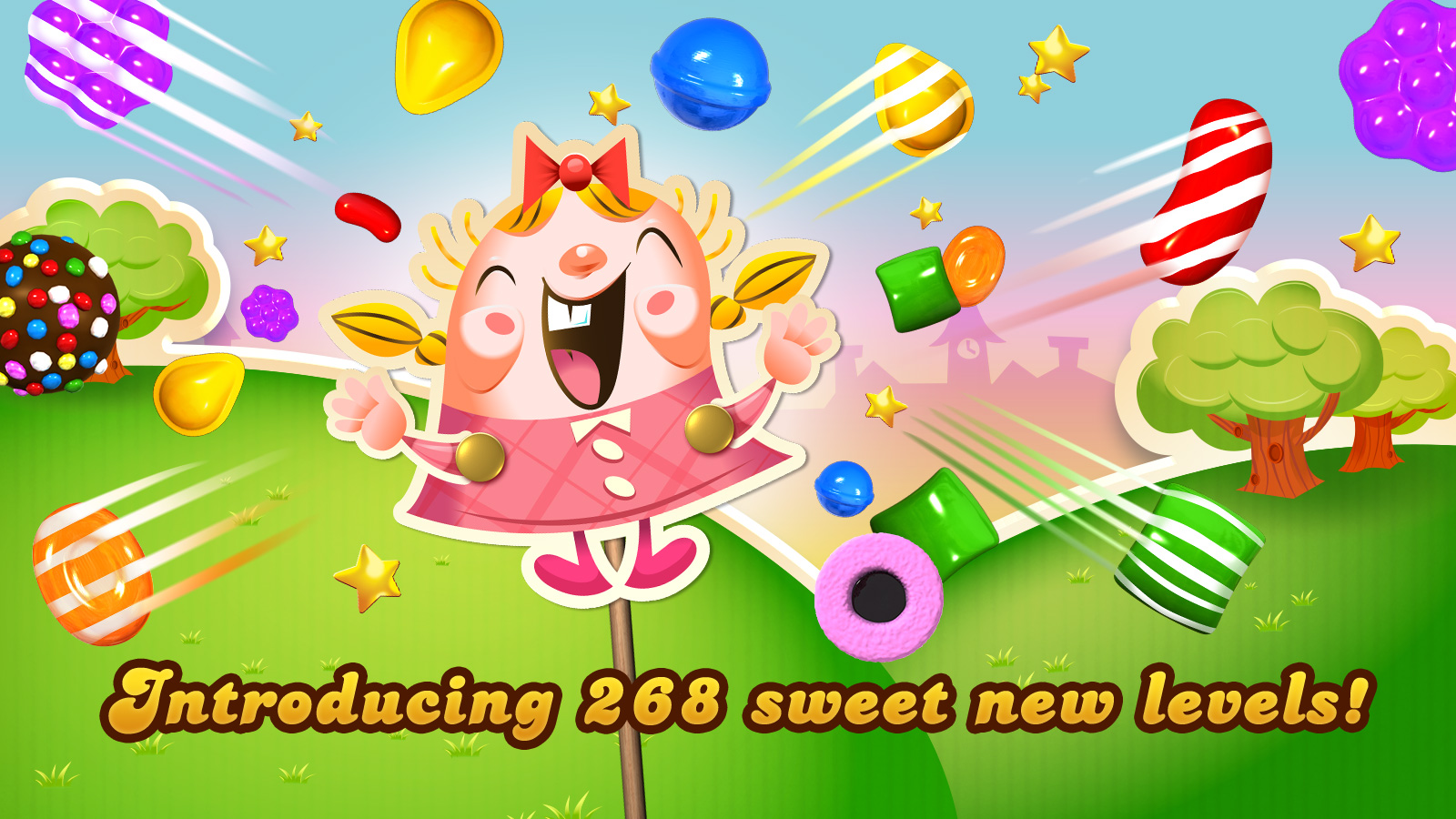
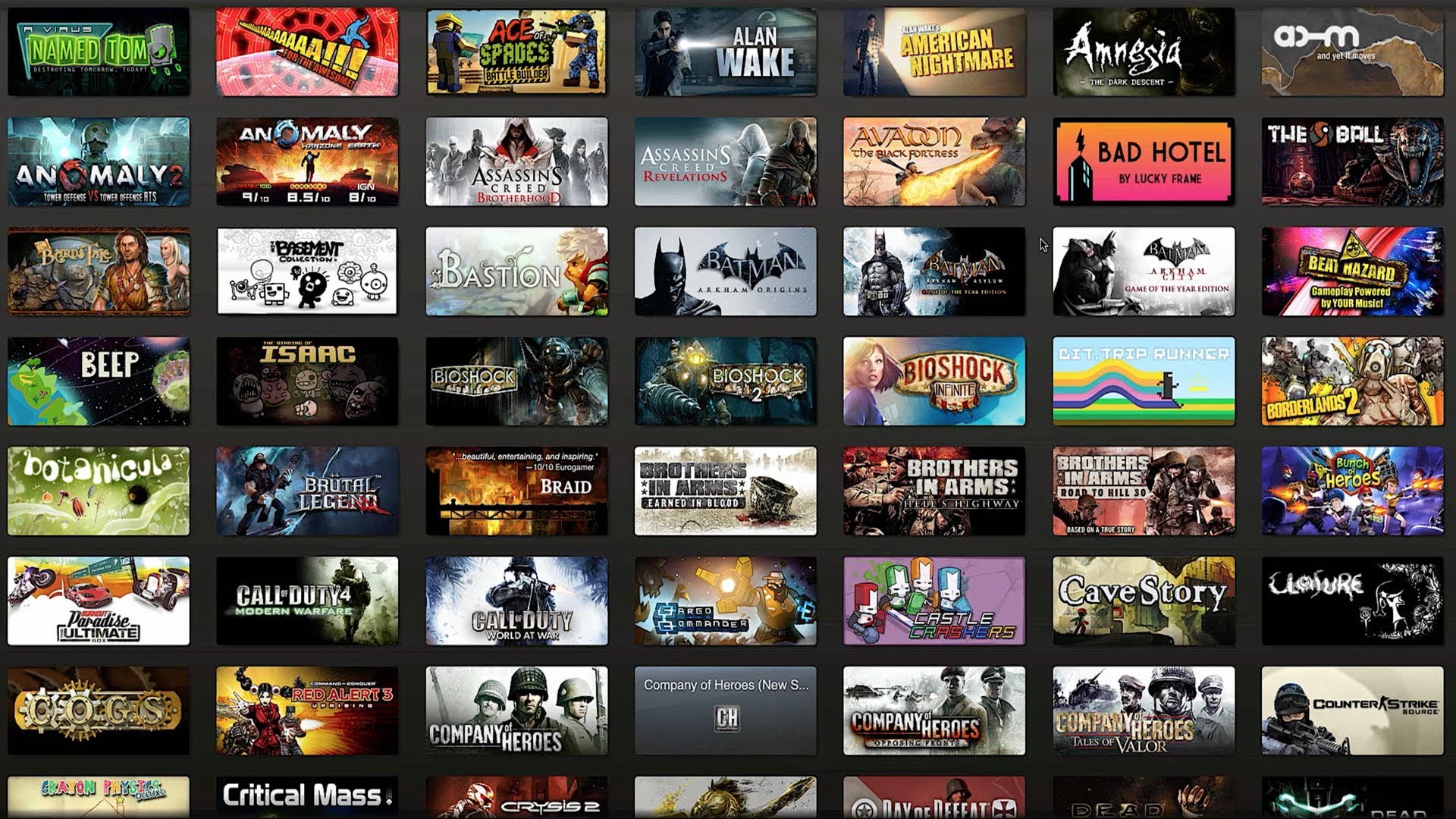
Under these guidelines, it would be a stretch to consider anyone who plays three hours of Candy Crush Saga a day on their phone a “gamer”. A game on a device that is graphically substandard and comparatively low-powered. And yet the gamer is sinking the same amount of time in as someone who is playing a game purchased on Steam. Obviously, comparing the capabilities of a PC and the gaming abilities of an iPhone is a fool’s errand, but does that mean we should discount someone who chooses this type of user experience? That should be celebrated, or at the very least tolerated, but is instead often crucified by a community that is seeking to organize their players by superficial graphics and frame rates.

With The Legend of Zelda: Breath of the Wild winning Game of the Year at the D.I.C.E. Awards, we have definitely made an effort to discount the power of the console – the Wii U and Switch stand nowhere near the other platforms when it comes to frame rate or graphics. Let’s extend this trend to mobile gaming and acknowledge that people who seek enjoyment from a mobile device are putting their knowledge of power behind them and simply embracing the game experience. If they devote ungodly amounts of time to Alto’s Adventure on the iPhone, they are no less a “gamer” than someone who spends an equal amount of time playing Overwatch.

In a 2015 study by the Entertainment Software Association, they reported that four out of five homes owned a device to play games on. Further, 42% of Americans played video games regularly. This is not a community that is devoted to one system, but a population that is spread out over many different gaming experiences. I’ve personally played games on every format imaginable: a “gamer” is a “gamer” if they’re dedicated to playing games. Like a “reader” of books is a “reader”, regardless of the length of the book.

We should celebrate our wide range of mediums if only so our portrayal in the mainstream is not so inaccurate and narrow. We should put the console/system ‘war’ (the silliest war I’ve ever heard of) behind us and admit that wherever, whatever platform we choose, we’re all just gamers trying to navigate an increasingly harsh reality.

Take A Break From Gaming

Should We All Take A Break From Gaming?

When I first had the idea to write this article I did what I normally do before I started writing it; I made notes to gather my thoughts, then started to type them up. It wasn’t until I’d written up around half of what I wanted to say before I realised I sounded negative and overly critical, as if I had fallen out of love with gaming. This isn’t what I was intending to do at all, so I scrapped the thing and started again, looking to turn what could be a negative suggestion into a positive one.

Games: Too Much To Handle

As the title suggests, I’m wondering whether or not we all should take a temporary break or breather from gaming and give ourselves some time to rest and recover. You may wonder why, and without consideration first, I understand why you may ask this question especially when there’s so much out there to play. And that very point, the sheer number of games out there is one reason as to why gaming took a back seat for me over the Christmas period. At one point, I quickly found myself with five games on the go which I just simply couldn’t keep up with, burning me out and making me lose my motivation to play them. The only solution for this? To put the controllers down.

This wasn’t a permanent measure and didn’t see me going completely cold turkey, but I heavily reduced my gaming time and put time into my other hobbies. I spent more time at the gym, watching movies and catching up with reading on my Kindle and felt much better as a result. I didn’t feel the pressure of having many games stacked up to complete or the feeling of being left behind by friends and peers who were playing games that I wasn’t, (as if that even matters). As a result, I felt the little time I gave to gaming was much more rewarding than rushing through to see the end credits as quickly as possible.

This is the biggest positive (and benefit) to pull from this article; that by taking a break I am getting the fun and enjoyment back out of my gaming time which was slowly becoming lost. If we don’t enjoy our gaming experiences, then what’s the point of them in the first place? Plus, does anyone actually enjoy having an infamous Pile of Shame:

Give up?
At this point, it isn’t even funny.

Now I know that taking a break might not be for everyone, but I have spoken with others and seen people online who have suffered much the same that I have. They have been worn down by the constant barrage of games that they want to play and find themselves playing them because they feel they have to, not because they want to. Let’s not lose sight of the fact that being able to afford a game is a privilege, so we need to make sure we get the best value out of every single game – where we can. If this means taking a break, or playing games slightly after they release, then that is something I am happy to do to keep on enjoying them.

Conversely, taking a break could put you behind and leave you playing catch-up, as the stream of new games seems to be endless these days; the summer drought is no longer a thing. So with that in mind, you can see why people are keen to play games as soon as they’re released, especially considering the social aspect and also wanting to be part of the zeitgeist as it were. People like being caught up in the hype surrounding new games and going to midnight launches or playing on day one, so for those that want that buzz it must be tough when games launch in such close proximity to one another?

It is certainly something to consider and has made me reconsider the volume of games I play and consume at any given time. So with a quiet-ish January come and gone, I look forward to 2018 and all the gaming it will have to offer. I’m hoping, however, that it will be a little less hectic in comparison to 2017.

Retro VS Modern Gaming: What We Put Up With Back In The Day

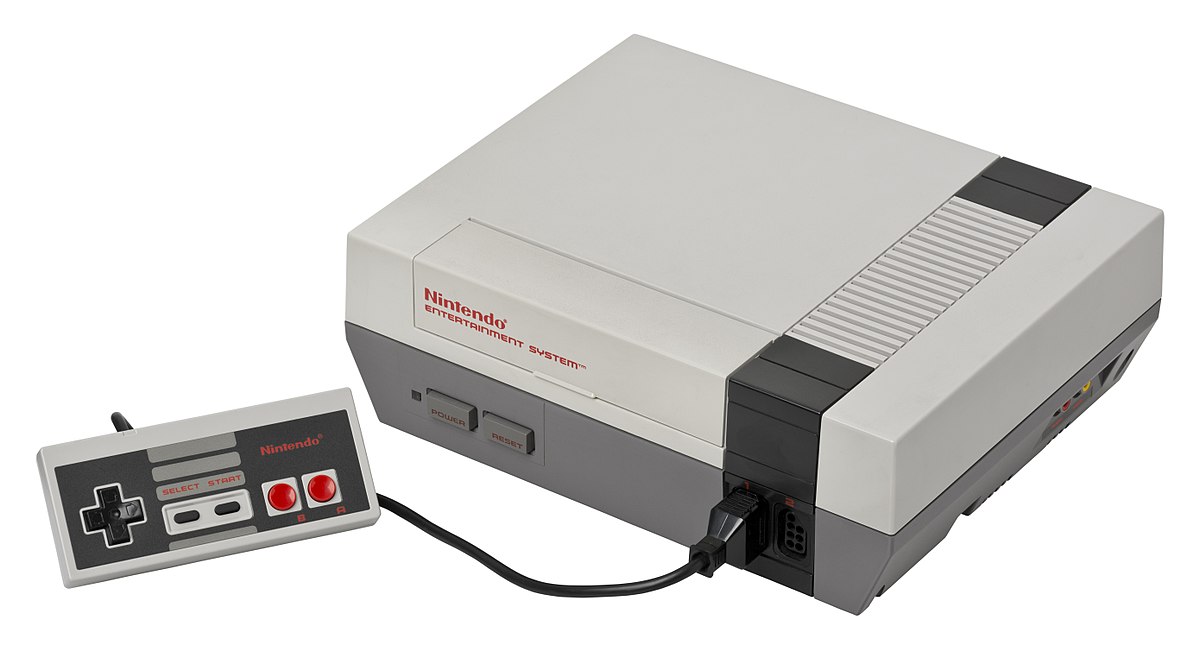
I’ve been playing video games since the early ’80s, ever since I got my very first Colecovision system. Since then, I have owned countless consoles along with a plethora of games. Thinking back to the good ol’ gaming days of yore reminds me of all the things younger kids today will never know about. From getting your NES cartridge to play just right, to waiting for the next issue of Nintendo Power, gamers of this generation can’t begin to fathom what we put up with in the early days. Here are a few of the things from back in the day that the youngins of today will never know the pleasure (or displeasure) of.

In no particular order:

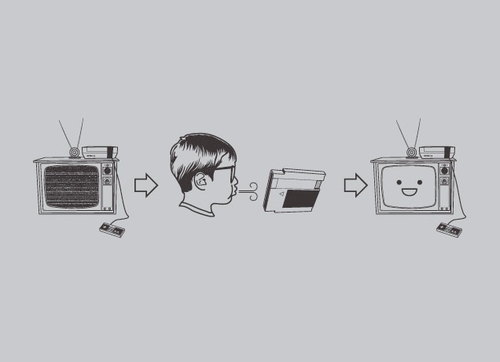
  1. Blowing in the NES cartridge to get it working – We ALL had our own system getting an aging NES game to work. For me, I first had to blow in it, then, I had a specific way of inserting the cartridge that I knew would get the games working every time. Who can say if this actually increased the chances of success, and yet to this day, we all still blow in the cartridge with the hopes that our 30-year-old carts will light up screens once more. There was something special about the way we got our NES games to work over the years, even if it was all for nothing.

Retro VS Modern Gaming

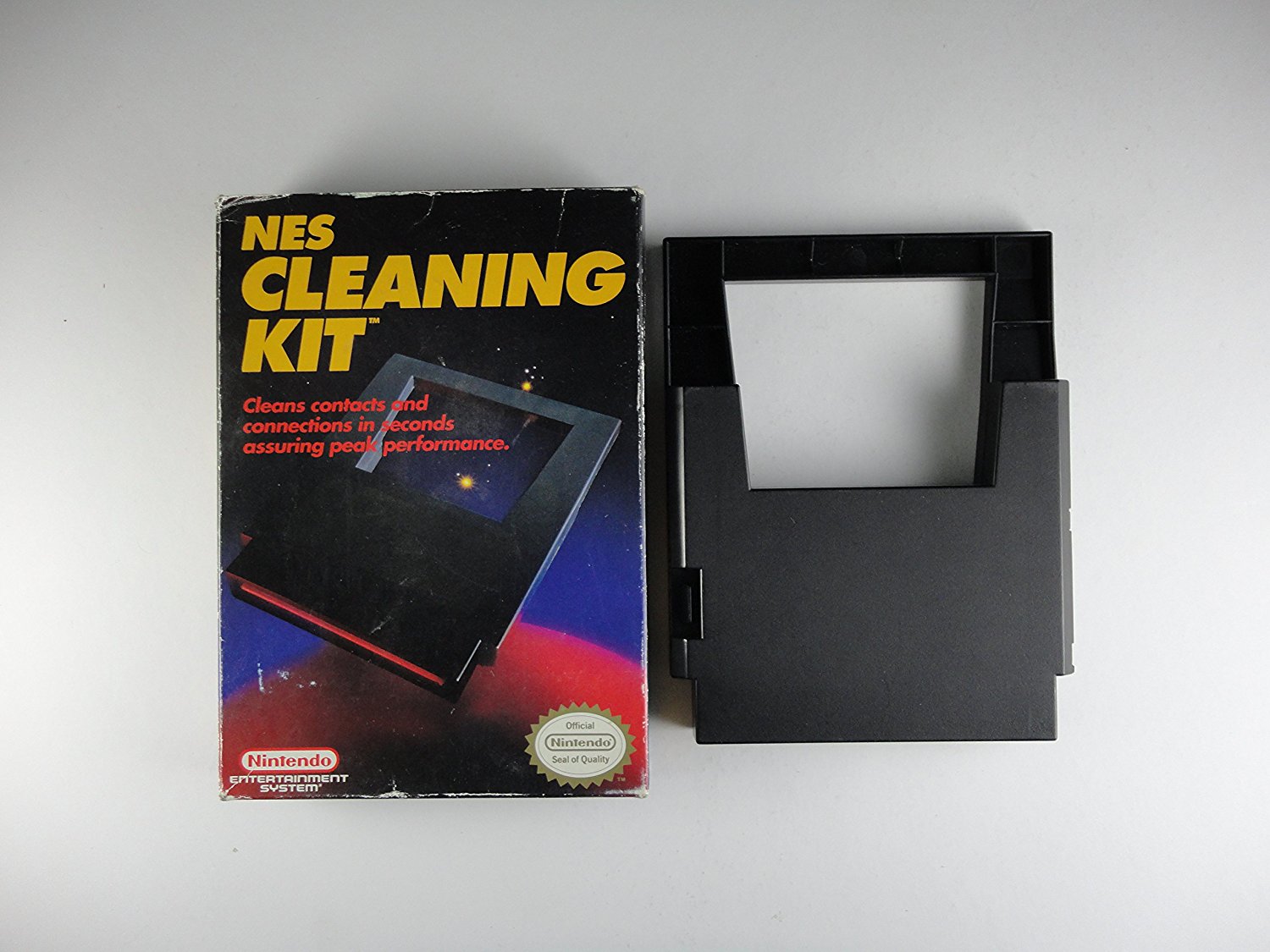
  1. Cleaning kits – Continuing with the NES, who out there remembers that acidic cleaning solution you were supposed to rub on the actual chip of the cart? NES carts could get dusty if stored wrong, causing the game to load improperly. Several cleaning kits were on the market back in the day, but I‘m pretty sure they were doing more harm than good. The one I remember having, consisted of some kind of mystery solution and a flat cotton applicator. You simply soaked the cotton with the mystery solution and wiped it back and forth on the circuit board. Thinking back on it now, that sounds insane. This black gunk would always come off, but I just know I was wiping off something important. To this day, I can’t believe I put some weird chemical on my precious games, even if it got the Nintendo Seal of Approval. That was a thing, look it up!

Retro VS Modern Gaming

  1. Throwing controllers in a fit of rage – Say what you want about ’80s and early ’90s tech, but that stuff was built to last. I can’t tell you how many times I threw my controllers in a fit of rage. Those little plastic enablers bore the brunt of my wrath as I attempted some of the most infuriatingly hard games ever. If I saw someone doing that today, I think I would have an aneurysm on the spot. It costs $70 plus tax for a Switch Pro Controller, so you can better believe that thing is never leaving my hand with any measurable velocity. Come to think of it, it’s a shame, because I always found controller throwing to be rather therapeutic.

Retro VS Modern Gaming

  1. Wired Controllers – Let’s stay on controllers for a moment shall we? Back in my youth, controllers required a wire that connected them to their respective consoles. Cords were never long enough; they significantly hampered the distance we could sit from the television. Wireless adapters eventually came to market, but they were never commonplace, and I’m sure they cost a hefty buck or two. Gamers today have no idea how good they have it with the freedom of movement cutting the cord has wrought. I was actually stunned when I saw third party manufacturers offering up a cheaper, wired pro-controllers for the Switch. I know it’s significantly less money, but I just can’t see myself buying one. Once you’ve tasted the delight of wireless gaming, it’s exceptionally difficult to ever be tethered again.

Retro VS Modern Gaming

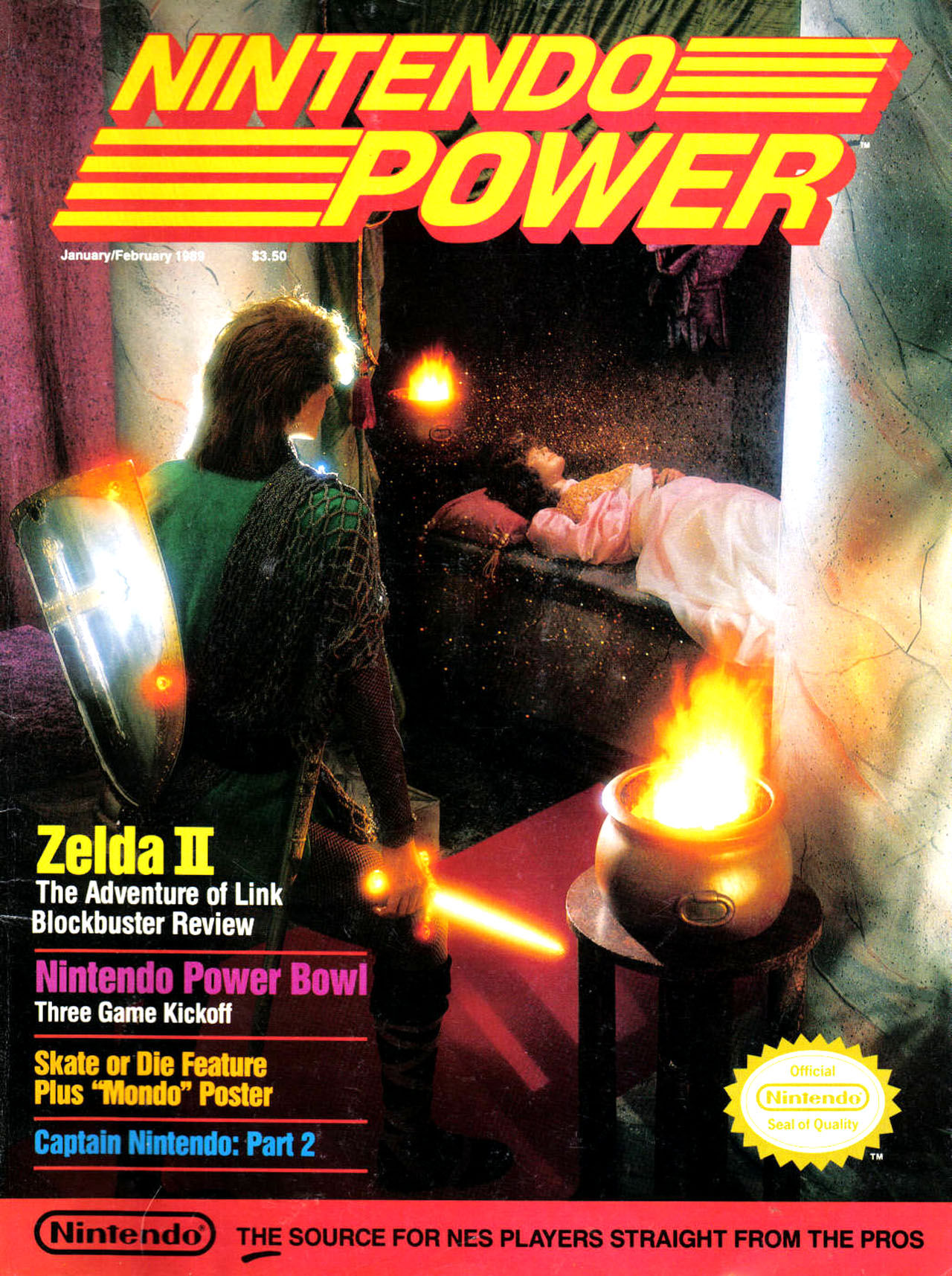
  1. The Anticipation of my next issue of Nintendo Power Magazine – Nintendo Power ceased publication a short while ago, but its legacy will last a forever. I adored that magazine and the heavenly content contained within. The covers were beautiful, sometimes containing live action pictures of our favourite animated characters. I think my favourite was this Zelda II cover (shocker), which looked like a modern day cosplayer keeping watch over a sleeping Princess Zelda. This was where we got all our news, tips, tricks, and previews for everything coming out in the near future. I can’t remember when I stopped my subscription (decades ago), but even I was teary eyed when they announced the end of publication back in 2012. It was certainly the end of an era, and gamers who never grew up with it are definitely missing out on a piece of gaming history.

Retro VS Modern Gaming

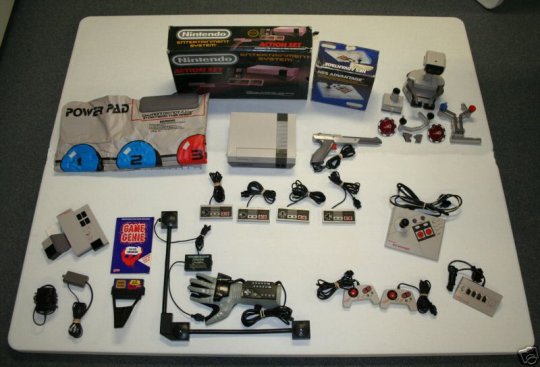
  1. Crazy peripherals – There’s one thing you can’t deny about the early days of video gaming: companies had no idea what consumers wanted. There were so many different kinds of accessories and peripherals to get people lured in. Nintendo, always the innovator, offered up some choice accessories of their own. Let’s name a few: Zapper, R.O.B, NES Advantage, Power Pad, Game Genie, Super Scope 6, Power Glove, LaserScope, NES Max, and the Joycard Sansui SSS are just a couple of examples of what the Big N released. There are dozens more to choose from, most of which, didn’t really aid in increasing the gaming experience. Sure, we have accessories and peripherals today, but none as whacked out as some of the offerings from over two decades ago.

Retro VS Modern Gaming

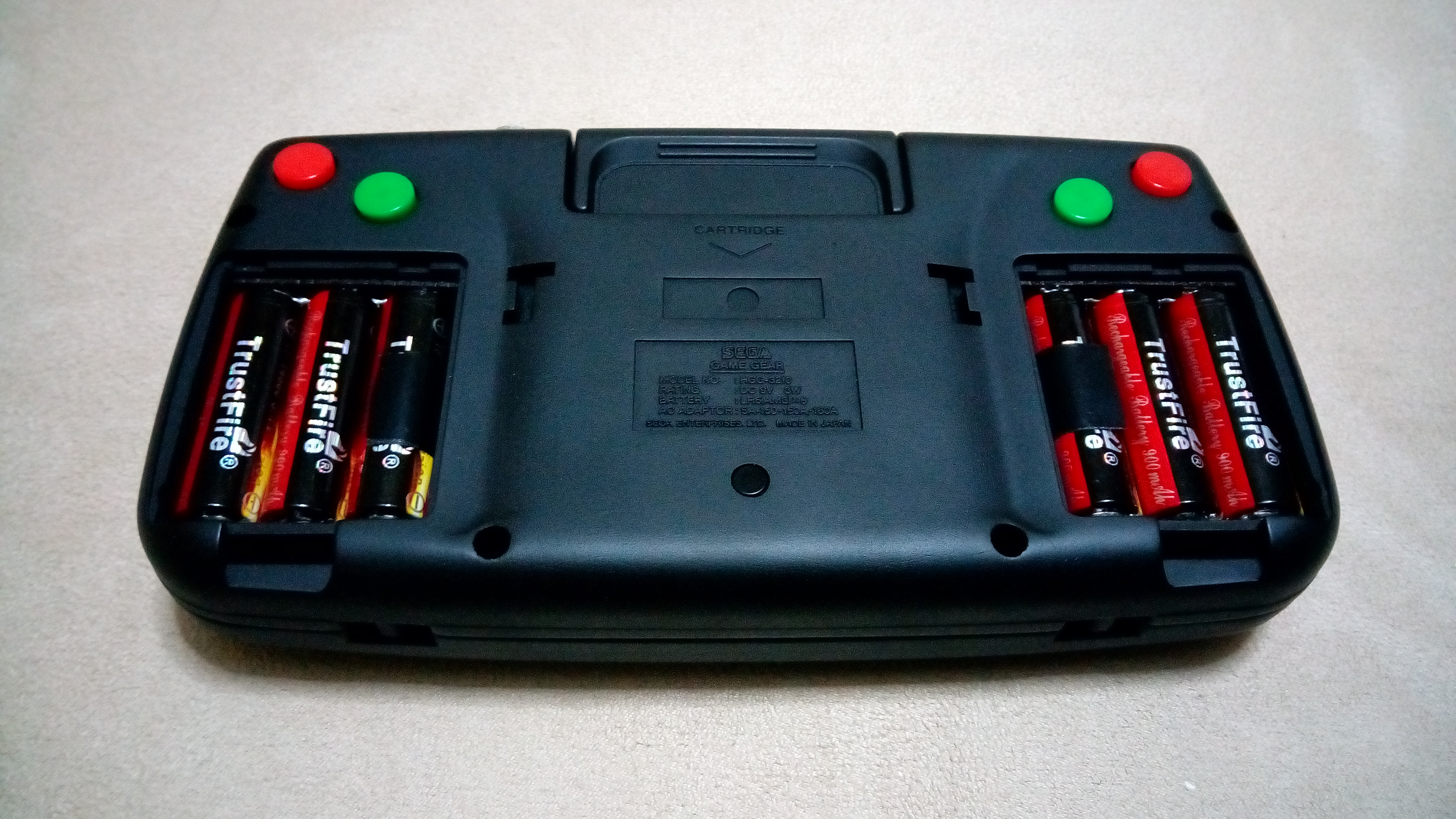
  1. Batteries, Batteries, Batteries – Today’s portable devices use rechargeable lithium-ion batteries. Once the charge is gone, simply plug in your device (or battery pack) into the wall, and boom, you have a fully charged machine in no time. This, as we all know, wasn’t always the case. If I am not mistaken, the original Game Boy needed four batteries, while the Game Gear tipped the scales at a whopping six. I can’t imagine having to keep a healthy stock of double and triple A batteries just to play my favorite games on the go. The bulk of handhelds back then were already oppressive, but with the added weight of a billion batteries, they became more cumbersome than I feel they were worth.

Retro VS Modern Gaming

  1. LAN parties! – Playing your friends online these days is as simple as turning on, logging in, and press start. As long as you pay the monthly PS Plus or Xbox Live subscriptions, you can play people all over the world in an instant, for as long as your bladder will allow. If you wanted to play your friends back in the early ’90s, however, you had to have a LAN party. For those youngsters who have no idea what that is, please allow me to explain. The internet was a fledgeling thing back then, and most companies didn’t have dedicated serves for gamers to use. Instead, if we wanted to play one another, we had to tote our computers to a friend’s house and wire them all up together. Once linked together, we could go to town on some awesome Duke Nukem 3D. I feel it’s important to mention that flat screen monitors weren’t a thing yet, so along with our heavy PC towers, we also had to lug very large and heavy monitors. LAN parties were annoying, frustrating, time-consuming, and tedious, but damn, were they fun as all can be. I love the fact that I can play anyone, at any time, and in any place in today’s gaming world, but I’ll go on record, as saying there was nothing more fun than a whole bunch of my friends coming together and playing some awesome ’90s PC greatness.

Retro VS Modern Gaming

There you have it fellow gaming enthusiasts, just a few items and experiences that this generation missed out on. Wired controllers and buckets of batteries are things I can definitely do without, but sometimes I just want to sit down, play a NES game, and throw the controller while reading a Nintendo Power as I slip on a Power Glove surrounded by my friends at a LAN party nerd-fest galore. I miss those days!

Xbox One X Worth it?

Is The Xbox One X Worth It For The Average Consumer?

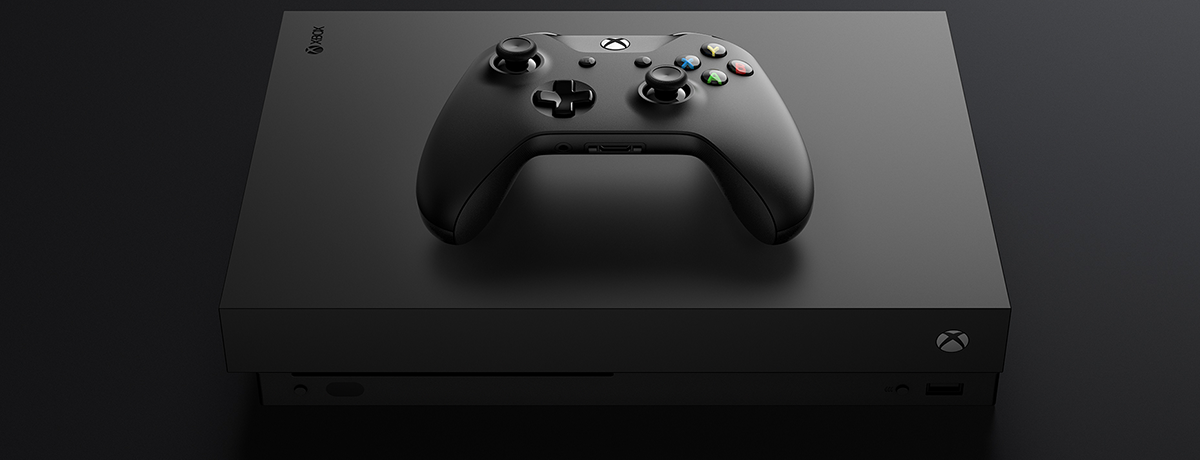
From the days of the original Xbox, I have always been an early adopter of Microsoft’s gaming consoles. I was even lucky enough to get an Xbox 360 at launch because my parents waited in line with me on release day. I’ve gone through the fat original Xbox controllers, got the red ring of death on multiple 360s, and have dealt with the VCR sized design of the Xbox One. I guess you could argue I’m an Xbox fanboy (if you have too much time on your hands). But, with the Xbox One X release, Microsoft has entered new waters in the home console market, with a mid-cycle upgrade for their current console generation. The real question regarding this new era of the home console market: is the Xbox One X a worthy enough upgrade to justify its princely $500 price tag?

A couple of weeks ago I decided to take the plunge on the Xbox One X and a new 4K HDR TV. It wasn’t cheap, but I’m the type of guy who likes to be up to date with new tech. It’s an expensive habit to have… With that being said, after fiddling with my TV settings, I found an image that suited my needs. Now, it was time to try out some games.

Xbox One X Enhanced Games

The games I currently own that are “Xbox One X Enhanced” are FIFA 18, Skyrim, Gears of War 4, and Fortnite. I’ll just come out and say it, some of these titles enhancements are pretty minor, and don’t add much to the overall experience. For example, Skyrim gets a resolution boost to an adaptive 4K resolution. But, with it being a 10-year-old game, the difference between the standard Xbox One version and the Xbox One X version isn’t that eye-catching. The same can be said with FIFA 18, in fact, the X version is no different than the PS4 Pro version. They both support a 4K resolution boost with HDR, but FIFA has never been that amazing looking of a game to begin with. These enhancements only slightly boost the overall look from the standard version.

However, with all that being said, for every game with mediocre enhancements, there are also games with amazing enhancements. Gears of War 4 and Fortnite are the only games I’ve played on the console that I would say are a night and day difference from their standard versions. Gears of War features updates across the board with resolution, upgraded textures, HDR, and new ways to play like a 60fps mode for the campaign. When I hopped on Gears and loaded up the campaign to start my Insane difficulty run, I was instantly blown away by how much better the game looked. It honestly felt like a fresh experience, even though I’ve already played the campaign upon its initial release.

What About Fortnite?

For Fortnite, the enhancements are a nice touch, with a near 4K resolution and upgraded textures, but the real benefit comes with how much better the game actually runs comparing it to the standard Xbox One version. Before I upgraded to the X, I was still using my “Day One Edition” Xbox One and she was a trooper. She had a faulty disk drive, and a Kinect that would never want to listen to me. But, throughout all my hours gaming, few games I played ran as poorly as Fortnite did. With textures not loading properly to not loading at all, to the game running at a pretty much always sub 30fps (especially in the pre-game lobby,) Fortnite was not a fun experience on my original Xbox One (I hear PUBG runs even worse). Well, I’m happy to report that since playing on the X, Fortnite has been my most played game since – it looks great and runs dramatically better.

So, with all this in mind, should the average consumer run out and buy an Xbox One X? I’m going to say no. My reasoning behind this is that I find the X to be a niche product. I say this because you can still play everything you can play on an X with an original Xbox One. Additionally, there are still more unenhanced titles than enhanced titles, with some of the enhanced titles not really making a huge difference from the standard version of the game.

Final Thoughts

If you want the best Xbox experience possible, then yes, you should run out and purchase an Xbox One X. But, if 4K graphics along with some other visual quirks don’t entice you, then no. I would not recommend you upgrade your current Xbox console. It’s not for everyone then, but if you’re an Xbox fan, then it’s worth the deep dive because you’re getting the best Xbox experience you possibly can.

PS VR

Impressions Of PlayStation VR So Far – A Game-Changer?

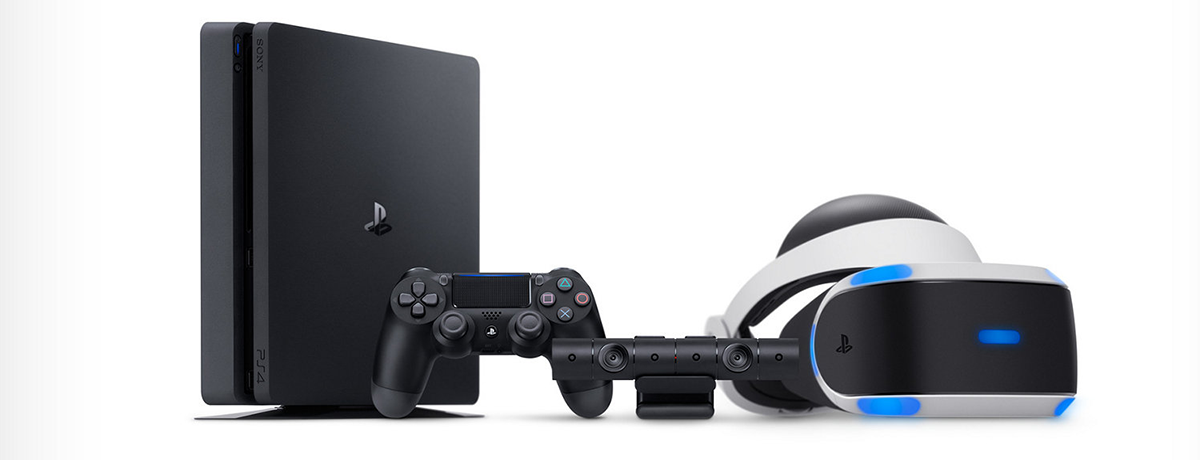
I was lucky enough to have Santa bring me a shiny new PlayStation VR (version 2 – CUH-ZVR2) this Christmas. It’s an experience I’ve wanted to try for some time but, for multiple reasons, I’ve just not got around to it. So yes, like many, I’m late to the VR game, but I believe now is as good a time as any to jump in. It’s Christmas after all, there’s nothing to do outside right? With that said, reader, here are my impressions of PS VR so far.

PS VR – Setting It Up

PS VR Setup

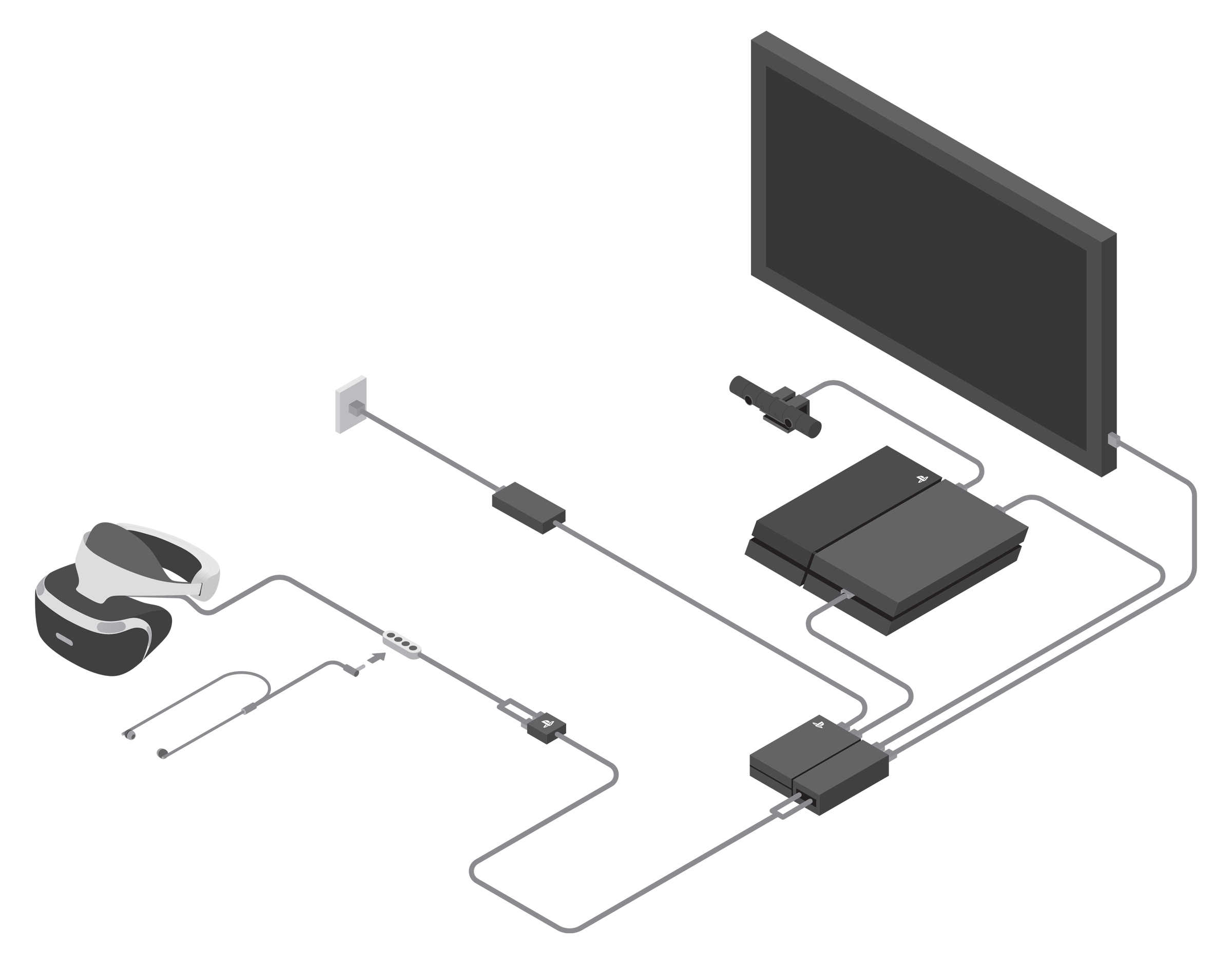
From the clear and informative packaging alone, there’s no mistaking that Sony has thought this whole endeavour through to a serious degree. The PS VR is accompanied with a step-by-step guide to setting it all up. It’s a process that perhaps takes slightly longer than getting your average console up and running for the first time but is simple nonetheless. Most evidently, the company have prioritised ease of use for those that are new to the concept of virtual reality, replicating its welcoming price point compared to others in the market.

The core design follows these same fundamentals. The PS VR looks sleek and remains accessible – stylish, but practical. It’s also comfortable to wear and can be adjusted to fit a wide array of different head sizes. Glasses-wearers need not fear either: the VR headset will have no trouble accommodating you.

In terms of the changes from CUH-ZVR1, the first model released, we’re basically looking at an easier, slightly tidier setup. The revised headset features a dedicated place to store your stereo headphones (that come in the box). We also see smaller more shrunken cables, a refined processor unit, and last but not least, HDR pass-through. The pass-through is great for 4K TV users who don’t want to keep switching and crossing their wires to achieve that extra colour range, but it won’t mean much for everyone else.

Once you’ve fixed the headset to your noggin, the camera is correctly facing you, and you’ve got your controller in hand, it’s on to the Virtual Reality experience itself. What to try first then? My bundle included PlayStation VR Worlds, a good starting point to begin the build-up to VR tolerance.

The VR Journey Begins

VR Worlds starts with a glowing orb flying in circular strokes in the room you now find yourself. You can move your head, impressively, in a 360-degree rotation and see the room light up as you follow this orb. After that’s ended, it’s time to choose your first VR experience from the selection. I chose a deep sea descent that promised I would meet an angry shark. I was feeling brave, you see.

Now in a mini-sub, the descent began. The further down we went, the more I started to appreciate the VR effect in front of me. Deep, striking blues filled my vision while scared fish swam in the other direction. We were entering their territory, clearly. Flora and fauna coalesced back and forth as the sub continued to descend. Suddenly, I’m being told that something has been detected on the underwater radar – can you guess? I look up and there’s a huge, menacing shadow approaching.

PS VR - Shark

I now find myself face-to-face with a great white shark. The shark bites at the front of the sub trying to break its way in. It looks, at times, completely real to me. Frightening, sinister, but hugely exciting, the adrenaline is pumping. I’m told the dive has gone wrong and they’re going to try and rescue me. Then I’m being yanked back to the top as the shark continues its relentless and vicious assault. Luckily, we manage to escape its domain and make it back to the top. I’m safe and sound and my first PS VR experience is over. It flashed past so quickly, yet all I’m thinking is: what’s next?

Real Or Not? That Is The Question

Back to the menu of VR Worlds, I picked an experience decidedly different from my first. Welcome to The London Heist. Forget the delicious and aforementioned blues of the sea, I’m now in a foreboding garage and a large, bald, towering man is shouting at me while I’m strapped to a chair. The heist has gone wrong and I’m to blame apparently. He’s now staring directly at me, and it’s pretty uncanny. This guy looks real, yet I have to keep telling myself he’s not. This is VR working, and frankly, at times, it’s incredible.

Fast forward ahead and I’m shooting guys off bikes with an automatic during an epic chase scene, and then I’m in that garage again, getting abused and beaten up by my old friend. One section in particular (near the end), where a different individual lunged at me with a knife, had me recoiling back to protect myself. I almost felt where the knife landed in my stomach. What are you doing? It’s not real. Or is it?

And that, readers, was my first time using the PS VR headset. To answer a burning question: I didn’t experience any lasting motion sickness other than my first minute or two and was simply left wanting more. At this early point in time, I’m really impressed with the ease of use of the device, the memorable journeys I’ve already had and the level of realism being produced from what is, arguably, a more ‘budget’ VR headset. Sony is right when they say you need to try the headset on before you make your judgement – it isn’t just clever marketing.

So, game-changing? From what I’ve seen so far, it could well be the start of the next revolution to come.

When Is A Game Complete?

Determining when a game is complete is the subject of a great debate that will never have a conclusion. The reason being, of course, is that this is a subjective measure and everyone is different and wants different things from their games. Never has this been more pertinent to my gaming experience than now, having completed Super Mario Odyssey.

My Switch has seen a lot of action recently and rightly so as Odyssey is a phenomenal game, rightly earning GOTY contender accolades. Between that and Zelda, there’s no reason not to own a Switch right now. Yet both of these games hold two mechanics which I, personally, don’t feel the need to come back to; collectables. In Odyssey, Moons power your ship which you need to power your craft to rescue Princess Peach.

zelda-breath-of-the-wild-korok-seed.jpg.optimal
900…

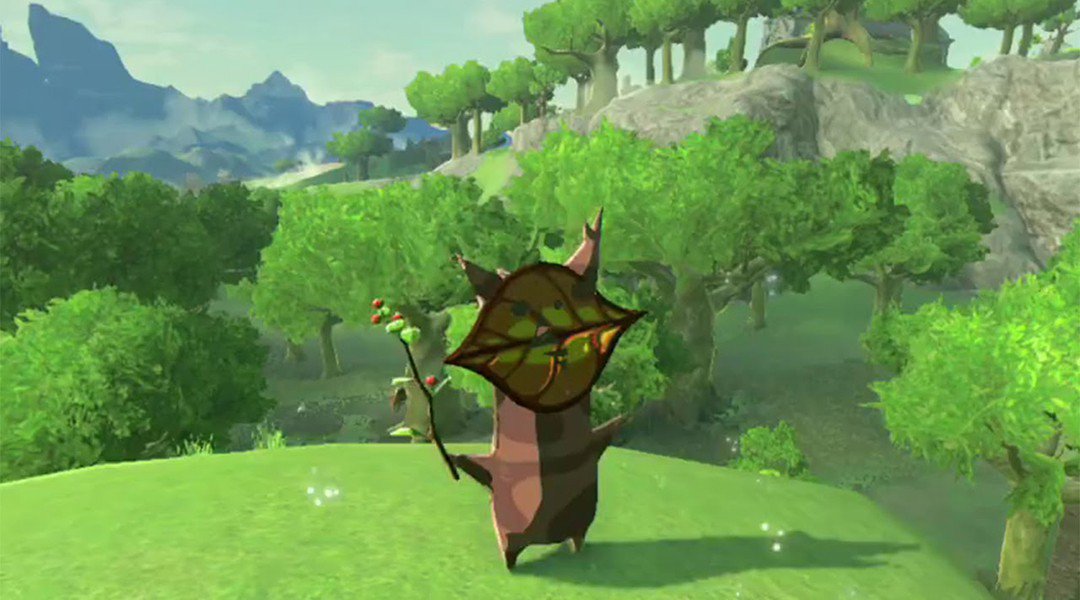
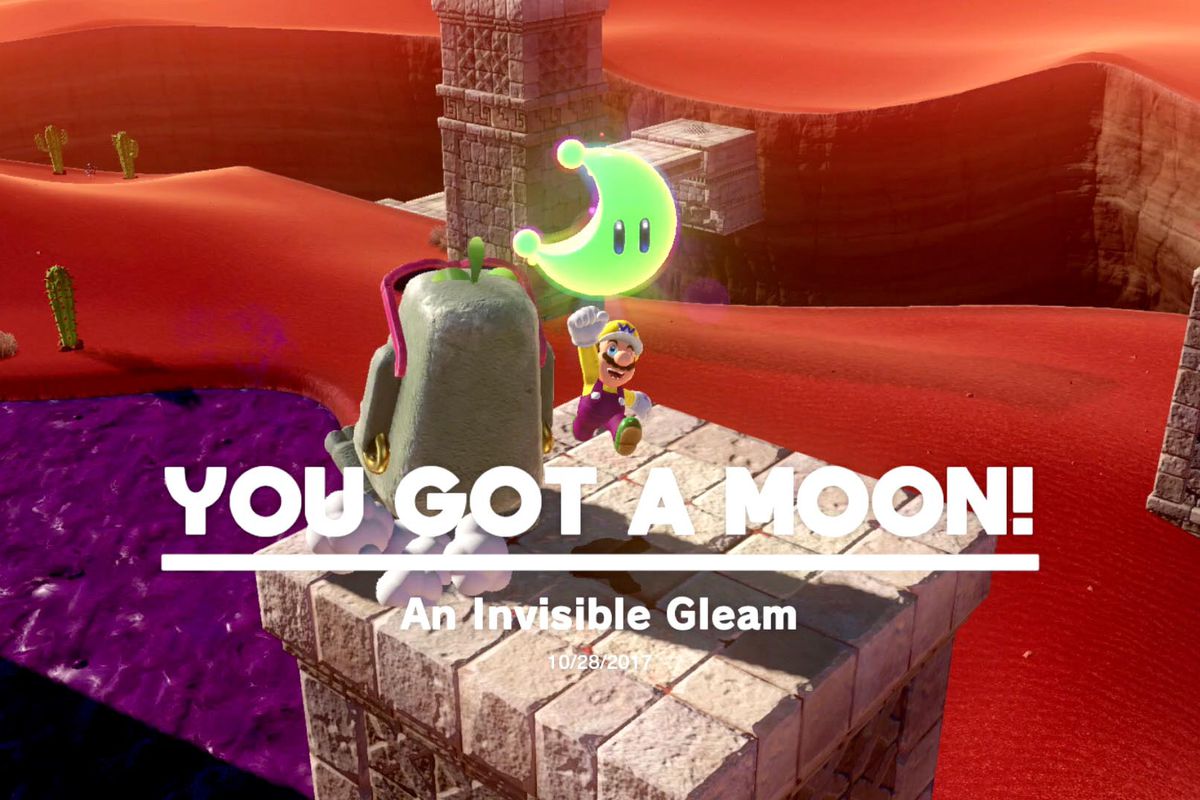
In total, there are 999 Moons to collect with you needing around 150-200 to reach the endgame. Beyond that, they don’t have a functional usage when it comes to completing the main storyline. Likewise, with Zelda, the Korok seeds are scattered across the world waiting for you to discover them. The total number of these? 900. For some, this instantly presents a challenge to find them all and truly beat the game. For me, this is just too many on both accounts. I don’t have the time, or often the patience, to find all of these and my sense of satisfaction comes from just playing the game.

Call it contentious, but my definition of complete is once I’ve seen the credits roll. This isn’t to knock the quality of these games either because they’re amazing and this, as someone who isn’t a huge Nintendo fan, is high praise indeed. Having seen the credits on Odyssey my experience with the game is now, to me, complete. I will dip back in overtime to relive some of the classic moments it holds but I won’t pour hours into it to find the remaining 600+ Power Moons.

75._An_invisible_Gleam_4.0.jpg
So good, but so many.

I wouldn’t want this to harm my experience with the game either. I’ve enjoyed my time in Odyssey and spending more time, trudging through it to collect Moons, would be boring and that’s not how I want to remember it. If I were to do that, if someone asked me how I found the game, my first thought would be about the Moons. This would do it a massive disservice given how many memorable moments it holds.  I know this is a subjective topic and the completionists out there will love nothing more than finding every last secret Odyssey has to find.

But, when all is said and done, Odyssey doesn’t make you find all/most of the Moons to reach the endgame which doesn’t spoil it for those who don’t want to do so. Maybe it’s just me getting older (at the ripe old age of 26) wanting more from games beyond a metric to tell me when I’ve completed something. Completion is only something I can determine when I get there and I’m happy with that.

I’m comfortable in the knowledge that I won’t see everything in the games I play, which is probably why I rent most of them these days. But having paid full price for Mario, all Moons gathered or not, I’m happy I played it and feel that my money was well spent on the story alone.