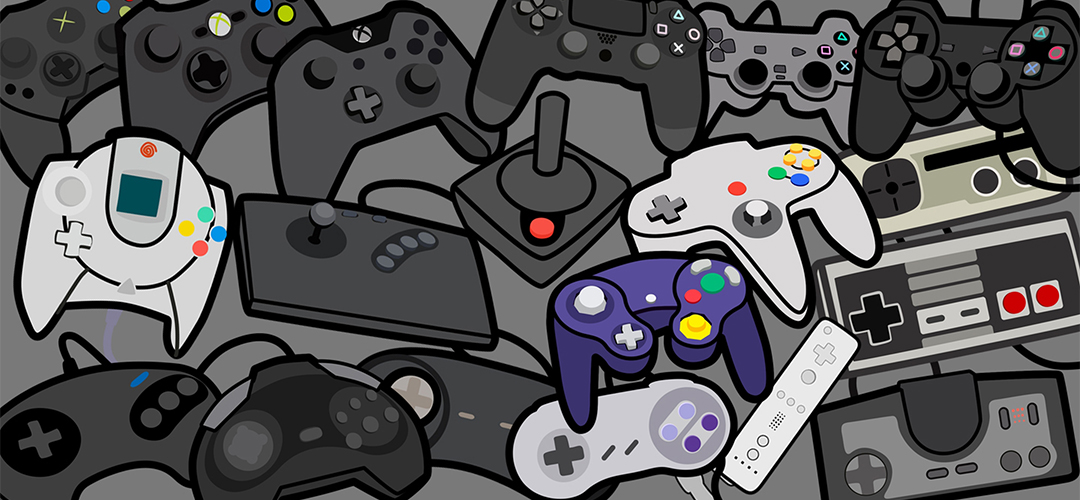
Stephen’s Diary: The Retro Round-up

I’ve never been much of a collector. I’ve always been one to trade games in once I’ve finished with them, the same can be said with consoles. The PS3 and 360 both went the journey when the current gen launched and I thought that would be me, future-proofed for the foreseeable.

Not for one moment did I expect to find myself buying a new console. And when I say new, I mean old. That’s right; I’m turning retro, I’m going back to the past (not the future).

By chance, I stumbled upon a Facebook advert for an upcoming retro fair (shout out to the Retro Fair in Doncaster) close to home. Out of interest, I thought I’d go along just to see what it was like, not knowing what to expect. Instantly… I was hooked. There were NES’ here, PS2’s there and all sorts of memorabilia in-between. I was like a kid in a sweet shop and could have spent a small fortune.
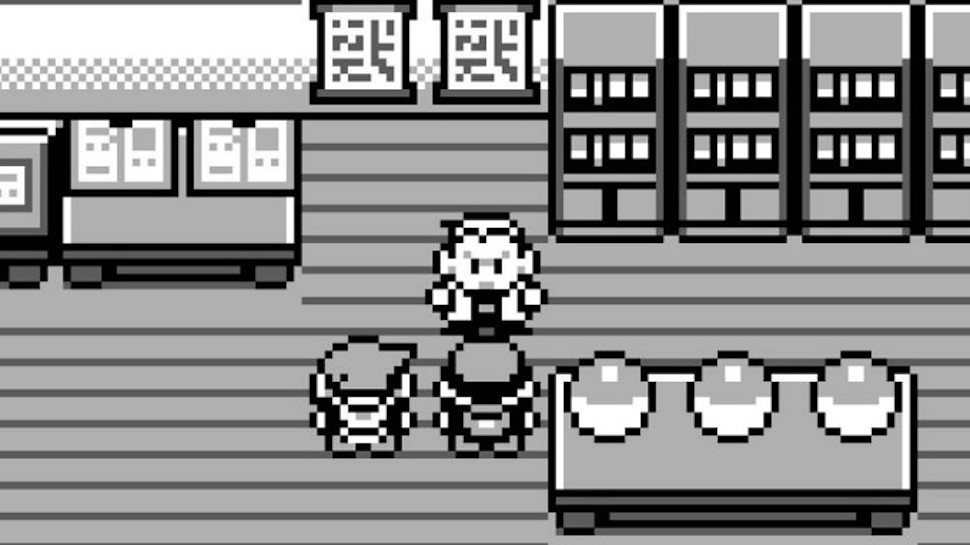
pokemon red

To clarify, retro to me is anything from my childhood. Being relatively youthful at that age of 25, my childhood gaming memories started with the Mega Drive, Master System and PS1. Until now, I’d always been of the opinion that memories were best left in the past, but how wrong I was.

It all started quite recently when I found myself at a loss between my One, PS4 and Switch. Between them, I couldn’t find anything to play which sounds silly, but I was bored. I had an itch that couldn’t be scratched when I thought ‘I could really play Pokemon right now’. That’s where it all began; I bought a Game Boy Advance SP. Or I should say my partner did and I’ll be opening it for my birthday.

With a selection of games bundled with it, including Pokemon Red, I can’t wait to open it. But with me not doing things by half, I’ve bought a GameCube in the meantime. These might not be ‘retro’ by true definition but they are consoles of my childhood and I feel that looking back may be the future. Very minimal research shows how many games there are for both systems and how little you can pick them up for.

My future plans are to buy an original Xbox next and take things from there. In the meantime, though I’ll be penning my thoughts on all things retro from my purchases, shops I visit, games I play and my general thoughts.

I hope you join me on my journey and see where it takes me…
Diary of a Cynical Gamer: The PS Plus Price Rise Isn’t Justified

July 30th, 2017

The price isn’t right…

I can be a miserable sod sometimes, I’m the first to admit it. But, my argument is, people shouldn’t give me things to be miserable about. If practices in the industry were favourable then I wouldn’t need to be so cynical or even write these entries. Alas, I think I might have enough to keep me going for some time just yet. Batten down the hatches, Sony, you’re next.

Twitter is predominantly my main source of news and developments these days. I can have a quick scroll through my feed on my lunch break and see what’s happening in the world. I had to stop and double-take when I saw the shocking announcement that Sony were increasing the price of their Plus subscription service though.

I couldn’t be seeing this right surely? A price increase for a service that’s about as stable as a house of cards built on jelly? Surely not. And even if this was right, there must be some benefit and persuasive argument to justify this? Oh, how wrong I was…

Before we wade any deeper, let’s get one thing straight; I love my PS4 and Sony. The PS1 was my first console and I didn’t wholeheartedly adopt the Xbox One until way into its tenure. So no, I’m not biased or a Microsoft ‘Fan Boy’ (I hate that term), I just love games and the industry I’m part of. So when I see something I don’t like, I won’t let my opinion go unheard.

Anyhow, I digress somewhat, and come back to my point; where’s the value for money here? A charge of some variety is acceptable and to be expected to cover running costs but surely this would be best kept in line with Xbox Live? From what I can see, pre-increase, both Microsoft and Sony offer a decent deal with free games and discounts on a monthly basis. A £10 increase just seems unnecessary, even greedy to me, given Sony’s recent history with the PSN and how often it goes offline.

If this extra money goes towards better servers and improved stability then maybe this is worth it, but an added incentive wouldn’t go amiss. Truth be told, the Xbox is my go-to platform for online gaming as most of my friends game there already. I have less reason to change that now when it’s cheaper and more reliable. I just hope that Microsoft stick to their guns and keep their pricing as it is…

As for Nintendo, the less said about their latest foray into the world of online gaming the better. I hope this is something which they work upon as the Switch has so much potential. Using a companion app to enable party chat? Who on Earth thought that was a good idea is beyond me.

For now, I’m keeping my money in my wallet.

The Cynical Gamer

The Diary of a Cynical Gamer: Let’s Get Hyped

July 26th, 2017

Hyper, hyper, hyper…

I’m stuck in a rut. A lull as it were. My enthusiasm and passion for the industry are being taken over by my darker and more cynical side. I feel like there’s an ongoing battle between the Jedi and Sith raging in my mind with no indication as to who will win. The reason? The optimist within wants to get excited about new titles whereas the pessimist (maybe realist) can’t help but think ‘Don’t believe the hype’.

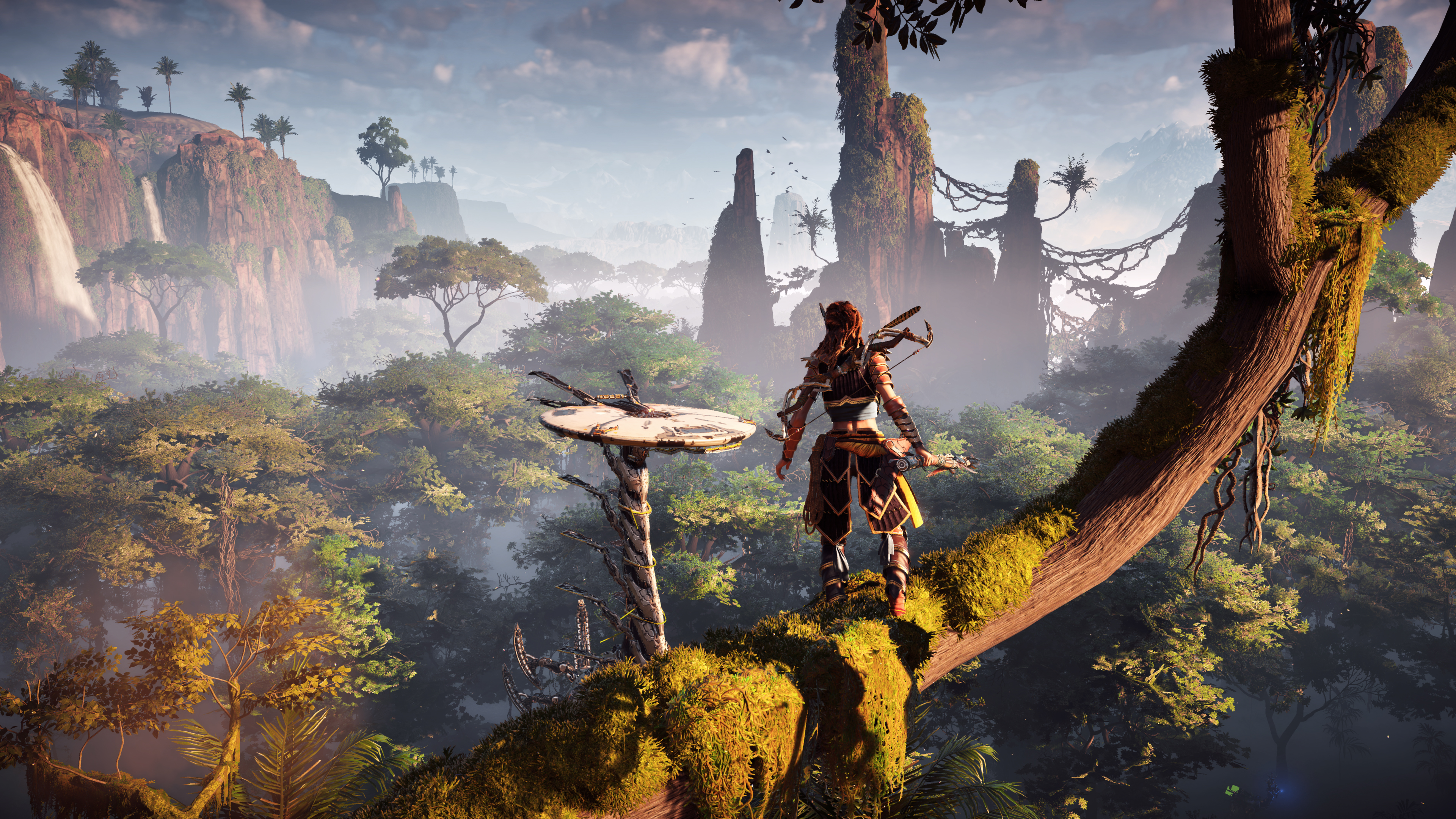
I refer to my most recent gaming experience with Horizon: Zero Dawn. A bad game? No, definitely not. A great game? Some might argue so, but not me. It was good, but nothing more. It had been on my radar long before release and I jumped in a month or two post launch. The logic being that I would wait until I had finished other games to dedicate the time to it.

But after all the hype, all the rave reviews, I was left wanting more. Much more. Here lies the problem; there’s so much hype in the media coverage of the industry these days that I think it does more harm than good. The element of surprise is gone, there are too many leaks, inside stories and previews for our own good.

Imagine how good it would be if we went back a few years when we relied on print media and games conferences to come round for our latest news and previews. Games could sneak up on you, hearing nothing about them until the last minute and it was already on the shelves. Sadly those days are long behind us.

The result is very damaging I find. The majority of my games are rented as I’ve been burnt all too many times recently with games falling short of the mark. I live by the mantra ‘Under promise and over deliver’ but that doesn’t sell games sadly. Masses of hype and promises that turn out to be false ship units and get people talking, which is sad.

Looking forward, I couldn’t honestly say what game I was excited about in 2017. I will play a lot of those that are coming out, but I just try not to get my hopes up for them to be dashed once I’ve committed to buying them. The sad thing is that PR and marketing teams just want to see dollar/pound signs in gamers eyes, the focus on money and not quality.

My closing thoughts look on to Destiny 2 and how much I’ve seen on that of late. Remember the first one? So do I; I played the Beta and had pretty much played the whole base game. That was a midnight launch that I truly regretted. Will 2 be better? For all those excited fans out there, I hope so…

The Cynical Gamer

The Diary of a Cynical Gamer: Modern Warfare Remastered

June 29th 2017

So I find myself writing this entry not out of choice but out of necessity. I’m not one to stand by and accept something at face value without question. No, I will stand up for gamers as I feel there are too many times where we are taken for fools and deserve more. On this occasion, I’m looking directly at you, Activision.

First, though, a brief trip down nostalgia avenue if you will. It’s 2007, the Xbox 360 and PS3 were in their strides and HD was just becoming a thing (I know right?). Our relationship with historical warfare was coming to an end and the future was upon us. We welcomed in Modern Warfare…

The excitement of receiving a delivery alert whilst I was at work was too much. I was one of the few who ordered the night vision goggle edition and, surprisingly, they worked quite well. Modern Warfare was huge and, to me, a game changer and was one of the games of the generation. Who can forget that famous Ghillies in the Mist level?

So when I heard rumblings of a remake, you can imagine my excitement. I wanted to relive those moments of 2009, that excitement and a simple, non-complicated multiplayer experience. But before I could start giggling like a little school girl over the thought of this, Activision went and dashed all my hopes and dreams.

What sort of sick joke is it to tie this bundle of joy in with the most expensive editions of the latest Call of Duty game? To top it off; what even sicker joke is it to say it will never release on its own then change your mind and charge people £30+ for the privilege? Ridiculous. Outright absurd. I refused to fall for their trickery the first time and I won’t fall for it this time either. The game doesn’t even come in its complete form with all the extra DLC. Nonsense.

Some will pay it. I think they’re wrong and have fallen for their cynical ways. I’ll rent it at most, I refuse to buy into this horrible business model of seeing loyal fans as bags of money and nothing more.

So with that, I’ll relive some other memories by playing Medal of Honor: Airborne via EA Access. Consider this rant, temporarily concluded.

Stephen

Viewpoint: Why crowd-funding is an excellent idea

There is a massive shift in the gaming industry and it’s happening right now; it’s called crowdfunding. For the small minority who haven’t heard, this basically means that a developer has put out an advert seeking money in order to kick-start their gaming project. Sites like Kickstarter cater for this and many developers often exceed their funding goal with plenty to spare.

But what does this actually mean for the industry? And what does it mean for us as consumers? Well, read on and we’ll explore what effect it is having, and will have, on the gaming industry.

Gamers are in control

Remember all those times you have complained that the same titles are getting shipped out mercilessly, just in different packages? Well now you might be able to have your say on what does and doesn’t get released. Publishers usually quash smaller developers because they think their idea has no merit and is too small for them to bother about. Well not any more. This system results in games being published, even those with big budgets, without a publisher even being involved.

Gamers will get rewarded

We hear all the time how big companies are ever grateful of the customers who buy their games, but what do we really get in return? In comparison to them raking in the big money, it’s pretty much nothing. So, if we put our cash into a game getting developed and produced, we are now get rewarded for doing so. People who put in the right amount of money may end up being part of the production process, being part of the testing procedure or they simply receive a copy of the game before the release date.

Gamers become part of something

How awesome would it be to be able to say, “I funded this game, I brought it to life”? To share an experience with family or friends which you played a part in would be something huge, tied with the above point, those who fund titles could be onto something big in terms of their return.

Creative titles will become more common

The current batch of games we’re seeing is becoming stale, fast. With crowd-funding however we will begin to see people creating titles that are creative, fun and completely free of any sort of regulation by big companies. There will be no conflict of interests or poor marketing because the developer will be in full control of the whole project.

New genres may appear

In a similar light to new creative titles, this type of funding may finally mean we will step away from our obsession with guns and constant f-bombs and see some new genres come to the table. Granted many new games may just be a different spin on existing genres but imagine the endless possibilities smaller companies may actually be able to come up with.

Games will have a guaranteed audience

Think about it; people who put money in a project want to see the end result and will ultimately buy into it once complete. Those who fund a game will buy it and play it when it is released to see how their money has been spent. Similarly, if you raise enough cash to start working on your project then you know there’s an audience out there for it, but if you don’t, then it might not be worth developing.

On the flipside however, if a project does go under then it is very unlikely that investors will see any of their money back – but this is this risk people are seemingly willing to take. For what it unlocks in terms of potential and scope for the future I think this is a completely viable method of seeking capital for gaming projects worldwide. If it means a more fair, unique and open marketplace then I support this 100%.

What about you? Let us know in the comments below, if you please.

Viewpoint: Why don’t we finish games?

If there’s one thing I have a habit of doing, it’s not finishing my games before moving onto the next. It’s something that I’ve never really thought of before, but I recently cast my thoughts to my pile of shame. Being honest, we all have one, some larger than others, but we’re all guilty of leaving one or more games unfinished. When I look at mine, there are some games on there that you wouldn’t expect either; GTA V, The Witcher 3 and Mass Effect 3 to name but a few.

So why is it? Why can’t I finish a game before moving onto the next? When you look at the three that I’ve mentioned, it’s clearly not because of their lack of quality, so what could it be? The common denominator for those three would be that they are all games with long stories and feature many hours worth of gameplay before reaching a conclusion. With that in mind, are they too long and are other games for that matter?

Now this is probably a question that isn’t asked too often when we see far too many games that don’t overstay their welcome. But with that in mind, is a game that lasts between 50-100 hours as off-putting for some as those that last 10 hours? Dedication of time to gaming is something I suspect most gamers will struggle with these days, and some games can feel disjointed if not played continuously. There’s nothing worse than playing a game and coming back to it at a later date and not knowing what’s going on, (agreed, ed). So is that the problem; is there not enough draw in games these days to keep you hooked to the end?

Think of it this way: how many games share a similar control scheme or share the same mechanics? A number of games lend ideas from one another, giving the industry an air of familiarity regardless of the genre. You need to feel lost when starting a new game to keep you learning how to play it, so if you start a game with a sense of familiarity, your interest levels are bound to drop.

I recently started playing Horizon Zero Dawn (I know I’m way behind here) and since starting it, I’ve never once felt comfortable. By that I mean I have a constant sense of anxiety when entering a new area of the map; I never feel like I have the upper hand over the mechanical beasts. Robotic animals and dinosaurs are something new, something we’ve never seen before so require different tactics to overcome.

This is getting out of hand…

This is what keeps us coming back to a game, not one that has rinse and repeat enemies whose design took less than five minutes to finalise. I can honestly say Zero Dawn is one of my favourite IPs on any console to date and it’s not just any old open world game. I could easily forgo other games until I finished it, and there are a number of other games out there that could fight for a spot in the disc drive.

That in itself is a problem – look how many games get crammed into the same release calendar at any one time. If you look in particular at the holiday season, everyone fights to be the number one seller at Christmas. Of course, games need to generate revenue but surely a game needs to be launched to give people enough time to savour it? I don’t think enough games launch over the course of the infamous ‘summer drought’, which would be a perfect time to give people exposure to a new title.

The selection of games we have to choose from isn’t a complaint as such, it’s great to see so many, but I think we only suffer as a result. I love getting excited about new games just like the next guy, but I always question when I’m going to fit them in given that games are getting longer and longer.

Just look what we have coming out from October onwards; Assassin’s Creed Origins, Shadow of War, Super Mario Odyssey and Crackdown 3 to name but a few. These are all games I want to play, and will at some stage, but it’s impossible to have them all going on at any one time. So this, most of all, is the main reason why I don’t think we complete games as often as we used to before moving on.

Having new games is great, but they need to be released to give us, the gamers, enough time to enjoy them to their fullest. It’s no surprise that many opt to wait for games to drop in price before picking them up, which is a shame, as this does not support the developers as much as we should be able to.

What do you think reader? Let us know in the comments below, if you please.

Viewpoint: Trophies and Achievements have ruined gaming

Most of you, consciously or unconsciously, will already have formulated an opinion about this piece based upon its title and I don’t blame you. It is a bold statement I agree, but it is one that carries a lot of merit whether or not we choose to admit it or not. I’ll wager that many of you are disagreeing with this title thus far and that’s ok, but prepare to have your minds officially changed by the end of it…

Let us rewind several years before the current batch of consoles arrived in our living rooms, and to some extent, right at the beginning of the PS3’s life cycle. We had no achievements or trophies to brag about, helplessly chase or horde like a hyperactive child who hordes sweets. Consider this for a moment; were our experiences tarnished or worsened because of this? That’s right, no they were not.

Our cherished memories of retro titles is something that we will hold forever and we played them endlessly without any sort of reward in terms of achievements or trophies. Instead, we sufficed with our names at the top of a local leaderboard and personal satisfaction of completing a title on the hardest difficulty.

Now what do we have? An expectancy that a certain tune will sound every time we complete a given action and we seek them aimlessly like zombies who get off on this noise. Has this changed us? You bet it has. Any new game now has these capabilities which we have come to expect, and if someone dares not to include them then there would be hell to pay.

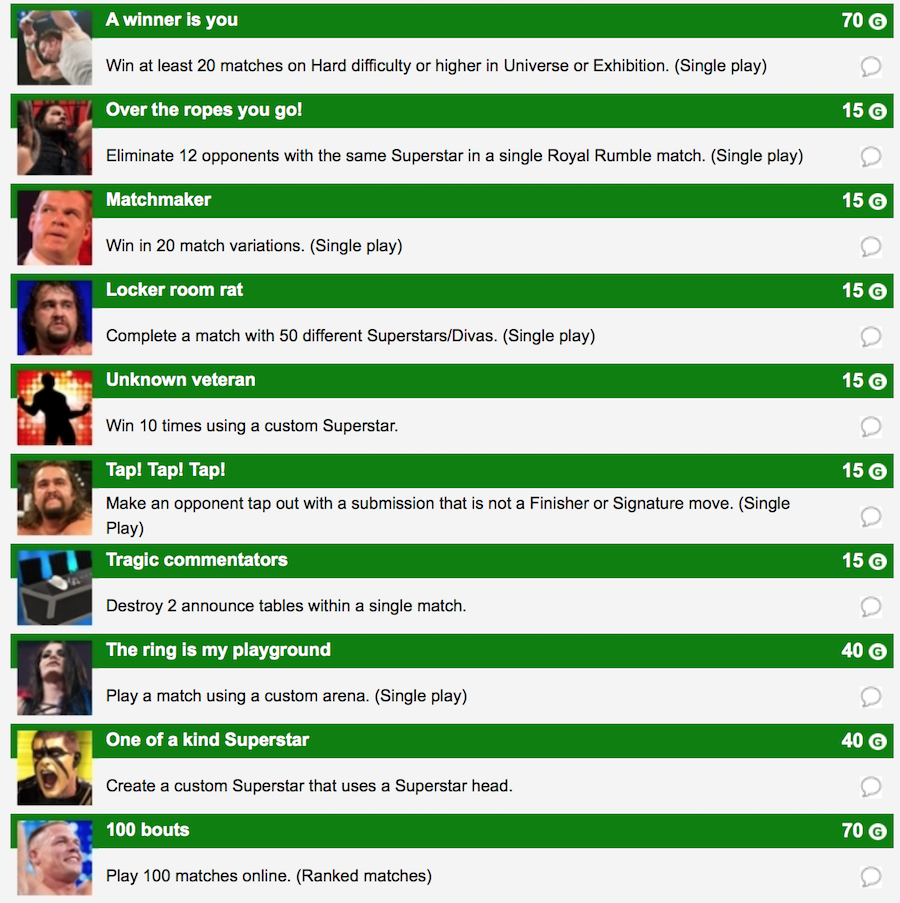
WWE-2K16-XboxPS3-Achievements-2
We don’t need these

Games that aren’t treated to trophy/achievements are snubbed, regardless of their quality, based on the fact that players will not ‘earn’ anything while playing them. We’ve all done it at some point because, think about it, what is one of the first things we do when we load up a new game? We scour the list of achievements and trophies to see which we can pick up the easiest.

This might seem like a simple thing but it is something that is drawing attention away from the quality of the game and towards the end product. In some cases, it makes us try and play a game as fast as we can just to get all the rewards before friends and colleagues in order to have temporary bragging rights, therefore reducing the experience.

This isn’t even just a problem with new games either, the problem has extended back to older games that get re-released via digital downloads or HD remakes. We can’t even play older games on modern consoles without developers and publishers whetting people’s appetites for achievement gathering.

It simply gives us no incentive to go back and play old games without trophies and achievements, thus ruining the experience all round. I can’t deny the fact that I have even fallen foul to this menace and it has undoubtedly changed my gaming habits forever I fear. So, when it comes to the next batch of consoles and games, I sincerely hope that we return to gaming simply for the entertainment and not have to worry about gathering rewards for completing the simplest of tasks. Although, I highly doubt this will happen.

What do you think?

Viewpoint: After a slightly dull E3, what if PS5 launched in 2018?

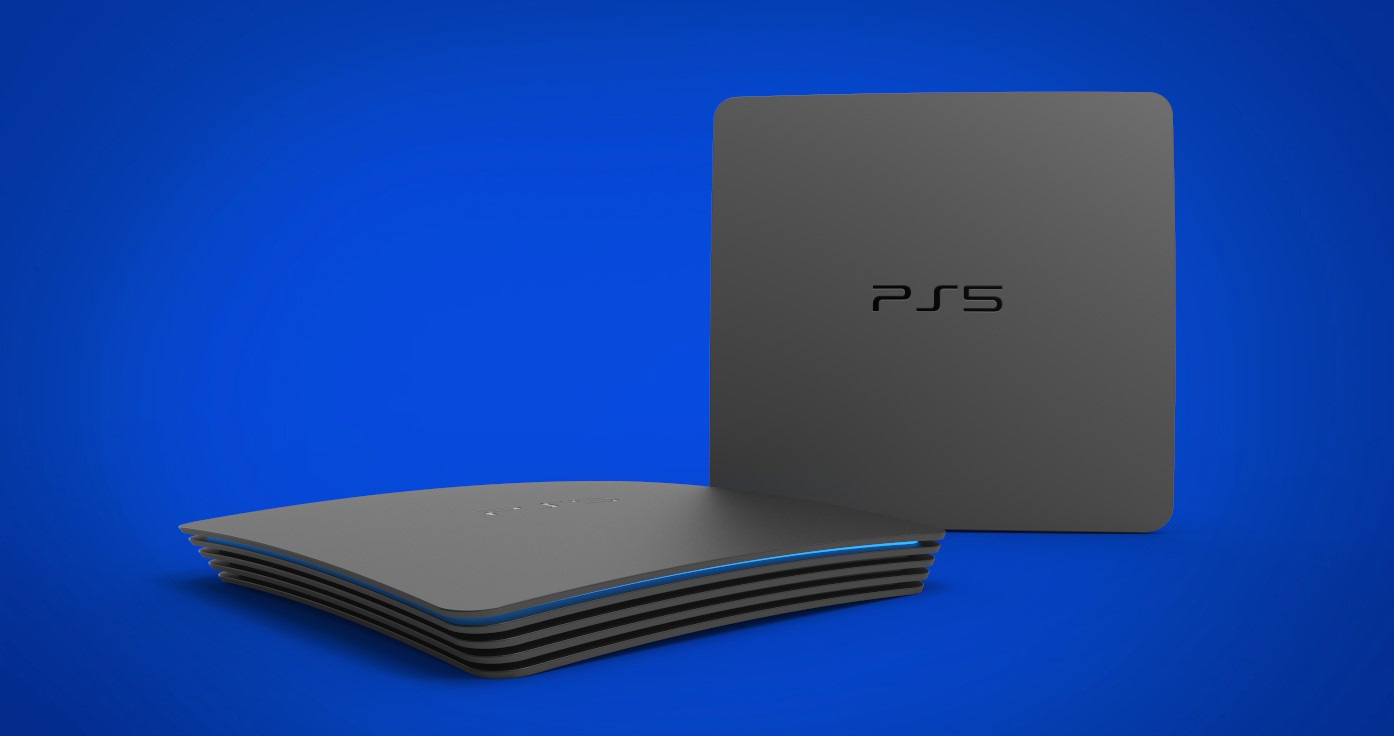
An air of uncertainty seems to be building in the games industry. We’ve seen Microsoft reveal their Xbox One X, giving us an insight into their plans for the future. But that only brought about more questions than it did answers for many, one such question being how long can we expect our ‘normal’ consoles to last? More pertinently; what are Sony’s plans and can we expect to see a PlayStation 5 any time soon?

My initial reaction to the latter question would be no, but when you think about it a little more it doesn’t seem that farfetched. Inevitably the Xbox One X will unsettle Sony somewhat as, based on specs alone, it’s a much better proposition than its counterpart; the PS4 Pro. Sony were the first to offer their 4K capable version of the latest consoles, with Microsoft taking somewhat of a backseat before showing their hand. Maybe this was a lesson learned from the launch of the Xbox One or a tactical ‘Let’s wait and see what they do’ approach.

Sony find themselves in a tricky situation here as they will want to stand by PS4 Pro and the PS4 itself for as long as possible, giving consumers justification their money was well spent. By the same token though, they will want to compete with Microsoft and give their fans the best experience they can. So do they stick to their guns or look to out-muscle Microsoft by kick starting a new generation of consoles? If you think about it, PS4 will be five years old in 2018 so some people might be getting twitchy thumbs.

It’s a fine balance that needs to be struck by Sony as the appeal of home consoles is to not have to upgrade or buy new hardware for as long as possible without feeling outdated. On the flipside, both Sony and Microsoft seem to think the future of console gaming lies in progressive upgrades rather than new consoles altogether so their next step would need to be a considered one.

All said and done, new shiny hardware is an enticing prospect and there’s always a thrilling buzz surrounding a new console launch which people get caught up in. In order for that to be achieved though this needs to be a launch timed correctly otherwise it could fail before it even launches. The difficulty here being, if PS5 launched in 2018, how much longer would PS4 be supported? New hardware can’t be held back by the limitations of the previous console, but owners of the previous machine can’t suffer from not having a machine that gives them the latest and best titles. Imagine PlayStation owners being told that the Last of Us 2 is coming out but only for PS5 and won’t run on PS4. I don’t think that would go down very well.

But if this meant that Sony stayed in front of the pack, would this be a risk worth taking? They were considered to be the winners of this generation cycle so would their best bet to be at the forefront of the next wave of consoles in order to keep their dominant title? Only they can make that call but the success of a console ultimately lies in the availability of games and their quality so they wouldn’t want multi-platform titles running better on a rival console. Nor would they want their exclusives to be held back due to hardware constraints.

Whichever way you look at it, you can see both pro’s and con’s for both sides of the argument so it’s a debate which will divide the opinions of many. Personally, I don’t think we’ll see PS5 launch next year and I don’t think we’ll see typical console generations anymore. I think we will start to see slightly upgraded versions available every few years, much like the Xbox One X, giving us more power for bigger and better titles.

If Sony are happy that PS4 and the Pro are enough to keep them afloat, then they must be confident in their upcoming catalogue of titles, such as God of War 4, Uncharted: The Lost Legacy and Days Gone to name a few.

What do you think dear reader? Is it time to bring out the PS5, or is it way too early. Let us know in the comments below!

Viewpoint: Remakes vs. Re-masters – which is more desirable to gamers?

Releasing previous titles seems to be something that is less common these days, but there is still a case to be made for bringing old titles back to life using new technology. When it comes to this, there are two routes to go down; re-master the old game or remake it entirely from the ground up. Both of which have their pros and cons, but which truly represents the series and brings the heritage of it back to life?

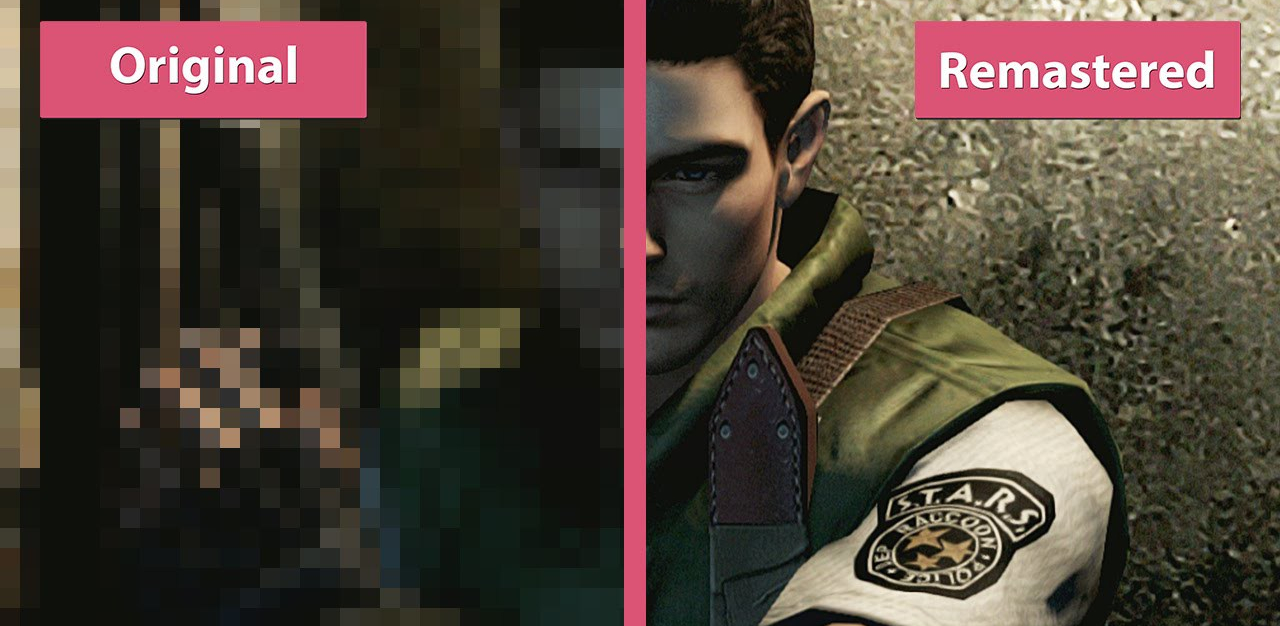
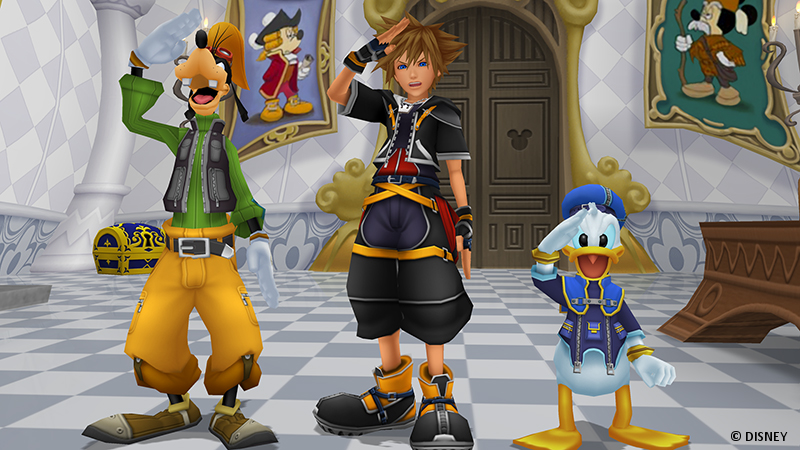
Generally speaking re-mastered titles have been given a bad rap when they have launched, predominantly in the last generation of consoles when PS2/Xbox games were brought to PS3 and Xbox 360. Take for example when the Splinter Cell titles were re-released on PS3; not much effort was put into these to make use of the new hardware or do the series much justice. Of course, there are exceptions where an old title can bring countless more hours worth of entertainment to new consoles, much like the Kingdom Hearts re-releases where bugs were ironed out and the graphics were given a new lease of life.

But there’s potentially an argument there in itself when it comes to a re-master; how far should they go to re-master the game and how much of the original should they keep in? Nostalgia is a funny thing and playing a poorly produced re-release, or one that doesn’t stay true to the original, can ruin the memories and attachment to a series for some gamers. We can all remember one bug or another from a previous game (before mandatory/automatic updates were a thing) which will forever stick in our brains, so if we remove these are we ruining the originality of the game?

KH2FM

It’s a tricky decision to make as this will probably split gamers right down the middle in terms of what they do and don’t want from re-mastered games. Personally I’d like the game to retain some of its originality, not completely overhauling the graphics, but to at least eradicate the bugs so it runs perfectly when it may not have done first time around.

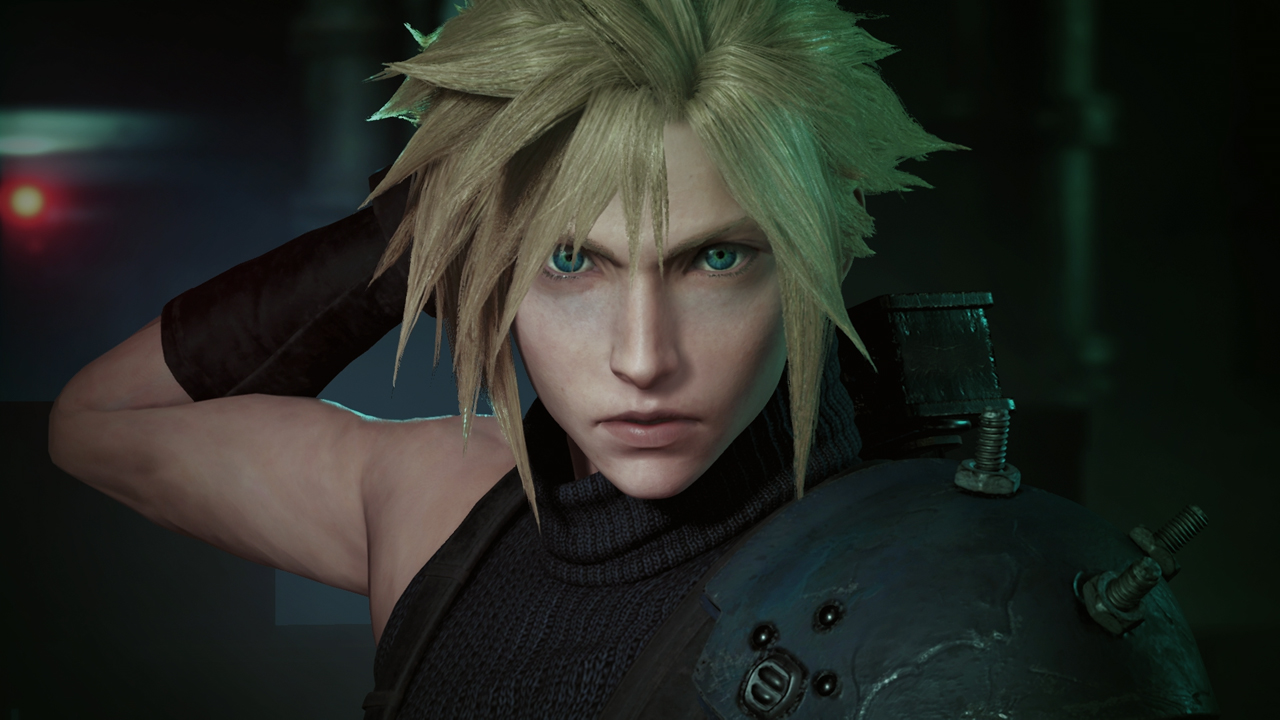
With that in mind though, would they not be best simply recreating the game from the ground up and using the old game as inspiration to update the game to current standards? One key example of this is the upcoming, and still quite secretive, remake of Final Fantasy 7. Not much is known about this game yet, but we do know that it will be overhauled and updated to modernise/bring it in more in-line with more recent Final Fantasy games. One of the main updates would be that the battles will now be more dynamic and open, rather than the traditional turn-based system used in the original.

If you asked me, I’d be more than happy to see this given a new lease of life using modern technology but keeping the fundamentals of the original. I’d want the turn-based combat to remain, yet more cinematics and the characters brought to life with voice acting, which they didn’t have previously. If you remake the game, you’re taking the game away from its roots in my eyes, and I would rather leave it as it was than potentially play this remake and it ruin my memories and feelings towards the original.

Yet there will be people who will welcome this with open arms and will love to see the game re-imagined and worked on by a new team with some fresh ideas that can make the game feel like it is brand new. So the question is: who do you please? Do you please the people who would like the roots of the game to be kept? Or do you aim the game at those who would like the game to be re-made from the ground up?

cloud ff7

Somewhere along the line it will all boil down to costings and which developers can be trusted to work on a beloved series or franchise as not to tarnish its reputation. It would also depend on its success, as the developers would not want to spend huge amounts of money on something that may flop, so should they spend money on re-masters or remakes at all?

When we are on the eve of having the most powerful home console delivered to us in Project Scorpio, and PS4 Pro already pushing 4K gaming, should we be focusing on bringing new content to the forefront? This time and money could be used better elsewhere in bringing us new IP’s, new experiences and ensuring the future of console gaming is secure. When all is said and done, don’t we have enough to play without bringing games back from the past?

That itself is a debate in itself for a different day, but I for one would like to think that we are moving on from the remake/re-master trend and begin to focus our attention on the future. Let’s celebrate what we have to come, not what we had, and embrace the new experiences that are yet to come.

Viewpoint: The Future of Nintendo: 3DS vs. Switch

It’s that time of year where most of the gaming headlines are focused on this year’s upcoming E3 event, wondering how Microsoft and Sony will approach their respective conferences. It’s no secret that we’ll already see more on Project Scorpio and Sony are keeping quiet as it stands. As for Nintendo though, their approach is the same as it has been for the last couple of years; we’ll do our own thing.

Nintendo seem to be a law unto themselves lately, keeping a distance from the constant arms race that Microsoft and Sony are engaged in an attempt to outdo one another. Whilst they will have a strong presence at E3, Nintendo have elected again to have a special E3 Nintendo Direct presentation instead. Undoubtedly, this will have many announcements for the Switch including more on Super Mario Odyssey and other familiar franchises.

But whilst the Switch may take up the majority of the conference where will the 3DS fit in, or the recently face lifted 2DS? You see the Switch allows gamers to enjoy their latest titles in various ways; docked or undocked, inside or outside the home. So with that in mind, what does the future hold for Nintendo? Will they look to wind down their record-breaking handheld console in favour of the Switch, or allow both to flourish in their own right?

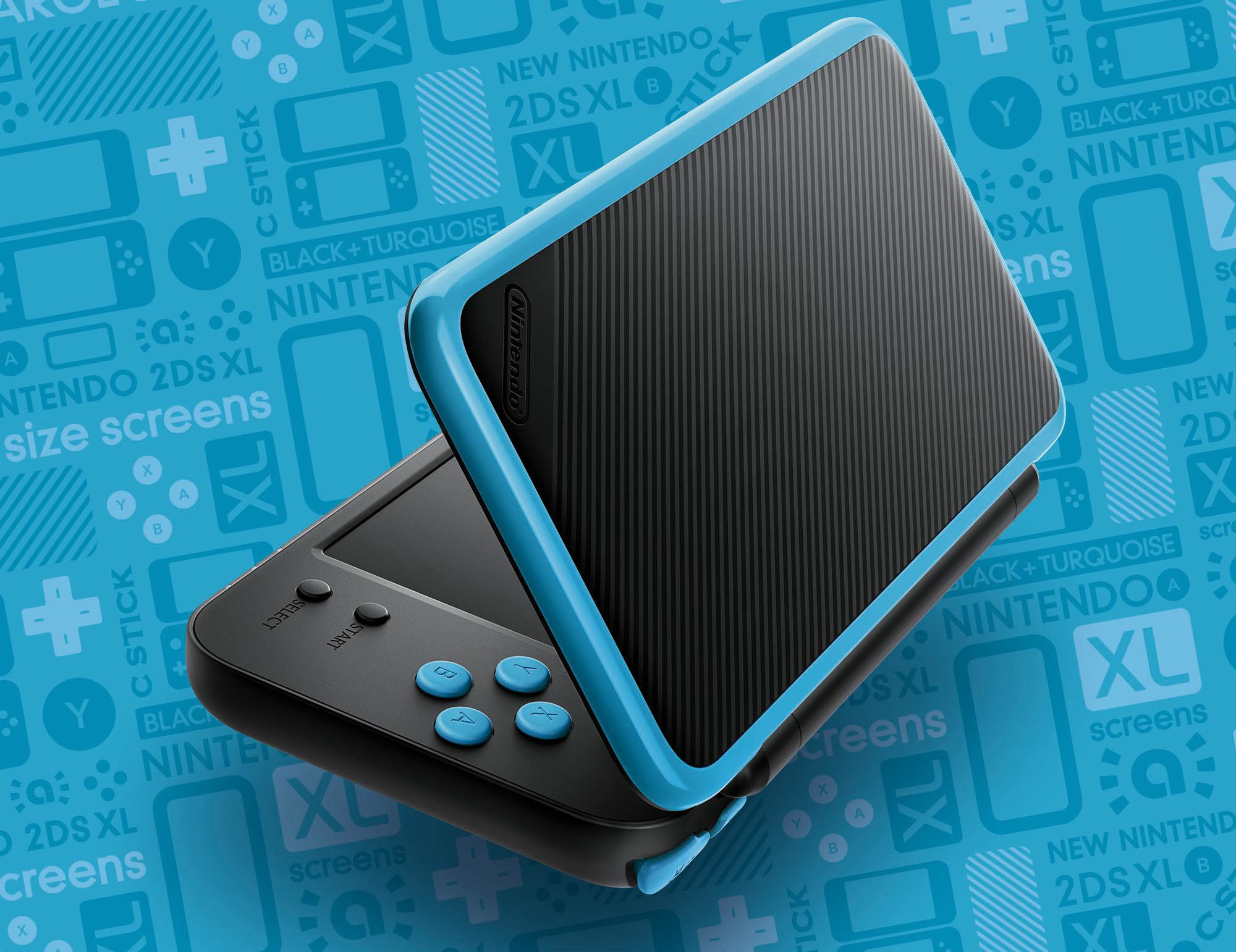
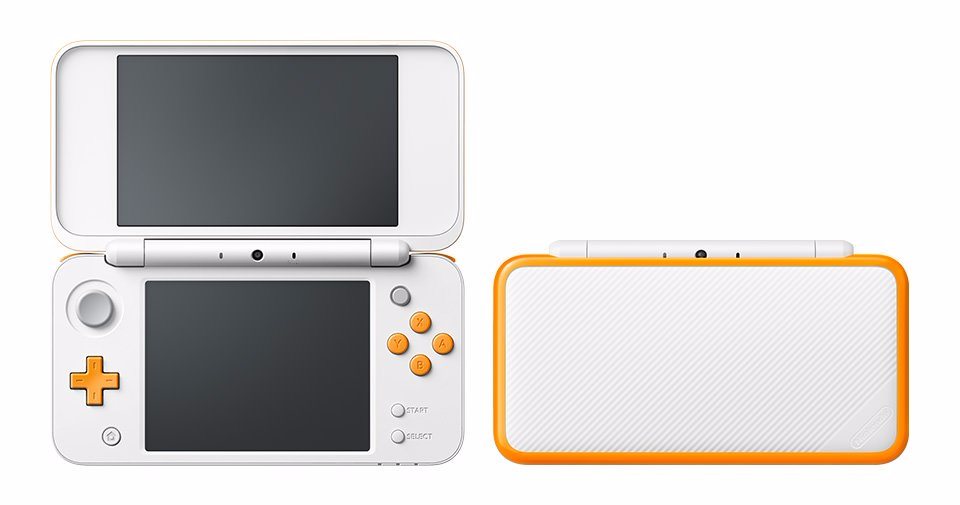
New 2DS

Nintendo face an interesting problem here as the Switch has proven to be very popular already. Many had questioned its popularity, but it has already flown off the shelves with limited availability in many regions. Granted, the launch line-up was limited but there are already some enticing games on the horizon which Switch owners can look forward to playing. Yet out of the blue with little warning, the new-look 2DS was announced which raises questions for both the 3DS and Switch.

The 2DS now falls in line with the tried and tested design of the 3DS, no longer looking like a doorstop. From the promotional images that have been released, it wouldn’t surprise me if many favoured one of these new units over the 3DS. With 3D gaming being a trend that has well and truly passed, it wouldn’t surprise me if many opted for this version or if Nintendo did start to end production of the 3DS itself.

But even then, does the Switch not offer a more viable option for mobile gaming? With the ability to take your home titles with you whilst you travel, you’re not getting a watered down version of the title to fit the portable platform. Granted, the 3DS/2DS would be more convenient size-wise and potentially have a longer battery life, but wouldn’t you rather have a better experience on a bigger and better screen?

These are questions purely based on the actual units themselves, but when you think about the games line-up it would surely make more sense to opt for the Switch. Personally, I own a Switch and have owned a 2DS and 3DS in the past. Even at this early stage, when the catalogue is relatively small, I would prefer to have a Switch and use that for portable gaming. Why would I need two devices that can offer the same function?

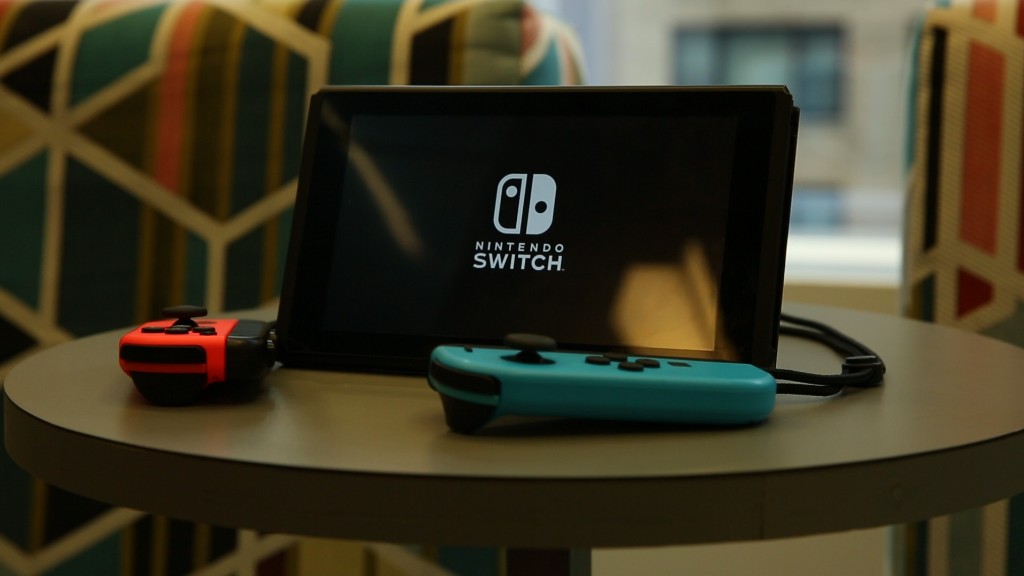
170302192617-nintendo-switch-1024x576

For example when Super Mario Odyssey comes out for the Switch, would you need a Mario game to come out on the handheld platform? I couldn’t see much demand for handheld spin-off, or a port of the Switch title onto the handheld when you could take the Switch with you. Of course, not every 3DS/2DS owner will have or want a Switch but surely Nintendo would want to support their latest console? What’s more, isn’t the idea of the Switch to offer the perfect solution to handheld gaming so you don’t need two devices?

Of course, there’s nothing to say that Nintendo can’t continue their handheld dominance and the Switch be a success at the same time. I think the Switch was a marker for their future however, and expect to see the Switch take priority for the handheld market. I wouldn’t want to feel that I was missing out on something only available on the 3DS/2DS nor would I want ports of Switch games to hold back their release. Granted this would be very unlikely, but Nintendo have got to please both audiences somehow.

I’m sure Nintendo will look to bring some exciting announcements to the table at their Direct showing for E3, some of which may clarify the future for both their console avenues. For all gaming fans, this year’s E3 could be the biggest and most exciting in recent years.

Viewpoint: Project Scorpio has caused quite a stir, but is it really a blow aimed at Sony?

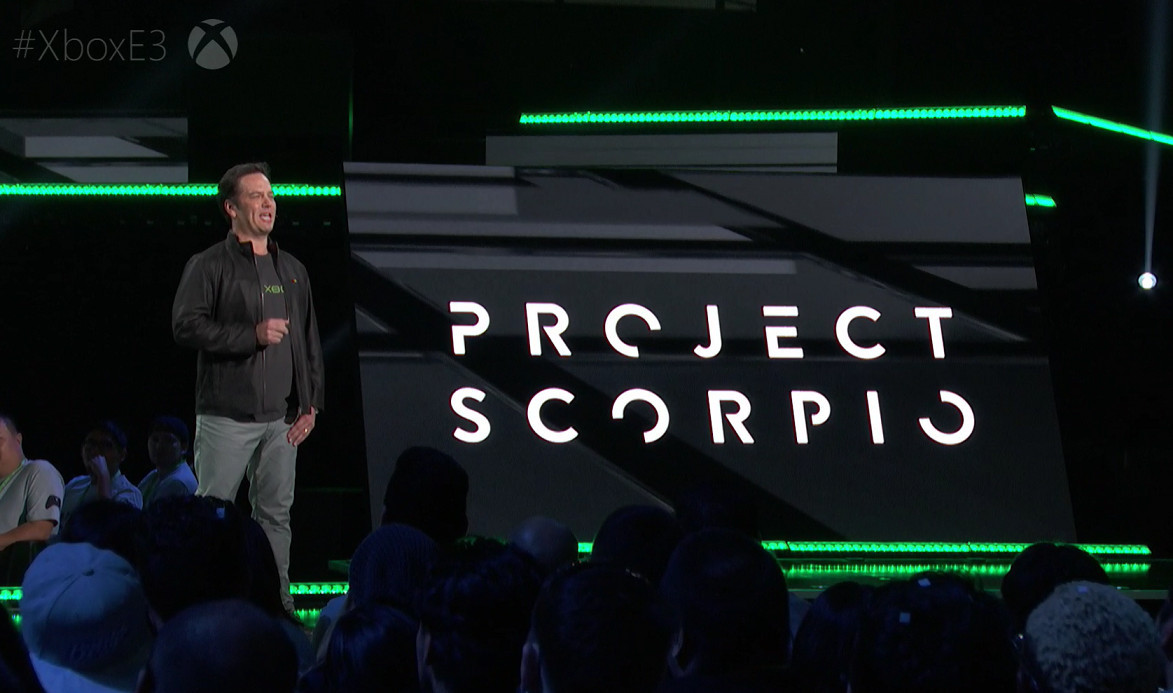
I thought I would let the dust settle somewhat before tackling Project Scorpio head-on because, let’s be honest, it’s caused quite a stir. The inferno that is the console war does not need any more fuel adding to it, but Microsoft seemed intent to deliver their next blow in the battle of attrition between them and Sony. But is it really a blow aimed at Sony? From what I can tell, Microsoft is putting an end to all the bravado and aiming to deliver the best experience possible for their fans.

It came as no real surprise when Scorpio was announced as a mid-generation upgrade rather than a successor to the Xbox One. Much like the PS4 Pro was for PlayStation fans, Project Scorpio will give One owners an opportunity to upgrade to a 4K capable machine. And, in my eyes, that’s what Scorpio is; an opportunity to be part of the next step in console evolution.

As technology evolves and becomes more affordable, our demands inevitably increase and create a natural cycle. Old technology becomes redundant with new and better technology replacing it within an undetermined time scale. Take the advent of HD as an example, this was the big pull and selling point for the last generation of consoles and gave us a real reason to upgrade to a newer console. Is that not what Scorpio is now trying to achieve much like the 360 did with HD but with 4K?

I’ve seen many an article and video blasting Scorpio saying it’s nothing more than a weak gaming PC in disguise and a gimmick, almost unnecessary. But I don’t see this as a problem as that’s what consoles are at the end of the day; lower spec PC’s offering a convenient gaming package to those that don’t want to fork out for a £1000+ gaming machine. Why build something yourself, when you can play the same games (albeit at a lower quality) in a pre-built unit that fits perfectly with the rest of your home entertainment collection?

Granted, it comes at a somewhat earlier stage in the current generation’s cycle than most were expecting, but Scorpio is the aforementioned convenience. We can now have native 4K gaming in a home console with no self assembly required. 4K was always inevitable, but imagine the outcry if we had to wait until the next generation of consoles before we could experience native 4K gaming. Yet when that opportunity is offered, it’s not good enough.

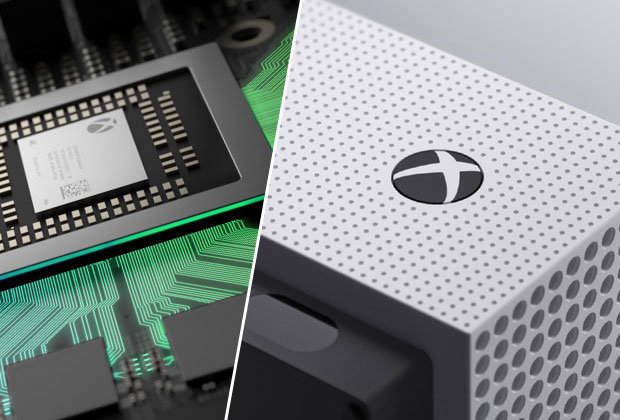
xbone

Before I penned this article, I conducted a poll on Twitter to see what the general consensus of my followers was regarding Scorpio. I expected the worst and only a small amount voted, but the results surprised me. Out of 90 votes, 70% of people said that they liked Scorpio and would buy it with 10% saying they wouldn’t buy it and 20% saying they liked it but wouldn’t buy it. Most people stated that the main reason for their excitement was being able to play games in 4K without the need to build a PC, justifying the above point.

Now it would be silly not raise questions over the cost of Scorpio as this will be a potential sticking point for most, myself included. Microsoft have already said that Scorpio will be a “Premium console” but the price will not be astronomical. Now this doesn’t really settle those pricing doubts, but let’s say worst case scenario it costs circa £450, that will be significantly less than a comparable PC. Of course this won’t be upgradeable, but for the foreseeable future this will surely future proof your console experience.

Personally, I’m really excited for Scorpio. I can see why some people may raise concerns over the quality of games suffering for the sake of running at 4K but I cannot see that happening. Now more than ever, gamers are more savvy with their purchases so developers can ill afford to deliver a game that runs at 4K, yet fails to deliver a meaningful experience. Nor can Microsoft afford to have another questionable launch on their hands.

If I were a gambling man, I’d back Scorpio to be big. I think Microsoft are confident that they are onto something and I think this year’s E3 will be very interesting indeed…

Review: Lego City Undercover Review (Nintendo Switch)

As a Wii U exclusive, Lego City Undercover was the very reason I purchased Nintendo’s under-supported console when it was first released. A questionable choice granted, but my Lego obsession knows very few bounds and beyond this, the console was left untouched. It’s quite funny then, that in its re-released form, I find myself playing Undercover once more on a Nintendo console; the Switch. Thankfully, given the Switch’s improvement in power over the Wii U, the Switch does Lego City justice and it’s a real treat to play as Chase McCain once more.

Those who played the game first time around will see that improvements have been made to Lego City, first and foremost with the resolution and frame rate. The game now runs at 1080p on the Switch (when docked) and the frame rate is much smoother than it was before (again, when docked). For the first ten hours or so of playtime, I ran Lego City undocked in order to see how it performed in both modes and to see how smoothly it ran. There were a few instances where the frame rate dropped slightly, and the resolution drop was noticeable at times, but there was nothing there to seriously dampen the experience.

2 player mode

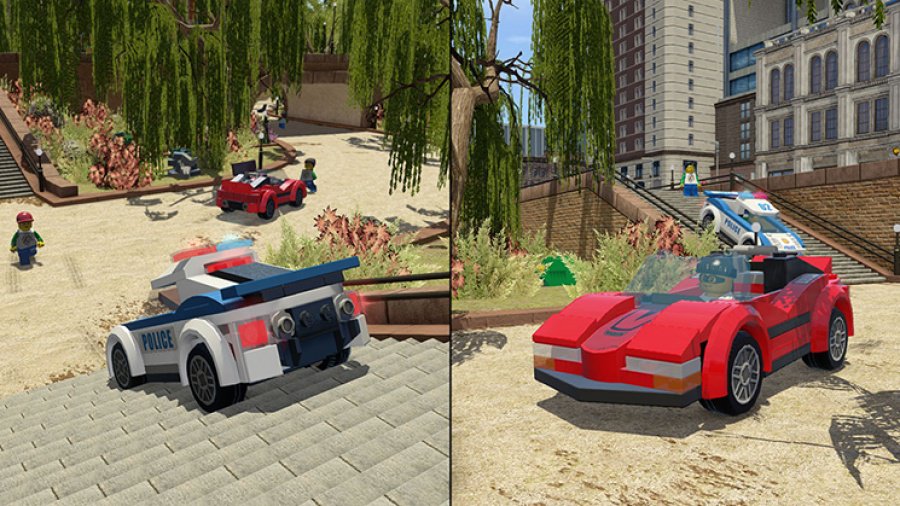
Content-wise, you’re getting exactly the same package that was released on the Wii U only this time there is a local co-op mode included. Much like the other Lego titles, this means that another player can drop it any time and join in the brick-smashing fun. Sadly there are no missions or puzzles specially designed for co-operative play, resulting in the second player acting as a second Chase as opposed to a partner of his. Given the size of the city though, there will be no shortage of things to see if you do decide to take on the game as a pair as opposed to solo.

All of the segments that were handled by the Wii U’s second screen are all now dealt with on-screen, which is at no detriment to the game whatsoever. Phone calls now pop up in the bottom corner of your screen, and the environmental scanner is now controlled by the two thumbsticks rather than holding your controller up and moving it around manually. The former is much more convenient as you don’t have to divert your attention away from the screen to watch the conversation unfold.

Blue Whittaker

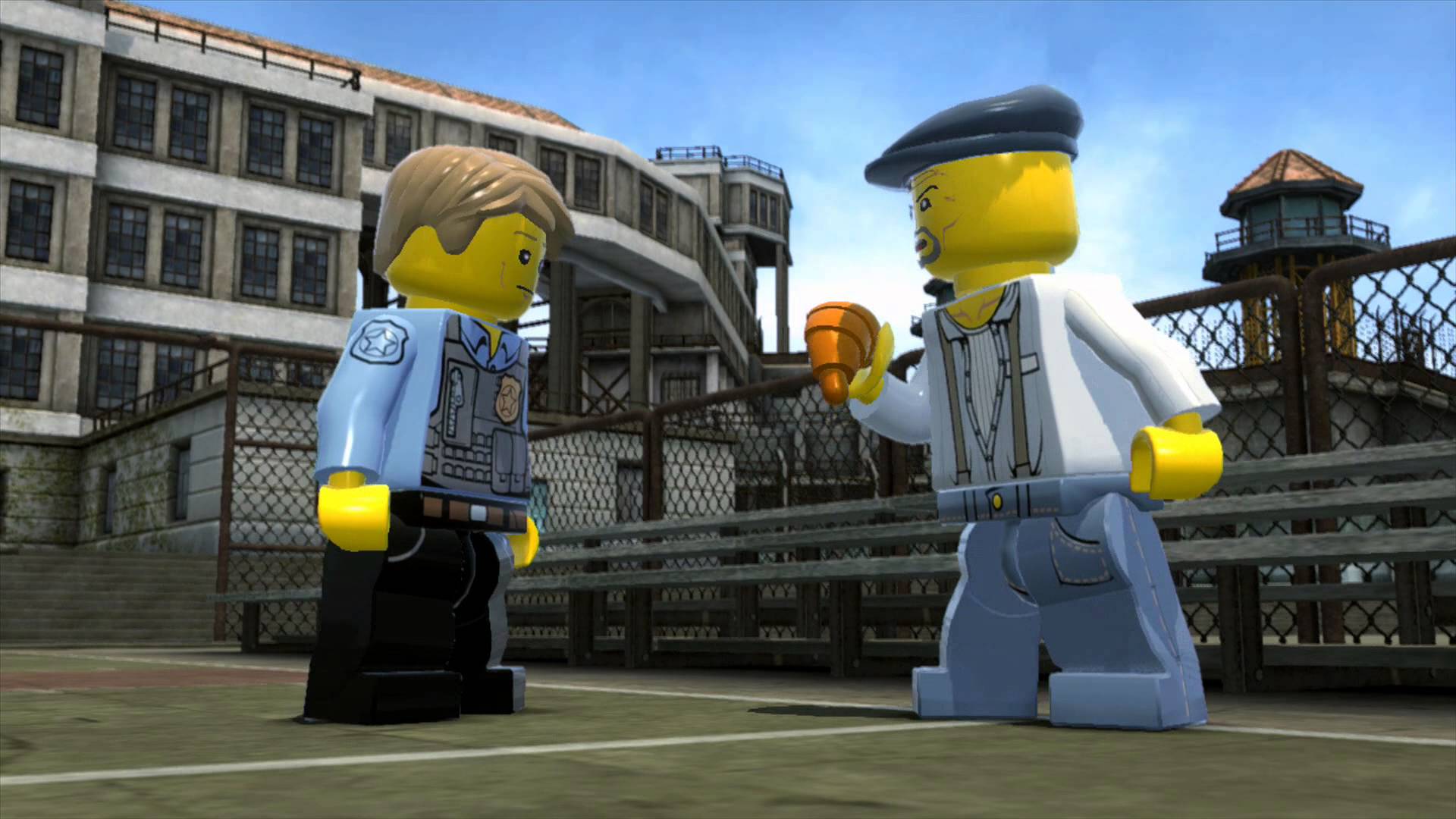
You certainly don’t want to miss any of the story or script as it is probably the wittiest title that Traveller’s Tales (TT) have written to date. There are countless references to popular TV shows and movies which are superbly written and integrated throughout both subtly and as part of the main story. The reference to Morgan Freeman and The Shawshank Redemption is a noteworthy example of this.

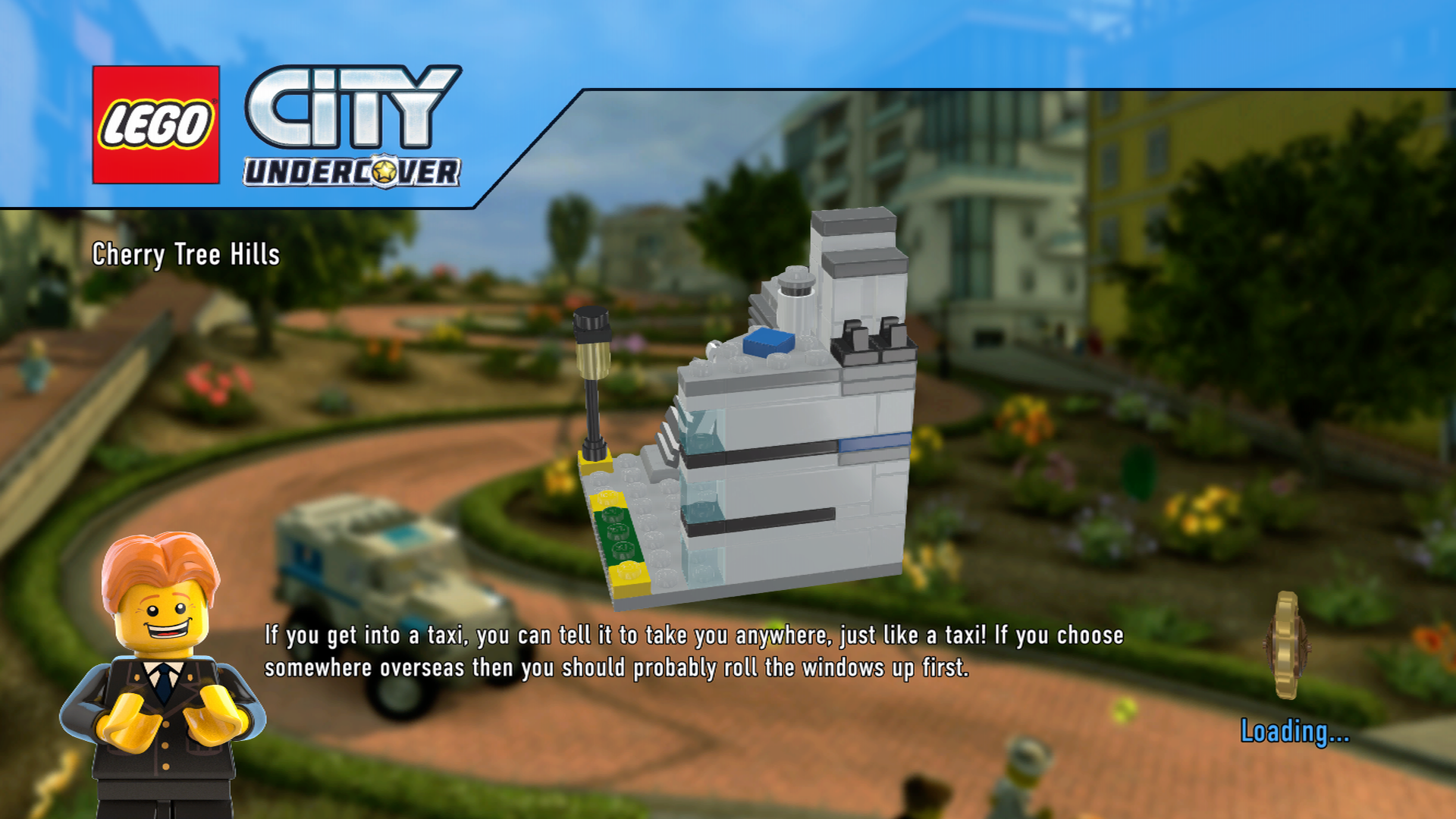
If there’s one thing that lets Undercover down, it’s the poor optimisation in the load times which plagued the Wii U outing, and sadly do the same here. It would have been nice to see TT give this area some attention to address the problem, but this does not appear to be the case, with some load screens being evident for over a minute in some instances. Much like the frame rate drops, this isn’t something that will spoil the experience, but it is noticeable, nonetheless when you’re left waiting for the next section or chapter to load.

Lego City Undercover Loading Screen

The main string of story missions will probably take the average gamer around ten hours to complete, but the sheer volume of extras on the side mean Lego City has a near endless playtime which only adds to its appeal. It’s not perfect, that’s a given, but it’s the best Lego title there has been to date and should be played by newcomers and returners alike.